
Key Takeaway
• Ford Transit exterior lengths range from 5,531mm (L2) to 6,704mm (L4) — approximately 18 to 22 feet
• Interior load lengths span 3,083mm to 4,217mm, accommodating 4-5 Euro pallets depending on variant
• Width remains universal at 1,784mm across all models — length and height are your primary decision factors
• Choose H2 (standard roof) for height-restricted routes, H3 (high roof) for maximum cargo volume
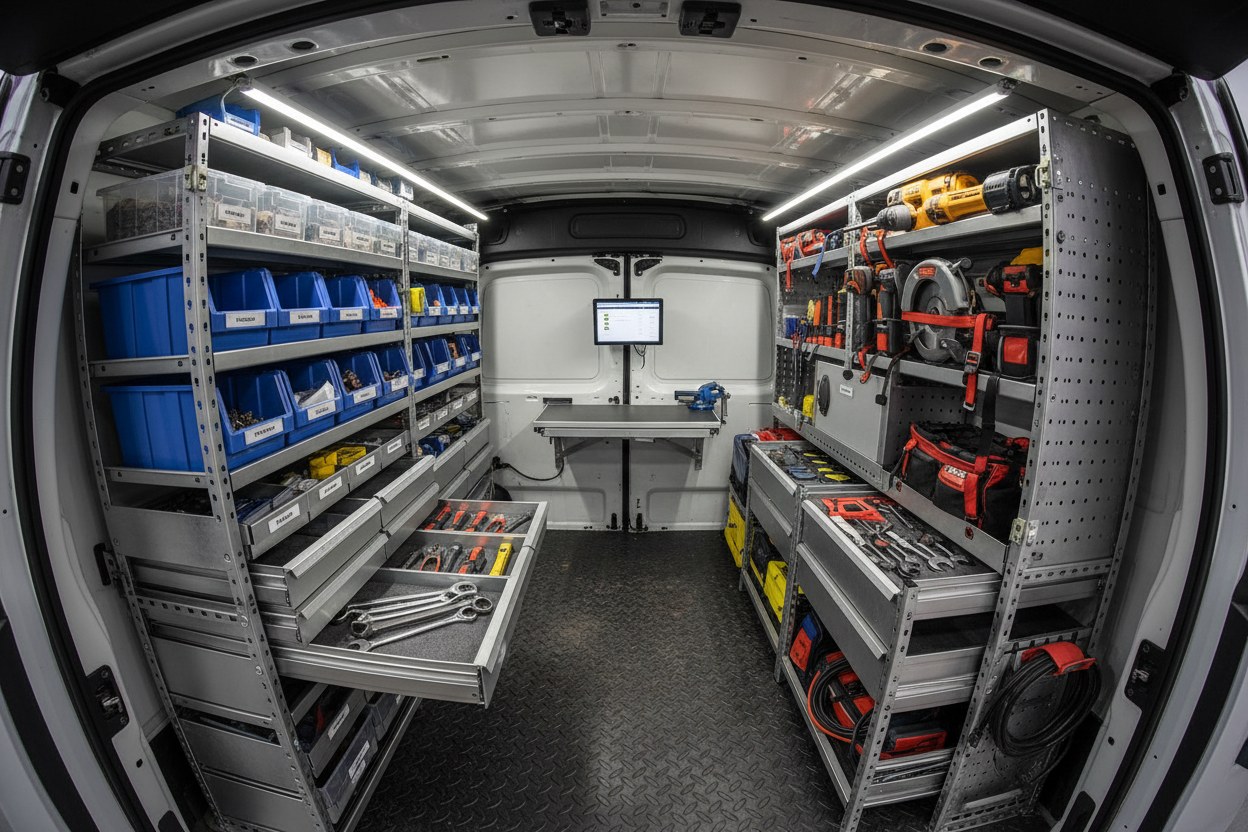
Looking for the right van racking solution? Visit Van Shelves for complete shelving systems tailored to your Ford Transit.

Introduction
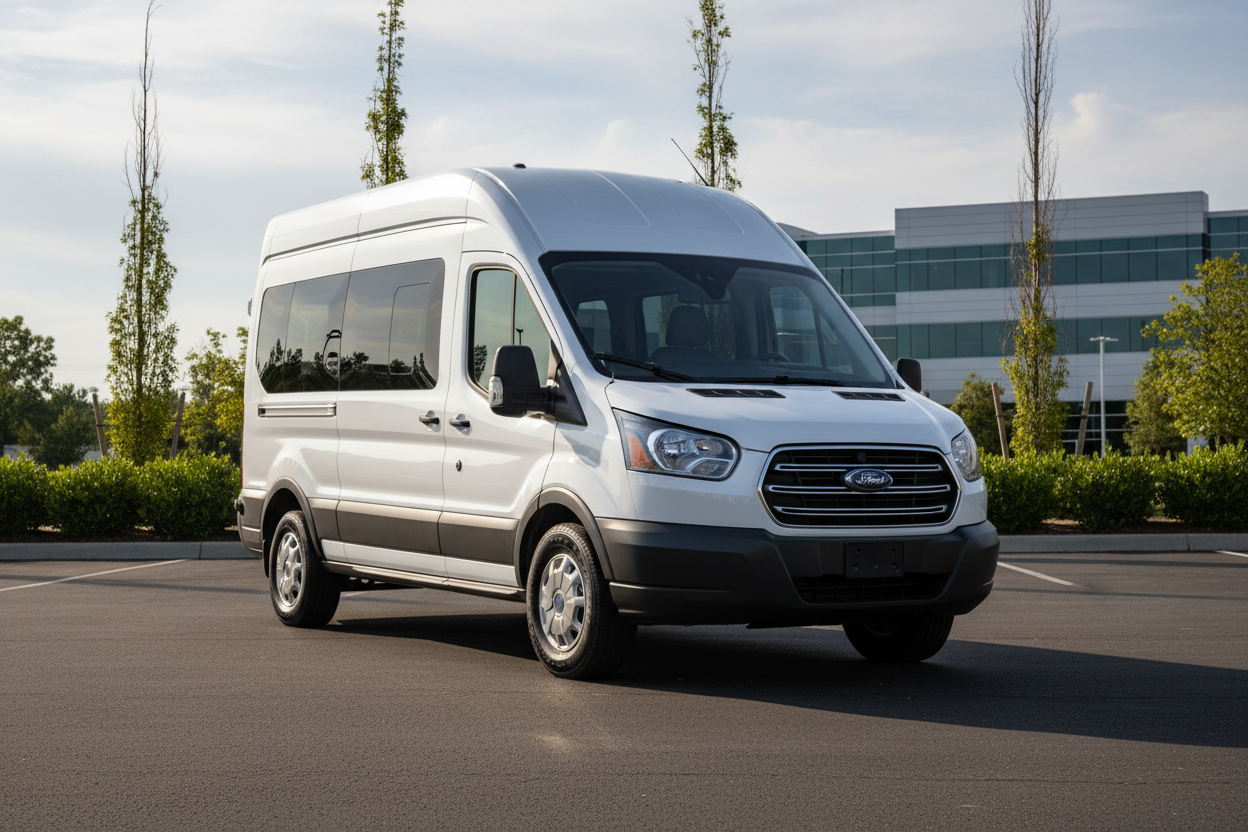
The Ford Transit length varies from 5,531mm to 6,704mm (roughly 18 to 22 feet) depending on the wheelbase configuration you choose. Understanding these dimensions matters when planning parking clearance, calculating load capacity, or ensuring fleet compliance with site access restrictions. This guide covers exterior length by variant, interior load dimensions, height options, payload capacity, and how the Transit compares to key competitors like the Renault Master and Fiat Ducato. Whether you're fitting out a van with Ford Transit racking or simply determining which model suits your operational needs, this breakdown gives you the measurements that matter.
Ford Transit Lengths by Model — The Full Breakdown
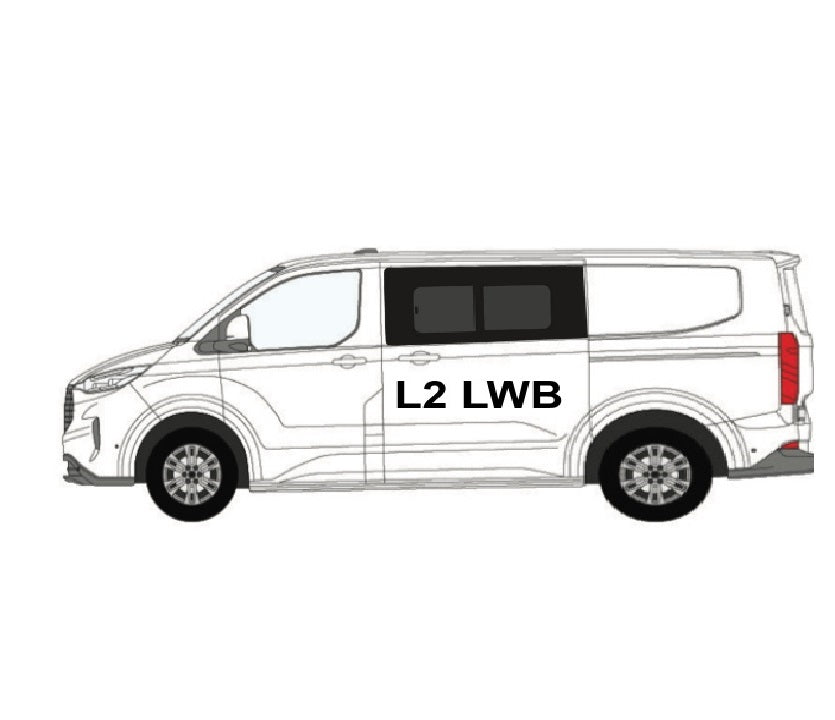
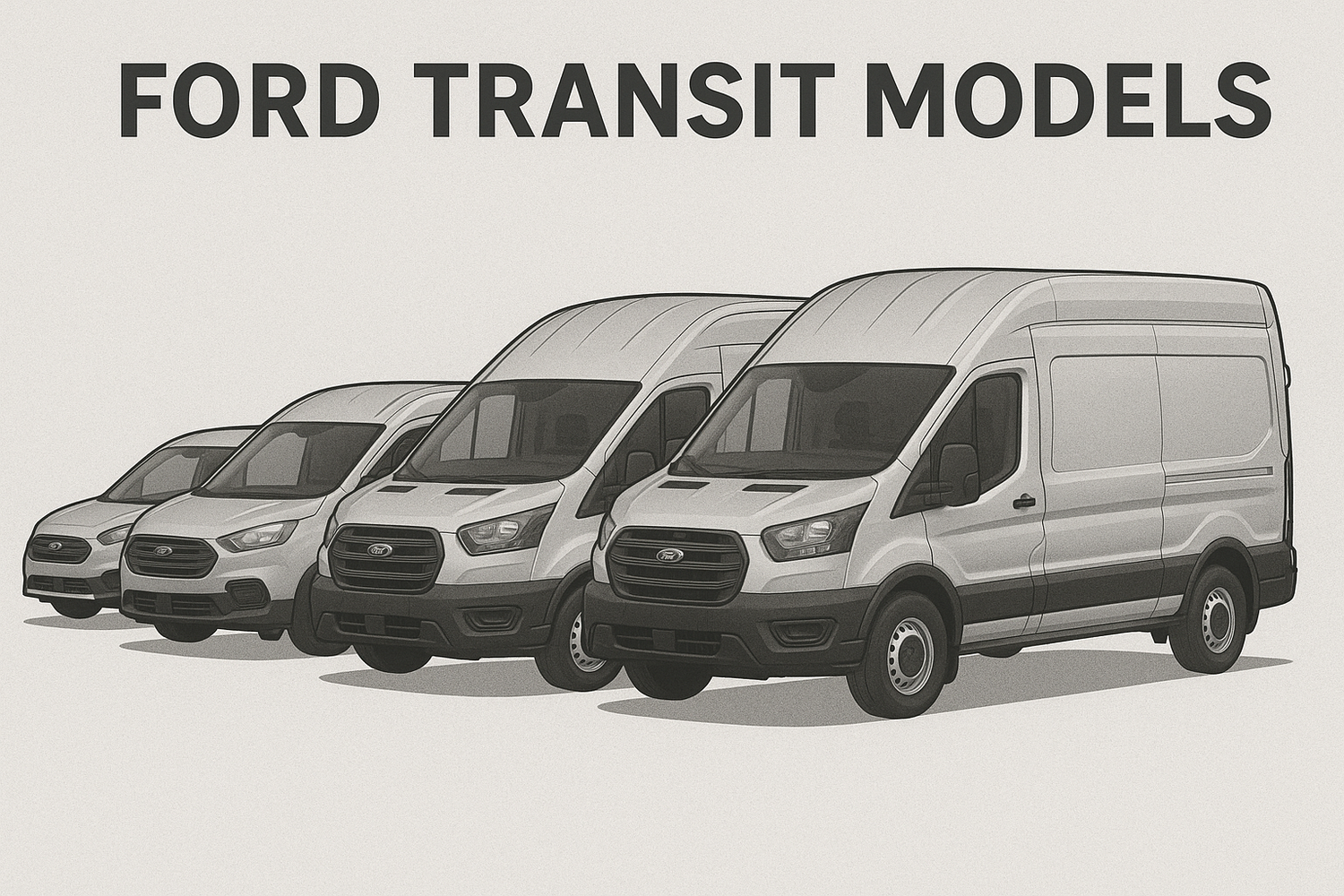
Ford uses an L2/L3/L4 naming system to designate short, medium, and long wheelbase variants respectively. The wheelbase directly dictates overall exterior length and interior load space. Across all variants, width including mirrors remains consistent at 2,474mm, simplifying lane positioning and site access planning. Your primary decisions revolve around length and roof height, which we'll address in the sections that follow.
Exterior Dimensions by Body Style
|
Model |
Overall Length |
Wheelbase |
Height (H2/H3) |
Width (incl. mirrors) |
|
L2 H2 |
5,531 mm |
3,300 mm |
2,413 mm |
2,474 mm |
|
L2 H3 |
5,531 mm |
3,300 mm |
2,652 mm |
2,474 mm |
|
L3 H2 |
5,981 mm |
3,750 mm |
2,411 mm |
2,474 mm |
|
L3 H3 |
5,981 mm |
3,750 mm |
2,650 mm |
2,474 mm |
|
L4 H3 |
6,704 mm |
3,750 mm |
2,680 mm |
2,474 mm |
Width is universal across all variants — the only decisions you need to make revolve around length and roof height. For operators managing multiple Transits or planning custom crew cab racking installations, this consistency simplifies equipment standardization across your fleet.
How Tall Is a Ford Transit?
Ford Transit height depends on whether you select the H2 standard roof or H3 high roof configuration. The H2 measures approximately 2.41–2.54 meters and comfortably fits under most UK 2.5-meter height restrictions, making it suitable for underground car parks and urban loading bays. The H3 clears most motorway bridges at around 2.65–2.78 meters but requires attention in multi-story car parks and certain covered loading zones.
For any trade use prioritizing cargo volume over clearance flexibility, the high roof is strongly recommended. If your routes involve mixed urban and commercial environments with frequent height-restricted access points, the standard roof provides greater versatility. Always re-check total height after installing roof bars, aerials, or other accessories — these modifications can push you beyond clearance thresholds that would otherwise be safe.

Ford Transit Internal Load Dimensions — What Actually Fits?
Interior loadspace dimensions determine whether your Transit can accommodate specific cargo, from pallet quantities to oversized equipment. Standard load width sits at 1,784mm across all models, with the area between wheel arches measuring 1,392mm. This means your planning revolves around length and height rather than width variations.
Interior Loadspace by Model
|
Model |
Load Length |
Load Height |
Load Width |
Between Arches |
Volume |
|
L2 H2 |
3,083 mm |
1,886 mm |
1,784 mm |
1,392 mm |
10.0 m³ |
|
L2 H3 |
3,083 mm |
2,125 mm |
1,784 mm |
1,392 mm |
11.2 m³ |
|
L3 H2 |
3,533 mm |
1,886 mm |
1,784 mm |
1,392 mm |
11.5 m³ |
|
L3 H3 |
3,533 mm |
2,125 mm |
1,784 mm |
1,392 mm |
13.0 m³ |
|
L4 H3 |
4,217 mm |
2,025 mm |
1,784 mm |
1,392 mm |
15.1 m³ |
Note: RWD and AWD models reduce load height by approximately 100mm and volume by around 0.5m³ due to drivetrain components.
Pallet Capacity Guide
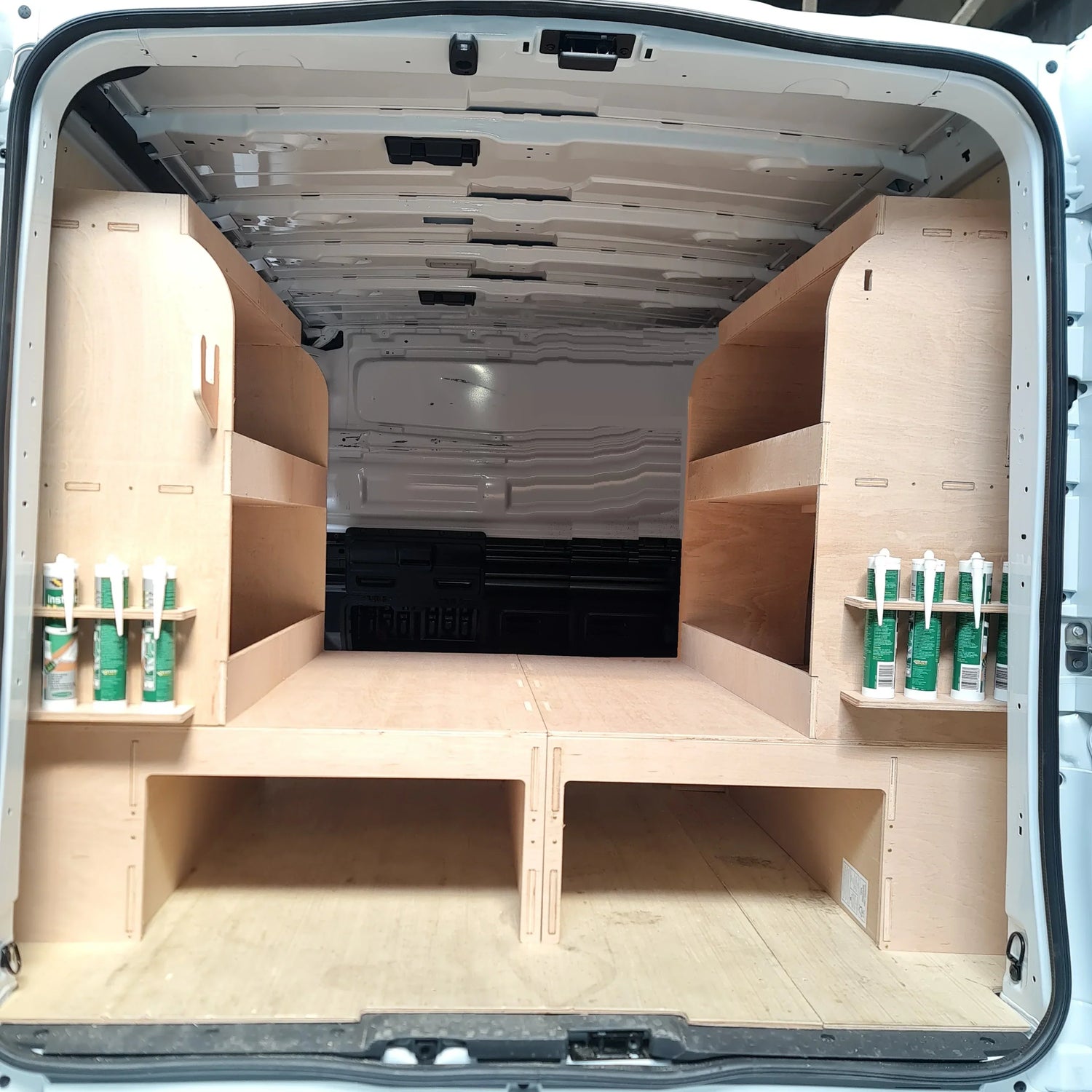
Standard Euro pallets measure 1,200×800mm and fit comfortably within the 1,392mm wheel arch width. L2 and L3 variants accommodate up to four Euro pallets, while the L4 extends capacity to five. This makes the L4 particularly attractive for distribution operations where maximizing per-trip volume directly impacts cost efficiency. For operators installing Ford Connect shelving or organizing loadspace with modular racking, knowing your pallet count upfront simplifies system selection.
Ford Transit Payload & Towing Capacity
Payload ranges from approximately 1,027kg for the FWD 310 configuration up to 2,412kg for the 5.0-tonne RWD L4 H3 variant. Gross Vehicle Weight options include 3.5T, 4.7T, and 5.0T for diesel models, while the E-Transit offers 3.9T to 4.25T. The critical insight here is that payload varies significantly within the same body size depending on GVW selection — choose your GVW first based on operational requirements, then select body dimensions.
Towing capacity reaches up to 3,500kg braked for diesel variants, making the Transit suitable for hauling trailers with substantial equipment or materials. The E-Transit is limited to 750kg maximum, reflecting battery weight constraints. For fleet operators balancing payload against towing needs, diesel models remain the more versatile choice when heavy trailer use is anticipated.

How Does the Ford Transit Compare to Rivals?
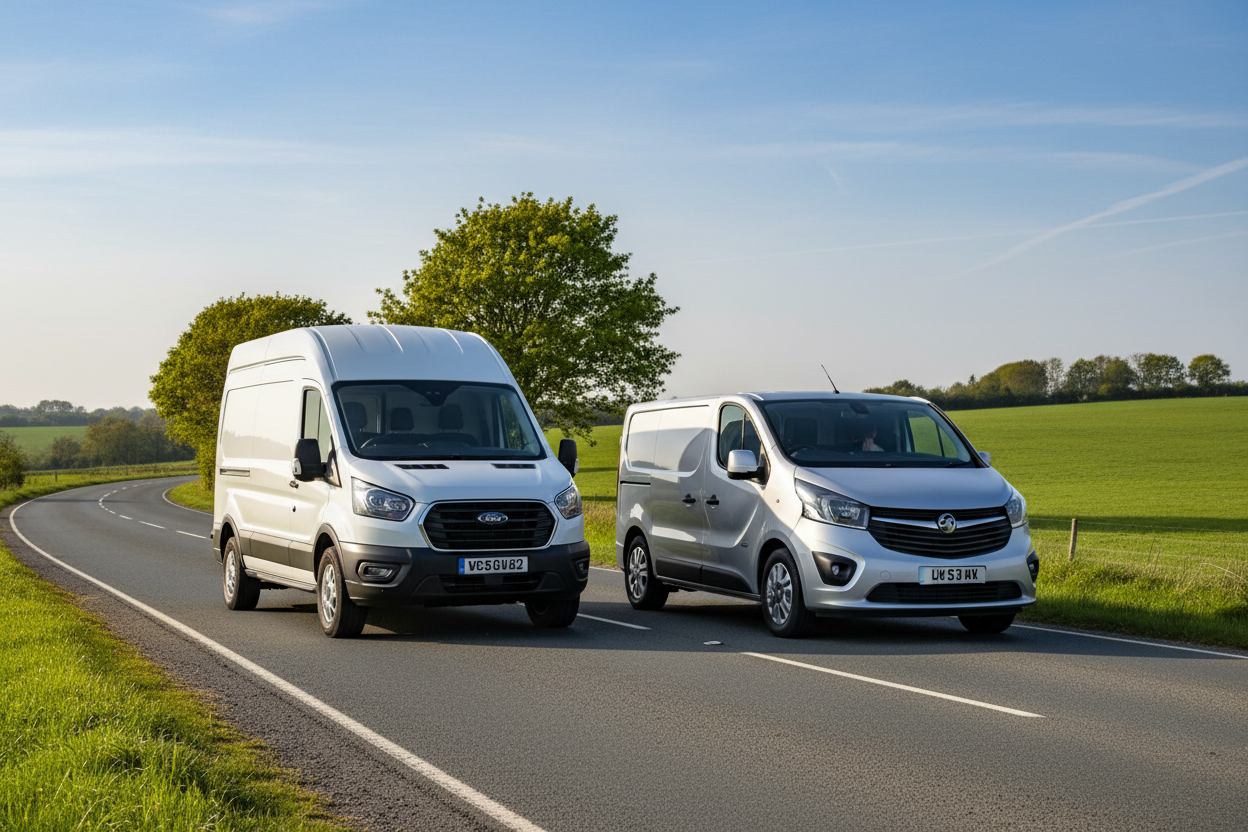
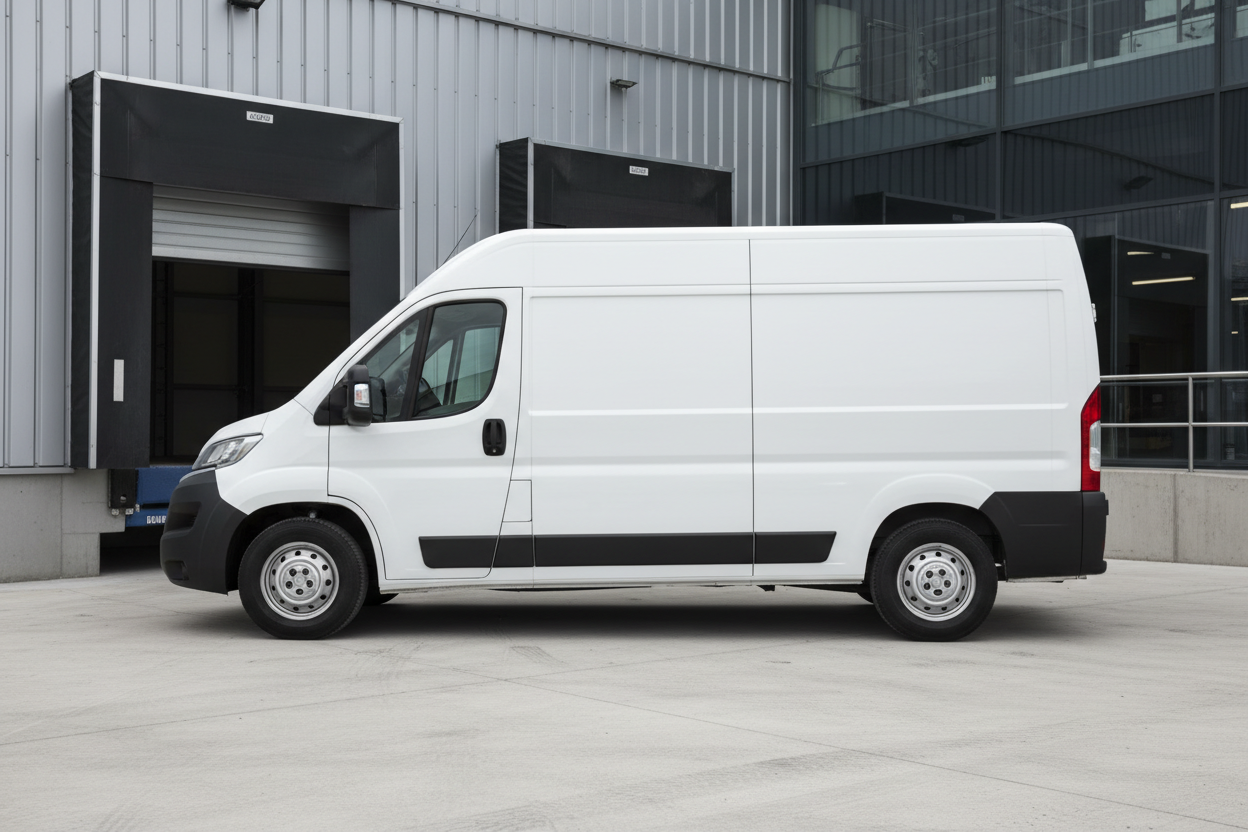
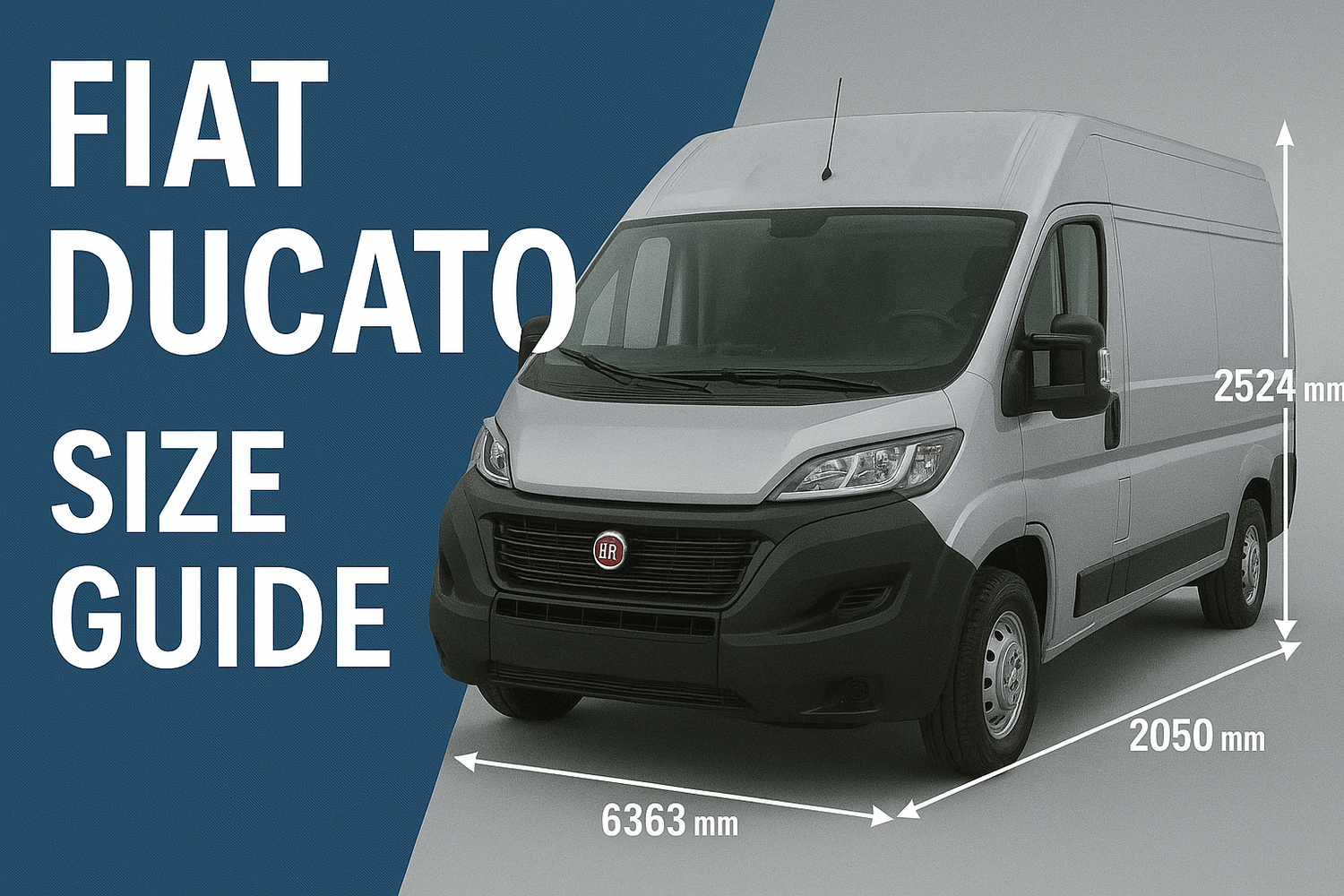
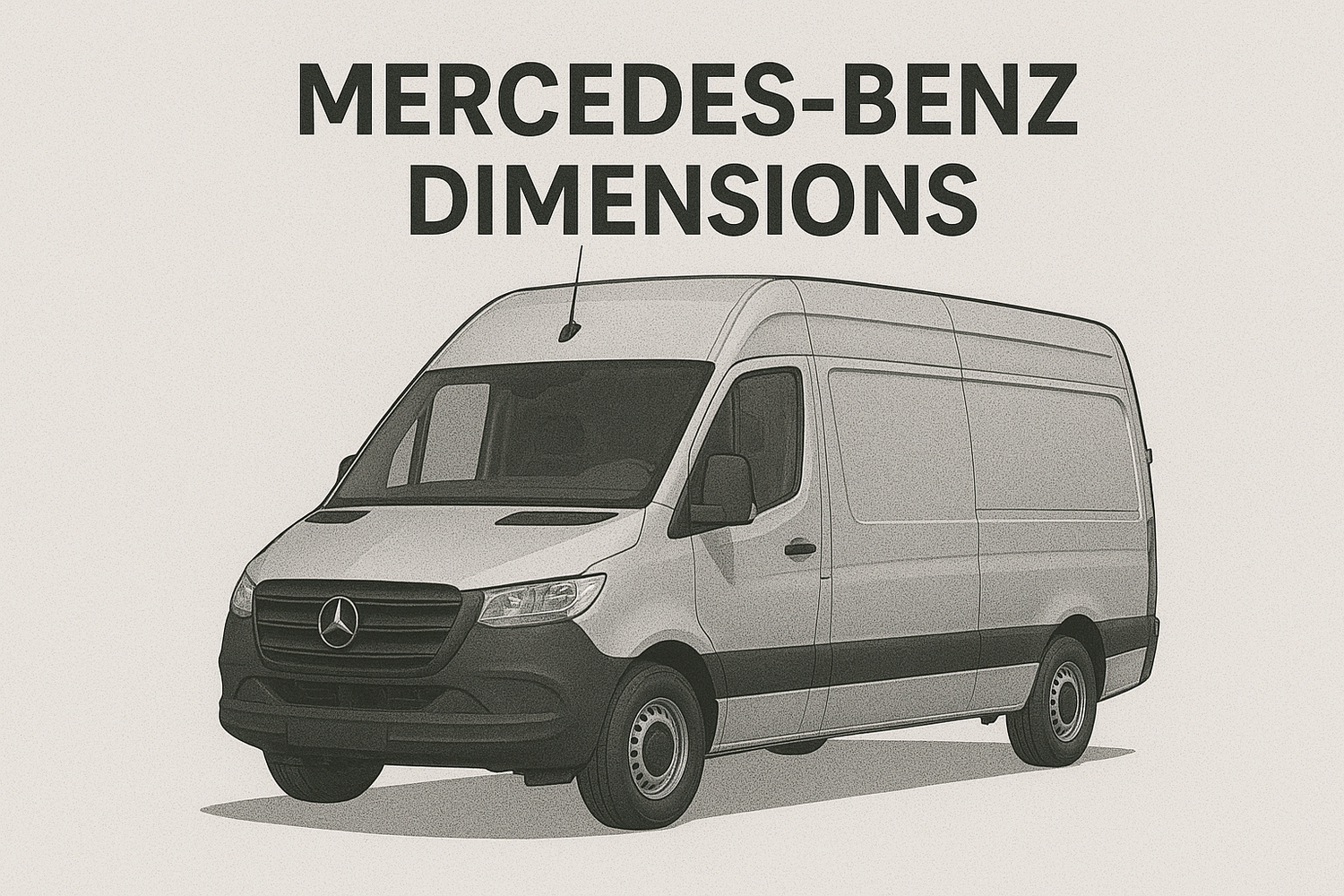
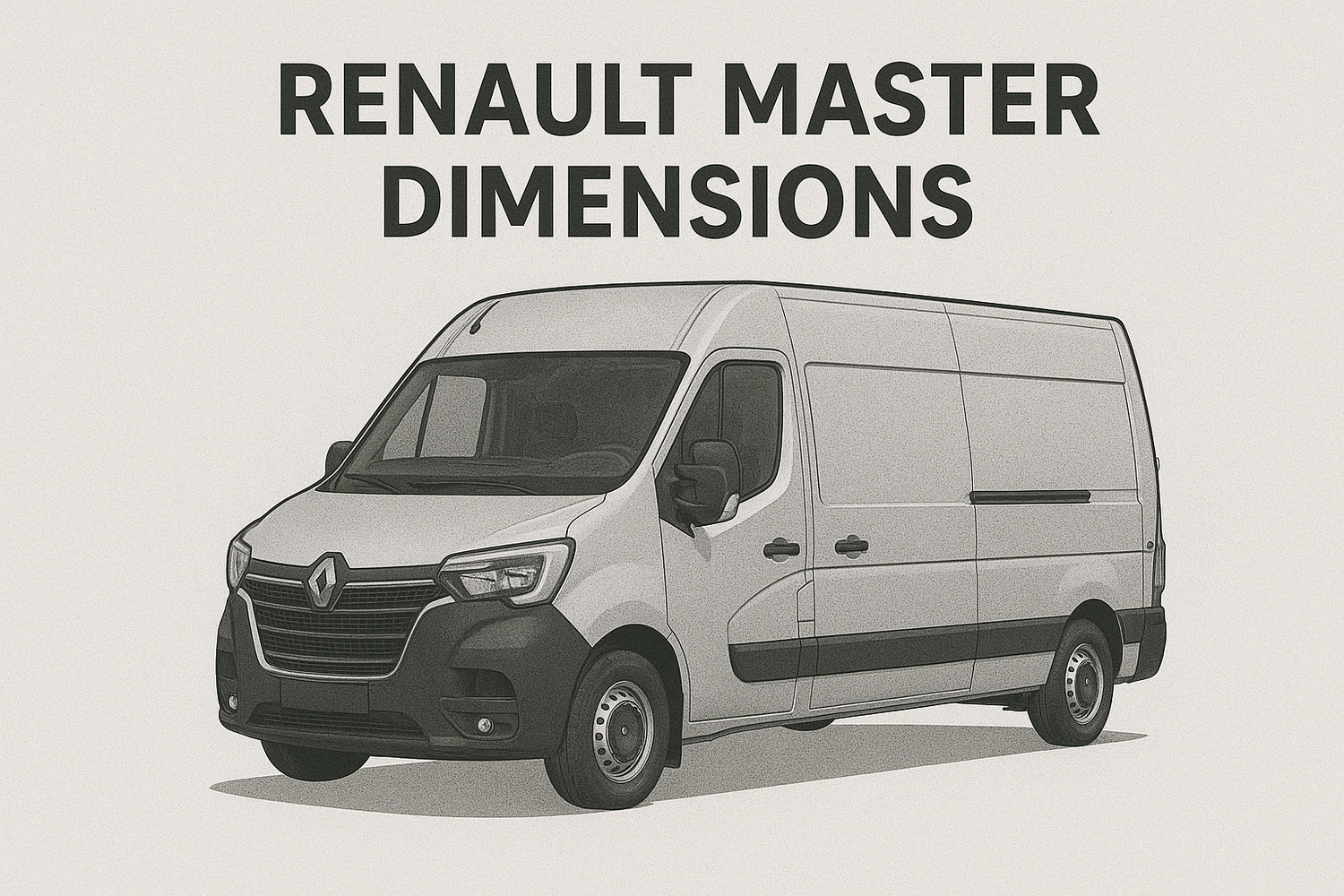
The Ford Transit competes directly with the Renault Master and Fiat Ducato in the large van segment. Comparing representative L2 H2 configurations reveals where each model trades advantages. The Master offers slightly higher load volume and payload, while the Ducato delivers strong interior length despite a shorter exterior footprint. The Transit counters with superior towing capacity and a well-established UK parts and service network.
Transit vs Rivals (L2 H2 Comparison)
|
Specification |
Ford Transit |
Renault Master |
Fiat Ducato |
|
Exterior Length |
5,531 mm |
5,680 mm |
5,413 mm |
|
Load Length |
3,083 mm |
3,225 mm |
3,120 mm |
|
Load Volume |
10.0 m³ |
10.8 m³ |
11.5 m³ |
|
Payload (kg) |
1,364 |
1,971 |
1,475 |
|
Max Towing (kg) |
2,600 |
2,500 |
2,500 |
The Transit trades slightly lower interior volume for superior towing capability and a proven UK parts and service network — a strong value proposition for mixed-use operators who prioritize reliability and post-purchase support over maximizing cubic capacity.
Which Ford Transit Length Is Right for You?
Selecting the right Transit length depends on balancing operational requirements against access constraints. The L2 short wheelbase suits urban deliveries, solo traders, and tight parking scenarios where maneuverability matters. The L3 medium wheelbase represents the best all-rounder for trade use — it fits most loading bays while providing ample volume for tools, materials, and equipment. The L4 long wheelbase serves removals, large equipment transport, and high-volume fleet operations where maximizing per-trip capacity justifies the extra length.
Quick Decision Checklist:
• Confirm garage or car park height limits against your chosen roof configuration
• Measure your longest regular load item to validate interior length coverage
• Calculate typical pallet counts and verify the variant accommodates your needs
• Select GVW based on maximum anticipated payload, then finalize body size
For operators planning van shelving installations, finalizing dimensions upfront ensures your racking system integrates seamlessly without compromising loadspace efficiency.
Conclusion
Ford Transit lengths run from 5,531mm for the L2 short wheelbase to 6,704mm for the L4 long wheelbase, with interior load lengths spanning 3,083mm to 4,217mm. Width remains universal across all variants at 1,784mm, meaning your primary decisions revolve around length and roof height. Choose the H2 standard roof when height restrictions dominate your routes, and select the H3 high roof when cargo volume takes priority. Always validate payload capacity before committing to a GVW — the difference between a 3.5T and 5.0T variant significantly impacts what you can legally carry.
Ready to equip your Transit with a professional shelving system? Explore Ford Transit racking solutions designed to maximize your loadspace efficiency.
Frequently Asked Questions
What is the shortest Ford Transit length?
The shortest Ford Transit is the L2 variant at 5,531mm exterior length, with an interior load length of 3,083mm. This configuration works well for urban operations where parking space and maneuverability are priorities.
How many pallets fit in a Ford Transit?
L2 and L3 Transit variants accommodate up to four standard Euro pallets, while the L4 extends capacity to five pallets. The 1,392mm width between wheel arches comfortably fits the 1,200×800mm Euro pallet footprint.
Does Transit width vary by model?
No — all Ford Transit variants share a universal width of 2,474mm including mirrors, and 1,784mm for interior load width. This consistency simplifies fleet standardization and racking system selection.
What is the difference between H2 and H3 roof heights?
The H2 standard roof measures approximately 2.41–2.54 meters, fitting under most UK 2.5-meter height restrictions. The H3 high roof stands at roughly 2.65–2.78 meters, offering greater cargo volume but requiring attention in multi-story car parks and covered loading areas.