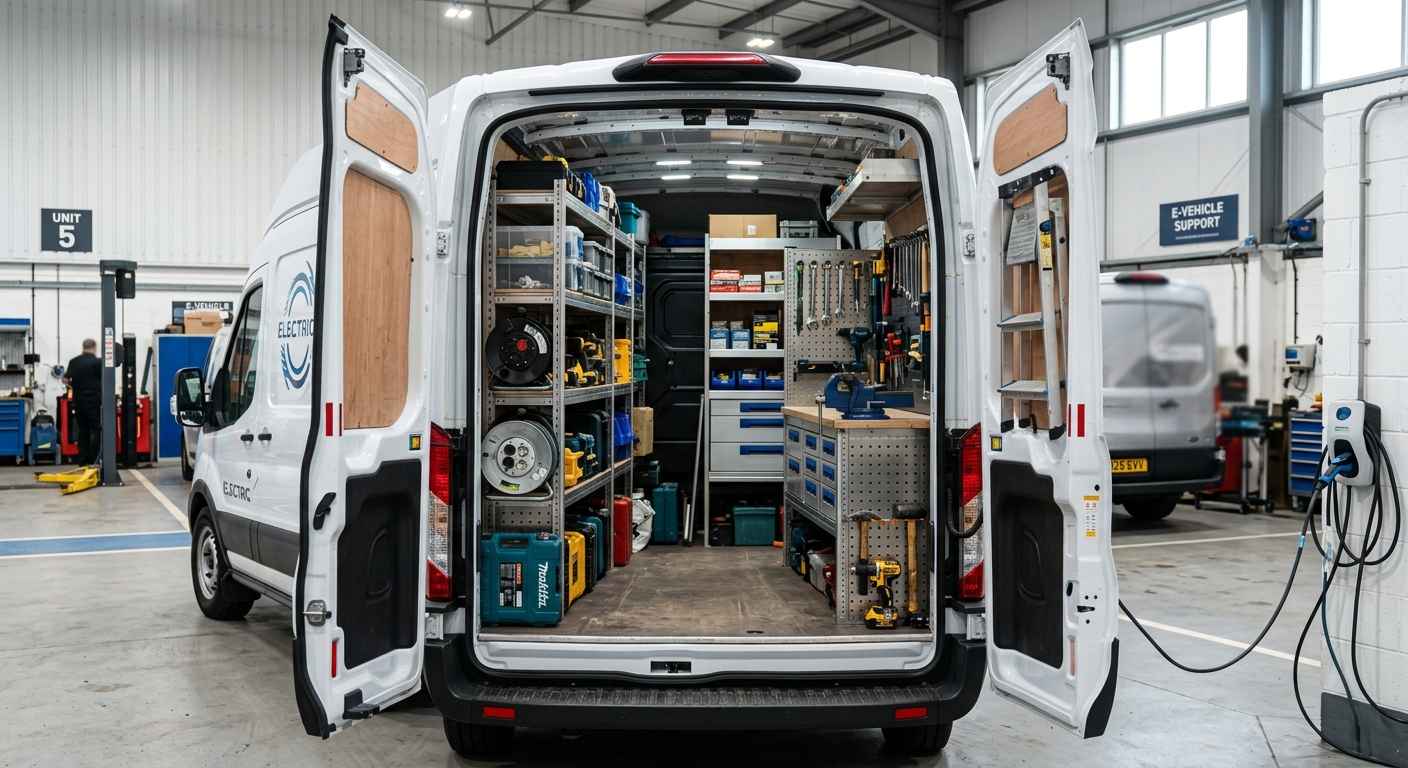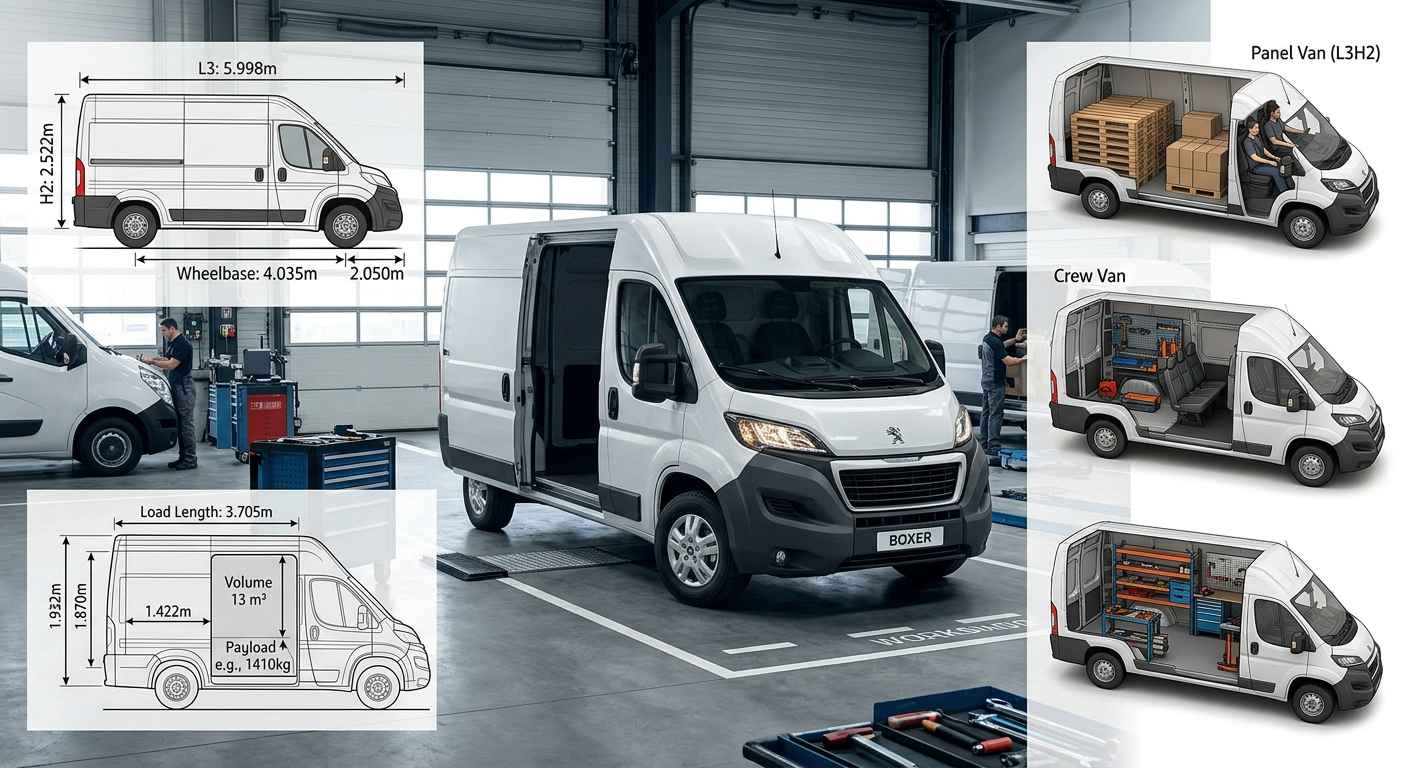






Poor van organization costs UK tradespeople thousands annually in lost time and damaged tools - but choosing the wrong racking system makes this problem even worse.
Whether you're building your first van setup or replacing worn-out shelving, the decision between DIY plywood and pre-made steel systems affects your wallet for years to come.
This analysis reveals the true costs, durability differences, and hidden factors that determine which system actually saves money long-term.
We'll examine real-world data from UK tradespeople, compare total ownership costs over 5+ years, and show you exactly when each option makes financial sense. With van registrations continuing to grow across the UK, getting this decision right matters more than ever.
TL;DR: Steel vs Plywood - Which Wins Long-Term?
DIY plywood costs significantly less upfront but steel systems typically last 2-3 times longer with superior durability.
Steel offers better weight distribution and can add value to van resale, while plywood provides customization flexibility for budget-conscious tradespeople willing to accept shorter lifespan and higher maintenance.
Quick Decision Framework:

- Choose plywood if: Budget under £400, have carpentry skills, need unique customization
- Choose steel if: Want 5+ year lifespan, professional appearance matters, prefer minimal maintenance
What DIY Plywood Van Racking Actually Costs to Build
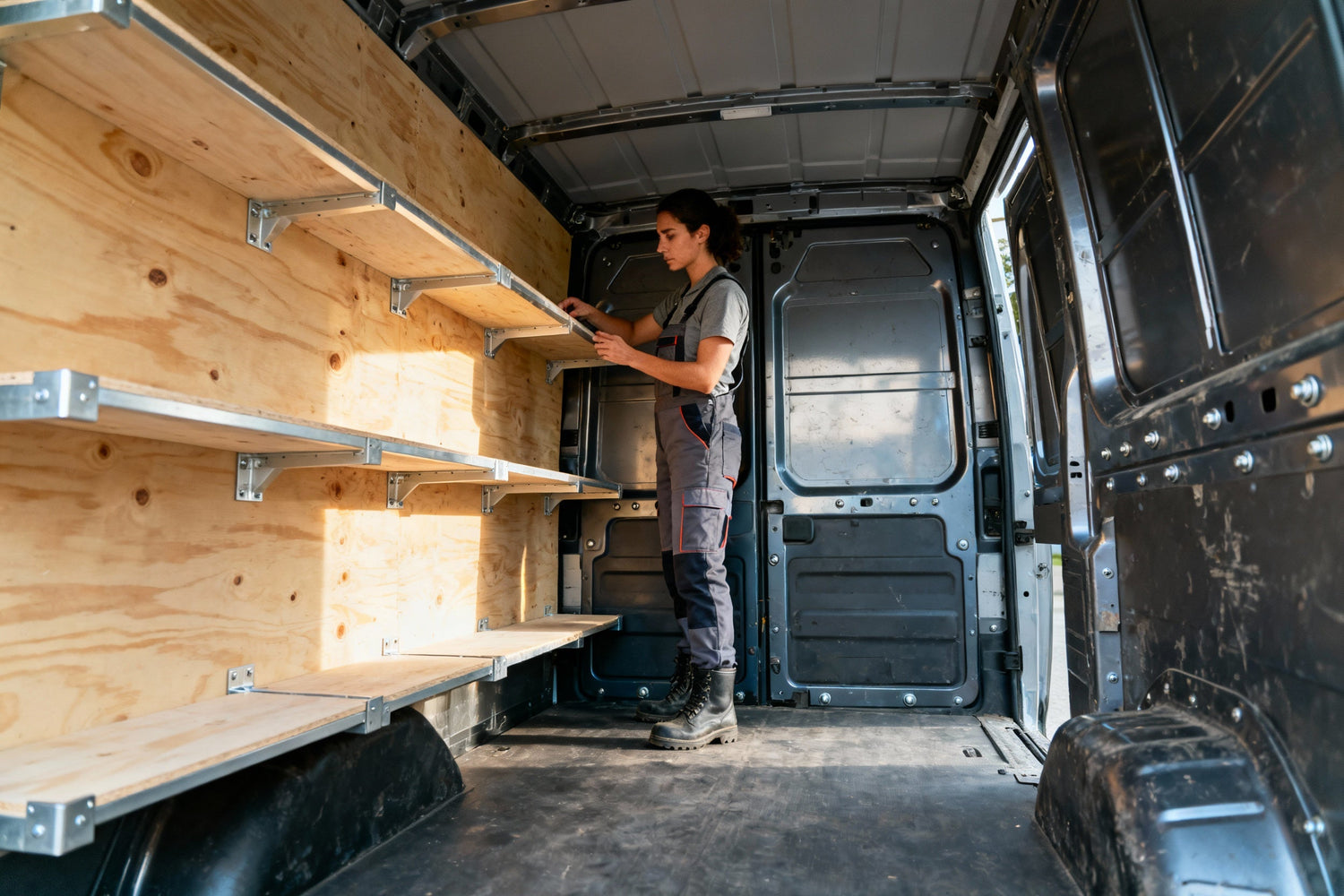
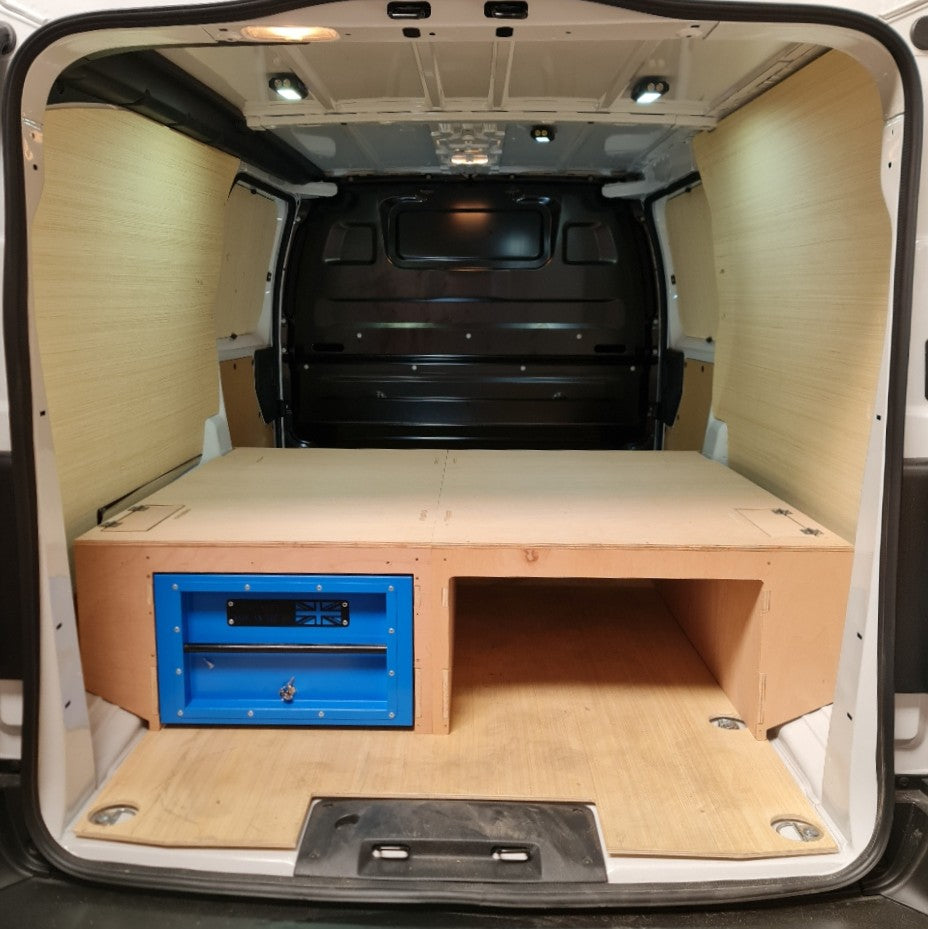
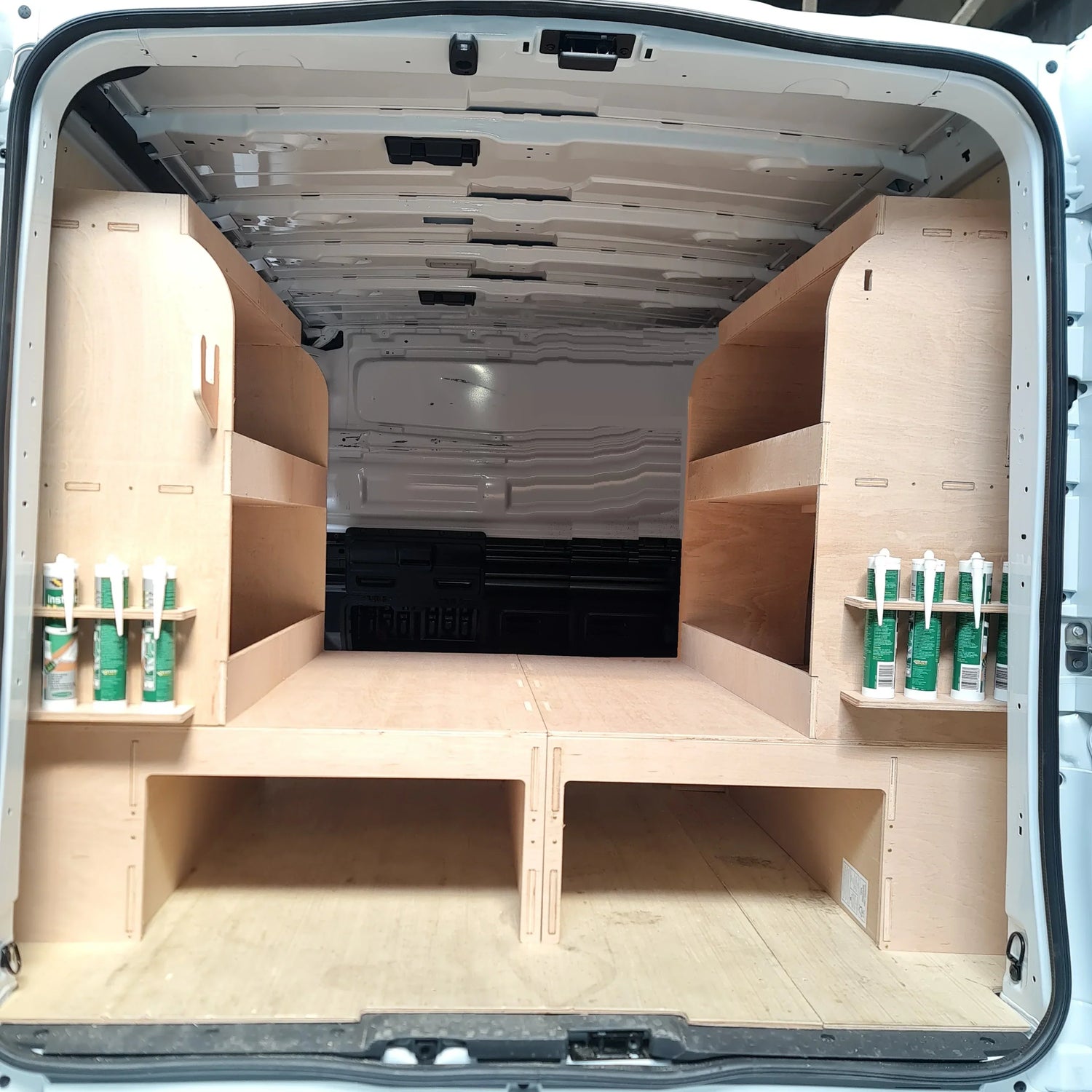
Based on VanShelves' customer data, DIY plywood van racking systems cost £200-400 for materials including birch plywood sheets, brackets, and hardware for a full van setup. This represents significant savings compared to pre-made alternatives, but the true cost calculation extends beyond initial materials.
The labour component adds substantial hidden costs. Installation requires 12-16 hours of skilled carpentry work, valued at £240-320 in potential earnings for self-employed tradespeople. A Ford Transit Custom owner spent £320 on materials plus 14 hours building a complete plywood system while working weekends to avoid losing billable time.
Hidden Material Costs That Add Up
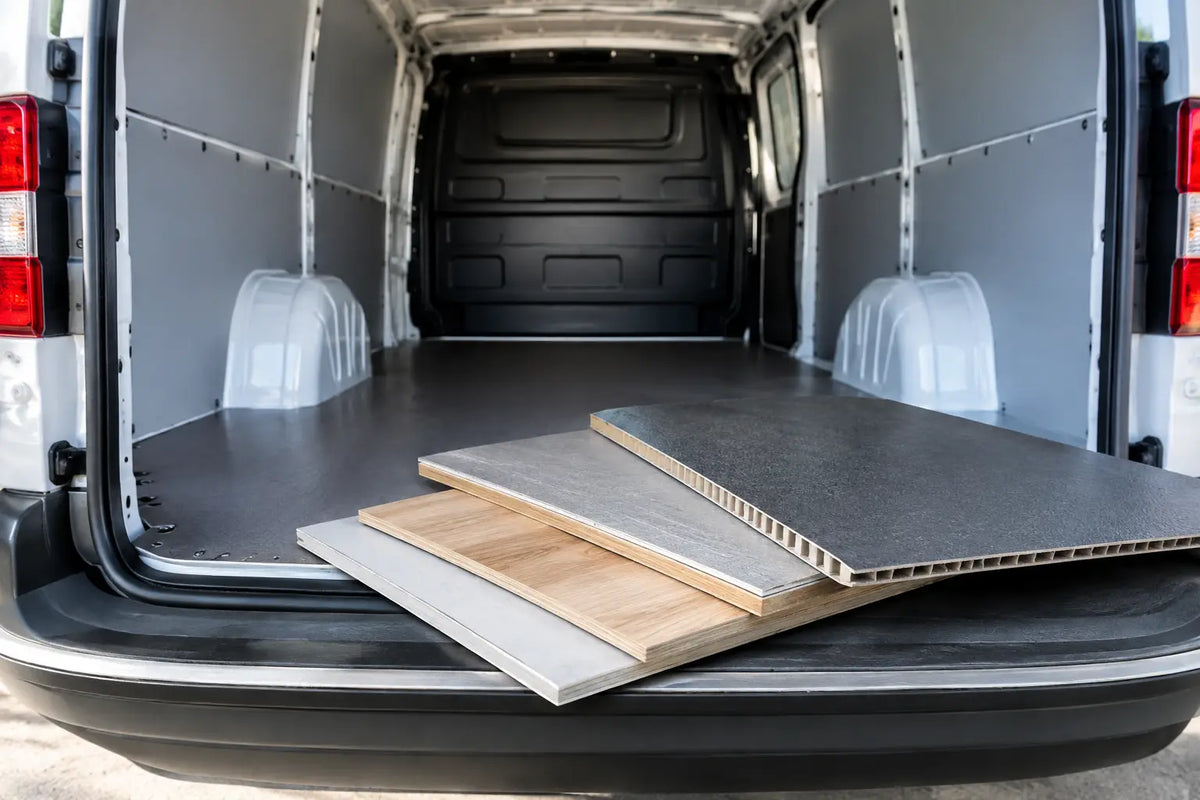
- Quality birch plywood: £45-65 per 18mm sheet (most vans need 3-4 sheets minimum)
- Professional-grade mounting hardware: £80-120 for brackets, screws, wood treatment, finishing
- Tool requirements: £150-300 if not owned (circular saw, jigsaw, drill bits, safety equipment)
- Rental options: £30-50 per project if tools are rented
Tool requirements often catch DIY builders off-guard. Quality results demand proper equipment, and cutting corners here leads to premature failure.
How Much Professional Steel Van Racking Systems Cost in 2025
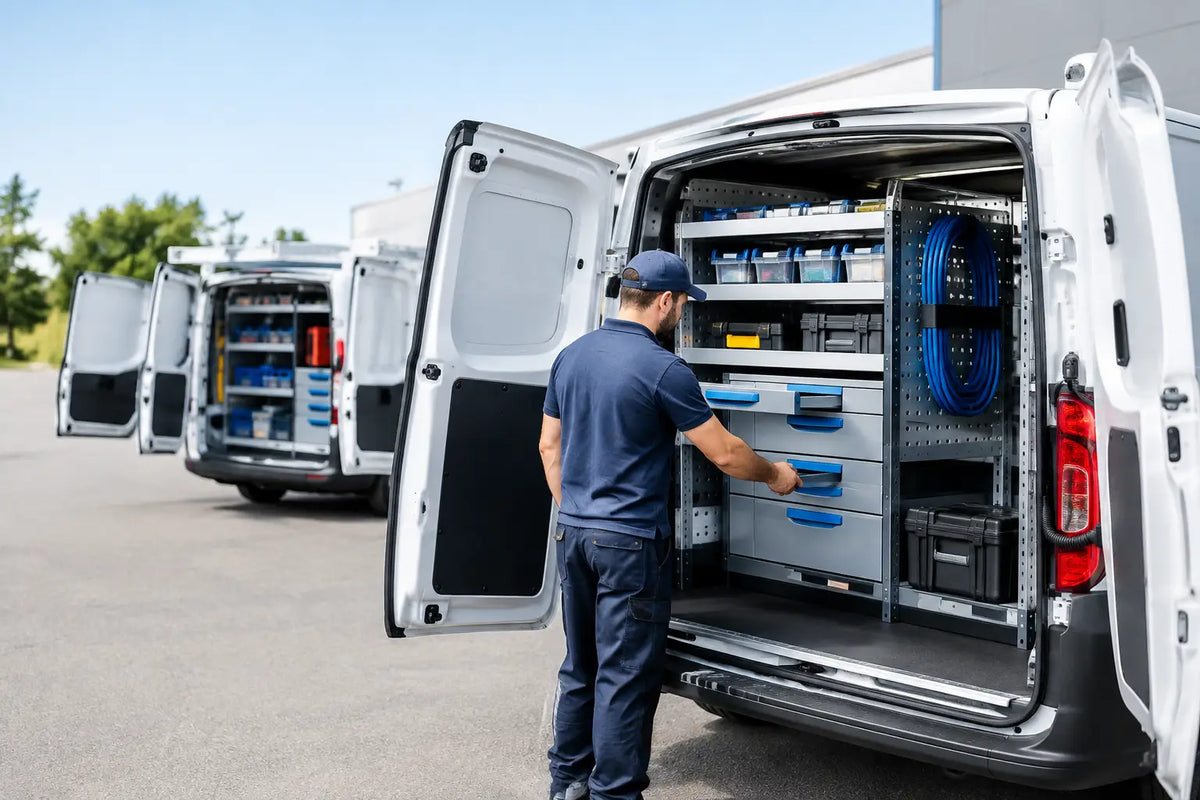
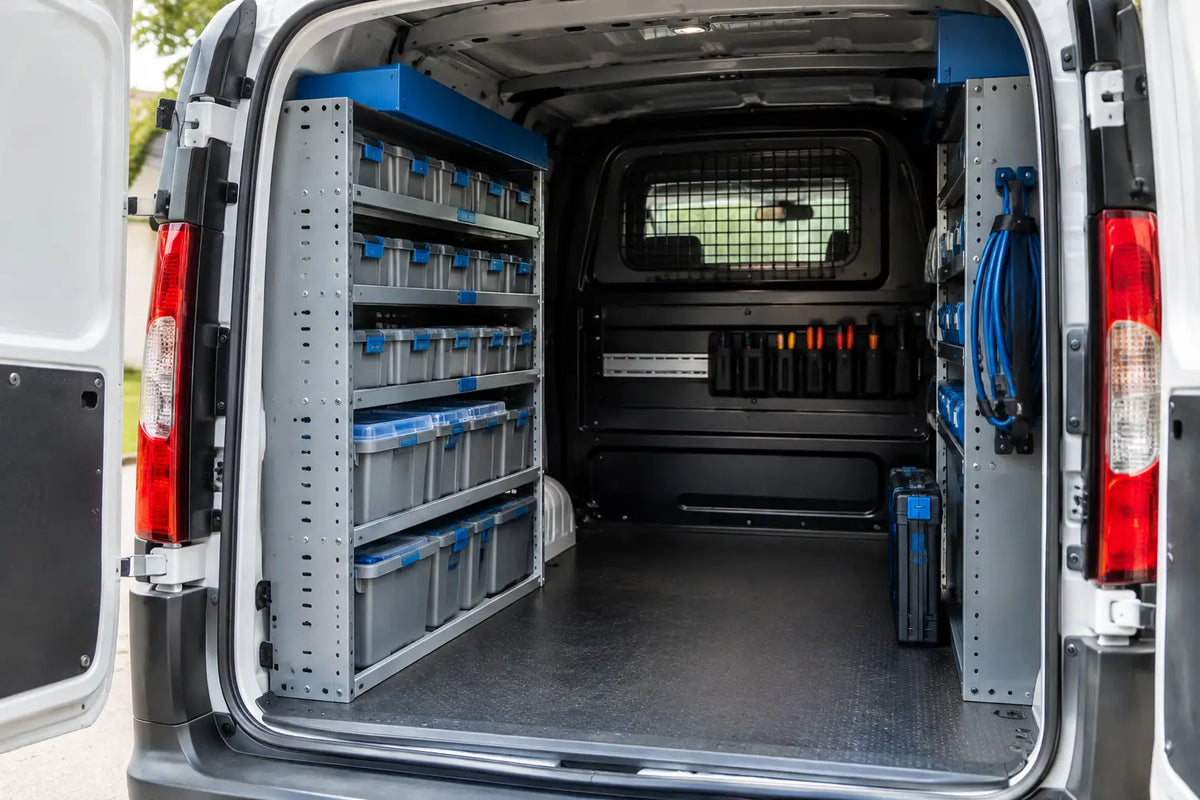
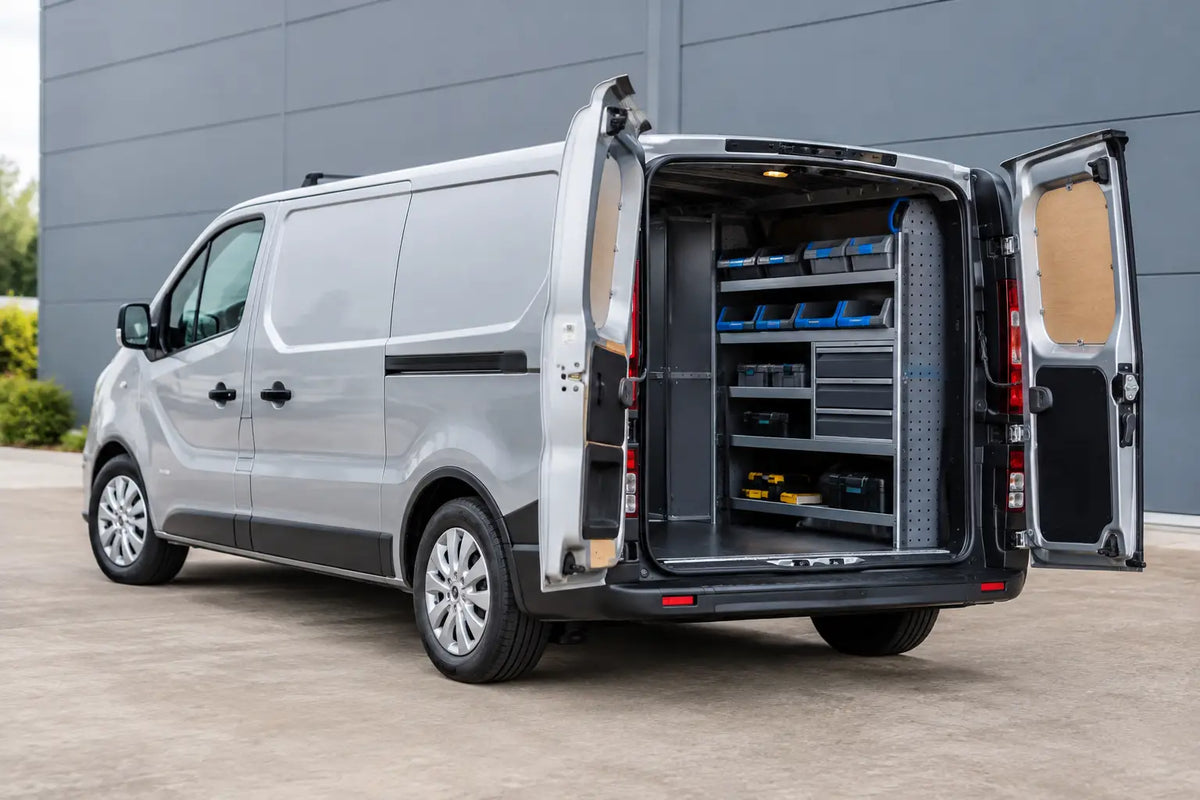
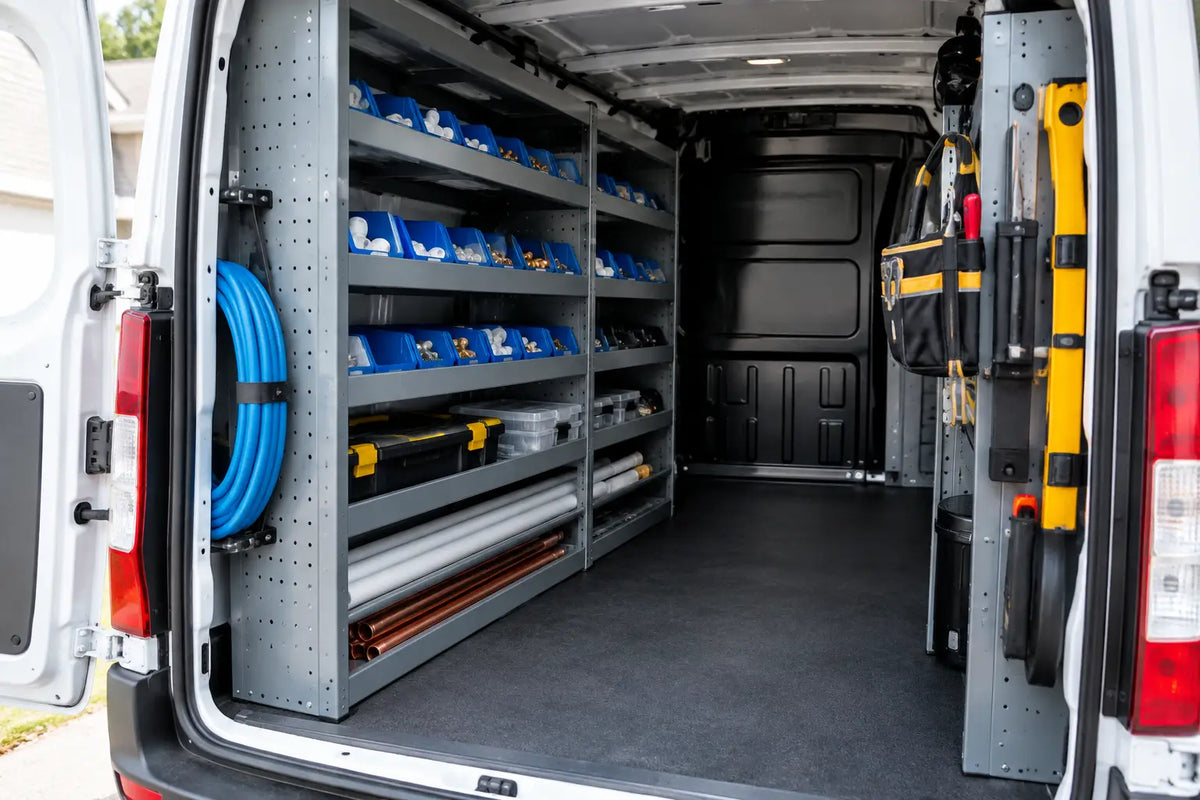
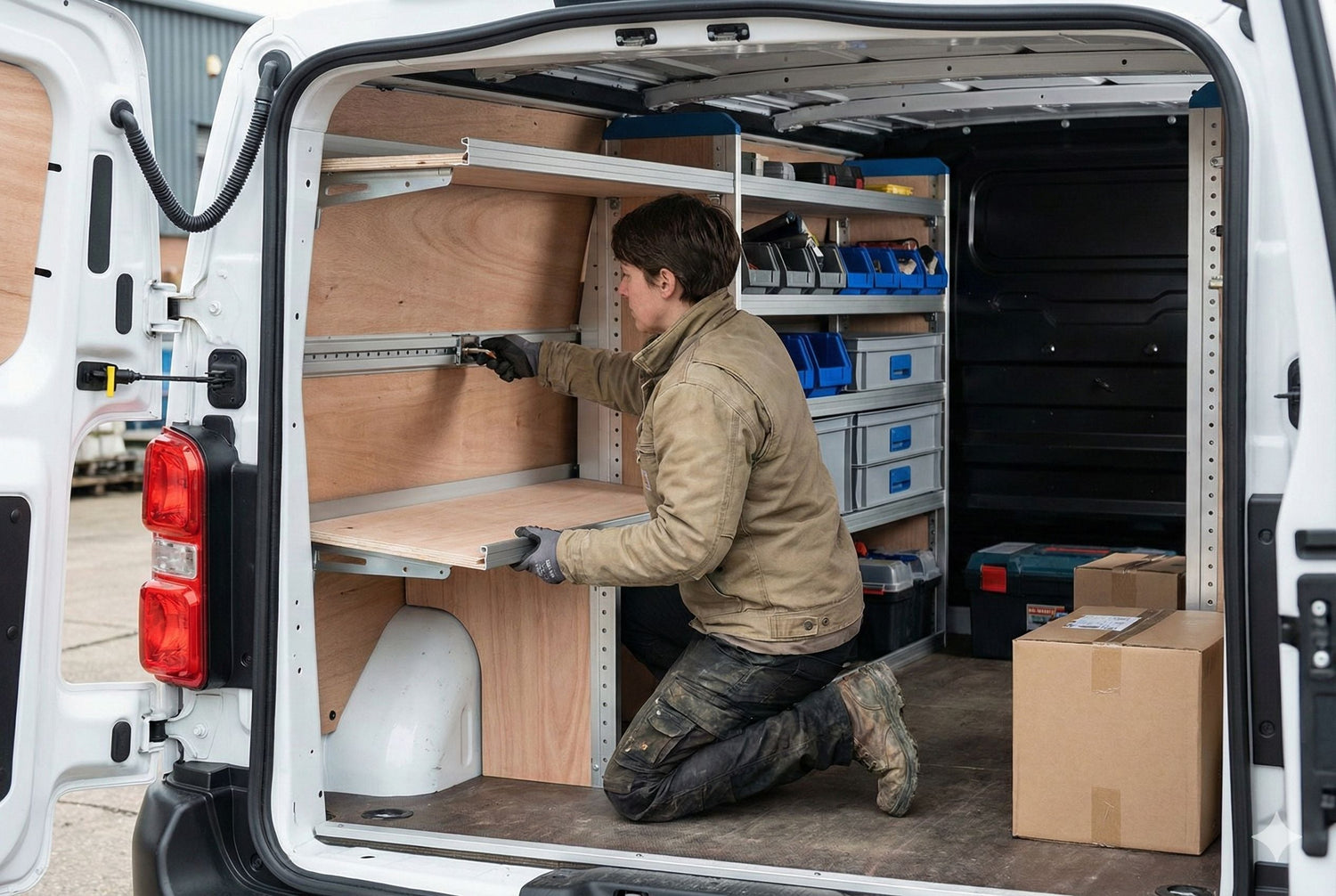
Complete steel van racking systems range from £600-1,200 depending on van size and configuration complexity. This price includes all mounting hardware, shelves, and accessories needed for a functional installation.
Professional installation adds £150-300 to the total cost, though most steel systems install in under 2 hours using basic hand tools. According to VanShelves customer reports, installation times consistently range between 90-120 minutes following manufacturer instructions.
Steel System Value Propositions
- Pre-configured packages: Save up to £250 versus fully custom systems
- Standard configurations: Suit 80% of typical trade requirements while maintaining upgrade flexibility
- Resale value boost: Steel systems can add £800-1,200 to van resale value when properly installed
The upfront cost difference narrows when considering professional appearance benefits. Quality installations effectively reduce net investment by 60-100% over the vehicle's life through preserved resale value.
Which System Has More Unexpected Expenses Over Time?
Plywood requires ongoing maintenance costs including wood treatment every 18 months at £30-50 per application to prevent rot and moisture damage. These treatments become critical after the first year, when exposure to UK weather conditions begins affecting structural integrity.
Repair costs hit plywood systems harder due to material limitations. Damaged sections require custom carpentry work costing £50-150 per repair plus 4-6 hours labour time. According to VanShelves customer data, one Kent plumber replaced his entire plywood system after 3.5 years due to warping and bracket failures, despite regular maintenance.
Steel System Cost Advantages
- No replacement cycles: Steel systems avoid replacement costs while plywood typically needs partial rebuilds within 3-5 years
- Minimal maintenance: Only periodic cleaning and bolt tension checks (15-30 minutes quarterly)
- Standardized repairs: Component replacement costs £25-75 with 15-30 minute installation times, compared to custom plywood fabrication requiring full carpentry skills
Plywood Durability: Real-World Lifespan Data
Quality birch plywood withstands 2-4 years of daily commercial use before showing significant wear, with lifespan varying based on trade requirements and exposure conditions. Electricians and office-based contractors typically see longer service life than plumbers or builders working in harsh environments.
Moisture exposure causes warping within 12-18 months, while impacts create permanent damage requiring immediate repairs. UK's humid climate accelerates wood degradation, particularly in unheated vans where condensation builds overnight.
Common Failure Points:
- Bracket mounting loosening from dimensional changes
- Surface wear from daily tool placement and removal
- Moisture absorption during humid conditions leading to warping
- Joint weakness from expansion-contraction cycles
A Birmingham mechanic used birch plywood racking for 3.5 years before structural failures forced replacement. Despite annual treatment applications, the system gradually degraded beyond economical repair.
Why Steel Van Racking Outlasts Wood Alternatives
Professional steel systems last 8-12 years with minimal maintenance in commercial environments, representing roughly 3x the lifespan of equivalent plywood installations. This durability advantage stems from material properties and engineering design.
Steel resists moisture completely and handles impact loads up to 50kg per shelf without deformation. The material maintains dimensional stability across the temperature ranges encountered in UK service, eliminating expansion-related problems that plague wood systems.
Engineering Advantages:
- Load distribution: Steel racking distributes loads more effectively through engineered mounting points
- Crash safety: Professional systems meet crash-testing standards that DIY installations cannot guarantee
- Weather resistance: Van Care notes that steel and aluminium van racking excels because materials don't warp, rot, or degrade with daily use and exposure to elements
UK Weather Impact: How Climate Affects Each Material
Steel systems maintain structural integrity across the temperature ranges typically encountered in UK service without expansion issues that affect mounting or shelf alignment. This thermal stability proves crucial for year-round commercial use in varying British weather.
Plywood absorbs moisture during humid conditions, leading to dimensional changes that affect fit and function. Even treated plywood experiences swelling and shrinkage cycles that gradually weaken joints and mounting points.
Moisture Management Reality
UK's average humidity levels (70-85%) create challenging conditions for wood products. Untreated van interiors experience daily condensation cycles, particularly during winter months when warm tools meet cold van surfaces. Steel systems ignore these moisture fluctuations entirely.
According to VanShelves customer feedback, a London electrician reported his plywood shelving warped noticeably after six months of winter work, requiring costly readjustments. The replacement steel system has operated unchanged for three years across identical conditions.
Van Payload Impact: Weight Differences That Matter
Aluminum steel systems add only 25-35kg total weight while providing superior load distribution across mounting points. This weight efficiency becomes critical for maintaining legal payload limits and optimizing fuel economy.
Plywood systems weigh 40-60kg when properly reinforced, reducing available payload capacity by 5-8%. For vans with 1,000kg payload limits, this represents 50-80kg less capacity for tools and materials - a significant constraint for busy tradespeople.
Weight Distribution Benefits:
- Better load spreading: Steel racking distributes loads more evenly through engineered mounting systems
- Legal compliance: Proper weight distribution reduces risk of exceeding axle weight limits
- Safety advantage: Engineered steel mounting points handle emergency braking forces without shelf collapse
Fuel Economy Impact: Every Kilogram Counts
Every 100kg of additional weight increases fuel consumption by approximately 5%, costing £180-250 annually for typical UK van usage patterns. This efficiency penalty accumulates significantly over the system's operational life.
Lightweight steel systems can offset their weight penalty through better aerodynamic integration and reduced drag compared to bulky plywood installations. A Manchester fleet operator reported 0.8-1.2mpg improvement across 12 vehicles after switching to lightweight aluminium racking.
Electric Van Considerations
With electric van registrations growing rapidly in the UK, weight optimization becomes critical for preserving battery range. Every kilogram affects electric vehicle efficiency more dramatically than diesel equivalents, making lightweight steel systems increasingly attractive for EV fleets.
Weight distribution also affects electric vehicle handling characteristics and charging efficiency. Properly balanced loads through steel racking systems maintain optimal weight distribution that preserves manufacturer range estimates.
Legal Compliance: Avoiding Overloading Violations
Steel systems distribute loads more evenly, reducing risk of exceeding axle weight limits that can trigger costly enforcement actions. DVSA can issue penalties for overloading ranging from around £100 for minor offences to several thousand pounds for serious violations, depending on severity and vehicle type.
Professional steel installations integrate load calculation guidelines and mounting specifications that help prevent accidental overloading. VanShelves systems include weight capacity specifications for each shelf position, enabling accurate load planning.
Compliance Factors:
- Professional certification: Engineered systems meet vehicle modification standards and maintain insurance coverage
- Documentation: Professional systems provide liability protection through manufacturer warranties and engineering certifications
- Inspection confidence: Enforcement officers recognize professionally engineered racking systems during roadside checks
DIY plywood systems may affect warranties if mounting damages vehicle structural integrity or electrical systems.
Customization Benefits: Why Some Choose DIY Plywood
Plywood allows unlimited customization for unique tool storage requirements and irregular van dimensions. Self-employed specialists often need storage solutions that standard systems cannot accommodate efficiently.
Field modifications take minutes with basic tools, enabling instant adaptations for changing business needs. A carpenter added custom router storage compartments to his plywood system during a lunch break - something impossible with pre-configured steel alternatives.
Creative Storage Solutions:
- Unusual equipment accommodation: Oversized tool storage, chemical containment, specialized mounting
- Instant modifications: Basic carpentry skills and standard tools enable field adjustments
- Budget flexibility: Small changes require minimal investment in materials
However, these modifications often compromise structural integrity unless properly reinforced with additional brackets and supports.
Modern Steel Systems: Flexibility Without Custom Fabrication
Modular steel systems offer reconfigurable components including adjustable shelves, removable drawers, and repositionable tool holders that adapt to changing requirements without structural modifications.
Professional systems accommodate business growth through add-on modules that integrate seamlessly with existing installations. VanShelves offers tube holders, aerosol holders, toolbox mounts, and drawer systems that expand functionality without replacing base infrastructure.
Reconfiguration Advantages:
- No structural changes: Next-generation shelving emphasizes reconfigurable systems that adapt as business needs evolve
- Maintained integrity: Modular designs preserve structural ratings through engineered connections
- Higher satisfaction: Steel systems achieve higher satisfaction rates in fleet environments compared to fixed installations
According to VanShelves customer data, a self-employed carpenter reconfigured his system twice over four years to accommodate new tools and materials, requiring no structural changes.
Professional Appearance: Customer Trust Factor
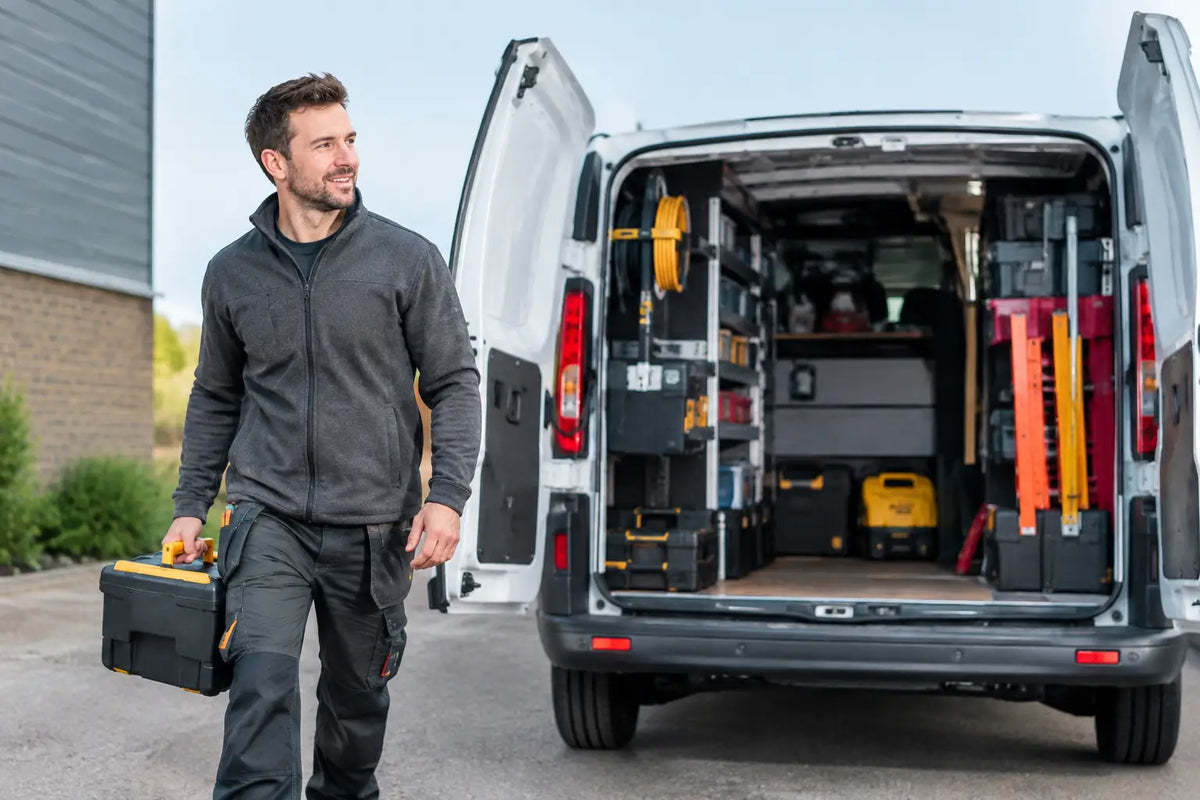
Professional steel racking systems project competence and attention to detail, according to VanShelves customer feedback. Clean, organized installations demonstrate investment in quality tools and professional service standards.
A well-organised, professional-looking van interior builds trust with customers and demonstrates serious business commitment, directly impacting repeat business and referral rates. According to VanShelves case studies, one Bristol plumbing business reported noticeable improvement in customer feedback after upgrading to professional steel racking.
Business Impact Metrics:
- Brand image improvement: Many fleet managers state that professional racking systems improve brand image and customer perception
- Efficiency gains: Organized van interiors reduce service call completion times, enabling more appointments per day
- Premium positioning: Professional appearance supports higher hourly rates and premium service positioning
Van Resale Value Protection
Steel systems maintain van interior condition and can add significant value to resale when properly installed using non-invasive mounting methods. Quality installations protect interior panels from damage while providing transferable storage solutions.
Plywood installations often require removal before sale, with mounting holes potentially reducing vehicle value. Removal process risks additional interior damage, further reducing resale potential and buyer appeal.
Market Value Factors:
- Value-added feature: Vehicle buyers view professional steel installations as desirable features
- Transfer benefits: Steel systems transfer to new owners without modification
- Dealer preference: Commercial vehicle dealers actively seek vans with quality steel racking installations
- Faster sales: These systems often justify premium pricing and quicker sale completion
Insurance and Warranty Considerations
Professional steel installations meet vehicle modification standards and typically maintain insurance coverage without restrictions. Engineered systems with proper documentation satisfy insurer requirements for vehicle modifications.
Vehicle and insurance warranties can be affected by non-approved modifications. Many insurers and manufacturers recommend professionally installed, crash-tested racking systems for commercial vans.
Coverage Implications:
- Professional certification: Crash-tested, certified steel racking systems are increasingly important for insurance compliance
- Documentation requirements: Professional systems provide liability protection through manufacturer warranties
- Claims scrutiny: DIY installations may face additional review regarding structural adequacy and mounting safety
According to independent fleet industry coverage, properly engineered van racking that has been crash-tested to standards such as ECE R17 is now viewed as an essential part of the build specification for many UK fleet operators, who increasingly insist on certified systems to meet their safety and compliance obligations.
Installation Requirements: Skills and Tools Needed
Plywood installation requires carpentry experience, including precise measuring, cutting, and mounting techniques across 12-16 hours of skilled work. Successful installations demand understanding of load distribution, mounting point selection, and structural reinforcement principles.
Steel systems install with basic hand tools following manufacturer instructions, typically completing in 90-120 minutes. A Birmingham mechanic installed his VanShelves system in 1.5 hours using provided instructions and tools, compared to two full days for his previous plywood installation.
Skill Requirements Comparison:
- DIY plywood: Requires woodworking experience, tool availability, and structural understanding
- Steel systems: Achieve high first-time installation success with minimal rework
- Error rates: Clear instructions and engineered mounting points eliminate most installation variables
Mistakes during DIY installation create safety hazards and performance problems requiring professional correction.
Maintenance Requirements: Ongoing Time and Cost
Plywood requires annual inspections, wood treatment application every 18 months, and gradual component replacement over 3-5 years. These maintenance tasks consume 4-6 hours annually and cost £50-80 in materials.
Steel systems need only periodic cleaning and bolt tension checks, with no material degradation concerns. Maintenance involves 15-30 minutes quarterly for inspection and cleaning, requiring no special materials or skills.
Maintenance Cost Analysis:
- Wood treatment: £30-50 every 18 months for protective applications
- Component replacement: Custom fabrication or carpentry skills required for plywood repairs
- Total five-year costs: Typically reach £200-300 for plywood systems vs minimal costs for steel
Repair Costs When Damage Occurs
Plywood repairs involve custom carpentry work costing £50-150 per damaged section plus 4-6 hours labour time. Matching wood grain, stain, and structural specifications often requires complete section replacement rather than spot repairs.
Steel component replacement uses standardized parts costing £25-75 with 15-30 minute installation times. Modular design enables precise replacement of damaged components without affecting surrounding structures.
Damage Management:
- Plywood: Damage typically affects larger sections due to material properties
- Steel: Contained damage through modular design
- Cost efficiency: Individual component replacement vs section rebuilding
Impact damage in plywood often spreads through grain lines, requiring extensive replacement beyond the initial damage point.
Electric Van Performance Considerations
Lightweight steel systems preserve electric van range better, with weight optimization becoming critical as electric vehicle adoption continues growing across UK commercial fleets. Every kilogram affects battery efficiency more dramatically than diesel equivalents.
A London delivery fleet replaced plywood racking with lightweight aluminium systems across 20 electric vans, reporting 3-5% improvement in real-world range and easier compliance with crash-tested safety standards.
Future-Proofing Considerations:
- Weight optimization: Metal systems are typically lighter than equivalent plywood builds while offering superior load distribution
- Technology integration: Professional steel systems accommodate modern business technology needs
- Regulatory compliance: Battery technology improvements favour vehicles with optimized weight distribution
Decision Framework: Choose Plywood When...
Choose plywood when budget constraints limit initial investment to under £400 total and DIY carpentry skills are available. This option suits:
- Occasional commercial use or light-duty applications
- Unique customization requirements exceeding standard steel system capabilities
- Temporary installations planned for replacement within 3-4 years
- Seasonal businesses requiring temporary van conversion
Plywood Best-Case Scenarios:
- Light-duty applications: Office supply delivery or occasional trade work
- Custom storage needs: Unusual equipment or materials requiring specialized accommodation
- Field modification requirements: Instant adaptations during work hours
- Woodworking expertise: Self-employed tradespeople with carpentry backgrounds
Decision Framework: Choose Steel When…
Choose steel systems when long-term cost-effectiveness over 5+ years is prioritized, professional appearance matters for customer perception, or maximum durability with minimal maintenance is required.
Steel System Advantages:
- Commercial fleet operations: Requiring standardized installations across multiple vehicles
- High-value tool protection: Improved security and weather resistance justify investment
- Customer-facing trades: Professional appearance benefits business perception
- Insurance requirements: Many policies mandate professionally engineered installations
According to VanShelves customer data, fleet managers consistently prefer modular steel systems for operational reliability and consistency.
Hybrid Approach: Combining Both Systems
Hybrid systems combining steel primary structure with plywood custom inserts offer cost savings while maintaining structural integrity and professional appearance. According to VanShelves internal data, a significant proportion of UK tradespeople use this approach for custom storage without sacrificing durability.
Modular steel frameworks accept wooden drawer systems while maintaining overall structural integrity through engineered mounting points.
Hybrid Implementation Strategies:
- Steel primary structure: Handles structural loads and mounting requirements
- Custom plywood inserts: Provide specialized storage solutions within engineered framework
- Maintained warranties: Professional mounting systems support approved accessories
- Balanced approach: Combines durability with customization within safe load limits
According to VanShelves customer feedback, a self-employed electrician successfully uses steel framework with custom plywood inserts for specialized tool storage.
Final Verdict: Which System Saves Money Long-Term?
For most commercial applications lasting 5+ years, steel systems provide better total value despite higher upfront costs. The combination of extended lifespan, minimal maintenance, professional appearance, and resale value protection typically justifies the initial investment.
Plywood remains the smart choice for budget-conscious builds under £400, specialized customization needs, or temporary installations. The key is matching system choice to actual usage patterns and business requirements.
Making the Right Choice:
- Calculate total ownership costs over your intended van lifespan
- Consider professional appearance impact on your specific customer base
- Evaluate maintenance capabilities and time availability
- Factor in resale value preservation for your business model
Ready to optimize your van storage with professional steel racking systems? Explore VanShelves' complete collection of modular steel racking solutions designed for UK commercial vehicles, or browse all van-specific shelving systems for your exact make and model. Visit our homepage for expert guidance on choosing the perfect system for your trade and budget requirements.