

Key Takeaway:
-
Electric vans are rapidly transforming UK commercial fleets, with manufacturers offering impressive range, payload capacity, and lower running costs compared to diesel alternatives.
-
The best electric vans UK market features standout models including the Ford E-Transit Custom, Mercedes eSprinter, and Vauxhall Vivaro Electric, each excelling in different categories from payload to range.
-
Small electric vans like the Citroën ë-Berlingo and Peugeot e-Partner deliver exceptional urban practicality with ranges exceeding 170 miles, perfect for city-based tradespeople.
-
Range anxiety is diminishing as the best electric vans for range now achieve 200+ miles on a single charge, with rapid charging capabilities restoring 80% battery capacity in under 45 minutes.
-
Government incentives, zero emission zones, and dramatically lower fuel costs make 2025 the optimal year for UK businesses to transition to electric commercial vehicles.
Top Electric Vans at a Glance
|
Model |
Battery Capacity |
Real-World Range |
Payload Capacity |
Cargo Volume |
Starting Price (ex. VAT) |
Best For |
|
Ford E-Transit Custom |
74 kWh |
236 miles |
1,000 kg |
5.8-9.0 m³ |
£42,995 |
All-round professional use |
|
Mercedes eSprinter |
113 kWh |
273 miles |
1,045 kg |
14.0 m³ |
£58,500 |
Maximum range & capacity |
|
Vauxhall Vivaro Electric |
75 kWh |
205 miles |
1,000 kg |
5.3-6.6 m³ |
£38,495 |
Best value medium van |
|
Citroën ë-Berlingo |
50 kWh |
174 miles |
800 kg |
3.8-4.4 m³ |
£28,540 |
Urban deliveries |
|
Peugeot e-Partner |
50 kWh |
174 miles |
800 kg |
3.8-4.4 m³ |
£28,665 |
Compact operations |
|
VW ID.Buzz Cargo |
77 kWh |
256 miles |
640 kg |
3.9 m³ |
£48,200 |
Premium branding |
|
Renault Kangoo E-Tech |
45 kWh |
186 miles |
600 kg |
3.9 m³ |
£27,995 |
Efficiency specialist |
|
Fiat E-Ducato |
79 kWh |
223 miles |
1,400 kg |
17.0 m³ |
£54,000 |
Large cargo needs |
|
Nissan Townstar EV |
45 kWh |
183 miles |
600 kg |
3.9 m³ |
£29,240 |
Reliability focus |
Note: Prices and specifications are approximate and subject to variation based on trim level and optional equipment. Data compiled from manufacturer specifications as of February 2025.
The UK commercial vehicle landscape has undergone a seismic shift as electric vans cement their position as viable, cost-effective alternatives to traditional diesel models. With stricter emission regulations, expanding ultra-low emission zones across major cities, and significant improvements in battery technology, the best electric vans available in 2025 offer compelling solutions for businesses of all sizes. From compact urban delivery vehicles to large cargo haulers, electric vans now match or exceed their fossil-fuel counterparts in nearly every performance metric that matters to working professionals.
This comprehensive guide examines the top-performing electric vans dominating UK roads in 2025, analyzing real-world performance data, range capabilities, and practical considerations for tradespeople, delivery drivers, and fleet managers. Whether you're a plumber seeking efficient city transport, a courier company planning fleet electrification, or a garage owner evaluating long-term operating costs, understanding which models deliver genuine value is essential for making informed investment decisions.
Why Electric Vans Are Transforming UK Commercial Transport
The transition to electric commercial vehicles represents more than environmental responsibility—it's fundamentally about operational economics and regulatory compliance. UK businesses operating diesel vans in London, Birmingham, Manchester, and other cities with Clean Air Zones face daily charges that can exceed £2,500 annually per vehicle. Electric vans eliminate these fees entirely while delivering fuel cost savings averaging 70% compared to diesel equivalents.
Modern electric vans address the historical concerns that previously limited adoption. Contemporary models feature thermal management systems that maintain consistent range in cold weather, rapid charging infrastructure has expanded dramatically with over 42,000 public charging points nationwide, and manufacturer warranties now typically cover batteries for eight years or 100,000 miles. The best electric vans uk market offers increasingly sophisticated vehicle-to-grid capabilities, allowing businesses to generate revenue by feeding stored energy back into the national grid during peak demand periods.
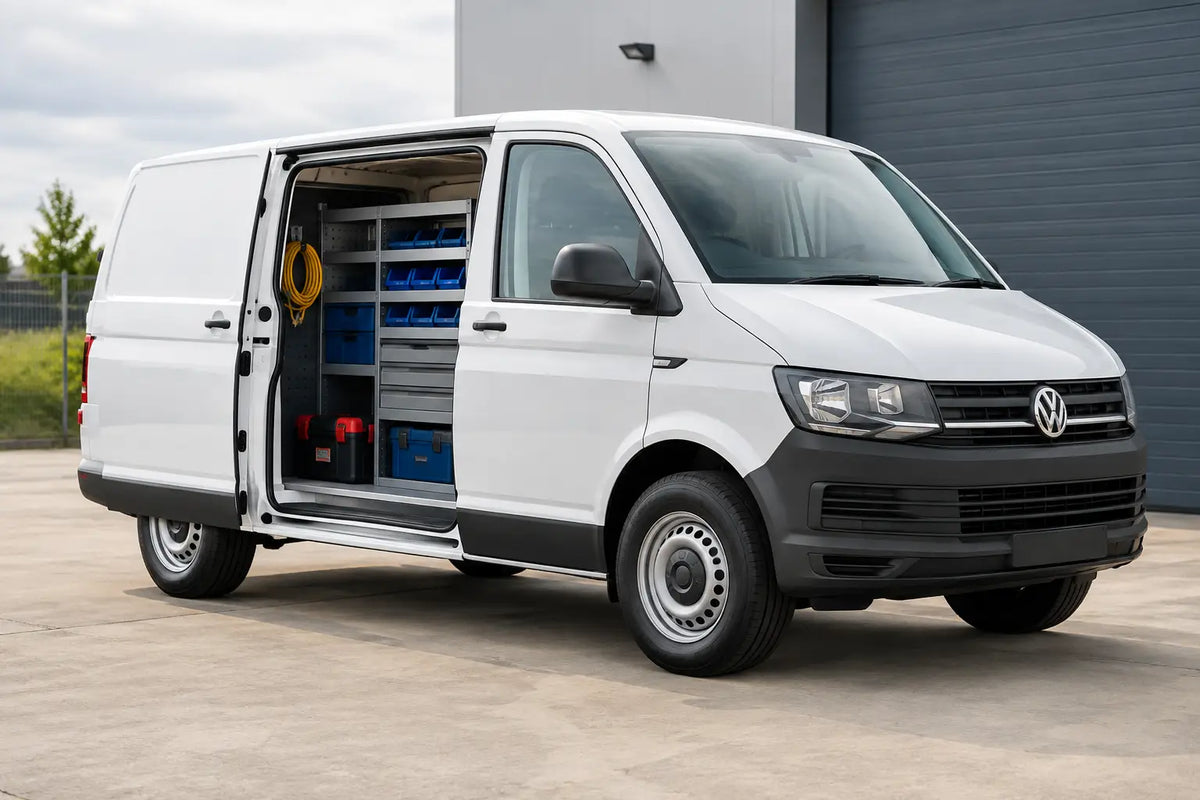
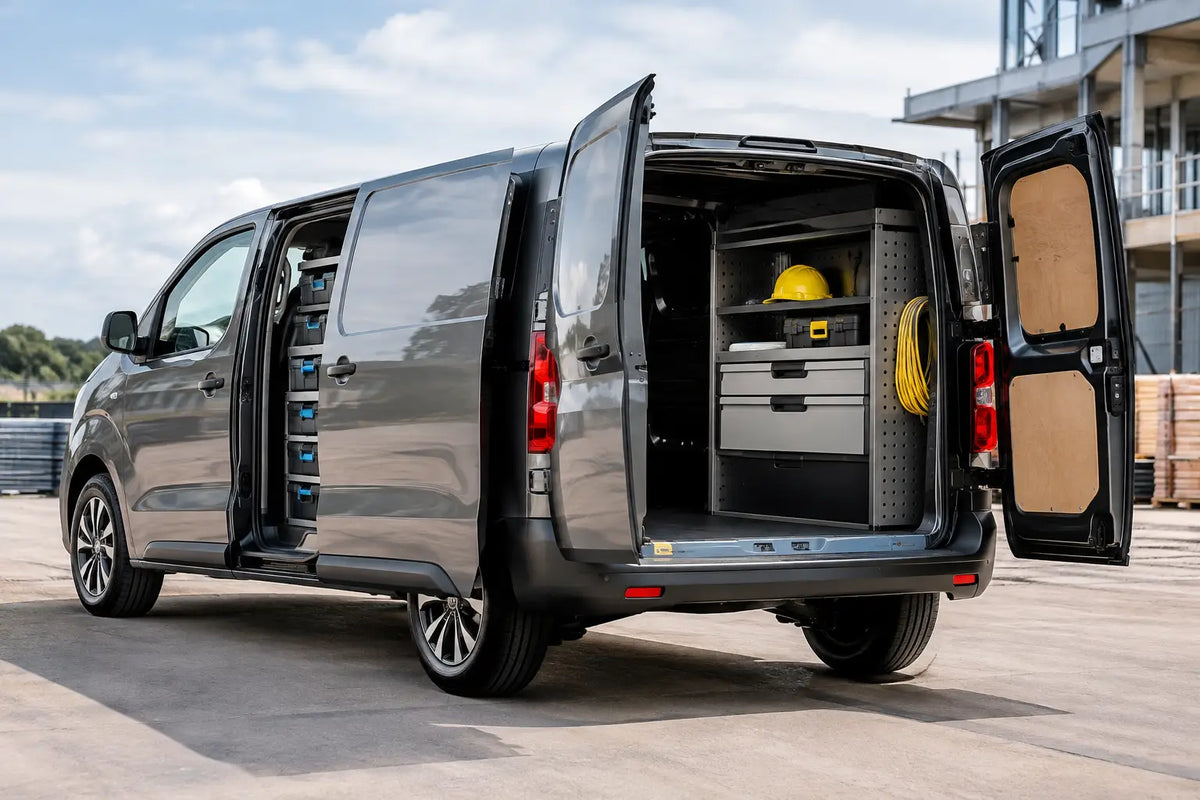
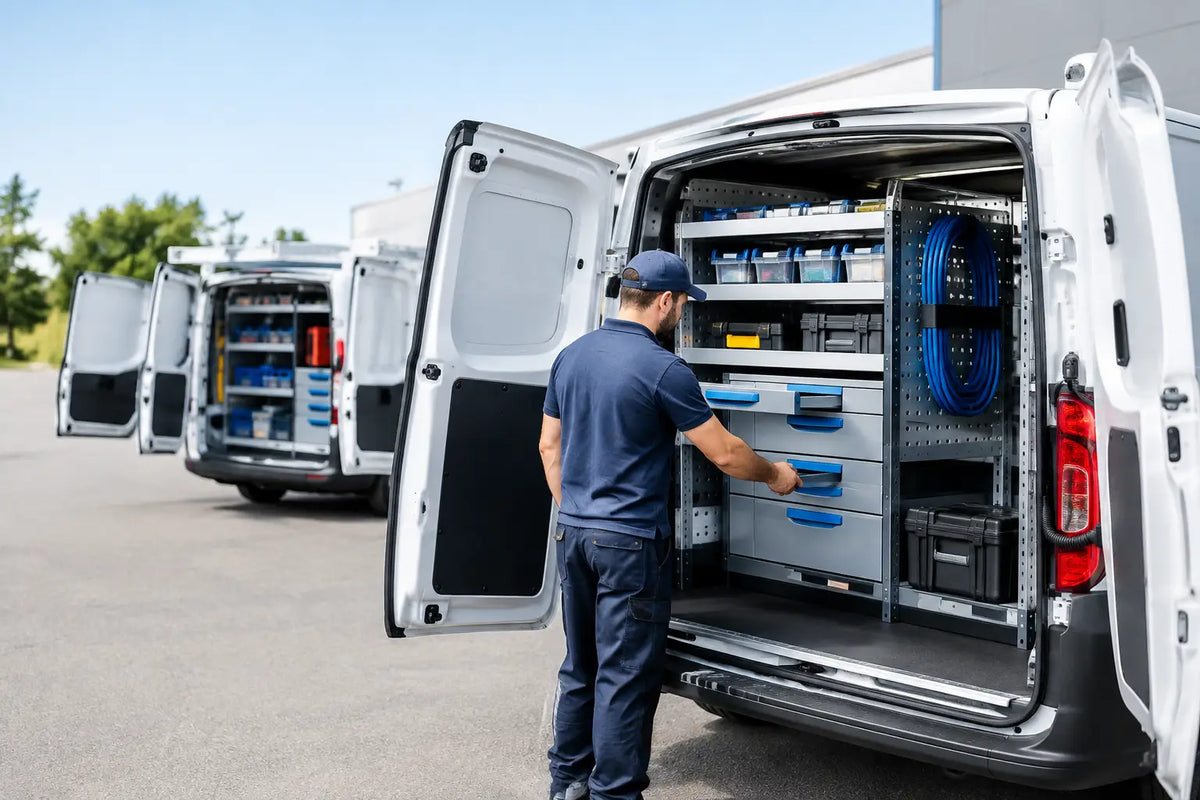
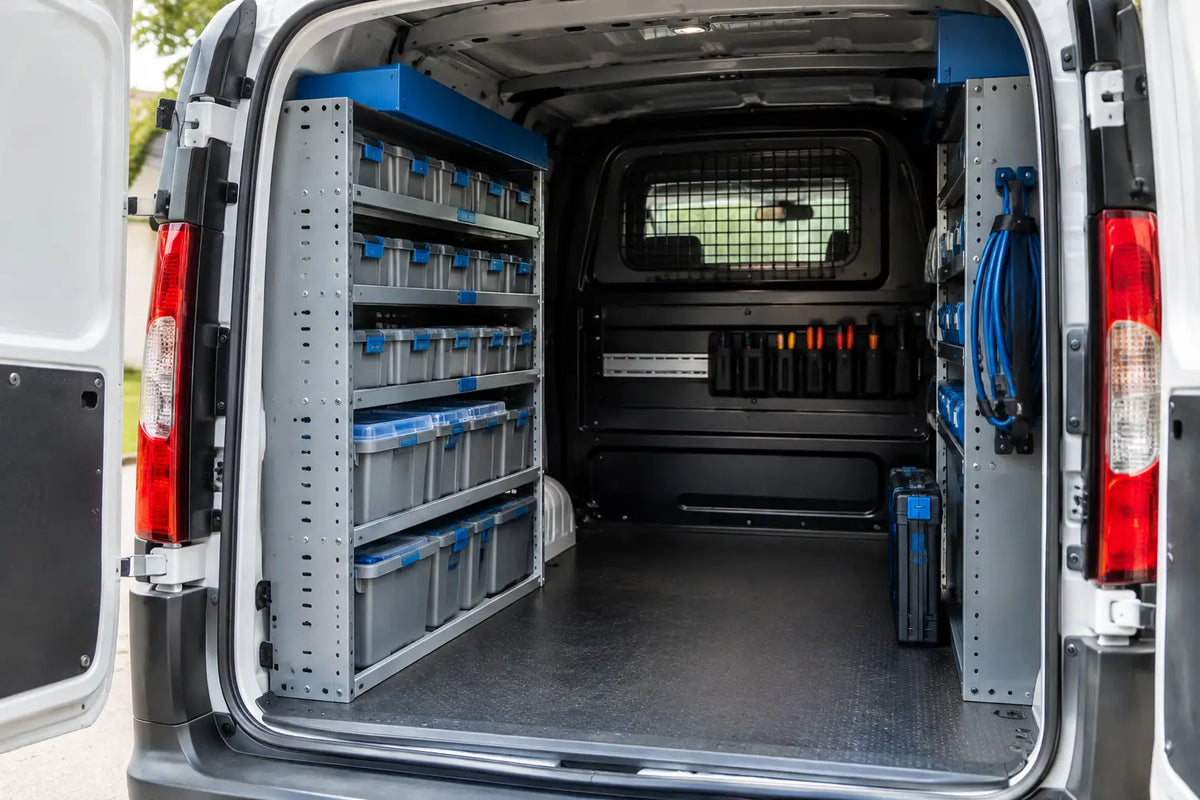
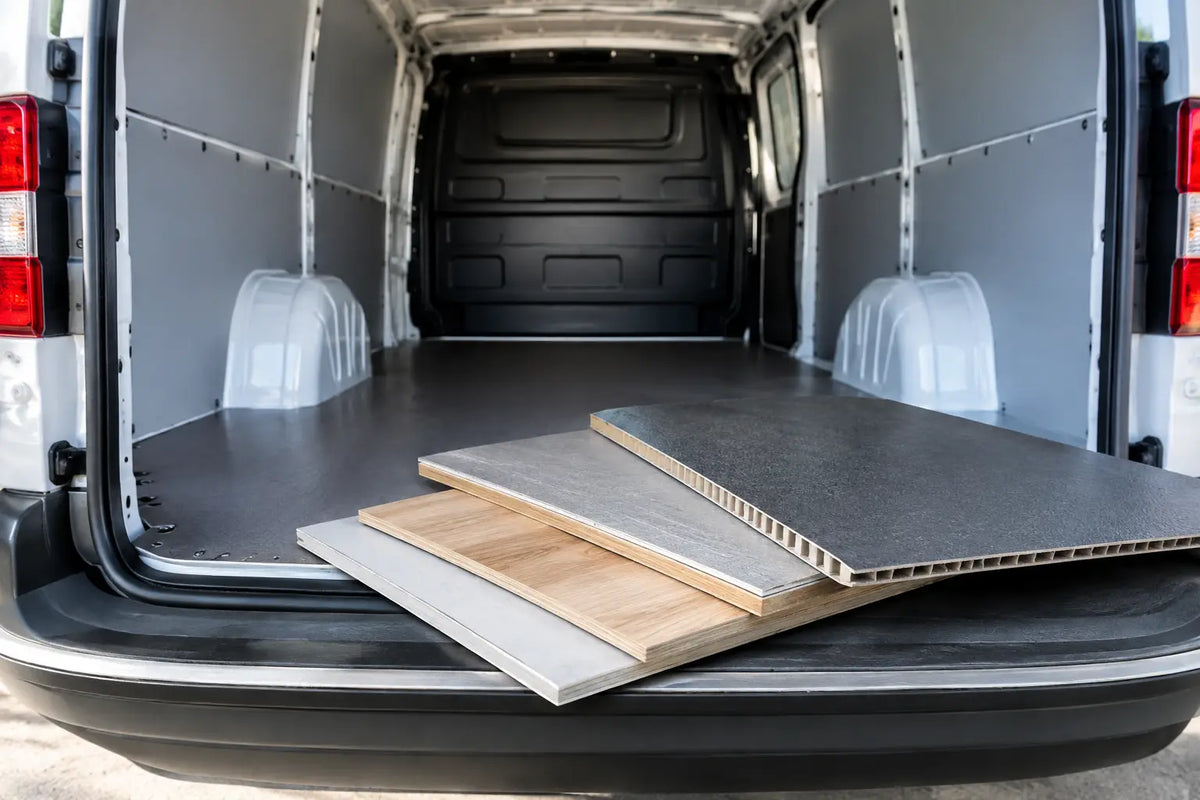
Payload capacity has improved substantially, with leading models now offering 1,000+ kg carrying capacity despite heavy battery packs. This advancement stems from lightweight aluminum chassis construction and optimized battery placement low in the vehicle structure, which simultaneously improves handling characteristics. For businesses using van racking systems, the load floor height in electric vans often sits lower than diesel equivalents, facilitating easier loading and reducing back strain during repetitive daily operations.
Ford E-Transit Custom: The Professional's Electric Workhorse
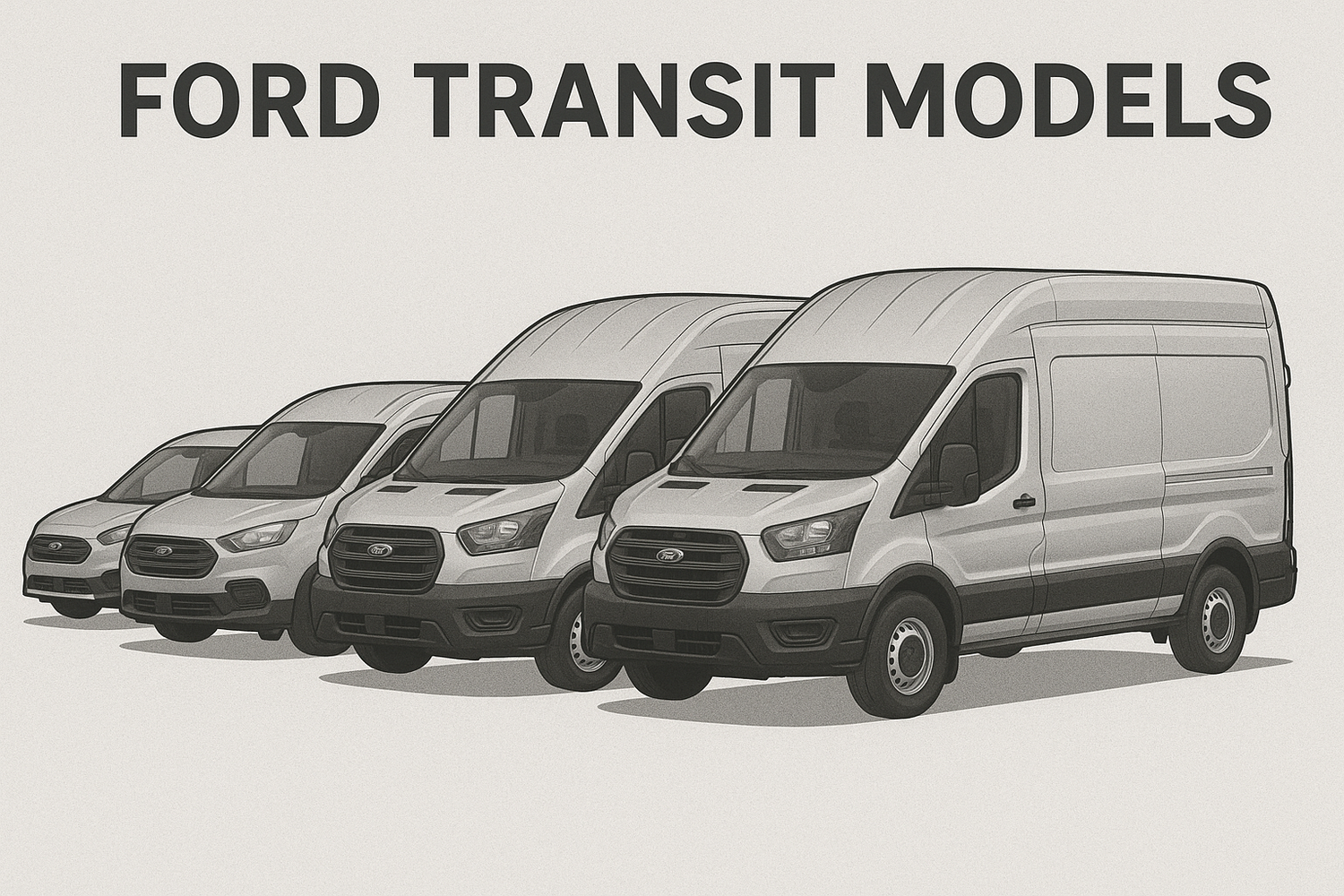
Ford's E-Transit Custom has rapidly become the default choice for UK tradespeople transitioning to electric power, capturing approximately 28% of the medium electric van market in early 2025. This dominance stems from its familiar dimensions matching the wildly popular diesel Transit Custom, allowing businesses to retrofit existing Ford Transit Custom racking solutions without modification. The vehicle offers a 74 kWh usable battery capacity delivering a realistic 236-mile range under mixed driving conditions—sufficient for most daily work schedules without charging anxiety.
The E-Transit Custom's 160 kW (approximately 217 PS) electric motor provides instantaneous torque delivery that transforms urban driving dynamics, making fully-loaded hill starts effortless and overtaking maneuvers significantly safer. Charging flexibility represents another key advantage, with the standard 11 kW onboard charger replenishing the battery overnight using readily available workplace infrastructure. For businesses requiring faster turnaround, optional 125 kW DC rapid charging restores 15-80% capacity in just 41 minutes during lunch breaks or between jobs.
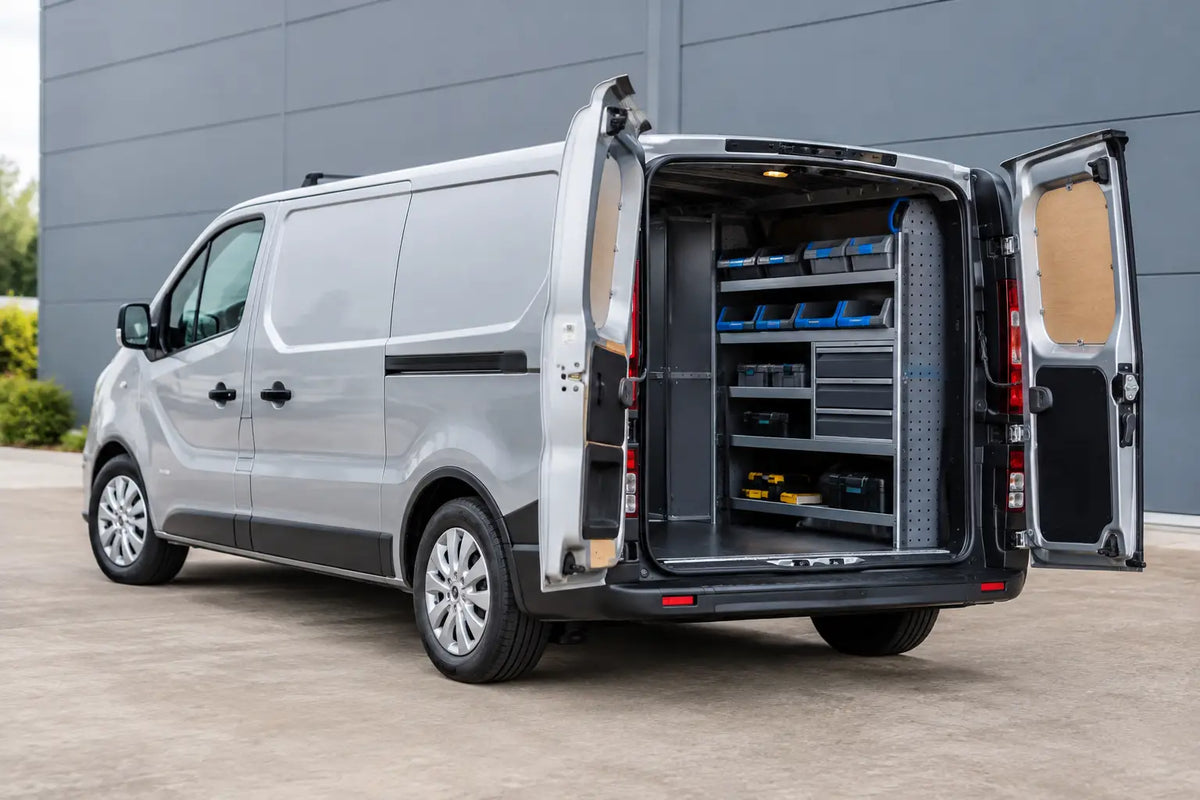
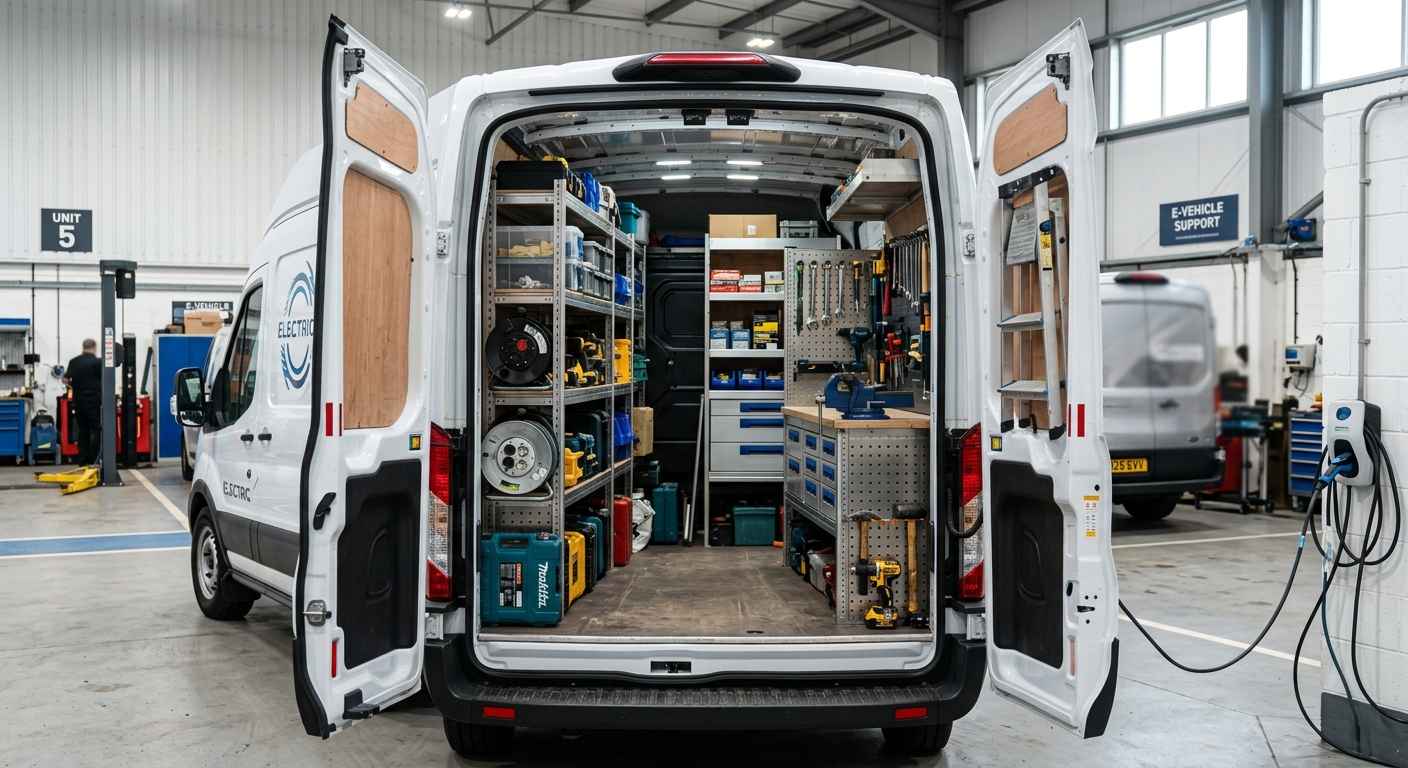
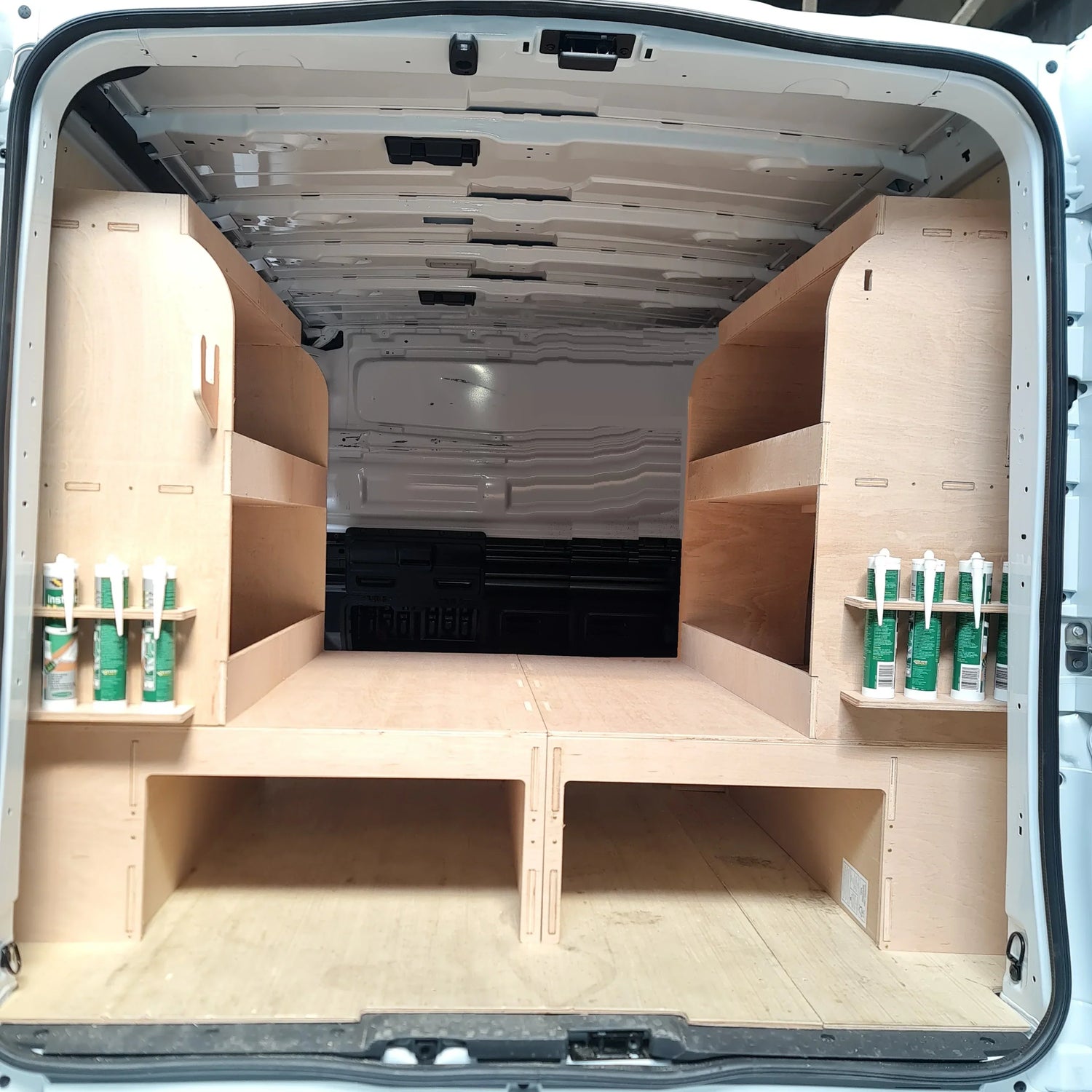
Interior practicality mirrors the diesel version's thoughtful design, featuring a fold-flat passenger seat that accommodates materials up to 3 meters long—critical for plumbers, electricians, and joiners regularly transporting lengthy items. The 12-inch touchscreen integrates Ford's Pro Power Onboard system, which allows tradespeople to power tools directly from the vehicle's battery using standard plug sockets, eliminating the need for separate generators on remote job sites. Combined with customizable van shelving solutions, the E-Transit Custom delivers unmatched versatility for professional users.

Mercedes eSprinter: Maximum Capacity Meets Electric Efficiency
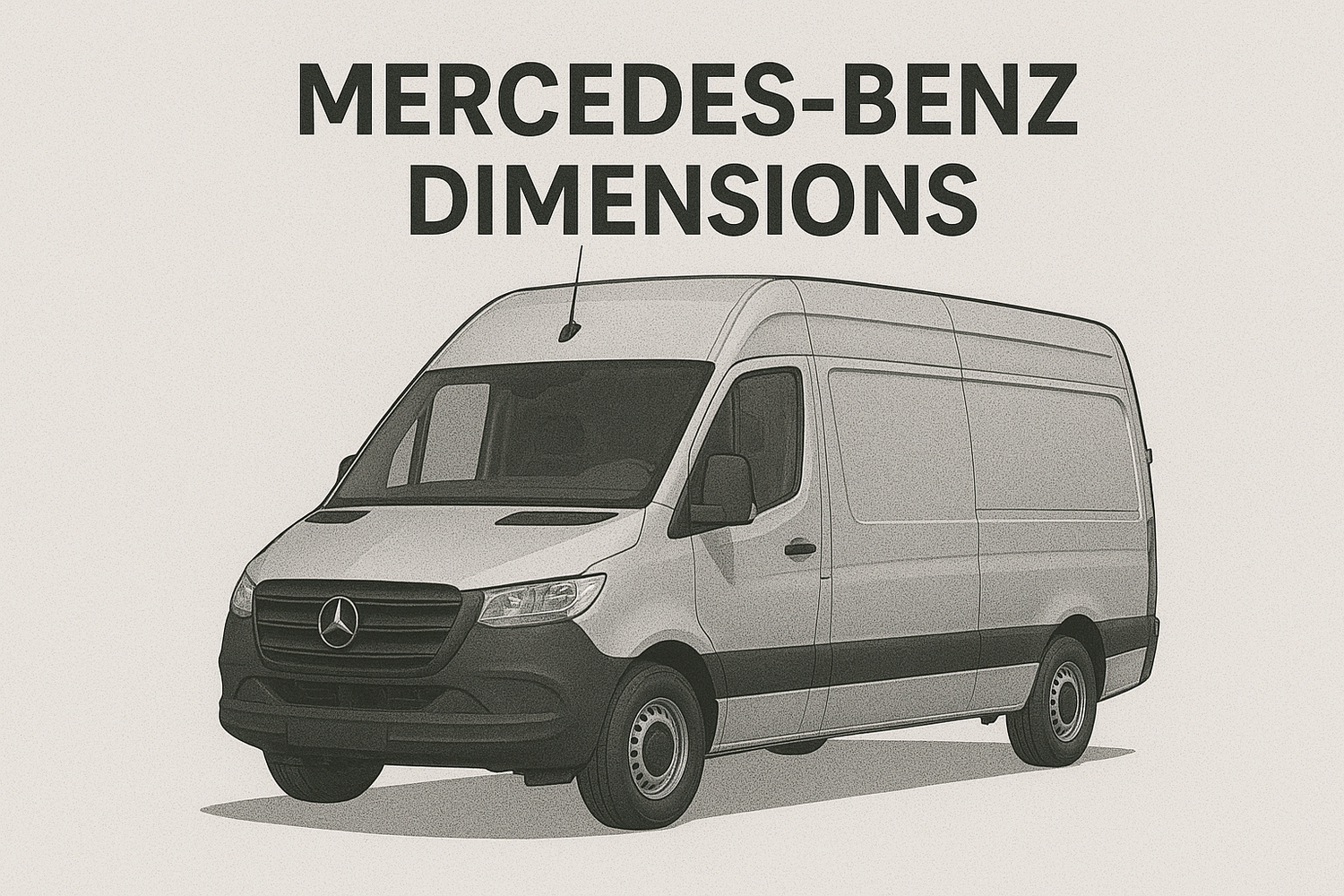
The Mercedes eSprinter redefines expectations for large electric commercial vehicles, offering three battery size options (56 kWh, 81 kWh, and 113 kWh) that allow businesses to precisely match capacity with operational requirements. The flagship 113 kWh variant achieves an impressive 273-mile range while maintaining a 1,045 kg payload capacity—a combination previously considered impossible in electric large panel vans. This achievement stems from Mercedes' second-generation electric drive system, which improves efficiency by 18% compared to the previous eSprinter generation through advanced power electronics and regenerative braking optimization.
For businesses requiring maximum cargo volume, the eSprinter's 14 cubic meter capacity matches its diesel sibling exactly, with load compartment dimensions supporting Mercedes van racking configurations from compact tool storage to full workshop layouts. The vehicle's 3.5-tonne gross vehicle weight classification maintains standard driving license eligibility while delivering commercial-grade durability. Mercedes projects a total cost of ownership 15-22% lower than diesel equivalents over a five-year ownership period, accounting for reduced maintenance requirements, exemption from various road taxes, and favorable business vehicle tax treatment.
Advanced safety features including Active Brake Assist with pedestrian detection and Crosswind Assist provide genuine value for drivers navigating congested urban environments or motorway conditions. The eSprinter's sophisticated battery thermal management system maintains optimal operating temperatures across the UK's varied climate conditions, preserving range consistency that helps businesses plan routes confidently. With Mercedes' commercial vehicle service network providing dedicated electric vehicle support at over 150 UK locations, the eSprinter delivers the comprehensive ownership experience expected from premium manufacturers.
Vauxhall Vivaro Electric: The Best-Value Medium Van
Vauxhall's Vivaro Electric has earned recognition as perhaps the best electric vans uk option for businesses prioritizing value without compromising capability. Priced approximately £4,000-£6,000 below comparable Ford and Mercedes offerings after government grants, the Vivaro Electric delivers a 75 kWh battery providing 205 miles of real-world range—adequate for typical tradespeople completing 12-15 jobs daily within a 40-mile operational radius. The vehicle shares its PSA Group platform with the Peugeot e-Expert and Citroën ë-Dispatch, benefiting from development cost efficiencies that translate directly into competitive pricing.
The Vivaro Electric's 1,000 kg payload capacity accommodates substantial equipment loads, while its 5.3 cubic meter cargo volume supports comprehensive Vauxhall Vivaro racking solutions suitable for electricians, plumbers, and HVAC engineers. Vauxhall's eight-year/100,000-mile battery warranty provides exceptional peace of mind, matching or exceeding competitor coverage while reinforcing the manufacturer's confidence in long-term reliability. The vehicle's 100 kW DC rapid charging capability delivers 80% charge in 45 minutes, though the standard 7.4 kW onboard charger handles overnight replenishment efficiently.
Interior ergonomics reflect thoughtful commercial vehicle design, with a driver-focused dashboard, high seating position providing excellent visibility, and practical storage solutions including overhead shelving and door bins sized for tablets and documentation. The Vivaro Electric integrates Vauxhall Connect telematics as standard, allowing fleet managers to monitor vehicle location, battery status, and driving behavior remotely—data invaluable for optimizing routing and identifying training opportunities. For businesses seeking the best electric vans for range combined with value pricing, few competitors match the Vivaro Electric's comprehensive package.
Best Small Electric Vans UK: Compact Champions for Urban Operations
The compact electric van segment has exploded in popularity as UK cities expand emission restrictions and small businesses recognize the operational advantages of right-sized vehicles. The best small electric vans uk offerings combine sub-4.5-meter lengths with impressive carrying capacity, making them ideal for congested urban environments where parking challenges and narrow streets favor maneuverability over maximum cargo volume. These vehicles typically achieve superior per-mile efficiency compared to larger models, with real-world energy consumption often below 3.0 miles per kWh.
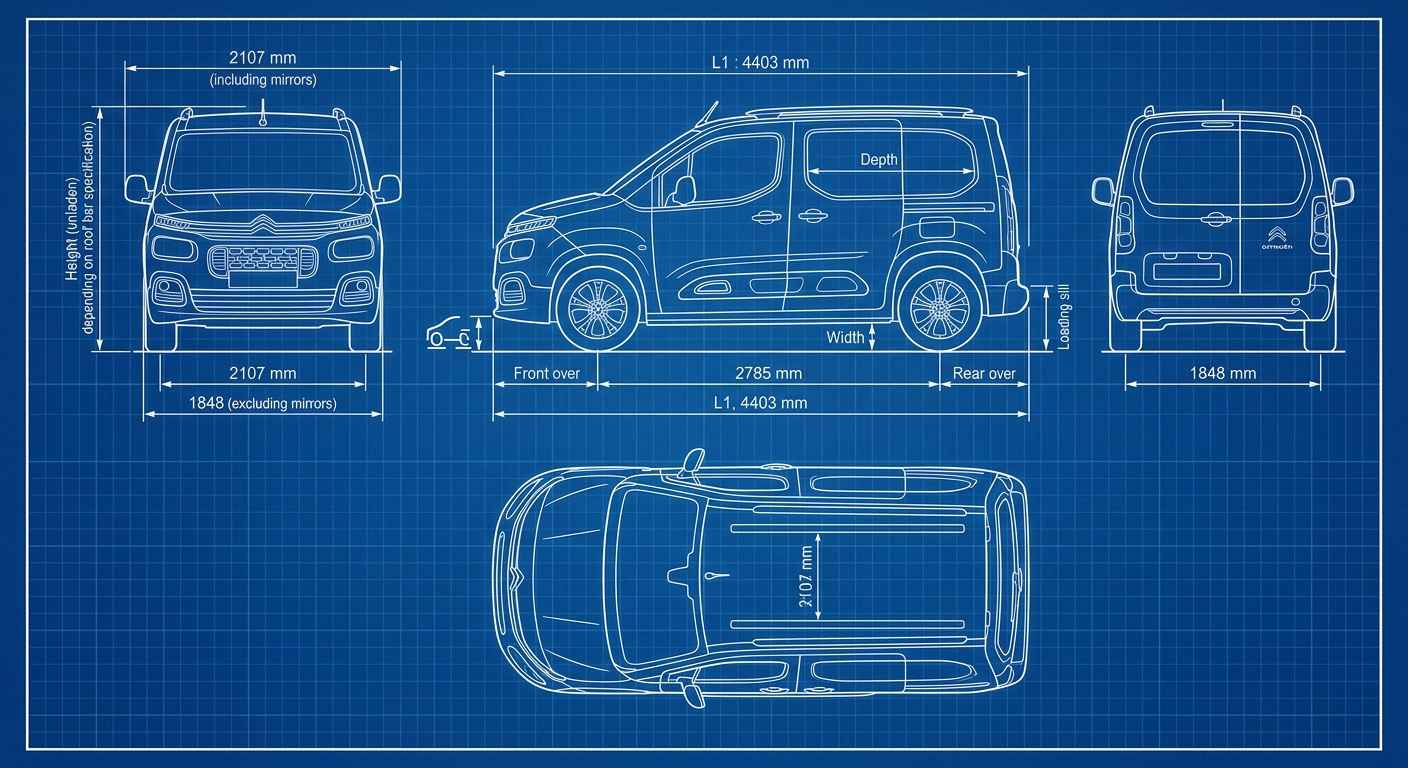
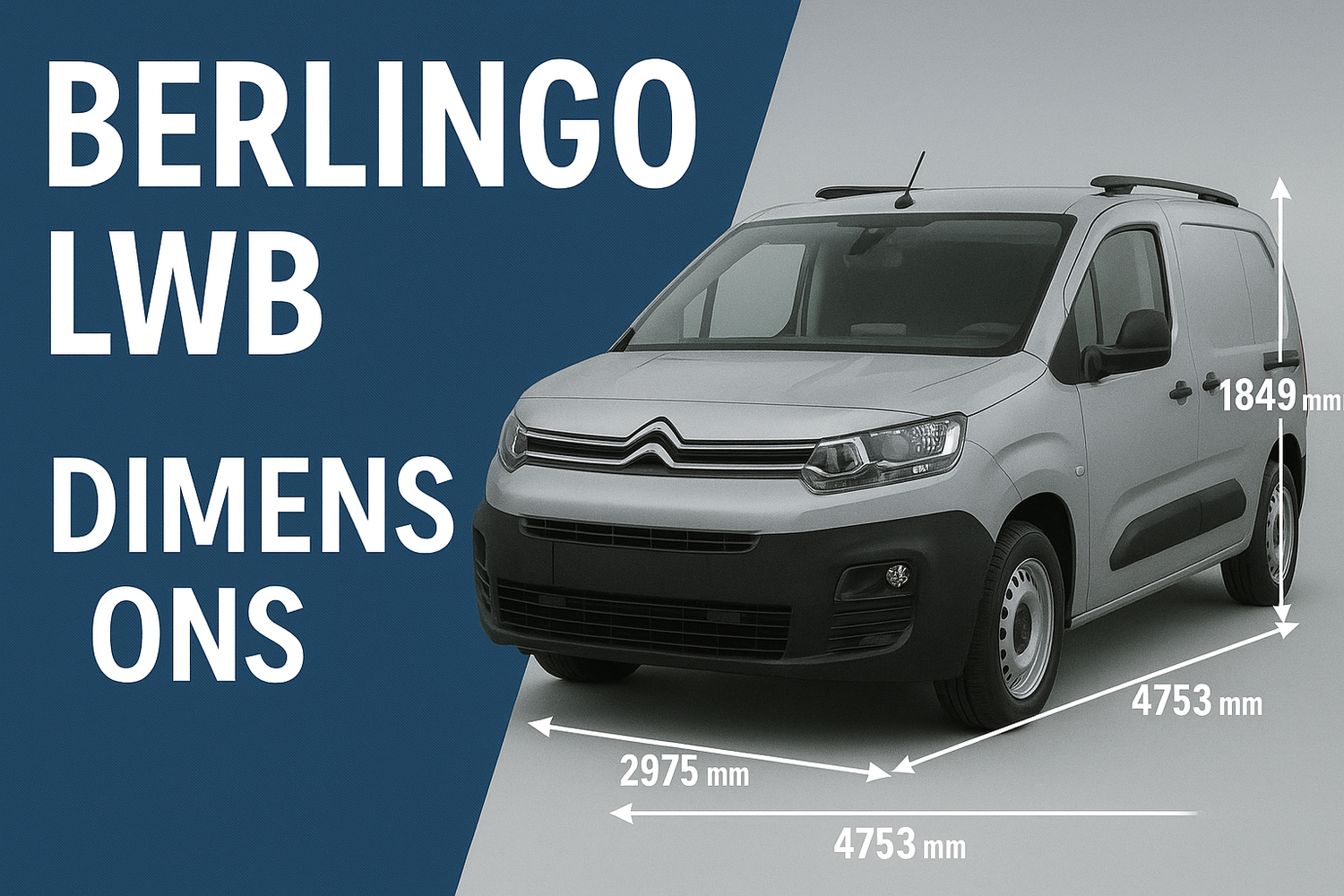
The Citroën ë-Berlingo leads this category with its innovative Magic Flat technology, allowing the passenger seat to fold completely flat and create a 2.7-meter load length within a compact overall package. Its 50 kWh battery delivers a realistic 174-mile range while supporting 800 kg payload capacity—sufficient for most courier operations, maintenance contractors, and small-scale building projects. The ë-Berlingo's quirky styling belies serious commercial capability, with Citroën van racking options maximizing the 3.8 cubic meter cargo area through intelligent vertical space utilization.
The Peugeot e-Partner shares mechanicals with the ë-Berlingo but adopts more conservative styling that some businesses prefer for professional image. Both vehicles feature innovative Grip Control with Hill Assist Descent, genuinely useful when accessing rural properties or navigating winter conditions. The Peugeot Expert van racking ecosystem extends to these smaller models, allowing businesses to standardize storage solutions across mixed-size fleets. Charging flexibility includes 7.4 kW AC capability for overnight replenishment and optional 100 kW DC rapid charging for businesses requiring multiple daily charging sessions.
Volkswagen ID.Buzz Cargo: Revolutionary Design Meets Commercial Practicality
Volkswagen's ID.Buzz Cargo represents the most radical reimagining of commercial van design in decades, combining retro-inspired styling with cutting-edge electric technology. Built on Volkswagen's dedicated MEB electric vehicle platform rather than adapting a combustion-engine chassis, the ID.Buzz achieves a remarkably flat floor, maximizing cargo volume within its compact 4.7-meter length. The 77 kWh (usable) battery delivers approximately 256 miles of range while maintaining 640 kg payload capacity—impressive given the vehicle's innovative feature set and premium positioning.
The ID.Buzz's bidirectional charging capability transforms it from merely a vehicle into a mobile energy storage system, allowing businesses to power equipment on remote job sites or even provide emergency backup power to facilities during grid outages. This vehicle-to-load functionality delivers up to 3.6 kW output—sufficient to run most power tools, lighting equipment, or laptop computers for extended periods. For businesses exploring van storage solutions, the ID.Buzz's modular cargo area configuration supports both permanent racking installations and removable systems for multi-purpose use.
Interior technology exceeds most commercial vehicles' specifications, featuring a 10-inch digital instrument cluster, 12-inch infotainment touchscreen, and augmented reality head-up display that projects navigation instructions directly onto the windscreen. While positioned as a premium offering with pricing approximately 20% above conventional electric vans, the ID.Buzz targets businesses where brand image matters—creative agencies, high-end delivery services, and lifestyle brands seeking distinctive transport solutions. Volkswagen's extensive UK dealer network and established commercial vehicle support infrastructure address a common concern with vehicles featuring novel technology platforms.
Renault Kangoo E-Tech: The Efficiency Specialist
Renault's Kangoo E-Tech exemplifies how focused engineering can extract maximum utility from modest specifications. Its relatively small 45 kWh battery might seem limiting compared to rivals, yet clever aerodynamic optimization and lightweight construction deliver a competitive 186-mile real-world range—sufficient for couriers, maintenance engineers, and small construction firms operating within defined territories. The Kangoo E-Tech's 600 kg payload capacity accommodates typical trade equipment loads while maintaining impressive energy efficiency averaging 3.4 miles per kWh under varied driving conditions.
The vehicle's compact 4.5-meter length and tight 10.8-meter turning circle make it genuinely maneuverable in constrained urban environments—a critical advantage when servicing historic city centers or residential streets with limited access. Renault's engineers positioned the battery pack beneath the load floor without compromising cargo volume, maintaining 3.9 cubic meters of usable space suitable for van racking systems tailored to specific trades. The Kangoo E-Tech includes Renault's Pro+ multimedia system as standard, integrating navigation, smartphone connectivity, and basic fleet management capabilities.
Charging infrastructure compatibility represents another Kangoo E-Tech strength, with 22 kW three-phase AC charging capability rarely found in this vehicle class. This specification allows businesses with three-phase workplace electricity to fully replenish the battery during a lunch break rather than requiring overnight charging sessions. The vehicle's innovative Easy Life Drawer system provides 50 liters of weatherproof storage beneath the loading area—perfect for securing valuable tools without consuming main cargo space. For businesses seeking the best small electric vans uk market offers with emphasis on operational efficiency, the Kangoo E-Tech warrants serious consideration.

Fiat E-Ducato: Large Panel Van Electric Pioneer
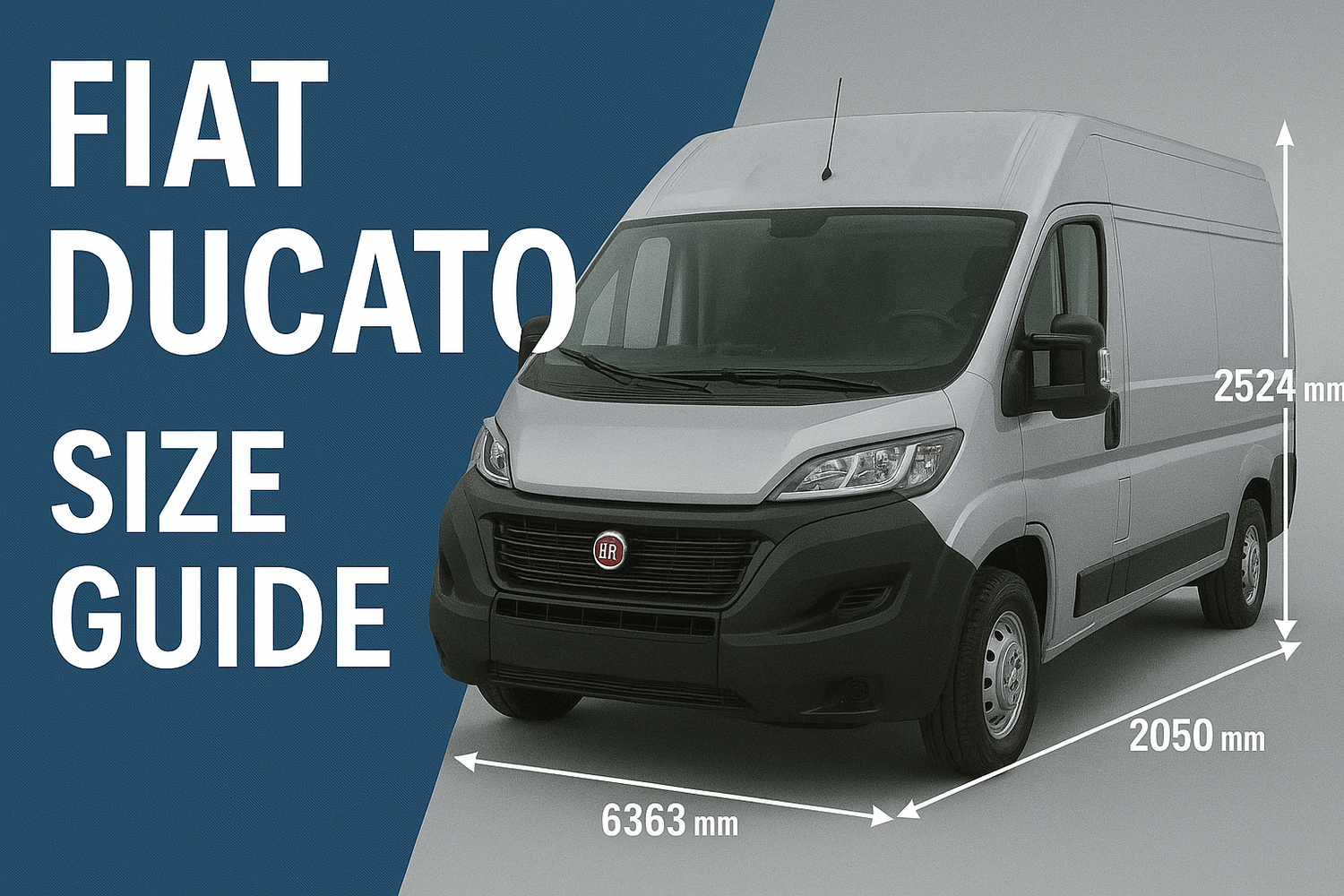
The Fiat E-Ducato holds historical significance as one of the first large panel vans offered with full electric power, launching in early 2022 and gaining continuous improvements through 2024-2025 model year updates. Currently available with either 47 kWh or 79 kWh battery options, the vehicle serves businesses requiring maximum cargo volume—up to 17 cubic meters in the largest configuration—while operating within urban emission zones. The larger battery variant achieves approximately 223 miles of range, though real-world performance varies significantly based on loading and driving style due to the vehicle's substantial 4.1 cubic meter frontal area.
Payload capacity represents the E-Ducato's most impressive specification, with certain configurations supporting up to 1,950 kg—exceptional for an electric vehicle and sufficient for most construction materials, white goods distribution, or furniture delivery operations. The vehicle accommodates van racking for large vans including full workshop layouts with integrated storage for tools, materials, and equipment. Fiat's partnership with professional conversion specialists means businesses can specify factory-backed modifications including refrigeration units, Luton bodies, or specialized equipment mounting—maintaining comprehensive warranty coverage.
The E-Ducato's 3.5-tonne gross vehicle weight classification preserves standard driving license eligibility while delivering commercial-grade capability. Advanced driver assistance systems including Adaptive Cruise Control, Lane Keep Assist, and Blind Spot Monitoring provide safety features increasingly expected in commercial vehicles. Fiat's competitive pricing strategy positions the E-Ducato approximately 15% below Mercedes eSprinter equivalents, making it attractive for cost-conscious fleet operators willing to accept somewhat less refined driving dynamics in exchange for substantial purchase price savings.
Nissan Townstar EV: The Dependable Japanese Alternative
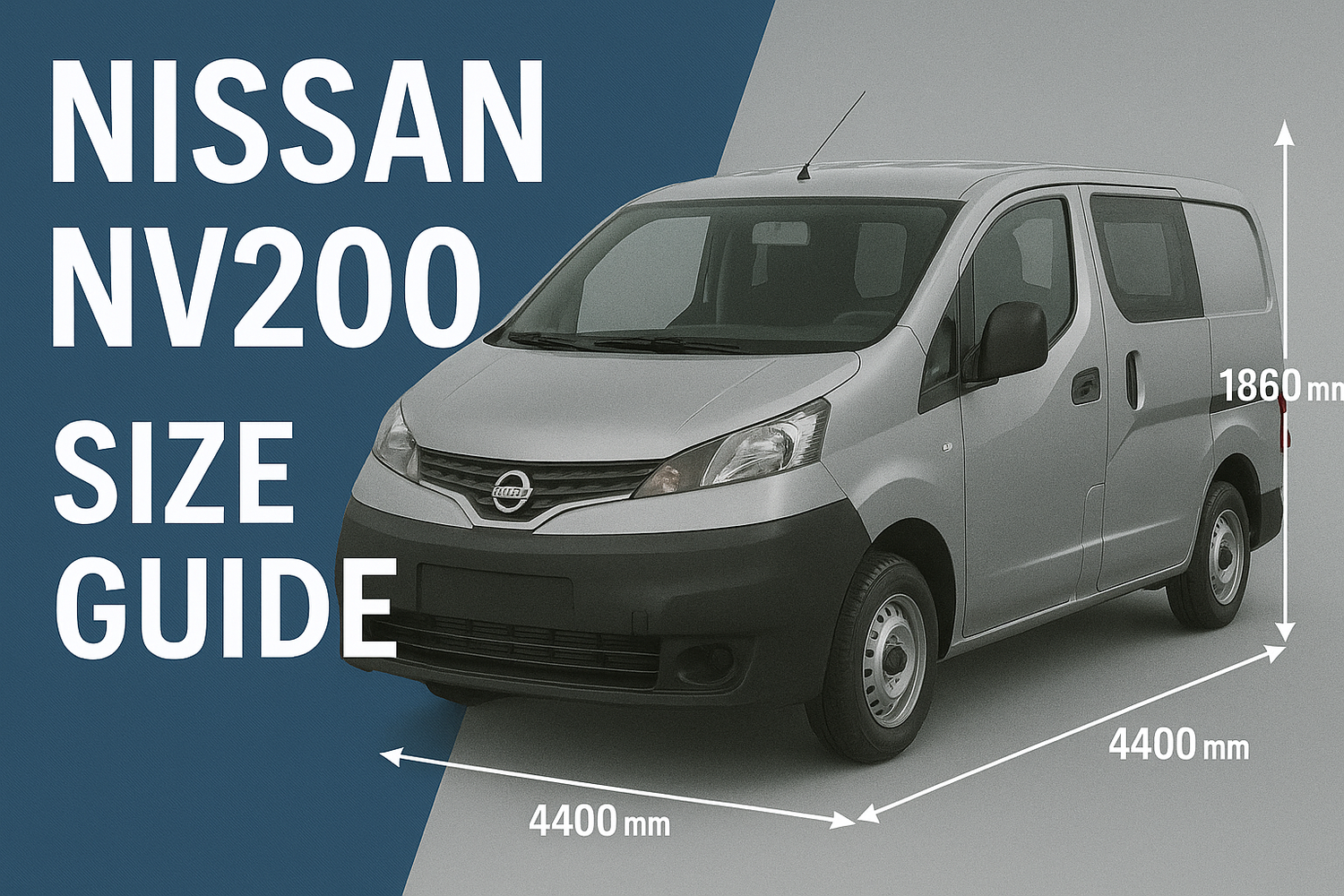
Nissan's Townstar EV represents the Japanese manufacturer's serious commitment to European commercial vehicle markets, replacing the aging NV200 with a thoroughly modern electric platform. Built in partnership with Renault (sharing mechanicals with the Kangoo E-Tech), the Townstar EV benefits from Nissan's extensive electric vehicle experience developed through the Leaf passenger car program. The 45 kWh battery delivers approximately 183 miles of real-world range while supporting 600 kg payload capacity—competitive within the compact van segment.
The Townstar EV distinguishes itself through exceptional build quality and comprehensive standard equipment levels that rival premium manufacturers. Even base specifications include rear parking sensors, cruise control, and a 7-inch touchscreen with Apple CarPlay and Android Auto integration—features sometimes optional on competitors. Nissan's established UK dealer network provides widespread service coverage, addressing concerns some businesses harbor regarding newer electric vehicle platforms from manufacturers with limited commercial vehicle history. The vehicle's five-year/100,000-mile warranty exceeds most competitors, with battery coverage matching this comprehensive protection period.
Cargo area dimensions support universal van racking solutions suitable for electricians, telecommunications engineers, and maintenance contractors requiring organized tool storage. The Townstar EV includes Nissan's innovative Intelligent Around View Monitor, which uses four cameras to create a bird's-eye view of the vehicle's surroundings—genuinely useful when maneuvering in tight loading bays or crowded work sites. For businesses prioritizing reliability and manufacturer support over cutting-edge specifications, the Townstar EV delivers dependable, well-executed electric commercial transport.
Best Electric Vans for Range: Long-Distance Champions
Range anxiety remains the primary barrier preventing some businesses from adopting electric commercial vehicles, despite most tradespeople completing daily mileage well below even entry-level electric vans' capabilities. For fleet operators genuinely requiring extended single-charge range—rural delivery services, long-distance courier companies, or businesses servicing remote locations—the best electric vans for range employ sophisticated battery management systems and aerodynamic optimization that maximize energy efficiency under motorway conditions.
The Mercedes eSprinter with 113 kWh battery currently leads the market, delivering verified 273-mile range during independent testing conducted at constant 56 mph—representative of motorway speed-limited vehicle performance. This capability allows businesses to complete routes spanning Manchester to Edinburgh or London to Cardiff without intermediate charging, fundamentally changing operational possibilities for electric commercial vehicles. Advanced heat pump climate control systems minimize the winter range penalty that affects simpler electric vehicles, maintaining approximately 85% summer range even during sub-zero temperatures.
The Maxus eDeliver 9, while less recognized than premium European brands, deserves mention for achieving 219 miles of range from its 88.55 kWh battery pack despite weighing over 3,500 kg when fully laden. Chinese manufacturer SAIC has engineered this vehicle specifically for European commercial applications, incorporating feedback from UK fleet operators regarding payload requirements, charging infrastructure compatibility, and service network expectations. The eDeliver 9's competitive pricing—approximately 30% below Mercedes eSprinter equivalents—makes it attractive for businesses prioritizing value over brand prestige, though limited UK dealer presence requires careful consideration of long-term support availability.
Understanding Total Cost of Ownership for Electric Vans
Purchase price comparisons between electric and diesel vans reveal only partial financial reality. Comprehensive total cost of ownership analysis incorporating fuel expenses, maintenance requirements, road taxes, and residual values demonstrates electric vans' compelling economic advantages over typical five-year business ownership periods. Electricity costs average 4-7p per mile depending on charging methods employed, compared to 12-16p per mile for diesel equivalents—generating annual savings exceeding £2,800 for vehicles completing 15,000 miles. These figures assume mixed home/workplace charging; businesses relying predominantly on public rapid charging see reduced but still substantial savings.
Maintenance expenses favor electric powertrains dramatically, with no oil changes, far less brake wear due to regenerative systems, and significantly fewer moving parts subject to wear. Independent analysis from Fleet News estimated electric van maintenance costs at 35% below diesel equivalents when comparing like-for-like vehicle sizes and annual mileage. Service intervals typically extend to 24,000 miles or two years—double typical diesel specifications—reducing vehicle downtime that costs businesses both directly through service center fees and indirectly through lost productivity.
Benefit-in-Kind taxation provides another financial incentive, with electric vans incurring just 2% BiK rates compared to 20-37% for diesel equivalents. This differential saves higher-rate taxpaying sole traders approximately £1,200-£1,800 annually on a typical £35,000 electric van. First-year capital allowances allow businesses to deduct 100% of electric van purchase costs against profits immediately rather than depreciating over multiple years—potentially worth £6,500-£9,500 in corporation tax savings for a £35,000 vehicle. Combined with government grants reducing purchase prices by up to £2,500, these incentives materially improve electric van affordability for businesses of all sizes.
Charging Infrastructure and Practical Range Considerations
The UK's charging infrastructure has matured substantially, with over 42,000 public charging locations providing approximately 75,000 individual charging points as of early 2025. This network includes rapid chargers (50+ kW) and ultra-rapid units (150+ kW) strategically positioned along motorway service areas and major trunk roads, enabling long-distance electric van operation without excessive journey time penalties. Most tradespeople, however, rely primarily on home or workplace charging to replenish vehicles overnight, accessing public infrastructure only occasionally for top-ups or when traveling beyond typical operational areas.
Home charging using dedicated 7 kW wallboxes costs approximately £1.40-£2.10 to add 40 miles of range during off-peak tariff periods—dramatically cheaper than diesel refueling and accomplished while vehicles sit idle overnight. The UK government's Electric Vehicle Homecharge Scheme previously provided installation grants, though this ended for most applicants in 2022; nevertheless, installation costs typically range £800-£1,200 including materials and labor. Workplace charging infrastructure has proliferated, with many employers providing free charging as an employee benefit that costs them approximately 70% less than providing equivalent-value fuel cards for diesel vehicles.
Public rapid charging costs vary significantly, ranging from approximately 44p-79p per kWh depending on network, location, and charging speed. These rates result in per-mile costs of 12-20p—comparable to diesel vehicles but eliminating the convenience advantage electric charging typically provides. For businesses operating comprehensive fleets, subscription charging networks like BP Pulse and Shell Recharge offer discounted per-kWh rates and consistent pricing across multiple locations, improving budget predictability. Understanding local charging infrastructure availability and costs represents essential due diligence before committing to electric van adoption, ensuring operational requirements align with charging capabilities.
Selecting the Right Electric Van for Your Business
Choosing among the best electric vans requires matching vehicle capabilities with actual operational requirements rather than selecting specifications that merely sound impressive. Businesses should begin by analyzing typical daily mileage patterns over representative three-month periods, identifying maximum single-day distances that vehicles must accommodate. This data reveals whether 150-mile range vehicles suffice or whether longer-range models justify their premium pricing. Similarly, payload analysis determines whether compact vans' 600-700 kg capacity meets requirements or whether medium vans' 1,000+ kg specification proves necessary.
Cargo volume and configuration preferences significantly influence vehicle selection. Businesses regularly transporting lengthy items—plumbers carrying pipe, electricians with cable drums, or glaziers moving sheet materials—benefit from long-wheelbase vehicles or models featuring fold-flat passenger seats. Conversely, courier services prioritizing package security often prefer standard configurations with integrated van racking solutions that maximize vertical space utilization and secure items during transit. Test-driving shortlisted models while loaded to typical working weight provides invaluable insights regarding handling, visibility, and accessibility that specifications alone cannot convey.
Financial analysis should incorporate all ownership costs including depreciation, which currently remains somewhat unpredictable for electric vans given their recent market introduction and rapidly evolving technology. Conservative budgeting assumes 45-50% residual value after three years or 60,000 miles—comparable to diesel equivalents but potentially optimistic if battery technology advances dramatically, rendering current models less desirable. Lease arrangements through manufacturers or specialist providers eliminate residual value uncertainty while incorporating maintenance and servicing into predictable monthly costs. For businesses uncertain about electric vehicle suitability, leasing provides flexibility to assess technology before committing to outright purchase.
What is Payload Capacity and Why Does it Matter?
Payload capacity represents the maximum weight a van can legally carry, calculated as gross vehicle weight minus unladen weight. This specification critically impacts electric van selection because batteries add substantial weight—typically 400-600 kg depending on capacity—reducing available payload compared to diesel equivalents. A medium van rated at 3,500 kg gross vehicle weight might offer 1,200 kg payload in diesel form but only 900-1,000 kg as an electric vehicle, potentially insufficient for businesses regularly transporting dense materials or heavy equipment.
Understanding payload requirements demands weighing typical loads rather than estimating, as materials often weigh considerably more than anticipated. Plumbers transporting full cylinders, plasterers carrying bagged materials, or electricians with extensive cable stocks can easily exceed 600 kg cargo weight before accounting for tools, ladders, and safety equipment. Exceeding payload capacity risks safety through compromised handling, invalidates insurance coverage, and subjects businesses to substantial fines during roadside enforcement checks. The Driver and Vehicle Standards Agency has intensified commercial vehicle enforcement, with payload violations resulting in prohibition notices that ground vehicles until rectified.
Several manufacturers offer electric vans with reduced battery capacities specifically to maximize payload capacity for businesses prioritizing carrying capability over range. The Ford E-Transit, for example, provides three battery options (68 kWh, 77 kWh, and 87 kWh) with corresponding payload capacities that allow businesses to select optimal range/capacity balances. Similarly, choosing shorter wheelbases or lower roof heights reduces unladen weight, increasing available payload. Businesses uncertain about payload adequacy should consider that installing comprehensive van racking systems adds 80-150 kg depending on configuration, further reducing available carrying capacity.
Are Electric Vans Suitable for Cold Weather Operation?
UK winters present legitimate concerns for electric vehicle operation, as battery chemistry responds less efficiently at low temperatures, reducing both available range and charging speeds. Modern electric vans employ sophisticated thermal management systems that pre-heat batteries during charging sessions and maintain optimal operating temperatures while driving, substantially mitigating cold weather performance degradation. Real-world testing demonstrates that properly designed electric vans maintain 75-85% of their rated summer range during typical UK winter conditions (0-5°C), with more severe penalties only occurring during prolonged sub-zero temperatures exceeding several days' duration.
The best electric vans UK market offers include heat pump climate control systems that warm the cabin far more efficiently than resistive electric heaters, preserving range that older electric vehicles sacrificed for passenger comfort. These systems essentially reverse air conditioning operation, extracting ambient heat even from cold outside air and compressing it to higher temperatures suitable for interior heating. This technology consumes approximately 1-2 kW compared to 5-6 kW for resistive heaters, preserving 15-25 miles of range during typical winter journeys—a meaningful difference for businesses operating near vehicles' maximum daily range capabilities.
Preconditioning represents another effective strategy for maximizing winter range, using mains electricity to warm the battery and cabin before departure while vehicles remain connected to charging infrastructure. This approach ensures batteries operate at optimal temperature immediately upon departure rather than consuming stored energy to reach ideal conditions during the journey's initial phase. Most electric vans integrate preconditioning scheduling through smartphone applications, allowing users to specify departure times and preferred cabin temperatures. The combination of modern thermal management, heat pump technology, and intelligent preconditioning makes cold weather operation entirely practical for businesses whose operational requirements align with adjusted winter range capabilities.
How Do Electric Vans Compare for Towing Capacity?
Towing capability represents a significant limitation for current electric vans, with most manufacturers severely restricting or entirely prohibiting trailer use. This constraint stems from several technical factors including the substantial additional energy consumption towing imposes—often reducing range by 40-60%—and concerns regarding battery longevity when subjected to high sustained power demands. Additionally, trailer load calculations become complex with electric vehicles due to varying battery states of charge affecting available vehicle weight for compliance with 3,500 kg gross train weight limits governing standard license holders.
Among the best electric vans for range, the Ford E-Transit Custom stands out by offering a 750 kg braked towing capacity—modest by diesel standards but sufficient for small trailers carrying tools or materials. Mercedes provides similar 750 kg ratings on certain eSprinter configurations, though with explicit range warnings that towing substantially reduces single-charge capability. Most other electric vans either prohibit towing entirely or limit it to 350 kg unbraked trailers—essentially preventing meaningful trailer use for commercial applications.
Businesses regularly requiring towing capability face difficult choices: maintaining separate diesel vehicles for trailer work, accepting dramatically reduced range when towing with electric vans, or reconsidering operational methods to eliminate towing requirements. The latter approach often proves most practical, with many businesses transitioning to purchasing longer-wheelbase electric vans that accommodate internally what they previously transported via trailer. This strategy provides weather protection for materials, improves security, and eliminates the complexity of trailer maneuvering in constrained urban environments. As battery technology advances and energy density improves, future electric van generations will likely offer enhanced towing capabilities, but current limitations require realistic assessment during vehicle selection.
Electric Van Safety Features and Driver Assistance Technology
Modern electric vans frequently include advanced safety features as standard equipment that would cost thousands of pounds as options on diesel equivalents. This specification generosity stems partially from electric vehicles' newer design vintage incorporating contemporary safety expectations and partially from manufacturers' recognition that safety technology helps overcome purchase price resistance by adding tangible value. Autonomous Emergency Braking (AEB) now appears on virtually all electric vans, using radar and camera systems to detect imminent collisions and automatically apply brakes if drivers fail to respond—technology proven to reduce rear-end collision frequency by approximately 38% according to Thatcham Research.
Lane Keep Assist and Lane Departure Warning systems help drivers maintain proper road positioning during extended motorway journeys when concentration may lapse due to fatigue or distraction. These features prove particularly valuable in commercial vehicles where drivers often operate for extended periods under deadline pressures that compromise alertness. Blind Spot Monitoring addresses commercial vehicles' inherent visibility challenges, warning drivers when vehicles occupy areas obscured by large body panels or door mirrors—situations frequently causing accidents when changing lanes or merging into traffic.
Traffic Sign Recognition, integrated into many best small electric vans uk offerings, displays current speed limits on the instrument cluster and warns drivers about exceeding posted restrictions. This technology provides genuine value for tradespeople operating across multiple regions with varying speed limits, reducing inadvertent speeding violations that generate penalty points and increase insurance premiums. Electric vans' sophisticated electronics infrastructure facilitates integrating these advanced features at lower cost than retrofitting diesel vehicles, creating safety dividends that protect both drivers and businesses from accident-related liabilities. Combined with standard reversing cameras and parking sensors, these systems substantially enhance commercial vehicle safety compared to older diesel vans lacking such equipment.
What Are the Best Electric Vans for Specific Trades?
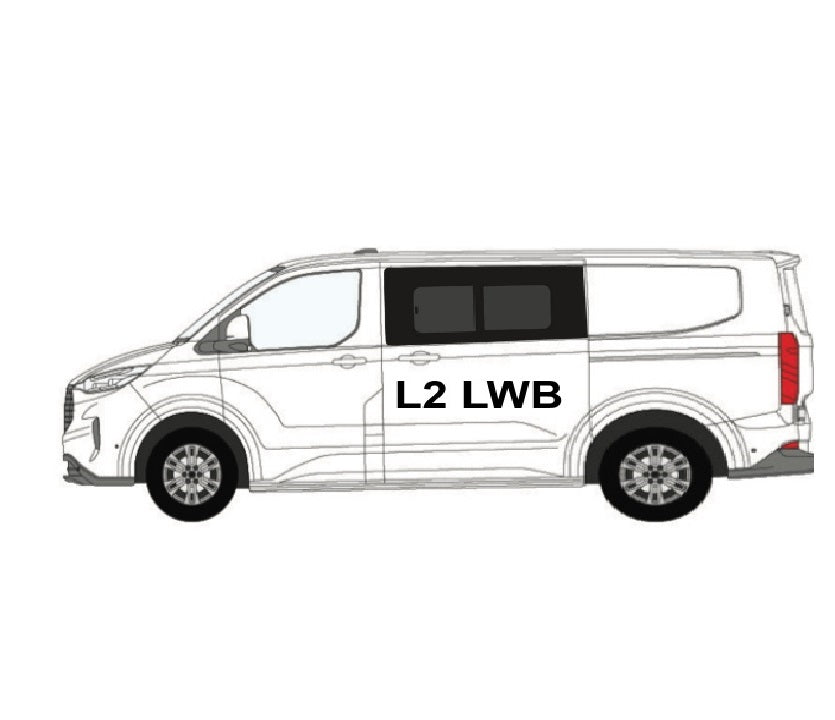
Different trades impose varying requirements on commercial vehicles, making certain electric van models more suitable than others for particular applications. Electricians typically benefit from long-wheelbase configurations providing maximum internal length for cable drums, conduit, and trunking while requiring comprehensive van racking ideas for electricians that organize numerous small components efficiently. The Ford E-Transit Custom LWB or Vauxhall Vivaro-e L2 offer ideal combinations of range, payload capacity, and internal dimensions for electrical contractors requiring mobile workshops accessing urban and suburban job sites.
Plumbers face different challenges, regularly transporting heavy materials including copper pipe, radiators, and water cylinders that quickly exhaust payload capacity. Medium payload electric vans like the Mercedes eSprinter with 1,045 kg capacity or Fiat E-Ducato with 1,200+ kg specifications prove more suitable than compact models insufficient for typical plumbing supply loads. These trades also benefit from vehicles accommodating internal height for upright cylinder transport and van racking ideas for plumbers securing pipework against movement during transit.
Courier and parcel delivery operations prioritize different attributes, valuing cargo security over payload capacity and reliability over maximum range. The Nissan Townstar EV or Citroën ë-Berlingo provide excellent solutions, offering integrated bulkhead partitions, low load floors facilitating rapid loading cycles, and compact dimensions improving urban maneuverability. These businesses often operate multiple daily drops within defined territories, making 175-190 mile range entirely adequate while benefiting from electric vehicles' zero tailpipe emissions that permit access to restricted urban zones increasingly closed to diesel vehicles. Understanding trade-specific requirements ensures selecting electric vans that enhance rather than compromise operational efficiency.

Environmental and Business Reputation Benefits
Beyond direct financial savings and operational advantages, electric van adoption delivers meaningful environmental benefits that increasingly influence customer purchasing decisions and corporate procurement policies. Electric vans produce zero tailpipe emissions, eliminating particulate matter and nitrogen oxide pollution that diesel vehicles generate—pollutants linked to respiratory conditions and urban air quality degradation. This environmental performance allows businesses to demonstrate tangible sustainability commitments that resonate with environmentally conscious customers and align with corporate social responsibility objectives that major clients increasingly impose on supply chains.
The transition to electric vehicles provides legitimate marketing advantages, with studies indicating approximately 67% of UK consumers view businesses using electric vehicles more favorably than those operating diesel fleets. This perception improvement can prove decisive when competing for contracts or attracting customers who prioritize environmental considerations alongside traditional factors like pricing and service quality. Many businesses prominently display electric vehicle adoption through vehicle livery modifications and marketing communications, leveraging their fleet choices as competitive differentiators in crowded marketplaces.
Local authorities and private sector organizations increasingly implement procurement policies favoring or requiring electric vehicle use from contractors and suppliers. London's Ultra Low Emission Zone expansion, Birmingham's Clean Air Zone, and similar schemes across UK cities effectively mandate electric vehicles for businesses regularly operating within these areas. Early electric van adoption positions businesses favorably as these policies expand and intensify, avoiding rushed transitions under regulatory pressure that often result in suboptimal vehicle selections made under time constraints. The environmental case for the best electric vans strengthens continuously as UK electricity generation becomes progressively decarbonized through renewable energy expansion, creating genuine "well-to-wheel" emission reductions exceeding 70% compared to diesel alternatives.
Frequently Asked Questions
What is the real-world range of the best electric vans?
Real-world range varies significantly based on driving conditions, payload, weather, and driving style, but most best electric vans UK models achieve 160-240 miles per charge under mixed conditions. Motorway driving at 60-70 mph typically reduces range by 20-30% compared to urban/suburban operation due to aerodynamic drag. The Mercedes eSprinter with 113 kWh battery leads the segment with up to 273 miles verified range.
How long does it take to charge an electric van?
Charging time depends on battery size and power source. Home charging using a 7 kW wallbox typically requires 6-10 hours for full replenishment, accomplished overnight while vehicles sit idle. Public rapid chargers (50-150 kW) restore 80% capacity in 30-60 minutes, suitable for quick top-ups during work breaks or between delivery routes.
Are electric vans more expensive than diesel equivalents?
Purchase prices for electric vans typically exceed diesel equivalents by £8,000-£15,000 before government grants, which currently provide up to £2,500 reduction. However, total cost of ownership analysis including fuel savings, reduced maintenance, favorable taxation, and grant incentives often demonstrates electric vans cost less over typical five-year business ownership periods, particularly for high-mileage operations.
Can electric vans handle heavy payload requirements?
Modern electric vans increasingly offer payload capacities matching diesel equivalents, with leading models like the Mercedes eSprinter providing 1,045 kg and Fiat E-Ducato supporting up to 1,950 kg. However, batteries add substantial weight, so careful payload analysis comparing specific electric and diesel variants proves essential before purchase, particularly for trades regularly transporting dense materials.
What happens if I run out of charge in an electric van?
Running completely out of charge requires roadside assistance to transport the vehicle to charging infrastructure, similar to diesel vehicles running out of fuel. However, modern electric vans provide extensive range warnings and typically enter reduced-power modes preserving sufficient energy to reach nearby charging points. Most manufacturers include roadside assistance covering this scenario within new vehicle warranties.
Do electric vans require special maintenance?
Electric vans require significantly less maintenance than diesel equivalents, with no oil changes, fewer brake replacements due to regenerative braking, and no diesel particulate filter servicing. Service intervals typically extend to 24,000 miles or two years. Manufacturers recommend annual brake fluid replacement and coolant checks for battery thermal management systems, but overall maintenance costs run approximately 35% below diesel vehicles.
Data Sources with Links
-
Society of Motor Manufacturers and Traders (SMMT) - UK Electric Van Registration Data 2024-2025 https://www.smmt.co.uk/vehicle-data/cv-registrations/
-
Zap-Map - UK Electric Vehicle Charging Infrastructure Statistics (January 2025) https://www.zap-map.com/statistics/
-
What Car? - Electric Van Real-World Range Testing and Reviews https://www.whatcar.com/vans/
-
Parkers Vans - Electric Van Specifications and Pricing Data https://www.parkers.co.uk/vans/
-
Fleet News - Total Cost of Ownership Analysis for Electric Commercial Vehicles https://www.fleetnews.co.uk/fleet-management/electric-fleet/
-
Commercial Fleet - Electric Van Market Analysis and Industry Reports https://www.commercialfleet.org/
-
Gov.UK - Plug-in Van Grant Information and Government Incentives https://www.gov.uk/plug-in-vehicle-grants
-
Energy Saving Trust - Electric Vehicle Running Cost Analysis https://energysavingtrust.org.uk/advice/electric-vehicles/
-
Thatcham Research - Commercial Vehicle Safety Technology Effectiveness Studies https://www.thatcham.org/what-we-do/safety/
-
Driver and Vehicle Standards Agency (DVSA) - Commercial Vehicle Enforcement and Payload Regulations https://www.gov.uk/government/organisations/driver-and-vehicle-standards-agency
-
Ford UK - E-Transit Custom Official Specifications https://www.ford.co.uk/vans-and-pickups/transit-custom/e-transit-custom
-
Mercedes-Benz Vans UK - eSprinter Technical Documentation https://www.mercedes-benz-vans.co.uk/en/esprinter
-
Vauxhall - Vivaro Electric Official Specifications https://www.vauxhall.co.uk/vans/vivaro-e.html
-
Transport & Environment - Well-to-Wheel Emissions Analysis for Electric Vehicles https://www.transportenvironment.org/
-
Department for Transport - UK Electric Vehicle Market Statistics https://www.gov.uk/government/organisations/department-for-transport/about/statistics