
The VW ID Buzz Cargo reimagines iconic 1950s Volkswagen T1 styling for the electric era, delivering head-turning retro-futuristic design alongside genuine commercial capability. Starting from £43,875 (exc VAT, eligible for £5,000 government grant), this MEB platform-based van achieves impressive 254-mile WLTP range, 170kW rapid charging, and 204PS performance whilst maintaining 3.9 cubic meters cargo capacity and 592kg payload. Six-month real-world testing reveals exceptional driver appeal, strong residual values, and compelling total cost of ownership, though modest load space versus traditional vans demands careful operational assessment before investment.
Key Specifications at a Glance
|
Specification |
VW ID Buzz Cargo |
|
Starting Price |
£43,875 exc VAT (£5,000 grant eligible) |
|
Dimensions |
4,712mm L × 1,985mm W × 1,937mm H |
|
Cargo Volume |
3.9 cubic meters |
|
Payload |
592kg |
|
Load Length |
2,208mm (2.2m) |
|
Width Between Arches |
1,230mm |
|
Battery Capacity |
77kWh |
|
WLTP Range |
254 miles |
|
Real-World Range |
200 miles average (2.9mi/kWh) |
|
Motor Power |
204PS (150kW) rear-wheel drive |
|
DC Charging |
170kW (5-80% in 30 minutes) |
|
AC Charging |
11kW onboard (empty-full in 7.5 hours) |
Design and Visual Impact
Iconic Retro Styling
The ID Buzz Cargo's retro-futuristic design pays homage to legendary 1950s VW T1 whilst incorporating modern electric vehicle aesthetics. The distinctive two-tone paintwork, short overhangs, and upright stance create instant recognition, with test model's Lime Yellow metallic finish attracting constant public attention. Pedestrians regularly approach parked vehicles for closer inspection, whilst other motorists frequently stare appreciatively—unusual reactions for commercial vehicles typically designed for anonymity.
This striking appearance proves double-edged: operations valuing discretion may find excessive attention problematic, whilst businesses seeking brand visibility benefit from natural marketing opportunities. The car-like appearance enables access to residential areas and client premises where traditional panel vans might attract parking restrictions or unwanted scrutiny.
Cabin Quality and Features
Interior Environment
The cabin delivers exceptional quality unexpected in commercial vehicles, sharing infotainment systems, driver display panels, and controls with passenger models including VW ID.4. High-quality hardwearing materials maintain showroom condition after 8,500+ miles real-world operation, whilst integration of premium components elevates driver experience significantly above typical commercial vehicle standards.
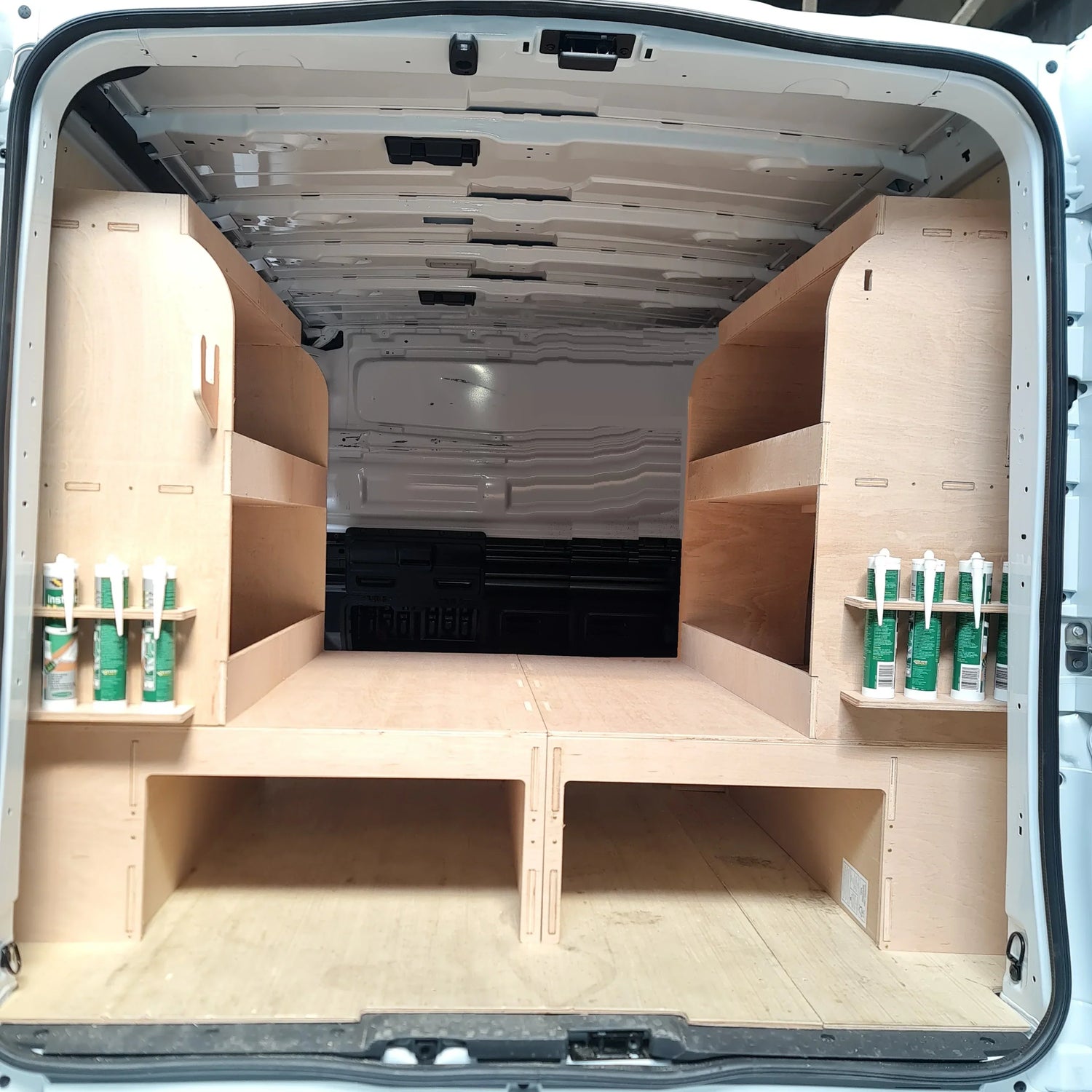
Standard equipment includes 10-inch central touchscreen, 5.5-inch driver display panel, dual sliding side doors, rear wing doors opening 180 degrees, fixed bulkhead with coat hooks, six floor lashing rings, and side wall rails. The id buzz van shelving fits driver or passenger side volkswagen demonstrates purpose-designed storage solutions maximizing this practical foundation.
Storage and Practicality
Generous interior storage includes cabin-width dashboard bins, multiple cubby holes, dedicated mobile phone compartment with dual USB-C ports, additional USB-C charging points, and 12-volt socket. Optional 230-volt three-pin socket (£408) draws from 12V battery providing 300W output suitable for laptop charging though disappointing for power tool applications requiring substantial power delivery.
Gear selection via right steering wheel stalk frees center console space improving legroom, though three-across seating remains tight for adults making middle position better suited to children or shorter journeys. Overall cabin ergonomics balance commercial durability against passenger car comfort successfully. For comprehensive organization, explore our Volkswagen collection featuring vehicle-specific solutions.
Performance and Driving Dynamics
Electric Powertrain
The 204PS rear-mounted motor delivers punchy performance benefiting from MEB platform sharing with Audi Q4 e-tron and VW ID.3 passenger vehicles. Smooth acceleration, composed handling, and refined road manners create genuinely enjoyable driving experience—test drivers consistently praised engagement levels unusual for commercial applications.
Comfort and refinement prove exceptional across thousands of test miles including numerous 100+ mile journeys. The passenger car foundations deliver composed ride quality absorbing rough surfaces effectively whilst maintaining stability with varied load configurations. Multiple fleet staff members expressed enthusiasm for driving assignments, testament to genuine driver appeal rarely encountered in commercial vehicle operations.

Range and Charging Performance
Real-World Efficiency
Six-month testing achieved 2.9mi/kWh average matching official Volkswagen figures, though seasonal variations proved significant. Summer conditions delivered up to 3.9mi/kWh potentially exceeding 257-mile claimed range by 50 miles, whilst coldest winter driving dropped to 2.4mi/kWh (25-30% reduction) providing approximately 185-mile realistic range under challenging conditions.
Over 3,690 test miles, the ID Buzz comfortably delivered 200+ miles between charges under typical mixed conditions without significant payload. Operations averaging 150+ daily miles benefit from optional heat pump (£1,050) mitigating winter efficiency losses, though cabin preheating via We Connect ID app whilst still plugged in somewhat negates heat pump absence for depot-based operations. For more insights, read our VW ID Buzz Cargo summer vs winter test.
Charging Infrastructure Experience
Standard 11kW AC charging completes empty-to-full charge in 7.5 hours suitable for overnight depot charging. The 170kW DC rapid charging capability enables 5-80% charge in just 30 minutes, class-leading performance enabling brief top-ups during extended routes. Testing confirmed reliable charging at Gridserve and Osprey networks, though Applegreen facilities at Birchanger Services proved problematic with multiple payment and connection failures affecting various EV brands suggesting network rather than vehicle issues.
Home charging experienced intermittent issues with test vehicle, with charging speeds dropping from expected 7kW to approximately 4kW unpredictably at one specific wallbox whilst maintaining normal operation elsewhere. The cause remained undiagnosed but highlights importance of reliable charging infrastructure for fleet operations dependent on predictable daily range availability.
Load Space and Practicality
Cargo Capacity Analysis
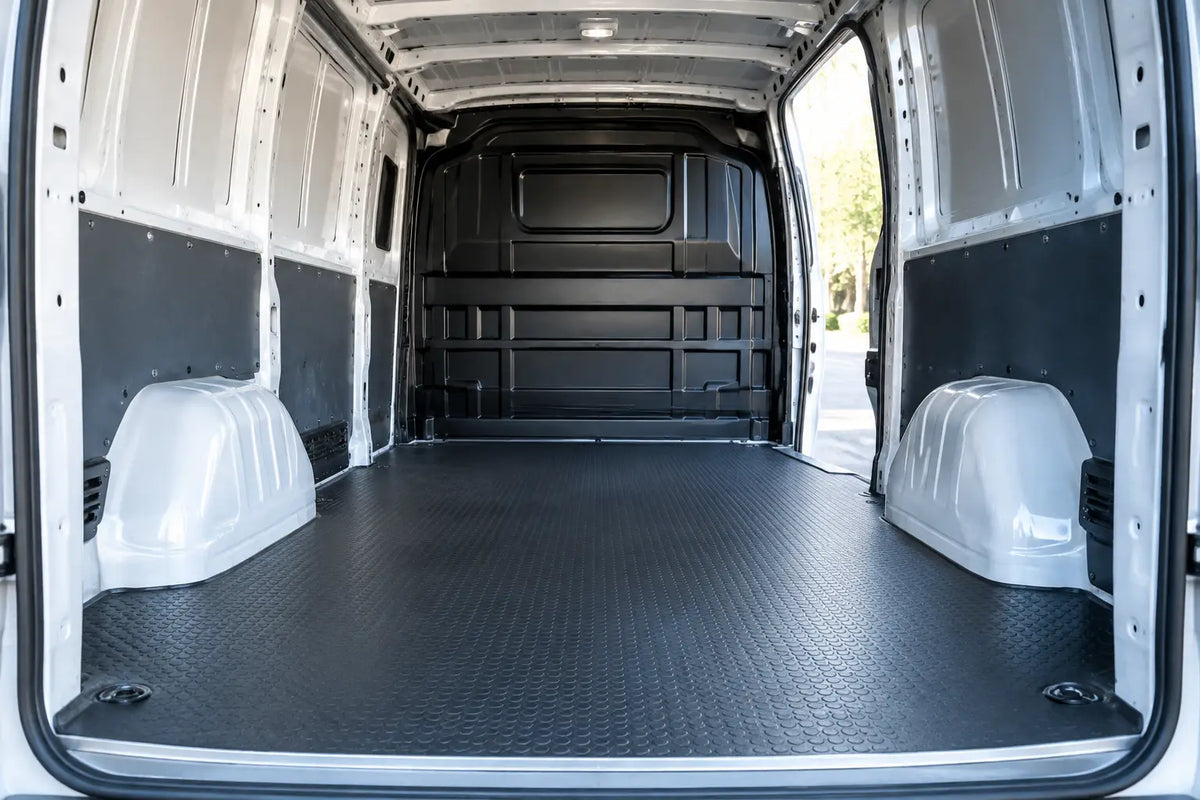
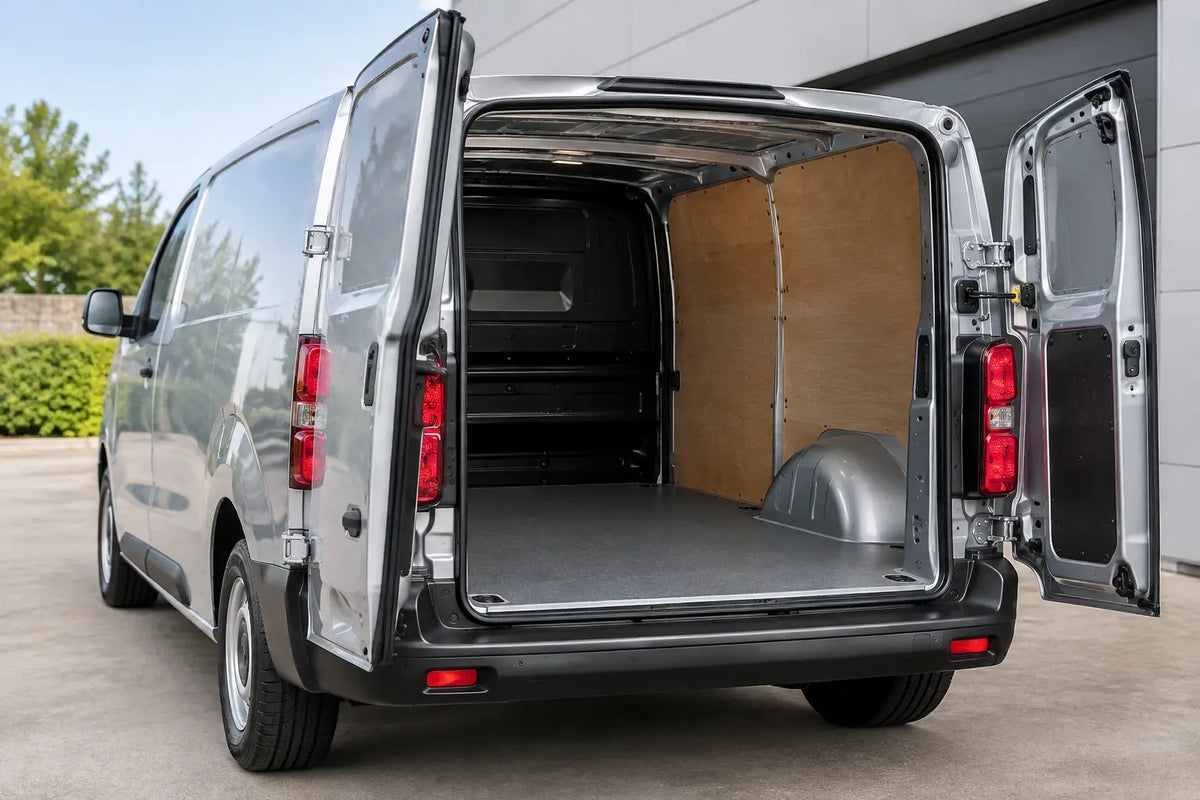
The 3.9 cubic meters load volume accommodates two euro pallets with 2,208mm maximum load length, 1,732mm maximum width, and 1,279mm height. Width between wheel arches measures 1,230mm matching rear door opening dimensions. The 592kg payload proves adequate for tool-intensive trades though modest versus traditional small vans like Ford Transit Connect or Citroen Berlingo offering 700-900kg capacities.
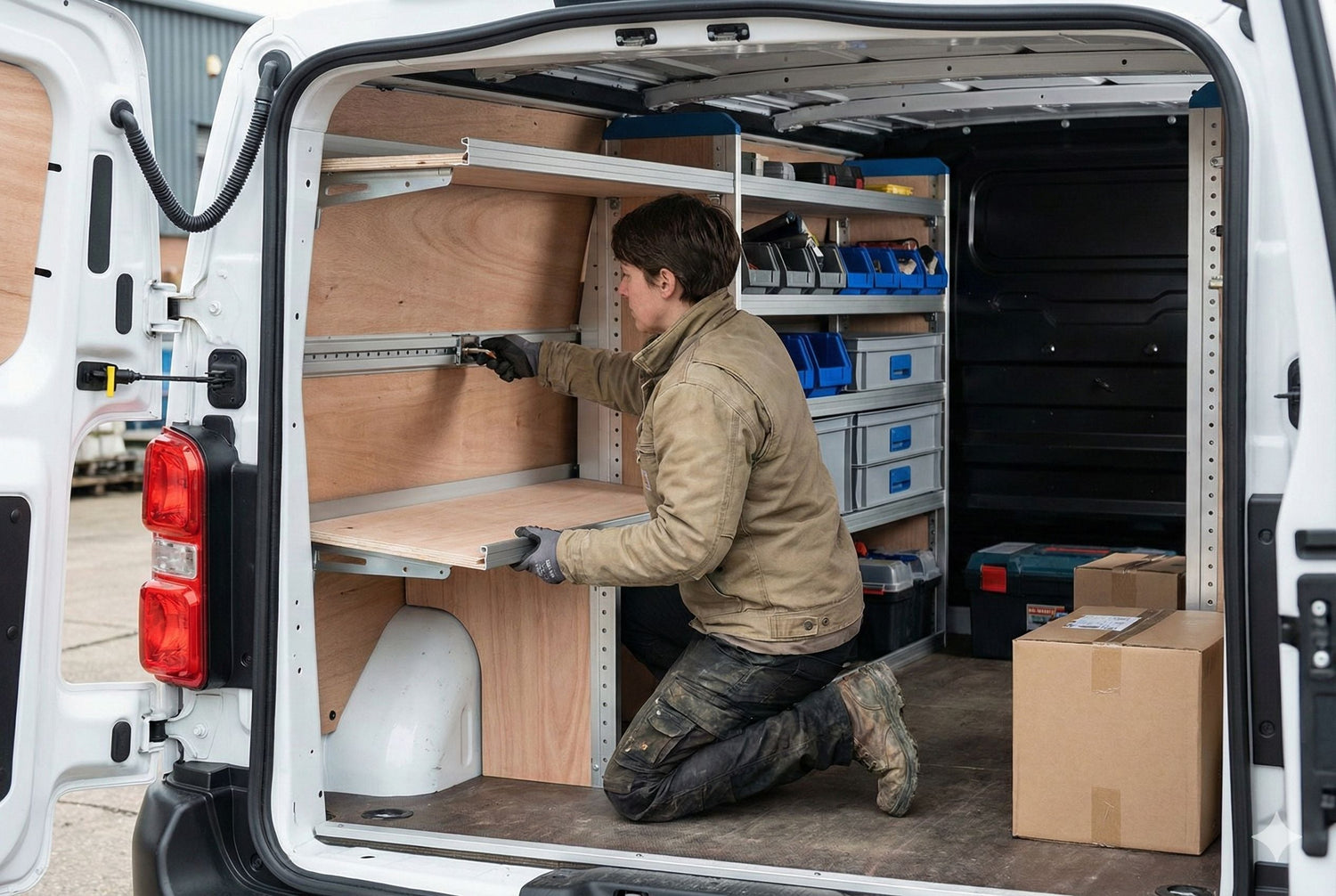
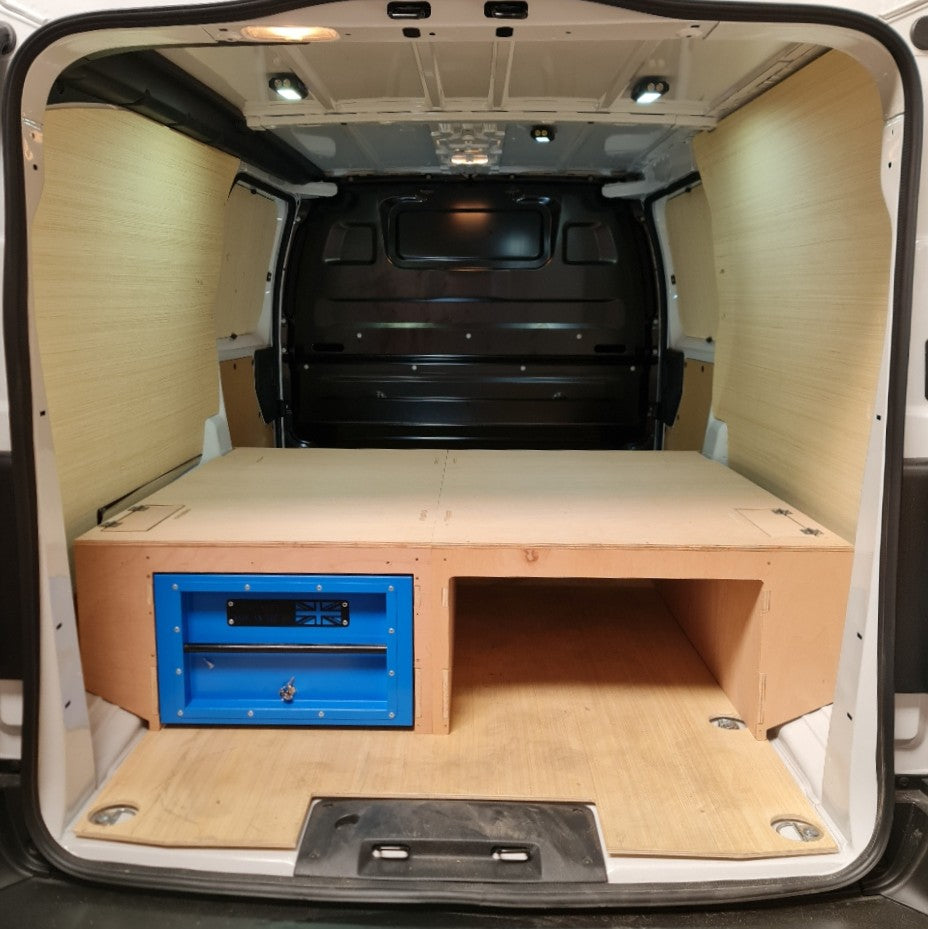
Dual sliding side doors provide excellent access from both sides valuable for varied loading scenarios, whilst 180-degree rear wing doors enable bulky item loading. Optional rear tailgate with window available though test model featured standard configuration. The vw id buzz van racking full driver side maximizes available space through systematic organization whilst preserving essential payload capacity.
Storage Solution Planning
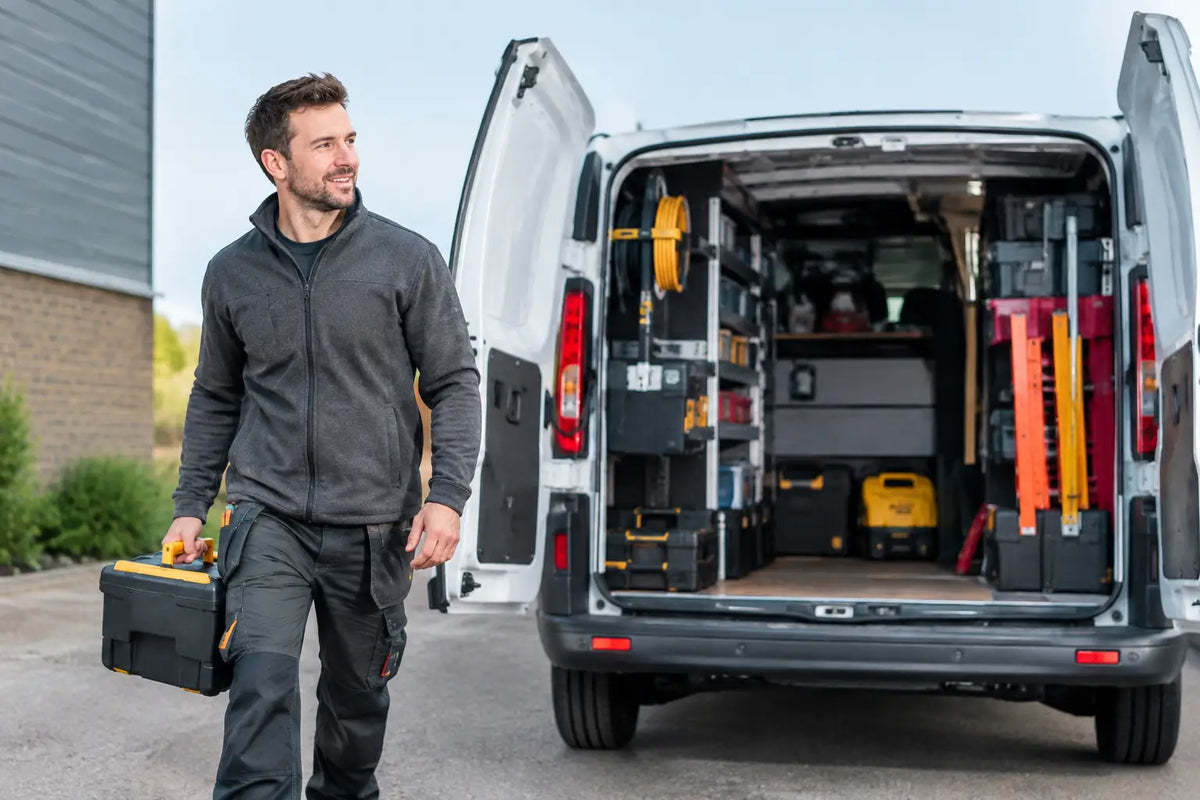
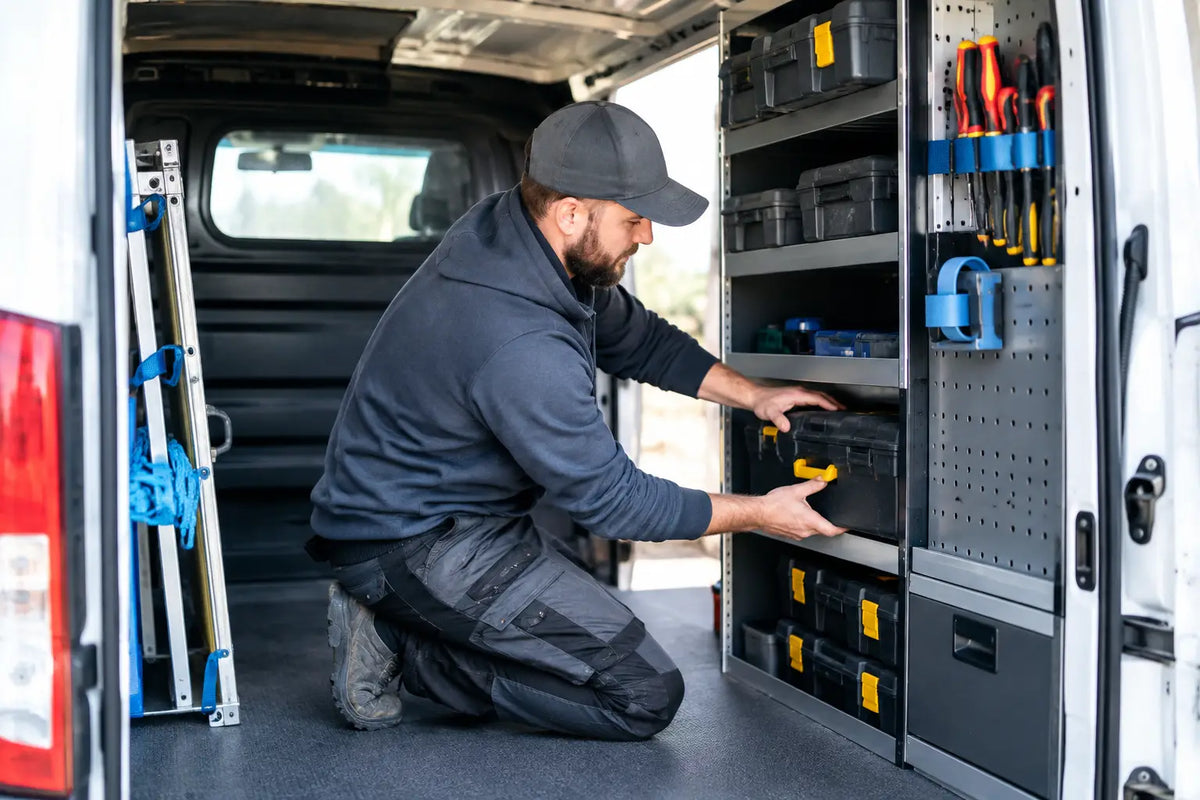
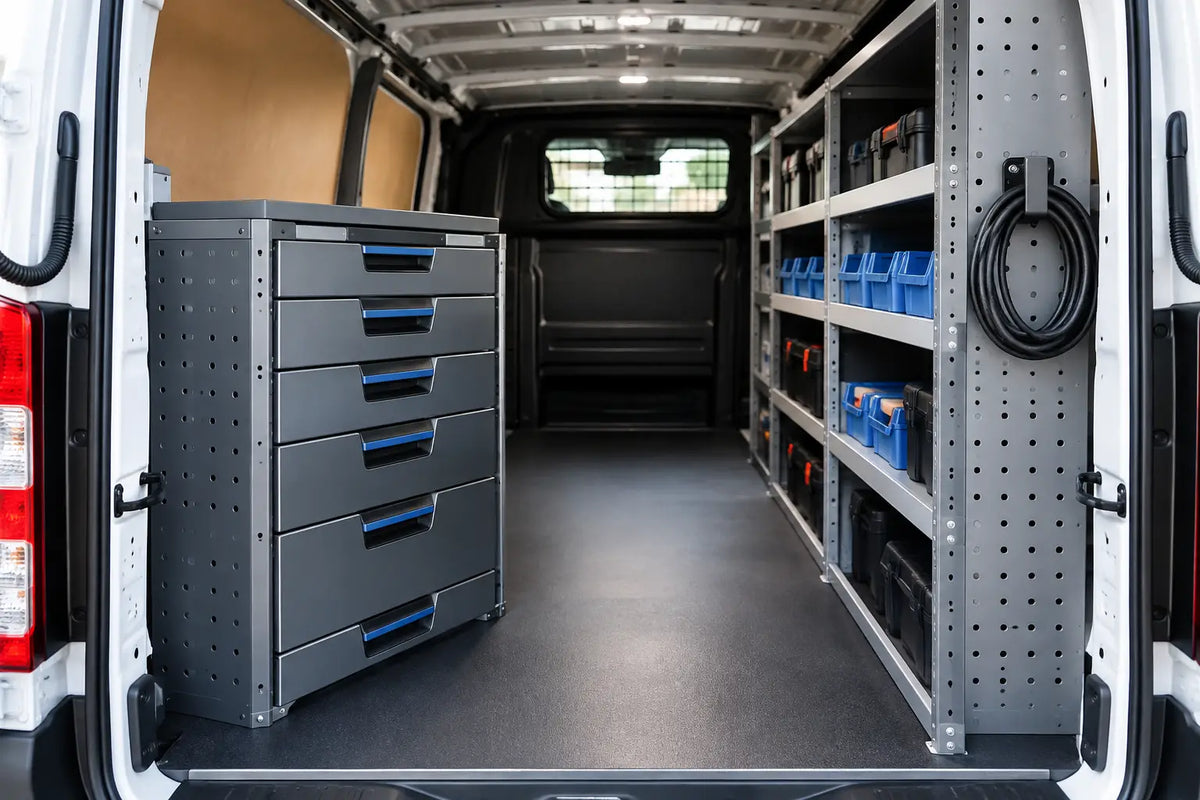
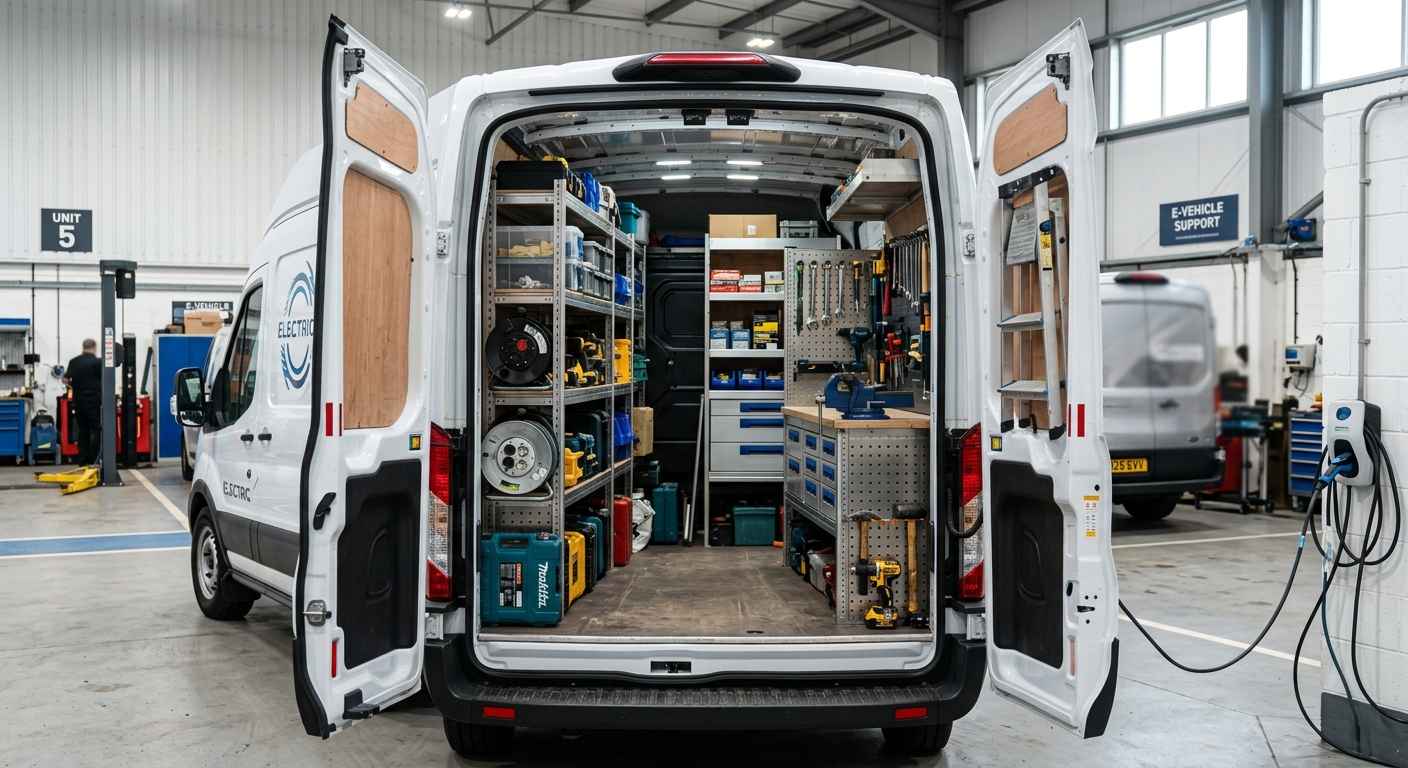
Given modest dimensions, efficient storage planning proves essential maximizing utility. Lightweight racking systems preserving payload capacity whilst organizing tools systematically suit operations including mobile technicians, service engineers, electrical contractors, and light delivery services. The id buzz van shelving fits driver side volkswagen demonstrates comprehensive driver-side installations balancing organization against weight efficiency.
Major fleet operators including Mitie (650 units ordered) and Miele have adopted ID Buzz Cargo with bespoke racking and storage solutions, validating commercial viability for professional operations. Purpose-designed installations balance tool organization against payload preservation ensuring maximum operational efficiency. Small accessory additions like the sealant tube holder mastic caulk silicone for van racking and 12x aerosol spray can bottle holder enhance systematic organization without significant weight penalties.
Fleet Cost Comparison
Versus Traditional Electric Vans
Comparing against fleet staples like Vauxhall Vivaro L1 Elite reveals interesting dynamics. The Vivaro-e offers superior practicality—5.3 cubic meters cargo volume (26% larger), 1,000kg payload (41% greater), and larger maximum dimensions. However, ID Buzz Cargo delivers compelling cost proposition offsetting practicality limitations through economic advantages.
|
Factor |
ID Buzz Cargo |
Vivaro-e L1 Elite |
|
Retail Price (exc VAT) |
£44,655 |
£48,202 |
|
Running Cost (4yr/80k) |
38.17 ppm |
51.92 ppm |
|
Residual Value |
£16,125 |
£7,300 |
|
WLTP Range |
254 miles |
196 miles |
|
DC Charging |
170kW (30min 5-80%) |
100kW (45min 0-80%) |
|
AC Charging |
11kW (7.5hr full) |
7kW (11hr 20min full) |
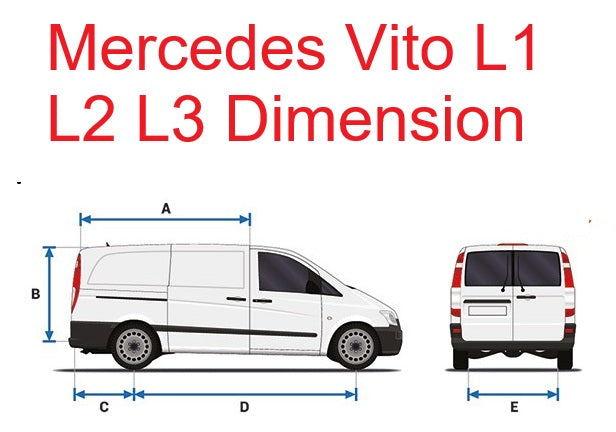
The £3,547 lower purchase price, superior 38.17ppm running costs versus 51.92ppm, and exceptional £16,125 residual value versus £7,300 create compelling total cost of ownership. Class-leading efficiency, range, and charging speeds further enhance operational proposition for fleets where practicality requirements align with ID Buzz Cargo's capabilities. Similar considerations apply when comparing against Mercedes Vito or Renault Trafic platforms.
Industry Recognition and Fleet Adoption
Awards and Validation
Fleet News Awards judges named ID Buzz Cargo Best Small Van, praising class-leading range, charging speeds, and universal driver appeal. They noted "excellent loadspace, strong residual values and competitive running costs combine with drive appeal and iconic design for a compelling package. The Buzz Cargo packs a punch with fleets—it's the van they want when they go electric."
Major fleet adoption validates commercial viability—Mitie's 650-unit order represents substantial vote of confidence, whilst Wates Group and Miele deployments demonstrate suitability across diverse operational requirements. Fleet managers consistently highlight combination of cost-effectiveness, driver satisfaction, and brand image enhancement as key adoption drivers supporting electric transition strategies.
Ideal Applications
Perfect Operational Profiles
Service Engineers and Technicians: Mobile IT support, appliance repairs, telecommunications engineers carrying diagnostic equipment and small parts benefit from excellent range, rapid charging, and professional appearance. The vw transporter t5 t6 van racking shelves demonstrates comparable storage approaches for Volkswagen platforms.
Electrical Contractors: Urban-focused electrical operations appreciate payload adequacy for tools and consumables, exceptional maneuverability, and zero-emission access to restricted zones avoiding ULEZ charges accumulating significantly across operations. Systematic organization through purpose-designed racking maintains efficient inventory management supporting rapid job completion.
Light Delivery Operations: Courier services, pharmaceutical delivery, and similar applications transporting high-value, low-weight goods maximize range efficiency whilst benefiting from distinctive branding opportunities through iconic design creating memorable customer impressions during delivery interactions.
Corporate Fleets: Organizations prioritizing sustainability credentials, driver retention through premium vehicle allocation, and brand image enhancement find compelling value proposition balancing commercial capability against passenger car-like driver experience. The distinctive styling provides marketing benefits beyond mere transportation functionality.
Considerations and Limitations
Practical Constraints
Modest 3.9 cubic meters cargo volume and 592kg payload prove limiting for operations regularly transporting bulky materials or heavy loads. Building trades, plumbing operations requiring extensive fittings inventory, or businesses consistently approaching maximum capacities should consider traditional small vans offering superior practicality. Explore our all model stock racking collection for versatile solutions across various vehicle types.
The premium pricing versus conventional alternatives demands careful total cost analysis ensuring operational requirements genuinely align with capabilities. However, exceptional residual values, low running costs, and reduced maintenance requirements often justify initial premiums across typical fleet lifecycle periods. Visit Van Shelves for comprehensive guidance matching storage solutions to specific operational requirements.
Conclusion
The VW ID Buzz Cargo delivers exceptional electric commercial vehicle experience balancing iconic design, genuine driver appeal, and compelling cost proposition. The 254-mile range, 170kW rapid charging, and 204PS performance create capable urban workhorse, whilst strong residual values and competitive running costs generate favorable total ownership economics. Major fleet adoption by organizations including Mitie validates commercial viability beyond niche applications. Operations prioritizing driver satisfaction, sustainability credentials, and long-term value whilst accepting modest practicality constraints versus traditional vans find compelling proposition in this retro-styled electric icon.
Maximize your VW ID Buzz Cargo's compact dimensions with purpose-designed storage solutions from Van Shelves. Our vehicle-specific racking systems optimize available space whilst preserving precious payload capacity. Discover professional storage solutions specifically engineered for electric commercial vehicles delivering systematic organization without compromising operational capability.
References
Fleet News. (2024). VW ID Buzz Cargo long-term test and fleet analysis. Fleet News Reviews.
Fleet News Awards. (2024). Best Small Van category winner. Fleet News Industry Recognition.
Society of Motor Manufacturers and Traders. (2024). Electric van market segment analysis. SMMT Industry Reports.
Volkswagen Commercial Vehicles UK. (2024). ID Buzz Cargo specifications and pricing. VW Official Publications.
What Van? (2024). Electric van charging infrastructure report. Commercial Vehicle Industry Analysis.