
Key Takeaways
• Ford Transit dominates in payload (1,407 kg), towing capacity (2,800 kg), and cargo volume
• Vauxhall Vivaro offers superior load length (4,150 mm with load-through bulkhead) for pipes, timber, and long materials
• Transit scores 96% in EuroNCAP safety testing (vs Vivaro's 67%) — the highest-ever rating for a commercial vehicle
• Fuel economy is nearly identical: ~46.3 mpg (Transit) vs ~47 mpg (Vivaro)
• Vivaro starts from ~£28,000, undercutting the Transit's ~£33,000+ entry price
• Both offer credible electric options: E-Transit (402 km range) and e-Vivaro (352 km range)
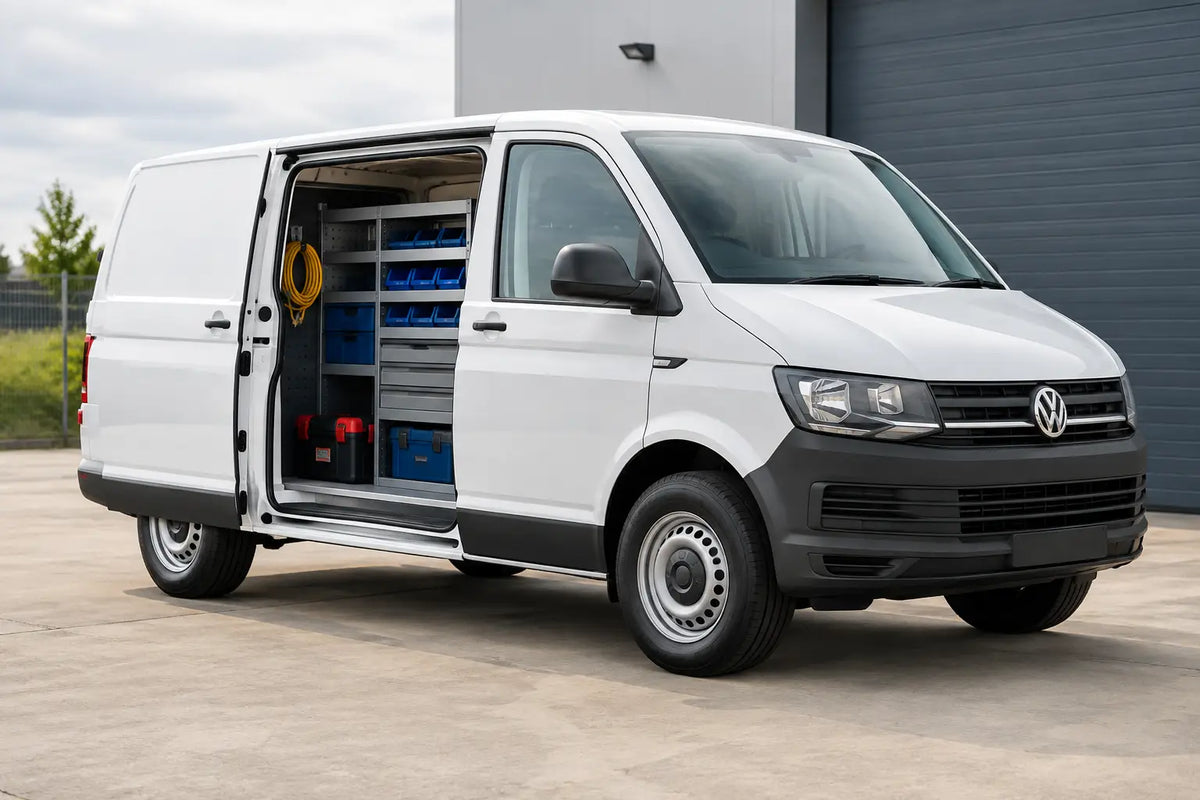
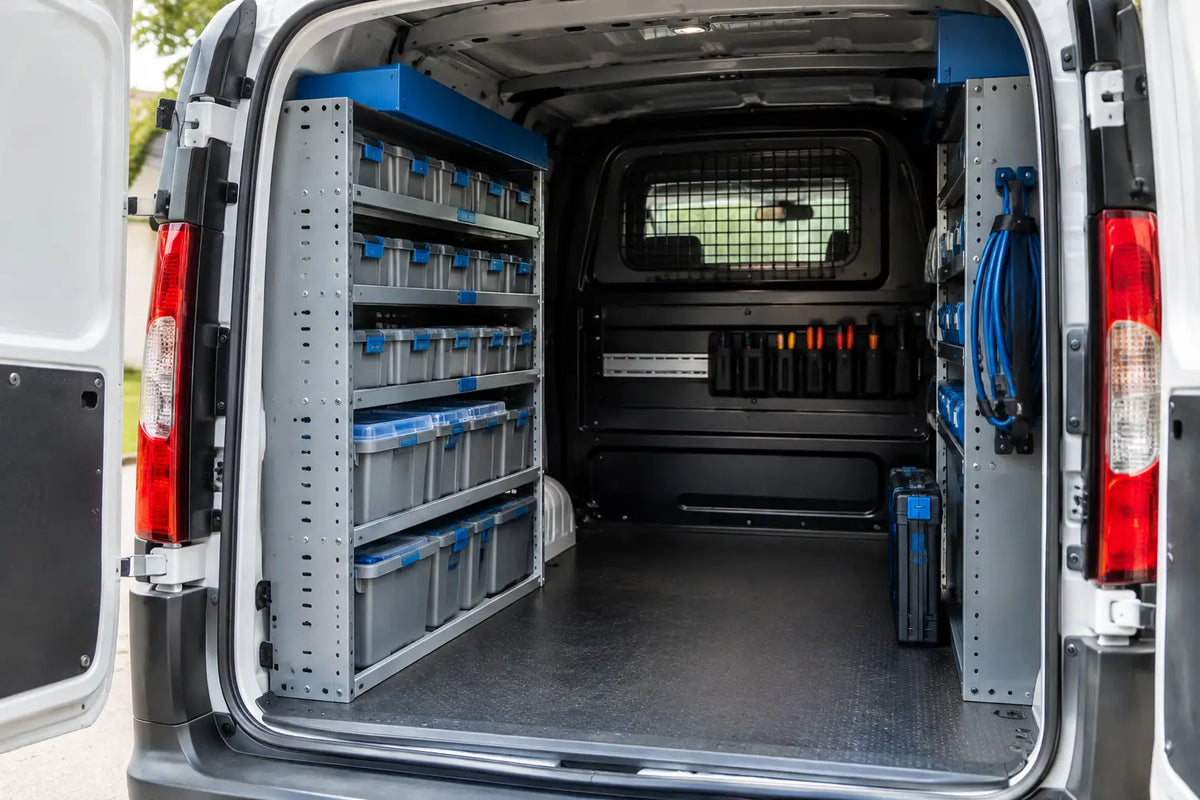
Browse our complete range of van shelves and storage solutions to equip your commercial vehicle.
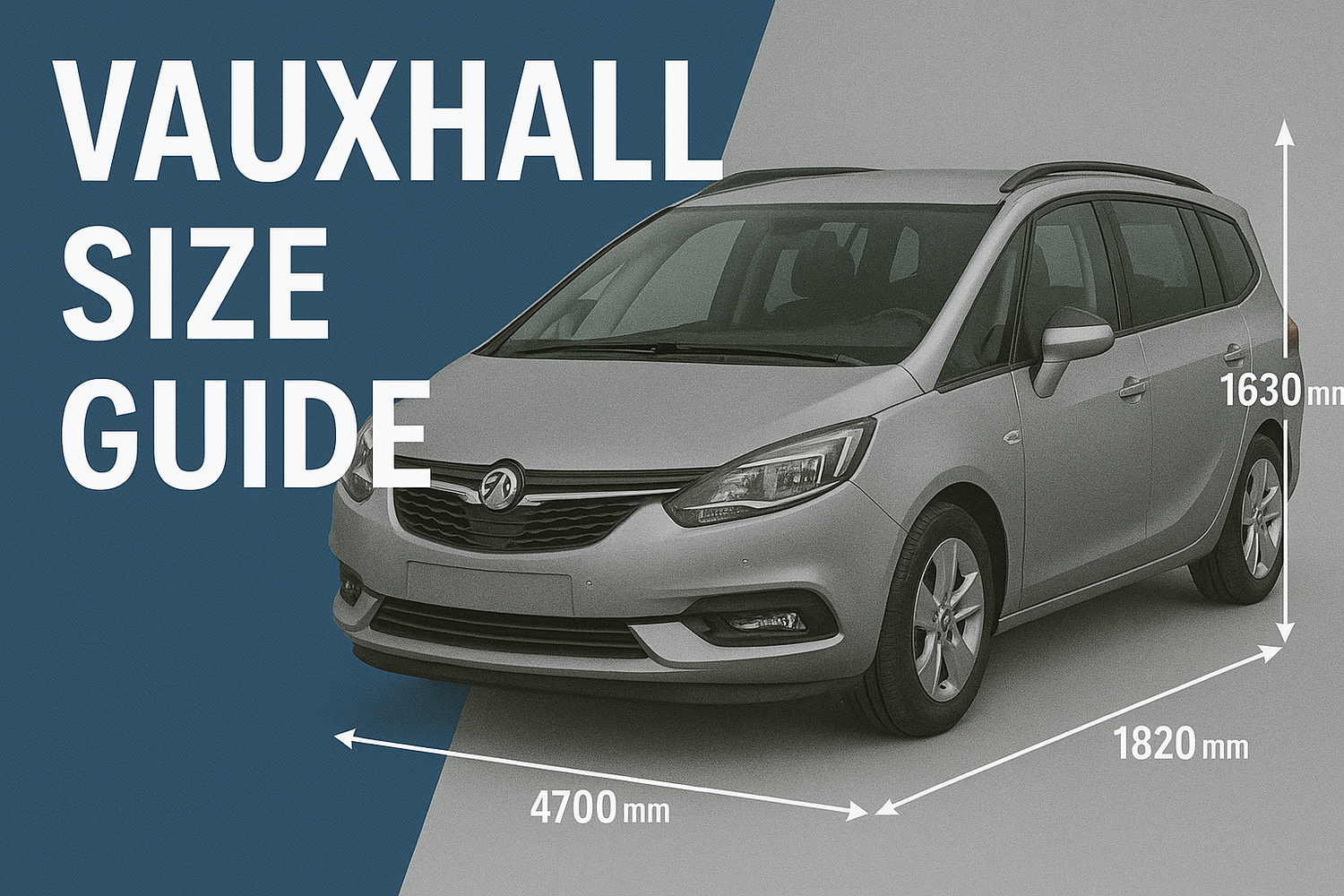
The vauxhall vivaro vs ford transit debate represents the UK's biggest commercial vehicle rivalry. Both vans consistently top UK LCV sales charts, serving tradespeople, delivery fleets, and commercial operators across every industry. The Ford Transit has long held the crown as the UK's best-selling commercial vehicle, but the Vauxhall Vivaro has carved out a reputation as the smarter choice for specific use cases — particularly for operators who prioritise load length, urban manoeuvrability, and upfront value.
This comparison is designed for two common buyer profiles: heavy-haulage tradespeople who need maximum payload and towing capacity, and urban delivery or fleet operators who value fuel economy, compact dimensions, and lower running costs. Whether you're hauling building materials to construction sites or managing a multi-vehicle fleet for last-mile deliveries, understanding the strengths and trade-offs between these two vans is essential.
By the end of this article, you'll know exactly which van suits your operational needs — and why the vivaro vs transit decision isn't just about specs, but about how each van aligns with your daily workflow and long-term business goals.

Quick Comparison: Vauxhall Vivaro vs Ford Transit at a Glance
Here's a side-by-side snapshot of how the Ford Transit and Vauxhall Vivaro compare across the metrics that matter most to commercial buyers. This table highlights the key differences in payload, towing, dimensions, fuel economy, safety, and pricing — giving you an instant overview before we dive into the detail.
|
Feature |
Ford Transit |
Vauxhall Vivaro |
|
Max Payload |
1,407 kg |
1,280 kg |
|
Max Towing |
2,800 kg |
2,000 kg |
|
Load Volume (L1) |
6.0 m³ |
5.3 m³ |
|
Max Load Length |
3,452 mm |
4,150 mm (load-through) |
|
Engine Power (max) |
170 PS (diesel) |
145 PS (diesel) |
|
Fuel Economy (best) |
~46.3 mpg |
~47 mpg |
|
EV Option |
E-Transit ✅ |
e-Vivaro ✅ |
|
Starting Price |
~£33,000+ |
~£28,000+ |
|
EuroNCAP Safety |
96% (Platinum) |
67% (Gold) |
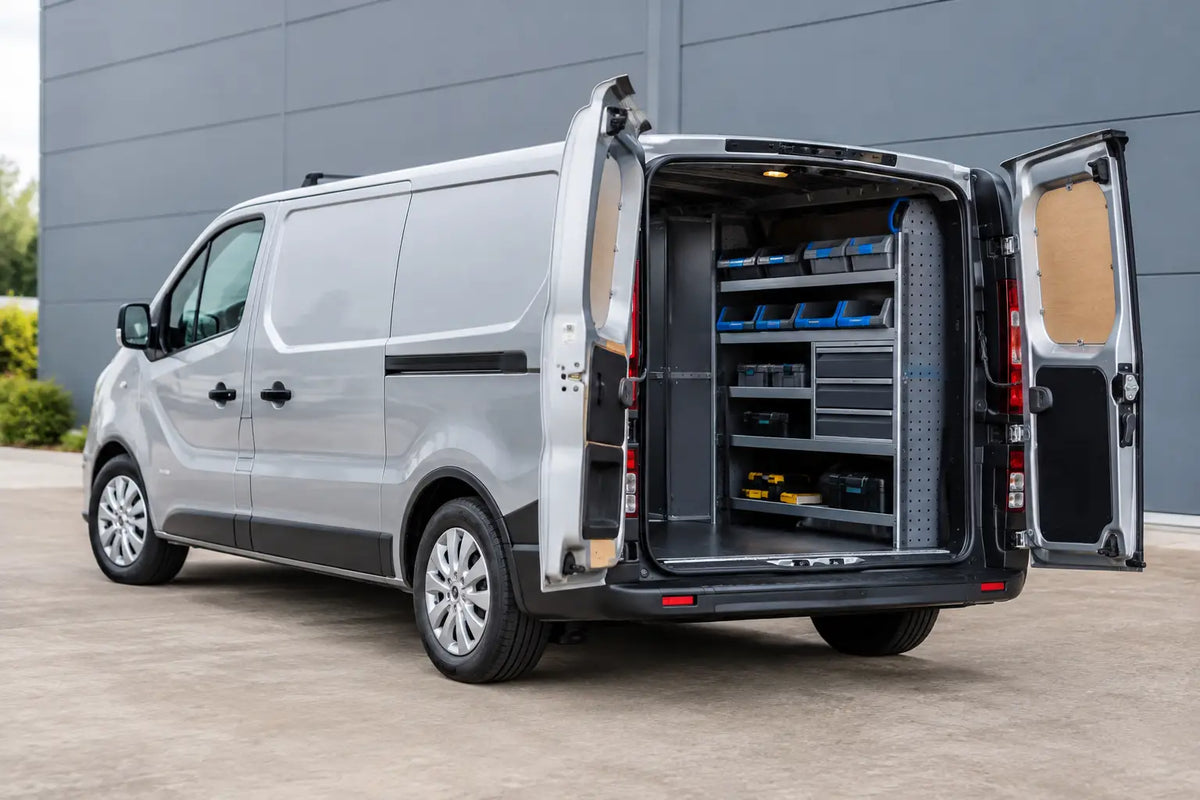
Equip your Ford Transit with professional-grade van racking systems or browse our Vauxhall Vivaro storage solutions to maximise your load space efficiency.
Dimensions & Load Space — Ford Transit vs Vauxhall Vivaro
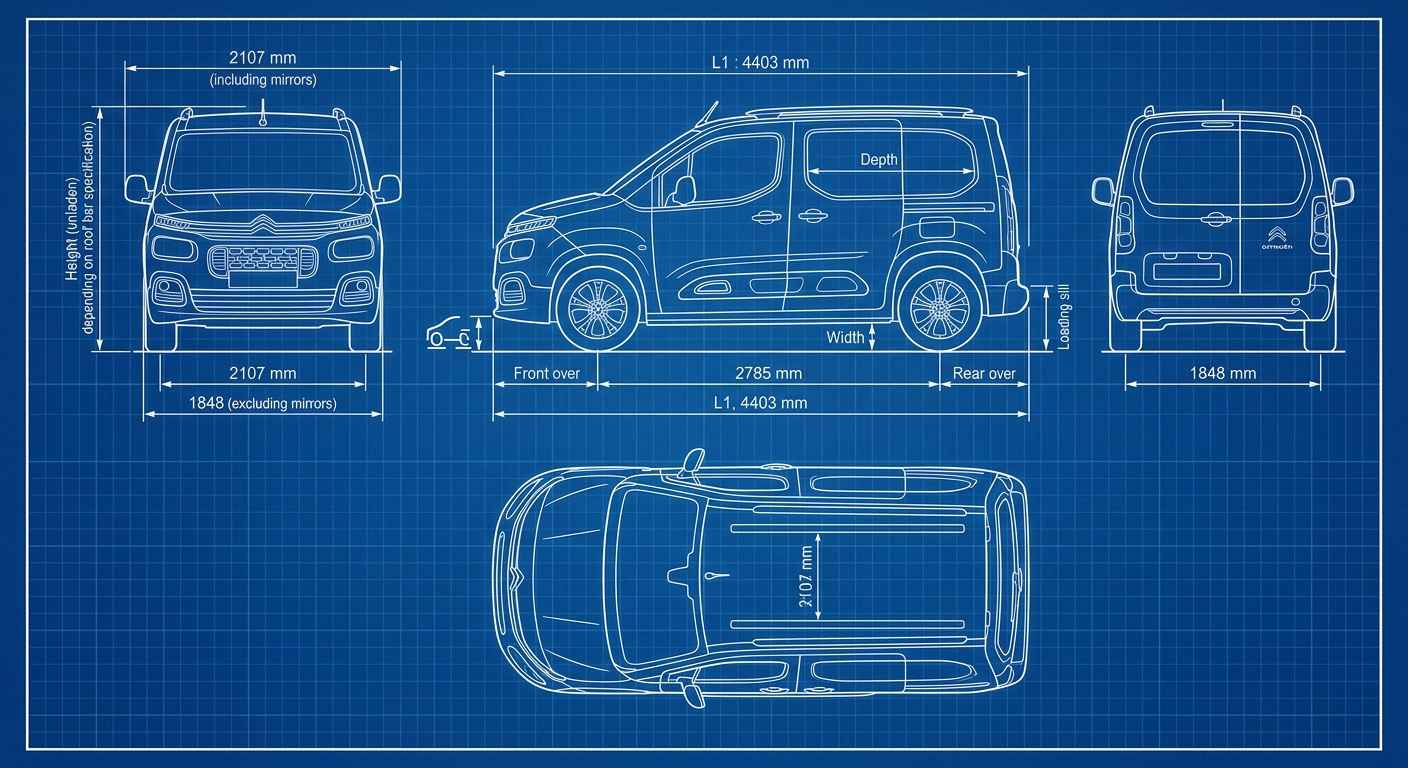
The Ford Transit is the physically larger van in almost every dimension — and that translates directly into greater cargo volume. In standard L1/H1 trim, the Transit offers 6.0 m³ of cargo space compared to the Vivaro's 5.3 m³. That 0.7 m³ difference might not sound dramatic on paper, but in daily use it's the equivalent of several extra toolboxes, sheet materials, or bulky equipment.
Overall Size
The Transit exceeds the Vivaro in length, width, and height across standard configurations. At the load floor, the Transit measures 1,775 mm wide versus the Vivaro's 1,662 mm — a 113 mm advantage that makes a tangible difference when loading pallets, machinery, or wide materials side-by-side. Height clearance also favours the Transit, particularly in high-roof configurations where internal standing room reaches over 1,900 mm.
The Vivaro's Load Length Advantage
Here's where the Vivaro fights back. With the optional load-through bulkhead, the Vivaro achieves an internal load length of 4,150 mm — significantly longer than the Transit's 3,452 mm maximum. For tradespeople who regularly transport copper pipes, scaffold poles, timber lengths, or ladders, this is a game-changer. The load-through bulkhead allows long items to extend into the cab area without compromising safety or requiring roof racks.
Verdict: The Transit wins on overall volume and width — ideal for high-volume cargo or bulky equipment. The Vivaro wins for carrying long items, making it the smarter choice for plumbers, electricians, and builders who frequently handle extended materials.
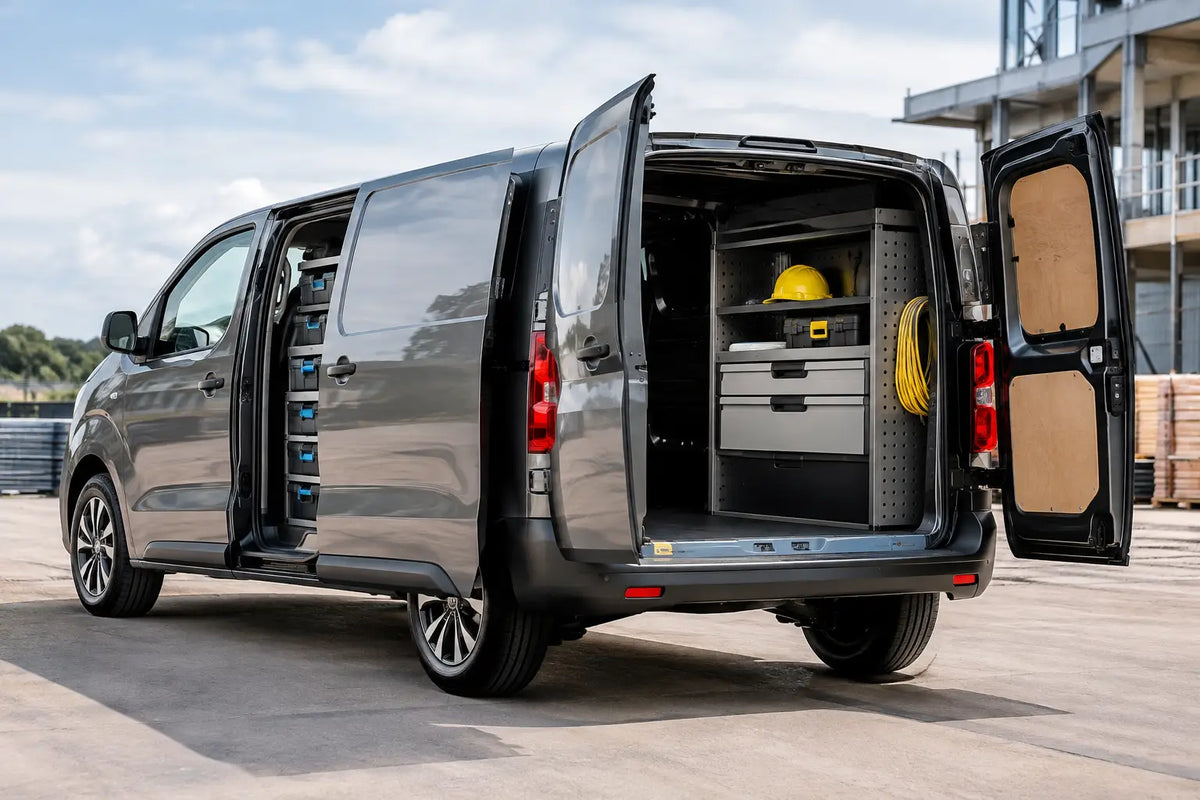
Maximise your load space with our Ford Transit Custom crew cab racking or Ford Connect storage systems.

Payload & Towing — Ford Transit Takes the Crown
This is where the ford transit vs vauxhall vivaro comparison becomes decisive for heavy-duty operators. The Transit delivers a maximum payload of 1,407 kg compared to the Vivaro's 1,280 kg — a 127 kg advantage that's critical when you're hauling dense materials like concrete blocks, steel reinforcement, or tile pallets. That extra capacity isn't limited to flagship models either; the Transit offers higher-payload configurations across its range, including compact short-wheelbase variants that maintain impressive load ratings.
Towing capacity tells a similar story. The Transit's maximum towing rating reaches 2,800 kg on L2 models, while the Vivaro is capped at 2,000 kg across the entire range. If you regularly tow plant trailers, excavators, or loaded car transporters, that 800 kg difference directly impacts what jobs you can take on. The Transit also offers greater powertrain flexibility for towing, with higher-torque diesel options and PHEV configurations that maintain strong pulling power under load.
Verdict: If you regularly carry heavy loads or tow trailers, the Transit is the stronger choice. Its payload and towing advantages are substantial enough to justify the higher entry price for contractors, builders, and heavy-haulage operators.
Engine Performance & Fuel Economy
The vivaro vs transit engine comparison reveals two very different philosophies. Ford prioritises outright power and torque, while Vauxhall optimises for fuel economy and everyday drivability. Both approaches have merit depending on your operational priorities.
Engine Options
The Transit is powered by Ford's 2.0L EcoBlue diesel engine, available in outputs ranging from 105 PS to 170 PS, with up to 405 Nm of torque in the flagship configuration. This engine also underpins the Transit's PHEV and mild-hybrid variants, offering electrified options without sacrificing cargo capacity. The Vivaro counters with a 1.5L or 2.0L diesel lineup spanning 95 PS to 145 PS, with torque topping out at 340 Nm. An 8-speed automatic transmission is available across the Vivaro range, providing smoother urban driving than the Transit's standard manual gearbox.
The Transit's torque advantage — approximately 65 Nm at the top end — translates into stronger pulling power when fully loaded or climbing gradients. This makes the Transit the better choice for hilly terrain, frequent motorway merging with heavy cargo, or towing at capacity.

Fuel Economy
Despite the Transit's power advantage, fuel economy is virtually identical between the two vans. The best-performing Transit achieves approximately 46.3 mpg, while the Vivaro edges ahead at 47 mpg. In real-world use, this difference is negligible — we're talking about a few pounds per month even on high-mileage routes. Both vans benefit from modern diesel efficiency technologies, including stop-start systems and regenerative braking.
Verdict: The Transit wins on outright power and torque, making it better suited to heavy-duty applications. The Vivaro's marginal fuel economy advantage and smoother automatic transmission make it the more refined urban operator.
Electric Options — Ford E-Transit vs Vauxhall e-Vivaro
Both manufacturers offer credible electric van options, but the E-Transit delivers significantly more range and payload flexibility than the e-Vivaro. For fleet operators considering electrification, these differences are substantial.
The E-Transit is available with a 68 kWh battery delivering up to 402 km of WLTP range — enough for a full day of urban deliveries or multiple job sites without recharging. Payload capacity reaches an impressive 2,607 kg in larger body configurations, making the E-Transit one of the few electric vans that doesn't compromise on load-carrying ability. Ford also offers an all-wheel-drive electric option — unique in the commercial vehicle segment and particularly valuable for operators working on construction sites or rural routes.
The e-Vivaro offers up to 352 km of range from a smaller battery pack, with front-wheel drive only and a maximum payload of 1,226 kg. While this is respectable for an electric van, it's significantly lower than the E-Transit's capacity and less suitable for operators who need to carry heavy loads or tackle challenging terrain. The e-Vivaro's lower entry price makes it the more affordable EV option for light-duty urban fleets, but the E-Transit offers greater operational versatility.
Verdict: For fleet electrification, the E-Transit offers more flexibility with superior range, payload, and AWD availability. The e-Vivaro is the more affordable EV entry point for operators with lighter load requirements.
Cab Comfort, Tech & Safety
Both vans offer impressively car-like interiors, but the Transit pulls ahead on safety credentials and cab modernity. This matters not just for driver comfort but for fleet insurance premiums and compliance with corporate safety policies.
The Transit scored 96% in EuroNCAP testing — earning a Platinum rating that represents the highest score ever achieved by a commercial vehicle. This reflects Ford's comprehensive suite of active safety systems, including autonomous emergency braking, lane-keeping assist, blind-spot monitoring, and adaptive cruise control. The Vivaro scored a respectable 67% (Gold rating), but the 29-point gap is significant for fleet operators who prioritise driver safety or face stringent insurance requirements.
Inside the cab, the Transit feels more upmarket and modern. The dashboard layout is intuitive, with FordPass Connect technology providing remote vehicle monitoring, geofencing, and over-the-air updates. PHEV models add a flat centre-seat table — a surprisingly useful feature for mobile office work or lunchtime admin. The Transit is available in six trim levels from Leader to Sport, offering extensive customisation options.
The Vivaro's cab is clean, functional, and slightly narrower in feel. Base-spec models offer better value, with air conditioning and parking sensors standard on lower trims. The Vivaro's four trim levels (Edition to Elite) are less granular than the Transit's range, but the top-spec Elite model is well-equipped for the price.
For compact van operators, our Vauxhall Combo racking solutions offer the same professional-grade storage in a smaller footprint.

Vauxhall Vivaro vs Ford Transit — Which Should You Choose?
The vauxhall vivaro vs ford transit decision isn't about declaring an outright winner — both vans dominate UK roads for good reason. The right choice depends on how you use your van every day.
Choose the Ford Transit if:
• You need maximum payload (1,407 kg) or towing capacity (2,800 kg)
• Cargo volume is the priority over load length
• Safety ratings matter for fleet compliance or insurance premiums
• You want PHEV, mild-hybrid, or AWD electric options
• You run a high-mileage operation where powertrain reliability matters
Choose the Vauxhall Vivaro if:
• You regularly carry long items like pipes, timber, or ladders — the 4,150 mm load-through length is unmatched
• Fuel economy is a priority, even if the advantage is marginal
• You want a lower entry price without sacrificing quality
• You need a compact, car-like drive for urban or fleet use
• EV range expectations are moderate and budget is tighter
The ford transit vs vauxhall vivaro debate ultimately comes down to your operational priorities. The Transit is the stronger all-rounder for power, safety, and cargo volume. The Vivaro is the smarter pick for load length, urban efficiency, and upfront cost.
Conclusion
Both the vauxhall vivaro vs ford transit represent exceptional commercial vehicles that dominate UK roads for good reason. The Ford Transit is the stronger all-rounder for operators who need maximum payload, towing capacity, and cargo volume — backed by the highest safety rating ever awarded to a commercial vehicle. The Vivaro is the smarter pick for tradespeople who prioritise load length for long materials, urban manoeuvrability, and a lower entry price.
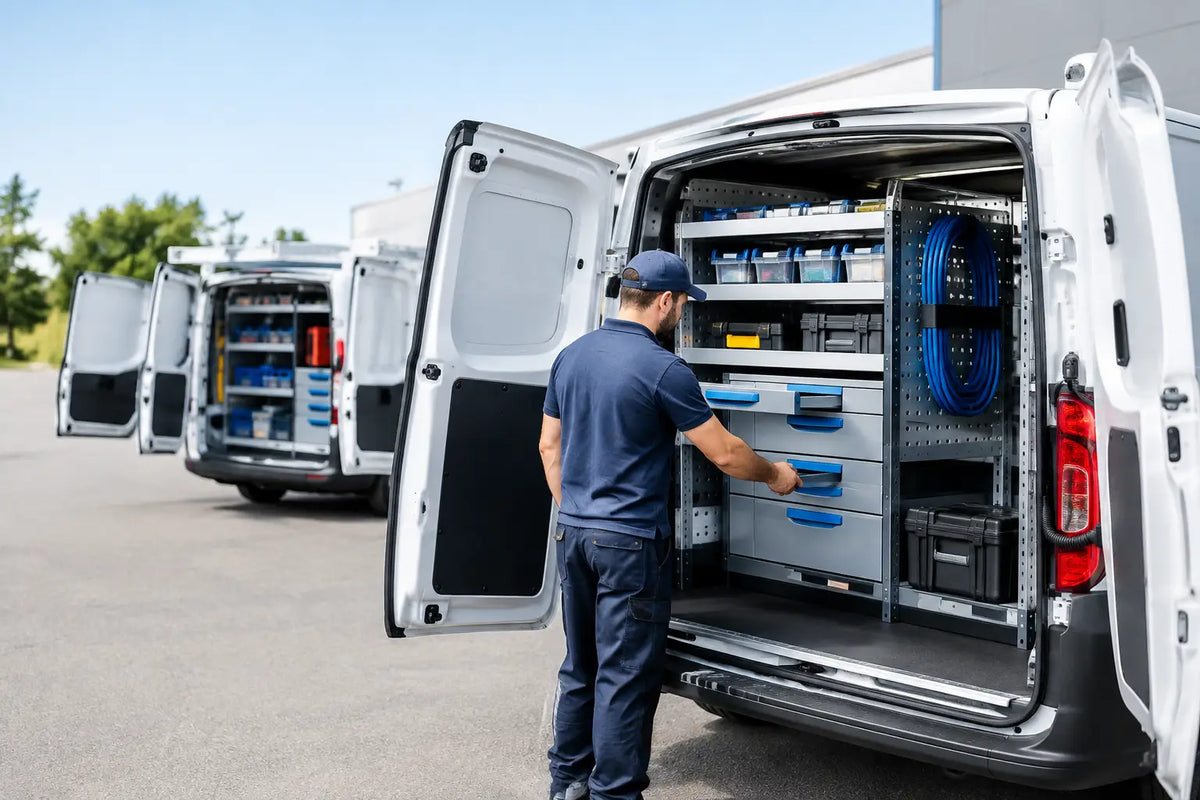
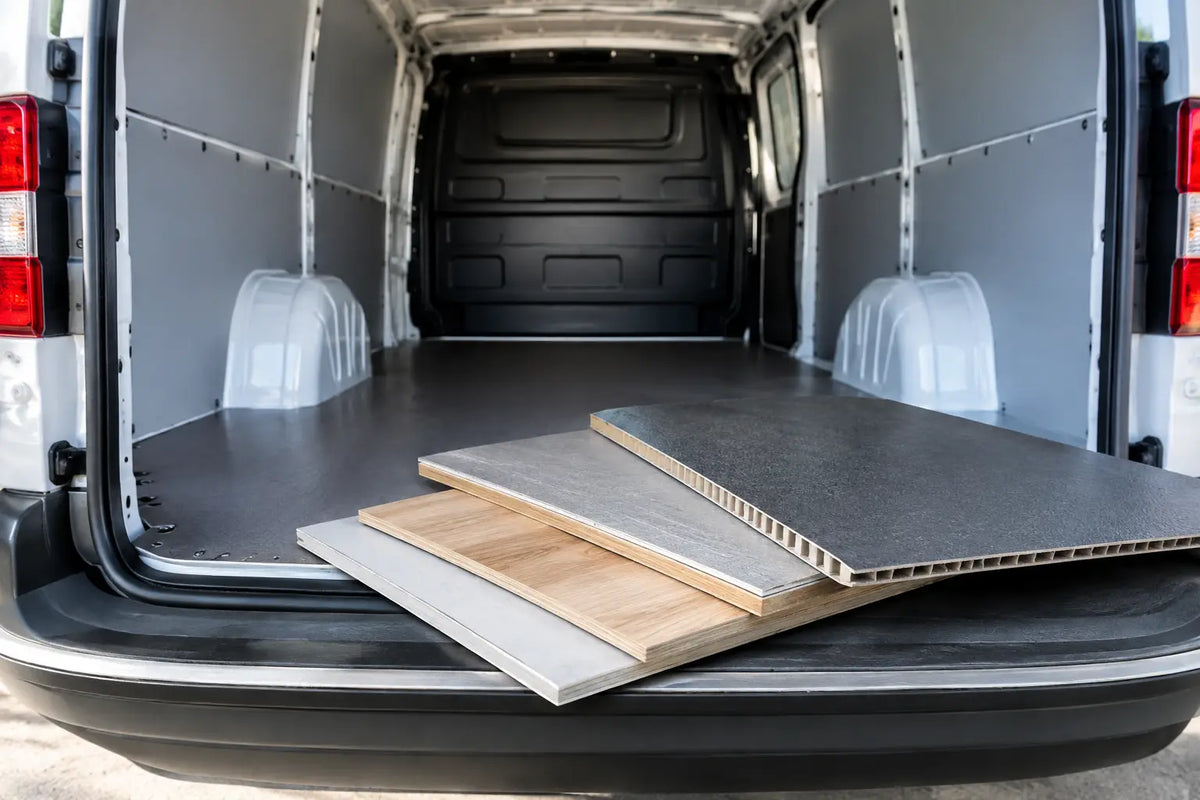
Whichever van you choose, equipping it with professional-grade storage solutions ensures you maximise efficiency, protect your tools, and maintain a clean, organised workspace. Browse our complete range of van shelves, racking, and organisers to find the perfect fit for your Ford Transit or Vauxhall Vivaro.