










A missing roll of tape, a crushed tube of sealant or a box of screws tipped across the load area can hold up a straightforward job. The best van consumable organisers put the small, frequently used items in fixed, reachable positions, so the stock you need is there when you open the door. For a working van, that is not about making the interior look neat. It is about cutting down the repeated minutes lost hunting through boxes, bags and loose materials.
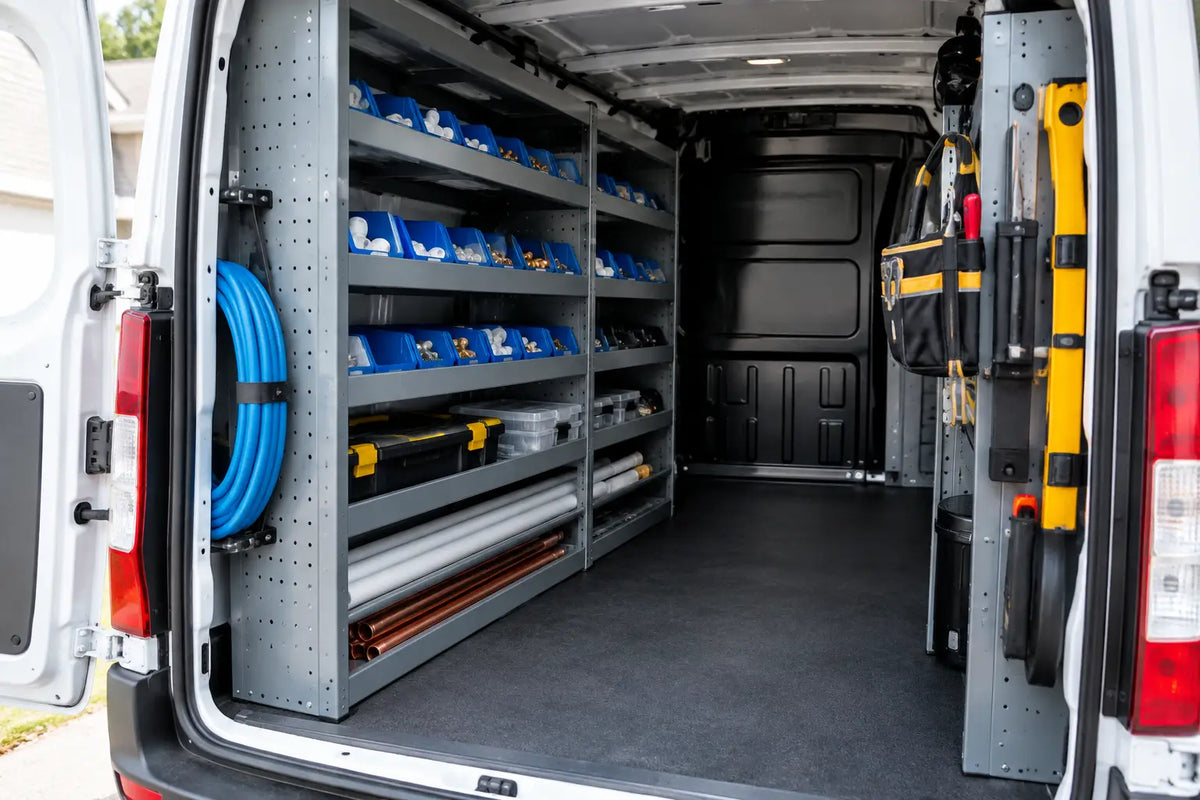
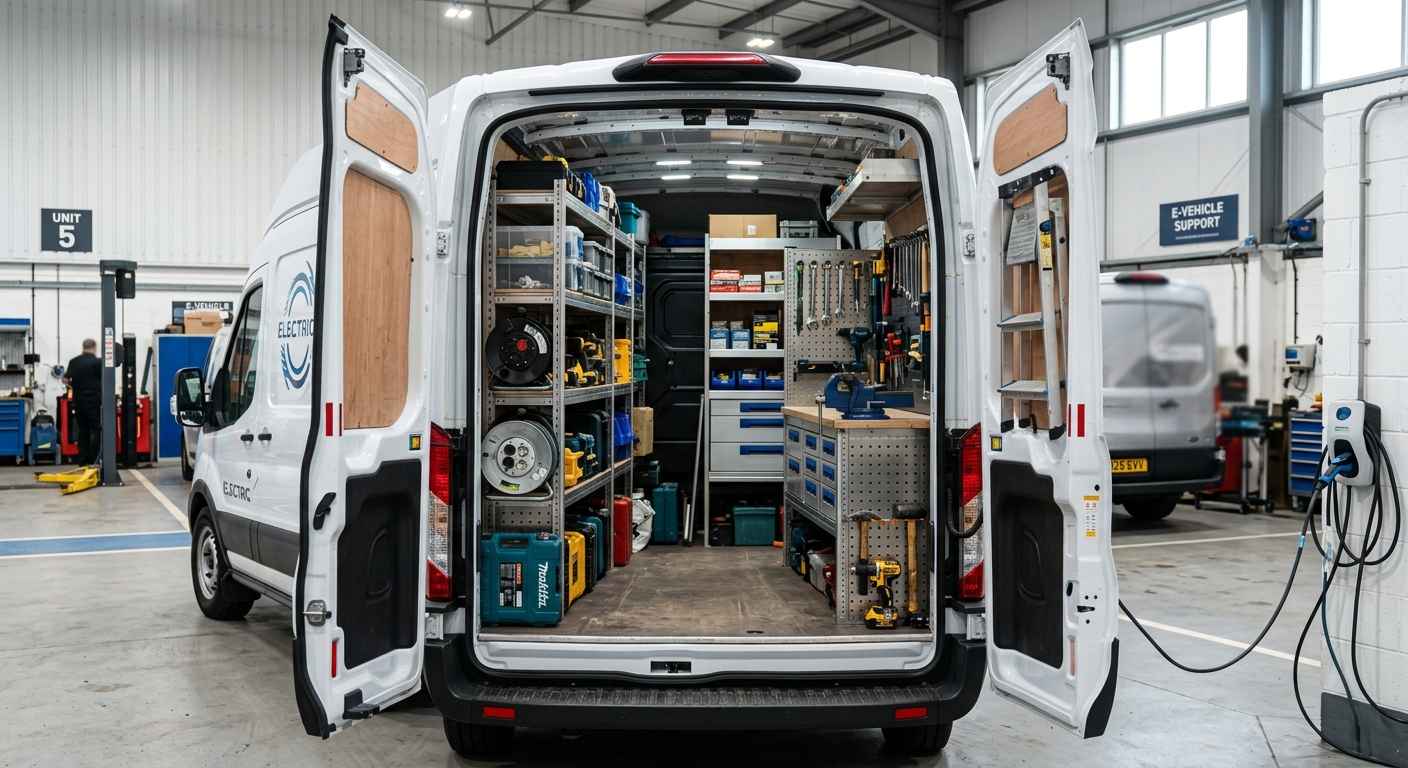
The right set-up depends on your trade, your van and the type of jobs you take on. An electrician may need fast access to terminals, clips and tape. A plumber may carry sealants, wipes, fittings and pipe consumables. A maintenance engineer might need a broad range of fixings without allowing small parts to take over the whole van. The aim is the same: keep daily consumables visible, secure and easy to replenish.
What makes the best van consumable organisers?
A useful organiser has to earn its space. It should keep items contained while driving, allow you to see what is running low, and position stock where it can be collected without moving other equipment first. If it takes two hands and several minutes to reach a roll of wipes, it is not improving your workflow.
Start with frequency of use. Items used on nearly every call belong near the rear doors or sliding door, depending on how you normally work from the vehicle. Stock used once a week can sit higher up or further into the load area. This simple rule prevents prime shelf space being filled with materials that rarely leave the van.
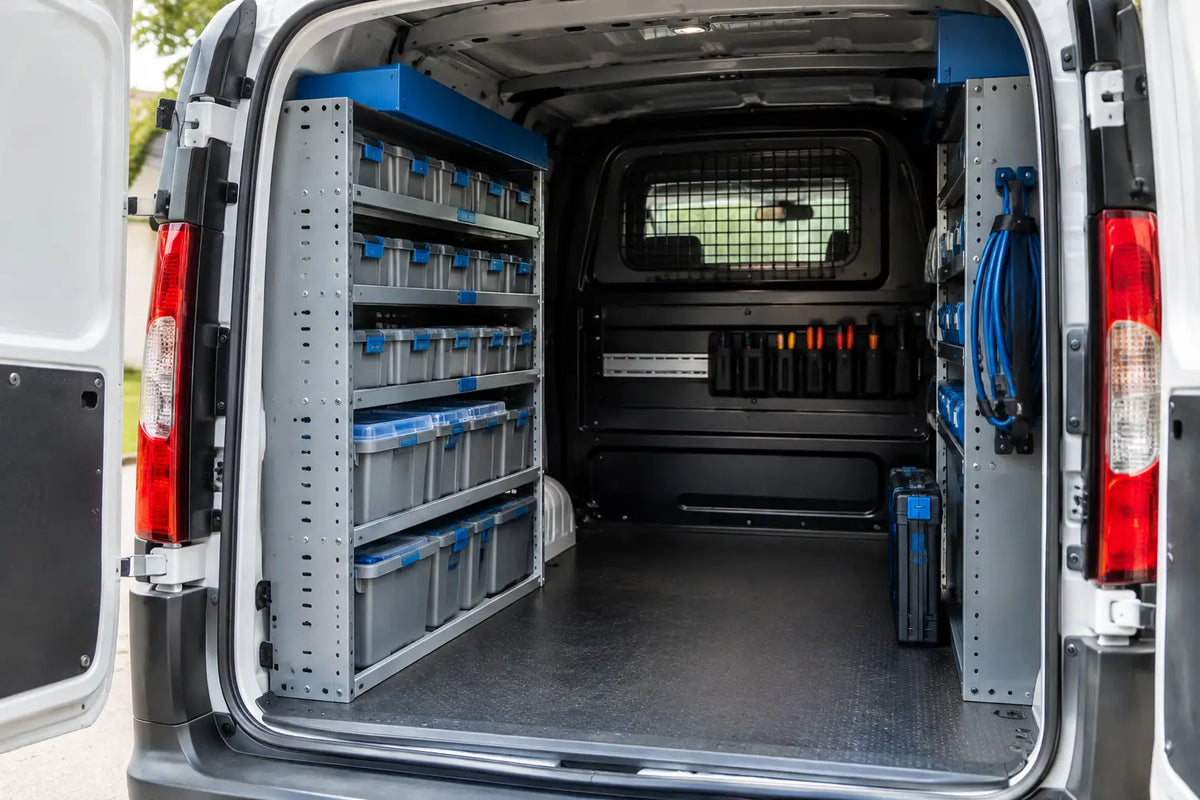
Fixing method matters too. Wall-mounted holders and dispensers keep the floor clear and stop stock moving around. Stackable bins can work well for fittings and boxed supplies, but only if they remain accessible and are secured as part of the wider racking layout. A good organiser should fit your existing routine rather than forcing you to rebuild it.
Durability is another practical consideration. Consumable storage sees constant use: grabbing a roll with dirty gloves, loading replacement tubes, opening lids at the kerbside and travelling over rough roads. Choose sturdy workshop-style accessories with straightforward parts and a secure mounting arrangement. Thin containers and loose plastic boxes often look acceptable at first, then become another source of mess.
Best van consumable organisers by job type
Sealant and cartridge holders
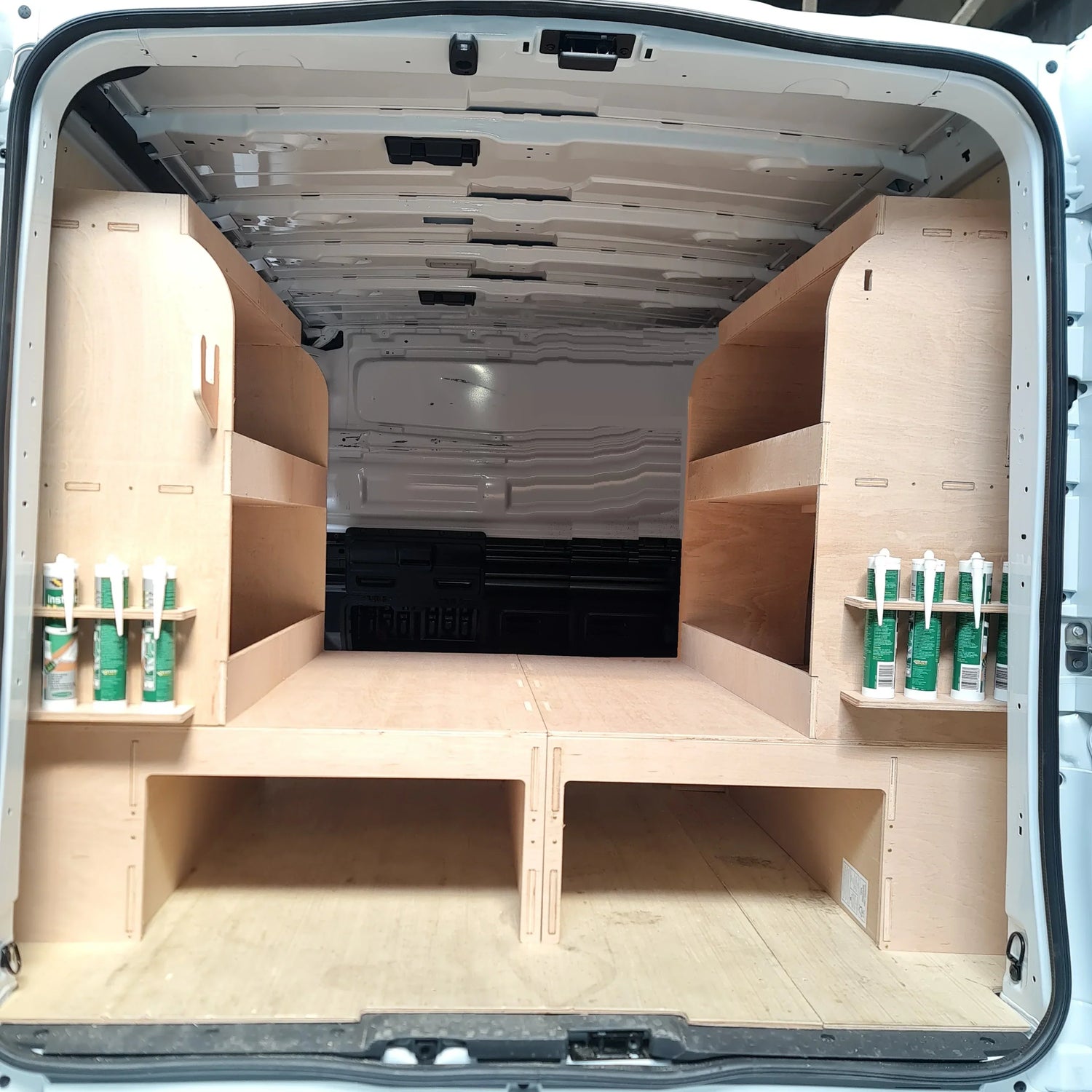
Sealant tubes are awkward to store loose. They roll, collect dust, get buried under tools and can be damaged by heavy gear. A dedicated sealant holder keeps cartridges together, stops them spreading across a shelf and makes it obvious when you need to top up.
This is one of the most useful additions for fitters, plumbers, window installers, decorators and general builders. Position it where you can pick up a tube while loading the rest of the job materials. Keep different sealants grouped sensibly - for example, sanitary, adhesive and exterior products - rather than mixing every cartridge in one holder. That reduces the chance of taking the wrong product into a job.
Do not overfill the holder simply because there is space. Carry the types and colours you use regularly, then keep less common products in labelled storage. Too much duplicate stock adds weight and makes stock checks harder.
Wipe dispensers
Cleaning wipes are a small item with a big effect on how efficiently a job runs. They are used for hands, surfaces, tools and quick clean-downs, but a loose tub is often left in a footwell or pushed behind equipment. A mounted wipe dispenser gives it a permanent home and makes it easier to use one-handed.
Place a wipe dispenser close to the door you use most, rather than at the very back of a shelving unit. This is especially worthwhile for trades that move between several short calls each day. It also helps keep the cab and load area cleaner, as there is less temptation to put dirty tools down and deal with them later.
Check the size of the wipe tub or pack you normally buy before choosing a dispenser. Consistency matters. Changing between different tub sizes can turn a handy fitting into unused space.
Glove box and cab organisers
The cab is often where paperwork, chargers, gloves, cable ties, pens and small electrical items disappear. A glove box organiser separates these essentials so that your documents and day-to-day supplies do not end up under seats or in door pockets.
This type of organiser is best for items you need before entering the load area: job sheets, permits, a torch, charging leads, marker pens and disposable gloves. It is not the place for valuable tools or loose fixings. Keep the cab practical and uncluttered, especially if more than one driver uses the vehicle.
For fleet vehicles, a simple cab layout also makes handovers easier. The next driver should be able to find key documents and basic supplies without emptying the whole glove box.
Small-parts bins and compartment storage
Fixings are where many vans lose control. Mixed screws, plugs, clips, connectors and washers may start in separate boxes, then gradually migrate into one large container. That leads to wasted time and unnecessary replacement purchases because stock cannot be checked properly.
Compartmented storage works best when each section has a clear purpose. Sort by the way you use parts on site, not by an overly complicated system that nobody will maintain. For example, separate common screw sizes, wall plugs, cable clips and connectors. Label each compartment clearly enough that a colleague can use it without asking.
Transparent-fronted bins can speed up visual checks, while lidded organisers are useful when stock needs to travel between the van and the job. The trade-off is access: enclosed cases protect contents well, but open bins are faster for repeatedly used parts. Many working vans benefit from both, with open storage for daily items and portable cases for job-specific fittings.
Match organisers to your van layout
Consumable organisers work best as part of a complete storage plan. Shelving provides the structure, while holders, bins and dispensers control the smaller items that would otherwise be left loose. Before adding accessories, look at where your larger tools, cases and materials already sit. A holder mounted in the wrong place can block access to a shelf or make a door area awkward to use.
If your van has model-specific racking, use the available side panels and shelf ends carefully. These areas are ideal for lighter, regularly used accessories because they are visible and do not take up valuable shelf space. Avoid mounting items where rear-door movement, sliding-door access or long loads could interfere with them.
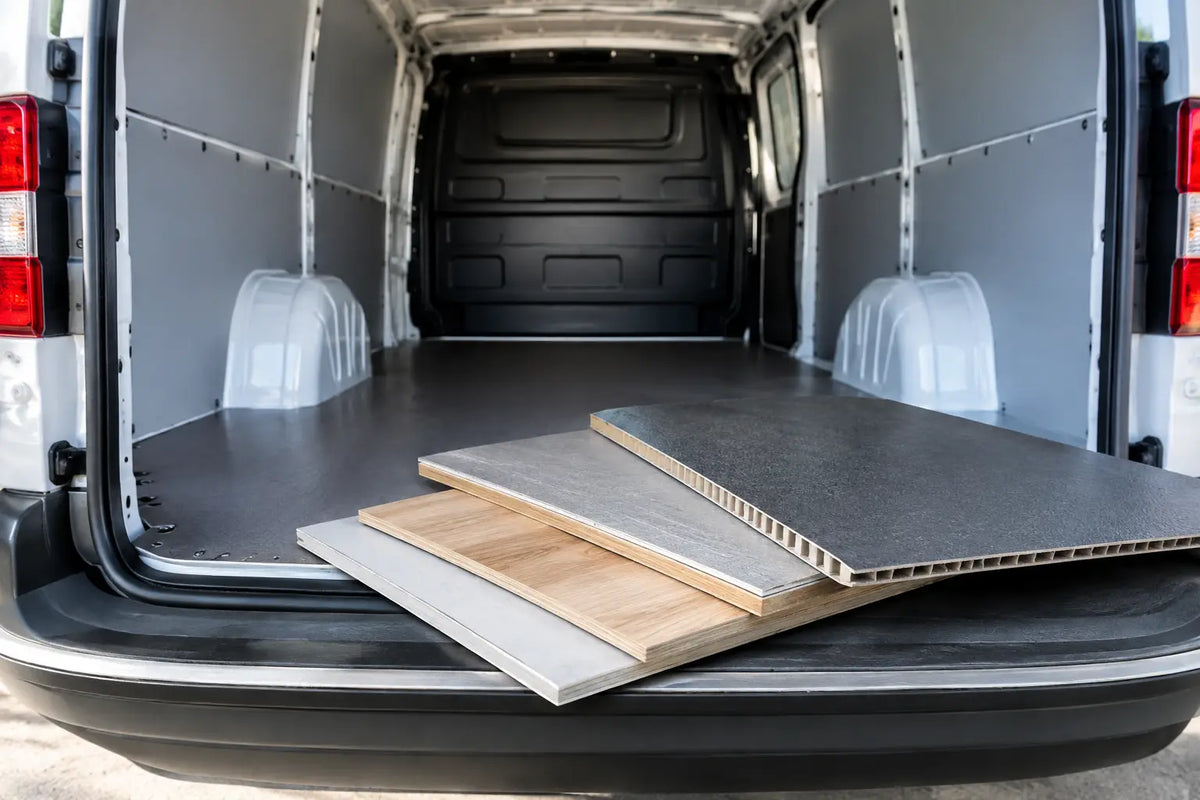
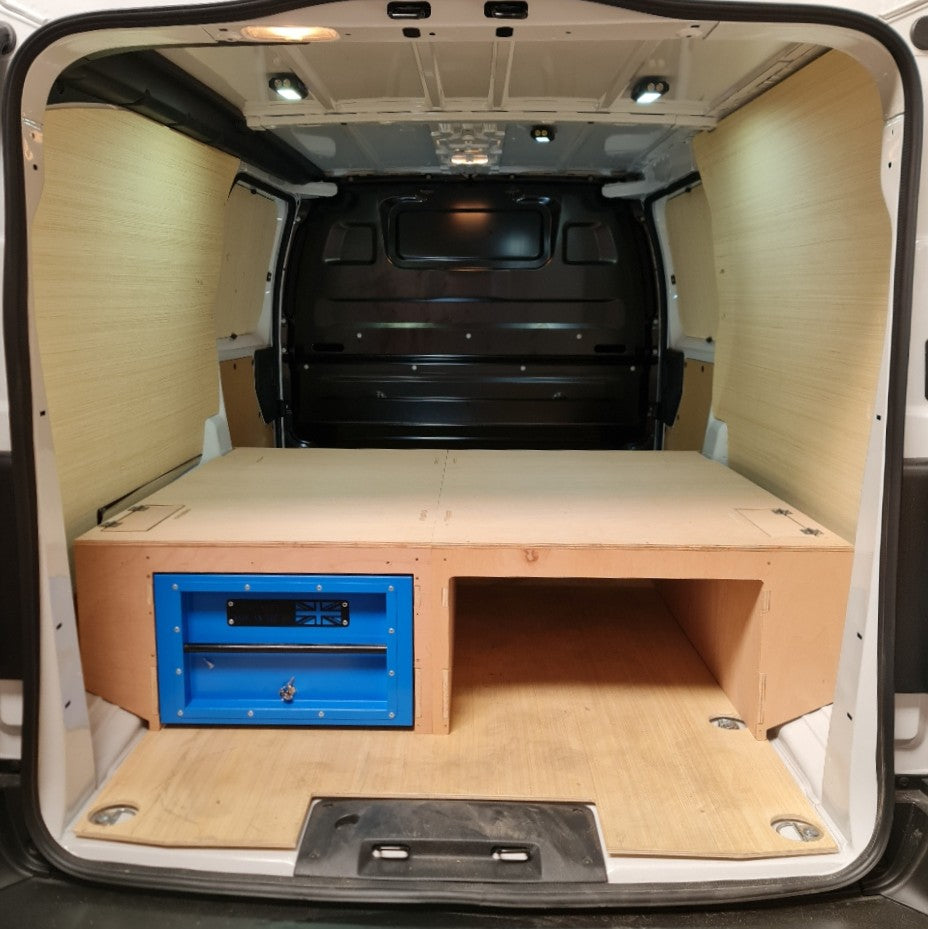
False floors can also help by keeping bulkier equipment below the main working level. This frees the shelving and wall space for the consumables you reach for throughout the day. The best arrangement is not necessarily the one with the most accessories. It is the one that leaves a clear route to tools and materials while giving every small item a proper home.
Build a system that stays organised
Buying organisers is the easy part. Keeping them useful requires a simple routine. Refill frequently used consumables at the end of the day or before the next week's work, rather than finding an empty dispenser halfway through a call-out. Keep a small reserve of core items in a labelled area, separate from the stock already in use.
It also helps to assign one category to each location. If wipes always live at the side door, sealants always sit in their holder and electrical consumables always occupy the same shelf, you stop relying on memory. That matters when the van is busy, when work is urgent or when another member of the team needs to find something.
Review the layout after a few weeks of real use. If you repeatedly leave an item on the floor, it probably needs a holder or a more convenient position. If a bin never gets opened, move it out of the prime working area. Small changes can make a noticeable difference to how quickly the van supports your day.
For tradespeople who rely on their vehicle as a mobile workspace, consumable organisation is one of the simplest ways to make every job run more cleanly. Choose accessories around the materials you genuinely use, check they suit your van's layout, and give the everyday essentials the easiest place to reach.