

Introduction
Understanding large electric vans proves essential for tradespeople navigating the UK's transition toward zero-emission commercial transport. By 2026, every major manufacturer offers compelling electric vans in UK markets, with large electric van for sale options spanning Mercedes eSprinter, Ford E-Transit, Citroen e-Relay, and Fiat e-Ducato delivering 150-250+ mile ranges whilst maintaining 1,000-1,400kg payloads. This guide examines electric van range specifications, real-world considerations, charging requirements, and strategic storage planning helping businesses transition confidently toward sustainable operations.
Why Electric Vans Now?
Market Maturity
The electric vans UK market has transformed dramatically. First-generation models offering 80-120 mile ranges have evolved into capable platforms matching diesel equivalents. Nationwide charging networks provide 150kW+ rapid charging enabling 80% charges within 30-40 minutes, whilst workplace solutions support overnight replenishment.
Low-emission zones expanding across major UK cities create compelling operational arguments. Daily congestion charge exemptions worth £12.50-£15 accumulate to £3,000-£4,000 annually, directly offsetting higher acquisition costs whilst future-proofing operations.
Cost Benefits
Electric vans deliver operational savings offsetting premium purchase prices. Electricity costs approximately 4-6p per mile versus 12-15p for diesel, generating £2,400-£3,300 annual savings for operations covering 30,000 miles. Maintenance reductions through simplified drivetrains save 30-40% versus diesel. Benefit-in-kind taxation at 2% versus 20-35% creates substantial employee savings. Combined with plug-in van grants offering up to £5,000, total cost calculations increasingly favor electric options.
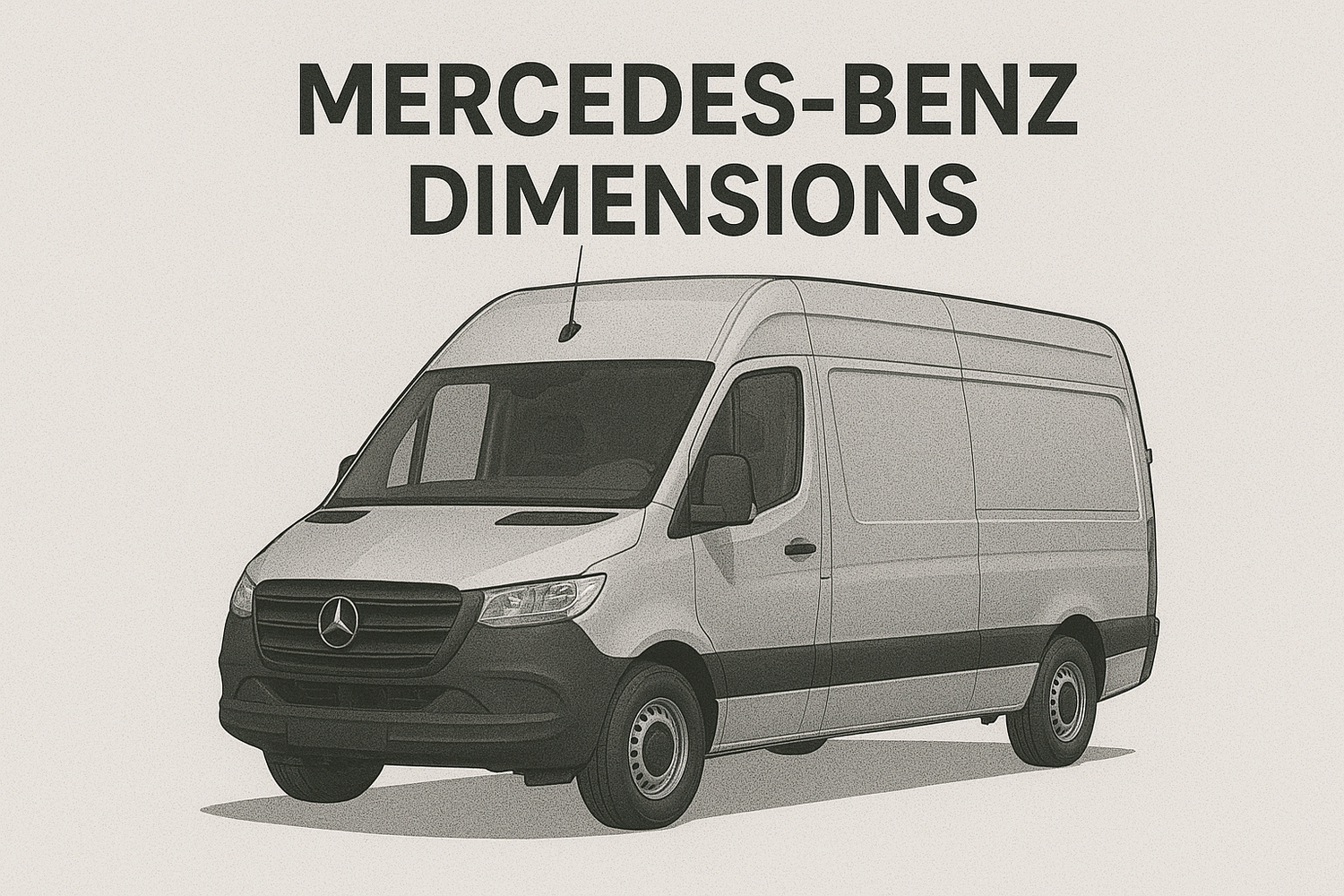
Mercedes eSprinter: Premium Quality
The Mercedes eSprinter delivers proven Sprinter quality with zero-emission capability. Available in L3H2/L3H3 configurations with 81kWh or 113kWh batteries creating 93-118 mile WLTP ranges achieving 75-105 miles real-world under commercial conditions.
| Specification | 81kWh | 113kWh |
|---|---|---|
| WLTP Range | 93 miles | 118 miles |
| Real-World Range | 75-85 miles | 95-105 miles |
| Payload | 1,045kg | 1,045kg |
| Cargo Volume | 11m³ | 11m³ |
| DC Charging | 115kW (22min 10-80%) | 115kW (32min 10-80%) |
The mercedes collection demonstrates storage optimizing 11 cubic meters whilst maintaining efficient weight distribution. eSprinter suits urban operations covering 60-80 daily miles including building trades and city delivery. Premium refinement justifies higher pricing for operations prioritizing quality.

Ford E-Transit: Market Leader
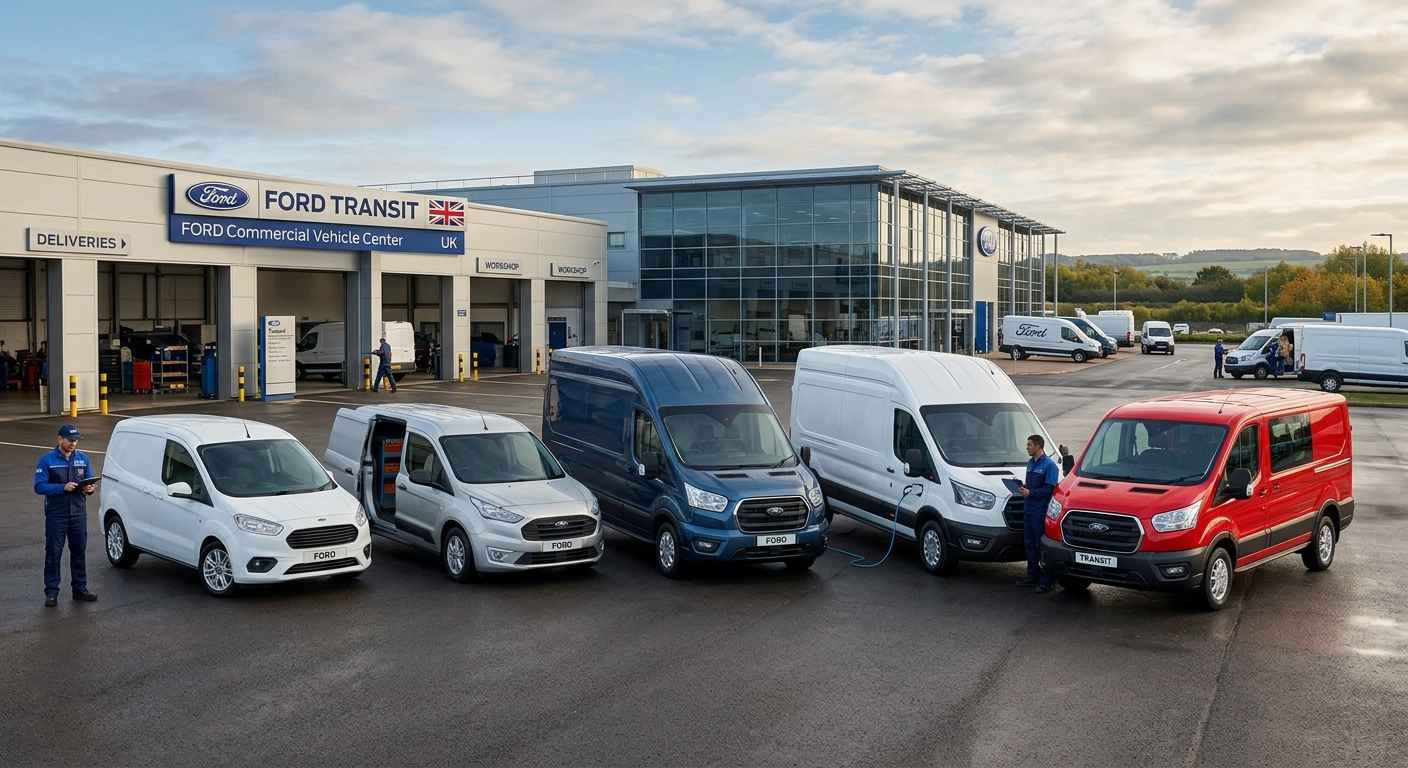
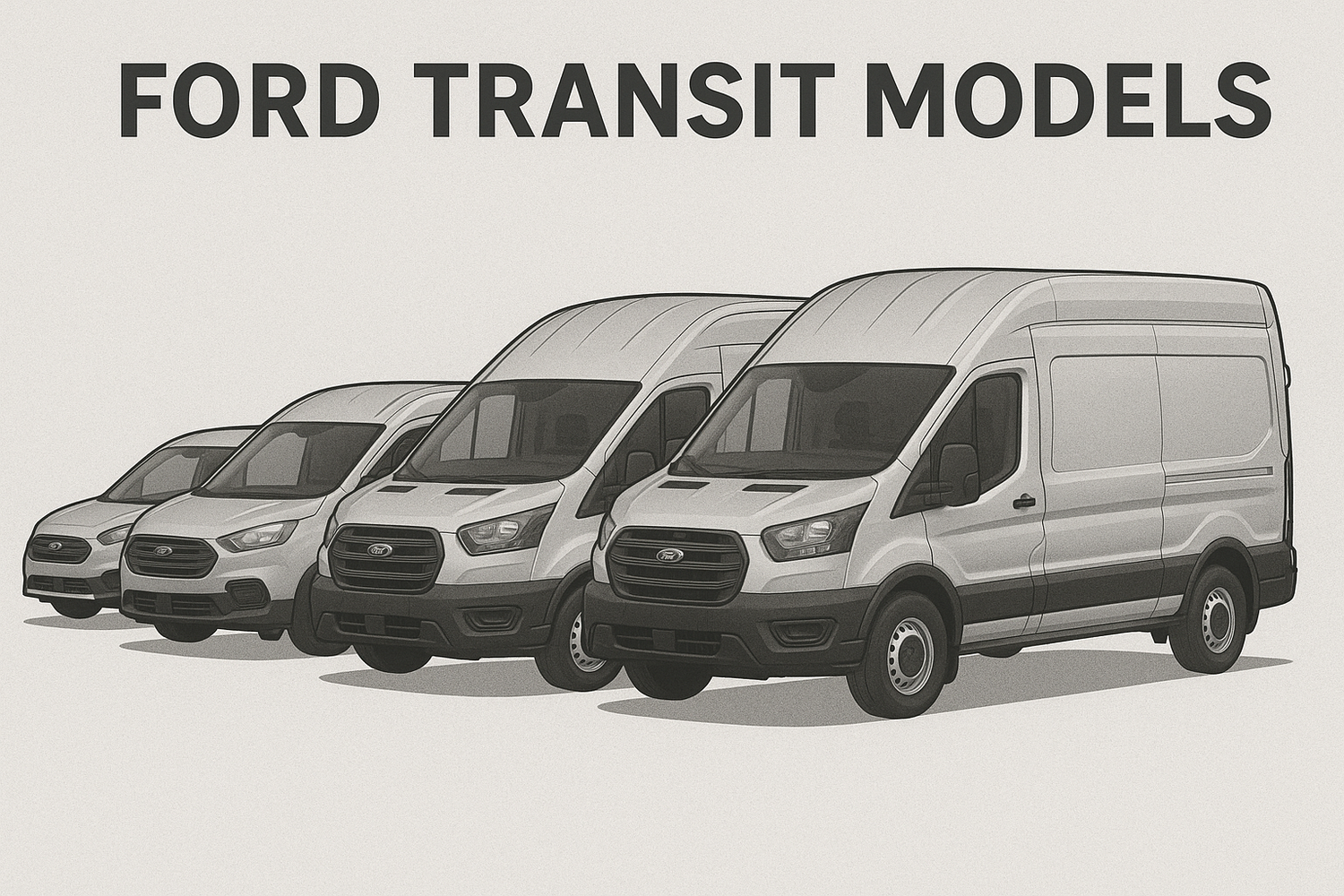
Ford E-Transit leads UK sales offering unmatched configurability across three wheelbases and multiple roof heights. The 68kWh battery delivers 196 mile WLTP range achieving 150-170 miles real-world, with 9.5-15.1 cubic meters cargo volume matching diesel specifications.
| Configuration | Cargo | Payload | Real Range |
|---|---|---|---|
| SWB Medium | 9.5m³ | 1,616kg | 150-170 miles |
| MWB Medium | 11.0m³ | 1,400kg | 145-165 miles |
| LWB High | 15.1m³ | 1,270kg | 140-160 miles |
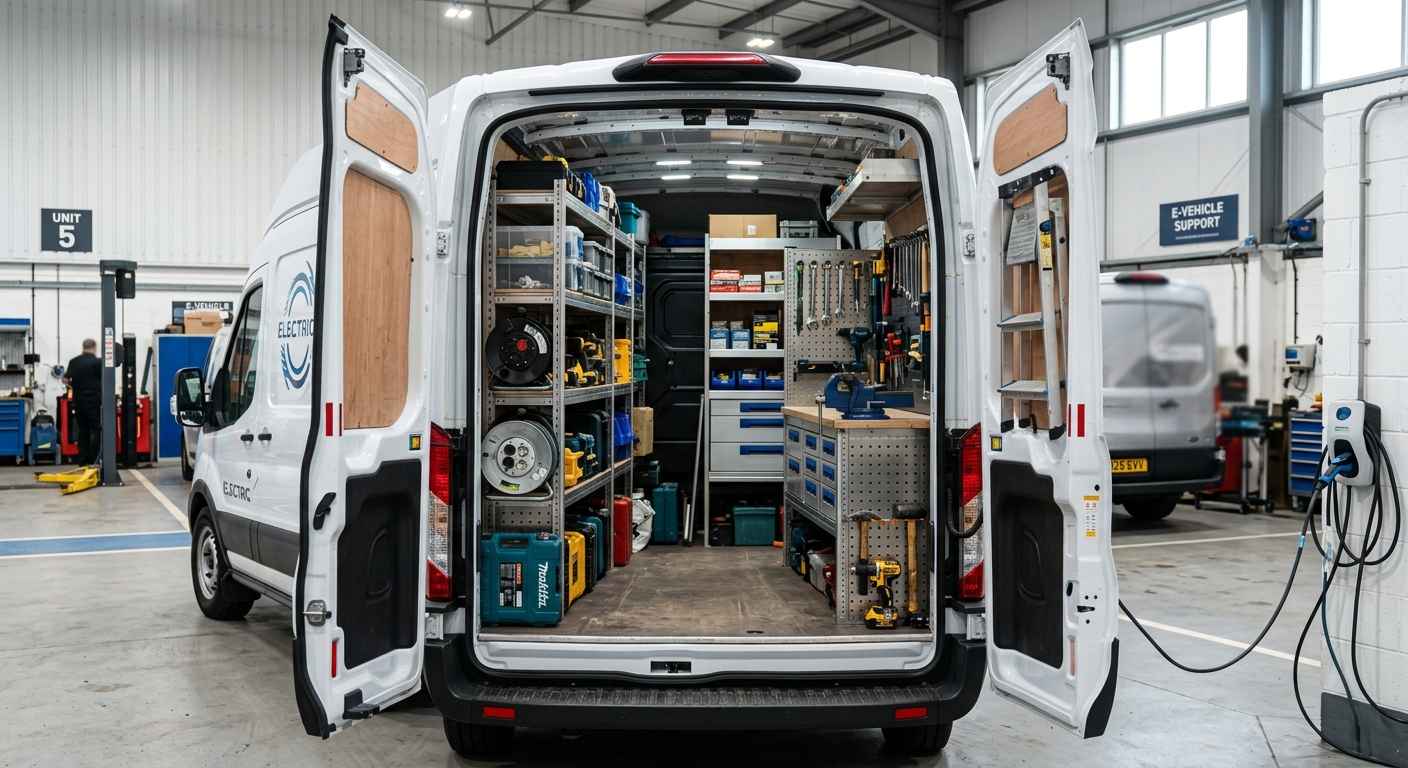
Impressive 1,616kg SWB payload exceeds many diesel equivalents. Pro Power Onboard 2.3kW system exports electricity powering tools eliminating generator requirements—electricians and builders benefit from silent on-site power. The ford collection demonstrates systematic organization. 115kW DC charging: 34min 15-80%.

Stellantis Triplets: e-Relay, e-Boxer, e-Ducato
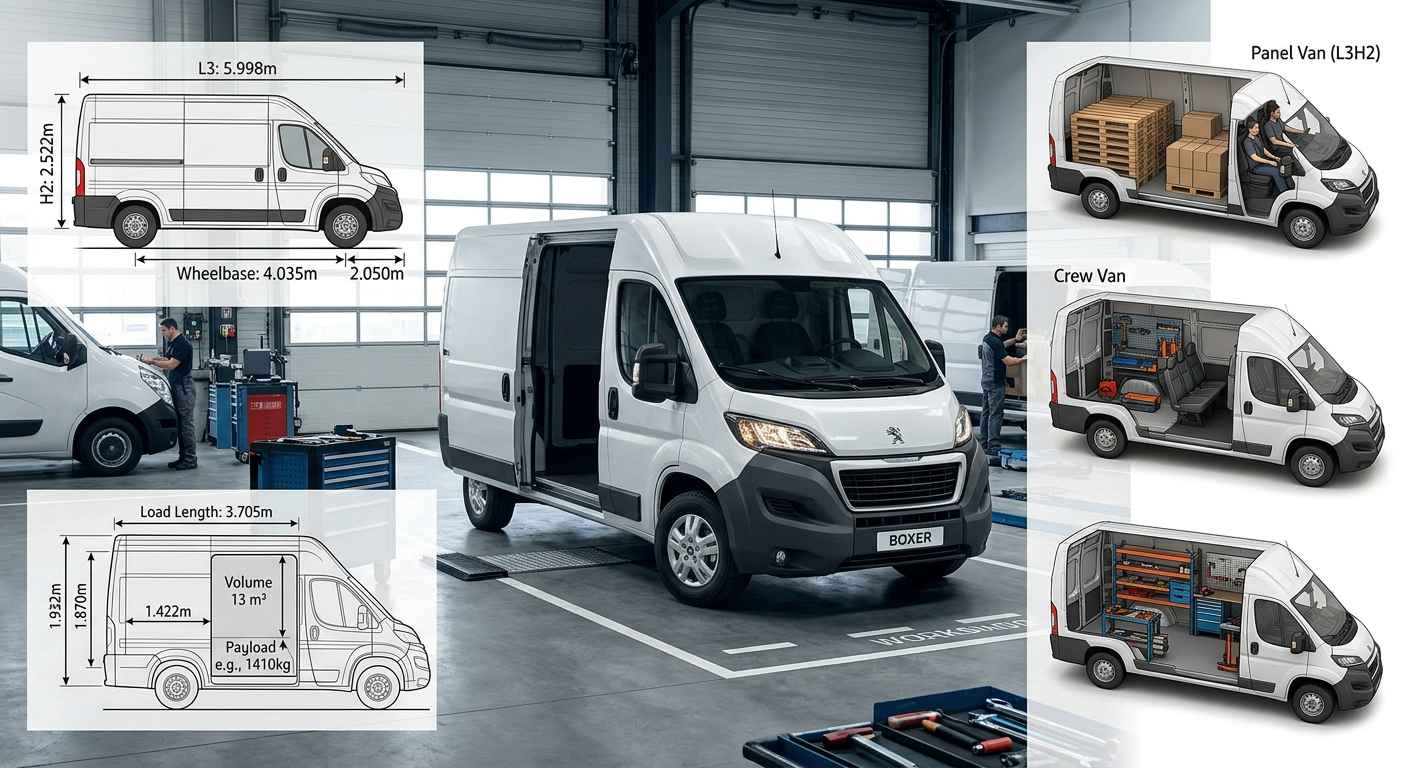
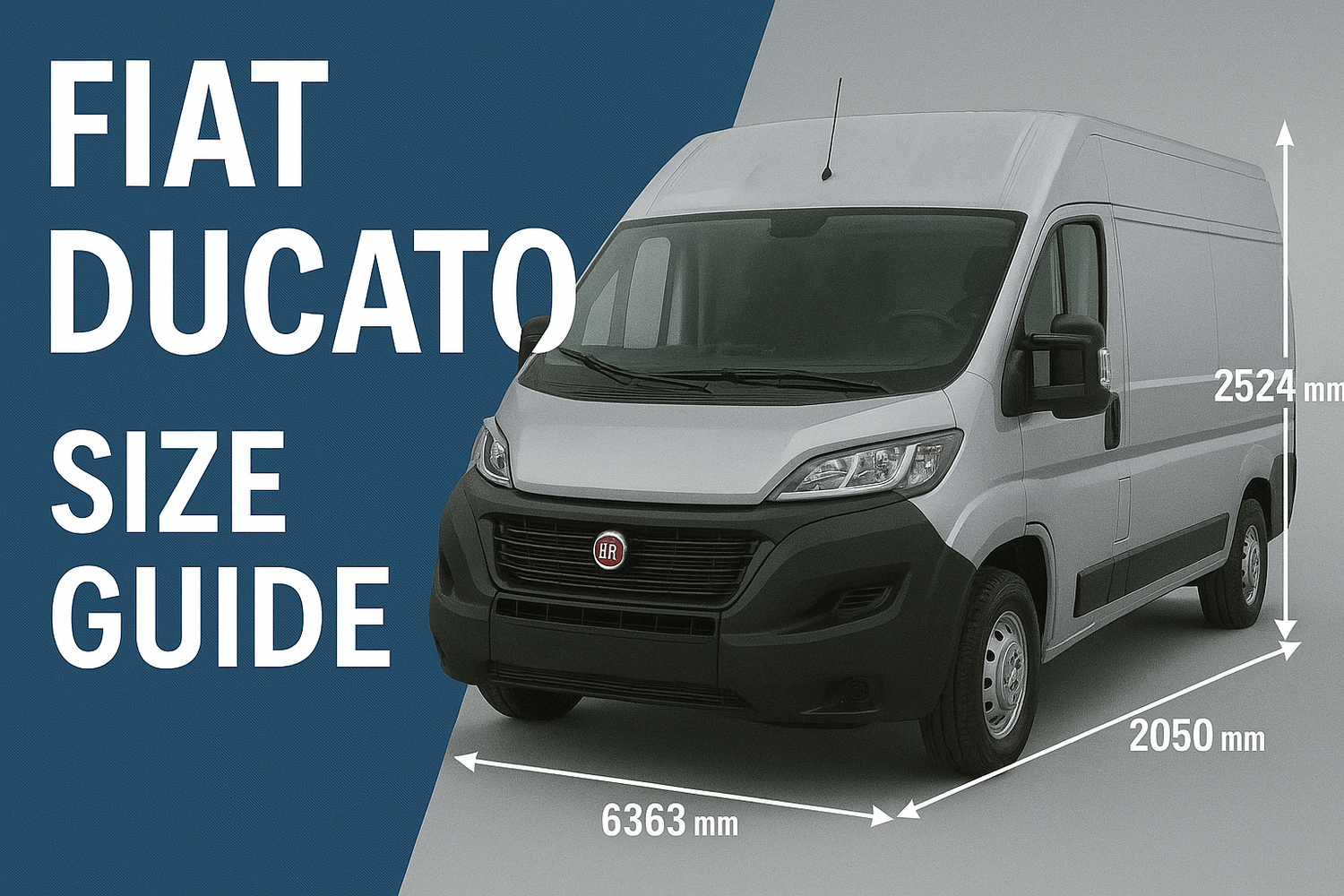
Citroen e-Relay, Peugeot e-Boxer, and Fiat e-Ducato share architecture offering identical specifications with brand-specific styling. Available in multiple configurations with 79kWh battery delivering 139 mile WLTP range achieving 110-125 miles real-world.
Key Specs: 79kWh battery, 110-125 miles real-world, 1,400kg max payload, 10-17m³ cargo, 50kW DC charging (100min 0-100%)
The citroen, peugeot, and fiat collections demonstrate cross-compatible storage protecting fleet investments. 50kW charging proves slower than competitors requiring 100 minutes complete replenishment—overnight workplace charging negates concerns for single-shift operations.

Renault Master E-Tech: Balanced Performer
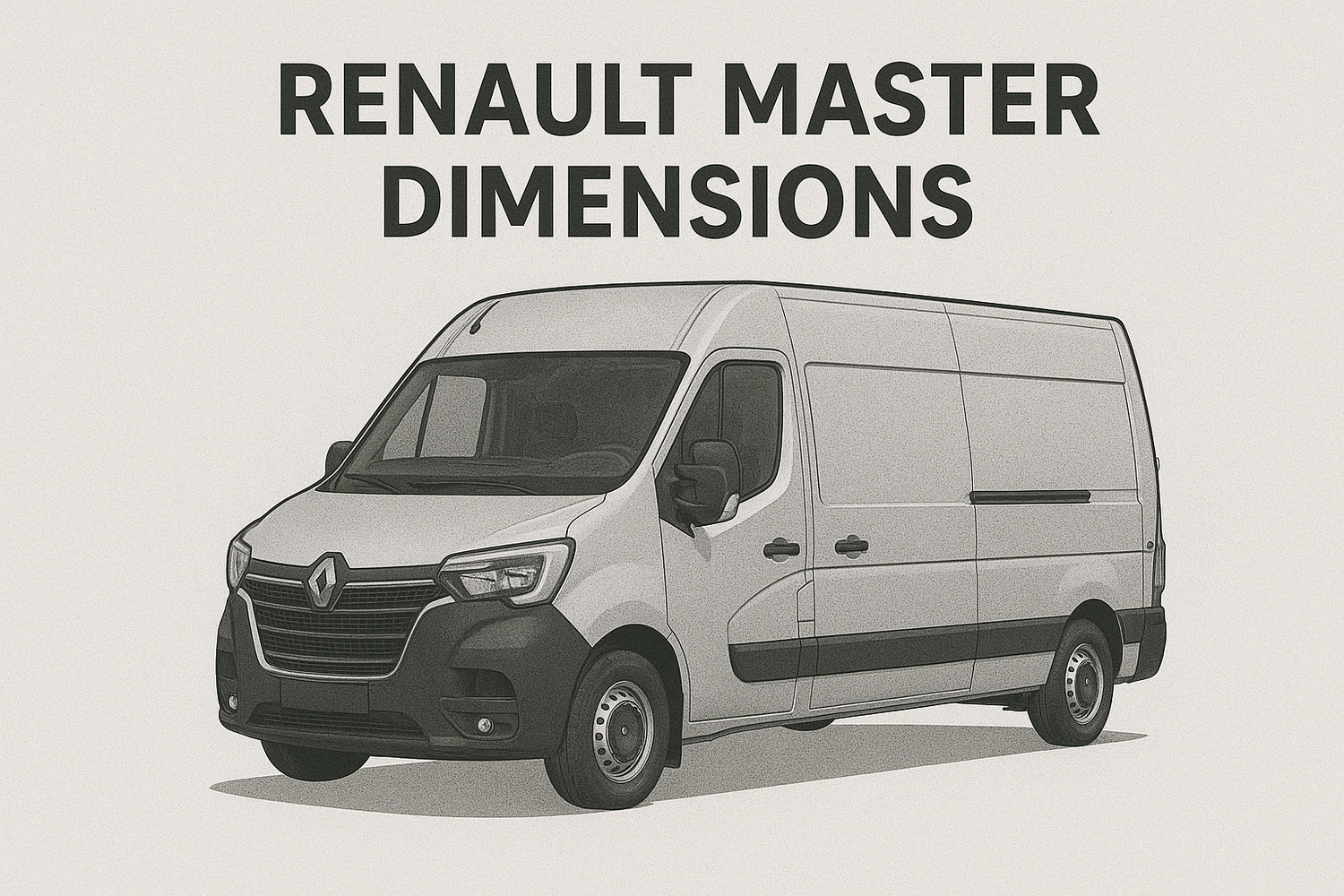
Renault Master E-Tech offers 87kWh battery delivering 186 mile WLTP range achieving 145-165 miles real-world. Available across three wheelbases creating 8-20 cubic meters cargo whilst maintaining competitive 1,418kg maximum payload.
Key Specs: 87kWh battery, 145-165 miles real-world, 1,418kg payload, 8-20m³ cargo, 130kW DC charging (32min 15-80%)
The renault collection demonstrates storage optimizing generous dimensions. Master E-Tech delivers compelling range and charging matching premium competitors at competitive pricing with comprehensive UK dealer network.

VW ID. Buzz Cargo: Iconic Efficiency
ID. Buzz Cargo reimagines iconic Microbus with zero-emission capability. Long wheelbase only with 79kWh battery delivers class-leading 256 mile WLTP range achieving 200-220 miles real-world—exceptional efficiency partially offsetting modest 3.9 cubic meters cargo and 592kg payload.
Key Specs: 79kWh battery, 200-220 miles real-world, 592kg payload, 3.9m³ cargo, 170kW DC charging (30min 5-80%)
The id buzz collection maximizes limited volume through efficient layouts. Suits operations prioritizing range and brand image over capacity—mobile services, urban delivery, professional services. Exceptional efficiency delivers lowest operational costs per mile.

Mid-Size and Compact Options
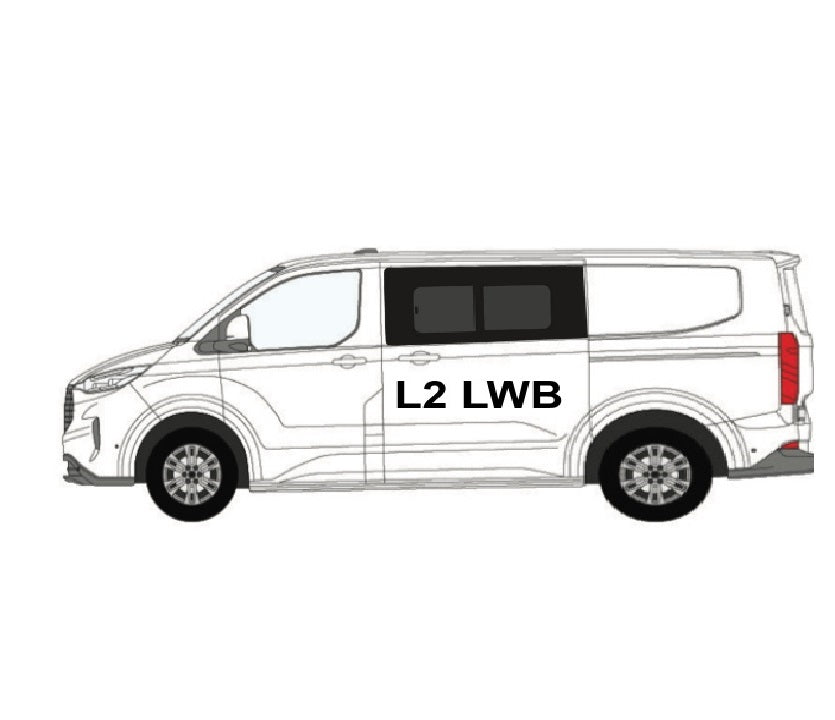
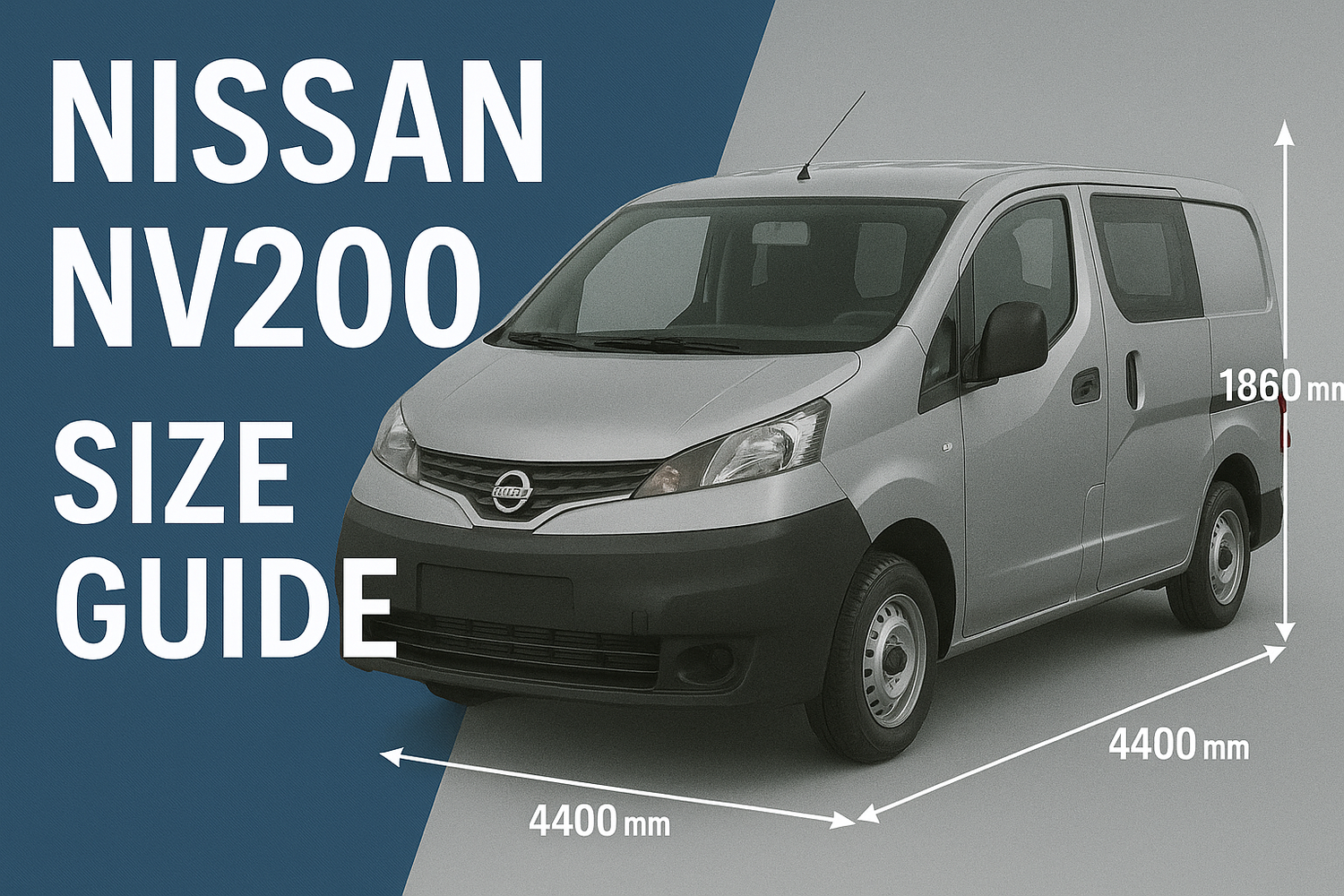
Mid-size electric vans including Ford E-Transit Custom, Citroen e-Dispatch, Peugeot e-Expert deliver 6-8.3 cubic meters with 50-75kWh batteries achieving 150-200 mile ranges. Payload 800-1,100kg suits tool-intensive trades. The toyota and nissan primastar collections demonstrate mid-size storage.
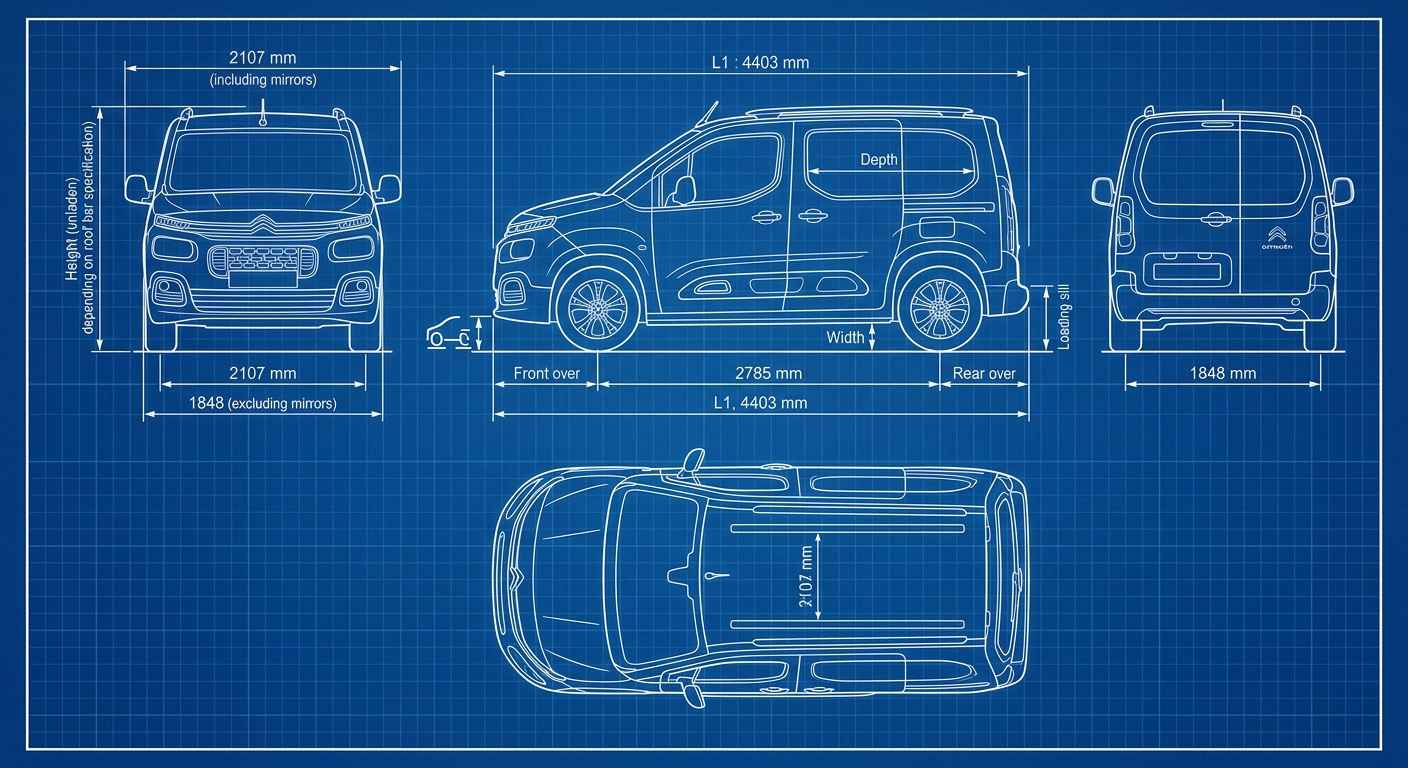
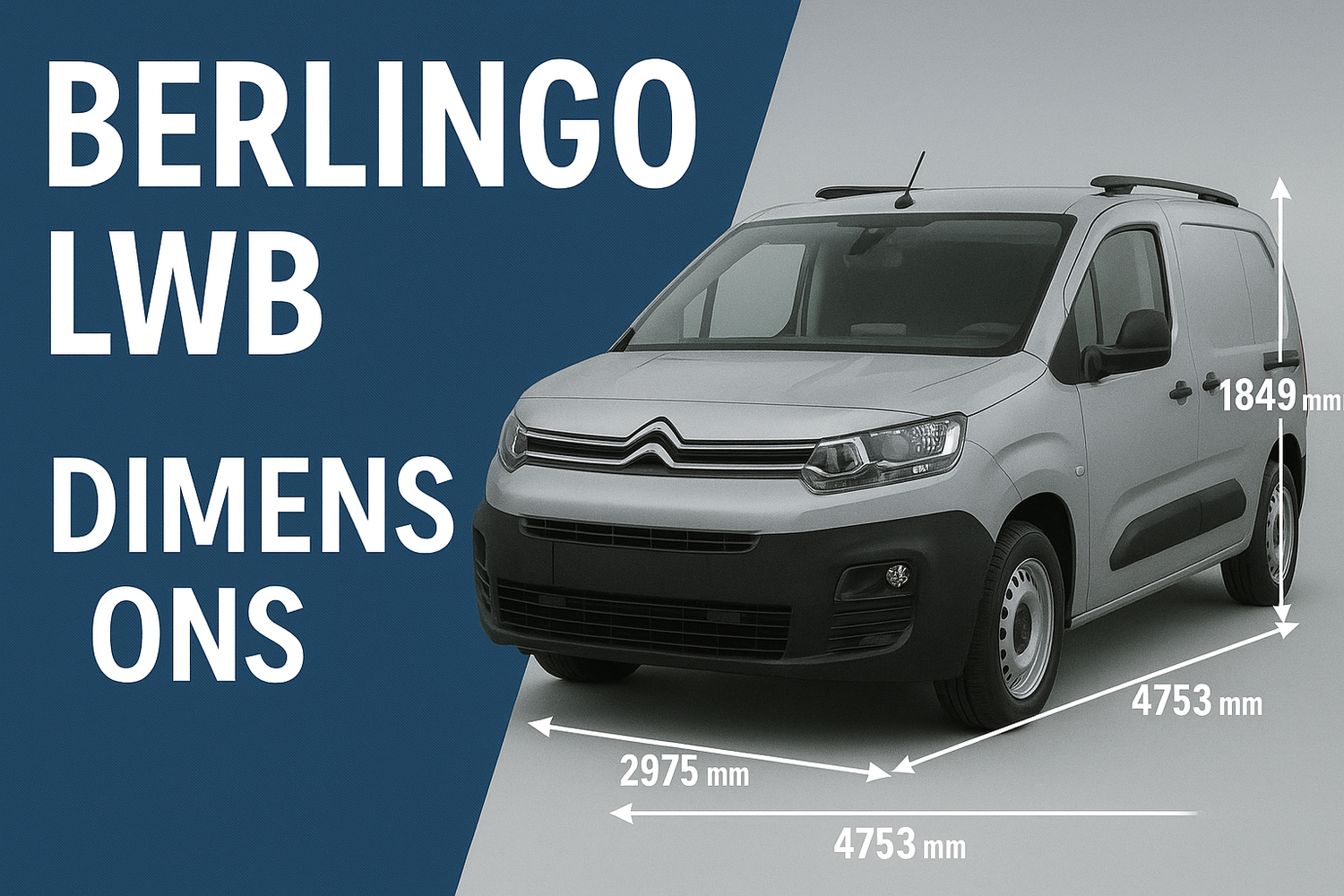
Compact electric vans including e-Berlingo, e-Partner deliver 3.3-4.4 cubic meters with 50kWh batteries achieving 170-200 miles. Exceptional urban maneuverability suits city-based trades accepting limited cargo volume for parking convenience.
Real-World Range Factors
Real-world electric van range typically achieves 75-85% of WLTP figures. Payload significantly impacts efficiency—every 100kg reduces range 3-5%. Cold weather (0-5°C) reduces range 20-30% through battery chemistry and heating, whilst heat (30°C+) impacts 10-15%. Driving style influences consumption 15-25%—smooth acceleration and regenerative braking maximize efficiency.
Winter operations require realistic assessment accounting for 25-30% reductions. Preconditioning whilst connected to mains warms batteries and cabin before departure without consuming onboard energy, recovering 10-15 miles effective range. The kia collection demonstrates efficient storage supporting rapid loading during charging stops.
Charging Infrastructure
Workplace Charging
Overnight workplace charging forms operations foundation. 7kW single-phase or 22kW three-phase AC chargers deliver complete replenishment during 8-12 hour periods. Installation costs £800-£1,500 per point with government grants offsetting 75% up to £350 supporting affordable deployment.
Public Rapid Charging
Rapid networks provide 50-350kW DC charging enabling 20-80% within 25-45 minutes. Costs range 45-85p per kWh versus overnight workplace 7-15p per kWh. Mid-day top-ups restore 40-60 miles within 20-30 minutes extending operational capabilities.

Storage and Payload Optimization
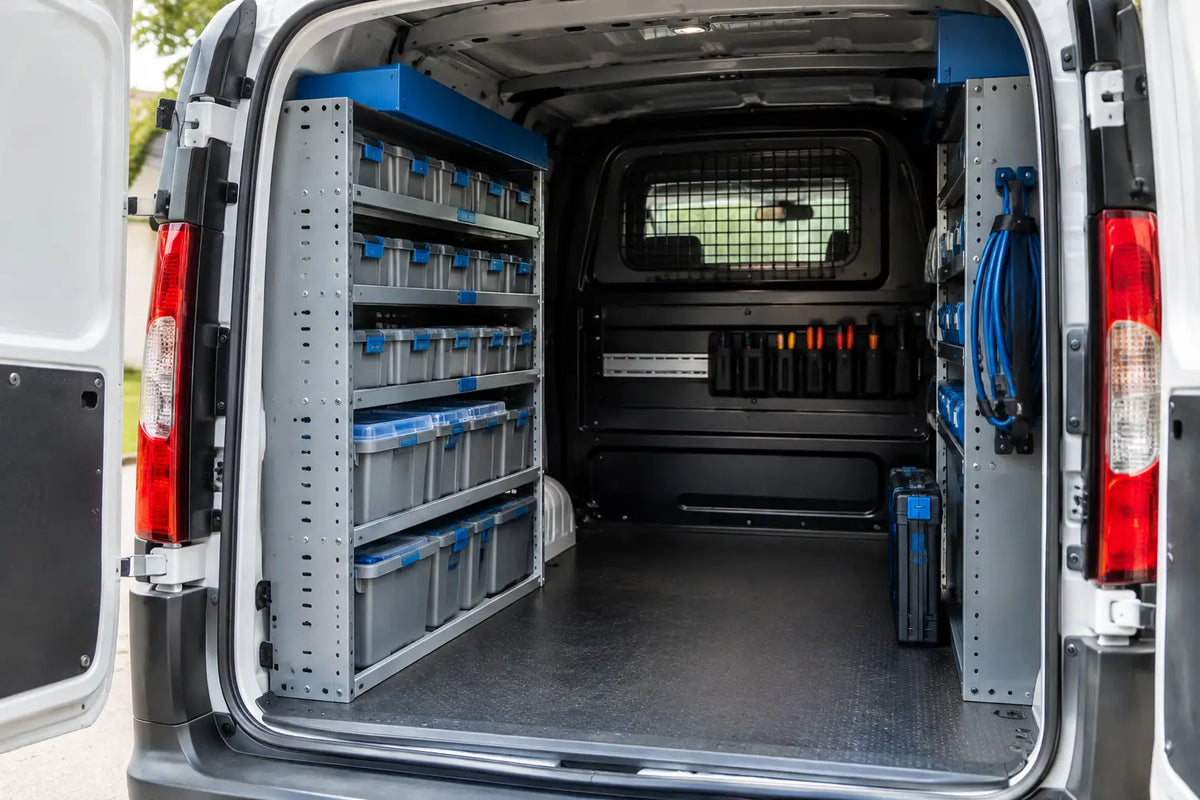
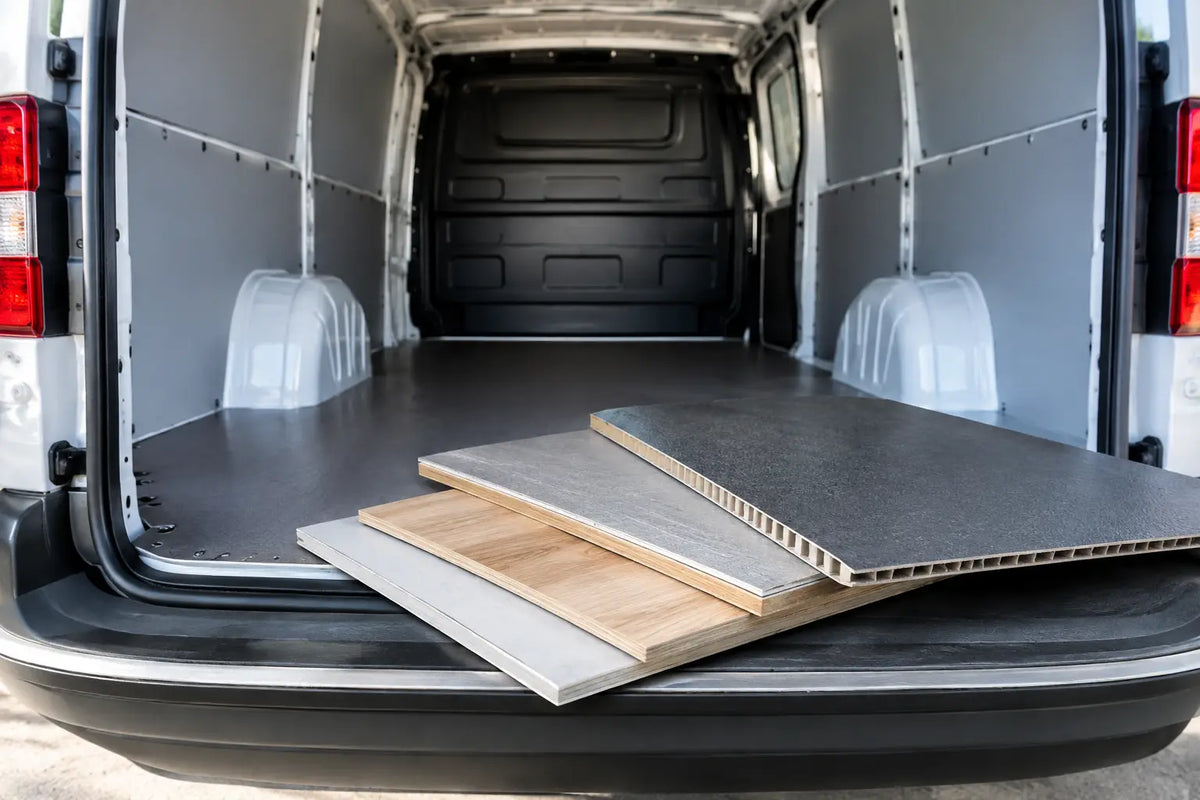
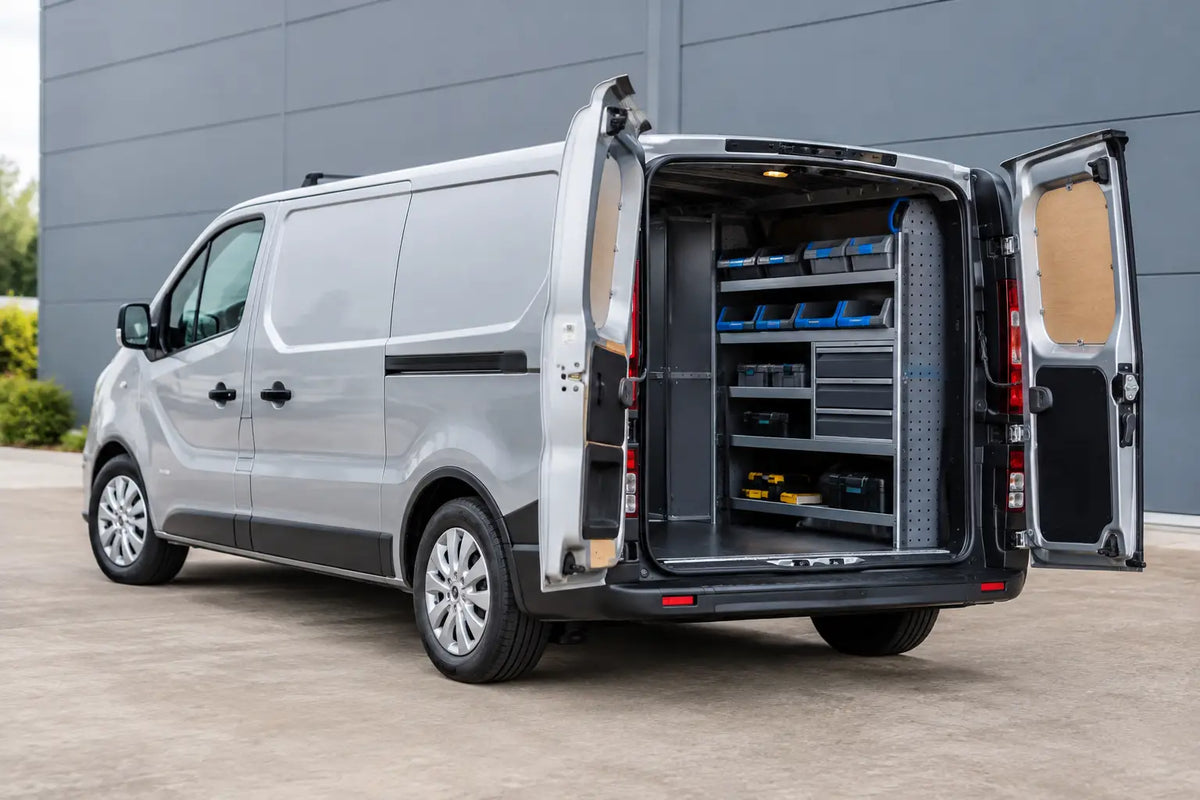
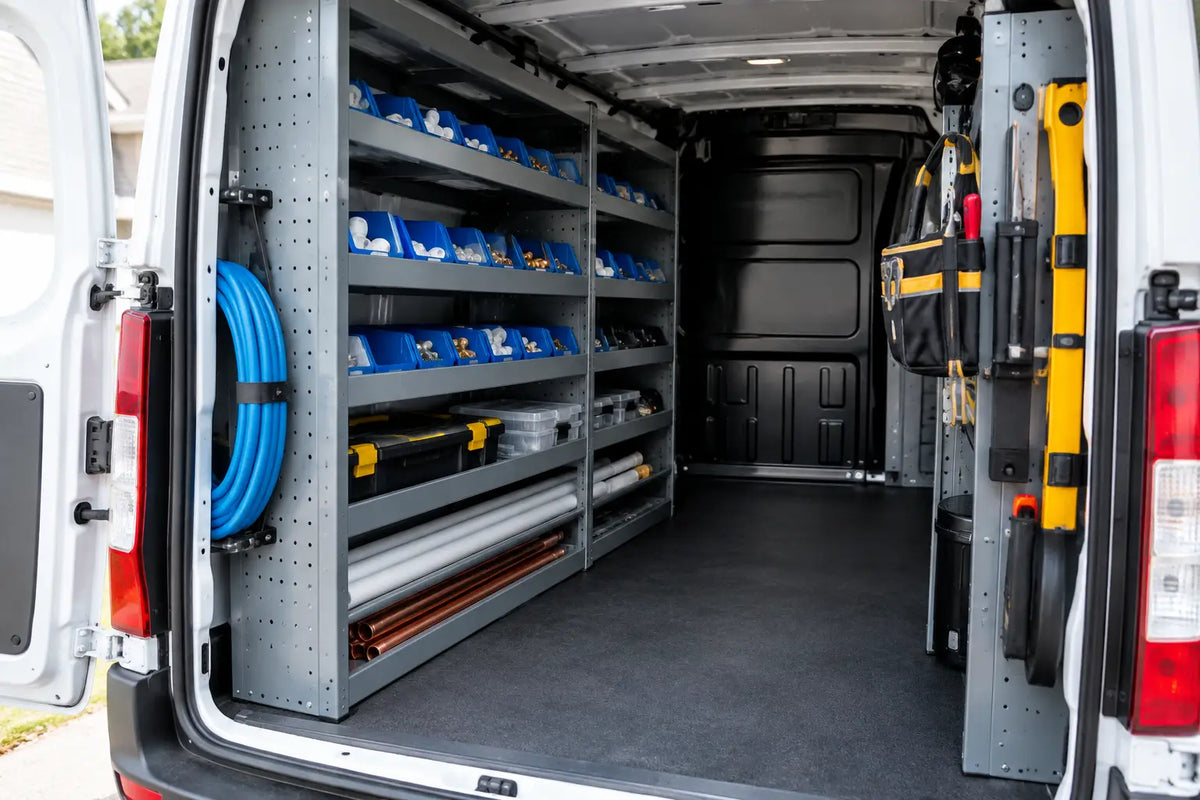
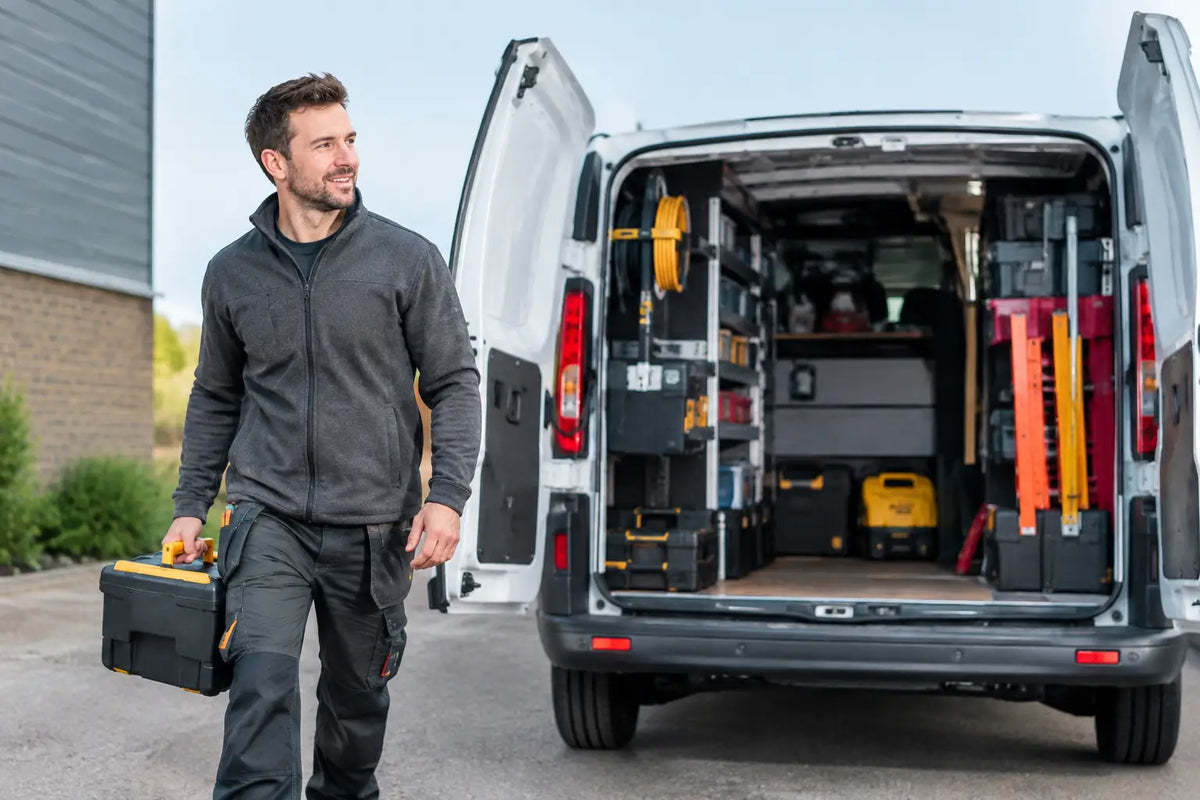
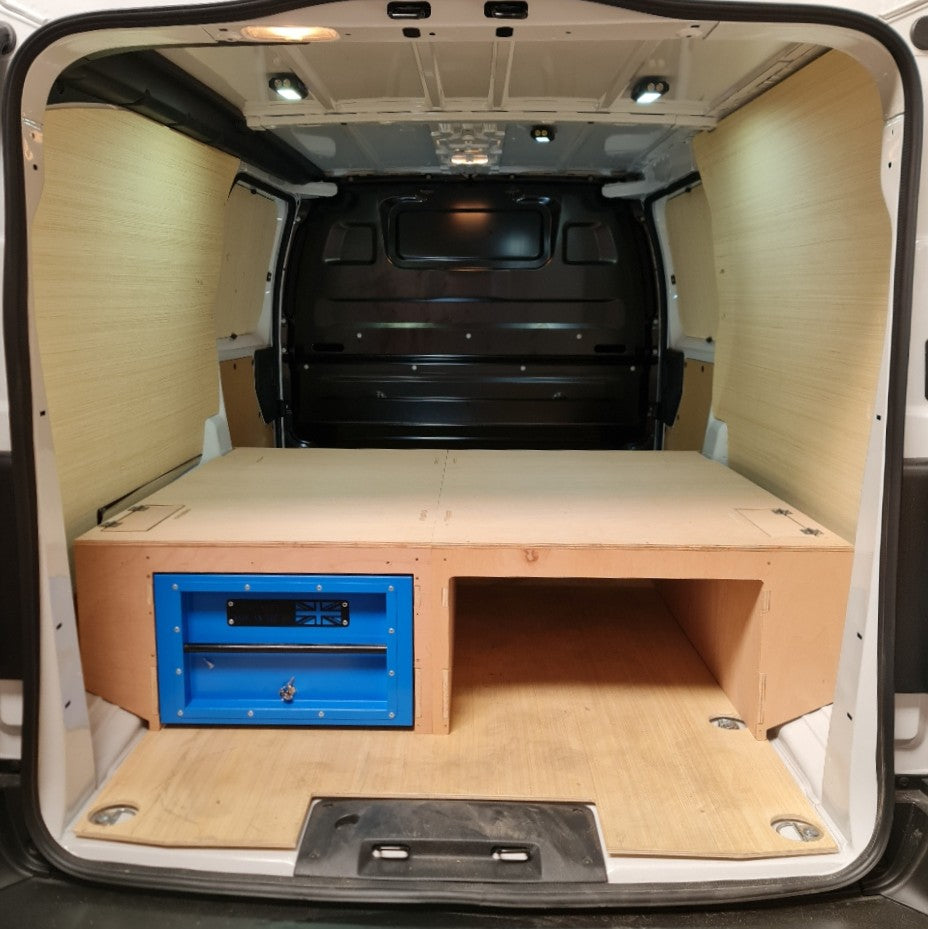
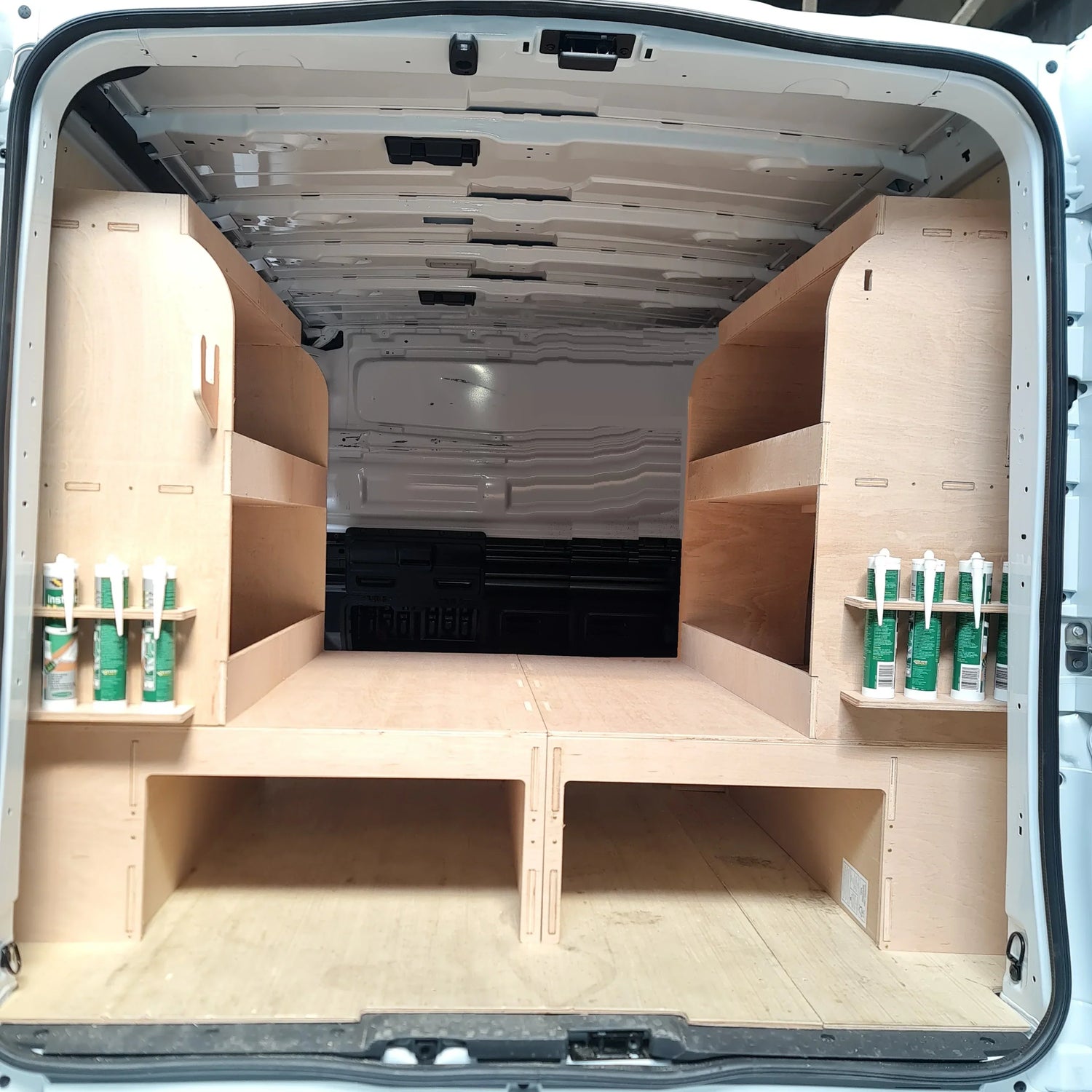
Electric vans sacrifice 200-400kg payload through battery weight. Lightweight storage systems prove essential—aluminum frameworks with thin plywood balance durability against weight. Every kilogram saved increases operational capacity. Strategic component selection eliminates unnecessary features.
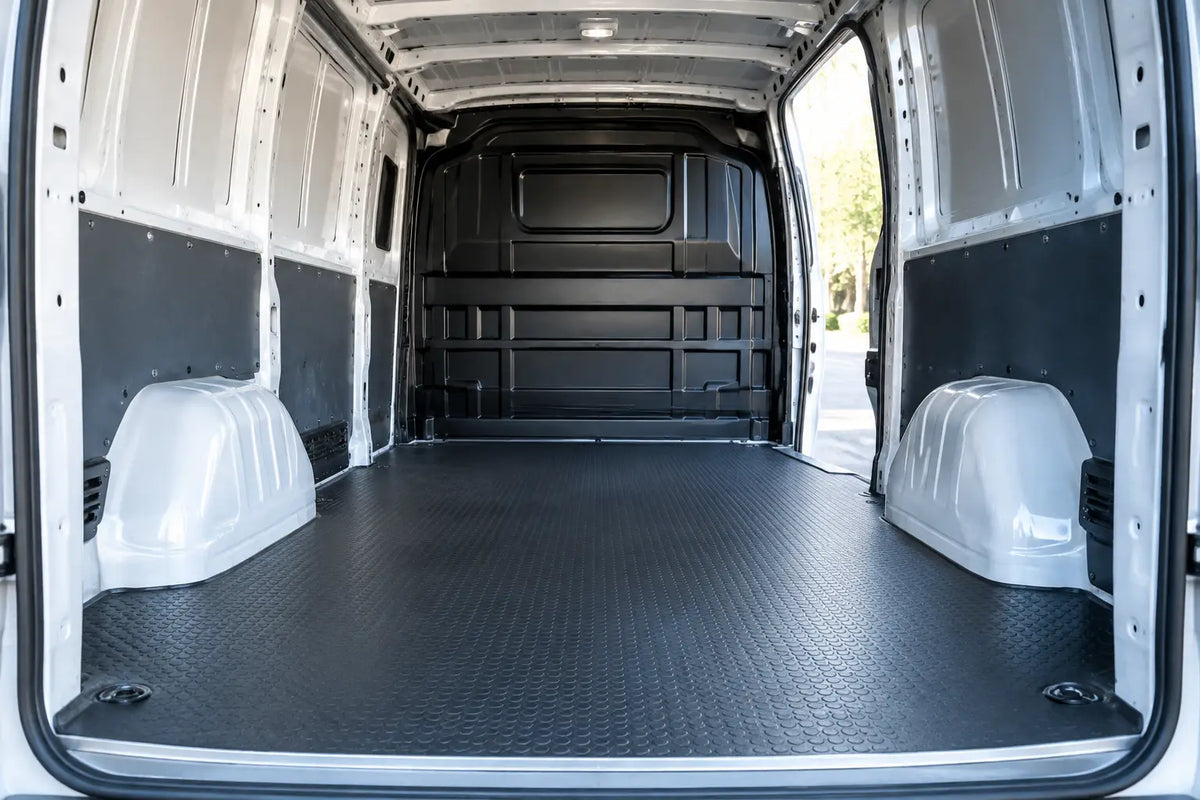
Underfloor battery placement lowers center of gravity improving handling whilst flat load floors eliminate wheel arch intrusions maximizing volume. Enhanced weight distribution creates stable platforms. Visit Van Shelves for comprehensive guidance.
Financial Considerations
Electric vans command £10,000-£25,000 premiums versus diesel. Plug-in van grant provides £5,000 towards vehicles under £35,000. Strong residual values projected 40-50% versus diesel 35-45% support favorable calculations.
Annual Savings: Electricity £2,400-£3,300, maintenance £400-£800, congestion charges £3,000-£4,000 (London). Combined savings approach £6,000-£7,500 annually offsetting premiums within 2-3 years.
Trade-Specific Recommendations
Electricians/Service Engineers: Mid-size E-Transit Custom suits typical 60-80 mile routes. Pro Power eliminates generators.
Plumbers/Heating: Full-size E-Transit LWB/Master E-Tech accommodate pipe runs with 150-170 mile ranges.
Builders: E-Transit SWB's 1,616kg payload supports tools plus moderate materials. Bulk material operations may prefer diesel until next-generation platforms.
Urban Delivery: Electric vans excel through regenerative braking and zero-emission capabilities. ID. Buzz delivers exceptional range, E-Transit balances capacity.
Conclusion
Large electric vans represent mature platforms delivering compelling economics whilst supporting sustainable practices. Understanding electric van range specifications, real-world considerations, and charging requirements enables confident transition. Strategic storage planning maximizing payload efficiency ensures these advanced platforms deliver reliable professional service across demanding applications supporting successful operations throughout evolving regulatory landscape facing UK commercial operators in 2026.
Optimize your electric van with professional storage solutions from Van Shelves. Our lightweight vehicle-specific racking maximizes space whilst preserving payload capacity essential for electric commercial vehicles. Discover comprehensive solutions engineered for zero-emission operations delivering systematic organization supporting professional sustainable practices.
References
Society of Motor Manufacturers and Traders. (2026). Electric van market data. SMMT Publications.
Fleet News. (2026). Electric van total cost analysis. Fleet News Industry Reports.
Department for Transport. (2026). Plug-in van grant scheme. UK Government.
Energy Saving Trust. (2026). Electric van operational guidance. EST Commercial Vehicle Program.
What Van? (2026). Electric van comparison and range testing. Commercial Vehicle Publications.