








A hard brake, sharp roundabout or rough access road is all it takes to turn loose tools into damaged equipment - or a serious hazard. Knowing how to secure tools in van storage properly is not just about keeping the load area tidy. It protects expensive kit, makes daily work faster and helps keep the vehicle safe and professional.
The right approach depends on what you carry, how often it changes and the model of van you run. An electrician carrying cases, cable and testers needs a different layout from a builder transporting power tools, fixings and heavier materials. The aim is the same: every item should have a sensible home, remain secure in transit and be easy to reach when you arrive on site.
Start with the weight, not the empty space
It is tempting to fill every clear panel and floor area with storage. Before fitting racking or loading boxes, consider the weight of the tools and materials you carry on a normal working day. Your van’s payload includes more than stock and equipment - it also includes the driver, passengers, fuel, racking, shelving, false floors and accessories.
Keep the heaviest items low down and as close to the centre of the vehicle as practical. A heavy generator, tool chest or stack of fittings stored high up can affect handling and puts extra strain on the shelving. It can also become dangerous if a fixing fails. Place lighter consumables, sealants, PPE and small hand tools on higher shelves instead.
Weight also needs to be spread sensibly from side to side. Loading one side with heavy cases while leaving the other almost empty can make the van feel less settled, particularly on bends. If your workload varies through the week, build the main layout around the tools that are always on board, then leave a controlled area for job-specific materials.
Use van racking to give every tool a fixed position
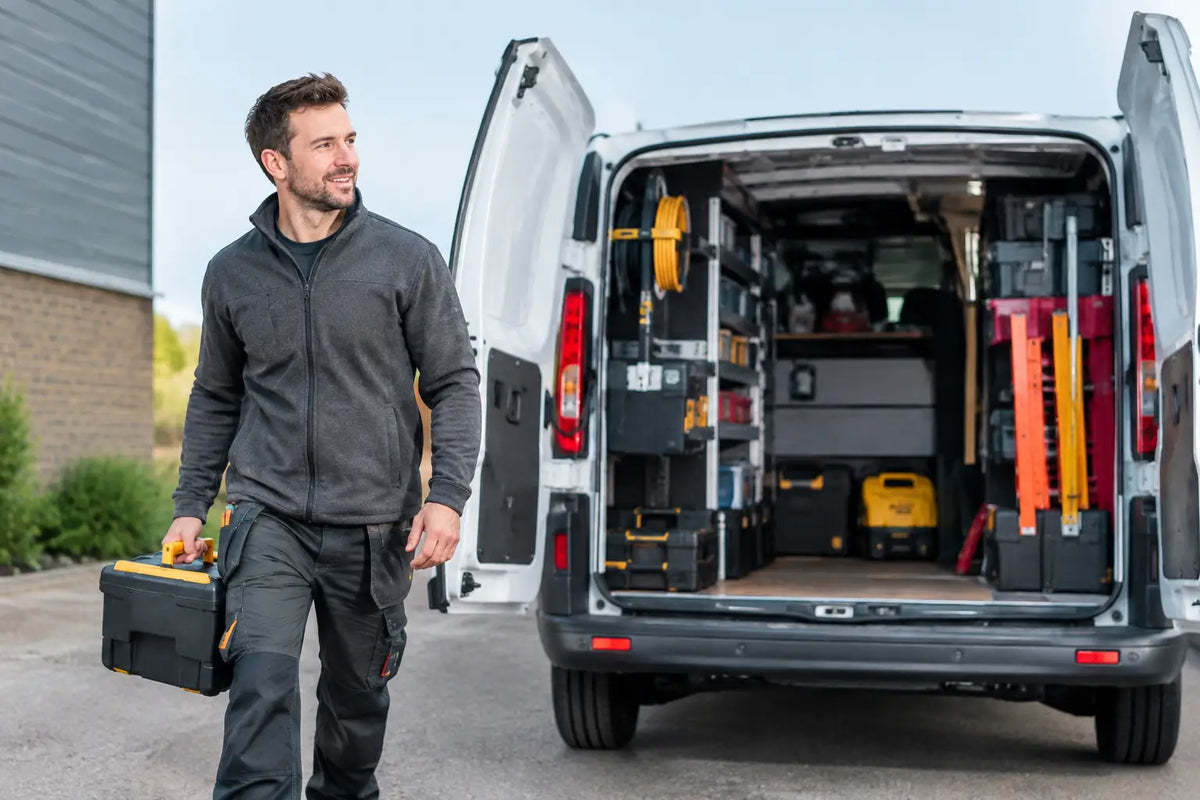
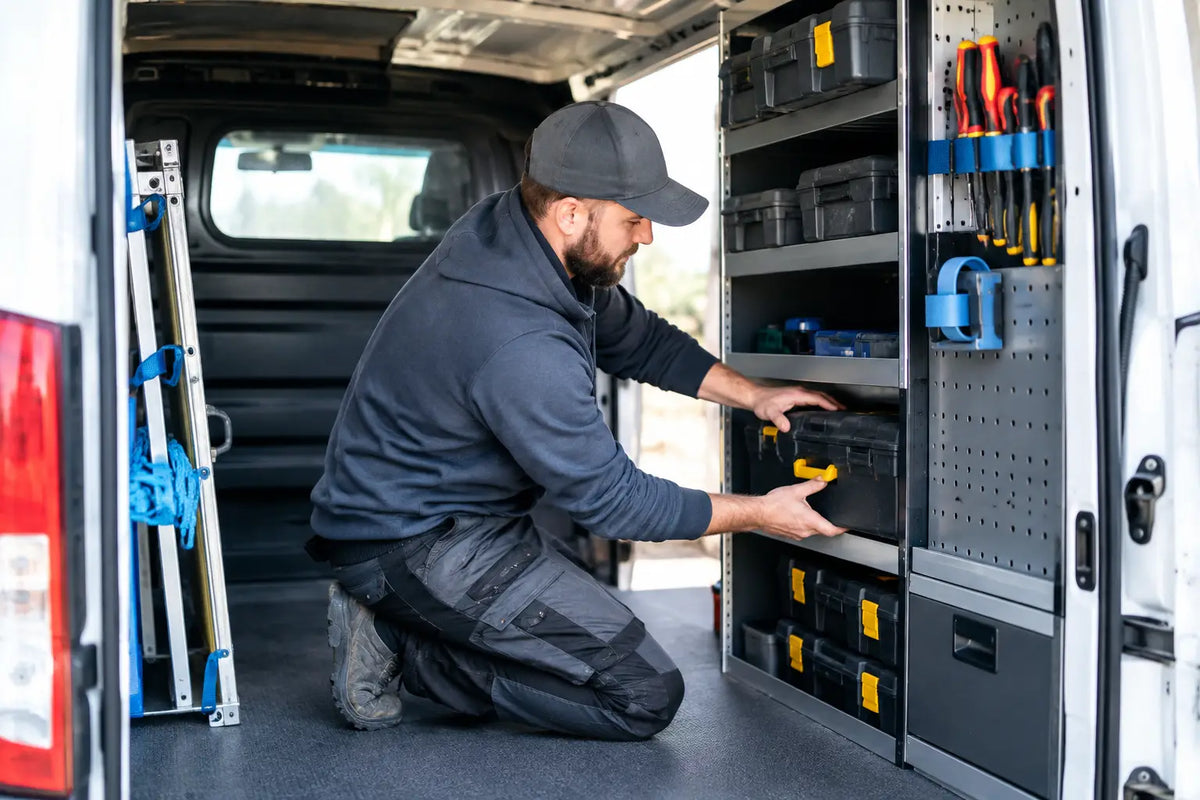
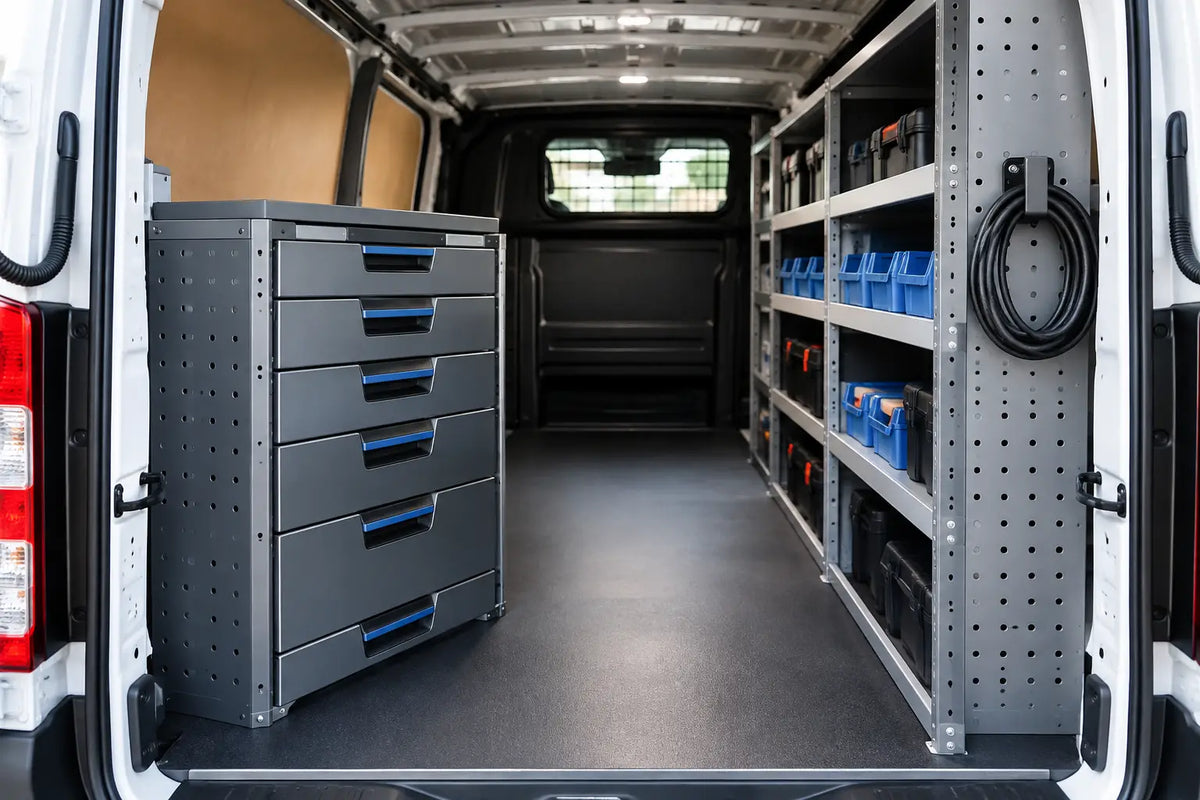
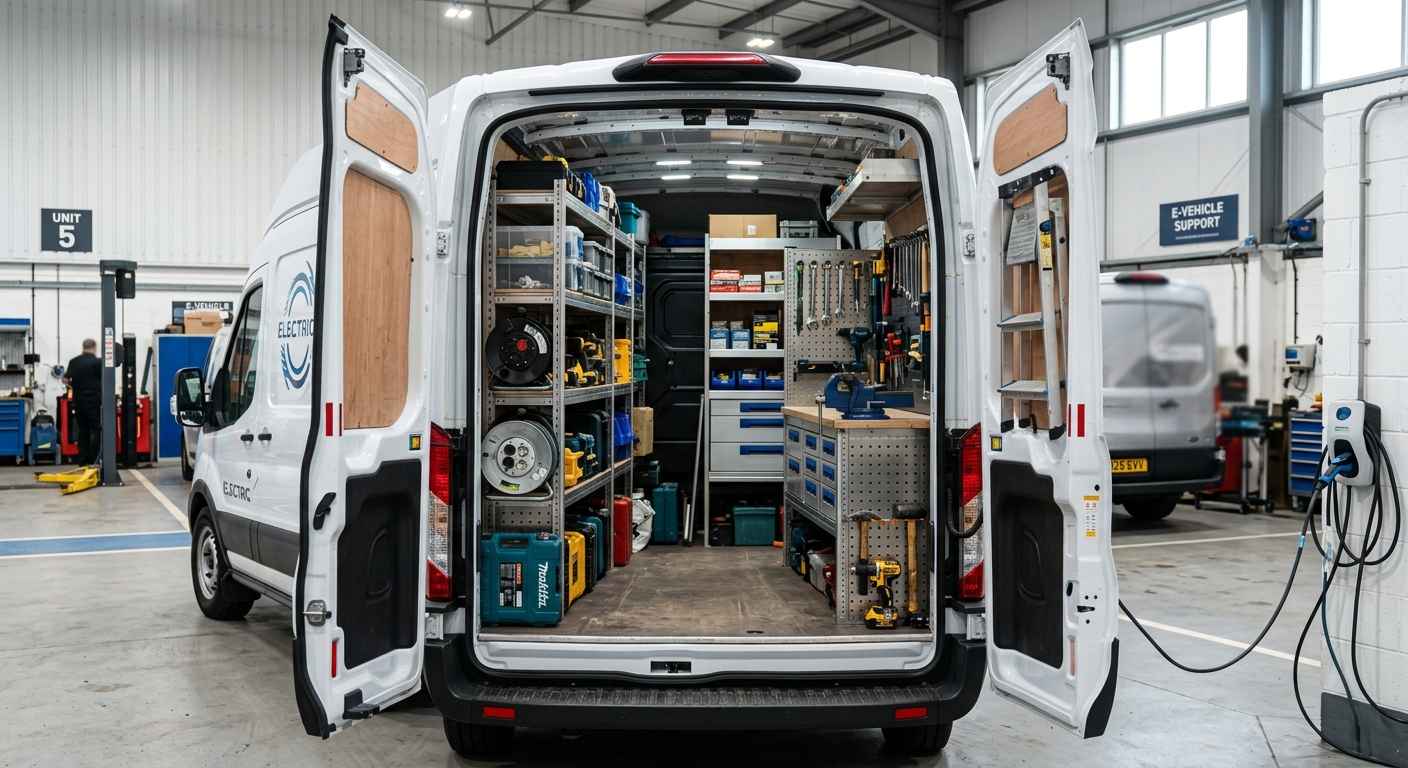
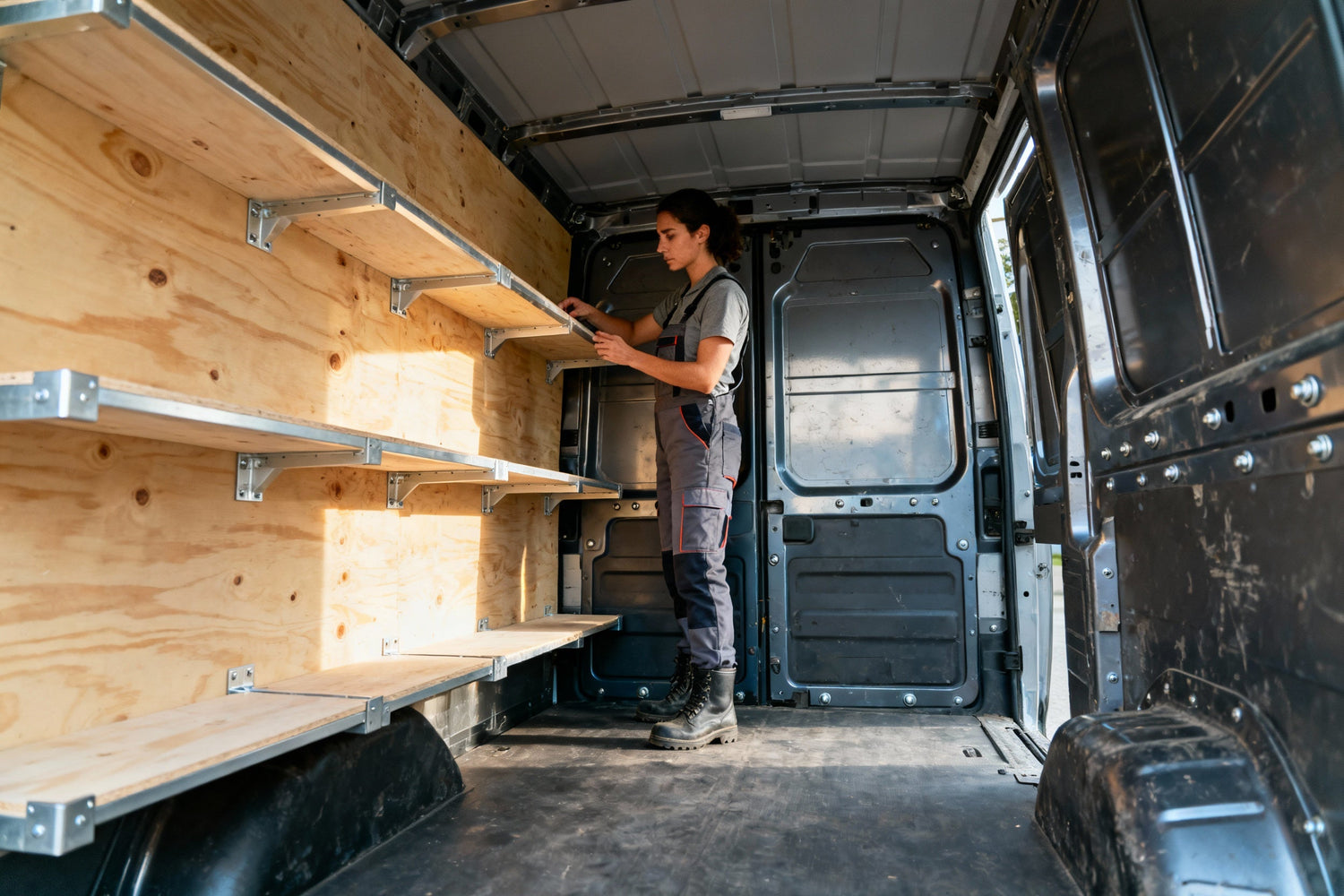
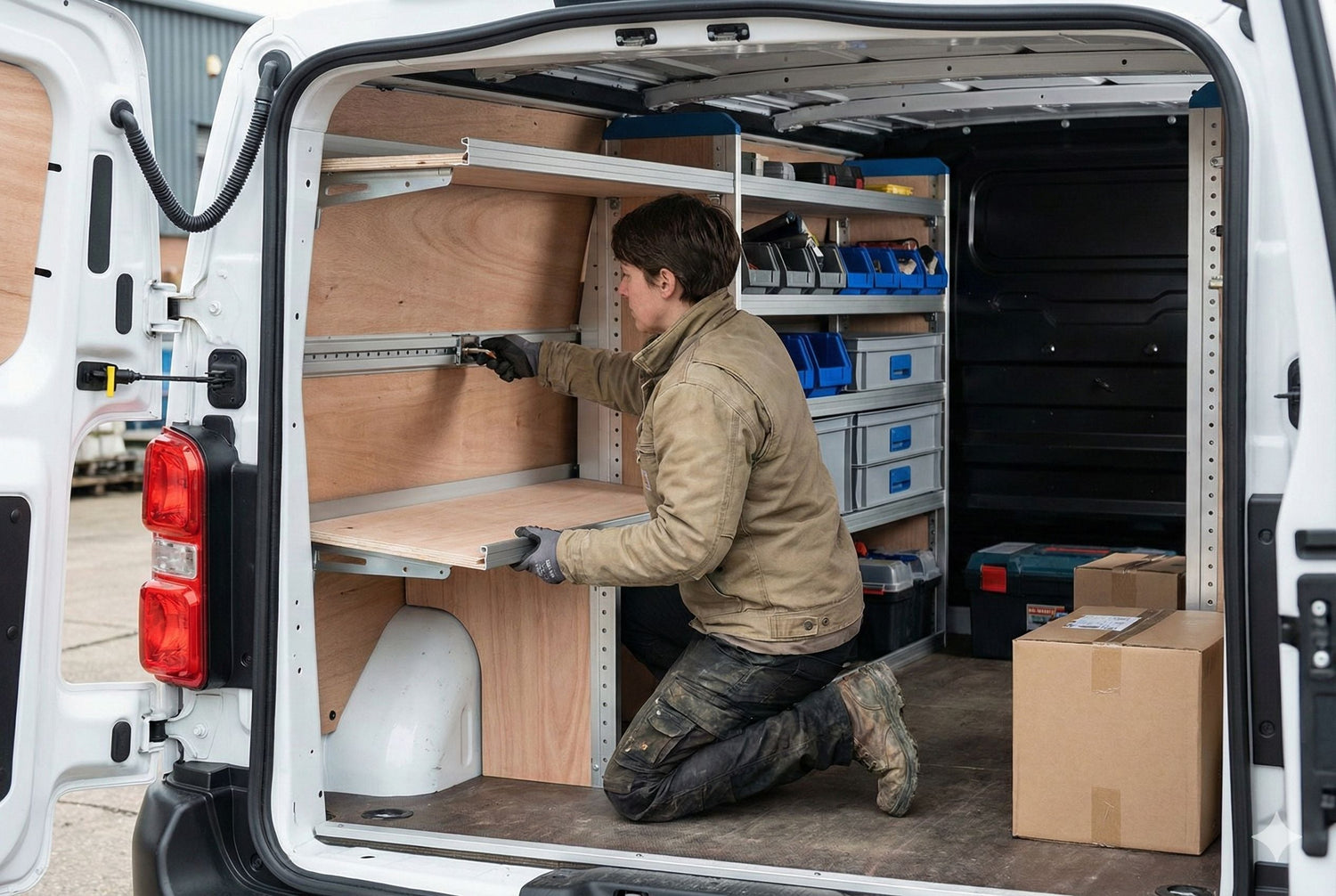
Purpose-built van racking is the backbone of a secure load area. It stops tool cases and boxes moving across the floor, makes stock easier to see and gives you a repeatable way to load the van each morning. When tools have assigned positions, missing kit is easier to spot before you leave site.
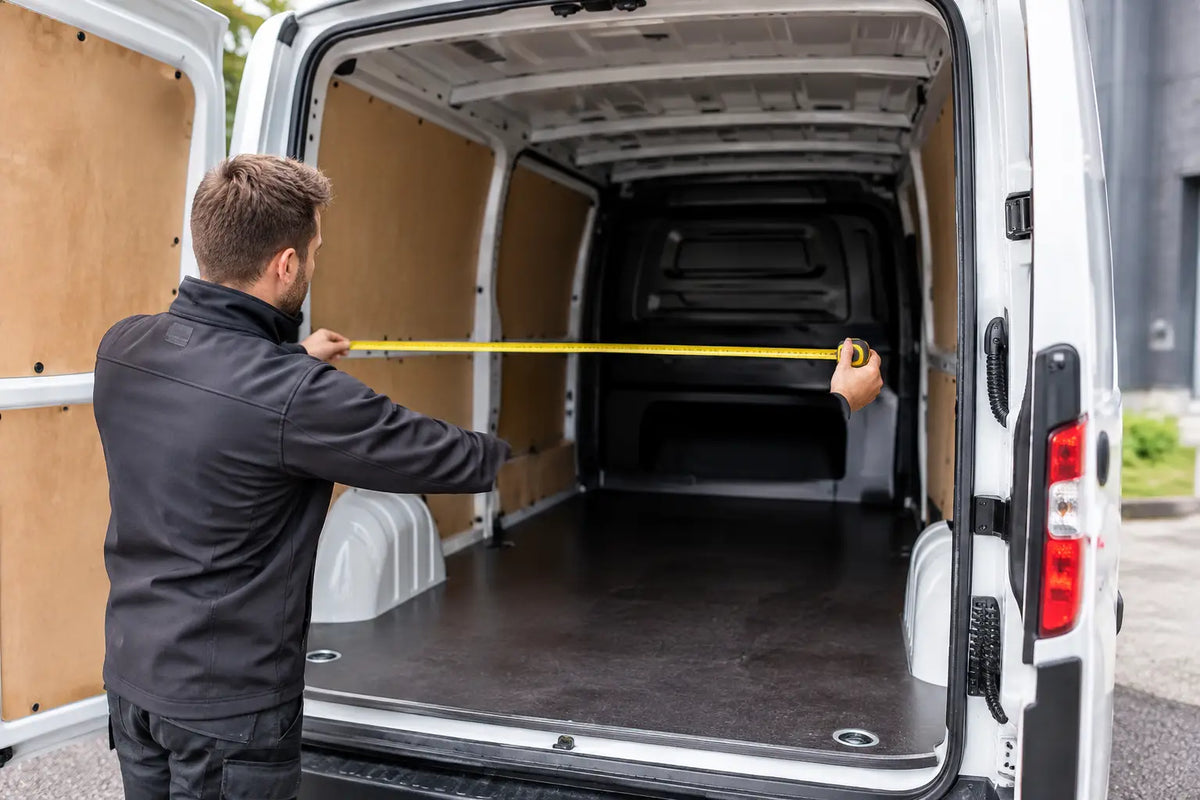
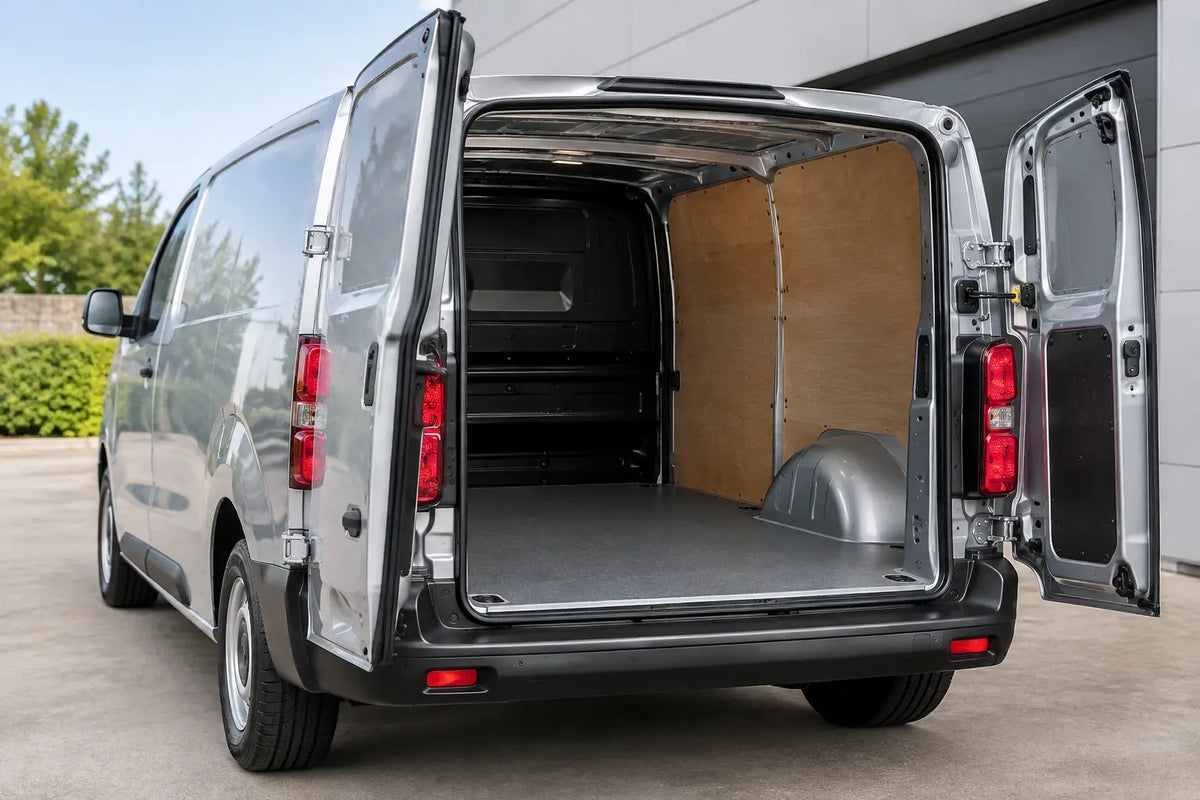
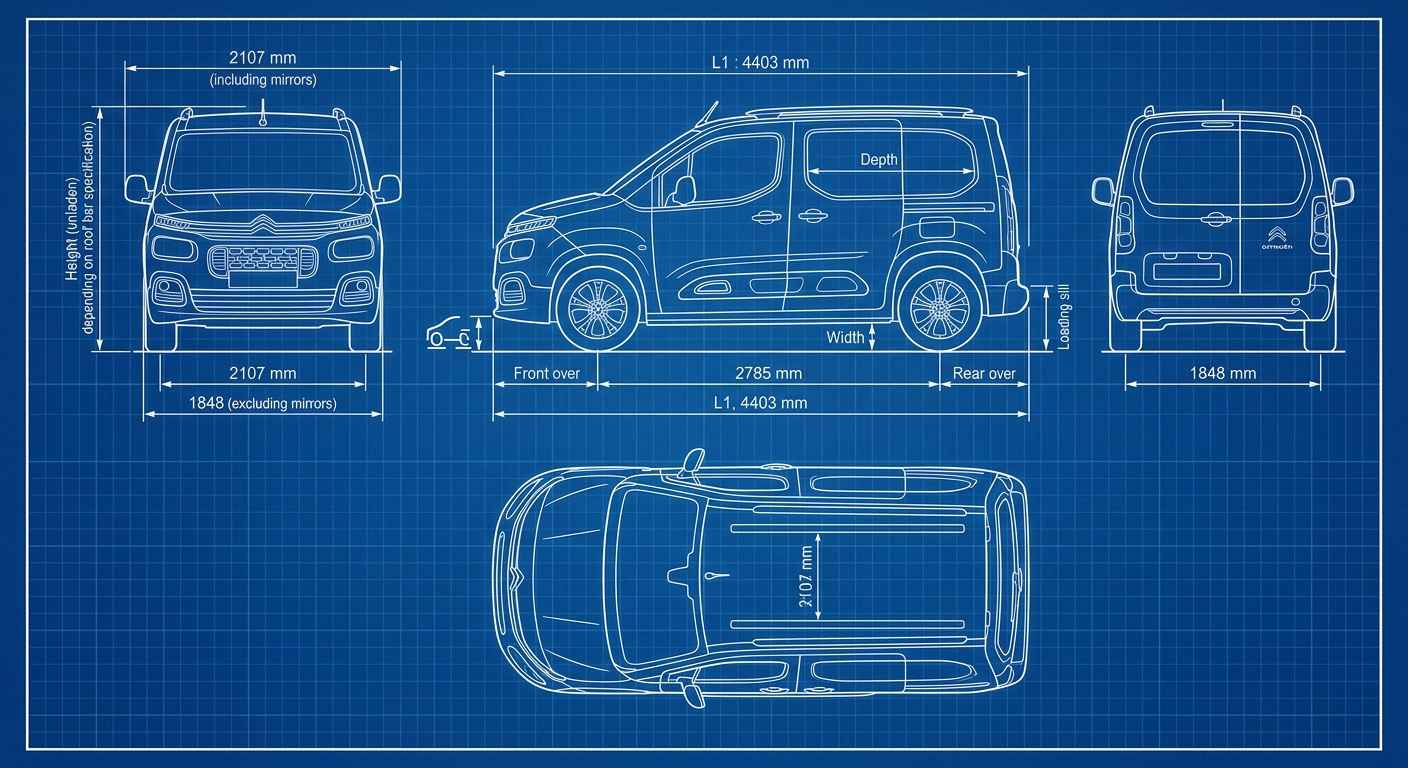
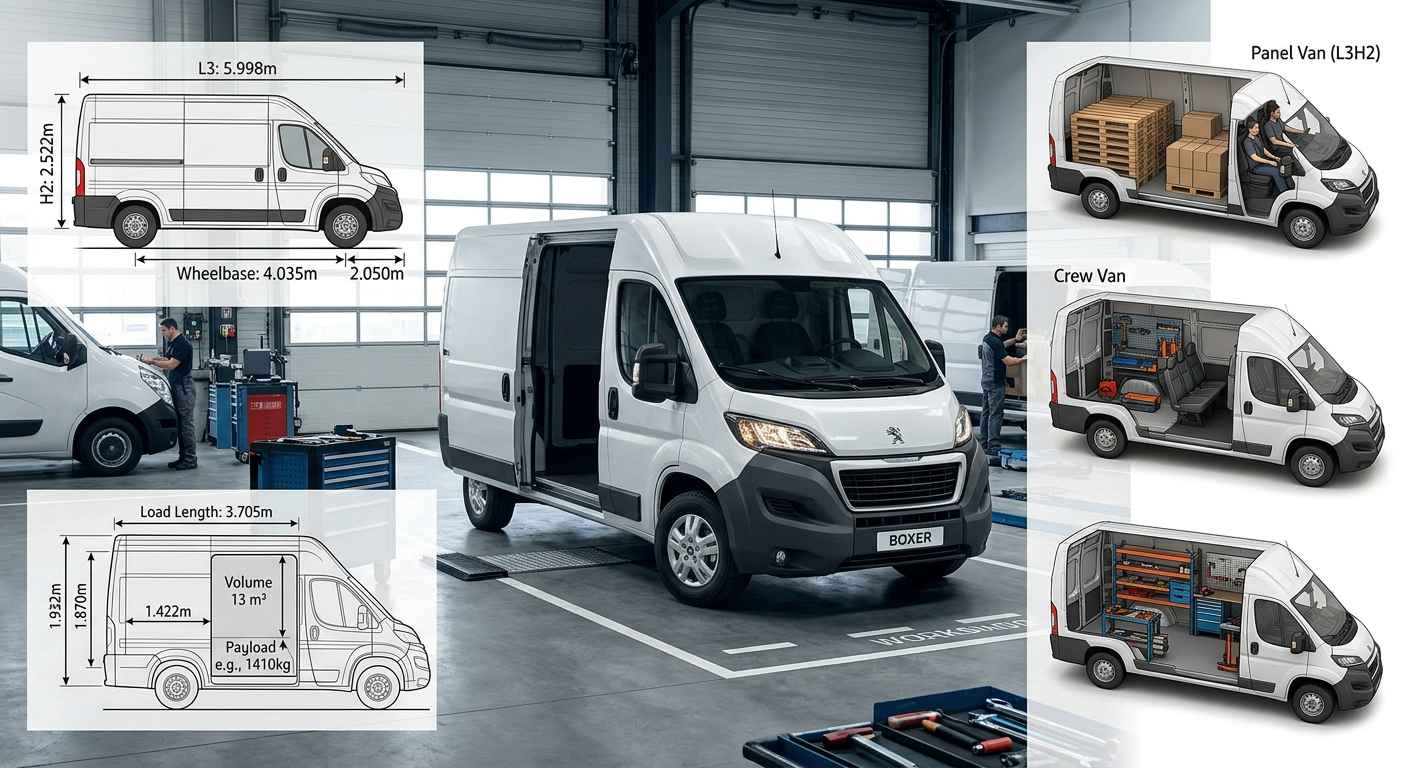
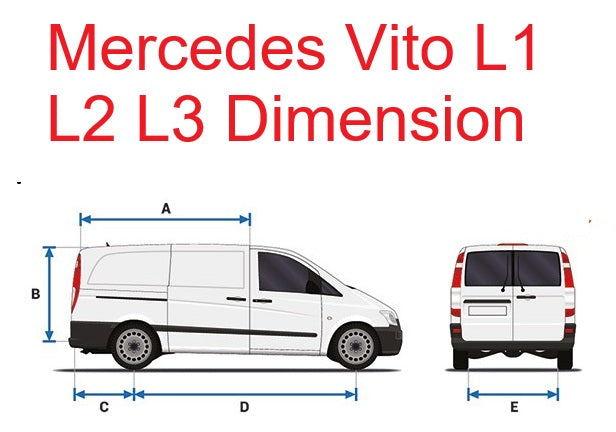
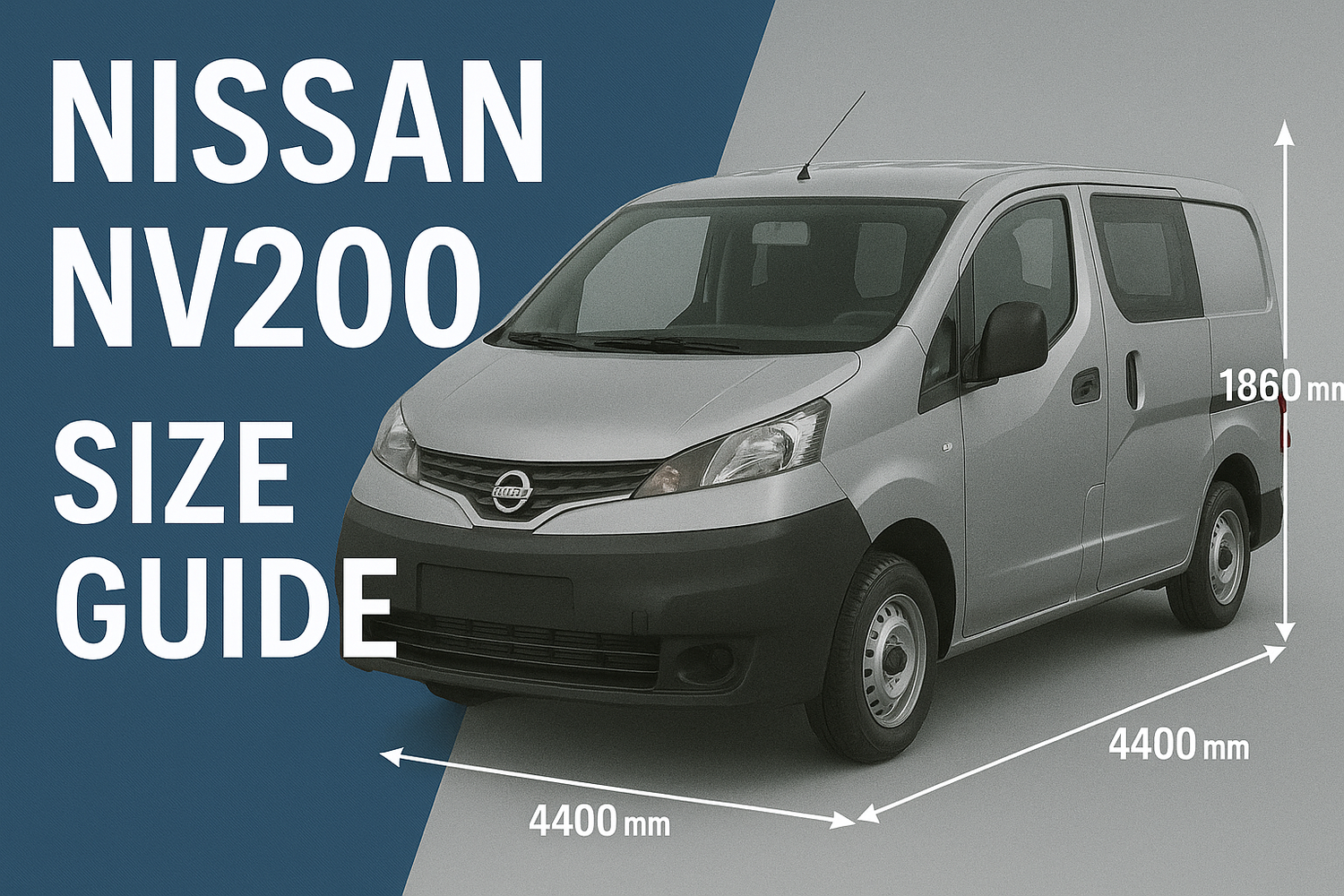
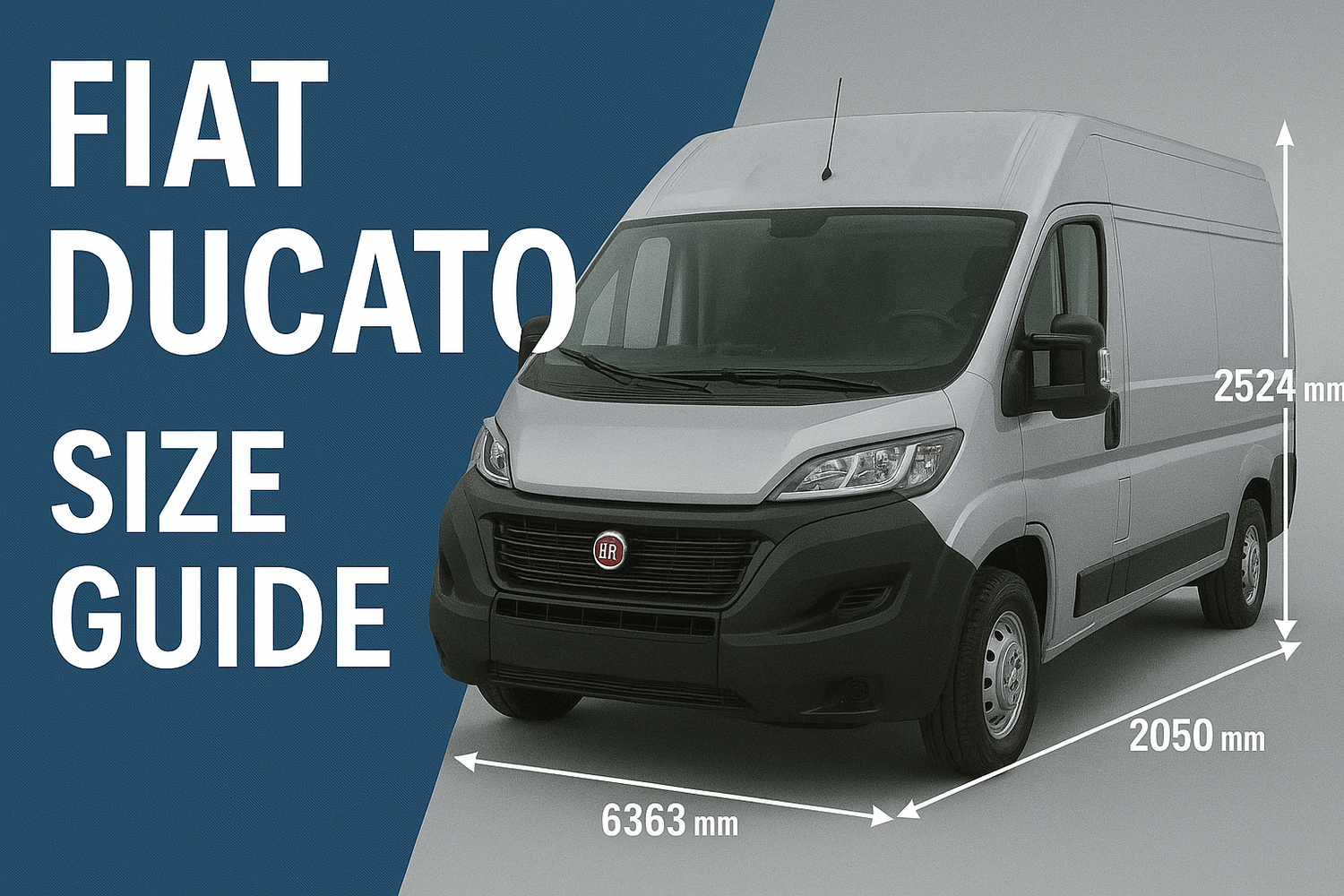
Choose a racking system designed for your van make, model and wheelbase where applicable. Vehicle dimensions, wheel arch shapes, door openings and fixing locations vary, so a layout that works in one van may not suit another. Check the product details carefully before ordering rather than assuming a similar-sized van uses the same arrangement.
Match shelf depth to the equipment you carry
Deep shelves are useful for larger cases, boxed power tools and trade packs. Shallower shelves are often better for fittings, adhesives, cable accessories and small parts that need to be visible at a glance. A mixture of shelf sizes usually creates a more useful working van than rows of identical open shelving.
Open shelves make frequently used items quick to grab, but they need retention. Shelf lips, storage bins or elastic restraints can help stop items shifting when the doors are closed or the vehicle is in motion. For smaller components, compartmented organisers reduce the risk of mixed stock and wasted time searching for the right fitting.
Secure cases, boxes and loose equipment
Even a well-racked van can have loose cases or larger equipment that will not sit safely on a shelf. Use rated load restraints, straps or suitable brackets to hold these items against the floor or side of the van. The restraint should be tight enough to prevent movement without crushing plastic cases or damaging contents.
Avoid relying on a bungee cord for heavy kit. It may be useful for light items in the right location, but it is not a dependable solution for toolboxes, machinery or bulk materials. A proper strap and secure anchoring point give far better control when the van stops suddenly.
Keep straps neat when not in use. A dangling strap can catch on a case, door or clothing, while a strap buried under stock will not be used when it is needed. A small dedicated area for restraint equipment makes it part of the loading routine rather than an afterthought.
Build a stable base with a false floor
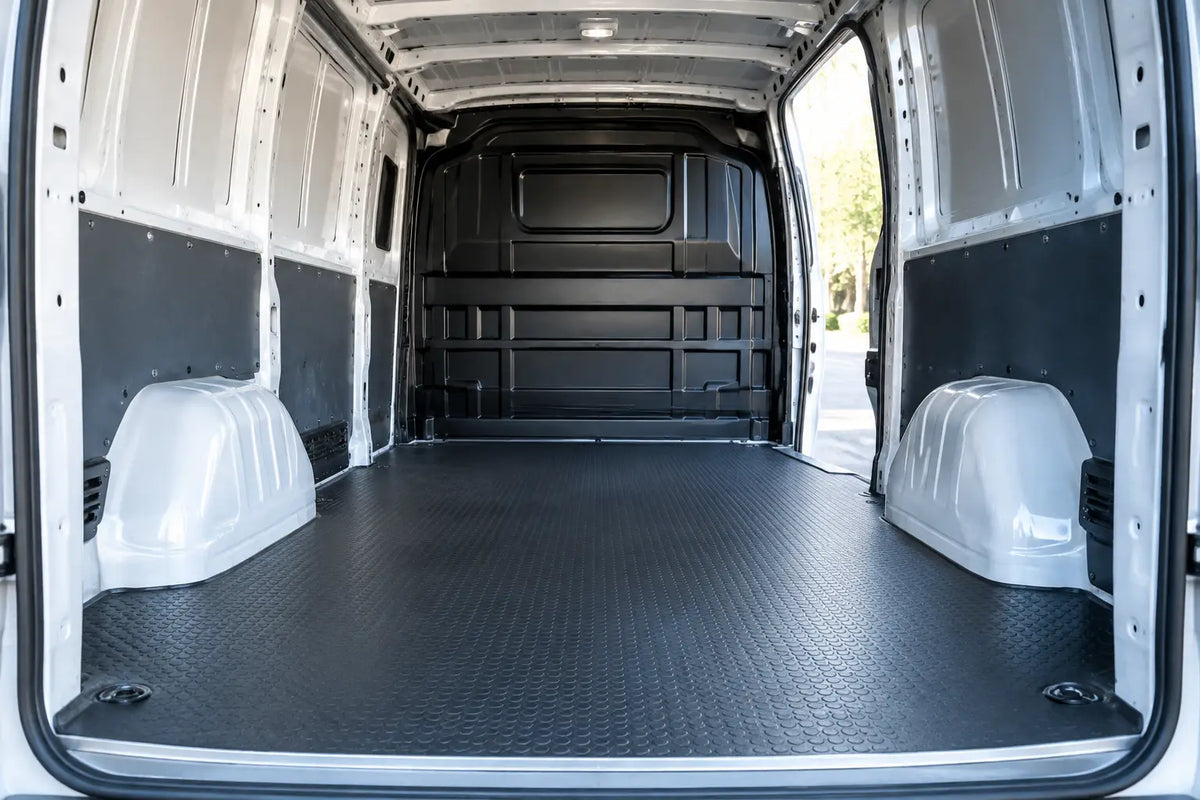
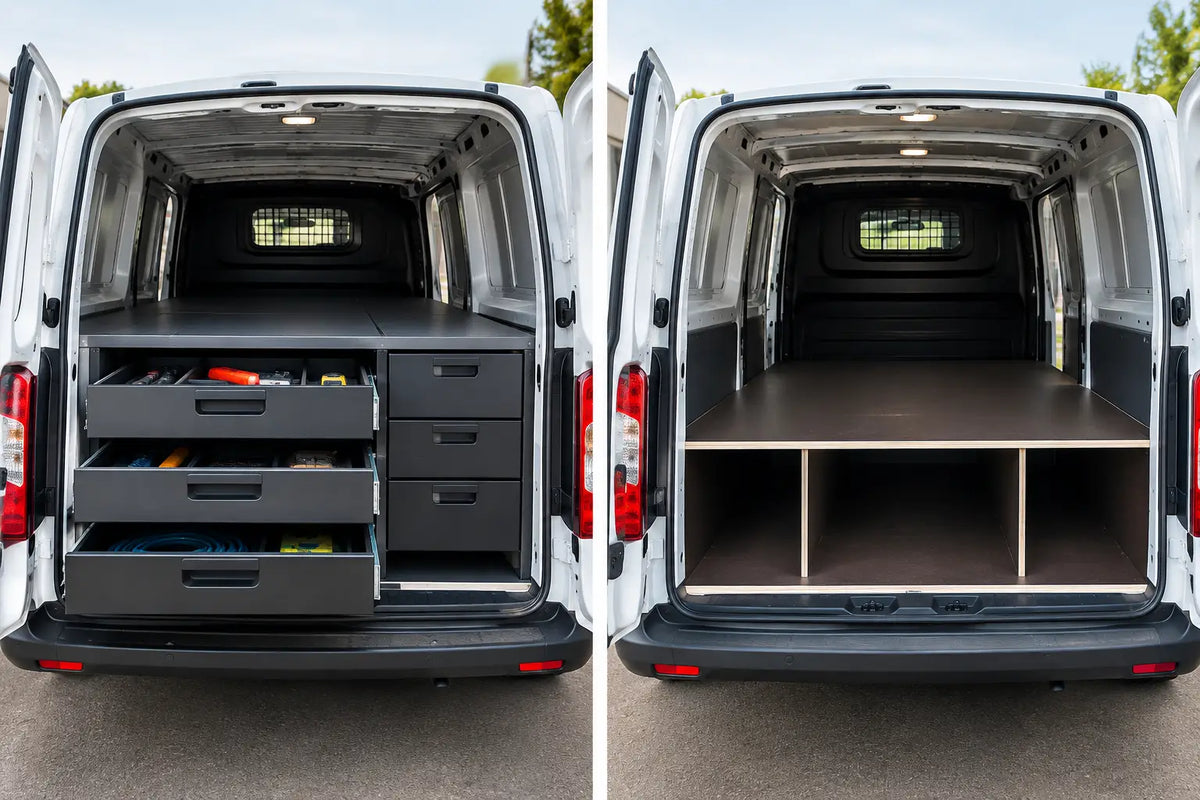
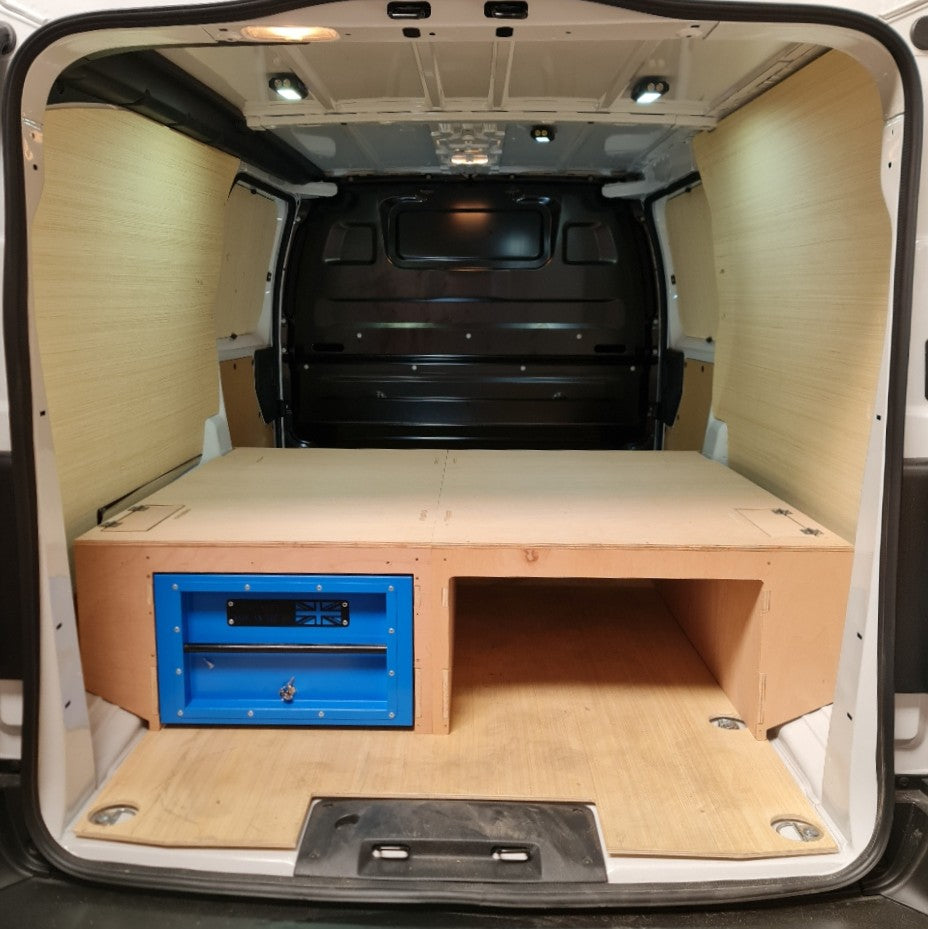
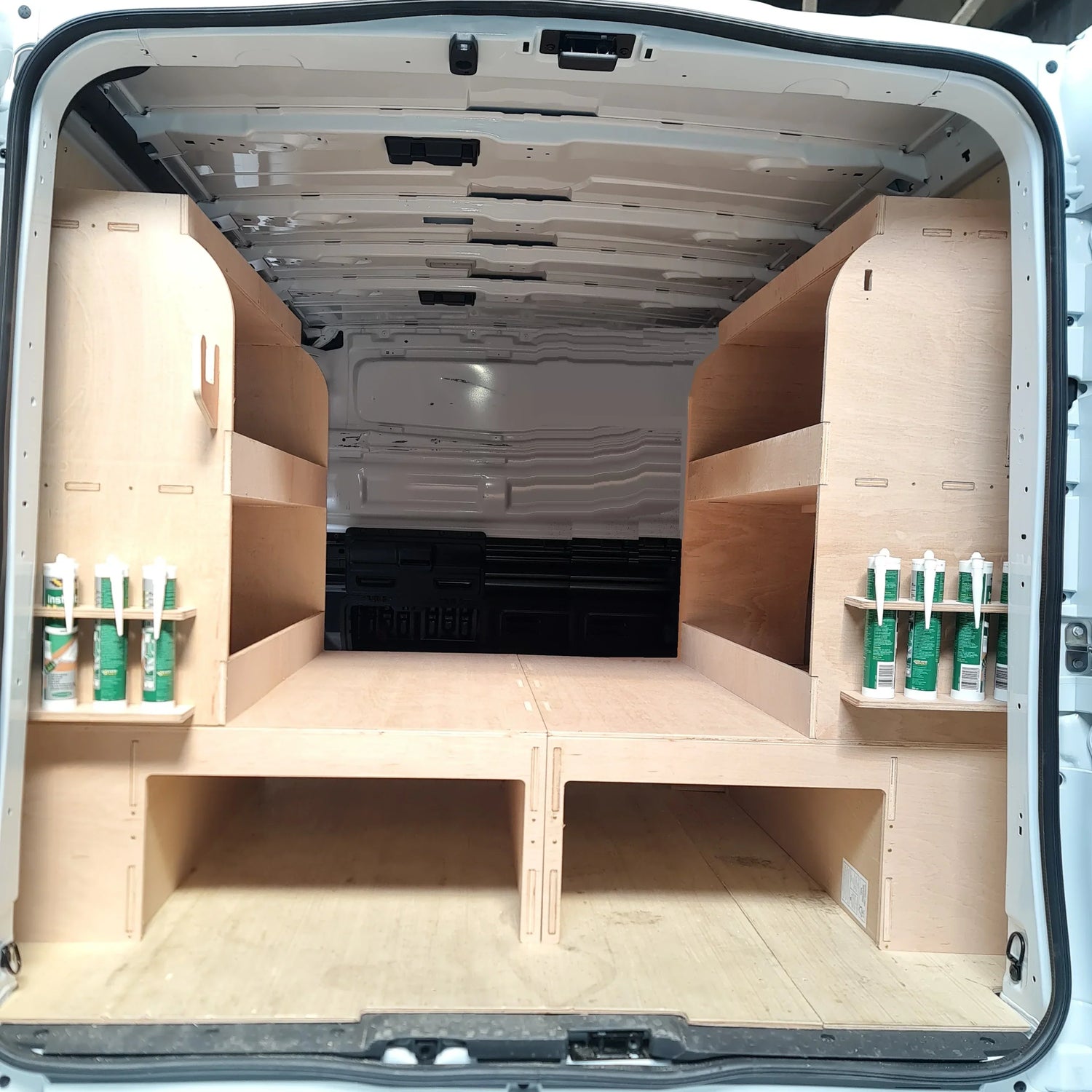
A false floor creates a level, hard-wearing base for the load area and can make the whole setup easier to secure. It gives racking and storage accessories a more organised foundation, protects the original van floor from daily wear and helps prevent cases sliding around on exposed metal.
For many trades, the biggest advantage is the option to use underfloor space for long or awkward items. Ladders, conduit, trim, pipework or other long materials can be stored beneath the main working area, depending on the false floor design and vehicle. This keeps the load area clearer without having long items resting diagonally across the floor.
Do not overload an underfloor compartment just because the space is out of sight. Account for the added weight and keep the contents organised so materials cannot rattle or jam. If you regularly carry very heavy stock, a simple floor-level layout may be a better choice than adding more storage layers.
Secure tools in van storage against theft as well as movement
Load restraint and theft prevention solve different problems. Racking and straps stop equipment becoming mobile inside the van. Lockable storage adds another barrier when the vehicle is parked, doors are open on site or several people have access to the load area.
Lockable cabinets or boxes are particularly useful for high-value cordless tools, testing equipment and smaller items that are easy to remove quickly. Keep these items out of obvious sight where possible, especially if the van is left unattended between jobs. Do not leave tool cases on the passenger seat or visible through windows while loading up.
Good habits matter as much as hardware. Lock the van whenever it is unattended, including during quick trips back into a customer’s property. Keep an up-to-date record of serial numbers and consider marking equipment clearly. These steps will not physically secure a tool, but they can make ownership easier to prove if equipment is stolen.
Make access part of the security plan
A storage layout that is difficult to use will not stay organised. If you have to remove six cases to reach a drill, tools will soon end up on the floor. Put daily-use equipment near the side or rear doors, and reserve less accessible areas for spares, seasonal equipment and stock used less often.
Think through the order you work in. A plumber may need fittings and hand tools closest to the door, with larger machines stored lower and further inside. A decorator may want easy access to rollers, tapes and protection materials, while keeping liquids upright in contained storage. The best arrangement follows the job, not simply the shape of the shelves.
Useful small accessories can make a noticeable difference here. Holders for sealants, wipes, gloves and other everyday consumables keep surfaces clear and reduce the chance of loose items rolling around. They also stop staff or subcontractors creating their own improvised storage, which is rarely as safe or efficient.
Check fixings and the load area regularly
Securing tools is not a fit-once job. Vibration, changing loads and constant use can loosen fittings over time. Check racking fixings, straps, shelf retention and floor condition regularly, particularly after carrying a heavy or unusual load.
Look for cracked storage bins, damaged strap webbing, bent brackets and worn latches. Replace damaged components before they fail, rather than making do with temporary fixes. Keep the floor swept and clear too: dust, offcuts and loose screws make it harder to spot problems and can stop cases sitting flat.
If several drivers use the same vehicle, agree a simple loading standard. Everyone should know where the main tools belong, which items need strapping down and what must be locked away at the end of the day. Consistency is what turns a well-equipped van into a reliable mobile workspace.
A properly secured van should save time at every stop, not create another task. Choose storage around your vehicle and workload, fit it carefully, and make loading in the same organised way part of the day. That is how the tools you need stay protected, accessible and ready for the next job.