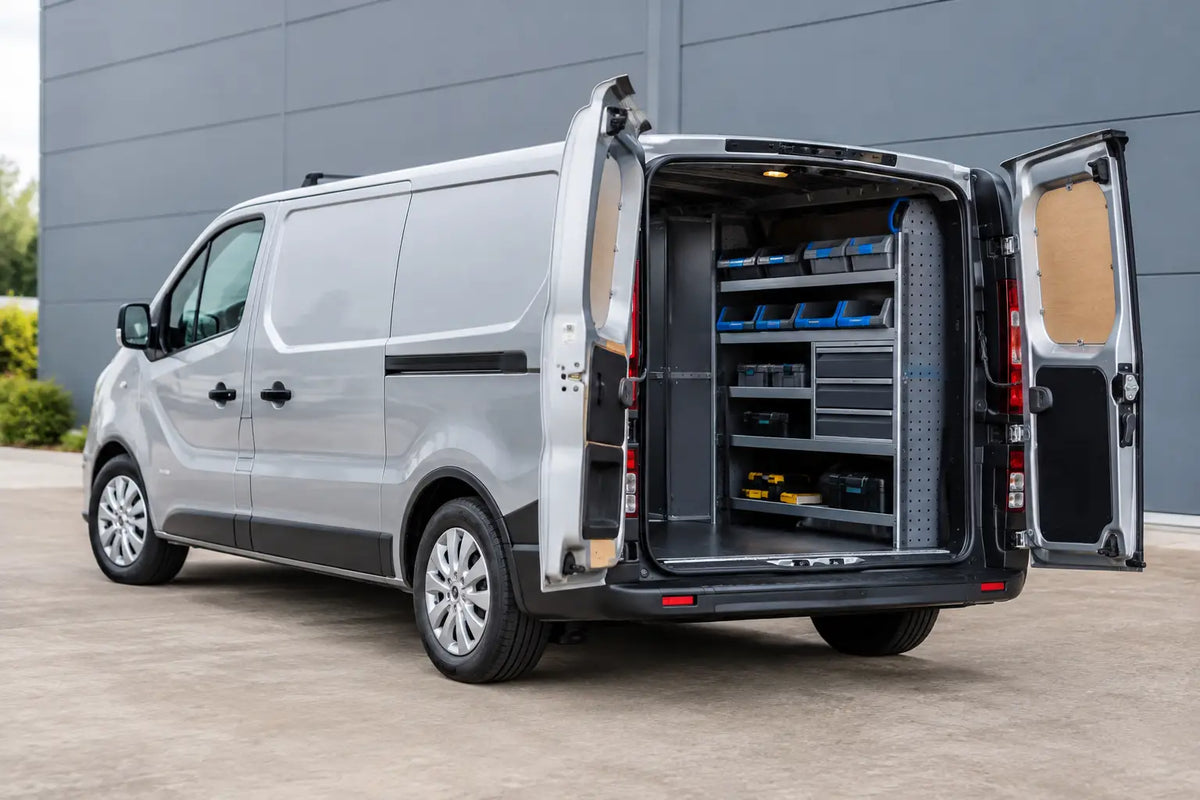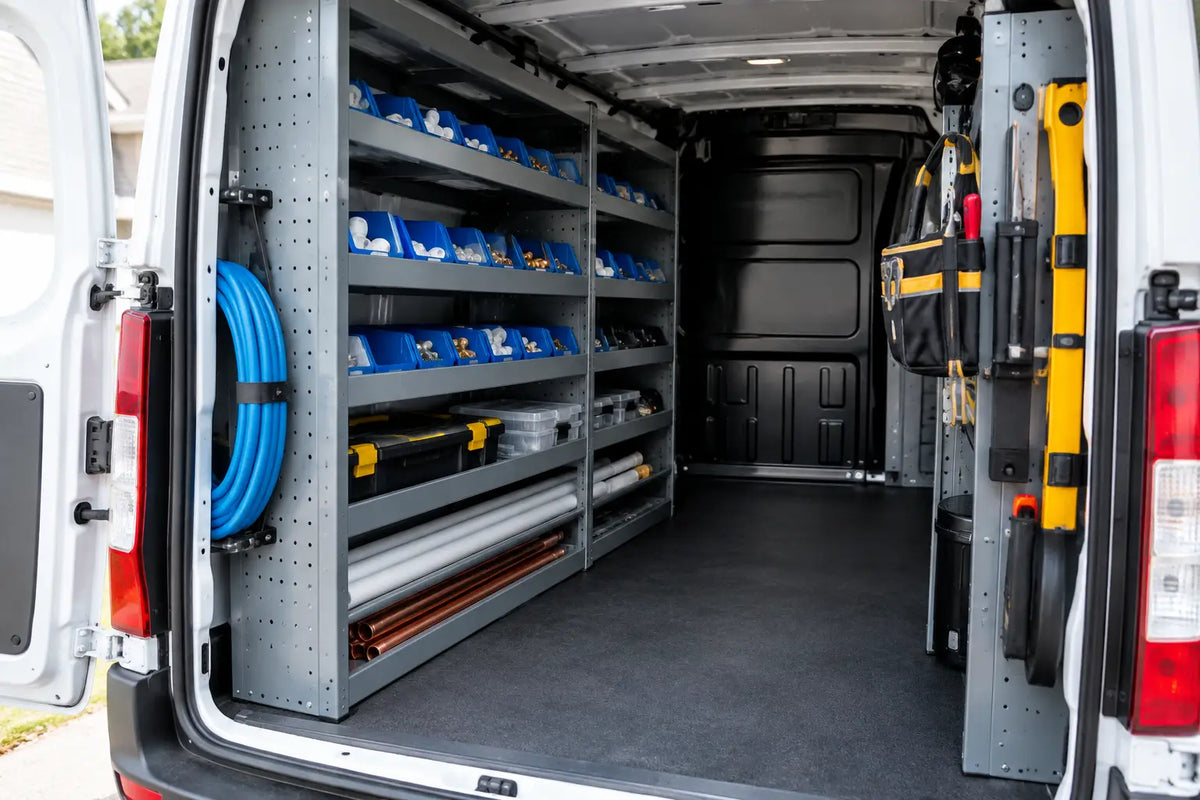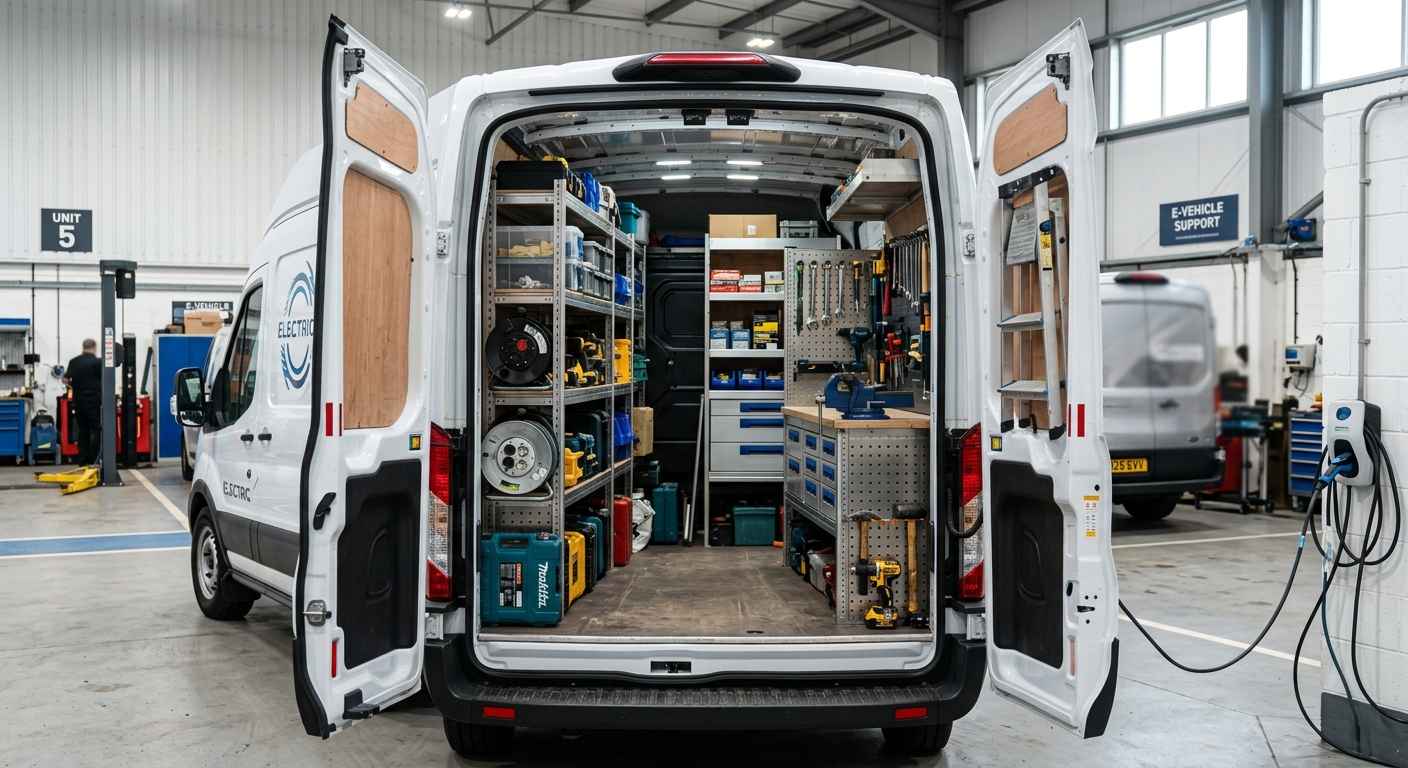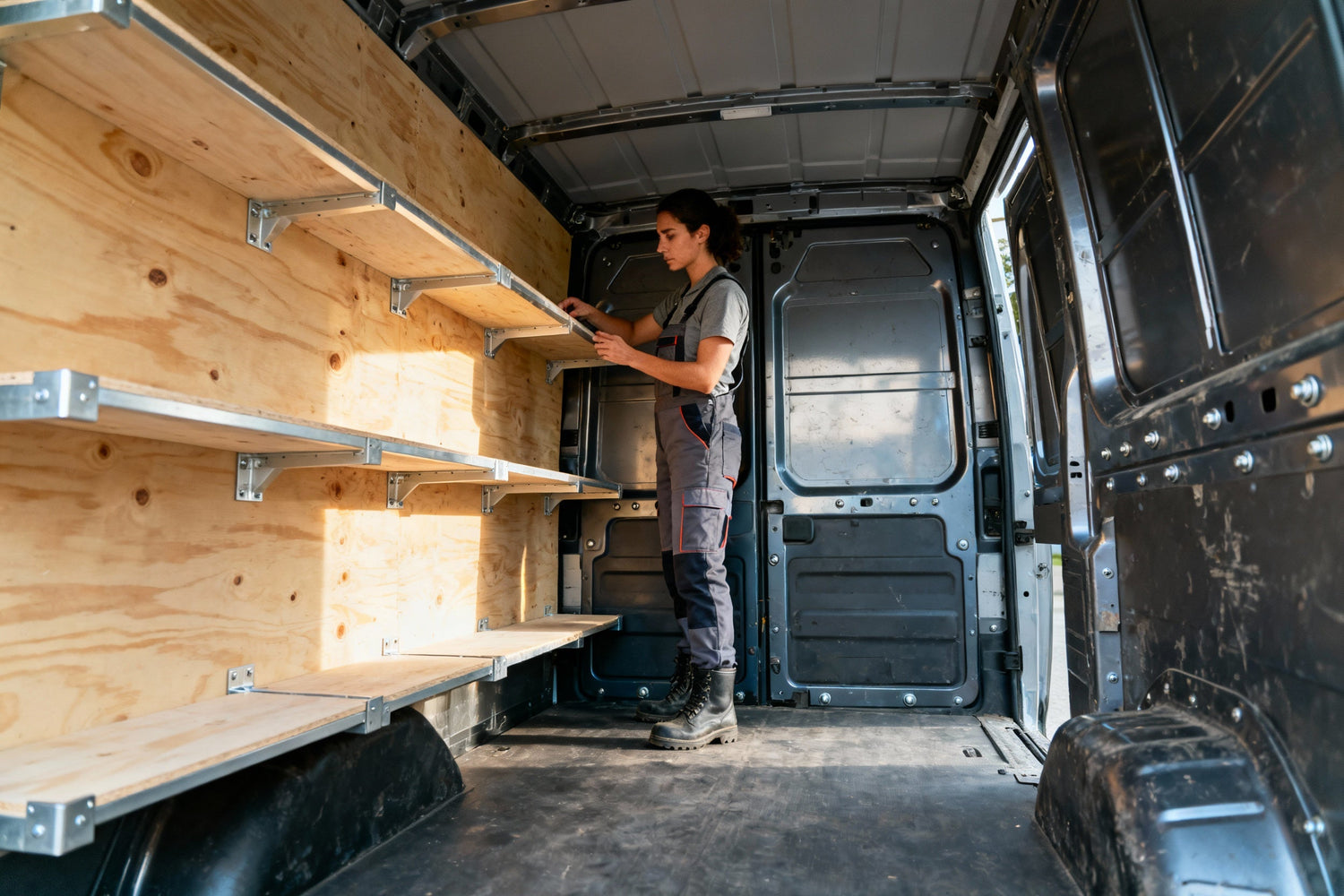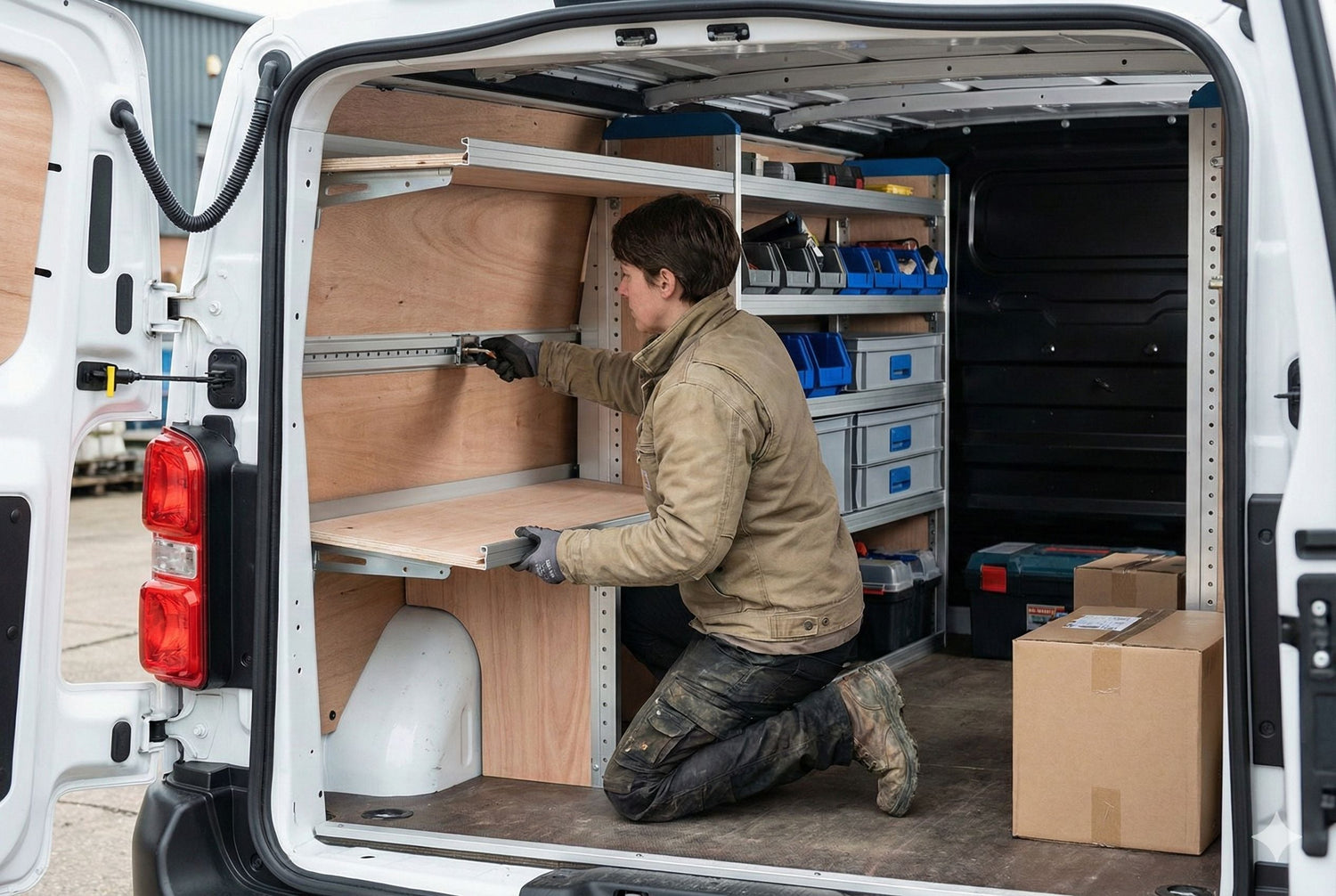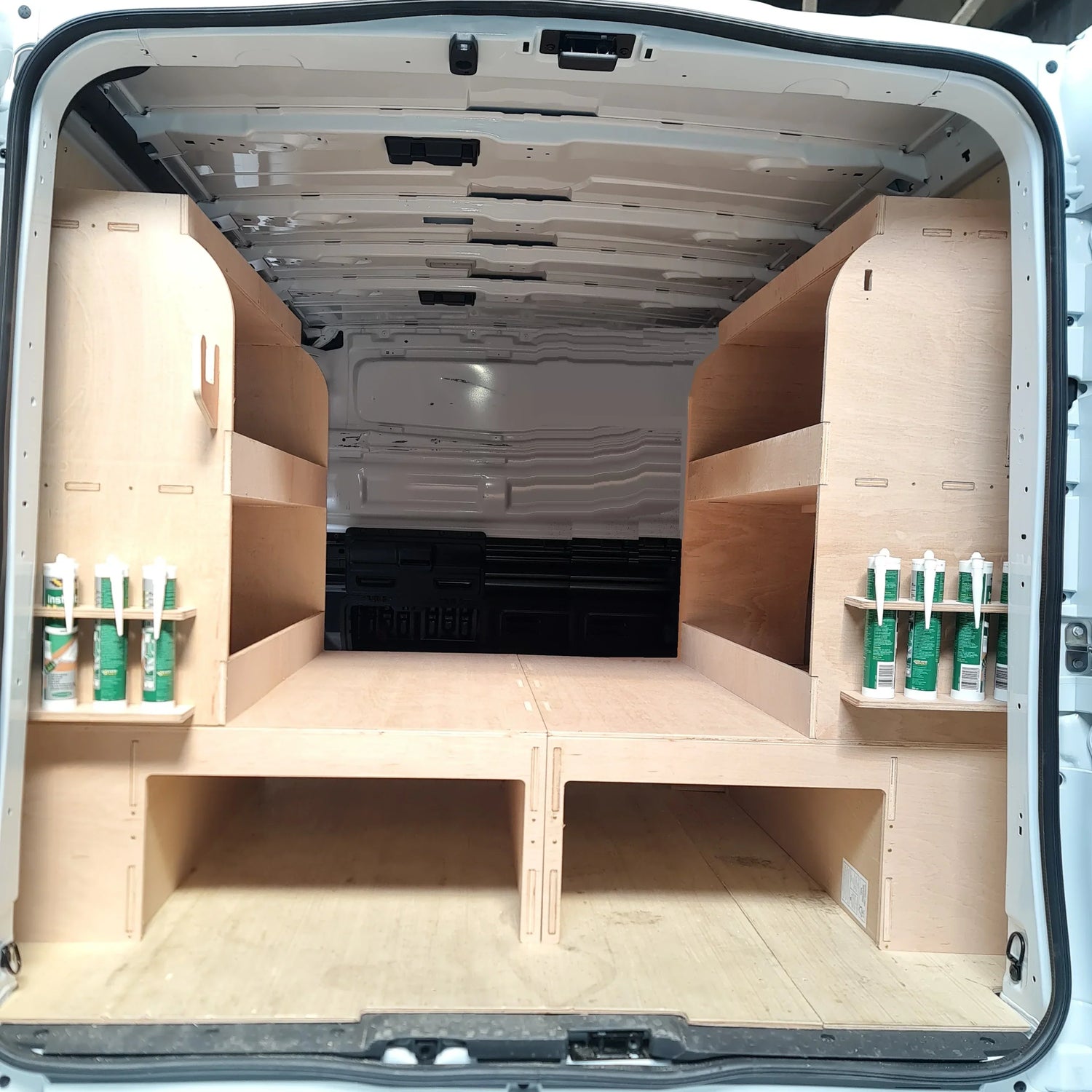











A Toyota Proace can carry a serious amount of kit, but loose tools, boxes and consumables soon turn useful load space into wasted time. The right Toyota Proace racking gives every item a fixed place, keeps frequently used equipment within reach and helps you start each job without searching through the back of the van.
For plumbers, electricians, fitters, maintenance engineers and general trades, racking is not just about having a tidier van. It is about protecting tools, carrying materials safely and making the working day run more efficiently. The best layout depends on what you carry, how often you restock and whether your Proace is used by one person or a wider team.
Start with the work your Proace does
Before choosing shelves, think about the first five minutes at a job. What do you reach for first? If it is a case of power tools, fittings, sealants, cable, fixings or PPE, those items need to be accessible from the side or rear door without moving heavier equipment out of the way.
An electrician may need clear storage for cable reels, trunking, test equipment and small parts. A plumber is more likely to need room for pipe fittings, tool cases, sealants and longer lengths of material. A property maintenance van may carry a wider mix of tools and consumables, so adjustable-looking storage zones and open floor space can be more useful than filling every panel with shelving.
There is no single best setup. A fully racked van looks organised, but it can become restrictive if you regularly carry bulky jobs such as boilers, boards, machinery or boxed stock. Leave enough clear space for the work that earns your living.
Choose Toyota Proace racking by van size
Toyota Proace racking needs to suit the exact van variant, not just the badge on the grille. Proace load areas vary by body length and specification, and internal details can differ between model years. The position of doors, wheel arches, bulkhead and factory linings all affect what can be fitted and how useful it will be.
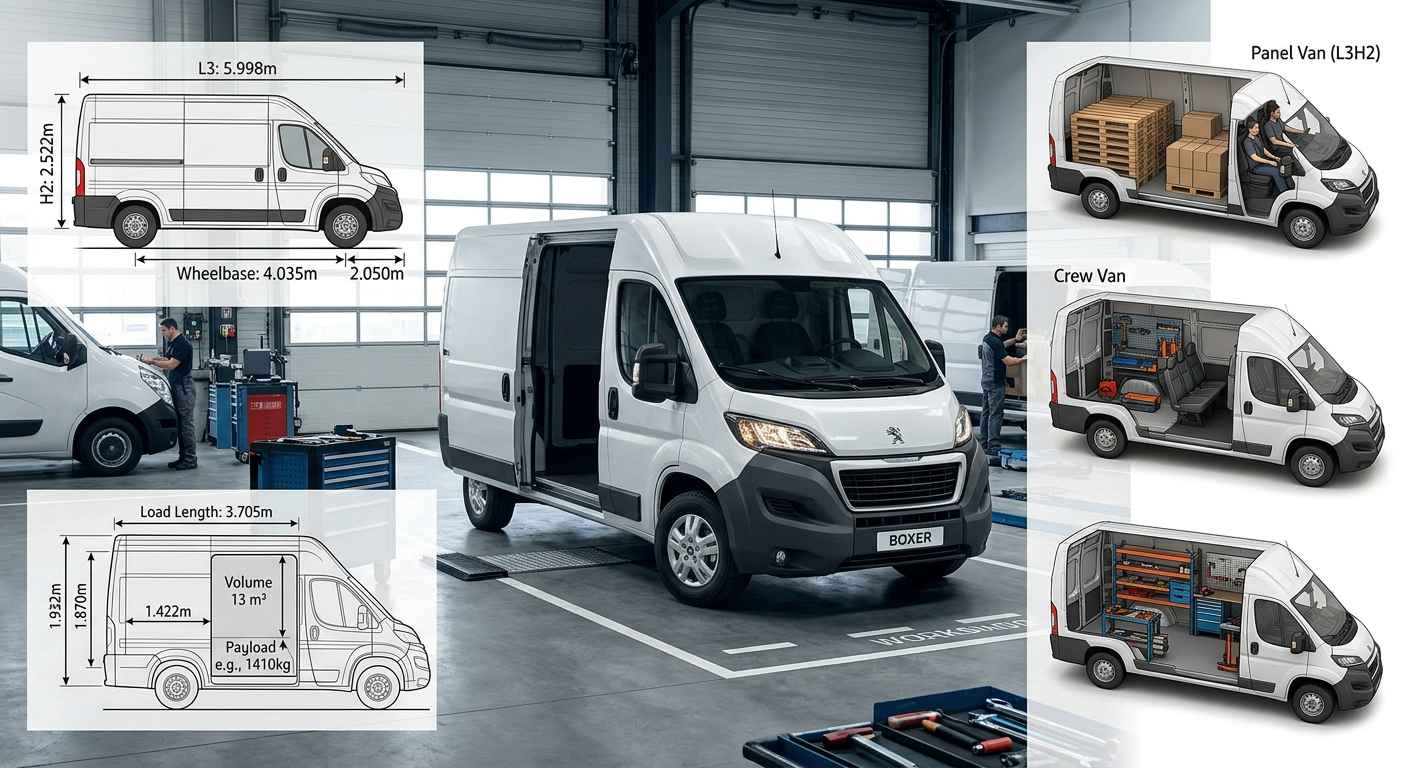
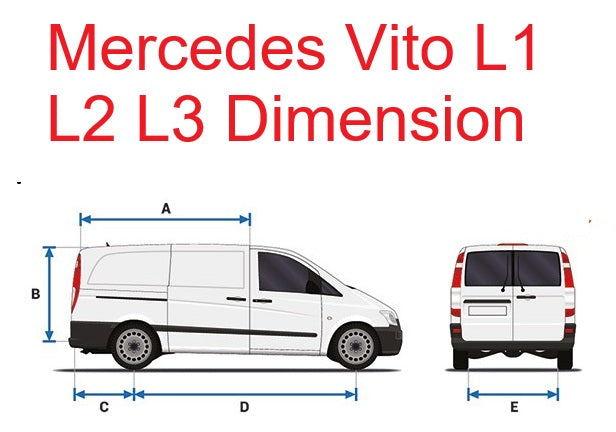
Check whether you have a Compact, Medium or Long body before ordering. Measure the usable floor length and width between the wheel arches, then consider where side-door access will help most. A racking layout that works well in a Long panel van may take too much working space from a shorter vehicle.
It is also worth checking whether your van has existing ply lining, a bulkhead, windows, a dual sliding-door arrangement or other equipment that affects the load area. Vehicle-specific product information matters here. Taking a few minutes to confirm the year, length and layout helps avoid choosing storage that does not match how your Proace is built.
Use the side door properly
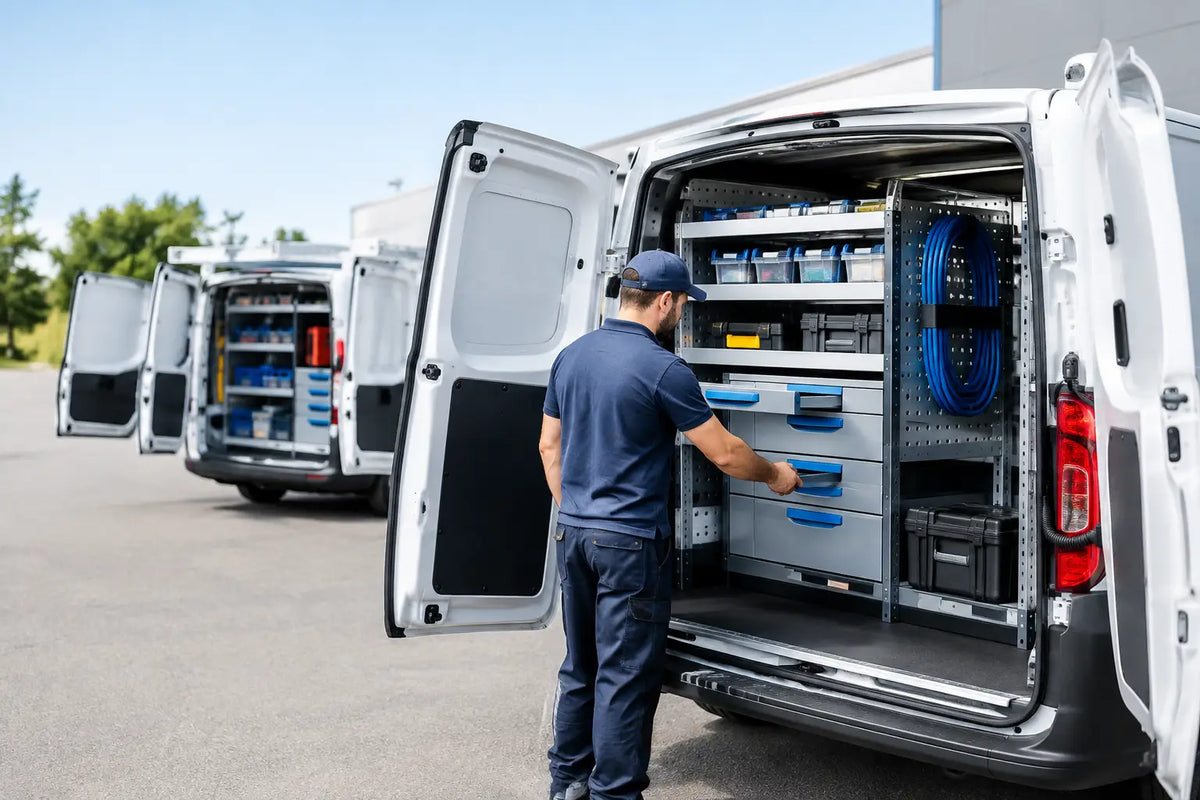
The side door is often the quickest route to the tools you use throughout the day. Positioning bins, shelves or narrow storage along that opening can save repeated trips around the van. This works particularly well for fixings, consumables, hand tools, wipes and sealants.
Keep the heaviest cases lower down and avoid blocking access with oversized containers. The aim is simple: open the door, take what you need, get on with the job.
Keep the rear for larger kit
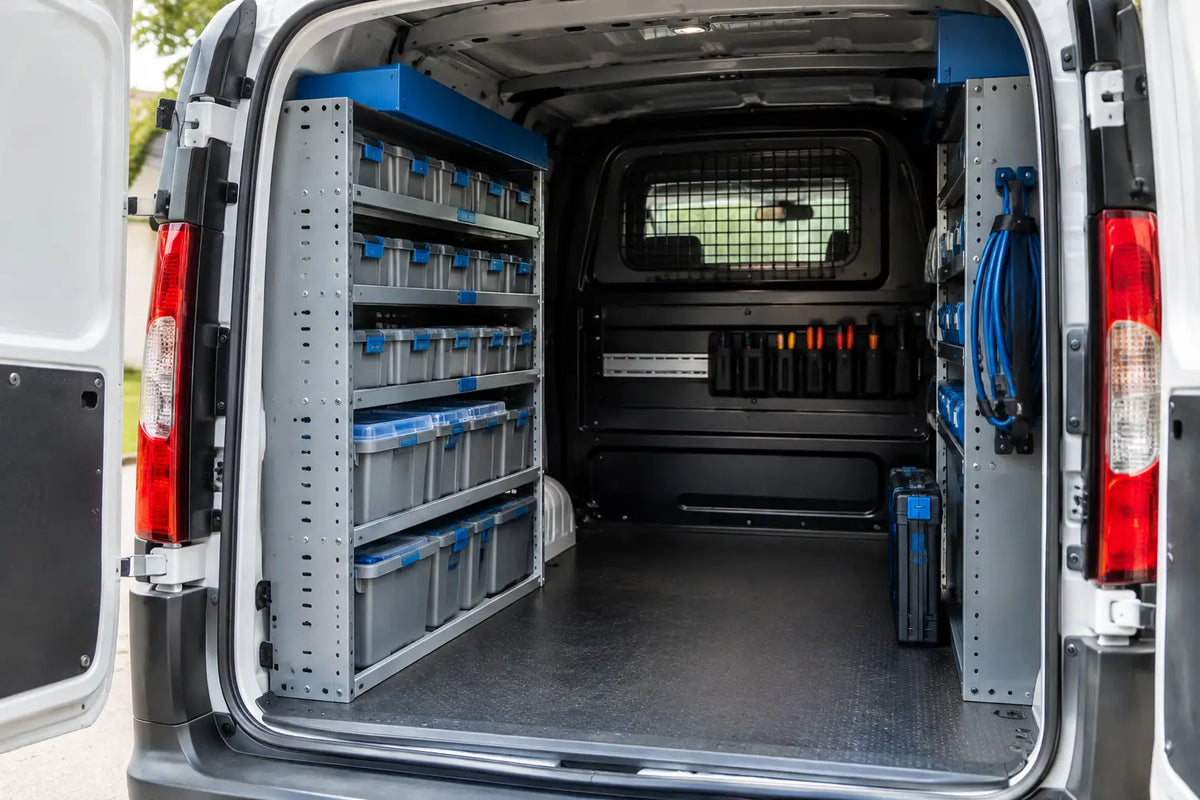
Rear access suits larger tool cases, stock boxes and equipment that is loaded at the start of the day and unloaded less often. If you carry a mix of bulky kit and small components, use the rear area for the bigger items while keeping smaller, regularly used items in clearly defined shelves or holders.
A sensible layout reduces the temptation to stack boxes on top of each other. That makes the van easier to load, but it rarely makes it easier to work from.
Build the floor first where it makes sense
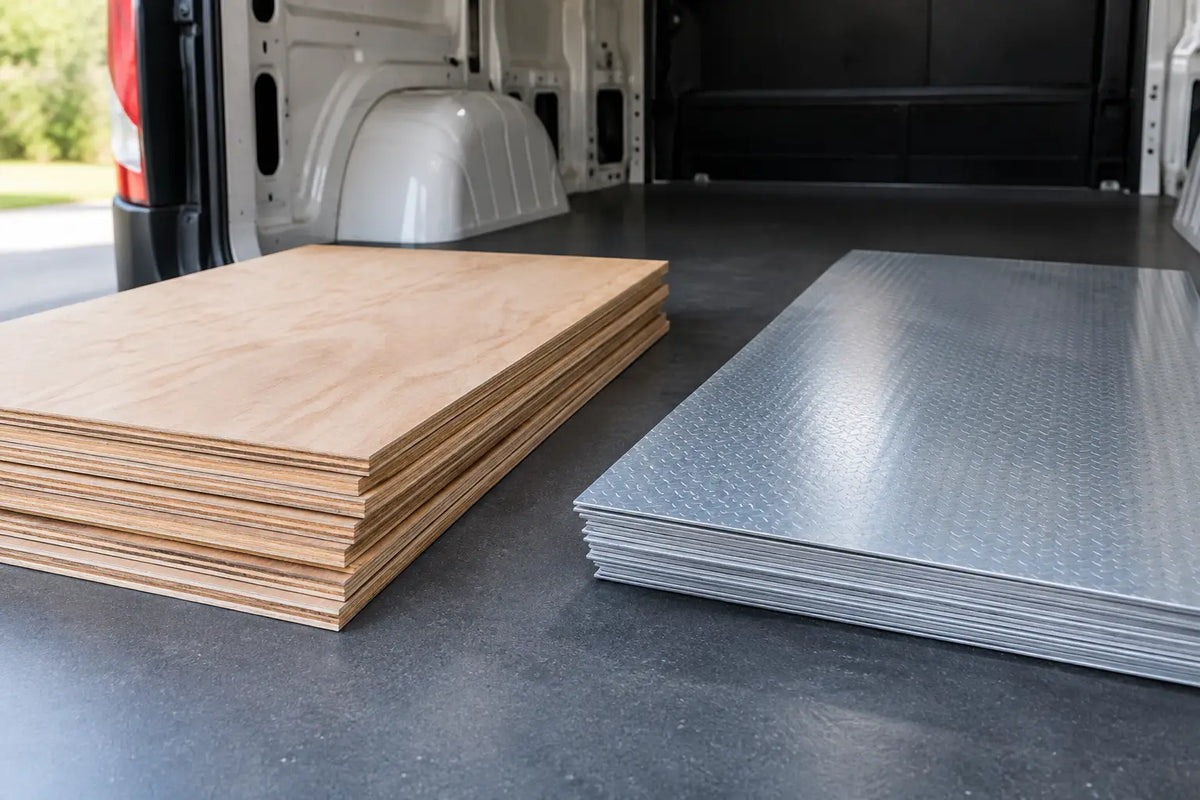
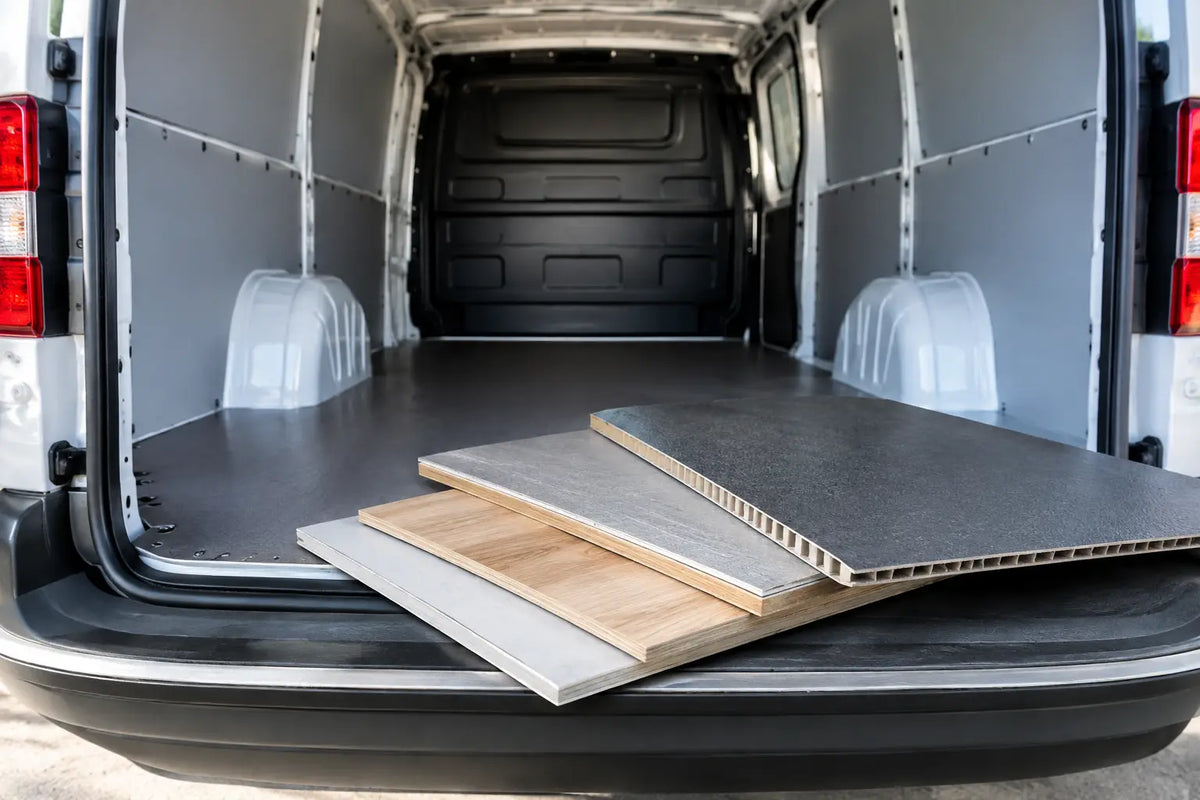
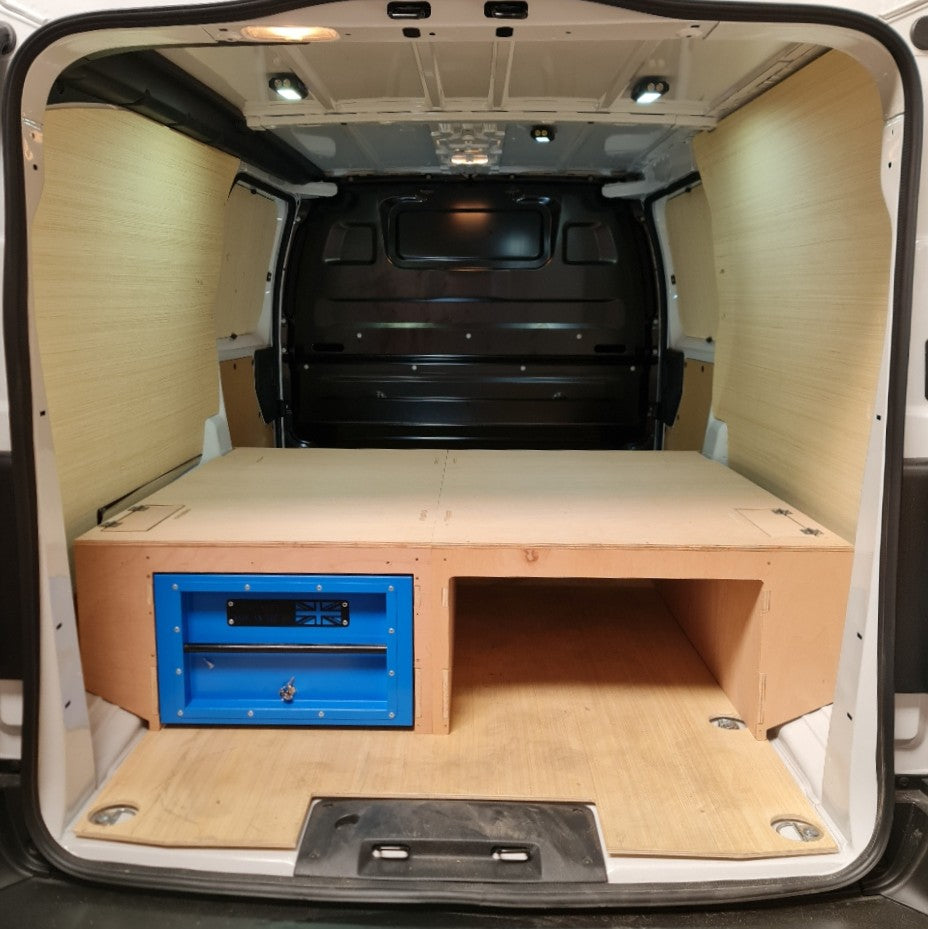
A false floor creates a tougher, flatter working base and gives your racking a more organised foundation. It helps protect the original load area from day-to-day knocks, muddy boots and dragged tool cases. It can also make cleaning out the van simpler after a busy week.
For many trades, a false floor is most useful when paired with practical shelving rather than treated as a standalone upgrade. The floor handles heavy cases, bags and larger materials, while the shelves keep smaller stock visible and separated.
That said, a false floor takes up a little internal height. In a low-roof working van, this may matter if you frequently load tall equipment or carry long, upright cases. Consider the full load space, not just the benefits of a cleaner floor.
Make small items easy to find
Most wasted time in a van comes from small items. A missing pack of screws, the wrong tube of sealant or a roll of tape buried beneath a drill case can delay a simple task. Racking works best when it separates these everyday items rather than merely giving them somewhere to sit.
Use smaller compartments and workshop-style accessories for the products you replace often. Sealant holders, wipe dispensers, glove box organisers and dedicated spaces for fixings can make a noticeable difference because they stop loose packaging rolling around the load area.
Think about restocking as well. If consumables are grouped by task, you can quickly see what is running low before it causes a problem on site. A visible system is easier to maintain than deep storage where stock disappears behind other boxes.
Safety and load distribution still matter
Good organisation should also support safer loading. Keep heavier equipment low and as close to the front of the load area as practical, while maintaining sensible access. Avoid placing weight high on shelving where it can shift or become difficult to remove.
Secure equipment properly and do not rely on racking alone to hold every type of load. Larger cases, machines and materials may need their own restraint method, particularly when the van is travelling between jobs. Check the vehicle handbook for payload and loading guidance, and remember that racking, false floors, tools and stock all contribute to the total weight carried.
A Proace that is overloaded or poorly balanced will not be improved by a tidy-looking interior. The storage system should make safe habits easier, not hide poor loading practice.
Plan for a working week, not a product photo
The most useful Toyota Proace racking layout is one you can keep organised on a wet Thursday afternoon. If a shelf is too high to reach comfortably, or a storage bay is too narrow for the cases you genuinely use, it will soon become a dumping ground.
Start with the equipment that comes out every day. Give it the best positions. Then assign space for weekly-use items, backup stock and occasional tools. Finally, retain an open section for the unpredictable parts of the job - returns, deliveries, replacement units or materials collected on the way to site.
For sole traders, this may mean a simple shelving run on one side with a protected floor and clear rear access. For fleet vehicles, consistency can be more valuable. Similar layouts across vans help staff find stock quickly and make replenishment easier to manage.
Buy for fitment, function and everyday value
When comparing van storage, avoid choosing on shelf count alone. Look at the type of tools and materials each section will hold, how it will be accessed and whether it suits your exact Toyota Proace configuration. A product designed around the van is more likely to use the available area sensibly than a generic solution chosen only because it appears to fit.
At Van Shelves, the focus is on practical, vehicle-specific storage for working vans. The right combination of racking, shelving, false flooring and accessories can turn the Proace from a transport box into a dependable mobile workspace.
A well-planned van does not need to be complicated. It needs to let you find the right tool, protect the stock you have paid for and leave enough room to take on the next job.