




A van can look well organised at the start of the week and still cost you time by Wednesday if the storage layout does not match the way you work. The choice between drawer units versus shelving affects how quickly you find fittings, how securely smaller items travel and how much usable room remains for larger gear. There is no single right answer for every trade. The best layout is the one that supports your daily jobs without turning loading, unloading or finding a tool into a chore.
Drawer units versus shelving: the practical difference
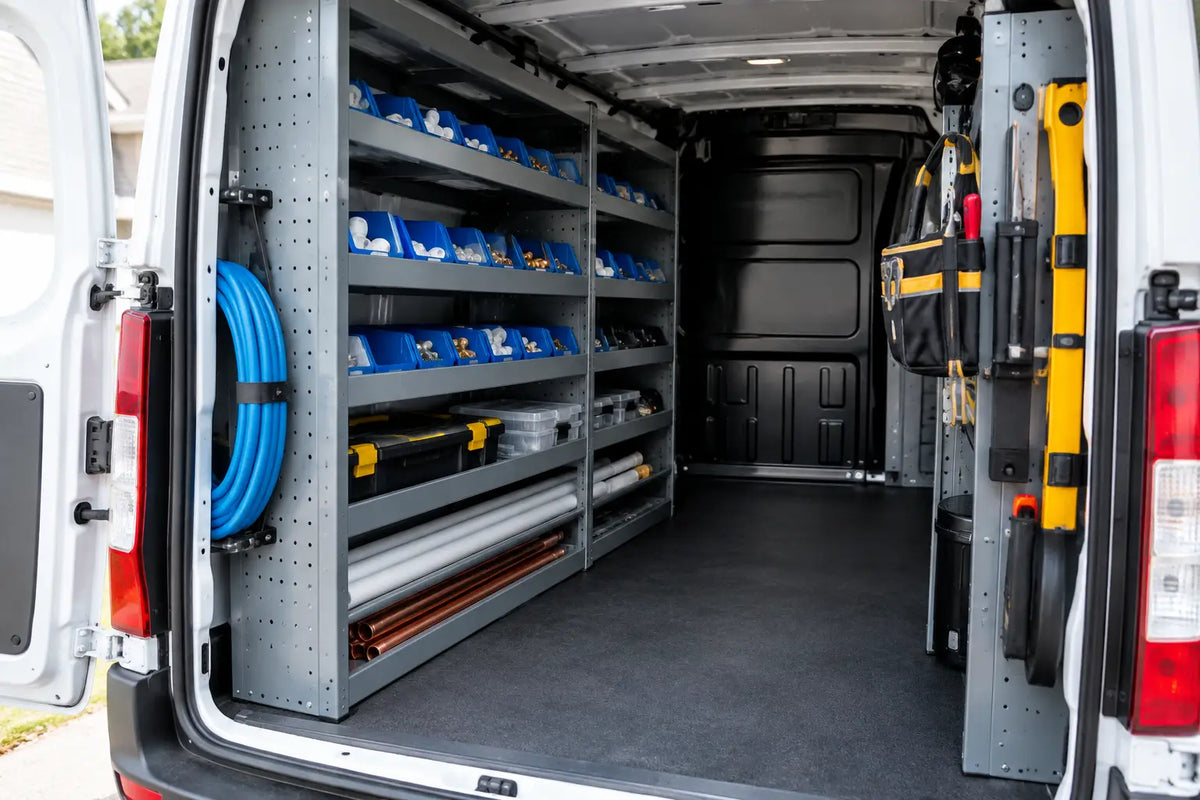
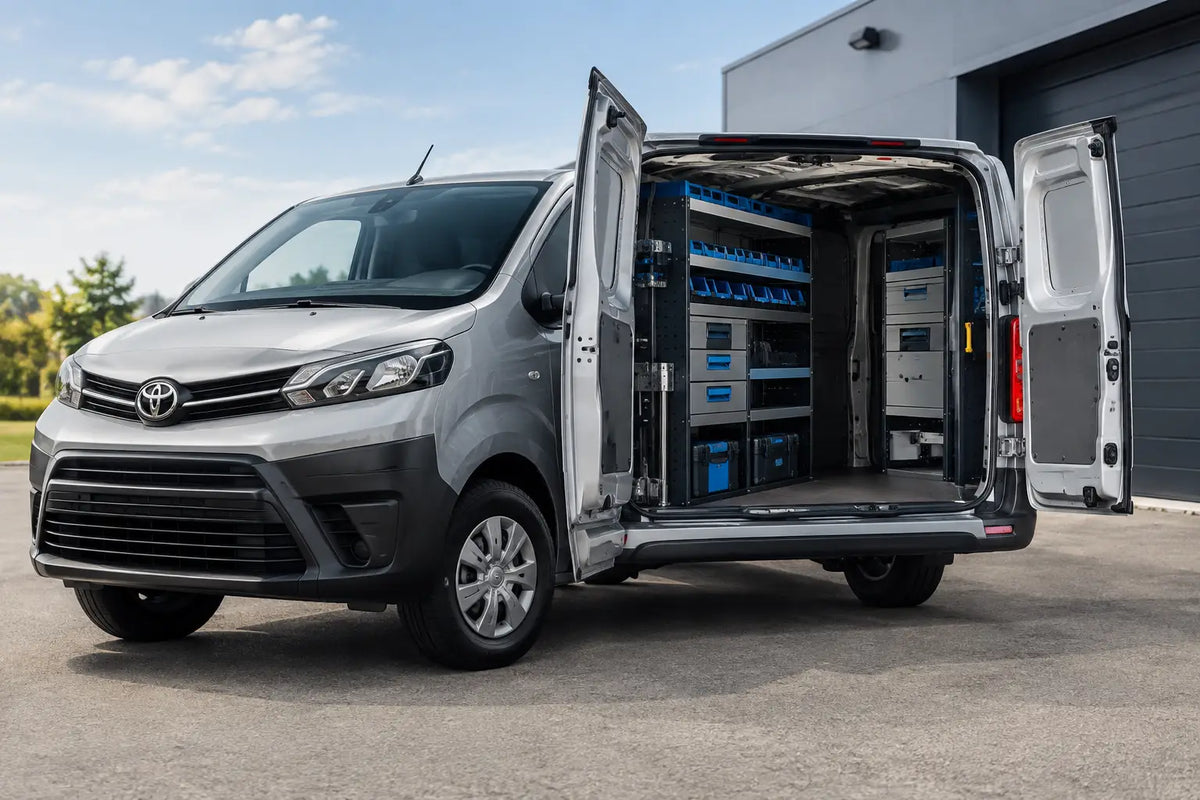
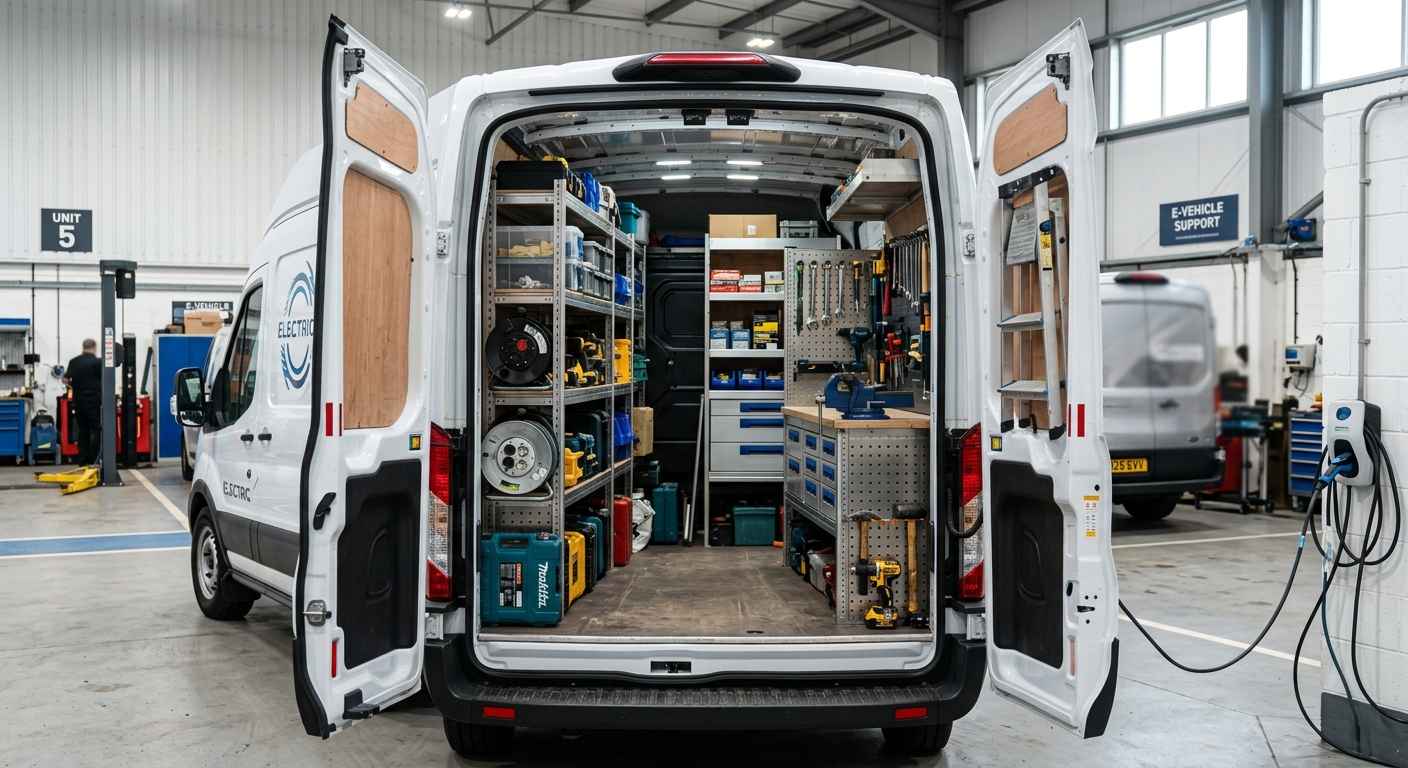
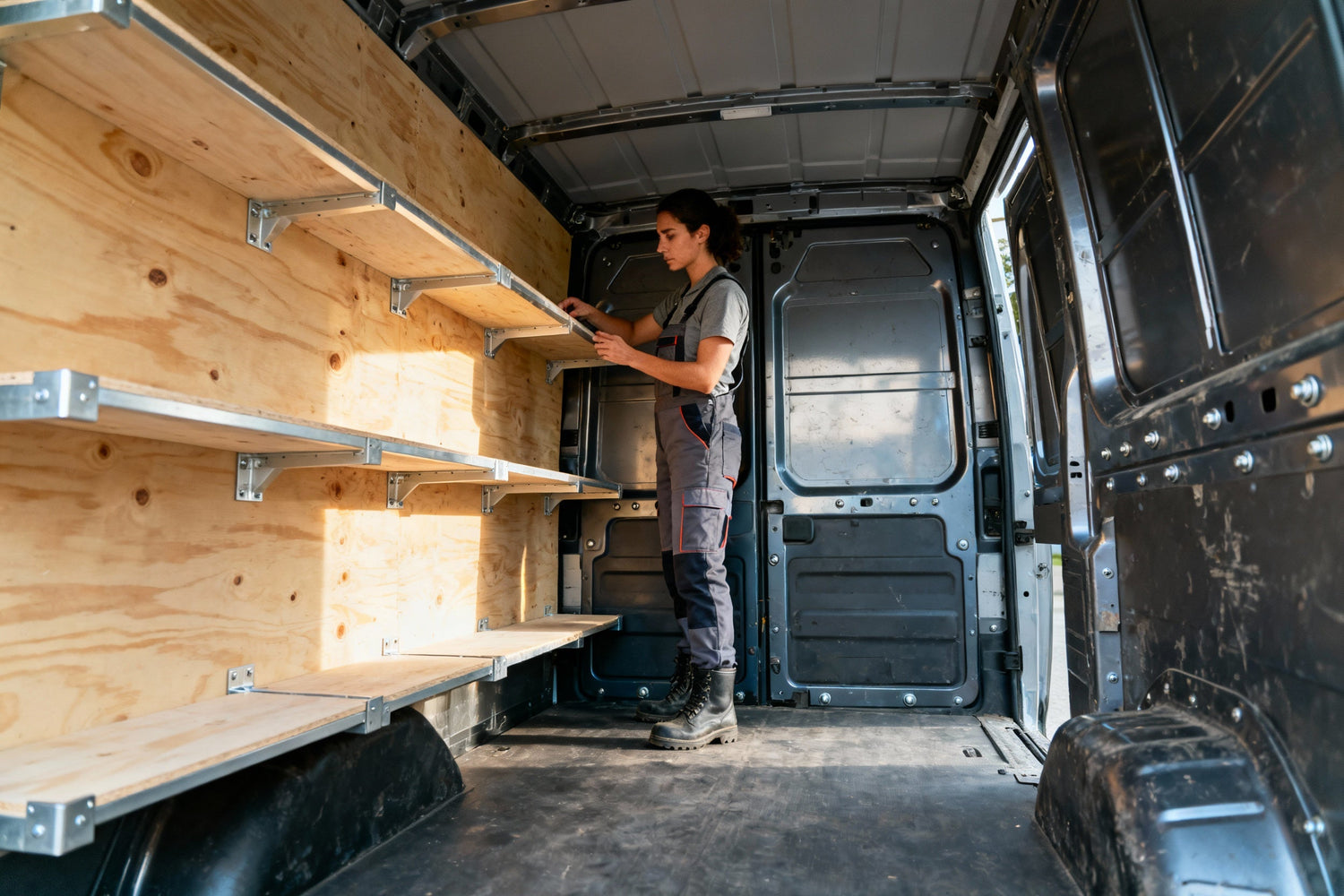
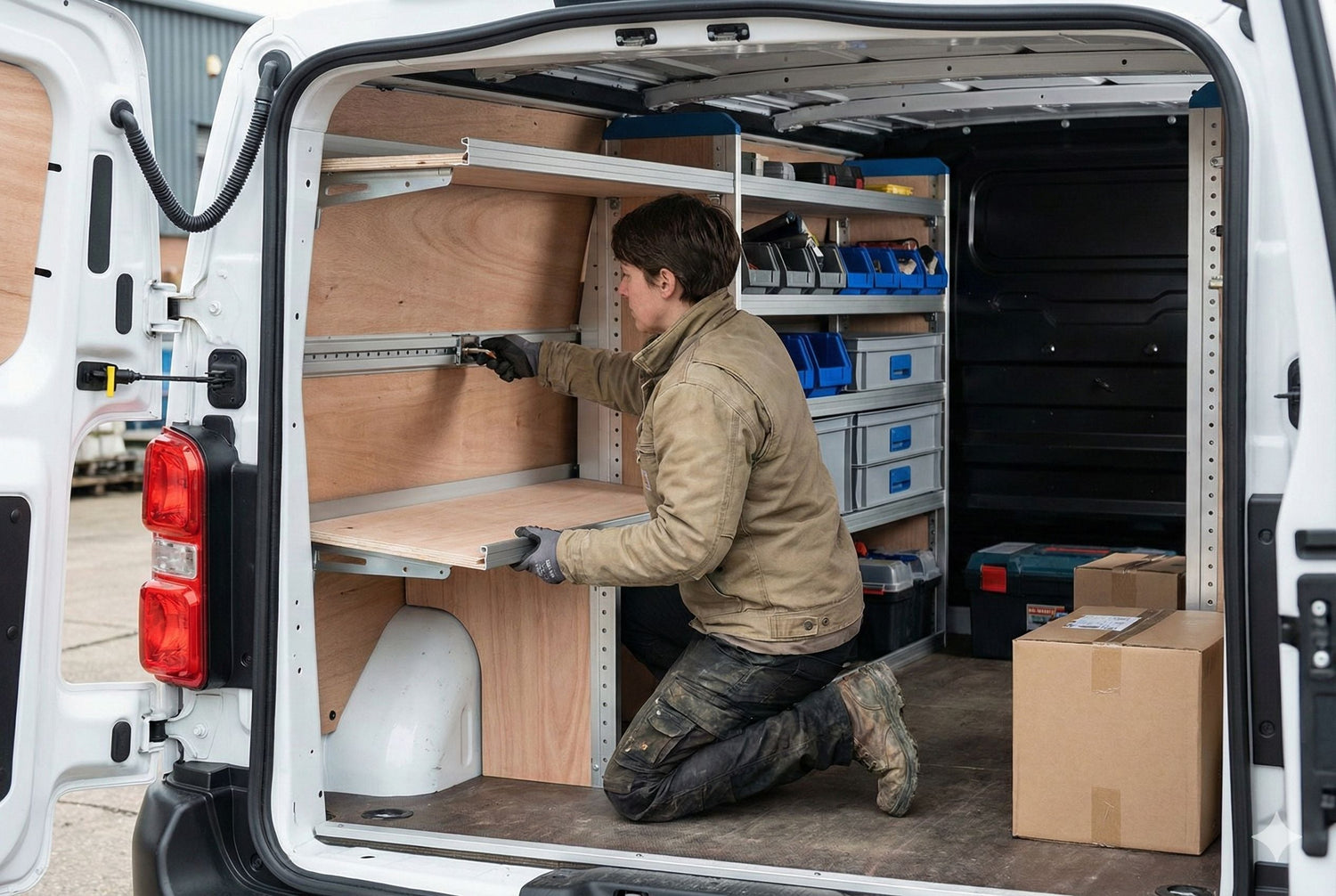
Shelving gives you open, visible storage. It is usually the straightforward choice for tool cases, boxed stock, cable reels, tubs and materials you need to grab quickly. A glance through the side or rear door can tell you what is in the van and what needs replacing before the next job.
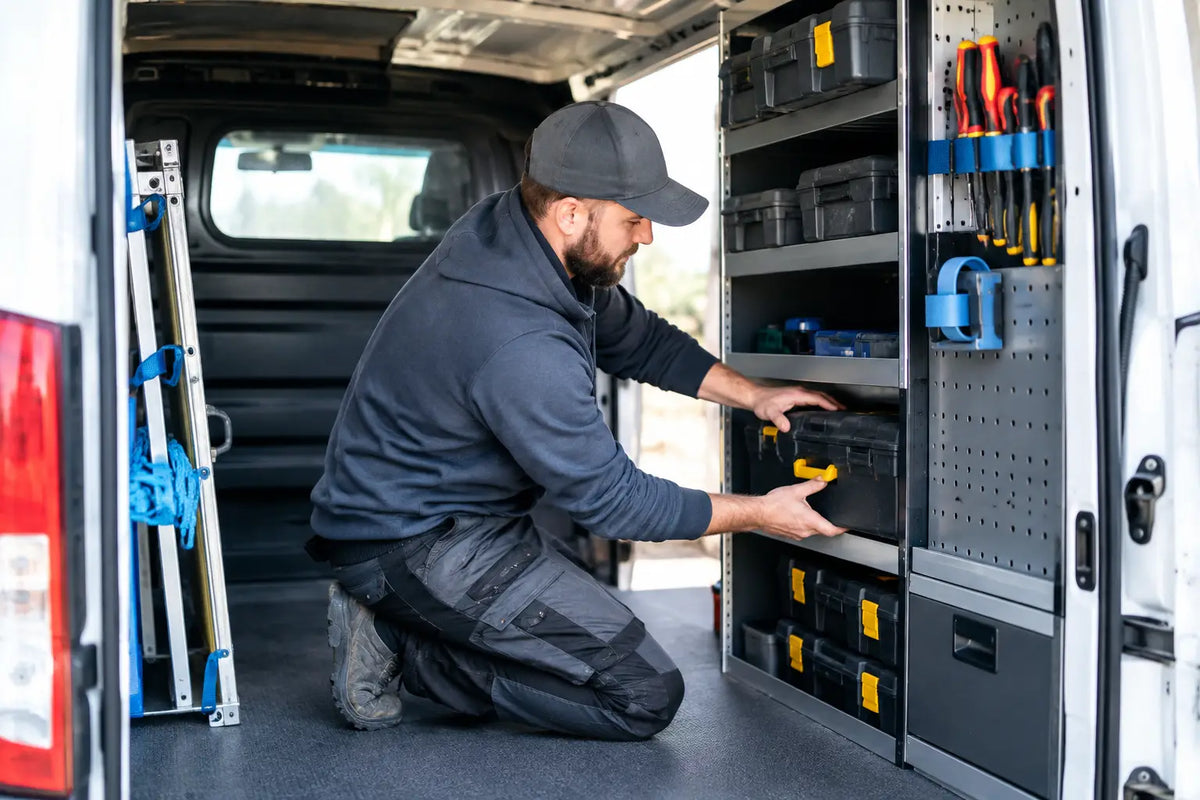
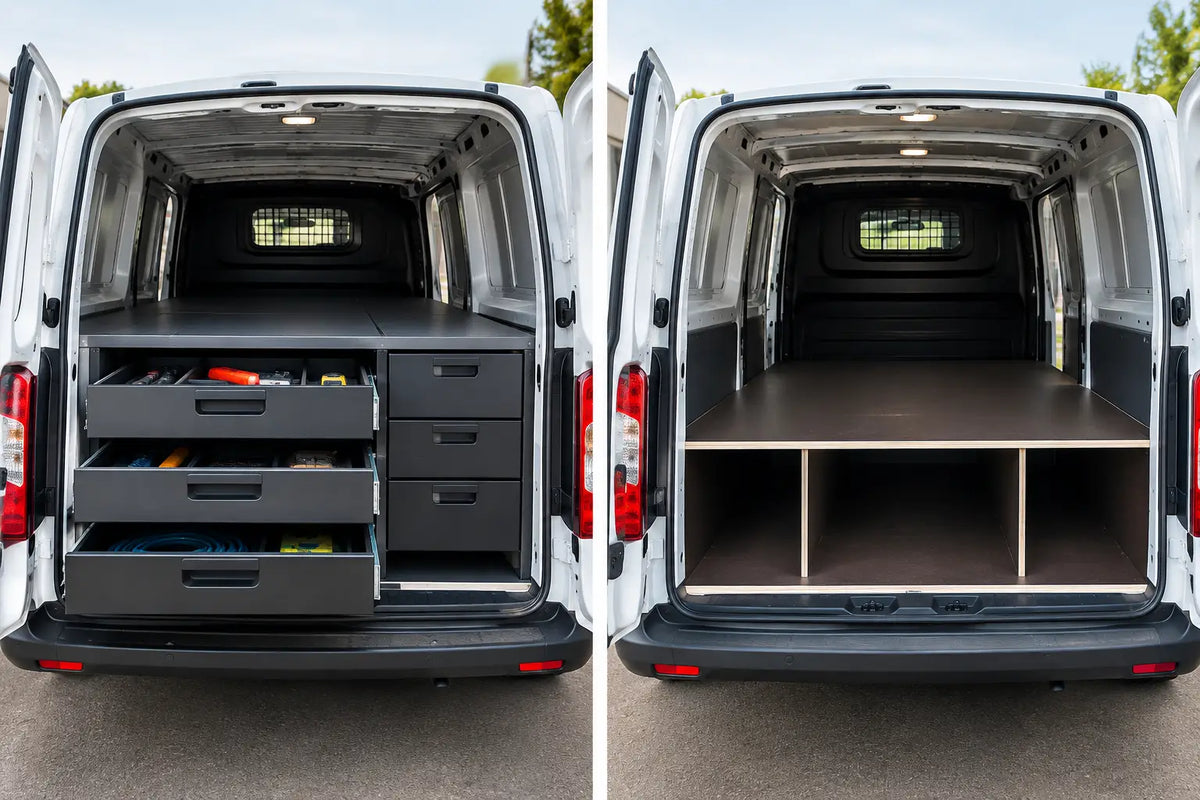
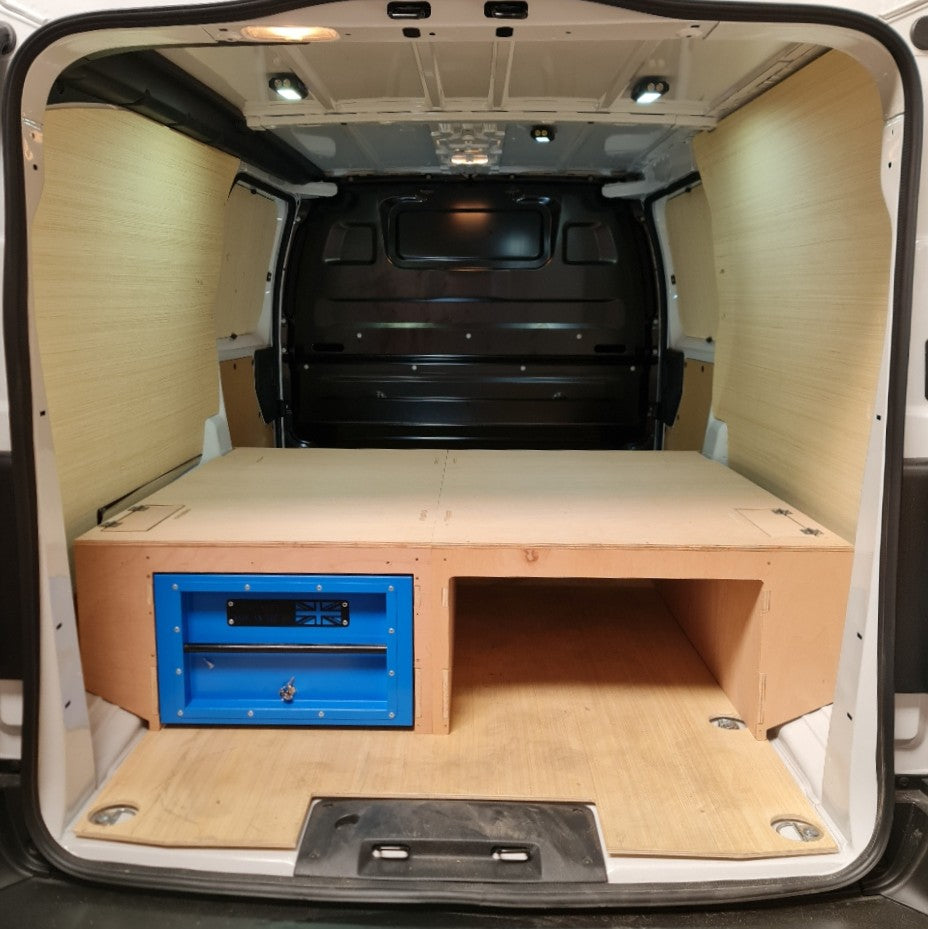
Drawer units keep stock contained in defined compartments. They are particularly useful for fixings, hand tools, electrical accessories, plumbing fittings, sealants and other small items that easily disappear into larger boxes. Instead of moving three cases to reach a bag of clips, you can pull out the relevant drawer and get straight to it.
The difference is not simply open storage against closed storage. It is about access, load type and work pattern. An electrician carrying a wide range of connectors and small components may gain more from drawers than a contractor mainly moving bulky power tools and materials. A maintenance engineer with both small parts and larger cases may need a combination of both.
When van drawer units make more sense
Drawers earn their space when small stock is a constant part of the job. If you regularly carry assorted screws, pipe fittings, terminals, blades, drill bits, plugs, clips or consumables, individual drawers make stock easier to separate and replenish. That means less time sorting through mixed tubs at the kerbside.
They also help create a repeatable system. A dedicated drawer for first-fix fittings, another for repair parts and another for personal protective equipment makes it easier for you, an apprentice or another driver to put items back in the right place. For small fleets, this consistency can make handovers between vehicles much less frustrating.
Security during travel is another consideration. Loose cartons and organisers can shift around if they are not properly contained. A drawer-based layout gives smaller items a fixed home, although drawers still need to be loaded sensibly and the whole storage system must be correctly fitted for the vehicle. Avoid overloading one drawer with heavy tools simply because it is convenient.
The trade-offs with drawers
Drawer units are not automatically the most efficient use of every van. Their structure takes up room, and deep drawers filled with heavy items can add weight quickly. They are also less suited to awkward loads such as long lengths, large tool bags, boxed appliances or bulky site equipment.
Access can be slower when you need several different items at once. With shelving, you can often see and lift several cases in one movement. With drawers, you may be opening and closing multiple sections during a busy job. This is a minor issue for carefully organised parts, but it matters if your work involves frequent loading and unloading of larger equipment.
Think about where doors open, too. Rear-access drawer units can be excellent for work carried out from the back of the van, while side-access storage may be more useful when parking spaces are tight. Your usual working environment should influence the layout as much as the type of stock you carry.
When shelving is the better choice
Shelving is the workhorse option for trades that carry a changing mix of equipment. Open shelves make toolboxes, stackable cases and labelled bins easy to reach. They are especially practical when you need to load up for different jobs each day rather than carrying a fixed catalogue of small parts.
For builders, fitters, decorators and general maintenance teams, shelving can provide the flexibility to carry tools one day, replacement stock the next and larger job materials when needed. The open format also makes routine checks easier. You can see an empty box of screws or a missing case before you leave the yard.
Shelving is often a sensible starting point for a new van because it establishes clear zones without overcomplicating the interior. Allocate one section for power tools, one for consumables and one for job-specific materials. Once you have used the setup for a few weeks, it becomes clearer whether a particular shelf would work better as a drawer bank.
The trade-offs with shelving
Open shelves need discipline. Without labelled boxes, bins or tool cases, small items can become mixed together and loose stock can migrate during everyday driving. Shelving is only as organised as the containers placed on it.
There is also a temptation to fill every open space. That may make the van look productive, but it can make heavier cases difficult to remove and increase the chance of stock being left loose. Keep frequently used items between waist and shoulder height where possible, reserve lower areas for heavier loads and use appropriate restraint for cases and materials.
Shelving is less effective for very small stock unless you add organisers. If a shelf holds eight partly opened boxes of fittings, it may be visible but not genuinely organised. This is where drawer inserts, compartment boxes or dedicated storage accessories can make a noticeable difference.
Choose around your working routine, not just the van
Before choosing drawer units or shelving, empty the van or make a realistic list of everything that travels with you for a normal week. Include the items that are easy to overlook: cleaning supplies, paperwork, chargers, workwear, sealants, fixings and safety equipment. Then separate them by how often you use them.
Daily-use tools should be quick to access. Weekly stock can sit deeper in the vehicle or higher up, provided it is stored securely. Job-specific items need a flexible area that can be cleared and loaded without disrupting your core setup. This simple exercise often shows that the issue is not a lack of storage, but the wrong storage in the wrong place.
Four practical questions will usually point you in the right direction:
- Do you carry many different small fittings that must stay separated?
- Are bulky tool cases, machines or materials a major part of the load?
- Do you mainly work from the side door, rear doors or both?
- Does your stock stay largely the same, or change from job to job?
Why a combined layout often works best
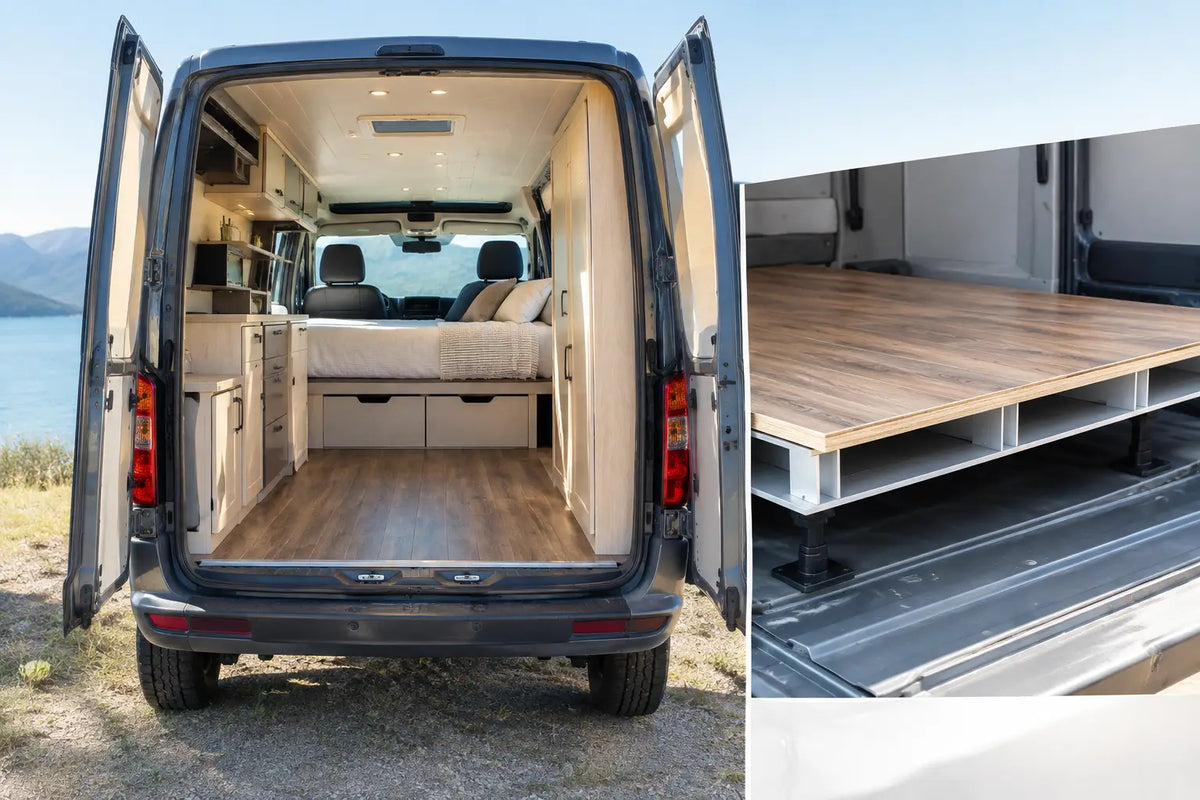
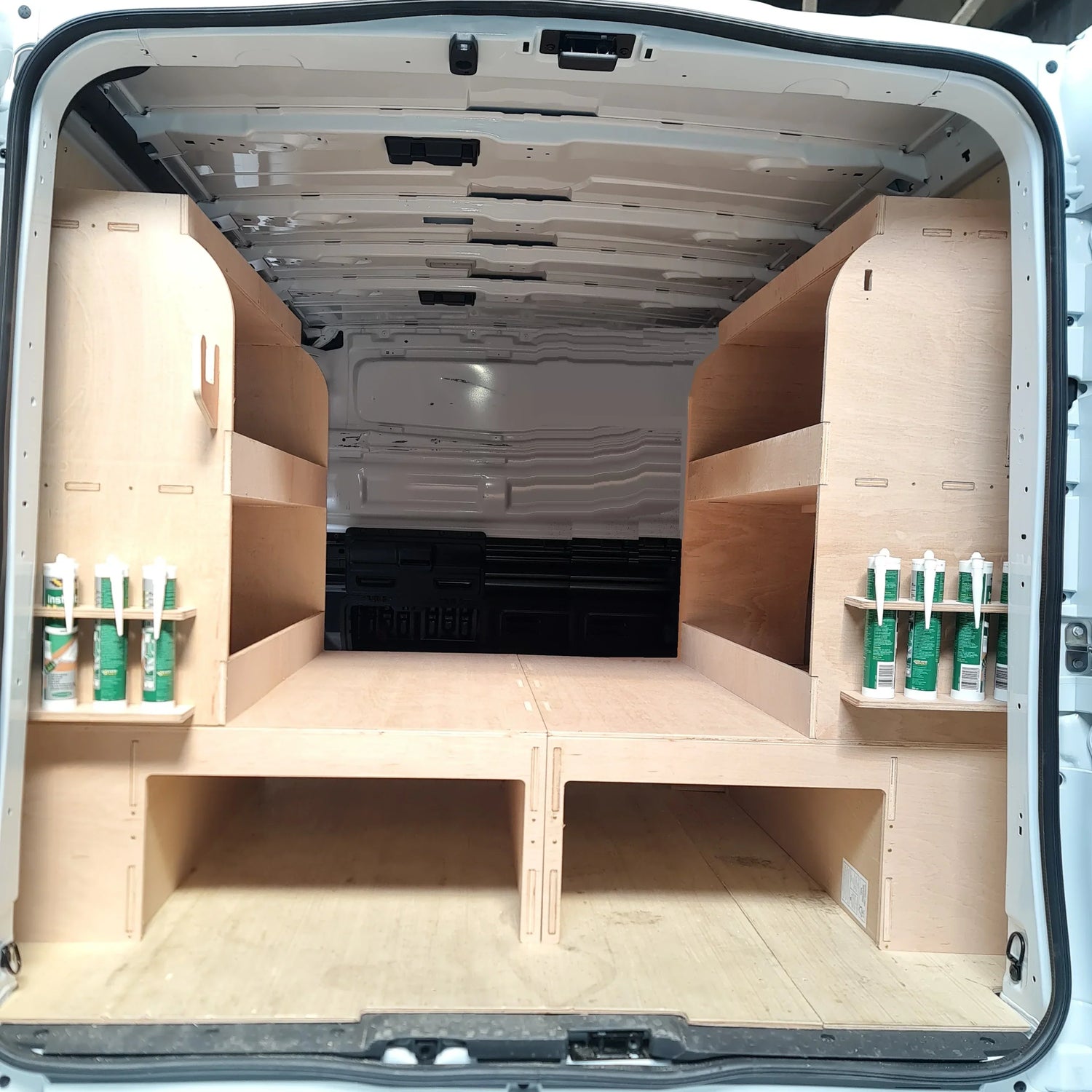
For many working vans, drawer units versus shelving is not a choice that needs to be absolute. A lower drawer section can hold heavy fittings, hand tools and smaller consumables, while shelving above or alongside it keeps cases and larger containers visible. This gives every item a clear home without sacrificing the flexibility needed for bigger jobs.
A false floor can also support this approach where suitable for your vehicle and workload. It can create a place for longer, flatter items while leaving the main storage areas free for daily tools and stock. The key is to plan the full interior as a working space rather than buying individual storage pieces in isolation.
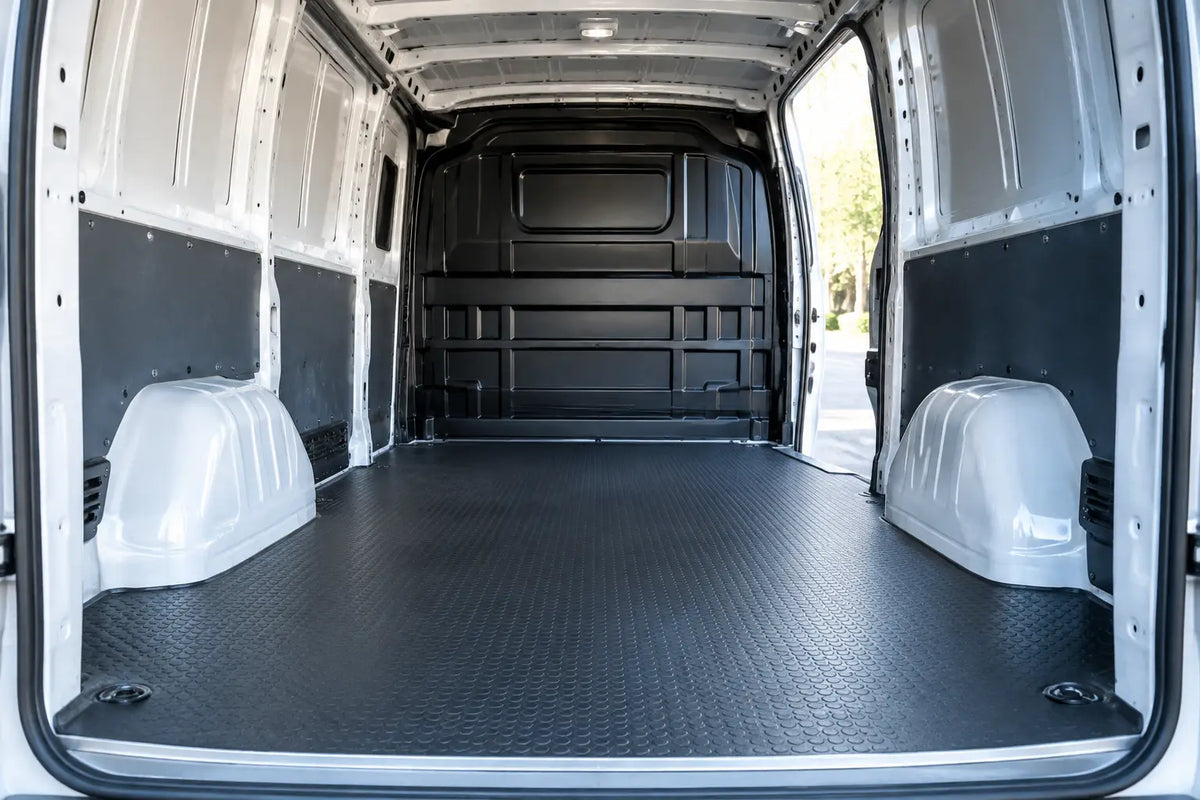
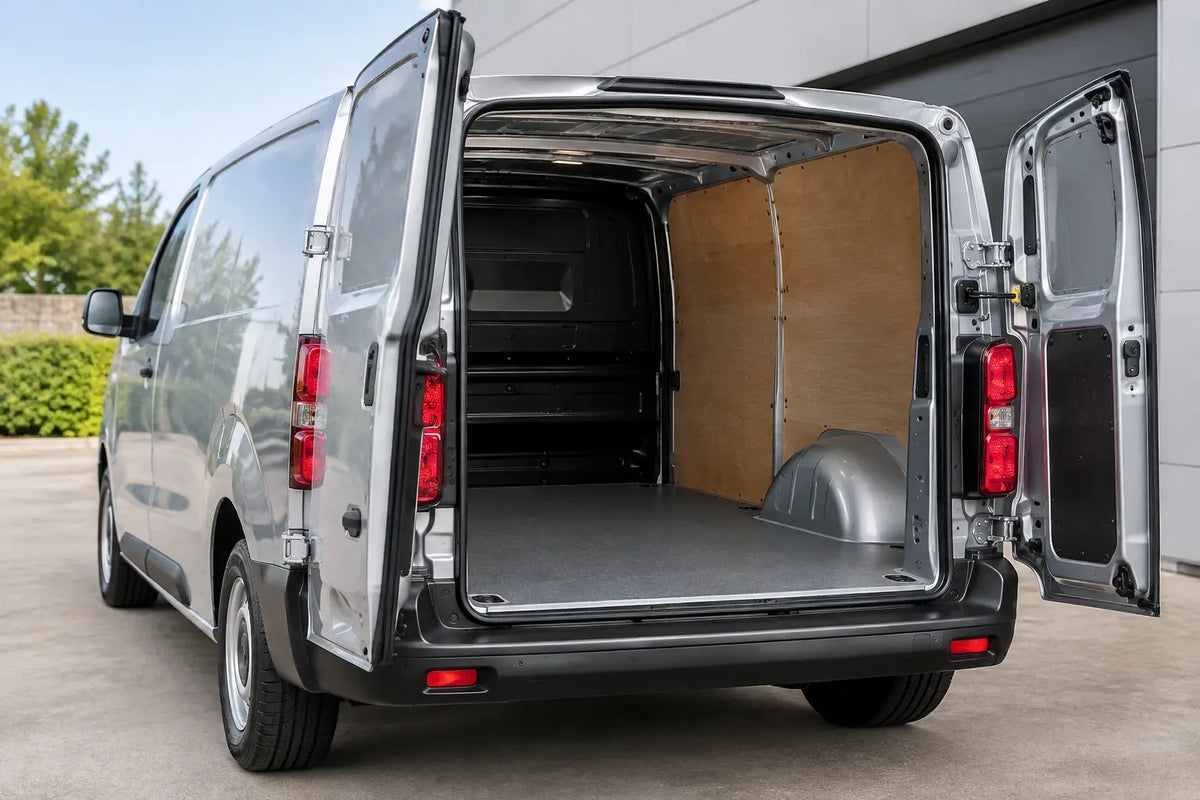
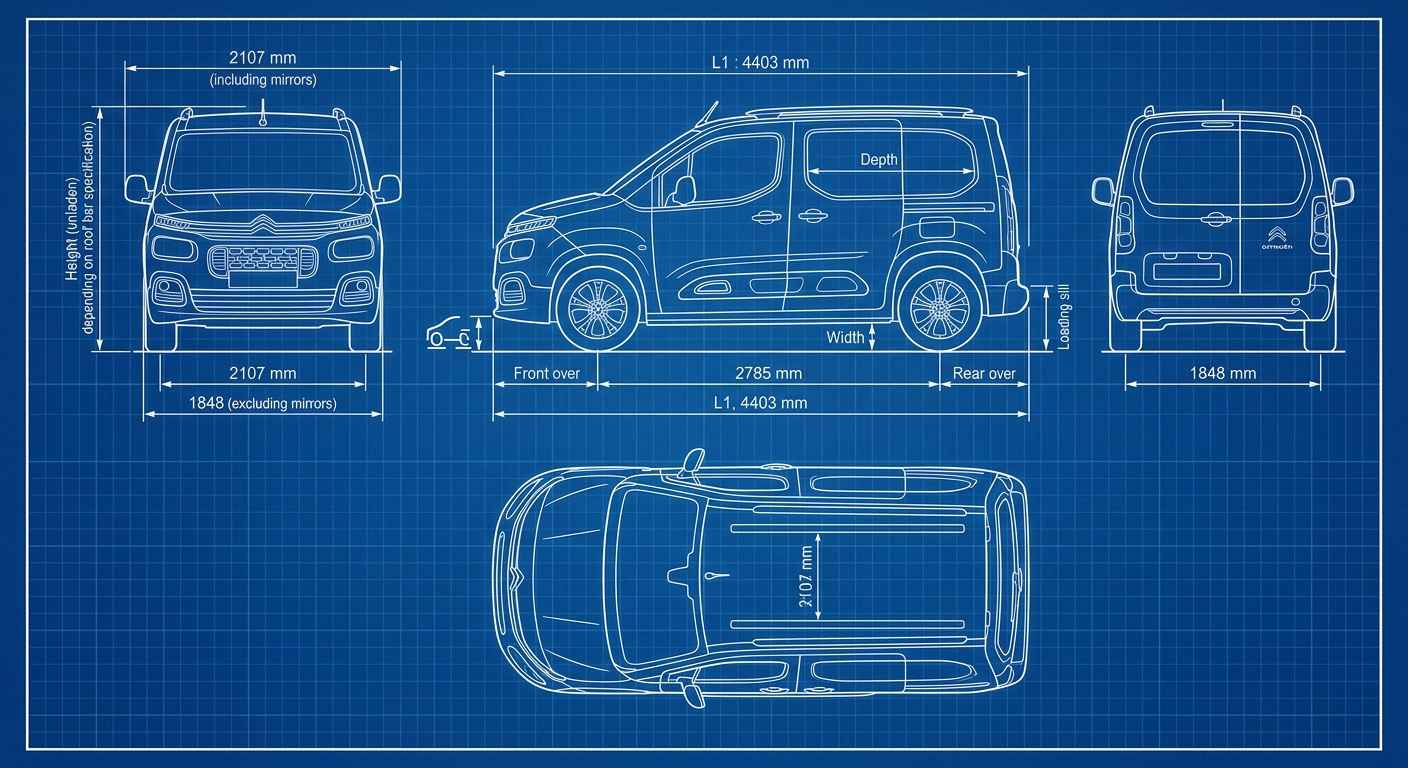
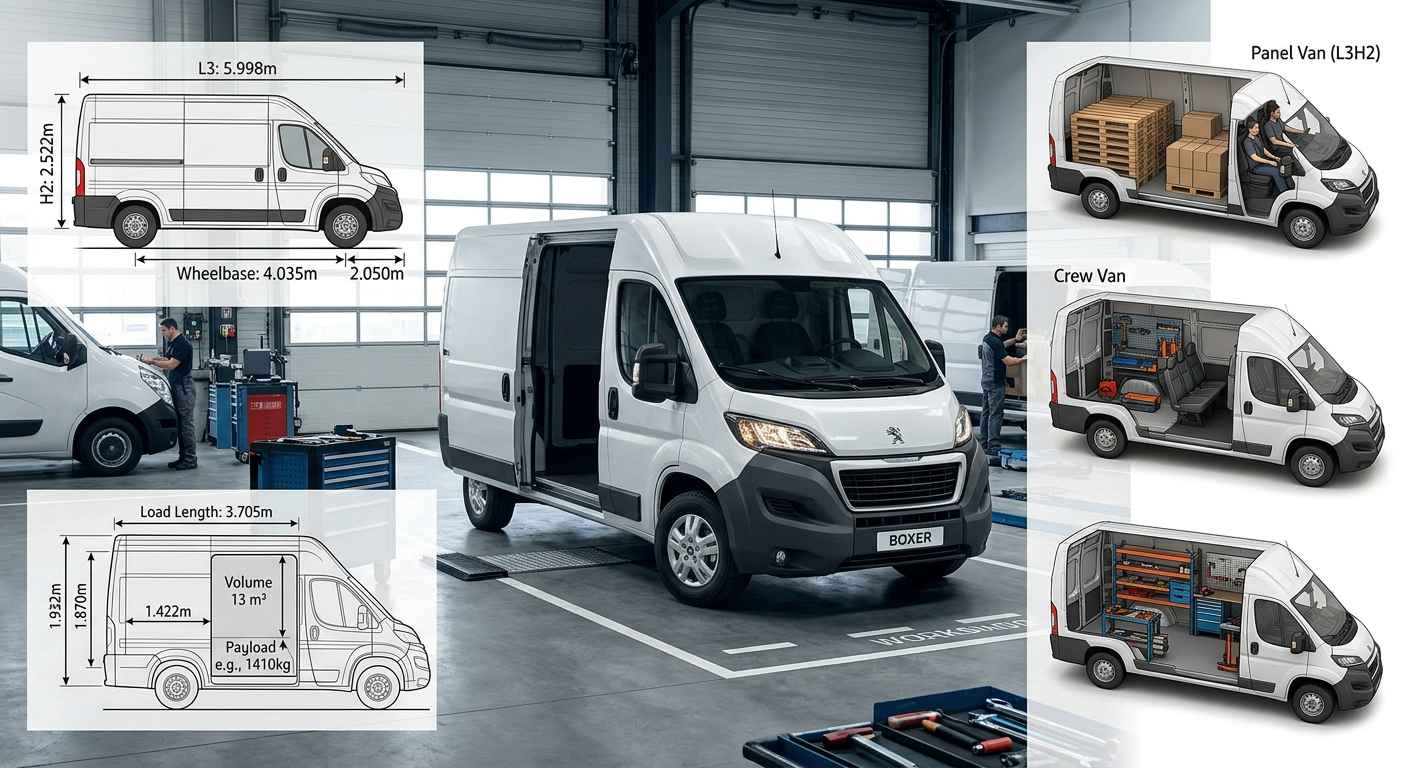
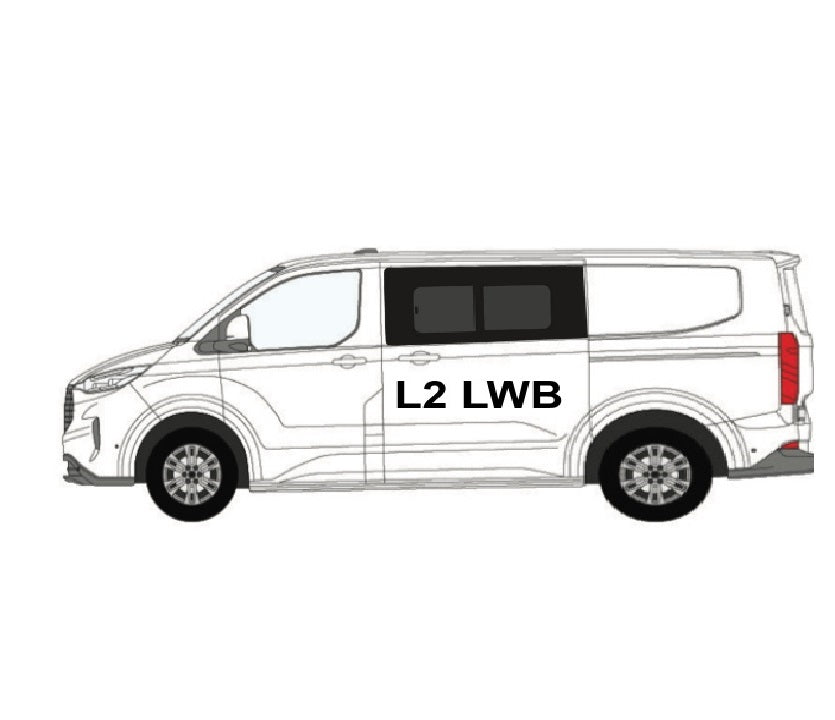
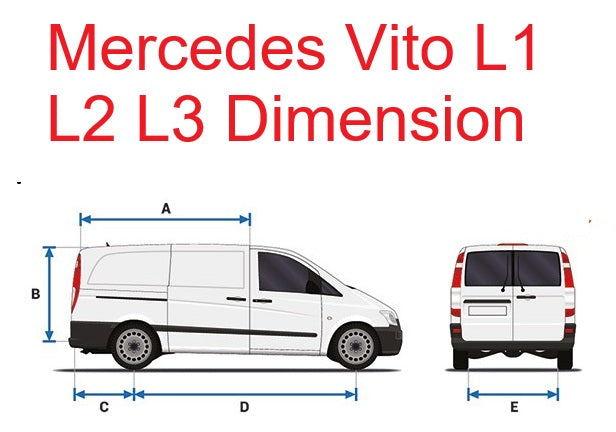
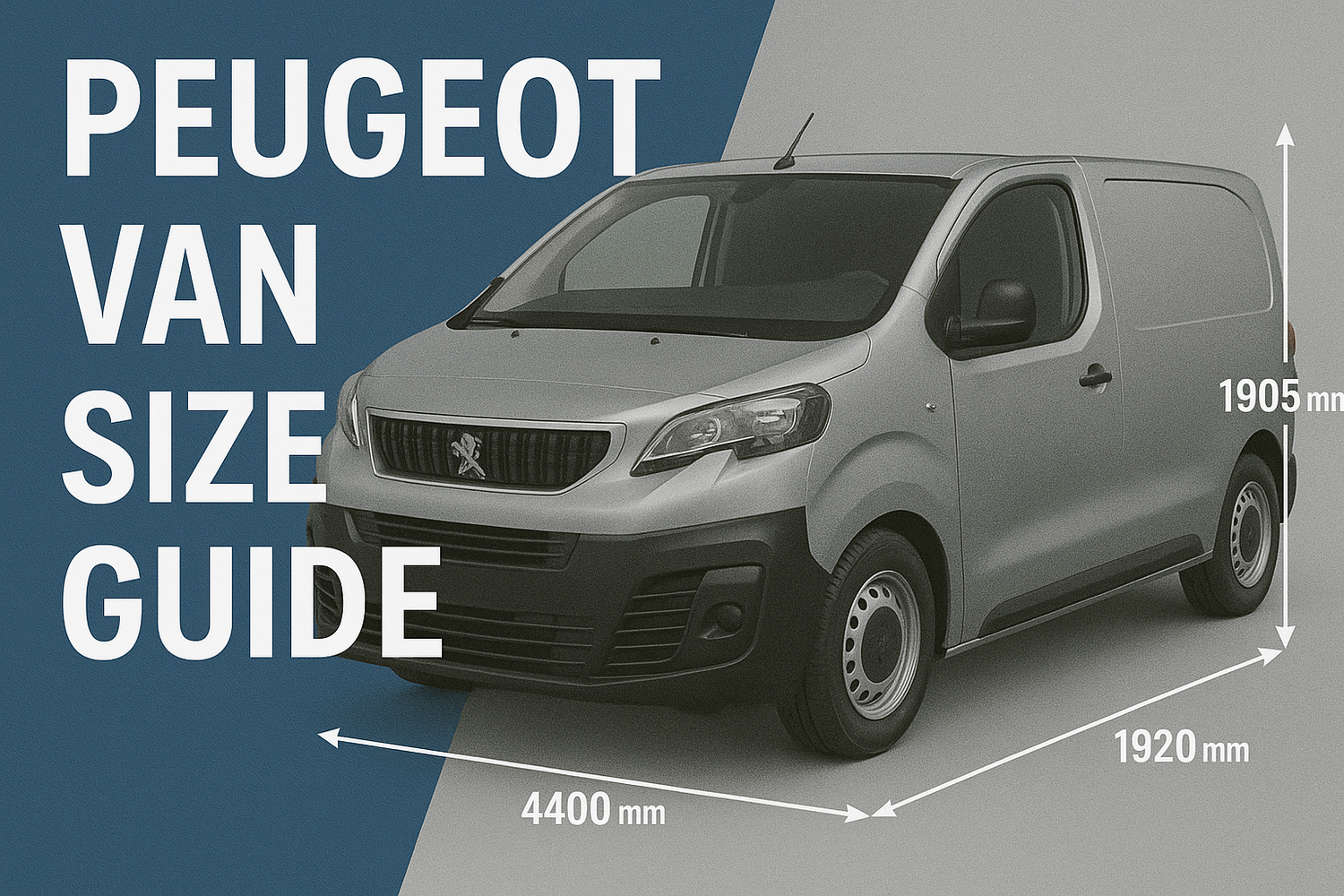
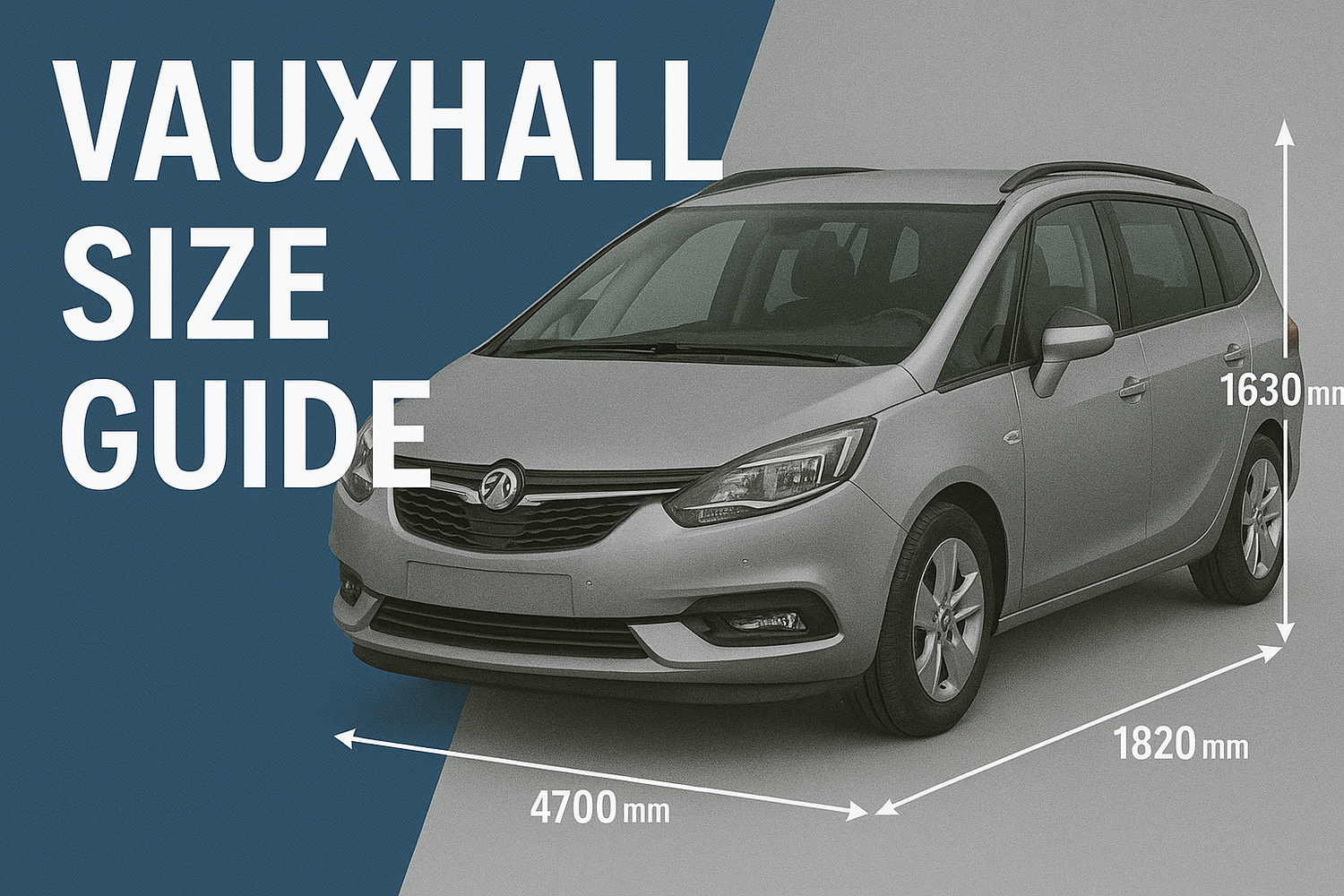
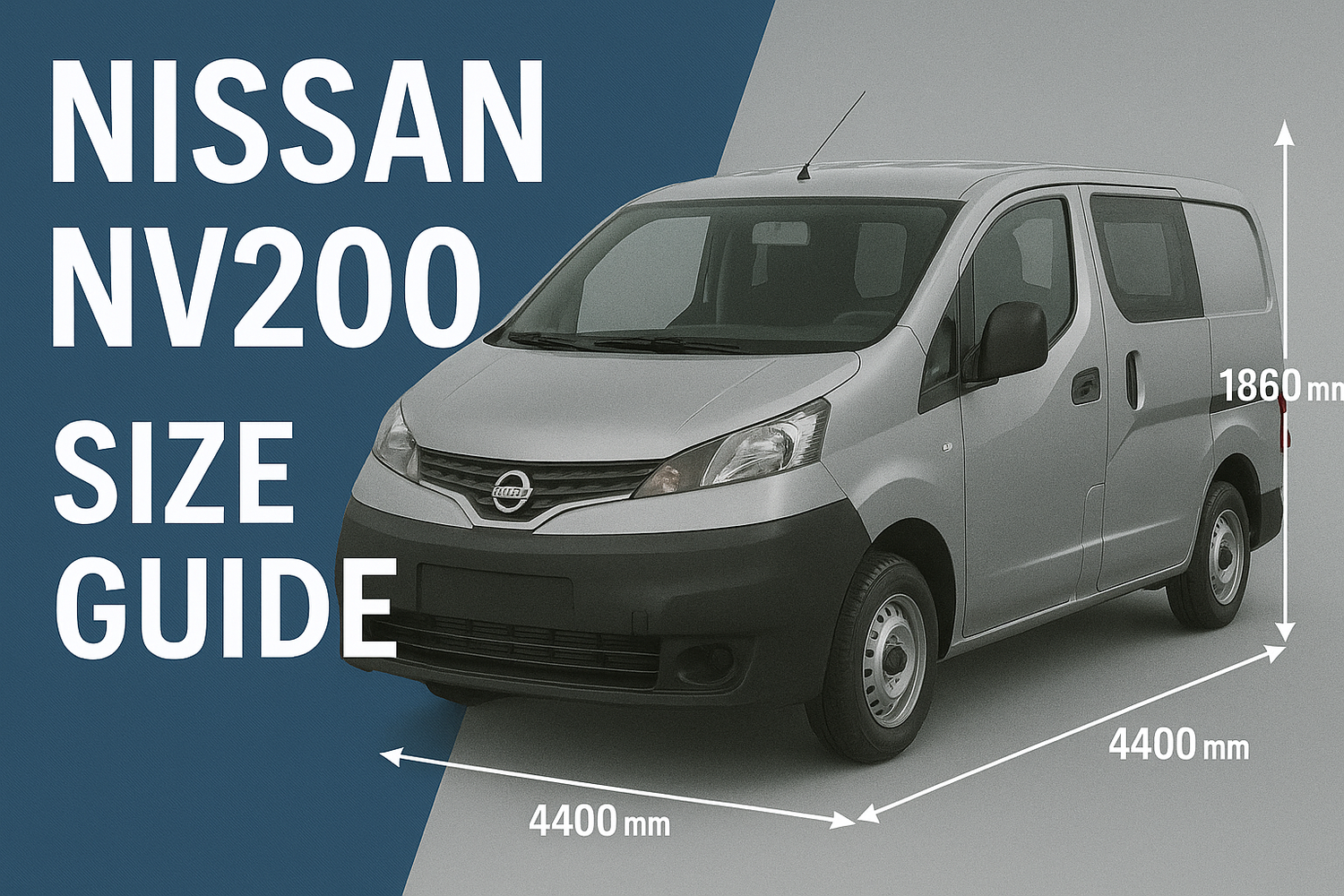
Vehicle-specific storage matters here. The dimensions, wheel arch position, door access and available floor area vary between van models and body lengths. Check the product information for your exact vehicle before ordering, and allow for existing linings, bulkheads or equipment that may affect available space.
Make either system work harder
A good shelving or drawer setup still needs a routine behind it. Label bins clearly, keep common items in the same place and check stock before it becomes an urgent problem on site. Put your most-used gear where you can reach it without climbing into the load area or moving several other items first.
Avoid treating empty space as wasted space. A clear section near the door can be more valuable than another crowded shelf when you need to load returns, collect materials or carry a job-specific item. Equally, keep the floor as clear as practical so it remains safe and useful rather than becoming a dumping ground.
The strongest van layout is not the one with the most compartments. It is the one that lets you open the door, find what you need and get on with the job. Start with the way you actually work, choose storage that suits your load, and leave enough flexibility for the next job that does not look like the last one.