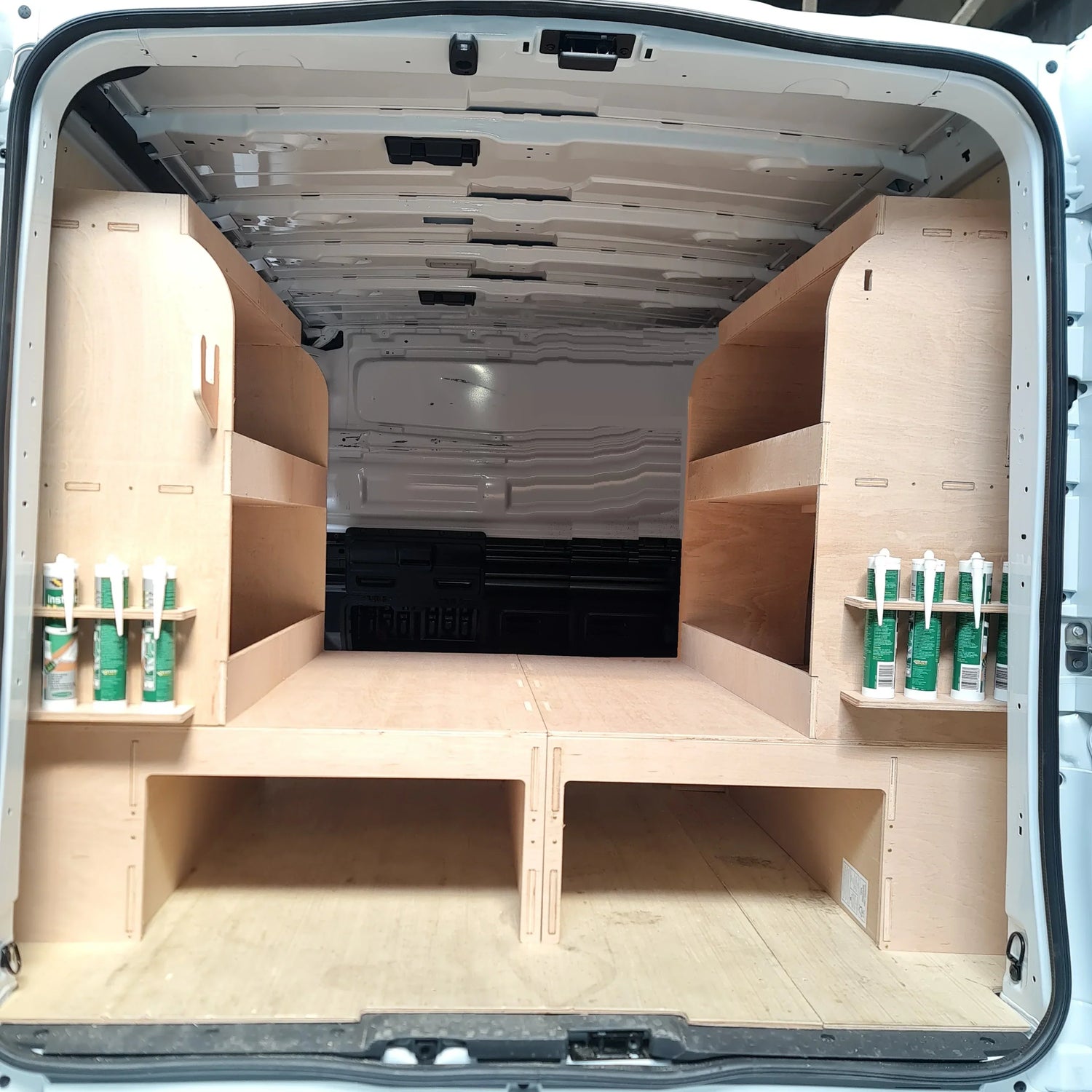











A hard stop at a roundabout should not send toolboxes into the rear doors, loose fittings across the floor, or expensive test equipment into a shelving unit. If you want to prevent tools sliding in vans, the answer is not simply packing everything tighter. It is about giving every item a secure place, then building your storage around the way you actually work.
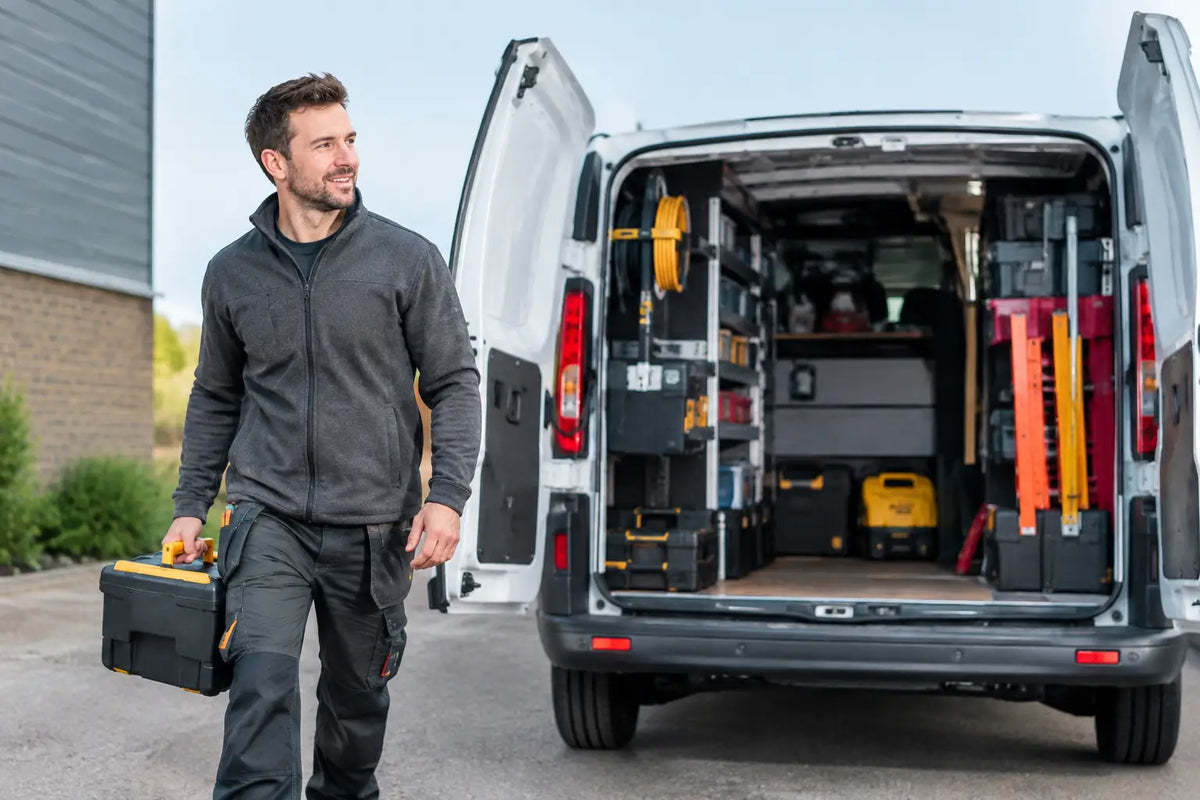
For plumbers, electricians, fitters and maintenance teams, a tidy load saves more than a few minutes at the next job. It protects equipment, reduces damage to the van interior and makes it easier to see when stock needs replacing. A well-organised van also looks more professional when the doors are open at a customer’s property.
Why loose tools cause bigger problems
Tools move because vans are constantly changing direction, speed and road position. Braking, cornering, uneven surfaces and speed humps all create forces that shift a load. A heavy case may only move a few inches at first, but repeated movement can damage a false floor, mark side panels and wear through the case itself.
The risk is not limited to large power tools. Boxes of screws, sealants, pipe fittings, hand tools and consumables can all become mixed, buried or damaged when stored loose. Searching through that mess costs time at every call-out. It also encourages the familiar end-of-day approach of throwing gear in the back and dealing with it later, which rarely improves by the next morning.
The right approach depends on what you carry. A decorator with ladders, sheets and paint needs a different layout from an electrician carrying organisers, cable, testers and fixings. Start with the weight, shape and frequency of use of your equipment rather than buying storage at random.
Start with a solid, non-slip base
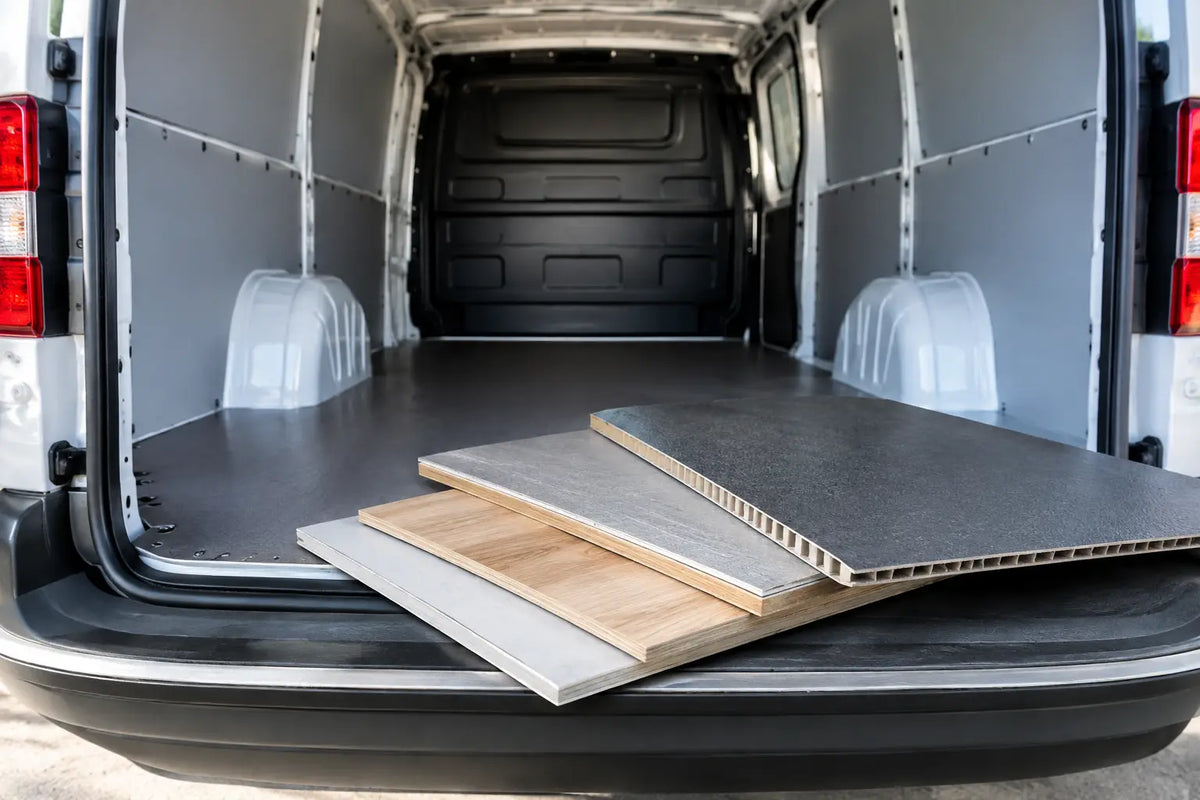
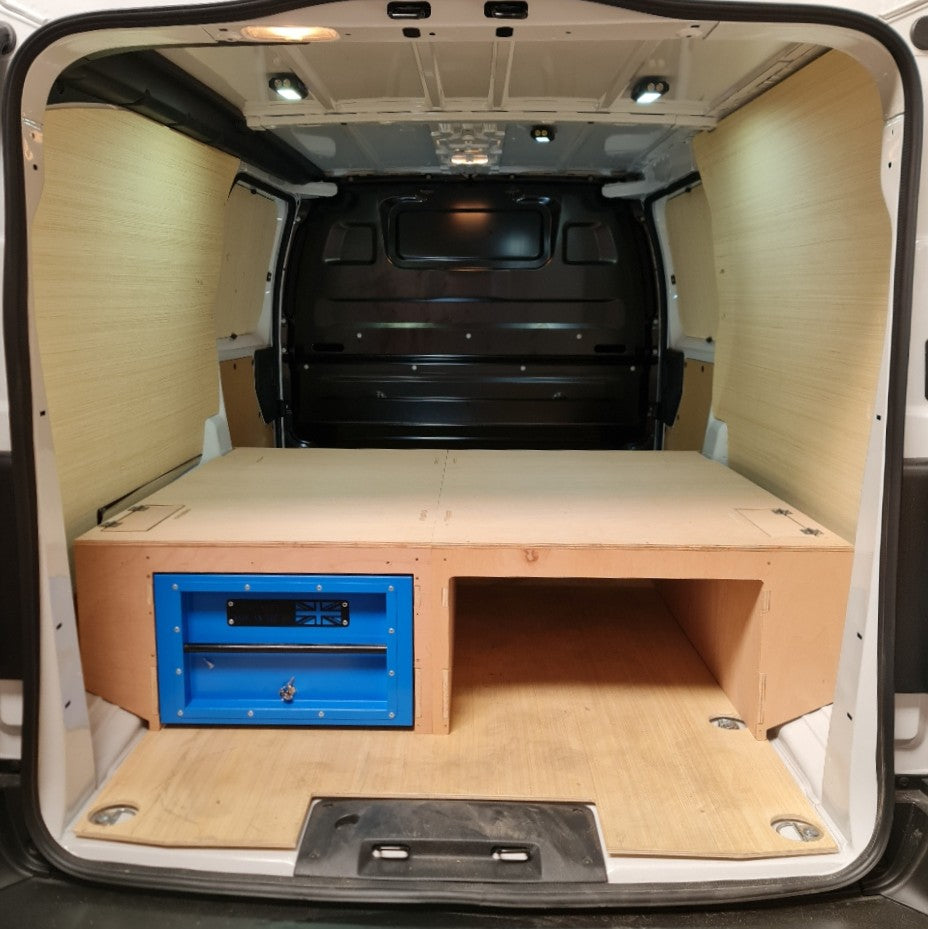
A good floor is the foundation of a safer working van. The standard factory floor can be slippery, uneven and vulnerable to damage from daily loading. A properly fitted false floor gives you a flatter, tougher surface and creates a more suitable base for securing racking, drawers and accessories.
Non-slip floor surfaces help reduce movement, particularly under stackable cases and larger boxes. They are useful, but they should not be treated as the only restraint. Grip slows movement; it does not hold a heavy toolbox in place during sharp braking. Think of it as the first layer of protection, supported by proper storage and tie-down points.
Keep the floor clear wherever possible. If the centre of the load area becomes a permanent pile of cases, bags and offcuts, you lose access and create space for items to slide. Use the floor for larger equipment that needs it, not as general storage.
Prevent tools sliding in vans with fixed racking
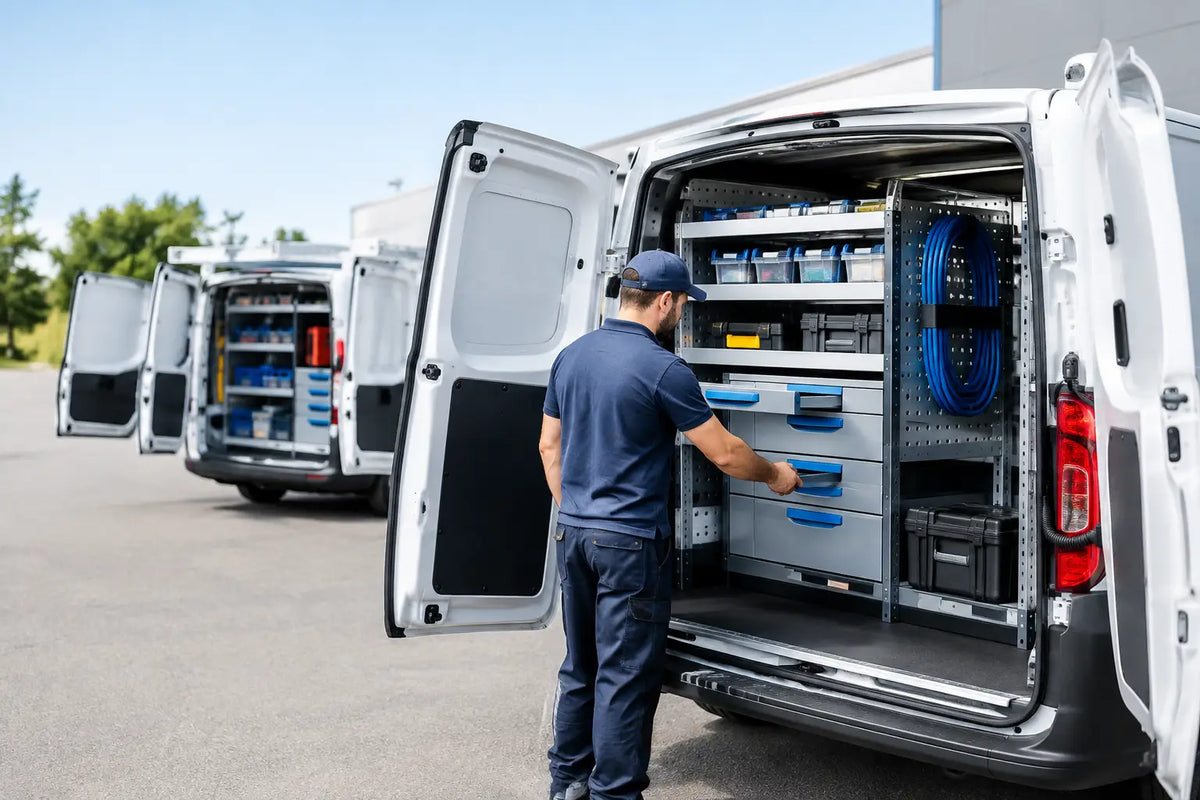
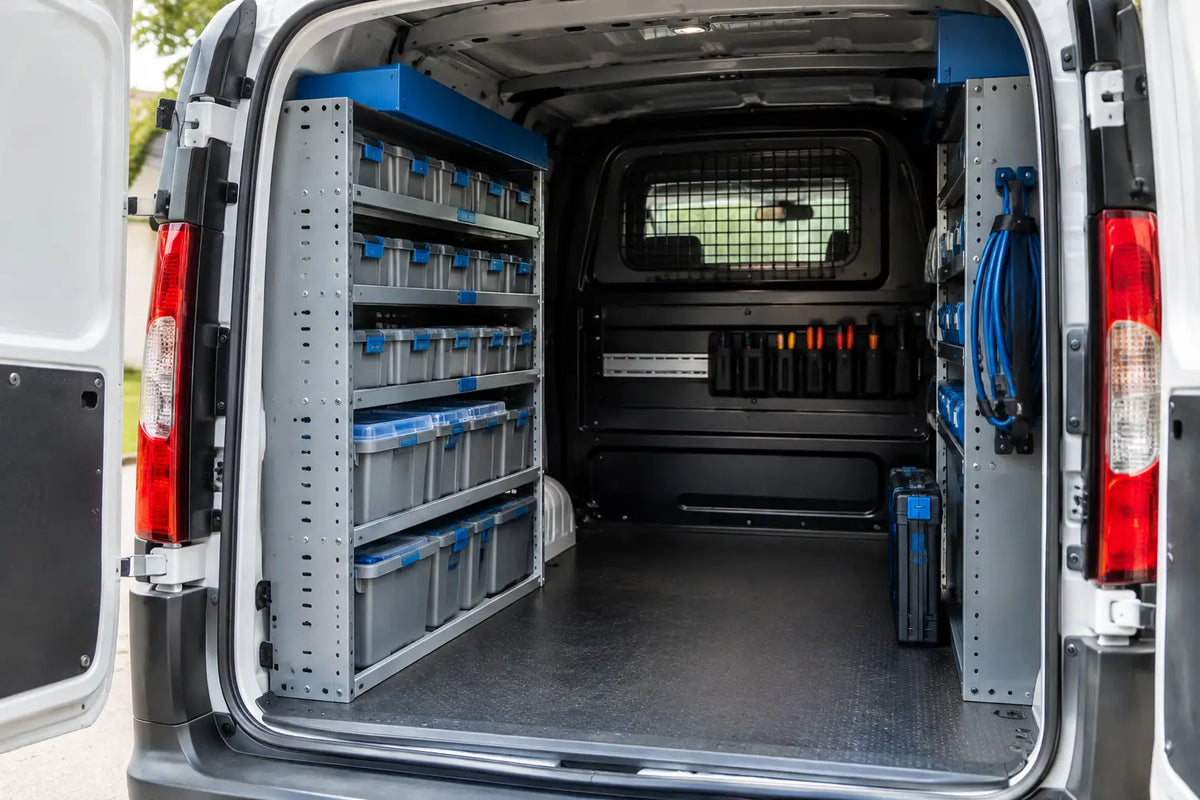
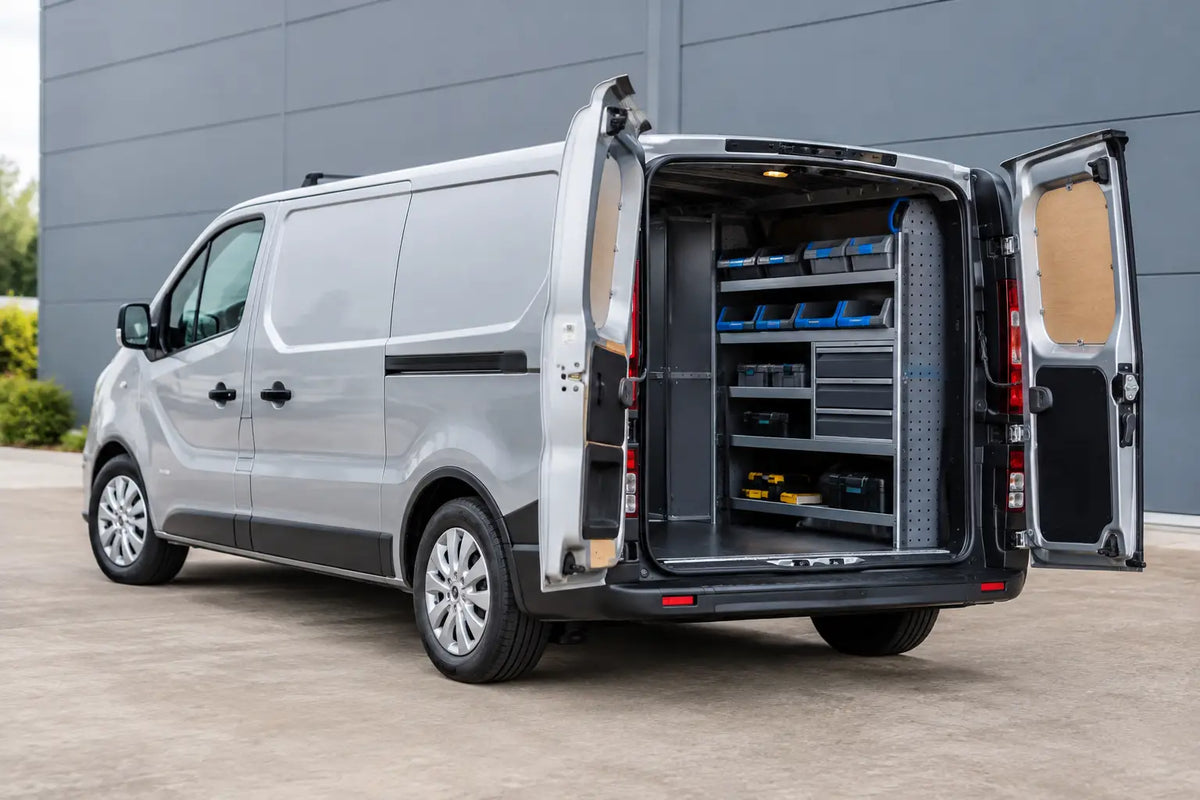
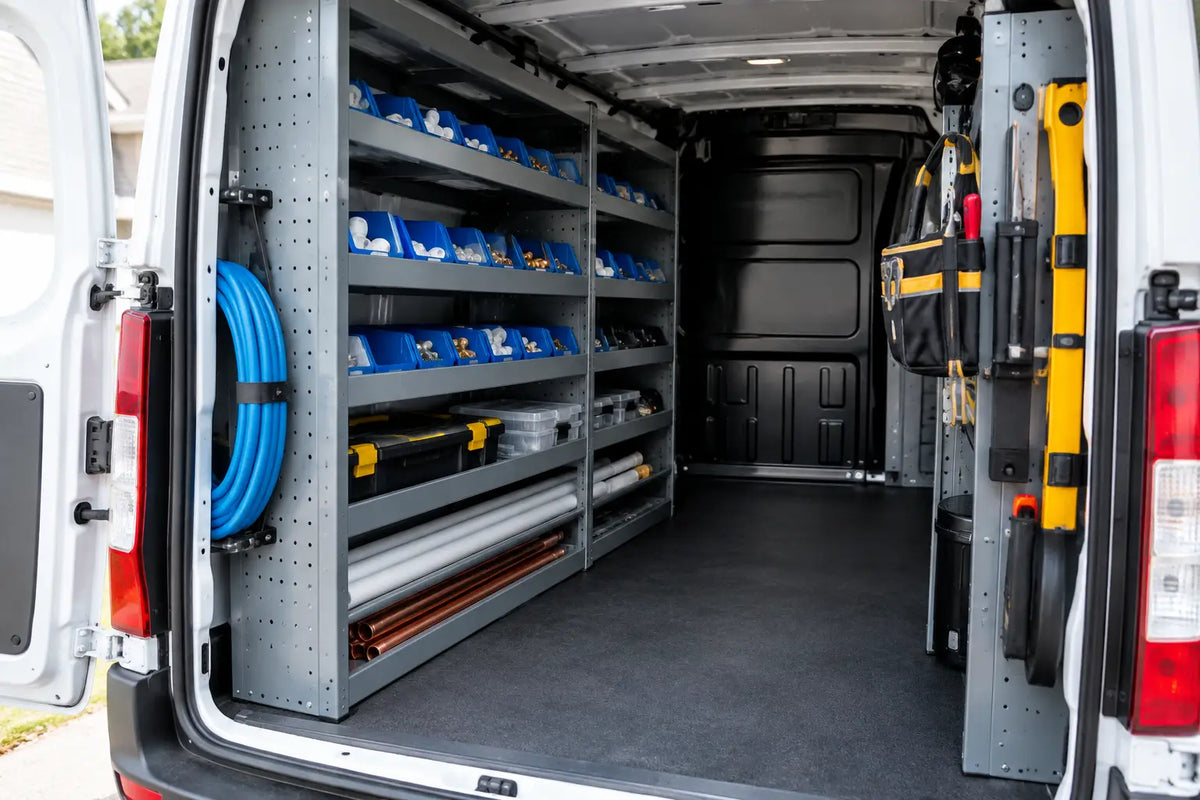
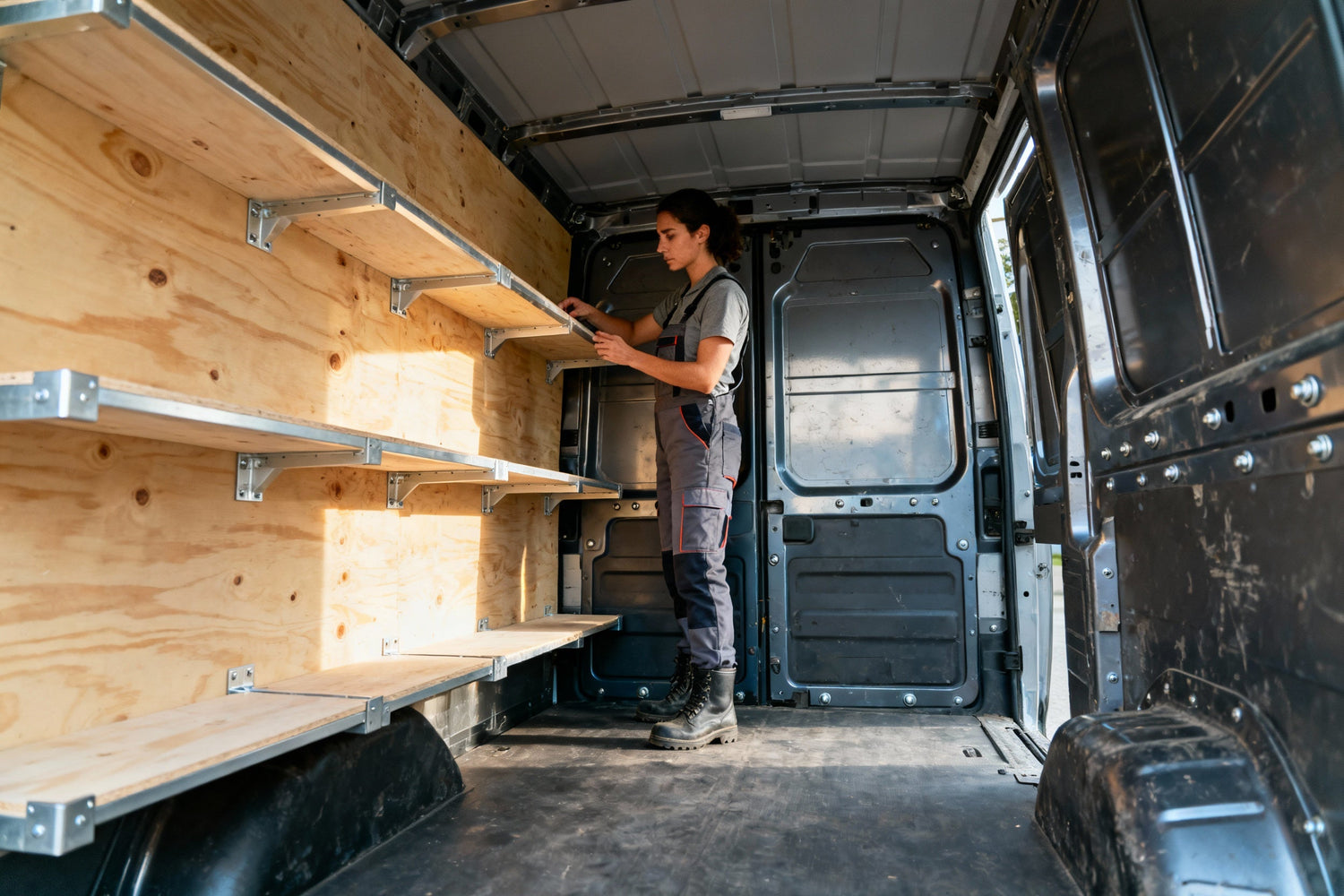
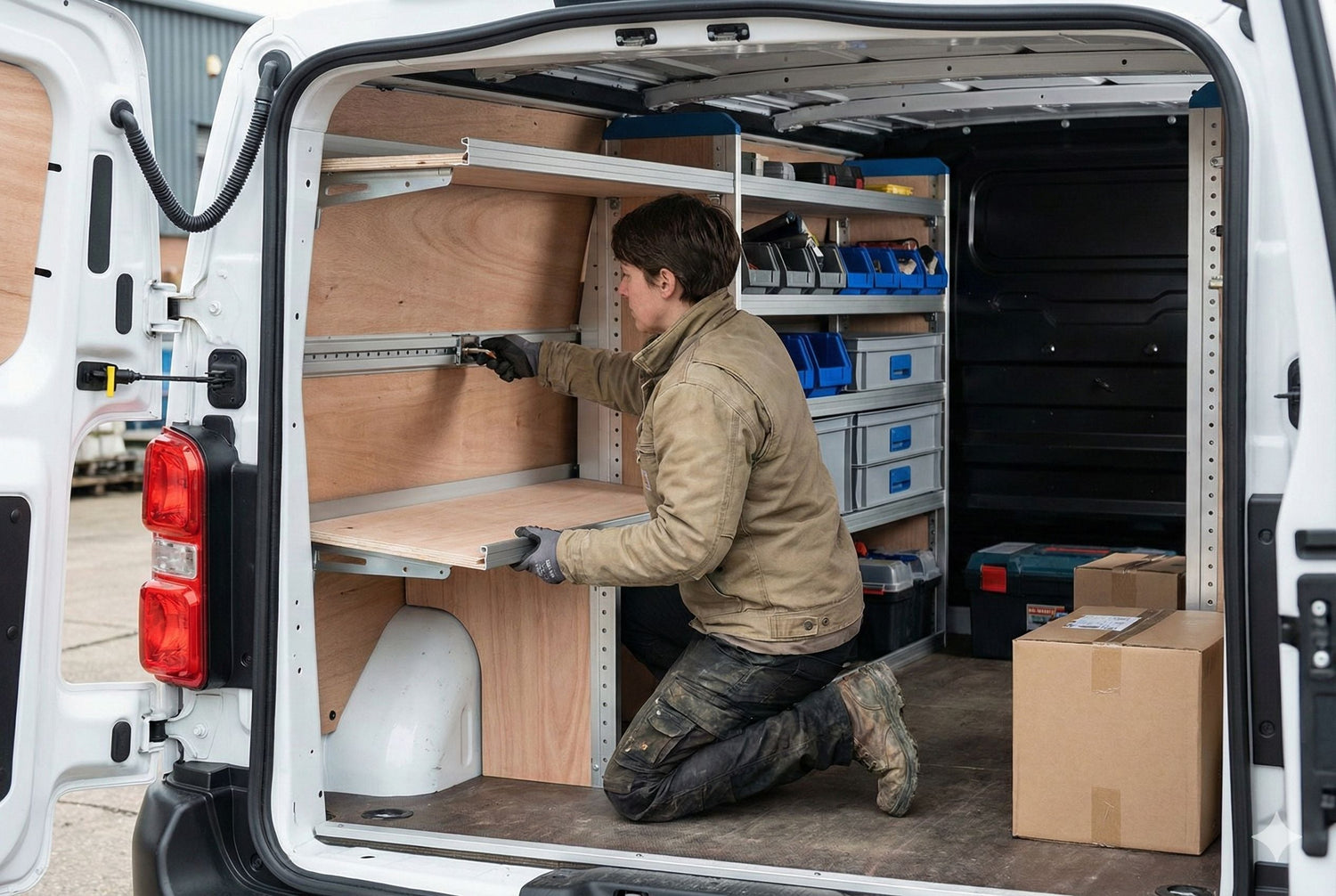
Van shelving and racking turn empty wall space into dedicated storage. More importantly, they stop you relying on loose stacks of toolboxes. A vehicle-specific racking system is designed around the shape of the load area, making better use of the side walls while leaving a usable walkway and room for bulkier kit.
Open shelving suits items you need to grab quickly, such as adhesive tubes, cleaning products, fittings boxes and commonly used hand tools. Add shelf dividers or storage bins where needed so smaller items cannot migrate from one end of a shelf to the other. For heavier items, place the weight low down. This improves stability and makes lifting safer at the job.
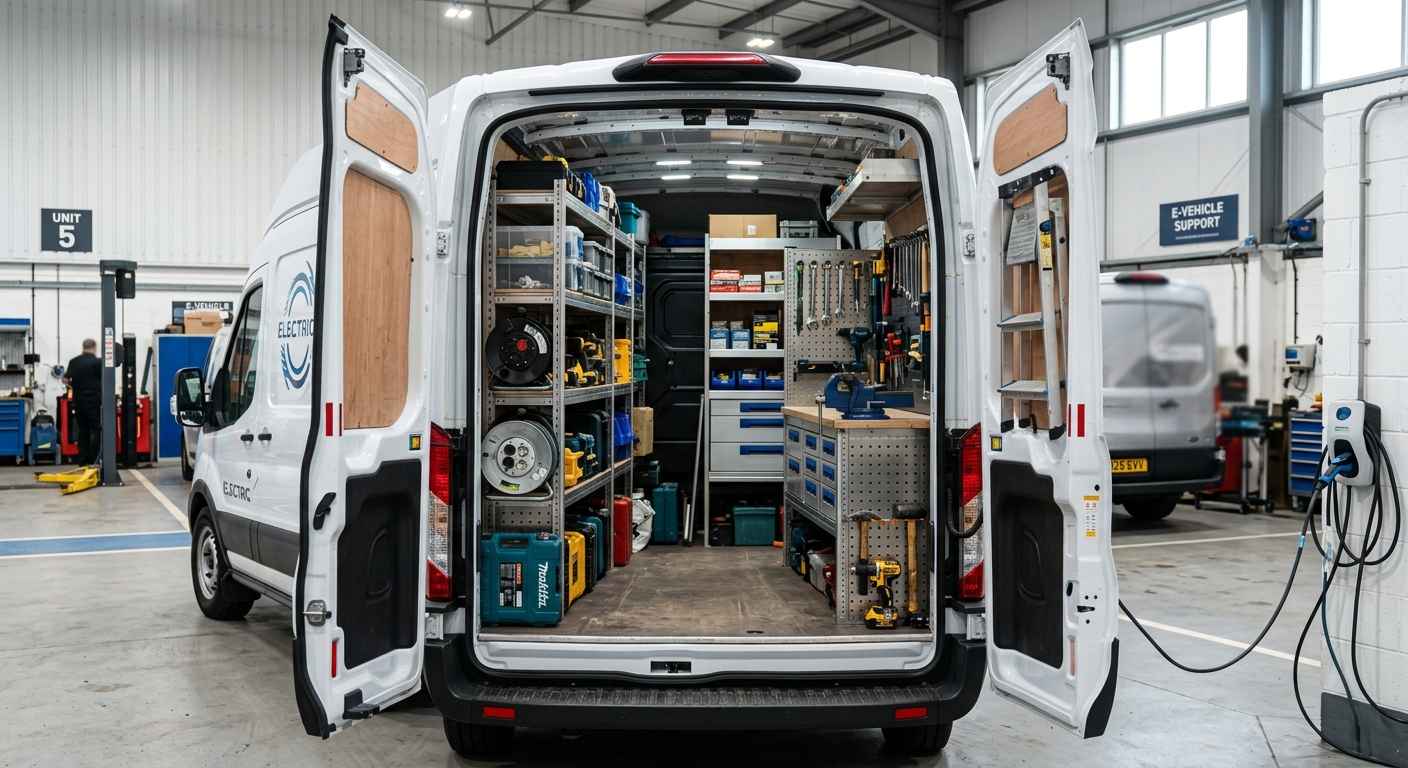
Drawers and enclosed compartments are particularly useful for small, high-value or easy-to-spill equipment. A drawer with a positive catch prevents its contents being thrown forward when you brake, while keeping stock visible and separated. This is often a better choice than several loose organiser cases stacked on top of each other.
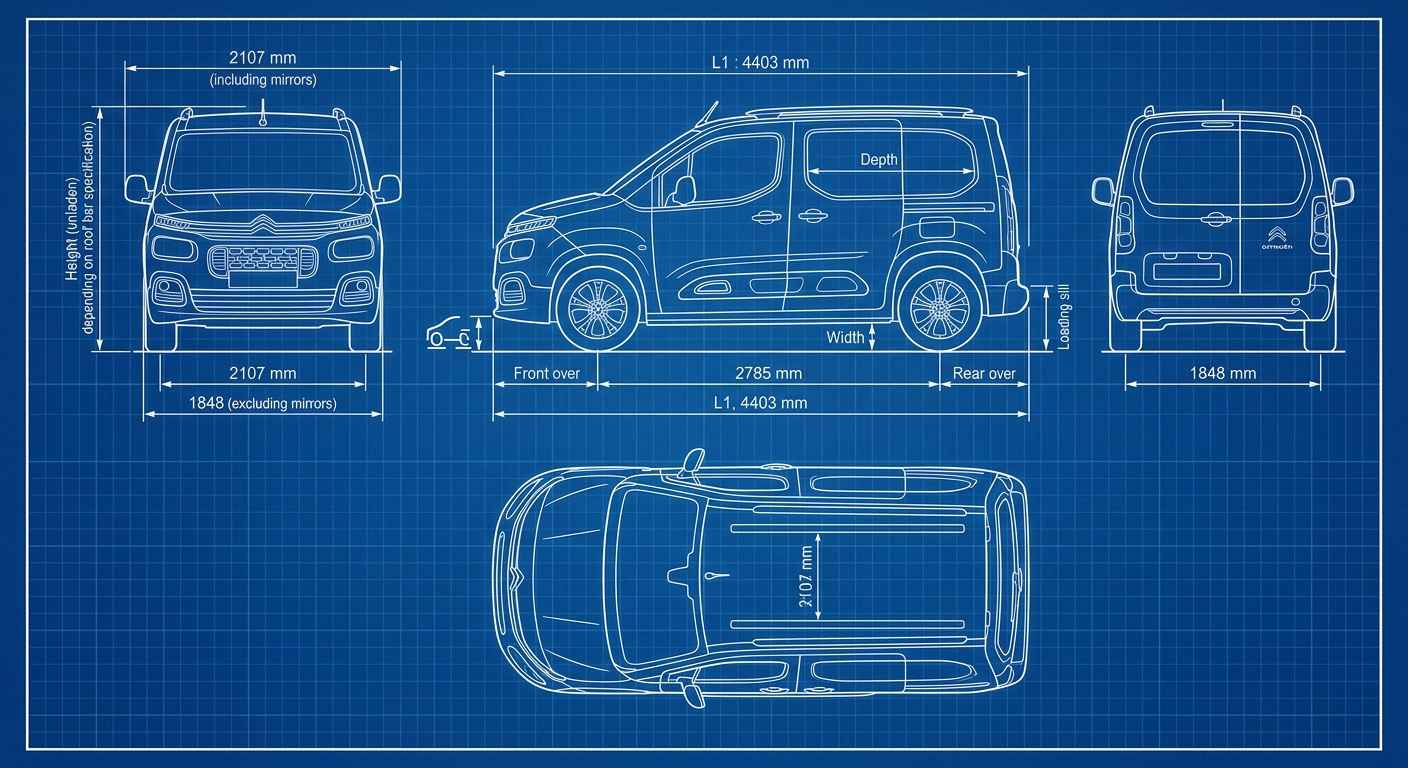
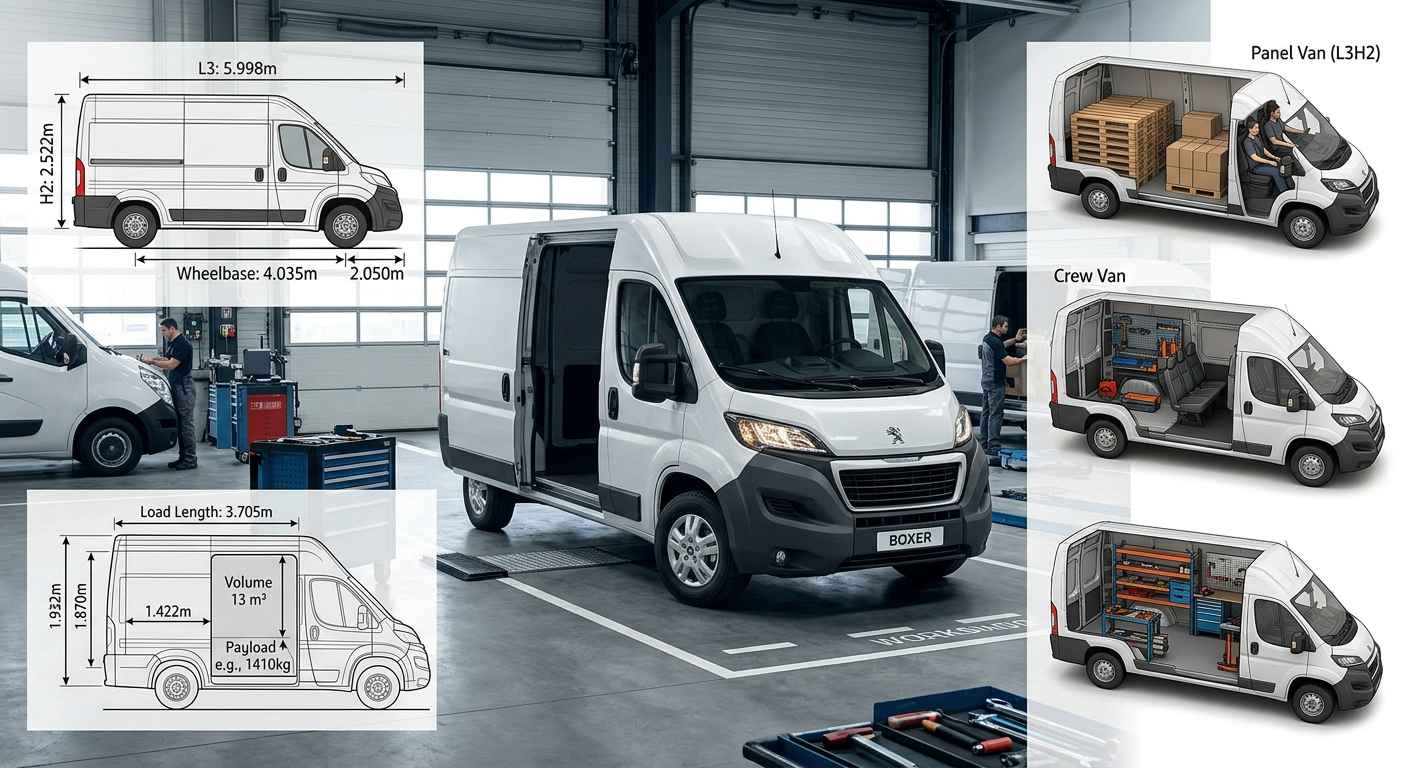
Before choosing racking, check it is suitable for your exact van make, model and wheelbase. The internal shape and fixing positions can vary between vehicles, even where two vans look similar from the outside. Choosing by vehicle details gives you the best chance of a practical layout and straightforward installation.
Use restraints for awkward and heavy equipment
Some equipment will never fit neatly on a shelf. Vacuums, larger power-tool cases, cable drums, generators, boxed materials and site equipment need their own secure plan. Use suitable load restraint points and correctly rated straps to hold these items against a bulkhead or side of the load area, rather than letting them sit free in the middle of the floor.
Avoid strapping one loose item to another loose item. The restraint needs to anchor the load, not just make a bundle. Check straps for fraying, damaged buckles and poor tension, especially if they are used every day. A loose strap can be nearly as frustrating as loose gear, as it tangles around equipment and gets caught under cases.
Where you carry long materials, give them a dedicated route through the van. Ladders, trunking, conduit and timber should not rest across shelves or sit diagonally over your daily-use tools. Keeping long loads separate protects both the material and the rest of your storage.
Store by task, not just by item type
Organisation works best when it follows the order of a job. If you regularly fit bathrooms, for example, keep the tools, sealants, wipes and fittings you need together or in adjacent sections. If you deal with electrical maintenance, arrange testers, terminals, labels and hand tools so you can collect what you need without opening every box in the van.
This is where smaller accessories earn their place. Sealant holders keep tubes upright and easy to find. Wipe dispensers stop rolls being crushed under other equipment. Glove box organisers and small parts trays prevent the usual hunt for pencils, blades, cable ties and fixings. These details may look minor, but they remove repeat frustrations across a working week.
Try to give every regularly carried item a home. If something has no fixed place, it will end up on the floor. Labels can help when several people share a fleet vehicle, although plain, clear labels are more useful than overcomplicating the system.
Keep load weight balanced
A van can feel untidy long before it looks untidy. If all heavy equipment is stored on one side or piled behind the rear axle, handling and ride quality can suffer. Spread weight sensibly from side to side, store heavier equipment low, and avoid loading the rear doors with items that can shift against them.
This does not mean every shelf must carry the same weight. It means using common sense with the equipment you have. Heavy cases, toolboxes and machinery belong low down and close to stable areas of the van. Lighter consumables can sit higher, provided they are contained and cannot fall out when the doors are opened.
Check your vehicle handbook and load limits before adding equipment, materials and storage systems. Racking, false floors and accessories add useful capability, but they are part of the total load. A practical layout accounts for the weight of the system as well as the tools you place in it.
A five-minute end-of-day check
The best van setup still needs a quick reset. Before heading home or travelling to the next job, take five minutes to check the load area. Make sure drawers are shut, straps are tight, cases are back in position and nothing is left loose near the doors.
A useful routine is to check these four areas:
- Heavy equipment is secured low down or restrained properly.
- Shelves and drawers are closed, with small items contained.
- Long materials are fixed in their designated storage area.
- The floor and doorway are clear of loose tools, rubbish and offcuts.
A working van should support the job, not slow it down. Build your storage in layers: a durable floor, vehicle-appropriate racking, secure containment for smaller items and proper restraints for heavier kit. Once every tool has a place and every load is checked before travel, the van becomes a more efficient, safer mobile workspace for the jobs ahead.