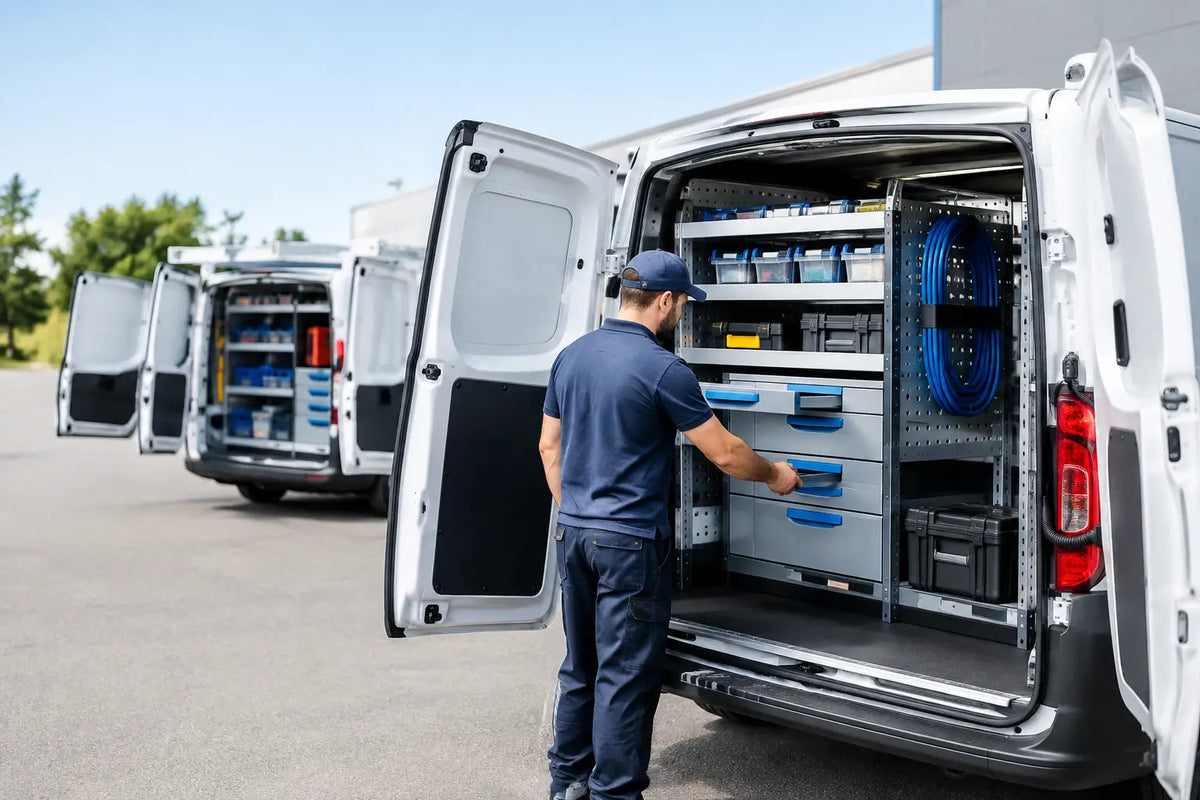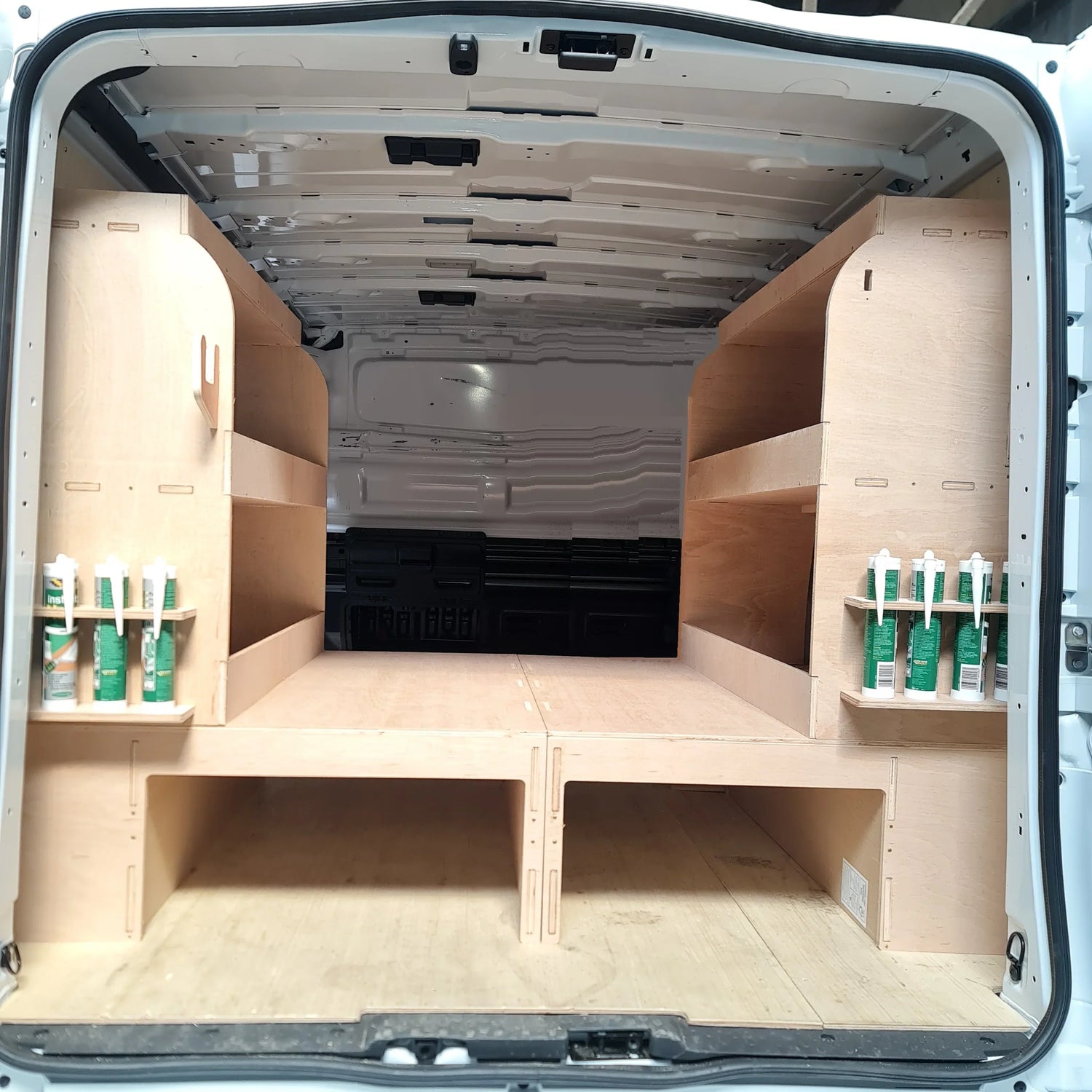











A fleet loses time in small pieces. A fitter spends five minutes finding a sealant gun. An engineer shifts loose cases before reaching a tester. A driver replaces stock that has been damaged by sliding around in the load area. Across several vans and a full working week, those small delays add up. The best fleet storage upgrades address that daily waste by giving tools, materials and consumables a fixed, sensible place.
For trade fleets, storage is not about making the rear of a van look tidy for its own sake. It is about helping each operative start work faster, carry the right equipment safely and keep the vehicle ready for the next job. The right setup depends on the vehicle, the trade and how stock moves through the business, but a few upgrades deliver value across most working fleets.
Start with a vehicle-specific racking layout
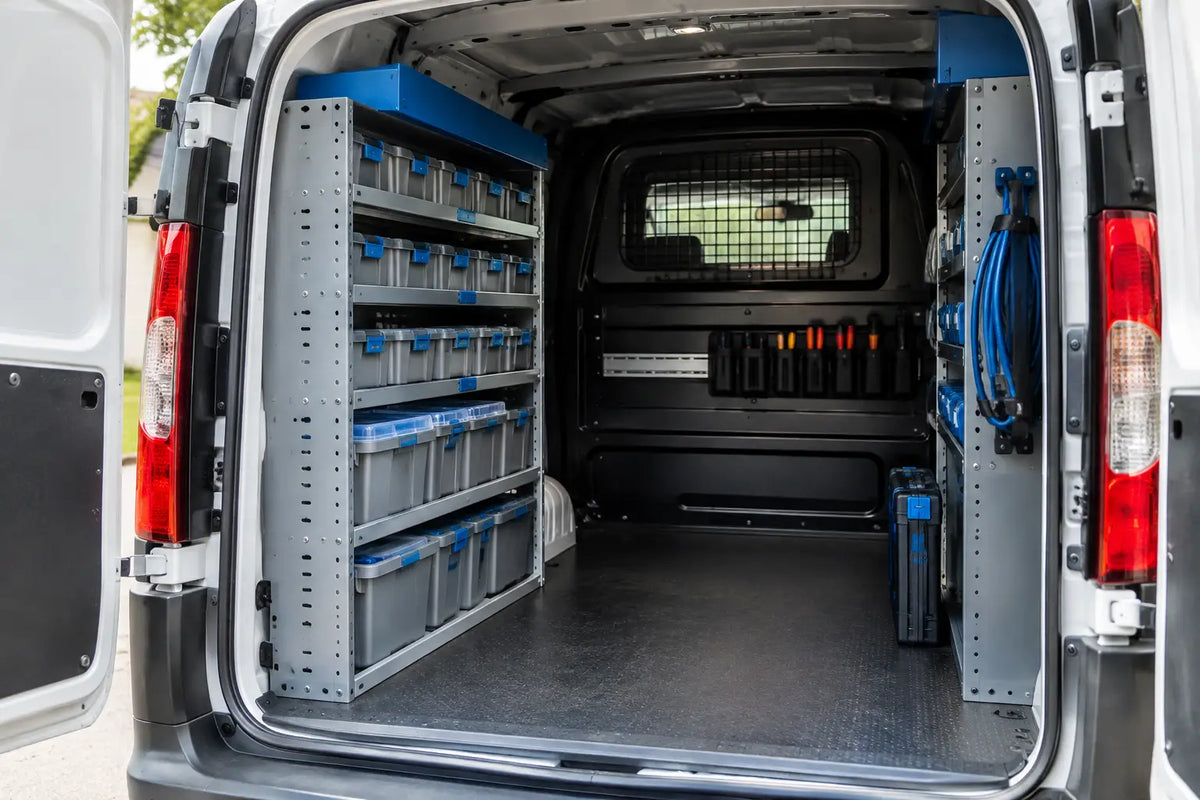
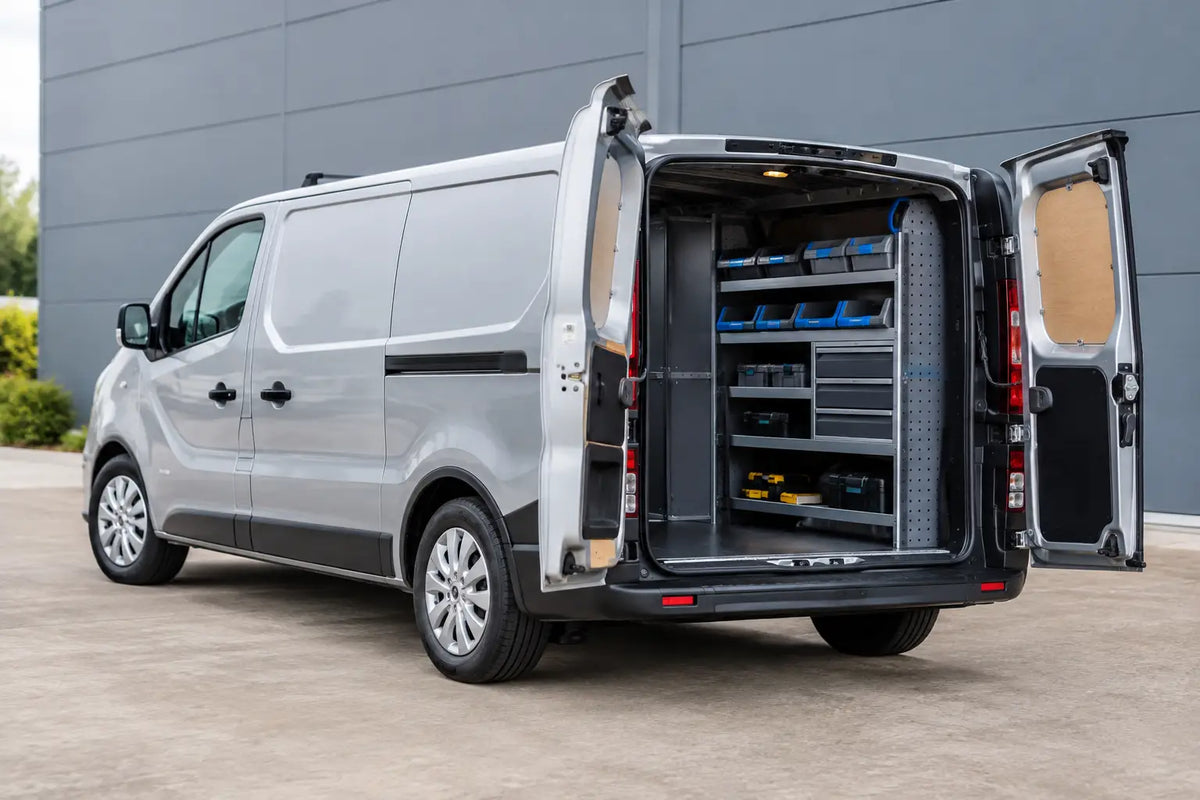
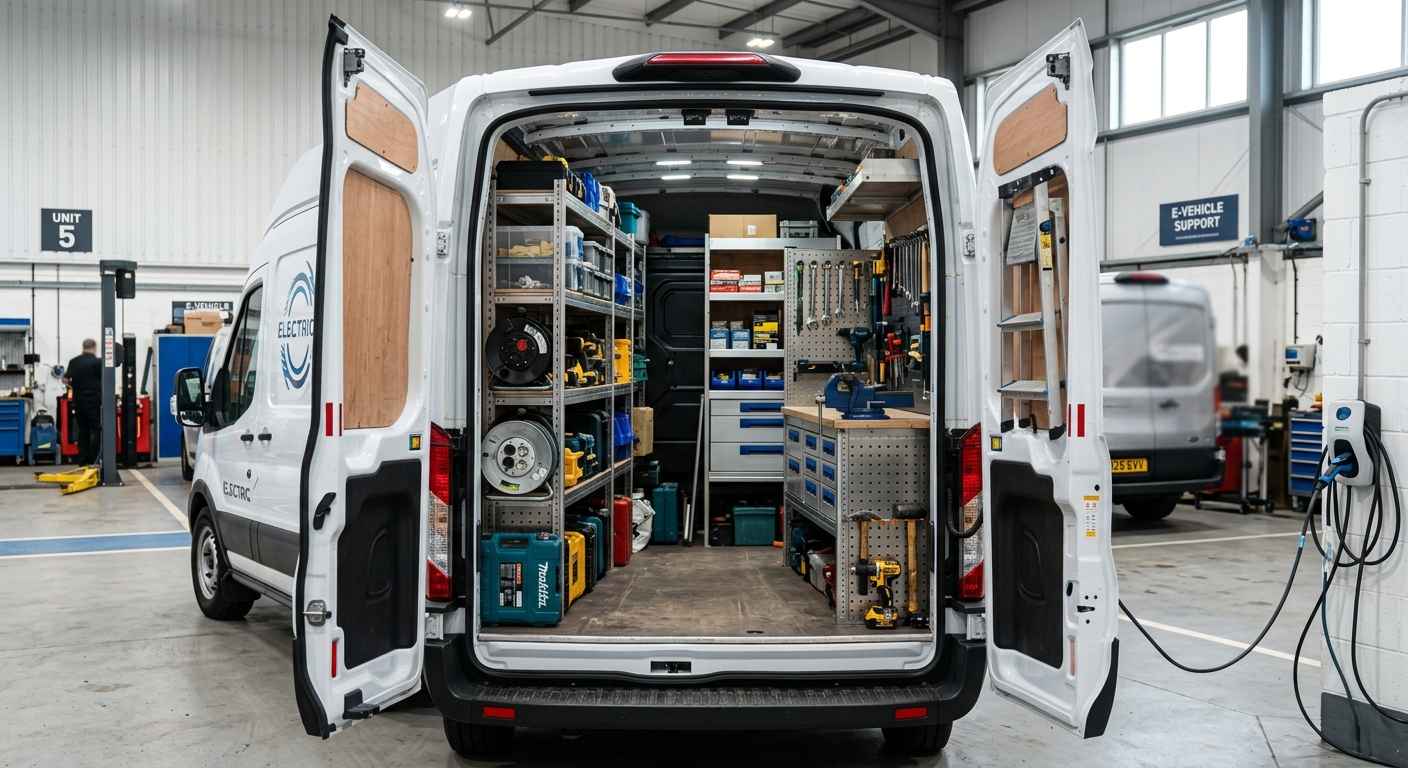
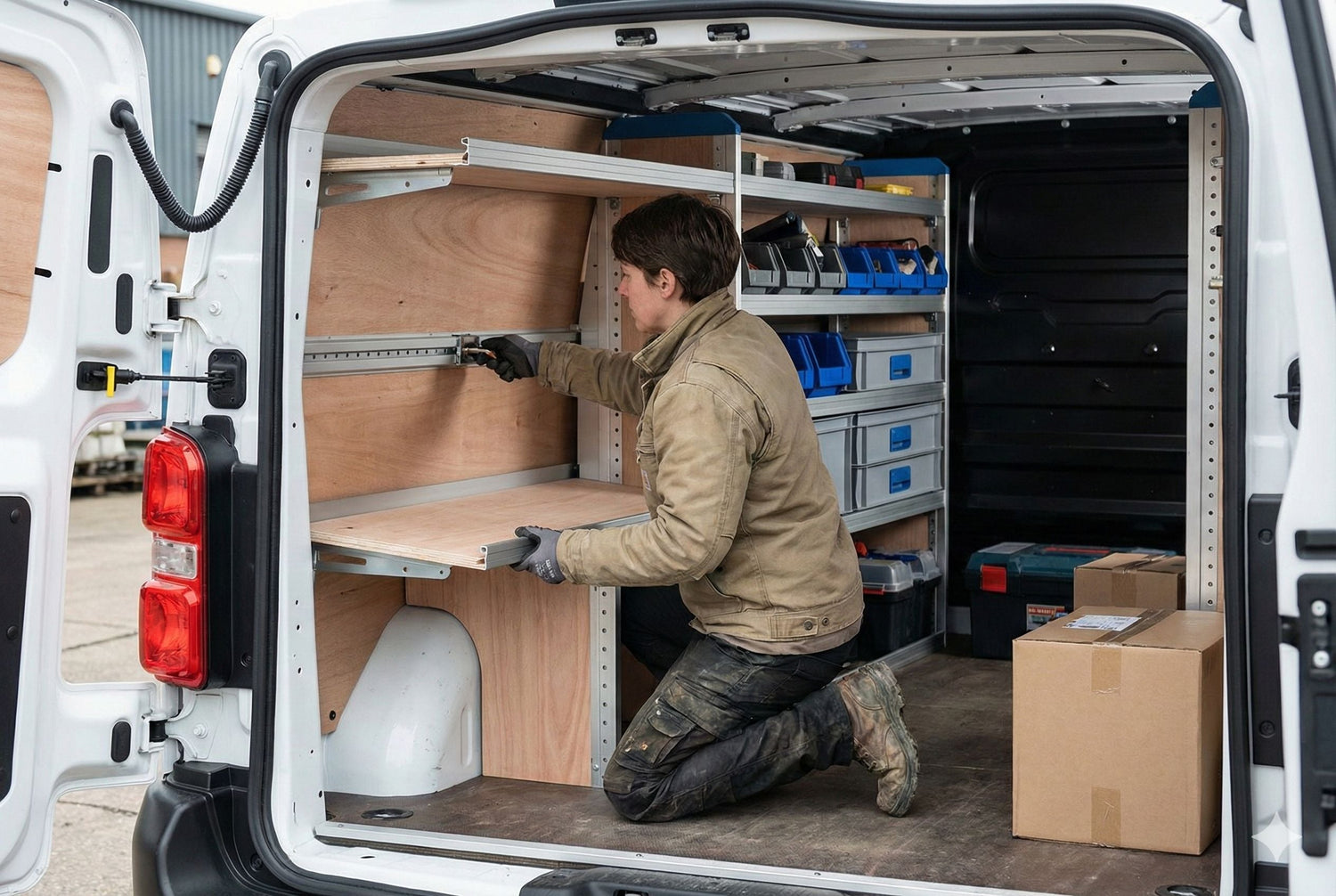
Shelving and racking are usually the first upgrade worth considering. They use the vertical space along the van sides, keep the floor clearer and turn a loose pile of cases and boxes into a workable system. For a fleet manager, the biggest benefit is consistency. When comparable vans are laid out in the same way, operatives know where to find common items even when they are using a different vehicle.
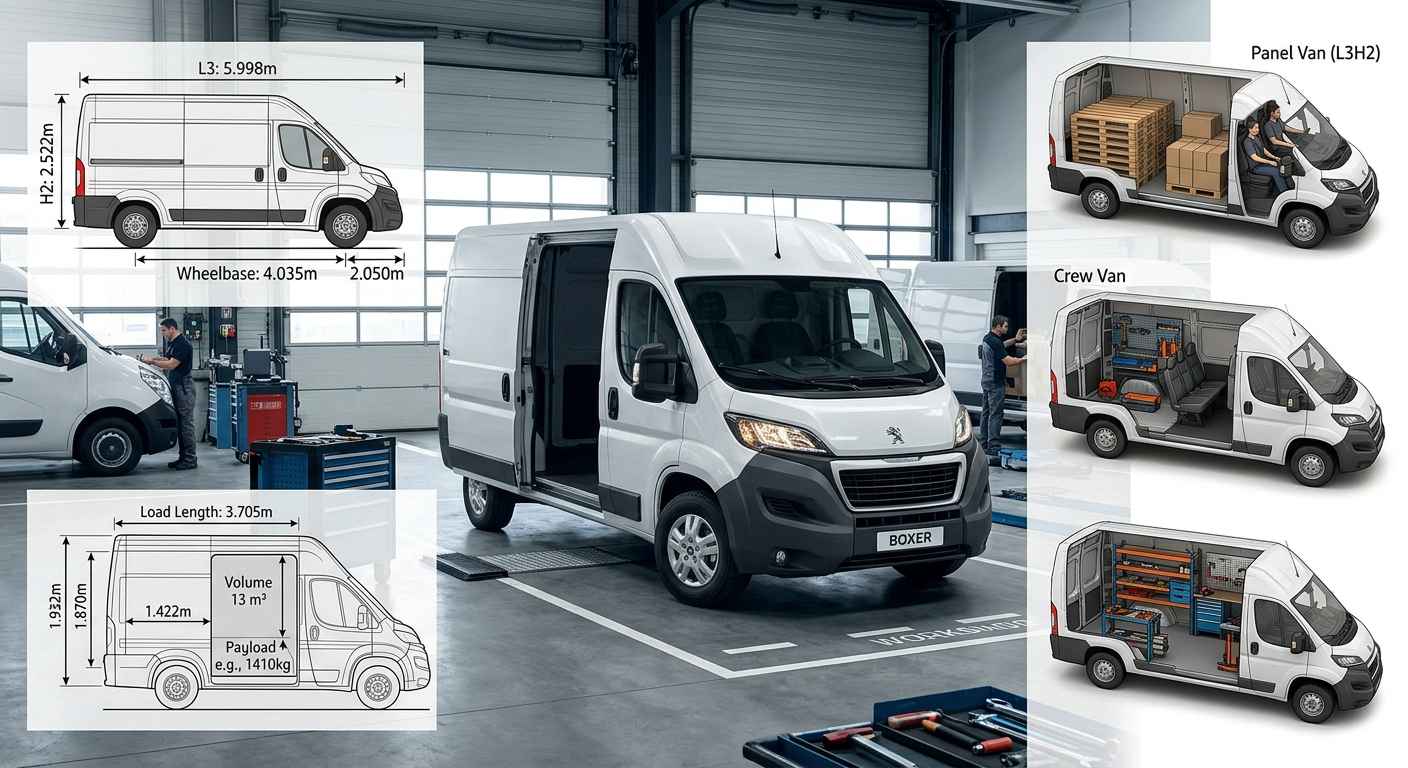
Vehicle-specific systems matter here. Load areas differ in wheel arch position, roof shape, door openings and usable length. A layout suited to a Ford Transit Custom will not necessarily be sensible for a Renault Trafic, Vauxhall Vivaro or Volkswagen Transporter. Check the exact make, model, wheelbase and year before choosing a system, rather than assuming a similar-sized van will use the same components.
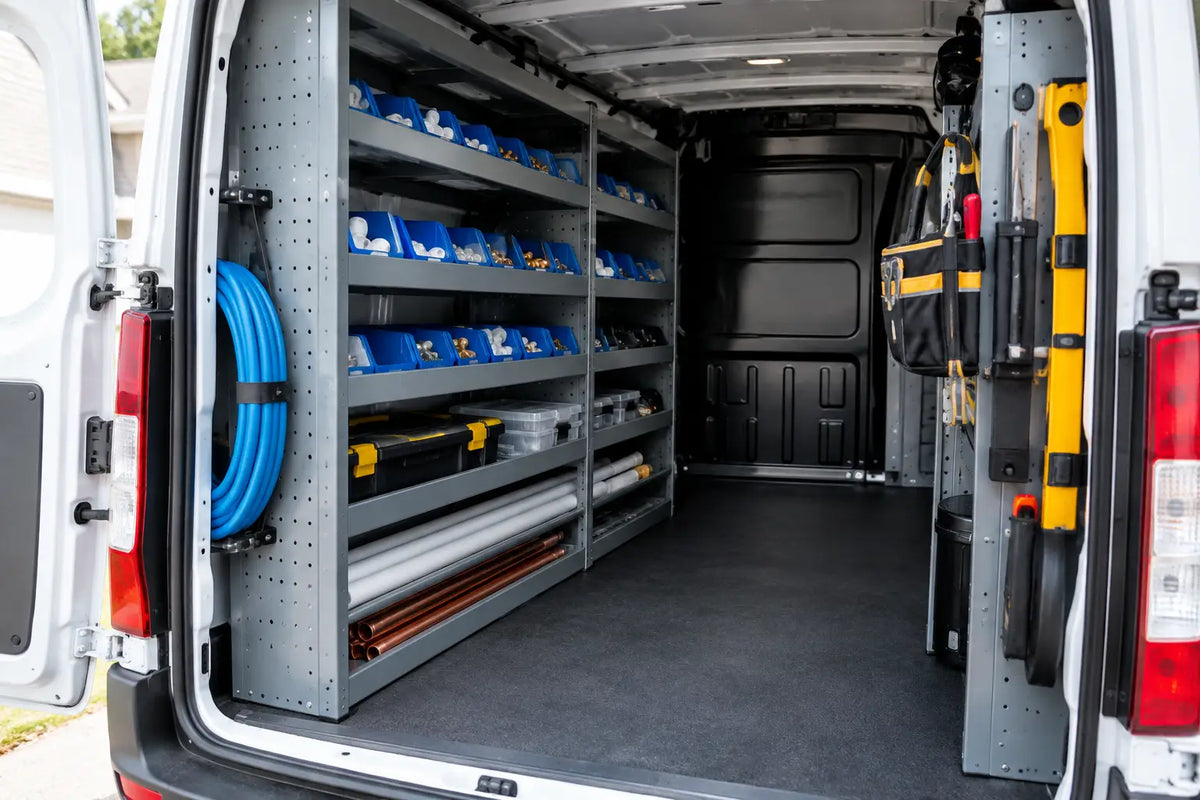
The best layout follows the job, not a generic picture. Electricians may need accessible trays for fittings, fixings and cable accessories, with cases stored low down. Plumbers often benefit from secure space for pipe fittings, boxed components and sealants. Maintenance teams may need a mix of open shelving for frequently used parts and deeper storage for diagnostic equipment or replacement stock.
Keep regularly used tools near the side or rear door where practical. Heavier cases should sit low to help keep loading manageable and prevent upper shelves becoming overloaded. Open shelves make stock visible, while retained shelves or dedicated holders can be better for items that move around during normal driving.
Add a false floor before the load area becomes cluttered
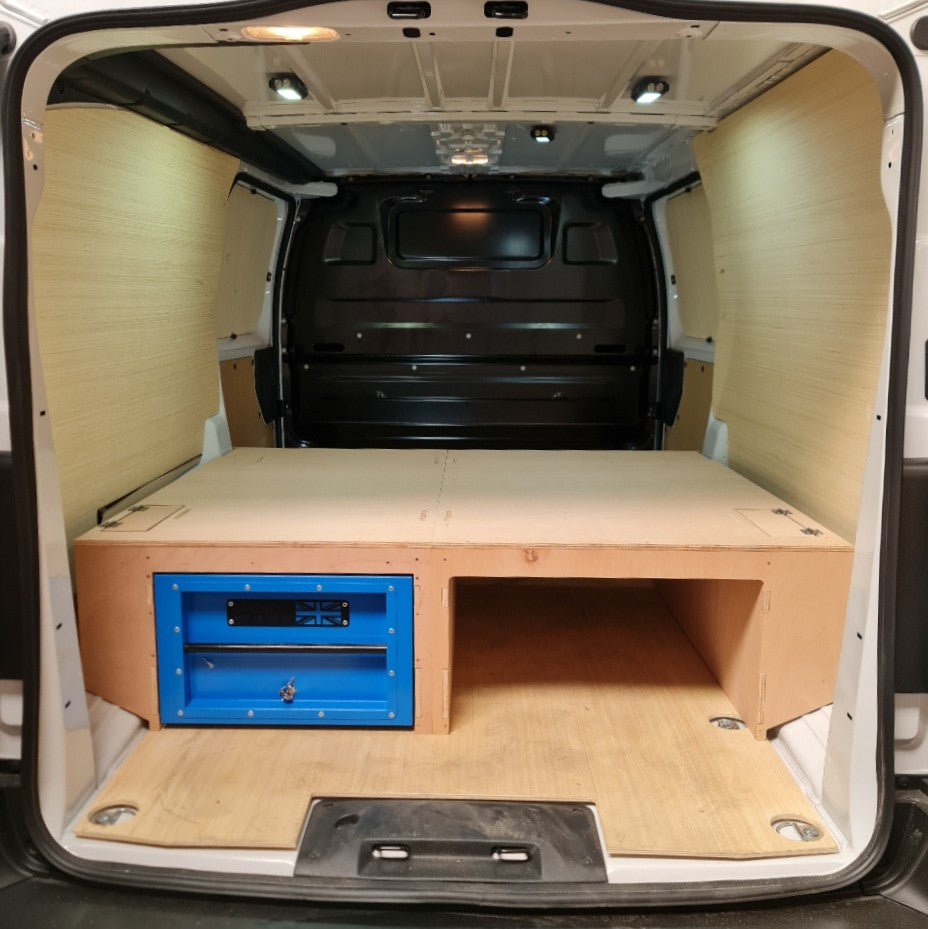
A false floor is one of the most useful fleet storage upgrades for vans carrying long, awkward or valuable equipment. It creates a separate lower compartment, allowing ladders, conduit, lengths of trim, copper pipe or other long items to be stored out of the main working area. That leaves the upper floor free for cases, stock and access to shelving.
This is especially useful where a van has to carry both installation materials and everyday tools. Without a defined space for long loads, they often end up resting on top of everything else, making it harder to reach equipment and easier to damage boxes or loose fittings.
There is a trade-off. A false floor takes up some internal height, so it needs to be chosen with the team’s typical load in mind. For a fleet transporting tall equipment or bulky stock every day, shelving alone may provide a better return. For teams regularly carrying long materials, however, a lower storage channel can make the whole van easier to work from.
Use storage accessories for the items that cause the most delays
Large racking sections make the biggest visual difference, but smaller accessories often solve the most frustrating daily problems. Sealant tubes, cartridges, aerosol cans, gloves, wipes and hand tools can quickly spread across shelves, footwells and door pockets if they do not have a designated place.
A practical accessory setup might include dedicated sealant holders, glove box organisers and wipe dispensers, alongside holders suited to the tools and consumables your team uses most. These additions cost far less than a full refit, yet they remove repeated searching and reduce the chance of consumables being crushed under larger equipment.
Avoid adding accessories simply because there is spare panel space. Ask operatives which items they reach for several times a day and which products are most often lost, damaged or left loose. Those answers point to the upgrades that will actually be used.
Make everyday consumables visible
Small fittings are easy to overstock because no one can see what is already in the van. Clear bins, labelled shelf positions and a simple replenishment routine make it easier to spot low stock before an operative reaches site. Labels do not need to be complicated. Clear names such as “25 mm screws”, “PVC fittings” or “first fix electrical” are more useful than a colour code only one person understands.
For fleets with several operatives, agree the same labels and positions across matching vehicle layouts. This supports handovers, reduces duplicate purchasing and makes regular vehicle checks quicker.
Protect tools and stock during the working day
Organisation is only useful if it holds up on the road. Tools left loose can shift, boxes can split and stock can become difficult to account for. Where possible, give each item a storage position that suits its size and weight, then make sure it can remain there during normal travel.
This does not mean every item needs to be hidden behind a door. Open shelving is efficient when operatives need to see and reach stock quickly. The key is choosing the right balance of open storage, retained storage and dedicated holders. Small parts may need trays or lipped shelves, while larger tool cases can sit securely in lower bays.
Fleet operators should also consider the loading routine. A well-designed racking system can still become untidy if stock is loaded in a rush at the end of each day. Give the team a simple rule: heavy equipment low, everyday items back in their marked place, and no loose materials left on the floor unless they are being unloaded at the next stop.
Standardise what should be standard
Not every vehicle in a fleet needs an identical setup. A drainage engineer, electrician and general maintenance operative will carry different equipment. Trying to force one layout across every role can create unused space in one van and overcrowding in another.
A better approach is to build a standard base specification, then add trade-specific sections. The base might include suitable side shelving, protected floor space and locations for common consumables. The role-specific element can then accommodate the stock, cases and specialist equipment required for that job.
This approach makes replacements easier too. If a van is off the road or a new operative joins, the team can move between similar vehicles without losing time learning an entirely different layout. It also gives managers a clearer view of what should be carried in each van and what has been added without a clear purpose.
Choose durable materials, but buy for the real workload
Fleet storage needs to handle daily use, dirty boots, wet materials and repeated loading. Durability matters, but the heaviest or most elaborate system is not automatically the right choice. A light-duty delivery vehicle carrying parcels has different needs from a contractor’s van carrying power tools, fittings and building materials.
Look at the actual weight and type of equipment, how often shelves are accessed and whether the vehicle is likely to be reassigned between trades. It is also worth considering the effect on payload. Every added component has a weight, so the full vehicle load must still be managed sensibly.
Good value comes from buying the parts that improve workflow, not filling every available panel. A straightforward, well-planned system that is used properly will beat an expensive arrangement with inaccessible shelves and unused compartments.
Plan upgrades around the next six months
Before ordering, inspect a few vans at the end of a normal working day. Take note of what is on the floor, what gets damaged, what operatives repeatedly search for and what stock is carried without a clear reason. This gives a more honest brief than planning from an empty load area.
Think about likely changes too. If a team is taking on more planned maintenance work, it may need additional space for common replacement parts. If larger tools are becoming standard issue, leave room for them now rather than redesigning the layout later. Vanshelves.co.uk offers vehicle-specific categories that can help narrow the search, but the final choice should always match the exact vehicle and the work carried out from it.
The most effective upgrade is often the one that removes a repeated annoyance. Start with the loose tools, damaged consumables or blocked load floor that slows the team down every day, then build a storage system that keeps the working van ready for the next call-out.