










A van that looks tidy at the start of the week can quickly become a loose pile of cases, fittings, sealants and offcuts. Good trade van storage England is not about making the load area look smart for its own sake. It is about finding what you need first time, protecting costly equipment and getting through more work without unnecessary trips back to the workshop.
For a plumber, electrician, fitter or maintenance engineer, the van is a working environment. Every shelf, floor and holder should earn its space. The right setup depends on the vehicle, the tools you carry and how your jobs run, but the principle is straightforward: keep regular-use items accessible, heavy equipment low down and consumables where they cannot roll around.
Start with the work you do every day
Before choosing van racking, take an honest look at what travels with you on a normal week. This is more useful than buying the largest shelving unit available. An electrician may need separate space for power tools, cable, fixings and testing equipment. A plumbing and heating engineer may need room for pipe fittings, sealants, tool cases and longer materials. A property maintenance van may need a more flexible layout that can handle a different set of jobs every day.
Lay out the main categories on the floor of an empty van if possible. You will soon see which items need to be at the side door, which can live at the rear, and which only come out occasionally. This simple exercise also highlights duplicate stock, damaged cases and materials that are being carried without a clear reason.
The aim is not to fill every available gap. A cramped van is difficult to use and harder to keep in order. Leave practical space for larger job-specific materials, returns and waste that needs to come back with you.
Choose trade van storage in England by vehicle fitment
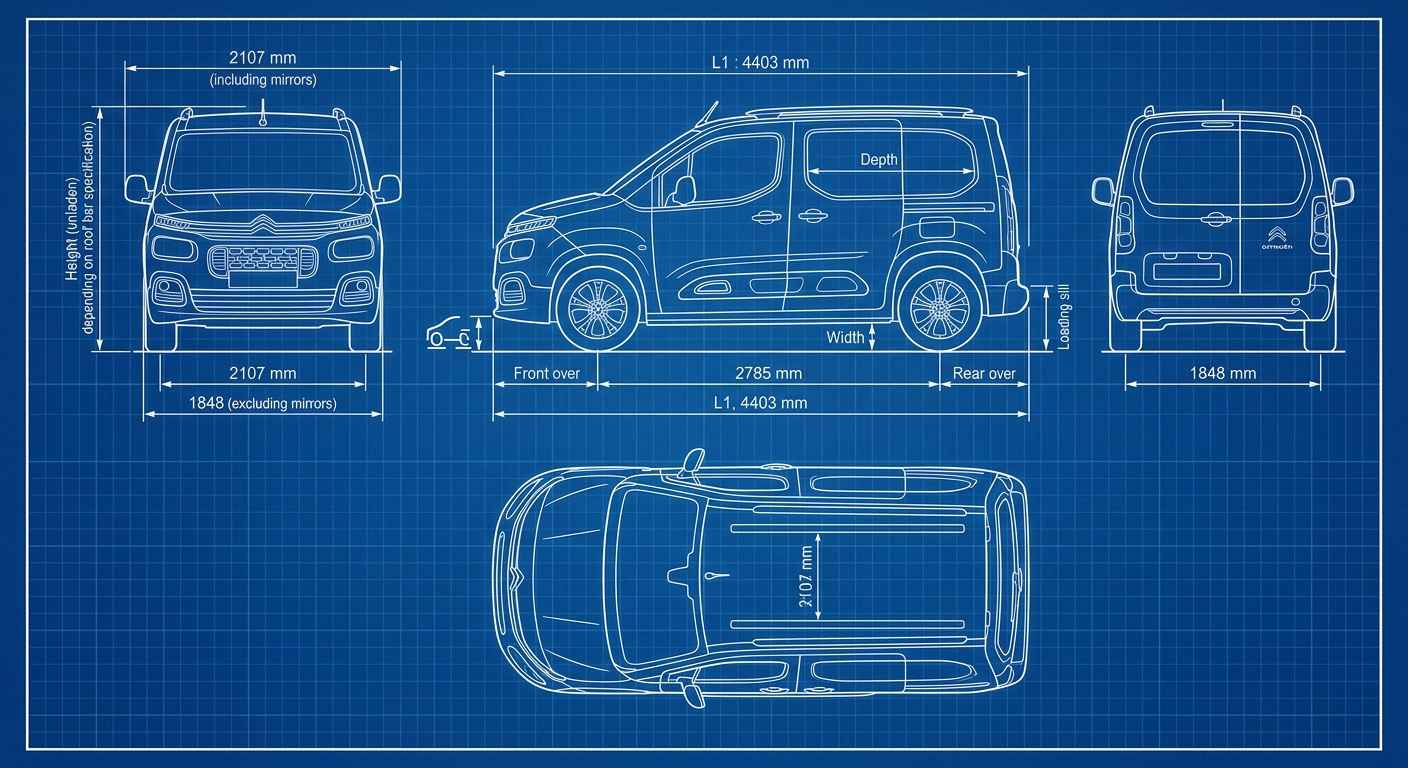
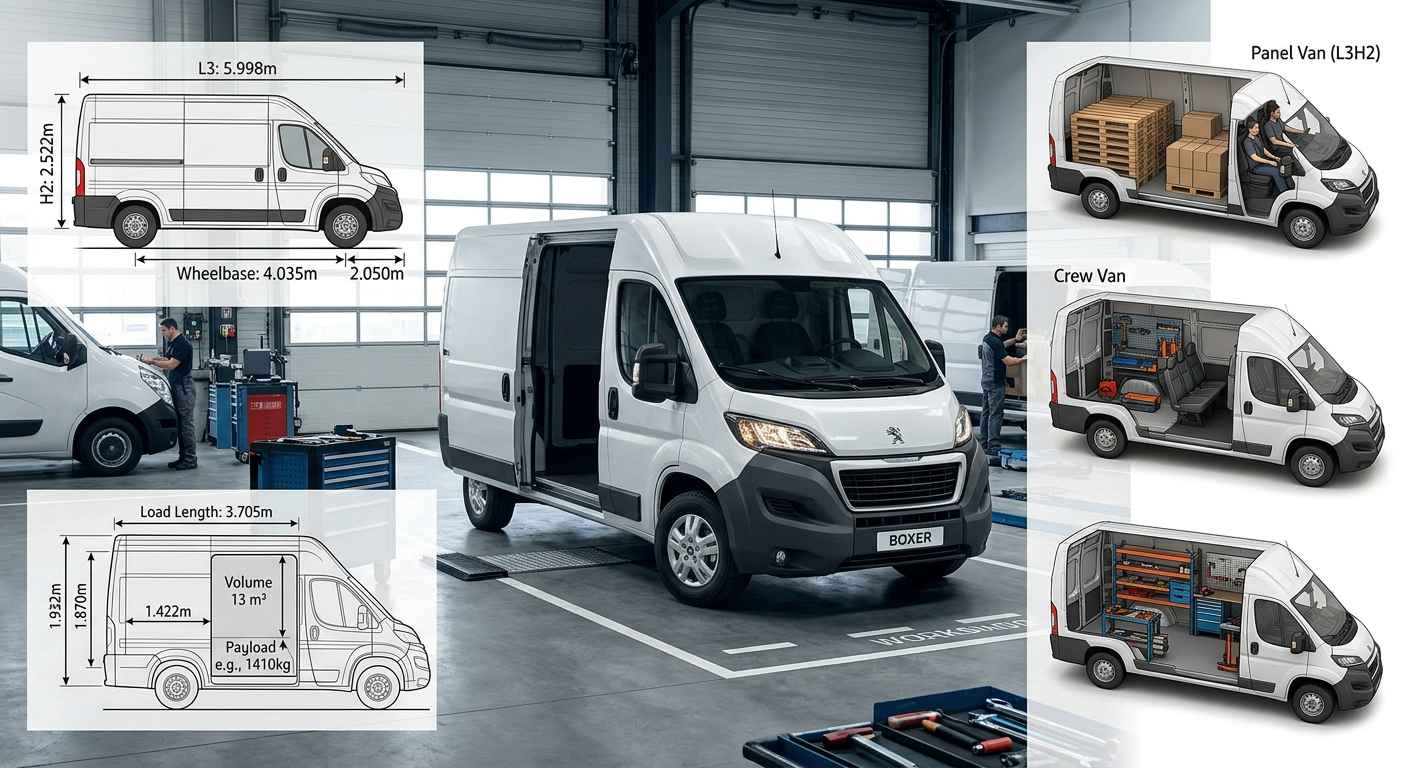
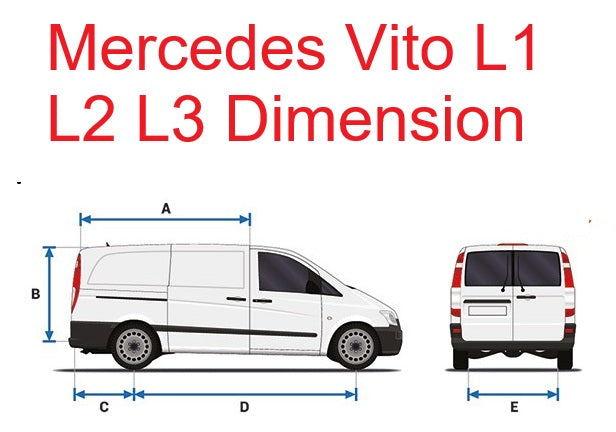
Van dimensions vary more than they first appear. Wheel arch positions, roof height, door openings and load length all affect what will work. A shelving layout suited to a Ford Transit Custom will not automatically suit a Volkswagen Transporter, Mercedes Vito or Vauxhall Vivaro. Even within one model range, the wheelbase and body style matter.
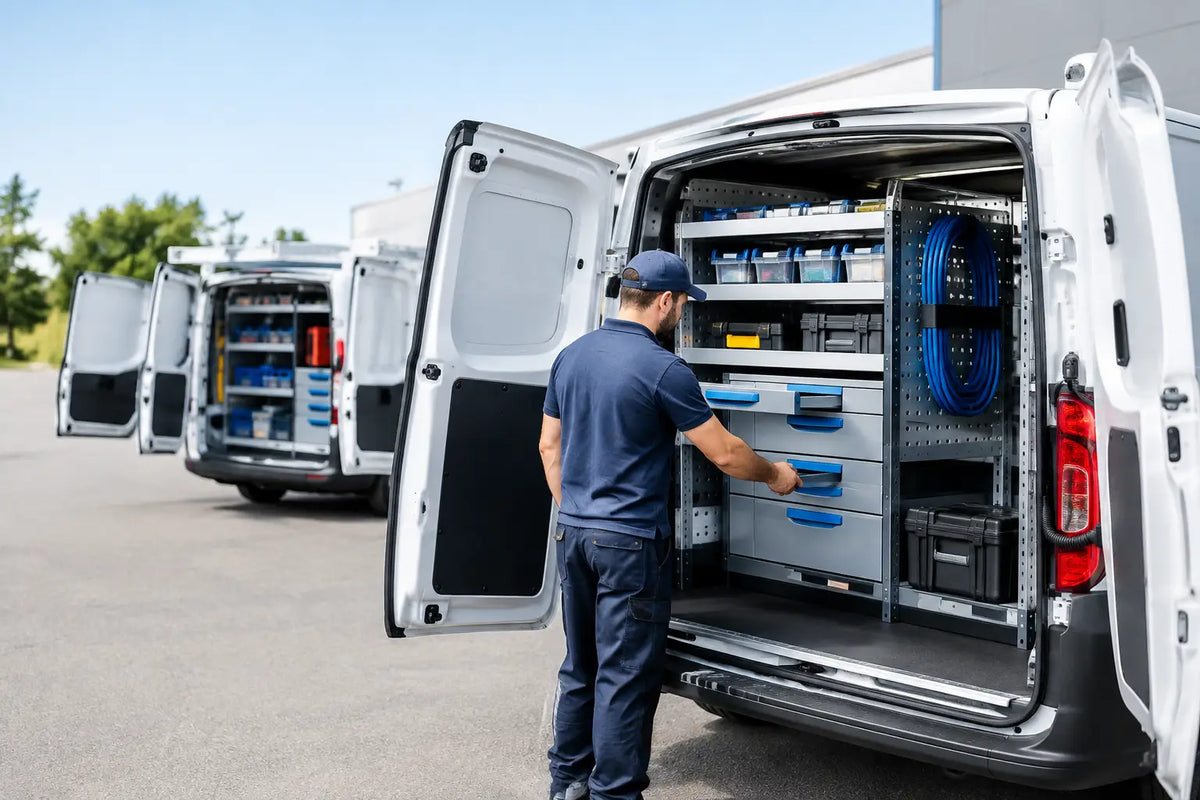
Vehicle-specific storage makes planning easier because the layout is designed around the available load space. It also gives a cleaner result than trying to make unrelated units fit around wheel arches or doors. Check the exact make, model, wheelbase and year before ordering. If you are unsure, measure the key areas in your van and compare them carefully with the product information.
This matters especially for fleet operators. Standardising the storage arrangement across similar vehicles makes it easier for staff to find stock, hand over vans and spot when essential kit has not been returned. It can also make replenishing common consumables far less hit-and-miss.
Shelving for tools, parts and daily stock
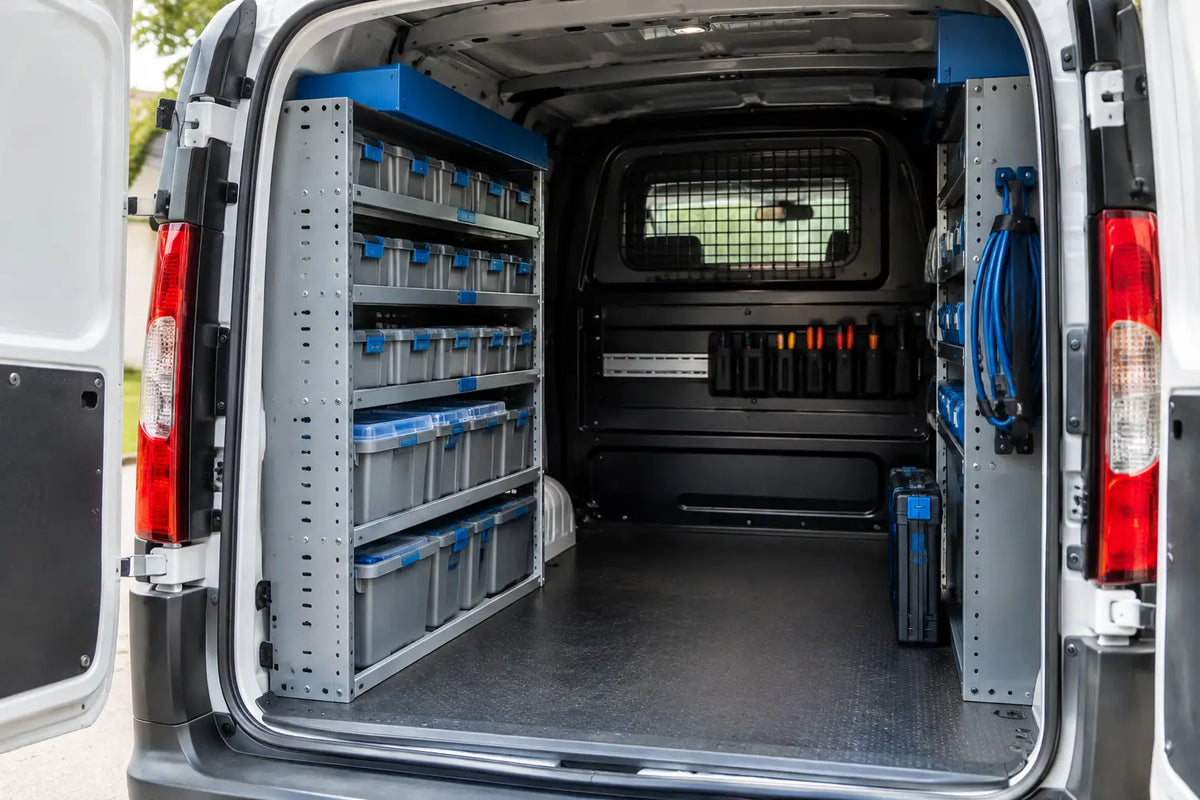
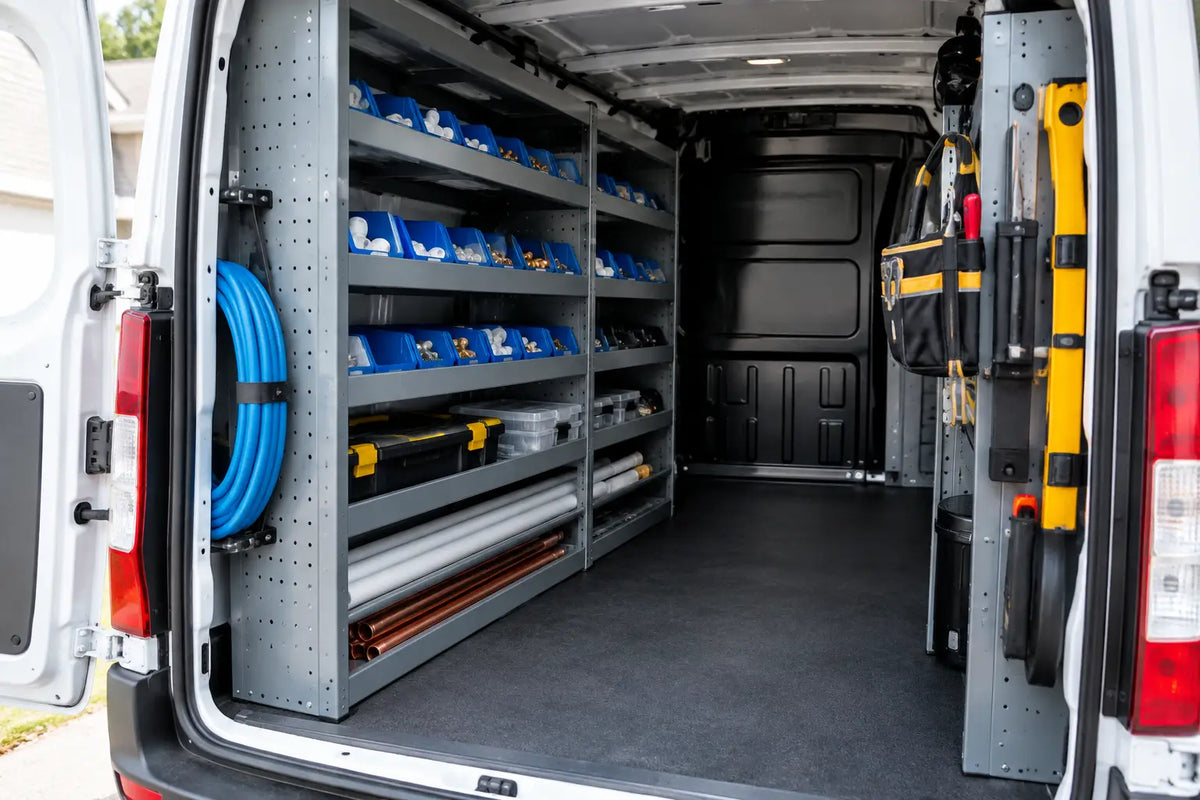
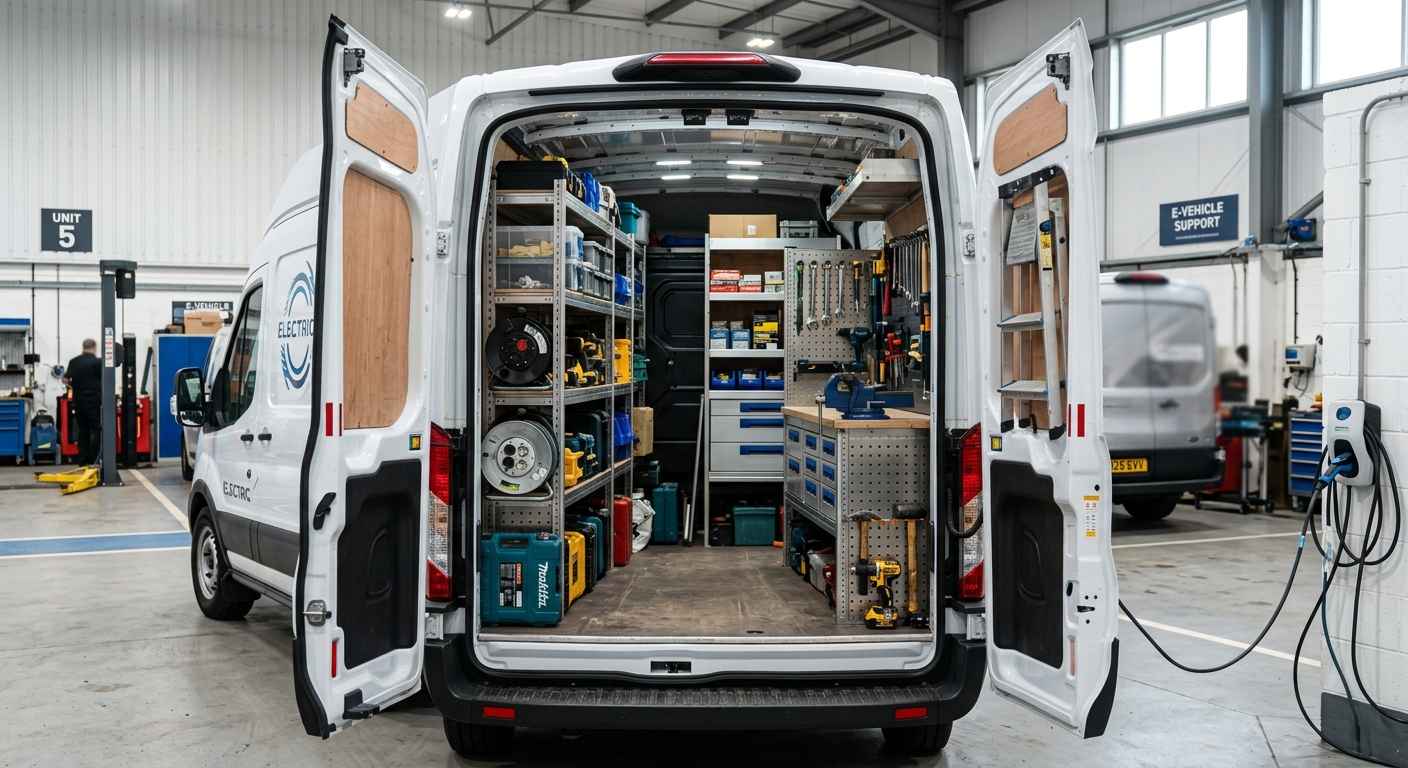
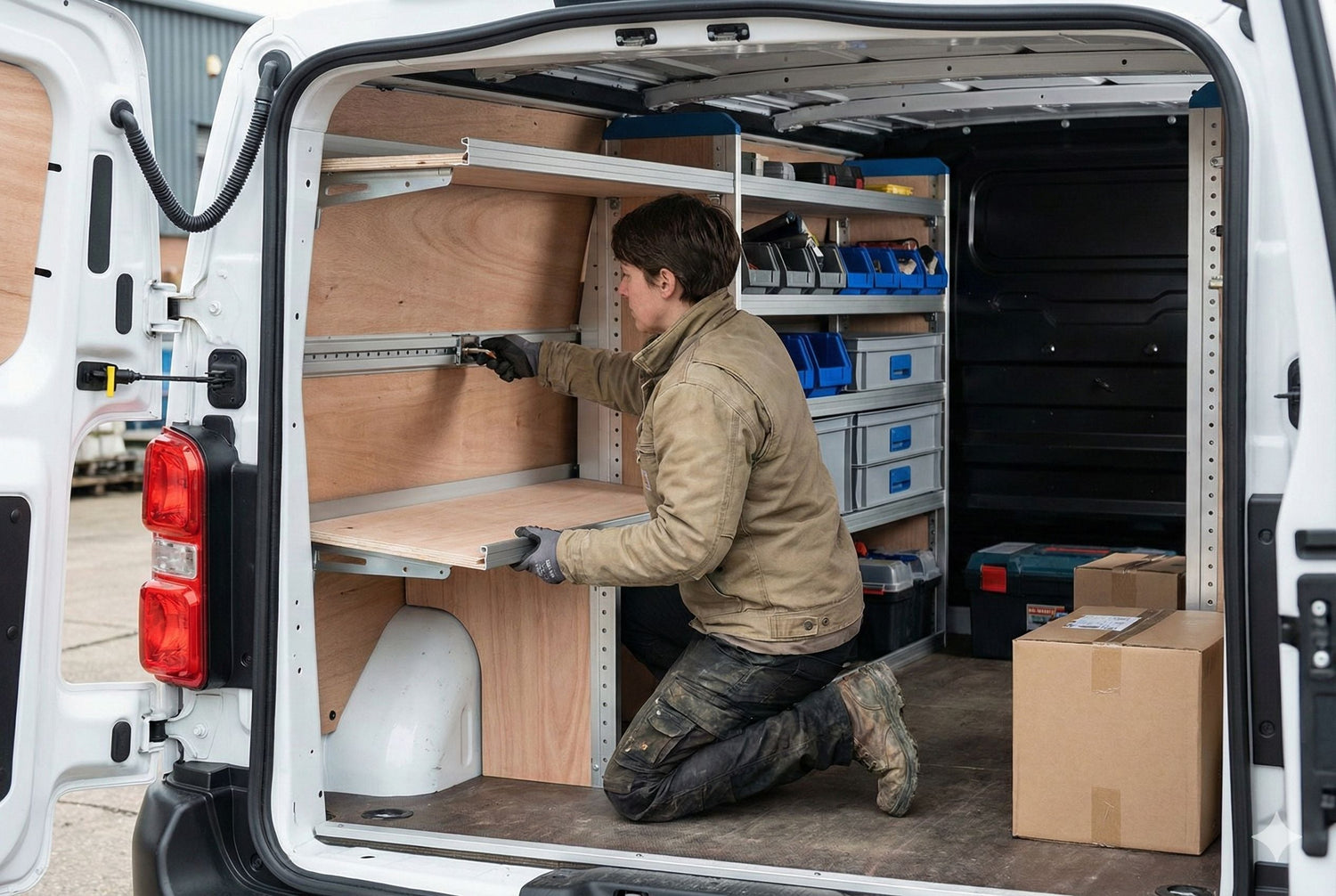
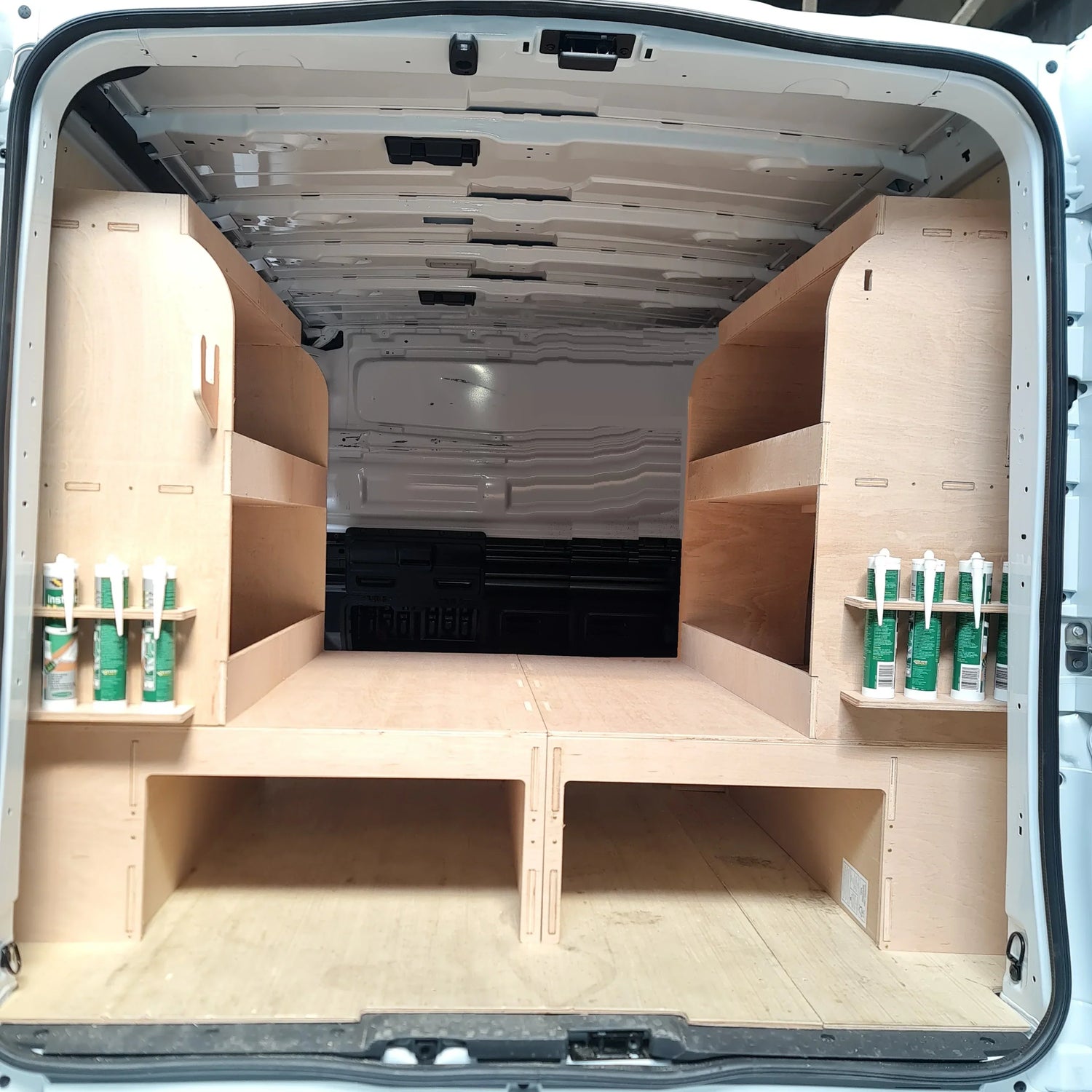
Van shelving is often the backbone of a practical setup. Open shelves make commonly used fittings and cases easy to see, while shelf dividers and storage boxes help stop smaller parts becoming mixed together. The best position is usually along one side, or both sides where the load area and workload justify it.
Think about reach as well as capacity. Heavy tool cases and dense boxes of fittings are generally better kept on lower shelves. Lighter items, spare stock and less frequently used materials can go higher. This makes the load area safer and avoids repeatedly lifting heavy equipment above waist height.
Open shelving is quick to use, but it needs discipline. If your work takes you over rough roads or you carry loose stock, use suitable bins, dividers and retention where needed. The right answer depends on what is on the shelf. A drill case behaves very differently to a box of screws or a tube of adhesive.
False floors for a cleaner working base
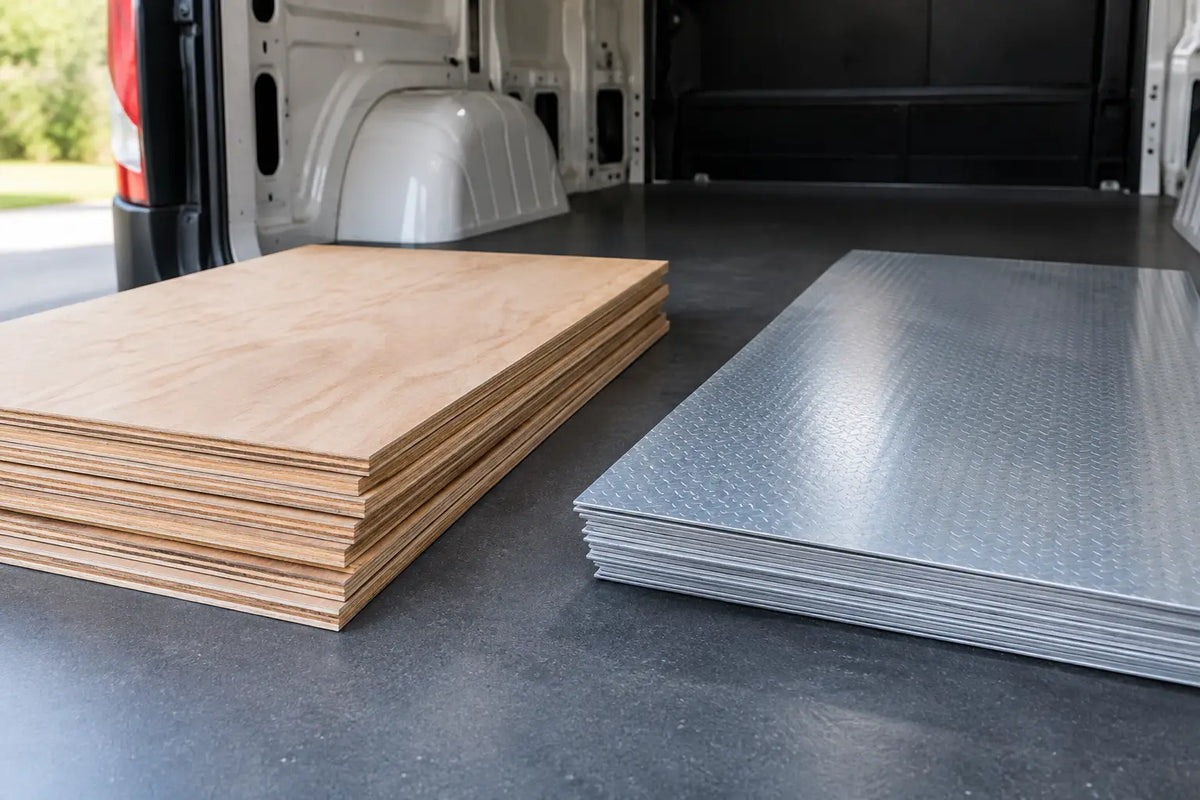
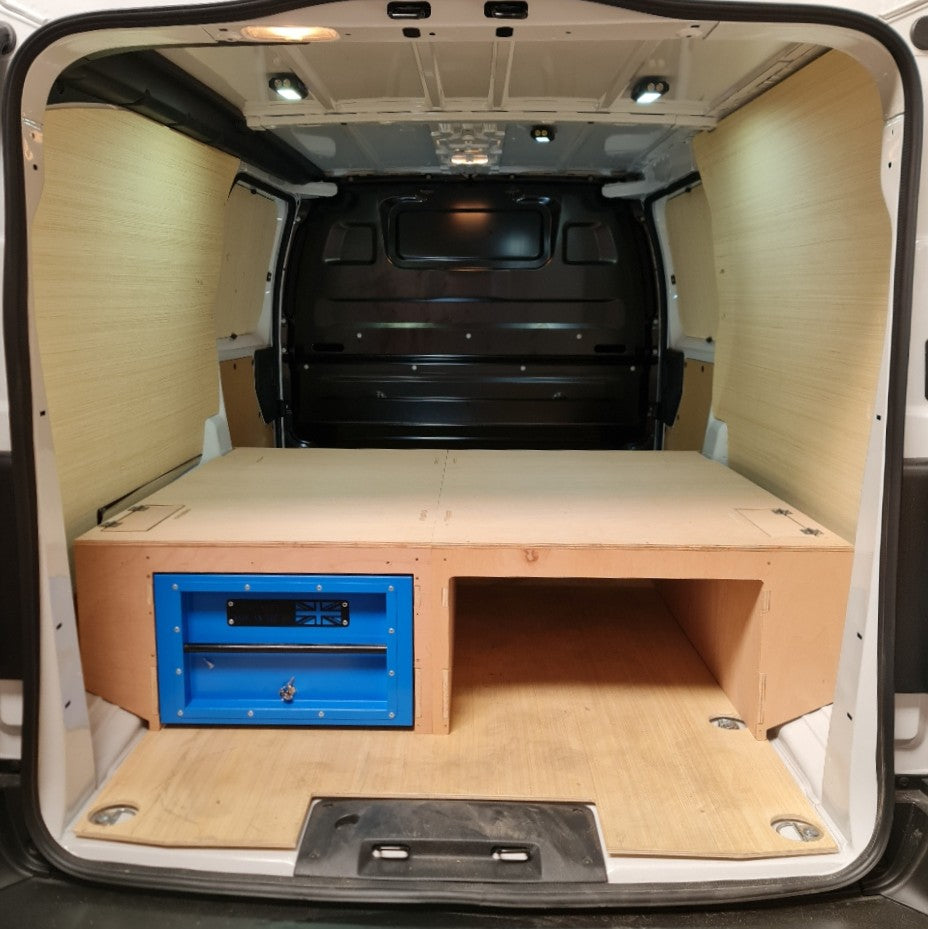
A false floor can make a significant difference to the way a van works. It provides a strong, level base for racking, helps protect the original load floor and creates the option to store longer or flatter items underneath, depending on the system and vehicle.
This is useful for items that are awkward to place on shelving, such as lengths of trim, rods, sheets or job paperwork stored in flat cases. It also keeps the main load area clearer, which is valuable when you need to carry bulky equipment on particular jobs.
There is a trade-off. Any raised floor changes the usable internal height slightly, so it is worth considering if you regularly transport tall equipment. Check how the floor works with your intended shelving layout and with access through the rear and side doors before making a decision.
Small accessories solve daily frustrations
The details often make the biggest difference on site. A sealant holder keeps tubes together instead of rolling beneath tool cases. A wipe dispenser puts cleaning materials within reach when hands, fittings or surfaces need attention. A glove box organiser can turn a wasted cab space into a sensible home for paperwork, gloves and small essentials.
These accessories are not replacements for shelving or a floor system. They work best when added after the main layout is in place, filling the small gaps that cause regular irritation. Look for the points in your day where you repeatedly search, bend down or move other items out of the way. Those are the areas worth improving first.
A good example is the side door. For many trades, it is the fastest route to the tools needed for short calls. Keeping a compact selection of everyday consumables and hand tools near that door can save time without forcing you to climb into the load area for every small task.
Build around workflow, not just capacity
More storage is not always better storage. A van packed with shelves but no clear working sequence can slow you down. Set up the space in the order you use it: daily essentials nearest the access point, job-specific cases behind them, and reserve stock or occasional equipment further back.
For example, an installer might keep fixings, sealants, a drill and hand tools close to the side door, with larger cases and ladders loaded around the rear. A heating engineer may prioritise fittings and diagnostic equipment, while leaving a clear central route for a boiler component or larger replacement part.
Also consider how the van is loaded at the end of a job. A system that is easy to take from is only half the job. If returns, unused materials and dirty equipment have no obvious place, order will disappear by Wednesday. Keeping one defined area for returns and one for rubbish or recycling makes the end-of-day clear-out faster.
Protect the van, the load and your working time
Racking and shelving should be fitted and used in line with the supplied instructions. Avoid overloading shelves, and distribute weight sensibly across the vehicle rather than concentrating heavy stock high up or on one side. Your vehicle's payload still applies once storage systems, tools, materials and passengers are included.
Regular checks are worthwhile. Look for loose fixings, damaged bins, cracked cases and shelves that are starting to collect unsuitable weight. Five minutes spent sorting the load area each week can prevent a missing fitting, a damaged tool or an avoidable delay at the next call-out.
For businesses that use more than one van, give each storage location a clear purpose. Staff do not need a complicated rulebook, but they do need a layout that is obvious enough to maintain. A labelled bin for standard fittings is more likely to stay useful than a shelf everyone treats as spare space.
A practical route to a better-equipped van
Start with the vehicle and the work, then choose the main storage system before adding accessories. At Vanshelves, model-specific shelving, false floors and workshop-style organisers are intended to help tradespeople build that layout without turning the buying process into guesswork.
Do not wait for a full refit if one part of the van is already costing time. Sort the tools that are always buried, the consumables that spill and the materials that take up the floor. A well-planned improvement in one area can make the next job run more smoothly before the day has properly begun.