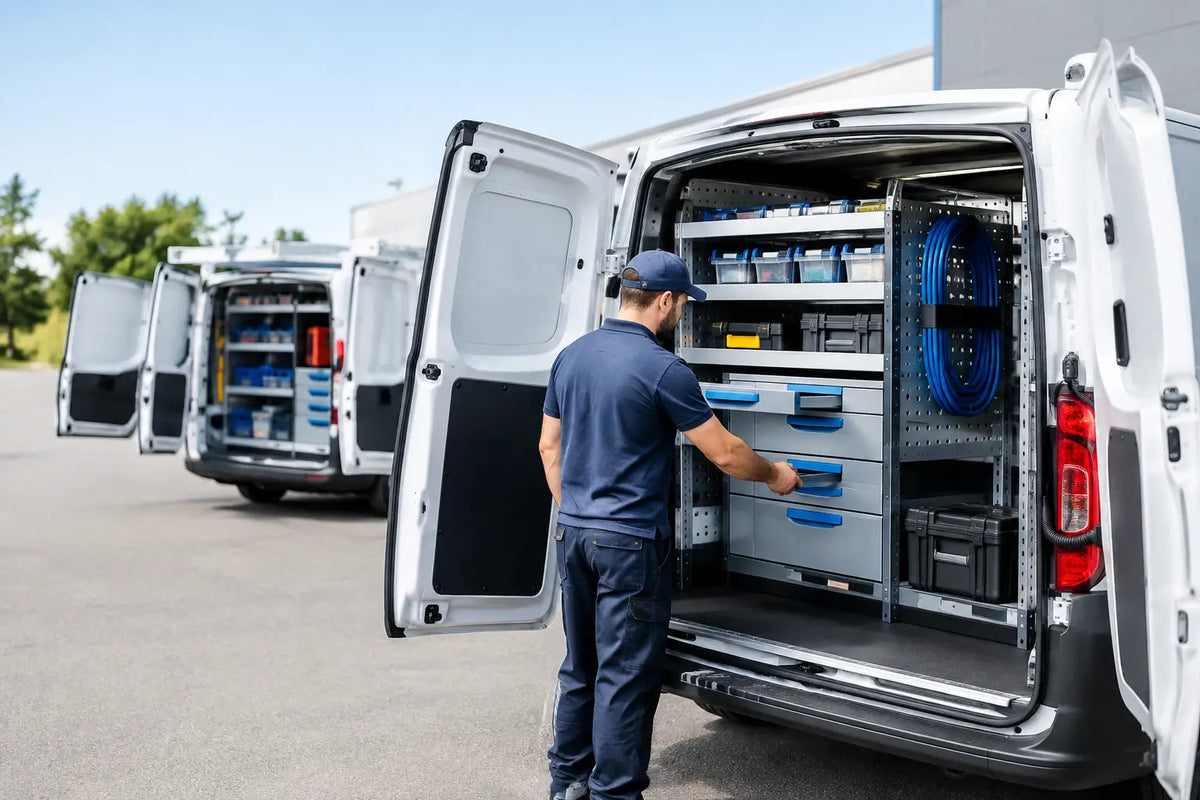











A Vauxhall Vivaro can carry a serious amount of kit, but loose tools, rolling fittings and buried consumables soon turn useful load space into wasted time. The right Vauxhall Vivaro accessories make the van easier to load, quicker to work from and more presentable when you arrive at a customer’s property. The aim is not to fill every panel with storage. It is to give every item that matters a sensible, secure place.
For plumbers, electricians, maintenance engineers, fitters and small trade teams, the best setup starts with the jobs you do most often. A van used for call-outs needs fast access to everyday tools and consumables. A van carrying materials between larger jobs may need more clear floor space. Getting that balance right matters more than buying accessories simply because they look useful.
Start with the working layout, not the accessory list
Before choosing shelving, racks or holders, look at how you use the load area over a normal week. Think about what comes out of the van first, what is used repeatedly during a job and what only needs to be carried occasionally. This gives you a practical order of priority.
Frequently used items should be reachable from the side or rear doors without climbing over other equipment. Heavier equipment needs a low, stable position. Small consumables need containment, otherwise they disappear into tool bags, crates and corners. Longer items need a clear route through the van so they are not resting across shelves or blocking access.
It is also worth leaving some capacity for the jobs you have not booked yet. A fully fitted van can look organised but become awkward when you need to collect pipe, cable, sheet material or replacement parts. A good layout keeps daily tools controlled while preserving usable floor space.
Vauxhall Vivaro accessories that earn their space
The most valuable accessories are usually the ones that reduce repeated handling. If you reach for it several times a day, it should not live in a box at the back of the van.
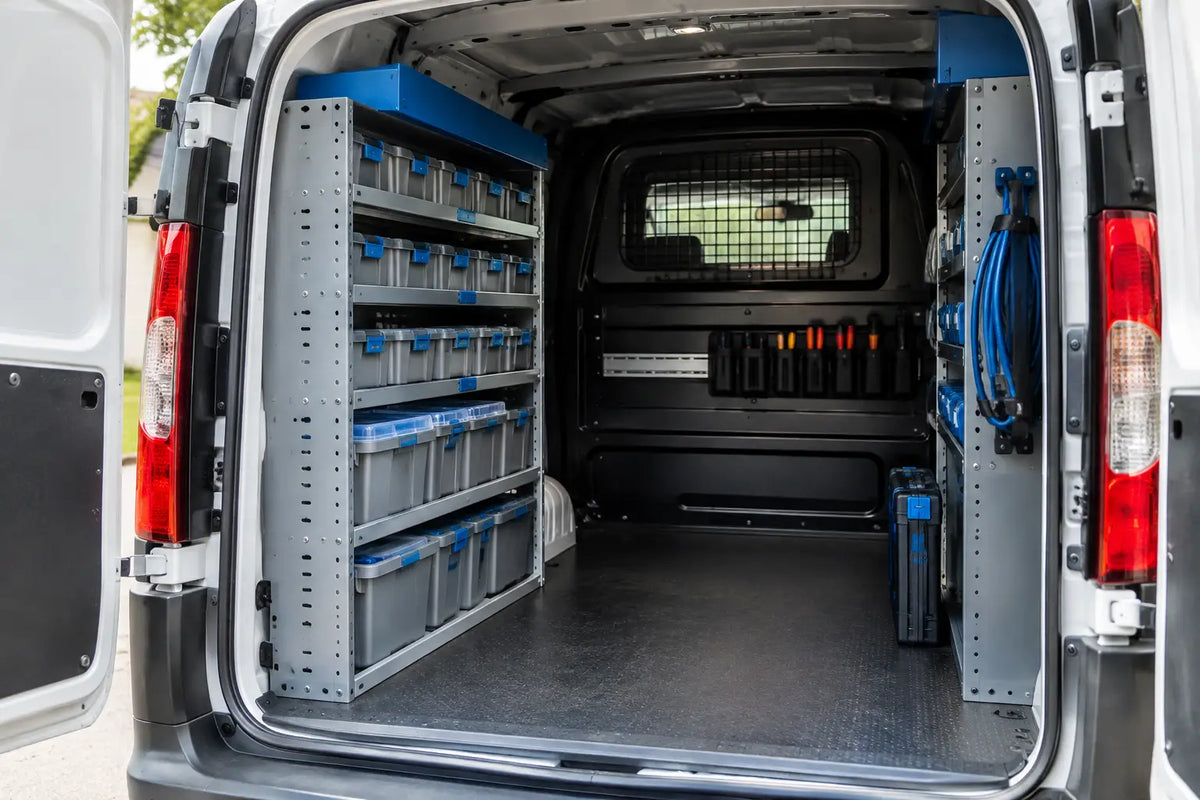
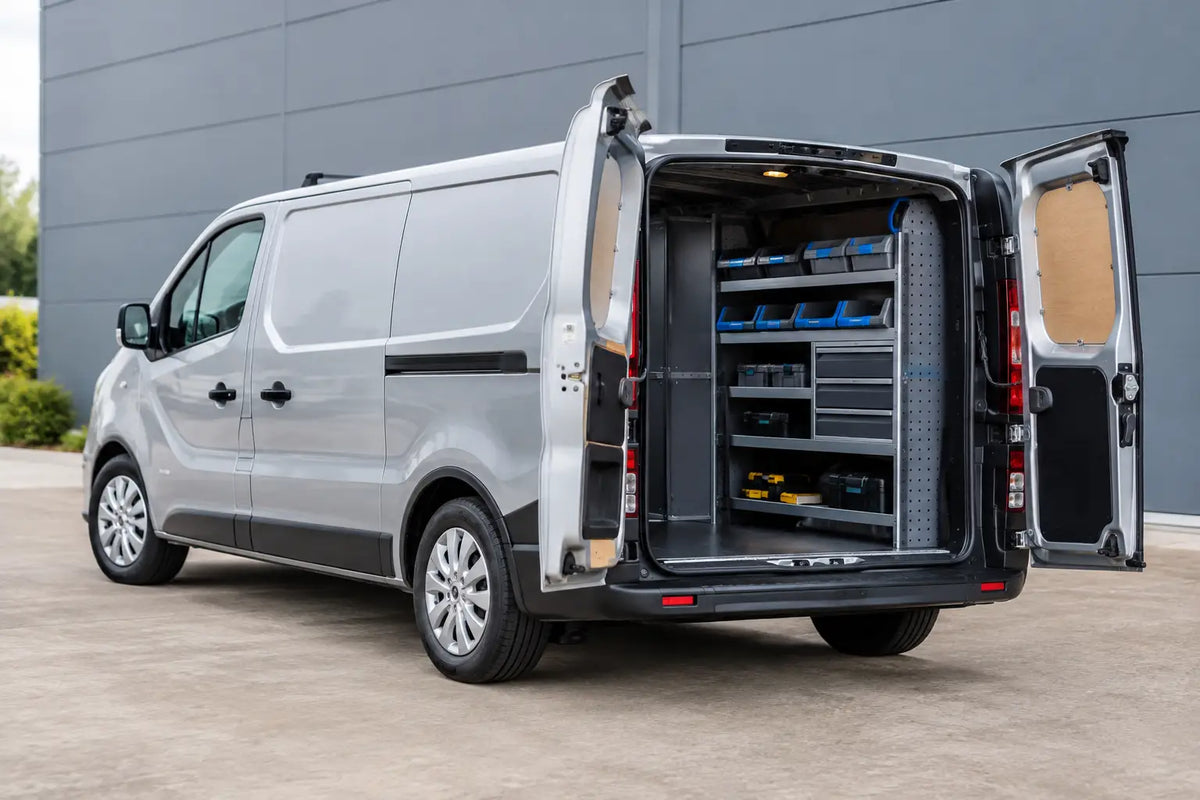
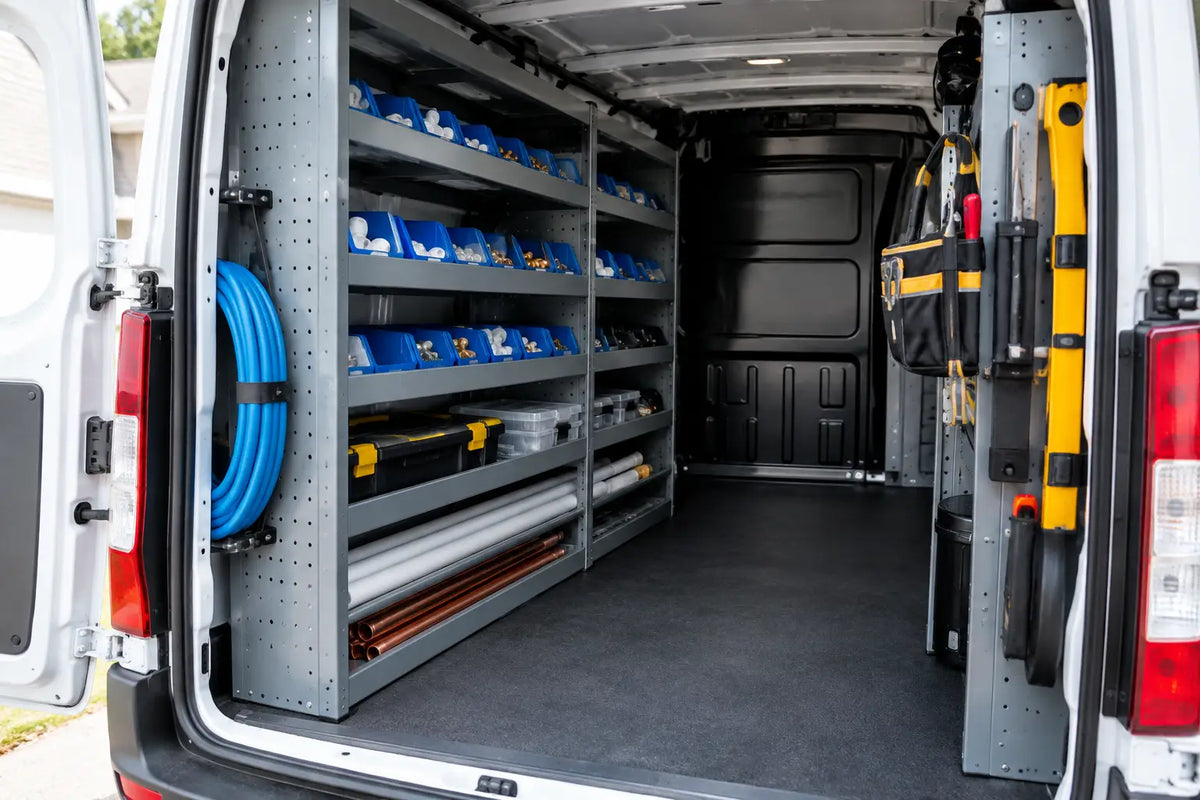
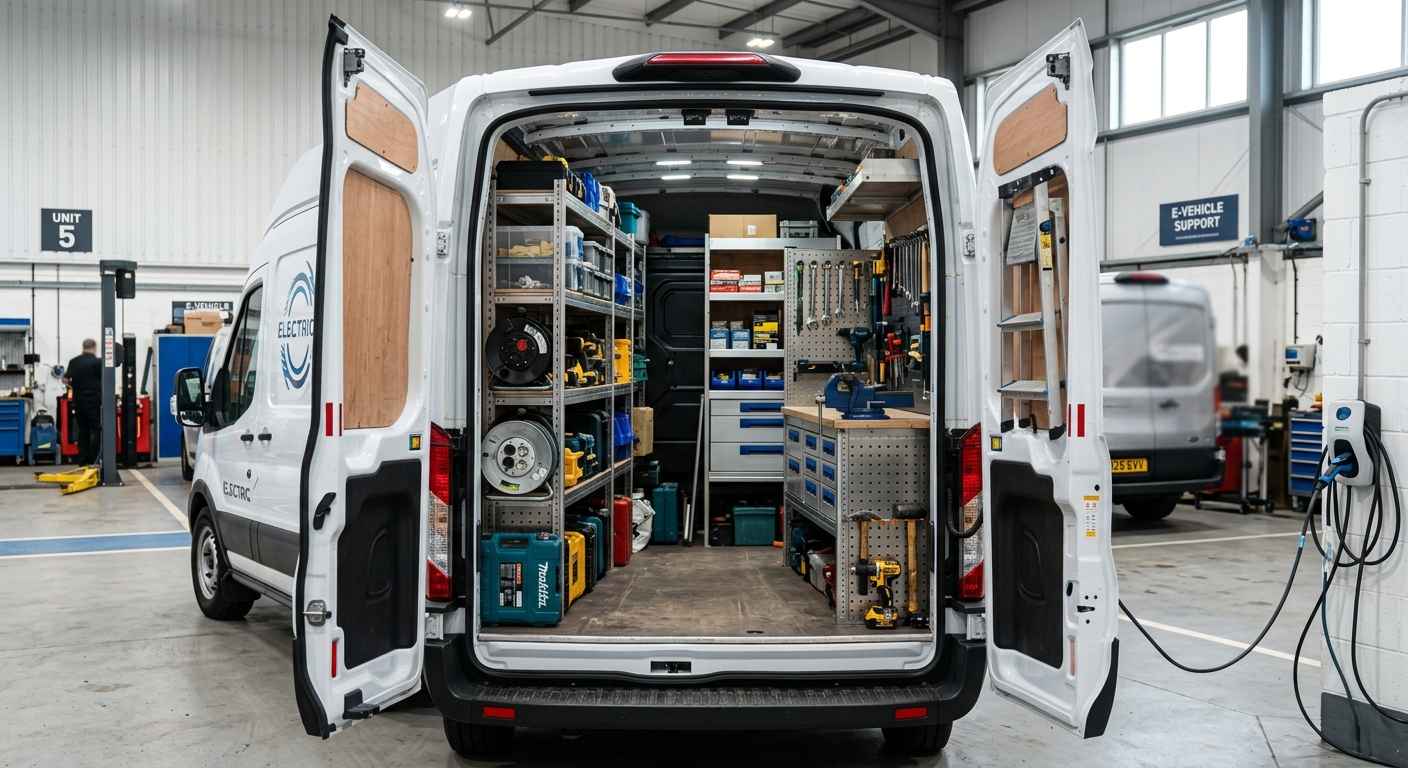
Van shelving and racking
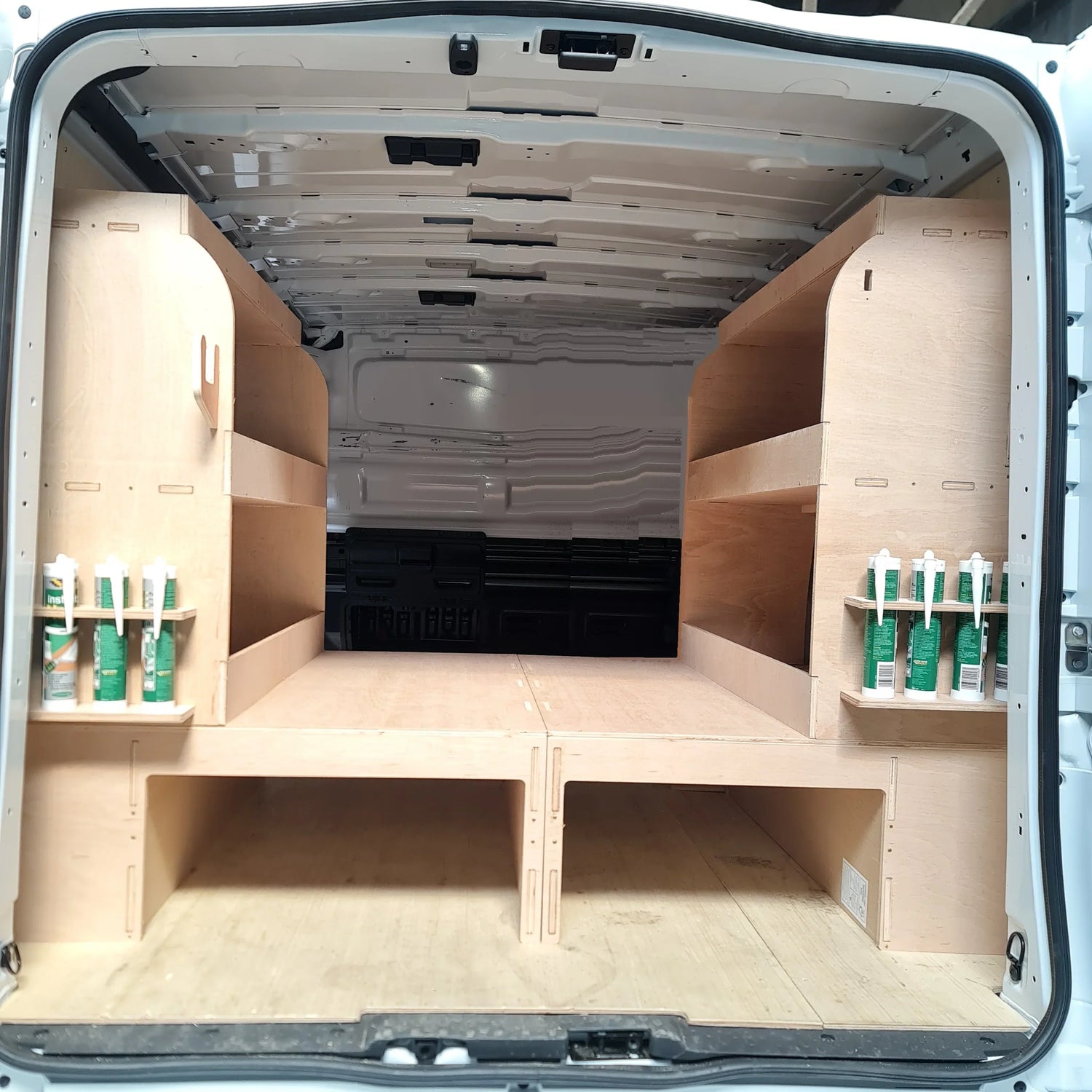
Shelving is the foundation for most trade van layouts. It turns vertical space into accessible storage for cases, fittings, boxes, fixings and hand tools. Open shelves make stock easy to see at a glance, which helps prevent unnecessary repeat purchases and wasted trips to the merchant.
The right shelving arrangement depends on your trade. Electricians may favour compartments for cable accessories, trunking fittings and testers. Plumbers often need space for boxed parts, sealants, pipe fittings and tool cases. Maintenance engineers may need a mix of shelves and open bays for replacement components.
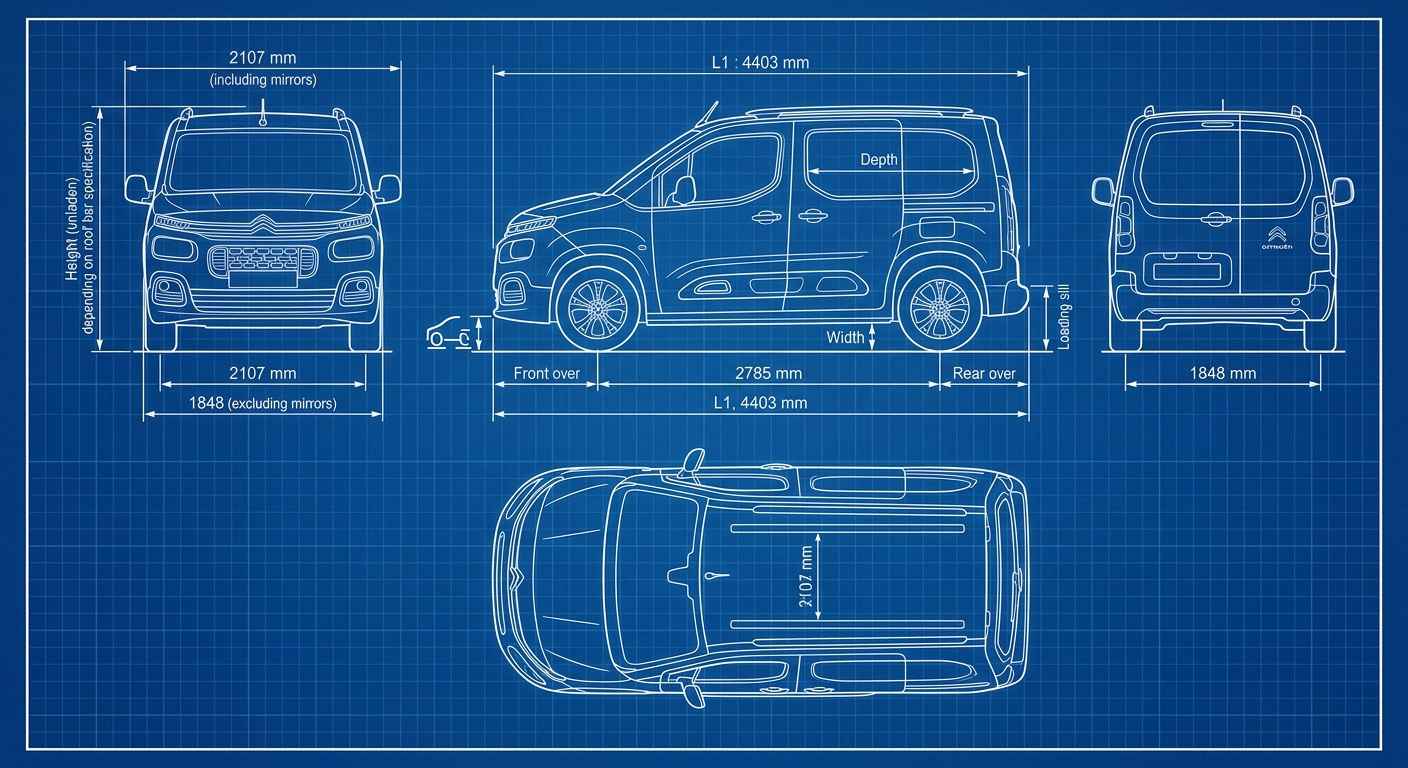
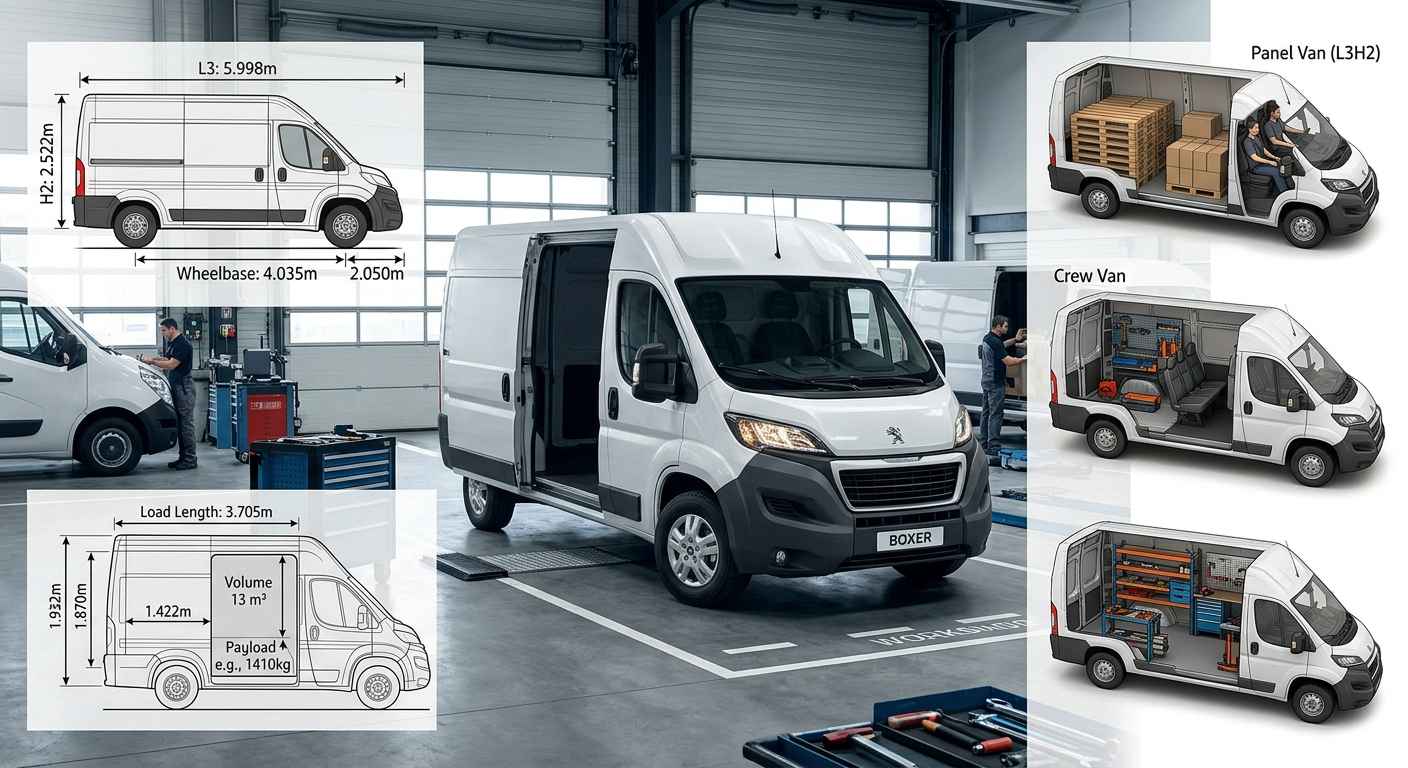
Do not assume one layout suits every Vivaro. Check the specific van generation, body length, door configuration and whether yours is a panel van, crew van or double cab before selecting vehicle-specific racking. The available load area can vary, and a system that is practical in one version may compromise access in another.
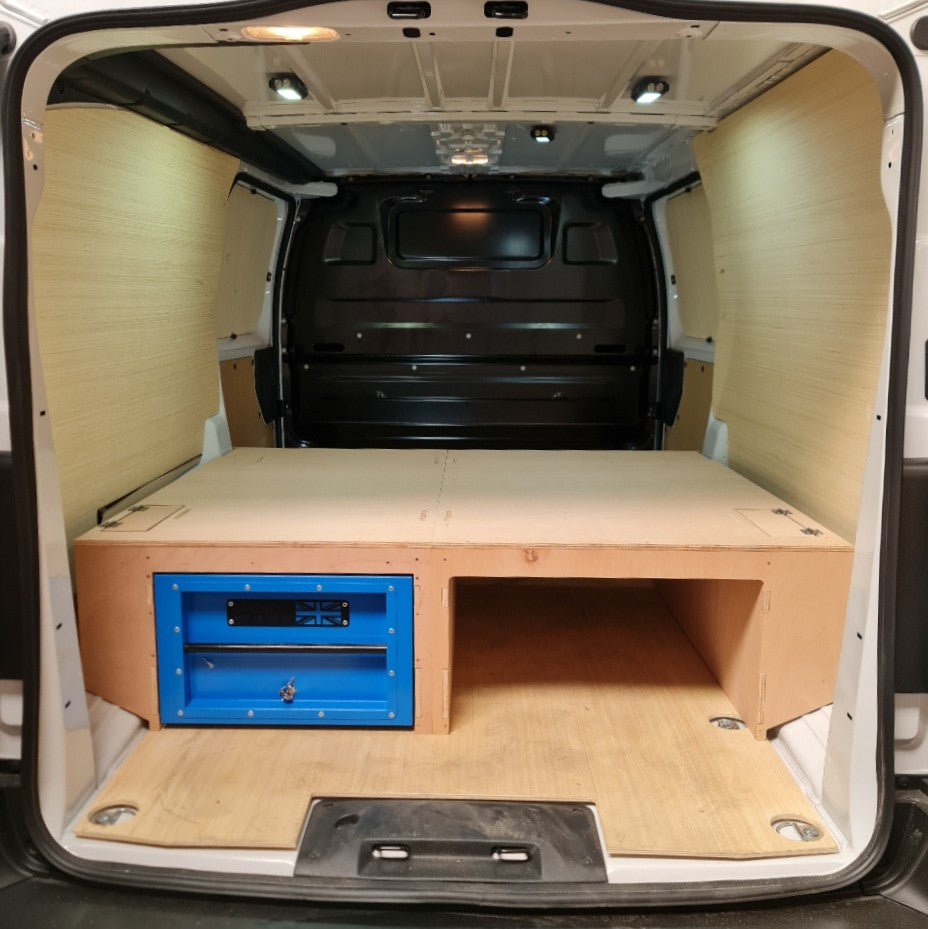
False floors for a clean, level base
A false floor creates a more durable and organised starting point for the load area. It provides a level base for storing cases, loading equipment and fitting further storage. It can also help protect the original floor from everyday knocks, dirt and damp equipment.
This is particularly useful where the van carries heavy toolboxes, machines or regularly loaded materials. However, a raised floor reduces interior height slightly, so it is worth considering if you routinely carry tall items. For some users, a simple protected floor and well-positioned racking is the better use of space.
Tool storage that stops the daily scramble
Tool cases are useful only when they can be found and removed easily. Assigning a shelf or lower bay to frequently used power tools keeps them from being stacked underneath stock. Larger equipment should sit low to help keep the load stable and reduce lifting effort.
Where cases are carried loose, make sure they cannot slide around during transit. A tidy van is not just about appearance. Keeping equipment controlled helps prevent damage, reduces rattles and makes it easier to spot when something has not been returned at the end of the job.
Holders for sealants, wipes and everyday consumables
Small accessories can have an outsized effect on workflow. A dedicated sealant holder keeps tubes upright, visible and away from the floor. Wipe dispensers make it easier to keep hands, tools and work surfaces clean without opening a drawer or searching through bags. Glove box organisers can also bring order to paperwork, gloves and smaller essentials in the cab.
These products work best when placed where they are actually used. Sealant and adhesive holders belong near the rear loading area or side-door workspace, depending on how you work. Wipes should be easy to reach without becoming an obstruction. The practical test is simple: can you use the item quickly, then put it back without thinking about it?
Build around access from the right door
The Vauxhall Vivaro’s side loading door is a major advantage on tight streets, driveways and busy sites. Use it properly. If you regularly work from the kerbside, keeping your most-used consumables and tool cases accessible from the side door can save repeated trips to the rear.
Rear-door access is better suited to bulkier items, longer cases and equipment that is loaded at the start of the day and removed at the end. This split can make the van feel more like a compact workshop: fast-access stock at the side, heavier or less frequent equipment at the rear.
There is no fixed rule, though. A heating engineer who works from the rear may need a different arrangement from an electrician parked alongside customers’ homes. Plan around your real parking and unloading conditions, not an idealised layout.
Do not overlook load security and weight
Storage needs to work safely while the van is moving. Keep heavier items low and avoid placing substantial weight high up on one side. Spread the load sensibly and make sure cases, boxes and materials are restrained where required. Shelves organise equipment, but they do not remove the need to load carefully.
It is also sensible to review payload before adding extensive storage, tools and stock. Racking, false floors and accessories all add weight. The practical question is whether your fully loaded van remains suitable for the materials and equipment you need to carry. This is especially relevant for fleet managers setting up several vehicles with different job roles.
A clean-out every few weeks helps as well. Remove broken parts, empty boxes, obsolete samples and duplicated kit. Dead weight costs space and makes it harder to find what you actually need.
Choosing Vauxhall Vivaro accessories with confidence
When comparing Vauxhall Vivaro accessories, focus first on model compatibility, then on the job the product has to do. Confirm the details of your van rather than relying on its badge alone. Generation, wheelbase, roof height and interior layout can all affect what is suitable.
Then consider material and daily use. Trade storage should be built for repeated loading, unloading and cleaning, not just for looking tidy on collection day. Choose sensible shelf sizes for the cases and stock you already own. A shallow shelf that gives quick visibility may be more useful than a deep shelf that becomes a jumble.
Installation should also be considered before ordering. Check what fixing points, floor arrangement and interior trim your Vivaro has, and allow time to fit the system carefully. A properly planned setup is easier to live with and easier to adapt when your workload changes.
CNC Work focuses on practical vehicle storage and workshop-style accessories for working vans, helping tradespeople choose organised solutions around the kit they carry every day.
A better van setup pays back on every job
The benefit of an organised Vivaro is measured in small moments: finding the right fitting immediately, loading up without rearranging half the van, keeping a customer-facing vehicle tidy and finishing the day knowing where your tools are. Start with the items that waste the most time, then add storage where it genuinely improves access, protection or control. A few well-chosen accessories can make your van work harder without making it harder to work from.