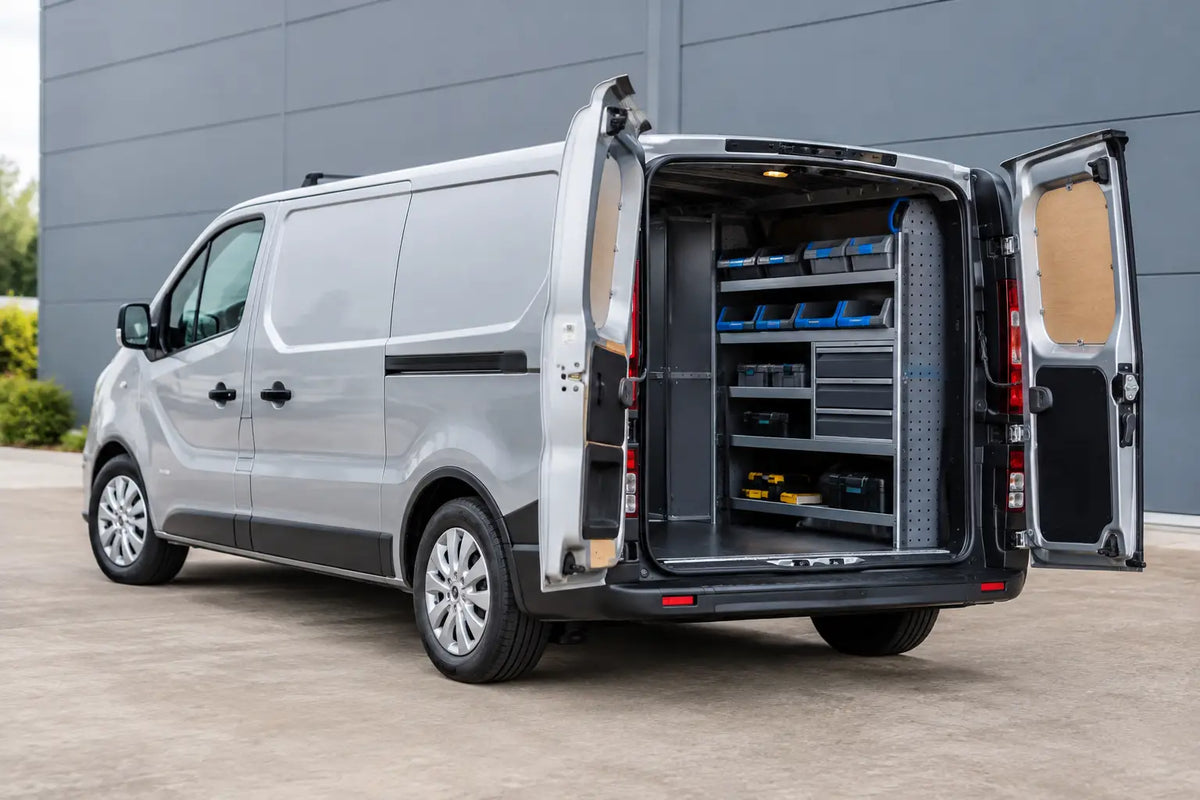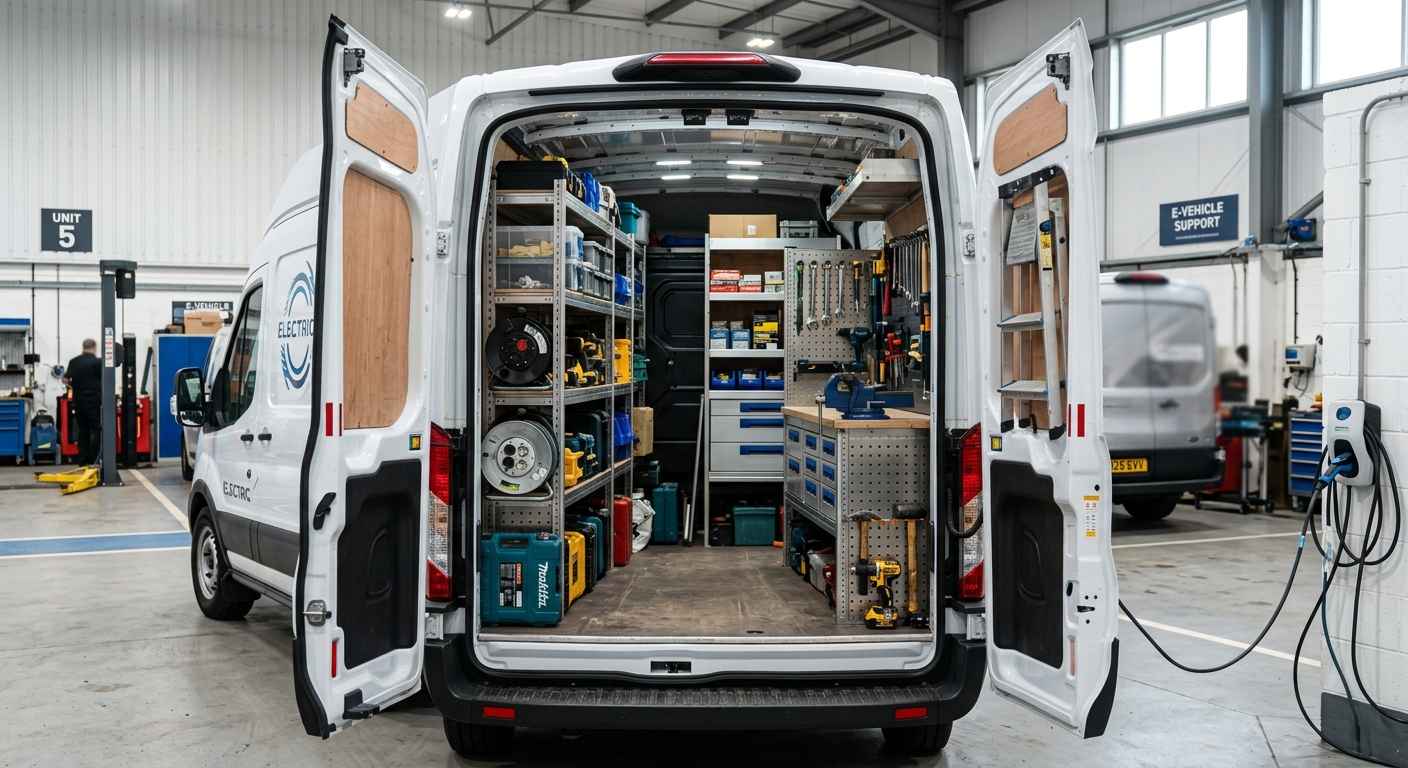











A Fiat Scudo can carry a serious amount of kit, but loose tools, mixed fixings and sliding materials soon turn useful load space into wasted time. The right Fiat Scudo shelving gives every item a proper place, helping you find what you need at the first stop rather than digging through boxes between jobs.
For plumbers, electricians, maintenance engineers and fitters, the aim is not to fill every inch of the van with racking. It is to build a working layout that suits the jobs you actually do, keeps heavy equipment secure and leaves enough clear floor space for larger materials. Get that balance right and the van becomes a more efficient mobile workspace from the first job to the last.
Start with the exact Fiat Scudo model
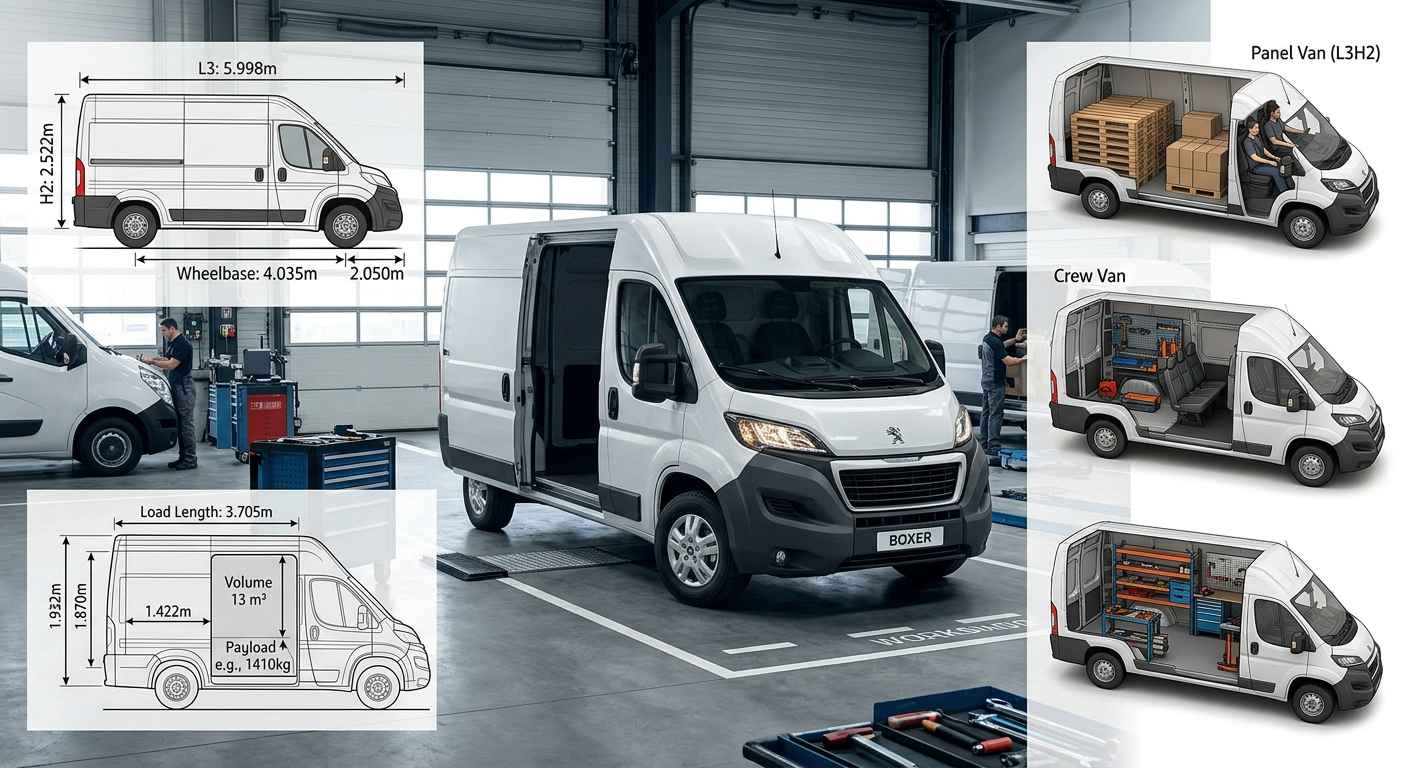
Fiat Scudo has been used across different generations of van, and load area dimensions, body panels and door arrangements can vary. That is why vehicle-specific selection matters. Before choosing shelving, confirm the model year, wheelbase and roof height where relevant, then check the product information against your van.
It is tempting to judge fitment from a photo or assume that similar-looking vans use the same mounting points. That can lead to an awkward layout or parts that are not suitable for the vehicle. A shelving system designed around the correct Scudo body gives you a far better starting point for a tidy, secure installation.
Also think about how you use the rear and side doors. A rear-door user may want the most frequently used cases and consumables immediately accessible from the back. If you work from the kerbside sliding door, it can make more sense to position daily stock along that side. Access is as important as capacity.
Plan Fiat Scudo shelving around your work
The best layout begins with the equipment that earns its place in the van every day. Lay out the typical load mentally before looking at shelf combinations: power tools, hand tools, fittings, sealants, cable, pipe fittings, PPE, test equipment and paperwork all need different types of storage.
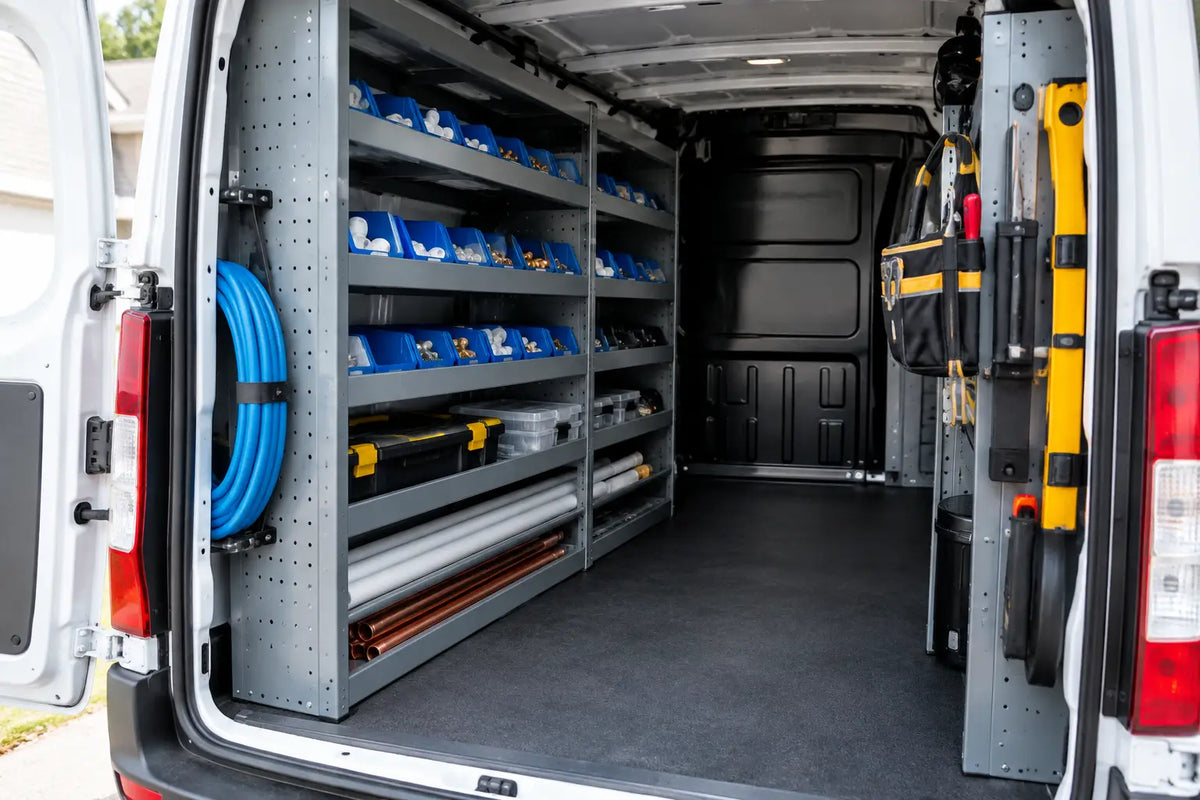
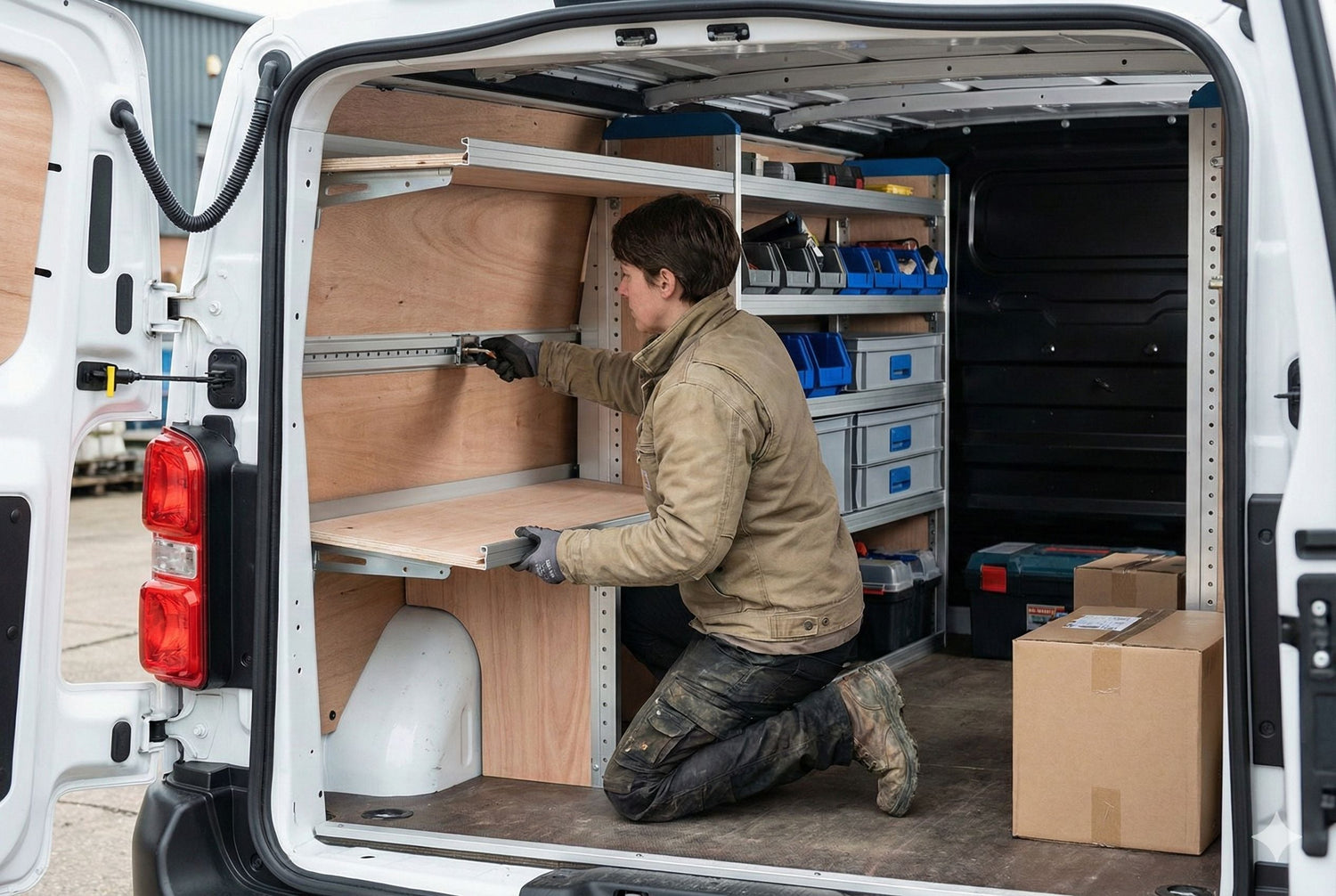
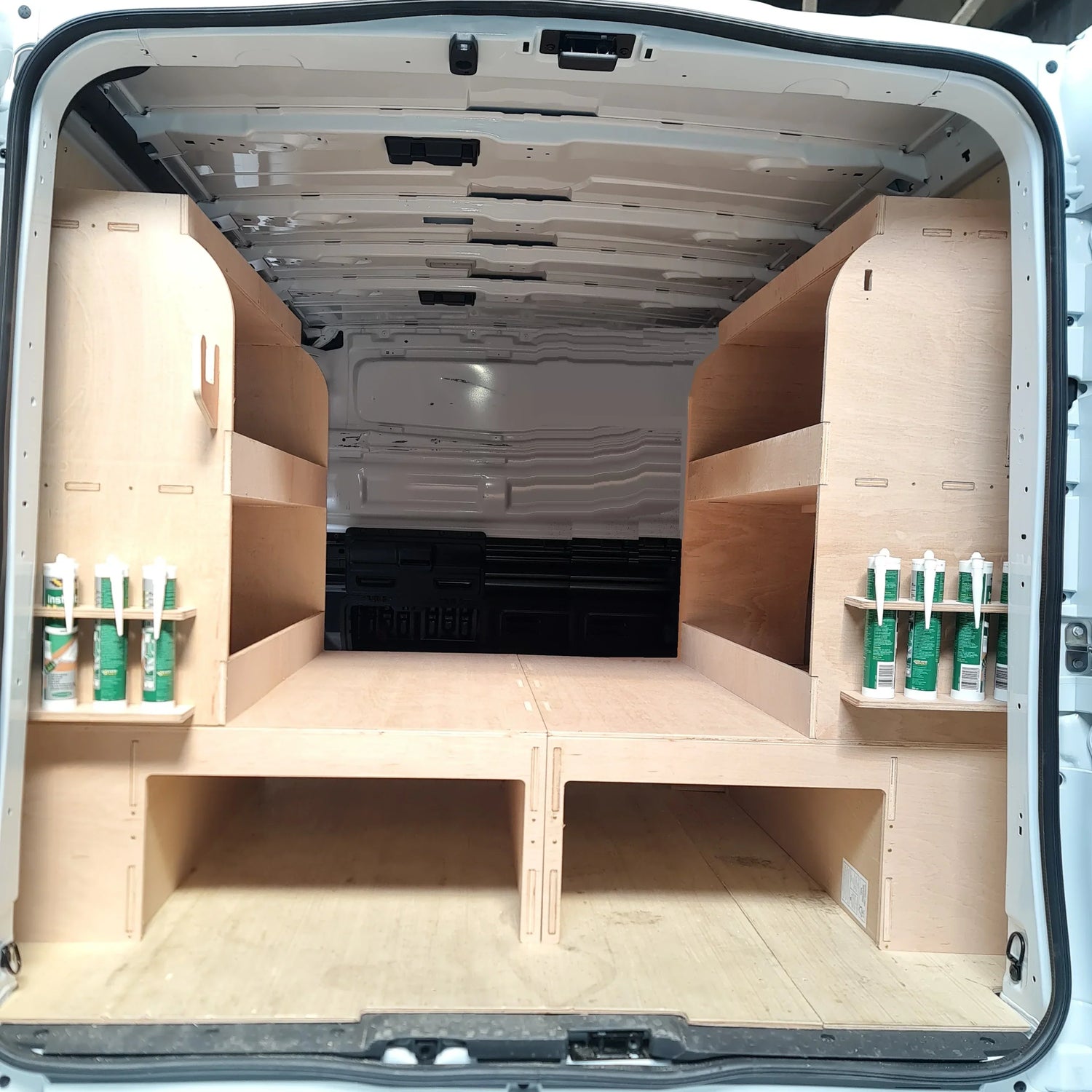
Shelves are ideal for organiser cases, boxed parts and small tool bags because they keep stock visible and separated. Open bays work well for larger cases that need quick access. Smaller compartments and accessory holders can stop high-use consumables ending up loose on the floor.
A useful rule is to put the heaviest items low down and close to the bulkhead where possible. This helps keep the load stable and avoids lifting heavy cases down from shoulder height. Lighter items, such as gloves, wipes, tapes and small consumables, can sit higher up where they remain easy to see.
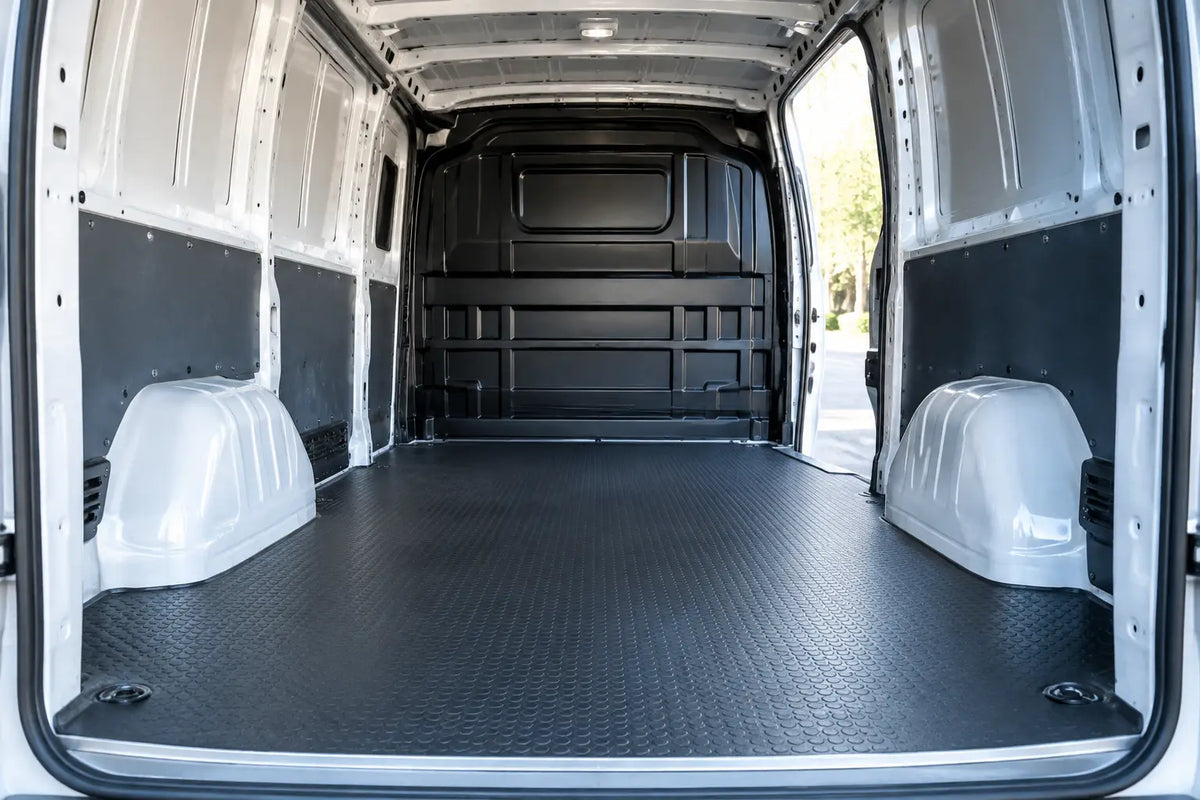
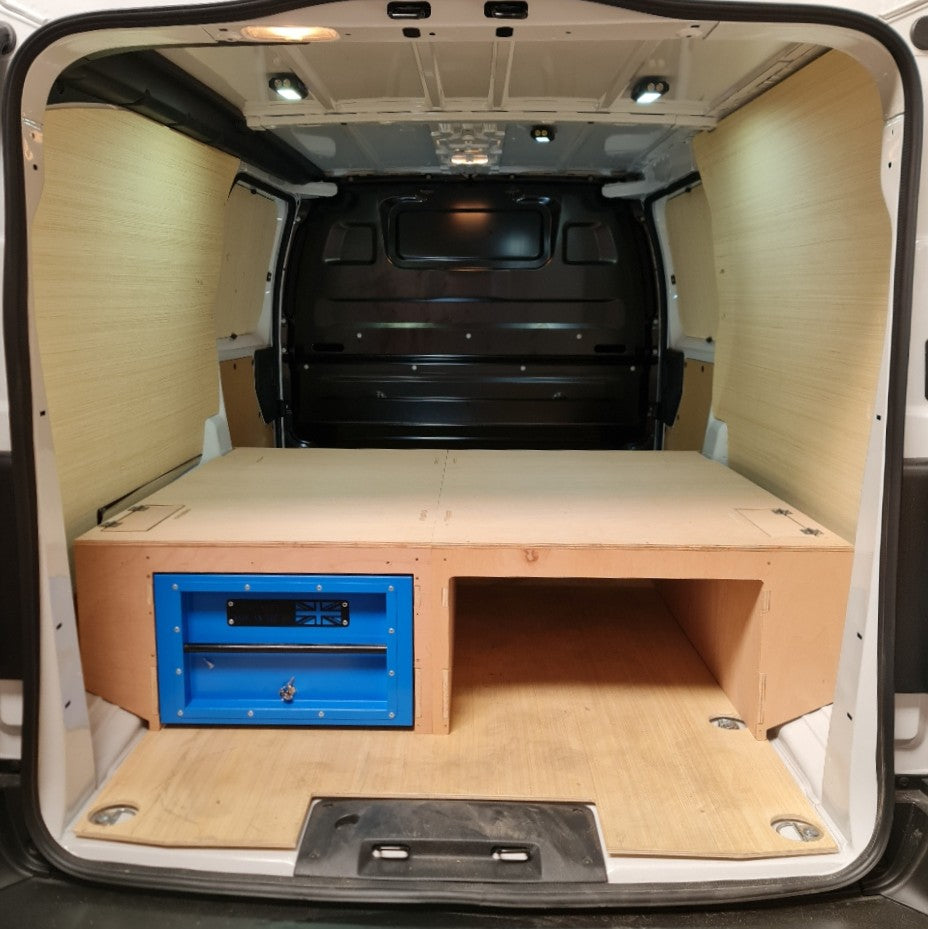
Do not overlook the floor. A clear floor channel is often more valuable than another narrow shelf. It gives you room for ladders, vacuum cleaners, cable reels, toolboxes or lengths of material that cannot sit safely on shelving. For many trades, a false floor can add another level of organised storage while keeping the main load area practical.
Match the layout to the trade
An electrician may need accessible compartments for connectors, clips, sockets and test equipment, plus secure storage for cable and power tools. A plumber may prioritise room for fittings cases, sealants, pipe tools and larger equipment. Maintenance teams often need a flexible mix because the job list changes daily.
If you carry a lot of small stock, more divided storage is usually worth it. If you mainly transport larger cases and site equipment, too many shallow shelves can become restrictive. The right answer depends on the work, not simply on fitting the maximum amount of racking into the van.
Choose practical materials and construction
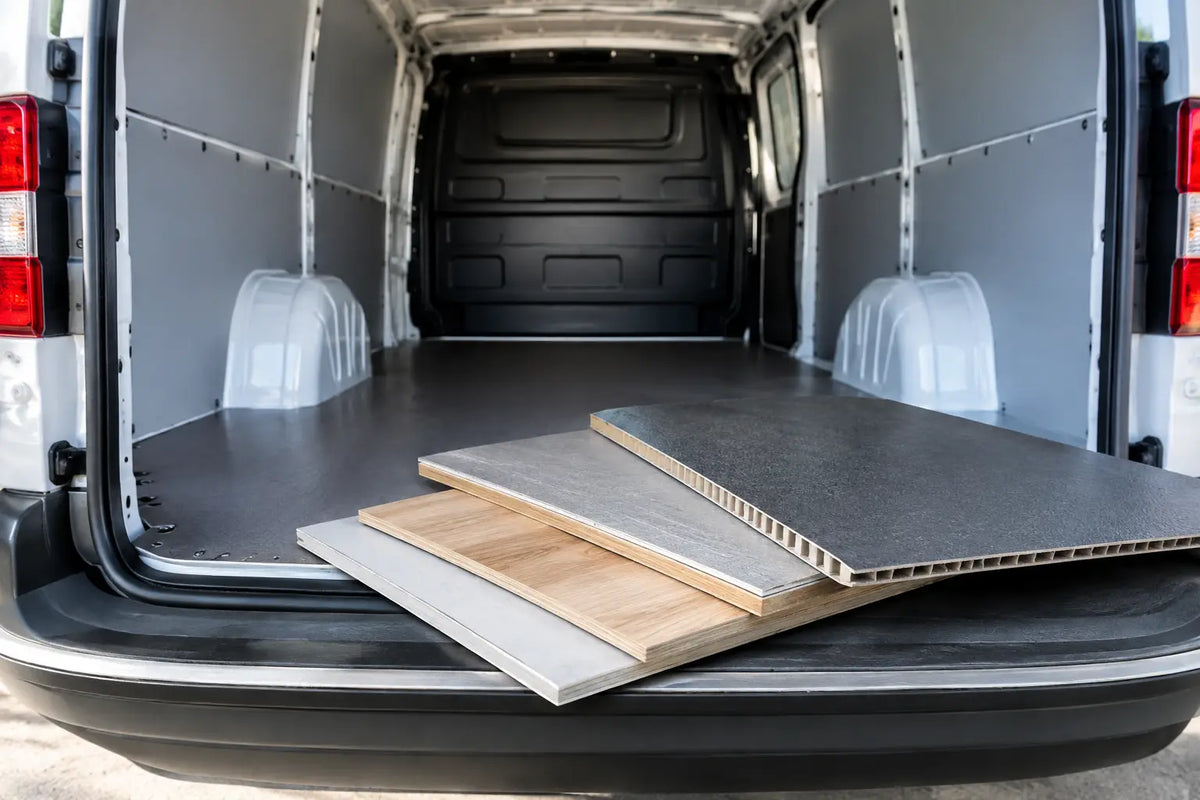
Van shelving has to cope with vibration, repeated loading and the occasional rushed return to the van at the end of a long day. Look for a system intended for commercial use, with solid construction and sensible compartment sizes rather than lightweight domestic-style storage.
Plywood shelving is a popular choice for working vans because it is practical, hard-wearing and straightforward to use. Properly designed units can provide useful shelf lips and dividers to help keep cases and boxes in place. Metal components and brackets can add strength where needed, but the overall layout and fitting method matter just as much as the material itself.
Finish is worth considering too. A clean, durable surface is easier to maintain and makes it easier to spot missing items, leaks or spilled materials. It also helps present a more professional impression when a customer sees inside the van.
The key is not to choose a system based on appearance alone. Think about the weight of the load, how often you access each shelf and whether the compartments suit the cases and containers you already own. A shelf that looks generous online can be of limited use if your main tool case does not fit it properly.
Keep tools secure while the van is moving
Organisation and load security go together. Shelving stops kit spreading across the load area, but cases, boxes and loose equipment still need to be positioned carefully. Avoid stacking heavy items where they can shift, and use suitable restraint methods for loads that cannot be held safely by the shelving arrangement alone.
Check that rear-door access remains clear and that nothing can fall out when a door is opened. This is especially relevant for fixings boxes, aerosols, sealants and small containers. Shelf lips, dividers and purpose-made holders can make a noticeable difference to day-to-day safety and tidiness.
Weight distribution deserves the same attention. Loading one side heavily while leaving the other side almost empty can affect how the vehicle feels on the road. Keep the heaviest equipment low, spread the load sensibly and avoid treating shelving as a reason to carry more than the van is permitted to carry.
Useful accessories make the difference
Once the main Fiat Scudo shelving is in place, a few well-chosen accessories can improve the workflow without cluttering the van. The best additions are the ones that remove a repeated annoyance from the working day.
A holder for sealant tubes, a dispenser for wipes or an organiser for gloves may sound minor, but they prevent common items being buried under tools or left rolling around the floor. Small-parts organisers help keep fasteners, connectors and fittings separated, while storage bins make replenishing stock quicker at the end of the week.
Avoid adding accessories simply because there is an empty panel or shelf edge. Every item should have a practical purpose. A crowded layout can be as frustrating as an empty one if it makes cases harder to remove or blocks access to the equipment you use most.
Measure before you order
Taking a few measurements can prevent an expensive and inconvenient mistake. Measure the width between wheel arches, the usable length to the bulkhead, internal height and any areas affected by trim, lining or existing equipment. Then measure your largest everyday tool cases and material boxes.
Remember that shelving dimensions are only part of the picture. Consider door opening clearance, wheel arch intrusion, tie-down points and whether you need space to step inside the van. If you use a false floor, allow for the change in available height before deciding on shelf height.
It is also sensible to plan the installation before the van is loaded for work. Empty the load area, clean it properly and inspect the lining and floor. A clear workspace makes fitting easier and lets you make sensible decisions about where each item will live once the shelving is in place.
Build a van layout you can maintain
The best system is one you can keep organised on a busy Thursday afternoon, not just one that looks good on the day it is fitted. Label boxes where it saves time, return consumables to the same shelf and review the layout after a few weeks of real work.
You may find that a case used every day belongs nearer the door, while a rarely used tool can move higher up or further forward. That is not a failure of the original plan. It is how a practical Fiat Scudo shelving setup becomes properly tuned to your workload.
CNC Work focuses on vehicle-specific van storage that helps tradespeople make better use of the space they already have. Choose the layout around your actual tools and daily routine, and your Scudo will stay clearer, safer and easier to work from when the pressure is on.