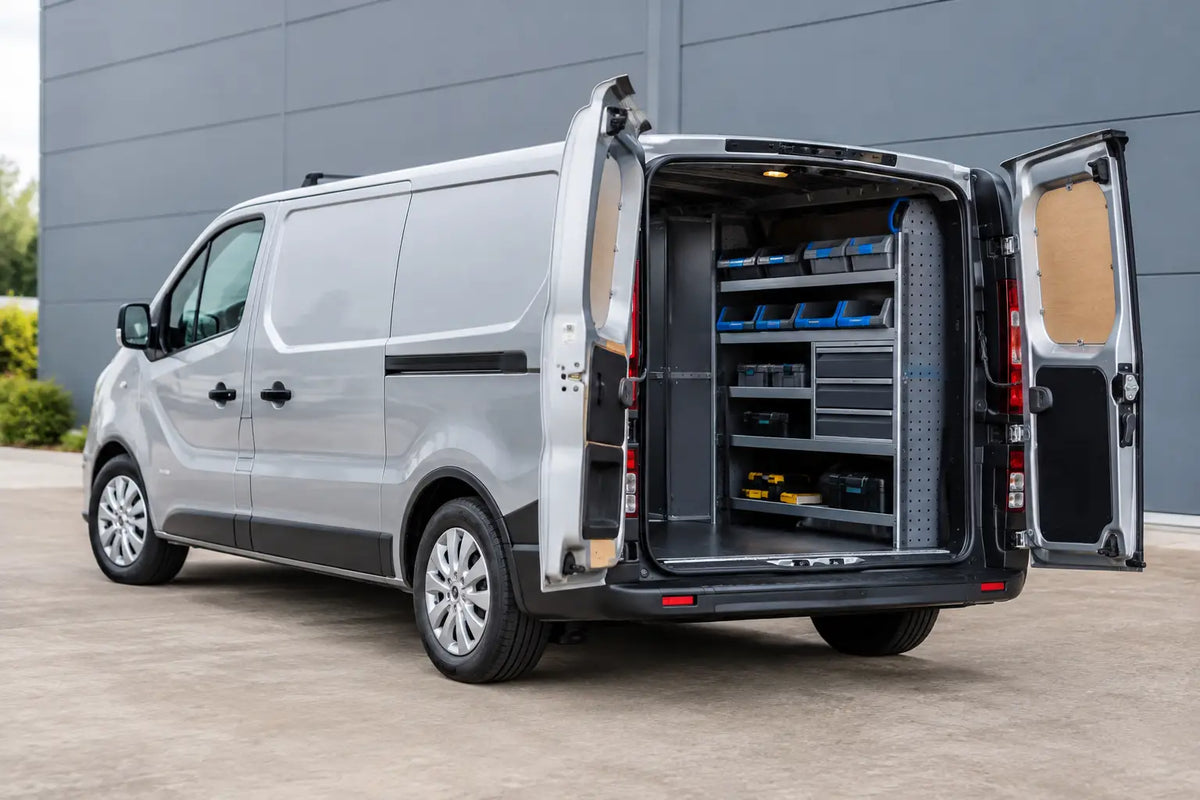










A Renault Trafic can carry a serious amount of kit, but an empty load area soon becomes an expensive way to lose time. Tools slide, fixings disappear under larger equipment, and every stop starts with a search. This Trafic racking review looks at what makes a racking setup worthwhile for working van users, where different layouts suit different trades, and what to check before buying.
The right answer is not always the largest possible shelving system. A plumber carrying fittings, pipe tools and sealants works differently from an electrician with cases, cable reels and test equipment. The most useful setup is the one that keeps your regular kit accessible without making the van awkward to load.
What a good Trafic racking setup should achieve
Van racking earns its place when it improves the working day rather than simply filling the sides of the vehicle. In a Renault Trafic, that normally means using vertical space for smaller items, keeping heavier gear low down and leaving a clear route for loading materials through the rear or side door.
Organisation is the obvious benefit, but protection matters as well. Properly stored cases, boxes and consumables are less likely to shift around on the journey between jobs. That can reduce damage to tools and makes a better impression when you open the van at a customer’s property.
A practical system should also make stock control easier. When fittings, adhesives, cable accessories or cleaning supplies each have a defined place, it is quicker to see what needs replacing before the next job. For sole traders, that reduces unplanned trips to the merchant. For fleet users, a consistent layout can make it simpler for staff to take over a vehicle when needed.
Trafic racking review: the points that matter most
Start with the work you carry every day
Before comparing shelves, look at the equipment that actually travels in your van for a normal week. Separate it into four groups: items used on nearly every job, regular consumables, larger tools and occasional bulky materials. This gives you a far better basis for choosing racking than a product photograph alone.
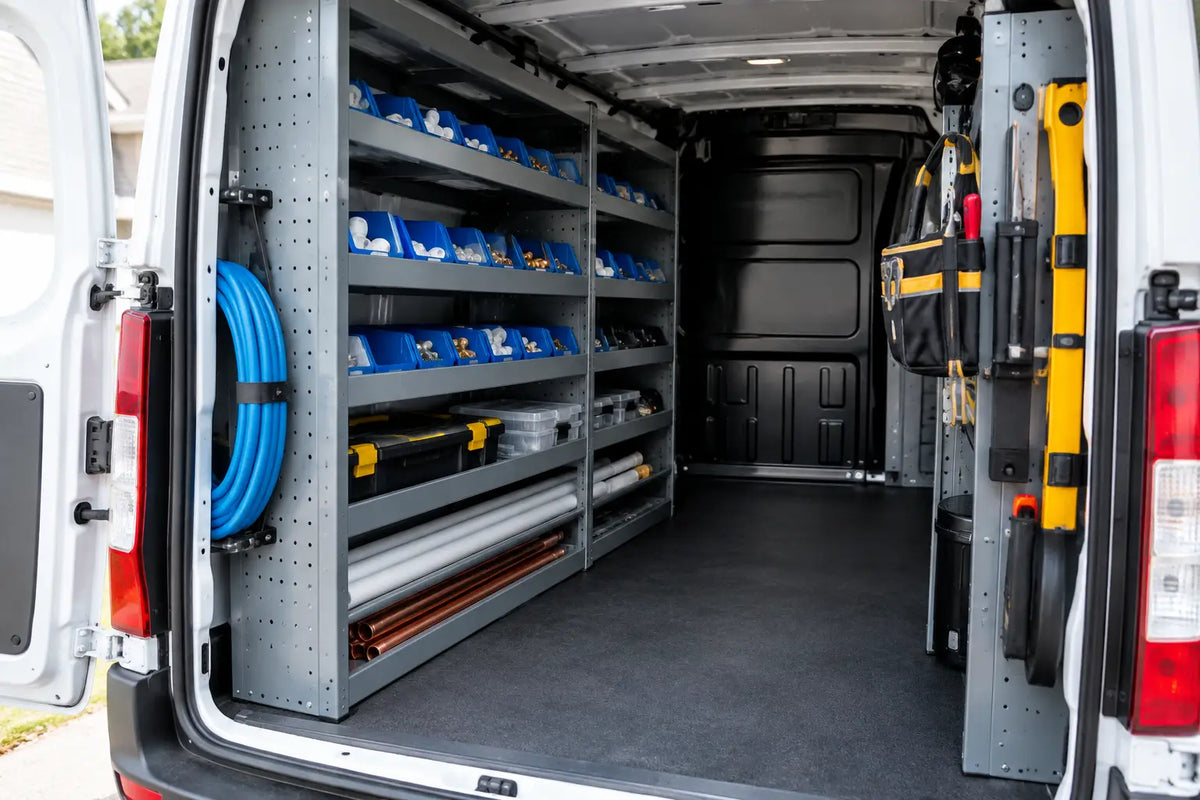
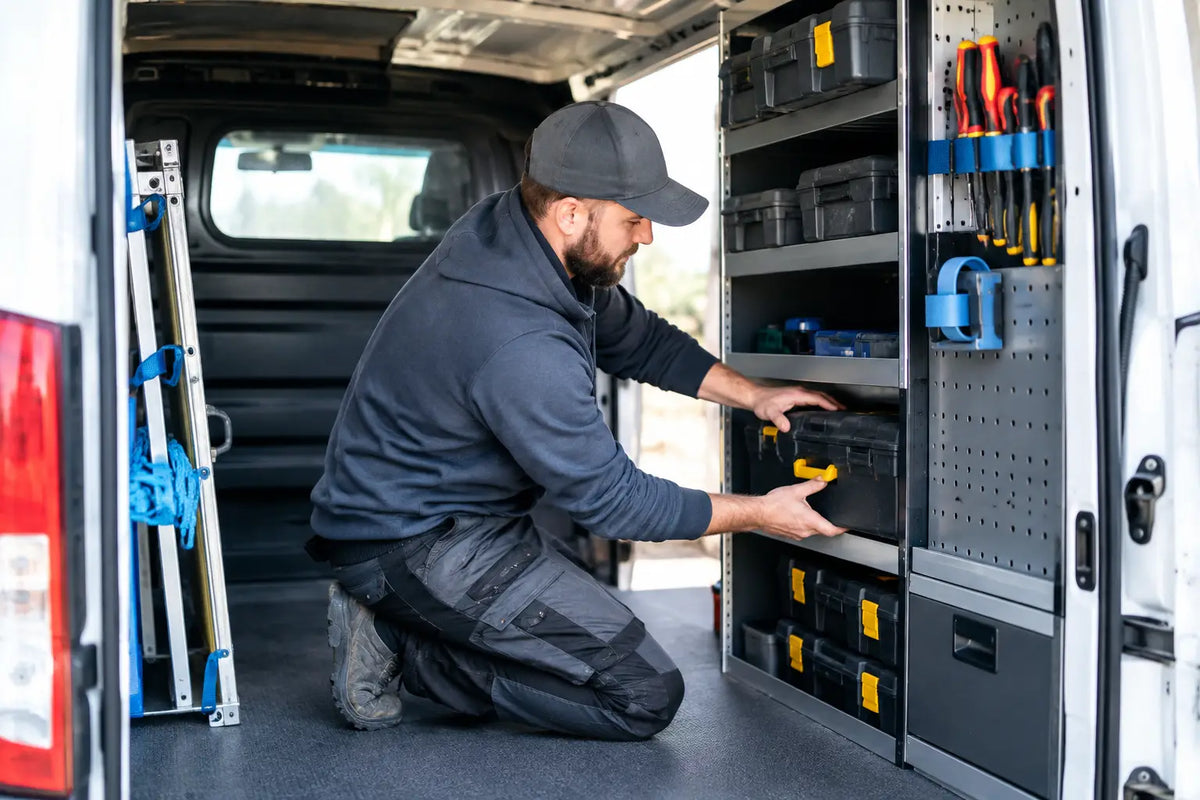
Frequently used parts need to be reachable from the door without climbing into the load space. Smaller consumables benefit from trays, boxes or dedicated holders, provided they are retained securely while driving. Heavy tool cases should sit on lower shelves or the floor, where they are easier and safer to lift. Longer items may need clear floor space rather than another row of shelving.
It is worth being honest about what should not live on racking. Ladders, sheet materials, long lengths of conduit or pipe, and bulky job-specific equipment can dictate the whole layout. If these are central to your work, preserve a usable loading channel first and build storage around it.
Choose a layout that supports access
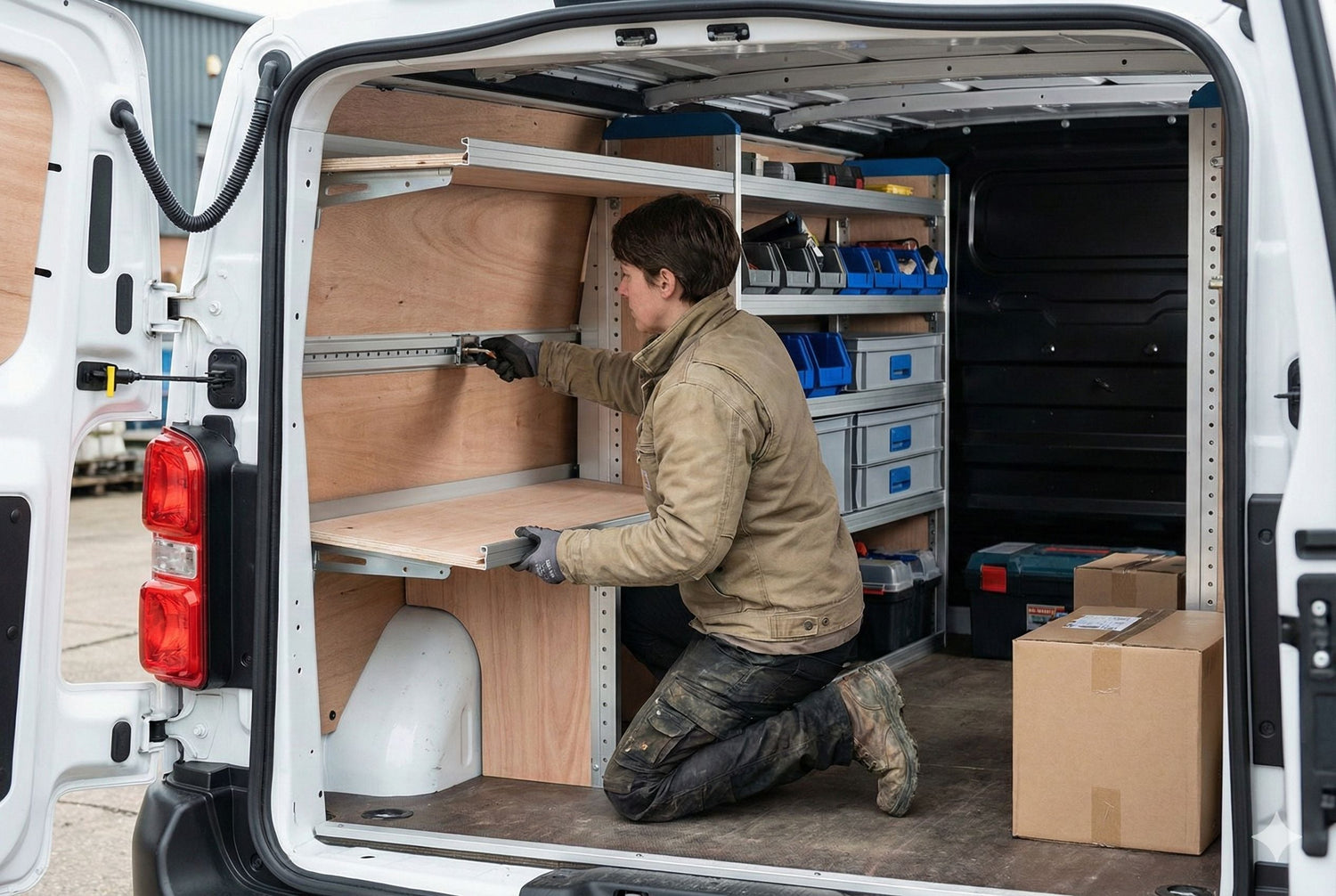
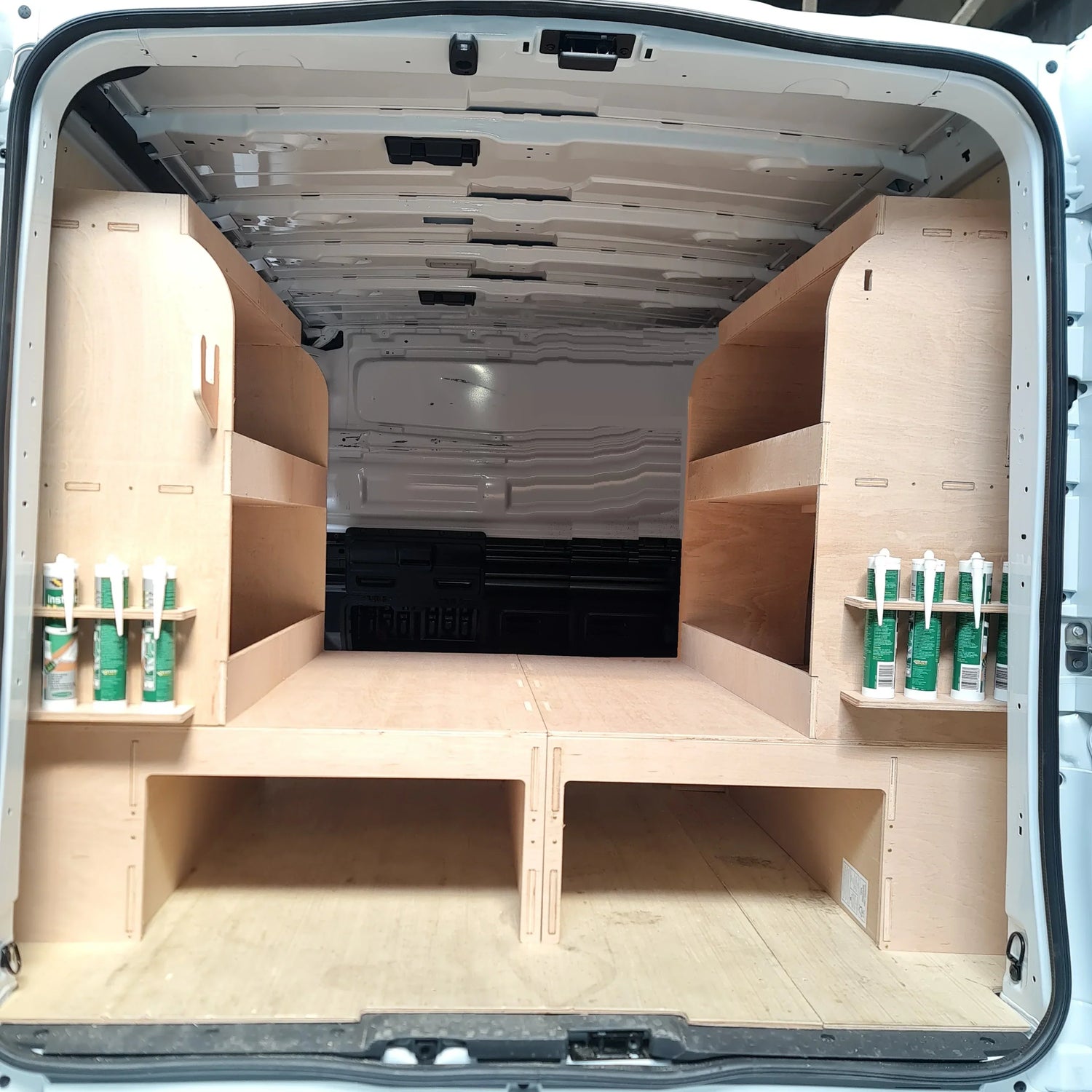
Side racking is a common choice because it turns otherwise unused wall space into organised storage. Depending on your workload, one side may be enough. A single-sided layout can leave more open floor area for machines, materials or deliveries, which suits many builders, fitters and maintenance teams.
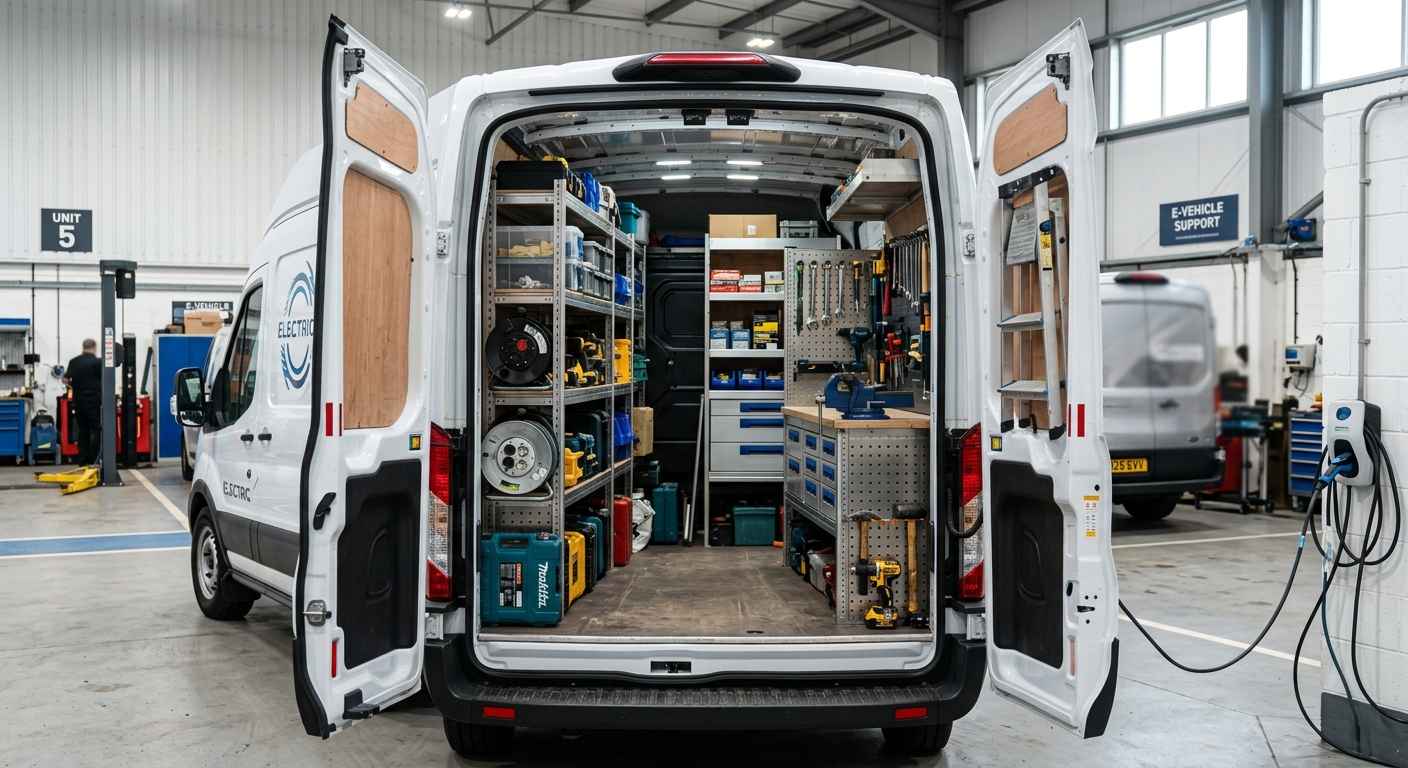
Racking on both sides gives more capacity for parts-led trades, especially where the van is effectively a mobile store. The trade-off is a narrower central aisle and less flexibility for carrying awkward loads. It works best when the contents are predictable and properly planned rather than changing dramatically from job to job.
Think about which door you use most. If you regularly work from the kerbside sliding door, arrange high-use items so they can be reached there. If rear-door access is your main routine, do not place essential equipment right at the front behind other loads. A tidy van is only productive when the layout matches your movements.
Material and construction affect long-term value
Racking faces vibration, weight, dust and repeated loading. The finish may be the first thing you see, but the practical questions are whether the units are built for commercial use, have sensible shelf depths and provide solid points for securing stored items.
Metal racking is widely chosen for its hard-wearing nature and clean workshop-style appearance. It can be a strong option for boxes, cases and day-to-day tools. Plywood systems can also be useful, particularly where a straightforward shelf arrangement suits the load and the overall weight of the installation needs consideration. There is no automatic winner: the best choice depends on the equipment, budget and preferred layout.
Pay attention to shelf edges, dividers and retaining lips. Small components are no use on an open shelf if they can work loose on a roundabout. Likewise, an over-deep shelf can make items at the back difficult to reach. Good racking is not simply about capacity. It is about usable capacity.
Do not overlook the van’s load space and payload
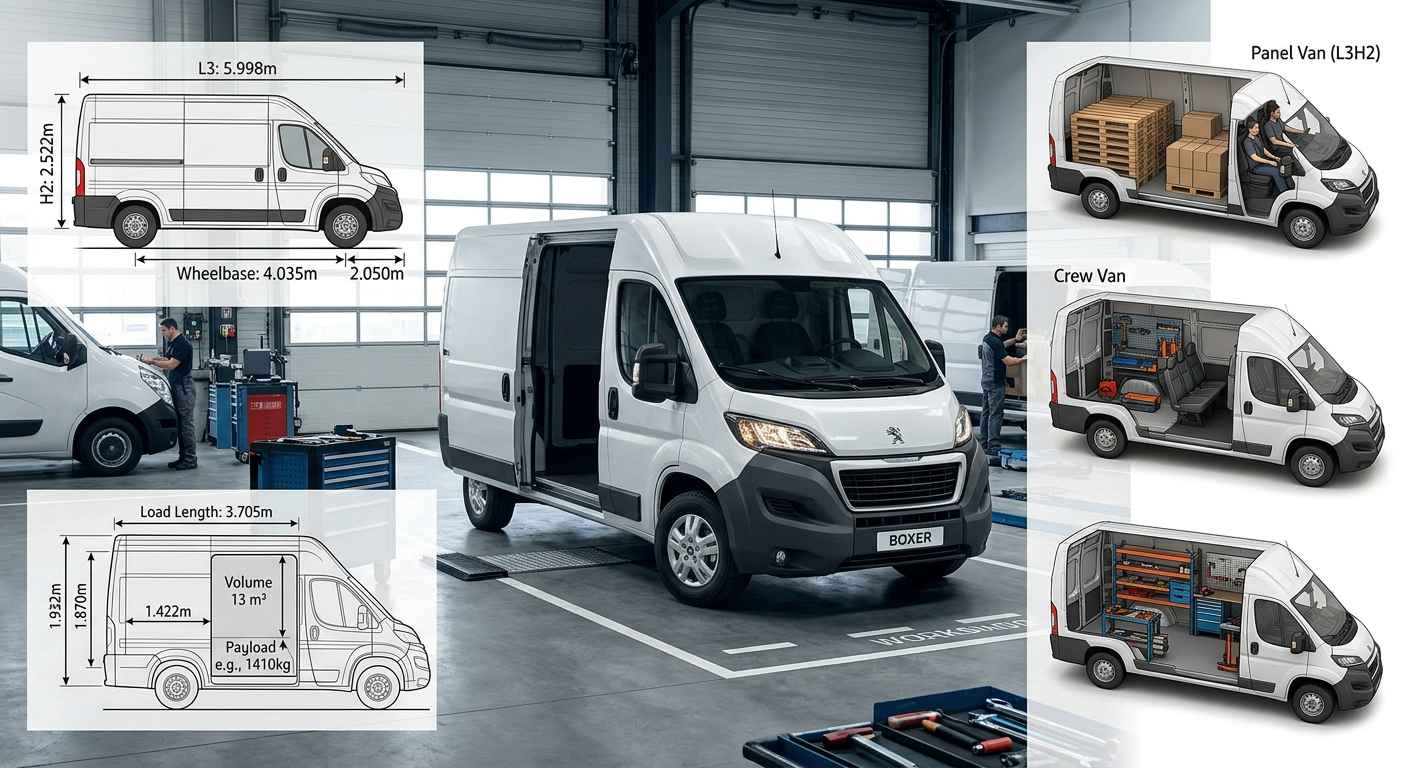
The Renault Trafic is available in different lengths, roof heights and generations, so racking should be selected for the exact vehicle rather than assumed to be universal. Check the van’s model year, body length, door arrangement and internal shape before ordering. A vehicle-specific product category is a useful starting point, but the details still matter.
Payload deserves the same attention. Racking, false floors, tools, stock, passengers and materials all contribute to the vehicle’s working weight. A layout that looks organised but leaves little allowance for your normal load can become a problem quickly. Check your vehicle handbook or manufacturer information for the relevant limits, then allow for the way you genuinely use the van.
If you carry heavy gear, placing it low and close to the vehicle’s centre is generally more sensible than loading it high up or right at the rear. Secure all equipment properly and avoid treating shelves as a substitute for appropriate load restraint.
Accessories that make the layout work harder
A basic rack can transform a van, but the smaller accessories often decide whether it stays organised after a busy month. Sealant holders can keep tubes together and prevent them rolling across the floor. Wipe dispensers make everyday clean-up easier. Glove box organisers and small-item storage can help stop fittings, blades and consumables ending up in mixed containers.
These additions should follow the workflow, not clutter it. Put gloves and wipes near the point where you enter the working area. Keep adhesives upright and separate from electrical equipment. Store frequently replaced consumables where their absence is immediately visible.
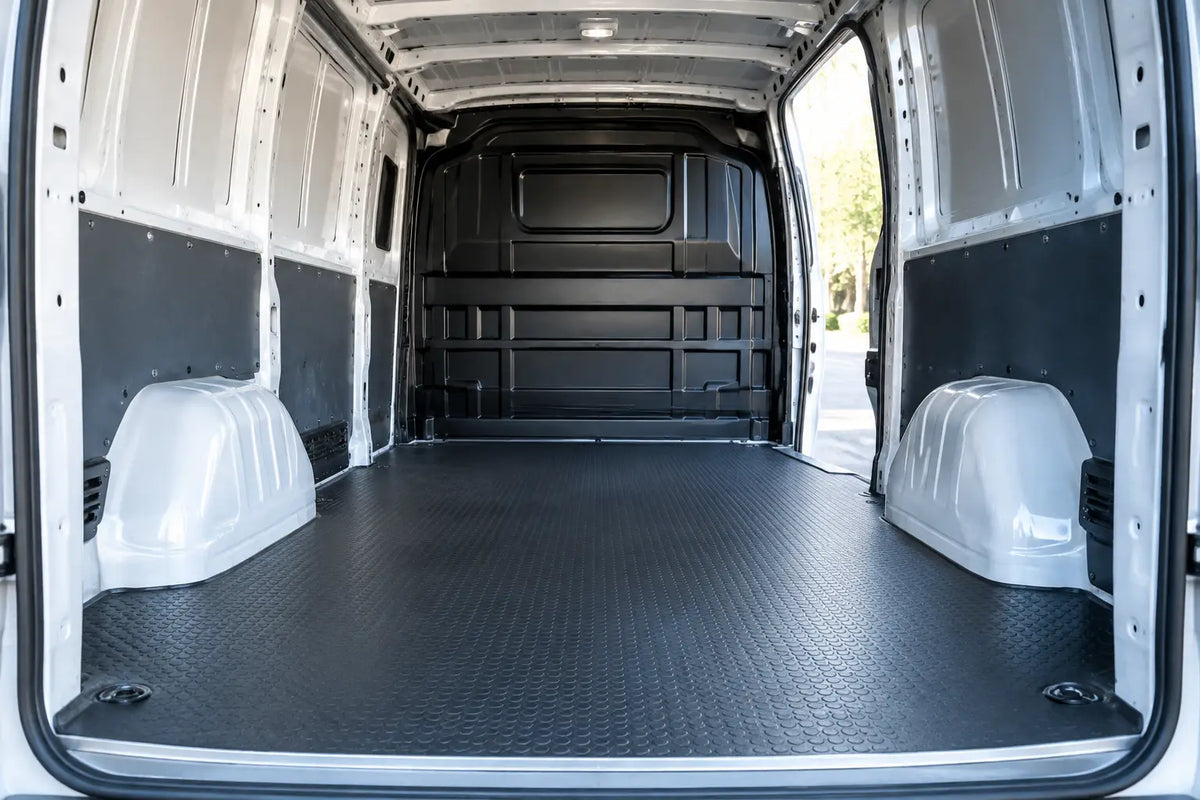
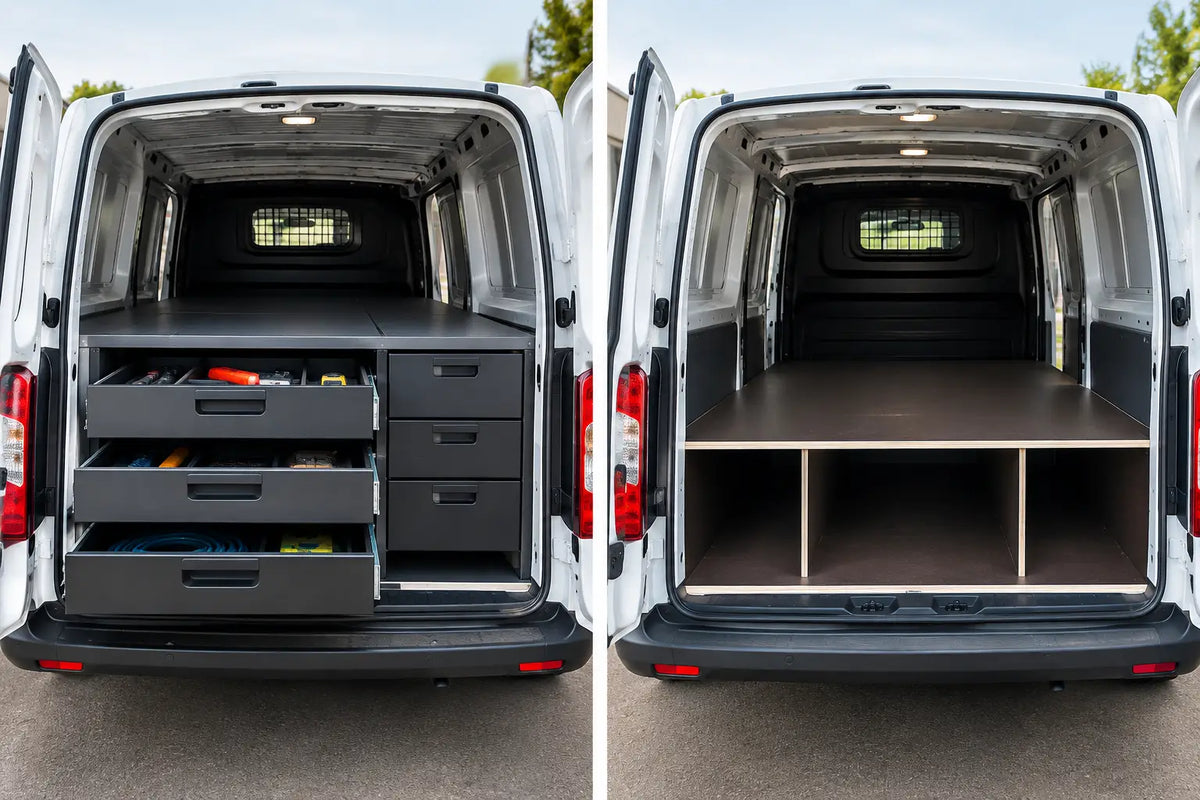
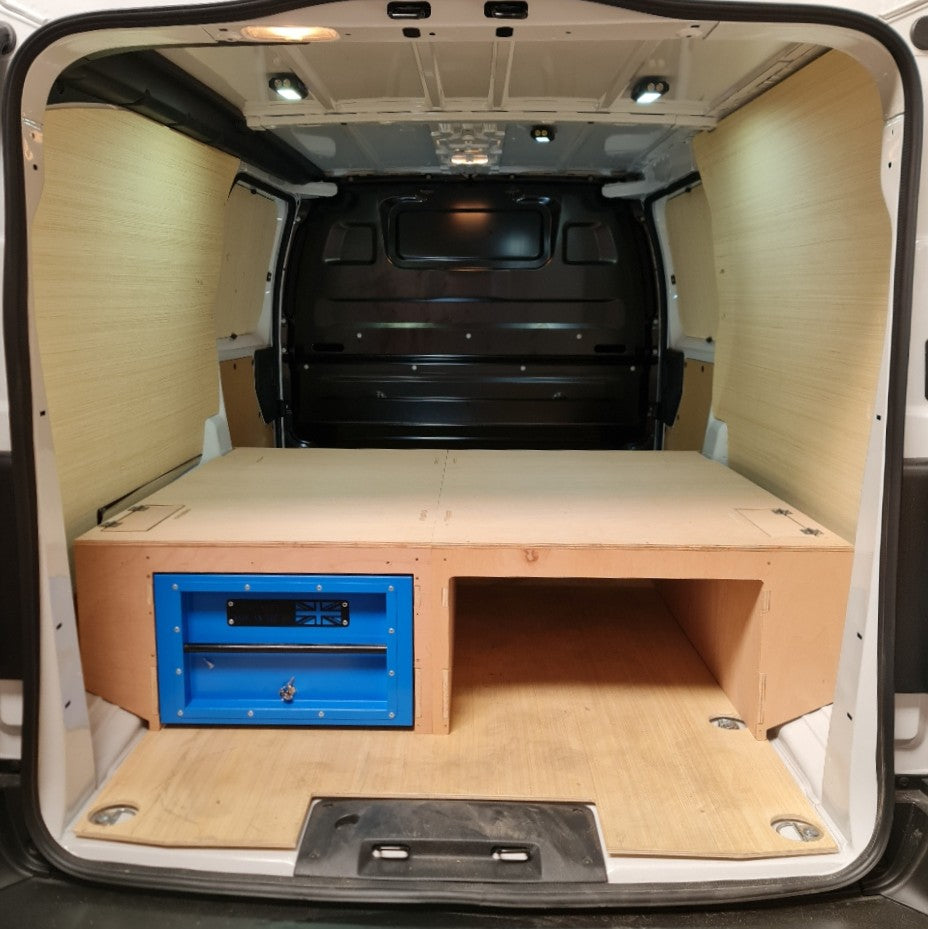
False floors can also be worth considering when the aim is to create a flatter, more protected base for equipment and loading. They are particularly useful where the original floor needs protection from repeated use, but they add weight and reduce available internal height slightly. That compromise may be worthwhile for a busy trade van, though it is not necessary for every setup.
Is racking right for your Trafic?
For most tradespeople, some form of racking is a practical investment because it reduces wasted movement and helps protect valuable kit. The question is how much storage you need and how fixed the layout should be. A maintenance engineer with repeat stock may benefit from extensive shelving and labelled bins. A general builder carrying changing materials may be better served by a simpler side rack and clear floor space.
Avoid buying solely on maximum shelf count. Consider whether the layout lets you load the items that make you money, reach the parts you use first and keep the van presentable at the end of a long day. CNC Work’s vehicle-led approach can help narrow the options, but it is still worth measuring your own equipment before choosing a configuration.
A well-planned Trafic racking setup should feel ordinary once it is in use: every tool has a place, the load area remains workable, and you spend more time getting the job done than searching for a missing fitting.