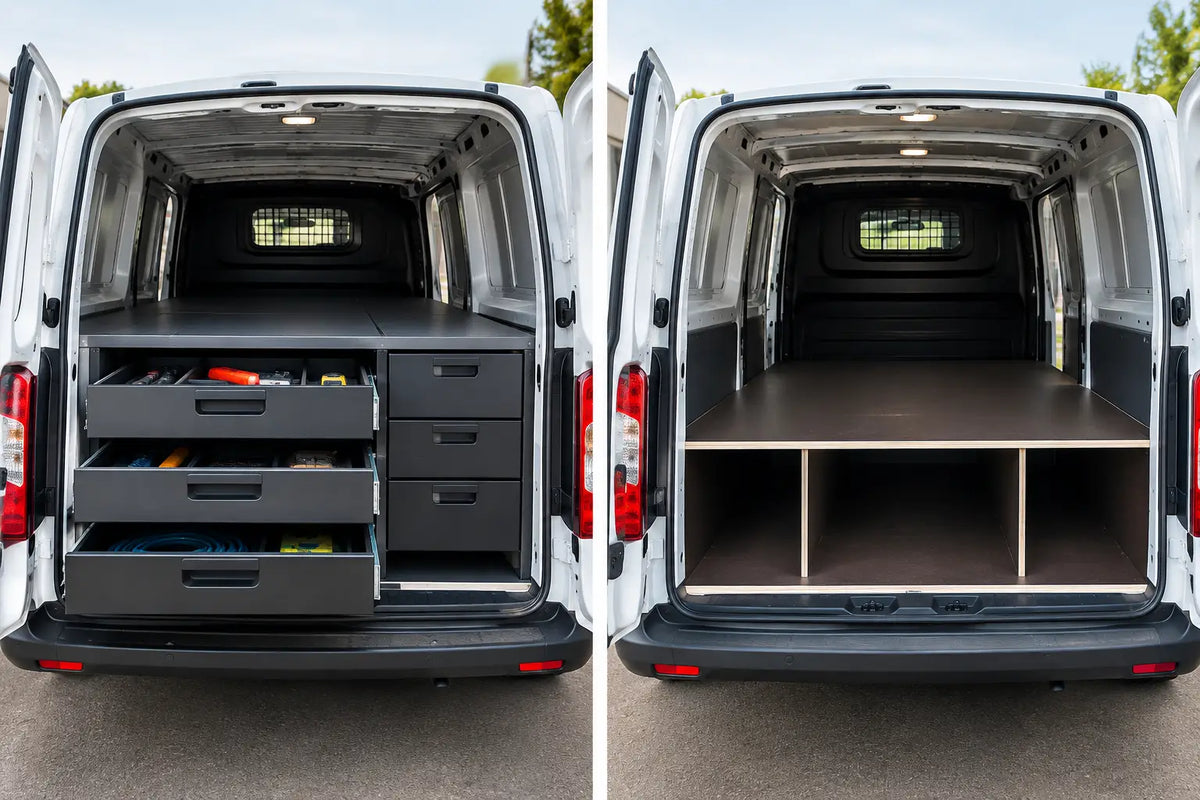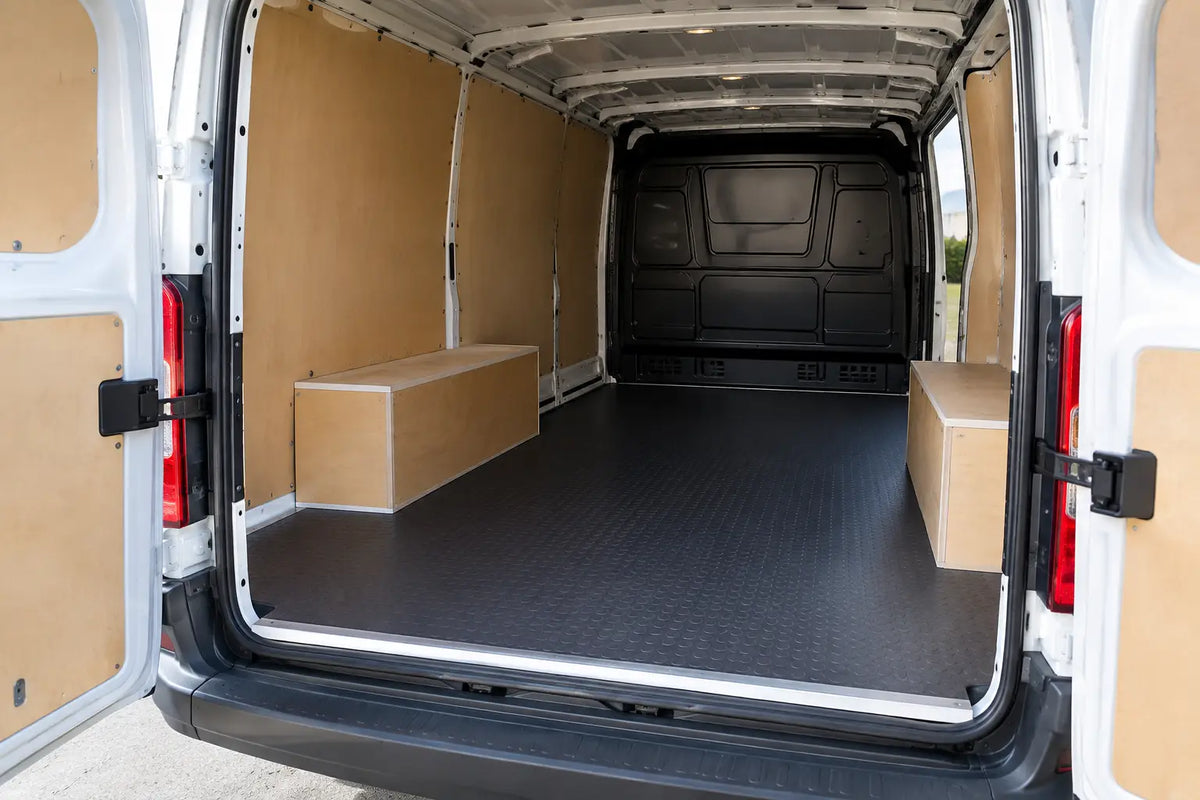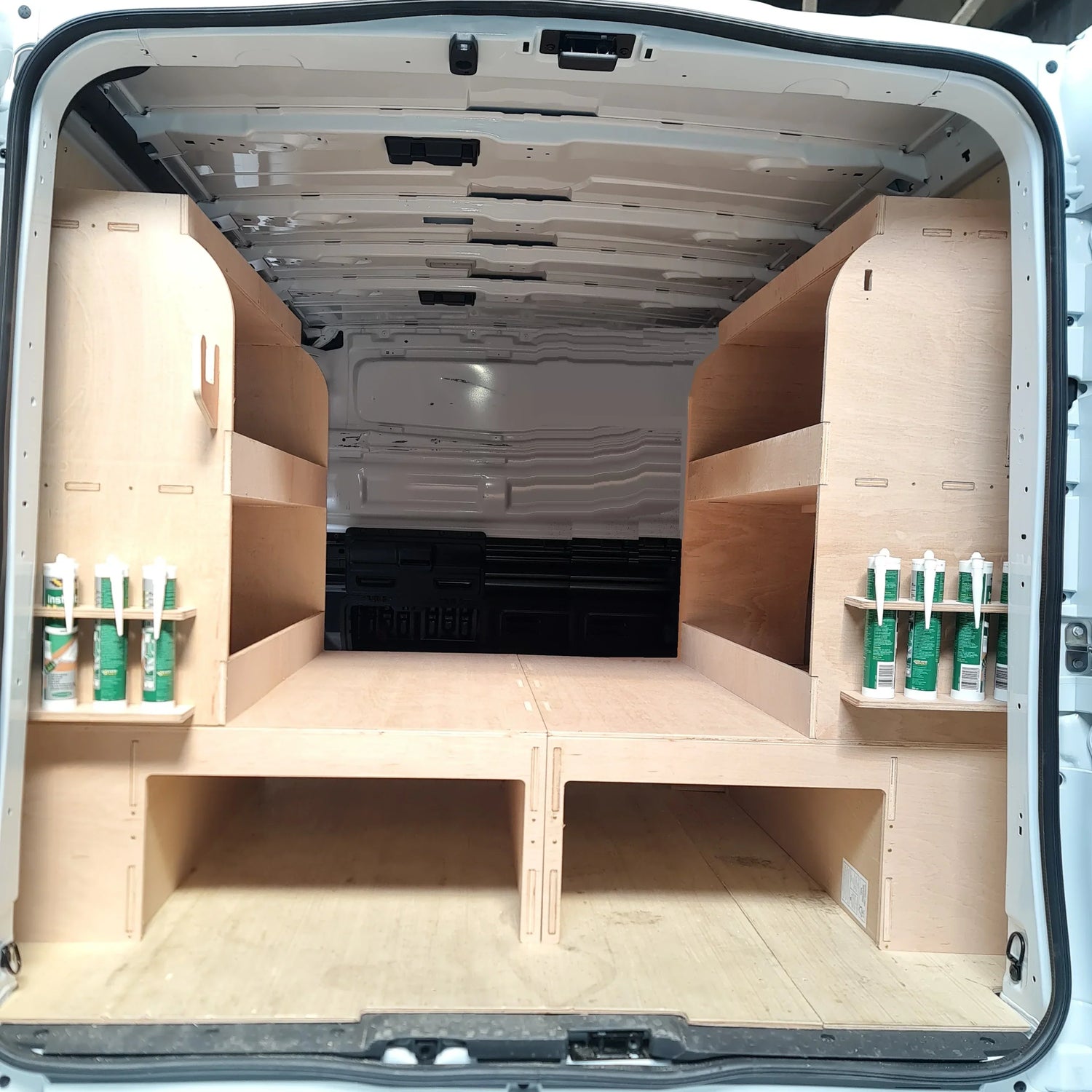










A false floor that is a few millimetres out at the wheel arch, side door or rear threshold soon becomes a problem when you are loading tools every day. If you are asking which floor fits Vivaro vans, the answer is not simply “a Vauxhall Vivaro floor”. You need to match the floor to the van’s generation, body length and load-area layout before ordering.
For a plumber carrying fittings, an electrician with cases and cable reels, or a maintenance team running several vans, the right floor provides a sound base for the working space. It helps protect the original load bed, supports racking installation and gives the van a cleaner, more organised finish.
Which floor fits a Vivaro?
The correct false floor is the one made for your exact Vauxhall Vivaro model, including its generation and wheelbase. Start by checking the vehicle registration details and identifying whether you have an earlier Vivaro or a newer-shape model. Vans that share the Vivaro name can have different floor profiles, fixing positions, wheel-arch shapes and rear-door arrangements.
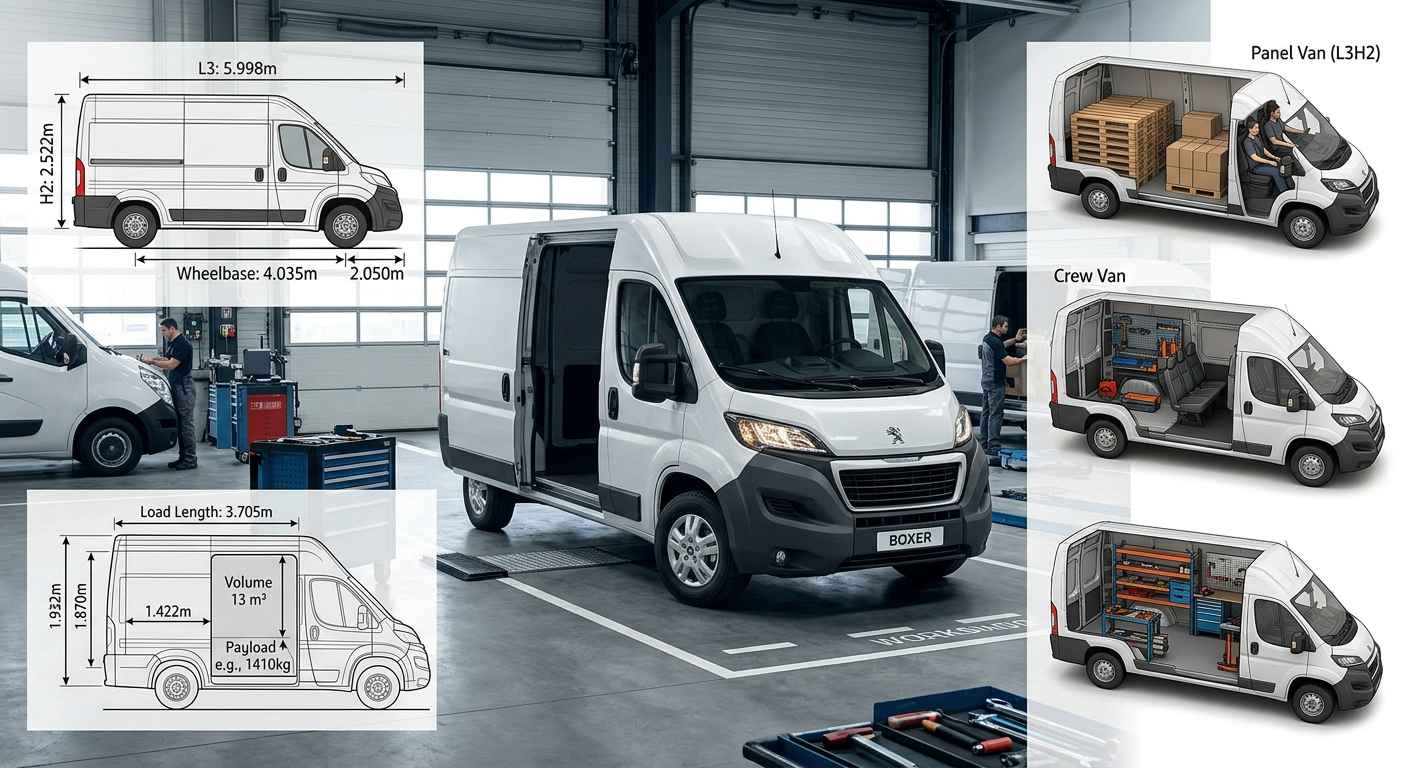
Then confirm the body length. Most trade vans are the standard-length version, but longer-bodied variants need a correspondingly longer floor. A standard-length floor will not safely or neatly cover a longer load area, while a long-wheelbase floor will not sit correctly in a shorter van.
Do not assume that a floor intended for a related van model will fit your Vivaro. Some vans may have similar dimensions or share a platform, but small differences in trim, load-lashing points and side-door openings can affect fitment. Always use the product’s stated vehicle compatibility as the final check.
Check the model year and generation first
The Vivaro has changed significantly across its different generations. This matters because a false floor is cut around the actual shape of the rear load area, not just its approximate length and width.
Before choosing, check your V5C, vehicle handbook or manufacturer information for the registration year and model details. It is also worth looking at the load space itself. Compare the position of the wheel arches, tie-down rings, side loading door and rear threshold with the product information. If anything is unclear, get the vehicle details to hand before asking for fitment support.
This short check saves far more time than trying to modify a floor that was designed for another layout.
Confirm the wheelbase and load length
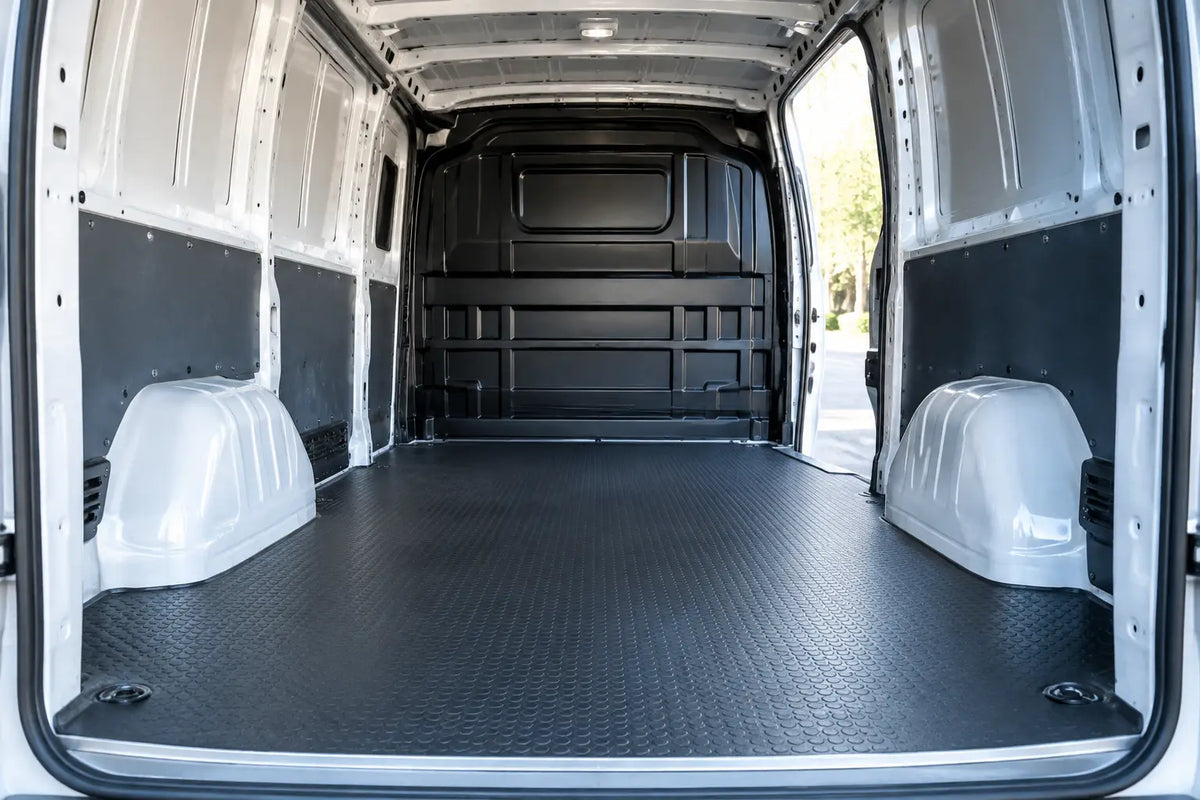
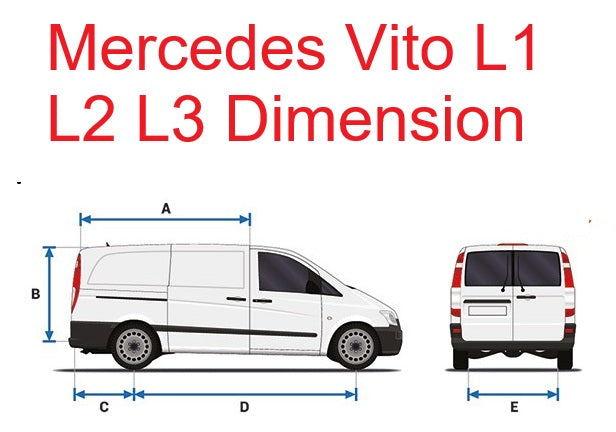
A Vivaro false floor must suit the usable length of the rear compartment. Measure from the rear threshold to the bulkhead, then take the width between the wheel arches and the maximum width of the cargo area. Measurements are useful as a sense check, particularly if the van has aftermarket lining, a non-standard bulkhead or previous racking fitted.
However, measurements alone should not replace model-specific fitment. A floor can look right on paper but still foul a wheel arch or sit poorly around a loading-door edge. The best approach is to use both: confirm the advertised vehicle specification, then compare it with your own van’s load area.
Why a model-specific Vivaro floor matters
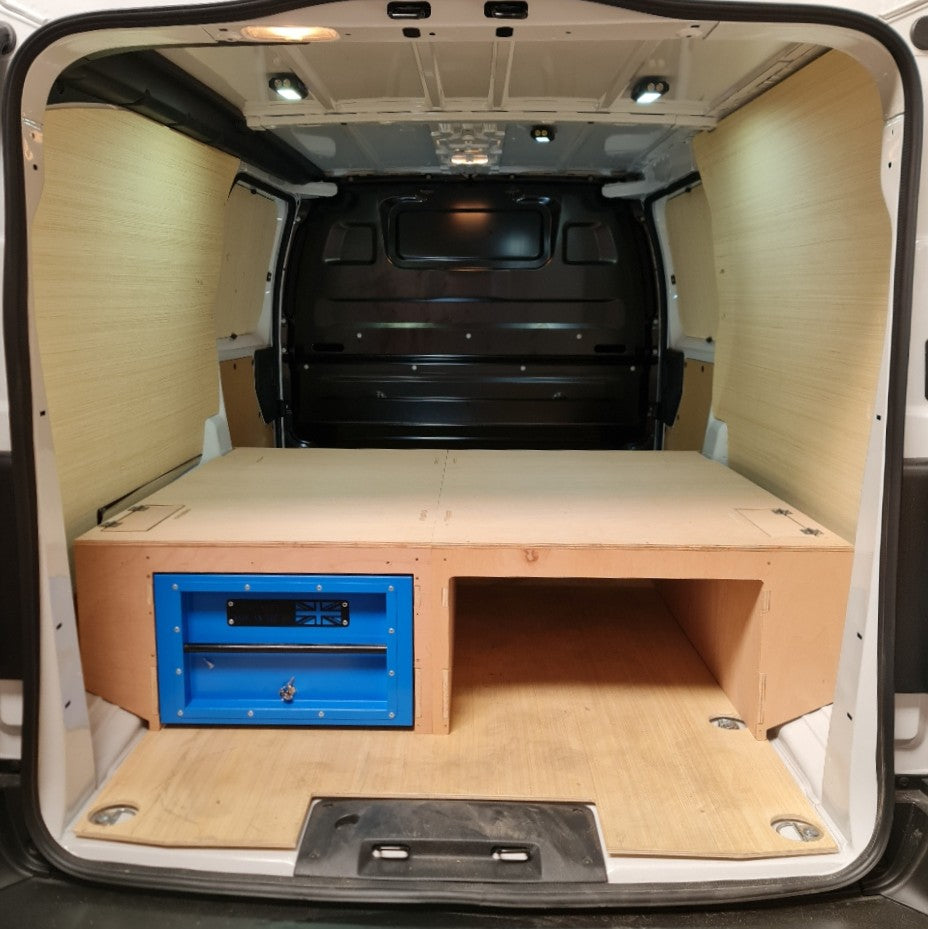
The load bed in a working van takes a lot of punishment. Toolboxes slide in and out, materials are dragged across the floor, and damp boots or wet equipment can leave the original surface dirty and scratched. A properly matched false floor creates a durable, level base that is better suited to everyday trade use.
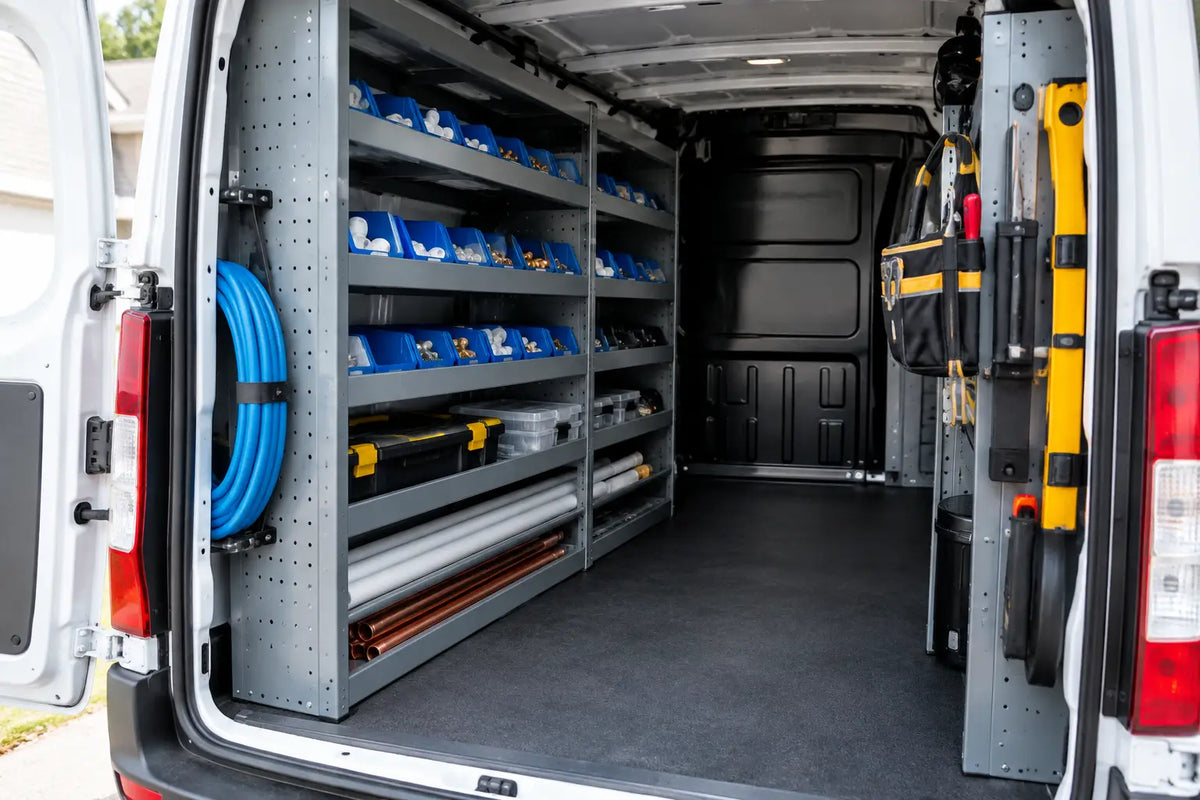
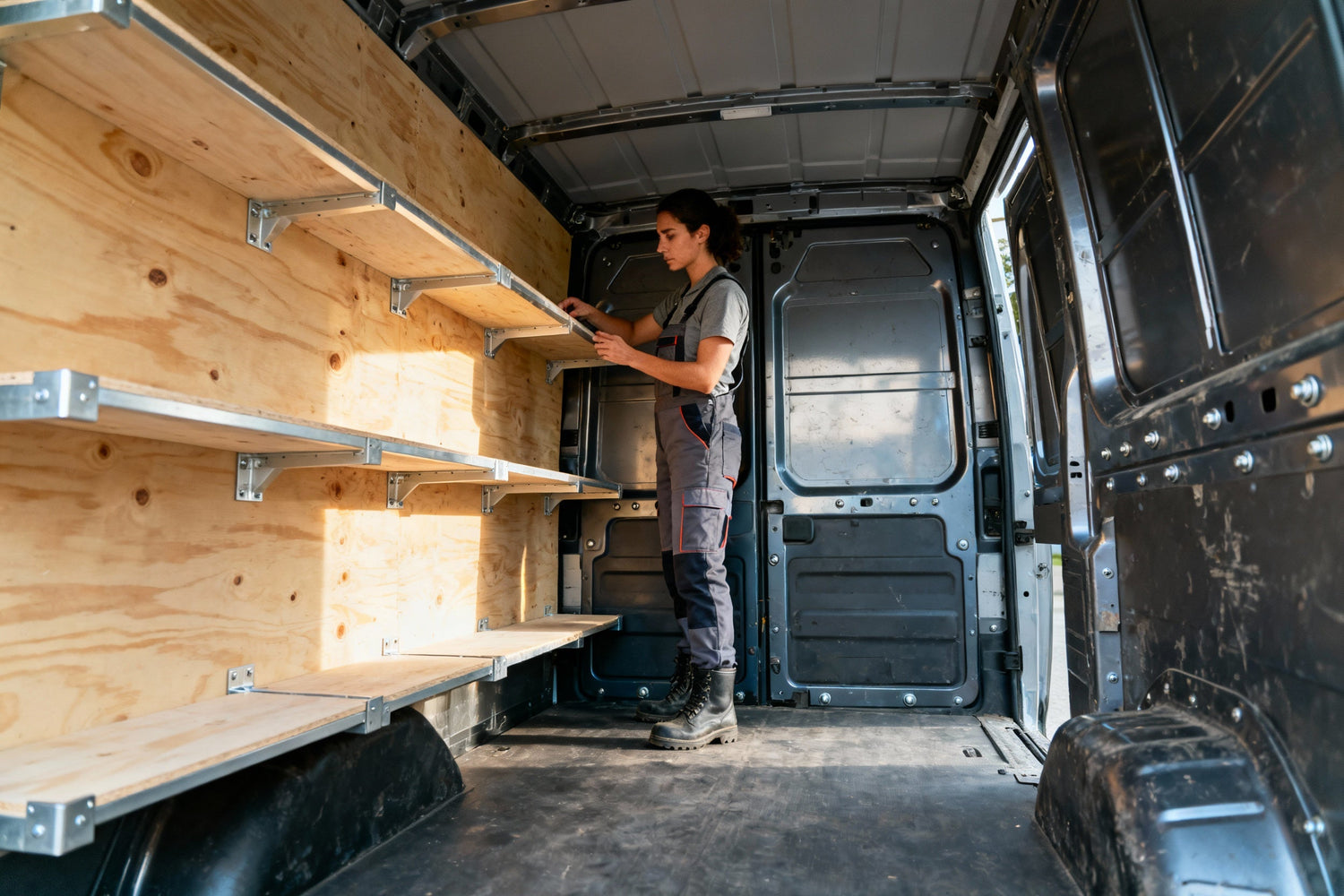
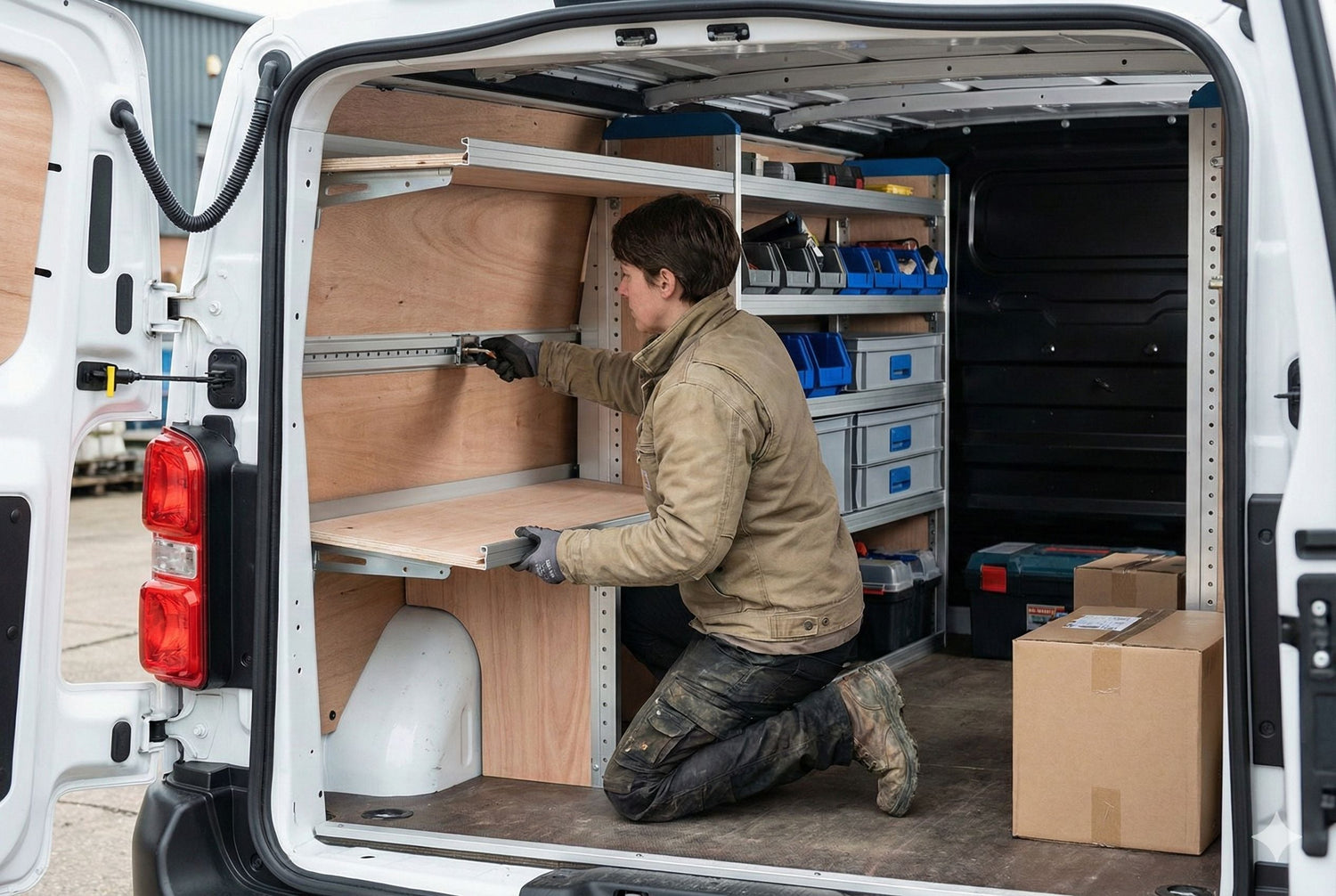
It also makes the rest of the storage plan easier. Shelving, racking and storage accessories work best when the floor beneath them is flat, secure and properly laid out. If you use stackable cases, parts organisers or sealants and consumables, a clean level surface prevents items from shifting about as easily in transit.
A well-fitted floor also looks more professional. That is useful when the van is parked outside a customer’s property or when several staff share one vehicle. Organisation is not just about appearance, though. When tools have clear places and the floor is easy to sweep out, the working day starts with less searching and less clutter.
Choose the floor around how you use the van
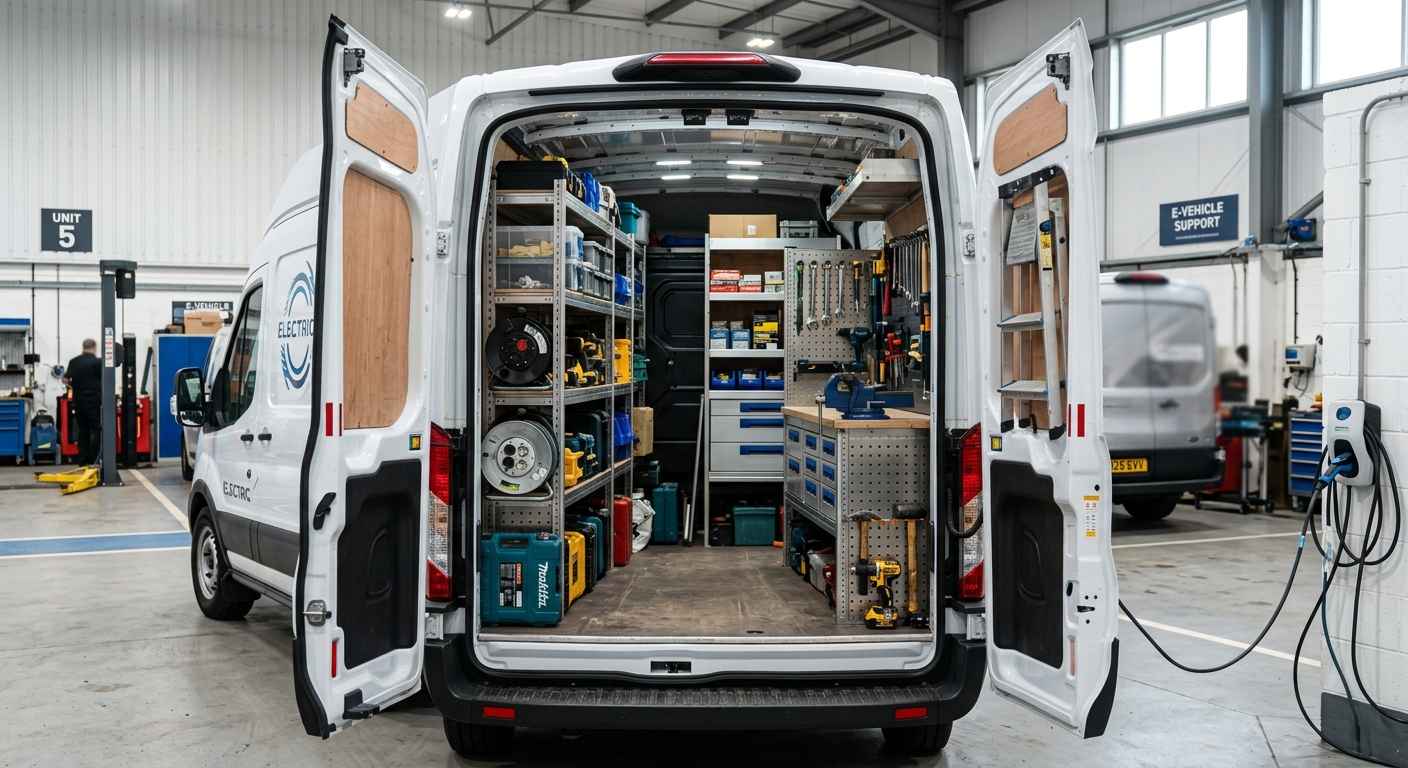
The best floor for a Vivaro depends on the work it does. A general maintenance van may need a hard-wearing base that supports shelving down both sides while leaving a central walkway. An electrician may prioritise a clear area for cable drums and tool cases. A builder may need open space for longer materials, alongside racking for fixings and hand tools.
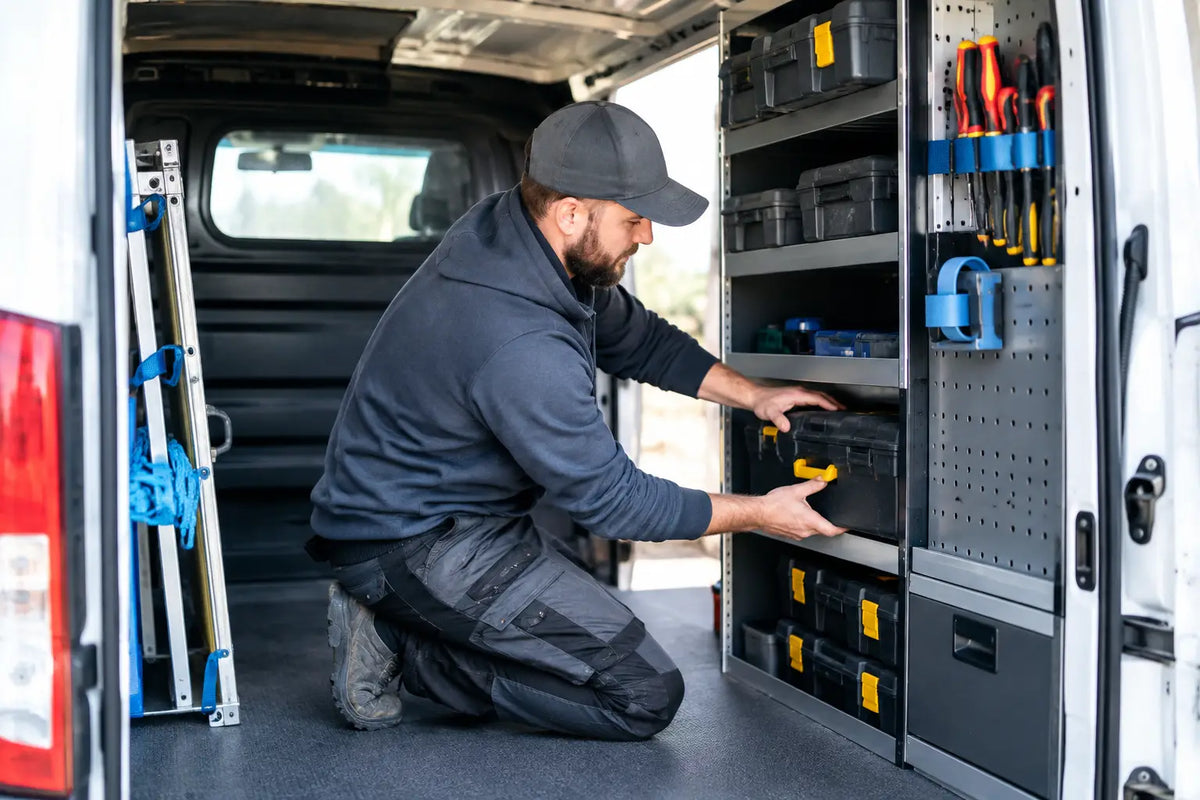
Think about what enters the van most often and where it needs to sit. Heavy tool cases should be easy to load through the rear or side door without catching on raised edges. Frequently used consumables should be positioned close to the door, rather than buried behind bulky equipment. The floor is the foundation for this layout, so decide on the workflow before filling the van with storage.
If you are fitting racking later, check how its feet or fixing points relate to the false floor and vehicle body. Avoid drilling or altering components unless the instructions for the specific products and vehicle make this appropriate. The aim is a practical setup that remains tidy, stable and easy to use, not a collection of parts forced into position.
Consider existing lining and bulkheads
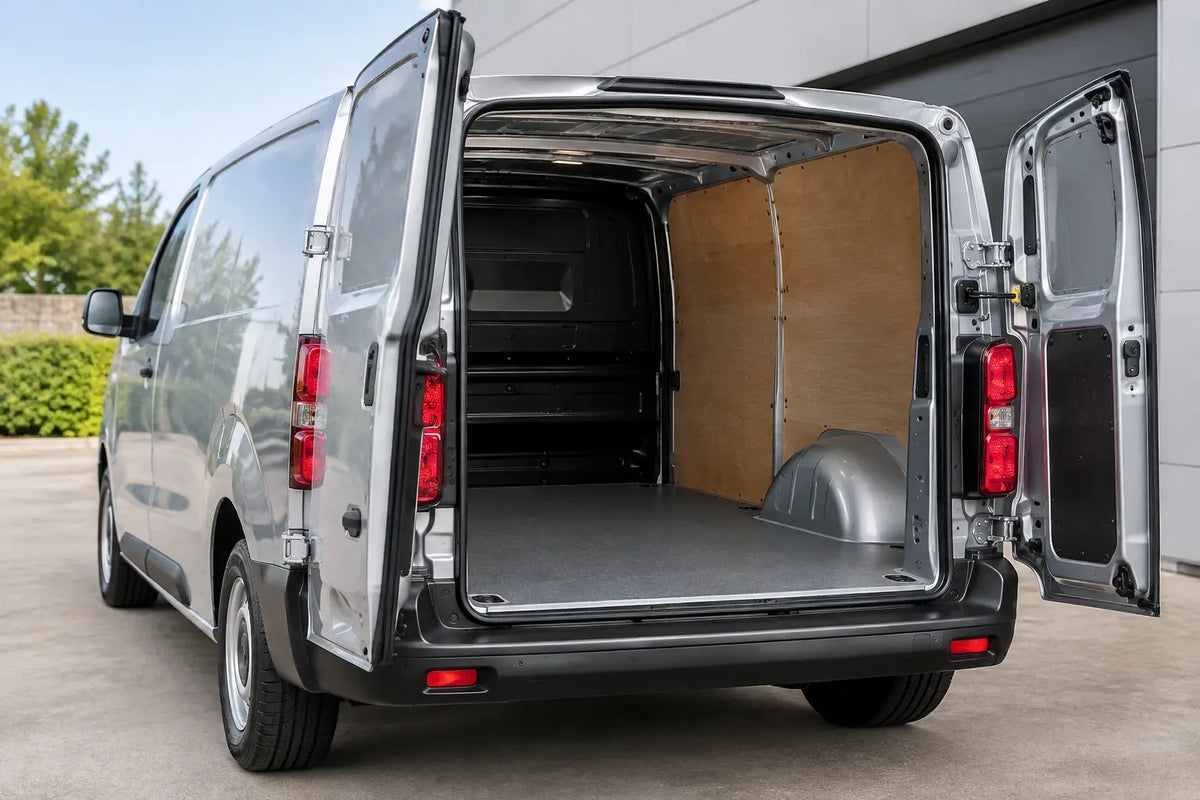
Many used Vivaros already have plywood lining, rubber mats, insulation or a bulkhead installed. These can affect the available load-space dimensions and the way a new floor sits.
A floor designed for an unlined vehicle may require a different approach if thick wall lining reduces the gap at the wheel arches. Likewise, a replacement bulkhead positioned differently from the original can change the front edge of the cargo area. Check whether the floor is intended to work with your current lining arrangement before ordering.
Do not build up several loose layers of old board, matting and floor panels in an attempt to make parts fit. It can reduce headroom, create uneven edges and make it harder to secure loads properly. Removing unsuitable material and starting with the correct model-specific floor is usually the cleaner option.
A quick fitment check before you buy
Have the key details ready: Vivaro model year, generation, wheelbase or body length, rear-door type and whether the load area has aftermarket lining. Take a few clear photos of the empty rear compartment as well, including the wheel arches, bulkhead edge and side loading door.
When checking a product description, look for the stated van model and year range rather than relying on a general label such as “medium van floor”. Confirm whether it is designed for your body length and whether any relevant load-area features are covered. If the listing does not clearly match your van, pause before ordering and ask for clarification with your vehicle details.
This is particularly worthwhile for fleet managers. A fleet may include Vivaros registered in different years that look similar from the outside but have different cargo-area layouts. Recording the exact specification for each vehicle avoids ordering the same floor across vans that are not identical.
Get the most from the new floor
Once you have selected the right floor, clear the load area properly before fitting it. Remove loose debris, check for damage or moisture, and make sure existing lining is secure. A clean surface helps the floor sit as intended and gives you a chance to spot worn tie-down points or damaged trim.
After fitting, plan the van in zones. Keep daily-use tools near the access door, heavier equipment low down, and smaller consumables in dedicated shelving or holders. This reduces the time spent moving items around to reach what you need. It also keeps the central floor space useful instead of turning it into a pile of loose cases.
CNC Work supplies practical storage products for trade vans, but the key decision always comes first: choose components that are clearly specified for your Vivaro, not just parts that appear close enough. Get the base right, and every shelf, toolbox and organiser added afterwards has a better place to work from.
A correctly matched Vivaro floor is not a cosmetic extra. It is the starting point for a safer, tidier and more productive mobile workspace that earns its space on every job.