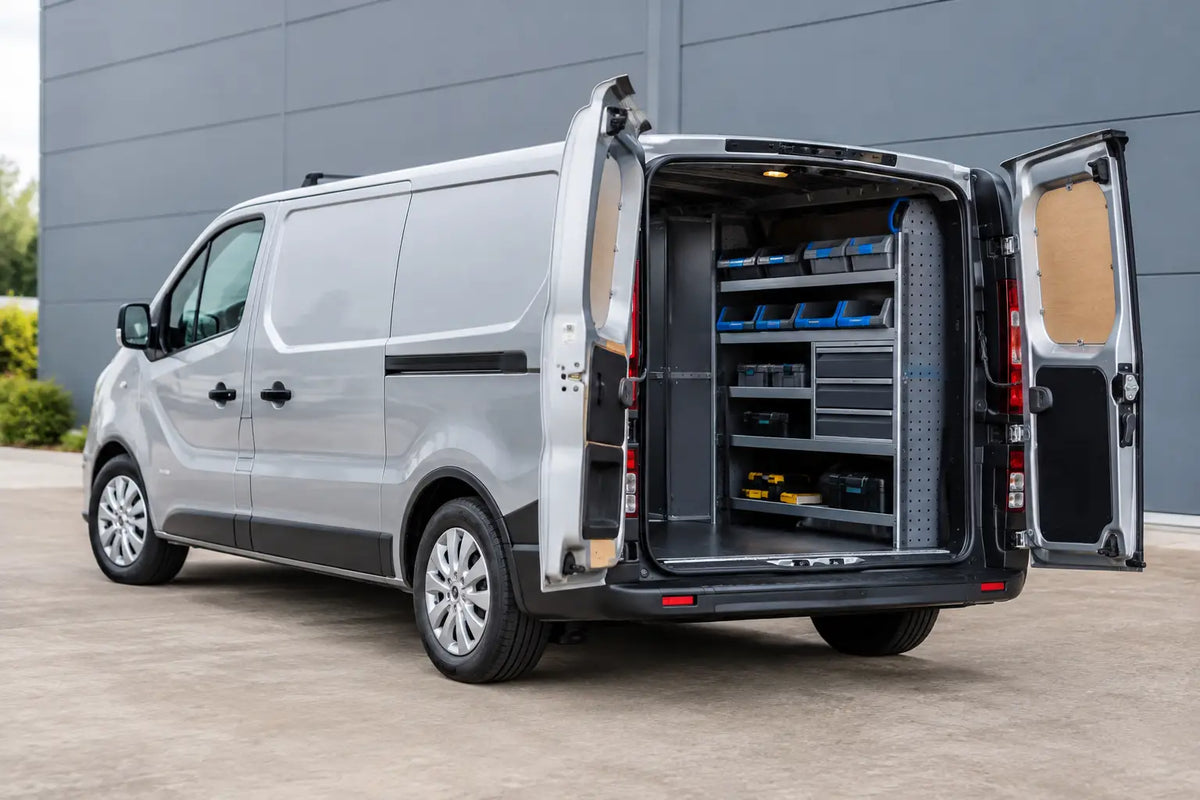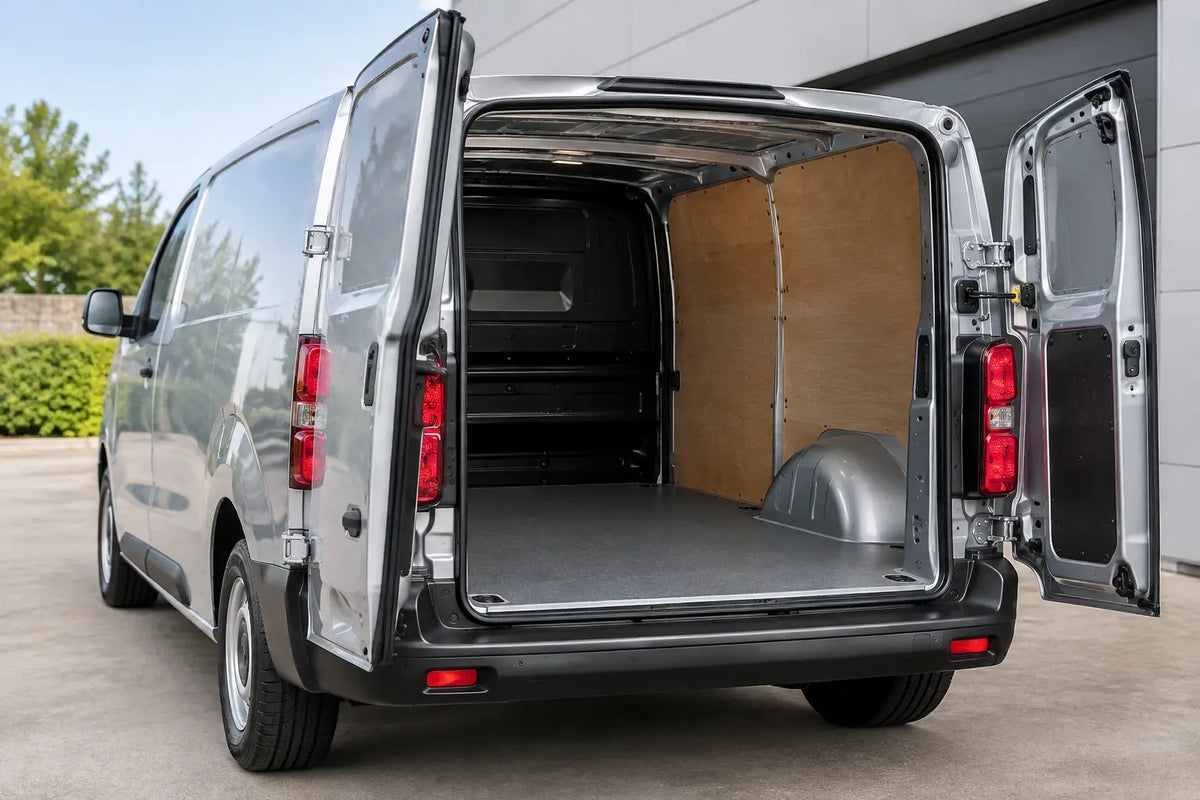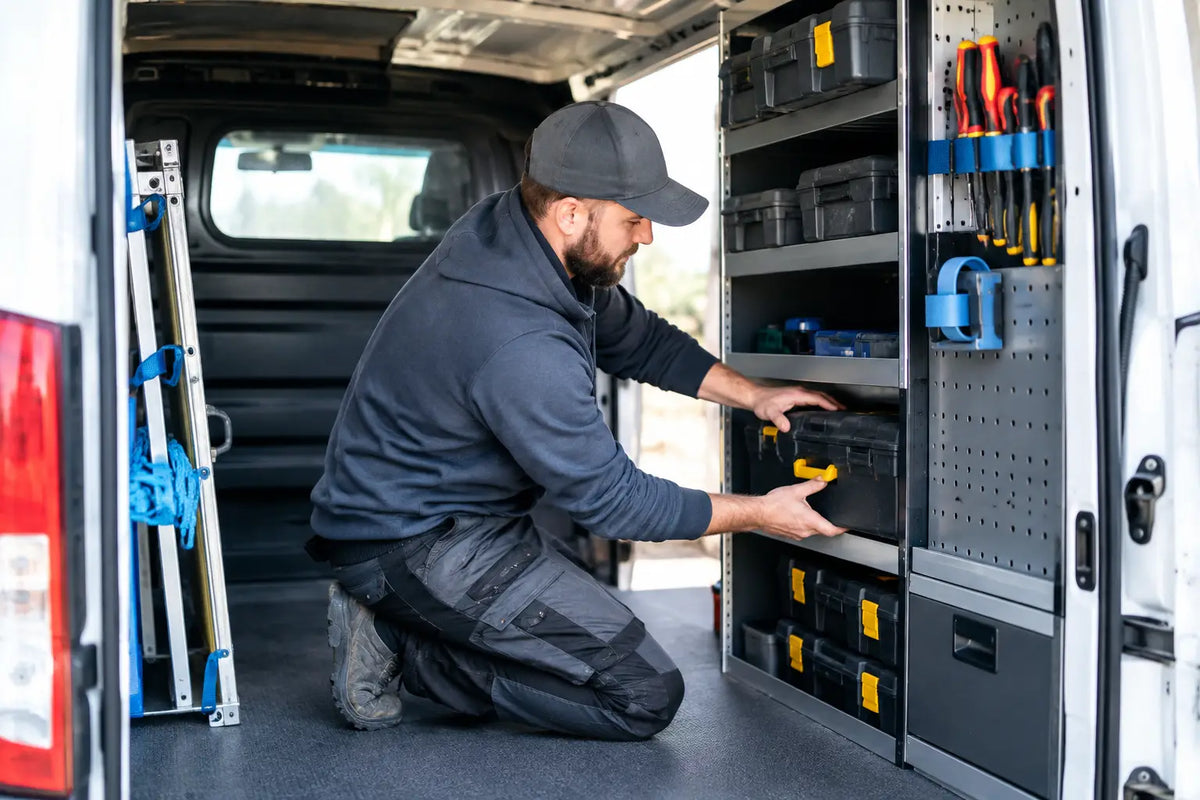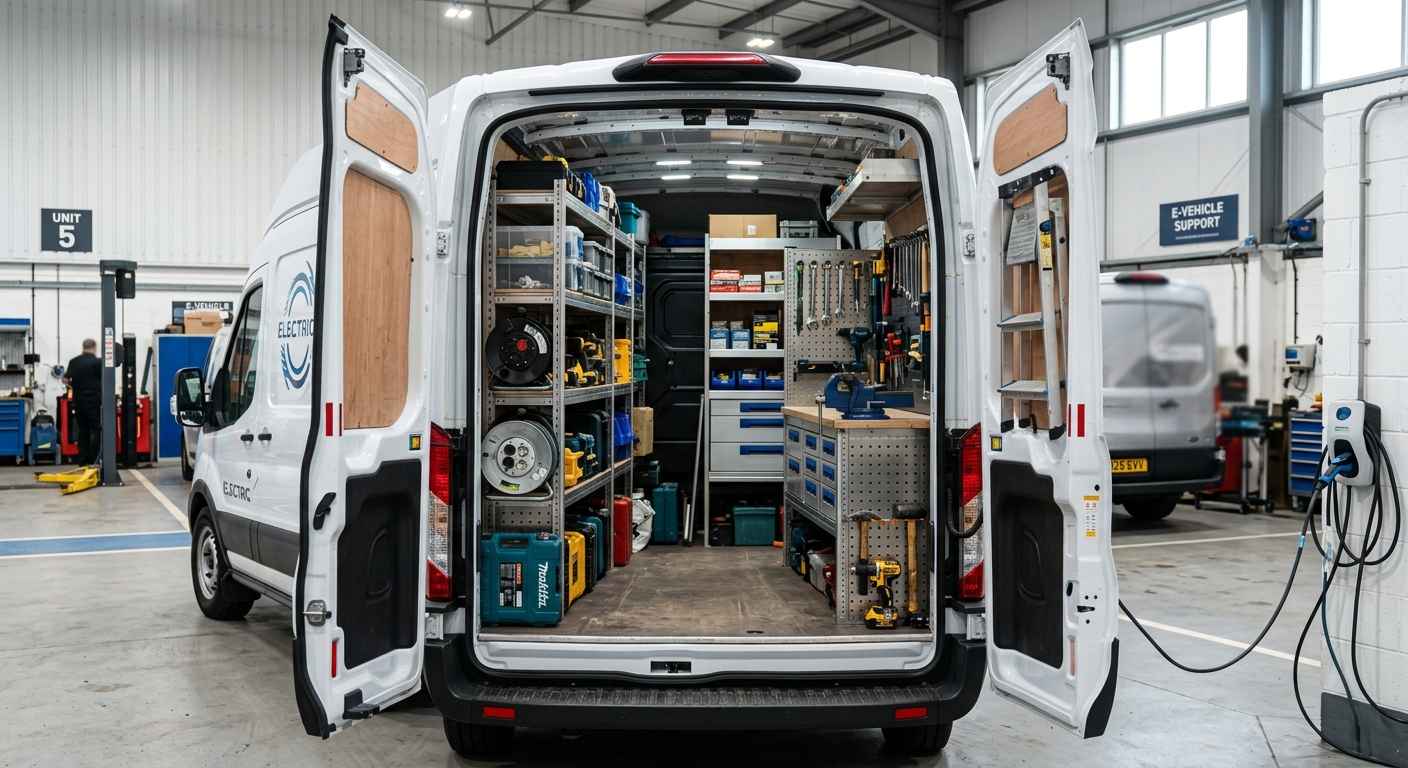






A false floor has to cope with more than a few toolboxes. It may carry power tools, fixings, pipe, cable, cases and muddy boots every day, while providing access to storage below. To choose false floor materials properly, start with the jobs your van actually does, rather than simply selecting the thickest board available.
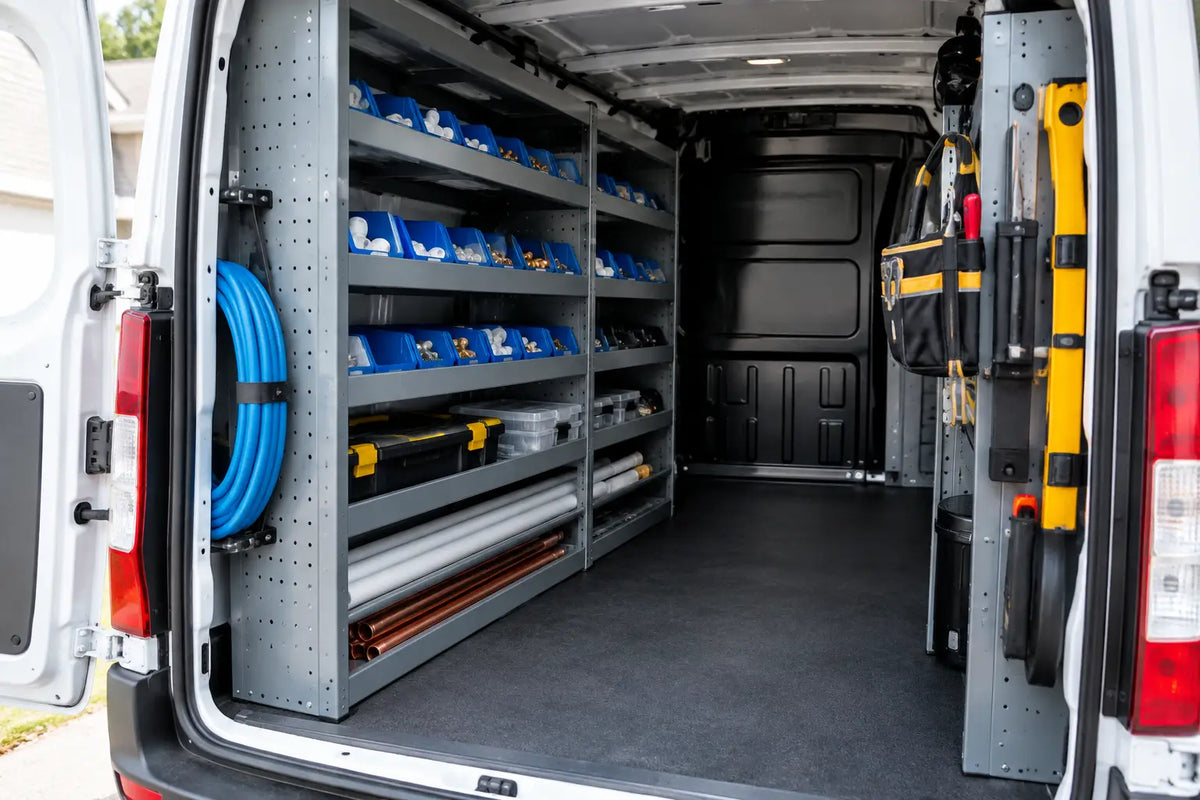
For a plumber carrying fittings and lengths of pipe, the priorities may be protected underfloor storage and easy cleaning. For an electrician, organised access to cable, testers and consumables may matter more. A multi-trade van or fleet vehicle will usually need a tougher surface that stands up to varied loads and regular use. The right material is the one that supports that workload without adding unnecessary weight or making the van awkward to use.
Start with the load, not the material name
Before comparing plywood, composite boards or aluminium-faced options, think about what will sit on top of the floor and how it will be loaded. A floor that is only walked on has a different job from one that repeatedly takes stacked cases, generators or wheeled equipment.
Consider both the overall payload and concentrated weight. A broad stack of boxes spreads its load, while the small feet of a heavy machine can put pressure into one area. The supporting structure beneath the floor matters just as much as the top sheet. Even a strong board can flex if the battens, cross-members or frame are too widely spaced.
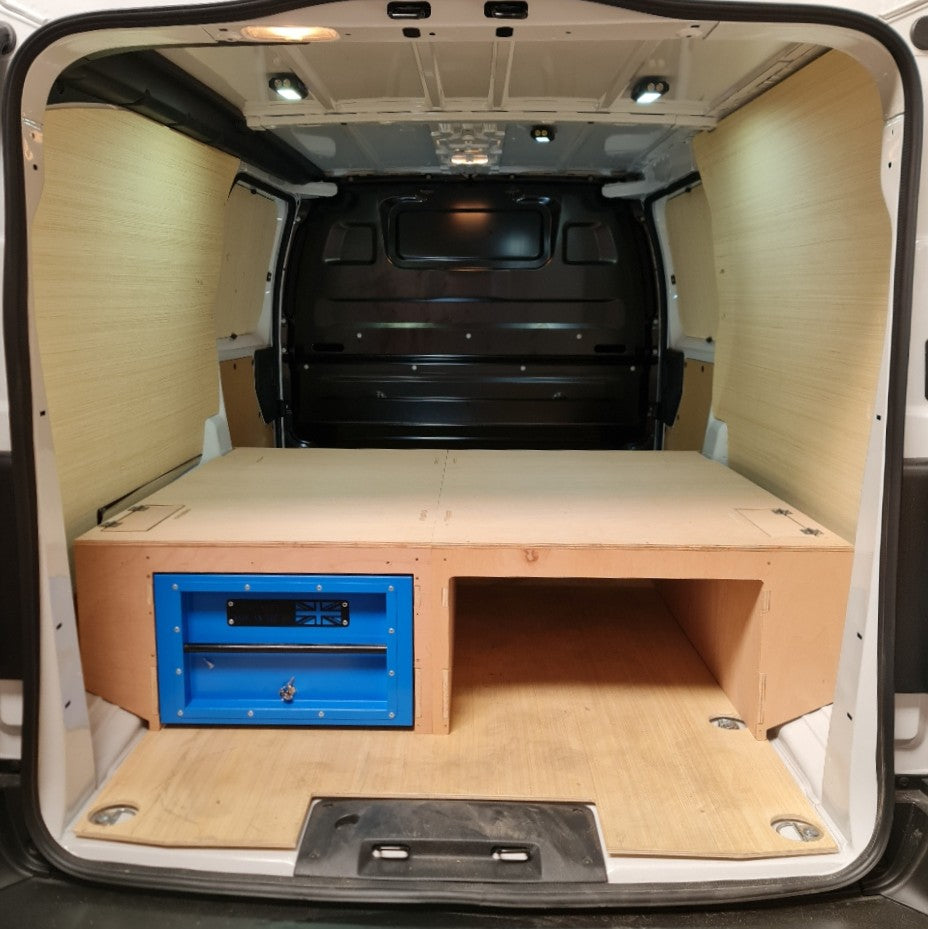
Also think about access. If the false floor includes hatches or drawers below, the material needs enough stiffness around openings to keep the surface stable. A large hatch can be practical, but it needs proper support so it does not sag or rattle after months on the road.
Common false floor materials for working vans
There is no single best material for every commercial van. Each option brings a different balance of strength, weight, grip, cost and resistance to day-to-day wear.
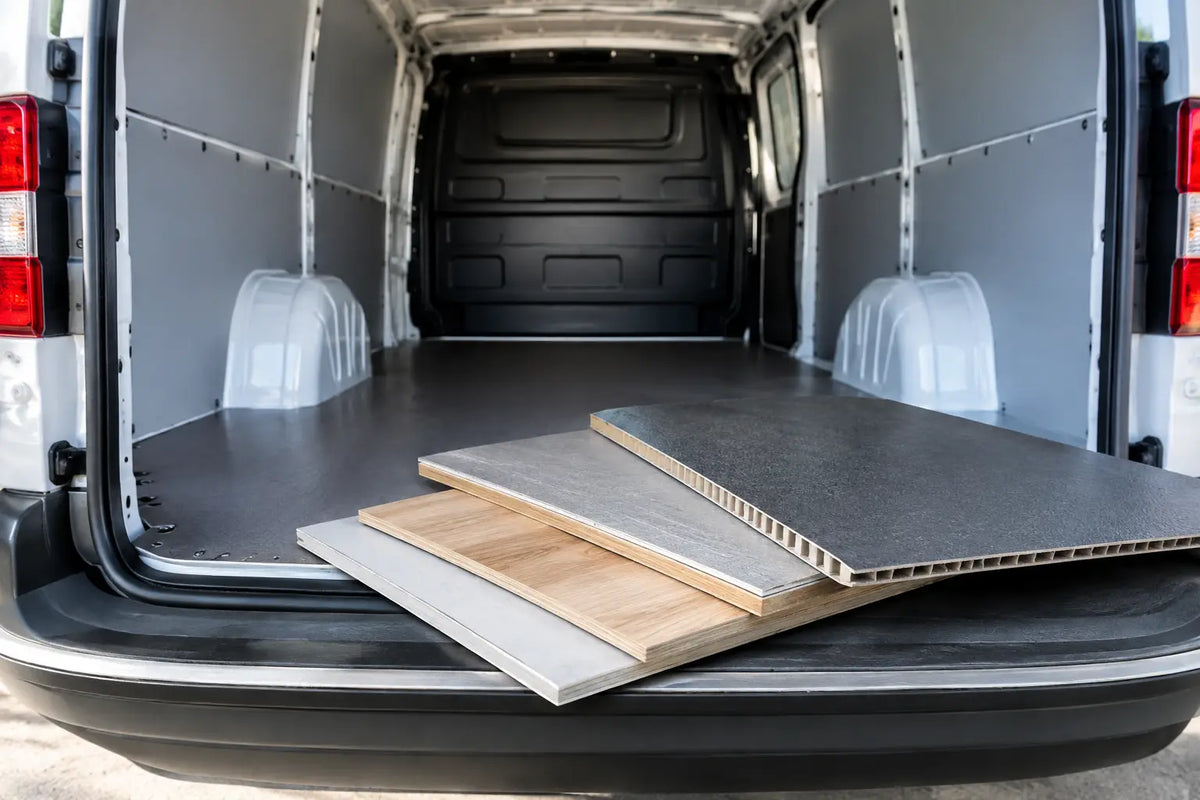
Phenolic-faced plywood
Phenolic-faced plywood is a familiar choice in working vehicles because it is strong, practical and available with textured anti-slip surfaces. The coated face helps it deal with damp boots, spills and general site dirt better than untreated timber. It is particularly suited to tradespeople who regularly step in and out of the load area or move equipment across the floor.
Its main trade-off is weight. A thicker sheet can add a noticeable amount to the vehicle, especially in a medium or large van. Edges and cut-outs also need sealing properly. If exposed timber edges are left unprotected, repeated moisture can eventually affect the board.
Birch plywood and other quality timber boards
Good-quality plywood can provide a solid, dependable base where a specific finish or covering is planned. It is easy to cut accurately for hatches, wheel arch details and vehicle-specific layouts. It can also work well where the floor will be topped with rubber or another protective layer.
However, plain plywood is not automatically ready for a working van. It needs a suitable finish to resist moisture and dirt, and the surface may not offer enough grip on its own. The grade of board matters too. Lower-quality sheets can have internal voids, weaker faces or poor resistance to repeated vibration.
Lightweight composite boards
Composite materials can reduce weight while maintaining useful stiffness. This can be a sensible option where payload is tight, such as a van that carries stock, equipment or several people as well as its storage system. Less floor weight leaves more capacity for the items that earn their keep on the job.
The decision is not simply lighter versus stronger. Check how the board performs around fixings, edges and hatch openings. Some lightweight materials need a carefully designed support frame and may not suit every heavy point load. They can be excellent in the right build, but should be chosen as part of the whole floor system rather than as a standalone sheet.
Aluminium-faced surfaces
Aluminium-faced panels can offer a hard-wearing, professional-looking surface and are often considered where moisture, abrasion or frequent loading are concerns. Chequer plate finishes can provide grip, although the pattern alone should not be treated as a guarantee against slips in wet or oily conditions.
Metal surfaces can add cost and may create more noise from loose tools or equipment unless the storage layout controls movement. They can also be less forgiving on knees and on items placed directly on the floor. For many trade vans, they work best in high-wear areas or as part of a mixed-material setup rather than across every square inch of the load space.
Choose a surface that suits your working conditions
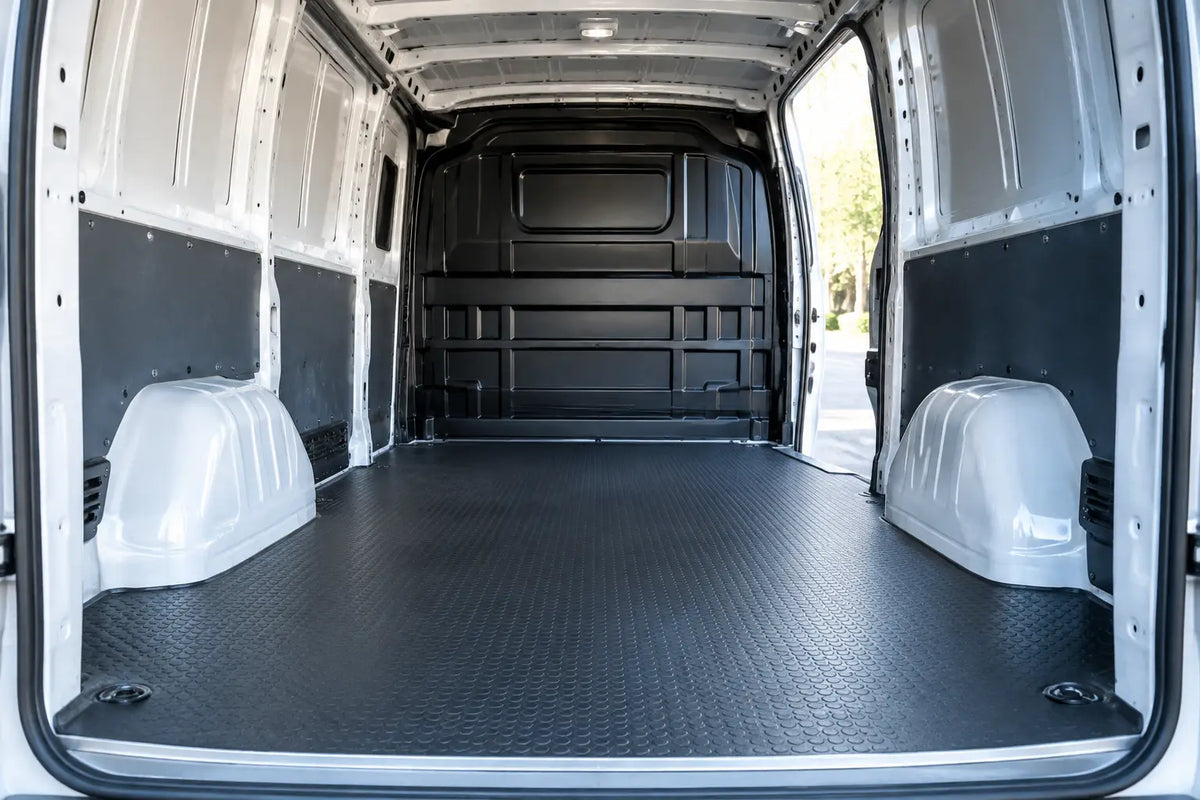
Grip is not a cosmetic detail. If you load the van in rain, work on muddy sites or regularly transport containers that can slide, an anti-slip finish is worth prioritising. It helps protect both equipment and the person loading it.
Cleaning is another practical consideration. Smooth sealed surfaces are quick to wipe down after a dusty day, but a heavily textured finish can hold more grit. That does not make textured boards the wrong choice - it simply means they suit users who value traction above fast cleaning. For many vans, a durable textured phenolic surface gives a sensible compromise.
Moisture resistance should also be judged realistically. Few working vans stay perfectly dry. Wet clothing, leaking bottles, site mud and condensation all find their way into the load area. Look for sealed faces and sealed cut edges, particularly around hatches, rear doors and side-loading areas where water is more likely to be tracked in.
Thickness and support need to work together
It is tempting to solve every flooring concern by choosing a thicker board. Thickness helps, but it is not the full answer. A well-supported floor made from an appropriate material can feel firmer and last longer than a thicker board laid over an inadequate frame.
The false floor height affects more than storage depth. Raising the floor reduces internal load height and changes the step up at the rear and side door. In a van where you frequently load bulky equipment, excessive height can become frustrating very quickly. Measure the available space carefully and allow for any racking, drawers or equipment that needs to clear the floor.
Keep the support layout practical for the van body. It should spread weight without blocking access to required fixing points or creating areas that trap water and debris. Avoid assumptions between models too. Even vans with similar names or body shapes can have different floor dimensions, wheelbase options and fixing arrangements.
Do not overlook weight and payload
Every addition to a working van affects payload. A false floor, drawer system, shelving and tools can add up faster than expected. This does not mean choosing the lightest possible material at all costs. A floor that wears out early or flexes under your normal kit is poor value, even if it saves some weight.
Instead, match the material to the job. A maintenance engineer carrying organised cases may benefit from a lighter system. A builder transporting heavier equipment may be better served by a stronger board and closer support spacing. If you operate a fleet, consistency can also help drivers use each vehicle safely and keep replacement parts or layouts straightforward.
Plan for the storage below the floor
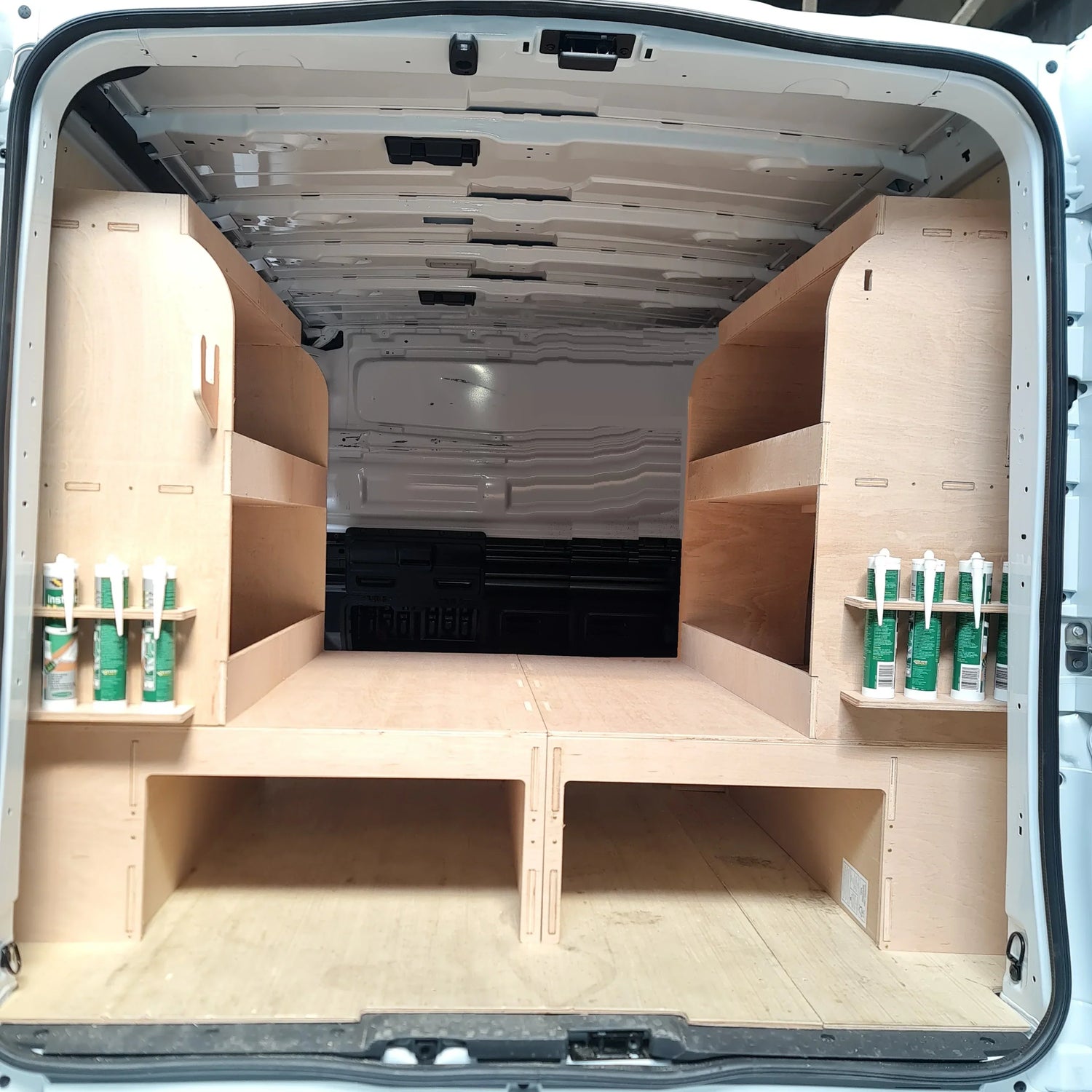
The real value of a false floor is often the usable space it creates underneath. Long, awkward items such as pipe, conduit, trunking, cable rods or straightedges can be kept out of the main load area, freeing space for the tools needed most often.
That storage only works if access is sensible. Decide whether you need rear access, side access, lift-up hatches or a combination. Long compartments are useful, but avoid making them so deep or narrow that contents are difficult to retrieve. Handles, catches and hatch edges should be positioned for quick use with work gloves, not just for a tidy appearance.
It is also worth planning what must remain accessible when the van is fully loaded. The item you use ten times a day should not sit beneath a stack of boxes. Put everyday consumables and frequently used tools where they can be reached without unloading half the vehicle.
Check fitment before buying
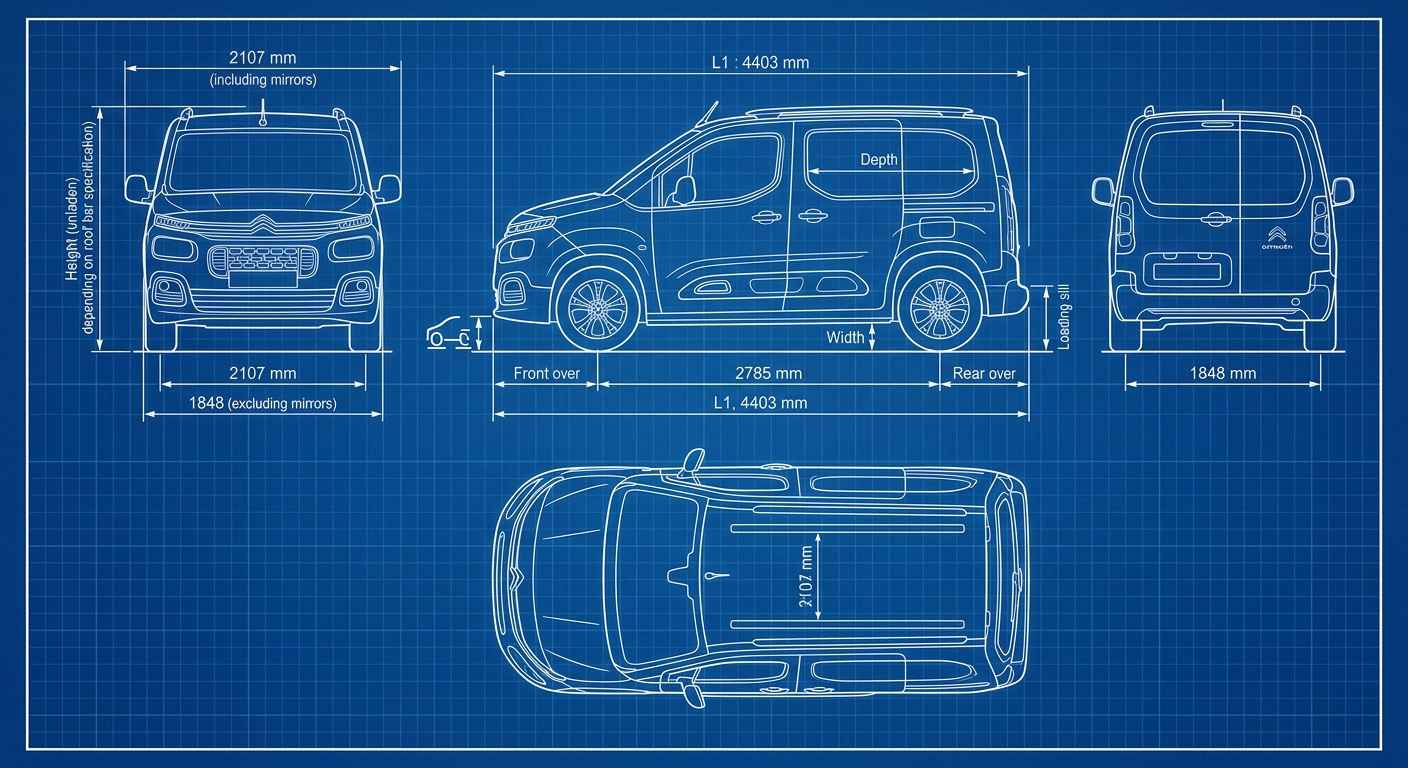
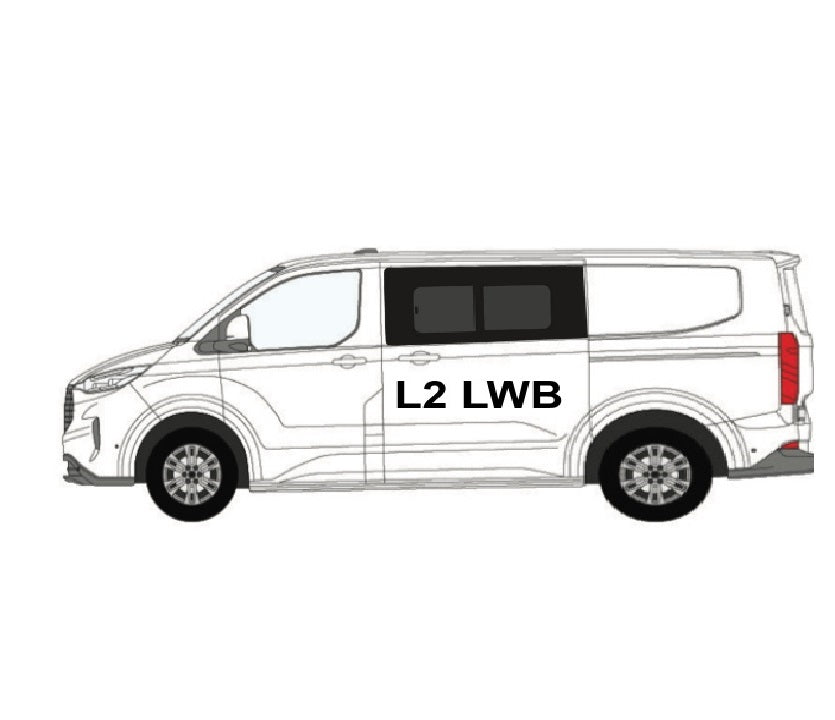
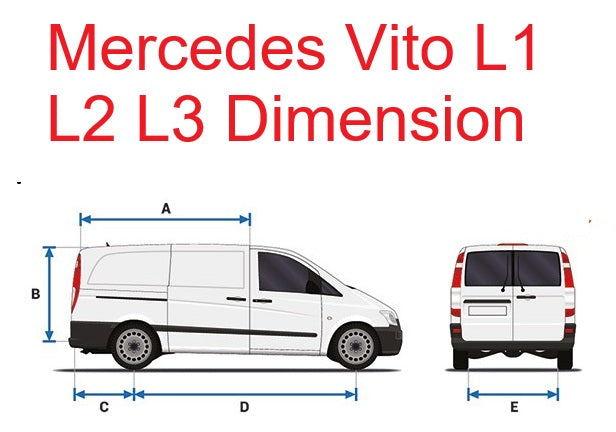
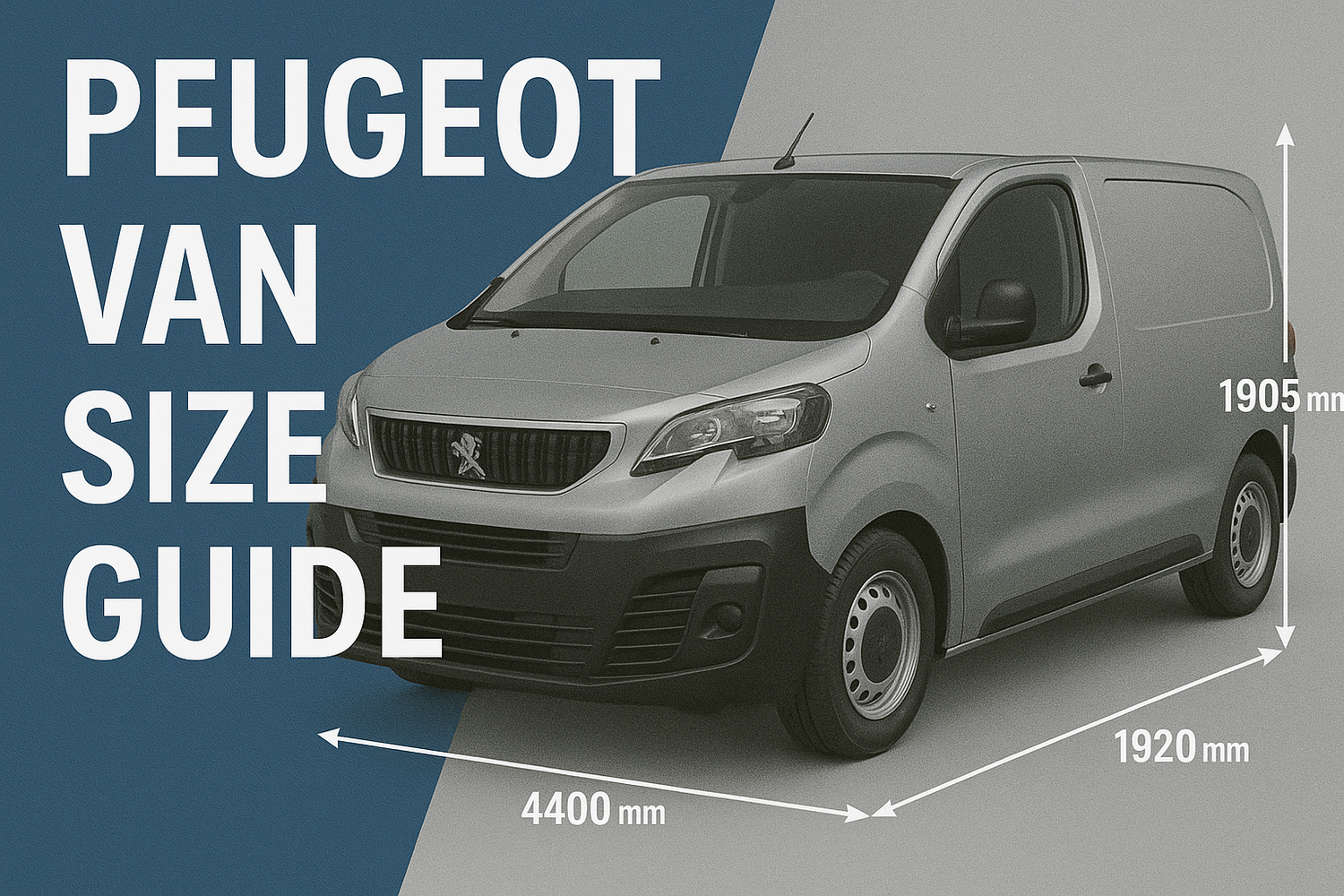
A false floor should be selected for the specific van, wheelbase and intended layout. Measure the load area, identify wheel arch positions and note side-door access before committing to a material or system. If you are adding shelving or racking, consider how its feet and fixing points will meet the floor structure.
Vehicle-specific false floor options can take much of the guesswork out of planning, provided you confirm the model details before ordering. For working vans, a clean fit, reliable access and a sensible load layout are more useful than a complicated design that looks good on paper.
The best floor is one you stop thinking about because it does its job every day: it keeps equipment organised, gives you a stable place to work from and helps you get to the next task without wasting time searching through the back of the van.