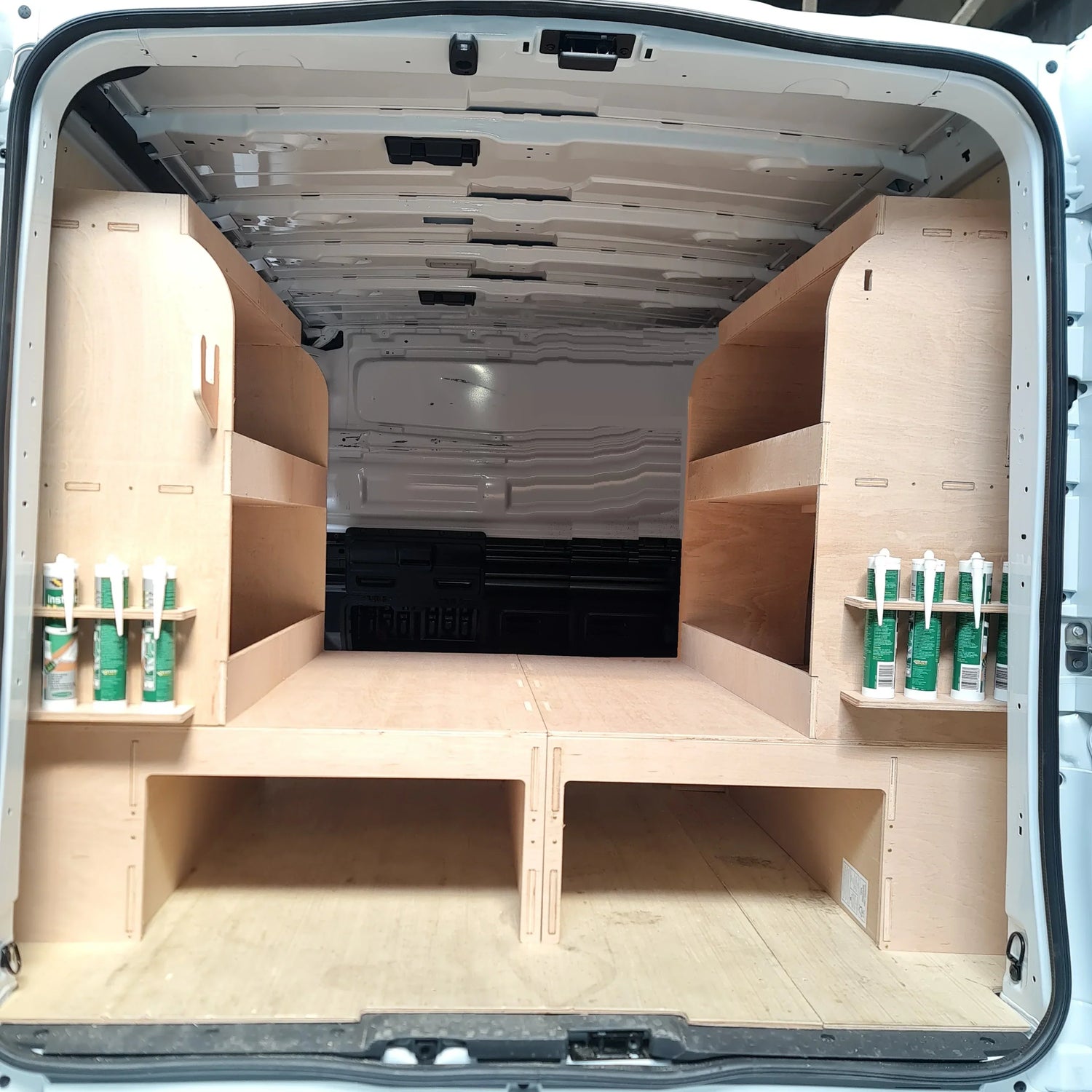











A van that looks tidy at the start of the week can soon become a pile of tools, fittings, packaging and half-used consumables. Knowing how to organise a work van properly is not about making it look smart for its own sake. It is about finding what you need first time, protecting valuable equipment and getting on with the job without unnecessary delays.
The best layout depends on your trade, the size of your van and the equipment you carry every day. A plumber needs easy access to pipe fittings and sealants. An electrician may need secure storage for testers, cable, fixings and power tools. A maintenance engineer may carry a broader mix of parts. The principle is the same: give every item a fixed, sensible place.
Start with the work you actually do
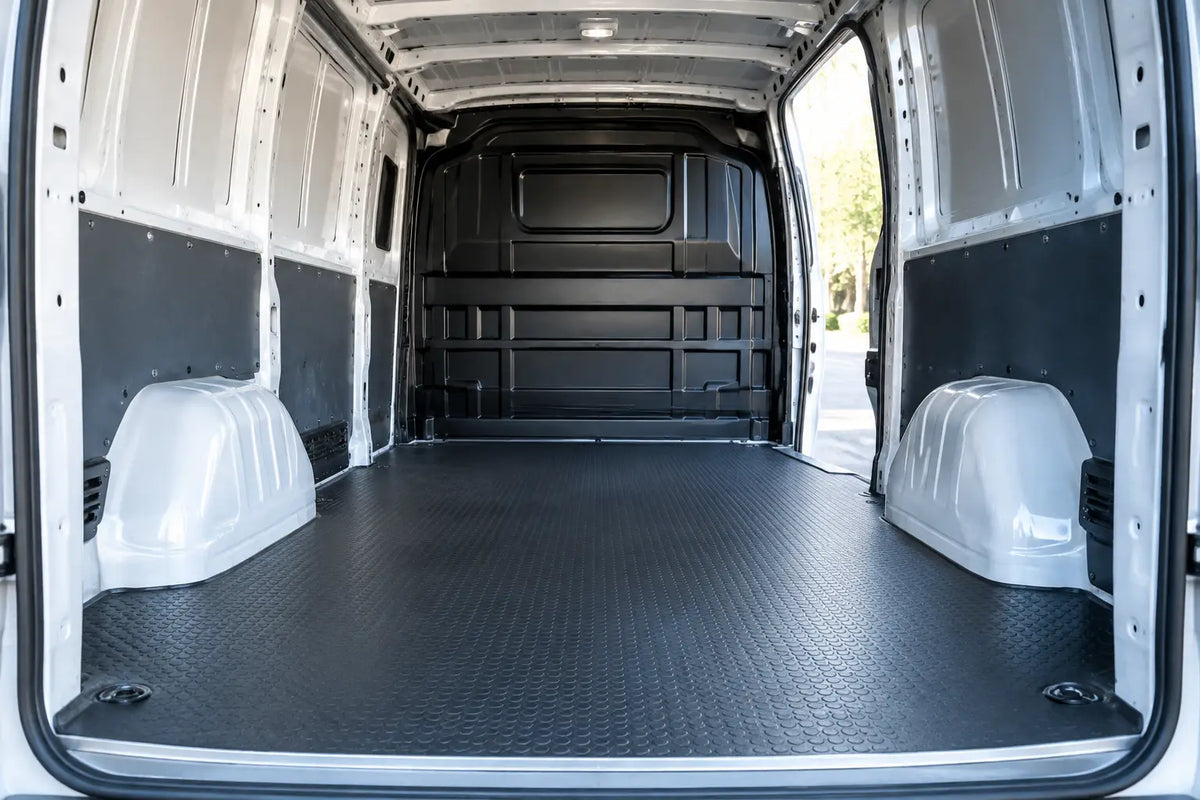
Before buying shelving or moving equipment around, empty the load area and look at what is really in the van. Put everything into three groups: items used daily, items used weekly, and equipment only needed for specific jobs. This first step often exposes tools that have been carried for months without being used.
Daily-use items should be closest to the side or rear doors. These are the tools, consumables and fixings you reach for repeatedly during a working day. Weekly items can sit higher up or further inside the load area. Specialist equipment can be stored securely but does not need to take up the most accessible space.
Be honest about weight too. Heavy toolboxes, machines and stock should stay low down and as close to the centre of the vehicle as practical. This helps keep the van stable and makes loading less of a strain. Avoid putting heavy items on high shelves simply because there is spare room.
Build the layout around access
A good work van layout lets you collect the equipment for a job in a few seconds. Think about which door you normally use first. If you park on a busy street, rear-door access may suit your workflow. If you often work from the kerbside, access through the sliding side door could matter more.
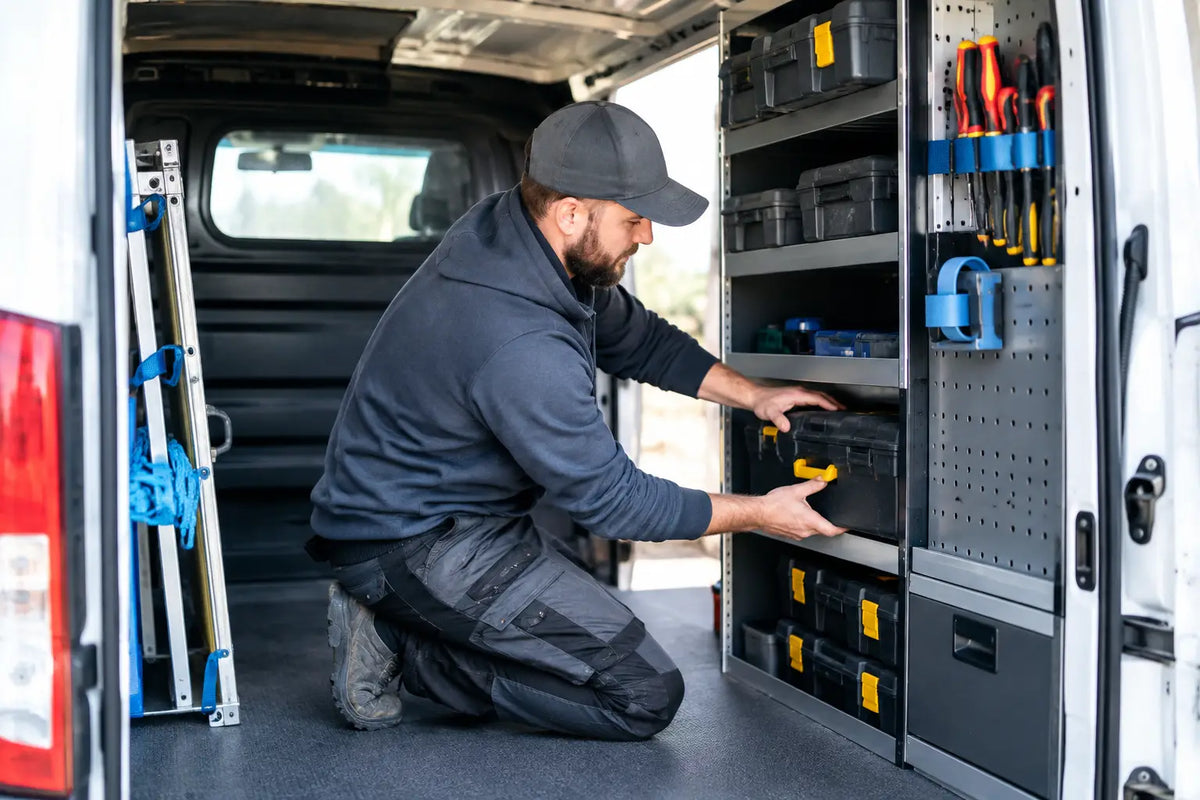
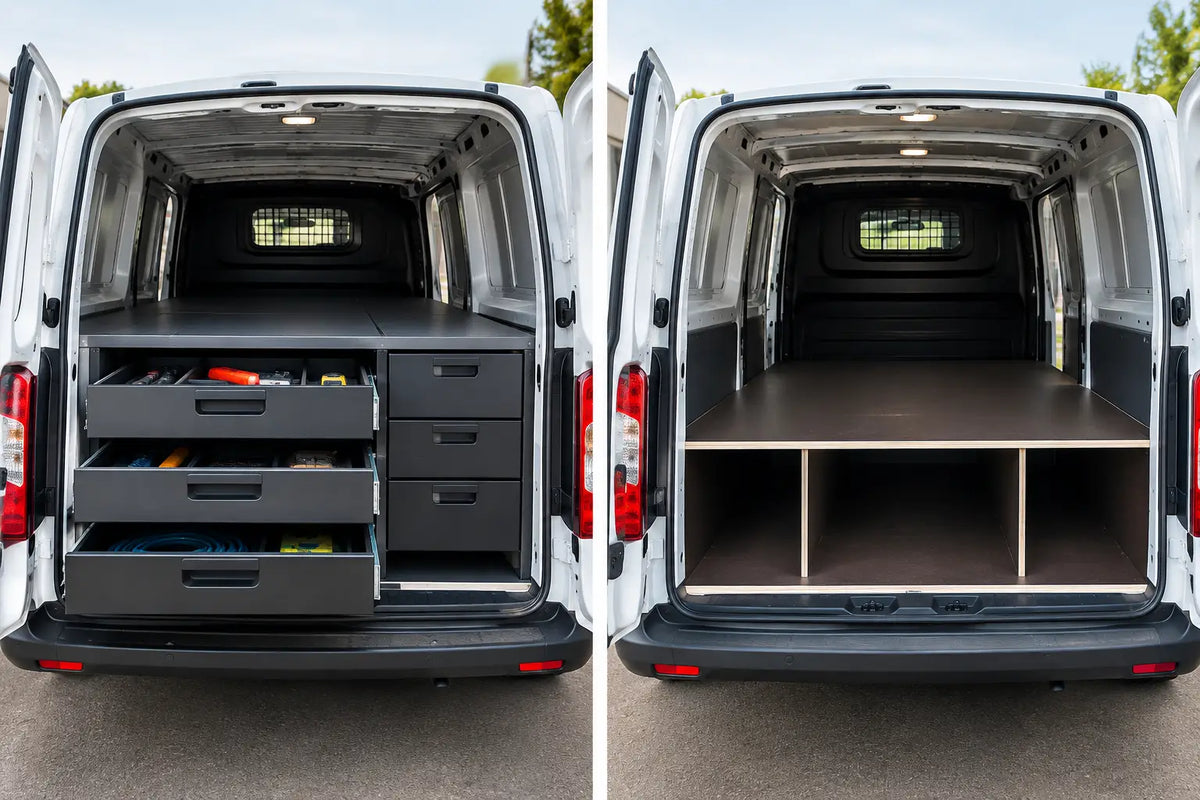
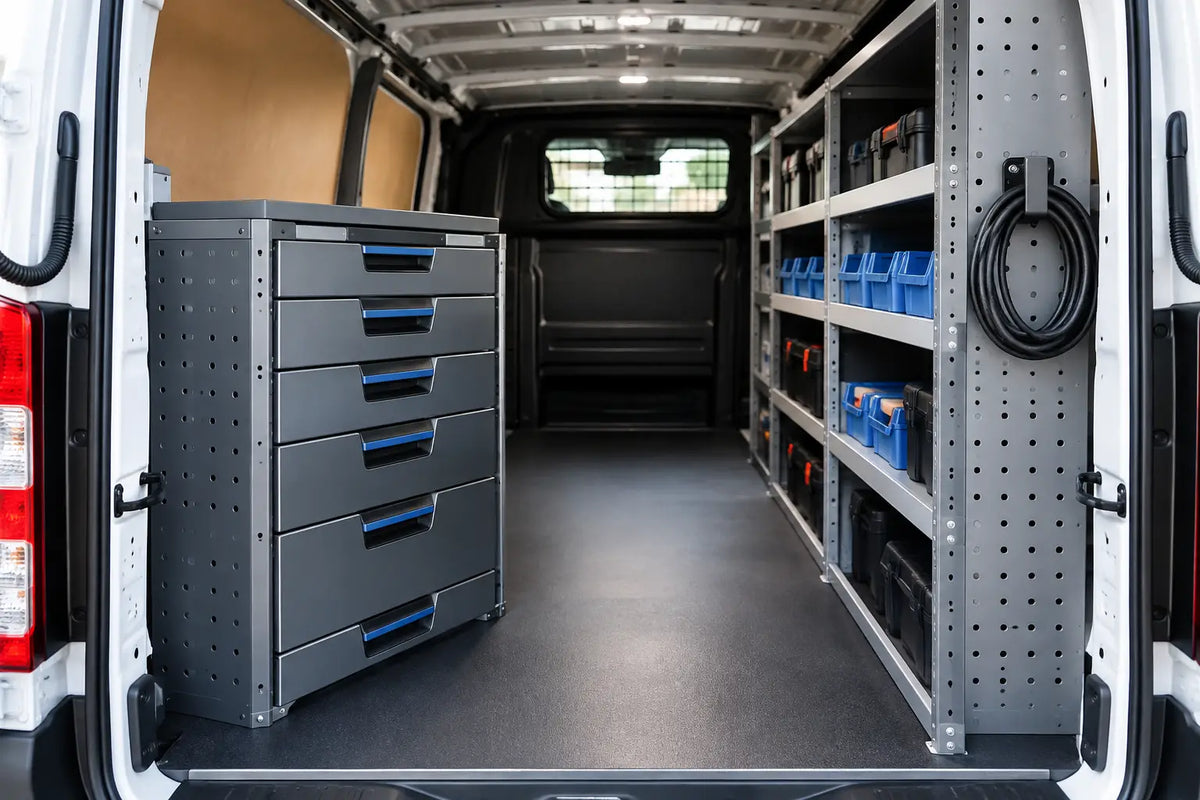
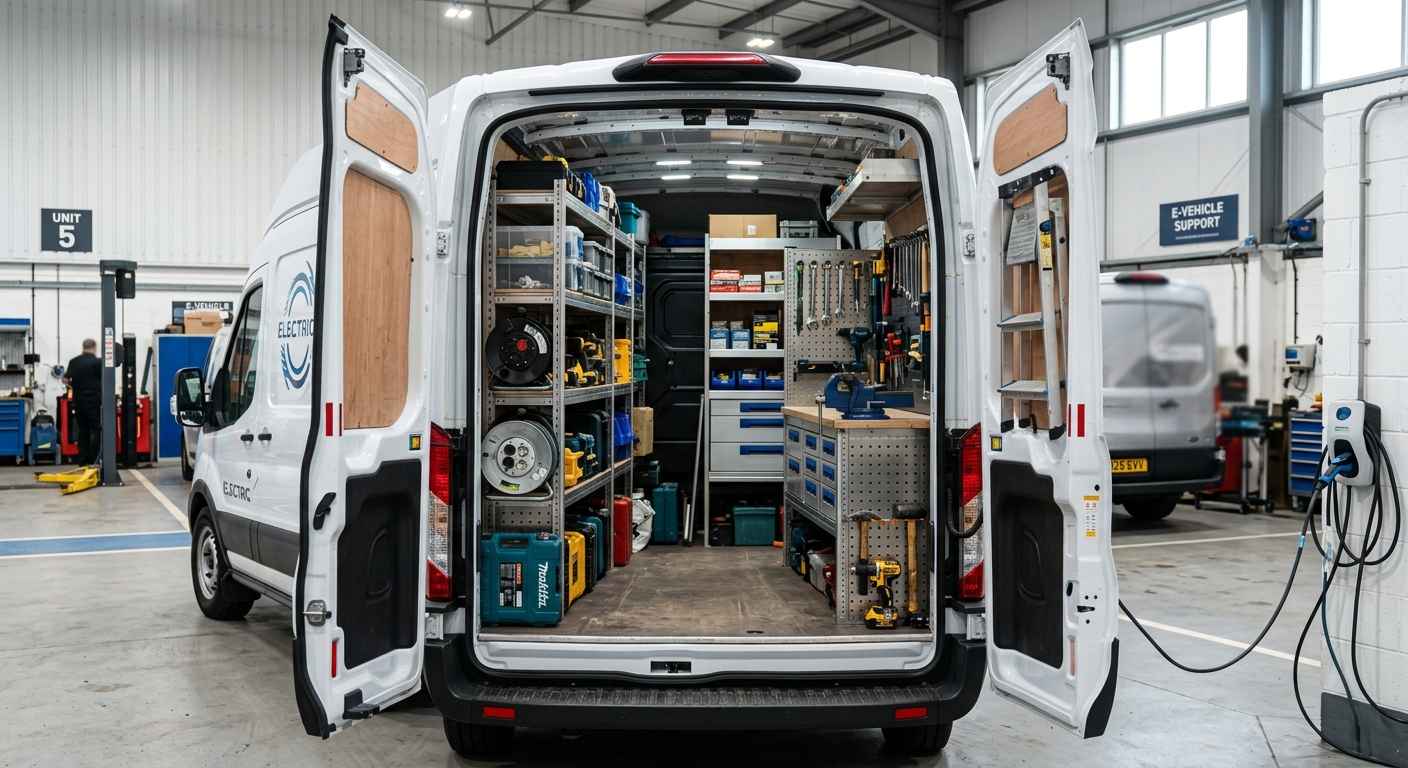
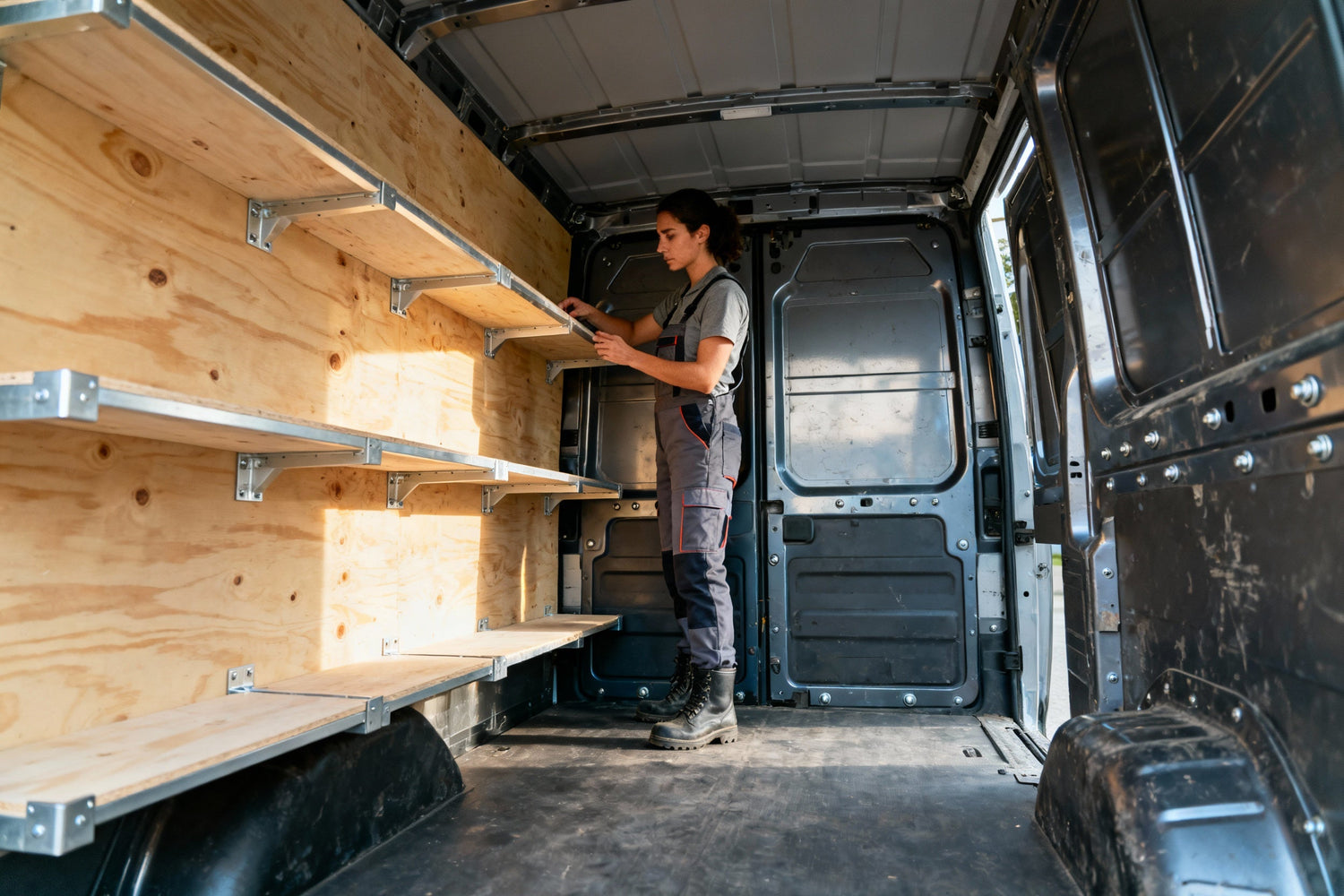
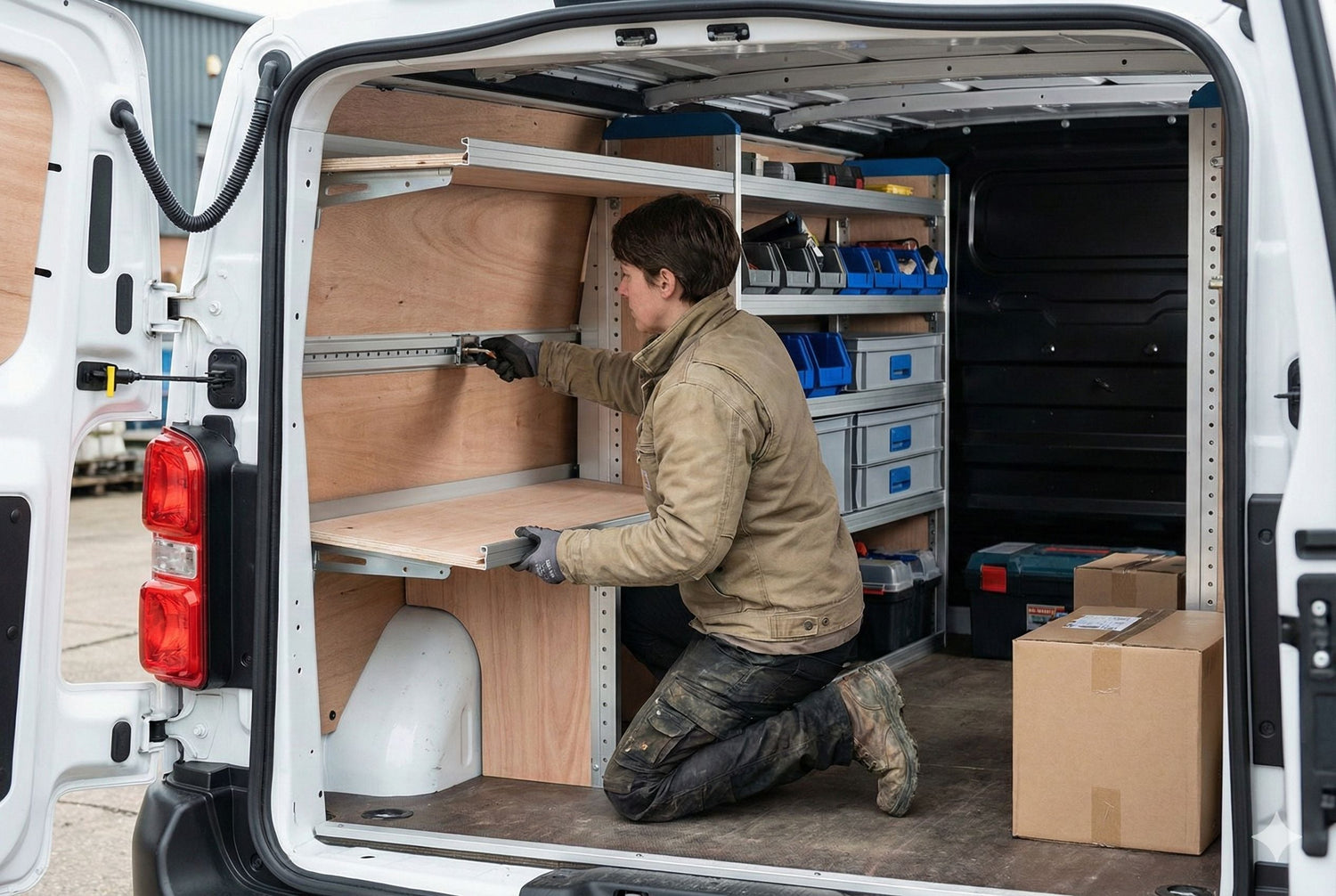
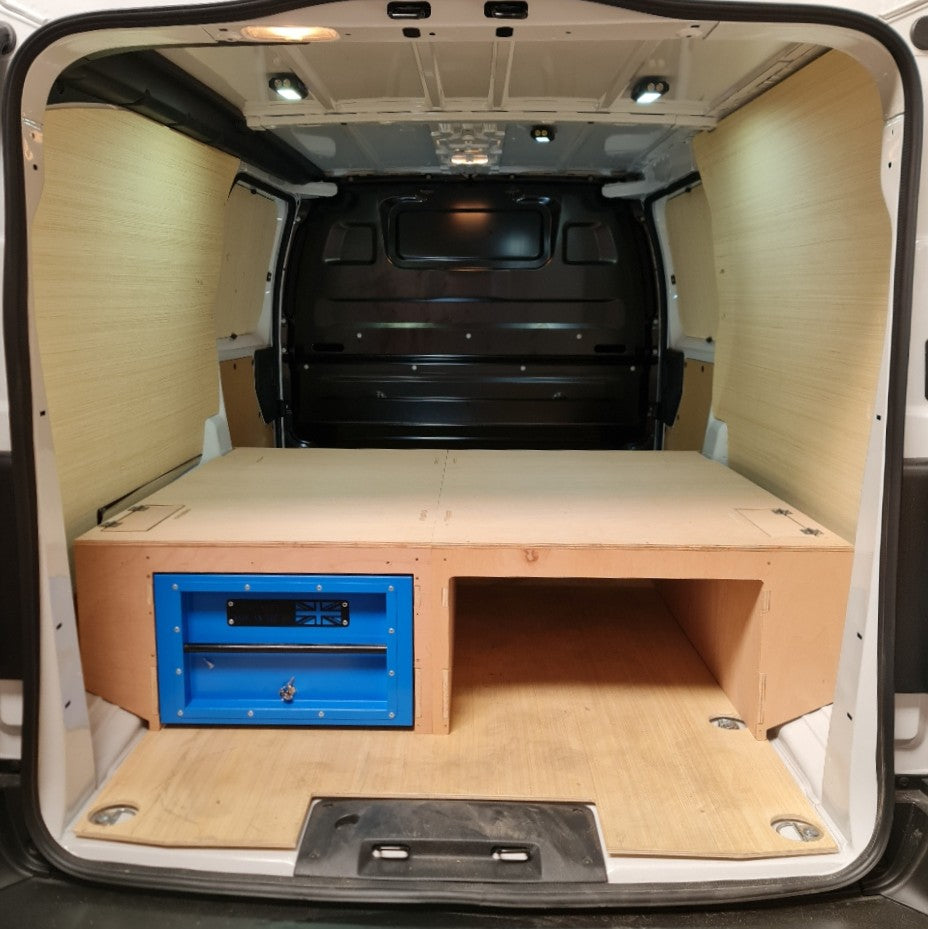
Place the most frequently used tools where they can be reached without climbing into the van or shifting other equipment. For many trades, this means racking and shelving along one or both sides, with open shelves for larger cases and smaller compartments for fittings. A false floor can create useful underfloor storage for longer tools, cable or flat equipment while keeping the main load area clearer.
Do not try to fill every inch of available space. A van packed too tightly can be as frustrating as an unorganised one. Leave enough clear floor space to load materials, move around safely and deal with the occasional larger item.
Choose storage to suit each type of equipment
Open van shelving works well for tool cases, boxes of stock and frequently used materials because you can see what is missing at a glance. It is usually quicker than opening deep cupboards every time you need a part. However, loose items on open shelves need containment. Storage bins, boxes and small organisers stop fittings and consumables migrating around the van.
Drawers and compartment organisers are useful for smaller stock such as screws, clips, connectors, seals and drill bits. The trade-off is that they can take longer to access if they are overfilled. Keep each compartment labelled and avoid mixing similar parts just because there is a little spare room.
Accessories also earn their place when they solve a regular annoyance. A sealant holder keeps tubes upright and easy to grab. A wipe dispenser prevents cleaning wipes from being crushed under other gear. Glove box organisers can keep paperwork, small tools and everyday essentials from becoming a loose pile in the cab.
How to organise a work van by zone
The simplest way to keep a layout working is to divide the van into zones. You do not need complicated labels or a colour-coded system if that does not suit your business. You do need a layout that makes sense at 7am on a wet Monday when you are loading for the day.
Create a tool zone for power tools, hand tools and test equipment. Keep the items used together close together, such as drills, bits, fixings and chargers. A consumables zone should hold the stock that is regularly replenished: tapes, gloves, sealants, fixings, cleaning materials and protective equipment. Keep longer items in a separate area or underfloor compartment so they do not sit diagonally across the load floor.
Set aside a job materials zone for parts being delivered to the current site. This is particularly useful if you carry customer-specific items that must not get mixed into general stock. When the job is complete, clear that zone before loading for the next one.
Finally, make a place for waste and returns. Offcuts, empty packaging and faulty parts take over quickly when there is no planned place for them. A small, secure container for rubbish and a clearly marked box for returns will keep the rest of the van usable.
Secure everything before you set off
Organisation only works if equipment stays in place while travelling. Unsecured tools can be damaged, damage other items or become a safety risk when a door is opened. Use suitable restraints, boxes and partitions for the load you carry, and check that shelving is properly fixed for your specific van.
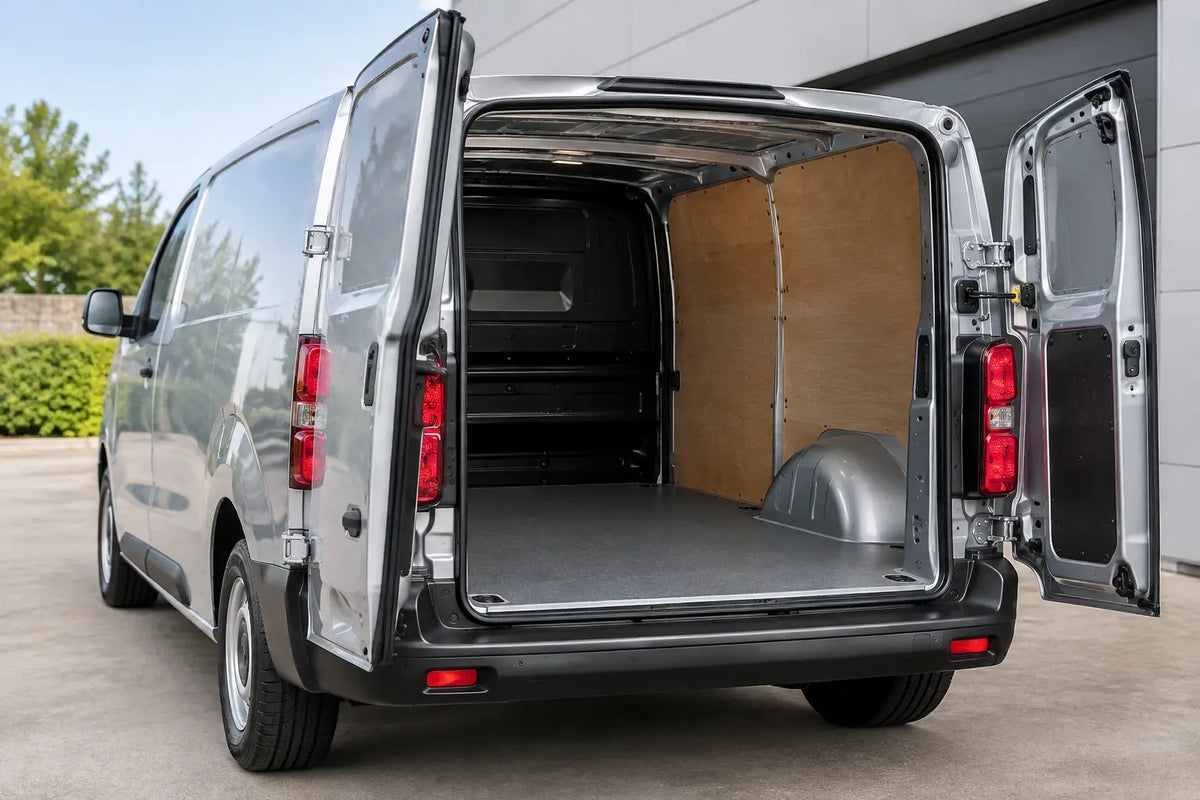
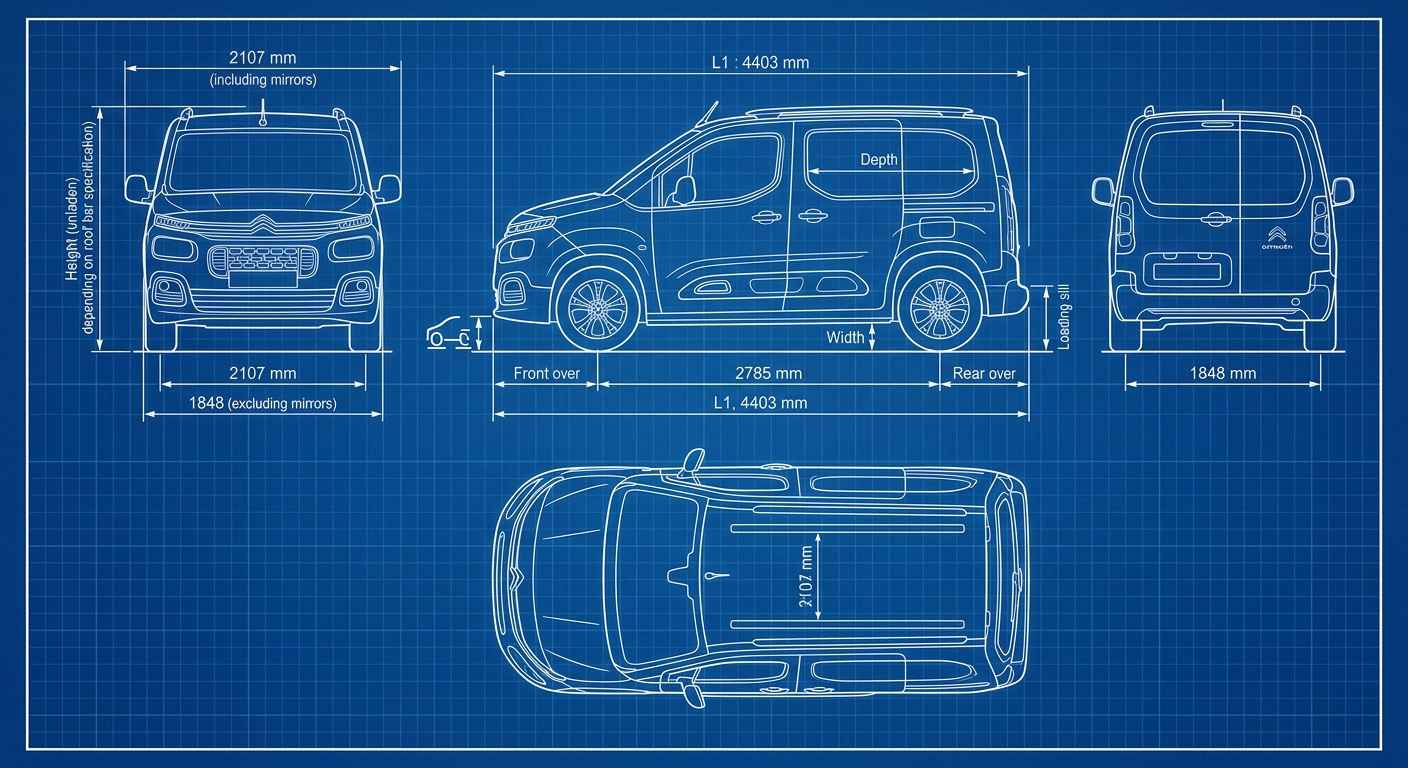
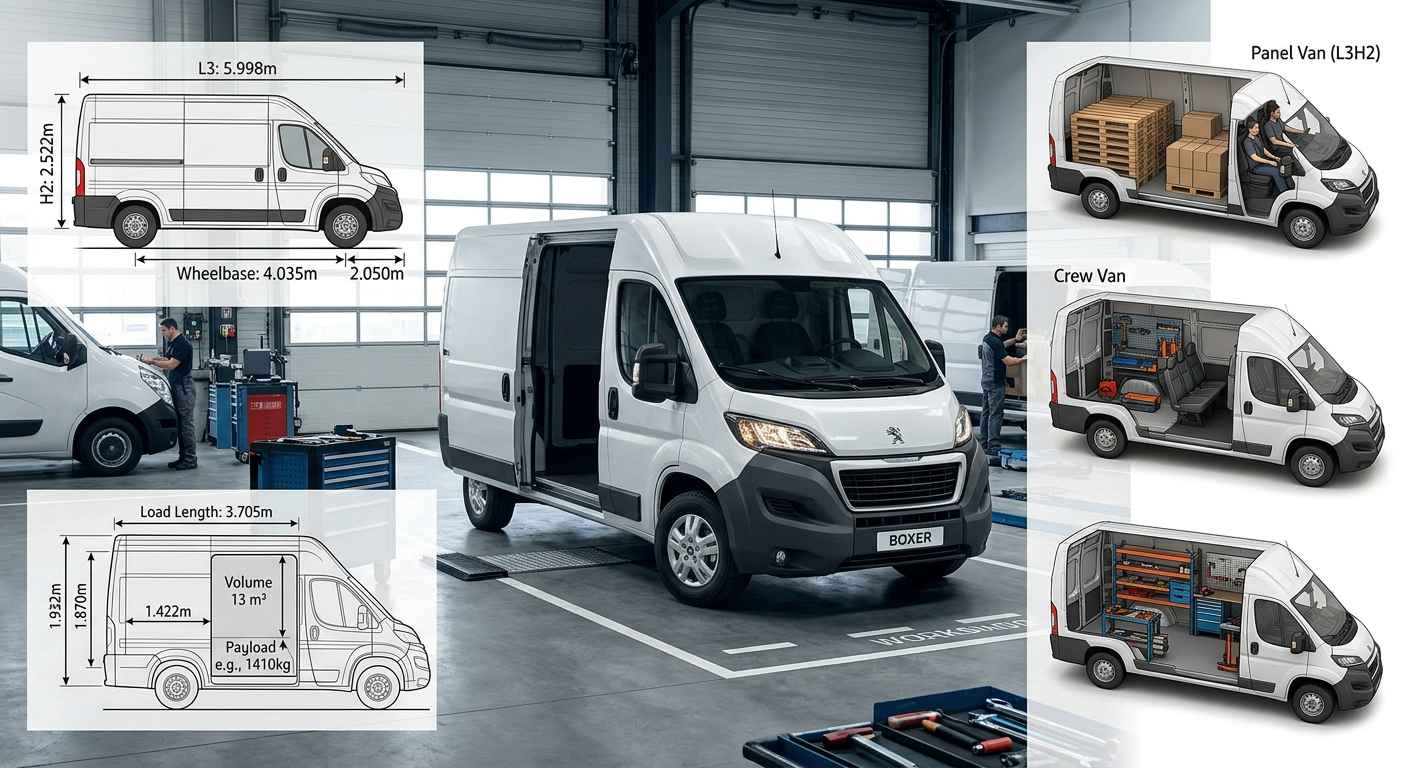
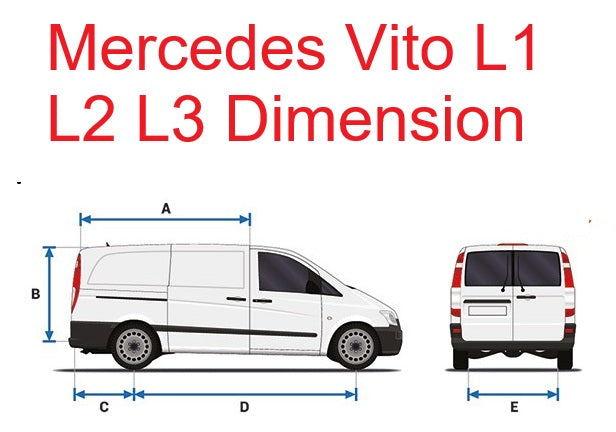
Vehicle-specific racking and shelving matters here. Vans vary in wheel arch shape, door openings, roof height and internal dimensions, even when they look similar from the outside. Check your van's make, model and wheelbase carefully before choosing a storage system. A layout that works well in a Ford Transit Custom may not be the right arrangement for a Volkswagen Transporter, Renault Trafic or Vauxhall Vivaro.
Keep sharp or awkward tools covered and secured. Protect expensive equipment from sliding against metal shelving, and avoid stacking heavy boxes where they can fall when you brake. A few minutes spent securing the load at the end of the day is cheaper than replacing damaged tools.
Make stock checks part of the routine
The most organised van will gradually lose order without a simple routine. At the end of each day, return tools to their allocated spaces, remove rubbish and put used consumables on a restock list. This takes far less time than sorting the whole van at the weekend.
A weekly check is useful for stock levels. Count the items that can stop a job - common fixings, blades, sealants, batteries, cable ties, PPE or cleaning supplies - and replenish them before they run out. The right level of stock depends on the work you do. Carrying too little creates wasted trips, but carrying excessive stock uses space, adds weight and makes it harder to find anything.
For a small team or fleet, a simple written location system helps. If every van follows the same basic layout, anyone can find essential tools and replace stock without guessing. It also makes handovers and vehicle checks more straightforward.
Avoid common van organisation mistakes
The biggest mistake is treating the van as a storage shed rather than a working space. Keeping every spare tool, old fitting and damaged box might feel safe, but it makes daily work slower. Remove duplicate, broken and rarely used equipment unless there is a clear reason to carry it.
Another mistake is storing by empty space rather than workflow. Just because a shelf is free does not mean it is the best place for an item. Put equipment where it supports the order in which you work: collect tools, collect consumables, complete the job, then return everything cleanly.
It is also worth reviewing the setup after a few weeks. If you keep leaving a tool on the floor, the storage position is probably wrong. If you are constantly moving boxes to reach stock, the layout needs adjusting. A practical system should make the right action easier than the untidy one.
A well-organised van saves small amounts of time on every job, and those minutes add up across a working week. Start with your daily tools, choose storage that suits your vehicle and trade, then keep the system simple enough to maintain. CNC Work offers vehicle-specific racking, shelving, false floors and accessories designed to help turn a busy work van into a more productive mobile workspace.