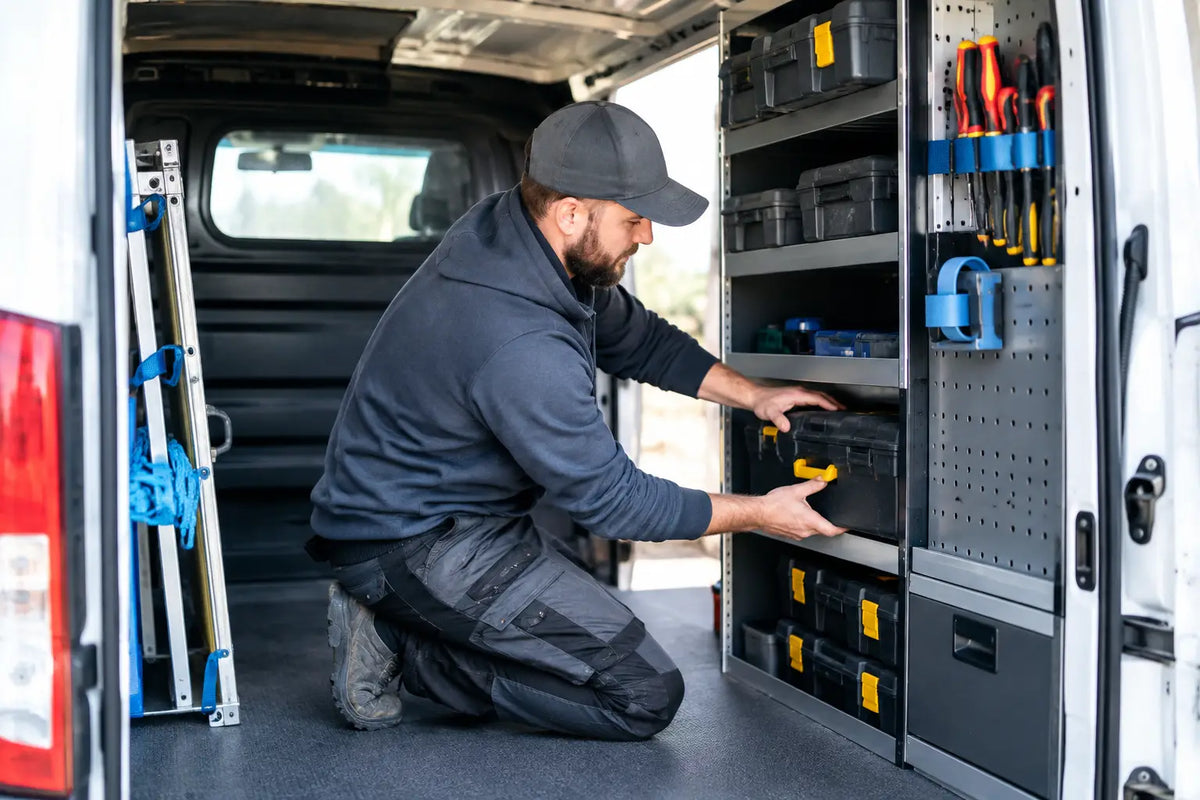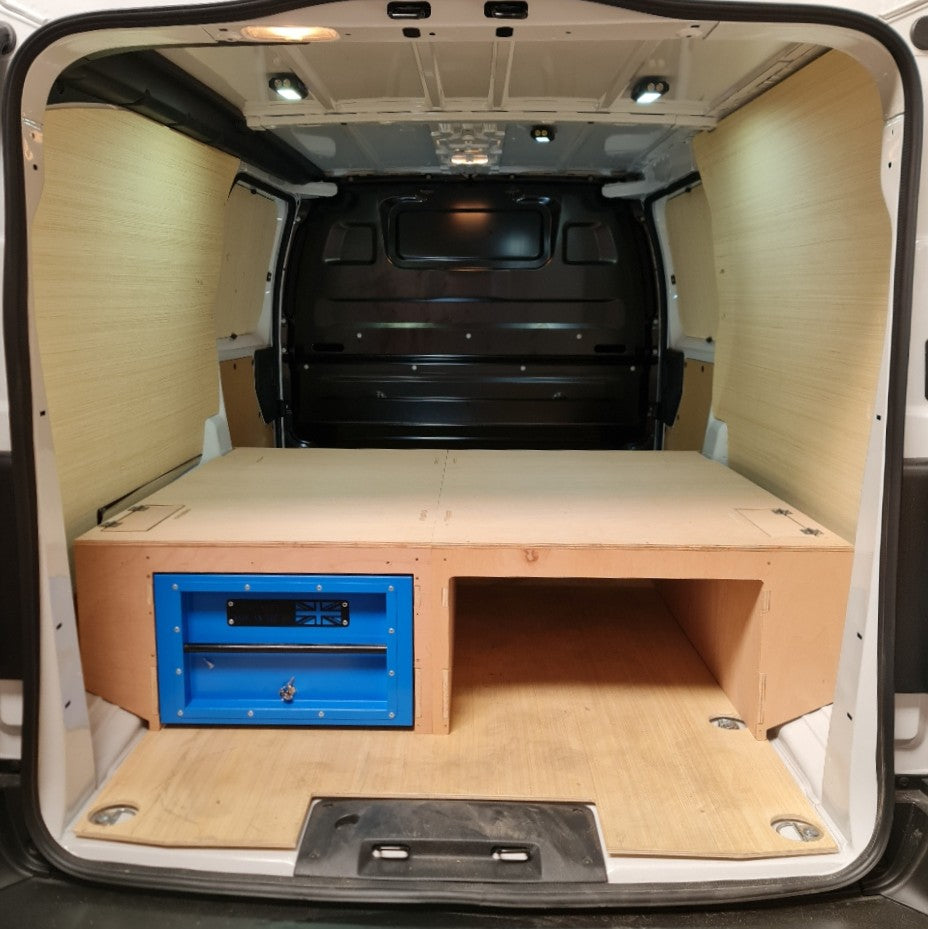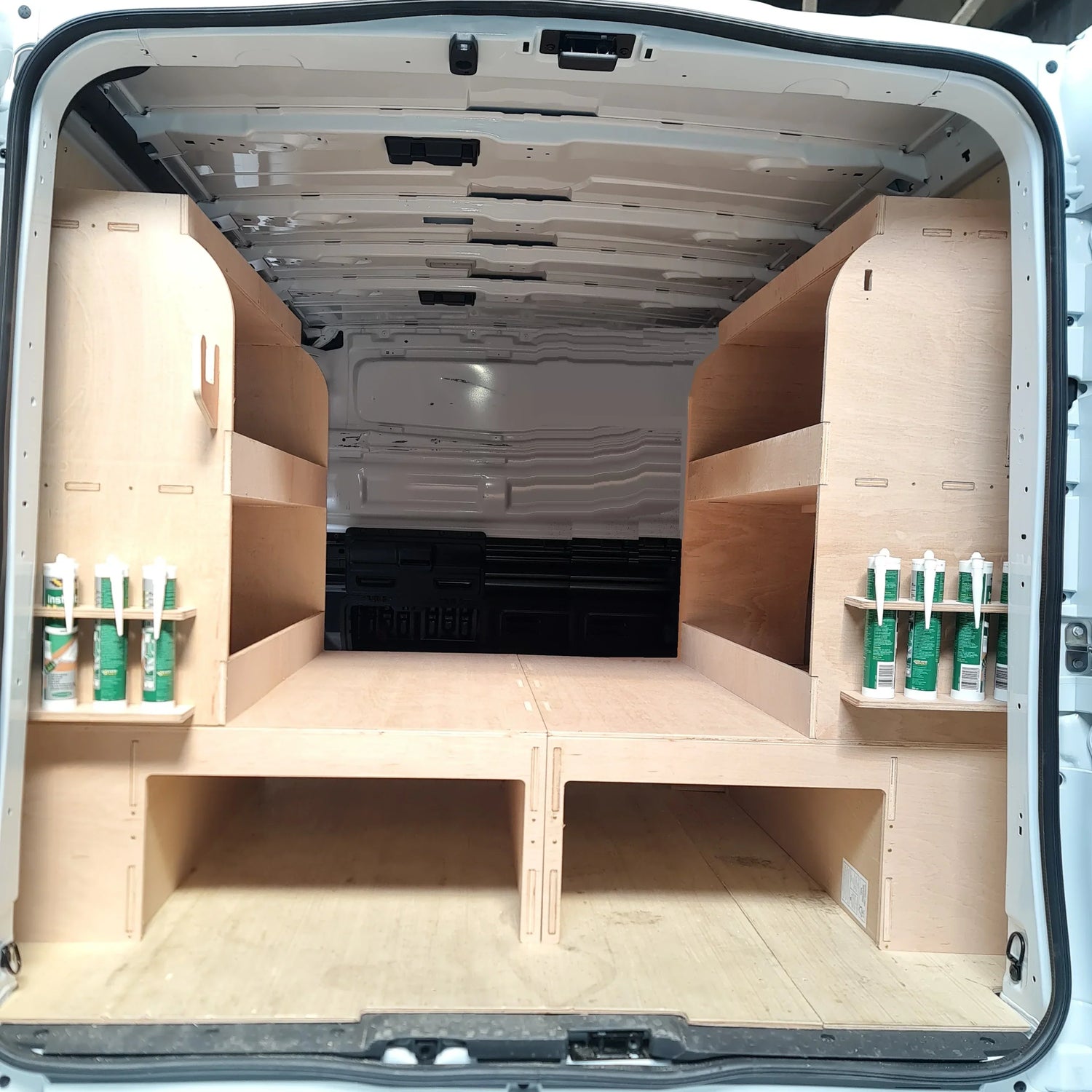











A loose tube of sealant rolling beneath a tool case is a small problem until it costs you five minutes at the start of every job. The best van storage accessories deal with these daily frustrations properly. They give the items you use most a fixed, reachable place, helping you load up quicker, find what you need first time and keep the load area fit for work.
For most tradespeople, a productive van is not about filling every available panel with equipment. It is about creating a sensible working order. Larger items need secure shelving or racking, while the smaller accessories need to sit where they can be grabbed without digging through boxes. Get that balance right and your van becomes easier to use from the first call of the day to the last.
Start with how you work, not what looks tidy
Before buying accessories, think through a normal job. Which tools and consumables come out of the van several times a day? What gets lost, damaged or left loose? Which items need to stay clean and dry? The answers will differ for an electrician carrying fixings and test equipment, a plumber using sealants and pipe fittings, or a maintenance engineer managing a wide mix of parts.
Accessories work best when they support an existing layout. A wipe dispenser near the side door is useful if you clean hands, fittings or surfaces before returning to the cab. A sealant holder makes sense close to the rear opening or workbench area. Putting both at the far end of a packed load space defeats the point.
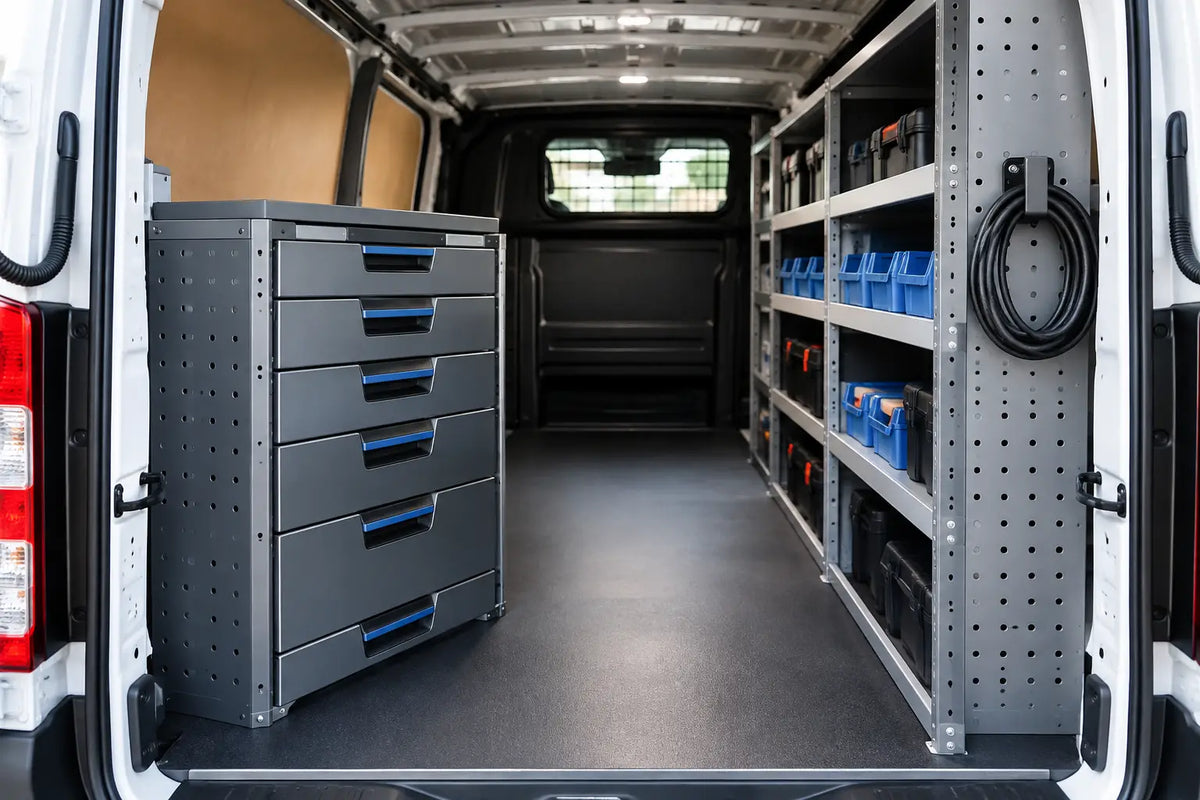
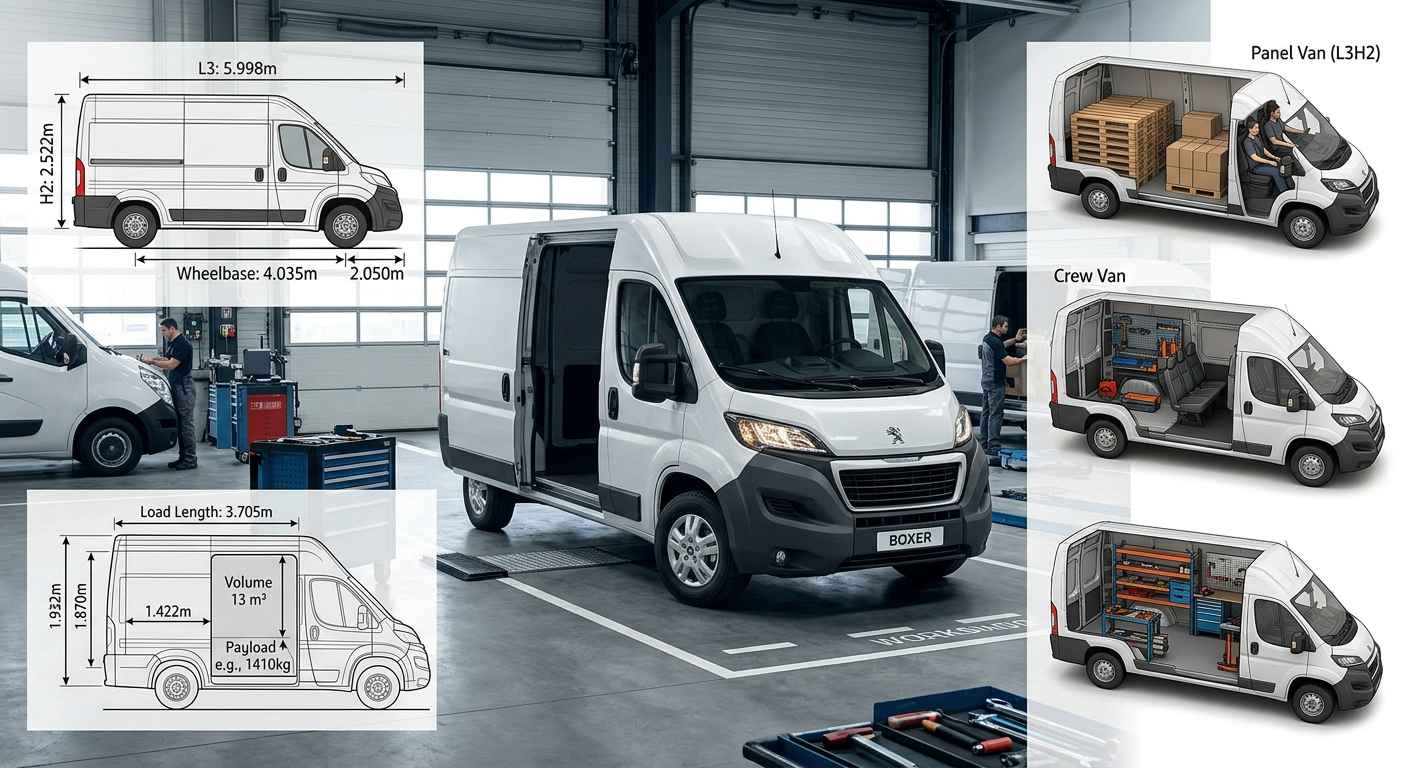
It also pays to check your van layout before ordering. Shelf position, door configuration, wheel arch boxes and false floors all affect usable space. Model-specific racking and shelving can create the foundation, then smaller accessories can be positioned around your actual workflow.
Best van storage accessories for daily trade work
The following accessories earn their space because they control the kit that usually causes clutter. They are simple additions, but they can make a noticeable difference to how quickly you can work.
Sealant and cartridge holders
Sealant tubes, adhesive cartridges and chemical applicators are awkward to store loose. They roll, split open and disappear behind larger equipment. A dedicated holder keeps cartridges upright and together, so you can see what is available before leaving for site.
This is particularly useful for plumbers, fitters, kitchen installers, window fitters and decorators. Consider how many cartridges you normally carry. A larger holder is not always the better choice if it takes up room needed for cases or fittings. Choose capacity around your regular stock, rather than using the holder as a place for out-of-date tubes.
Wipe dispensers
Wipes are used constantly in working vans, but the packet is often crushed under tools or left on a shelf where it gathers dust. A mounted wipe dispenser gives it a protected home and makes one-handed access much easier.
Place it where it supports the job in hand. Near the side door can work well for quick clean-ups, while a position next to a mobile work area suits trades that regularly clean sealant, grease or adhesive from hands and tools. Make sure it does not block a door opening or reduce access to essential storage.
Glove box organisers
The cab often becomes a second storage room, filled with delivery notes, pens, fuses, charging leads, receipts and small hand tools. A glove box organiser brings order to this space, keeping the paperwork and everyday bits separate from the load area.
It is a modest upgrade, but it helps at the points where organisation matters most: finding site details, checking a part number or locating a pen without emptying the dashboard. Keep the glove box for documents and small essentials, not heavy tools that can become hazardous if they move during braking.
Tool and small-parts trays
Fixings, terminals, drill bits, blades and clips are easy to mix together when they are tipped into a general box. Stackable trays or compartment organisers make stock checks quicker and prevent a simple task turning into a search through loose parts.
For this type of storage, visibility matters. Clear or clearly labelled compartments save time, especially when another member of the team uses the same van. It is worth keeping separate trays for fasteners, electrical components and replacement consumables rather than relying on one oversized organiser.
Load restraint points and securing accessories
A tidy load is not necessarily a secure load. Tool cases, material boxes and heavier equipment need proper restraint so they do not shift when cornering or braking. Suitable straps, tie-down points and load-retention accessories help keep the main storage system working as intended.
The right approach depends on what you carry and where it sits. Avoid treating light-duty restraint as a solution for every heavy item. Check the product guidance, use suitable mounting points and inspect straps for wear. This is one area where fitting the accessory to the load is more important than buying the most convenient option.
Build storage in layers
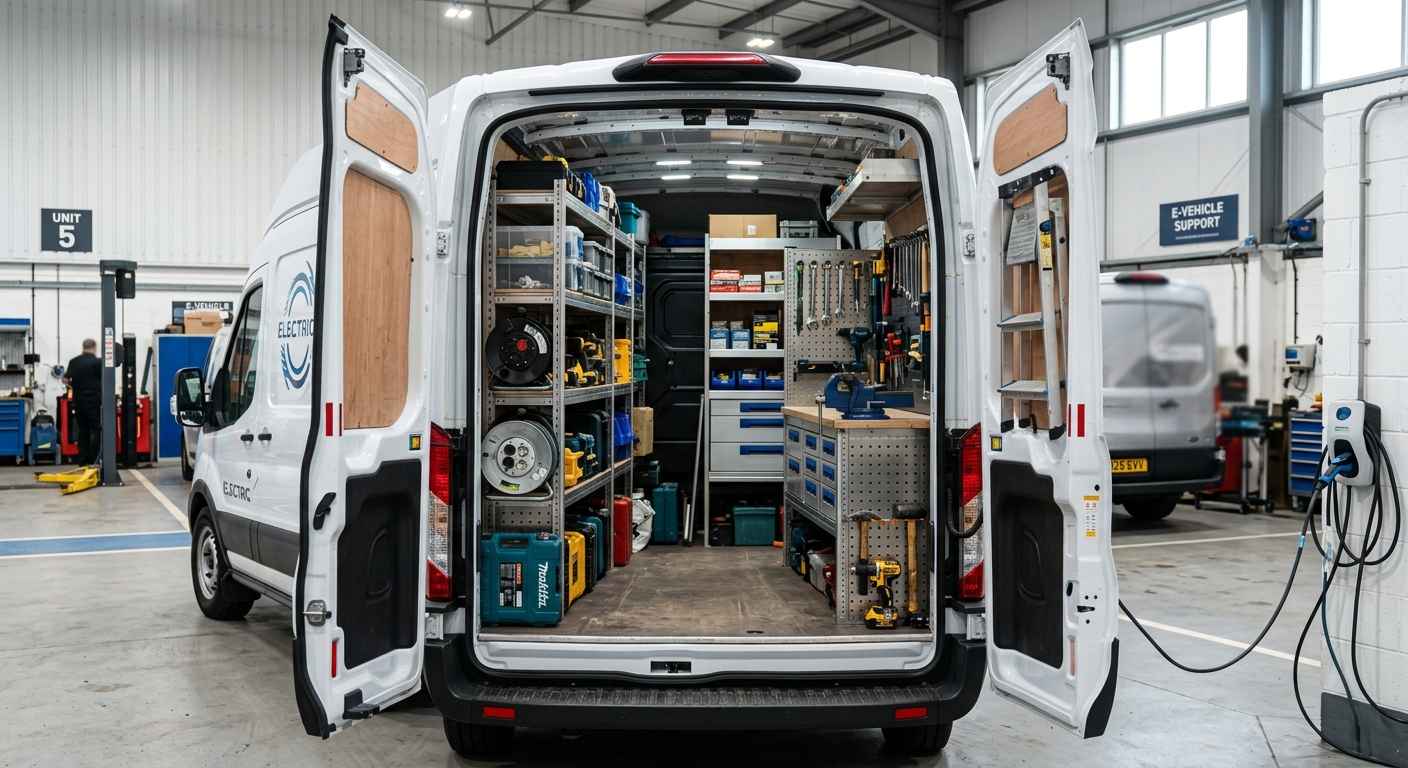
The most effective van set-ups generally have three layers. The base layer is the floor and the main racking or shelving, which carries cases, boxes and larger kit. The working layer holds tools and parts used throughout the day. The quick-access layer is for consumables and essentials such as wipes, cartridges, documents and gloves.
This approach stops small accessories from becoming an afterthought. Instead of adding holders wherever there is an empty patch of wall, you create clear zones. For example, the rear doors may be the loading zone for cases, one side of the van may hold stocked shelves, and the side door area may be the quick-access zone.
False floors can be useful where you need to store long tools or materials while retaining a clean, level load space above. However, they are not the right answer for every job. If you repeatedly need bulky equipment in and out, easier shelf access may be more valuable than concealed storage. Your layout should reduce handling, not add another step to every task.
Choose durable accessories that suit the vehicle
Van accessories take more punishment than workshop storage. They deal with vibration, muddy boots, changing temperatures and the constant loading and unloading of a working week. Look for solid construction, secure fixings and a design that makes the stored item easy to remove and replace.
Vehicle fitment matters as well. A holder that looks useful online is only useful if it can be positioned safely and sensibly in your van. Check the product description against your make, model and current shelving arrangement. Do not assume a universal-looking accessory will suit every panel, door or racking system.
Easy installation is also worth considering, but it should not mean compromising the storage plan. A quick accessory can still be badly placed. Take a few minutes to mark out the intended location, open the doors fully and test that you can reach the item from outside the van before committing to a position.
Keep the system working after installation
Even good storage becomes untidy when stock builds up without a routine. Once a week, remove empty cartridges, broken blades, redundant paperwork and packaging. Refill the consumables you rely on and return borrowed tools to their allocated place. This takes far less time than searching for missing equipment on a busy morning.
Labels are useful when a van is shared, but they should be practical. Label trays and shelves by item type, not by a vague description that only one person understands. If the contents change regularly, use removable labels rather than creating a fixed system that soon becomes inaccurate.
CNC Work focuses on practical van organisation for the way UK tradespeople use their vehicles. Start with the accessories that solve your most repeated annoyance, then build out the rest of the layout as your workload demands. A place for the small things is often what turns a well-equipped van into a genuinely efficient one.