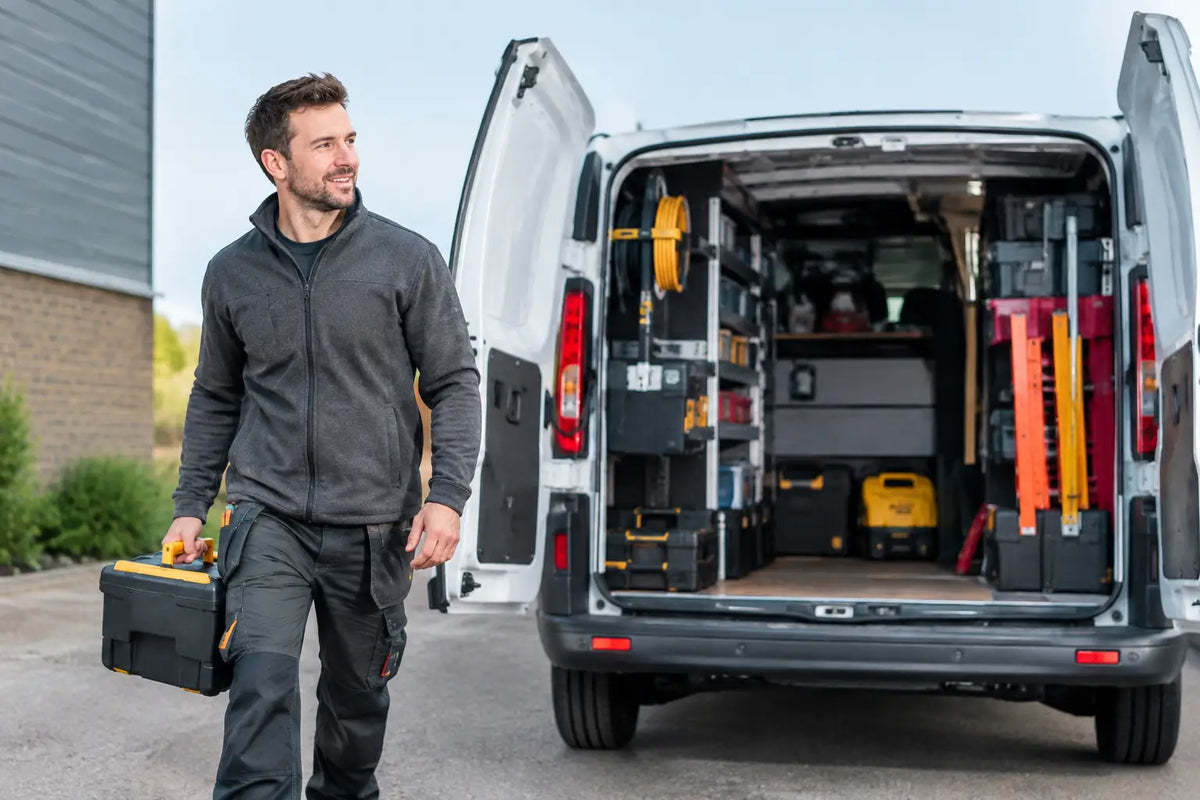



A van earns its keep when it lets you find the right tool without shifting three boxes, protects stock on the road and still has room for the next job. So, which vans suit tradespeople best? The honest answer depends on your trade, the weight you carry and how you need to access it. The best van is not always the biggest one. It is the one that gives your working day fewer hold-ups.
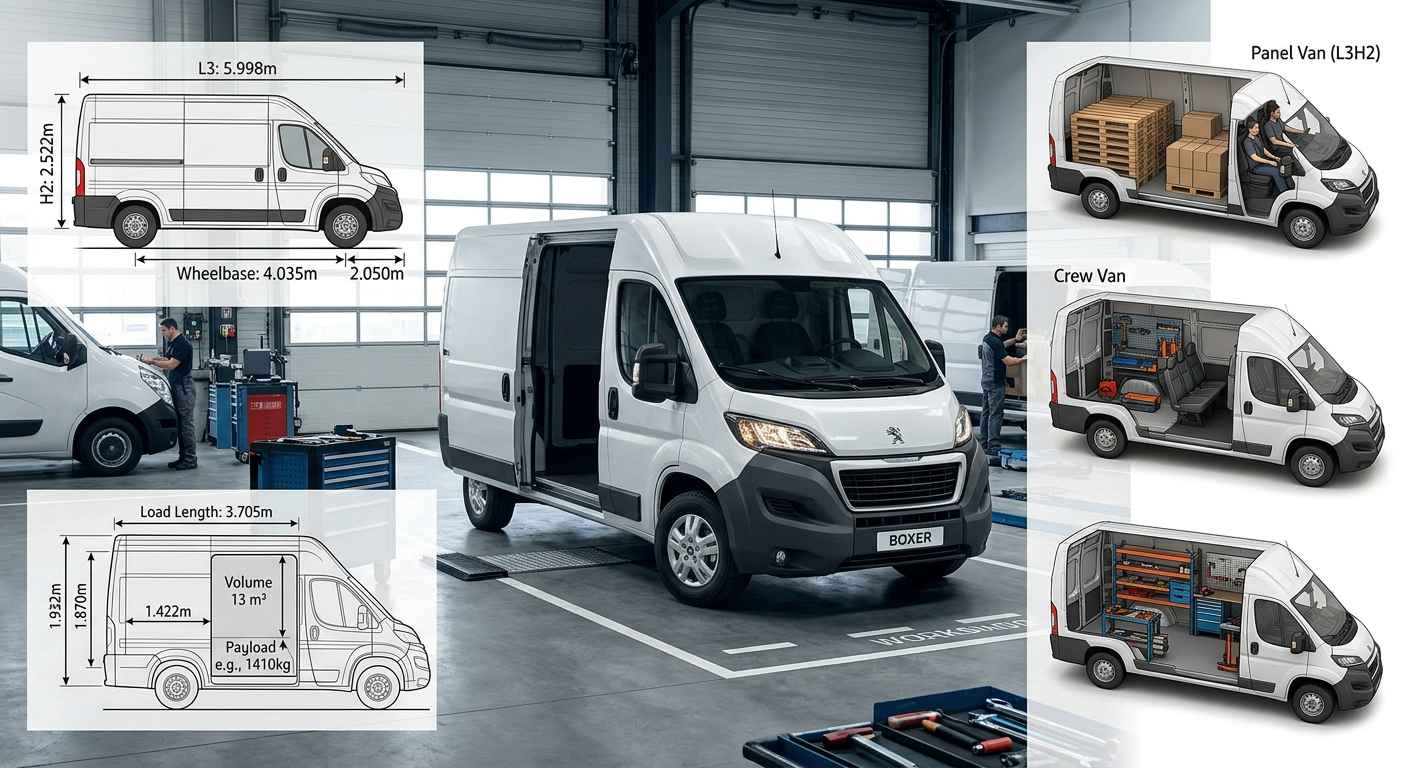
For most UK trades, a medium panel van is the sensible starting point. It is large enough for proper racking, shelving and materials, while remaining manageable in housing estates, town centres and customer driveways. Smaller vans suit lighter and more frequent-call work, while large panel vans make sense when equipment, long materials or bulky stock are central to the job.
Which vans suit tradespeople best by job type?
Before comparing badges or trim levels, look at the work you do from the back of the vehicle. A plumber carrying pipe, fittings, power tools and boilers has different requirements from an electrician with cases, cable reels and small consumables. A joiner may prioritise load length, while a maintenance engineer may need quick access to a high number of parts.
Electricians and maintenance engineers
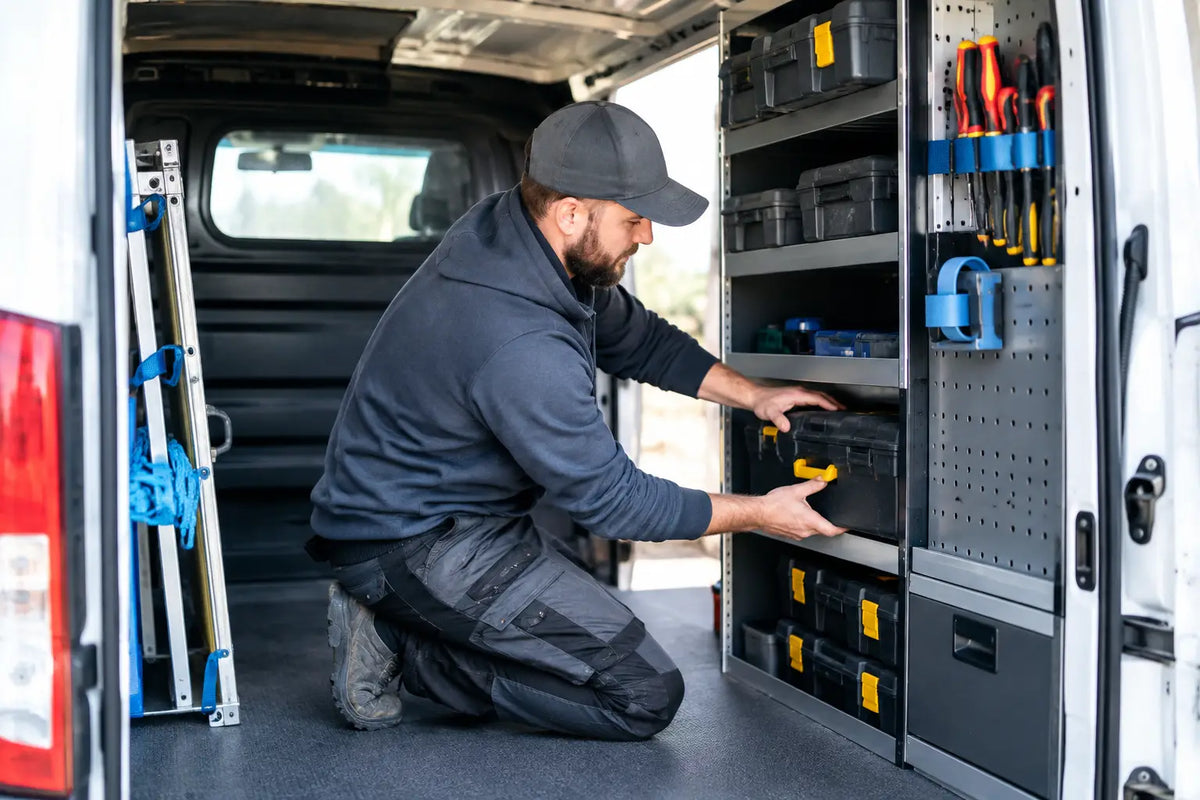
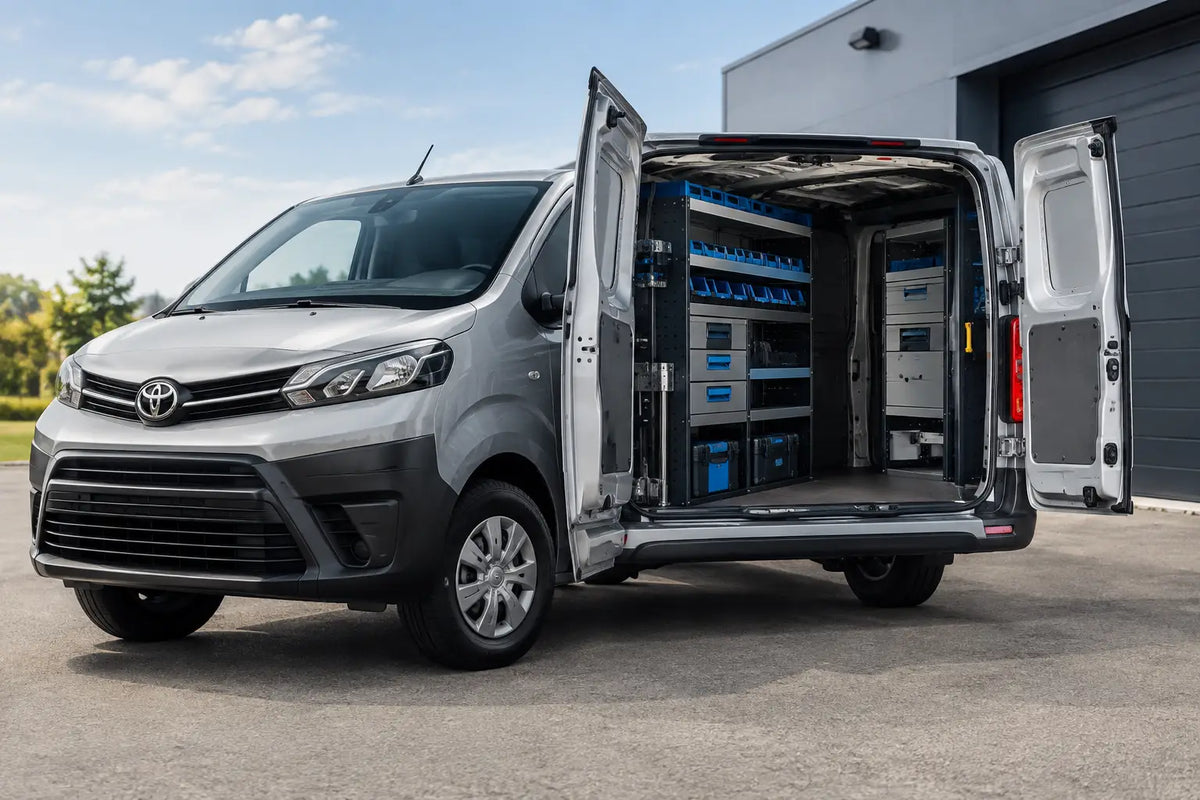
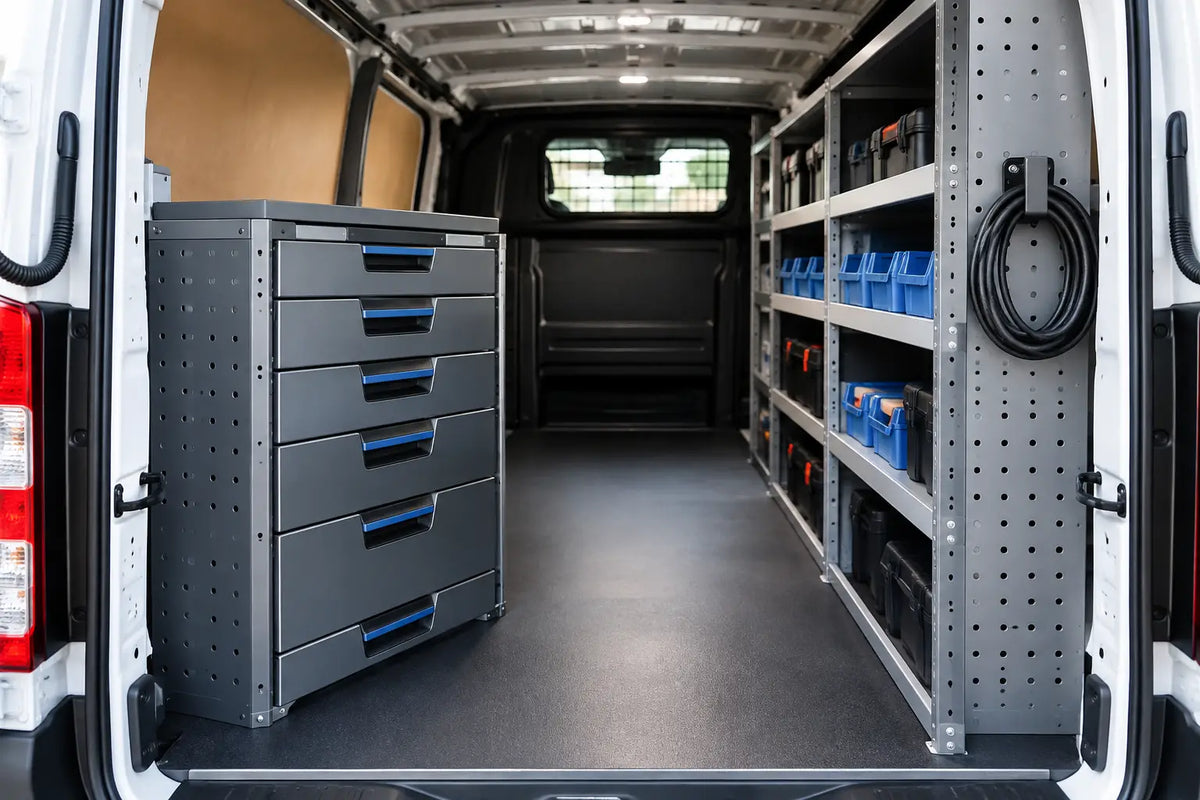
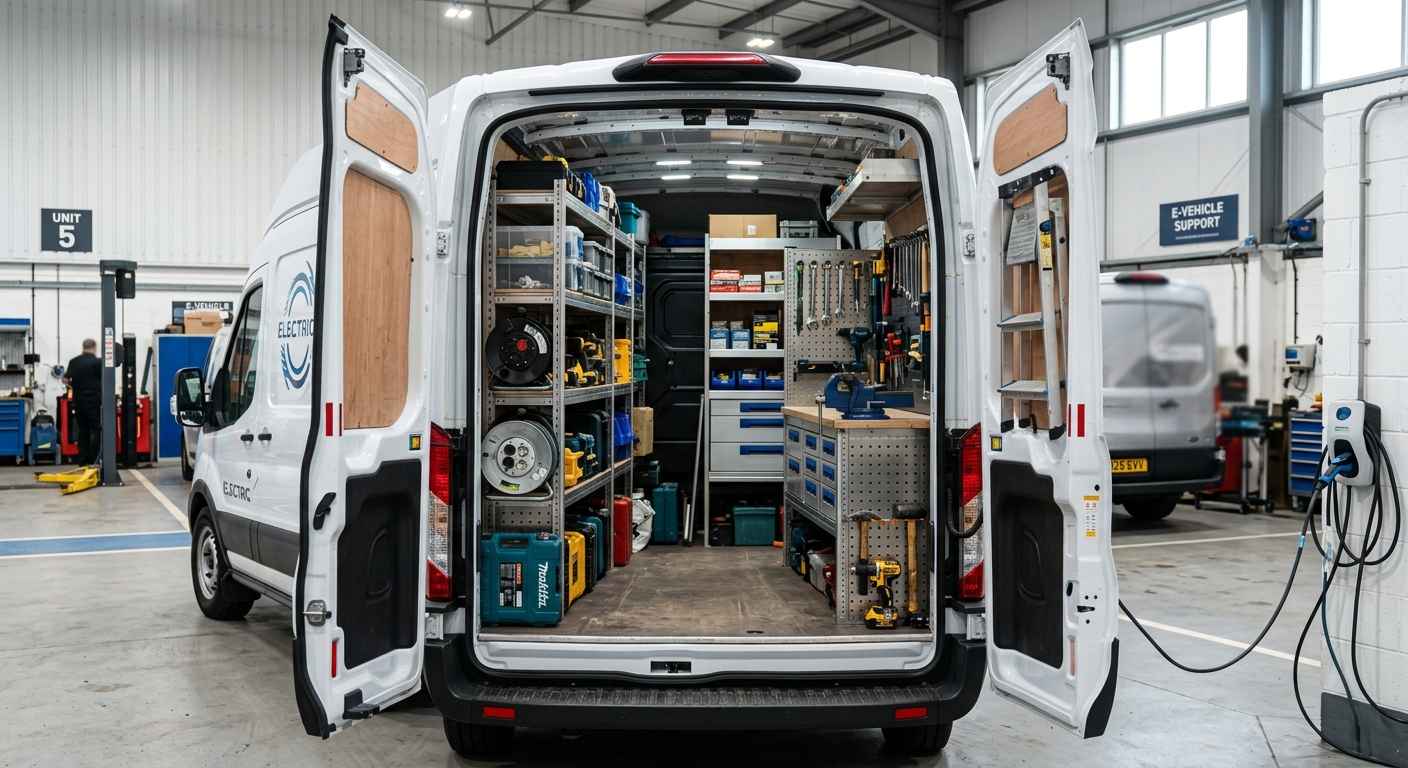
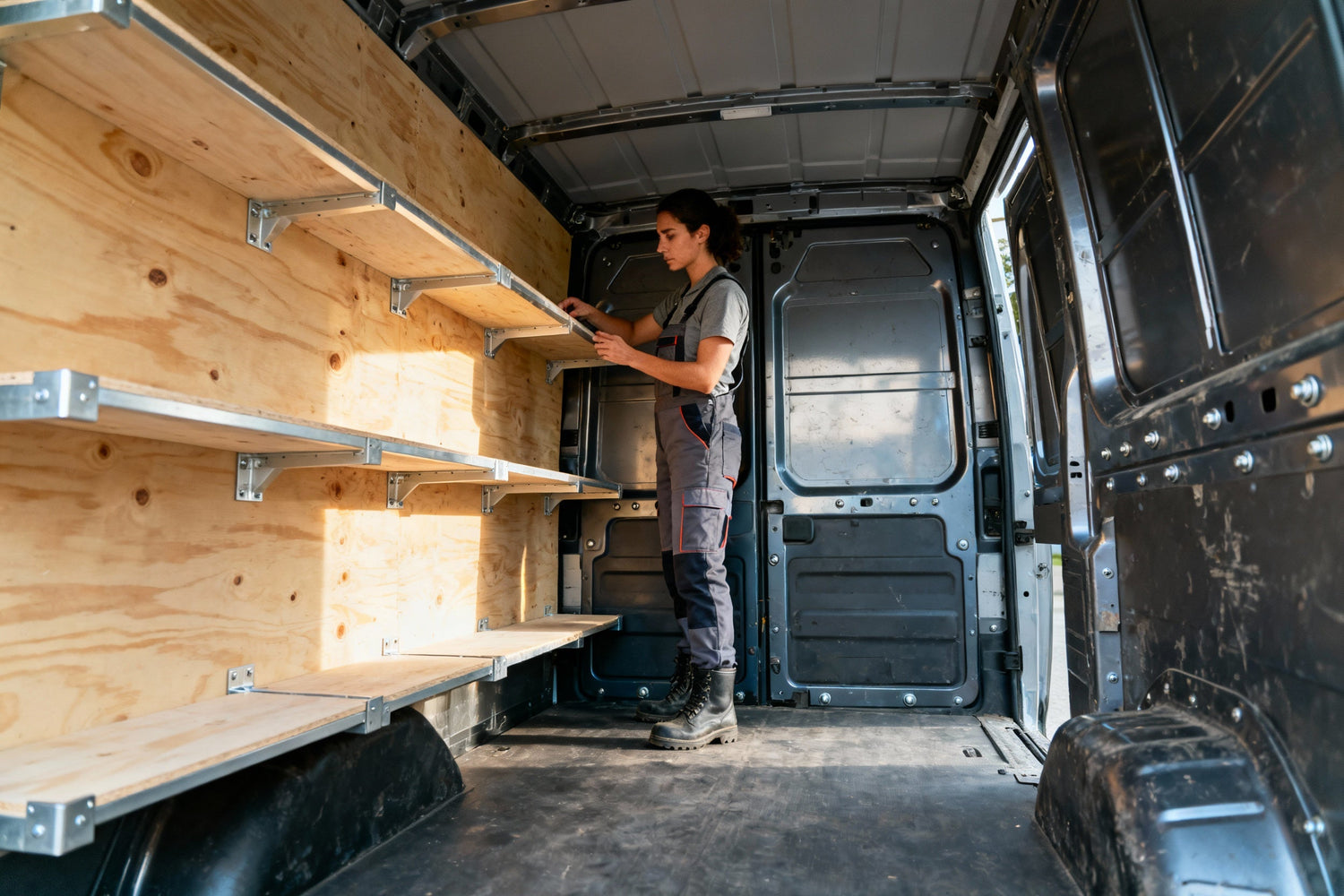
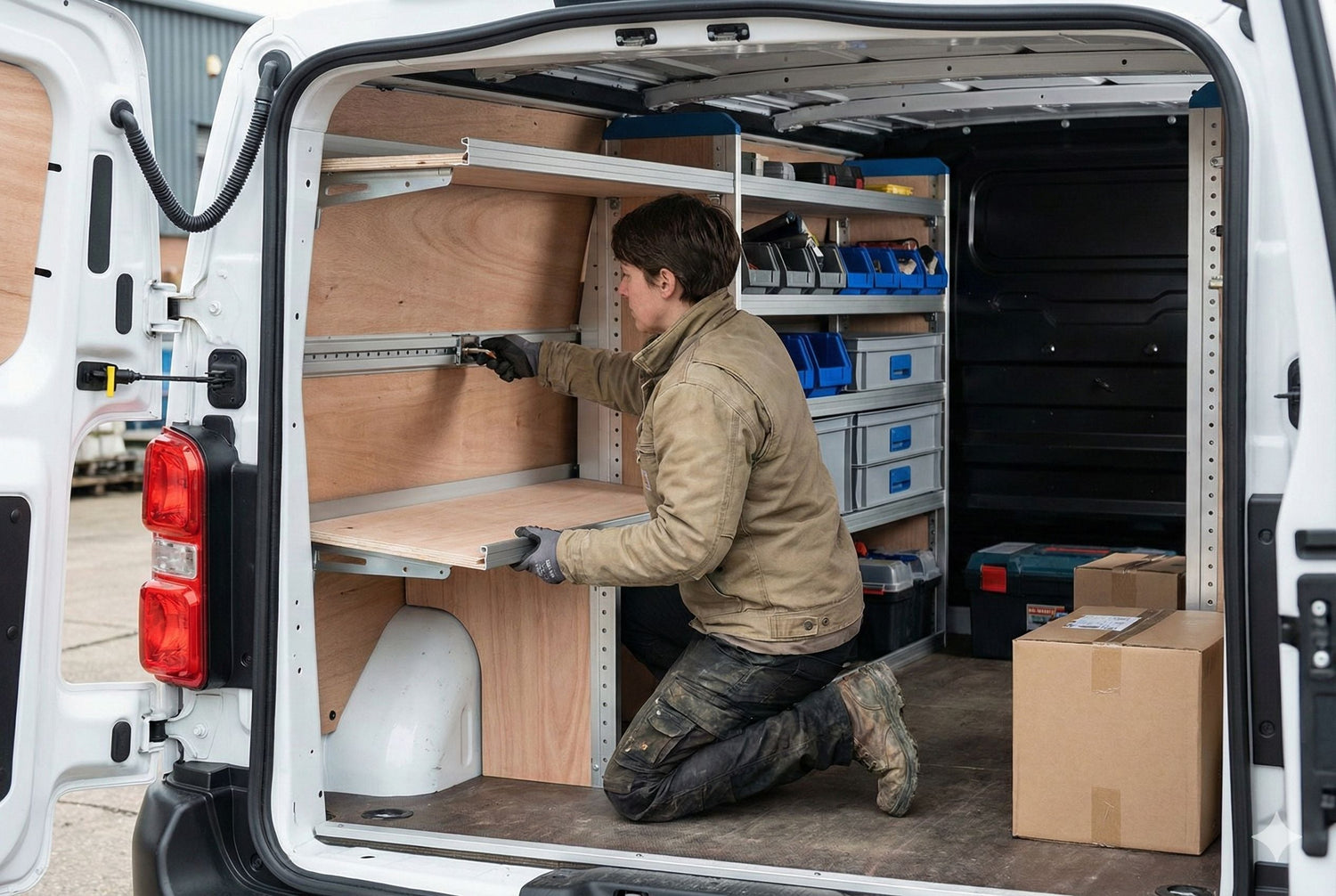
Electricians often benefit from a compact or medium van with a well-planned shelving layout. The aim is not simply to carry tools, but to keep components separated and visible. Adjustable shelves, storage bins, cable reel holders and small accessory organisers can stop fittings and consumables disappearing into loose boxes.
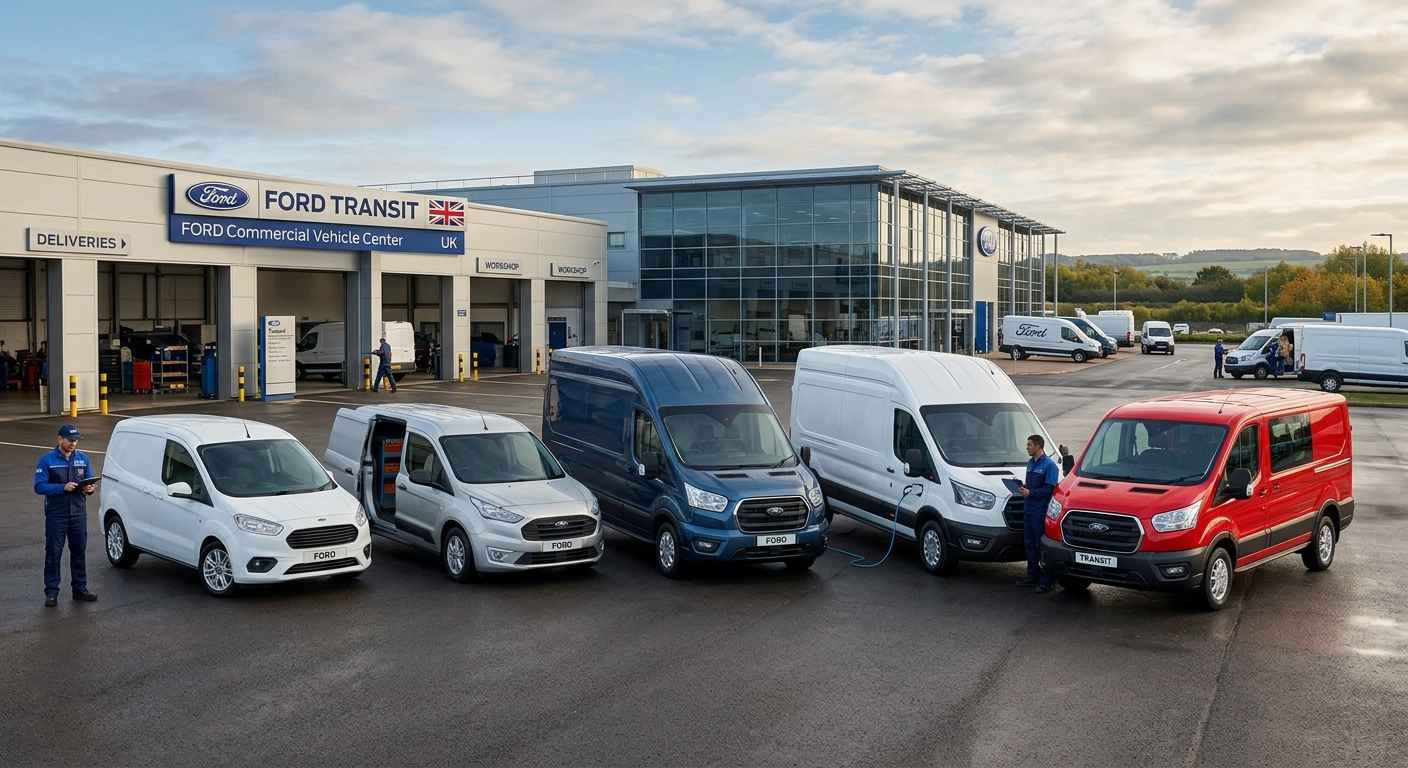
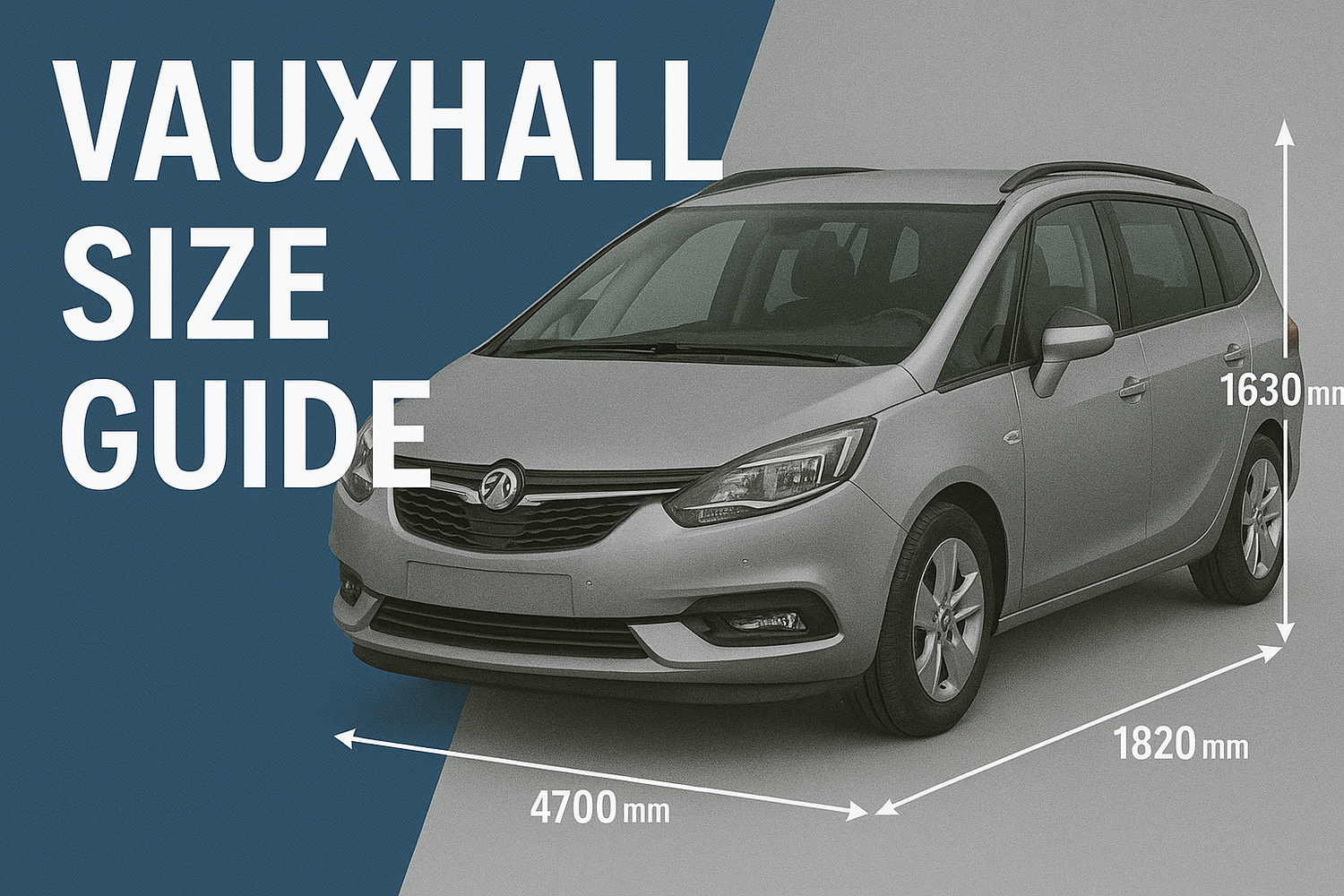
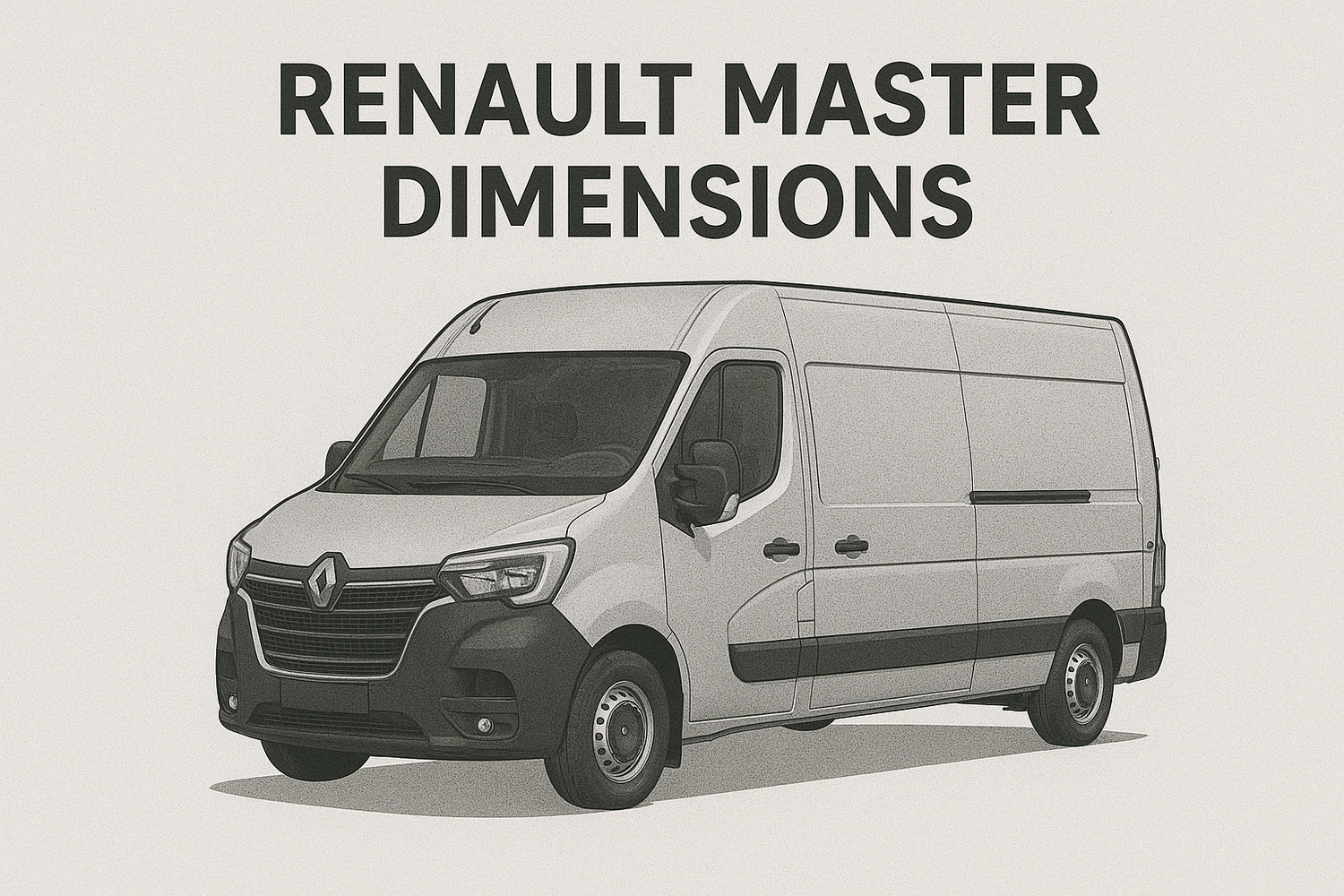
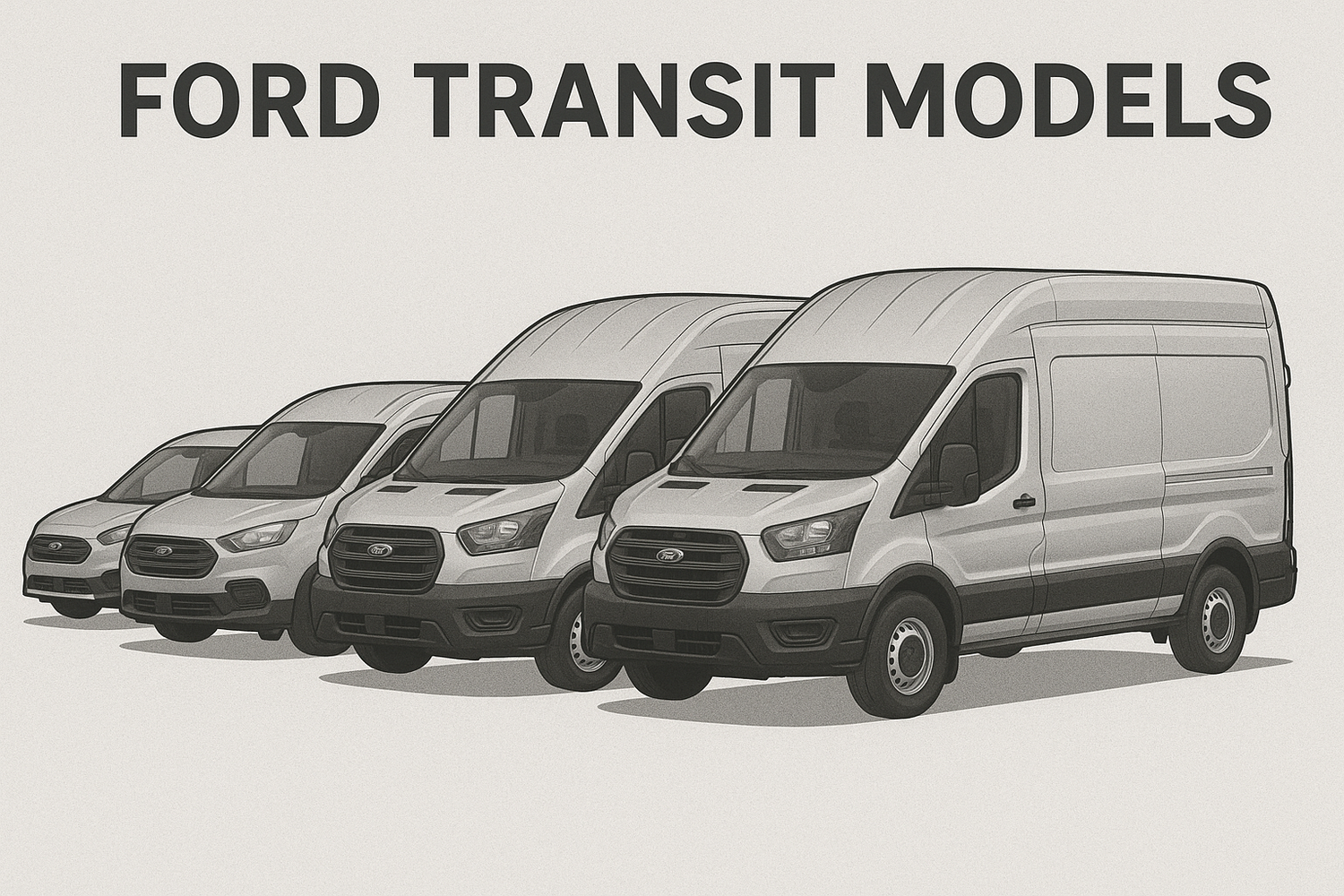
The Ford Transit Custom, Volkswagen Transporter, Mercedes Vito, Renault Trafic, Vauxhall Vivaro, Peugeot Expert, Citroen Dispatch and Toyota Proace are all popular formats for this kind of work. Their load areas can support a practical mobile workspace without making urban parking unnecessarily difficult. The exact choice should come down to the payload required, body length and the layout you can create around your daily kit.
Plumbers, heating engineers and installers
Plumbers and heating engineers need a van that can handle both organised small parts and awkward equipment. Pipe lengths, steps, tool cases, sealants, fittings and occasionally heavier plant place more demand on load space and payload. A medium van with a long-wheelbase option is often a useful compromise.
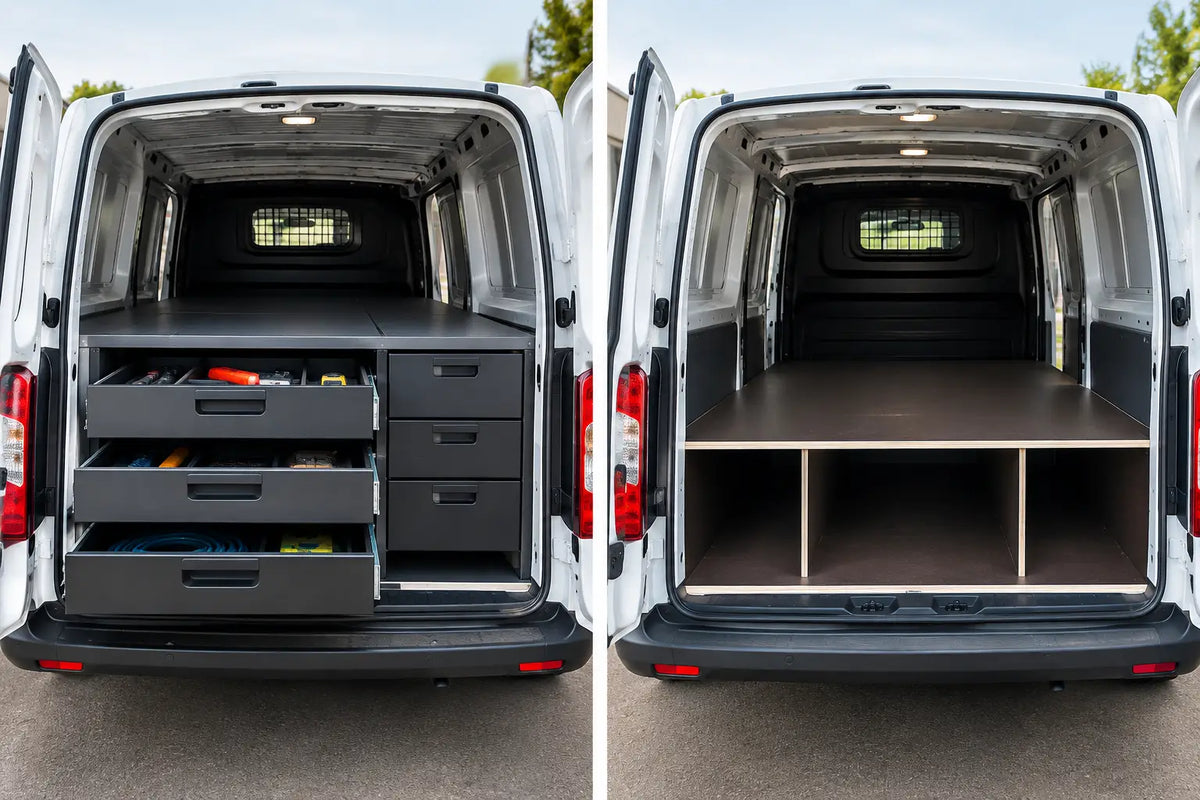
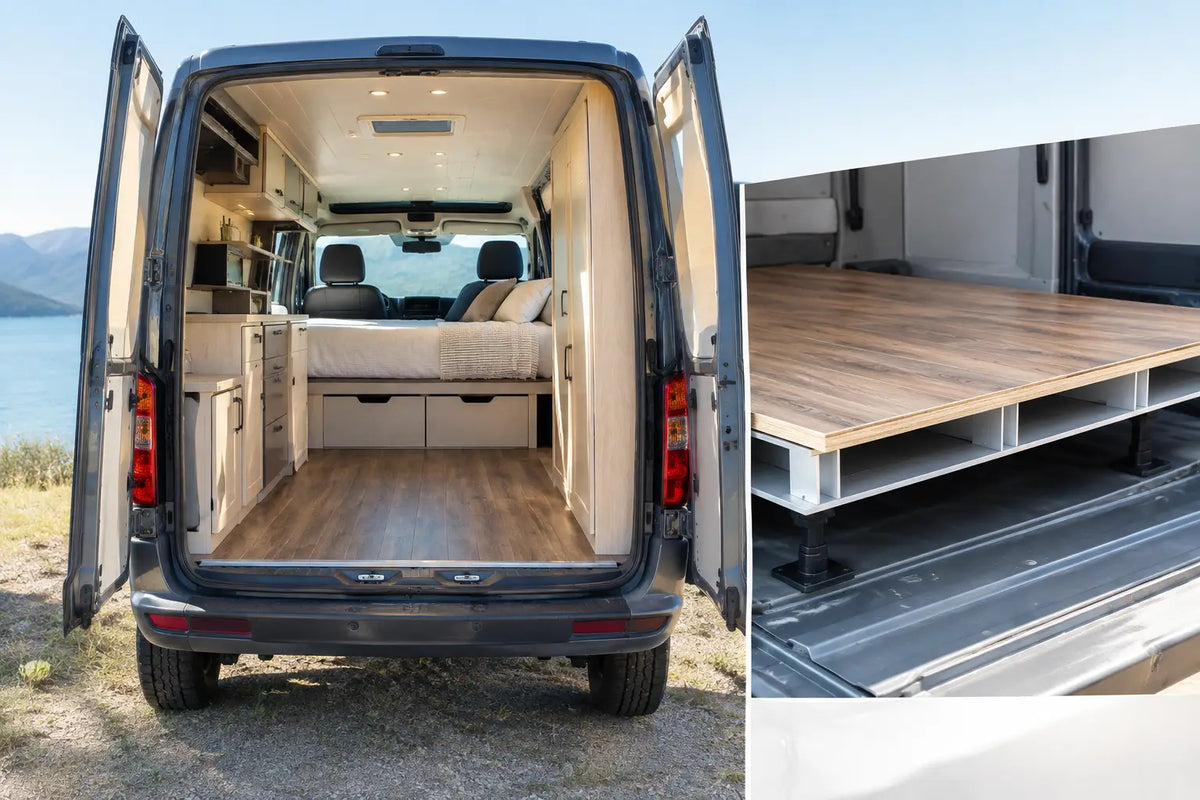
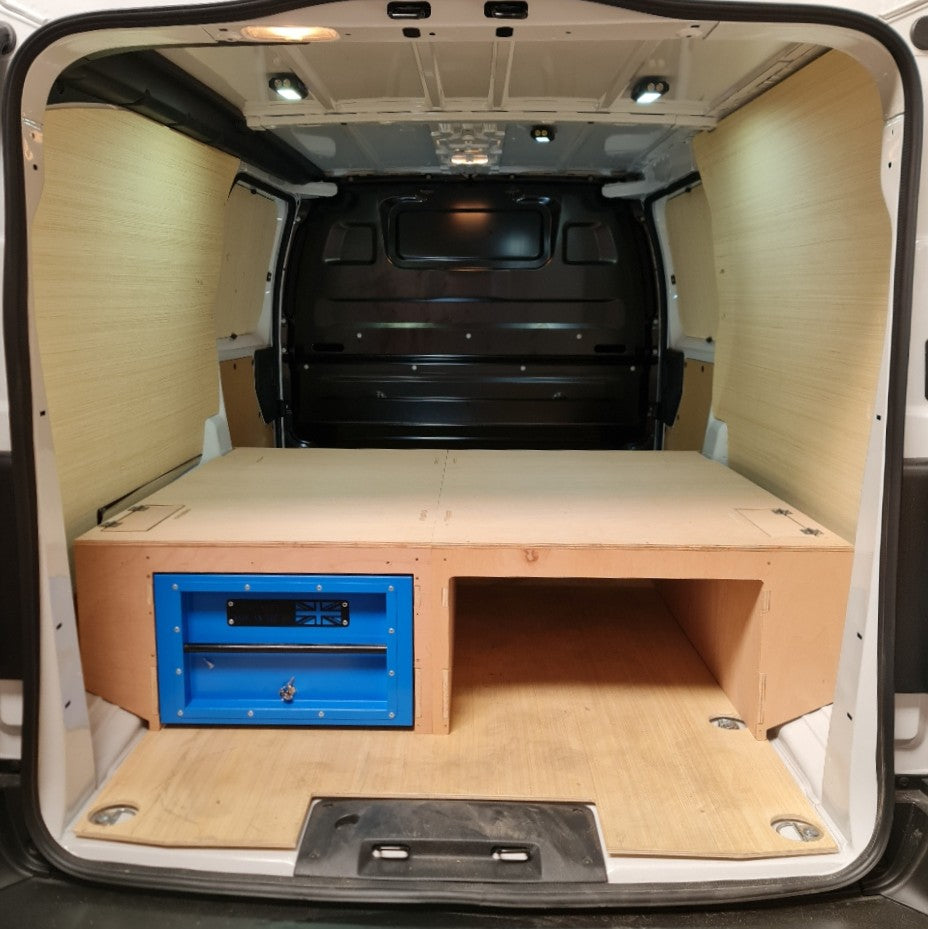
A false floor can help create a dedicated channel for pipe, conduit or long tools, leaving the main floor clearer for larger items. Side-door access also matters. If you regularly collect parts at a merchant or work from kerbside parking, being able to reach commonly used stock from the side can save time on every call-out.
Builders, joiners and fitters
For builders, joiners and kitchen fitters, load length is often the deciding factor. Sheet materials, timber, doors, levels and larger power tools soon fill a short-wheelbase van. A large panel van can be the right tool if you regularly transport bulky materials, although it brings higher running costs and can be less convenient on tight residential jobs.
A medium van may still be enough for fitters who have materials delivered to site and mainly carry tools, fixings and protection equipment. Racking should be chosen carefully here. Floor space is valuable, so use side shelving for cases and consumables rather than filling the rear with storage that restricts larger loads.
Decorators and property maintenance teams
Decorators tend to need flexibility rather than maximum capacity. Ladders, dust sheets, rollers, fillers, paint, prep tools and cleaning supplies all need secure places, but the load changes from one job to another. Medium vans work well because they provide enough capacity for ladders and materials while staying practical for repeated local journeys.
For a property maintenance business, organisation becomes even more important. When different workers use the same van, labelled storage positions and a consistent shelving plan make stock checks faster and reduce the chance of tools being left behind.
Compact, medium or large: choose the right size
The main van categories each suit a different working pattern. Choosing one is a balance between carrying capacity, access, running costs and manoeuvrability.
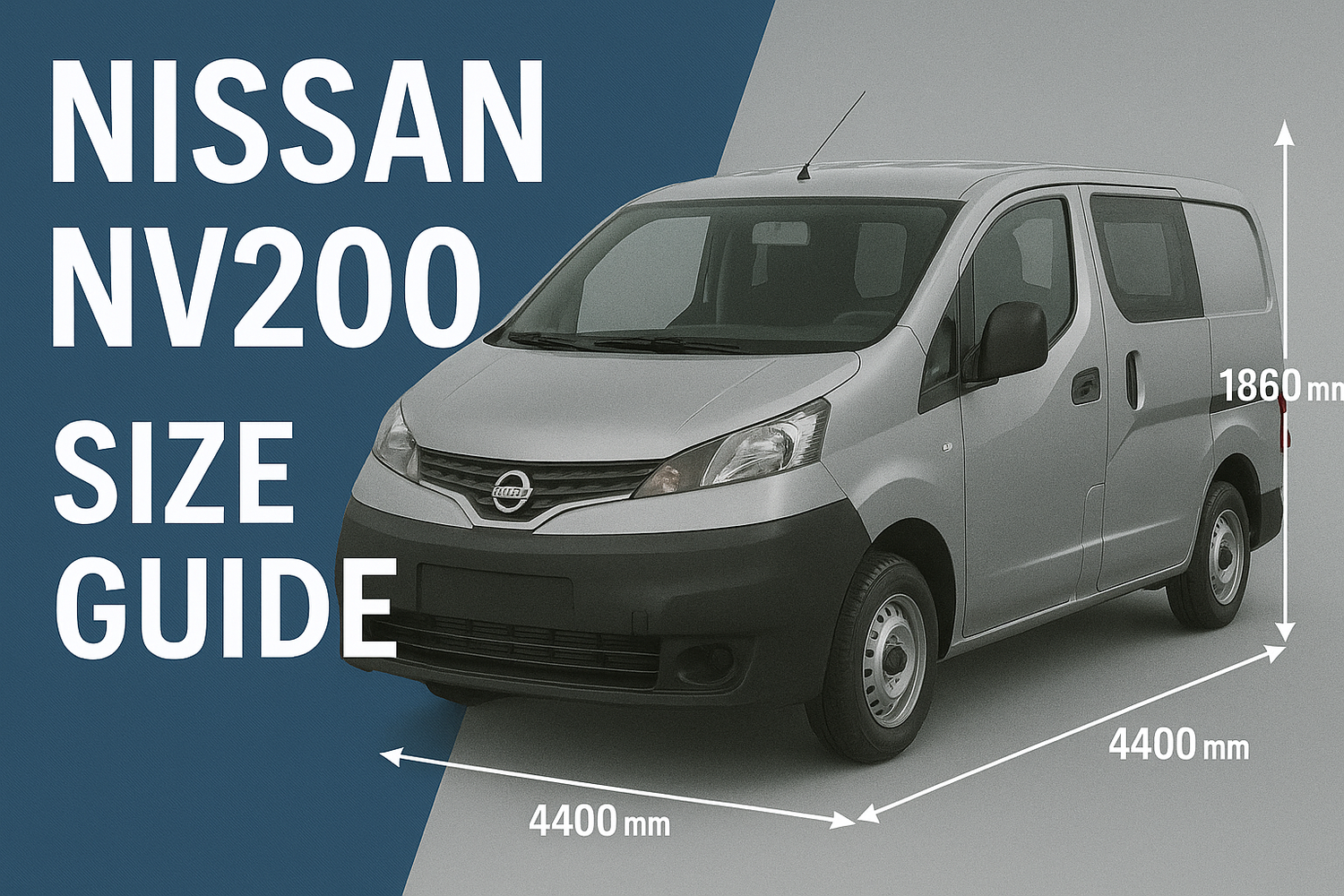
A compact van suits tradespeople carrying lighter tools and modest stock. It is easier to park, economical for local work and often enough for electricians, locksmiths or mobile repair work. However, it can become cramped once you add full shelving, cases, a step ladder and larger equipment. Buying too small often means working around the van's limitations every day.
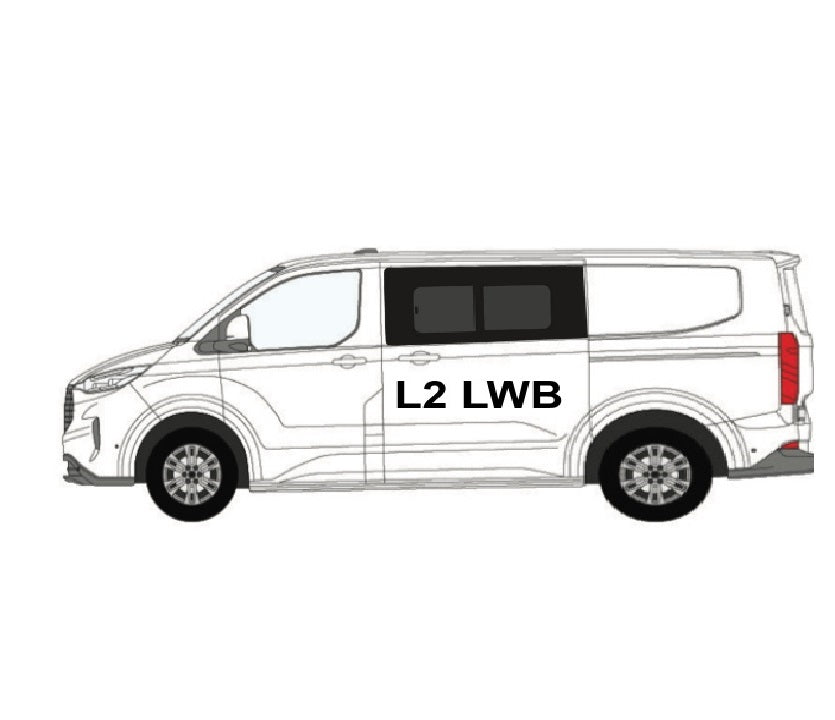
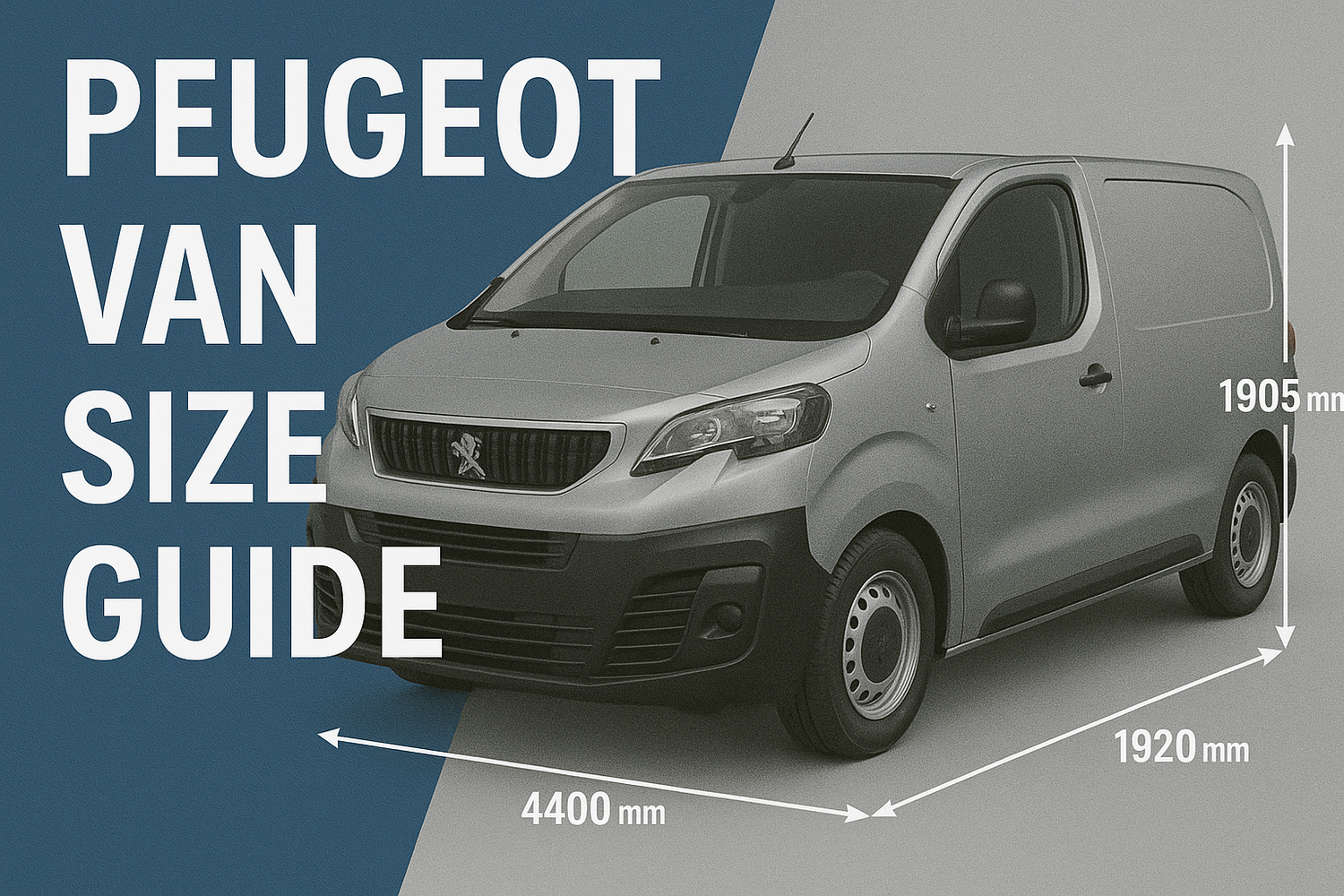
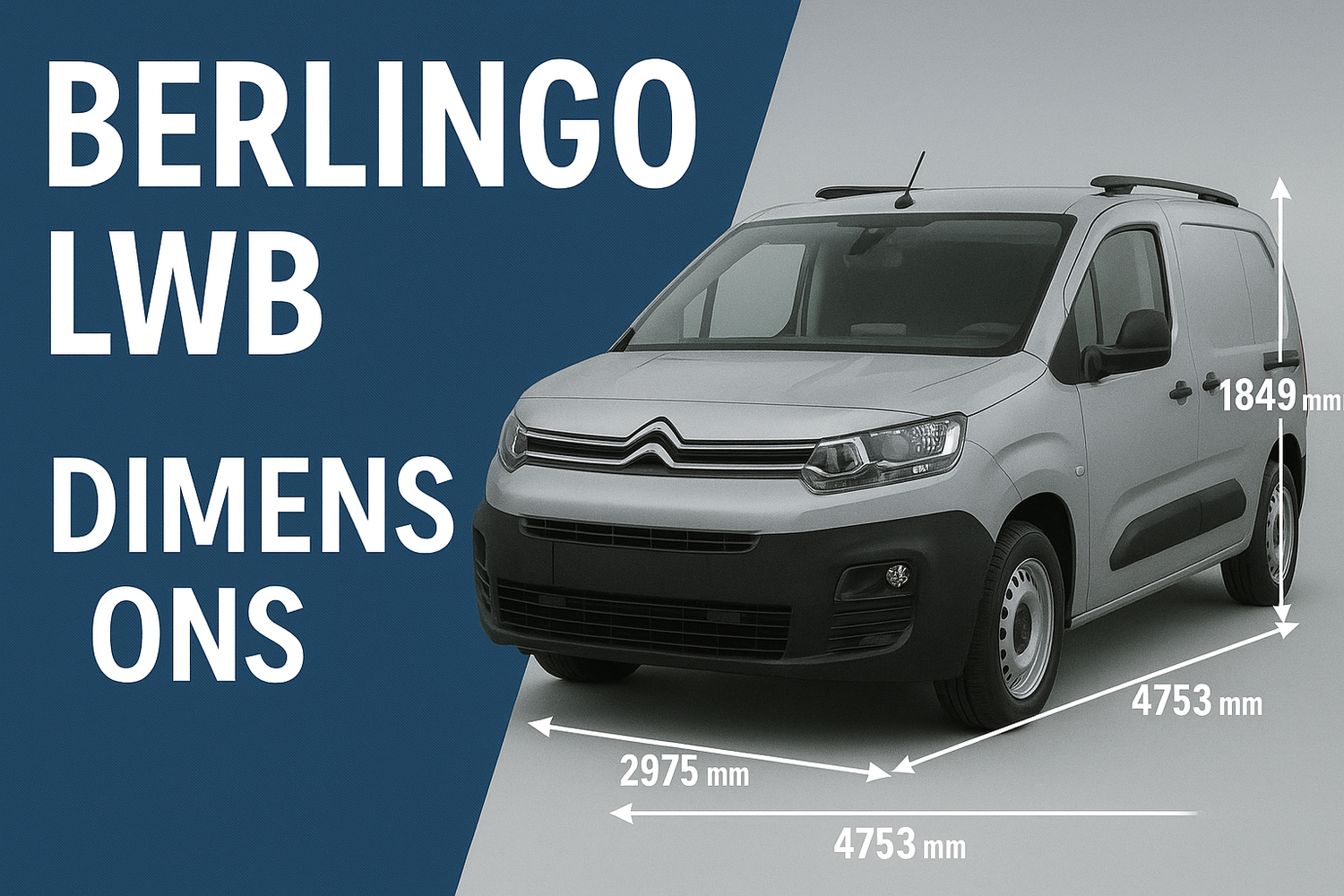
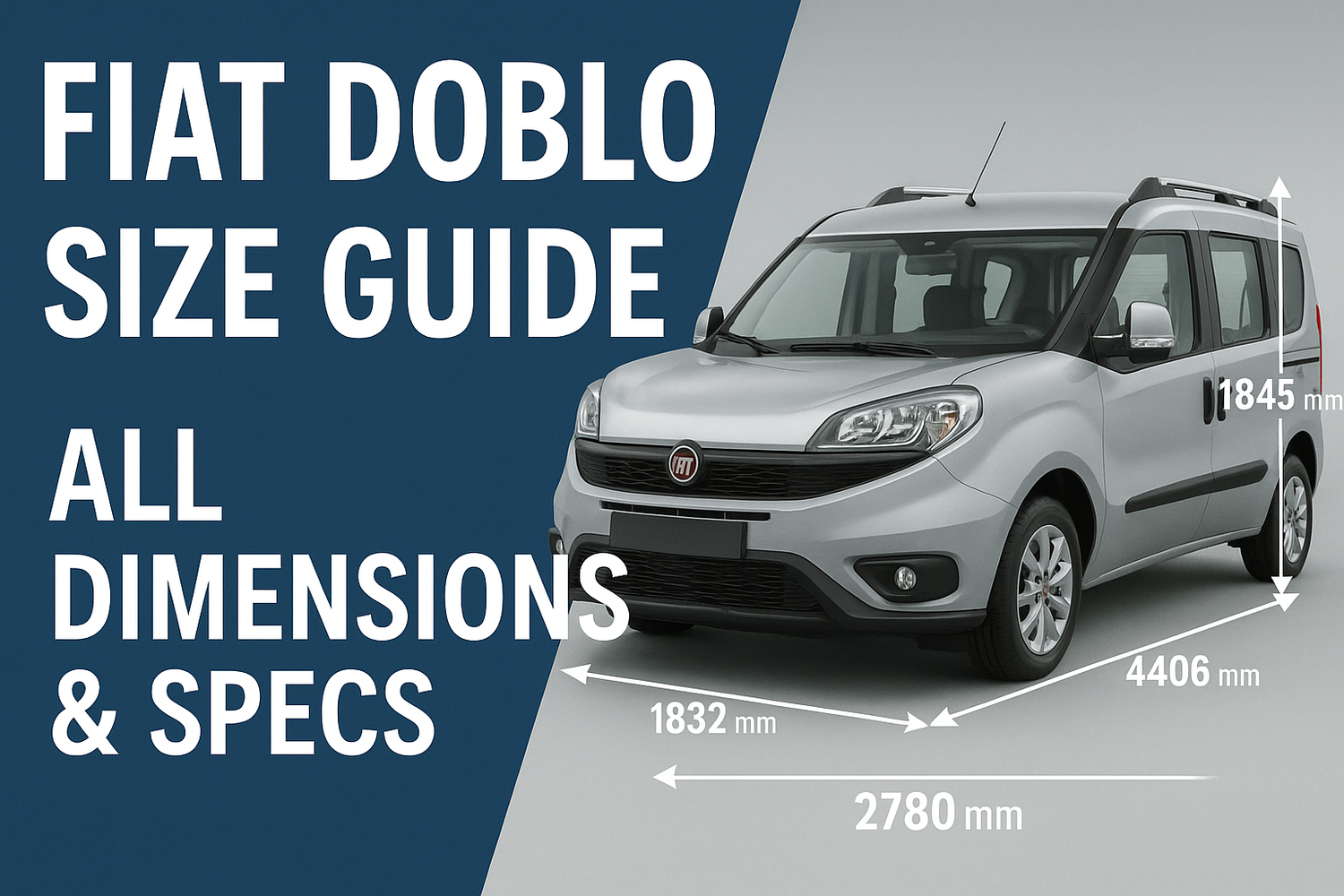
Medium panel vans are the all-round choice for many UK trades. Models such as the Transit Custom, Trafic, Vivaro, Primastar, Expert, Dispatch, Proace, Vito and Transporter offer a useful balance of internal space and road presence. They can accommodate model-specific van shelving, floor protection and accessories while remaining realistic for daily domestic and commercial work.
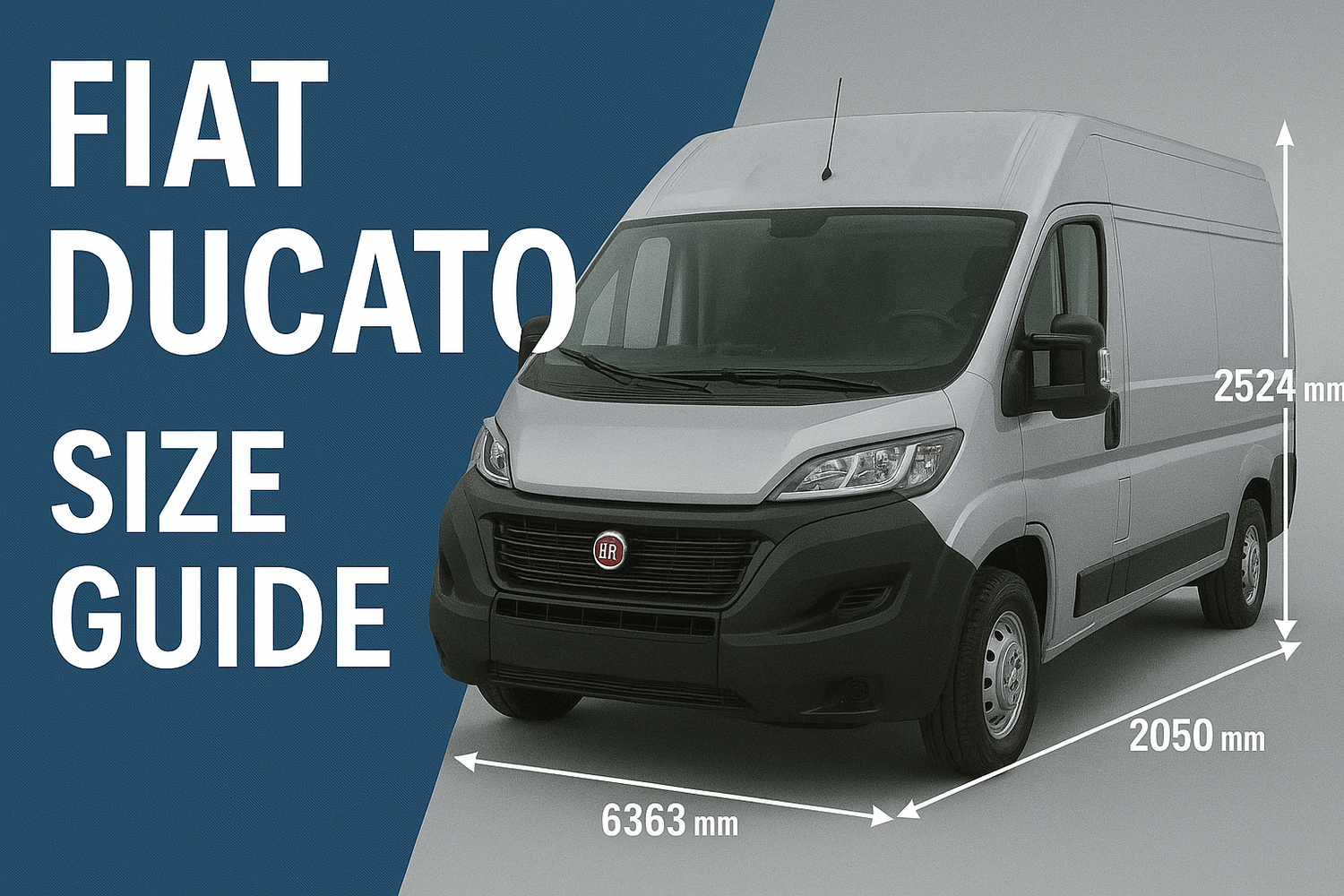
Large vans are best for trades that carry substantial weight, bulky stock or long materials as standard. They offer the room to create a more complete workshop-style layout, but size has consequences. They can be harder to park, more expensive to run and less suited to congested streets. Bigger only pays off if the extra volume is used regularly.
Check more than load volume
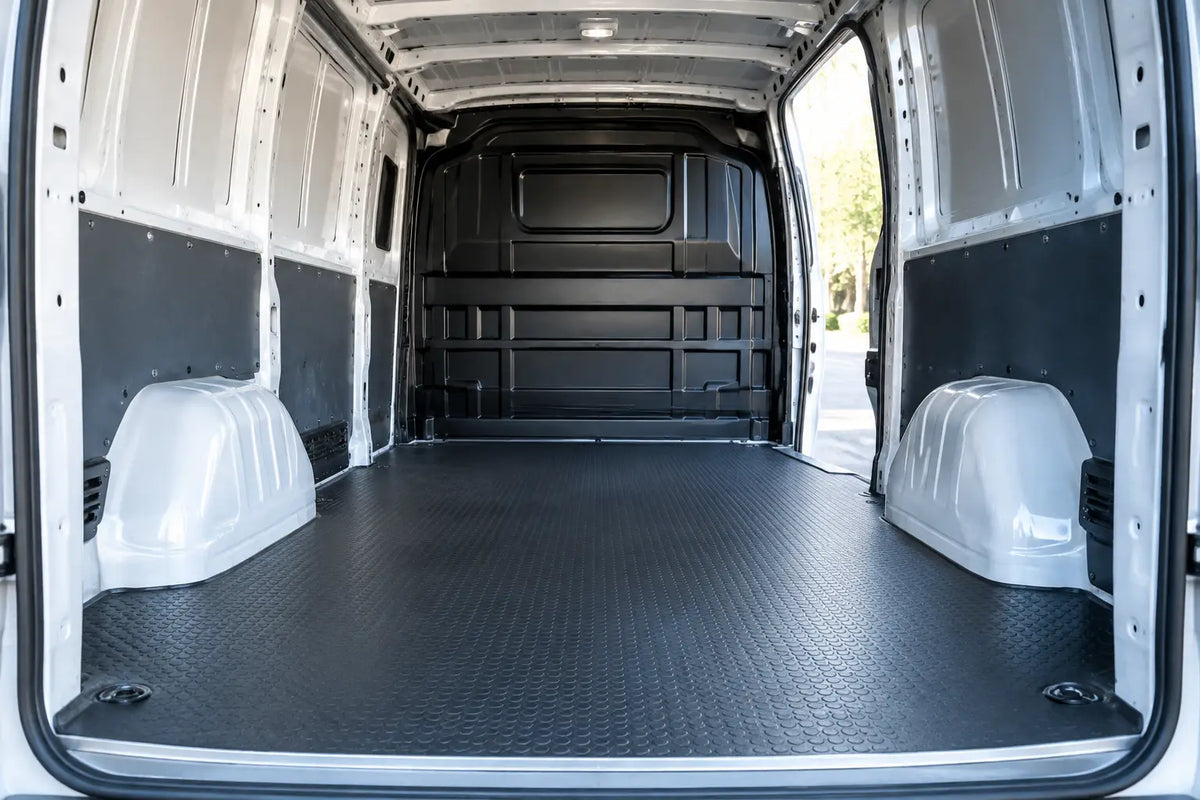
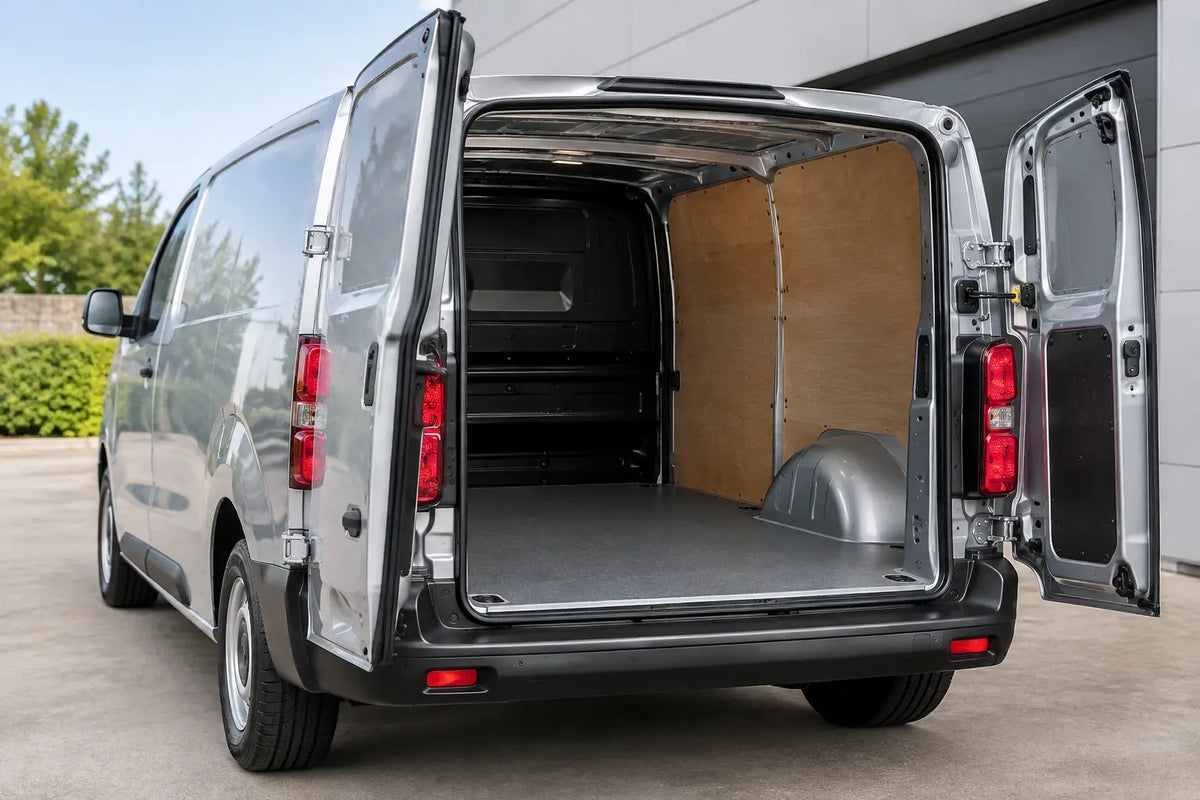
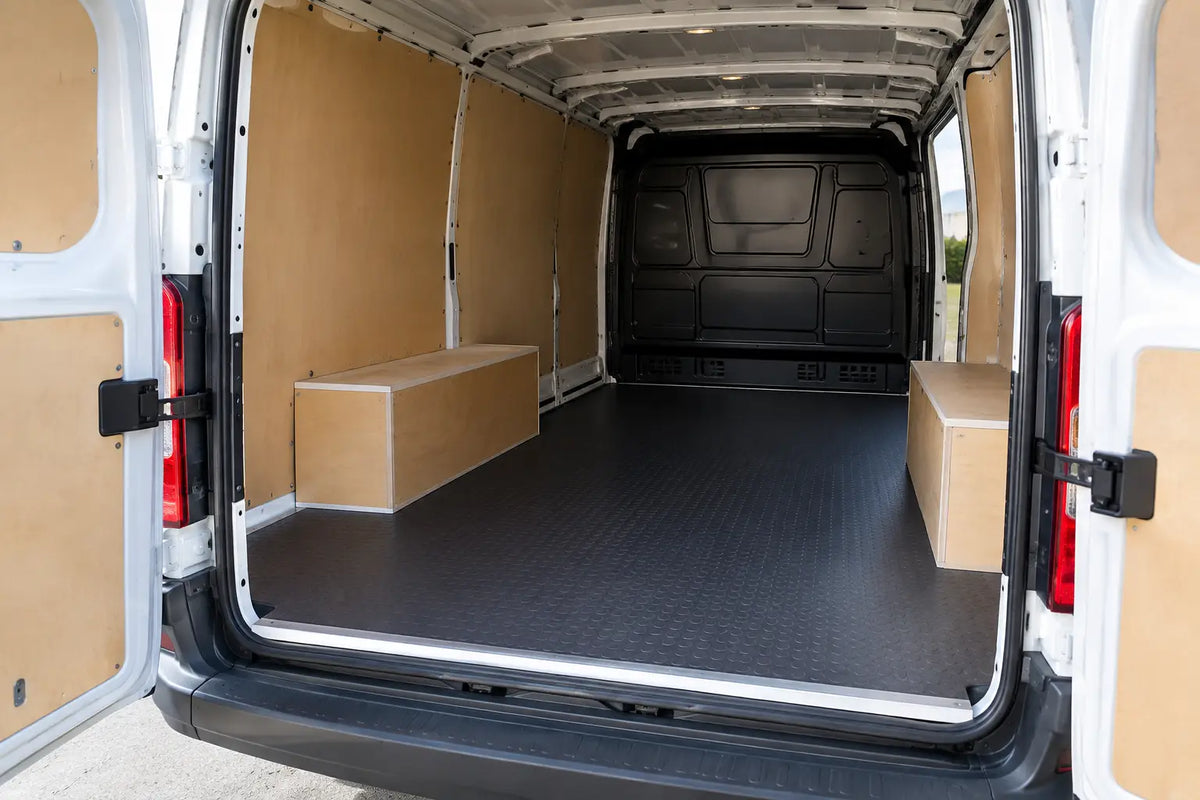
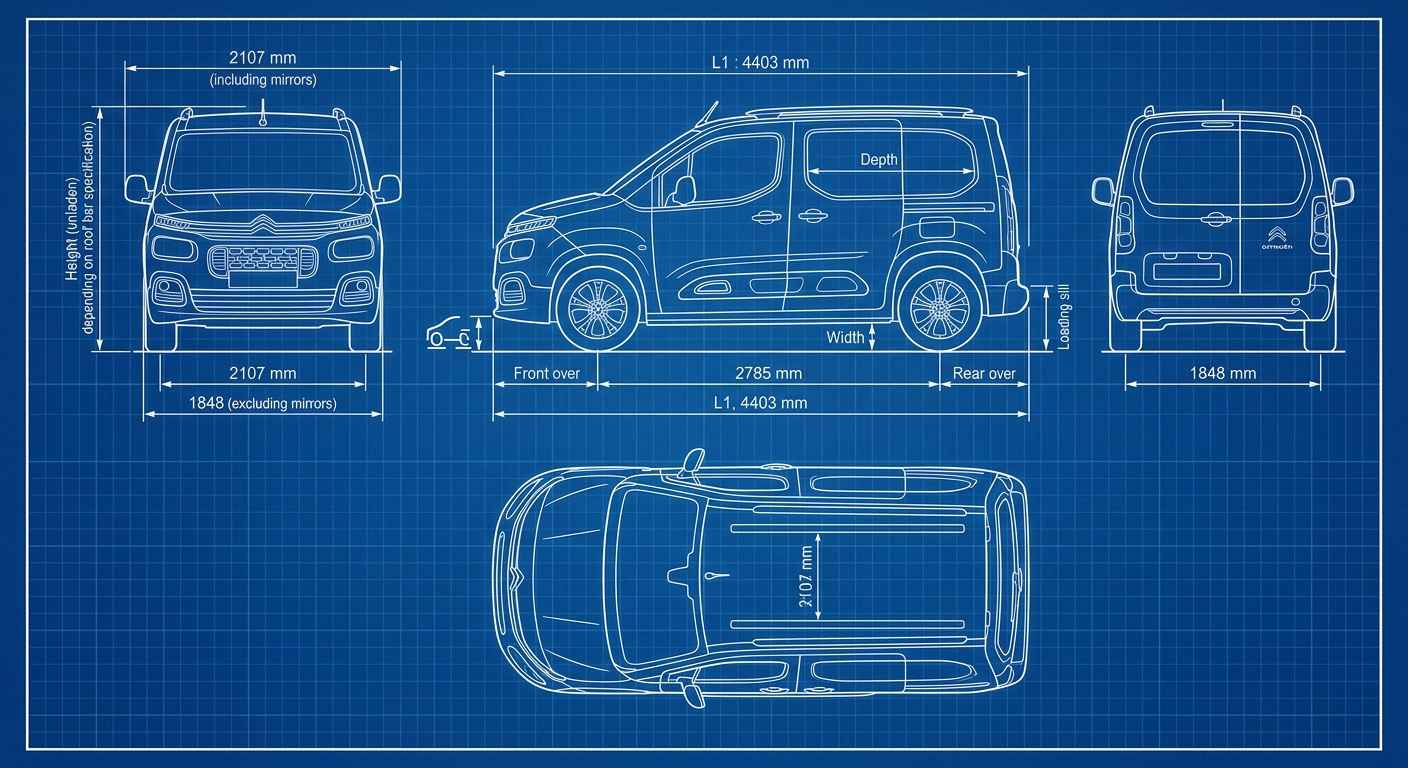
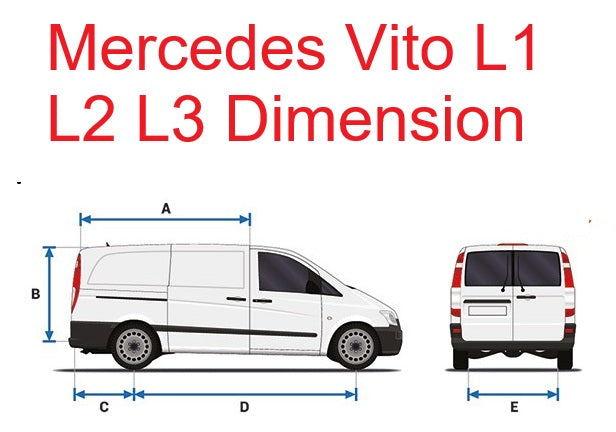
Published load volume is useful, but it does not tell you how easy the space is to use. A van with a slightly smaller figure may work better if its wheel arch shape, rear opening, side door position and internal dimensions suit your kit.
Payload deserves the same attention. Shelving, false floors, tools, stock, fuel and passengers all add weight. If your work involves dense materials, heavy cases or machinery, check the payload for the specific model and specification you are considering. Two vans with similar-looking load areas may have very different working limits.
Access is another practical factor. Rear doors are ideal for loading larger items, but a side door can be more useful for day-to-day parts retrieval. Think about how you park at jobs. If the rear doors are often close to a wall, gate or another vehicle, side access can make a real difference.
Plan the storage before choosing the van
A tidy van is not achieved by adding shelves wherever there is empty space. Start with the items you use most often. These should be easy to reach from the rear or side door, without climbing into the load area. Less frequently used stock can sit higher up or further forward.
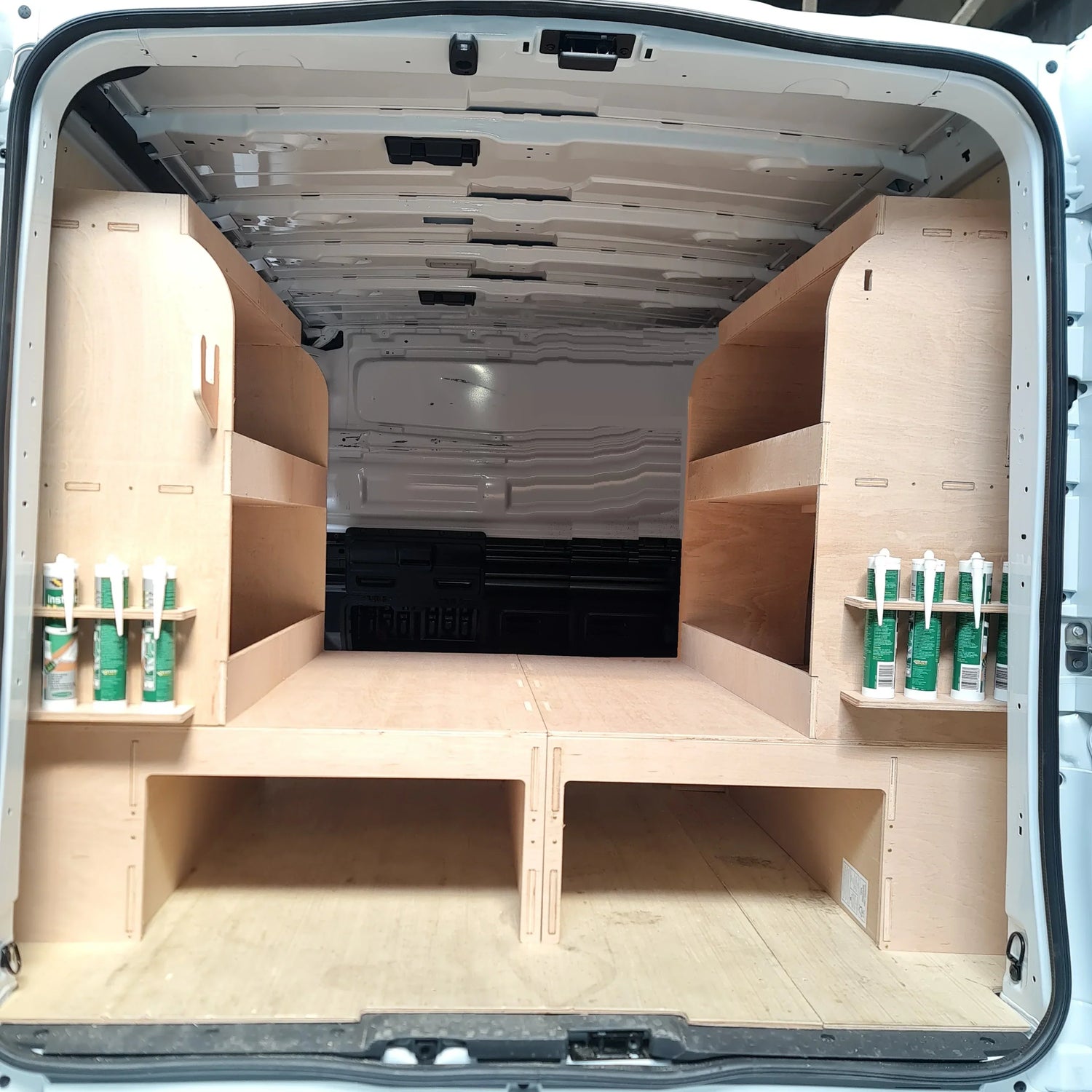
Keep heavy equipment low and secured. Give tool cases a defined position so they cannot slide around. Use vertical racking for boxes, fittings and sealants, and retain a clear floor route for larger loads. For many trades, a false floor is a practical way to carry long items below the main working area rather than tying up the full length of the van.
The best layout also leaves room to adapt. Seasonal work, a new contract or a change in services can alter what you need to carry. Choose storage that supports your present workload without making the van difficult to use when the load changes.
Vehicle-specific storage matters
A shelving system designed around the make and model of van helps you make better use of the available space. It also avoids the guesswork of trying to make a generic unit work around wheel arches, door openings and body contours. Always check the exact van model, wheelbase and year before selecting any racking or flooring solution.
CNC Work supplies practical van storage options for a wide range of trade vans, helping owners build an organised workspace around the vehicle they actually use. From shelves and racking to false floors and small accessories, the aim is straightforward: less time searching, more time working.
Make the decision around your busiest day
Do not choose a van based on the occasional oversized job. Choose it around the equipment, materials and access requirements you face during a normal busy week. If you are regularly short of space, step up a size. If you spend more time parking in tight streets than carrying full loads, a well-organised medium or compact van may be the better investment.
The right van should make the start of each job simpler: doors open, tools are where they should be and the work can begin.