









A Volkswagen Transporter racking review should start where the work starts: at the side door, with one hand on a tool case and the other looking for the fitting, sealant or tester that ought to be within reach. A tidy load area is not about making the van look smart at the merchant. It is about reducing the small delays that build up across a working week.
The Transporter is a popular choice for trades because it is compact enough for busy sites and town work while still offering useful load space. That makes the racking decision more important, not less. There is less room to waste, so every shelf, bin and floor section needs to earn its place.
Volkswagen Transporter racking review: what matters most
The best setup depends on the exact Transporter generation, wheelbase and the work carried out from it. Before comparing racking, confirm the vehicle model, year, wheelbase, door arrangement and whether it has factory lining or an existing floor. A system designed around one version of the van may not suit another, even when both carry the Transporter name.
For most working users, the strongest racking options share three qualities. They use the side walls efficiently, keep frequently used items accessible and leave a clear central loading area for larger kit. The right layout prevents a common problem: fitting plenty of shelving, then finding there is nowhere practical for a vacuum, cable drum, step ladder, boxed fittings or job-specific materials.
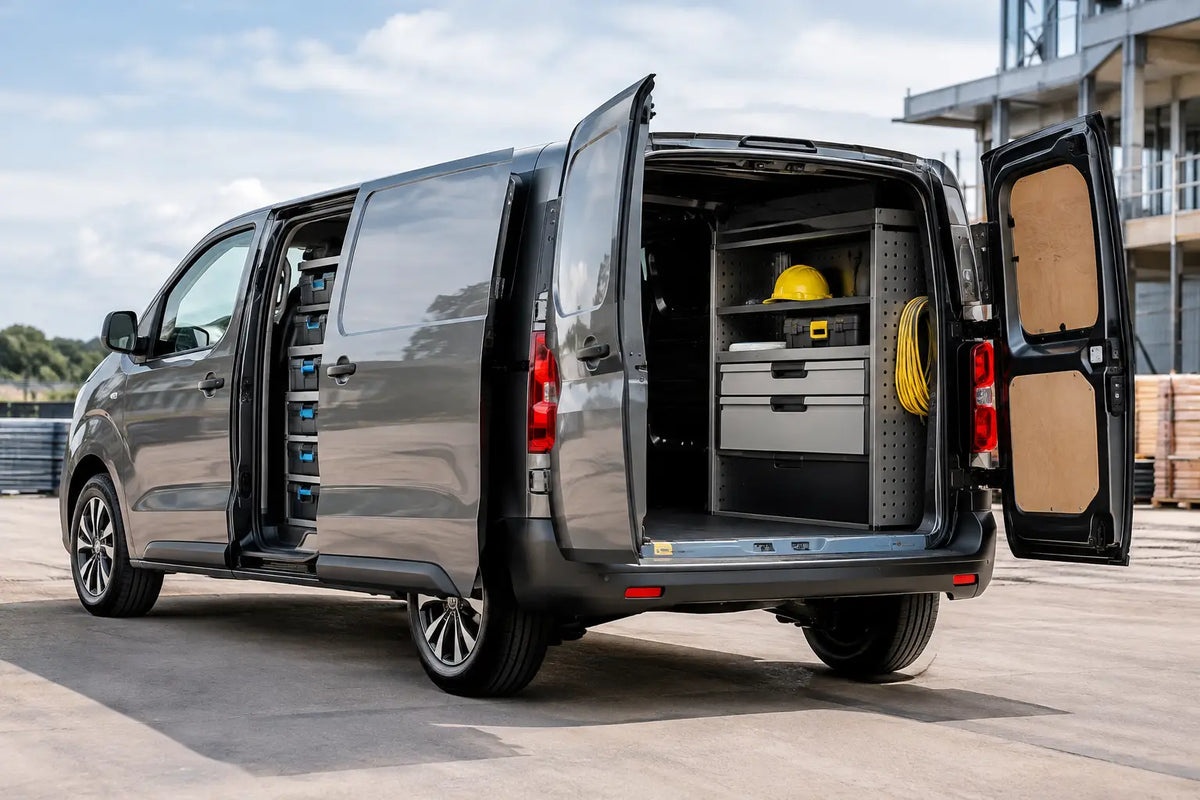
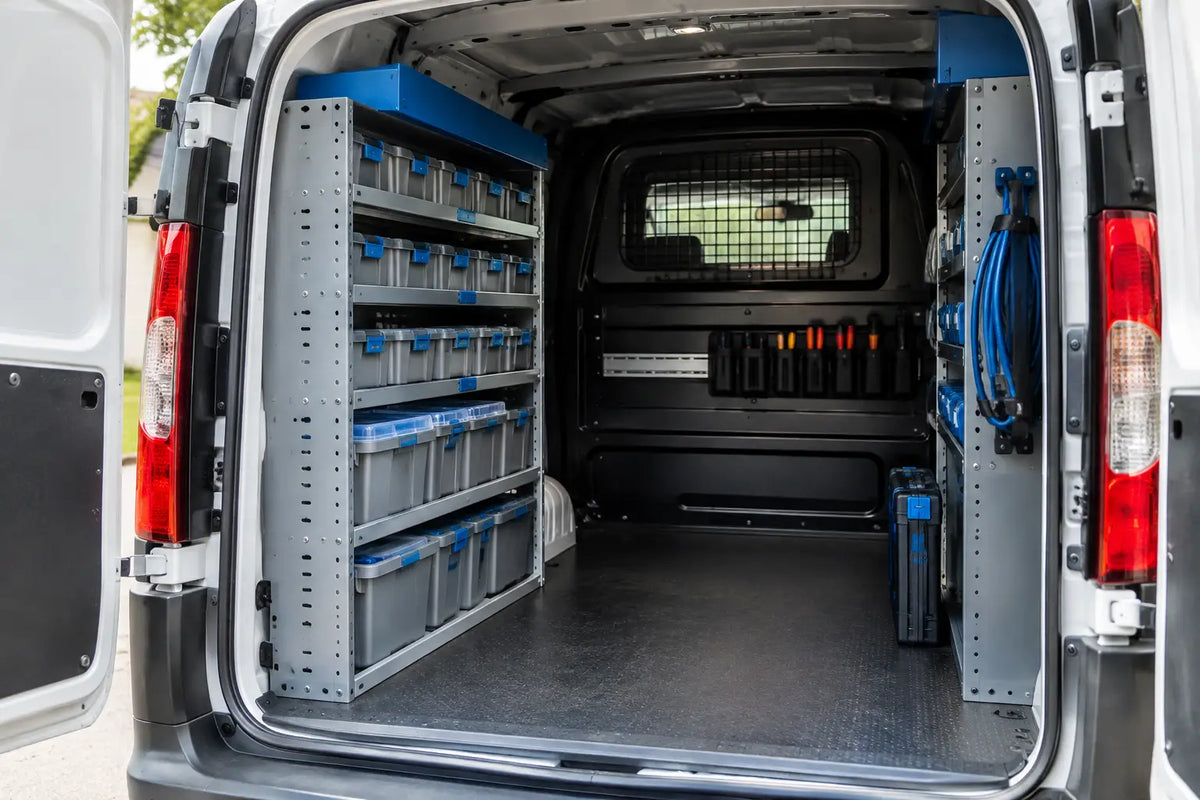
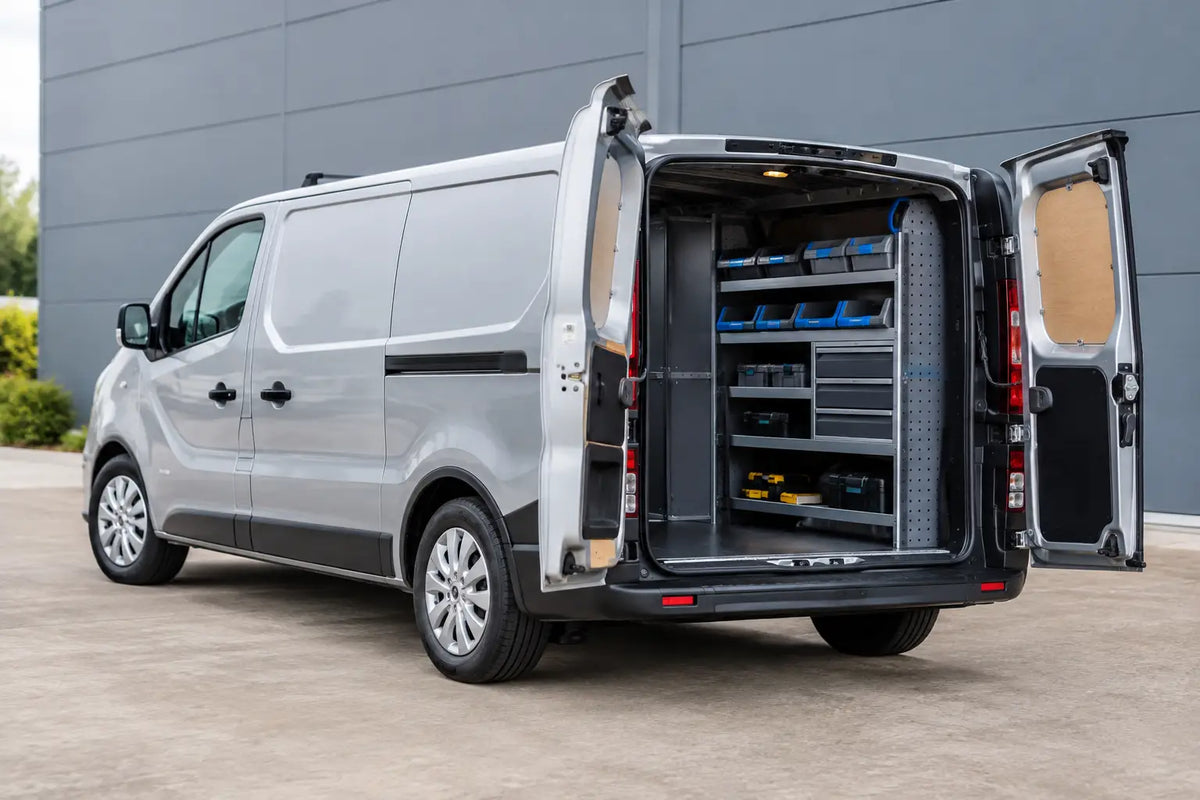
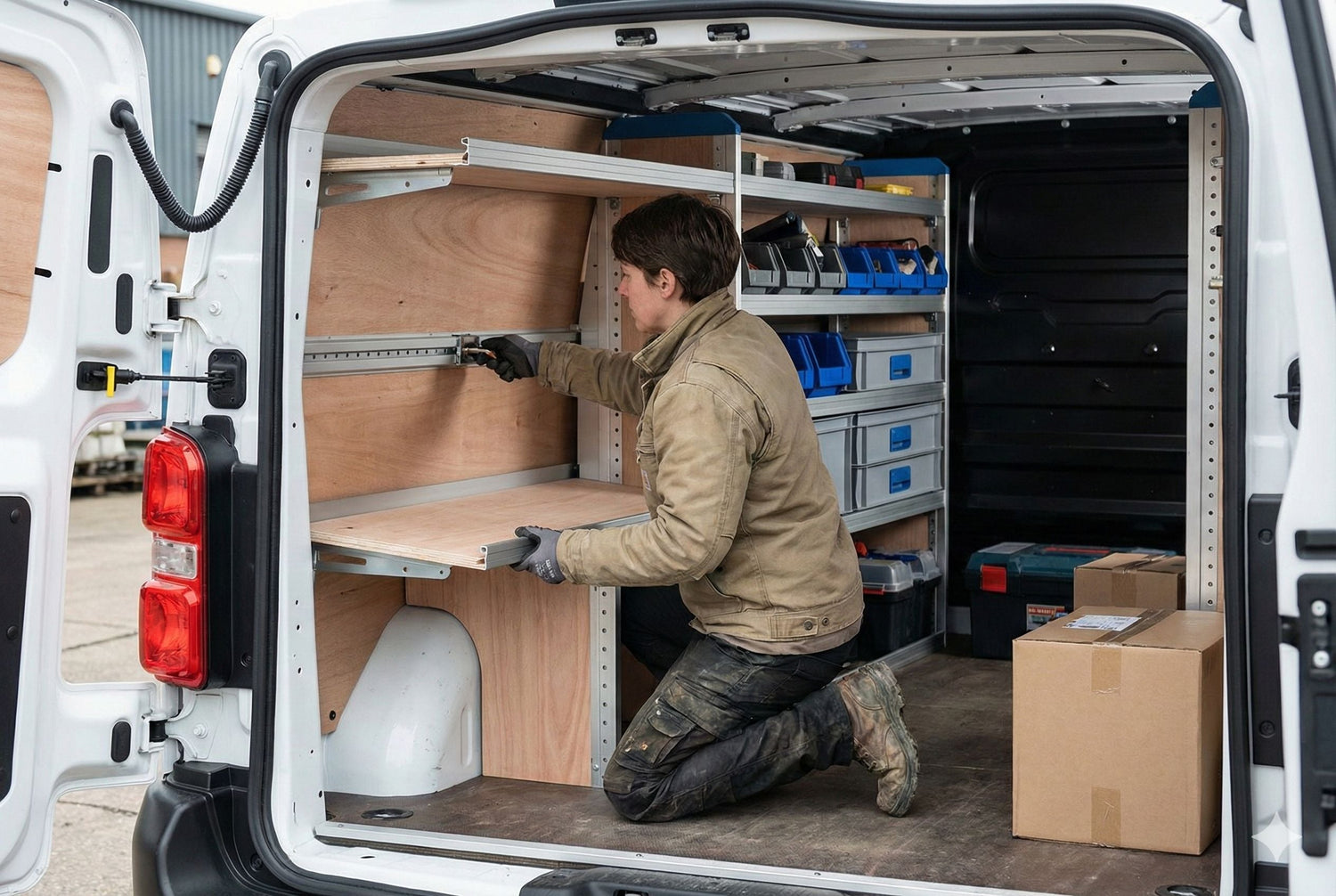
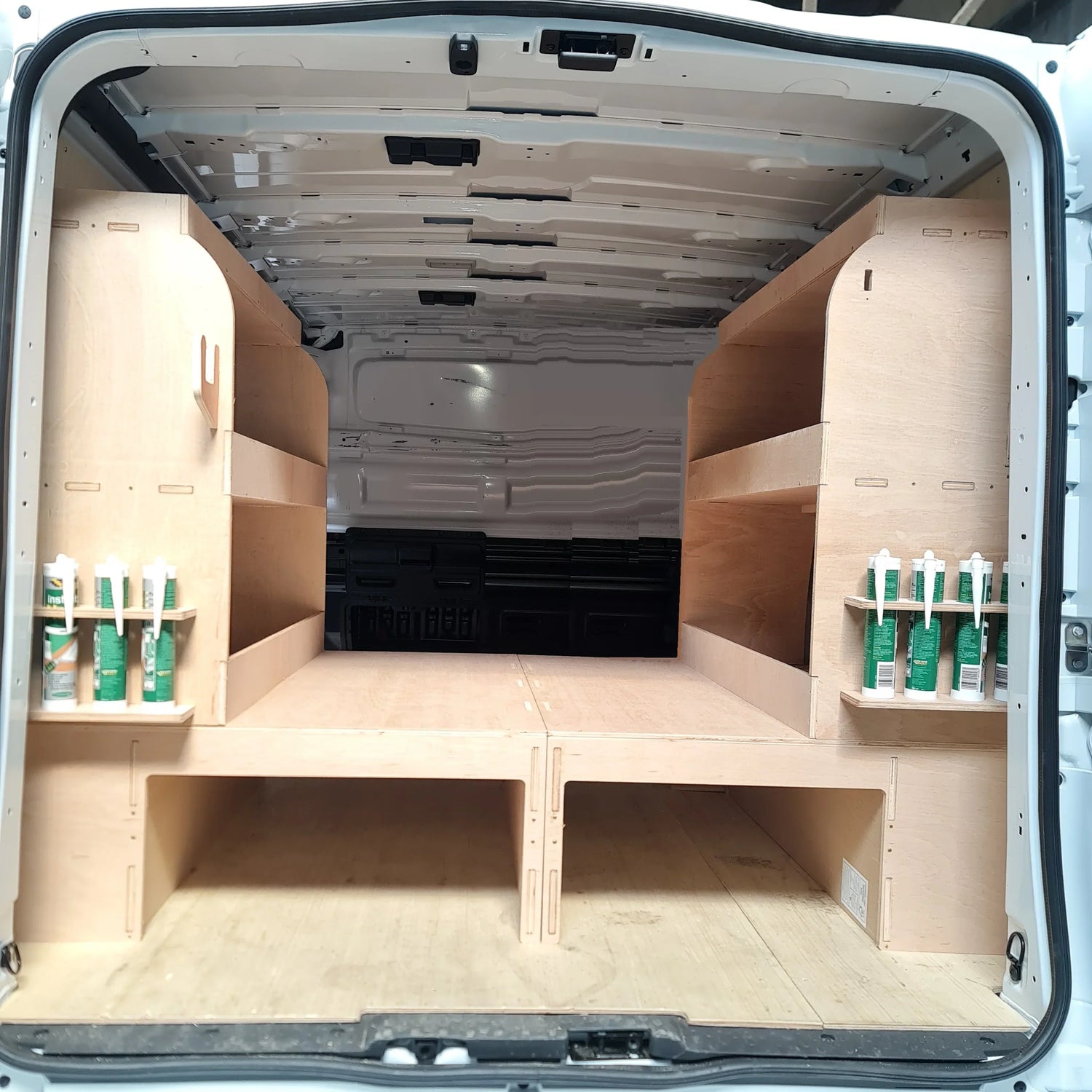
A single-sided arrangement is often the sensible starting point for plumbers, electricians and maintenance engineers. It gives structured storage on one side while retaining open floor space. Double-sided racking creates more compartmentalised storage and can suit fitters carrying a large volume of small components, but it narrows the working aisle. That trade-off matters when loading through the rear doors or retrieving heavy cases during the day.
Shelves should suit the items, not just fill the van
Deep shelves can hold more, but they are not automatically more useful. If a shelf is too deep, smaller parts disappear behind larger cases and stock becomes difficult to check at a glance. Shallow, well-positioned shelving often works better for consumables, hand tools, sprays, adhesives and electrical components.
Open shelves are quick to access and easy to keep organised when stock is stored in boxes or labelled bins. They are particularly useful for tradespeople who replenish the same items regularly. The downside is that loose items need proper containment. Boxes, dividers and retaining lips are not extras when the van is moving - they are what stops the system becoming untidy after a few roundabouts and speed bumps.
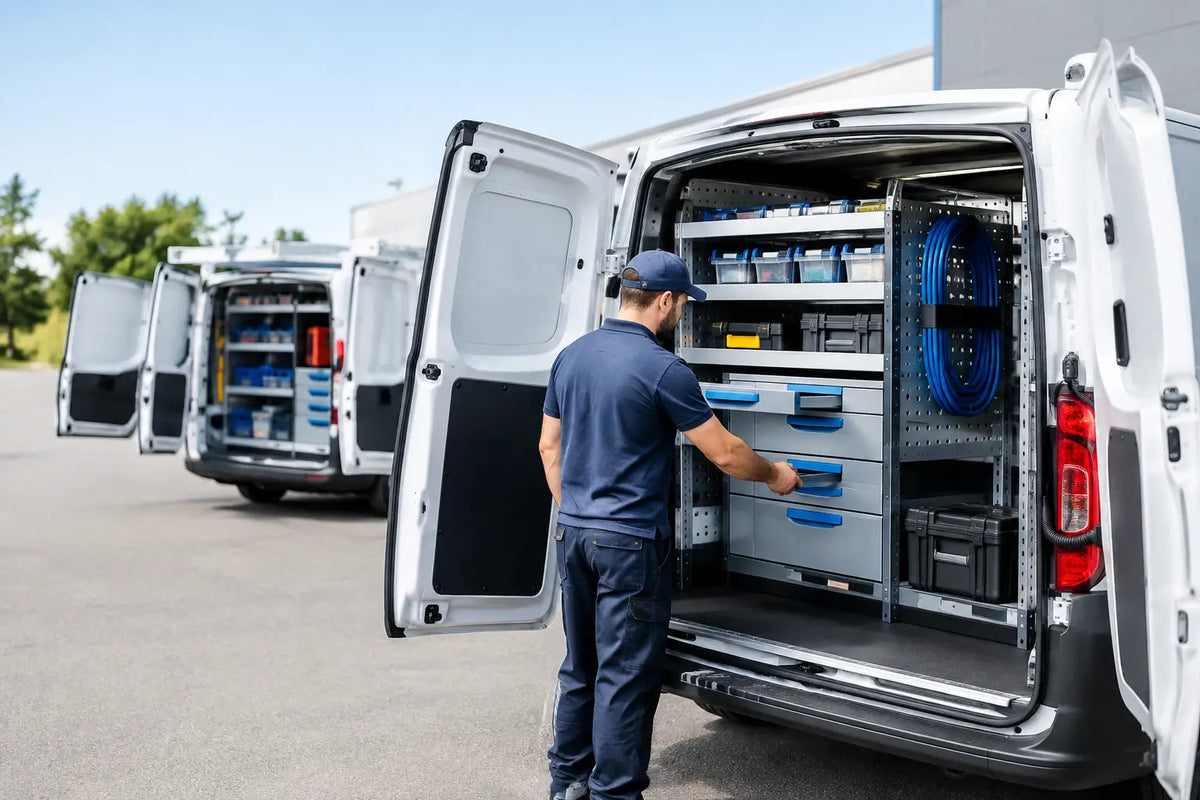
Drawer units improve security for smaller tools and fittings, and can make a Transporter feel more like a mobile workshop. However, drawers take up valuable volume and are best reserved for stock that genuinely benefits from being separated. If most of the load is bulky power tools and job materials, a drawer-heavy setup can be less efficient than shelves with stackable cases.
Build quality and daily durability
Racking is exposed to dirt, moisture, vibration, sharp-edged equipment and the occasional rushed unload at the end of a long day. In a useful review, material choice matters as much as the number of shelves.
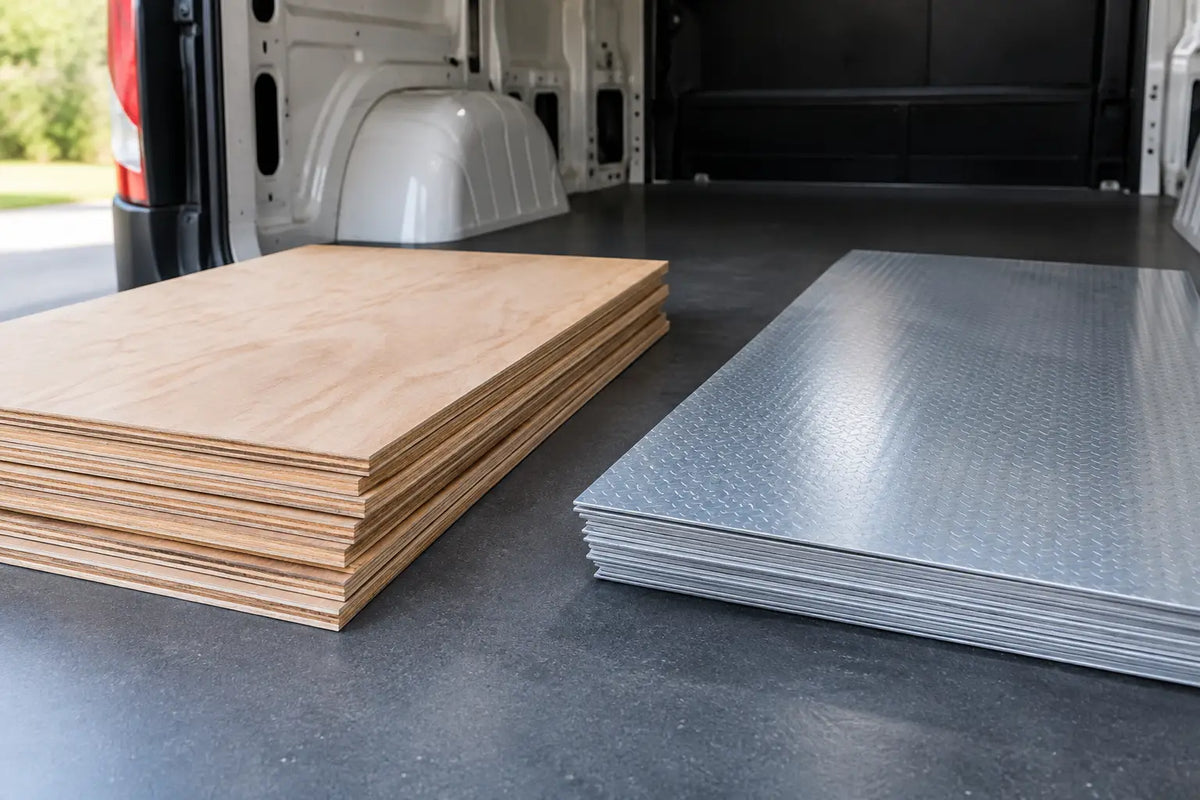
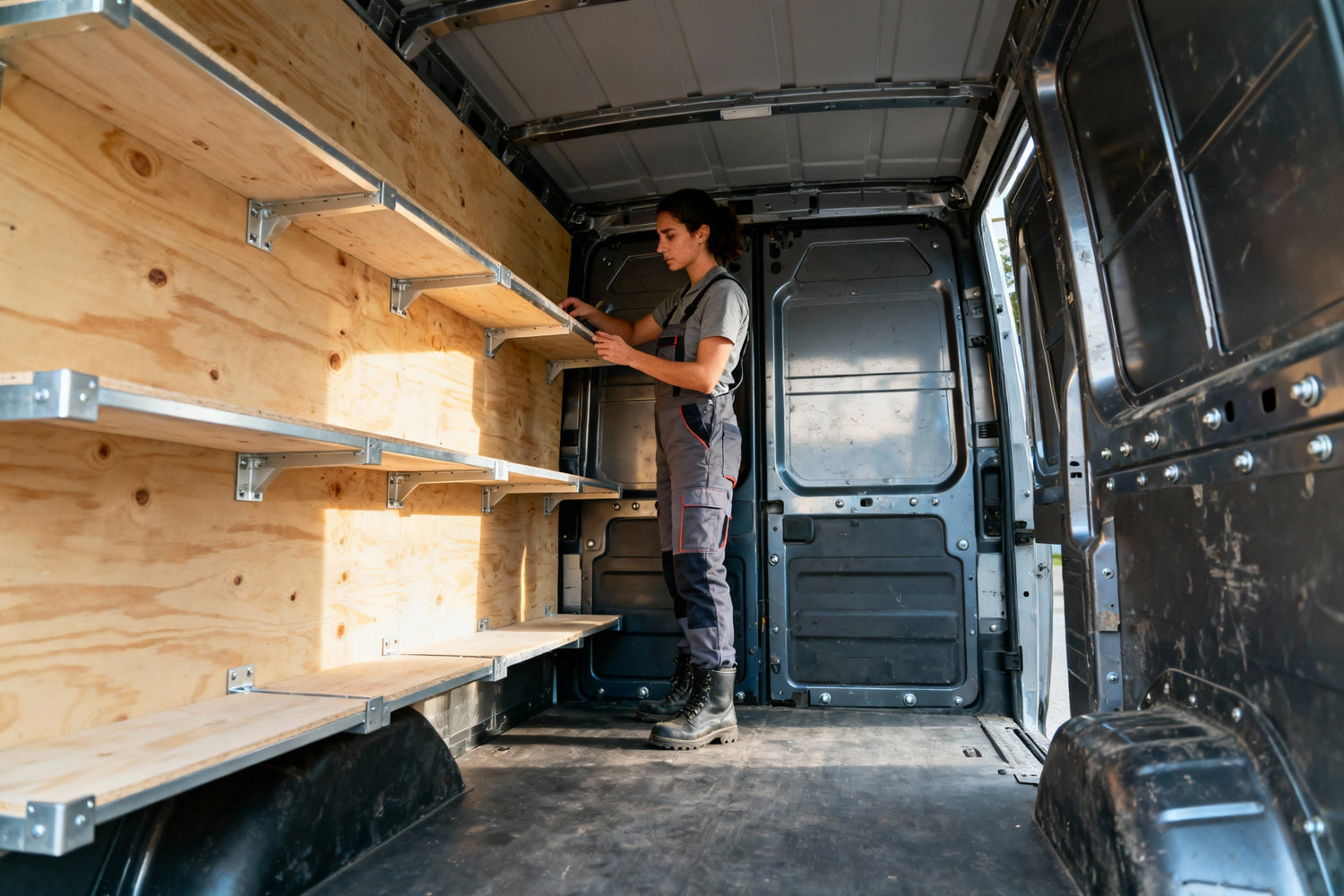
Plywood-based systems can offer a practical balance of strength, weight and value. Quality boards, clean edges and secure fixings matter more than decorative finishes. A well-planned timber system can be hard-wearing and straightforward to modify with accessories as your work changes. It also tends to reduce rattles when items are properly stored.
Metal racking may suit users who want slim uprights and a more industrial-style layout. It can free up a little visual space, but it still needs sensible fixing points, stable shelving and protection against loose kit knocking against the frame. Neither material is automatically right for every Transporter. The deciding factor is whether the construction supports your load safely and stays practical after months of daily use.
Pay attention to the details that are easy to overlook in product photographs. Are shelf edges finished cleanly? Is there a way to retain cases and containers? Can accessories be positioned where they are actually needed? Is there room to clean around the base? These are the details that affect whether a van stays organised rather than slowly collecting loose stock and offcuts.
Do not overlook the floor
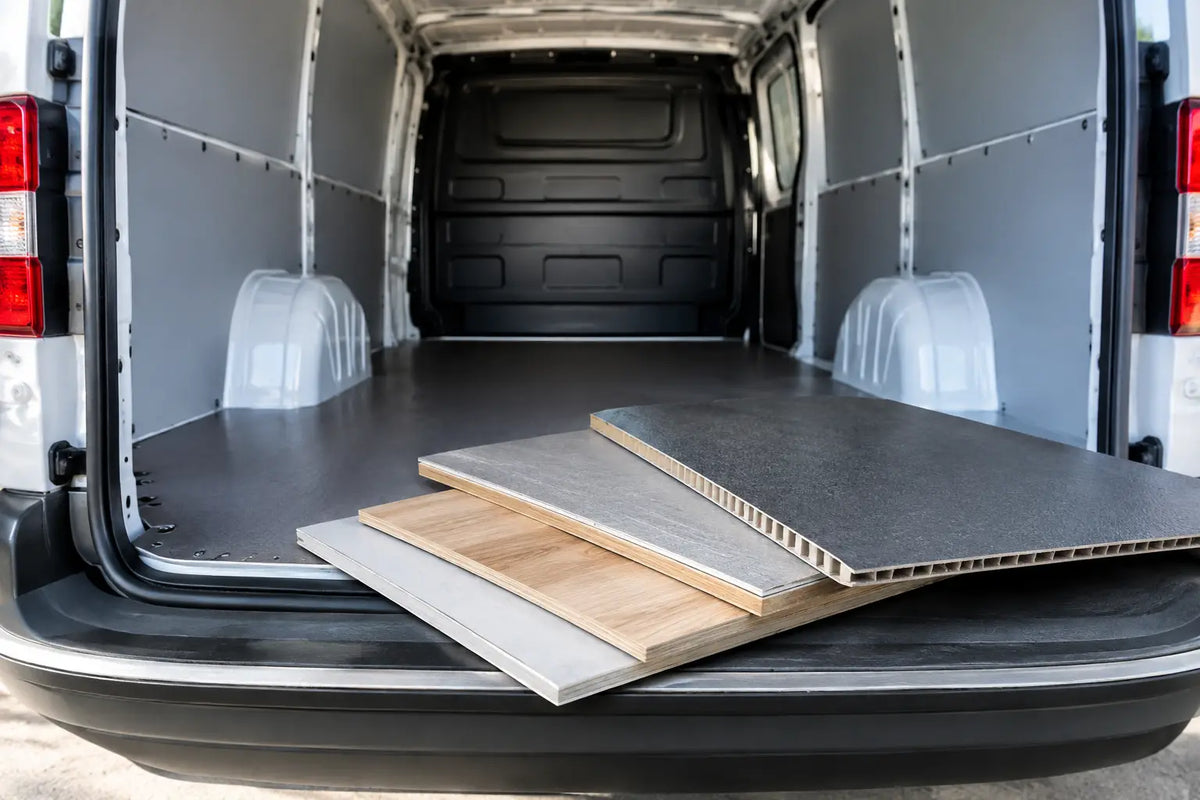
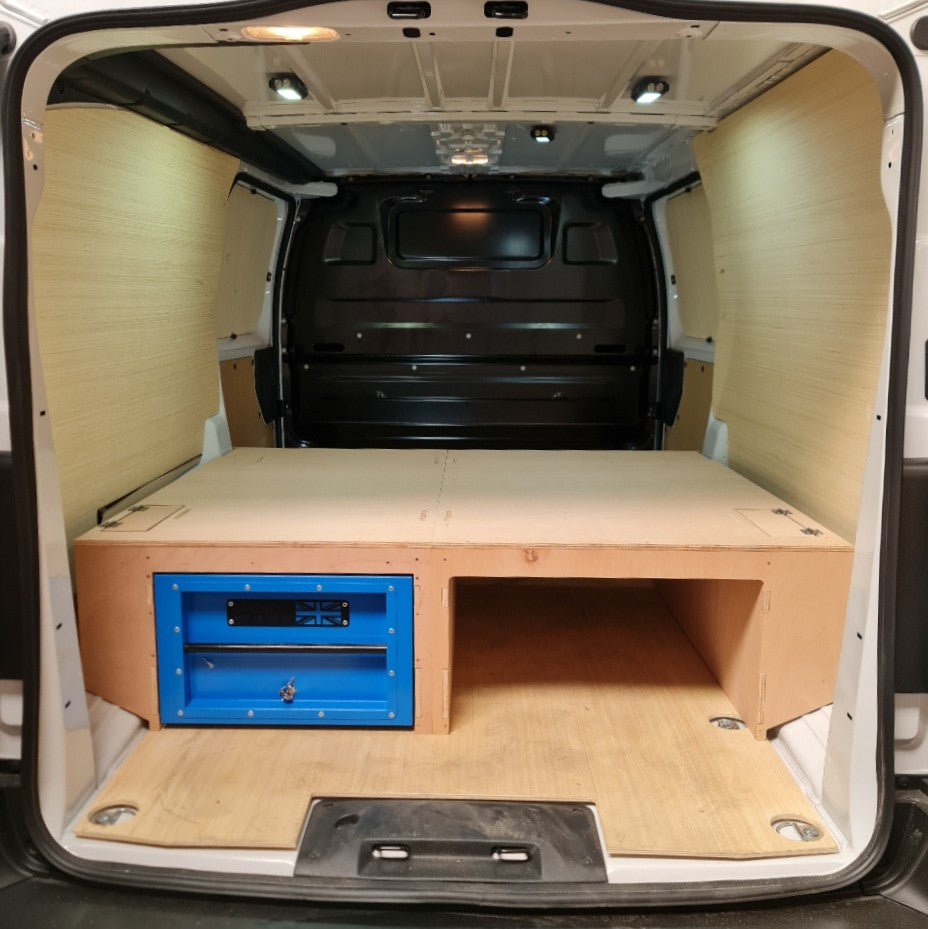
A false floor can be one of the most useful additions to Transporter racking, especially when the load area carries heavy equipment or materials that slide about. It creates a flatter, more durable base, helps protect the vehicle floor and gives the racking a stable foundation.
For some trades, a false floor with access points or underfloor storage can be a good use of space. Long tools, cable rods or narrow items can be kept out of the main load area. But it is not essential for every van. If the Transporter frequently carries bulky, dirty loads, a simple hard-wearing floor may be easier to clean and more flexible day to day.
Think about loading height as well. Adding a floor changes the height available in the van, which can matter when stacking tool cases or carrying taller equipment. Small measurements make a difference in a compact working vehicle.
Fitment, access and installation checks
Vehicle-specific racking is worth prioritising because it is designed around the van's shape, wheel arches and internal dimensions. It can make better use of the available space than a generic shelving unit. Still, check the product description carefully against your Transporter's details before ordering. Do not assume that a setup shown in one model will be suitable for every wheelbase or year.
Access should guide the layout. If you use the side loading door constantly, put your most-used tools and consumables within easy reach from that position. If rear-door access is more common, make sure stored cases can be removed without unloading half the van first. A good racking layout follows the order of the job: tools first, regular consumables next, then less frequently used stock and larger equipment.
Installation also needs a practical approach. Read the fitting instructions before starting, check the supplied components and avoid drilling or fixing without understanding what sits behind a panel. A correctly fitted system should be stable, square and secure, without obstructing doors, factory features or safe loading access. Once installed, retighten and inspect fixings periodically as part of normal vehicle maintenance.
Which Transporter racking layout suits your trade?
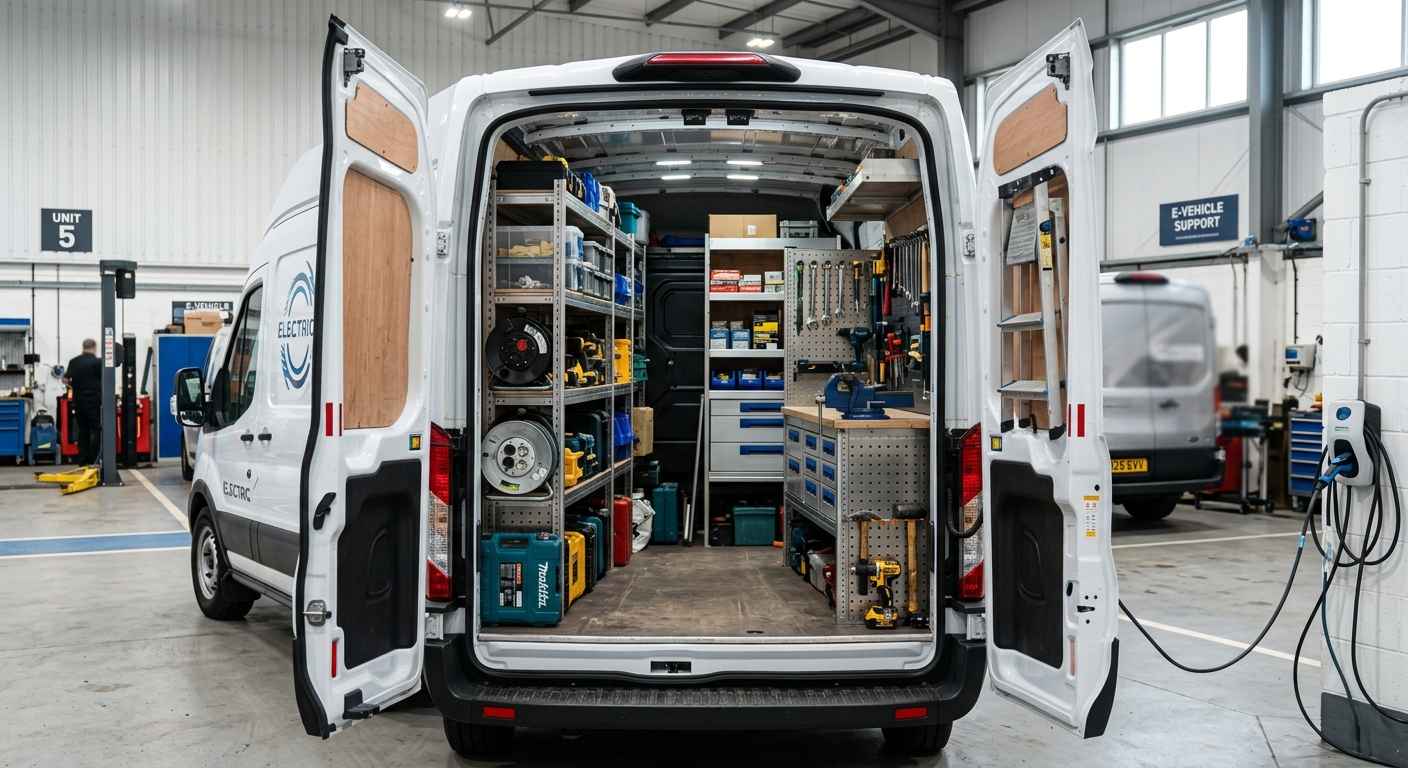
An electrician may benefit from shelves for labelled component boxes, a clear space for cable reels and dedicated holders for sealants, wipes and frequently used hand tools. A plumber may need wider shelf openings for fittings cases, room for pipe-related equipment and a protected place for adhesives and cartridges. A decorator or maintenance contractor may place greater value on a clean floor area for dust extraction, steps and job materials.
The key is to build around the items you use every day, not the equipment that only comes out once a month. Put the heaviest items low down, keep sharp or loose tools contained and avoid storing regularly used stock behind bulky gear. This improves access and helps keep the load controlled while travelling.
For fleets, consistency has its own value. Similar layouts across vans make it easier for staff to find stock, restock at the end of the day and move between vehicles when needed. The layout does not need to be identical for every role, but a consistent system reduces avoidable confusion.
Is Volkswagen Transporter racking worth it?
For a working Transporter, purpose-planned racking is generally worth the space it occupies when it removes daily clutter and makes the right equipment easier to find. It is less worthwhile when it is chosen solely to fill every panel of the van. The most effective setup leaves enough room to work, load and adapt to different jobs.
CNC Work focuses on practical, vehicle-specific storage choices because fitment and everyday usability matter more than unnecessary extras. Start with the tools, consumables and materials that regularly travel in your van, then choose racking that gives each of them a clear home. A better-organised Transporter will not do the job for you, but it can stop the van getting in the way of it.