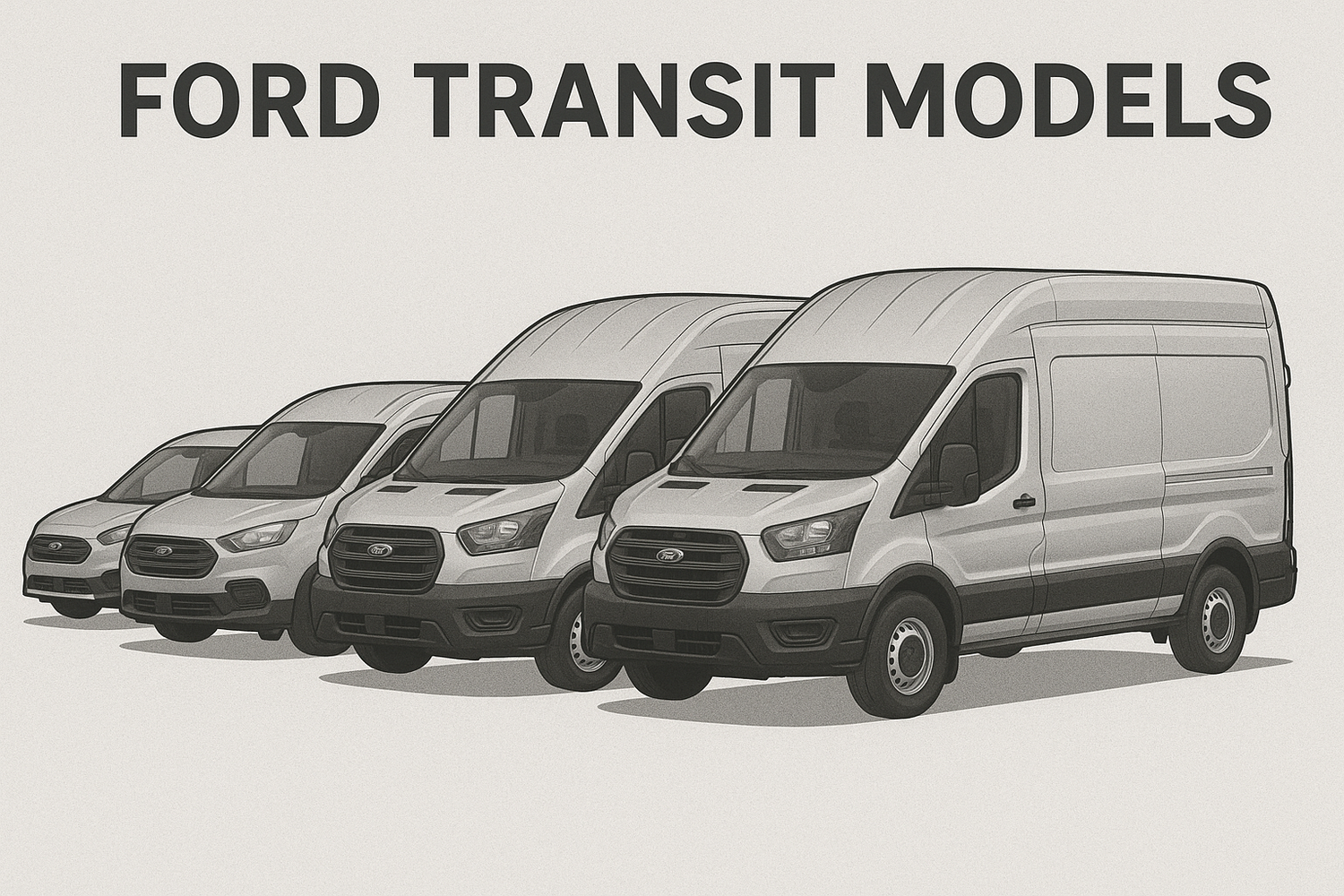

Selecting the right commercial van is one of the most important decisions for tradespeople in the UK. The Ford Transit and Vauxhall Vivaro dominate the medium van segment, each offering distinct advantages for different business needs. The Transit provides exceptional configuration flexibility with multiple wheelbase and roof height options, while the Vivaro delivers competitive fuel economy and a refined driving experience. Understanding cargo capacity differences, running costs, and long-term reliability helps you choose the van that maximizes productivity and profitability for your specific trade.
What Are the Key Differences Between Ford Transit and Vauxhall Vivaro?
The Ford Transit and Vauxhall Vivaro represent different approaches to commercial van design, with the Transit offering superior configuration variety and the Vivaro focusing on efficiency and car-like refinement. These fundamental differences stem from their engineering philosophies and target market positioning within the competitive medium van sector.
Vehicle Size and Configuration Options
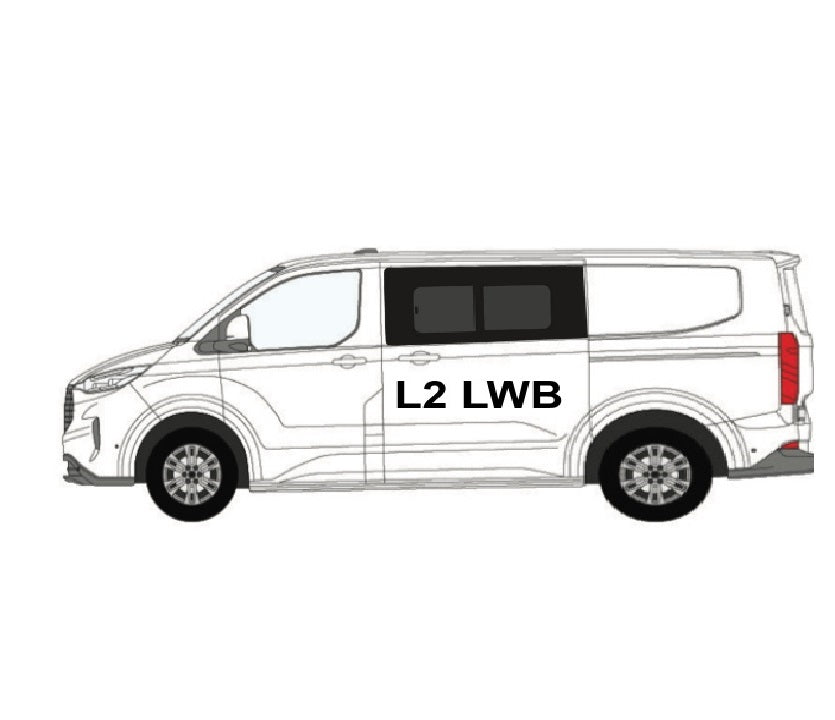
The most significant difference between these vans lies in configuration flexibility. Ford Transit Custom offers an extensive range of body styles including short wheelbase (SWB), medium wheelbase (MWB), long wheelbase (LWB), and extra-long wheelbase (ELWB) variants, combined with three roof heights (H1, H2, H3). This gives tradespeople up to 12 different size combinations to match their specific requirements.
|
Key Specifications |
Ford Transit Custom |
Vauxhall Vivaro |
|
Wheelbase Options |
SWB, MWB, LWB, ELWB |
L1 (SWB), L2 (LWB) |
|
Roof Heights |
H1, H2, H3 |
H1 only |
|
Length Range |
4.97m - 5.34m |
4.95m - 5.30m |
|
Width |
2.03m |
1.90m |
|
Load Height |
1,387mm - 1,780mm |
1,387mm |
|
Cargo Volume |
6.0m³ - 8.3m³ |
5.2m³ - 6.6m³ |
|
Load Length |
2,127mm - 2,555mm |
2,150mm - 2,650mm |
|
Width Between Arches |
1,392mm |
1,250mm |
|
Maximum Payload |
1,000kg - 1,355kg |
1,005kg - 1,400kg |
|
Gross Vehicle Weight |
3,000kg - 3,500kg |
2,800kg - 3,100kg |
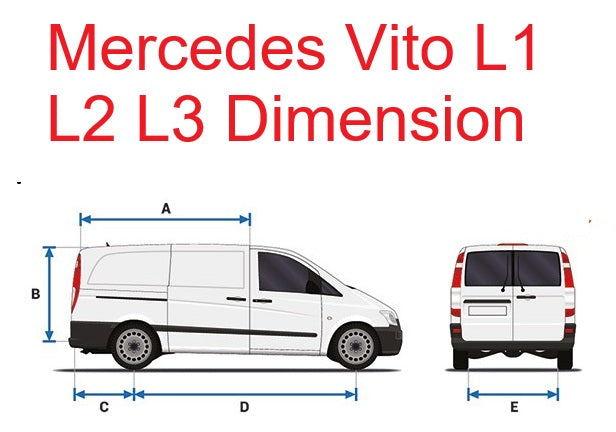
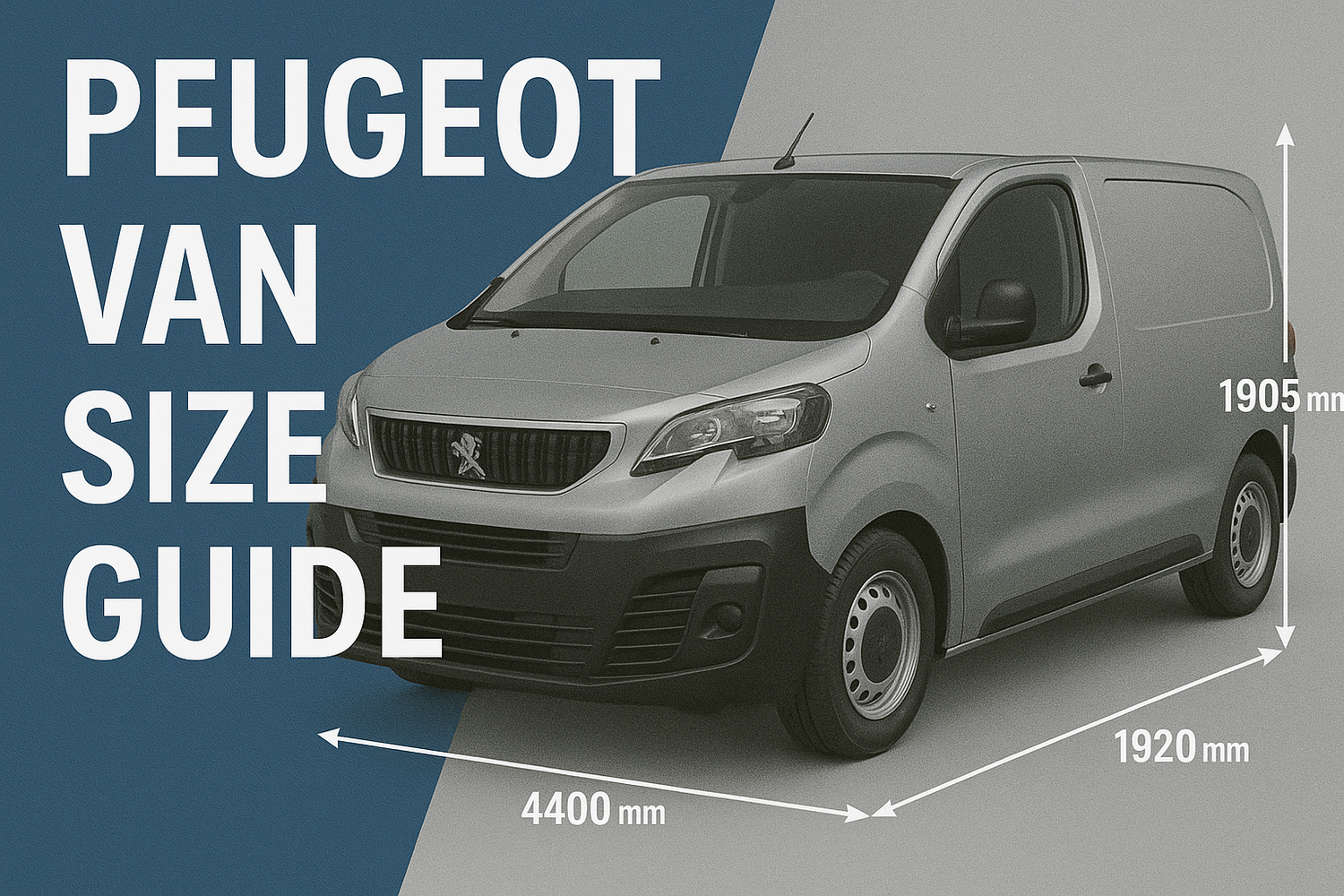
Vauxhall Vivaro takes a more streamlined approach with two primary lengths: L1H1 (compact) and L2H1 (extended). For electricians and plumbers working in urban environments, the Vivaro's compact L1 variant provides excellent maneuverability, while the Transit's multiple configurations serve builders and contractors requiring maximum cargo volume. Both vans offer crew cab variants for teams needing passenger transport alongside equipment.
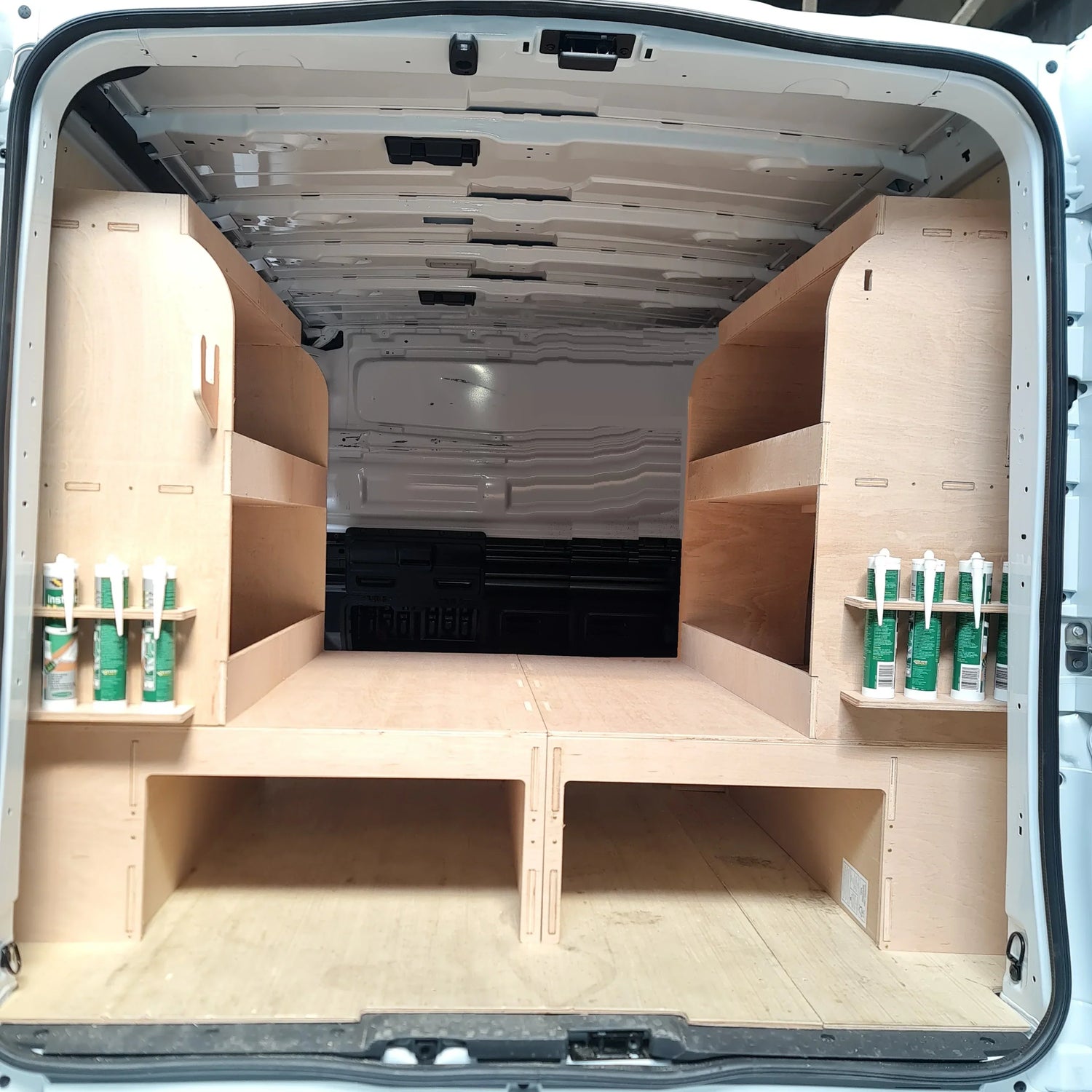
The Transit Custom delivers load lengths from 2,127mm (SWB) to 2,555mm (LWB), accommodating standard building materials including 2.4-meter timber with the tailgate closed. The 1,392mm width between wheel arches is sufficient for transporting standard pallets and building boards. Maximum load height reaches 1,780mm in H2 roof variants, enabling installation of comprehensive van shelving systems without compromising headroom.
Engine and Performance Specifications
Ford Transit Custom runs on a EcoBlue diesel engine available in multiple power outputs, with the mid-range variant delivering strong torque for most trade applications while keeping fuel costs manageable. It comes standard with a manual gearbox, with an automatic option available on higher trims.
Vauxhall Vivaro offers a choice of smaller and larger diesel engines to suit different priorities — the smaller unit targets fuel efficiency, while the larger matches the Transit for towing and loaded performance. Its multi-speed automatic transmission stands out for smoother, more efficient gear changes, making it particularly well-suited for urban stop-start driving.
Performance figures reveal subtle differences in real-world driving. The Transit Custom 130 PS accelerates from 0-60 mph in approximately 11.5 seconds, adequate for motorway merging and overtaking maneuvers. Vivaro's 120 PS variant achieves a similar time of 11.8 seconds, while the 150 PS model reduces this to 10.2 seconds, providing noticeably brisk performance when fully loaded.

Which Van Offers Better Cargo Capacity for Your Trade?
The Ford Transit Custom provides superior maximum cargo volume reaching 8.3m³ in long wheelbase high roof configuration, while the Vauxhall Vivaro offers up to 6.6m³ in its L2H1 variant. This 20-25% volume advantage positions the Transit as the preferred choice for trades requiring extensive material storage, such as builders and HVAC contractors.
Cubic capacity comparisons reveal the Transit's advantage: SWB H1 delivers 6.0m³, MWB H2 provides 7.8m³, and LWB H2 reaches 8.3m³. Vivaro counters with 5.2m³ (L1H1) and 6.6m³ (L2H1), representing approximately 75-80% of the Transit's equivalent configurations. For plumbers installing specialized van racking, these dimensional differences determine whether all essential tools, pipes, and fittings fit within a single vehicle.
The Transit's superior vertical space particularly benefits electricians who utilize cable reel storage and require full-height compartments for conduit and trunking. Vivaro's lower roof height suits trades with predominantly horizontal storage needs, such as window fitters and glaziers transporting flat glass panels.
Maximum payload capacity fundamentally determines operational versatility. Transit's wider track width of 1,810mm provides superior stability when fully loaded, particularly noticeable during motorway crosswinds. Vivaro's 1,766mm track remains adequate for most applications but exhibits slightly more body roll when approaching maximum payload. Both vans require careful load management, making false floor installations valuable for securing dense equipment like batteries and power tools.
How Do Running Costs Compare Between These Two Vans?
Vauxhall Vivaro typically delivers 3-5 mpg better fuel economy than Ford Transit Custom in real-world conditions, translating to approximately £300-£500 annual fuel savings for businesses covering 15,000-20,000 miles annually. This efficiency advantage stems from Vivaro's lighter weight and optimized aerodynamics, though Transit's lower service costs and superior resale values partially offset the fuel consumption difference.
|
Running Costs Comparison |
Ford Transit Custom |
Vauxhall Vivaro |
|
Official MPG (Combined) |
38-42 mpg |
40-47 mpg |
|
Real-World MPG |
35-38 mpg |
38-43 mpg |
|
Annual Fuel Cost (15,000 miles) |
£1,900-£2,100 |
£1,600-£1,900 |
|
CO2 Emissions |
164-189 g/km |
143-170 g/km |
|
Service Interval |
12,500 miles |
16,000 miles |
|
Typical Service Cost |
£250-£350 |
£280-£400 |
|
3-Year Residual Value |
45-50% |
40-45% |
|
UK Dealer Network |
650+ locations |
320+ locations |
The Vivaro holds a clear fuel efficiency advantage in both official and real-world figures, translating to meaningful annual savings for high-mileage businesses. It also benefits from longer service intervals, reducing workshop visits throughout the year. However, Ford's dominant market position gives the Transit Custom an edge in parts availability and dealer network coverage, often offsetting the higher servicing frequency with lower per-visit costs.
Which Van Is More Reliable for Long-Term Business Use?
Ford Transit Custom consistently ranks higher in reliability surveys with fewer reported mechanical issues and lower warranty claim rates compared to Vauxhall Vivaro, making it the preferred choice for businesses prioritizing minimal downtime. Industry data shows Transit owners report 15-20% fewer unscheduled repairs during the first three years of ownership.
Vivaro owners report generally positive experiences but note higher incidence of turbocharger and EGR valve issues in higher-mileage examples. The 1.5-liter diesel engine, while efficient, shows less durability in demanding applications compared to Ford's proven 2.0 EcoBlue unit. Owner satisfaction ratings show 85% for Transit Custom versus 78% for Vivaro, with reliability being a key differentiator.
Both manufacturers provide three-year/100,000-mile warranties covering mechanical and electrical components. Ford's significantly larger dealer network with 650+ UK locations ensures faster access to servicing and repairs, crucial for minimizing business downtime. Many Ford Transit specialists offer mobile servicing for routine maintenance. Vauxhall's 320+ dealer network remains adequate for most UK businesses but may require longer travel for specialized repairs in rural areas.

What Features and Technology Do Each Van Offer?
Ford Transit Custom provides more comprehensive standard equipment including SYNC 3 infotainment with 8-inch touchscreen, while Vauxhall Vivaro offers superior driver assistance technology as standard across more trim levels. Equipment differences significantly impact daily usability and driver satisfaction for tradespeople spending extended hours behind the wheel.
For tradespeople frequently navigating urban environments and tight job sites, parking sensors and reversing cameras prove invaluable. Both manufacturers offer comprehensive safety packages, though Vivaro's standard equipment list provides better value at lower trim levels. The Transit's advantage lies in its proven ergonomics for loading and unloading heavy equipment, with better rear door opening angles and easier access to roof-mounted ladder racks.
Which Van Holds Its Value Better for Resale?
Ford Transit Custom retains approximately 45-50% of its original value after three years and 60,000 miles, outperforming the Vauxhall Vivaro which typically holds 40-45% over the same period. This 5-10% residual value advantage significantly impacts total cost of ownership for businesses replacing vehicles on regular 3-5 year cycles.
|
Depreciation Timeline |
Ford Transit Custom |
Vauxhall Vivaro |
|
After 1 Year / 20,000 miles |
70-75% retained |
65-70% retained |
|
After 3 Years / 60,000 miles |
45-50% retained |
40-45% retained |
|
After 5 Years / 100,000 miles |
30-35% retained |
25-30% retained |
|
Best Residuals |
Limited, Sport trims |
Elite, Sport trims |
|
Used Market Demand |
Very High |
Moderate-High |
Market data from Glass's Guide and CAP HPI consistently shows Transit Custom commanding stronger residual values across all age categories. This advantage stems from higher initial demand, Ford's brand reputation in the commercial sector, and the Transit's proven durability reputation among used van buyers seeking reliable second-hand vehicles.
Custom-fitted van racking systems can enhance resale value when professionally installed and well-maintained, particularly attracting trade-specific buyers who value ready-to-use configurations. However, highly specialized conversions may limit the potential buyer pool, so maintaining flexibility in storage solutions often proves advantageous for resale purposes.
Conclusion
Choosing between Ford Transit Custom and Vauxhall Vivaro ultimately depends on your specific business priorities. Select the Transit Custom if you require maximum cargo volume, superior payload capacity, strongest resale values, and better reliability, making it ideal for builders, HVAC contractors, and trades needing extensive equipment storage. The Vivaro suits businesses prioritizing fuel economy, car-like refinement, lower running costs, and better standard equipment, perfect for urban delivery services, electricians, and plumbers with moderate equipment loads. Both vans serve the UK trade market exceptionally well, with proper van organization systems maximizing efficiency regardless of your choice.