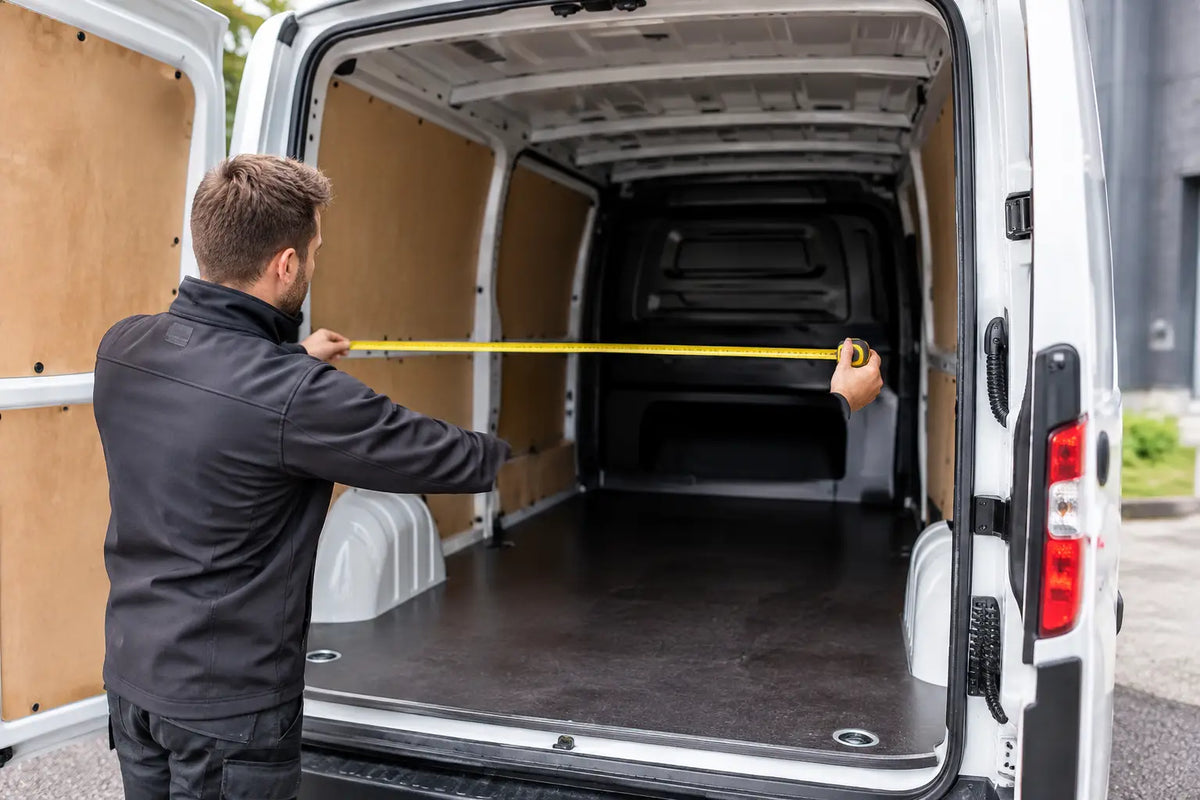
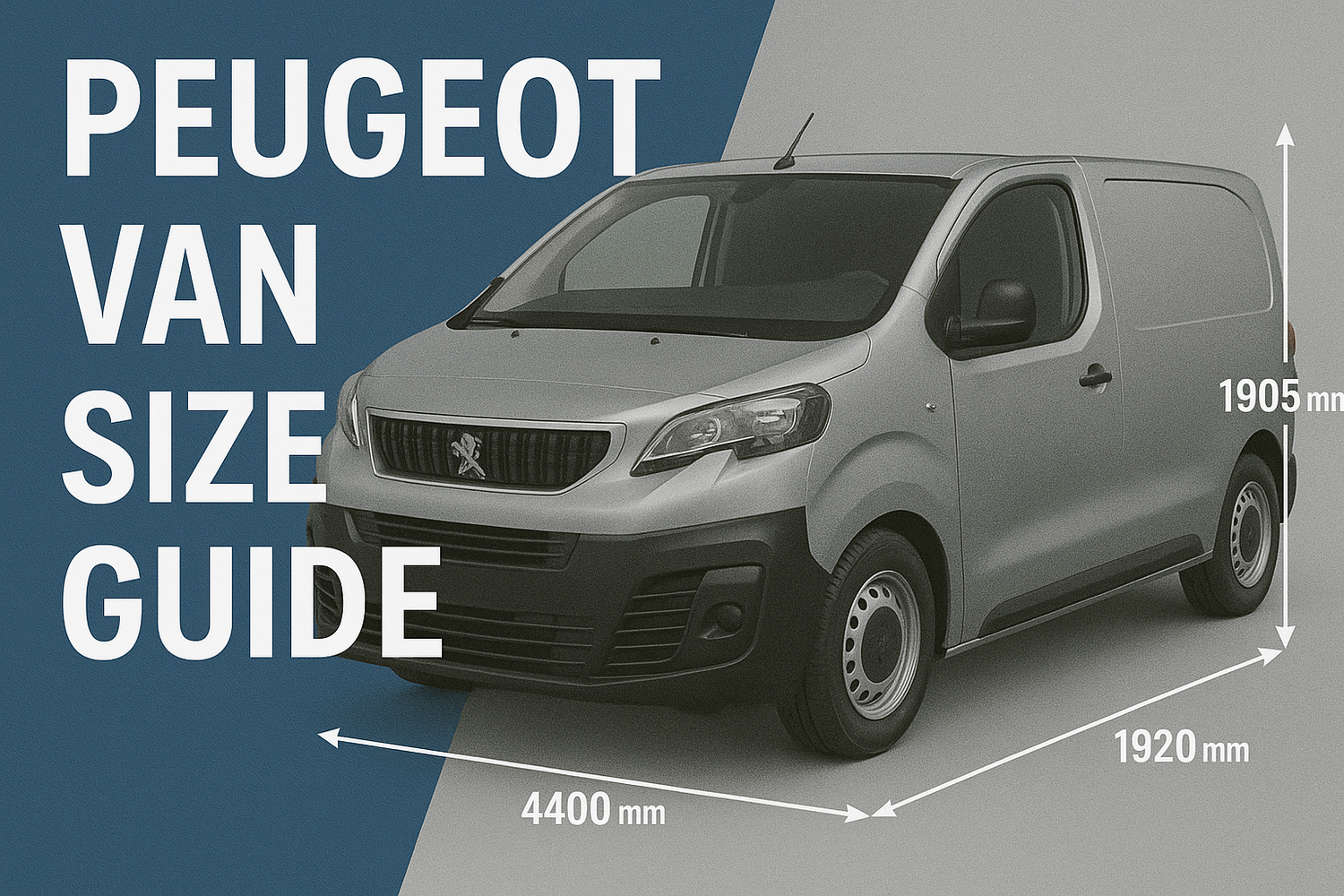

Understanding Peugeot Expert van dimensions proves essential for tradespeople planning storage installations, evaluating material transportation capabilities, or assessing operational suitability for specific business requirements. This versatile commercial vehicle offers three length variants creating cargo volumes from 5.3 to 6.6 cubic meters, balancing compact urban maneuverability against practical load capacity. This comprehensive guide examines precise measurements across popular Expert configurations, practical payload considerations, and strategic storage planning enabling informed decisions maximizing this capable mid-size platform's substantial commercial potential whilst maintaining excellent fuel efficiency and driving dynamics.
Available Body Configurations
Length Variants Overview
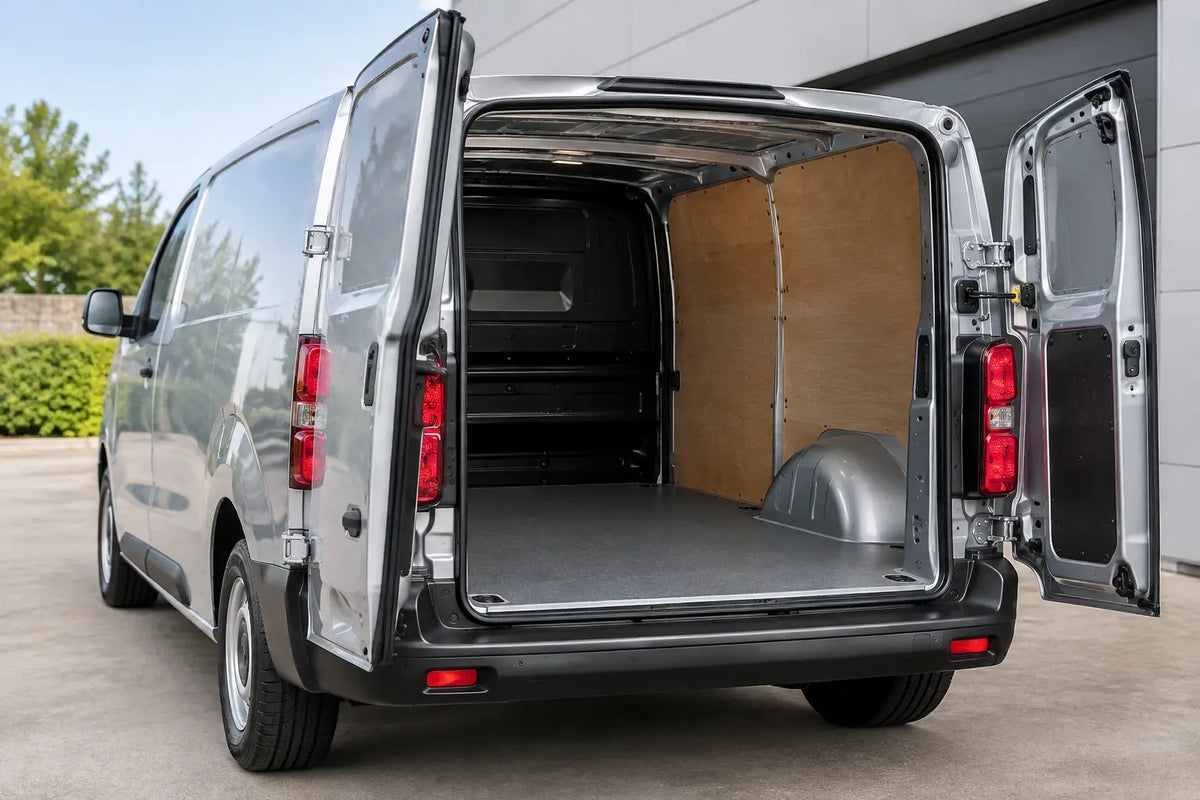
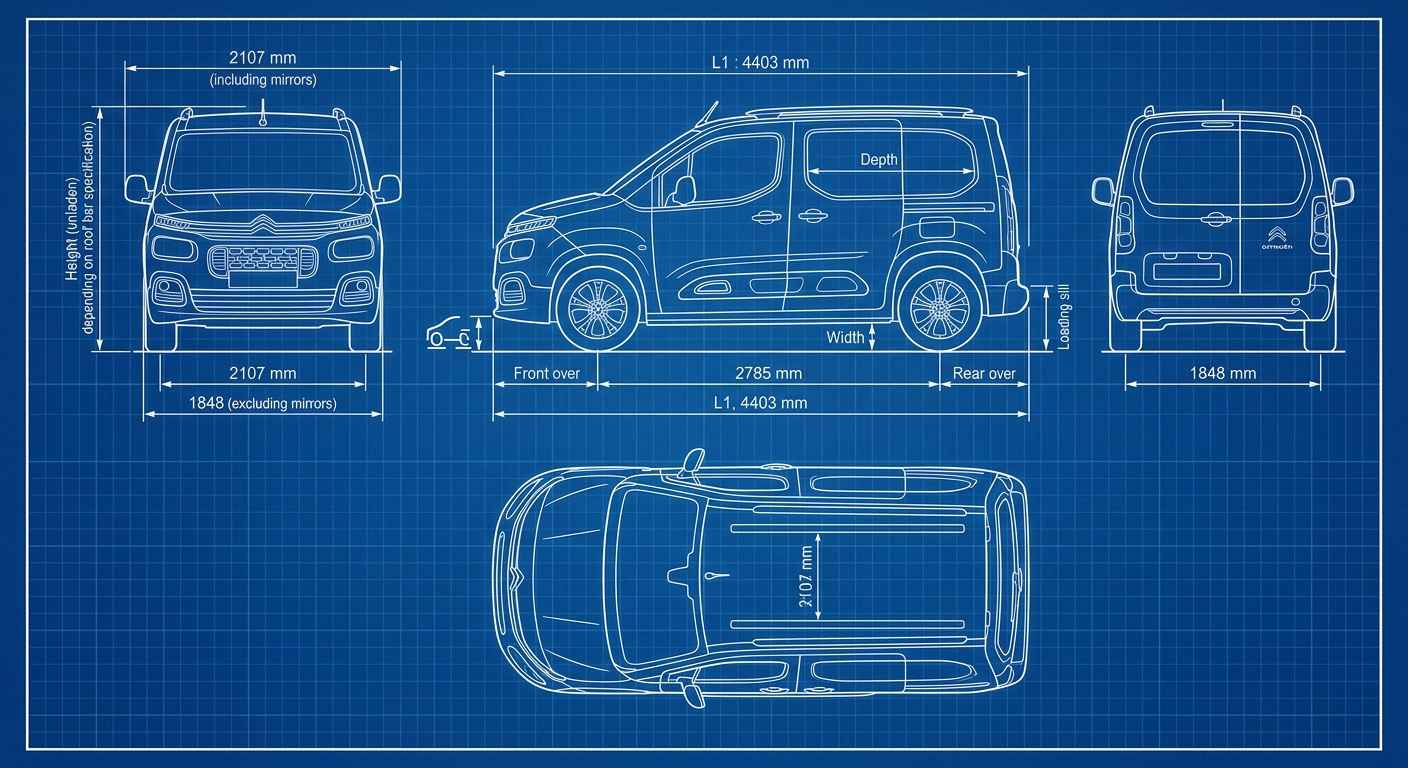
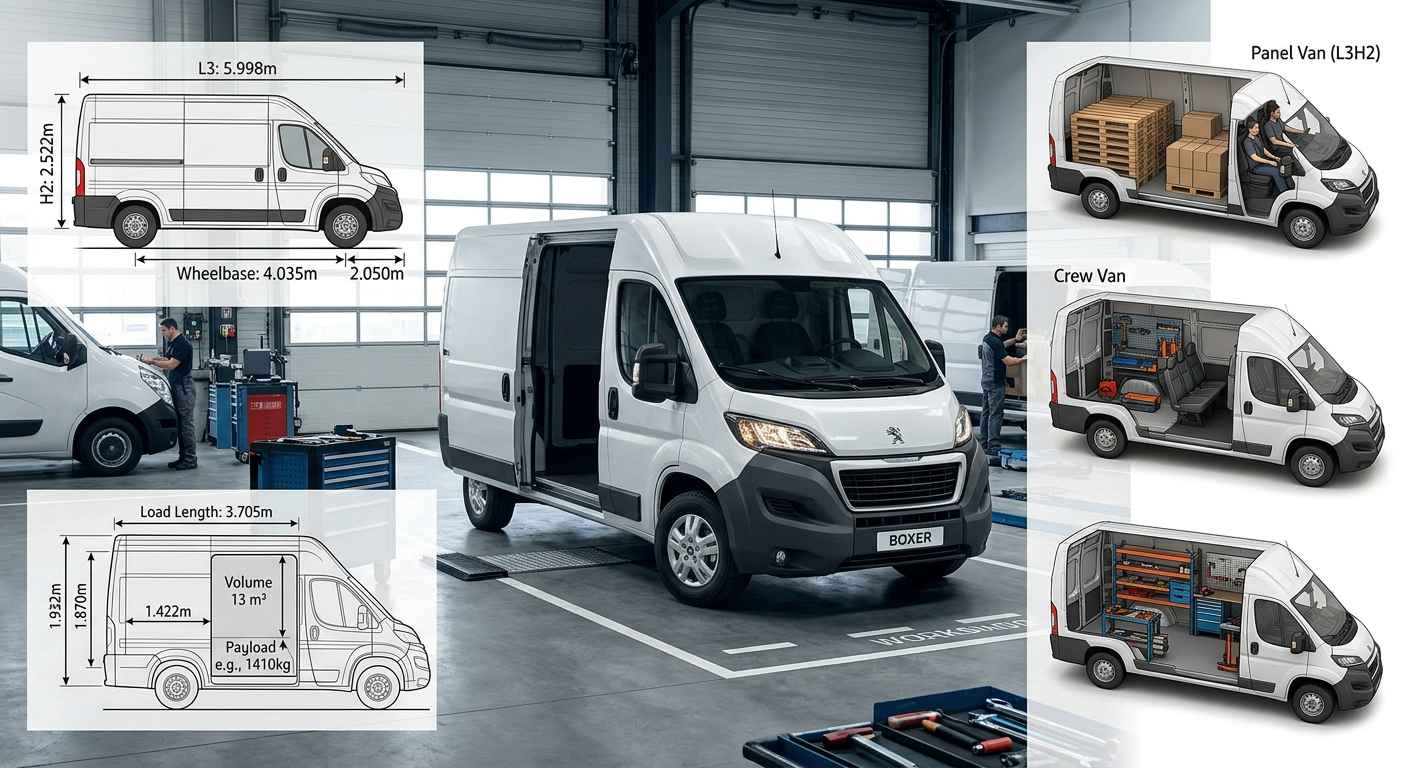
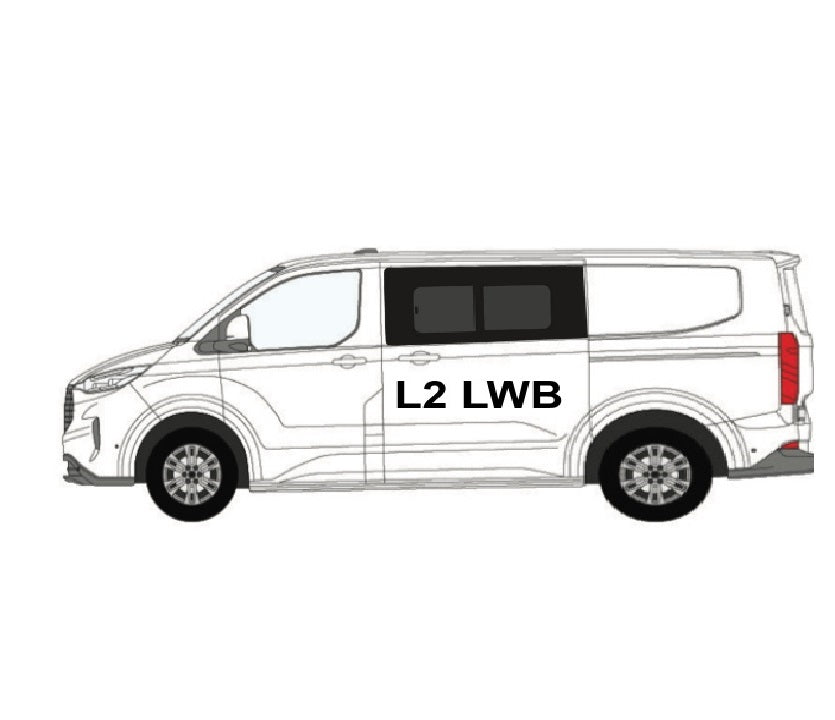
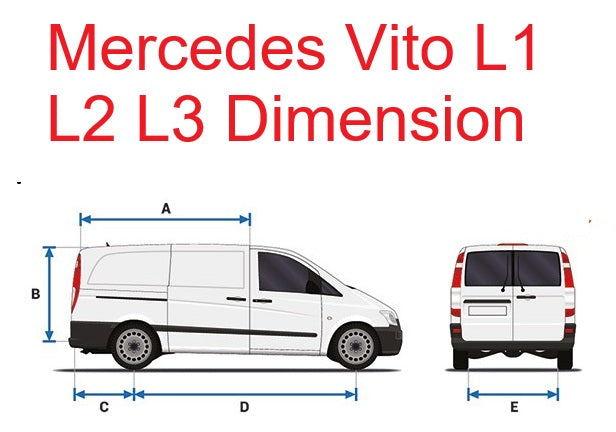
Peugeot offers the Expert in three distinct length configurations addressing diverse operational requirements. Compact (L1) measures 4,959mm overall length providing exceptional urban maneuverability, Standard (L2) extends to 5,309mm balancing capacity against accessibility, whilst Long (L3) reaches 5,959mm maximizing cargo length for operations transporting extended materials or substantial inventory volumes.
Standard and high roof options further enhance configurability—standard roof (H1) at 1,940mm enables multi-story car park access, whilst high roof (H2) at 2,254mm creates standing workspace capability. Combined configurations produce six distinct variants addressing varied commercial applications from city delivery to comprehensive mobile workshop operations.
|
Configuration |
Overall Length |
Load Length |
Cargo Volume |
Payload |
|
Compact L1 Standard |
4,959mm |
2,512mm |
5.3m³ |
1,000-1,100kg |
|
Standard L2 Standard |
5,309mm |
2,862mm |
5.8m³ |
1,000-1,200kg |
|
Standard L2 High |
5,309mm |
2,862mm |
6.1m³ |
950-1,150kg |
|
Long L3 Standard |
5,959mm |
3,512mm |
6.0m³ |
1,000-1,200kg |
|
Long L3 High |
5,959mm |
3,512mm |
6.6m³ |
950-1,150kg |
Internal Cargo Dimensions
Compact L1 Specifications
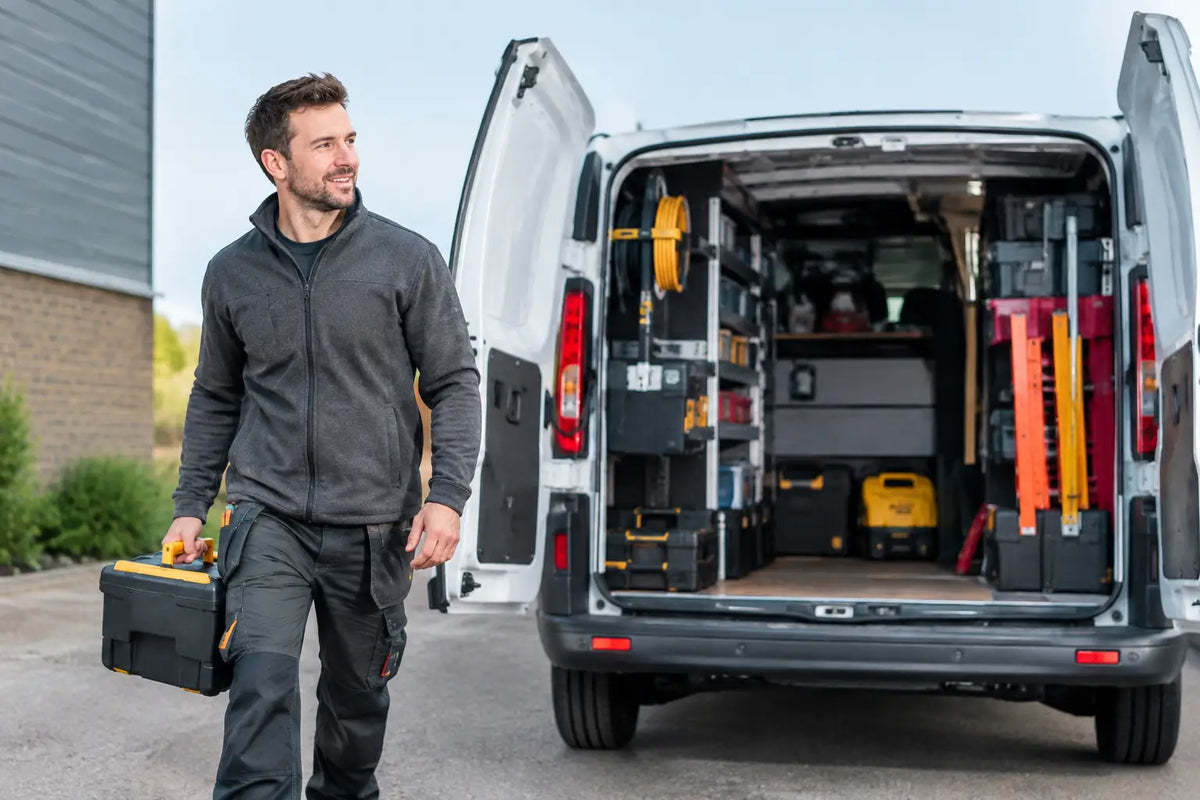
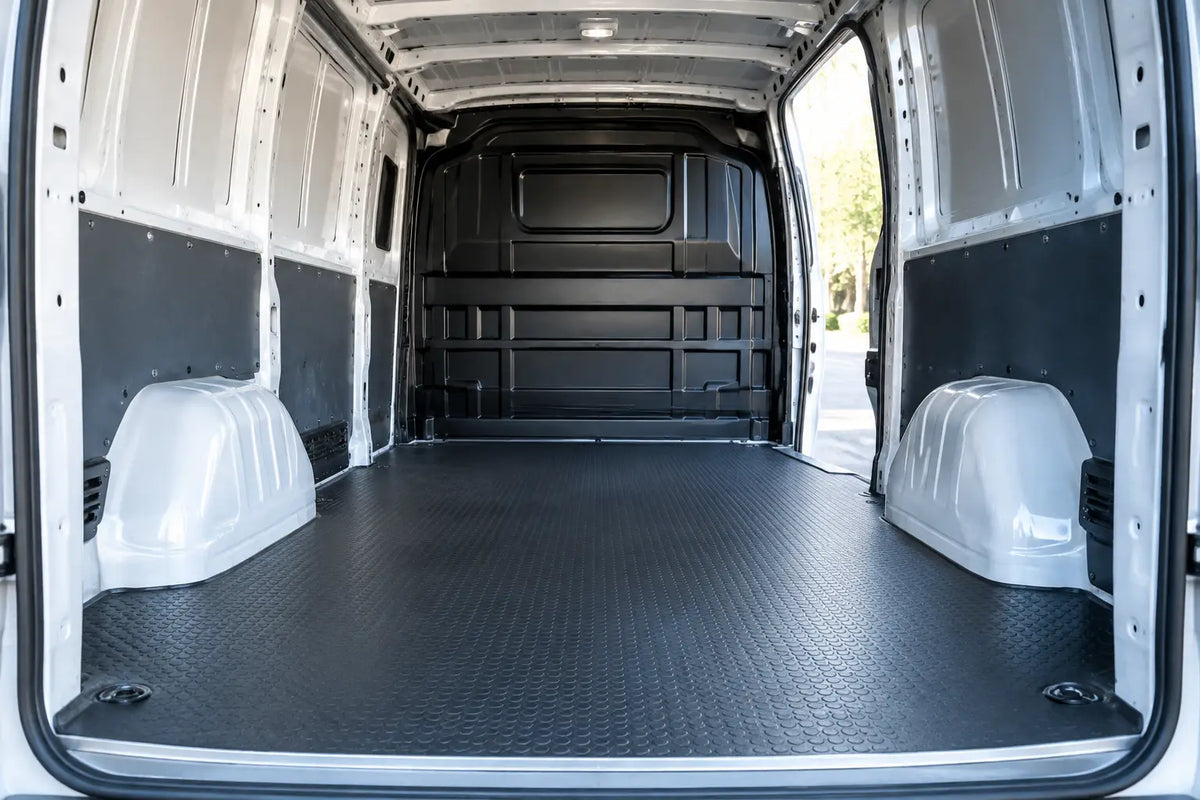
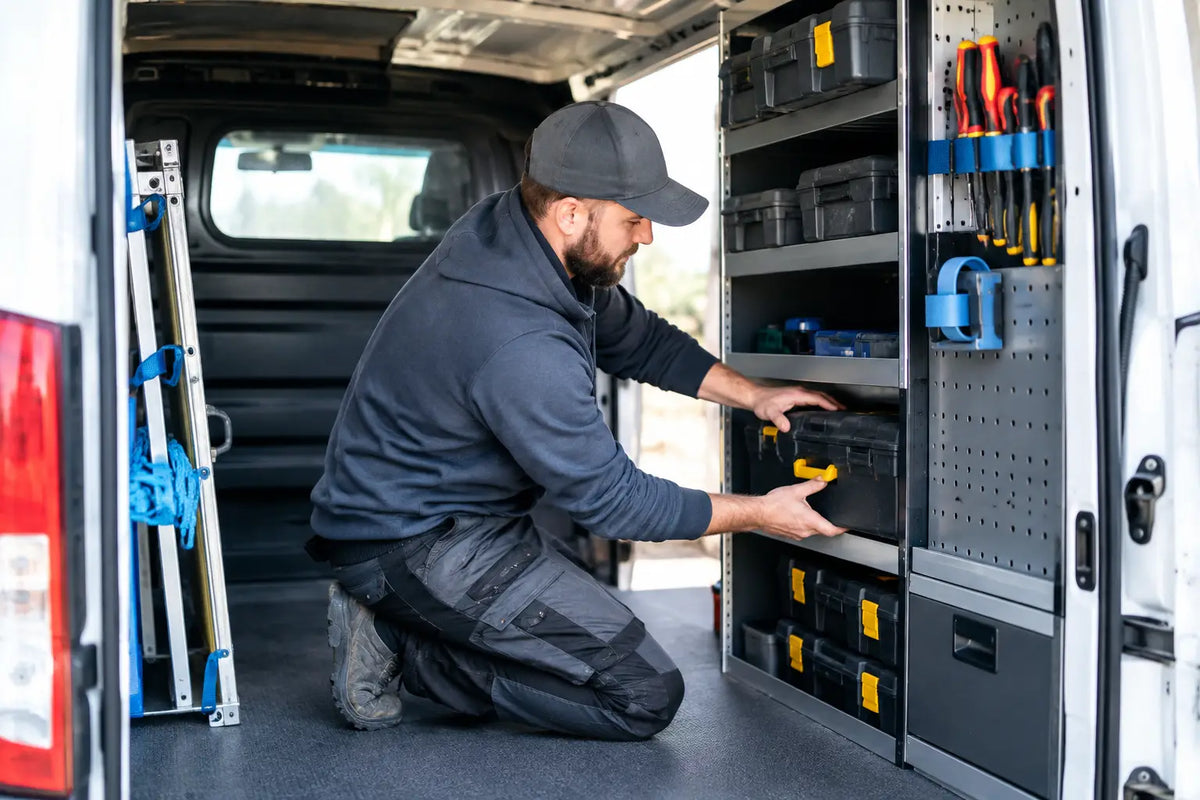
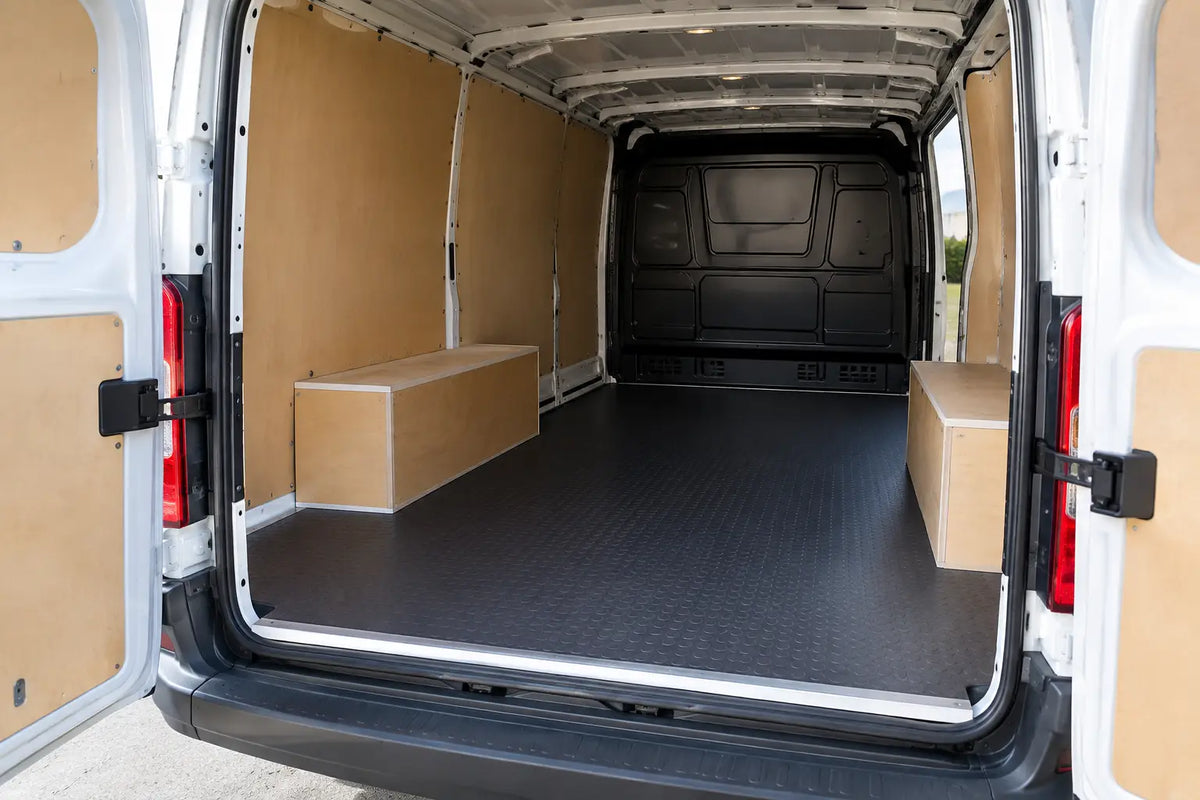
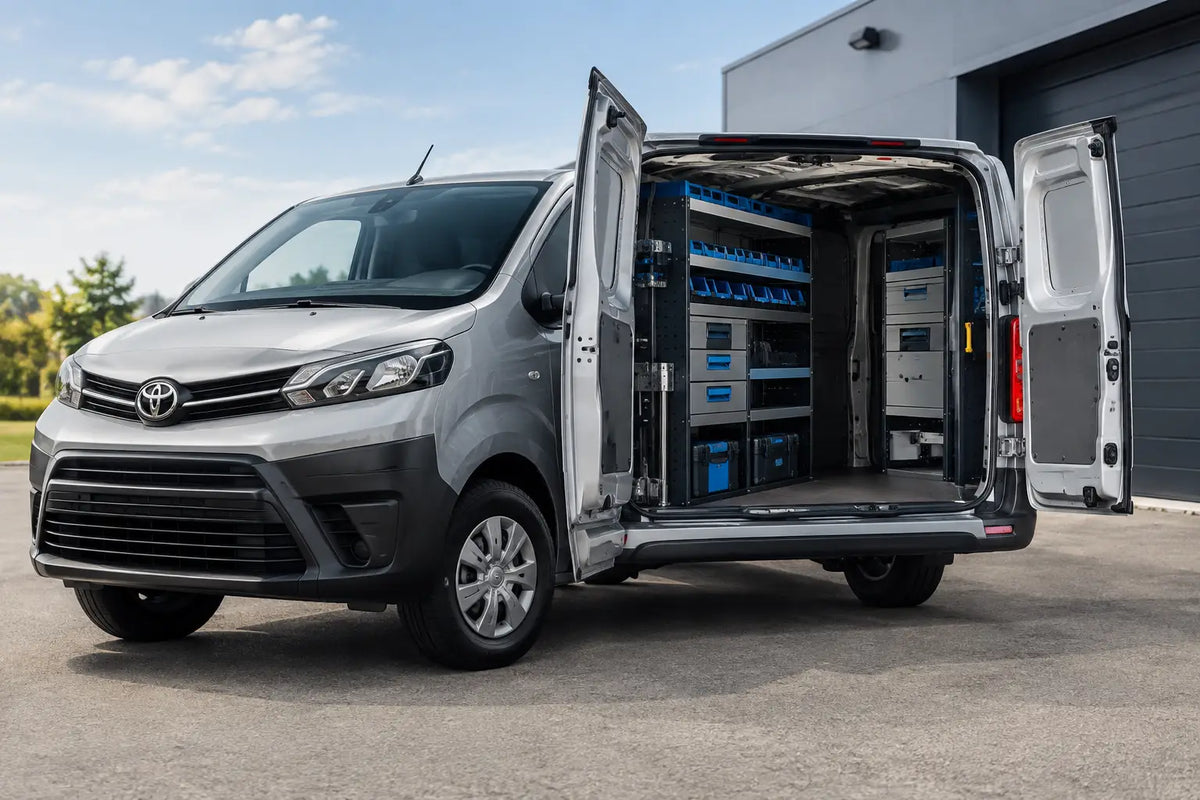
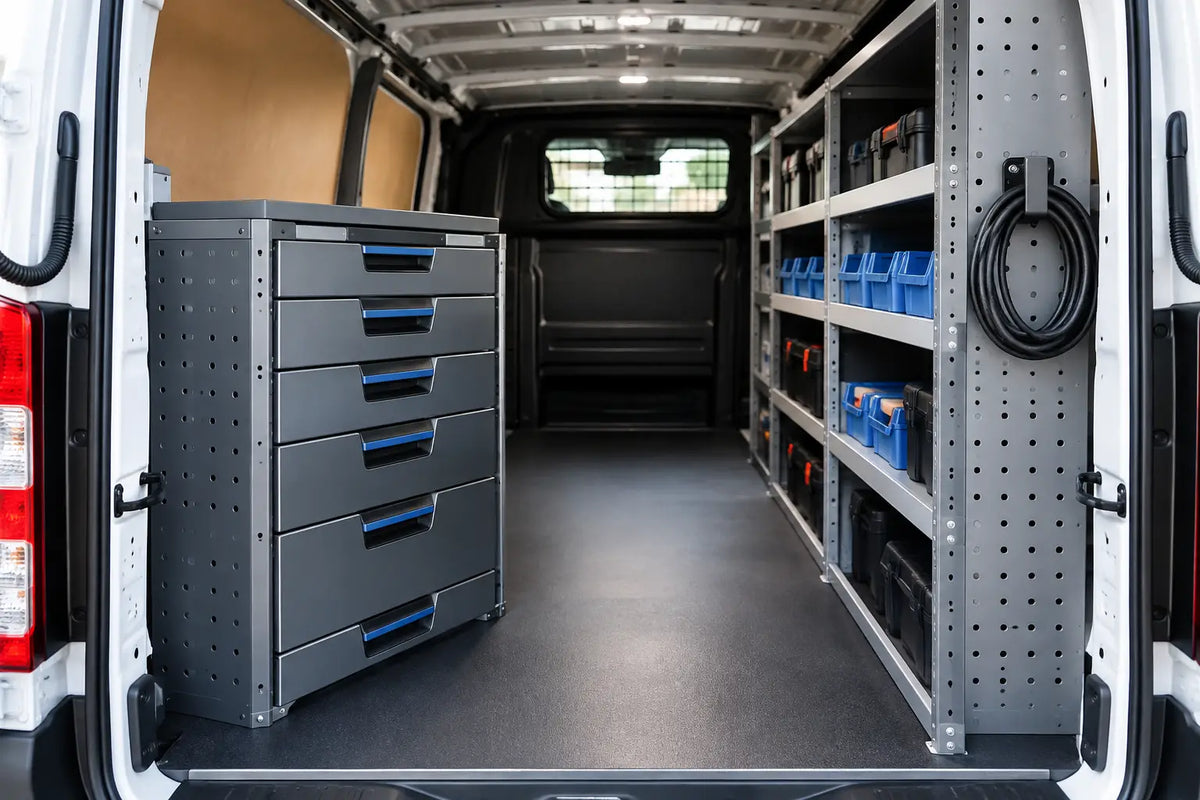
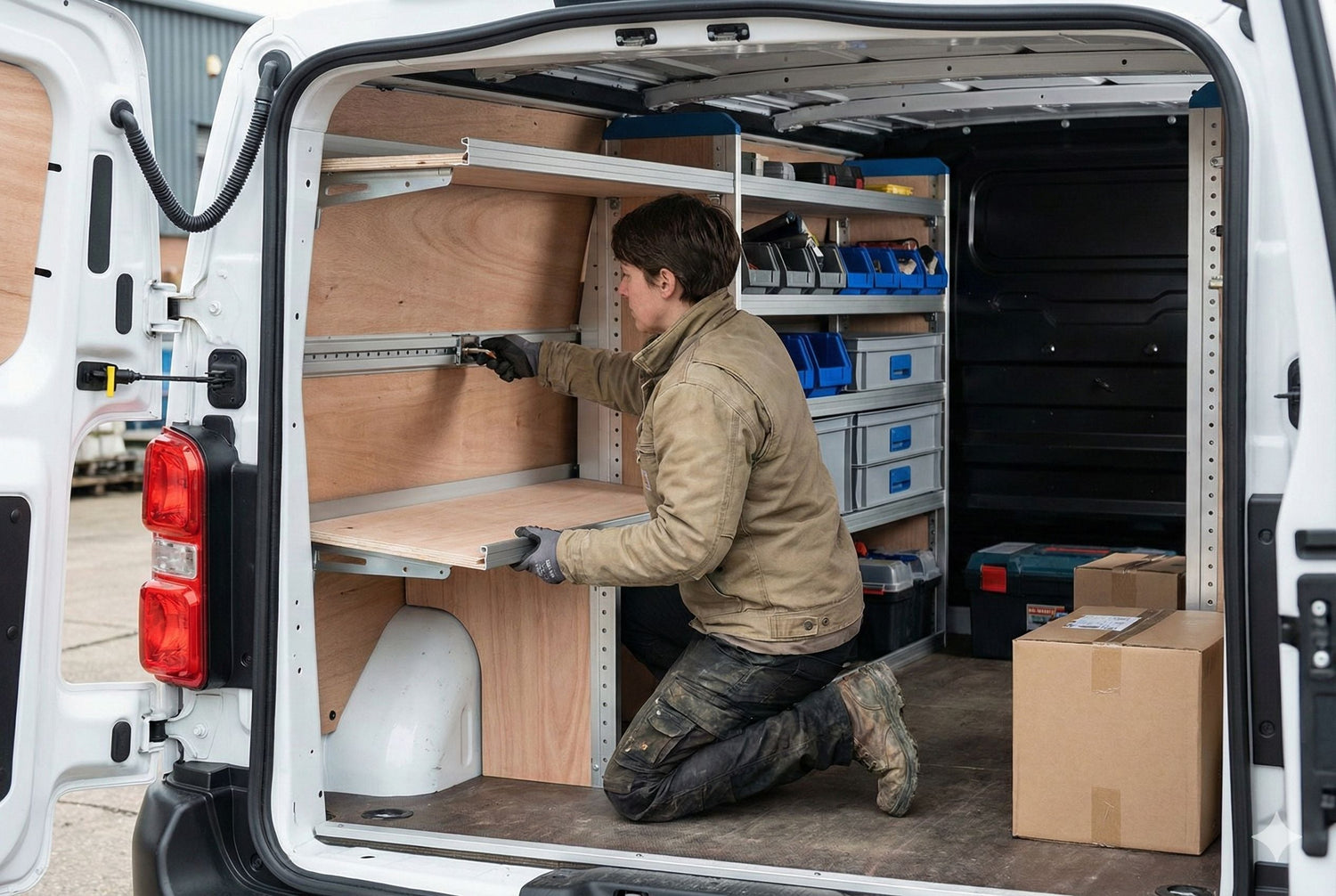
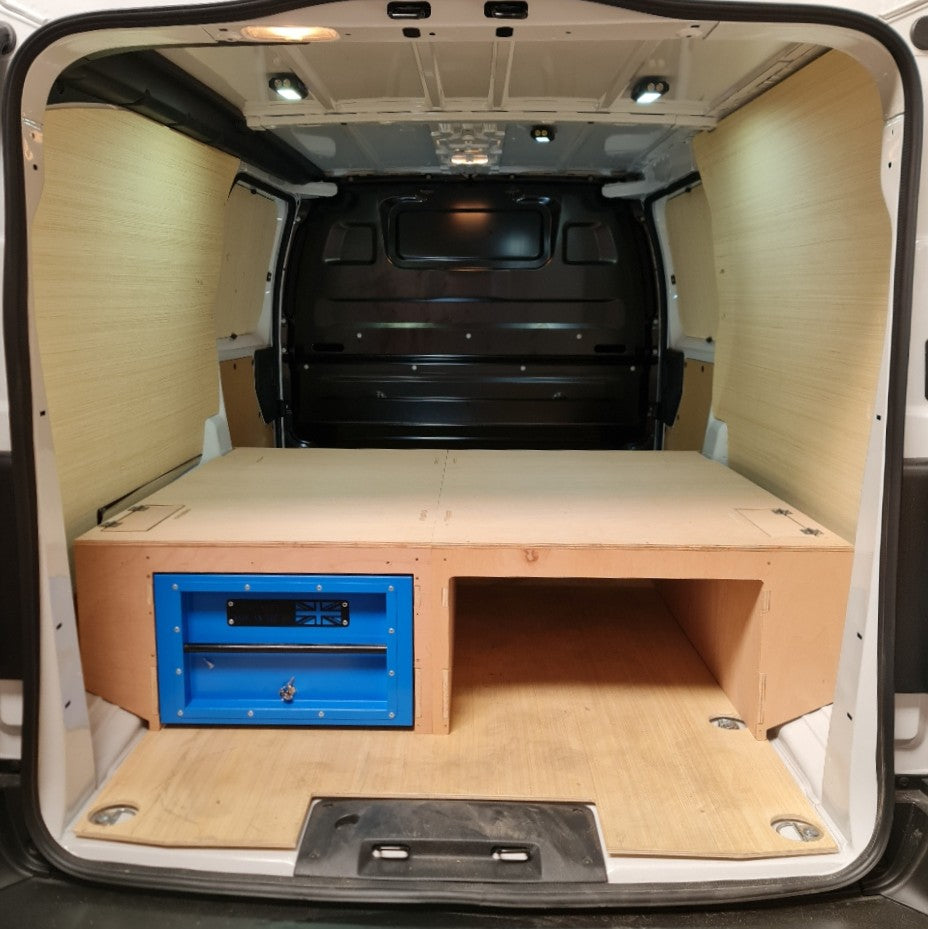
L1 variants provide 2,512mm internal load length, 1,626mm maximum width at floor level, and 1,397mm internal height (standard roof). Width between wheel arches measures 1,250mm accommodating euro pallets lengthways or enabling effective single-side shelving installations maintaining floor space for materials or equipment. The peugeot expert van racking driver side demonstrates purpose-designed storage for Expert platforms.
This configuration proves ideal for urban trades requiring excellent maneuverability whilst maintaining adequate organized tool storage capacity. The 5.3 cubic meters cargo volume suits electricians, service engineers, and light delivery operations prioritizing parking convenience against maximum load capacity. For comprehensive organization, explore our Peugeot collection featuring vehicle-specific solutions.
Standard L2 Configurations
L2 variants extend load length to 2,862mm whilst maintaining 1,626mm maximum width and offering 1,397mm (standard) or 1,687mm (high roof) internal heights. The additional 350mm length versus L1 creates improved material accommodation capabilities without significantly compromising urban maneuverability through 11.9-meter turning circle matching L1 specifications.
Standard roof L2 provides 5.8 cubic meters, whilst high roof variant achieves 6.1 cubic meters cargo volume. The peugeot expert van racking made for euro stacking container super wide demonstrates container-optimized designs maximizing systematic inventory management within available dimensions.
Long L3 Specifications
L3 configurations achieve impressive 3,512mm load length enabling transportation of extended materials including full-length plumbing pipes, timber sections, and scaffolding components without roof rack requirements compromising fuel efficiency or creating security concerns. Maximum width maintains 1,626mm with 1,250mm between wheel arches, whilst roof height options provide 1,397mm (standard) or 1,687mm (high) creating 6.0-6.6 cubic meters cargo volume.
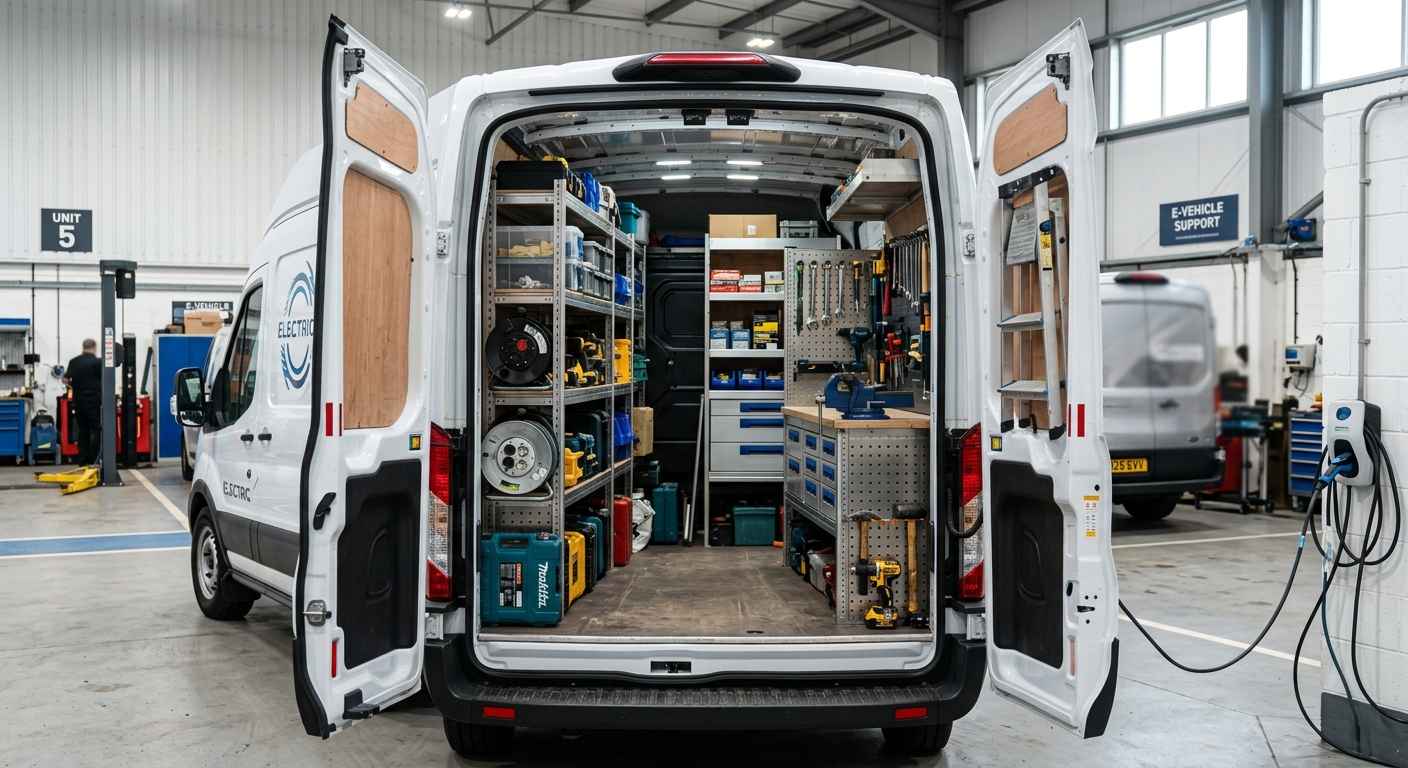
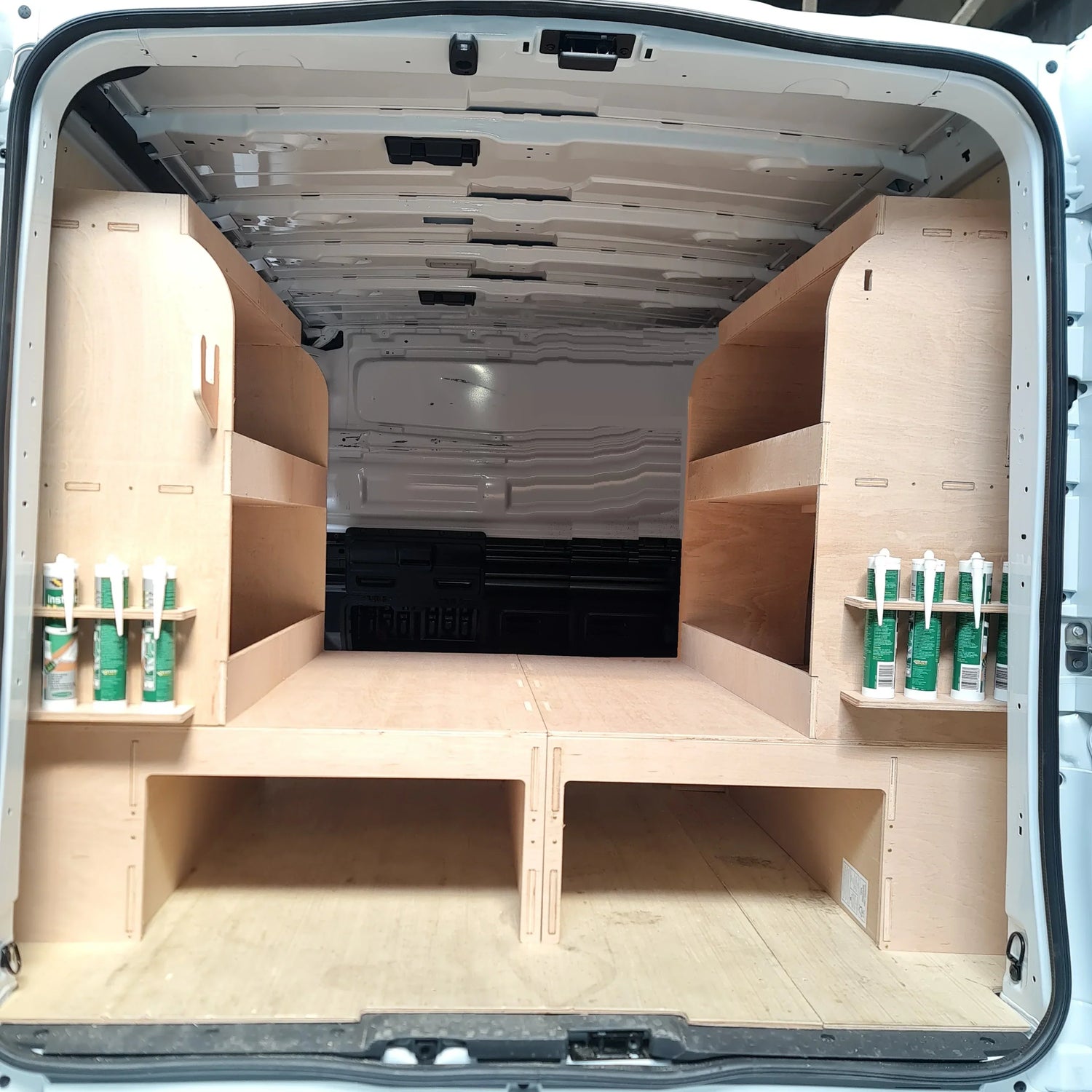
This substantial length suits building trades, comprehensive mobile workshops, and operations regularly transporting extended materials whilst maintaining organized systematic storage. The peugeot expert swb full driver side demonstrates comprehensive wall utilization strategies, whilst the peugeot expert lwb van racking full set shows complete organizational systems for maximum configurations.
Loading Access Features
Door Configuration Options
Standard twin rear doors open to 180 degrees providing excellent access for equipment loading and material handling. Door aperture dimensions measure approximately 1,228mm width by varying heights matching internal roof configurations—1,230mm (standard) or 1,520mm (high roof). These generous openings accommodate standard toolboxes, equipment cases, and moderate-sized materials without requiring awkward manipulation.
Optional sliding side doors available both sides measure approximately 1,004mm width by heights varying with roof configuration. Side door access proves particularly valuable when parking restrictions or traffic conditions prevent convenient rear access to cargo areas during loading operations. The peugeot expert swb and lwb rear end racking maintains rear access functionality whilst maximizing storage capacity.
Load Floor Height
Load floor sits approximately 543mm from ground level, enabling comfortable loading without excessive lifting requirements. This relatively low floor proves advantageous for operations regularly handling heavy items or bulk materials requiring frequent loading cycles throughout daily operations reducing physical strain on operators.
The accessible floor height combined with generous door apertures creates efficient loading workflows maintaining operational productivity. Wide opening angles enable perpendicular approach with pallet trucks or trolleys streamlining material handling particularly valuable for delivery operations or businesses regularly loading substantial inventory volumes.

Platform Sharing Benefits
Multi-Brand Compatibility
The Peugeot Expert shares fundamental architecture with Citroen Dispatch, Toyota Proace, Vauxhall Vivaro, and Fiat Scudo creating significant advantages for fleet operators and storage solution providers. Identical internal dimensions enable cross-compatible storage systems protecting investments when changing vehicle brands during replacement cycles. The citroen dispatch van racking driver side fits equally well in Expert variants.
This interchangeability benefits fleet operators maintaining mixed brands—storage systems standardize across different manufacturer vehicles simplifying driver transitions, parts inventory, and operational procedures. The toyota proace van racking driver side and vauxhall vivaro van racking driver side demonstrate this compatibility across partner brands.
False Floor Systems
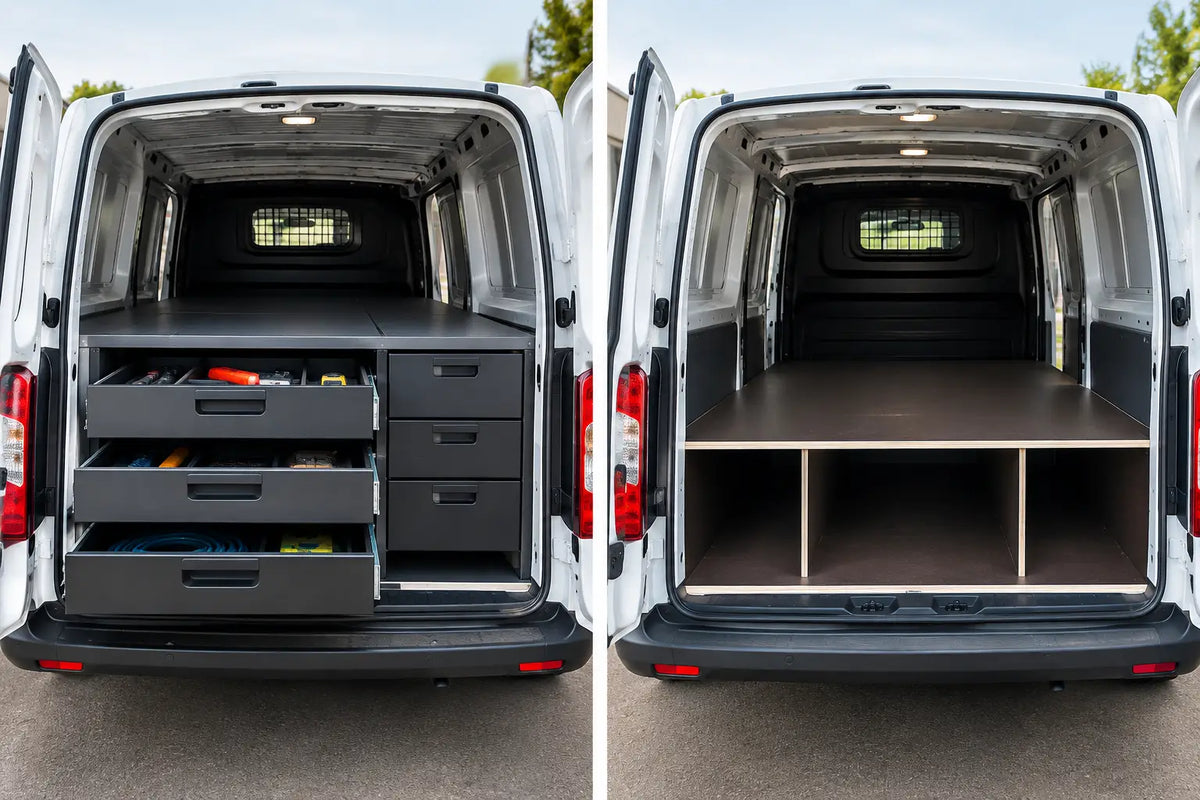
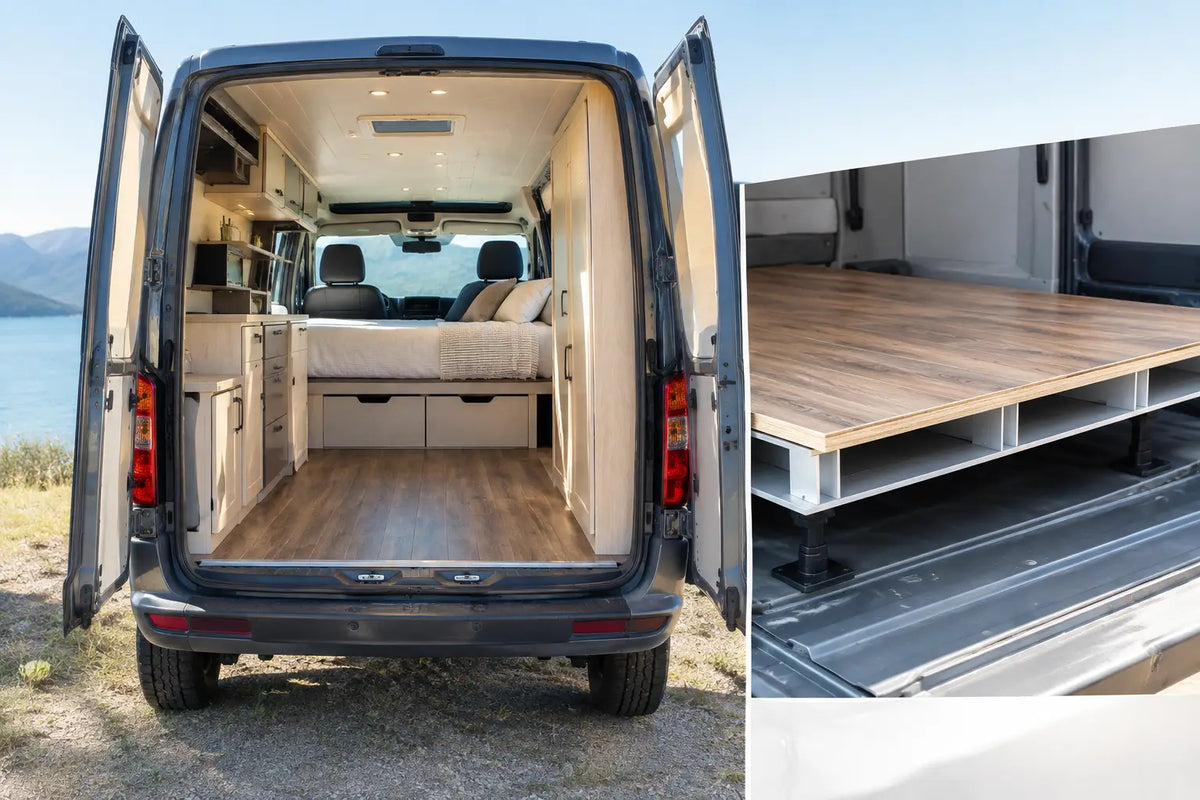
Raised floor installations generate underfloor storage whilst maintaining level working surfaces above. The peugeot expert van false floor set 2 demonstrates strategic underfloor utilization, whilst the peugeot expert swb van false floor set 4 incorporates comprehensive approaches. Similar systems including citroen dispatch van false floor and toyota proace van false floor prove interchangeable across platform partners. Visit Van Shelves for comprehensive guidance.
Weight and Payload Specifications
Gross Vehicle Weight Ratings
Expert variants typically operate at 3,000kg or 3,100kg gross vehicle weight maintaining standard driving license eligibility whilst delivering practical payload capacities. Most configurations offer 1,000-1,200kg payload depending on specific model variant, body configuration, and optional equipment fitted supporting demanding commercial applications without requiring specialized licensing.
Calculate total operational weight including storage installation materials (typically 100-200kg for Expert-sized systems), comprehensive tool inventories, anticipated cargo loads, and driver/passenger weights ensuring compliance with vehicle ratings. Exceeding limits compromises safety, accelerates component wear, and potentially violates regulations risking penalties.
Payload Optimization
Lightweight storage systems prove essential maximizing usable payload for operational cargo rather than structural infrastructure. Aluminum frameworks or slim plywood configurations balance durability against weight efficiency ensuring storage infrastructure doesn't unnecessarily consume valuable payload capacity needed for tools, materials, and equipment supporting revenue-generating activities.
Position heaviest items low and centered between axles maintaining balanced weight distribution optimizing handling characteristics, minimizing tire wear, and maximizing fuel efficiency. Strategic loading practices enhance vehicle dynamics whilst protecting cargo from damage during transit through reduced movement and acceleration forces.
Storage Solution Planning
Wall-Mounted Racking Systems
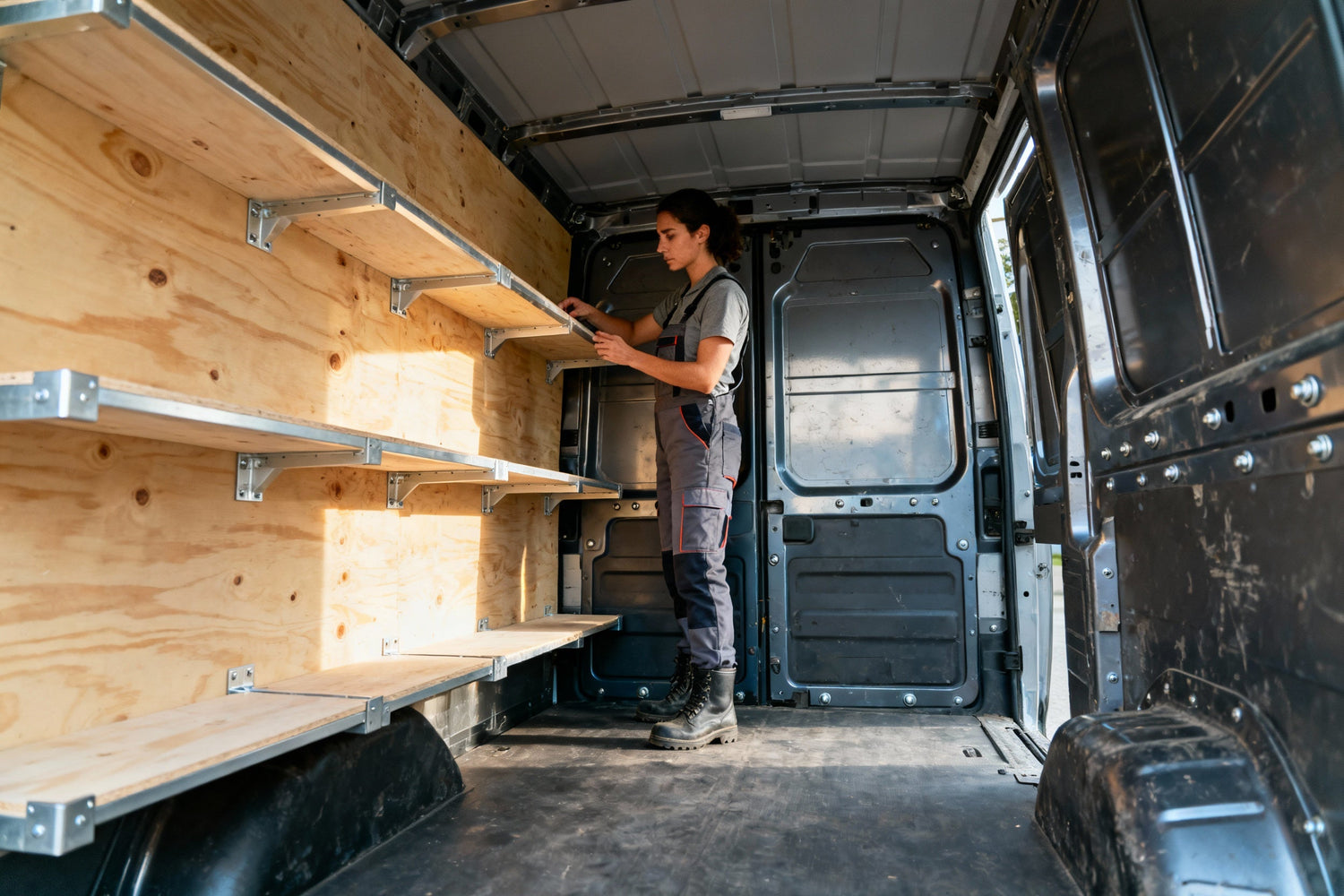
Maximizing vertical storage proves essential given moderate cargo volumes versus larger panel vans. Two or three shelf levels accommodate varying equipment heights whilst maintaining ergonomic access to frequently used items positioned at optimal working heights reducing physical strain during extended daily operations covering multiple job sites.
Position heaviest tools on lower shelves maintaining low center of gravity optimizing handling characteristics, whilst upper shelves store lightweight consumables or infrequently accessed equipment maximizing storage density. The modular approach enables progressive expansion as business requirements evolve without necessitating complete system replacement protecting initial investments.
Modular System Benefits
Quality modular storage enables phased expansion matching business development. Start with fundamental single-side installations addressing immediate requirements, adding supplementary components systematically as operational capacity develops managing capital expenditure effectively whilst ensuring storage infrastructure remains relevant throughout business lifecycle and operational evolution.
Standardized mounting compatibility protects initial investments enabling cost-effective customization addressing specific trade requirements or workflow preferences. This flexibility proves particularly valuable for growing operations or businesses developing new service capabilities requiring different organizational approaches without substantial reinvestment in storage infrastructure.
Trade-Specific Applications
Electrical Contractors
Electricians benefit from adequate cargo capacity accommodating cable reels, testing equipment, and comprehensive tool collections whilst maintaining excellent urban maneuverability. L2 standard roof configurations provide optimal balance between storage capacity and parking convenience for typical electrical operations covering residential and light commercial projects. For more insights, read our guide to van racking ideas.
Drawer systems organize extensive small parts inventories—different cable sizes, varied fixing types, and multiple terminal specifications remain categorized enabling rapid location without detailed searching directly improving job site efficiency. Systematic organization transforms reactive problem-solving into proactive preparation improving customer service through reliable completion capabilities.
Plumbing Operations
Plumbers transporting diverse pipe lengths, extensive fitting inventories, and power equipment find L3 configurations particularly suitable. Extended load length accommodates substantial material stocks reducing restocking frequency whilst maintaining organized inventory management supporting efficient operations minimizing job site delays.
Euro container systems prove particularly effective organizing brass fittings, compression joints, and specialized components by type and size enabling rapid location. Tube holder integration accommodates sealant cartridges and consumables essential for modern installations preventing product rolling or damage during transit.
Building and Construction
General builders appreciate versatile Expert configurations balancing cargo capacity against urban accessibility. L2 high roof variants provide adequate volume for diverse tool collections, power equipment, and moderate material stocks whilst maintaining reasonable external dimensions enabling residential driveway access and tight parking situations common in urban construction projects.
The platform's car-like driving dynamics prove valuable for operations covering extensive territories or requiring frequent vehicle movements between job sites. Comfortable cabin environments reduce driver fatigue during high-mileage operations supporting productivity across extended working days covering multiple appointments or project locations.
Maneuverability and Urban Suitability
Turning Circle Analysis
Despite practical dimensions, the Expert maintains excellent turning circles facilitating confident urban navigation. All length variants achieve 11.9-meter turning circles regardless of wheelbase, significantly tighter than traditional panel vans enabling navigation through narrow residential streets, tight construction site access, and congested urban environments where larger commercial vehicles prove challenging.
This exceptional maneuverability results from optimized chassis engineering maximizing steering angles whilst maintaining stability and composed handling characteristics. The compact turning radius proves particularly valuable for urban tradespeople regularly accessing historic districts with restricted vehicle access or residential areas with challenging parking situations.
Parking Convenience
Compact and standard length variants fit comfortably within typical parking spaces including on-street residential parking and standard commercial facilities without requiring specialized accommodations. Even L3 long configurations remain manageable at 5,959mm total length, shorter than many large panel vans whilst delivering substantial cargo capacity for operations prioritizing load volume.
Height awareness proves important for high roof variants preventing damage when entering multi-story facilities or navigating low-clearance restrictions. Plan routes considering height barriers, whilst roof-mounted warning devices alert drivers to overhead obstacles preventing costly damage to vehicle structures or fixed infrastructure elements.
Comparison with Competitor Platforms
Versus Ford Transit Custom
The Expert typically offers superior refinement and fuel efficiency versus Ford Transit Custom equivalents whilst maintaining comparable cargo volumes and payload capacities. Dimensional specifications prove broadly similar—Transit Custom SWB achieves 6 cubic meters versus Expert L1's 5.3 cubic meters, whilst Transit Custom LWB rivals Expert L3 configurations at approximately 6.3 cubic meters. Explore our ford transit custom collection for comparative storage solutions.
Pricing proves competitive between platforms, with selection often determined by dealer relationships, existing fleet standardization, or personal driving preference rather than substantial capability differences. Both platforms offer quality construction, comprehensive support networks, and strong residual values throughout UK markets supporting total cost of ownership economics.
Versus Volkswagen Transporter
The Volkswagen Transporter maintains compact footprint similar to Expert L1 configurations whilst offering marginally less cargo volume at approximately 5.0 cubic meters versus 5.3 cubic meters. However, Transporter typically commands premium pricing reflecting Volkswagen brand positioning and strong residual values particularly valuable for businesses prioritizing long-term ownership economics.
Driving dynamics prove comparable between platforms, both offering car-like handling characteristics and comfortable cabin environments appreciated by operators covering extensive daily mileage. Storage solutions prove largely standardized across mid-size commercial vehicles enabling fleet consistency regardless of specific manufacturer selection or mixed-brand fleet operations.
Conclusion
Peugeot Expert van dimensions offer practical configurability addressing diverse commercial requirements from compact urban operations to comprehensive mobile workshops. Understanding precise measurements across length variants and roof heights enables informed decisions matching vehicle capabilities to specific operational needs whilst maximizing cargo capacity through strategic storage planning. The versatile mid-size platform delivers quality construction, excellent fuel efficiency, and strong support networks justifying investments for operations prioritizing balanced capability, urban maneuverability, and cost-effective ownership economics across typical commercial vehicle lifecycles.
Optimize your Peugeot Expert with professional storage solutions from Van Shelves. Our vehicle-specific racking systems maximize available space whilst maintaining payload efficiency. Discover comprehensive storage solutions engineered for mid-size commercial vehicles delivering systematic organization supporting professional operations across diverse trade applications.
References
Groupe PSA. (2024). Rye Expert technical specifications and dimensions. Peugeot Commercial Vehicles UK.
Fleet News. (2024). Mid-size van segment comparison and analysis. Fleet News Industry Reports.
Society of Motor Manufacturers and Traders. (2024). Light commercial vehicle market segment data. SMMT Industry Publications.
Vehicle Certification Agency. (2024). Commercial vehicle specifications and compliance standards. VCA Technical Guidelines.
What Van? (2024). Peugeot Expert review and dimensions guide. Commercial Vehicle Publications.