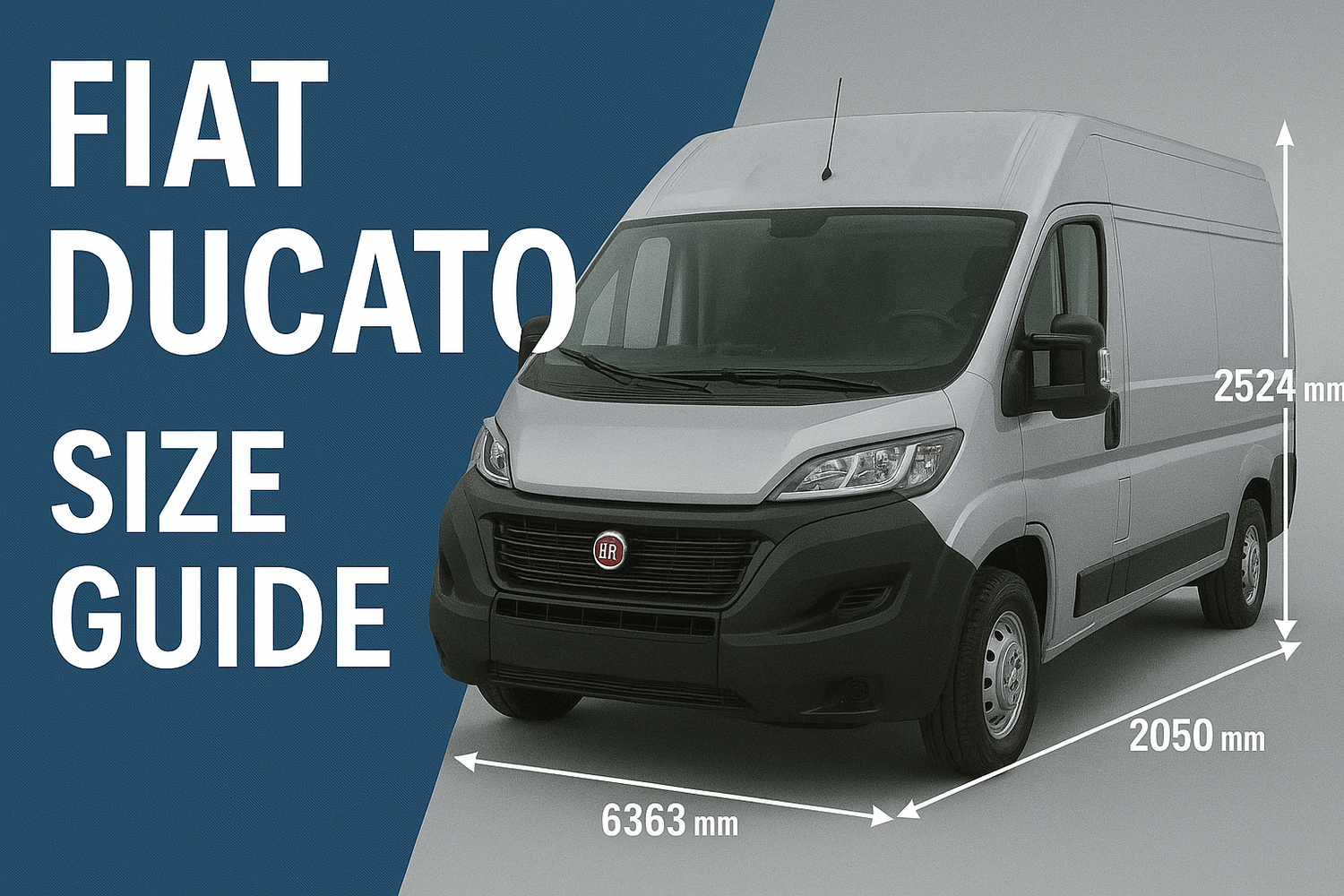


The Fiat Ducato L4H3 dimensions represent the maximum configuration available in this popular commercial vehicle platform, combining extra-long wheelbase with high roof creating exceptional 17 cubic meters cargo capacity. This flagship variant rivals small rigid trucks whilst maintaining van maneuverability, licensing advantages, and access to restricted urban zones. Understanding precise measurements proves essential for tradespeople planning comprehensive storage installations, evaluating material transportation capabilities, or assessing operational suitability for specific business requirements demanding maximum cargo volume within traditional van formats.
External Dimensions Breakdown
Overall Vehicle Measurements
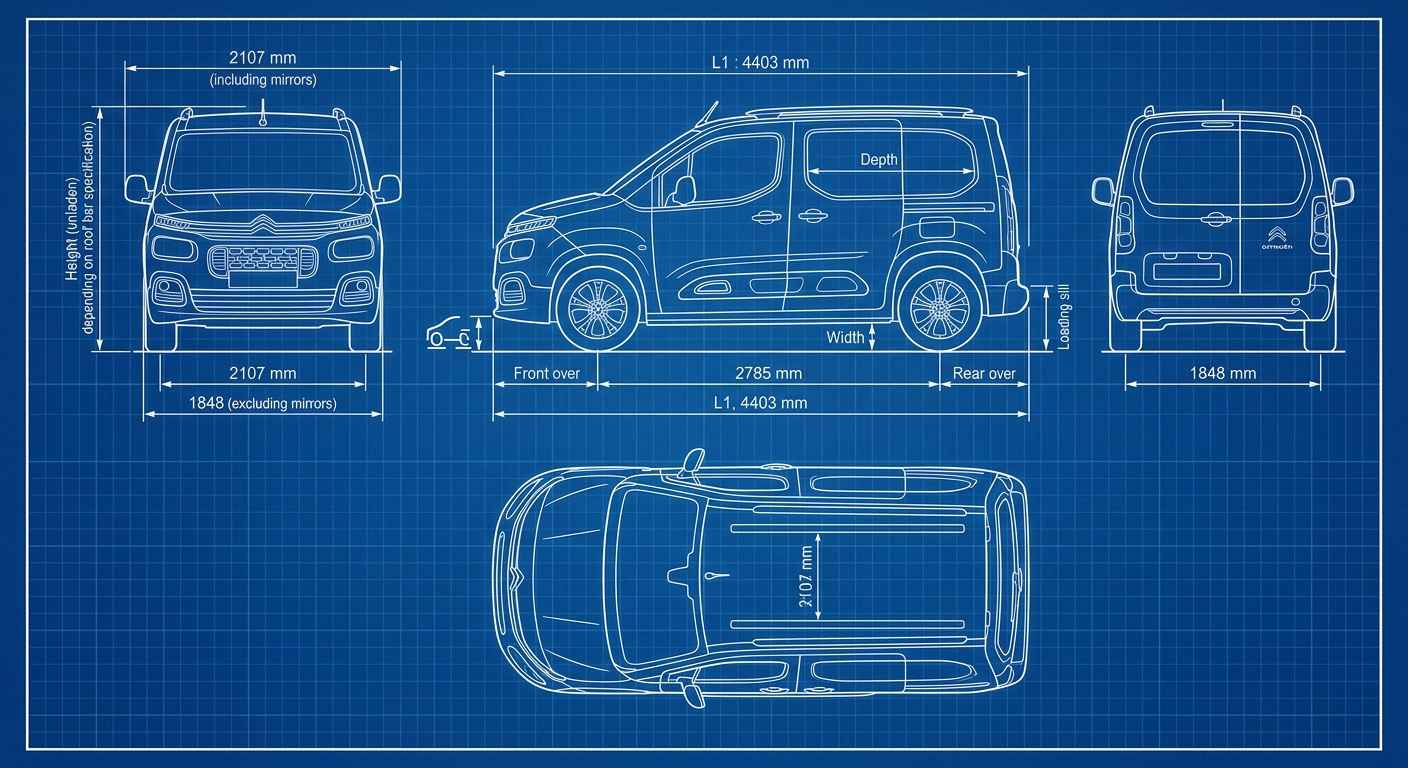
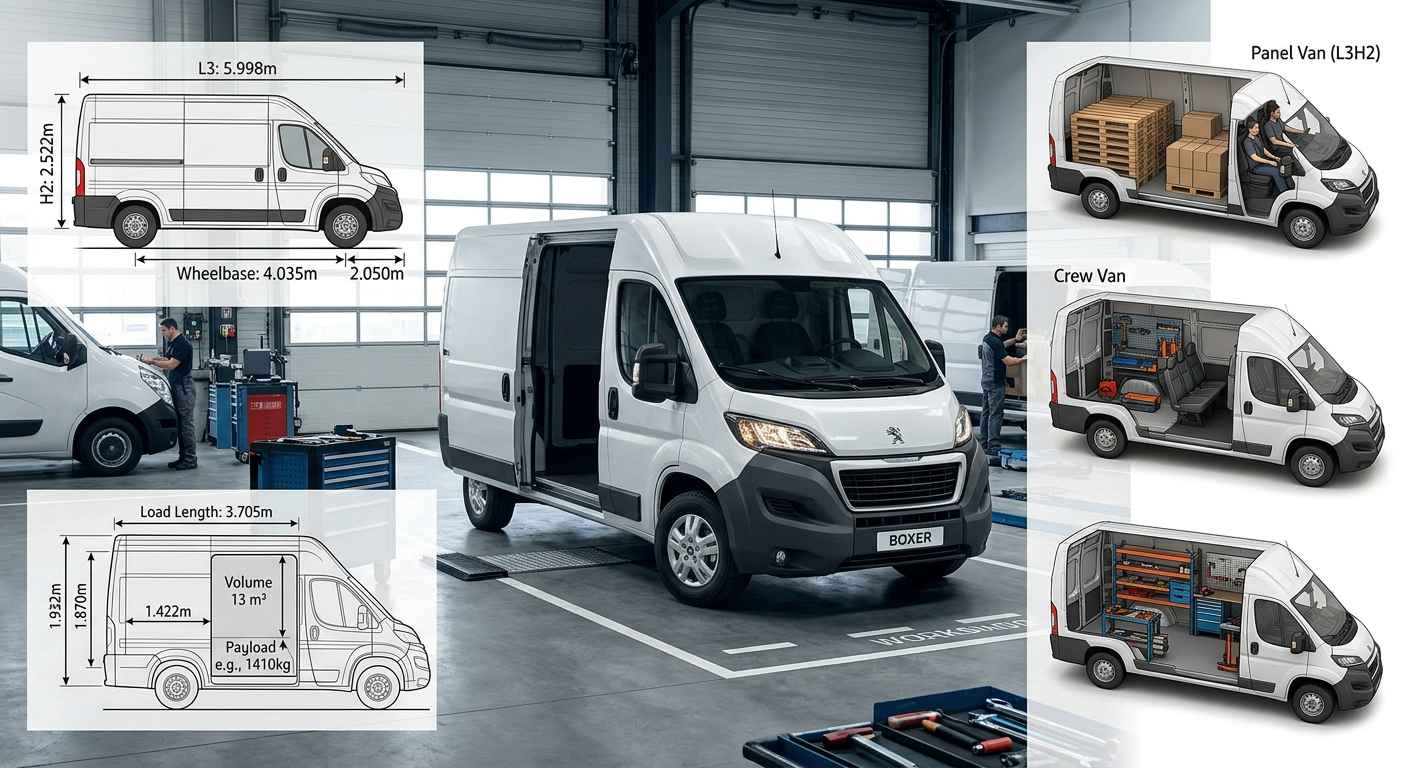
The L4H3 configuration achieves impressive 6,363mm total length, making it the longest standard Ducato variant available. Width measures 2,050mm (2,525mm including mirrors), the legal maximum for standard commercial vehicles in UK markets. Height reaches substantial 2,524mm requiring awareness when entering multi-story facilities or navigating low-clearance restrictions common in historic town centers.
The 4,035mm wheelbase creates generous cargo length whilst maintaining reasonable 15-meter turning circle adequate for typical commercial operations. Despite substantial dimensions, experienced operators navigate these vehicles through residential areas, construction sites, and urban delivery routes effectively with proper spatial awareness and maneuvering technique.
|
Specification |
Measurement |
Practical Implication |
|
Overall Length |
6,363mm |
Requires extended parking spaces |
|
Overall Width |
2,050mm (2,525mm with mirrors) |
Standard commercial vehicle width |
|
Overall Height |
2,524mm |
Height barrier awareness essential |
|
Wheelbase |
4,035mm |
Excellent cargo length capacity |
|
Turning Circle |
~15m |
Adequate urban maneuverability |
Front and Rear Overhang
Front overhang measures approximately 907mm from front axle to bumper, whilst rear overhang extends roughly 1,421mm creating favorable weight distribution. Understanding overhang dimensions proves crucial when navigating steep driveways, speed bumps, or uneven terrain where ground clearance becomes relevant preventing underside damage to vulnerable components.
The extended rear overhang accommodates maximum cargo length whilst maintaining reasonable departure angles for typical commercial operations. However, operators should exercise caution on severe inclines or when reversing onto raised loading docks where extended bodywork may contact ground or structures.
Internal Cargo Dimensions
Load Length and Width
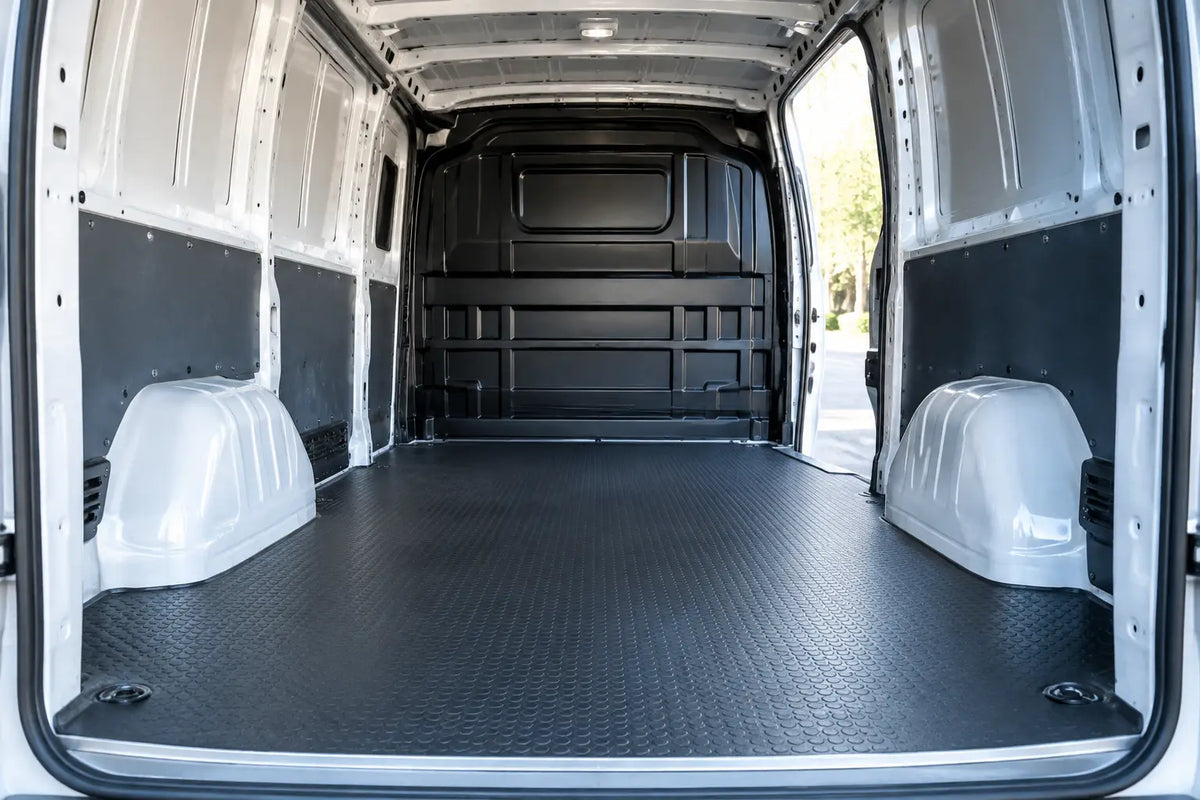
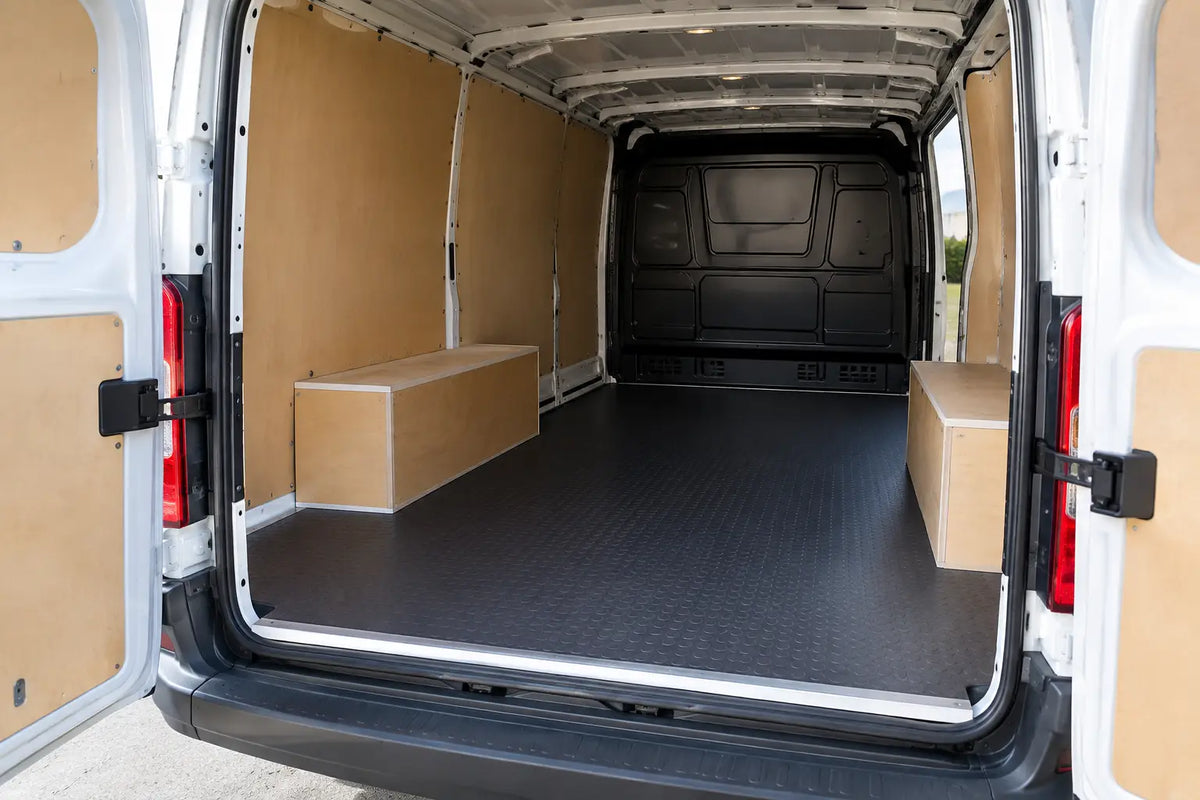
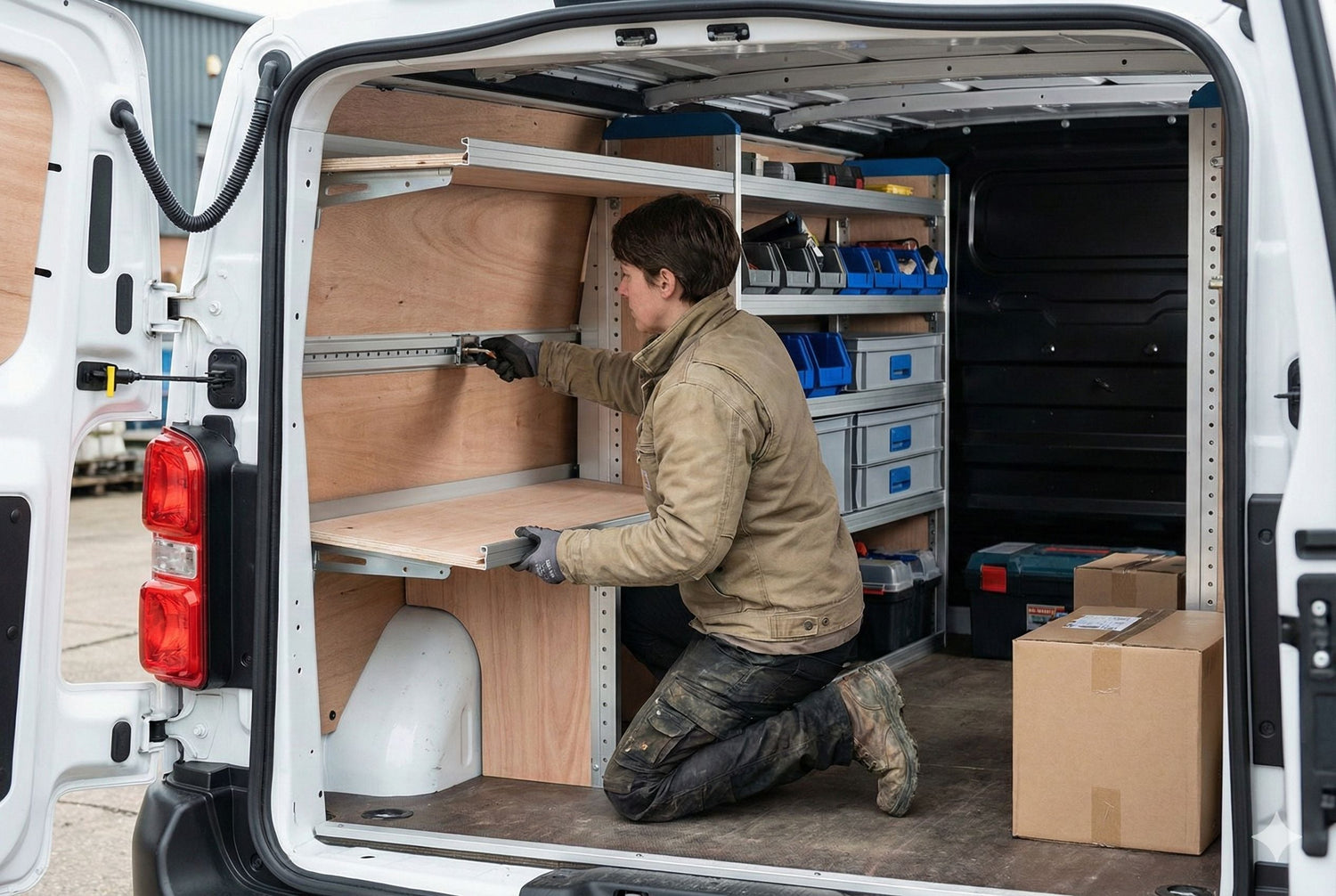
Internal cargo length reaches exceptional 4,070mm, accommodating materials up to approximately 4 meters without requiring roof racks compromising fuel efficiency or creating security concerns. This substantial length proves invaluable for plumbers transporting extended pipe runs, builders carrying timber lengths, or operations moving furniture and appliances. The ford transit custom swb van racking with full driver side storage demonstrates storage concepts applicable to various commercial vehicles.
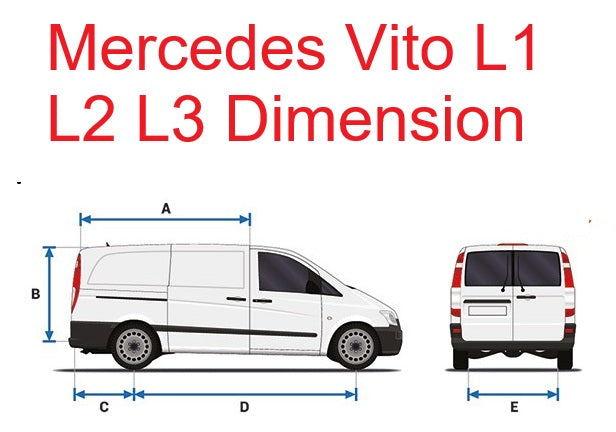
Width between wheel arches measures 1,422mm throughout cargo area, whilst maximum floor width reaches 1,870mm. This generous width accommodates standard euro pallets sideways or enables dual-row shelving installations maximizing storage density. The mercedes vito van racking shelves driver or passenger side shows organizational principles adaptable to Ducato's spacious interior.
Internal Height Specifications
The H3 high roof provides exceptional 2,172mm internal height enabling full standing room for most individuals—transformative for operations requiring interior work like mobile workshops, conversion specialists, or trades performing equipment assembly within vehicles. This headroom supports multi-level shelving installations with four or five shelf tiers creating substantial organized storage capacity.
Tall internal dimensions accommodate upright transportation of assembled equipment, rolled carpets, or standing appliances without requiring disassembly saving valuable job site time. The vw transporter t5 t6 van racking shelves demonstrates vertical storage optimization principles applicable to high-roof configurations.
Cargo Volume and Capacity
Maximum Volumetric Capacity
The L4H3 configuration achieves remarkable 17 cubic meters cargo volume, the largest available in standard Ducato range. This substantial capacity rivals 3.5-tonne rigid trucks whilst maintaining van benefits including easier urban navigation, broader driver licensing compatibility, and potential access to restricted zones where larger commercial vehicles face limitations.
For context, 17 cubic meters accommodates approximately 340 standard moving boxes, 10-12 euro pallets, or comprehensive trade storage installations supporting extensive tool collections plus substantial material stocks. The exceptional volume enables businesses consolidating multiple smaller vehicles into single large van reducing fleet costs whilst maintaining operational capacity.
|
Configuration |
Cargo Volume |
Load Length |
Internal Height |
Floor Area |
|
L4H3 |
17m³ |
4,070mm |
2,172mm |
7.6m² |
Payload Considerations
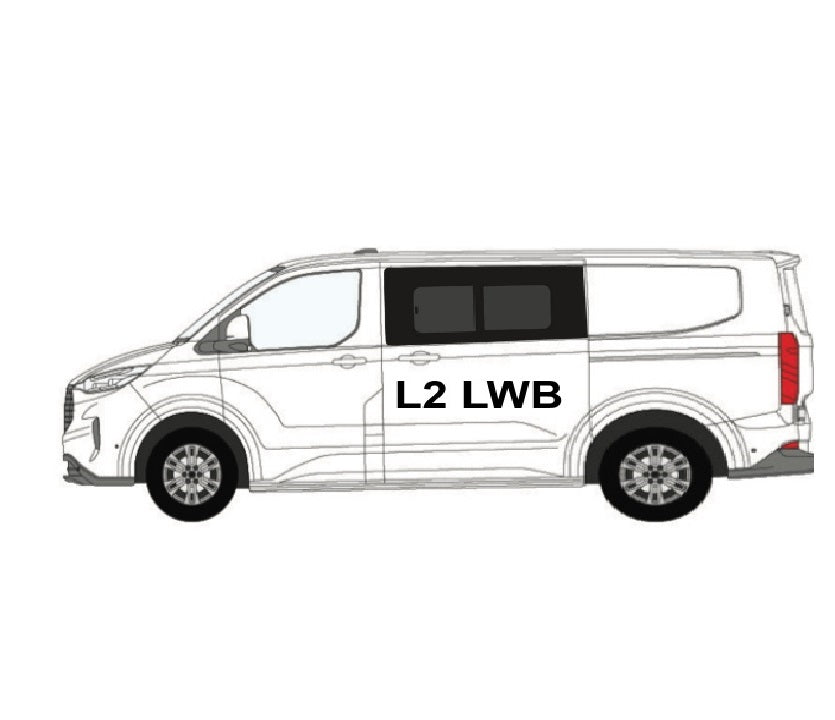
Standard L4H3 variants typically offer 1,350-1,550kg payload depending on specific body configuration and optional equipment fitted. This substantial capacity accommodates comprehensive storage installations (consuming 200-300kg) plus extensive tool collections and material stocks whilst maintaining legal compliance. The ford custom 2023 van raised floor demonstrates lightweight storage maximizing usable payload.
Calculate total operational weight including storage systems, typical tool inventory, and anticipated material loads ensuring compliance with vehicle ratings. Operations consistently approaching maximum payload may consider upgraded chassis specifications offering enhanced capacity supporting heavier operational requirements.
Loading Access Features
Rear Door Specifications
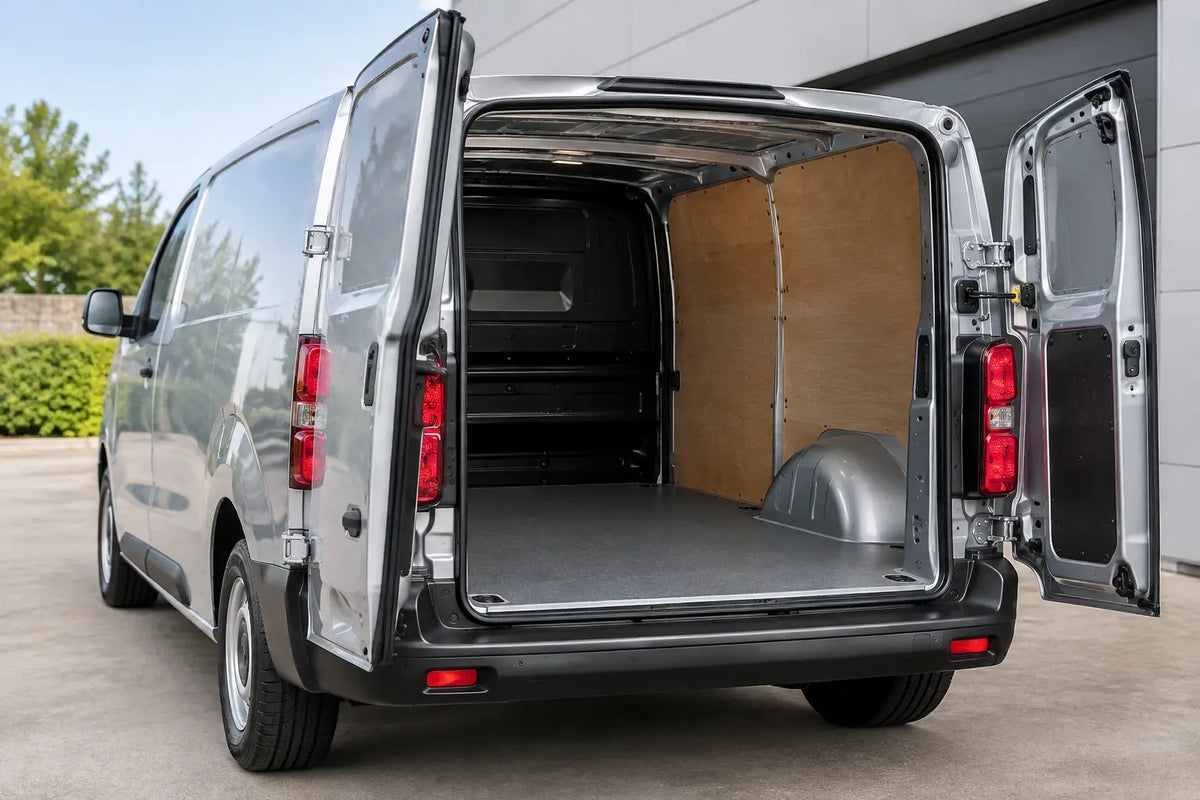
Standard twin rear doors open to 180 degrees (some variants offer 270-degree opening) providing excellent access for bulky items or equipment. Door aperture measures approximately 1,663mm width by 2,094mm height matching generous internal dimensions enabling furniture passage, pallet loading, or large equipment installation without obstruction.
Optional rear barn door configurations versus standard panel van rear ends reduce internal cargo length approximately 100mm but provide enhanced security, weather protection, and potential ladder rack integration. Consider operational priorities balancing maximum cargo length against security and accessory mounting requirements when specifying body configurations.
Side Loading Options
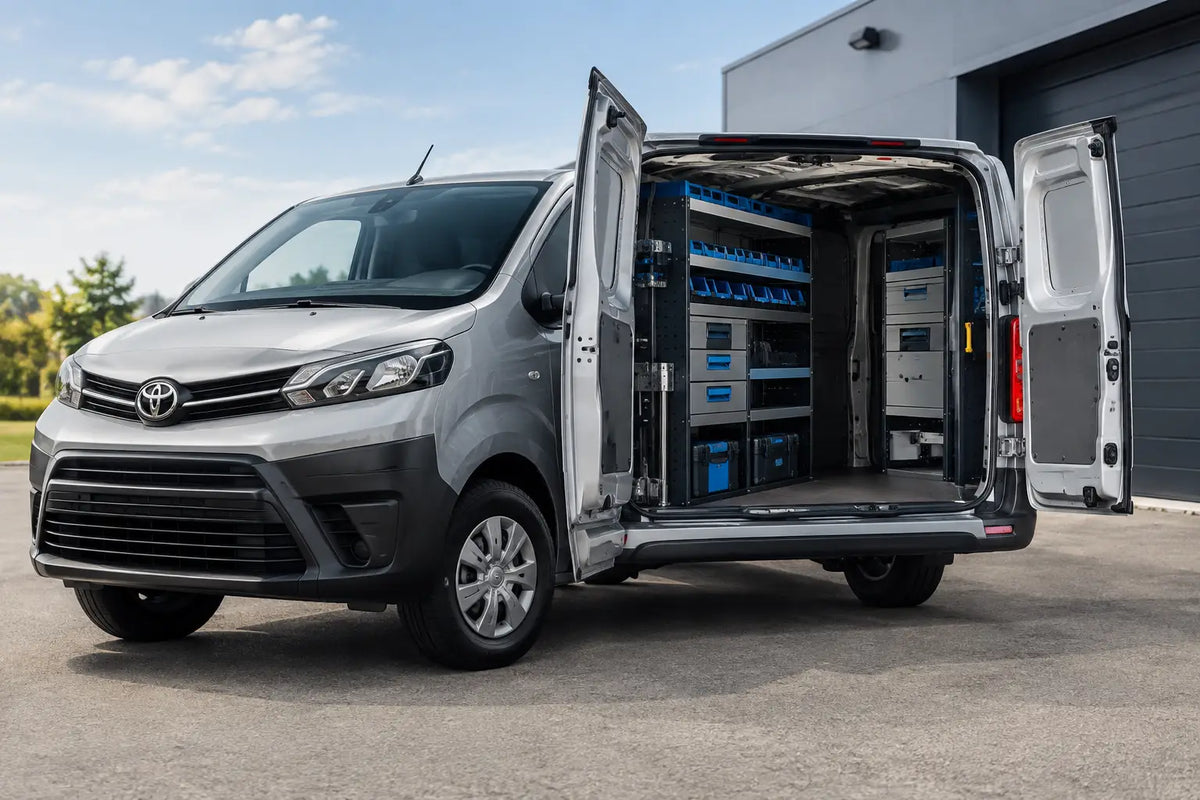
Available sliding side doors facilitate roadside loading valuable in congested urban environments or when parking restrictions prevent rear access. Standard passenger-side doors measure approximately 1,260mm width by 1,730mm height (H3 configuration) enabling comfortable access and reasonable equipment passage. The ford custom swb racking storage shows organizational concepts maintaining side door accessibility.
Dual sliding door options add driver-side access proving beneficial for frequent both-side loading or multi-drop delivery operations. However, dual doors reduce available wall space for shelving installations requiring careful storage planning balancing access convenience against organizational capacity.
Storage Solution Planning
Maximum Wall-Mounted Racking
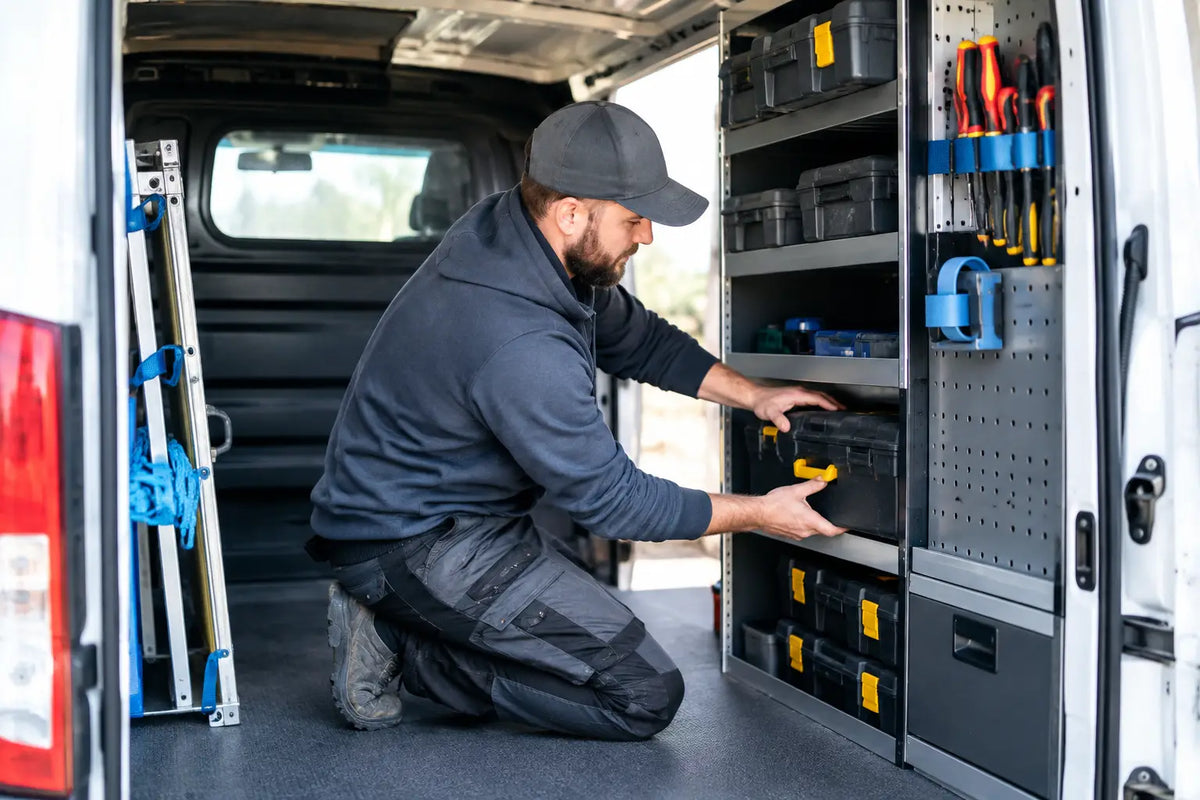
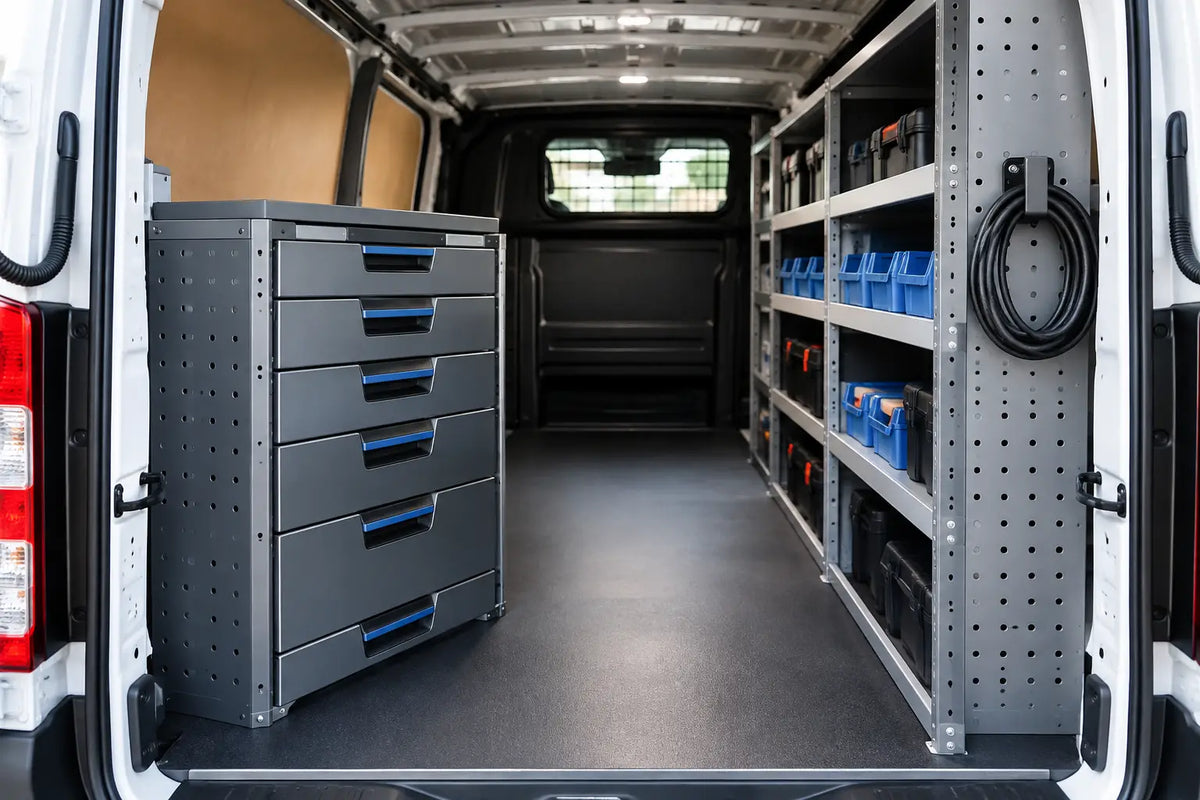
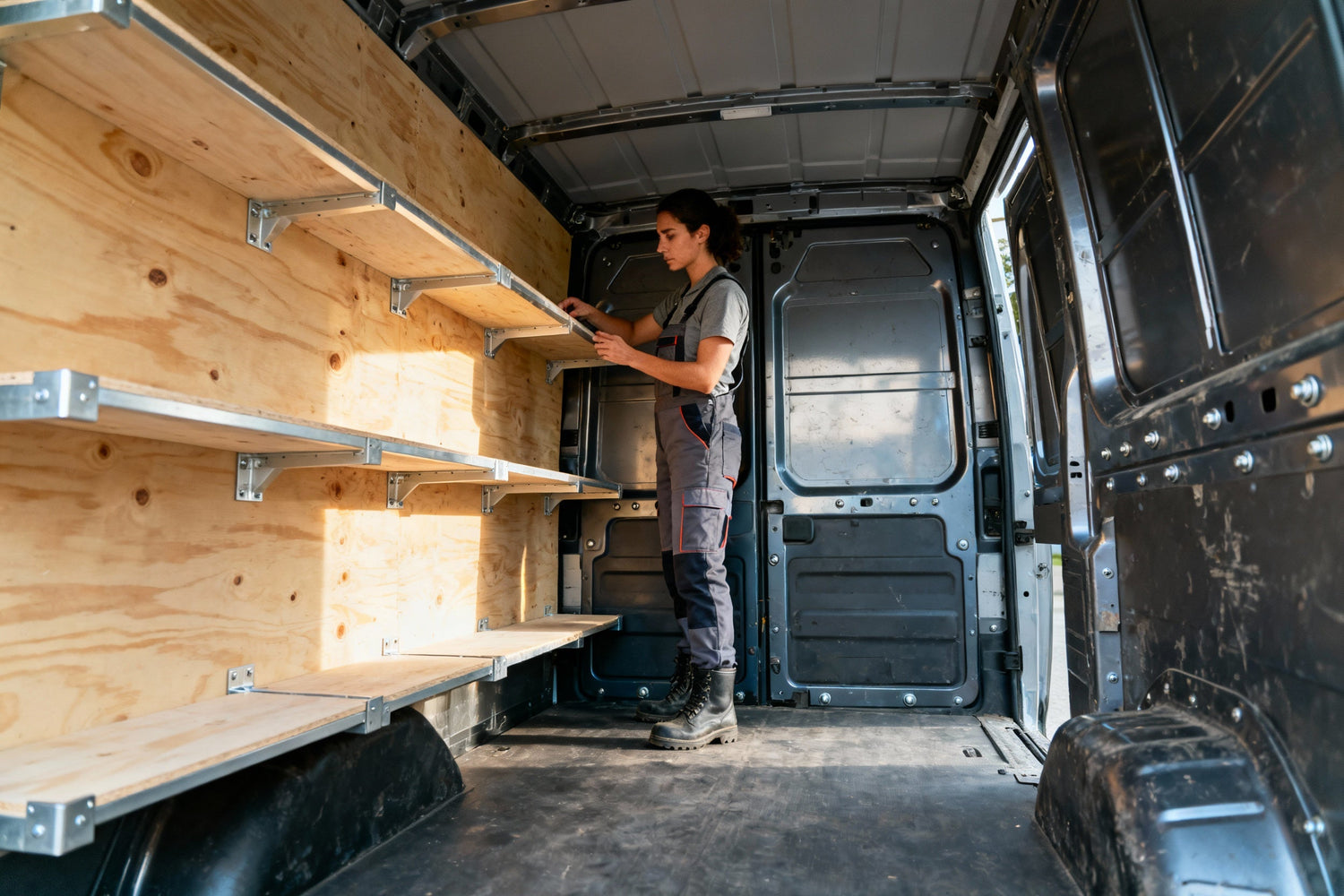
The exceptional internal height enables comprehensive four or five-tier shelving systems creating substantial organized capacity. Full-height installations from floor to near-roof maximize vertical space whilst maintaining ergonomic access to frequently used items positioned at mid-levels. The ford custom 2023 toolbox racking storage demonstrates systematic organization adaptable to Ducato dimensions.
Position heaviest tools and materials on lower shelves maintaining low center of gravity optimizing handling characteristics and fuel efficiency. Middle tiers store frequently accessed equipment at waist-to-shoulder heights minimizing physical strain, whilst upper shelves accommodate lightweight consumables or seasonal items accessed less frequently.
Raised Floor Integration
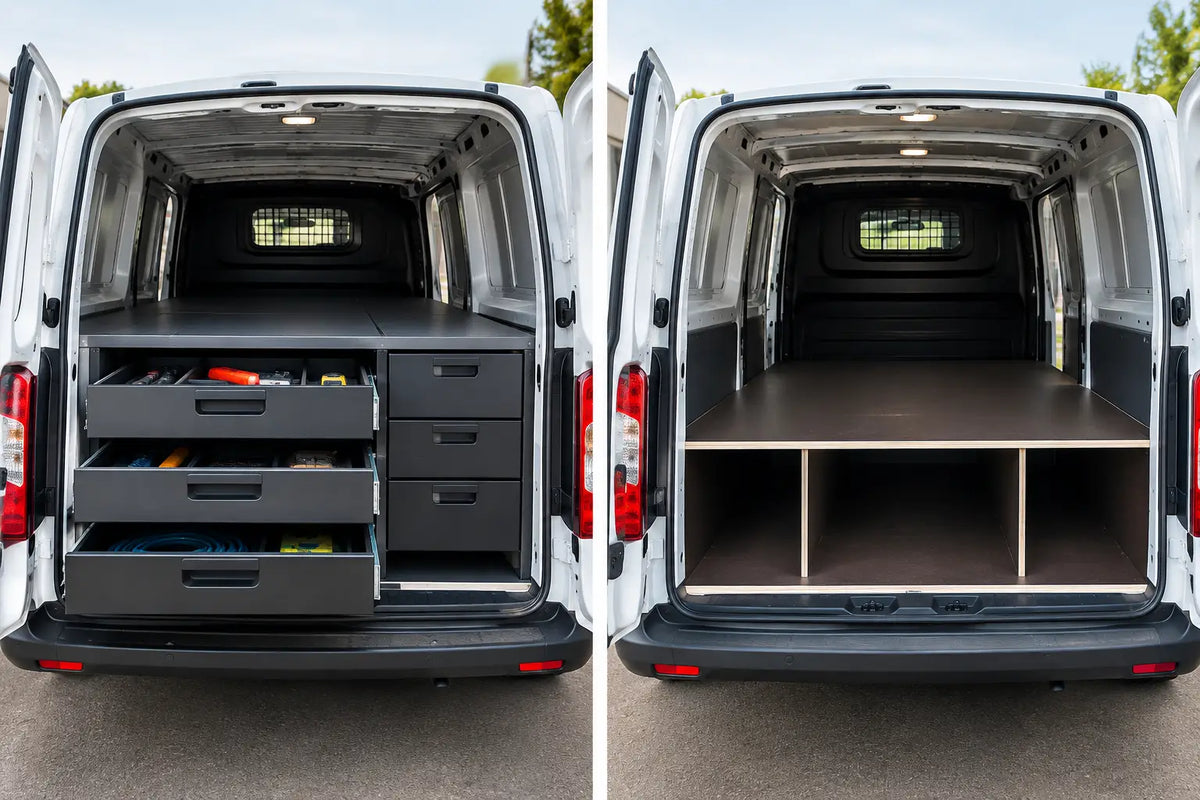
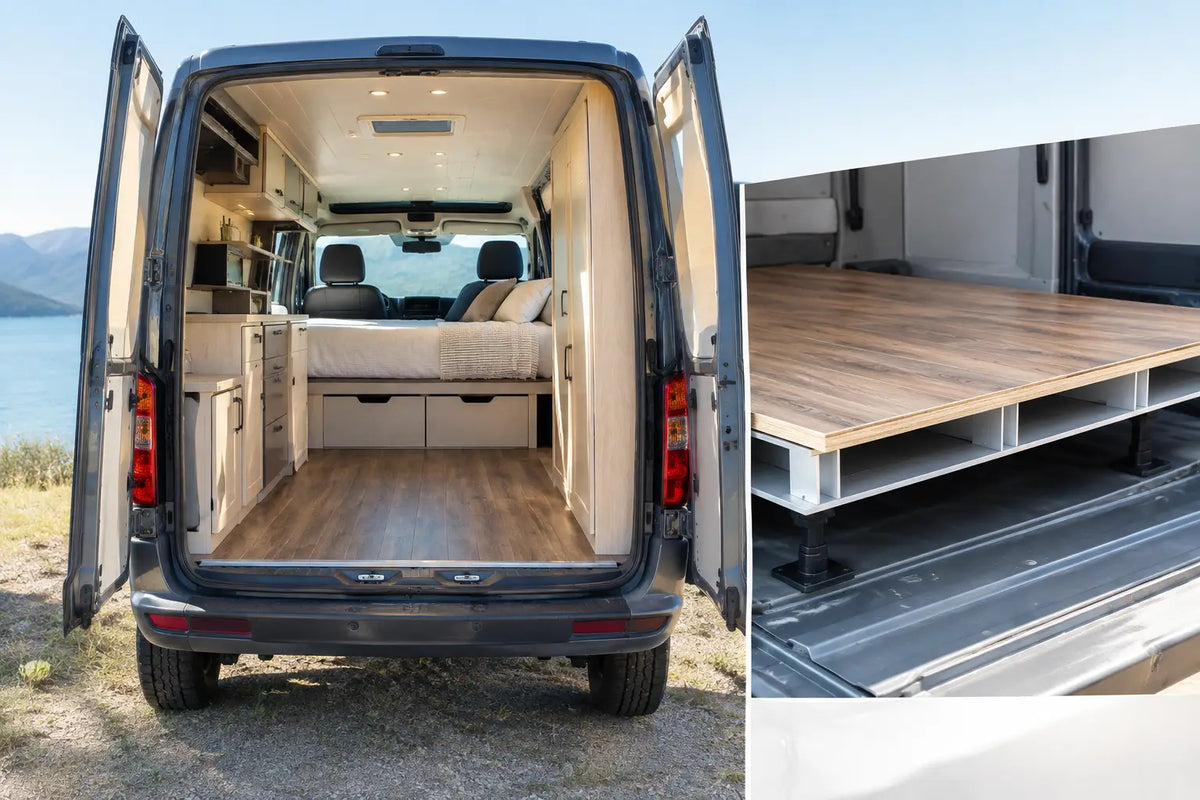
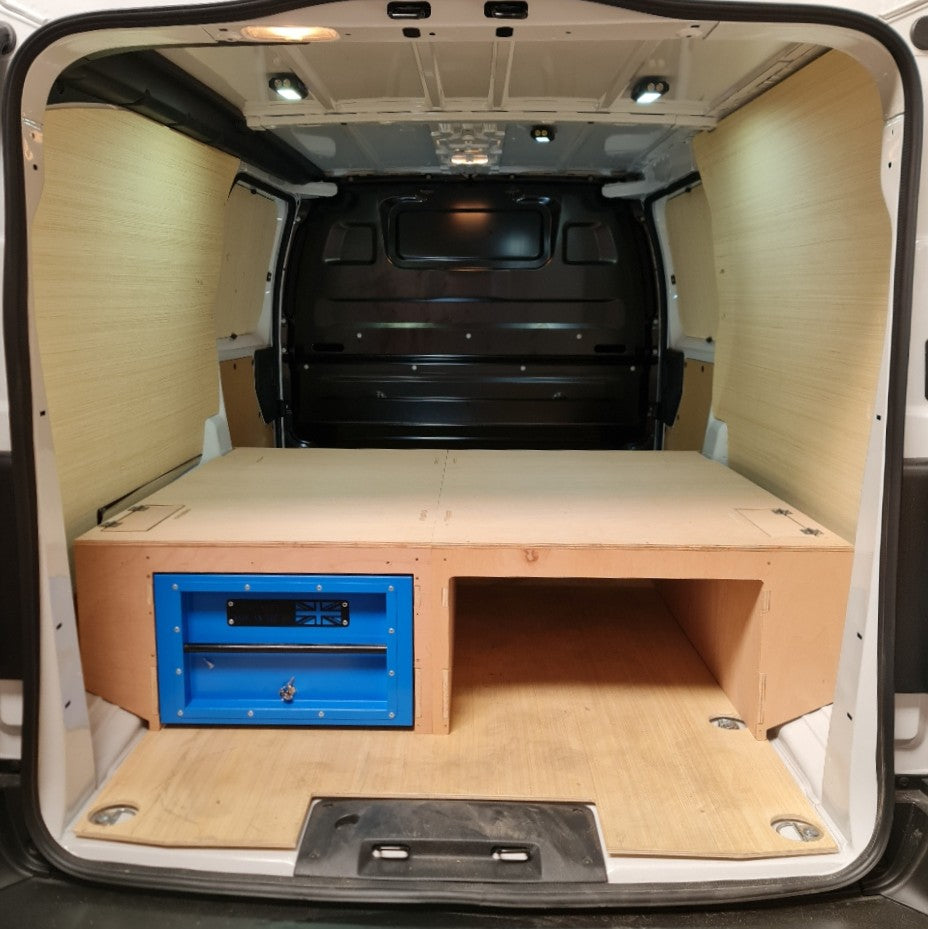
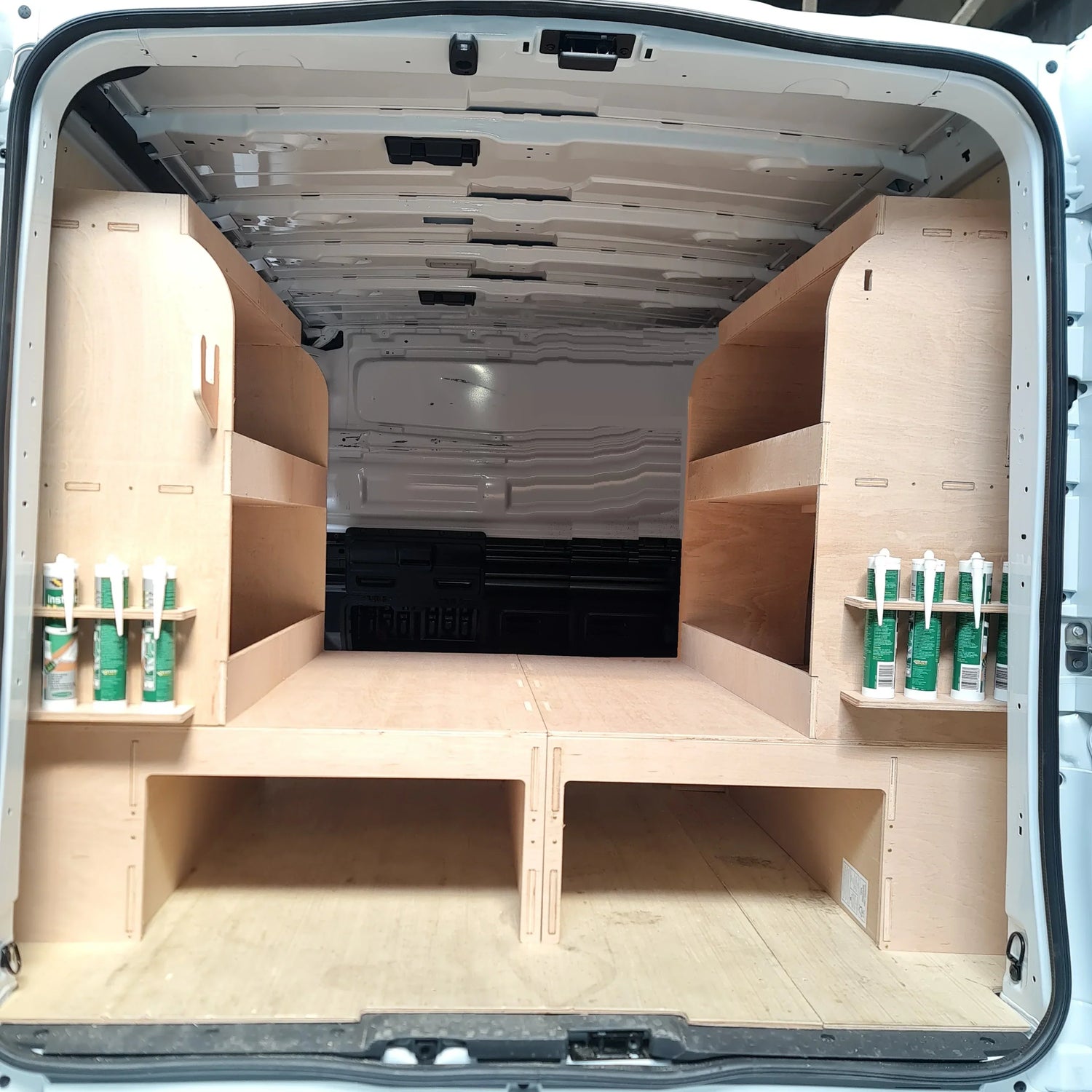
False floor installations generate substantial underfloor storage whilst maintaining level working surfaces above. Typical 250-300mm elevations create 1.5-2 cubic meters concealed storage for valuable equipment, spare parts, or seasonal tools invisible from exterior views deterring opportunistic theft. The ford custom 2023 van raised floor with heavy duty drawers false floor demonstrates combined approaches.
Advanced configurations incorporate integrated drawer systems providing organized small parts storage whilst maintaining bulk underfloor capacity. This multi-level approach maximizes three-dimensional space utilization within fixed vehicle dimensions creating mobile workshop environments rivaling dedicated facilities.
Modular System Benefits
Quality modular storage enables progressive expansion matching business development. The renault trafic van racking driver side shows expandable principles applicable across commercial vehicles. Start with fundamental configurations addressing immediate requirements, adding supplementary components systematically as operational capacity develops managing capital expenditure effectively.
Standardized mounting compatibility protects initial investments enabling cost-effective customization as requirements evolve. This flexibility proves particularly valuable for growing operations or businesses developing new service capabilities requiring different organizational approaches.

Specialized Storage Accessories
Tube and Cylinder Holders
Trades utilizing cylindrical products benefit from dedicated storage preventing rolling whilst maintaining accessibility. The sealant tube holder mastic caulk silicone for van racking workshop garage shed accommodates 12-24 tubes depending on configuration selected. The 18x sealant tube holder mastic caulk silicone for van racking workshop garage shed suits operations with extensive consumable inventories.
Similar solutions exist for aerosol products—the 12x aerosol spray can bottle holder maintains spray cans upright preventing valve clogging. The 24x aerosol spray can bottle holder copy copy accommodates high-volume operations requiring substantial product ranges immediately accessible.
Small Parts Organization
Comprehensive operations benefit from systematic small parts management. The disposable glove box organizer and holder for big wipes address hygiene requirements whilst maintaining professional presentations. The ultra grime xxl wipe wall mounted storage holder dispenser provides convenient cleaning supply access.
Magnetic tool strips along shelf edges secure metal tools preventing rolling during transit. Foam inserts create custom storage for diagnostic equipment or precision instruments requiring protected transportation preventing calibration drift from impact damage during vehicle movement.
Weight Distribution Guidelines
Optimal Loading Practices
Position heaviest items low and centered between axles maintaining balanced weight distribution. This placement optimizes handling characteristics, minimizes body roll during cornering, and reduces tire wear through even load distribution. The peugeot expert van racking driver side demonstrates proper weight distribution through strategic shelf positioning.
Avoid concentrated loads creating unbalanced weight distribution affecting handling and potentially causing premature suspension wear. Distribute tools and materials evenly across available storage ensuring no single shelf or cargo area bears disproportionate loading creating stability concerns especially important in tall high-roof configurations.
Payload Monitoring
Maintain detailed load records ensuring operations consistently comply with vehicle ratings whilst maximizing productive payload utilization. Calculate comprehensive system weight including storage materials, typical tool inventory, and anticipated cargo loads verifying total remains within rated capacity maintaining legal compliance and safe operation.
Consider seasonal variations—operations alternating between lightweight service work and material-intensive installations may approach payload limits periodically. Ensure worst-case loading scenarios remain within vehicle specifications preventing overloading violations risking substantial penalties and insurance complications.
Trade-Specific Applications
Building and Construction
General builders appreciate maximum cargo volumes transporting diverse tools, materials, and equipment. The L4H3 configuration accommodates substantial material stocks including plasterboard sheets, timber lengths, and bulky insulation whilst maintaining comprehensive tool organization. The ford custom lwb 2023 van racking shelves storage for tools boxes set 11 demonstrates systematic organization principles.
High roof headroom enables interior workbench installations creating mobile workshops for equipment maintenance, component fabrication, or preparation work performed on-site without requiring access to fixed facilities. This capability proves particularly valuable for remote projects or operations covering wide geographic territories.
Electrical Contractors
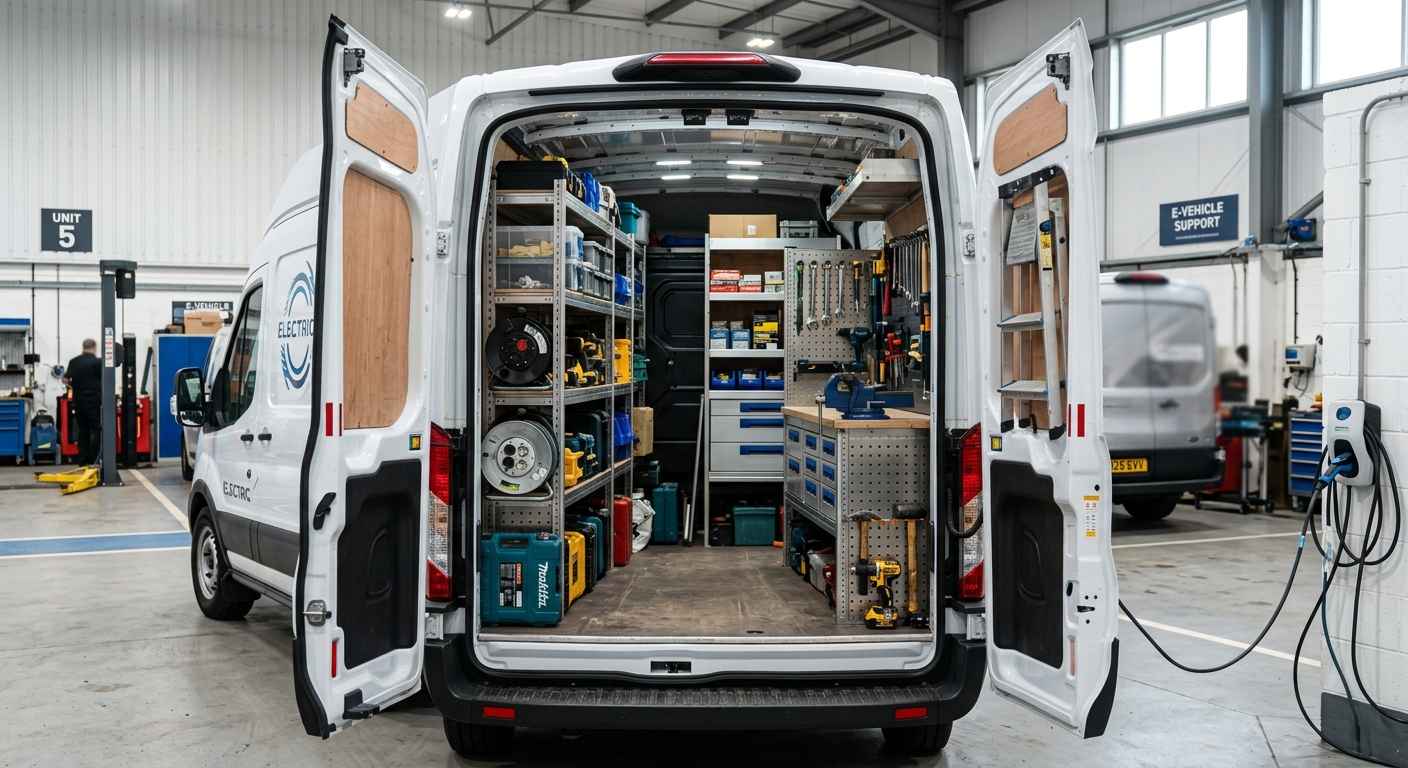
Large electrical operations benefit from extensive cargo capacity accommodating comprehensive cable reel inventories, testing equipment collections, and substantial fixing assortments. The ford custom 2023 end van racking set toolboxes drill shelves storage shows organizational approaches adaptable to maximum Ducato configurations.
Tall internal dimensions enable vertical cable reel storage maintaining reels accessible whilst preventing floor space consumption. Drawer systems organize extensive small parts inventories—different cable sizes, varied fixing types, multiple terminal specifications remain categorized and immediately accessible improving job site efficiency.
Furniture Delivery Operations
Removals and furniture delivery businesses appreciate L4H3 dimensions accommodating substantial loads including full domestic relocations or commercial furniture installations. The generous internal height enables upright furniture transportation preventing assembly/disassembly requirements saving considerable time per delivery whilst reducing damage risks from repeated handling.
Careful interior protection proves essential—padded wall panels, quilted blankets, and strategic cargo restraints prevent transit damage to valuable furniture whilst protecting vehicle interiors from scratches or impacts. Purpose-designed load restraint systems maintain cargo security during transport whilst enabling rapid reconfiguration between diverse load types.
Maneuverability Considerations
Urban Navigation
Despite substantial dimensions, experienced operators successfully navigate L4H3 variants through residential areas, construction sites, and urban delivery routes. The 15-meter turning circle proves adequate for most situations though requiring greater spatial awareness versus smaller commercial vehicles. Plan routes considering height restrictions—multi-story car parks, historic town centers, and some drive-through facilities may prohibit tall vehicles.
Width awareness proves crucial on narrow streets or tight loading areas—the 2,525mm width including mirrors requires careful positioning avoiding parked vehicles, street furniture, or pedestrians. Folding mirrors reduce effective width facilitating passage through restricted areas though requiring subsequent repositioning before continuing journeys.
Parking and Storage
Extended length requires longer parking spaces—standard car park bays prove inadequate necessitating commercial vehicle spaces, end-row positions, or multiple standard spaces. Overnight storage considerations include secure compounds offering adequate maneuvering room or purpose-designed commercial vehicle facilities providing appropriate space allocation.
Reversing proves more challenging versus shorter variants—rear-view camera systems or parking sensors significantly aid maneuvering particularly when backing into tight loading bays or navigating congested sites. Some operators install convex mirrors improving rear visibility reducing accident risks when reversing in confined spaces.
Running Cost Considerations
Fuel Efficiency Expectations
Large commercial vehicles typically achieve 25-32 mpg depending on driving conditions, load weights, and operational patterns. Urban stop-start delivery routes consume more fuel versus steady highway cruising, whilst fully loaded vehicles show measurably worse economy than lighter loads. Plan operational budgets accounting for realistic fuel consumption based on typical usage patterns.
Regular maintenance proves crucial maintaining optimal efficiency—properly inflated tires, clean air filters, and quality engine oil contribute toward best achievable economy. Smooth driving techniques including gradual acceleration, anticipatory braking, and appropriate gear selection generate meaningful fuel savings across annual mileage particularly important for high-mileage operations.
Insurance and Operating Expenses
Larger commercial vehicles typically attract higher insurance premiums reflecting increased repair costs and potential liability exposure. However, comprehensive security installations including quality storage systems, alarm integration, and GPS tracking may reduce premiums offsetting initial investment costs. The van vault 2 secure tool storage security box 48kg s10810 demonstrates security solutions potentially qualifying for insurance discounts.
Tire costs prove substantial—six tires requiring replacement periodically represent significant expense particularly for high-mileage operations. Budget approximately £600-900 for complete tire replacement using quality commercial vehicle specifications appropriate for payload requirements and expected service intervals.
Conclusion
Understanding Fiat Ducato L4H3 dimensions enables informed decisions regarding storage installations, operational suitability, and business capability planning. This flagship configuration's exceptional 17 cubic meters cargo volume, 4,070mm load length, and 2,172mm internal height create mobile workshop environments rivaling fixed facilities whilst maintaining van accessibility advantages. Careful storage planning maximizing vertical space and maintaining proper weight distribution ensures these capable commercial vehicles deliver reliable, efficient service across demanding professional applications.
Maximize your Fiat Ducato L4H3 potential with professional storage solutions from Van Shelves. Our comprehensive range includes adaptable racking systems, specialized accessories, and expert guidance ensuring you optimize this substantial cargo capacity whilst maintaining efficient organization. Discover how systematic storage transforms your commercial vehicle into a professionally equipped mobile workspace today.
References
Fiat Professional. (2024). Ducato technical specifications and dimensions. Fiat Commercial Vehicles UK.
Fleet News. (2024). Large panel van running cost analysis. Fleet News Industry Reports.
Health and Safety Executive. (2024). Commercial vehicle load securing guidance. HSE Publications.
Society of Motor Manufacturers and Traders. (2023). Commercial vehicle market segment analysis. SMMT Industry Reports.
Vehicle Certification Agency. (2024). Commercial vehicle specifications and compliance standards. VCA Technical Publications.