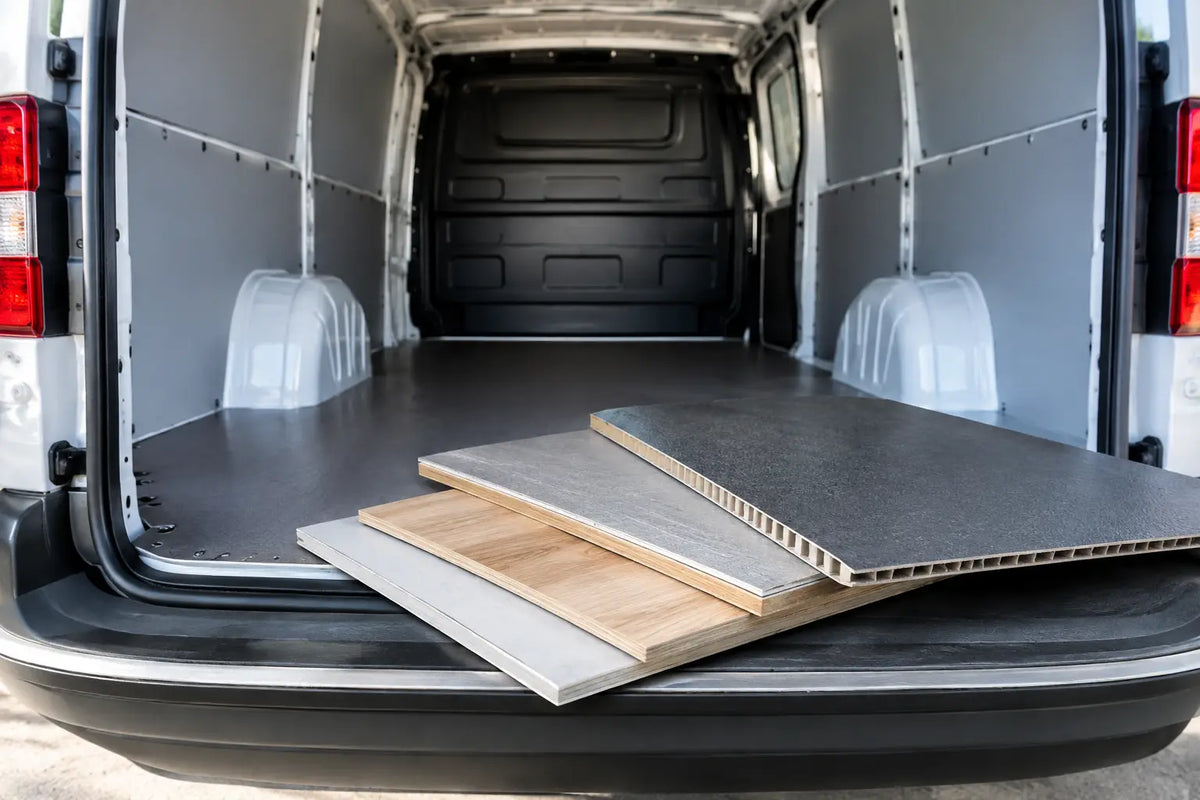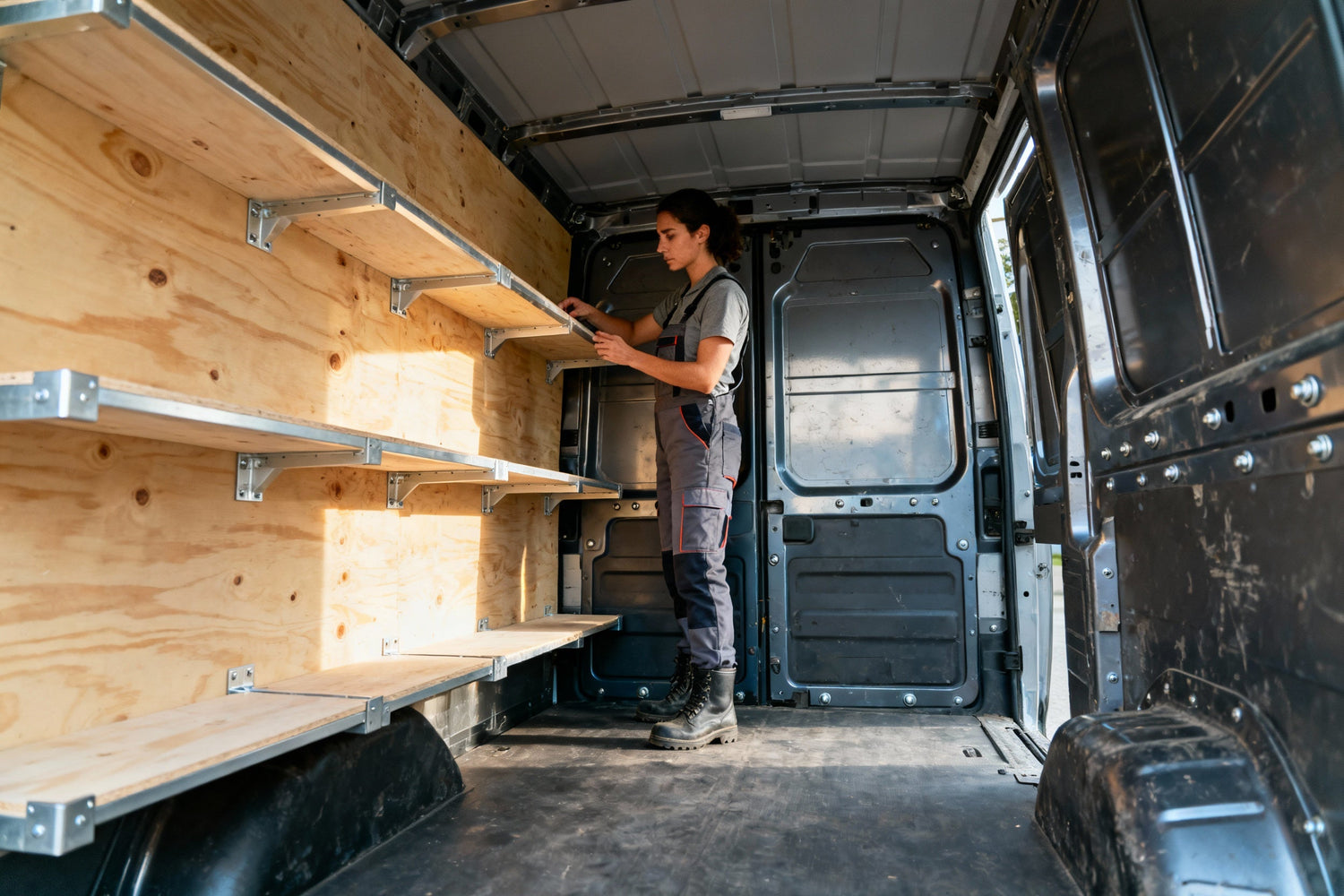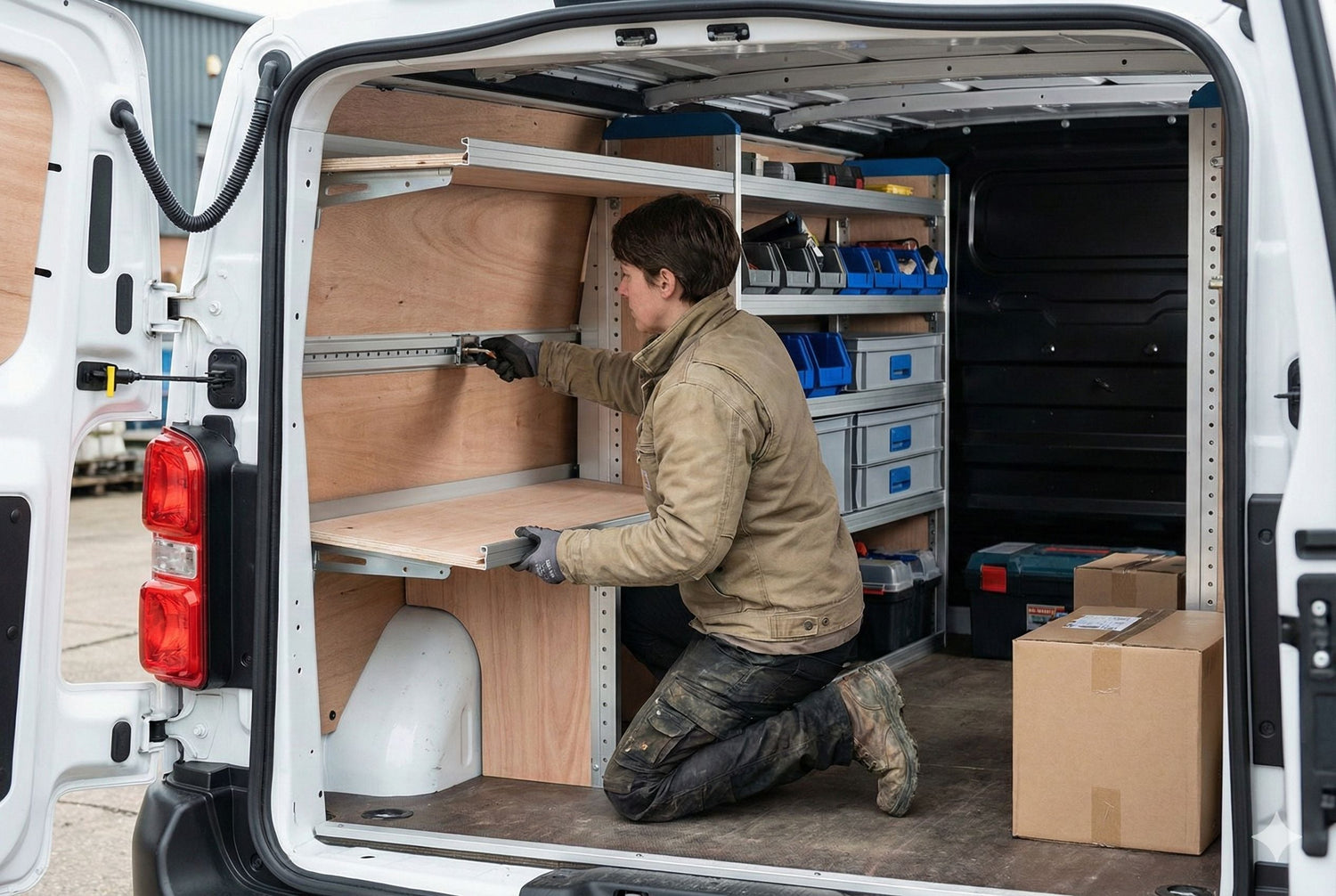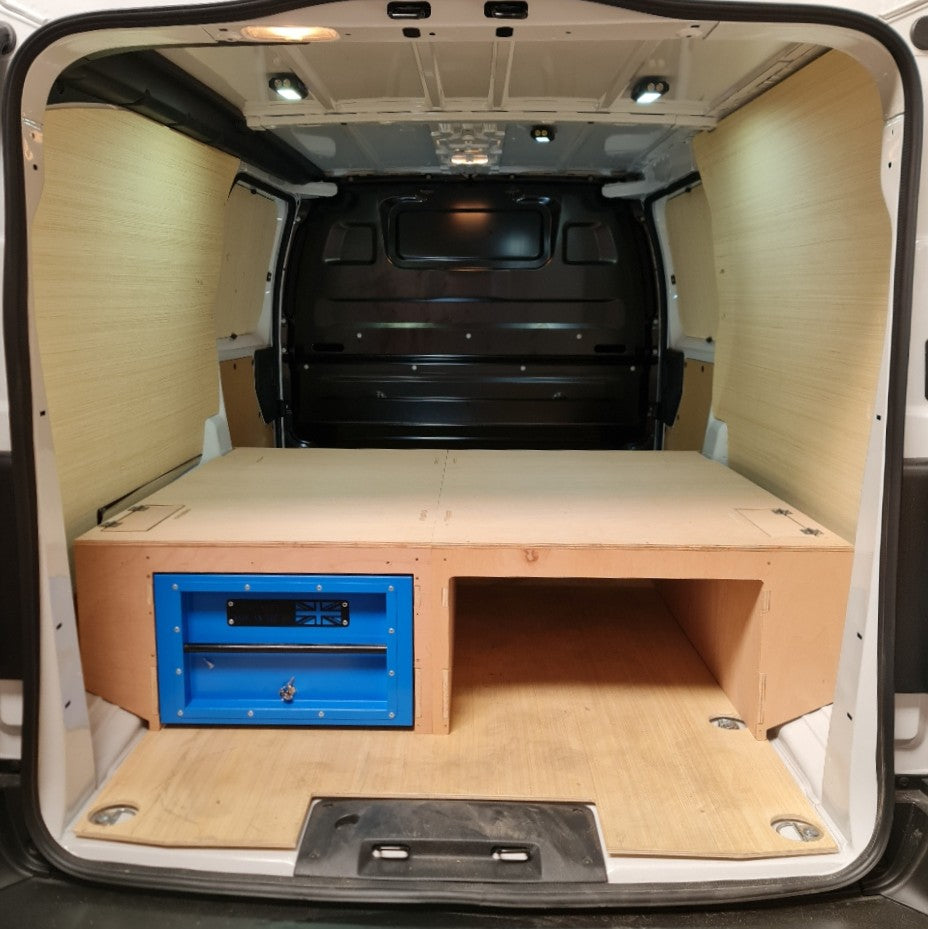







Selecting the right material for van shelving fundamentally impacts payload capacity, durability, maintenance requirements, and long-term operating costs for mobile trades. Steel, aluminium, and plywood each offer distinct advantages suited to different operational needs—steel provides robust strength at economical pricing, aluminium delivers exceptional weight savings with corrosion resistance, whilst plywood combines traditional craftsmanship with modification flexibility. Understanding these material characteristics enables tradespeople to select optimal storage solutions matching specific vehicle types, working environments, and budget constraints whilst maximizing operational efficiency.
Quick Comparison Table
|
Factor |
Steel |
Aluminium |
Plywood |
|
Weight |
Heavy (7.85 g/cm³) |
Light (2.70 g/cm³) |
Medium (0.65 g/cm³) |
|
Typical Shelf Weight |
12-15kg |
7-9kg |
8-10kg |
|
Load Capacity |
30-40kg per shelf |
30-40kg per shelf |
25-35kg per shelf |
|
Corrosion Resistance |
Requires coating |
Excellent natural |
Requires treatment |
|
Impact Resistance |
Excellent |
Moderate |
Good |
|
Initial Cost |
£800-1,800 |
£1,000-2,400 |
£600-1,400 |
|
Lifespan |
12-15 years |
15-20 years |
10-15 years |
|
Maintenance |
Regular coating checks |
Minimal |
Periodic sealing |
|
Best For |
Heavy trades, budget-conscious |
Payload-sensitive, coastal |
Traditional trades, DIY-friendly |
Material Properties Comparison
Steel Framework Systems
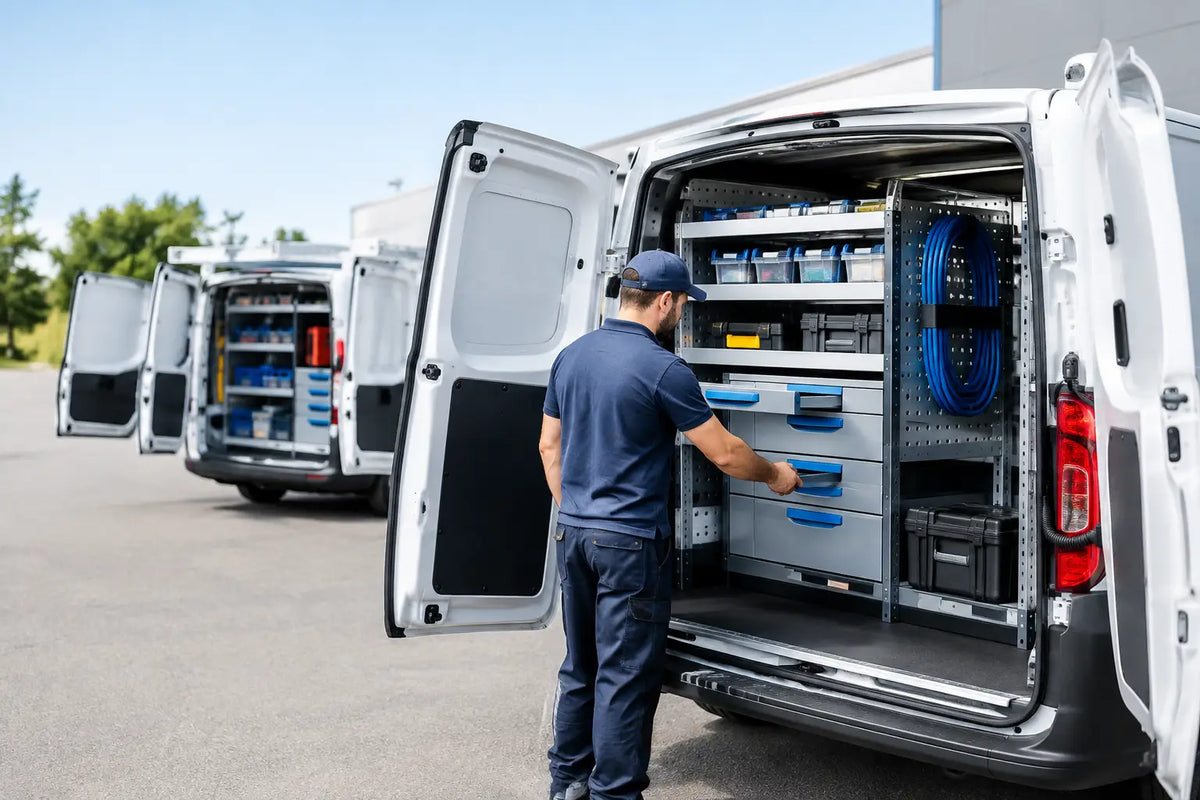
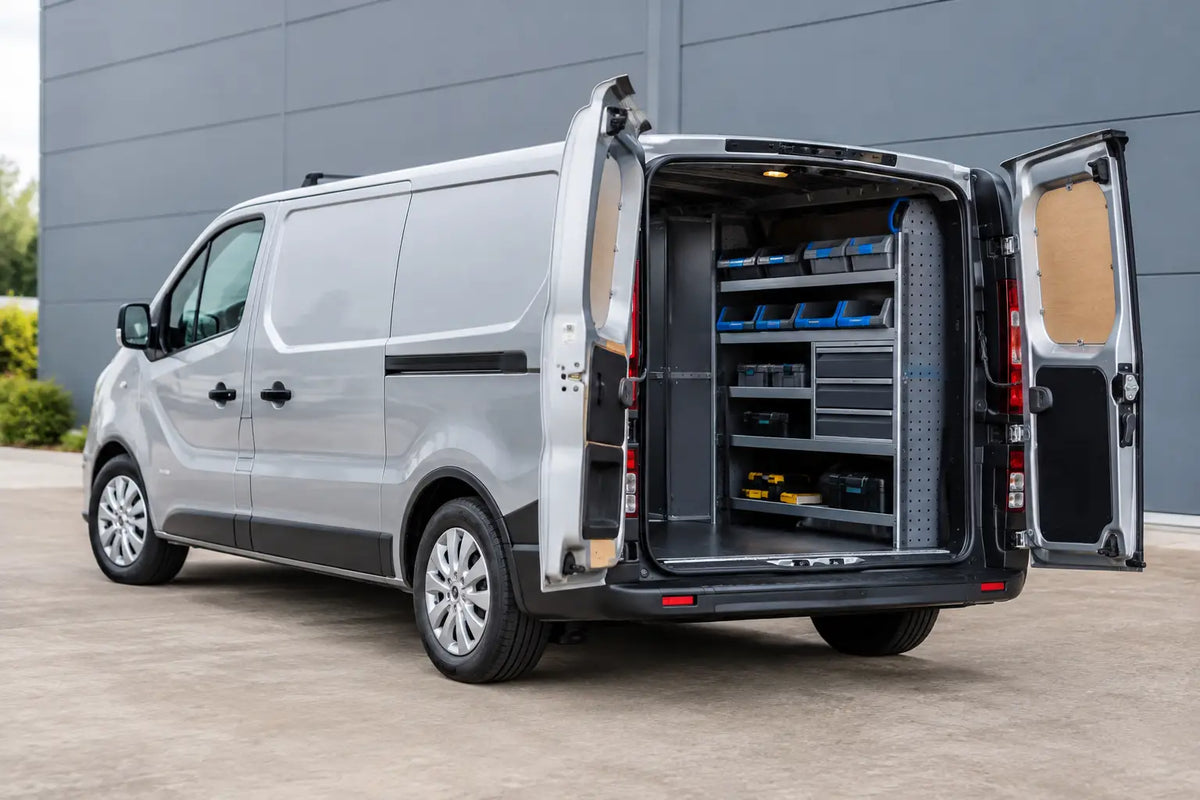
Steel shelving utilizes powder-coated mild steel framework typically 1.2-1.5mm gauge thickness delivering exceptional rigidity and load-bearing capacity. The material's inherent strength enables thinner construction achieving equivalent load ratings versus alternatives, though at considerably greater weight. The ford transit custom swb van racking with full driver side storage demonstrates robust steel construction.
Steel's natural flexibility under stress provides impact absorption preventing catastrophic failure when accidentally overloaded or struck during loading operations. However, coating damage from impacts or scratching creates corrosion initiation points potentially spreading across affected components over time.
Aluminium Framework Systems
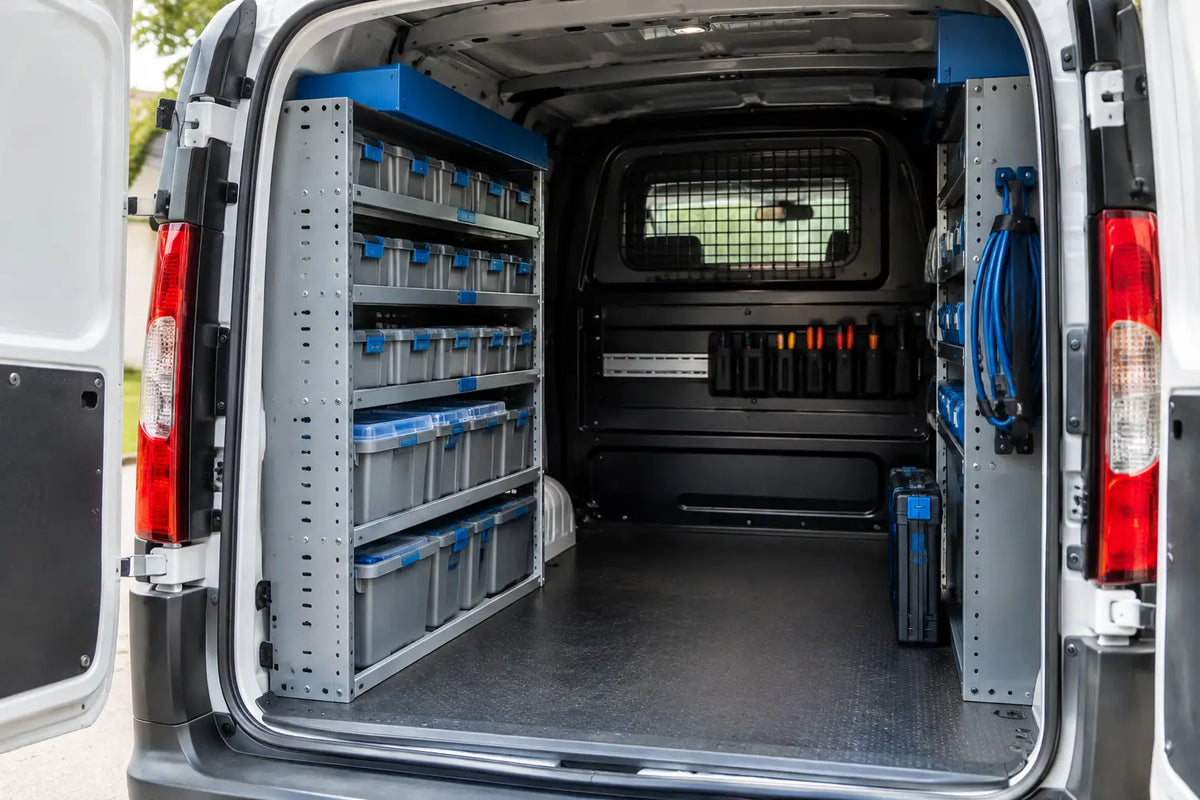
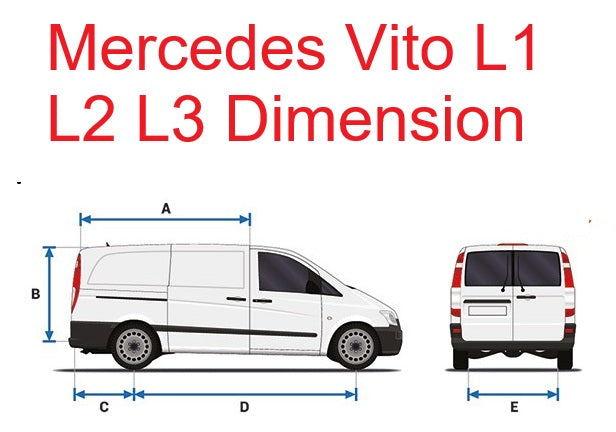
Aluminium shelving employs 2-3mm thickness achieving comparable structural integrity at approximately 35% steel's weight. The excellent strength-to-weight ratio proves particularly valuable for payload-sensitive operations or vehicles with modest capacity ratings. The mercedes vito van racking shelves driver or passenger side offers material choices enabling payload optimization.
Aluminium naturally forms protective oxide layers preventing progressive corrosion even when scratched or damaged. This characteristic proves invaluable in coastal regions, chemical-exposure trades, or operations transporting moisture-generating materials maintaining structural integrity despite surface damage.
Plywood Shelf Systems
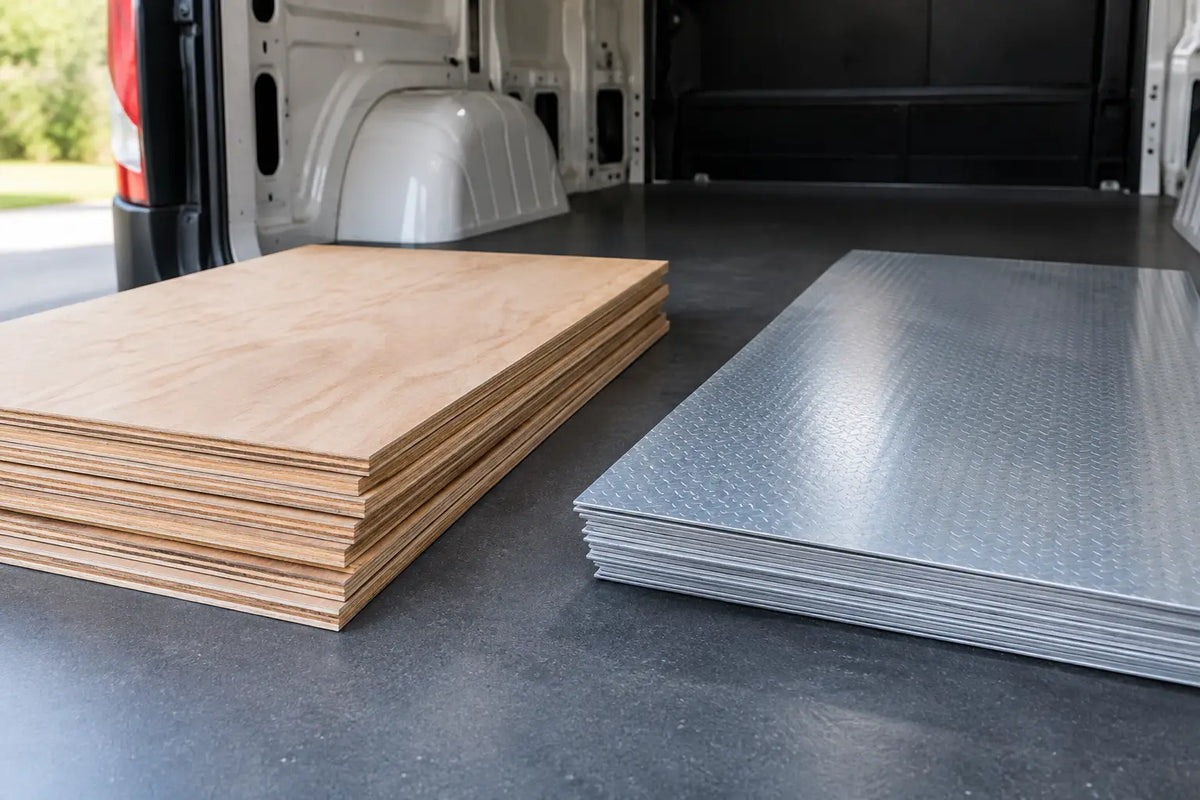
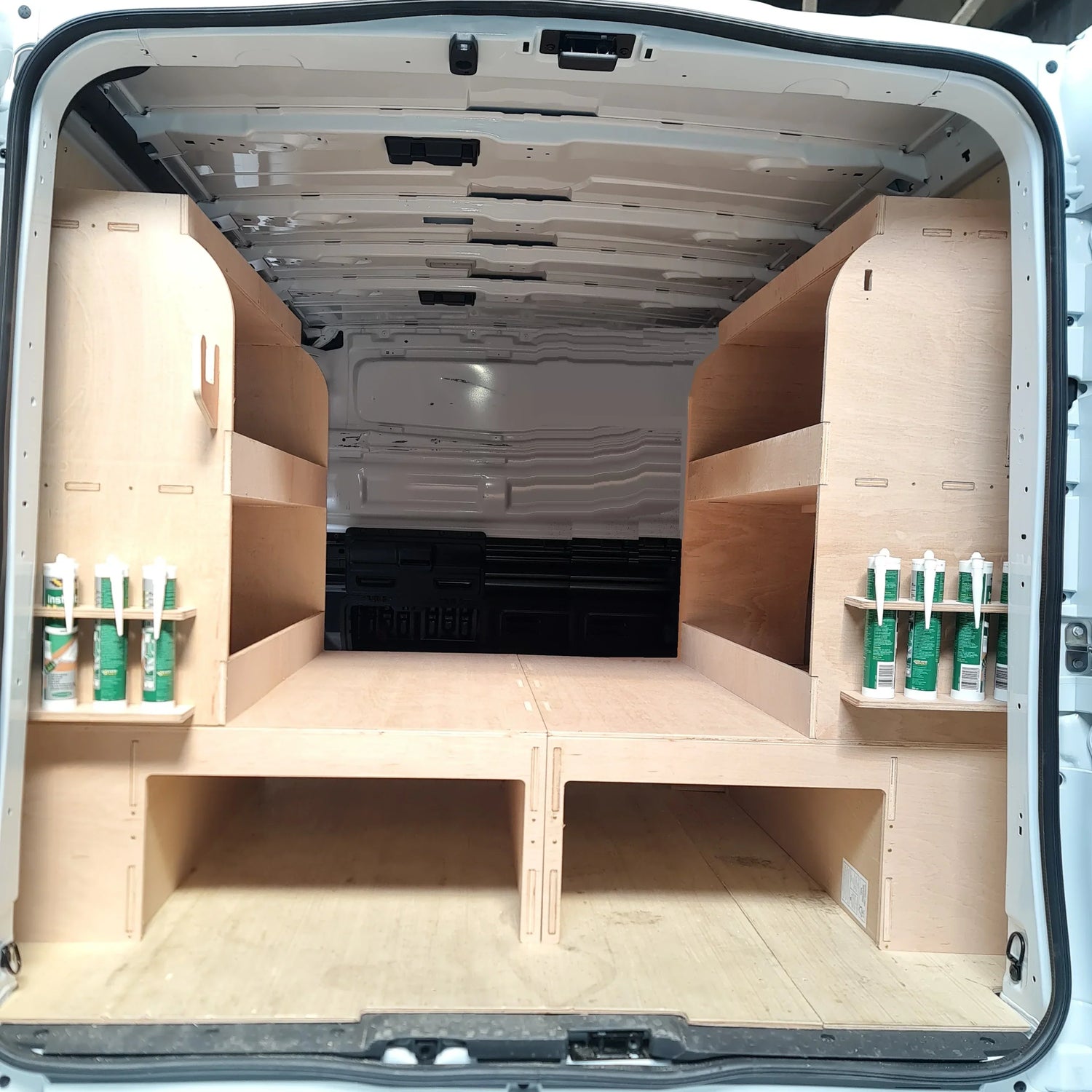
Marine-grade plywood represents the traditional choice for van shelving, combining natural wood aesthetics with functional durability. Standard 12mm thickness provides excellent load-bearing capacity whilst maintaining reasonable weight characteristics. Plywood offers superior workability versus metal alternatives—cutting, drilling, and modifying proves straightforward using common workshop tools.
Quality marine plywood resists moisture when properly treated, though requiring periodic maintenance maintaining protective coatings. The natural material absorbs impacts better than rigid metal alternatives, whilst providing non-slip surfaces reducing tool movement during transit. The ford custom swb racking storage demonstrates plywood shelf integration.
Weight and Payload Impact
Comparative Weight Analysis
Steel racking systems typically consume 180-250kg of available payload for comprehensive installations, whilst equivalent aluminium systems utilize 120-165kg—a difference of 60-85kg enabling additional cargo transportation. Plywood systems fall between these extremes at 140-180kg depending on framework material and construction methodology.
For vehicles with generous payload allowances exceeding 1,200kg, steel or plywood's weight disadvantage proves negligible—most operations rarely approach maximum capacity. However, compact vans with 600-800kg payloads benefit substantially from aluminium's weight savings, potentially enabling 10-15% additional cargo capacity.
Fuel Efficiency Implications
Reduced vehicle weight directly improves fuel economy—every 50kg reduction generates approximately 1-2% consumption improvement. Aluminium's 60-85kg advantage potentially saves £150-300 annually at typical commercial mileage rates. Plywood systems offer modest fuel benefits versus steel whilst maintaining cost advantages versus aluminium alternatives.
Strength and Durability
Load Capacity Comparison
Quality steel shelving systems support 30-40kg per individual shelf with total installation capacities reaching 150-180kg when properly distributed. The material's rigidity prevents sagging even under sustained maximum loads. Aluminium shelving achieves similar ratings through increased thickness and reinforced design, though some deflection may occur under maximum loads.
Plywood shelving safely supports 25-35kg per shelf when using 12mm marine-grade material with proper framework support. Reinforced designs or 15mm thickness increase capacity matching metal alternatives, though at increased weight. The vw transporter t5 t6 van racking shelves demonstrates optimized construction.
Impact and Wear Resistance
Steel's ductility provides superior impact absorption—accidental strikes typically result in minor dents rather than structural damage. Aluminium's brittleness makes it more susceptible to permanent deformation from impacts, though modern alloys minimize these concerns for typical commercial applications.
Plywood offers excellent impact absorption—the material's flexibility prevents cracking whilst compressed wood fibers recover partially from moderate impacts. Surface wear proves acceptable for typical trade use, though edges require protection preventing splintering from repeated tool contact.
Corrosion and Environmental Resistance
Material Performance by Environment
Coastal operations face accelerated corrosion from salt-laden air affecting steel despite powder-coating protection. Microscopic coating imperfections create corrosion initiation points potentially spreading over several years. Regular maintenance including coating inspection and touch-up painting extends service lives.
Aluminium's natural oxide layer provides inherent corrosion resistance regardless of coating condition. The mercedes vito racking made for euro stacking container super wide demonstrates material selection for challenging environments. Trades working with corrosive chemicals benefit significantly from aluminium's chemical resistance.
Plywood requires proper sealing and periodic maintenance preventing moisture absorption and subsequent degradation. Quality marine plywood withstands typical commercial environments when maintained, though prolonged water exposure eventually compromises structural integrity requiring replacement.
Cost Analysis
Initial Investment Comparison
Steel systems typically cost 20-30% less than equivalent aluminium alternatives reflecting material costs and manufacturing complexity. Plywood installations prove most economical, particularly for DIY projects utilizing owner labor. The renault trafic van racking driver side represents typical steel pricing.
|
Material |
Initial Cost Range |
Annual Fuel Impact |
10-Year Total Cost |
|
Steel |
£800-1,800 |
Baseline |
£1,000-2,200 |
|
Aluminium |
£1,000-2,400 |
£150-300 savings/year |
£850-1,400 (with fuel savings) |
|
Plywood |
£600-1,400 |
£50-100 savings/year |
£1,000-1,800 |
Long-Term Value Considerations
Aluminium's corrosion resistance and minimal maintenance potentially extend operational lifespans 20-30% versus steel in challenging environments. Factor fuel savings from reduced weight—£150-300 annually accumulates to £1,500-3,000+ across a decade offsetting initial premiums.
Plywood systems require periodic refinishing maintaining protection, adding £100-200 maintenance costs over 10-year spans. However, exceptional workability enables owner repairs and modifications reducing professional service requirements compared to metal alternatives.

Installation and Modification
Mounting Requirements
All three materials utilize similar mounting methodologies attaching to vehicle manufacturer-approved fixing points. Steel's additional weight requires slightly more robust mounting hardware, though differences prove minimal practically. The peugeot expert van racking driver side demonstrates standard mounting approaches.
Modification Flexibility
Steel's workability enables easier field modifications—drilling additional holes, cutting shelves to custom lengths, or welding supplementary brackets proves straightforward with common workshop equipment. Aluminium requires specialized cutting equipment and welding techniques less commonly available.
Plywood excels in modification flexibility—cutting, drilling, and shaping requires only basic woodworking tools available to most tradespeople. This accessibility proves valuable for operations requiring ongoing customization as business requirements evolve or when adapting systems between vehicle models.
Trade-Specific Recommendations
By Industry Application
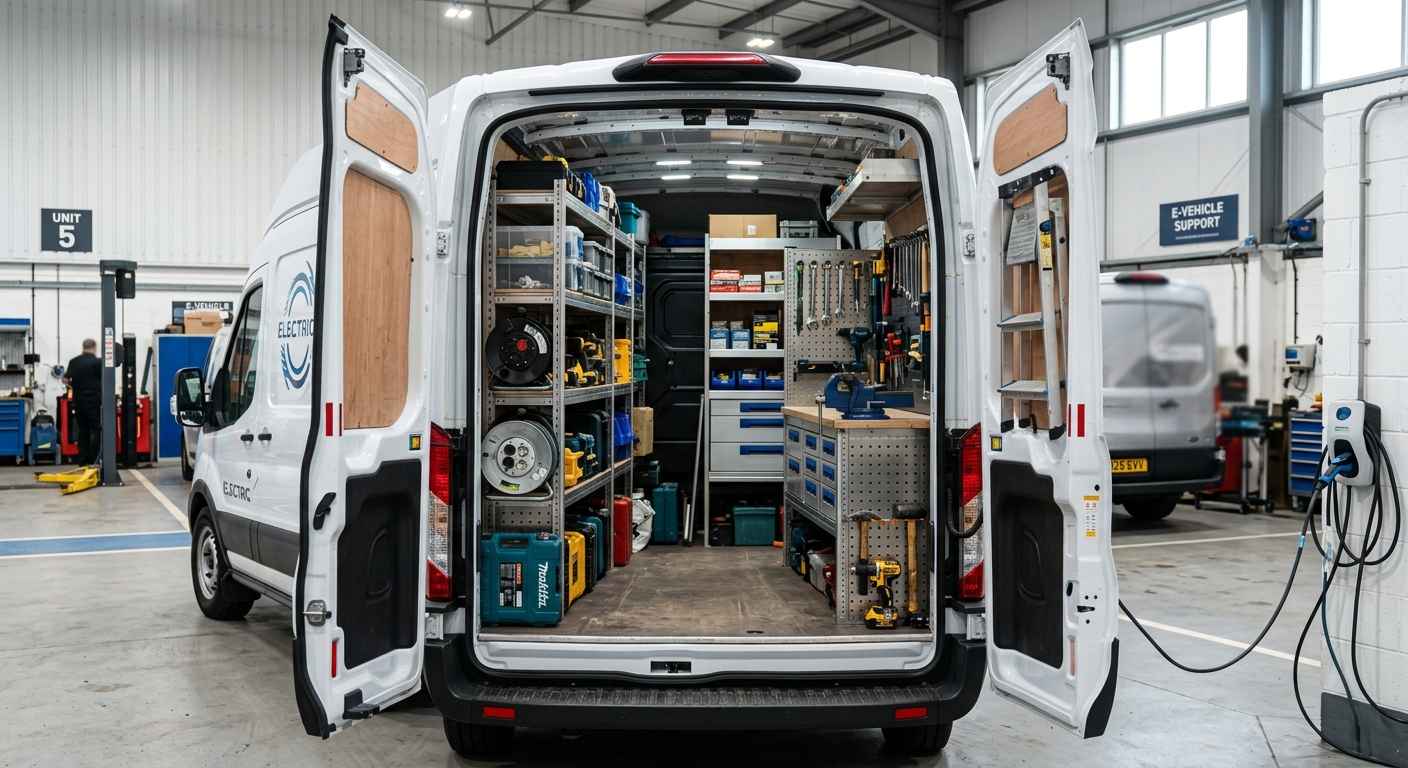
Electricians and Data Installers: Steel or plywood systems suit typical tool loads, with aluminium beneficial for payload-sensitive compact vans. The ford custom 2023 end van racking set toolboxes drill shelves storage provides robust organization.
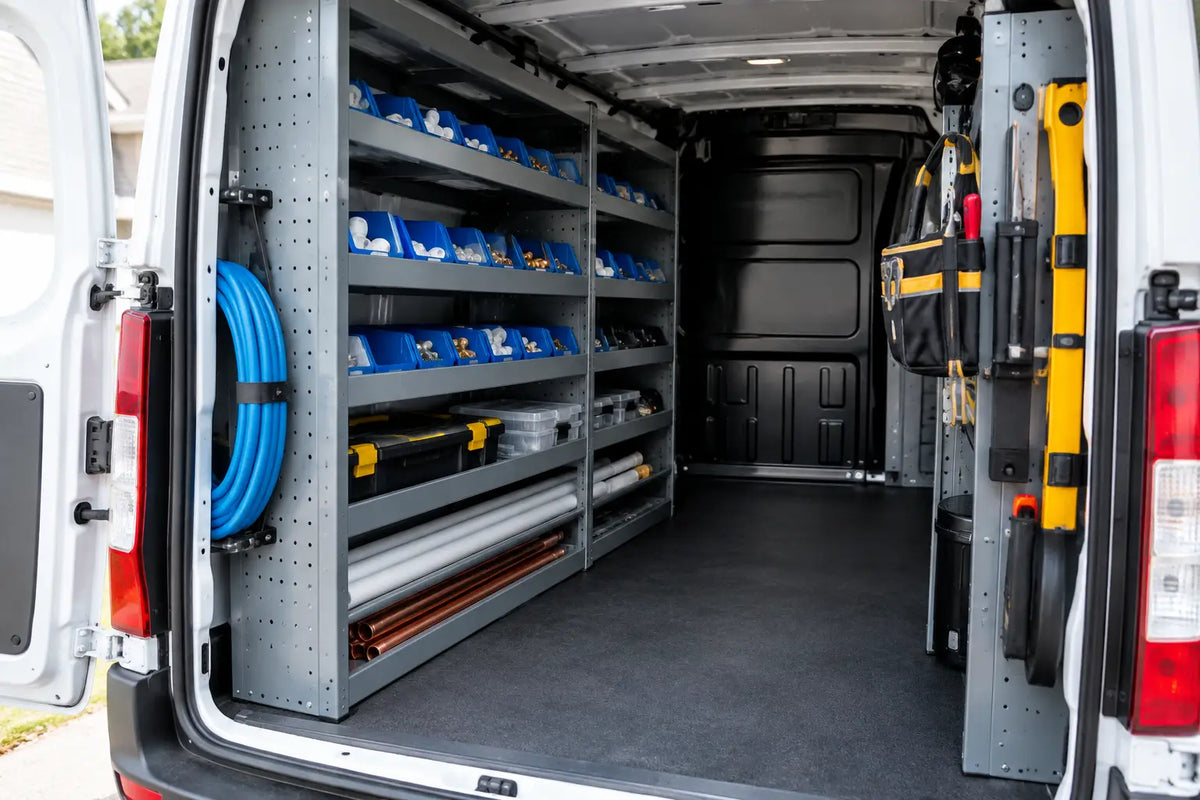
Plumbing and Heating: Aluminium's corrosion resistance and weight savings prove valuable for operations transporting extensive brass fittings and pipe stocks. Chemical exposure from flux favors aluminium or well-sealed plywood versus steel.
Construction and Building: Steel's impact resistance suits rough handling environments, with plywood offering budget-friendly alternatives. The ford custom lwb 2023 van racking shelves storage for tools boxes set 11 demonstrates comprehensive capacity.
Mobile Mechanics: All three materials adequately support typical automotive tool collections. Coastal operations favor aluminium, whilst budget-conscious start-ups benefit from plywood solutions.
Making the Decision
Evaluation Framework
Assess operational profiles systematically determining which material characteristics prove most valuable. Calculate typical payload utilization—if consistently approaching vehicle limits, aluminium or plywood weight savings deliver tangible operational benefits justifying cost considerations.
Consider environmental exposure—coastal operations, chemical-handling trades, or aggressive winter salt usage benefit from aluminium's corrosion resistance. Benign environments enable steel or plywood achieving comparable lifespans through basic maintenance at lower initial costs.
Budget Reality
Financial constraints represent legitimate decision factors—steel and plywood's cost advantages enable comprehensive storage installations within modest budgets. The vauxhall vivaro van racking driver side demonstrates accessible pricing.
However, calculate total ownership costs including fuel savings and maintenance expenses determining whether aluminium's operational benefits justify financing costs over vehicle lifespans. Plywood offers middle-ground balancing economy against performance.
Maintenance Best Practices
Material-Specific Care
Steel: Implement quarterly coating inspections identifying damage before corrosion establishes. Address scratches promptly using touch-up paint. Clean surfaces regularly removing debris particularly in moisture-accumulation areas.
Aluminium: Regular cleaning maintains appearance though structural neglect proves tolerable. Quarterly mounting security checks and annual component inspections ensure continued proper operation without intensive maintenance schedules.
Plywood: Annual refinishing with protective sealers extends lifespan significantly. Check for moisture damage, edge wear, or delamination addressing issues promptly. Clean surfaces prevent debris accumulation while inspecting condition.
Conclusion
The steel vs aluminium van shelf decision depends on specific operational requirements, environmental factors, and budget considerations rather than inherent material superiority. Plywood provides a third option combining traditional aesthetics, excellent workability, and economical pricing. Steel delivers exceptional value for adequate payload capacity in benign environments, aluminium justifies premiums for payload-sensitive or corrosive applications, whilst plywood offers budget-friendly functionality with modification flexibility. All three materials provide reliable storage when properly specified and maintained.
Ready to optimize your commercial vehicle storage? Explore our comprehensive range of steel, aluminium, and plywood van shelving solutions at Van Shelves featuring vehicle-specific fitments, professional installation services, and expert guidance ensuring optimal material selection for your trade requirements.
References
Aluminium Federation. (2024). Material properties and commercial applications. ALFED Technical Publications.
British Standards Institution. (2024). BS EN 1995: Design of timber structures. BSI Standards.
Steel Construction Institute. (2024). Structural steel properties and applications. SCI Technical Resources.
Vehicle Certification Agency. (2024). Commercial vehicle modification and payload compliance. VCA Technical Publications.