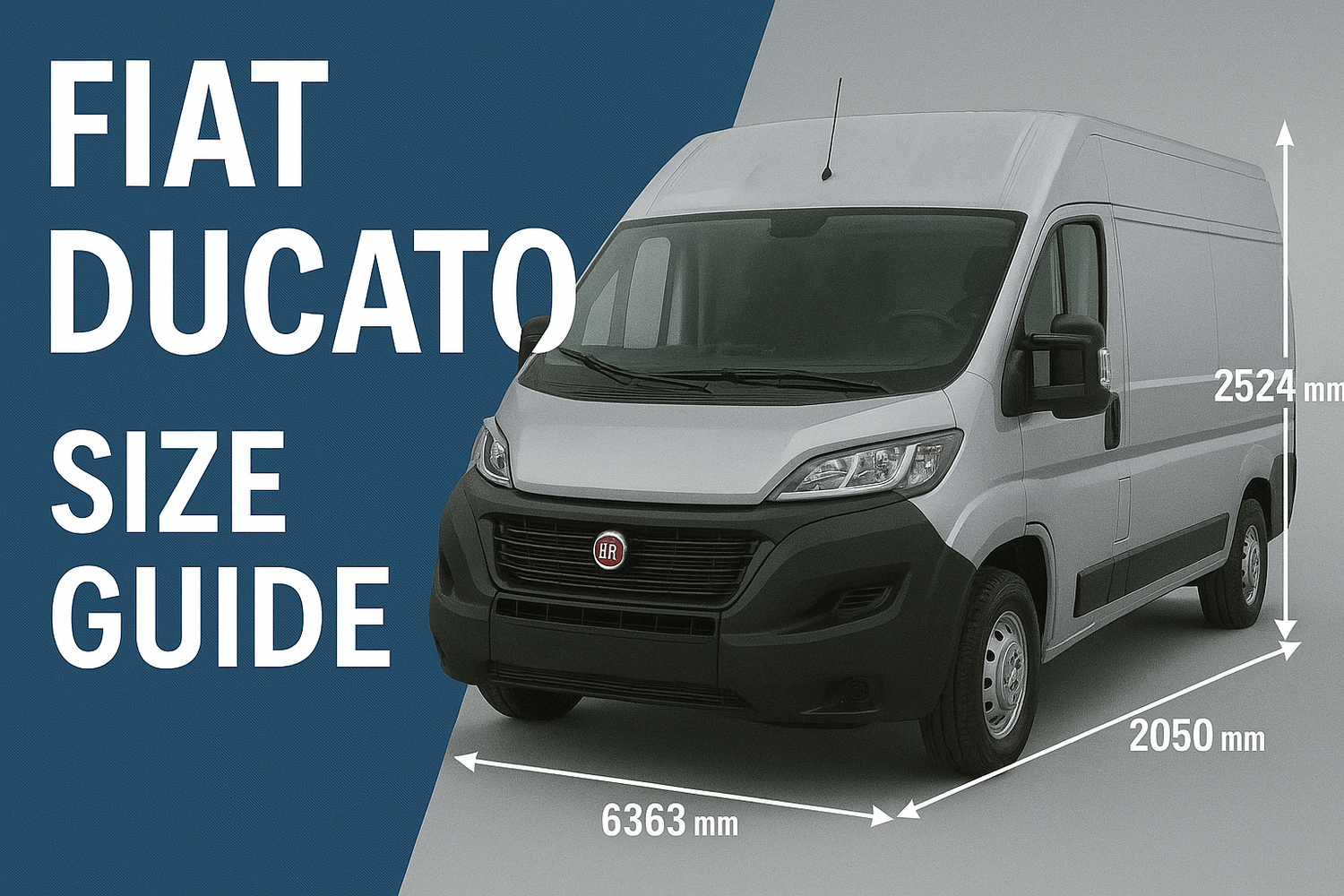
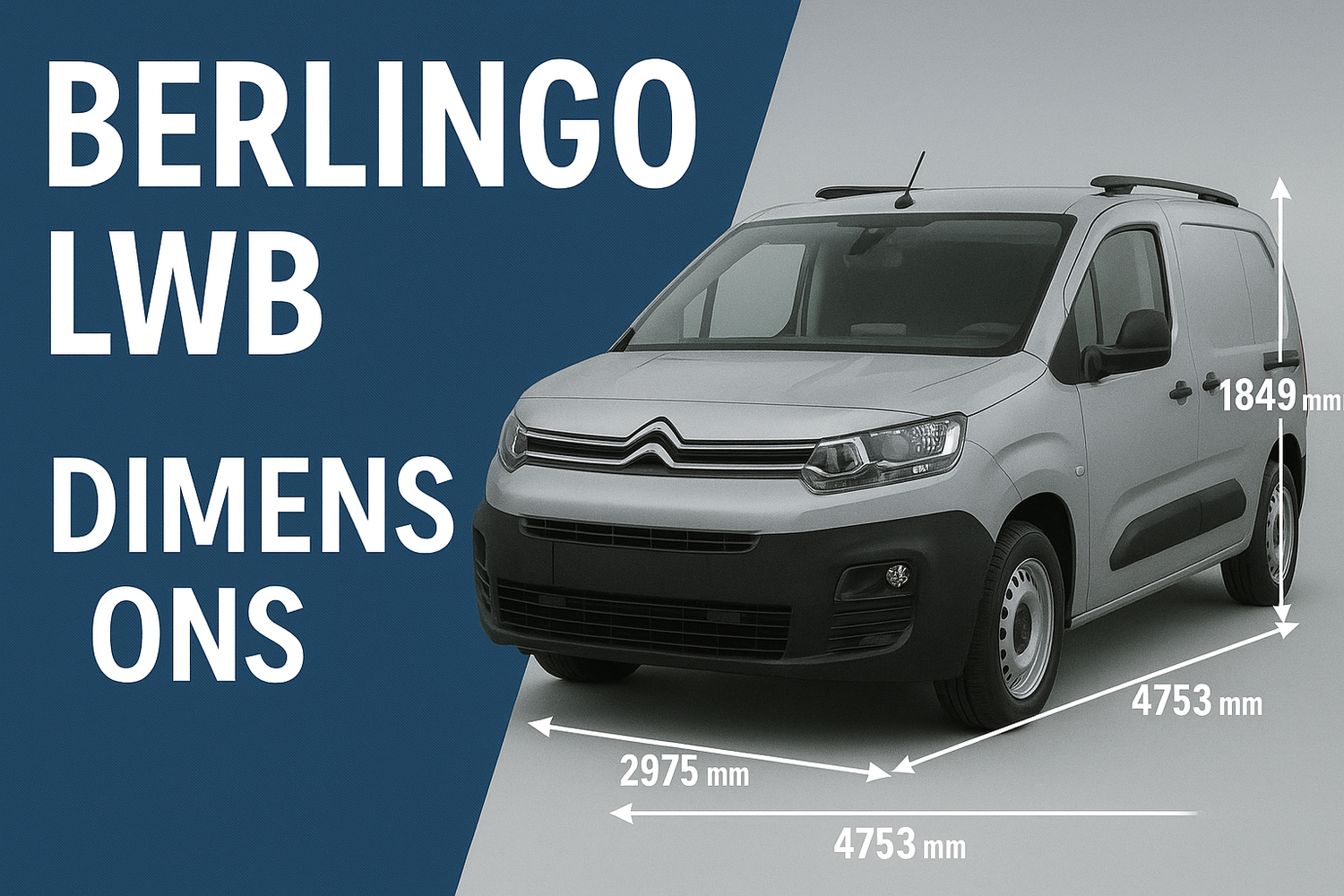
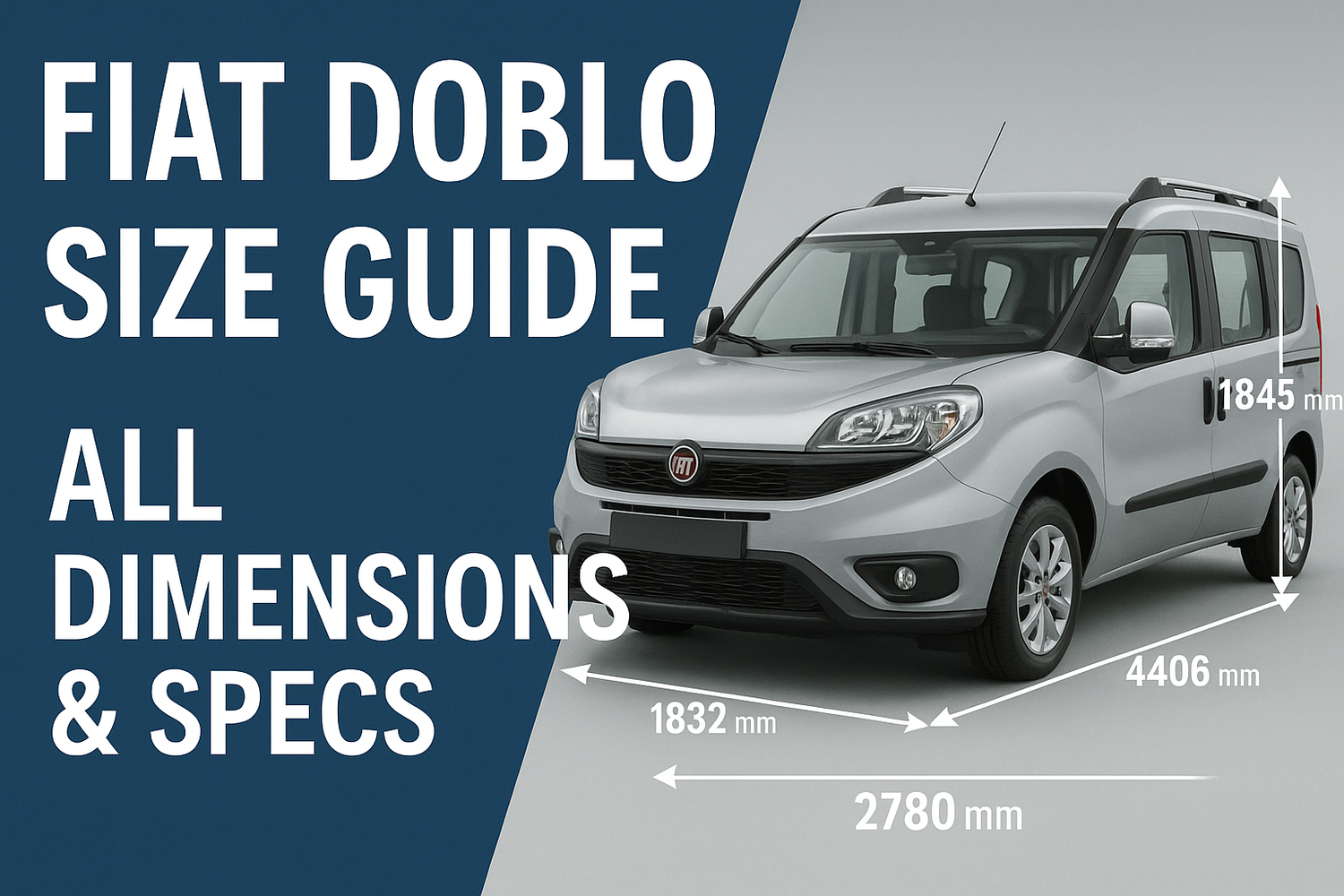

If you are trying to kit out a working van properly, Renault Trafic interior dimensions matter far more than the brochure headline payload figure. A few centimetres can be the difference between a clean shelving install and a van that never quite works on site. For tradespeople, fitters and fleet users, knowing the usable space inside the Trafic helps you buy once and organise it properly.
Why Renault Trafic interior dimensions matter
The Renault Trafic sits in a sweet spot for a lot of UK trades. It is compact enough to live with every day, but large enough to carry tools, stock and equipment without feeling cramped. That is exactly why the internal measurements matter - this van often has to do several jobs at once.
A plumber might need room for pipe, fittings, adhesives and a false floor. An electrician may want side shelving, consumables storage and clear floor space for steps or trunking. A maintenance engineer might need a mobile workshop layout with drawers, bins and a secure worktop. In all of those cases, the interior dimensions are not just numbers. They shape how productive the van is from Monday to Friday.
The key point is this: published dimensions give you a starting point, but your real concern is usable space. Wheel arch intrusion, bulkhead position, door opening width and roof height all affect what you can actually install and how easy it is to work from the van.
Renault Trafic interior dimensions at a glance
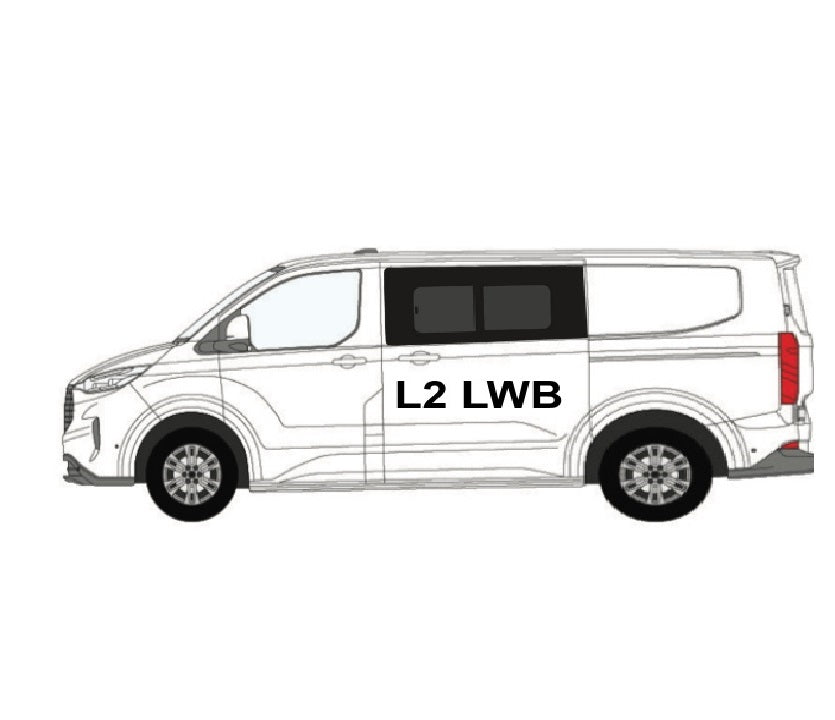
The Trafic has been sold in a few body lengths and roof heights, but the most common UK panel van versions are L1H1 and L2H1. Some higher-roof versions are also available depending on model year and trim.
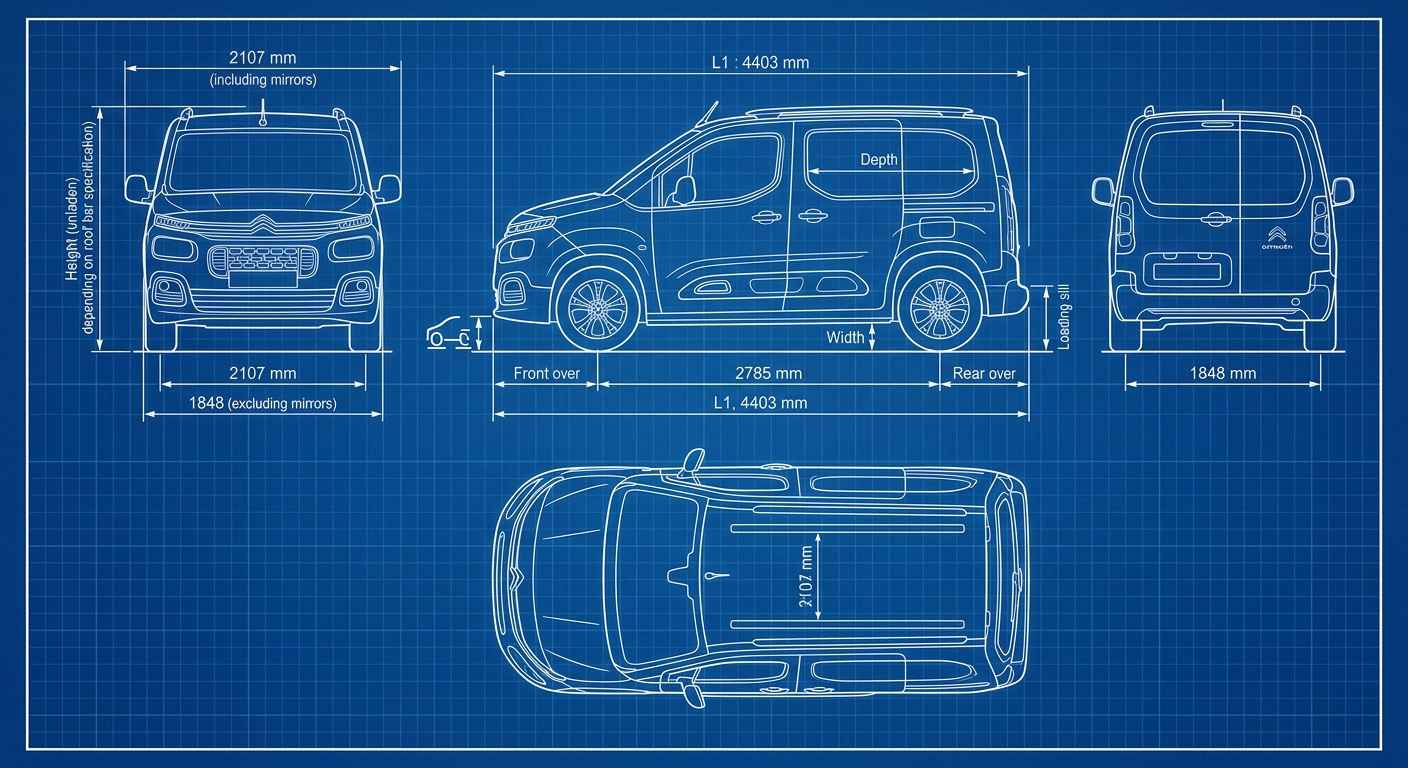
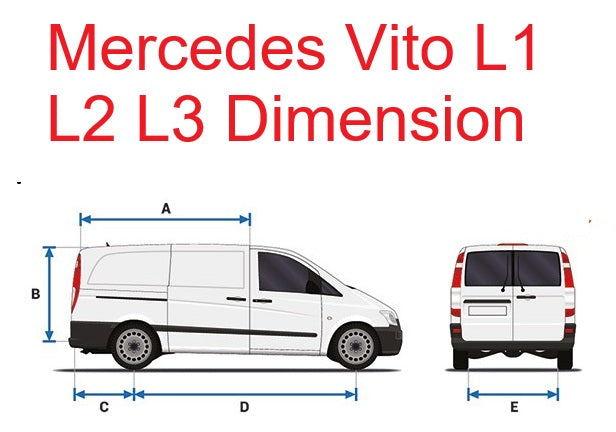
Typical Renault Trafic interior dimensions are broadly as follows:
- Load length at floor level: around 2,537mm in L1 and around 2,937mm in L2
- Maximum load width: around 1,662mm
- Width between wheel arches: around 1,268mm
- Internal height in H1 models: around 1,387mm
- Rear door load opening width: around 1,391mm
- Side door opening width: around 1,030mm
Load length - where layout decisions start
For most tradespeople, load length is the first measurement that affects the build. The short wheelbase L1 Trafic gives you enough room for shelving on one side and open floor space on the other, which suits general trade use well. It works for tool cases, stacked parts boxes and everyday hand tools without making the van too long to park or manoeuvre.
The L2 version gives you more freedom. That extra length can make a real difference if you carry longer items such as conduit, copper pipe, trunking, skirting, lengths of timber or folded access equipment. It also gives you more flexibility if you want a full-height racking run while still keeping clear floor area near the doors.
There is a trade-off, though. A longer van gives you more install options, but if most of your work is in tight town centres, car parks or domestic streets, the shorter body may be the more practical choice overall. More van is not always better if it slows you down day to day.
Width and wheel arch spacing
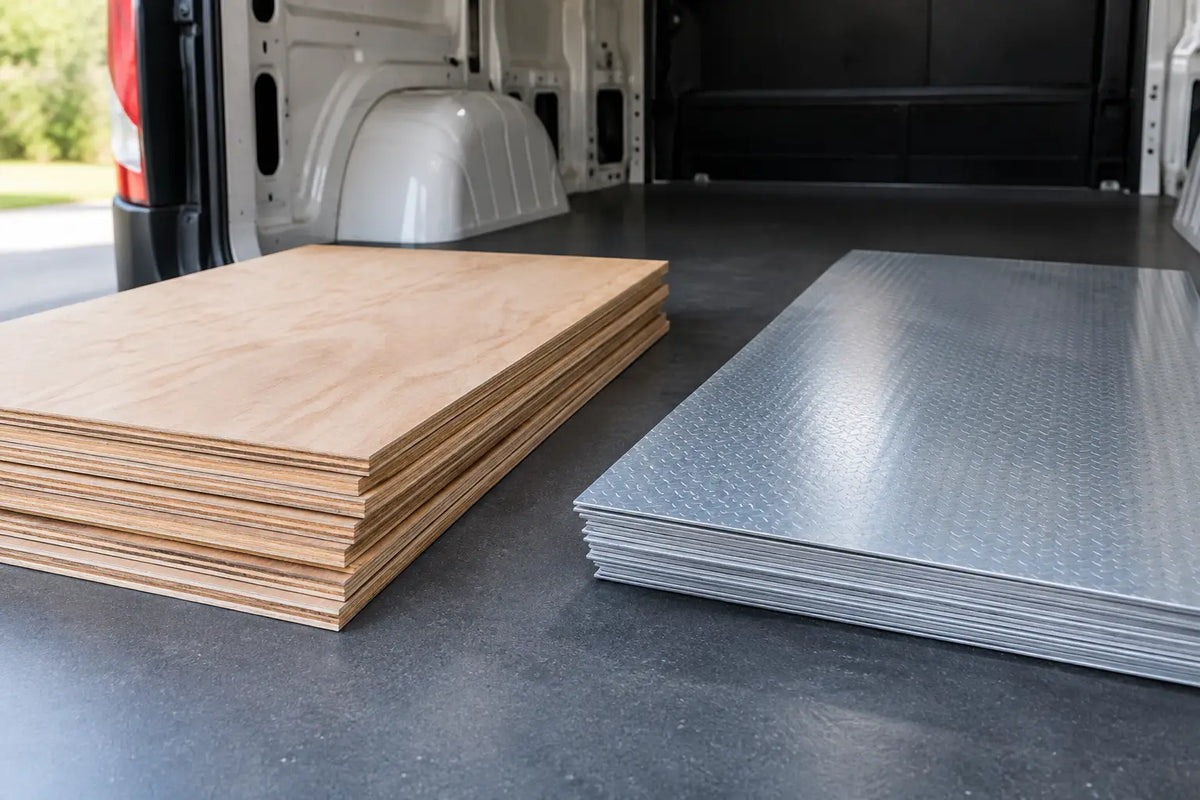
The headline load width on a Renault Trafic is generous enough for most standard van storage systems, but the measurement between the wheel arches is the one that really matters for floor use. At roughly 1,268mm, you can usually get a standard plasterboard sheet or pallet between the arches, which is useful if the van has to handle mixed jobs.
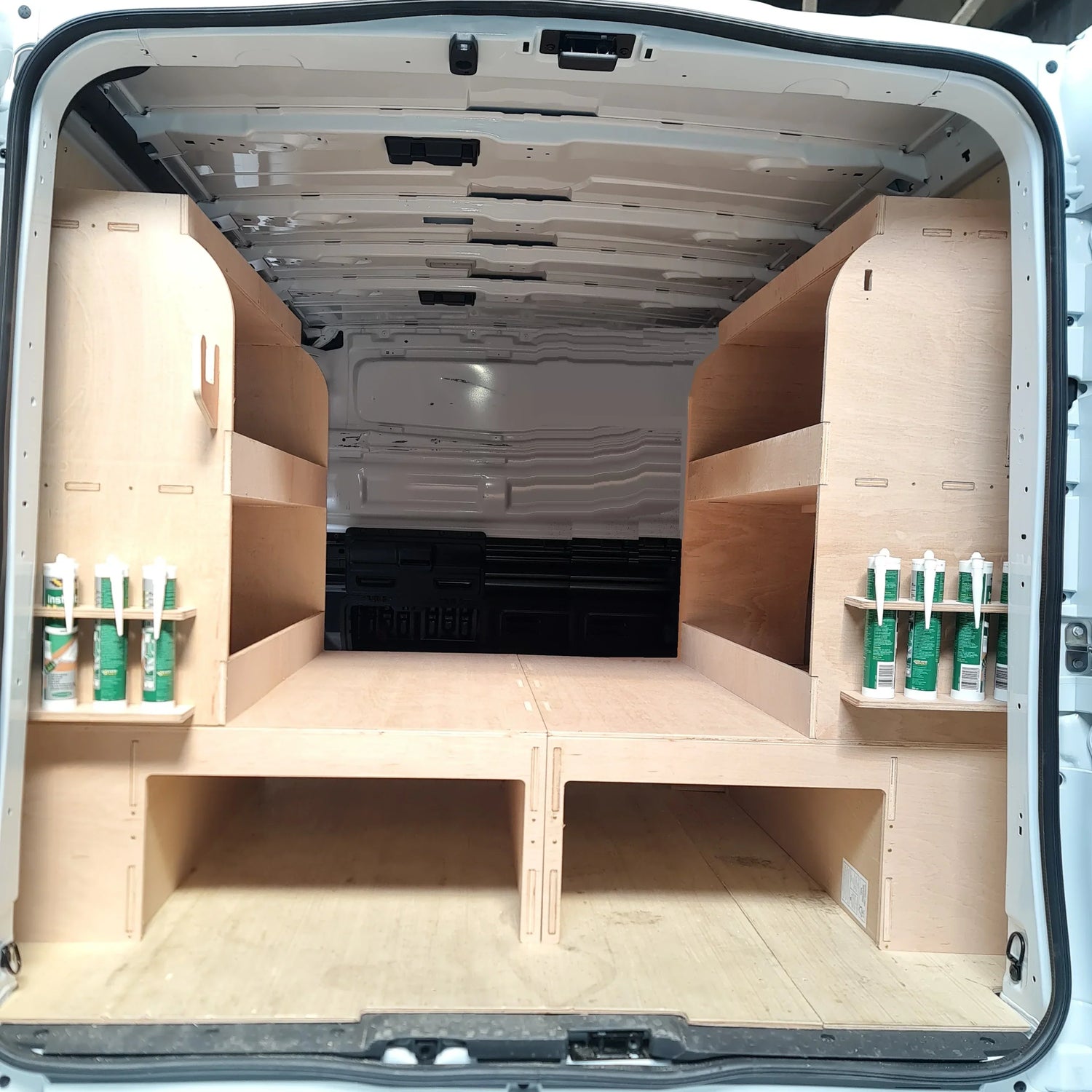
From a storage point of view, this width gives you options. You can fit side shelving while preserving a usable centre walkway, or combine one full shelving bank with storage modules at the bulkhead. If your work involves carrying larger boxed equipment or bulky cases, the wheel arch width helps determine whether they can sit flat on the floor or need to be stacked.
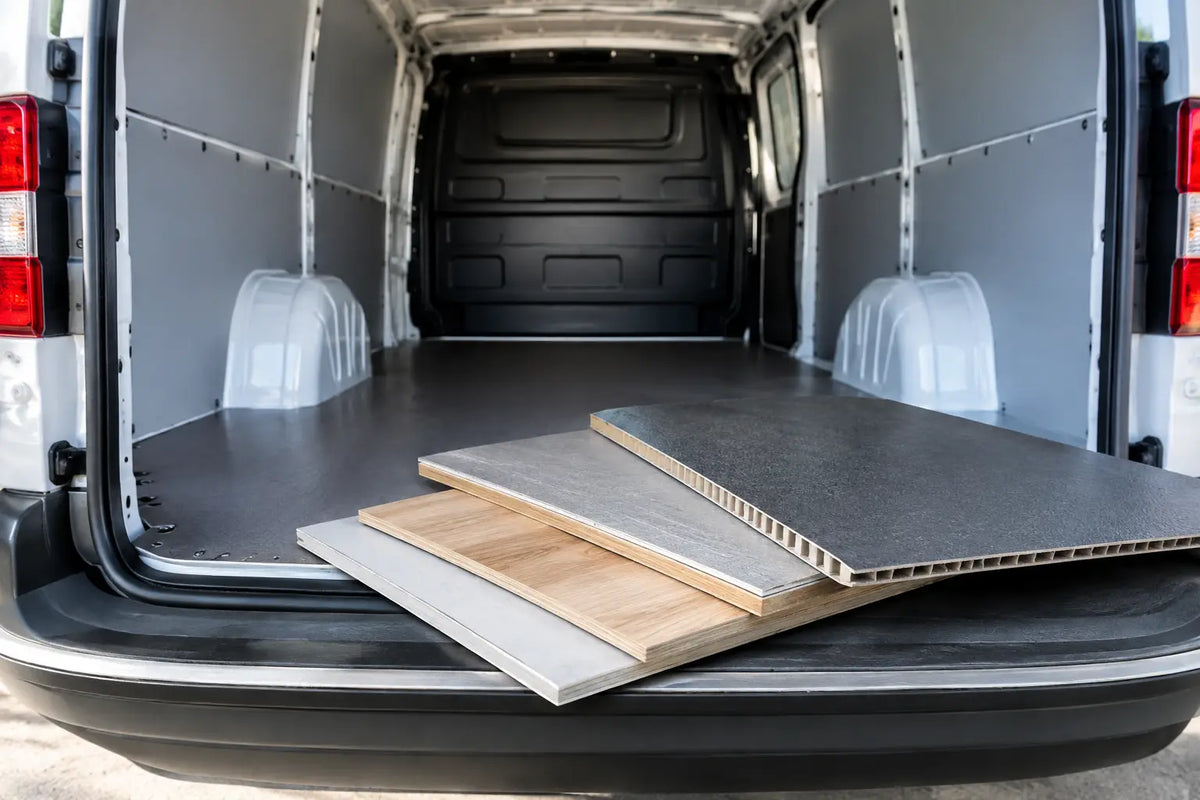
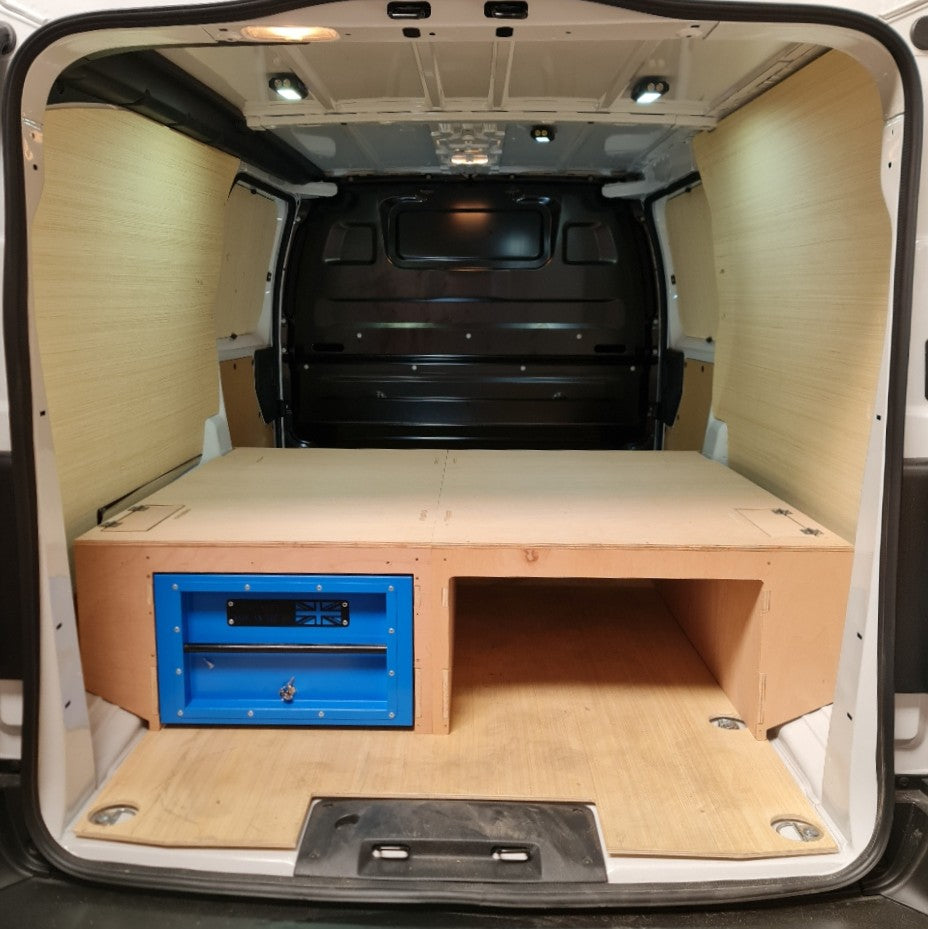
It also affects false floor design. A well-fitted false floor can turn dead space into long-item storage, but it needs to work around the arches cleanly. Get that right and the floor remains practical. Get it wrong and every load becomes awkward.
Internal height - enough for storage, not for standing
Most Trafic vans on UK roads are standard roof H1 models, with an internal height of around 1,387mm. In plain terms, that is enough for strong upper shelving, storage bins and organised side racking, but not enough for most people to stand upright inside.
That matters when planning your van layout. In a lower-roof van, you need to think carefully about shelf depth and height so that access stays easy from the side and rear doors. Deep upper shelves can create good storage capacity, but if they start blocking visibility or making the interior feel cramped, they can work against you.
For many trades, the standard roof is still the right call because it keeps the van easier to drive and generally cheaper to run. But if your van doubles as a heavier mobile workshop and you spend a lot of time working inside it, a higher roof can be worth considering.
Door openings and access
Interior space is only useful if you can reach it quickly. That is why door opening dimensions matter nearly as much as the internal measurements themselves.
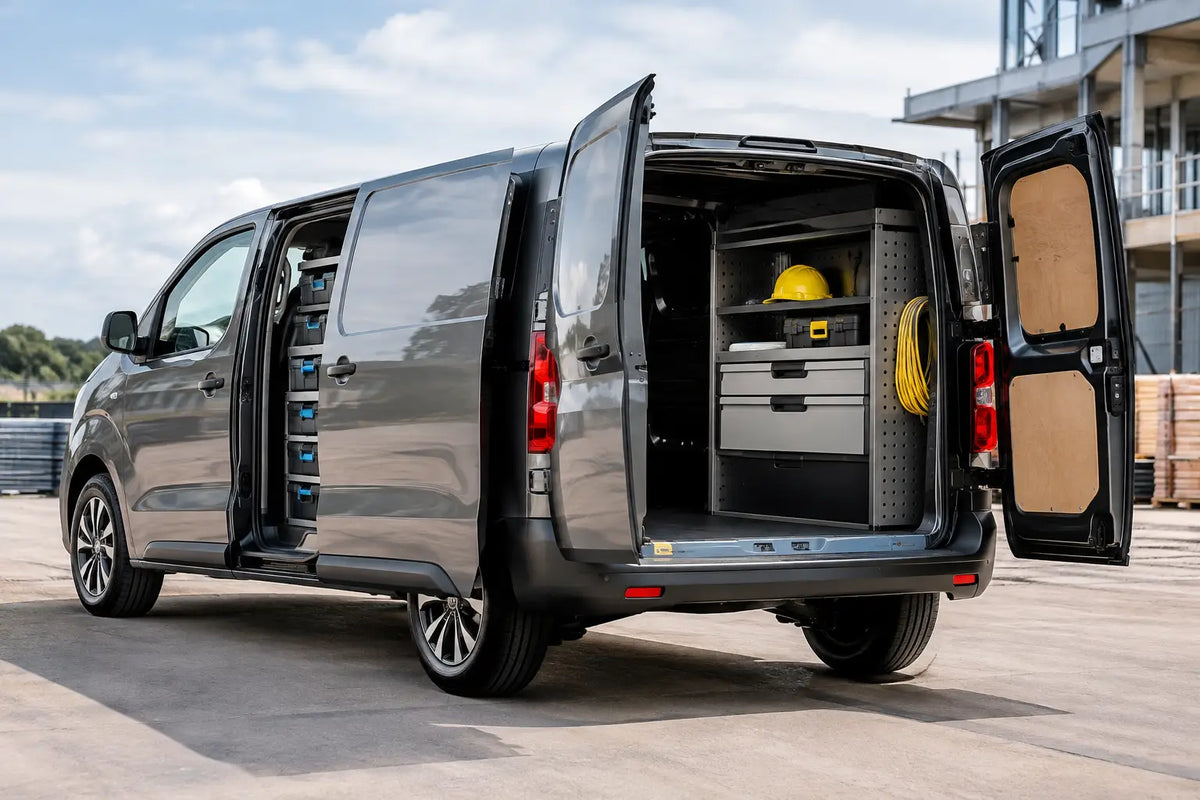
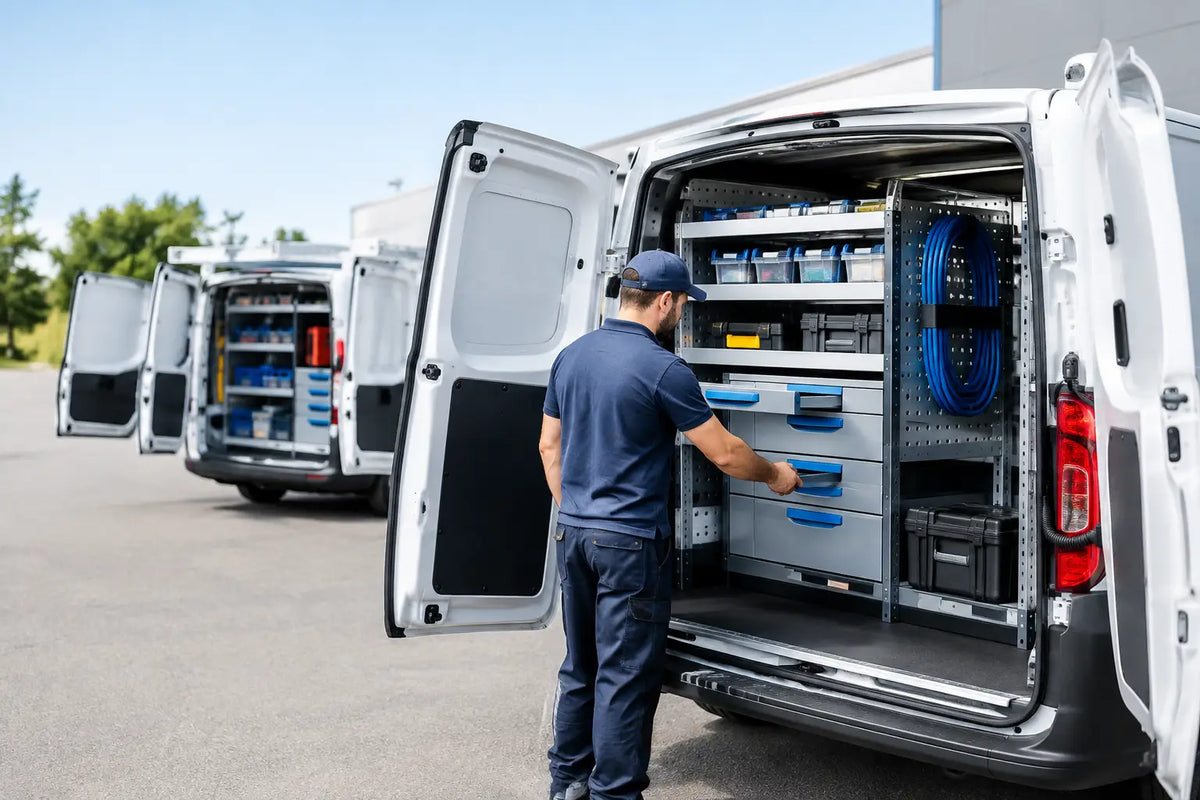
The Trafic's side loading door is wide enough for most tool cases, shelving access and regular loading tasks. Rear access is also good, which makes the van easy to work from when parked on site. If you are fitting racking, this matters because the most efficient setup is not always the one with the most storage. It is the one that lets you get to what you need without climbing in and shifting three other items first.
A common mistake is filling every available panel with storage. On paper, that looks efficient. In practice, it can make the van slower to work from. The better approach is to use the dimensions to create a layout that matches how you actually load, unload and work.
What the Renault Trafic dimensions mean for shelving and racking
When people search for Renault Trafic interior dimensions, they are often really asking a more practical question: what can I fit in it, and how should I organise it?
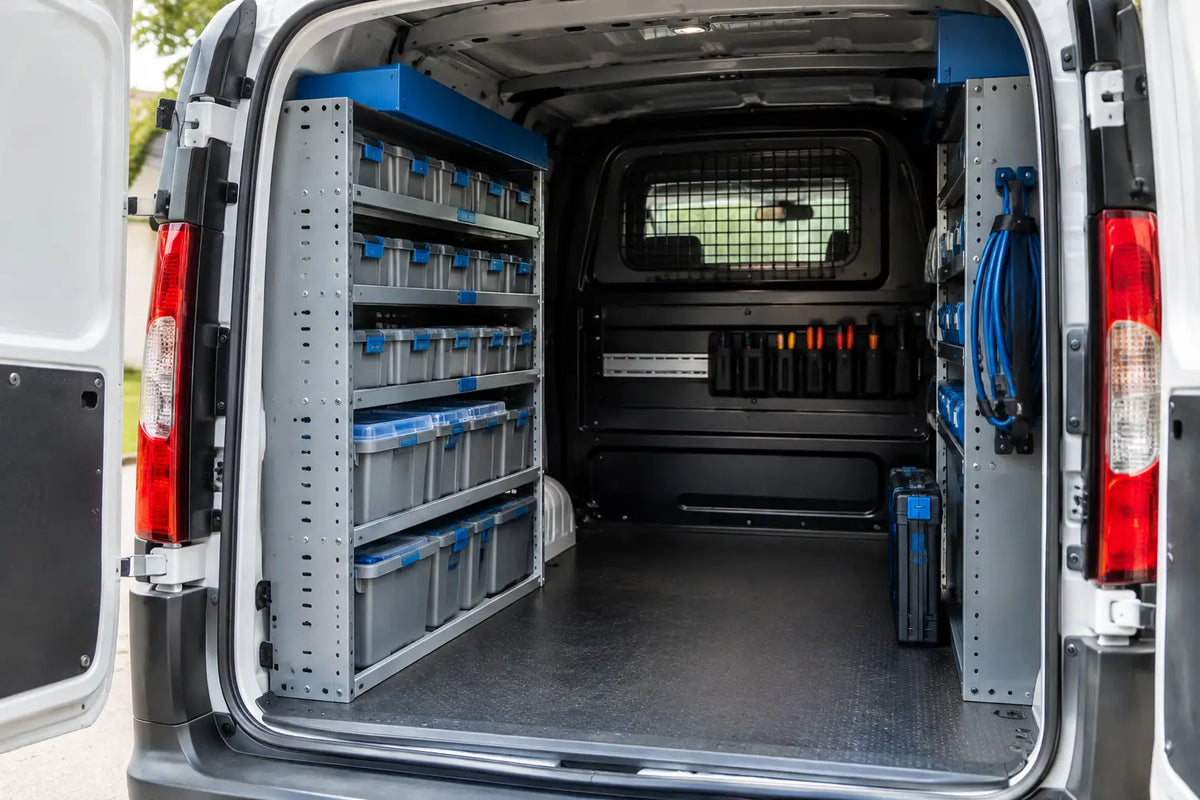
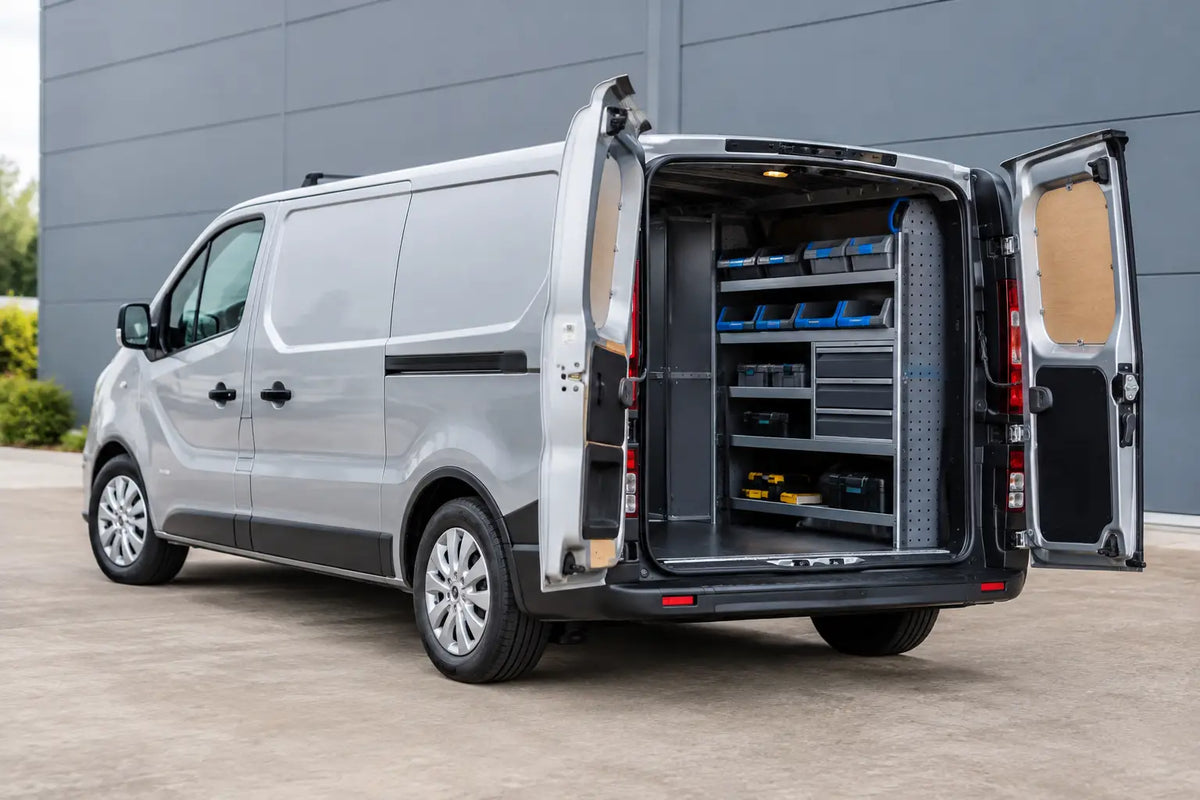
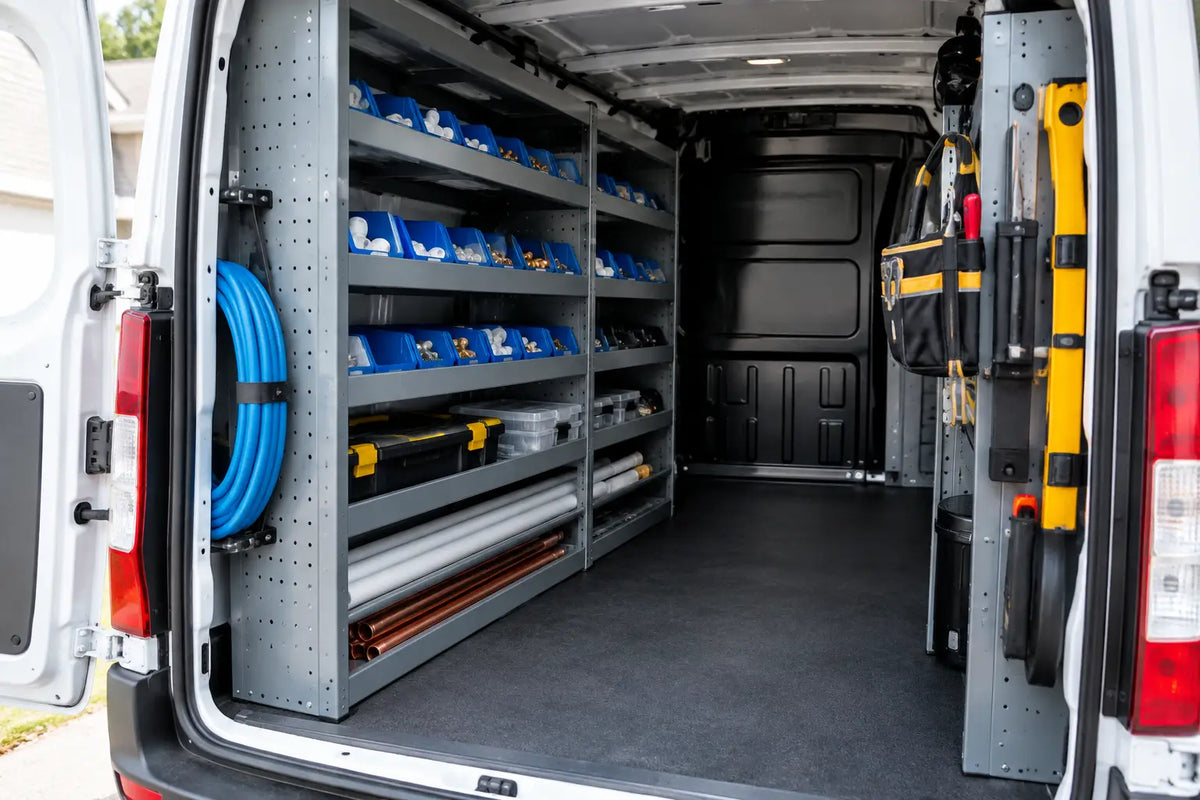
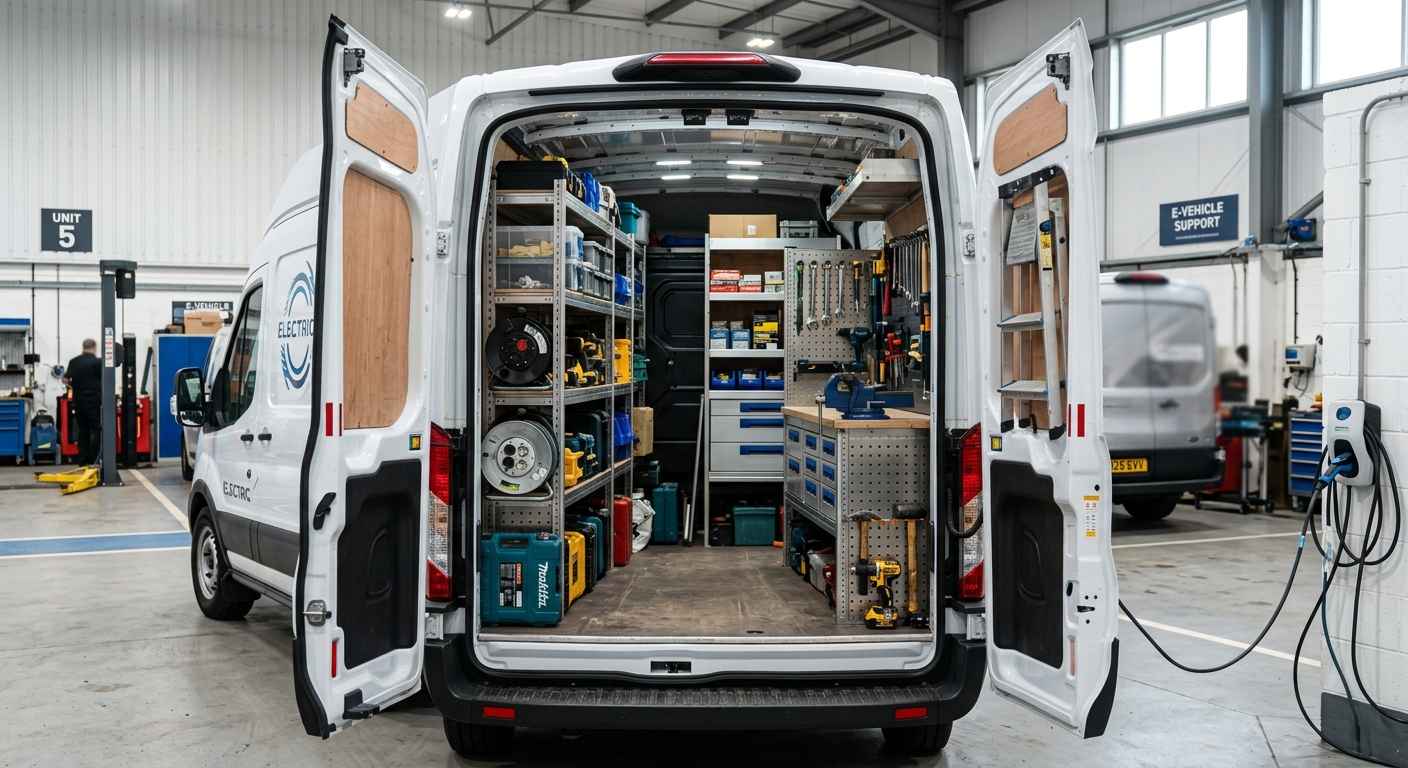
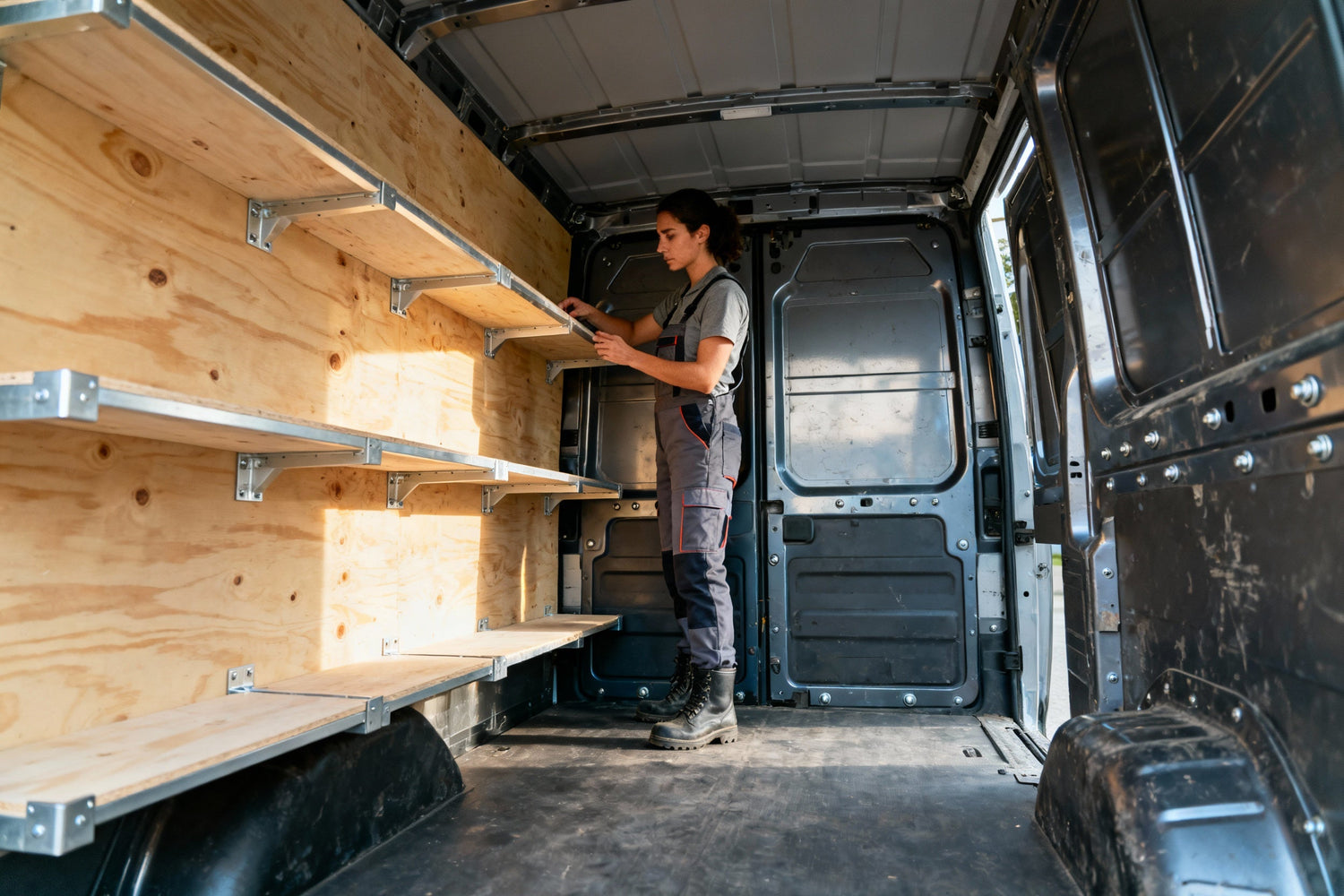
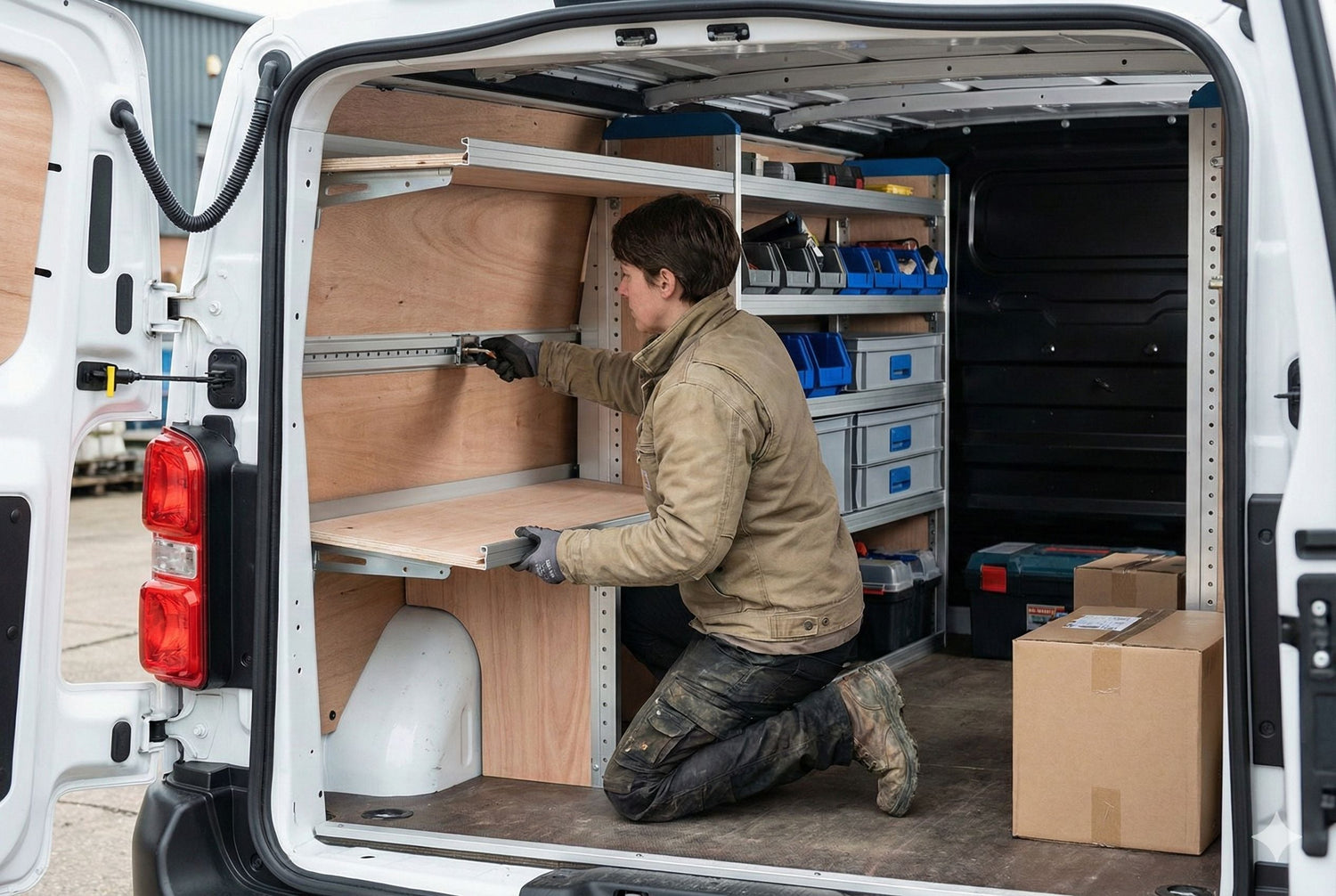
In most Trafic setups, one side shelving bank is the cleanest starting point. It keeps small tools, fixings, sealants, wipes and consumables organised while leaving floor space open for larger kit. This suits electricians, plumbers, builders and general maintenance trades because it balances storage with flexibility.
If you carry a wider stock range, twin side racking can work, especially in an L2 model. But that setup is best when you are carrying mostly smaller items and not much sheet material or bulky plant. Once both sides are built out, floor space becomes more limited, so the van starts behaving more like a stock van than a general load carrier.
False floors are also a strong option in the Trafic because they make good use of the lower section without sacrificing standing room that you did not really have in the first place. Long-item storage under the floor can free up the main load area for day-to-day tools and jobs.
If you are comparing layouts, the aim is simple: keep high-frequency items closest to the door, low-frequency items deeper in the van, and leave enough open space for the jobs that change from week to week.
Model year differences and why exact fit still matters
Renault Trafic dimensions are fairly consistent across many versions, especially where aftermarket racking is concerned, but there are still differences between generations and shared-platform vans. Bulkhead shapes, door trims, floor contours and fixing points can all alter how a storage system fits.
That is why vehicle-specific shelving matters. Universal units can seem cheaper at first glance, but they often waste space or need adjustment on install. A model-matched system usually makes better use of the Trafic's shape and saves time when fitting.
For working vans, that matters. Downtime costs money. So does a layout that rattles, shifts or leaves awkward dead space.
Choosing the right setup for your work
There is no single perfect Trafic layout because the right answer depends on your trade. A decorator carrying dust sheets, paint, fillers and masking gear needs a different arrangement from a heating engineer carrying fittings, press tools and spare parts. The dimensions tell you what is possible, but your workload tells you what is sensible.
As a rule, if your van carries mixed loads, keep the floor open and build storage around the edges. If your van is more of a rolling parts room, prioritise shelving density and labelled compartments. If it is a proper mobile workshop, think in zones - tools, stock, consumables and workspace.
That is where purpose-built systems come into their own. At Vanshelves.co.uk, the point is not just to fill the van. It is to make the space work harder every day.
Before you buy any shelving, measure the exact van, think about what lives in it most often, and be honest about how you use the doors. The best setup is not the one with the most kit bolted in. It is the one that saves you time every time you stop.