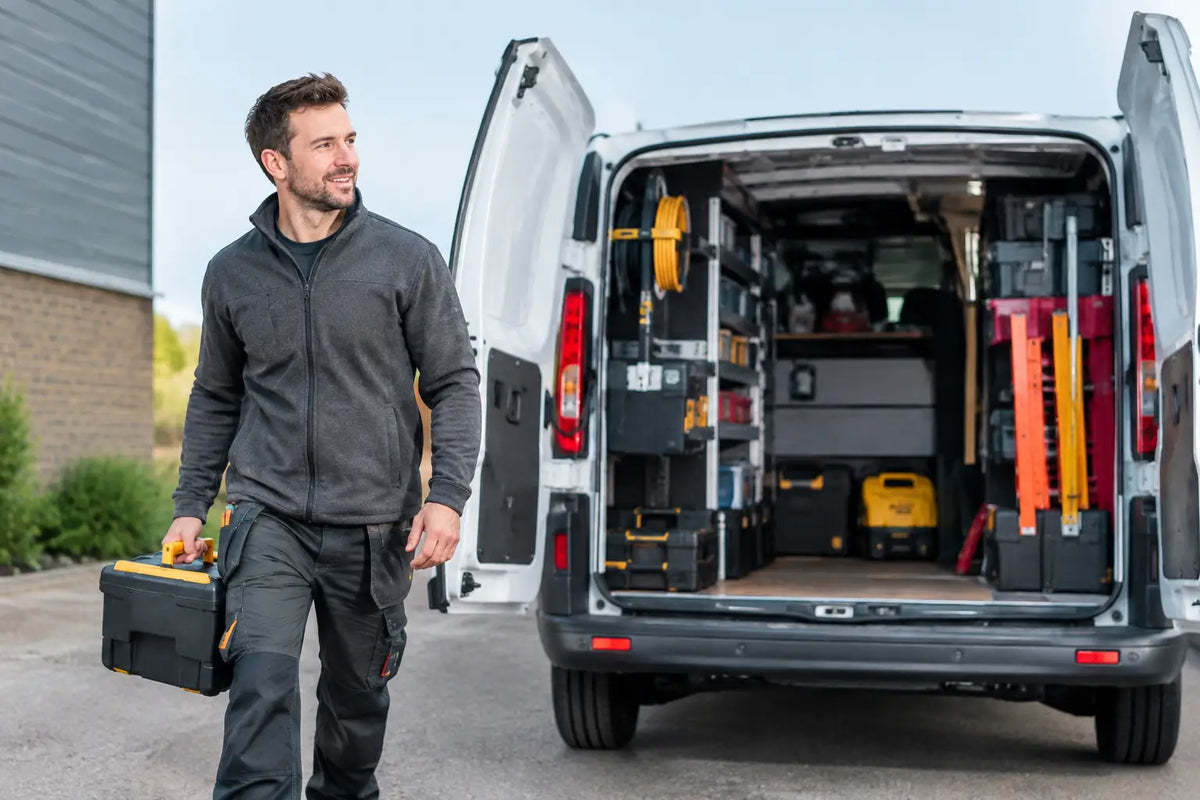




If your tools end up piled on top of each other by midweek, a Vauxhall Vivaro false floor usually fixes the problem faster than another grab bag or storage box. It turns wasted space under the load bed into proper storage, keeps the main floor clear, and makes the van easier to work from when time is tight and the job list is full.
For most trades, that matters more than it sounds. A van that stays organised saves minutes on every call-out, reduces damage to kit, and helps you present a more professional setup when you open the rear doors. The question is not whether extra storage is useful. It is whether a false floor is the right setup for how you use your Vivaro day to day.
What a Vauxhall Vivaro false floor actually does
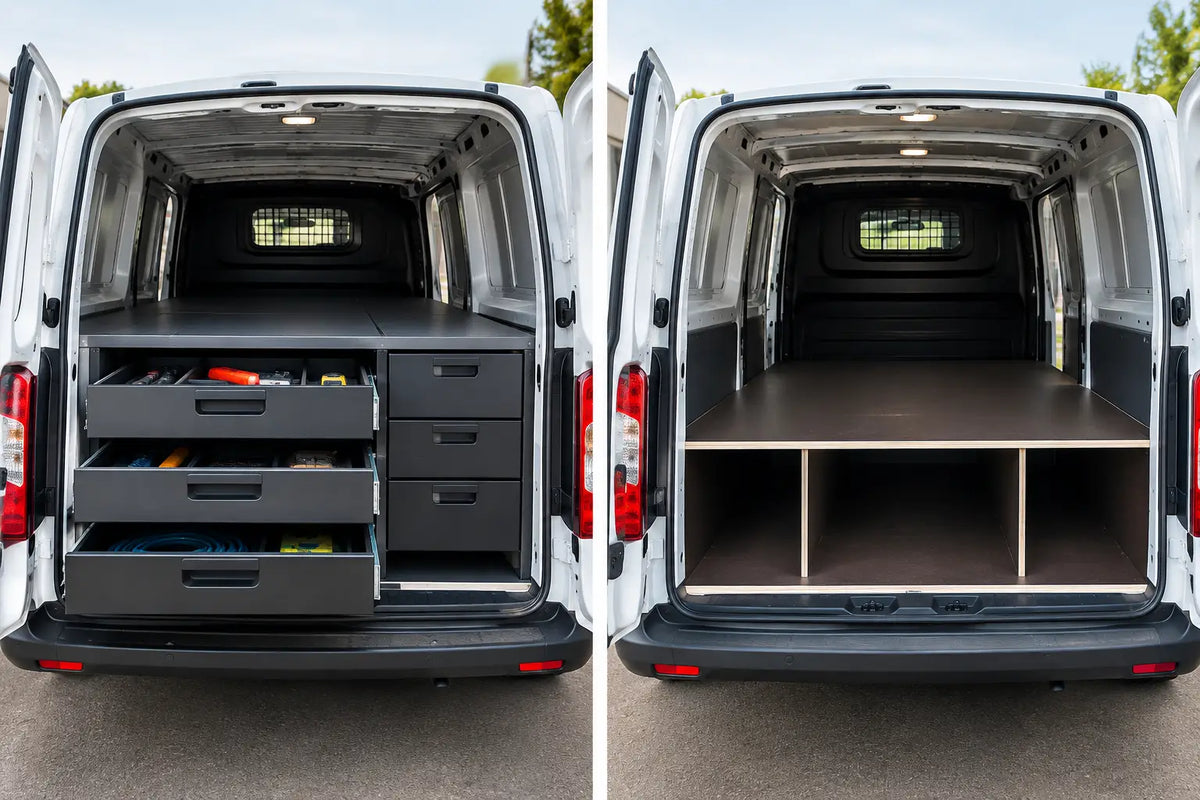
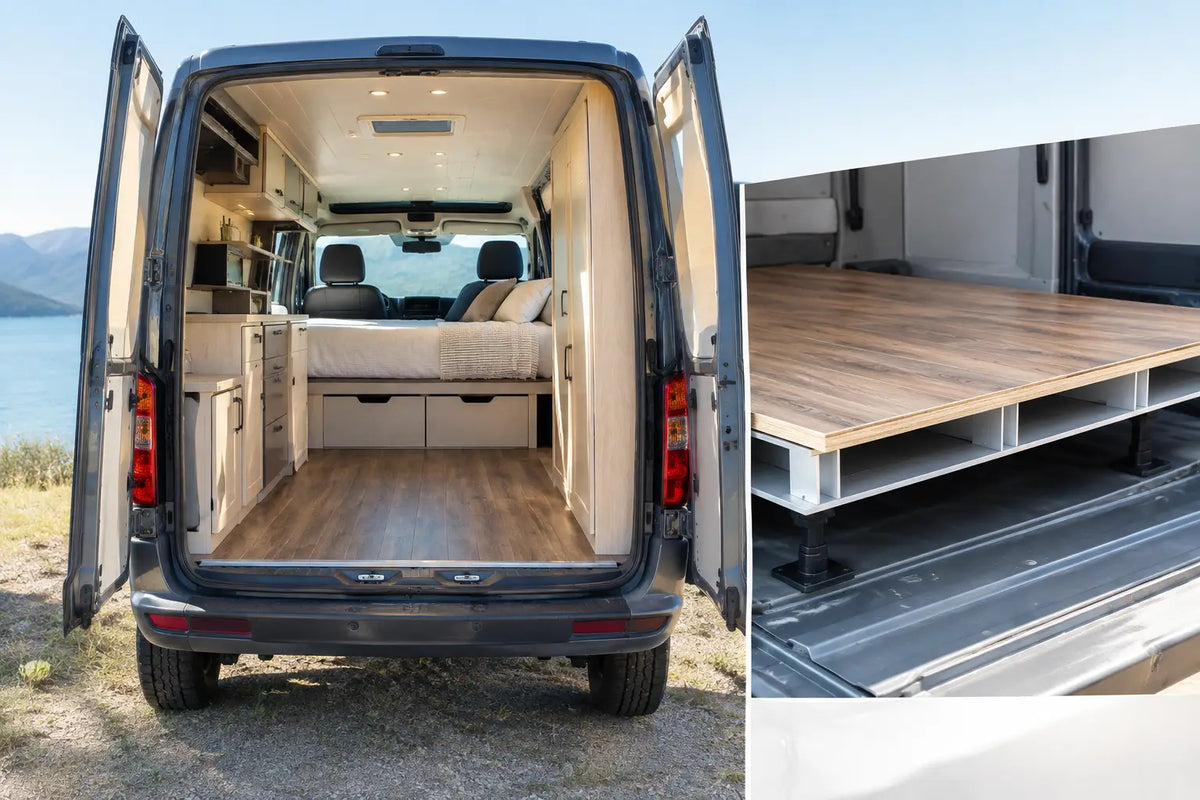
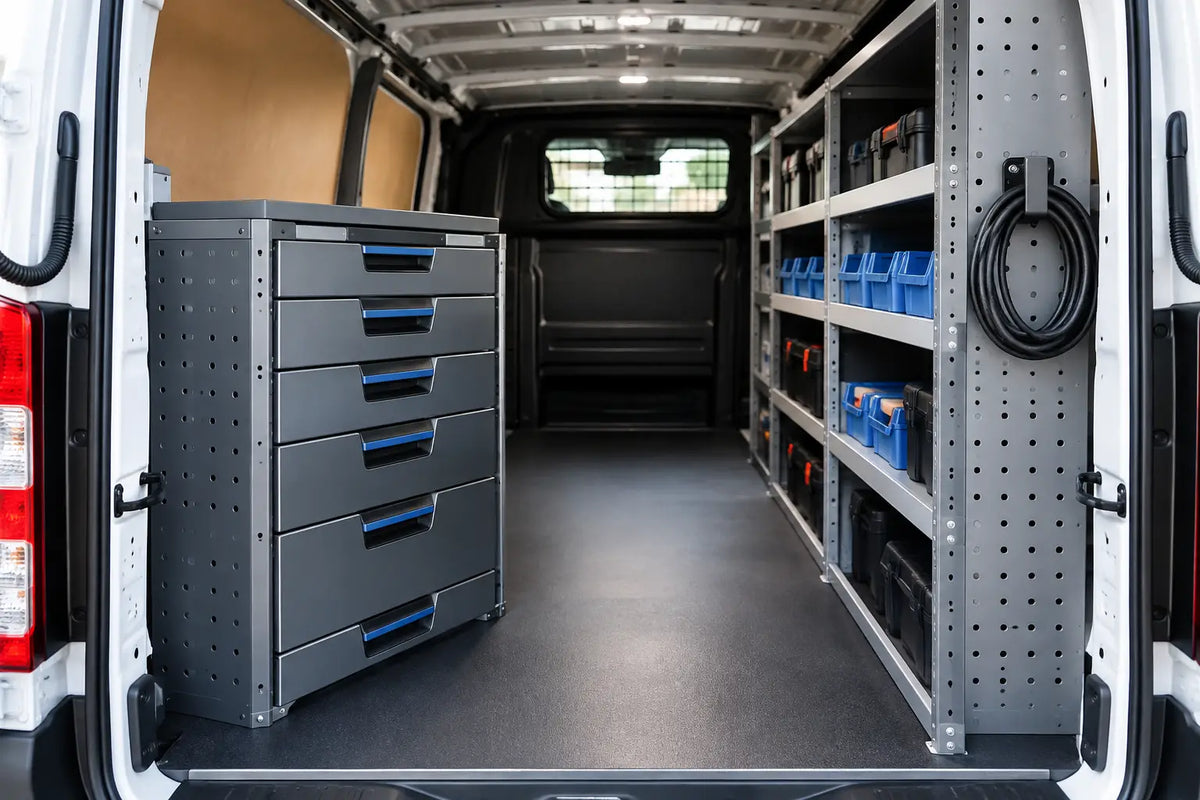
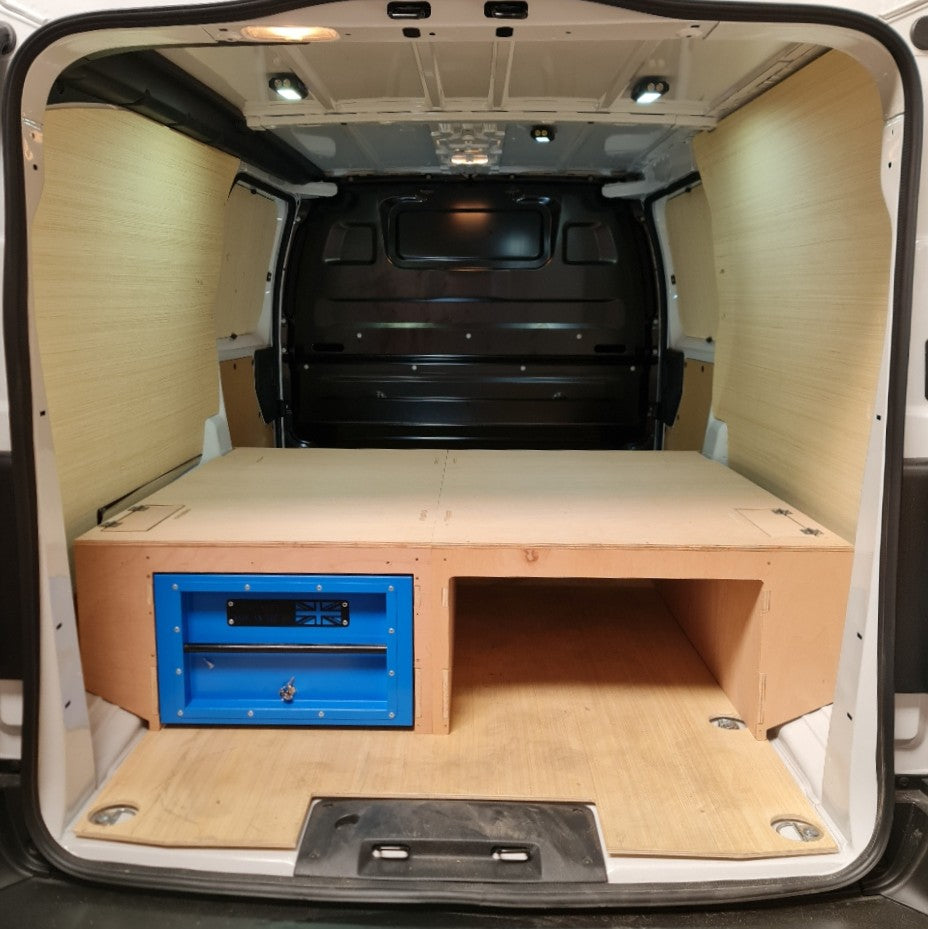
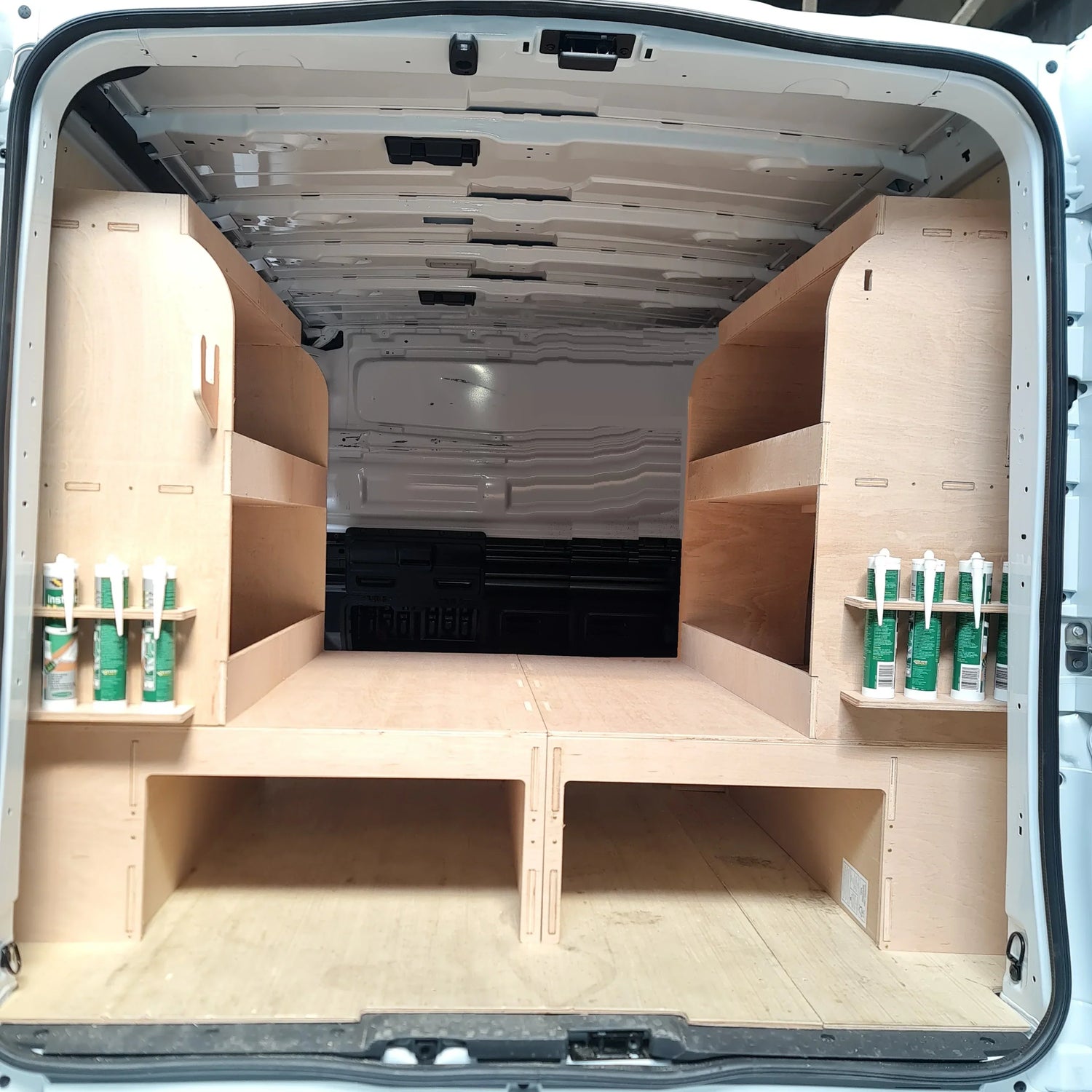
A false floor sits above the original van floor and creates a concealed storage section underneath, usually accessed through pull-out drawers. Instead of stacking tools, fittings and parts in the open load area, you store them below the top deck and keep the upper surface available for larger items, boxes or equipment.
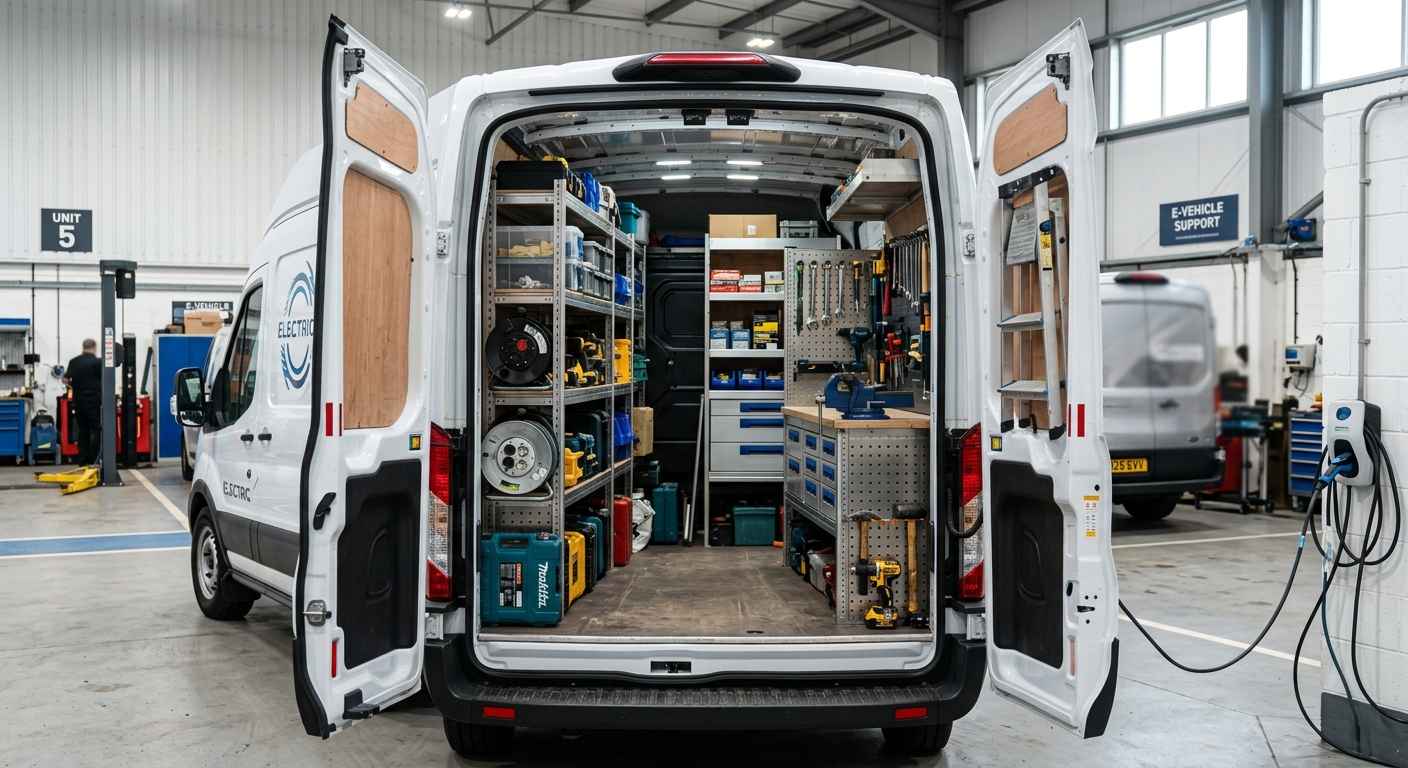
In a working Vivaro, that changes the van from basic transport into a more usable mobile workspace. You get a flat, consistent top surface and dedicated space underneath for the items you reach for all the time. For electricians, that may be testers, fixings and hand tools. For plumbers, it might be pipe fittings, sealants and small power tools. For decorators and maintenance teams, it can mean cleaner separation between bulky gear and smaller consumables.
It is a practical upgrade, not a cosmetic one. The real benefit is speed and control.
Why tradespeople choose a Vauxhall Vivaro false floor
The biggest advantage is access. When tools are stored in drawers, you can see what you have straight away instead of unloading half the van to get to one case buried at the back. That makes a difference on site, especially in poor weather or on jobs where parking space is tight and you need to work from the rear or side doors quickly.
The second benefit is space management. A false floor lets you use the height of the load area more efficiently. Without one, small items spread across the floor or get shoved into crates. With one, the small gear goes underneath and the open area on top stays usable.
There is also the issue of wear and tear. Loose equipment slides, knocks into other tools and gets damaged. A proper drawer system reduces that movement. It also helps keep expensive kit out of sight when the van doors are open briefly on site.
Then there is the daily frustration factor. Most van storage problems are not dramatic. They are small, repeated annoyances - looking for drill bits, finding damaged boxes, moving parts around to load materials, wasting ten minutes at the start and end of each job. A false floor cuts that wasted time down.
When a false floor makes the most sense
It suits drivers who carry a mix of small tools, fittings and medium-sized equipment every day. If your Vivaro works as a mobile workshop rather than just a delivery van, the setup is usually worth serious consideration.
It is especially useful for multi-trade use, service engineers and anyone doing several stops in a day. When you are in and out of the van constantly, drawer access is quicker and less tiring than climbing in to shift gear around.
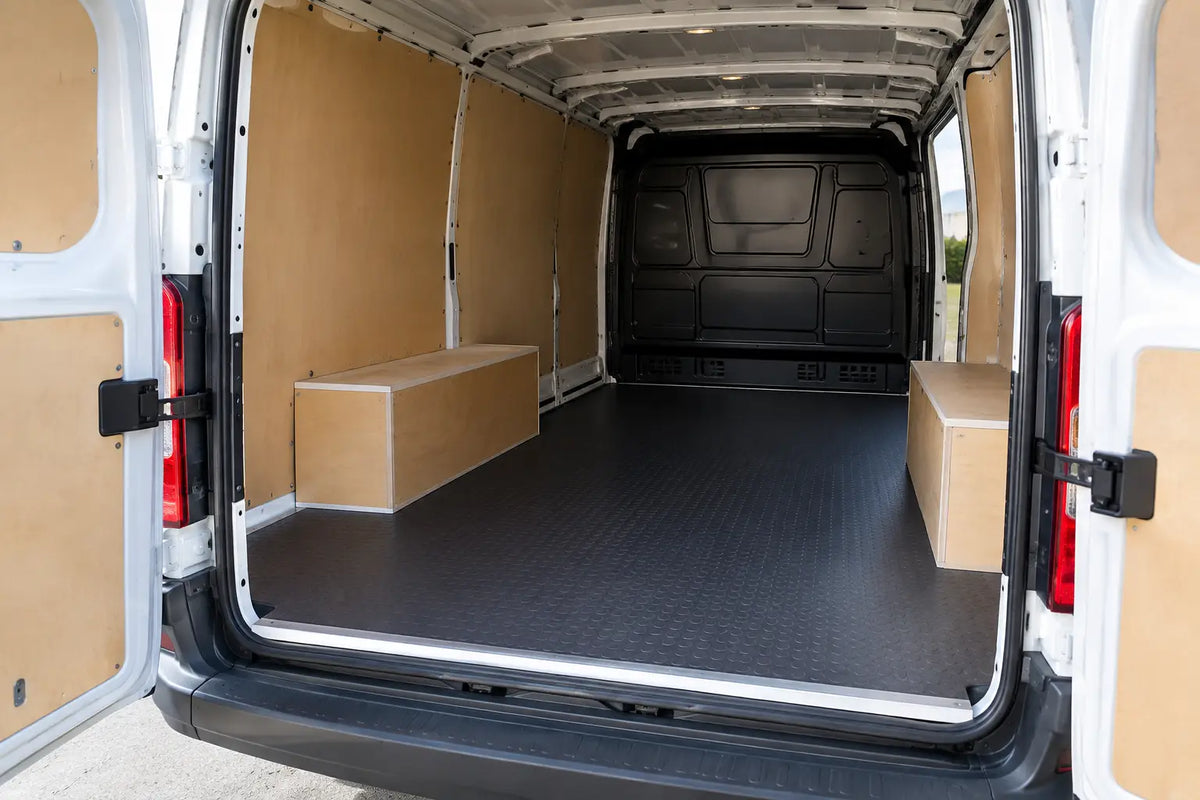
If you regularly transport sheet materials, larger boxes or longer items, a false floor can still work well because the top deck remains flat. That means you do not lose your usable floor area in the same way you might with some side-mounted storage layouts.
The best fit depends on your working pattern. Someone carrying ladders, heavy plant or tall equipment all day may need to think more carefully about weight, loading height and how much underfloor storage they really need. A false floor is useful, but only if it supports the work rather than getting in its way.
Trade-offs worth thinking about
A false floor is not magic extra space. It reorganises space and makes it work harder, but it also raises the main load surface. That higher floor height can be a drawback if you regularly lift very heavy items into the van by hand.
Weight is another factor. Any fitted storage system adds weight, and that matters if your van already carries a full load of tools and materials. A well-built system should be durable enough for trade use without adding unnecessary bulk, but payload always needs checking against how your Vivaro is actually used.
You should also think about access style. Drawer-based storage is excellent for smaller equipment and organised kit, but if your work involves irregular-shaped items, very tall cases or bulky machinery, side shelving or a mixed setup may be more practical.
That is why the right answer is not always the largest storage system available. It is the one that matches your daily kit list.
False floor or shelving in a Vivaro?
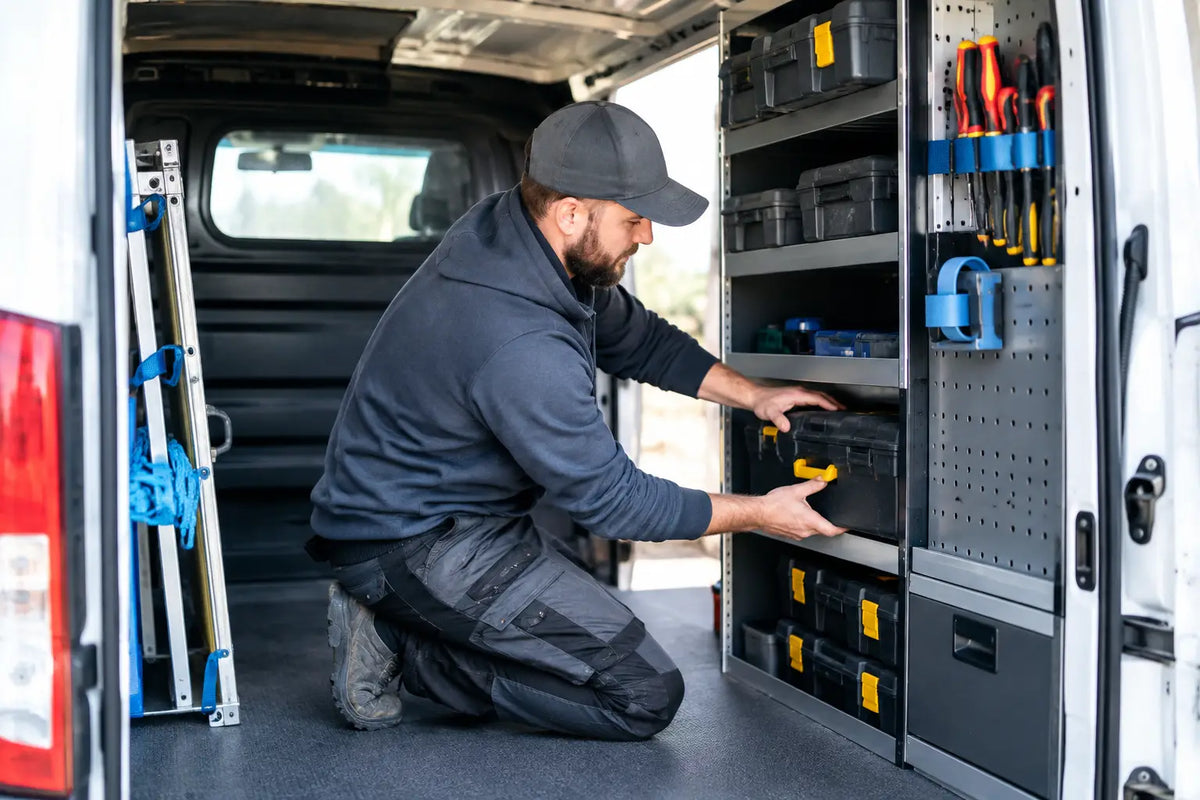
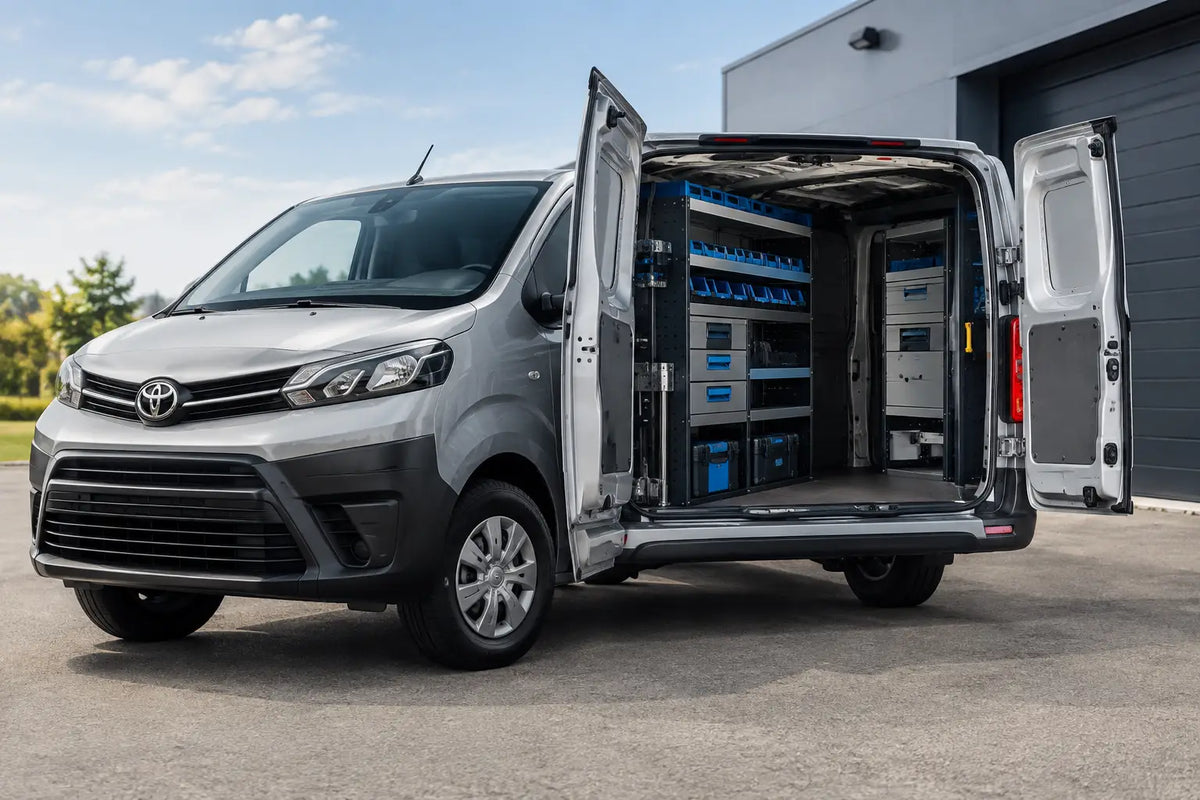
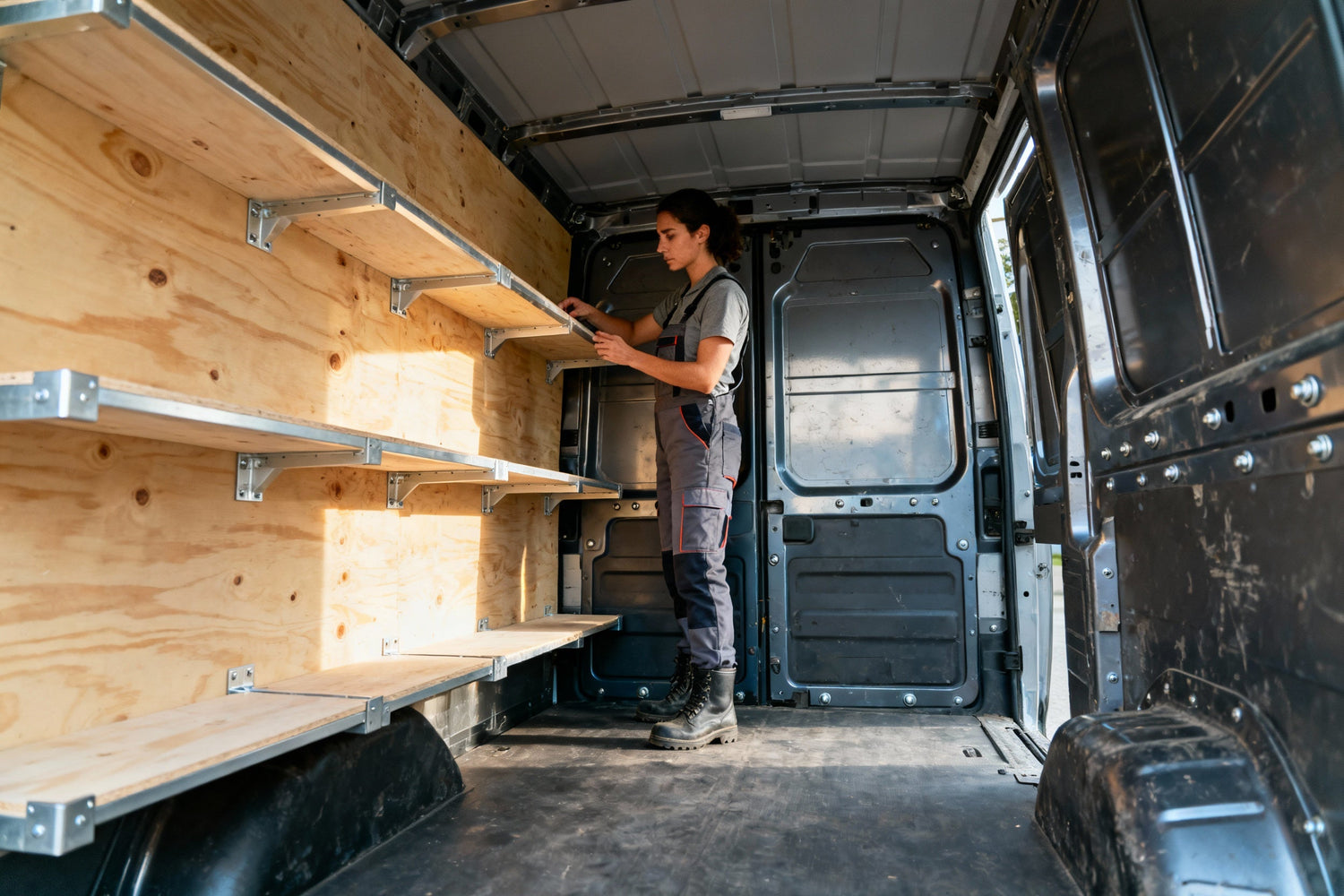
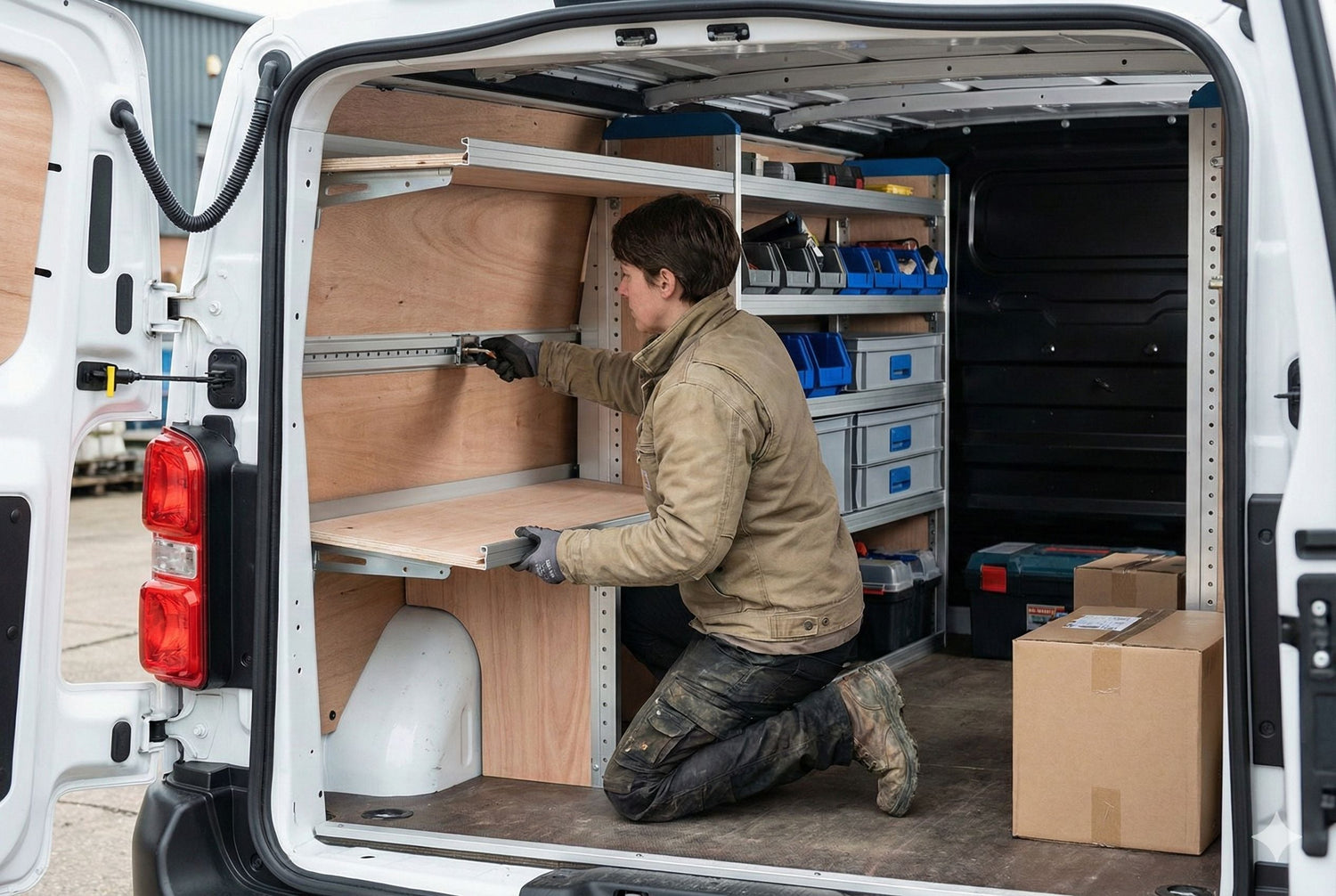
This is where many buyers get stuck. Shelving gives visibility and works well for boxes, sprays, parts bins and items you want at eye level. A false floor keeps things lower down, hidden and contained, while preserving open space above.
In a Vauxhall Vivaro, the choice often comes down to what you carry most. If you rely on lots of small stock lines and grab items from the side door all day, shelving may suit you better. If you want a cleaner main load area, safer tool storage and better use of floor space, a false floor is often the smarter option.
For many trades, the strongest setup is a combination. A false floor underneath for power tools, hand tools and high-value kit, with side shelving for consumables and smaller parts. That gives you quick access without turning the van into a cluttered cupboard on wheels.
Fit, finish and why model-specific matters
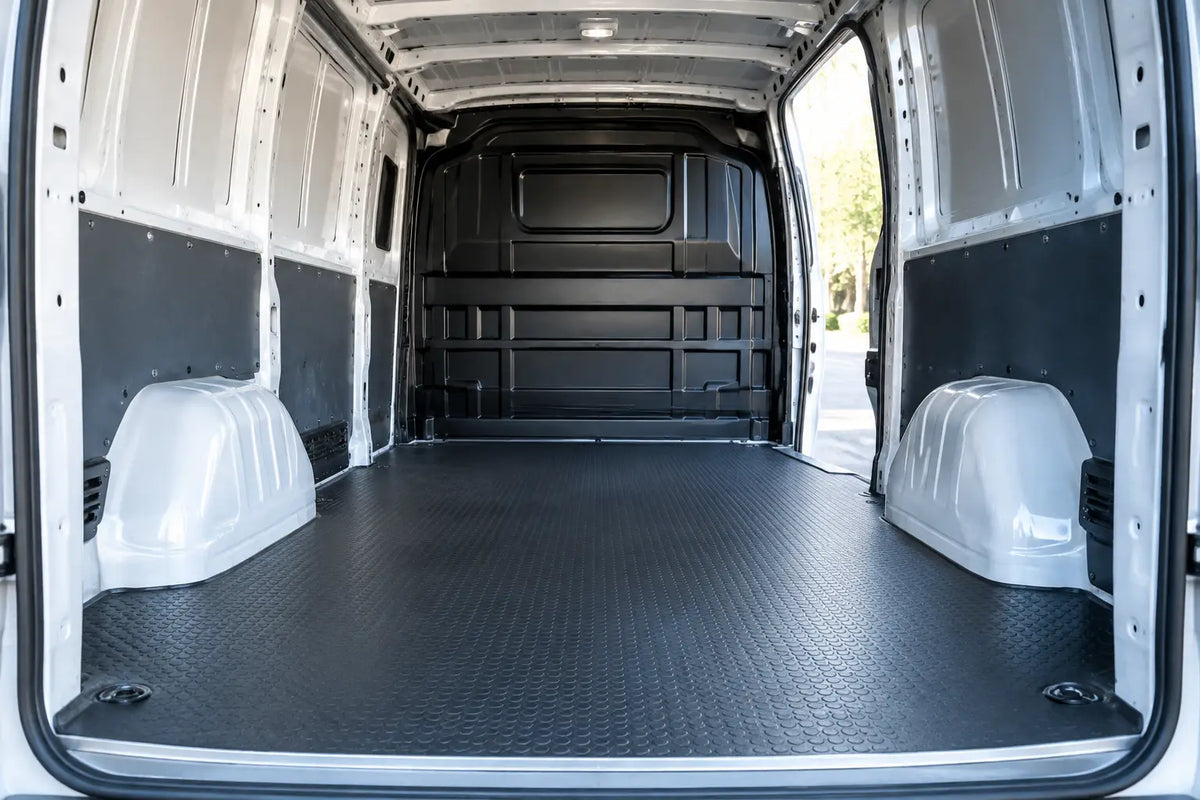
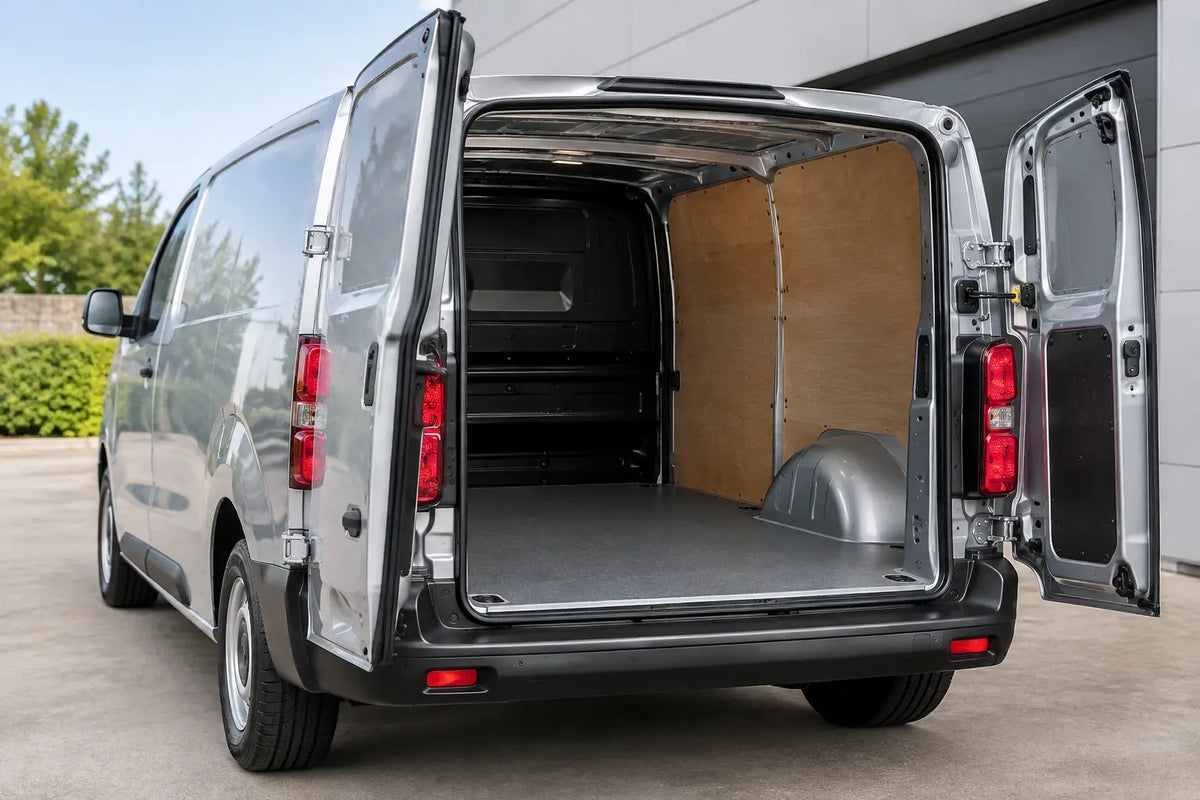
A storage system only works properly if it fits the van properly. In a Vivaro, that means taking account of the wheel arches, door access, load length and the exact interior shape. Generic systems can leave awkward gaps, reduce usable space or make installation more difficult than it needs to be.
A model-specific Vauxhall Vivaro false floor is built around the van rather than forced into it. That matters for stability, drawer movement and making full use of the available footprint. It also helps the finished setup feel like part of the vehicle rather than an afterthought.
Good build quality matters just as much. Trade use is hard on van interiors. Drawers get opened dozens of times a day, tools get dropped in, and the whole system deals with vibration, dirt and changing loads. You want a floor that stays solid, opens smoothly and keeps doing its job after months of real use.
What to check before you buy
Start with what you carry in a normal week, not your ideal setup. Measure the larger tool cases, think about the items you use most often, and be honest about whether you need hidden drawer storage, open shelving or both.
Consider loading height as well. If you are regularly moving boilers, stacked materials or heavier equipment, make sure the raised floor will not become a nuisance. If most of your work involves tools, fittings and service gear, the trade-off is usually easier to justify.
It is also worth thinking ahead. A van storage system should support growth, not just solve this month’s mess. If your workload is changing, or you are taking on more varied jobs, choose a layout that can handle that without needing to be replaced too soon.
For buyers looking for practical, vehicle-specific storage, CNC Work focuses on solutions built around working vans and real trade use, not gimmicks. That is the difference between buying another box for the back and fitting a setup that actually improves the working day.
Is a Vauxhall Vivaro false floor worth it?
If your van doubles as your workshop, store room and tool transport, a false floor is usually money well spent. It gives structure to the load area, protects your gear, speeds up access and makes the van feel less chaotic under pressure.
It will not suit every job equally. If maximum vertical space and the lowest possible loading height matter most, another layout may fit better. But for tradespeople who want cleaner storage, better workflow and a more professional setup, it is one of the most useful upgrades you can make to a Vivaro.
The best van setups are the ones that remove friction from the day. When every tool has a place and the floor stays clear, the van stops slowing you down and starts earning its keep properly.