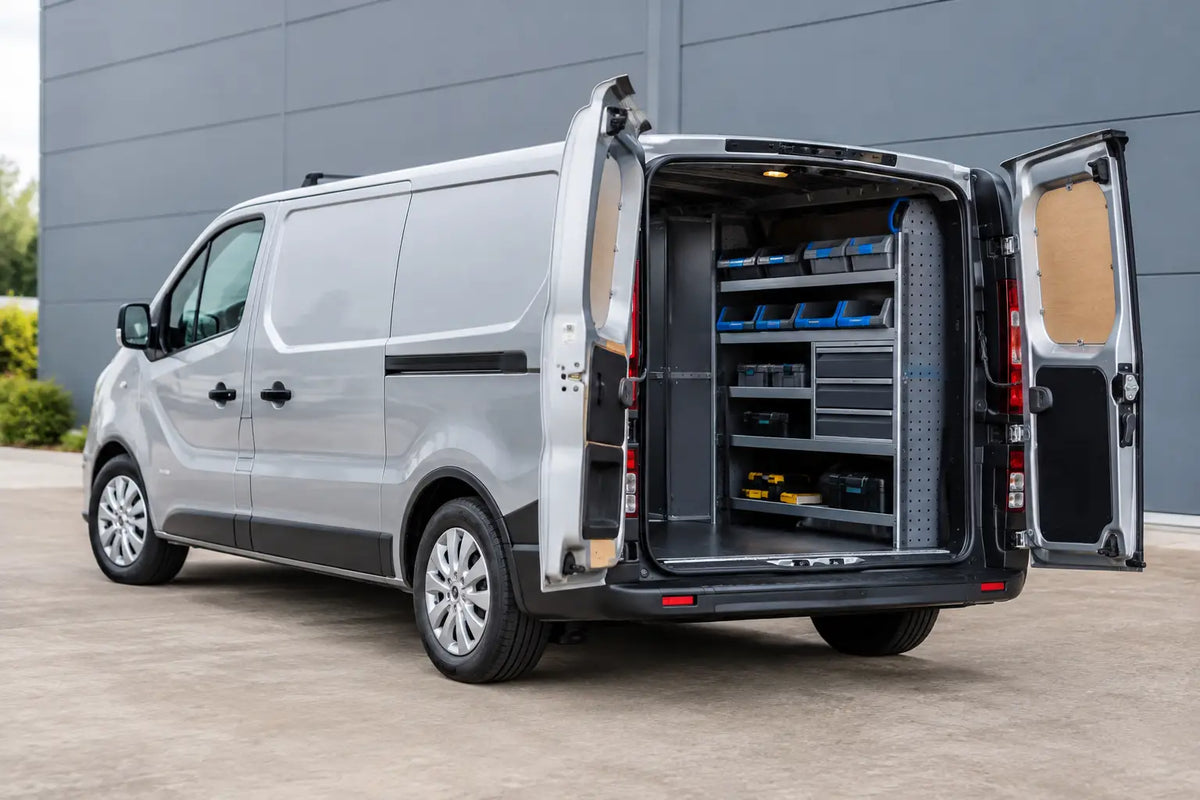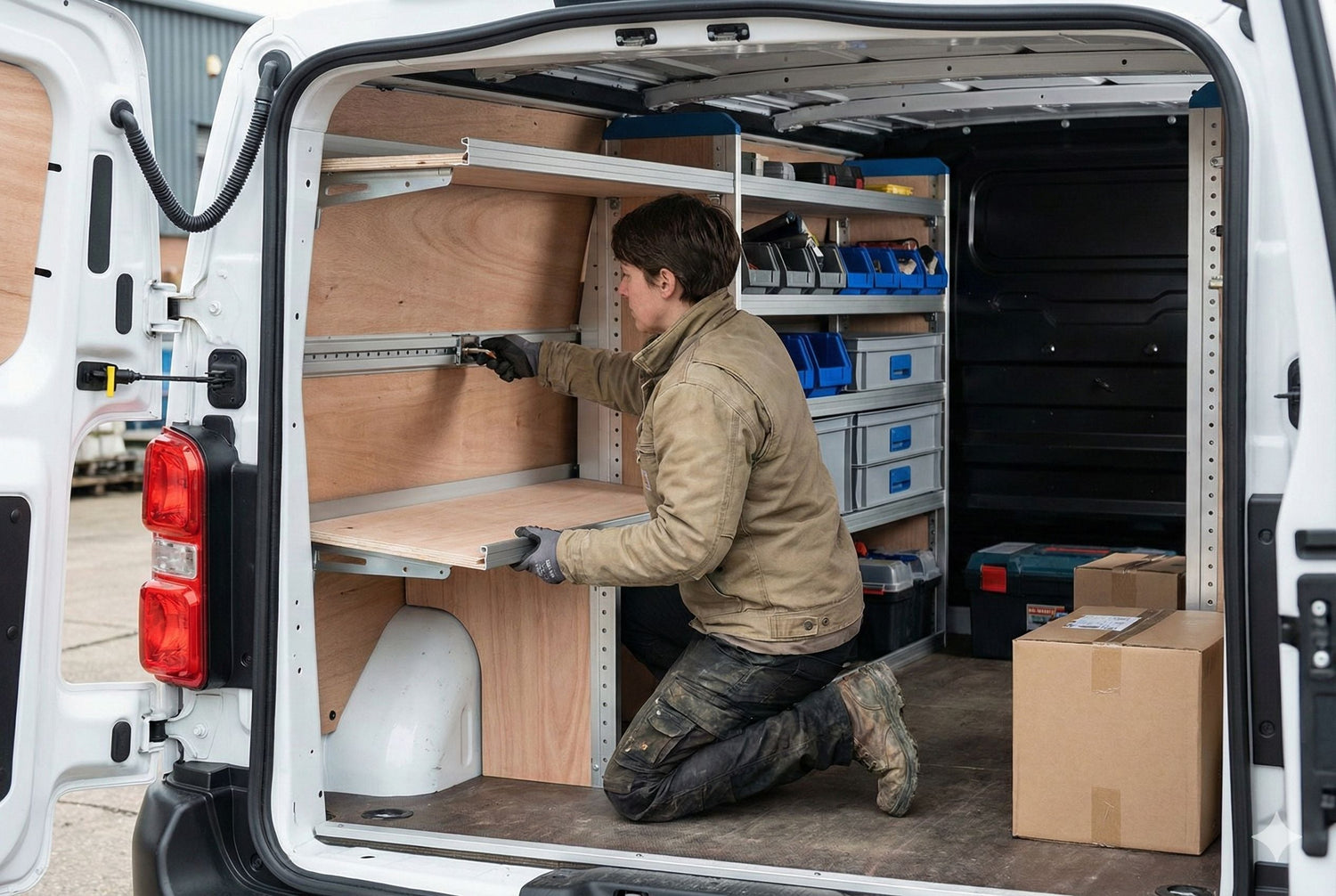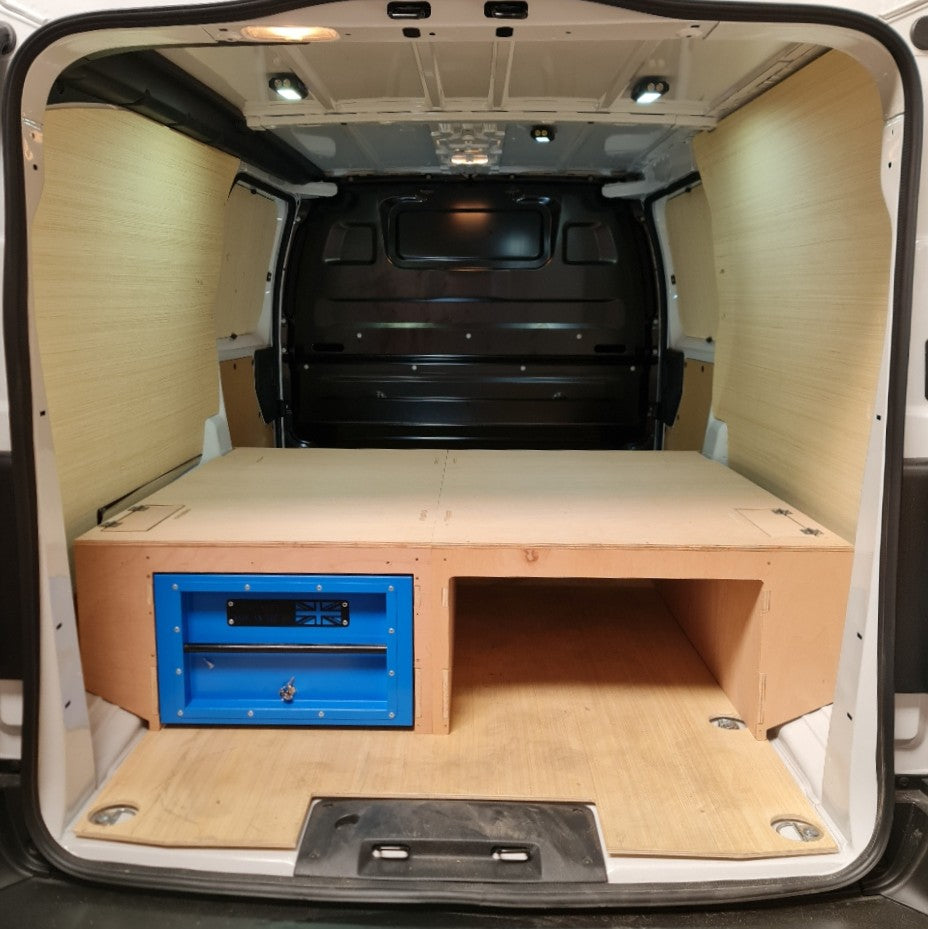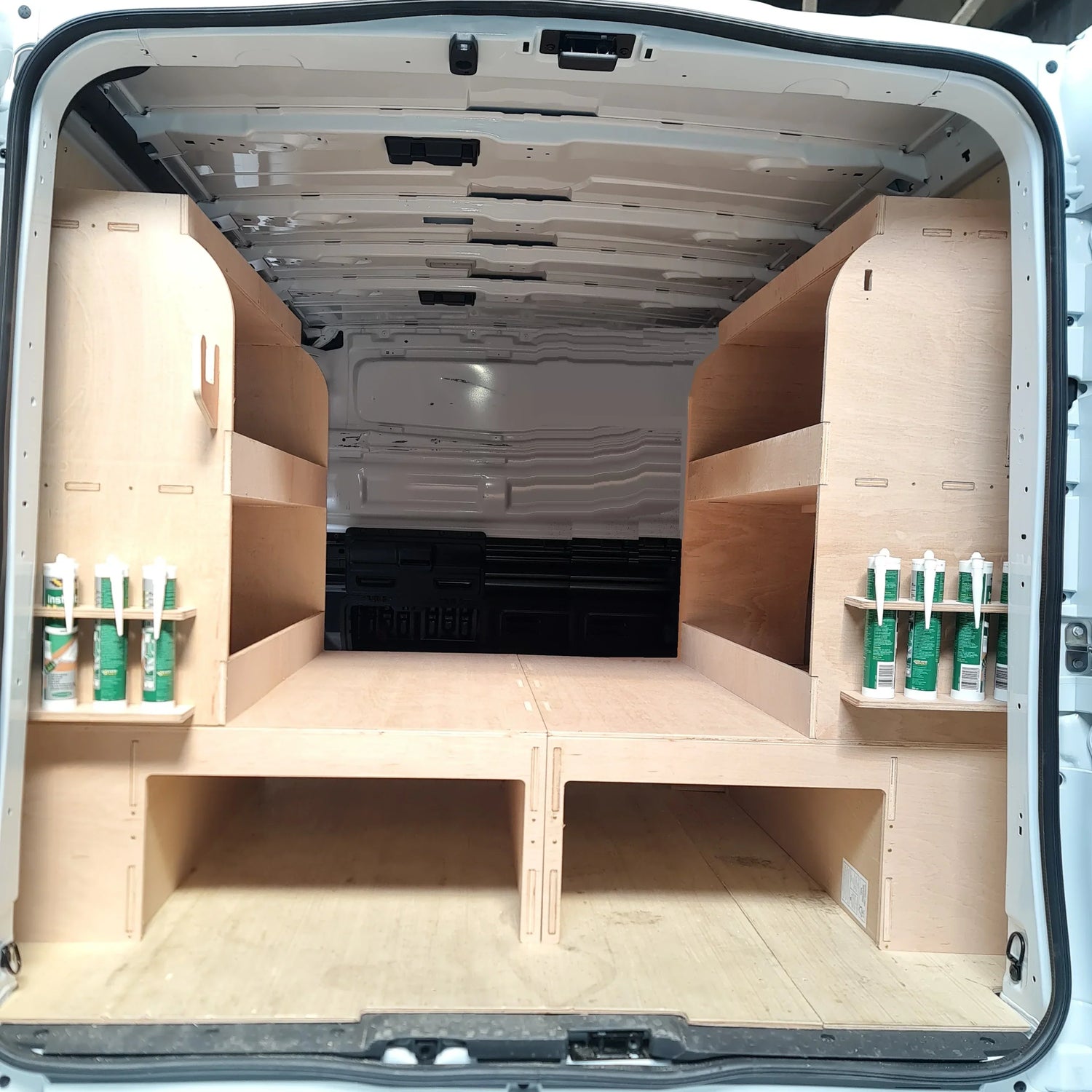




A Renault Trafic without proper storage gets messy fast. A few toolboxes, sealants rolling about, fittings mixed together and a stack of parts behind the bulkhead soon turn a working day into wasted minutes. Renault Trafic van shelving fixes that by giving everything a proper place, so you can load up quicker, find what you need first time and keep the van working like it should.
The Trafic is a popular choice for trades across the UK because it gives you a strong balance of load space, size and day-to-day usability. But a good van on its own is only half the job. If you are using it for plumbing, electrical work, building maintenance, joinery or fitting work, the inside needs to be set up for how you actually work.
Why Renault Trafic van shelving makes a real difference
When your van is organised, the job runs smoother. That sounds obvious, but the difference shows up in small moments across the day. You are not digging through loose gear to find a crimp set. You are not unloading three boxes to reach one case at the back. You are not replacing damaged stock because it has been thrown in with heavier kit.
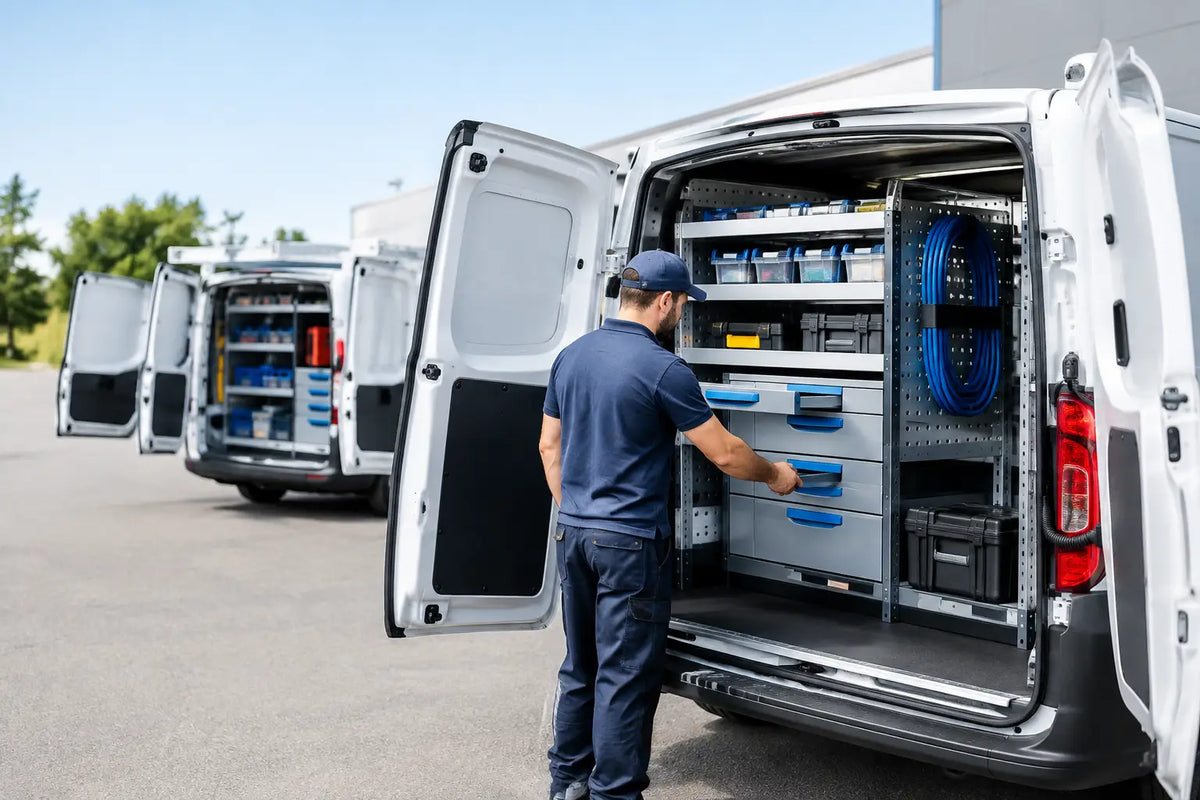
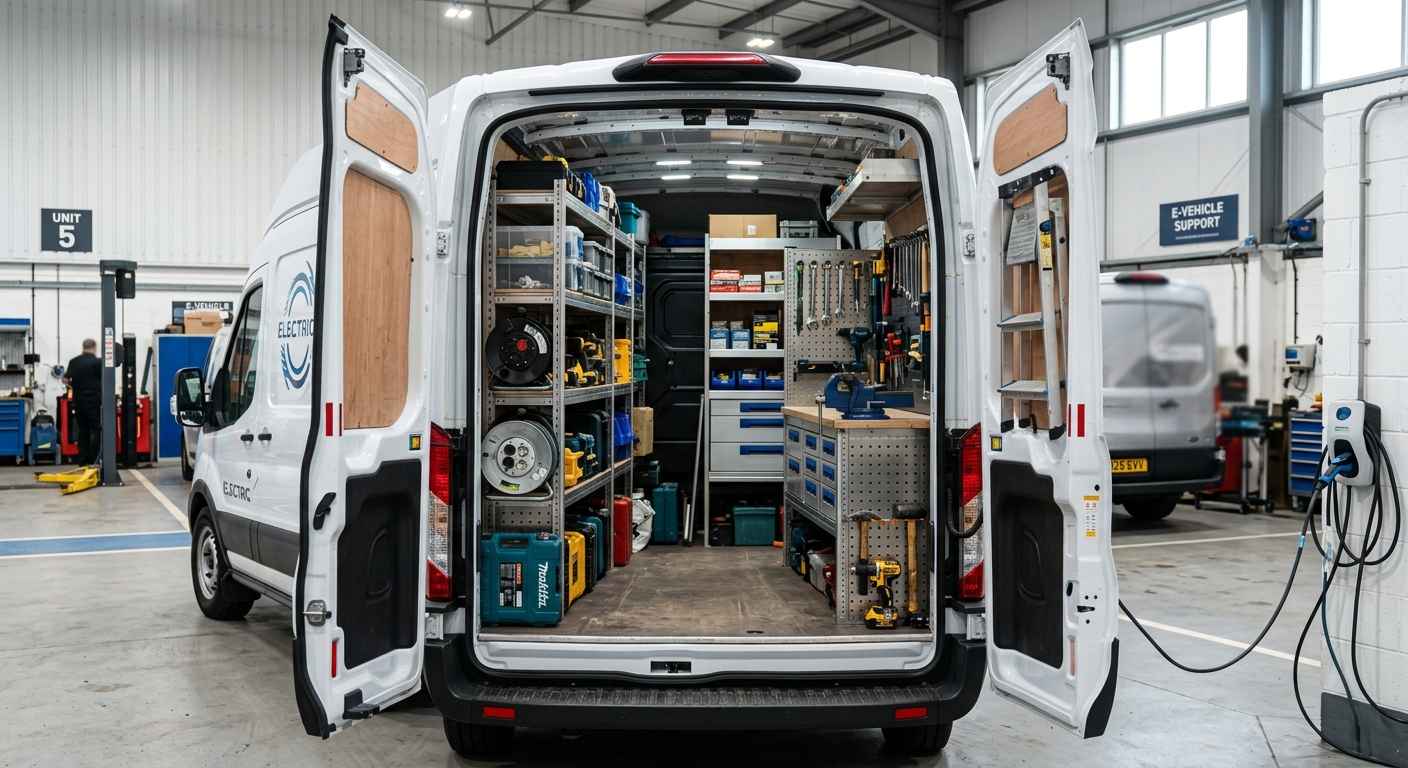
Shelving gives structure to the load area. It separates tools from consumables, keeps stock visible and helps stop damage caused by movement in transit. For sole traders, that often means less stress and quicker callouts. For fleets, it can mean more consistent standards between drivers and easier stock control.
There is also the professional side of it. Customers notice when you open the rear doors and the van looks tidy, safe and set up properly. It suggests you run your business well. That matters more than many people think, especially when you are quoting for repeat work or commercial contracts.
Choosing the right Renault Trafic van shelving setup
The best setup depends on your trade, your van size and how much floor space you need to keep clear. There is no single layout that suits everybody.
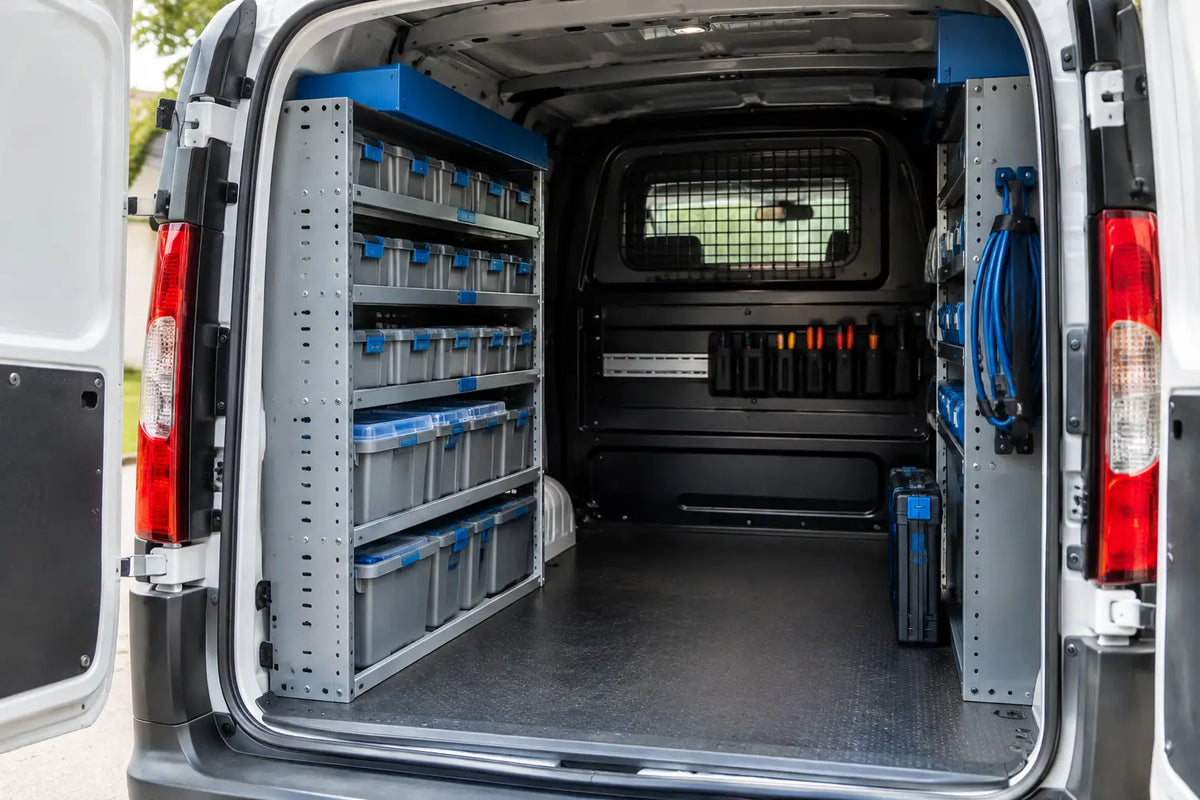
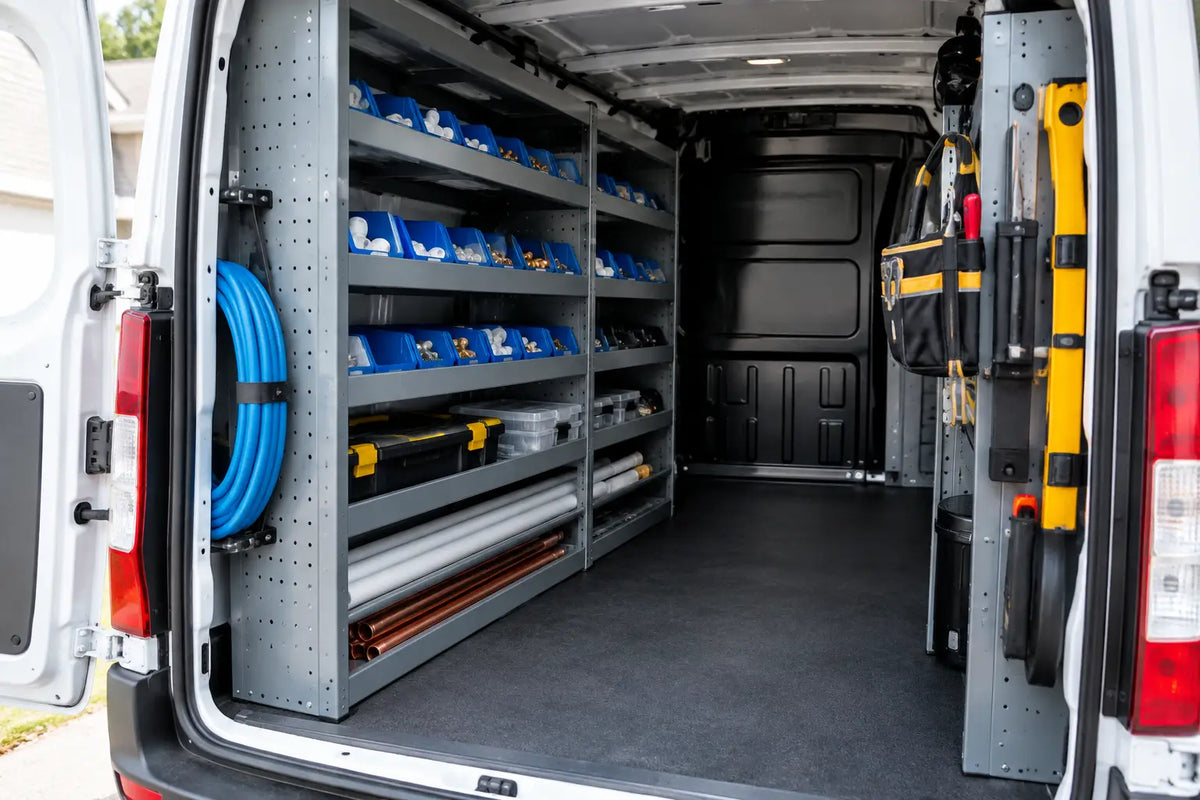
If you carry lots of small parts, open shelving with dividers makes sense. Electricians and maintenance engineers often need quick access to connectors, screws, clips, testers and labelled boxes. In that case, visibility matters more than deep storage. You want to see stock at a glance and grab it without stopping to move larger items.
If your work involves heavier tools and larger cases, the layout needs more balance. Builders, fitters and general contractors often need shelving on one side and open floor space on the other for materials, ladders or larger equipment. Too much shelving can actually make the van less useful if it reduces the flexibility you need from day to day.
Plumbers and heating engineers usually sit somewhere in the middle. They often benefit from shelves for fittings, consumables and hand tools, with room below or opposite for pipe, vacuums, power tools or boxed stock. The right setup is not about filling every panel. It is about making the space work harder.
Side shelving, rear access and working flow
Think about how you use the van on site, not just how much you can fit in it. Some people mainly load and unload from the rear doors. Others rely more on the side loading door because of where they park or the type of jobs they do.
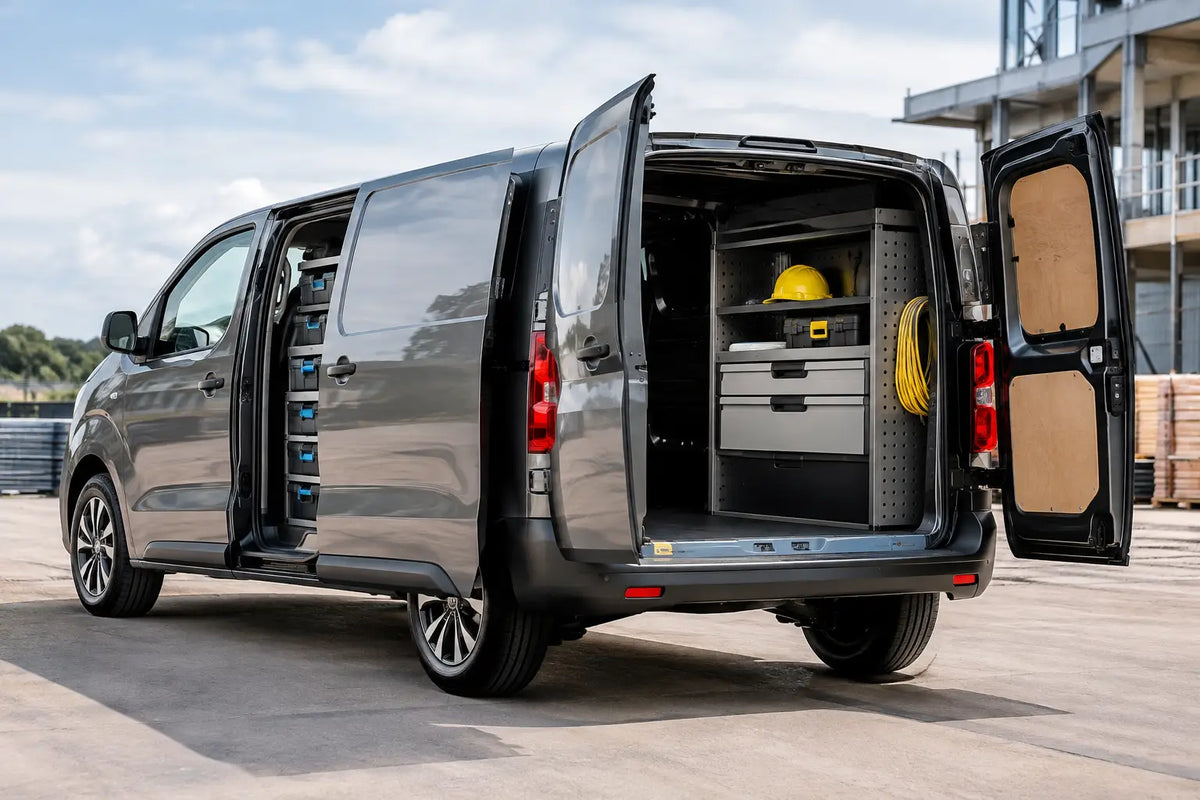
That affects where shelving should go. Rear-access shelving can be ideal if you want the most-used gear immediately visible as soon as the doors open. Side shelving suits trades who work from the pavement side and want quick access without stepping fully into the load area. If you are doing short, frequent stops, access speed matters just as much as storage capacity.
A smart layout also reduces wasted movement. If the items you use ten times a day sit at floor level behind larger tools, the van is not organised properly, even if it looks tidy.
What to look for in a shelving system
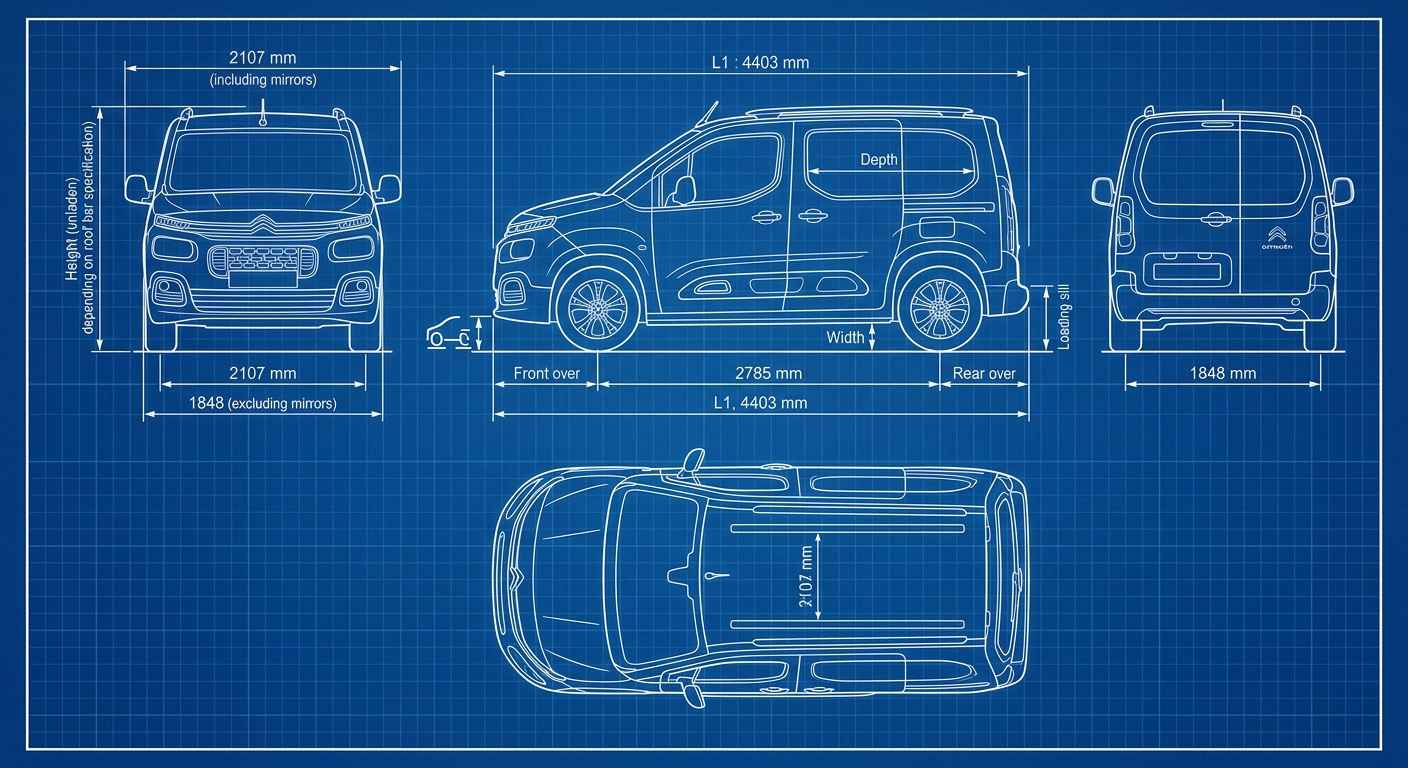
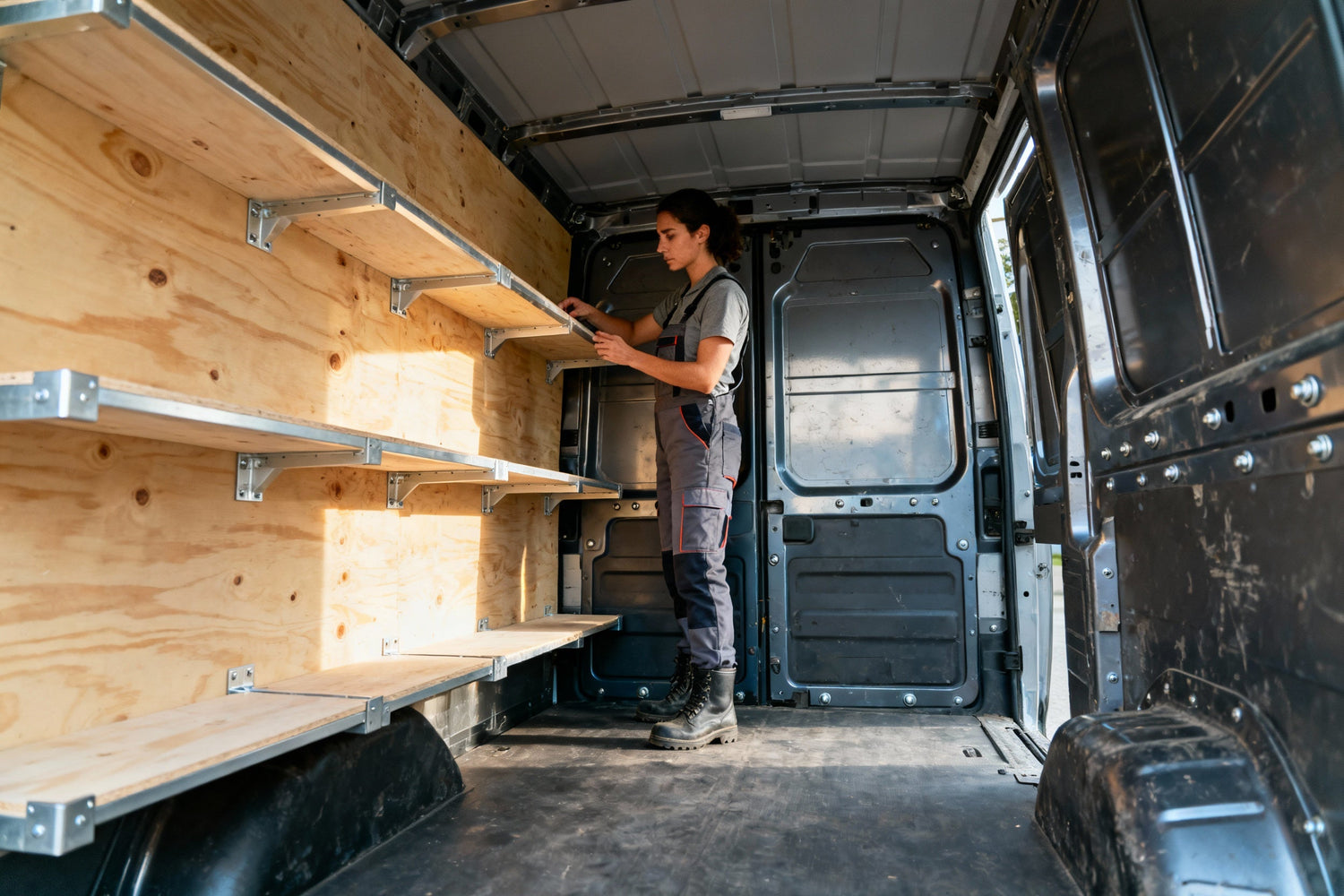
Fit is the first thing. Renault Trafic van shelving should be designed around the shape and dimensions of the vehicle, so it sits properly and makes full use of the available space. A poor fit wastes room, looks untidy and can be frustrating to install.
Strength matters as well, but it needs to match real working use. Shelving should be durable enough for daily trade work without adding unnecessary complexity. Good systems strike a sensible balance - solid enough for tools, parts and accessories, but still practical to fit and live with.
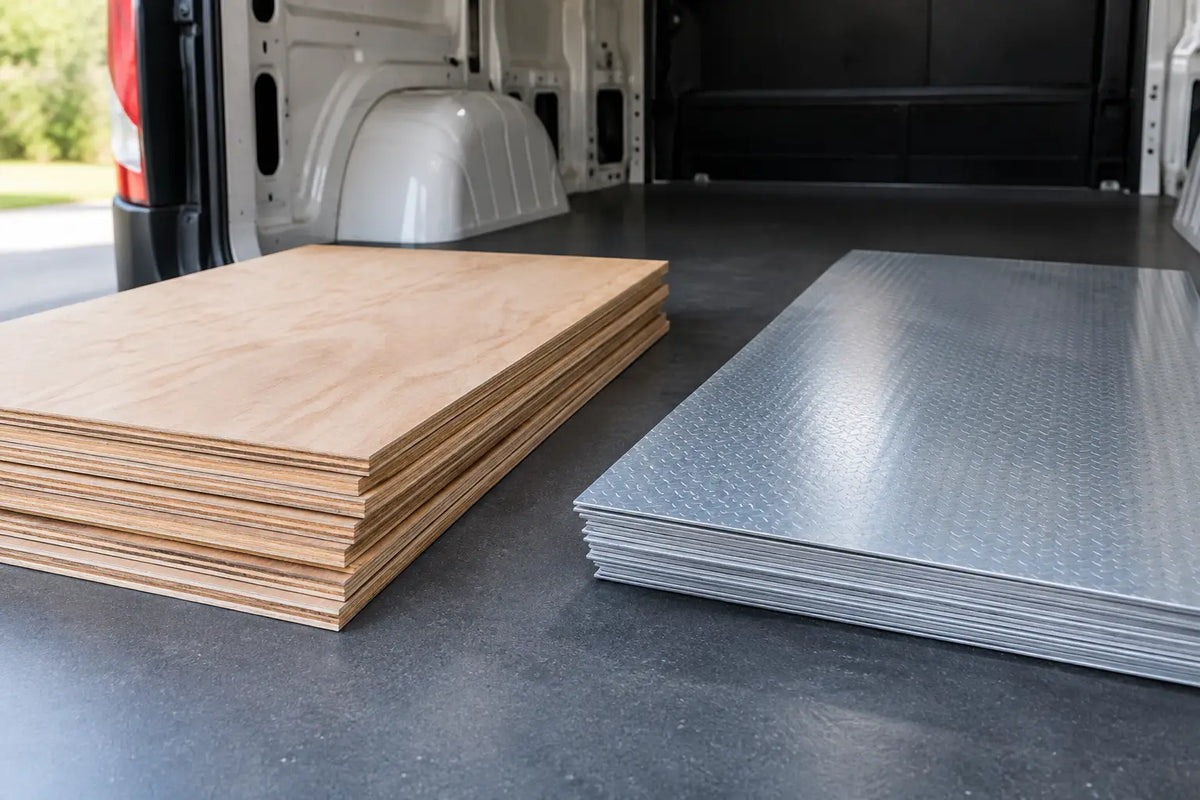
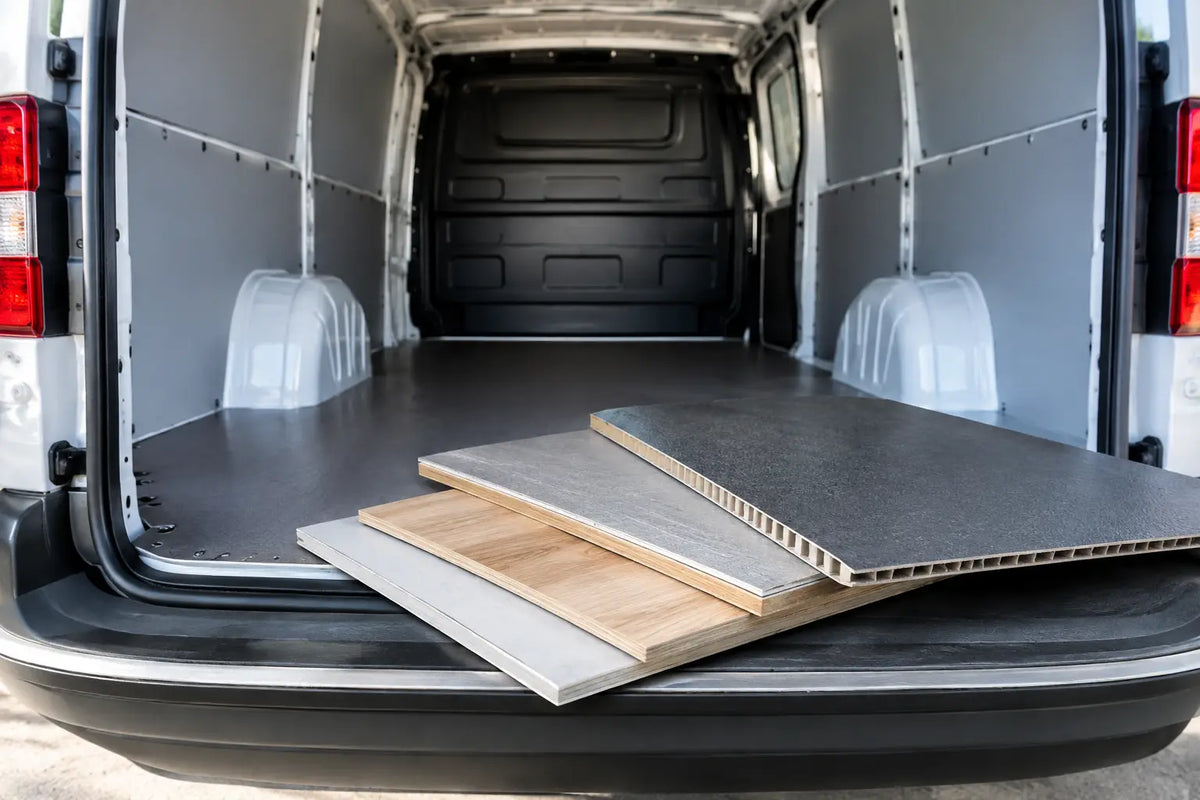
Material choice comes into it too. Plywood systems remain popular because they are hard-wearing, repairable and well suited to trade vans. They can take knocks, hold up well over time and give a workshop-style feel inside the load area. For many users, that is more useful than chasing a fancy finish.
Look closely at shelf depth and spacing. Deep shelves sound useful, but if they become catch-all dumping zones, they work against you. Smaller, better-planned compartments often improve organisation more than one large shelf ever will.
Don’t forget the add-ons
Shelving does most of the heavy lifting, but accessories finish the job. Sealant holders, paper roll holders, wipe dispensers, glove box organisers and storage bins can make a big difference to daily workflow. These are the details that stop clutter building up again a week after installation.
For many trades, the best van setups combine core shelving with a few practical accessories rather than trying to solve everything with shelves alone. That gives you a cleaner layout and makes the space easier to maintain.
Common mistakes when buying van shelving
The biggest mistake is buying based on price alone. Cheap shelving that does not suit your working pattern can cost more in lost time than it saves up front. If it blocks access, rattles, wastes space or cannot handle the load, it is not good value.
Another common error is overfitting the van. It is tempting to add shelving everywhere possible, especially if you want maximum storage. But many Trafic owners still need room for bulky kit, deliveries, cable drums, boxes or longer items. If the van loses flexibility, the setup can become a problem.
Some buyers also underestimate installation and day-to-day use. A system can look good in photos but feel awkward once it is inside a real van with your actual tools. That is why vehicle-specific solutions tend to make more sense than generic options. They simplify the buying process and usually deliver a cleaner result.
Is Renault Trafic van shelving worth it for smaller businesses?
Usually, yes. If the van earns its keep every day, shelving is not just a storage extra. It is part of how the business operates.
For a sole trader, the value often comes from time saved. A few minutes on each job adds up across the week. Faster loading in the morning, quicker access on site and fewer lost items all have a direct impact on productivity.
For small teams, shelving also helps standardise the van. That is useful when more than one person uses the vehicle or when stock needs topping up regularly. A clear layout makes it easier for anyone to see what is missing, what needs replacing and where everything belongs.
There is also the cost of damaged tools and wasted consumables to think about. Loose items sliding around the back of the van do not stay in good condition for long. Proper shelving protects the gear you rely on to do the job.
Getting the most from your setup
Once shelving is installed, the next step is using it properly. The best systems stay organised because the layout is simple enough to maintain. Keep everyday tools closest to the main access point. Store small parts in consistent locations. Avoid using shelves as a temporary dumping ground at the end of the day, because temporary usually becomes permanent.
It also helps to review the setup after a few weeks. Most trades notice quickly which shelf positions work and which do not. Sometimes a small change in where stock is stored can improve the whole flow of the van.
If you are choosing a supplier, look for clear vehicle-specific options, practical accessories and support that actually helps you identify the right fit. That is where a specialist such as CNC Work has an advantage - the focus stays on getting your van organised properly, not on selling universal gear that only half works.
A working van should help you get through the day faster, not slow you down. Get the shelving right, and the Renault Trafic becomes more than transport - it becomes a proper mobile workspace that earns its place on every job.