







The five minutes spent looking for a fitting, a roll of tape or the right drill bit soon adds up across a working week. When you buy van shelving online, the aim is not simply to fill empty load space. It is to build a van layout that keeps your tools protected, your consumables accessible and your working day moving.
For a plumber, that may mean clear space for pipe, cases and sealants. For an electrician, it may be organised storage for testers, fixings, cable and power tools. A maintenance engineer may need a flexible mix of shelves, drawers and open floor space for larger equipment. The right answer depends on the vehicle and the work, which is why choosing by price alone can create more problems than it solves.
Start with your van, not the shelving
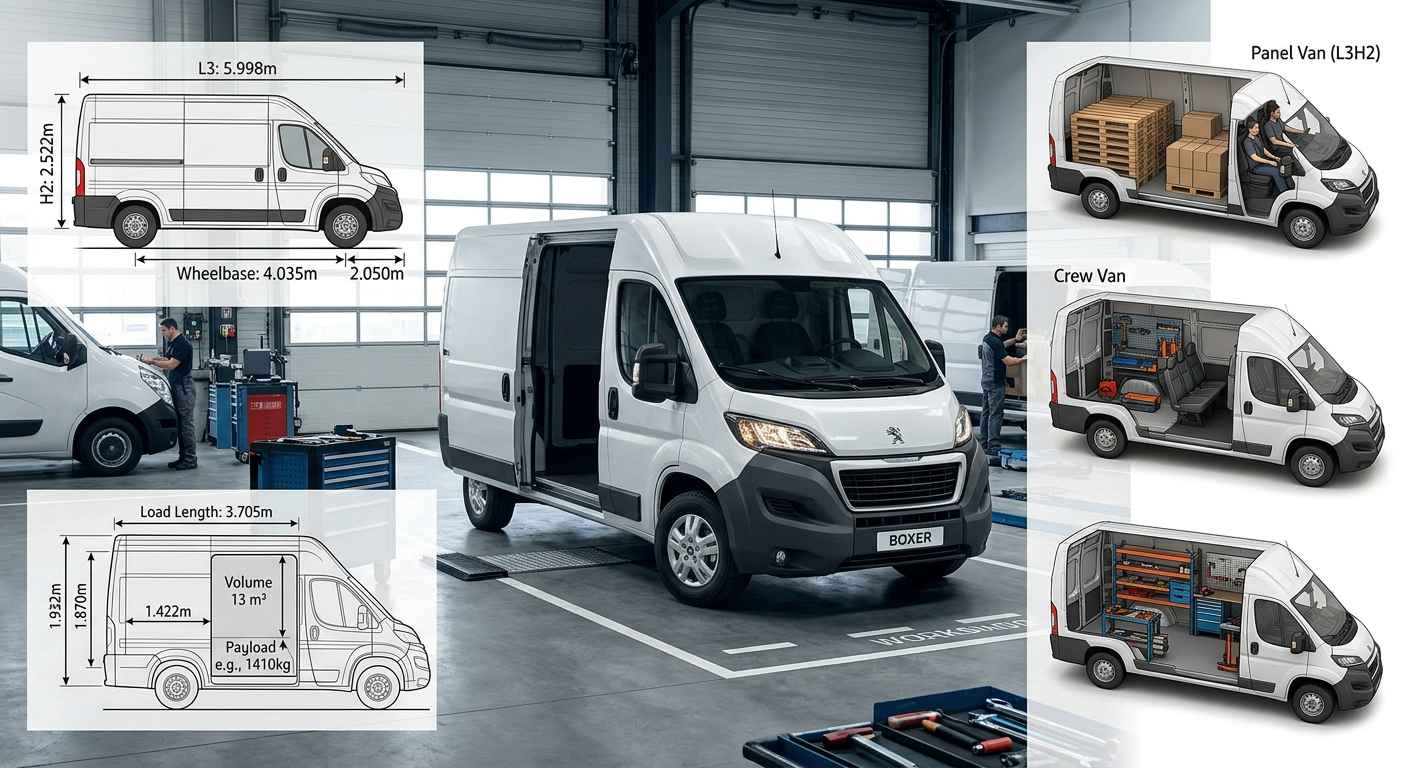
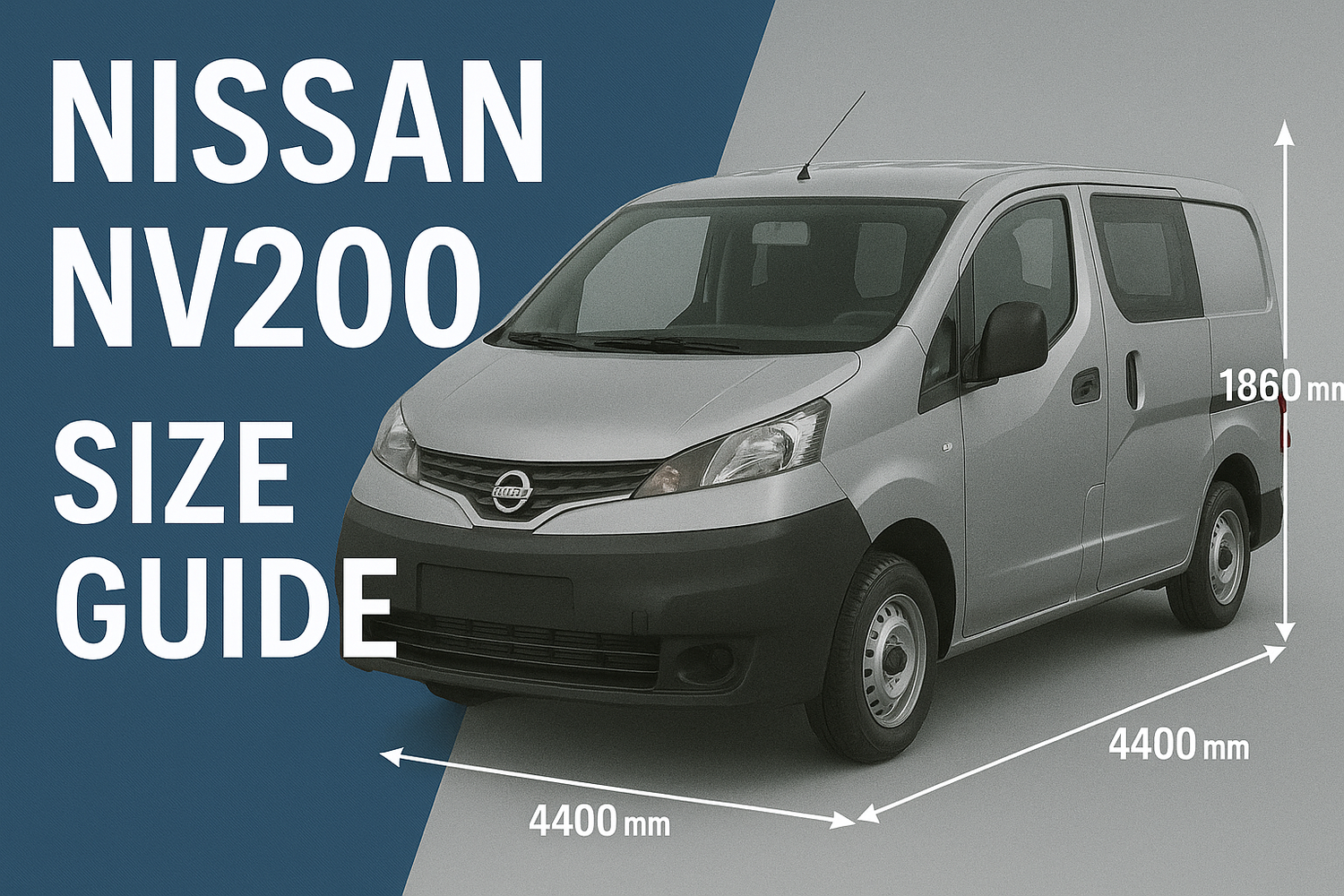
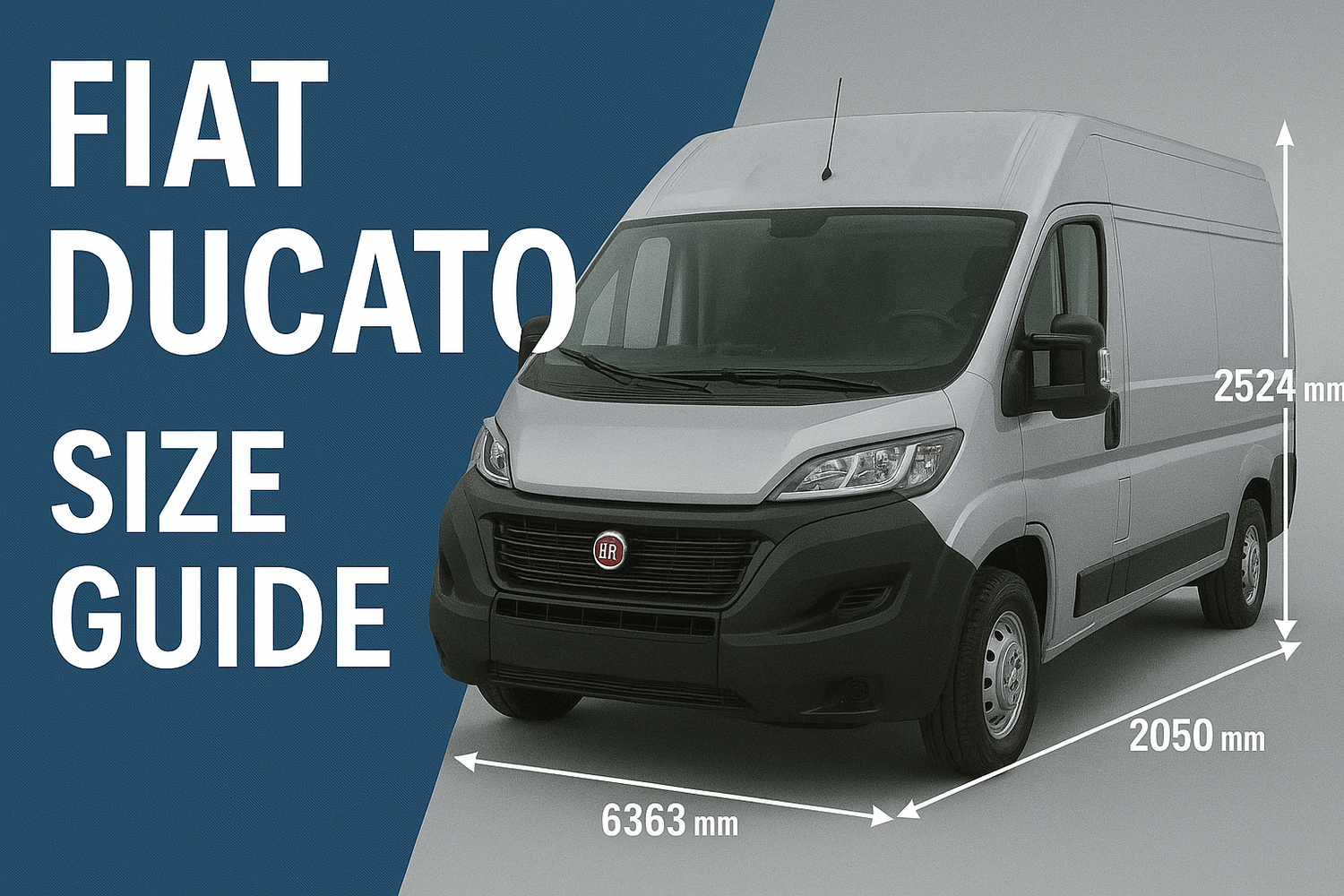
The first check is always the exact vehicle. Vans that look similar can have different load lengths, wheel-arch positions, roof heights and rear-door openings. Select storage designed for your van make, model and generation, then check the product description against your particular vehicle before ordering.
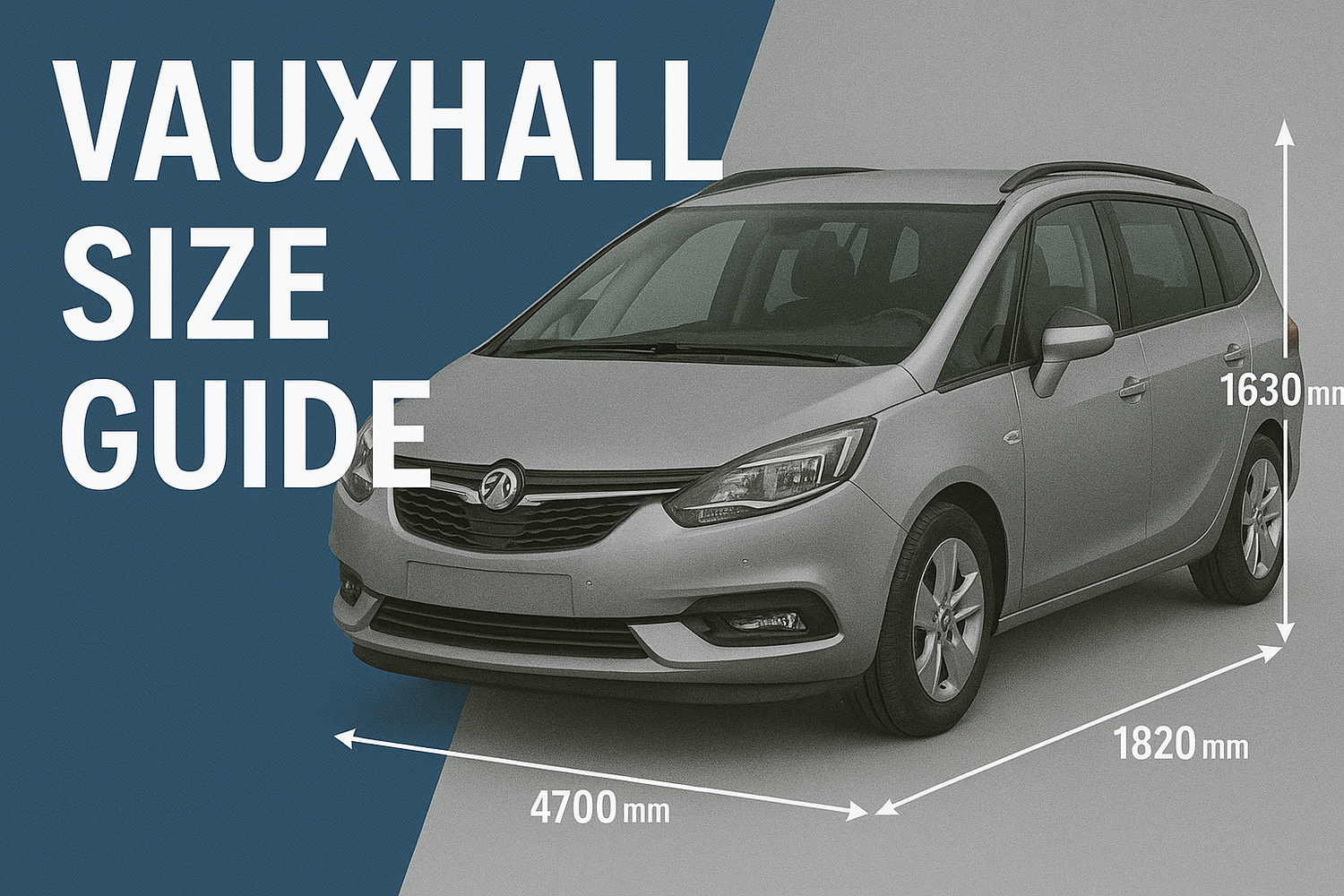
This matters especially where vans are sold under different names or have changed shape between model years. A Renault Trafic, Vauxhall Vivaro, Nissan Primastar and Fiat Scudo, for example, may have closely related versions, but the details still matter. The same applies when buying shelving for a Ford Transit Custom, Volkswagen Transporter, Mercedes Vito, Peugeot Expert, Citroen Dispatch or Toyota Proace.
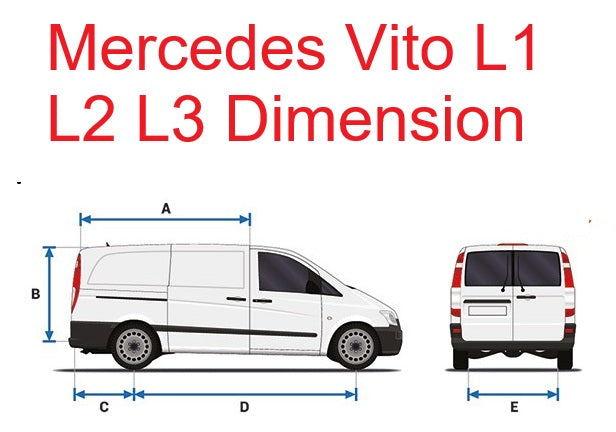
Before you add anything to the basket, confirm whether you have a short or long wheelbase, standard or high roof where relevant, and any factory-fitted bulkhead or lining that affects the available space. If you are unsure, check the vehicle documentation and measure the load area. A few accurate measurements are more useful than guessing from a photograph.
Plan how you work from the rear doors forwards
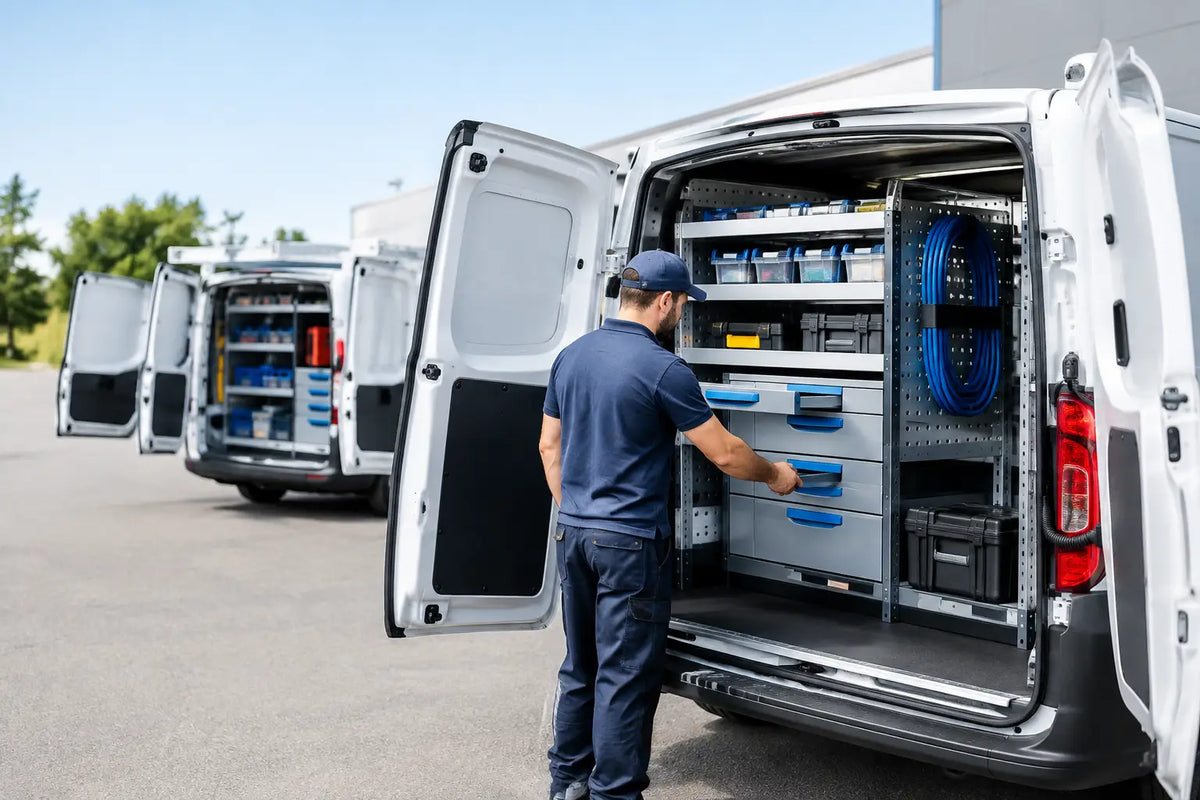
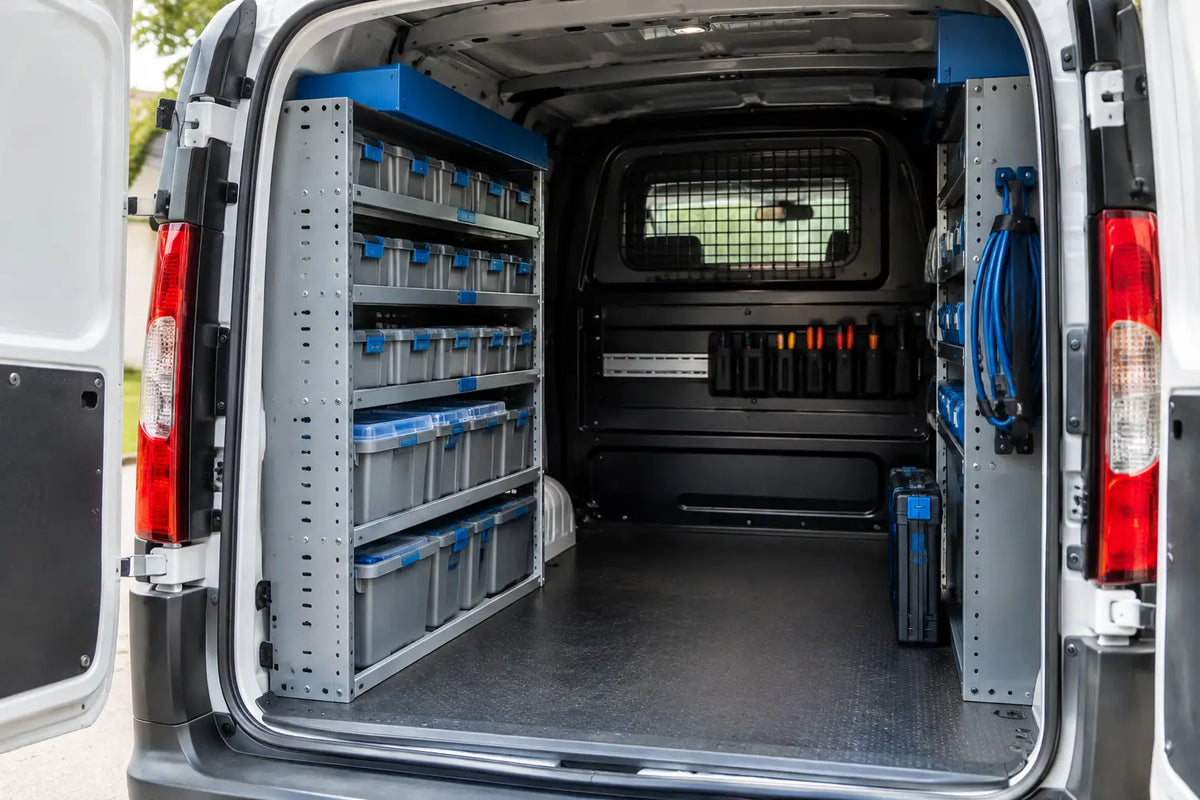
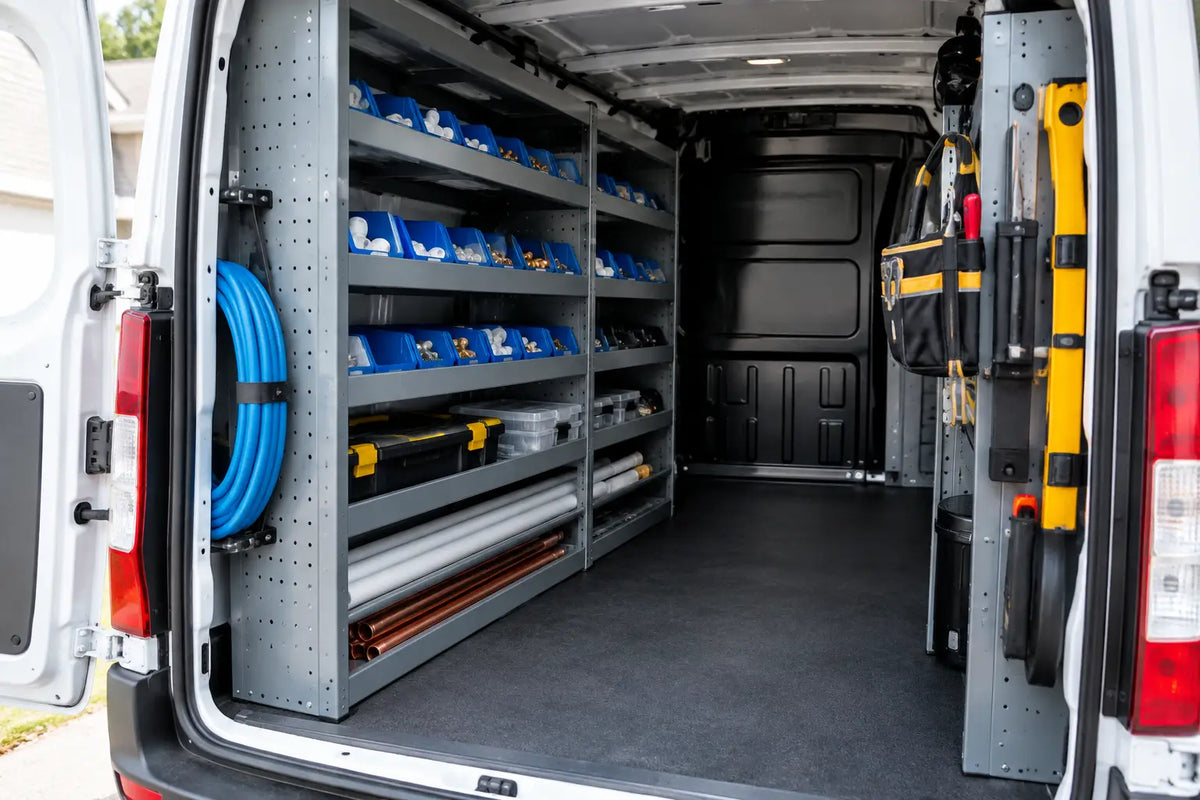
A practical van layout follows the way you use it on site. Think about the items you reach for most often, the equipment that needs securing and the space you need to leave clear. Rear access is usually best reserved for daily-use tools and consumables. Longer materials can be stored along the side, while heavier equipment should sit low and close to the bulkhead where possible.
Avoid treating every shelf as general storage. A shelf full of mixed fixings, blades, fittings and loose accessories can look tidy until you need one specific item in the rain. Give each area a clear job. One section for tool cases, another for boxes of stock, another for sealants and adhesives. Small accessories such as wipe dispensers, glove box organisers and sealant holders can make a noticeable difference because they stop frequently used items ending up on the floor.
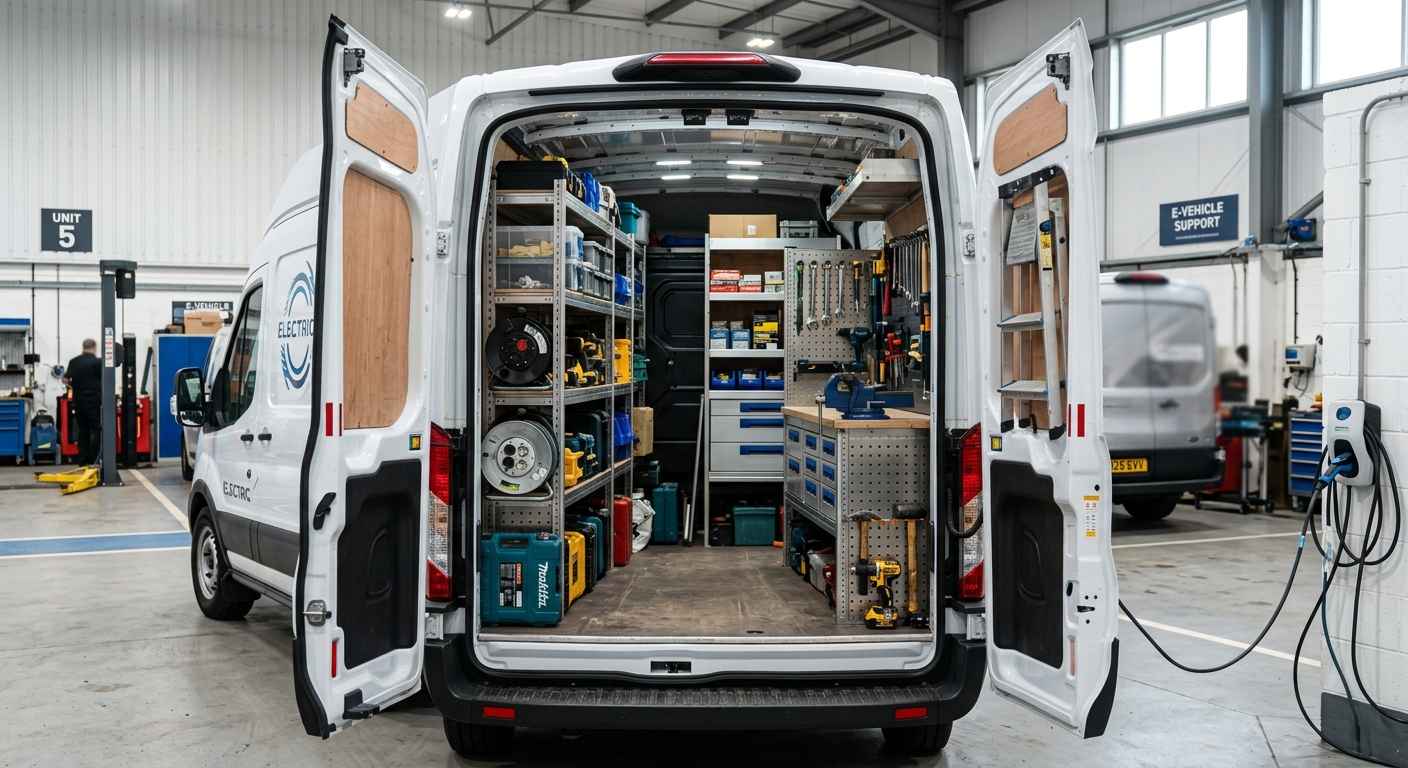
Also consider what has to travel in the van, not just what you carry to the job. If you regularly transport a step ladder, cable drum, pipe bender, wet vac or larger machine, reserve space for it first. Shelving should work around essential equipment, rather than forcing it into an awkward gap.
Keep the load area safe and usable
Good organisation supports safer loading as well as faster work. Heavy cases stored above shoulder height are inconvenient and can be difficult to handle. Loose parts can slide around, while poorly positioned shelving can restrict access through the side door or make it harder to reach a load safely.
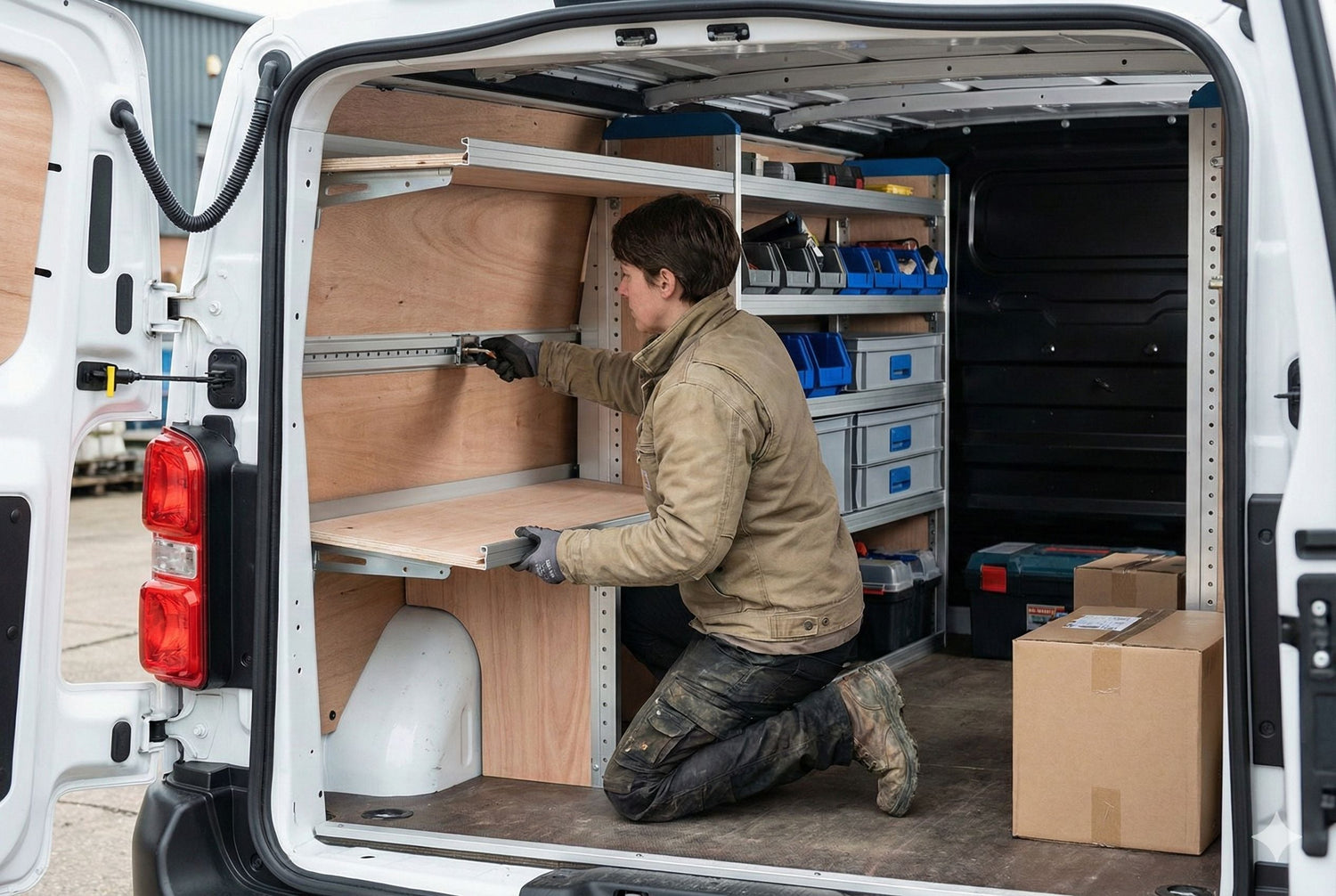
Think about weight distribution too. Keep heavier items lower down, avoid overloading shelves, and follow the vehicle manufacturer’s payload guidance. If a product requires drilling, fixing points or particular preparation, read the supplied information carefully before starting. A layout that is sensible on paper still needs to be installed correctly and used within its intended limits.
What to check when you buy van shelving online
Online shopping gives you the chance to compare vehicle-specific storage options without losing time travelling between suppliers. The trade-off is that you need to read the details, not just look at the main product image. A clear listing should help you understand what the product is designed for, where it sits in the load area and what is included.
Look closely at the stated vehicle fitment, the intended shelf arrangement and the materials used. Durable construction matters in a van that is opened, loaded and driven every working day. It is equally worth checking whether the design suits the equipment you carry. Deep shelves may suit boxed fittings and tool cases, while a more open arrangement can be better for bulky materials.
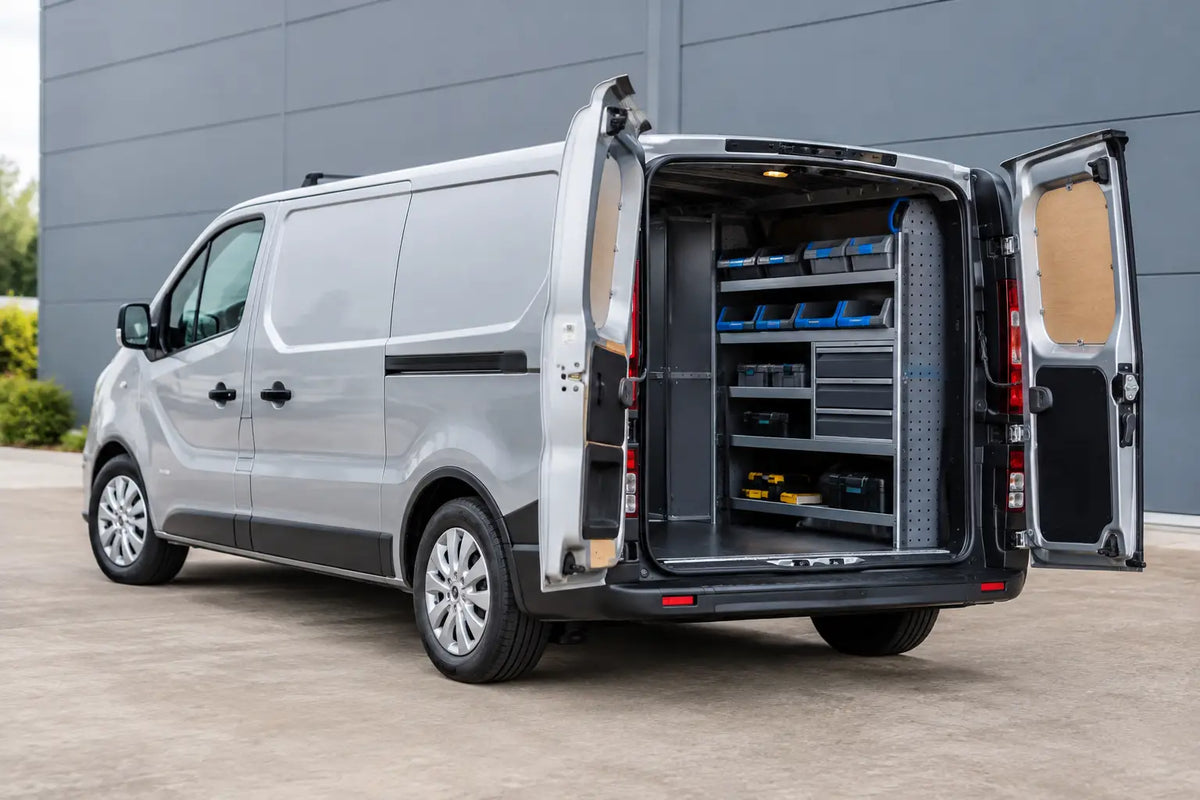
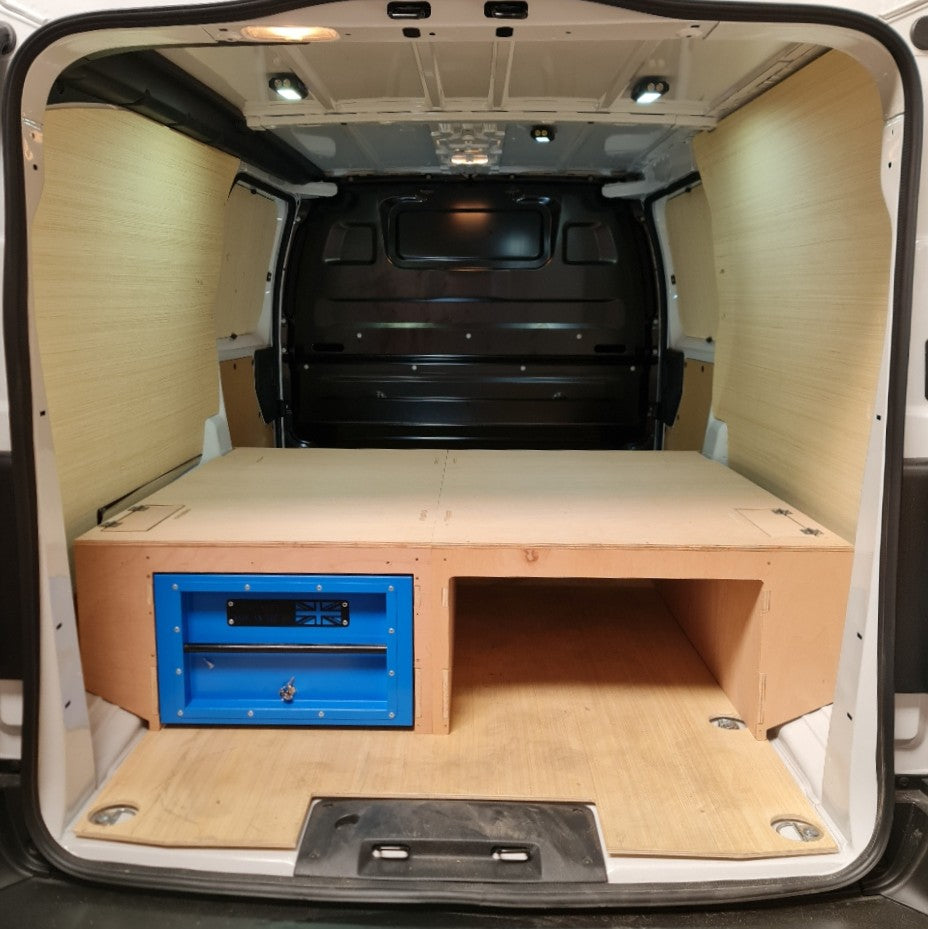
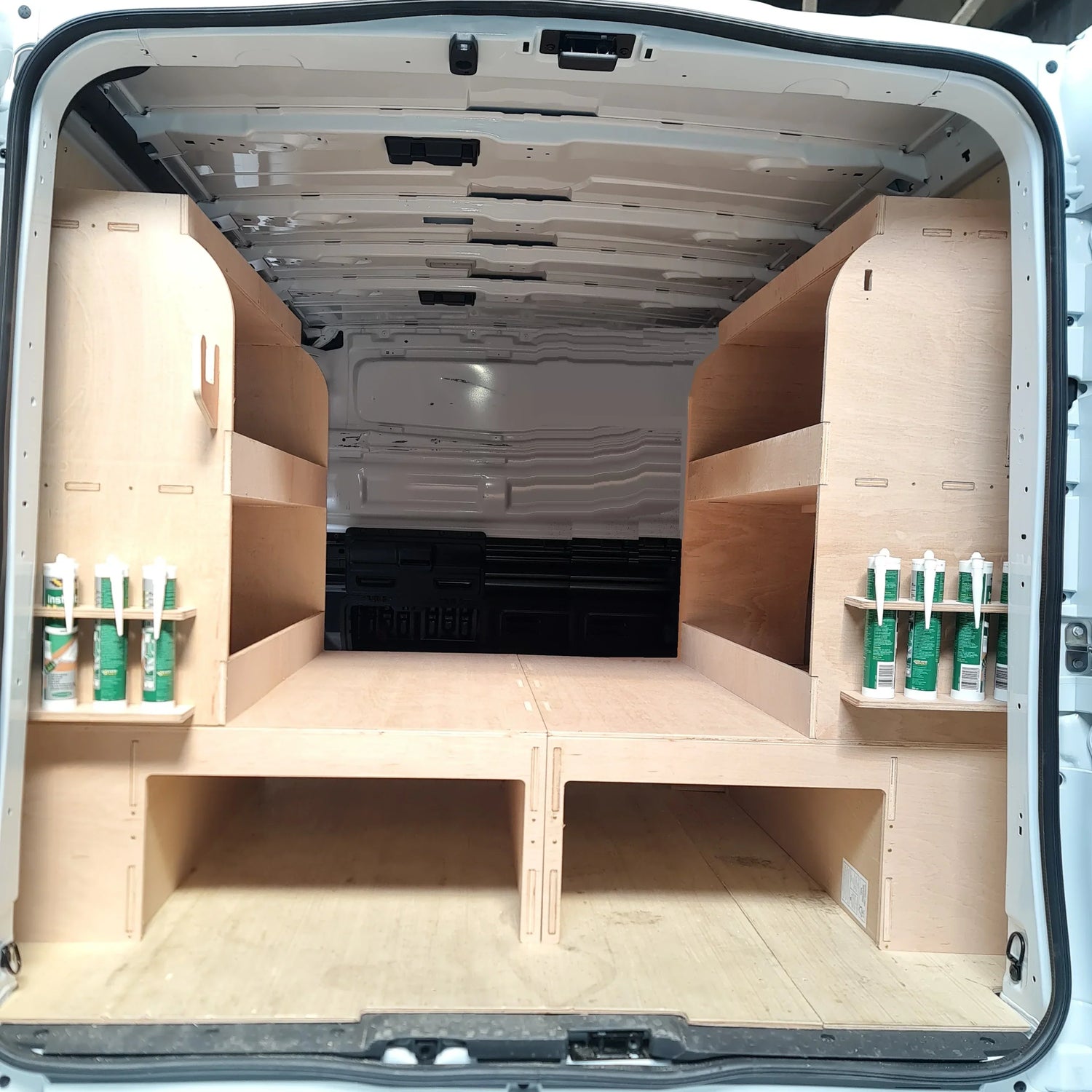
Pay attention to the product photos as well. They can show how the shelving uses the wheel-arch area, whether access is possible from the side door and how much floor space remains. Photos are useful for visualising a layout, but the written fitment information and your own measurements should make the final decision.
Do not assume a universal rack will be the best value. A cheaper unit that does not make good use of your load area, needs extra adaptation or obstructs your normal workflow can cost more in lost time than a vehicle-specific option. The best prices are meaningful only when the product is suitable for the van and the job.
Build the system in the right order
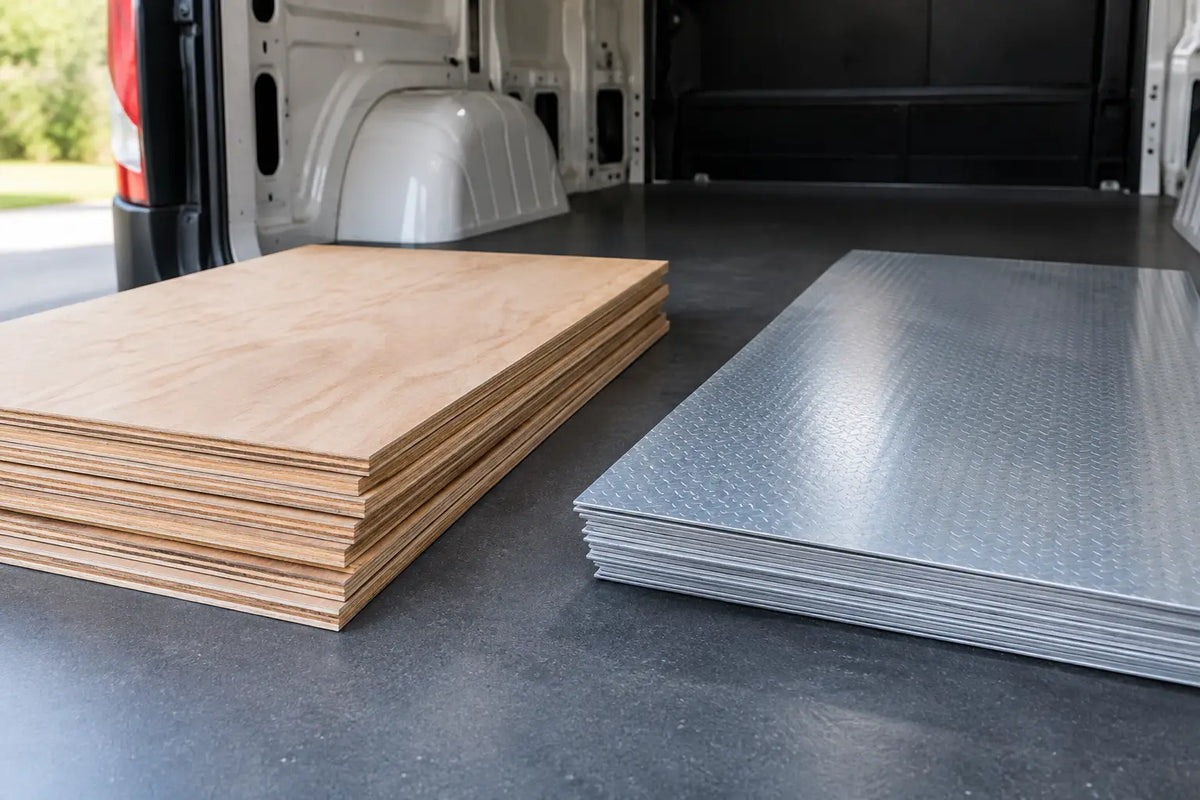
Van shelving works best as part of a complete workspace rather than a single purchase made in isolation. Start with the base of the load area. A false floor can provide a tougher, more level working surface and help define where equipment should sit. From there, add shelving or racking according to the jobs you carry out most often.
Then look at accessories that remove everyday frustration. A holder for sealant tubes makes them easier to find. A dedicated place for gloves and wipes keeps the cab and load space cleaner. Small organisers help stop fittings, tape and hand tools from spreading through the van after a busy day. These are modest additions, but they reduce clutter and make restocking easier.
The right order also helps control spend. If you are fitting out a new van, it can be tempting to buy every accessory immediately. Start with the main storage structure and identify the gaps after a week or two of real use. You may find you need another storage point for consumables, or you may discover that leaving one area open is more valuable than adding another shelf.
Choose a layout that can cope with change
Your workload may change through the year. A joiner fitting kitchens will carry different materials from a maintenance contractor handling call-outs. Fleet vans may need a consistent layout, while an owner-driver may prefer a setup built around their own tools and routines.
For that reason, avoid packing the van so tightly that it cannot adapt. Retaining a clear area for occasional large loads can be more useful than maximising every inch of shelf space. The most productive van is not necessarily the one with the most storage. It is the one where every stored item has a sensible place and nothing gets in the way of the work.
Questions to answer before you order
Before you buy van shelving online, be clear about four practical points: your exact van specification, the tools and materials you carry every day, the items that need fast access and the space you need to keep free. If you can answer those honestly, you are far more likely to choose a system that improves the van rather than merely making it look fitted out.
It is also sensible to check what is supplied with the product and review the installation information before delivery. Set aside enough time to unload, inspect and fit the equipment properly. Rushing the job at the end of a long day is rarely the best route to a clean, well-planned finish.
CNC Work focuses on practical, vehicle-led storage choices because a working van should support the person earning from it. Choose shelving that matches your model, your kit and your daily routine, and you will spend less time searching through the load area and more time getting the next job done.