










If your van is doing proper work every day, wasted movement adds up fast. Mercedes Vito tool storage is not just about making the load area look tidy - it is about getting to the right tool first time, protecting expensive kit, and turning the van into a workspace that actually helps you get through more jobs.
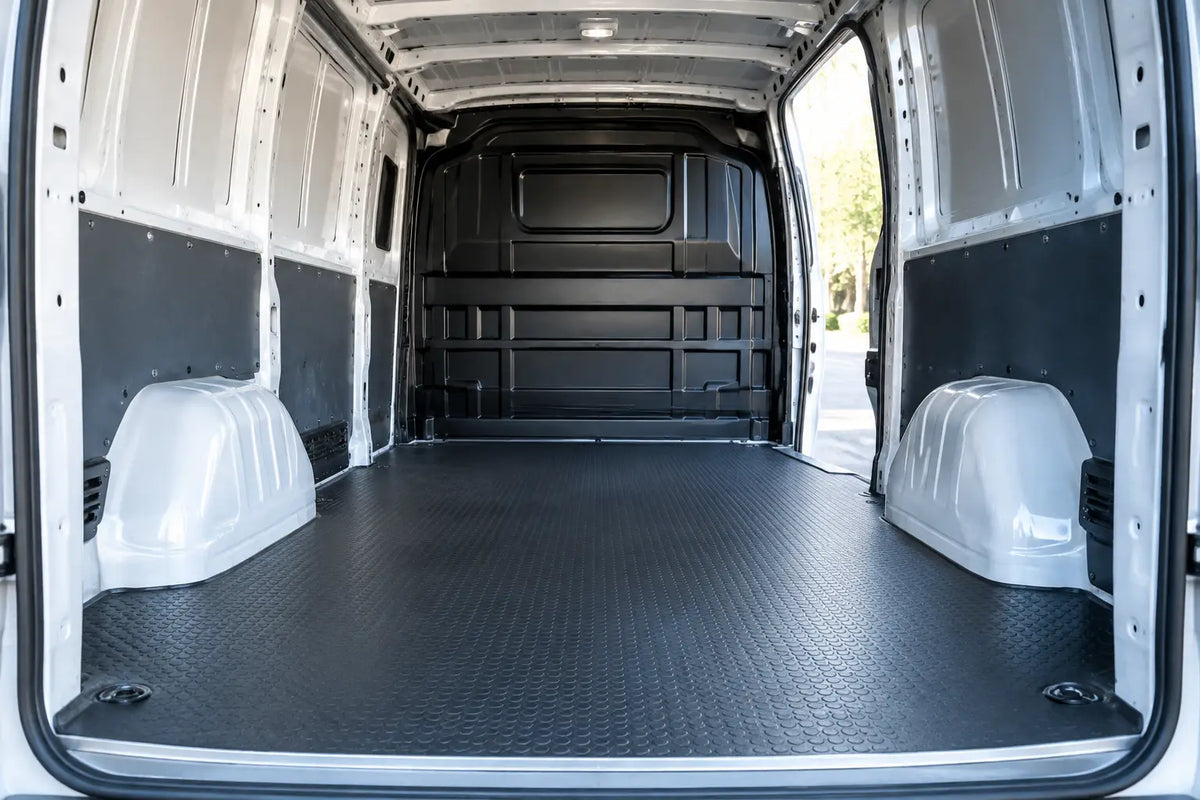
The Vito is a strong choice for trades because it is compact enough for town work but still offers a useful load area. That balance is exactly why storage matters. Space is valuable, and if you leave it as an open box, it quickly turns into a pile of cases, fittings, sealants, fixings and loose tools sliding around together. A proper setup gives every item a place and makes the van work harder.
Why Mercedes Vito tool storage matters on the job
Most tradespeople do not need convincing that organisation saves time. The real question is where that time goes when the van is poorly laid out. It disappears in small delays - checking three boxes for one part, moving ladders to reach a drill case, or buying duplicates because stock is buried in the back.
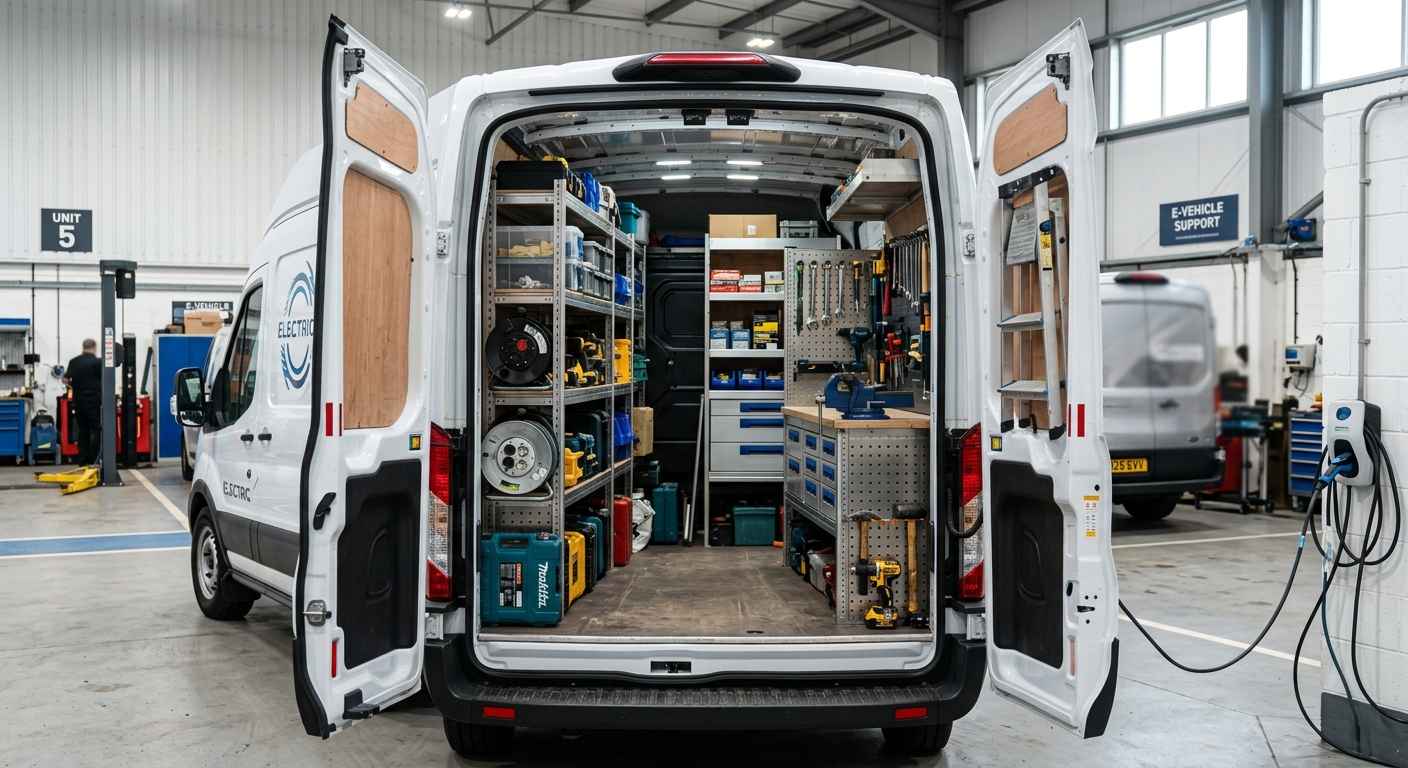
A well-planned Vito setup cuts out that friction. Shelving keeps frequently used items visible. Drawer units protect smaller tools and consumables. False floors create a second layer of storage without crowding the main load area. Add a few simple accessories such as wipe holders, sealant racks or glove box organisers, and the van starts behaving more like a mobile workshop than a cargo space.
There is also the professional side. Customers notice when you arrive and can get straight to work rather than rummaging around on the kerb. It looks better, but more importantly it keeps the job moving.
Choosing the right Mercedes Vito tool storage layout
The best layout depends on your trade, your stock levels and how often you need to carry larger materials. There is no single perfect fit-out for every Vito owner. A plumber carrying fittings, pipe tools and sealants will use the space differently from an electrician carrying testers, cable, fixings and cases.
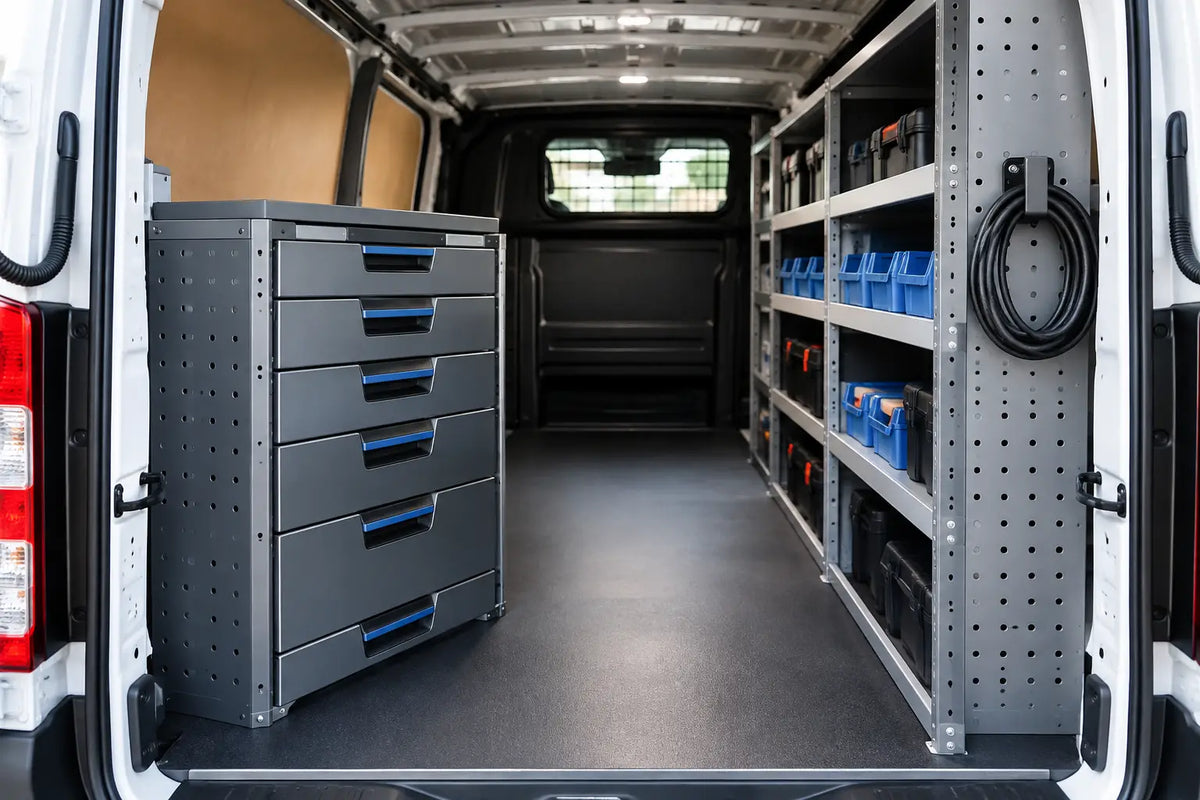
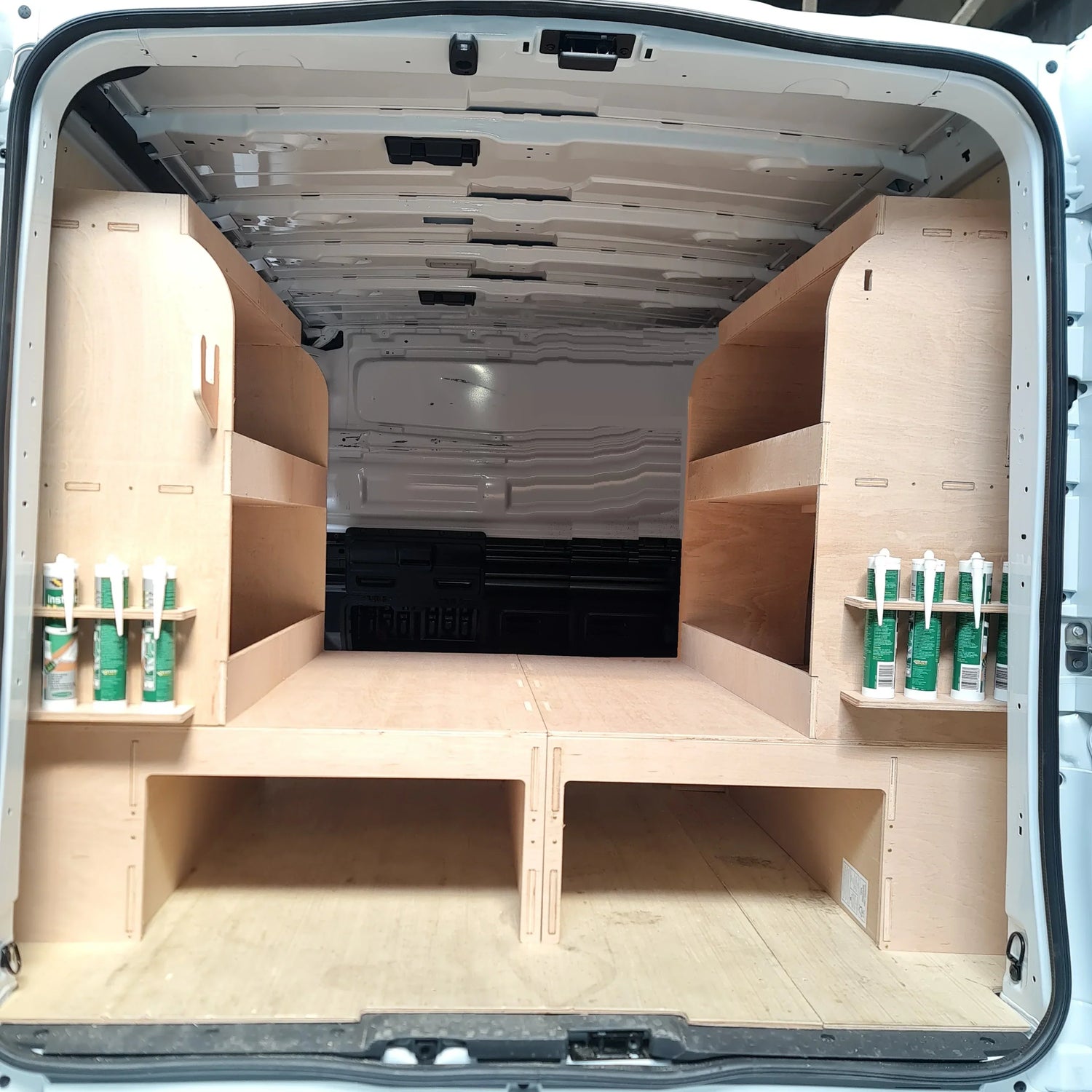
If you mainly use hand tools, consumables and boxed equipment, side shelving is usually the starting point. It keeps the floor clearer and gives quick access to the kit you use several times a day. Open shelves are useful when speed matters, but if you carry lots of smaller parts, adding bins or drawer units stops stock mixing together.
If your work involves heavier equipment or frequent transport of boards, cylinders or bulky items, it is worth keeping one side more open. In that case, a single-sided racking system combined with a false floor can be the smarter option. You gain hidden storage underneath while preserving usable loading space above.
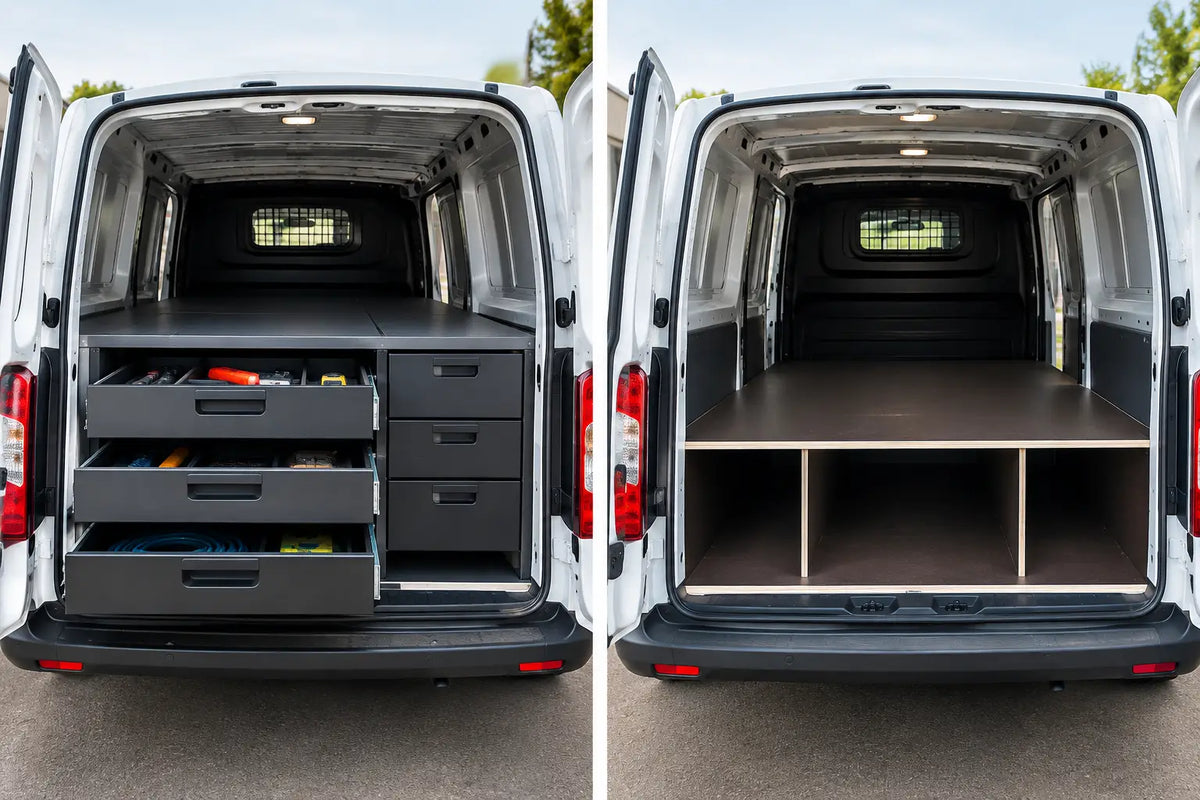
For mobile engineers and service teams, drawer systems often make more sense than deep shelves. Drawers bring tools to you rather than forcing you to climb into the van. They also reduce the chance of gear shifting in transit.
Shelving, drawers and false floors - what each one does best
Shelving is the most obvious place to begin because it gives immediate structure. In a Mercedes Vito, model-specific shelving makes better use of the side profile and wheel arch space than generic units. That matters because every inch counts in a medium van. Well-fitted shelving can store cases, fittings, fluids, fixings and everyday tools without eating too far into the main load area.
Drawers are better for smaller items that need separating. Electrical connectors, screws, clips, drill bits, blades and testing equipment are far easier to manage when they sit in dedicated sections. A drawer setup also helps with stock control. You can tell at a glance what needs replenishing instead of discovering it halfway through a job.
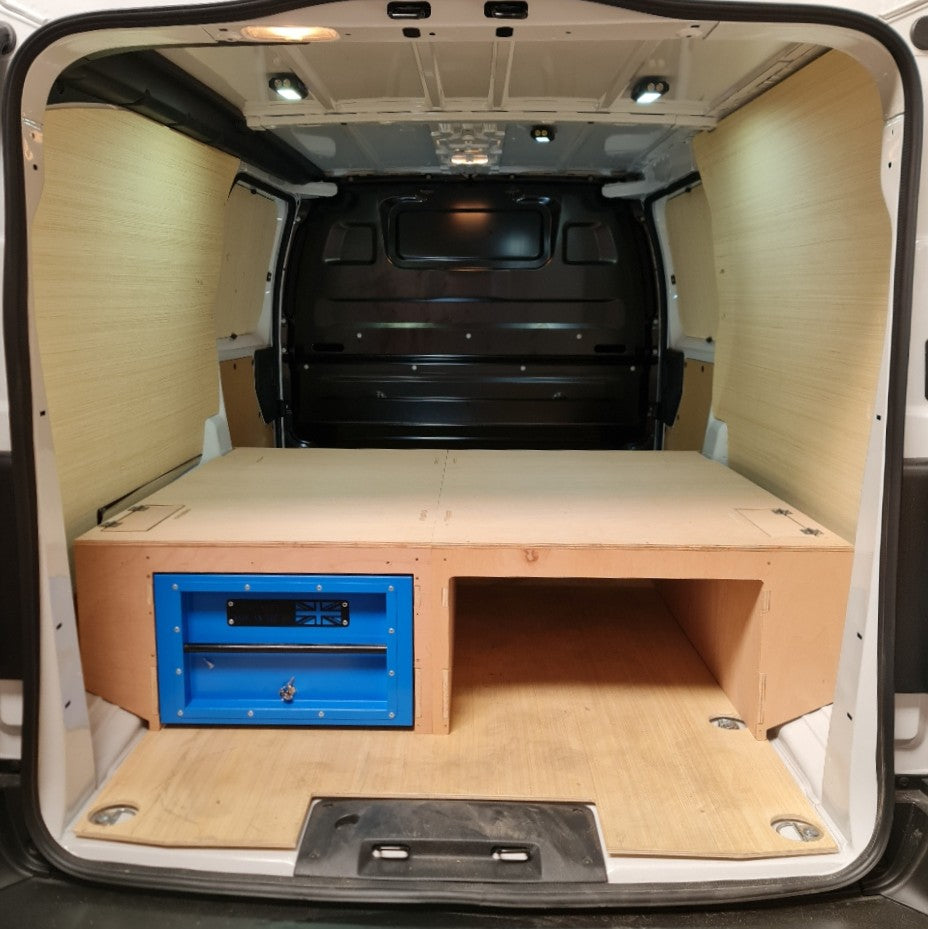
False floors are often overlooked, but they solve a common problem. Many trades need secure tool storage and a clear upper floor for larger loads. A false floor gives you both. Long tools, boxed gear or smaller stock can sit underneath, while the top remains available for materials, plant or larger equipment. If you carry a mix of jobs across the week, this is one of the most flexible options.
Make the load area work like a workshop
The difference between basic storage and a genuinely productive van usually comes down to the smaller details. Once the main shelving is in place, accessories are what turn empty sections into working storage.
Sealant holders keep tubes upright and easy to grab. Wipe dispensers stop packs getting crushed or lost under seats. Document clips, bins and glove box organisers help keep paperwork, PPE and smaller items under control. These are not flashy upgrades, but they save repeated hassle during the day.
It is also worth thinking about the order of use. The tools and consumables you reach for on nearly every job should sit closest to the door. Less frequently used kit can go higher up or further in. That may sound obvious, but many van setups fail because they are filled once and never arranged around real working habits.
Security and durability are part of storage
Mercedes Vito tool storage should do more than organise your gear. It should also help protect it. Loose tools get damaged, cases split, and smaller items vanish into corners or under larger equipment. Proper racking reduces that wear simply by keeping things fixed in place.
Security matters too. While shelving itself is not a substitute for locks and van security, it does reduce visible clutter and can help keep valuable kit less exposed. Drawer systems and underfloor storage are especially useful if you want expensive tools tucked away rather than immediately visible when the rear doors open.
Durability is another point that is easy to underestimate. Trade vans take knocks. Equipment gets loaded in a rush, floors get wet, and fittings get used hard. Storage needs to cope with daily abuse, not just look neat when first installed. Strong, vehicle-specific systems usually pay for themselves better than cheap universal units that shift, rattle or wear out too quickly.
Fitting out a Mercedes Vito without wasting money
A common mistake is trying to buy everything at once without thinking through the workflow. That can leave you with a van full of storage that does not suit the way you actually work. It is better to start with the core structure and build from there.
For most Vito owners, that means deciding first whether floor space or side access matters more. If floor space is critical, look at a false floor or a lighter single-side shelving setup. If fast access to tools is the priority, side racking and drawers will usually deliver the best return.
It also helps to think in terms of daily value rather than upfront spend. A storage system that saves you ten minutes on every job, reduces damaged tools and cuts down on duplicate stock is doing more than tidying the van. It is improving how the business runs. That is why many tradespeople see proper van storage as equipment, not an extra.
If you are comparing options, model-specific systems tend to be the safer buy. They fit better, waste less space and usually make installation more straightforward. That is especially relevant with the Vito, where a tailored setup can make a noticeable difference to how usable the load area feels.
What a good Vito setup looks like in practice
A practical Mercedes Vito layout often starts with shelving on the offside, leaving room for longer materials or larger equipment on the nearside. Add drawers low down for fixings and smaller tools, then use upper shelves for cases, consumables and stock. If you carry expensive diagnostic or power tools, underfloor storage can keep them secure and out of sight.
For a plumber, that might mean pipe fittings, sealants, cutters and press tools arranged by job frequency. For an electrician, it could mean testers, connectors, trunking accessories and labelled consumables in drawer compartments. For general builders or maintenance teams, the priority may be keeping a flexible central floor area while still having quick-access shelving for everyday gear.
That is why the best storage is always tied to the work. A tidy van is good. A van that helps you move faster, carry what you need and stay organised under pressure is better.
At Vanshelves, the focus is on practical, vehicle-specific storage that helps working vans earn their keep. If your Mercedes Vito is part workshop, part store room and part transport, the right fit-out gives each of those jobs its own place - and makes every day run that bit smoother.