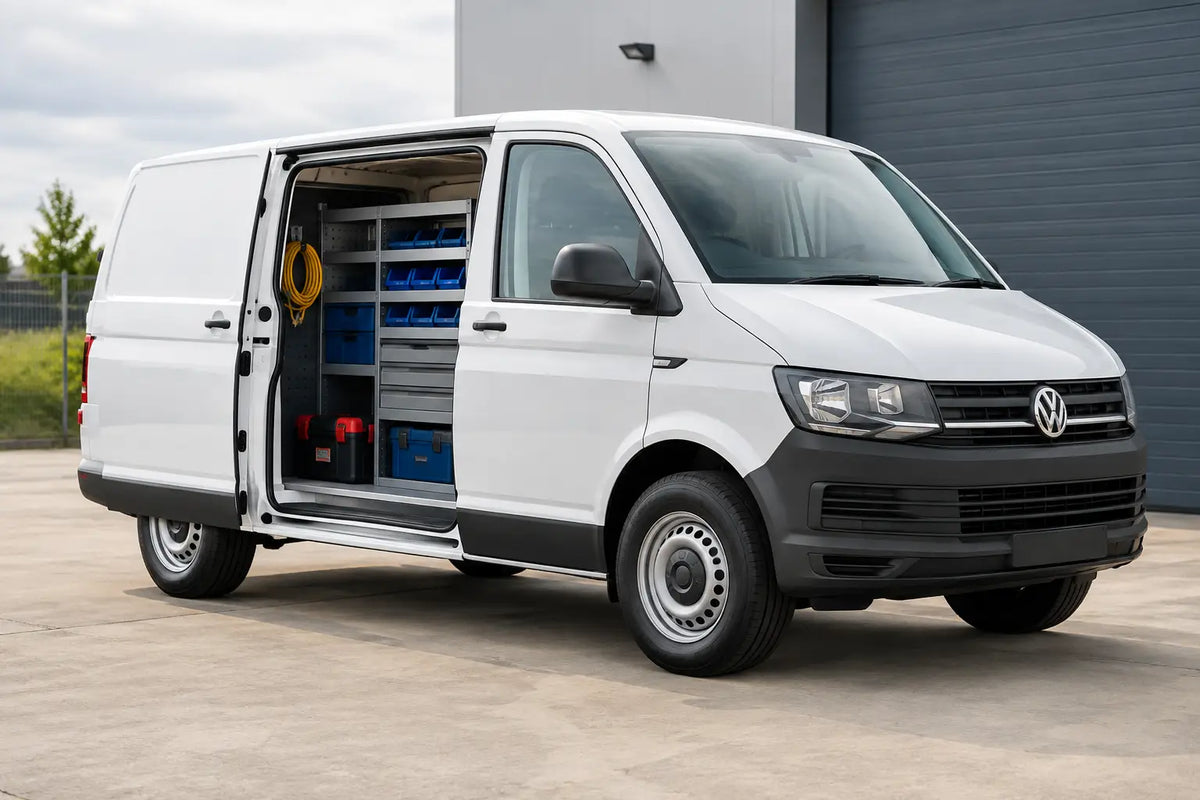

If you are measuring up a van for racking, boards, pipe, tool cases or a false floor, the Ford Transit Custom load length is one of the first numbers that matters. Get it wrong and you end up forcing gear in at an angle, losing walkway space, or fitting storage that works on paper but wastes time on site.
For most tradespeople, load length is not just a brochure figure. It affects what you can carry flat, how much room you have behind the bulkhead, and whether your van can be set up as a proper mobile workspace rather than a rolling pile of kit. That is why it pays to look beyond a single measurement and think about how the van is used day to day.
Ford Transit Custom load length - what it actually means
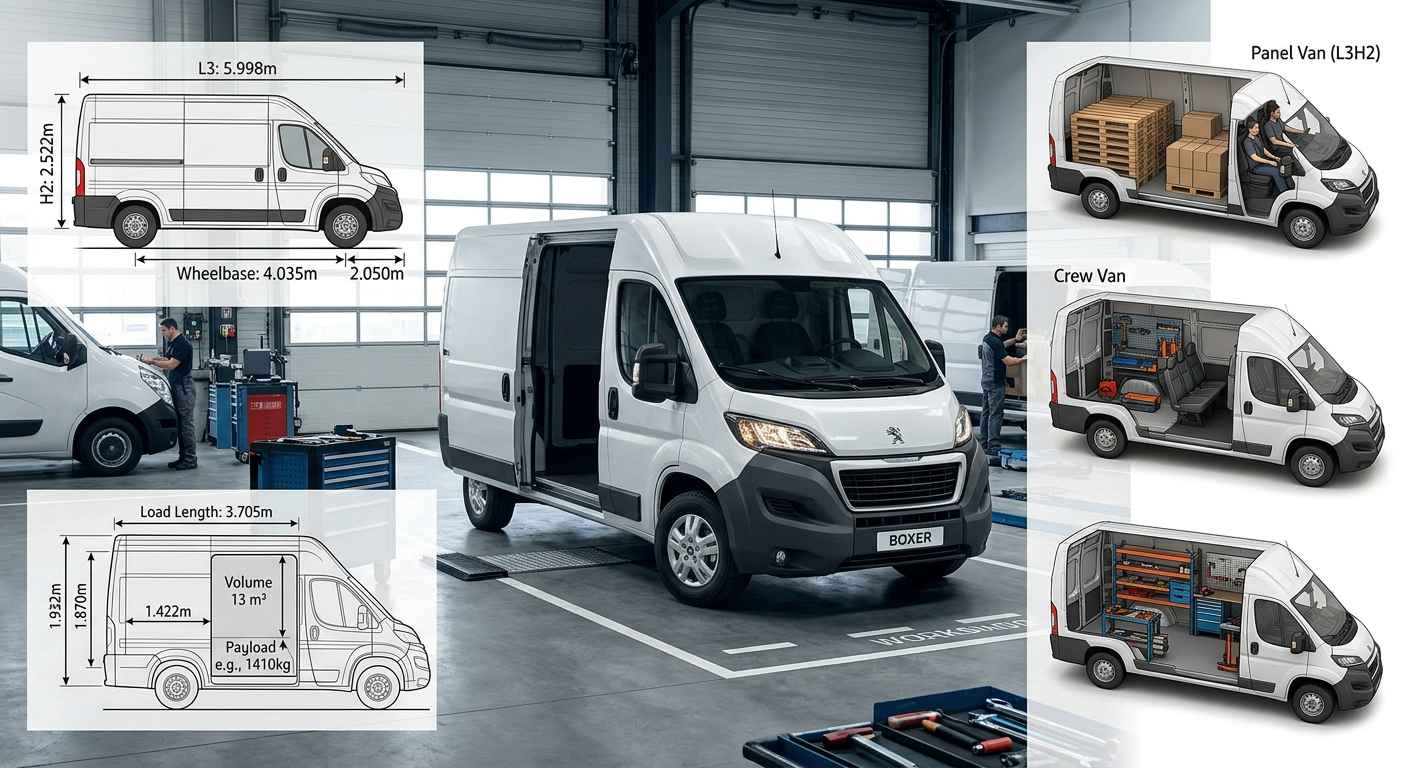
Load length is the usable distance inside the cargo area, measured from behind the bulkhead to the rear doors. On a Ford Transit Custom, that figure changes depending on whether you have the short wheelbase or long wheelbase version, and whether you are talking about floor-level length or the extra reach available through a load-through hatch.
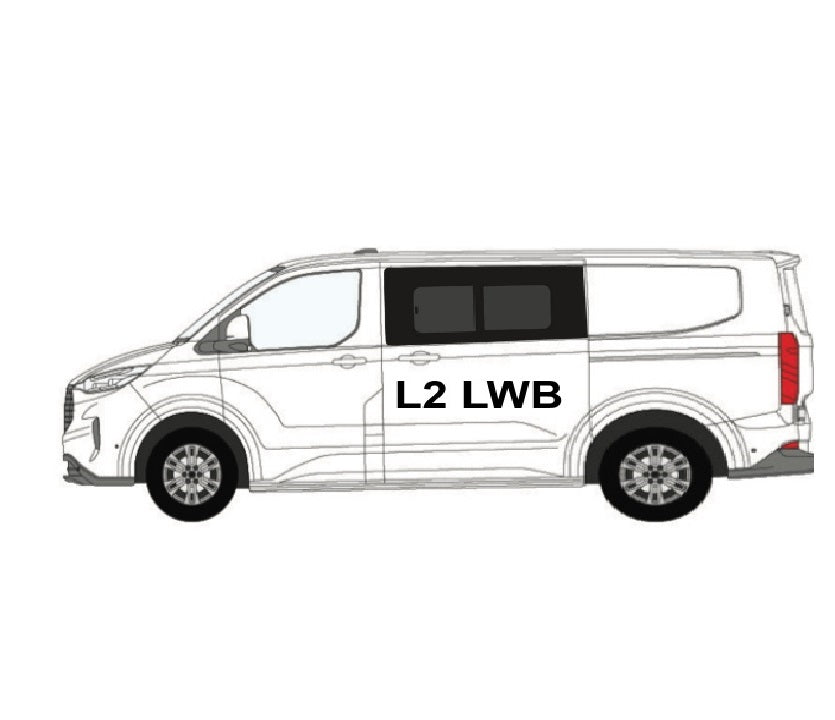
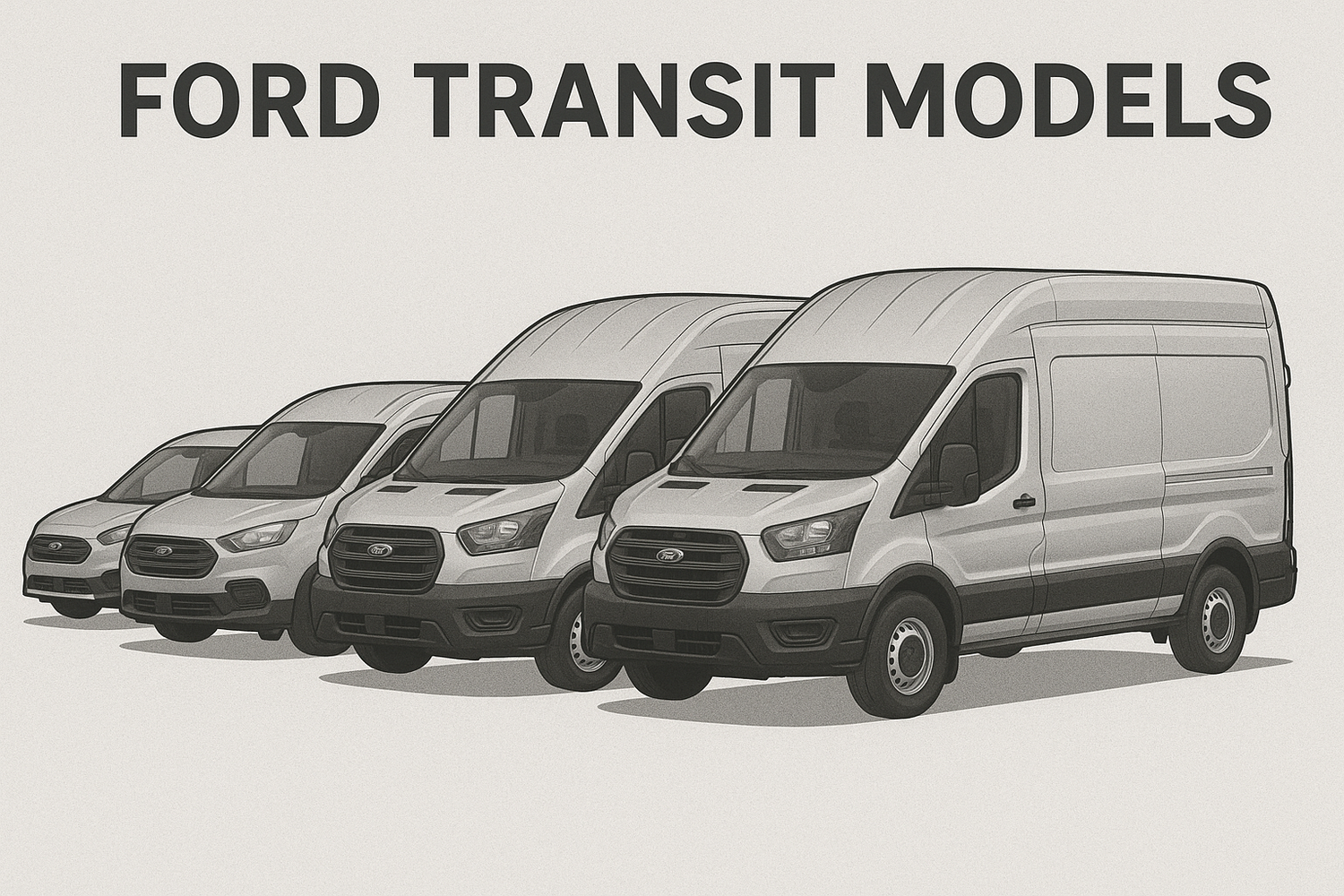
In simple terms, the short wheelbase gives you a solid working load area for most standard trade kit, while the long wheelbase adds extra room for longer materials and a bit more freedom when planning shelving and storage. If you regularly carry conduit, trunking, ladders, copper tube, timber lengths or sheet materials cut to job size, that difference matters more than it might seem on a spec sheet.
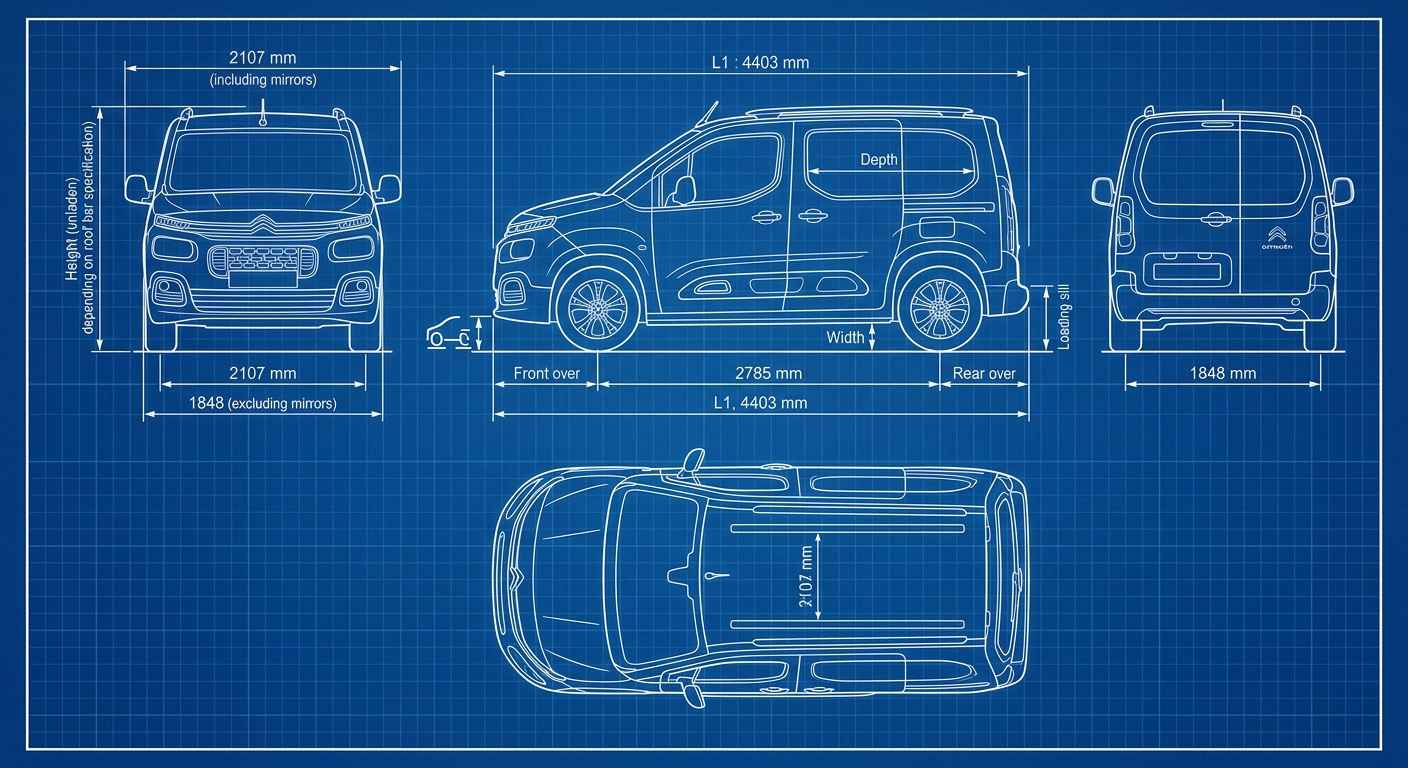
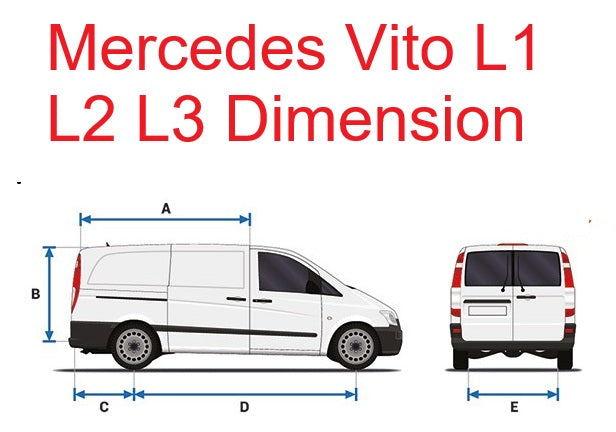
The exact figure can vary slightly by model year and trim, so it is always worth checking the dimensions for your specific van before buying any fitted storage. A few millimetres here and there can make the difference between a clean install and an awkward one.
Short wheelbase or long wheelbase?
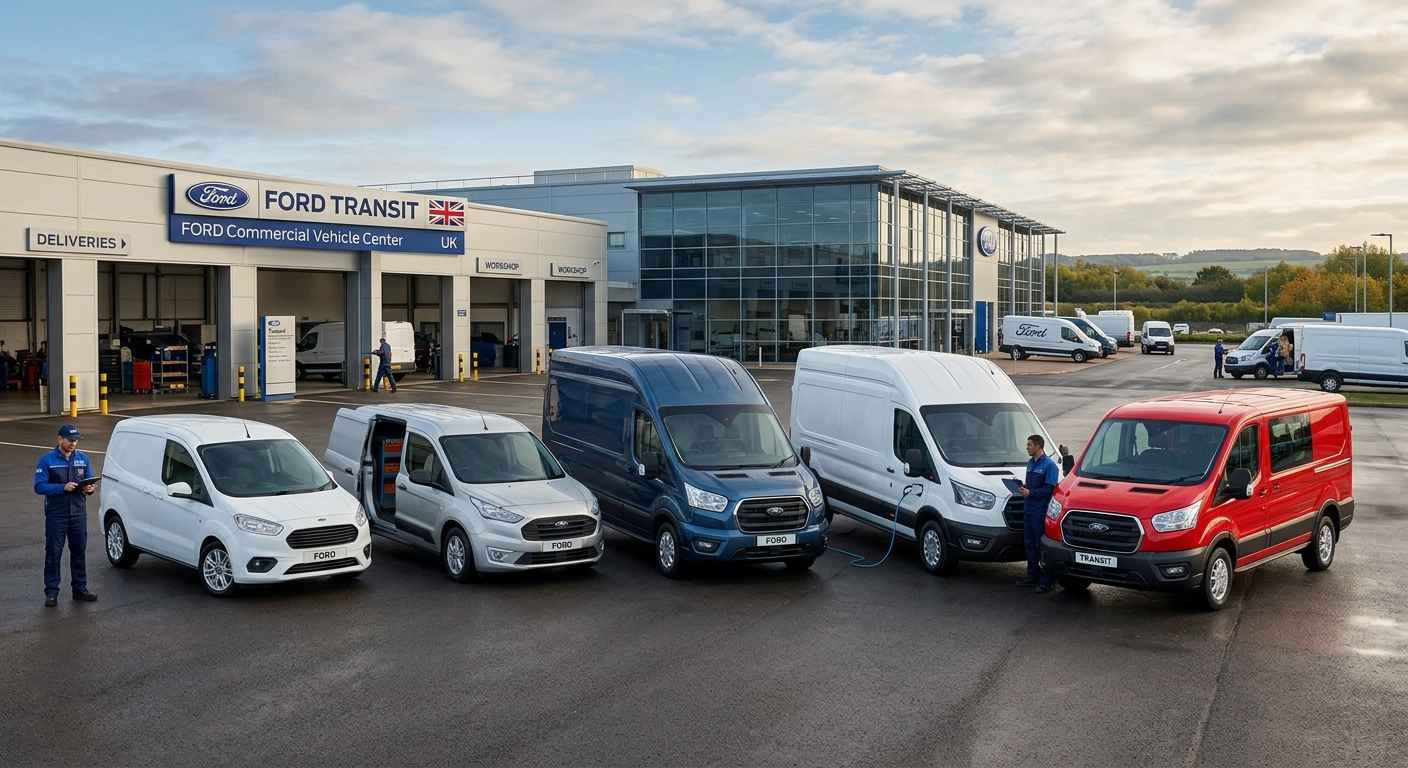
This is where the Ford Transit Custom load length becomes a buying decision rather than just a measurement. A short wheelbase Transit Custom is easier around town, easier to park, and often a better fit for trades working in tight residential streets or city centres. For electricians, service engineers, decorators and maintenance teams carrying mostly boxed tools, fittings and consumables, it is often more than enough.
A long wheelbase van gives you more flexibility. If your work involves longer stock, larger tool kits, stacked storage cases, or a more complete workshop layout, the extra load length helps. It is also useful if you want to fit shelving on one side and still keep a clearer central loading area.
That said, more length is not automatically better. If most of your work is urban call-out and you rarely carry oversized items, the extra body length can be a cost without much daily benefit. The right answer depends on what you carry most often, not what you might carry once every few months.
Why the bulkhead matters
A solid bulkhead protects the cab and keeps your load area separate, but it also defines the true usable space. If your van has a load-through hatch, you may be able to carry longer items by feeding them under the passenger seat area. That can be a real advantage for pipe, conduit and trim lengths, especially in a short wheelbase model.
But it is not the same as having a genuinely longer floor. A load-through option helps with occasional long items. It does not replace the benefit of a longer cargo bay if you carry larger materials all the time.
Measuring for shelving and false floors properly
A lot of van owners look at published dimensions and assume that is enough. It is a start, but it is not enough if you want your setup to work properly.
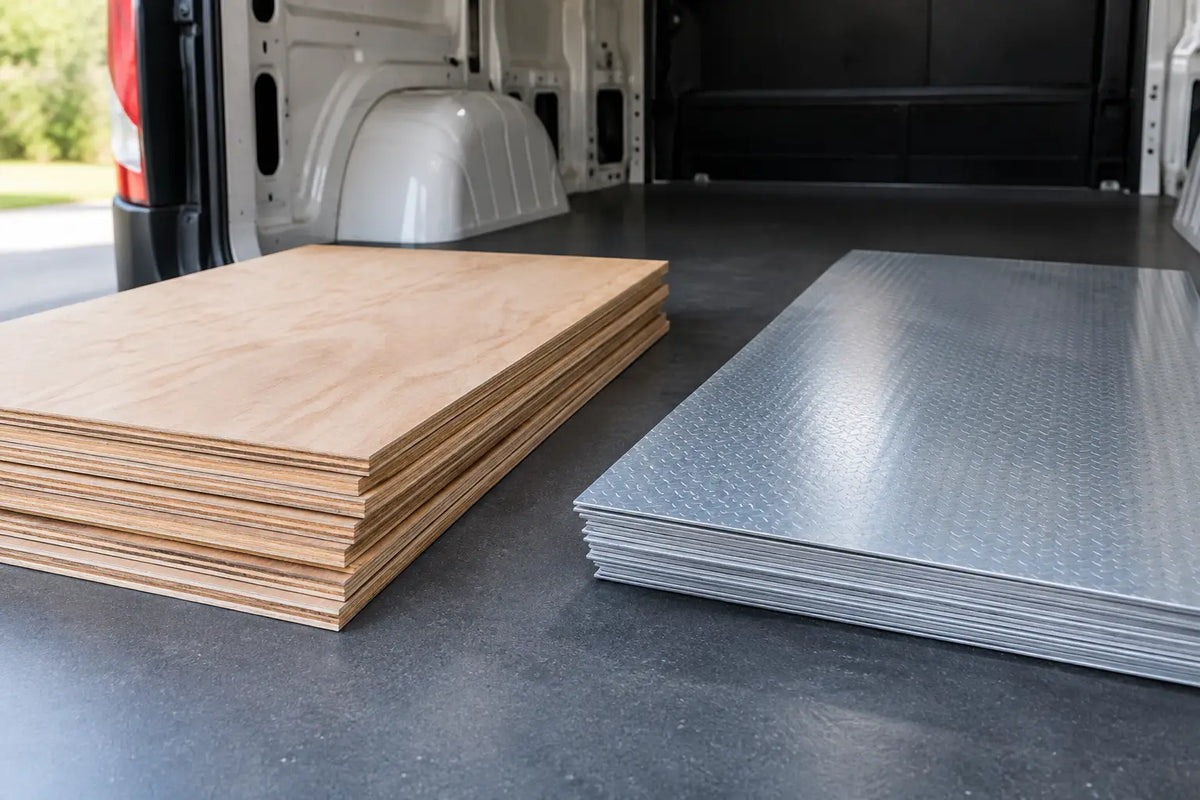
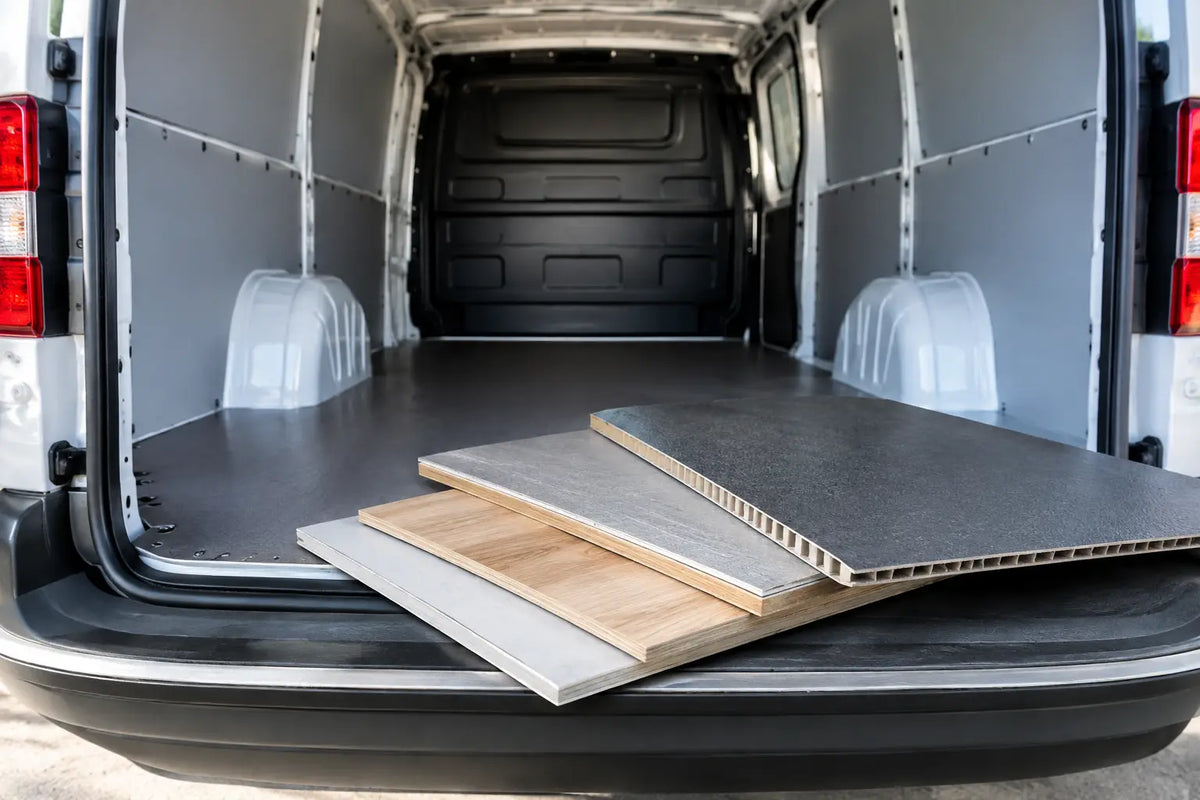
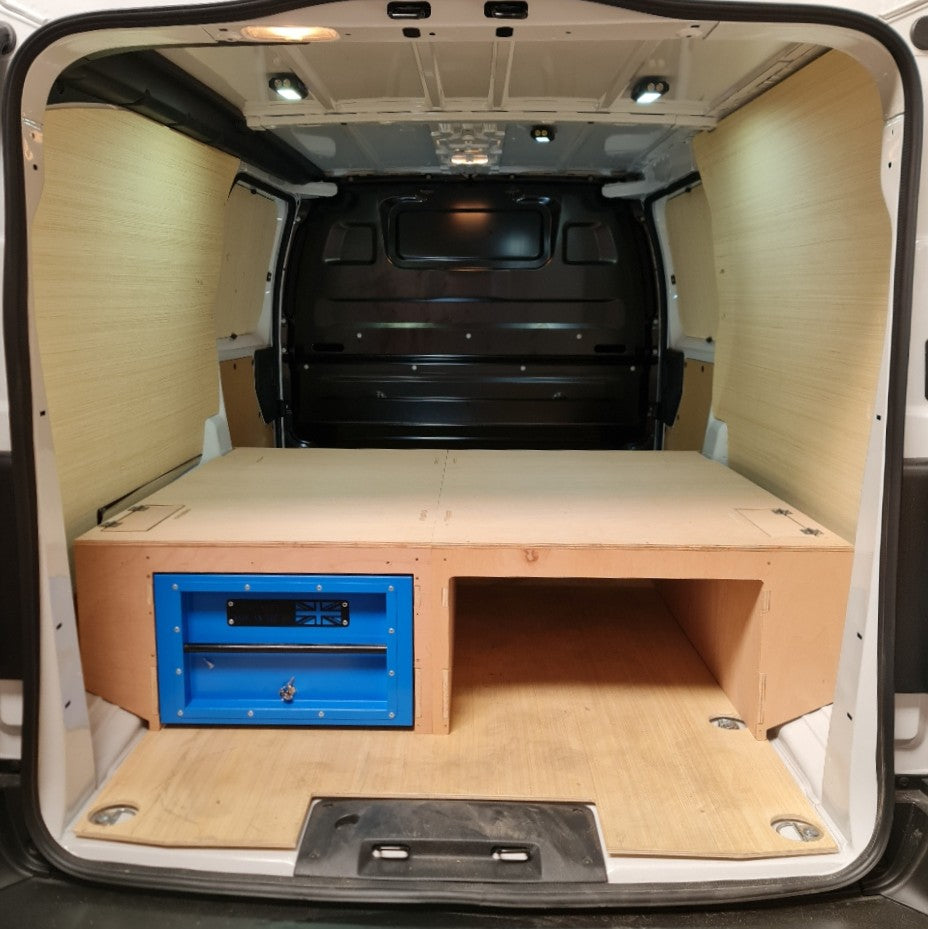
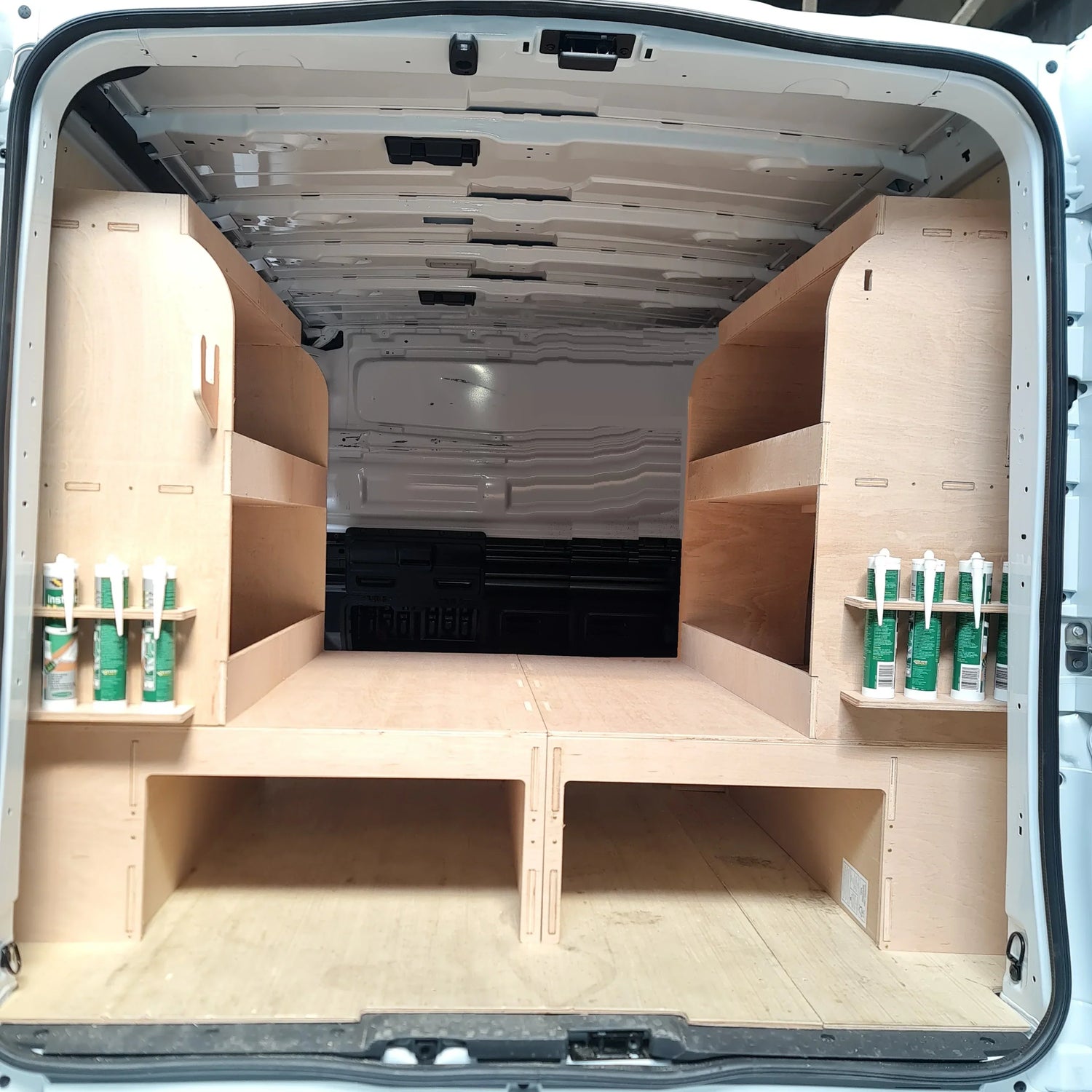
When planning around the Ford Transit Custom load length, measure the floor from the bulkhead to the rear threshold, then measure again at the height where shelving will sit. Wheel arches, door linings, existing ply kits and bulkhead shape can all affect how much practical room you have. If you are fitting a false floor, you also need to think about drawer extension and access at the rear doors.
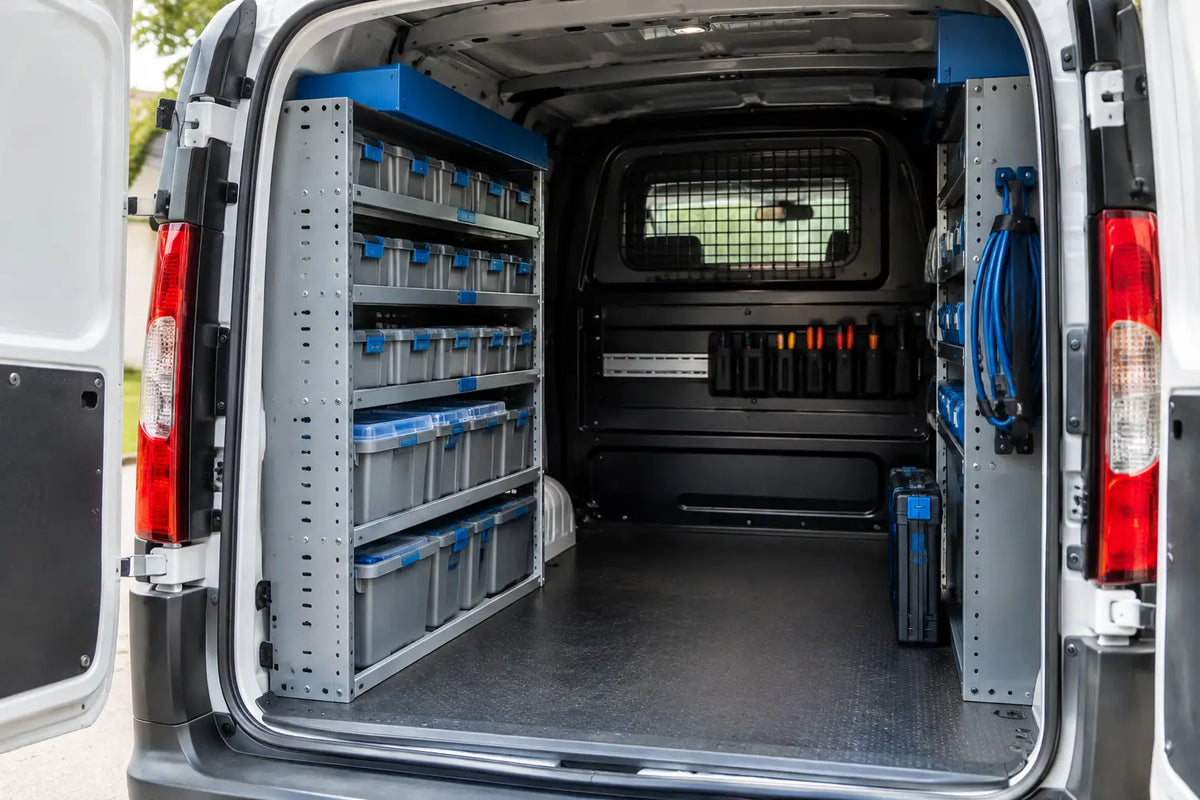
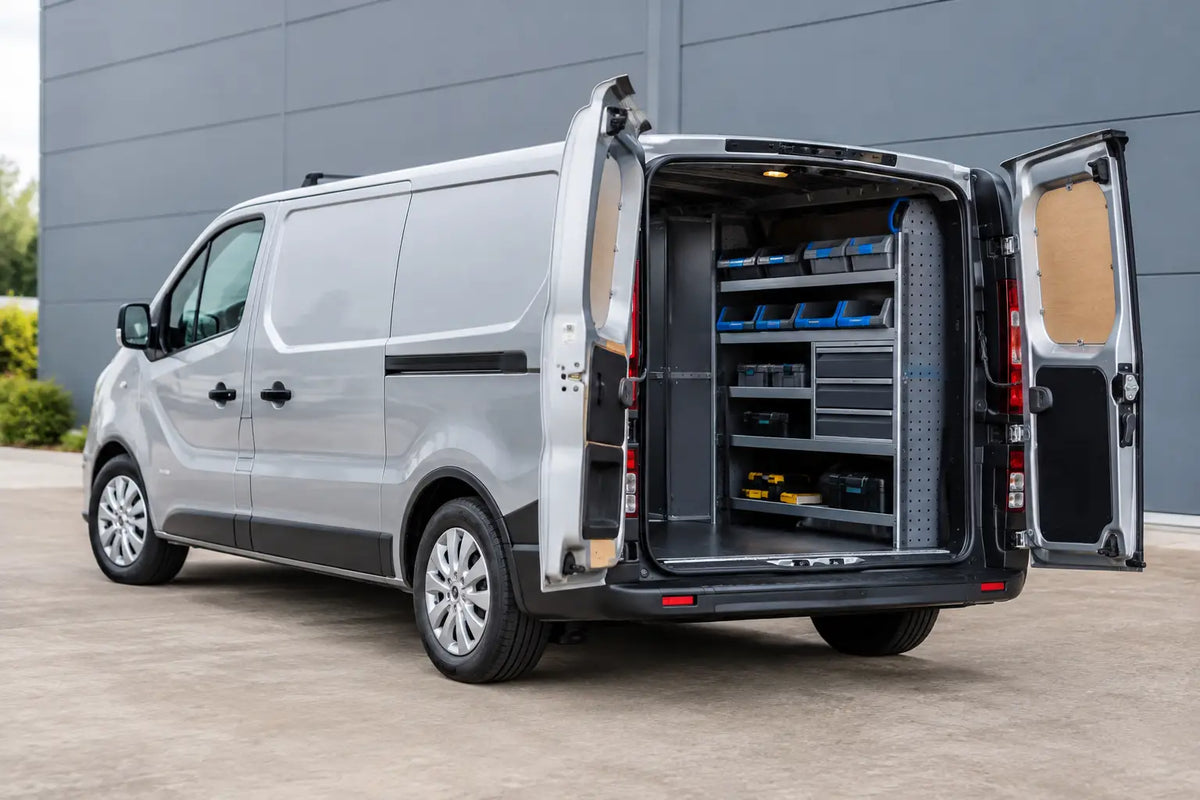
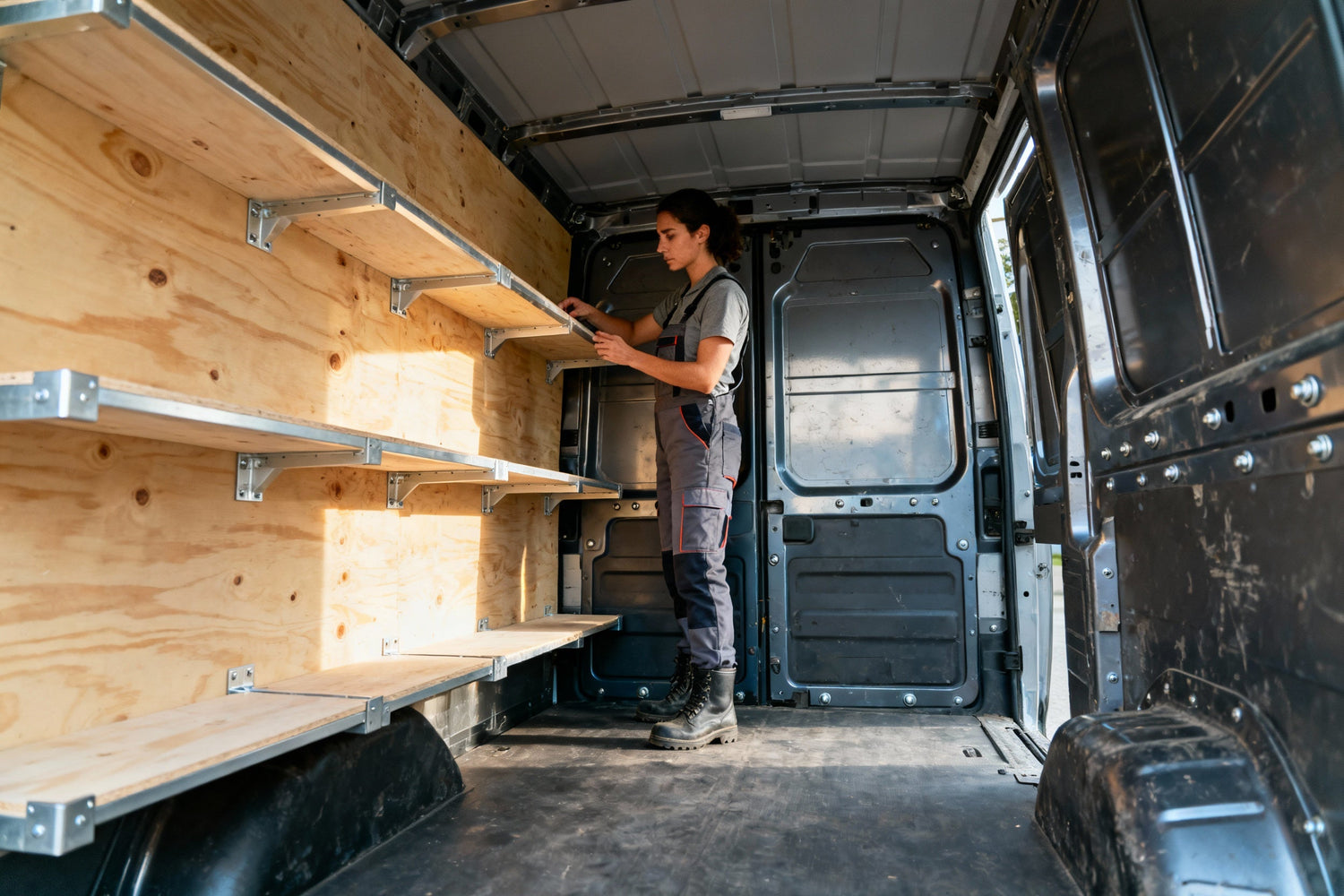
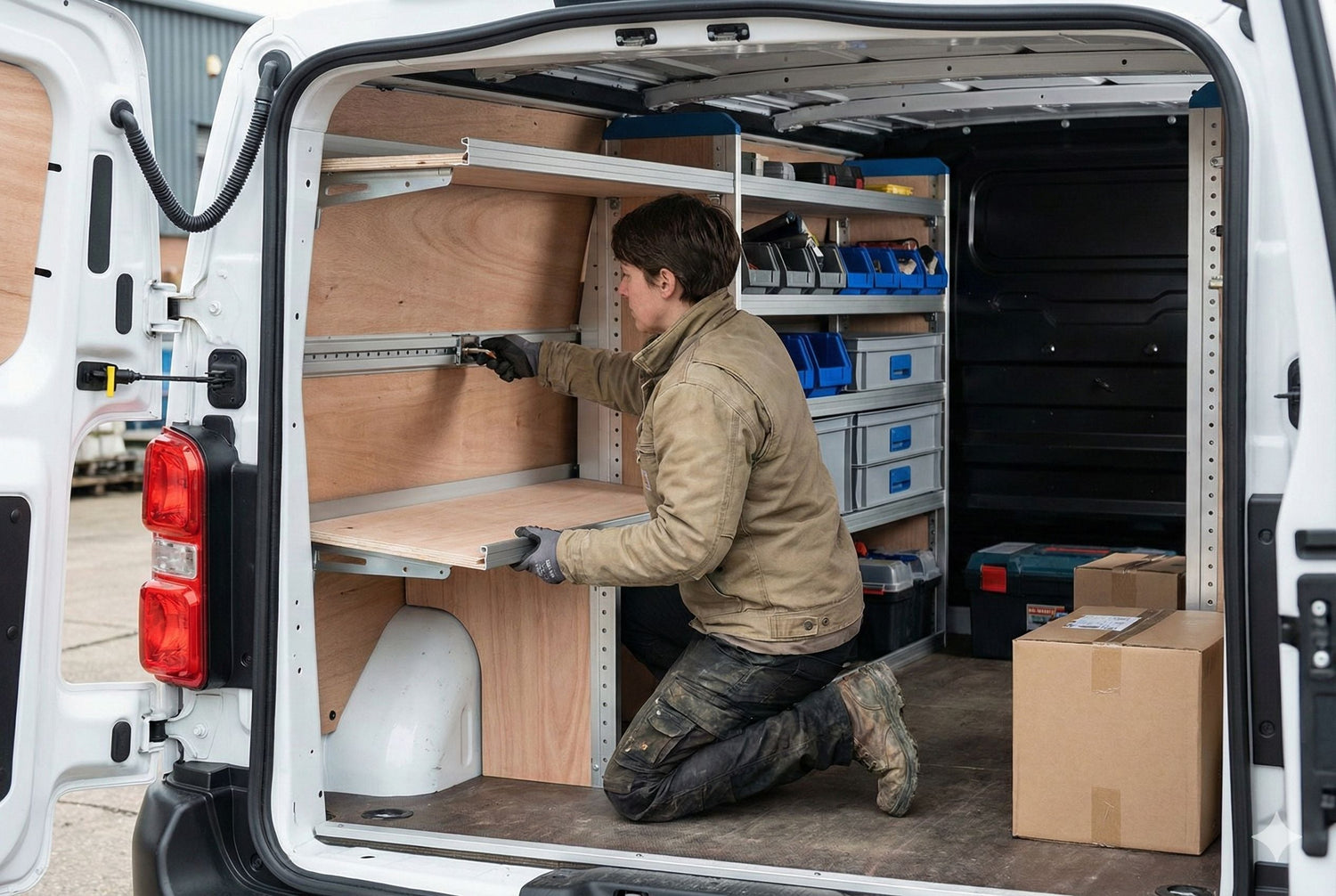
This is where vehicle-specific systems save time. Shelving or flooring built around the Transit Custom shape gives you a better fit and avoids the usual compromise of universal units that leave dead space or block access. For working vans, wasted space is wasted money.
Think in terms of workflow, not just storage
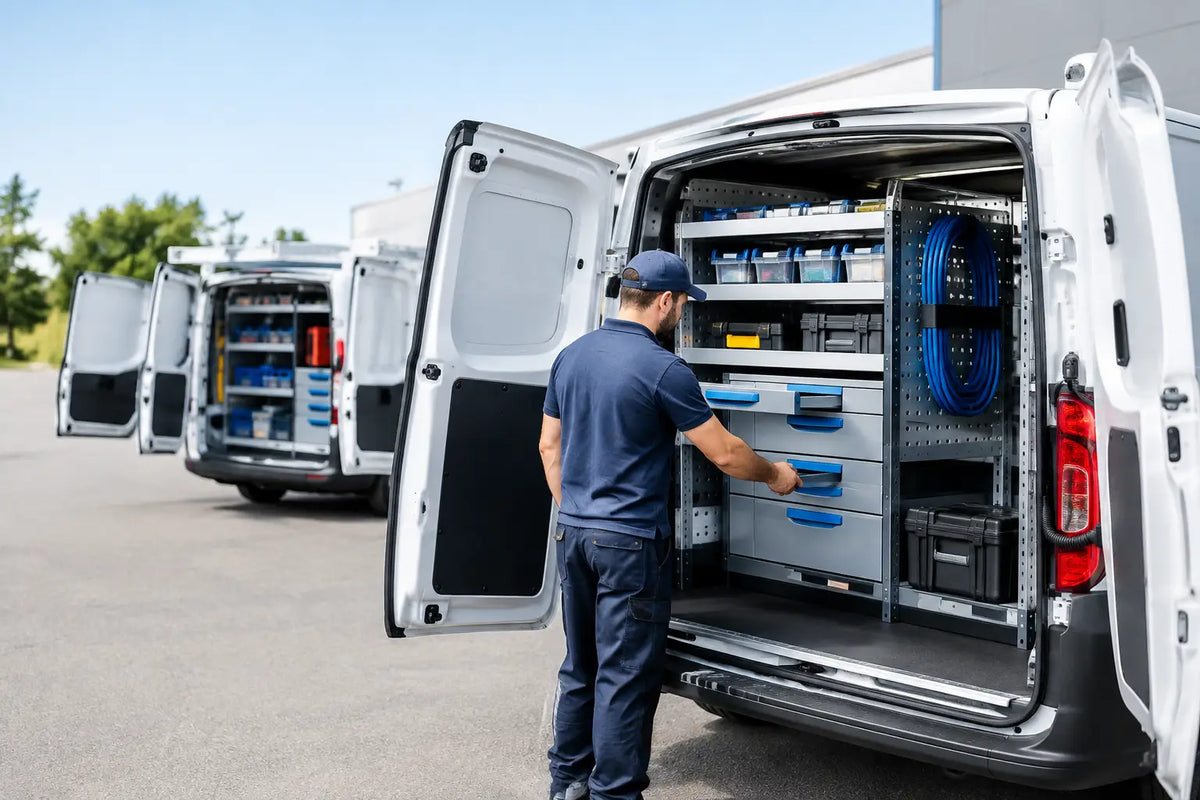
A long load area is useful, but only if it is organised properly. If everything ends up stacked on the floor, the benefit disappears quickly. The best setup keeps the van usable from the side door and the rear, with tools, fixings and consumables positioned to match the jobs you do most.
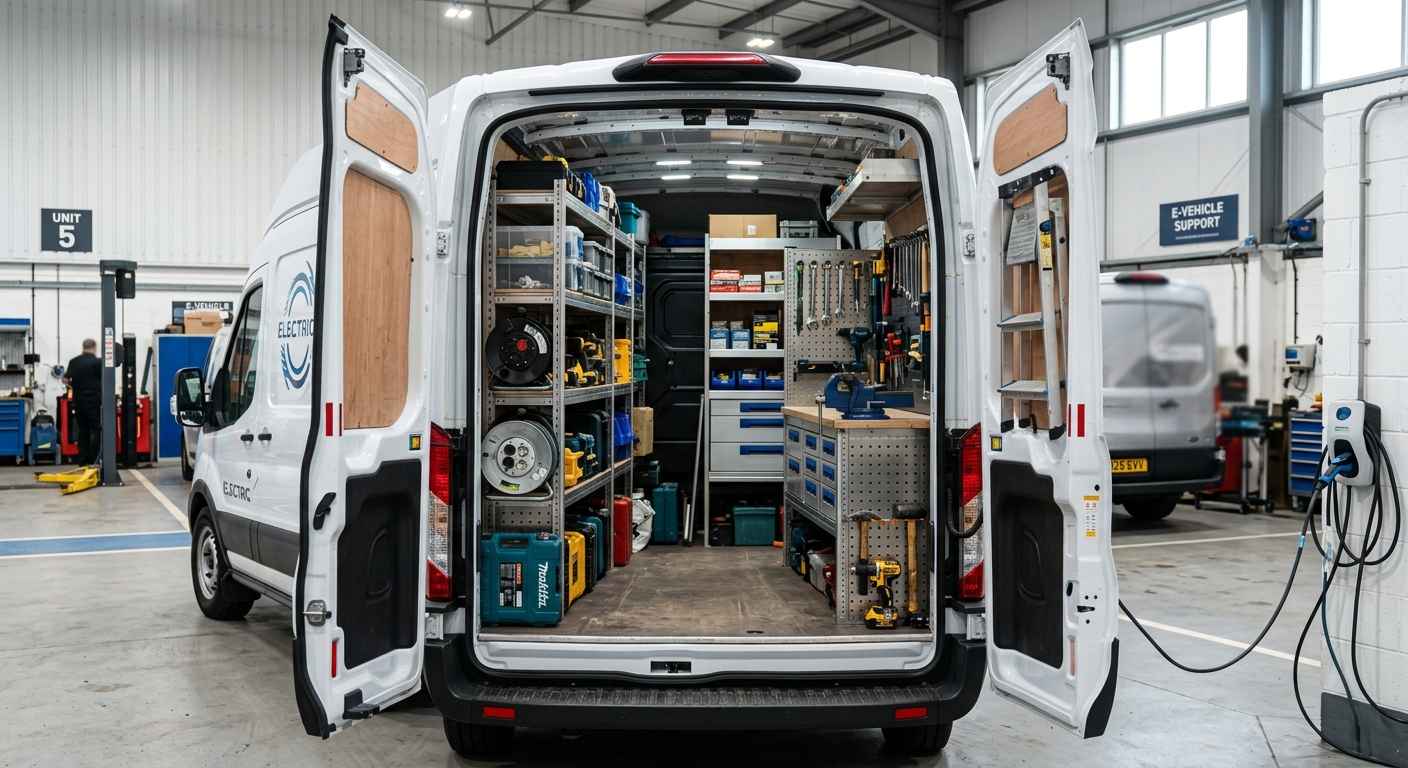
For example, a plumber may need long pipe storage, compact parts bins and space for larger cases. An electrician may want shelves for testers, fixings and cable accessories, with enough clear floor length for ladders or trunking. A builder might prioritise open floor space over heavier shelving because the load changes from one day to the next.
The van needs to support the job, not force you into a routine that slows you down.
Real-world carrying examples
The practical value of Ford Transit Custom load length is easier to understand with real use in mind. A short wheelbase model usually handles standard tool storage, stacked cases, smaller ladders, cable drums and boxed materials well. It suits trades that carry varied equipment but not constant long stock.
A long wheelbase model gives you more breathing room for longer ladders, lengths of pipe, larger sheet offcuts, longer worktops or bulkier packed gear. It can also make loading easier because you are not constantly packing right up against the rear doors.
That extra space can reduce damage as well. When equipment is not crammed in, there is less chance of doors knocking into materials, less shifting in transit, and less wear on both the load and the van interior.
How load length affects racking choices
If you are fitting van shelving, the available load length determines how much floor space you can afford to give away. This is where people often make poor choices. They see a full racking kit, like the idea of maximum storage, then realise the van no longer takes the items they actually earn from.
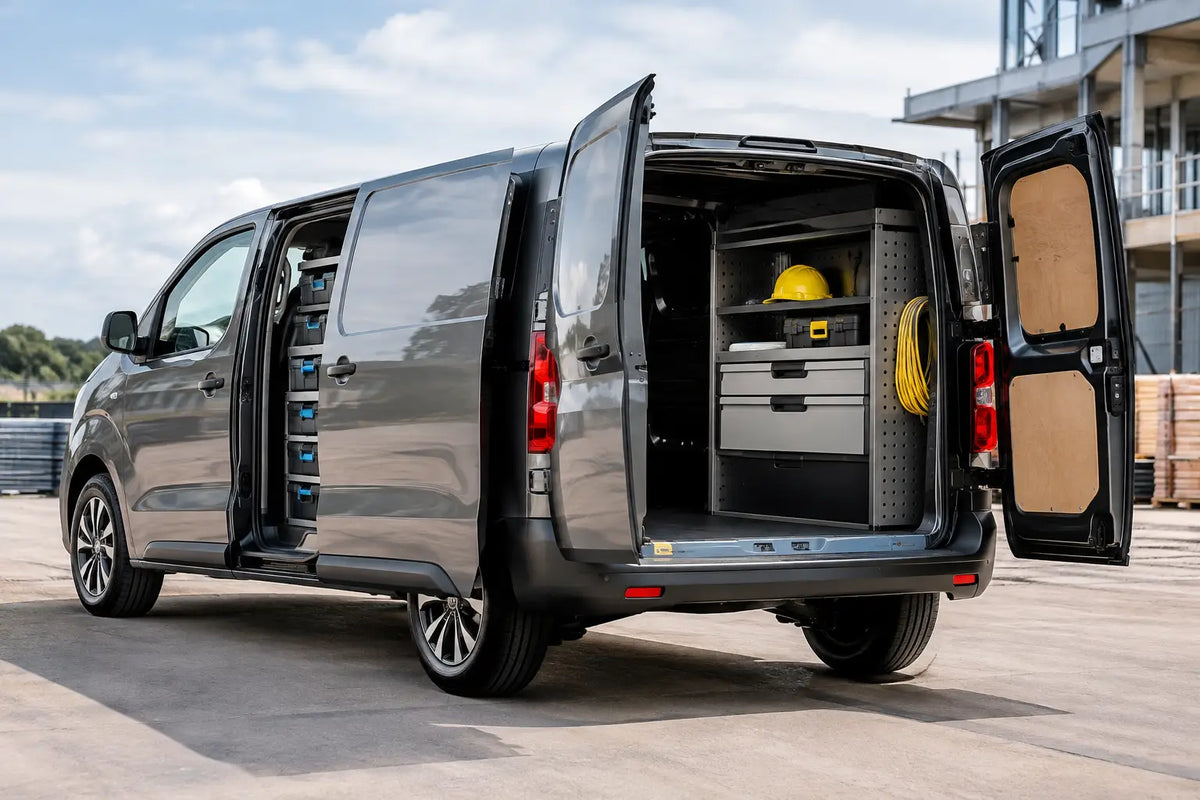
In a Transit Custom, side shelving works best when it leaves enough clear floor length for your longest regular load. That might mean a full-height shelving run on one side, low shelving only, or combining a false floor with more compact upper storage. There is no point fitting a van out beautifully if you then have to leave the mitre saw stand, ladder or stock behind.
For many trades, a balanced layout is better than chasing maximum shelf volume. A clear centre channel, secure side storage and underfloor space often gives the best mix of order and carrying capacity.
At Vanshelves.co.uk, that is why vehicle-specific layouts matter. They help you use the Transit Custom load area properly rather than just filling it.
The trade-off between load length and access
More internal length sounds simple, but access matters just as much. If you can carry a long item only by loading it awkwardly, reaching over shelves, or unloading half the van first, it is not efficient.
That is why side door access, rear door opening space and storage depth all need to be considered alongside load length. Deep shelves can eat into floor width and make longer items harder to load cleanly. Tall units can improve storage volume but may reduce visibility or make the van feel tighter to work from.
A good setup gives you enough length for your main loads and enough access to use that space quickly. The best vans are not necessarily the ones that carry the most. They are the ones that let you get in, get what you need, and get on with the job.
Before you buy storage for a Transit Custom
Check your van’s exact wheelbase, roof and model year. Measure the cargo floor with any existing lining, bulkhead or flooring in place. Then make a simple list of your longest regular items, not your biggest ever load.
That last point matters. Build the van around the work you do every week. If you fit it out for rare jobs, you often compromise everyday efficiency. A van that handles 95 per cent of your working week well is better than one that is theoretically perfect for the other 5 per cent.
Also think about future changes. If you are taking on more installation work, carrying more stock, or moving towards a more organised mobile workshop setup, a little extra planning now can save replacing the whole interior later.
Ford Transit Custom load length is not just a spec for comparison tables. It shapes how useful the van is once the shelves go in, the tools go onboard and the working week starts. Measure carefully, plan around real jobs, and choose a layout that gives you room to work as well as room to carry.