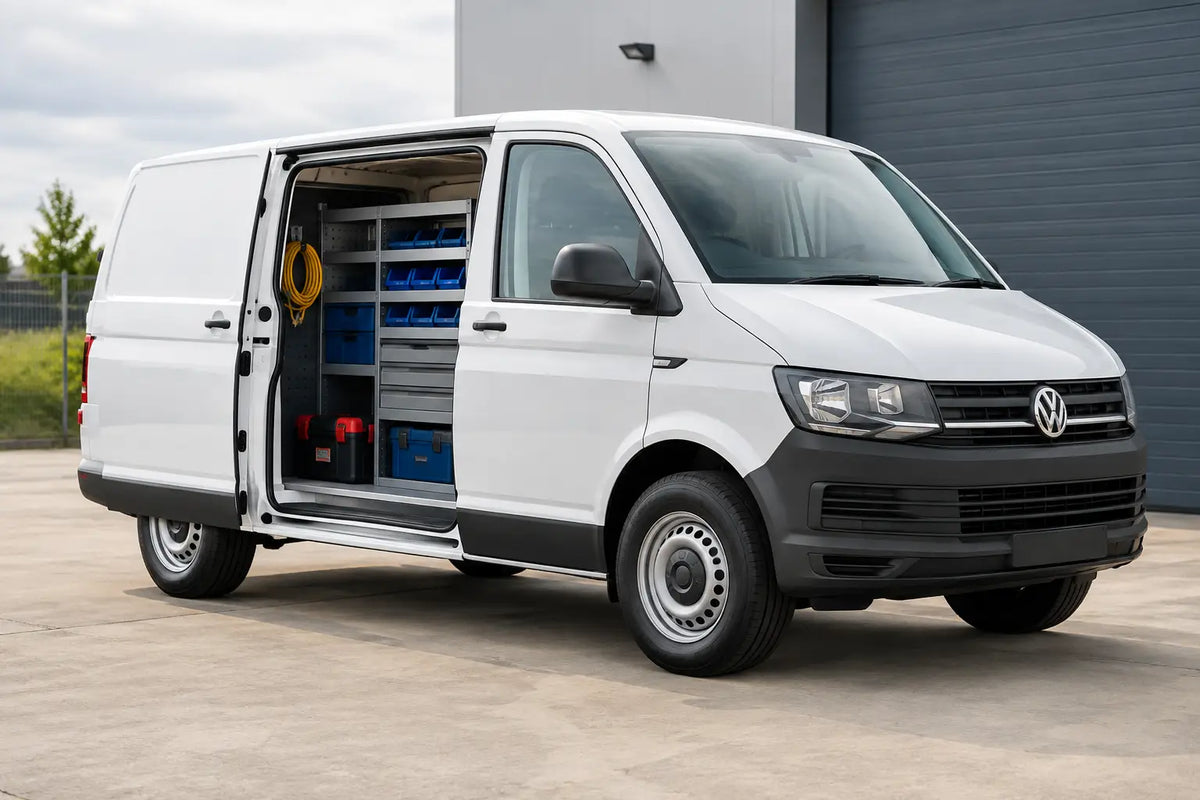

If you are pricing up racking, planning a false floor or simply checking whether your next load will fit, Fiat Scudo van dimensions matter more than the badge on the bonnet. A few centimetres can be the difference between a clean install and wasted space, especially when the van needs to work hard every day rather than just get from A to B.
The Scudo sits in that useful mid-size van bracket that suits a wide range of trades. It is compact enough for tighter streets and awkward site access, but still large enough to carry tools, stock and longer items without forcing you into a bigger van than you need. For plumbers, electricians, fitters and service engineers, that balance is often exactly the point.
Fiat Scudo van dimensions at a glance
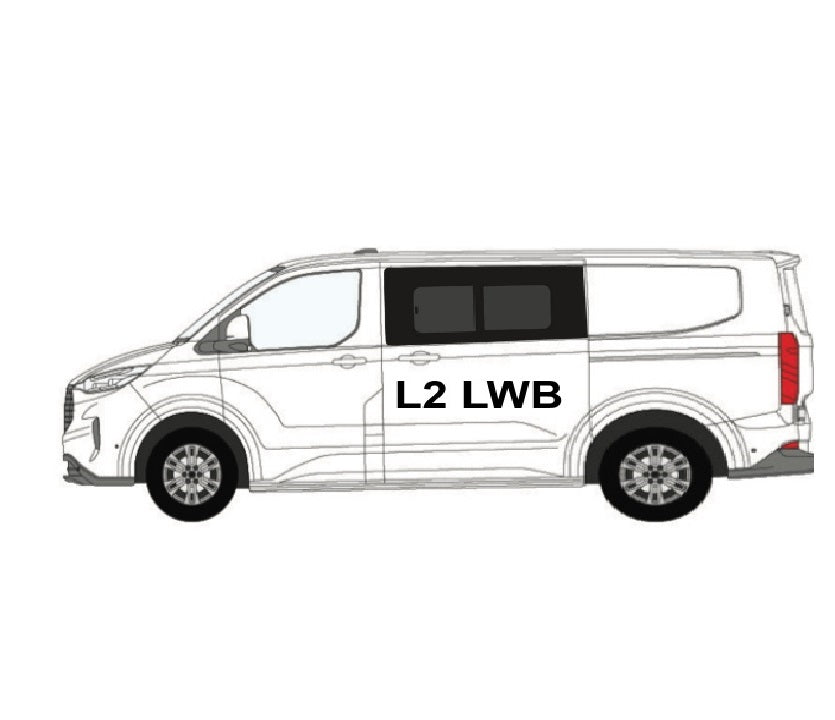
The Fiat Scudo is typically available in two main body lengths, often referred to as Standard and Maxi. Roof height is generally one standard option rather than multiple high-roof variants, which keeps the choice simpler but makes internal planning more important.
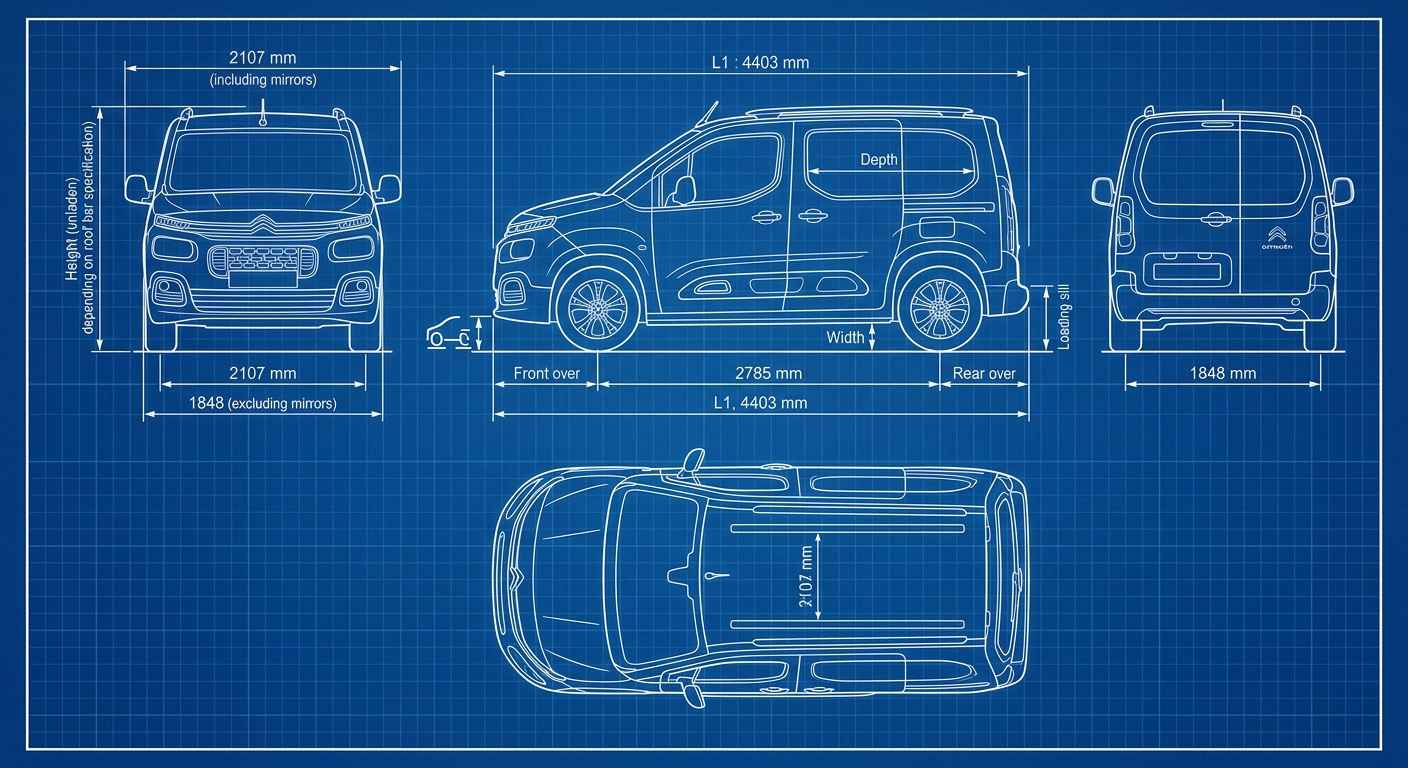
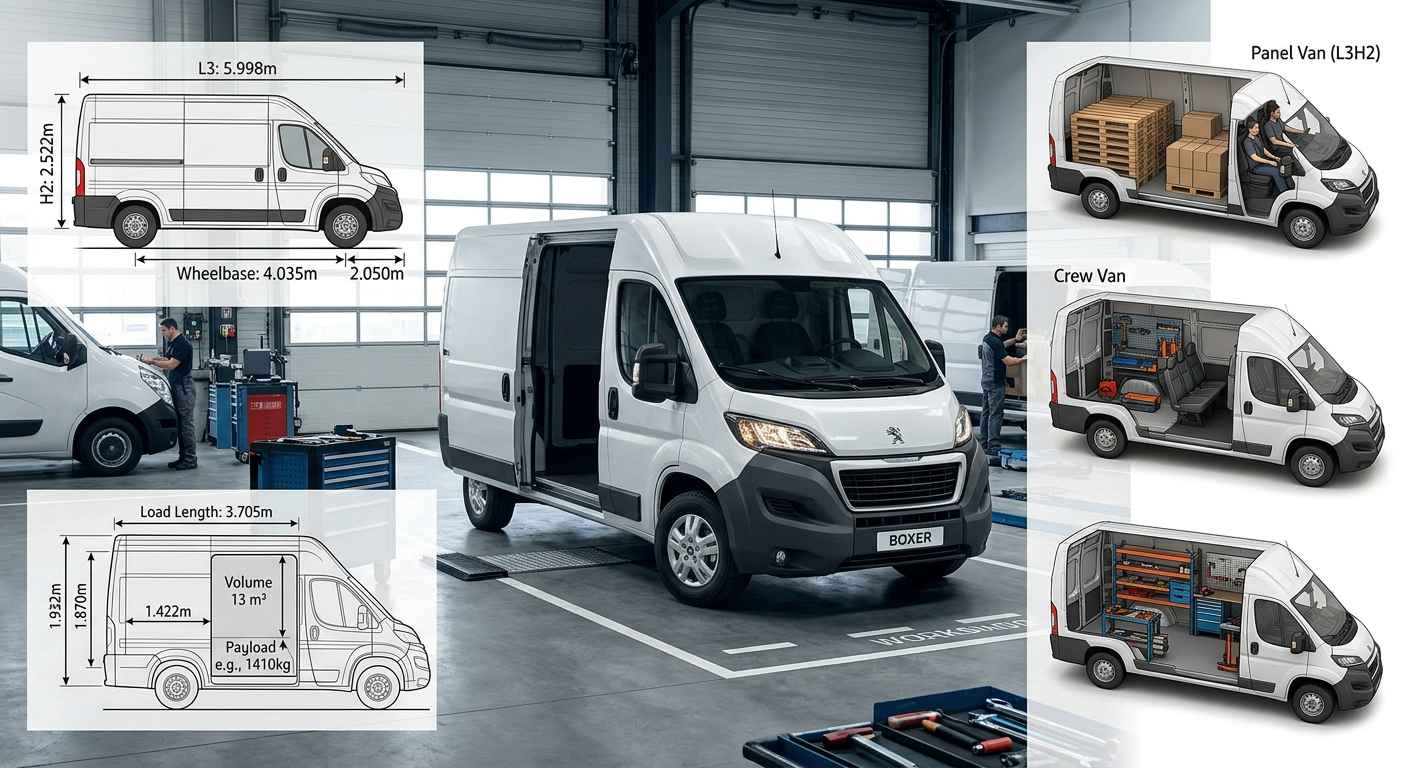
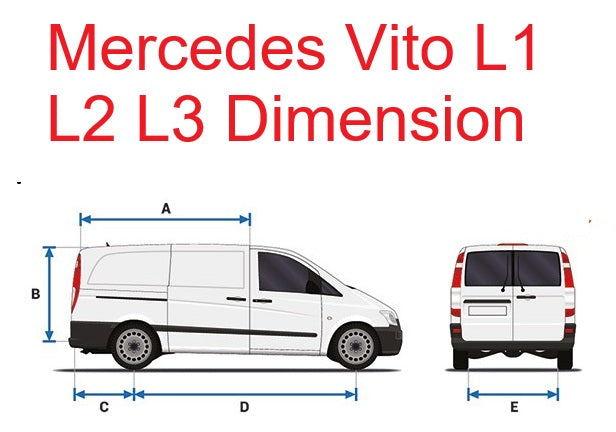
For most current Fiat Scudo panel van models, the key dimensions are broadly as follows. Load length is around 2.5m in the standard version and roughly 2.8m in the Maxi. Internal load width is about 1.6m, with around 1.25m between the wheel arches. Internal load height is approximately 1.4m. Overall vehicle height usually stays under 2m, and that can be a real advantage for car parks, barriers and day-to-day urban access.
These figures can vary slightly by model year, trim and configuration, so if you are buying shelving or lining kits, exact model fitment still matters. Close enough is not good enough when you are fitting equipment around wheel arch boxes, side panels and factory fixing points.
Standard versus Maxi
The main decision for most buyers is not height - it is length. The standard Fiat Scudo gives you a shorter footprint, which is easier around town and generally less hassle when parking on domestic jobs. The Maxi gives you more usable floor length, which can make a big difference if you carry pipe, conduit, trunking, ladders or stacked storage units.
That extra length is not only about carrying long materials. It also affects how easily you can create zones inside the van. In a longer wheelbase setup, you have more freedom to separate consumables, power tools and bulky kit rather than stacking everything into the same working area.
Why the dimensions matter for storage planning
Plenty of van buyers look at load volume first, but volume on paper does not always translate into a practical working layout. A van can have decent cubic capacity and still be awkward if wheel arches eat into floor space or the sidewall shape limits shelving depth.
With the Scudo, the width between the arches is one of the most useful numbers. At around 1.25m, it allows standard boards, some sheet materials and certain toolbox formats to sit more cleanly than in narrower vans. That gives you more flexibility with floor storage and low-level drawer systems.
Internal height matters too, but not always in the way people think. Most tradespeople are not standing fully upright in a Scudo, so the real question is whether the height supports the type of shelving, cases and stacked bins you want to use. If your setup relies on tall uprights, deep top shelves or hanging storage, that 1.4m internal height needs to be measured properly against the products you plan to fit.
Side door and rear access
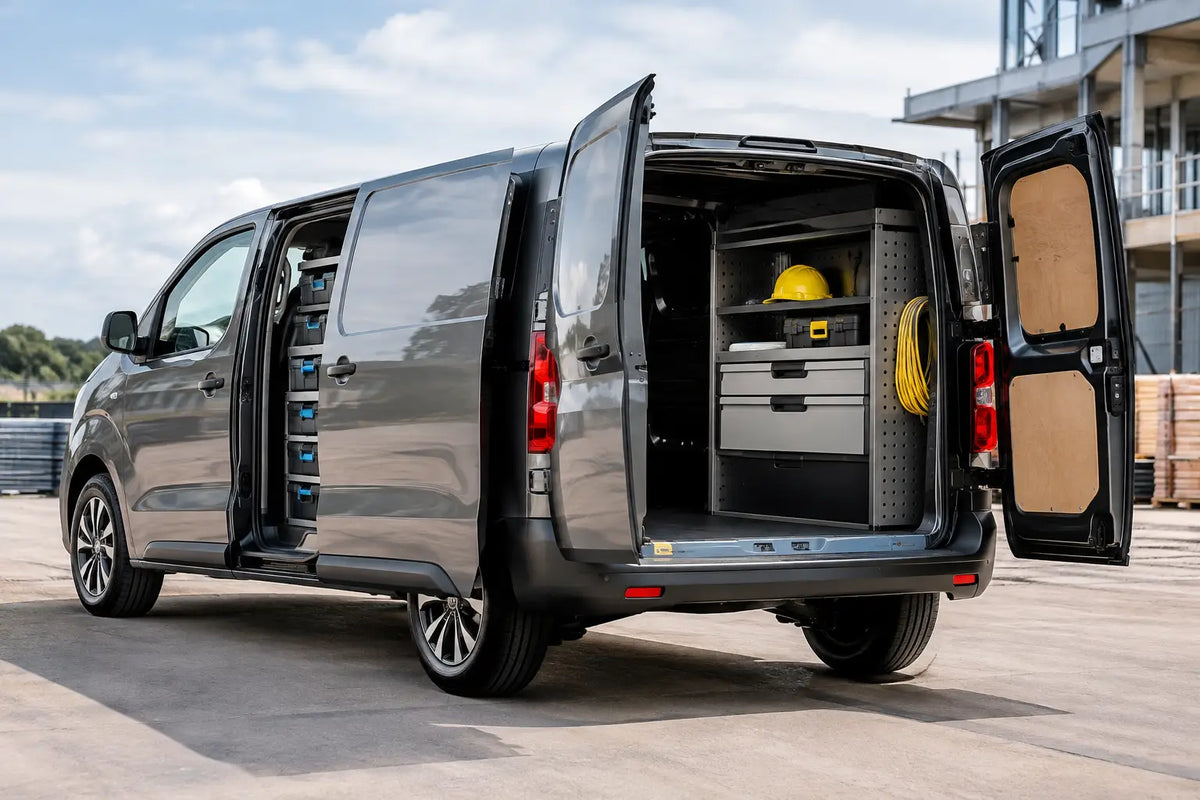
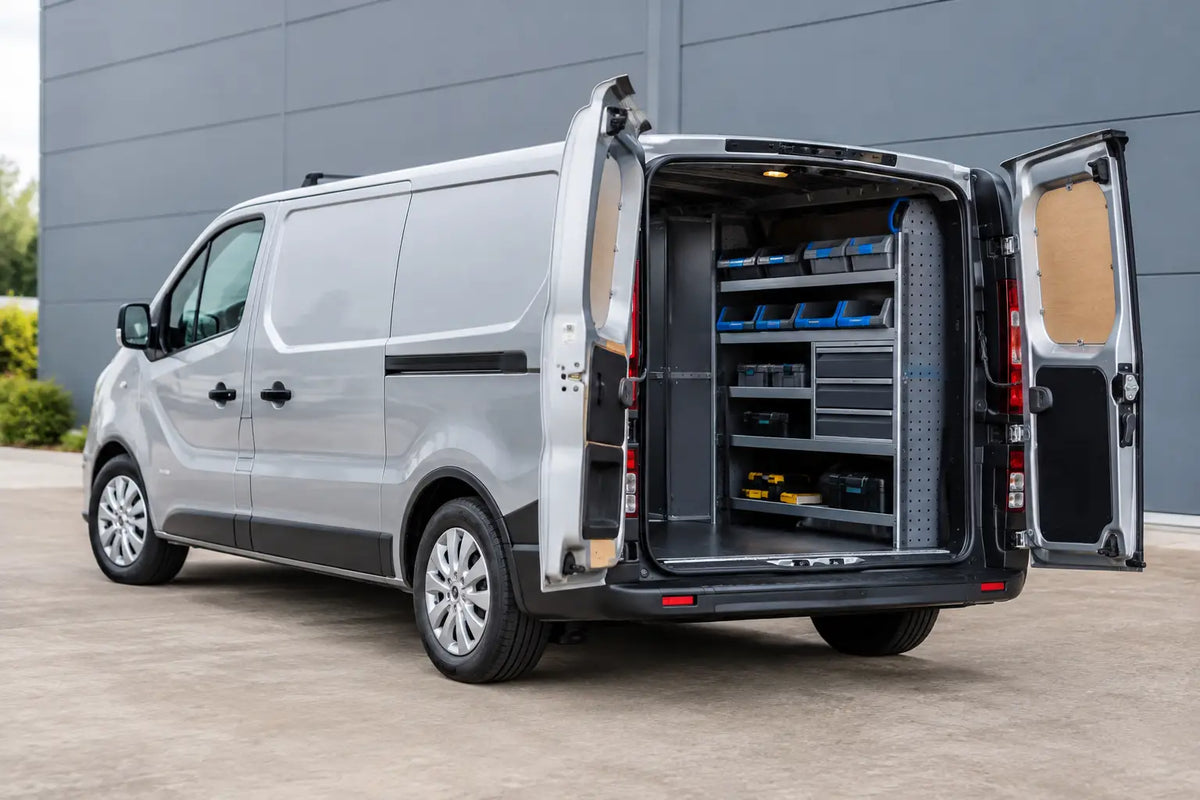
Door openings are just as important as internal measurements. You may have the load length you need, but if the side door opening is tighter than expected, getting larger equipment in and out becomes awkward. The Scudo's twin rear doors and sliding side door make it a practical van for frequent access, especially on trade jobs where speed matters.
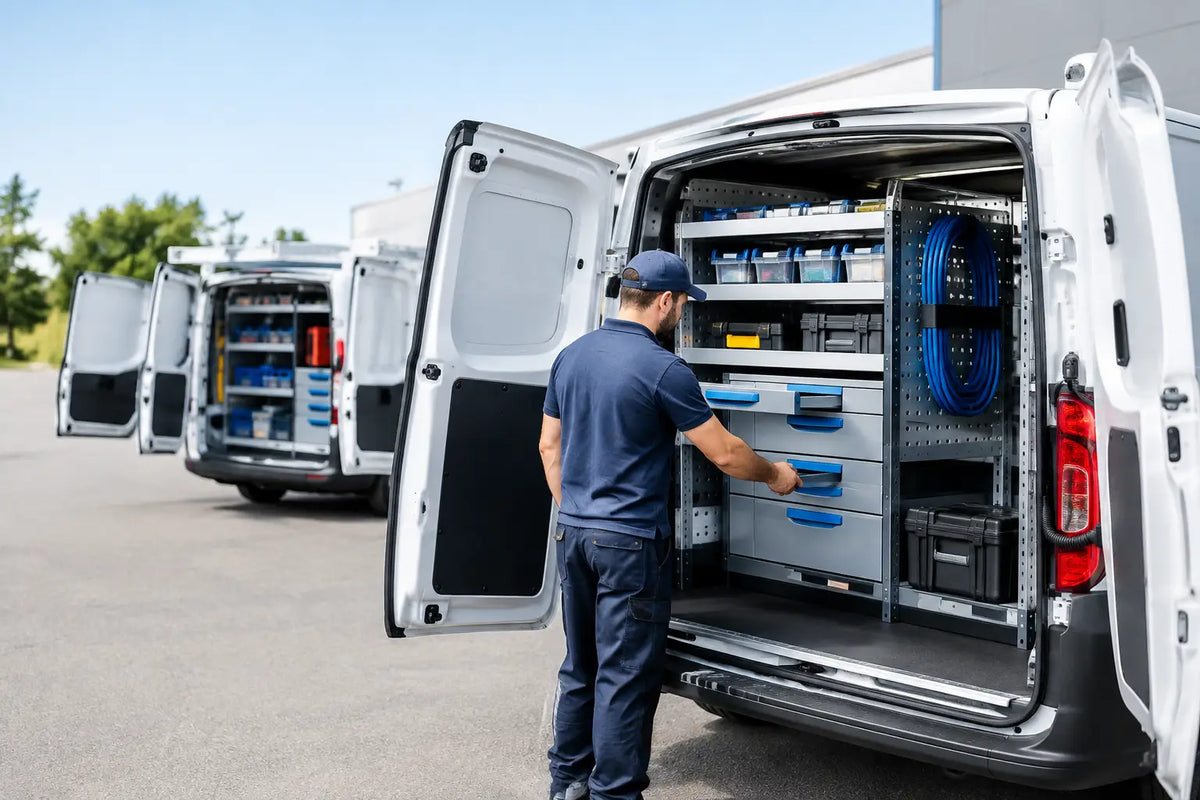
If you work off the side door throughout the day, think carefully about where shelving sits and how far it projects into the opening. A layout that looks fine on a product page can become annoying very quickly if your most-used items are blocked by a shelf end panel or a drawer face.
Choosing racking for a Fiat Scudo
The right storage setup depends on how you use the van, not just how much space it has. A builder carrying mixed materials needs a different layout from an electrician carrying testers, fixings, cable and consumables. The dimensions simply set the limits within which the van can be organised properly.
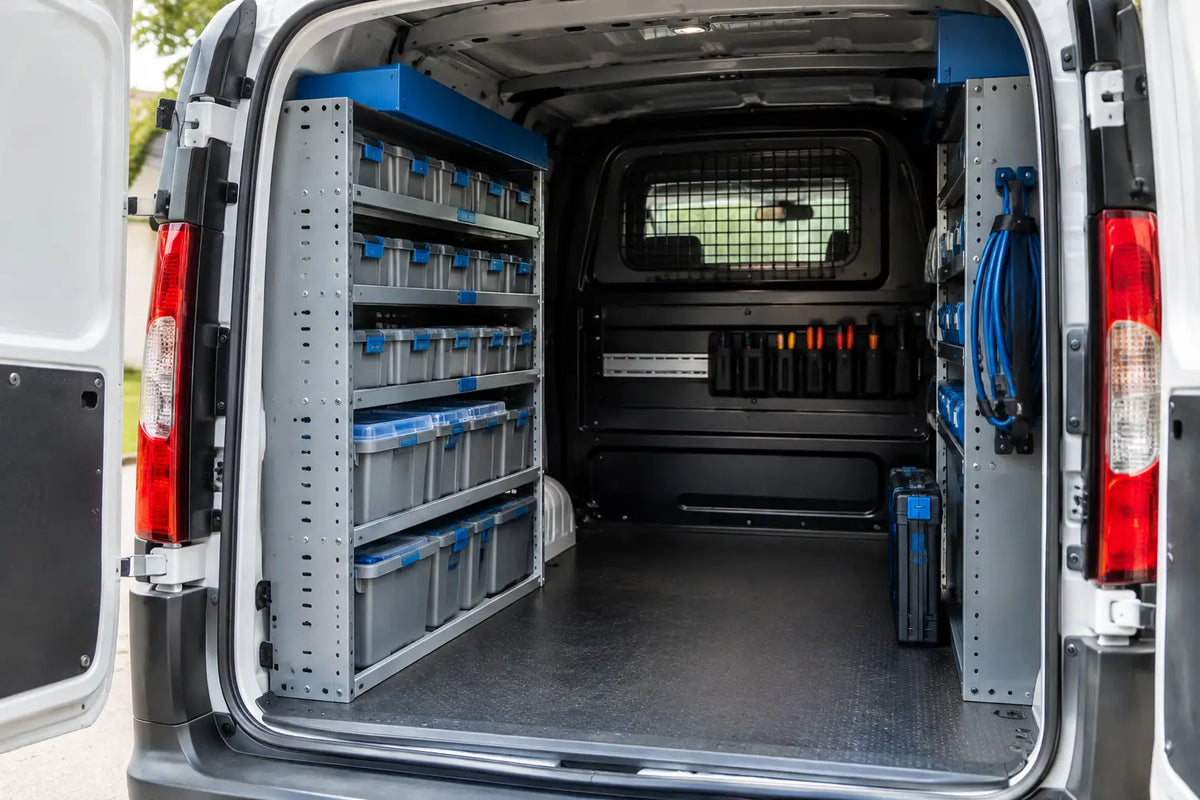
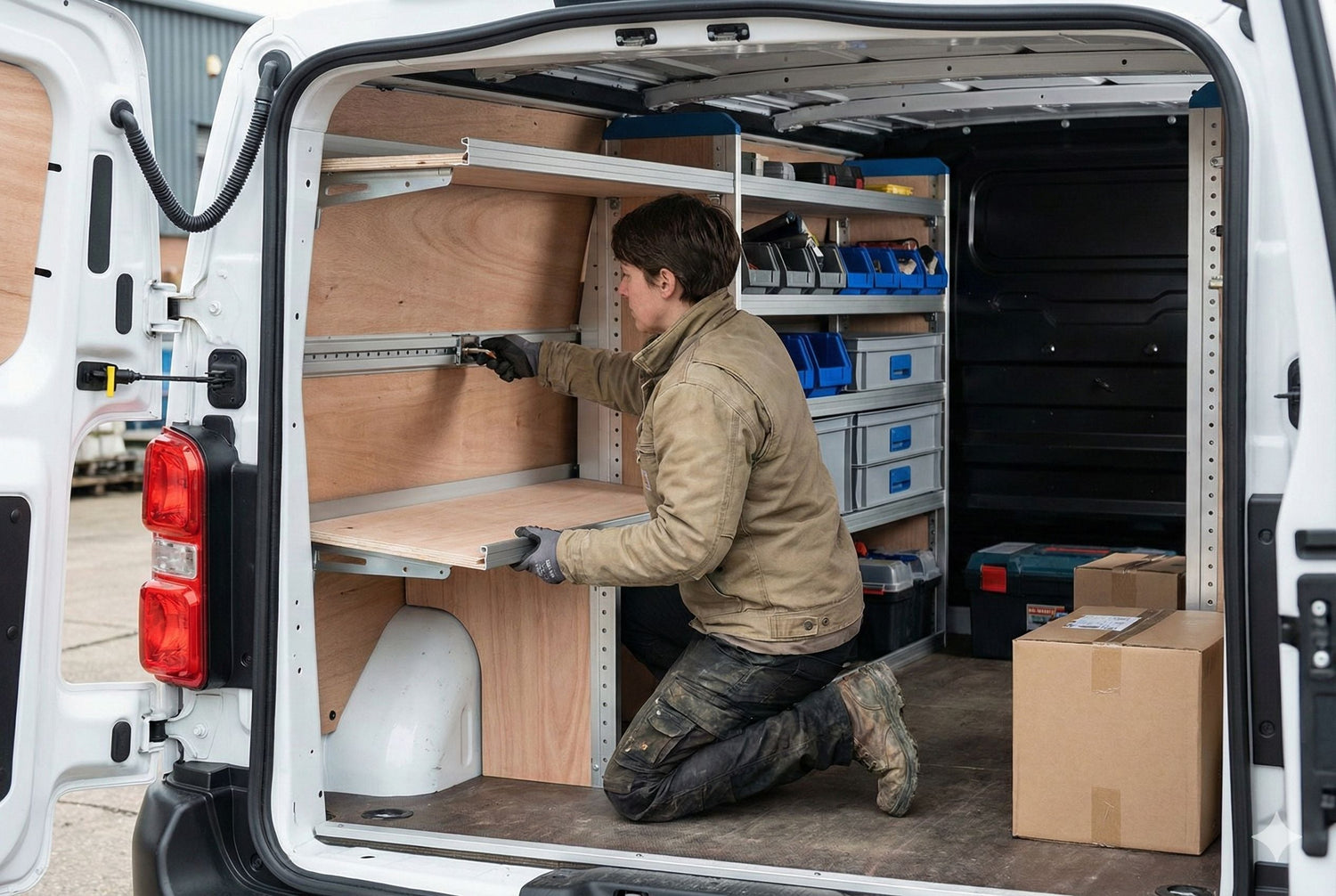
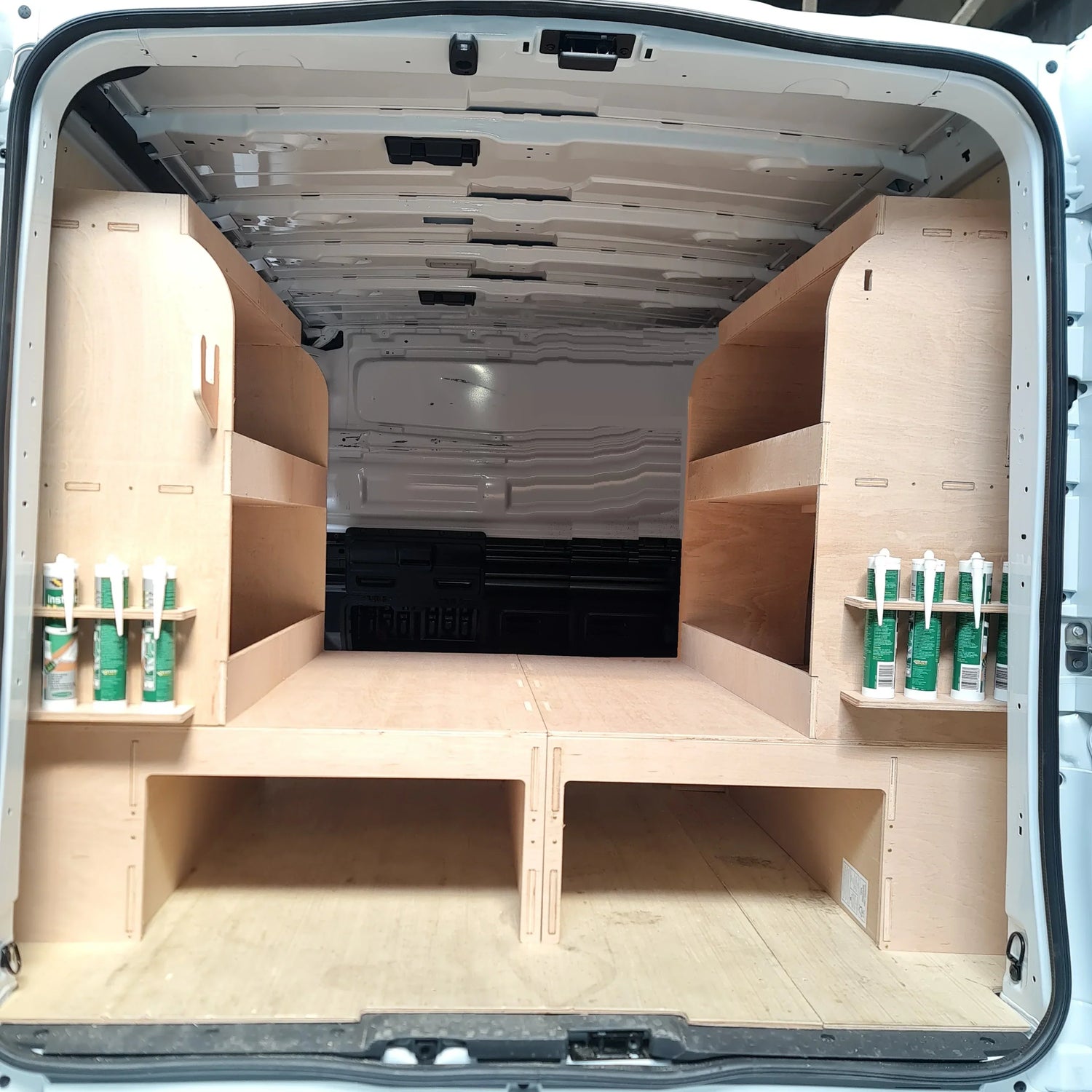
On a Fiat Scudo, single-side racking is often the best balance for users who still need open floor space. It keeps one side of the van structured and the other side available for bulky gear, stock or waste. This works well in the standard-length van, where preserving a clear walkway and floor area is often more valuable than fitting shelving on both sides.
In a Maxi, twin-side shelving starts to make more sense if your work is tool-heavy and stock-led rather than materials-led. You gain enough extra floor length to avoid making the load bay feel cramped. For mobile engineers, telecoms installers or maintenance teams, that can turn the van into a more efficient workshop on wheels.
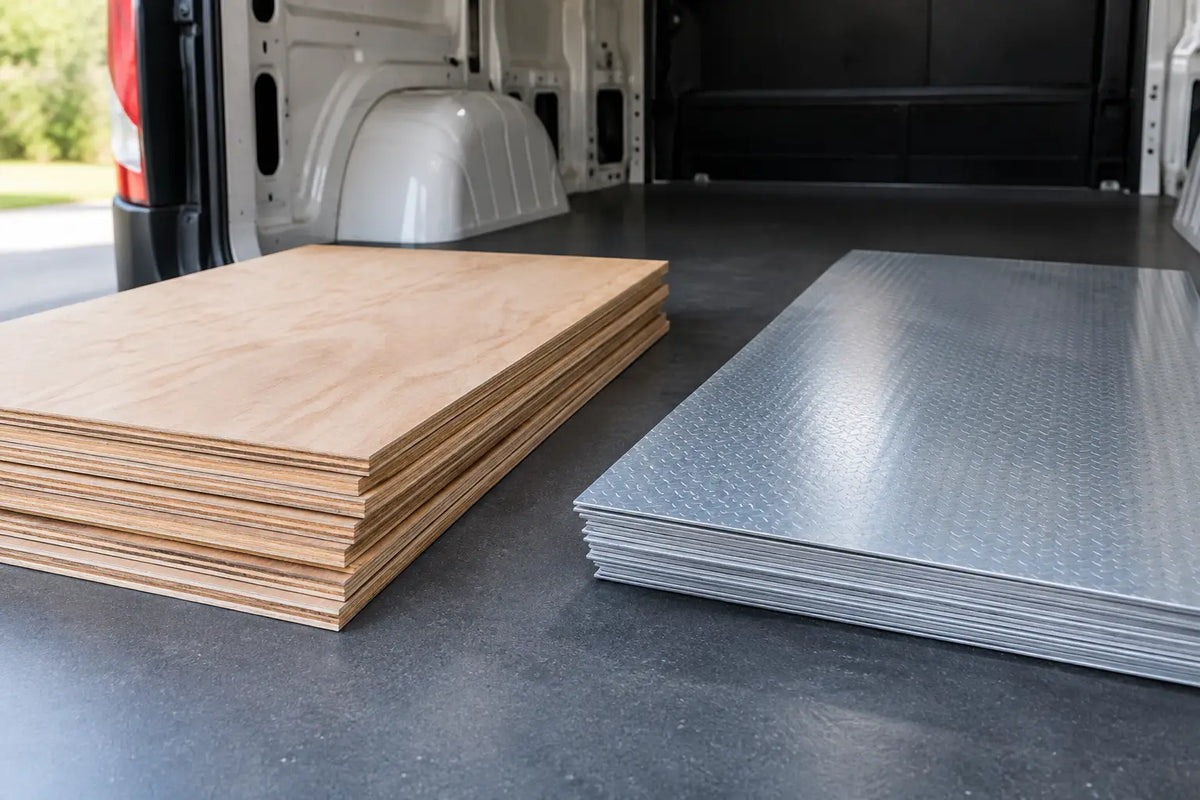
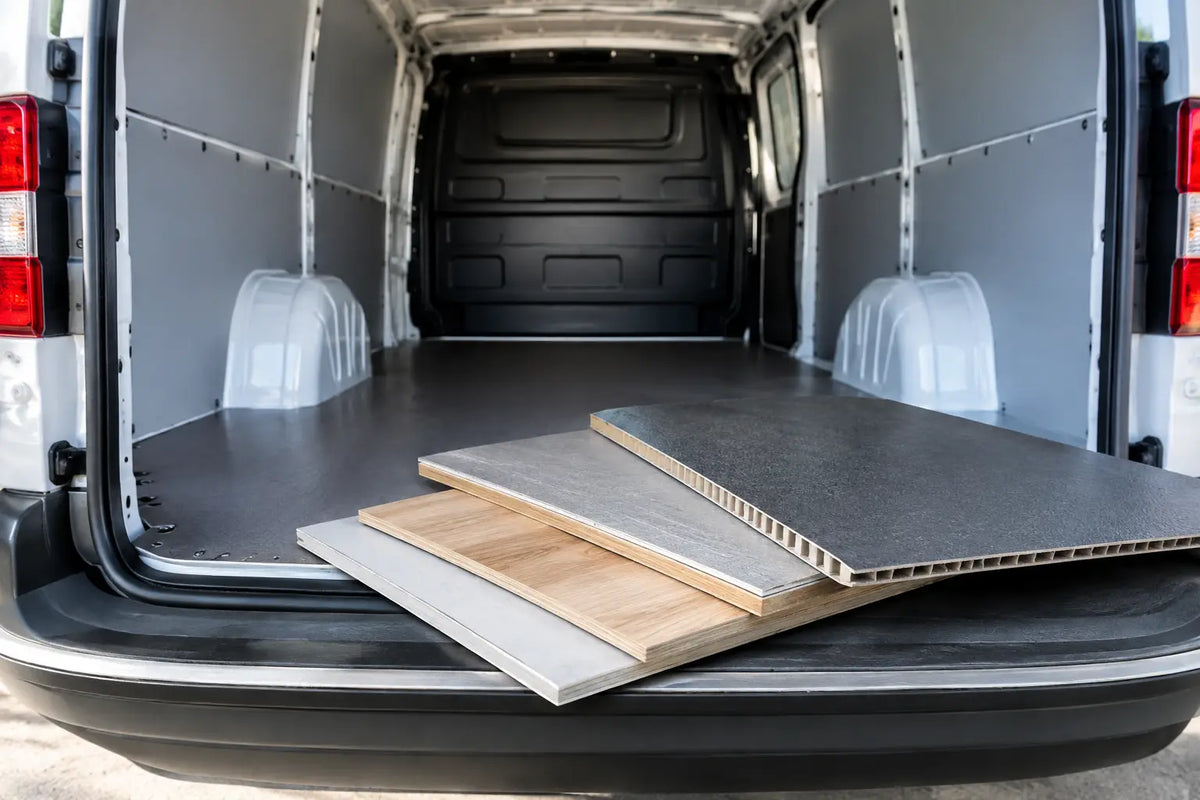
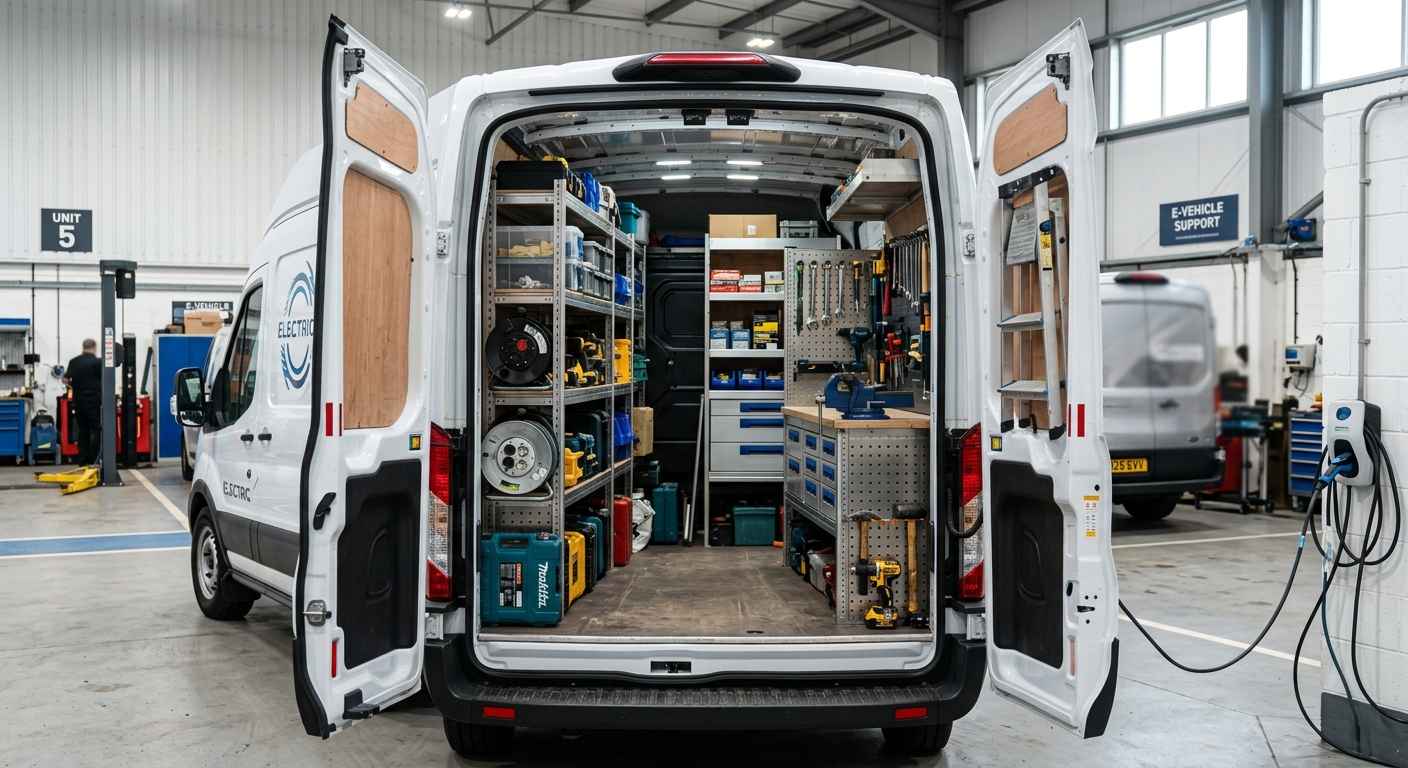
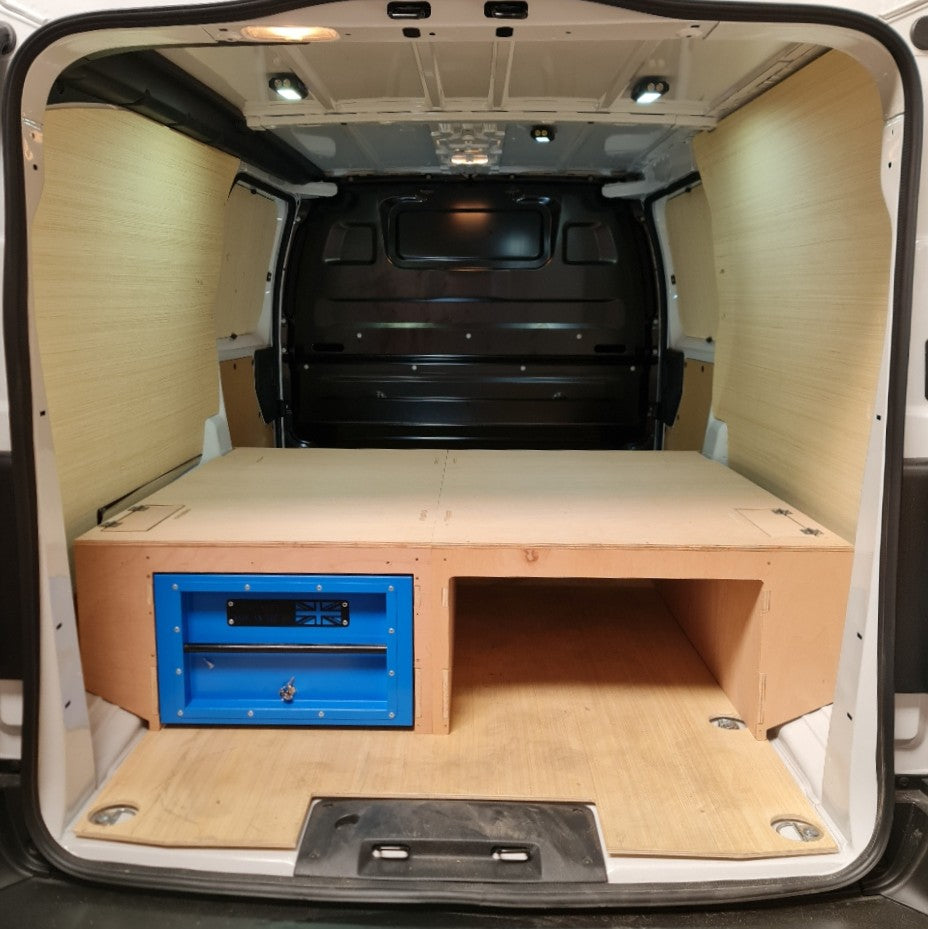
False floors are another strong option in the Scudo because the van's dimensions suit layered storage. Long items can go underneath while cases, boxes and parts storage sit above. That keeps the main load area tidier and reduces the daily shuffle of moving one item to reach another.
Payload, not just space
Dimensions tell you what fits. Payload tells you whether you should carry it. This gets overlooked all the time.
The Fiat Scudo generally offers solid payload figures for a mid-size van, but exact capacity depends on engine, body length and vehicle specification. Once you add ply lining, shelving, drawer units, tools, fixings, cable drums, sealants and spares, the available payload drops quickly. A van that feels roomy can still be overloaded if the setup is not thought through.
That is why lightweight, vehicle-specific storage matters. Good van racking should improve productivity without eating too much into load capacity. It should also fit the van dimensions cleanly enough that you are not carrying dead space as well as dead weight.
The Scudo compared with similar vans
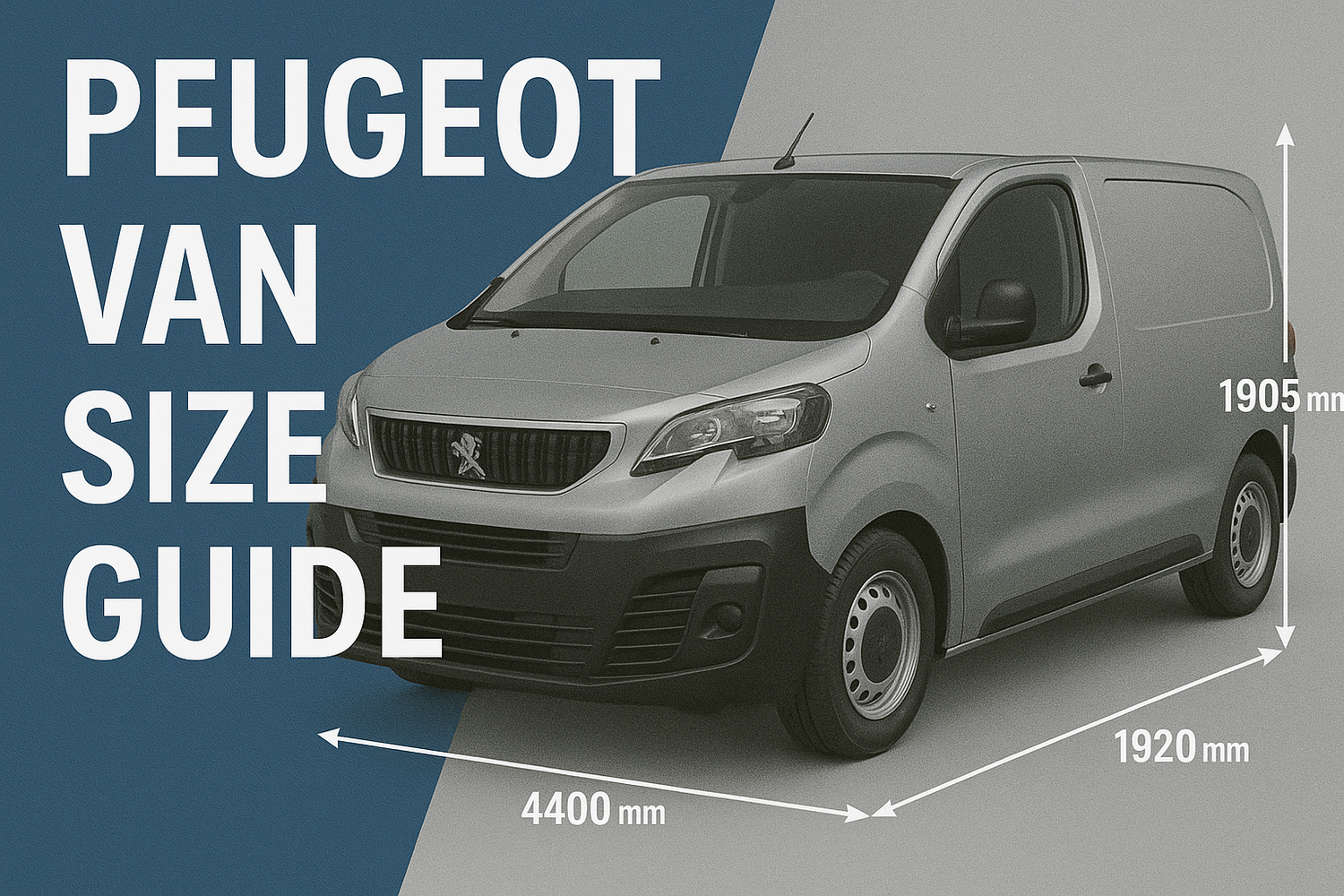
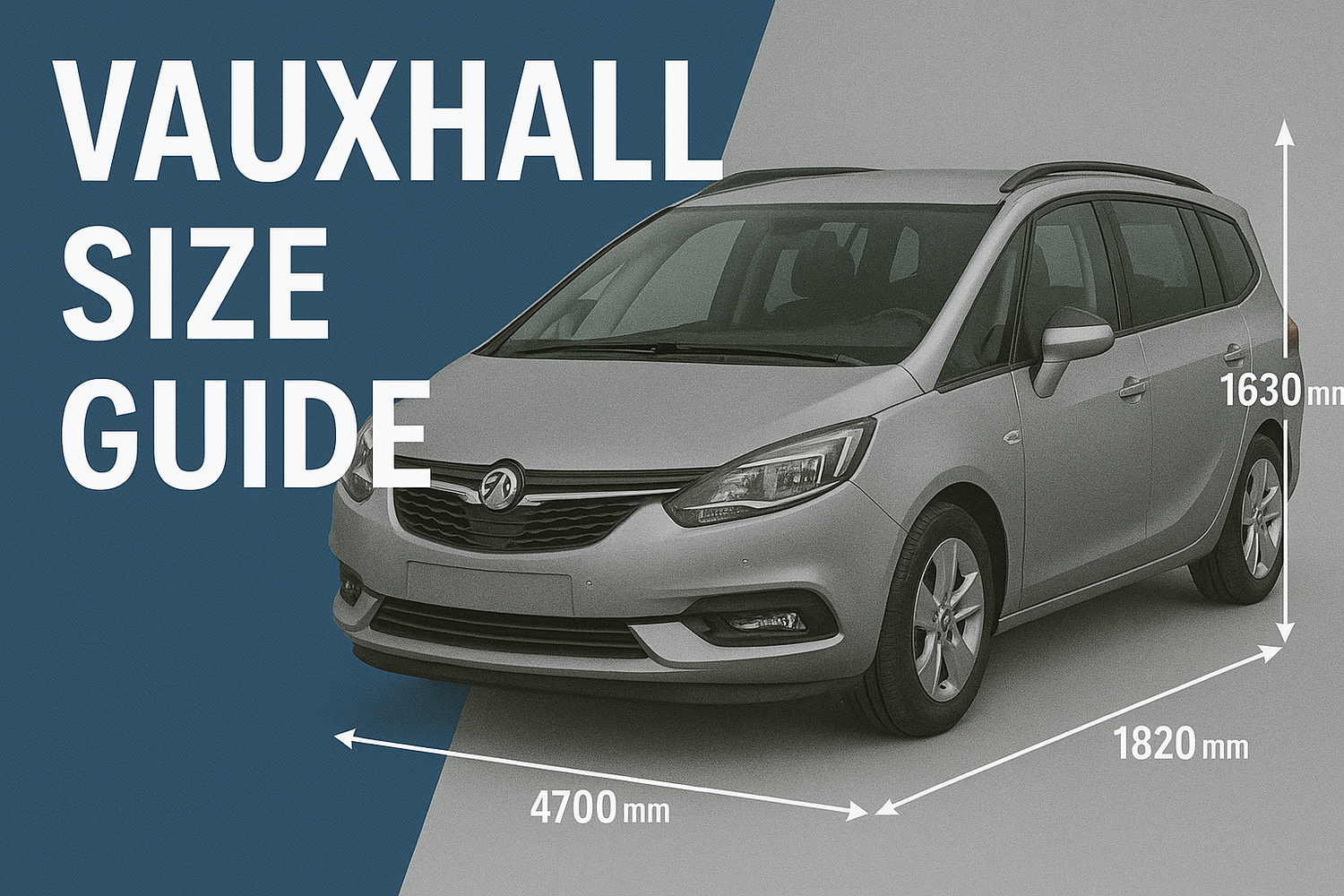
The Fiat Scudo shares its general platform size with several other mid-size vans on the market, so if you have driven a Peugeot Expert, Citroen Dispatch, Vauxhall Vivaro or Toyota Proace, the footprint will feel familiar. That is helpful if you are moving from one fleet vehicle to another and want similar storage logic.
Where the Scudo makes sense is for tradespeople who want a van that stays manageable in daily use without dropping into the smaller compact van category. It gives you proper working space, but it is still easier to live with than a large panel van if most of your jobs are local, urban or domestic.
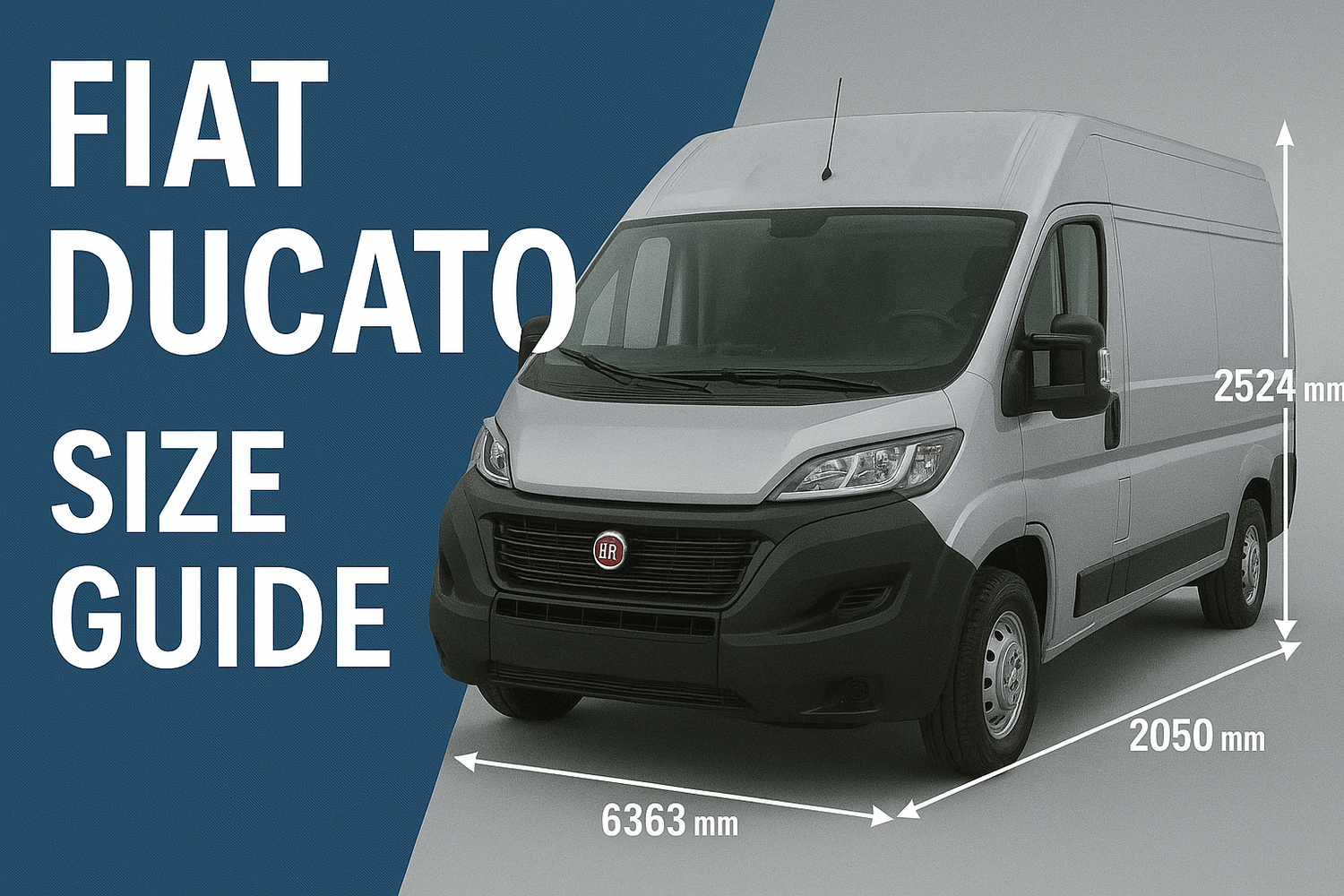
The trade-off is obvious enough. If you carry full sheets regularly, very tall equipment or large quantities of stock, you may outgrow the Scudo and be better off in a larger van. But if your priority is organised access, efficient loading and sensible running size, the dimensions are right in the sweet spot.
Measuring up before you buy storage
Before ordering any shelving, take five minutes and measure your actual van. Not the brochure. Not a similar model. Your van.
Bulkheads, ply lining, flooring, wheel arch covers and trim details can all change the usable dimensions. Even where a rack technically fits, the real question is whether it leaves enough working room for your day-to-day routine. Think about door clearance, the height of stored cases, where longer items will sit, and whether you need room to kneel, reach or sort kit inside the van.
If you are fitting out a Fiat Scudo for trade use, the most efficient setups usually start with three questions. What do you access most often, what needs to stay protected, and what still needs open floor space? Once those are answered, the dimensions become much easier to work with.
For UK tradespeople, the Scudo is rarely about chasing the biggest van for the money. It is about getting enough van, then using the space properly. That is where smart shelving, practical accessories and a layout built around the job make the difference. If your van earns its keep every day, the best setup is the one that saves you time before the engine is even switched on.