


The Citroen e-C3 Van represents an innovative approach to urban commercial transport, transforming the practical e-C3 supermini into an affordable electric light commercial vehicle targeting last-mile delivery operators, mobile technicians, and city-based trades. Starting from just £17,535 (eligible for £2,500 government grant), this car-derived van delivers impressive 201-mile official range, excellent ride comfort, and modern connectivity features. However, modest 302kg payload capacity and 1,220-litre cargo volume position this compact electric van as a specialized urban tool rather than traditional workhorse, demanding careful evaluation of operational requirements before investment.
Key Specifications Overview
|
Specification |
Details |
|
Starting Price |
£17,535 (before £2,500 government grant) |
|
Battery Capacity |
44kWh |
|
Official Range |
201 miles (WLTP) |
|
Real-World Range |
188 miles (4.3mi/kWh achieved) |
|
Motor Power |
113hp (84kW) |
|
0-62mph |
10.4 seconds |
|
Top Speed |
84mph |
|
Payload Capacity |
302kg |
|
Cargo Volume |
1,220 litres (730L with cover) |
|
Load Length |
1.2 metres |
|
DC Fast Charging |
100kW (20-80% in 26 minutes) |
|
AC Charging |
7.4kW onboard (full charge ~4 hours) |
Design and Practicality
Exterior and Urban Discretion
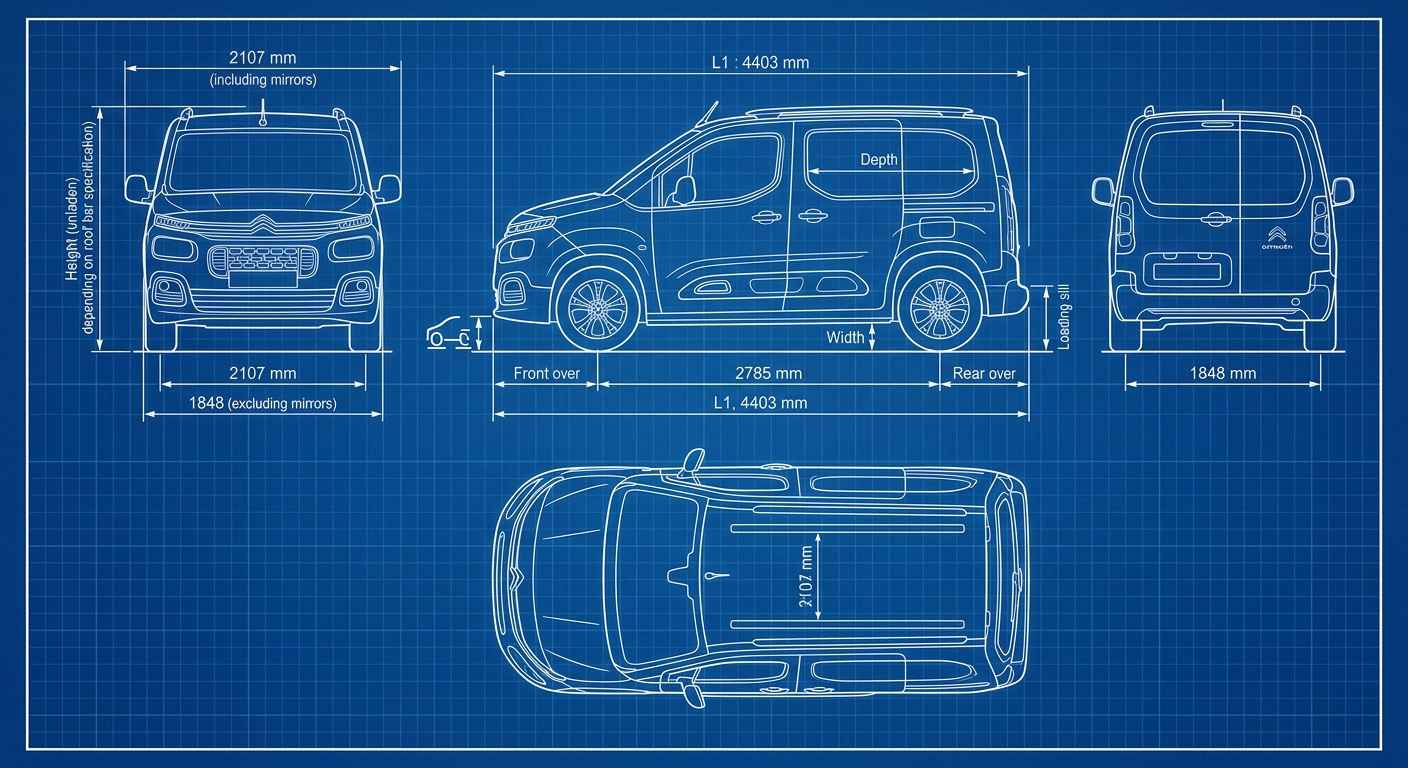
The e-C3 Van maintains remarkable similarity to its passenger counterpart, with blanked-out rear windows appearing as heavily tinted glass from distance rather than obviously commercial panels. This subtle design proves valuable for residential area operations where traditional panel vans might attract unwanted attention or parking restrictions. Both rear passenger doors remain functional, providing convenient side access to cargo areas when loading from tight spaces.
Compact external dimensions enable effortless urban navigation whilst fitting standard parking spaces without requiring commercial vehicle accommodations. The car-like appearance potentially avoids premium parking charges some facilities impose on obviously commercial vehicles, generating modest but cumulative operational savings.
Interior Cabin Quality
The cabin delivers surprisingly engaging environment versus typical commercial vehicle austerity. Textured plastics broken up with colorful accents create contemporary atmosphere, whilst the compact square-ish steering wheel reinforces car-like driving dynamics. Standard equipment includes 10.25-inch touchscreen with wireless Apple CarPlay and Android Auto, digital display strip replacing traditional dials, manual air conditioning, rear parking sensors, and Citroen's Advanced Comfort seats.
USB-C ports, space-saving electric handbrake, and physical climate controls provide practical daily-use convenience. However, wireless charging and advanced navigation remain absent, whilst the options list proves notably sparse—limited to puncture repair kit, paint options, and faster charging capability.
Cargo Space Configuration
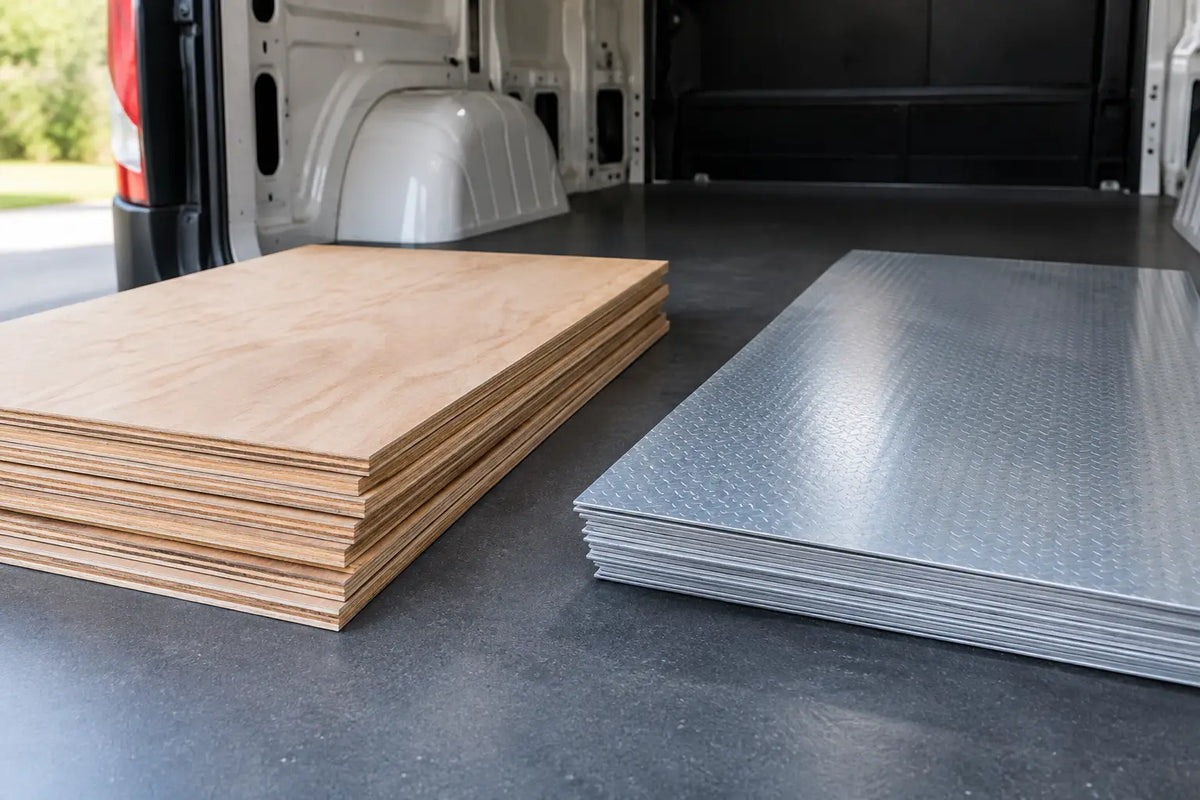
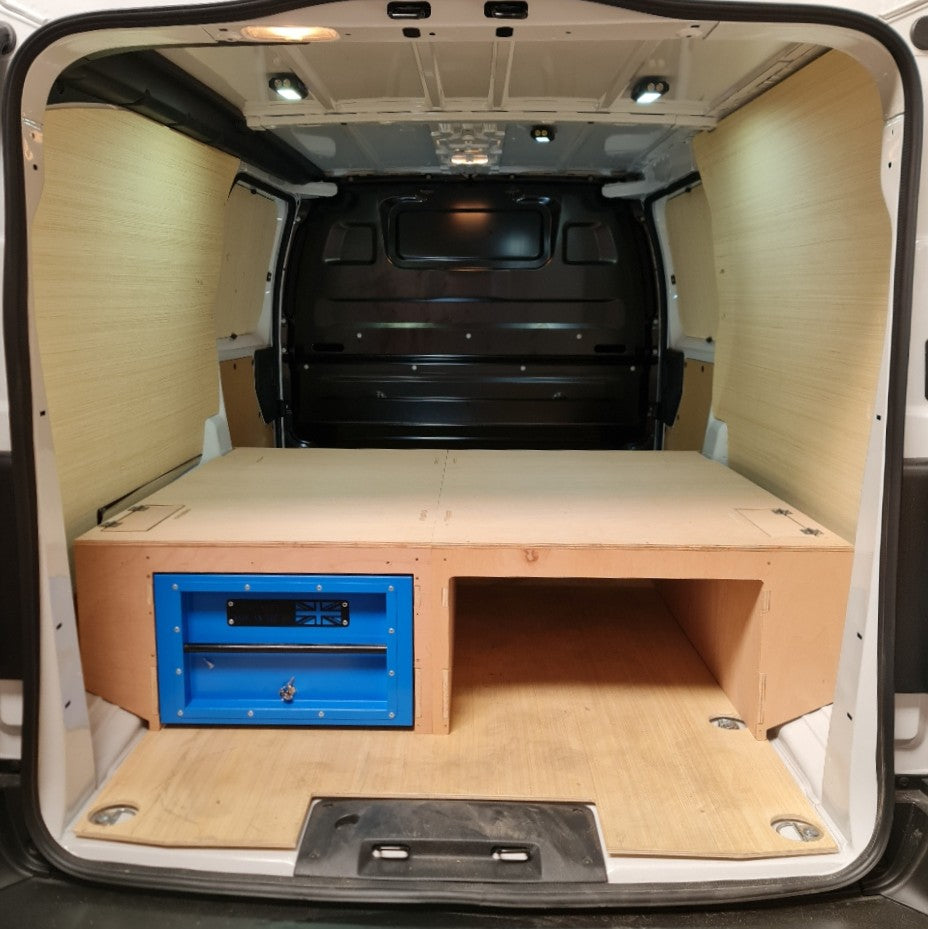
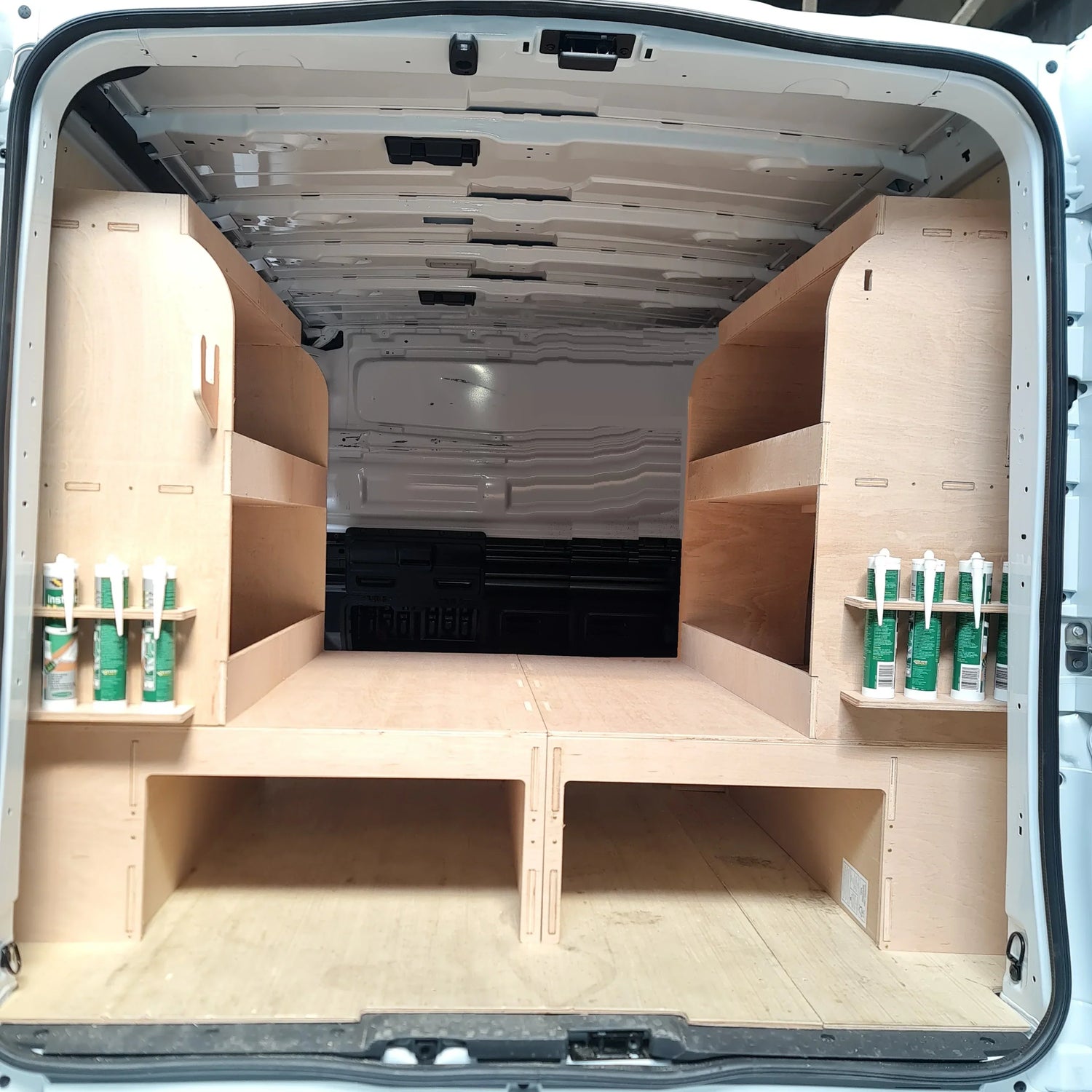
Despite compact footprint, the e-C3 Van achieves 1.2-metre load length and 1.0-metre floor width creating 1,220-litre maximum cargo volume with removable mid-height cover extracted, or 730 litres with cover installed. The mesh and solid bulkhead separates cargo space from cabin maintaining safety whilst enabling communication between compartments. The citroen berlingo full length false floor raised van floor storage platform fits l1 demonstrates storage concepts for Citroen platforms.
However, the cover proves cumbersome to remove, practically forcing operators toward permanent installation or removal rather than frequent reconfiguration. This limitation requires careful consideration of typical cargo profiles determining optimal configuration during initial setup rather than maintaining operational flexibility.
Performance and Driving Experience
Electric Powertrain Characteristics
The 113hp front-mounted motor delivers smooth, punchy acceleration particularly impressive up to 40mph suiting urban delivery operations perfectly. Official 10.4-second 0-62mph time proves adequate for city work, whilst 84mph top speed handles occasional motorway sections without struggle. The electric powertrain's instant torque provides confident overtaking capability and stress-free traffic navigation.
Acceleration feels natural and progressive rather than overly aggressive, creating comfortable driving experience for operators transitioning from conventional vehicles. Regenerative braking provides smooth deceleration when lifting throttle, though not overwhelmingly aggressive requiring significant driving style adjustment.
Ride Quality and Refinement
Exceptional ride quality represents standout characteristic benefiting from passenger car foundations recognized for comfort-focused engineering. Speed bumps, potholes, and rough urban roads absorb impressively well maintaining composed demeanor protecting cargo and reducing driver fatigue during extended urban routes. Handling proves predictable if not particularly dynamic, prioritizing comfort and stability over sporting characteristics entirely appropriate for commercial applications.
Low-speed refinement exceeds expectations for this price point, though wind and tire noise increase notably beyond 60mph without becoming tiresome. The comfortable seats and composed suspension create pleasant working environment for operators covering extensive daily mileage through demanding urban traffic conditions.
Range and Charging Performance
Real-World Range Analysis
The 44kWh battery promises 201-mile official WLTP range, with real-world testing achieving 4.3mi/kWh equating to approximately 188 miles without significant cargo loading. Urban environments consistently hover near 5mi/kWh delivering excellent efficiency, though faster A-roads and motorways reduce consumption as expected. Winter operations will decrease range further given absence of energy-saving heat pump technology.
For typical urban delivery routes averaging 40-60 daily miles, this range provides comfortable margin accommodating route variations, unexpected detours, or auxiliary power consumption without range anxiety. However, operations approaching 150+ daily miles may require mid-day charging opportunities maintaining operational reliability.
Charging Infrastructure Requirements
Standard 100kW DC fast charging capability enables 20-80% charge in 26 minutes, suitable for brief refreshment stops during extended routes or emergency top-ups. The 7.4kW onboard AC charger suits overnight home charging, completing empty-to-full charge in approximately four hours making 3kW home charging potentially unnecessary for single-shift operations returning to base nightly.
This charging flexibility supports various operational patterns—depot-based operations benefit from overnight AC charging, whilst multi-shift operations or extended routes utilize rapid DC charging maintaining vehicle availability. The relatively small battery capacity means charging times remain reasonable even at lower power levels versus larger commercial electric vehicles requiring extended charging periods.
Payload and Load Capacity Analysis
Critical Payload Limitations
The 302kg payload capacity represents significant constraint requiring careful operational assessment. With two occupants aboard, usable payload reduces to approximately 100kg or potentially less depending on driver weights and onboard equipment. Solo operators gain greater flexibility, though capacity remains modest versus traditional small vans.
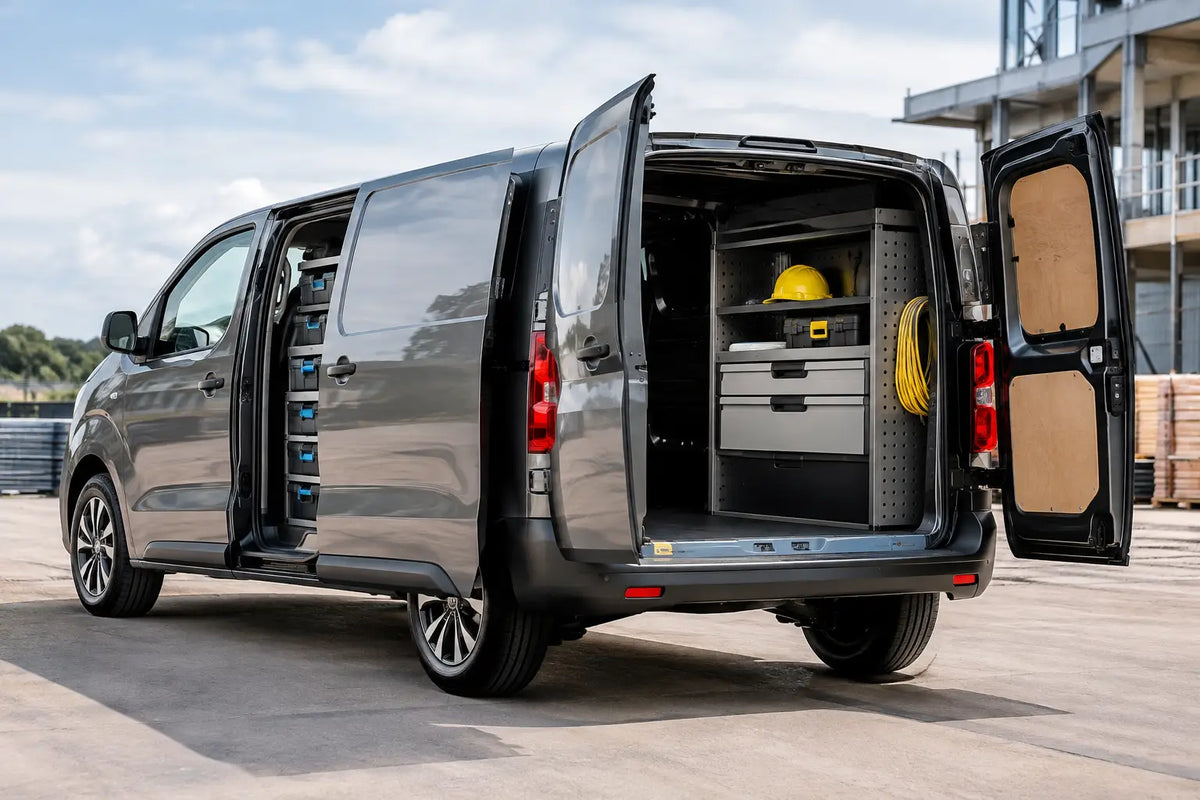
For perspective, this payload proves 68kg less than diminutive Dacia Spring Cargo and approximately 200kg below discontinued Fiesta Van ratings. Towing capability limits to just 550kg, restricting trailer usage to very light applications. The vauxhall combo full side van racking kit extra depth nr4 demonstrates storage for compact platforms, though weight-conscious design proves essential.
Suitable Applications
The limited payload capacity dictates specific operational niches:
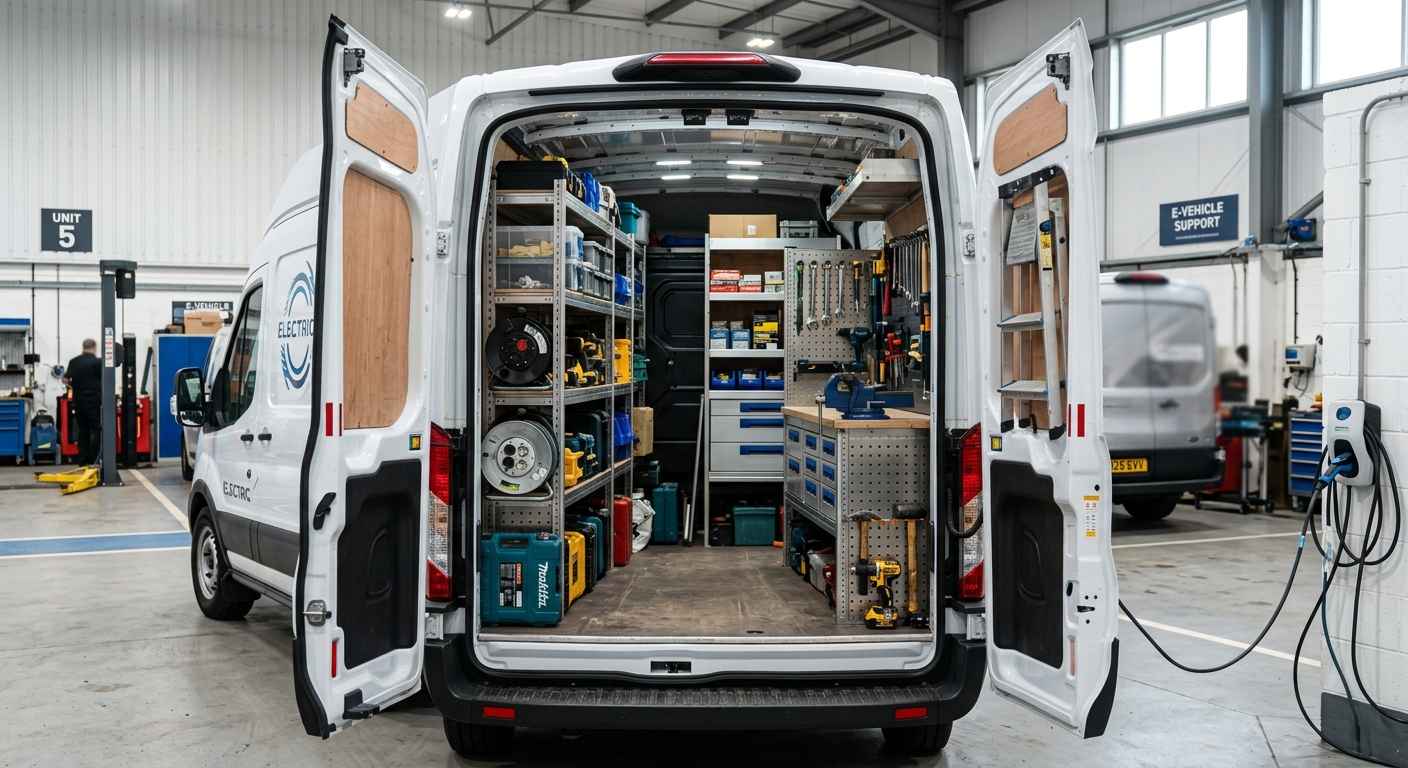
Ideal Applications: Mobile technicians carrying tools and small parts, florists transporting lightweight arrangements, urban couriers handling parcels and documents, service engineers with diagnostic equipment, light catering operations with prepared foods.
Challenging Applications: Building trades requiring extensive materials, plumbing operations transporting heavy fittings, electrical contractors with substantial cable stocks, any operation regularly approaching maximum payload capacity.

Storage Solution Recommendations
Lightweight Racking Approaches
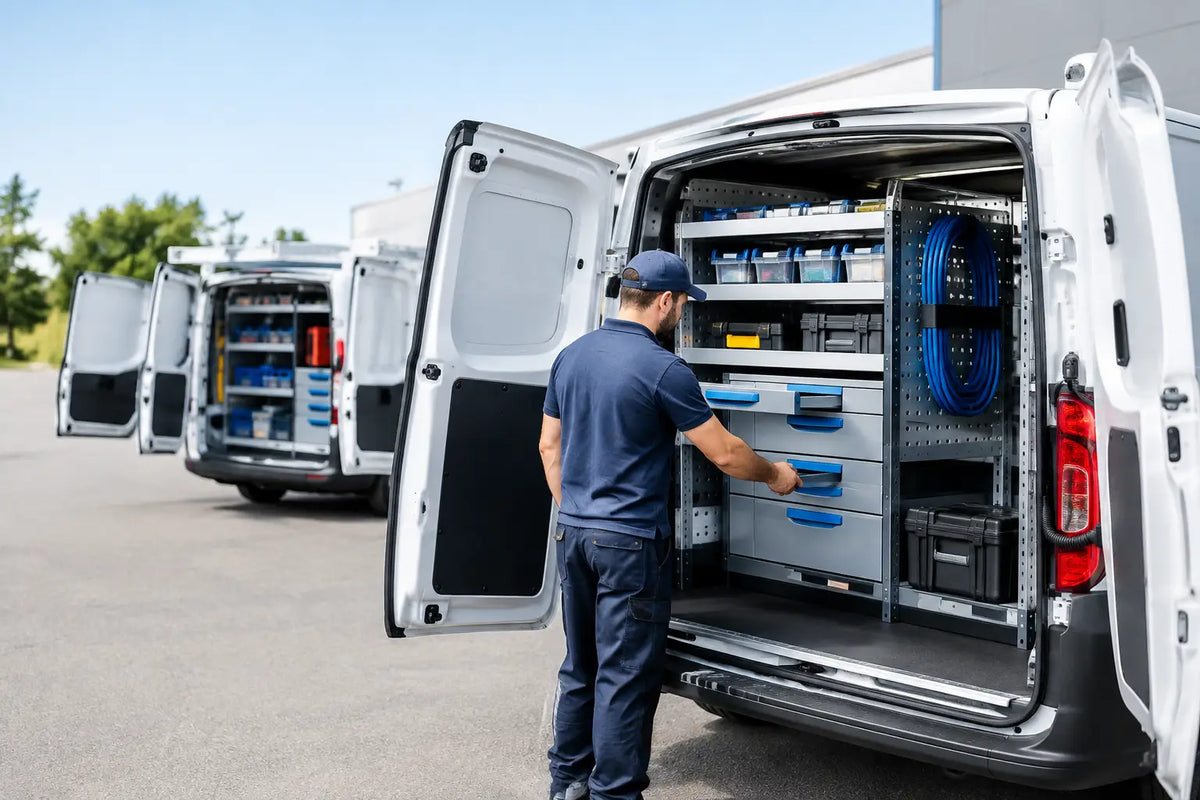
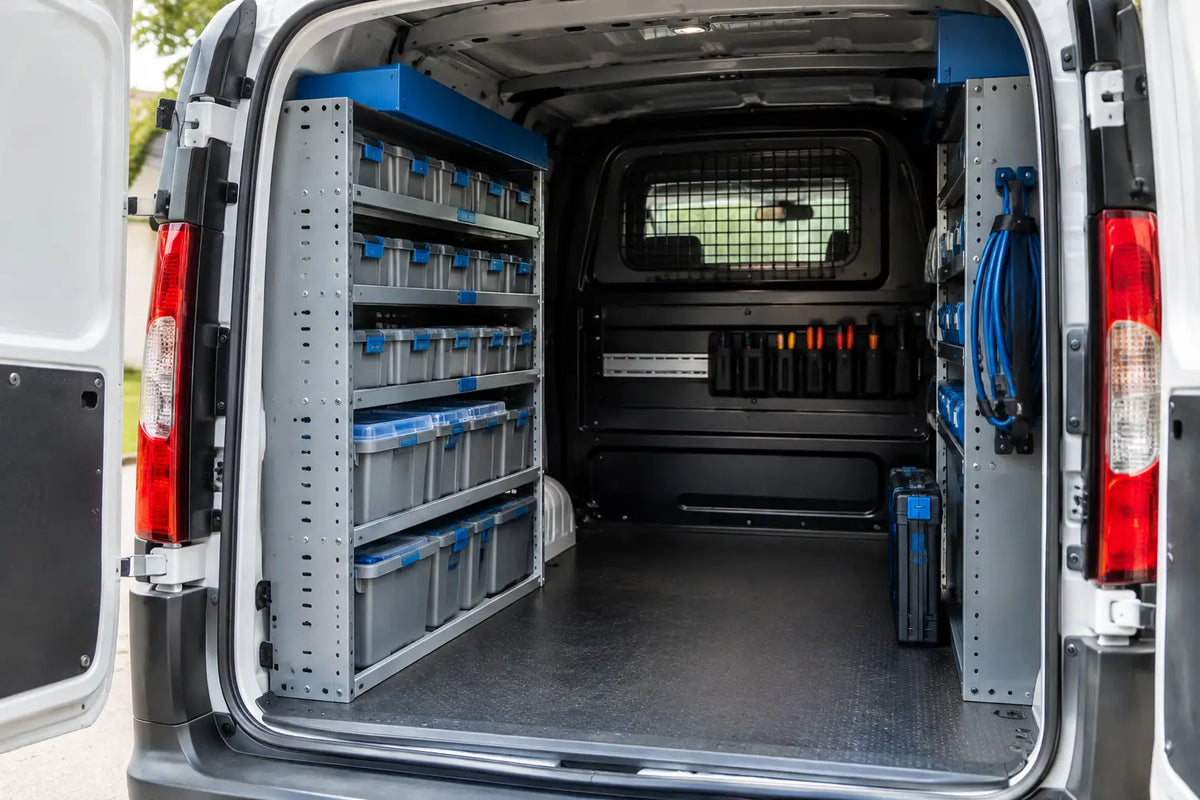
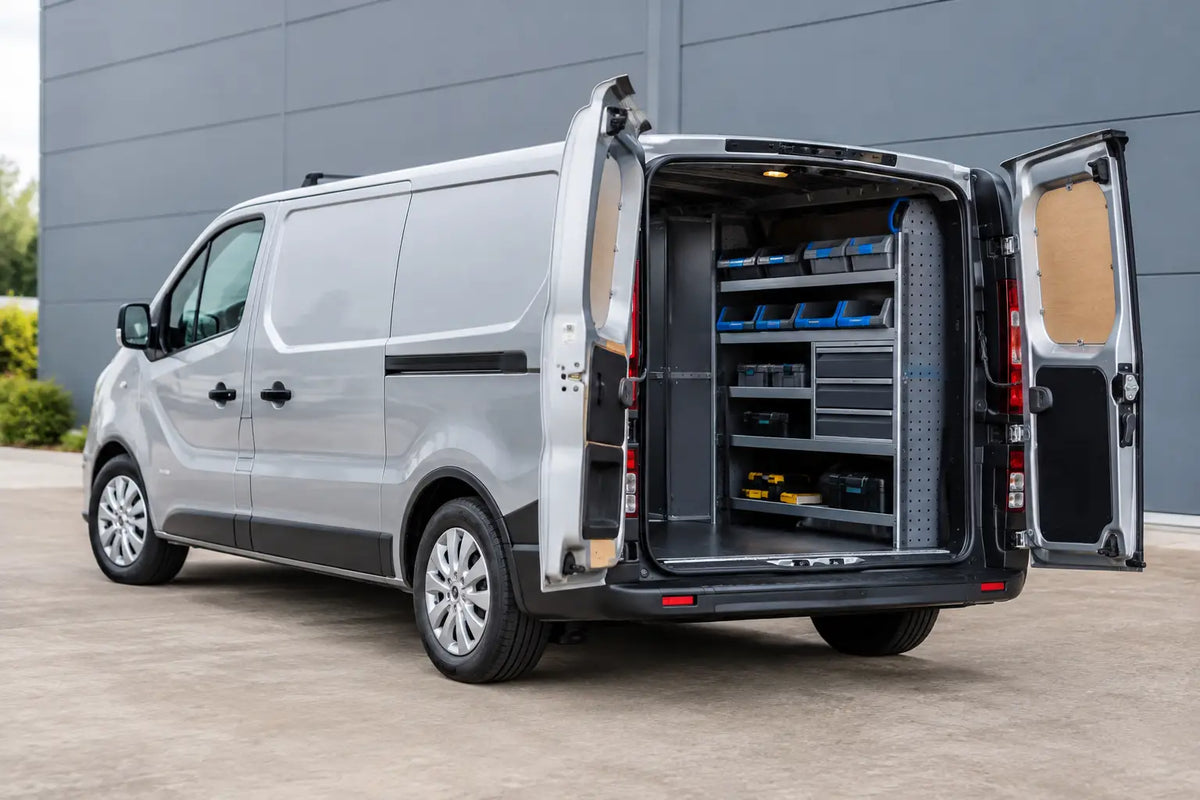
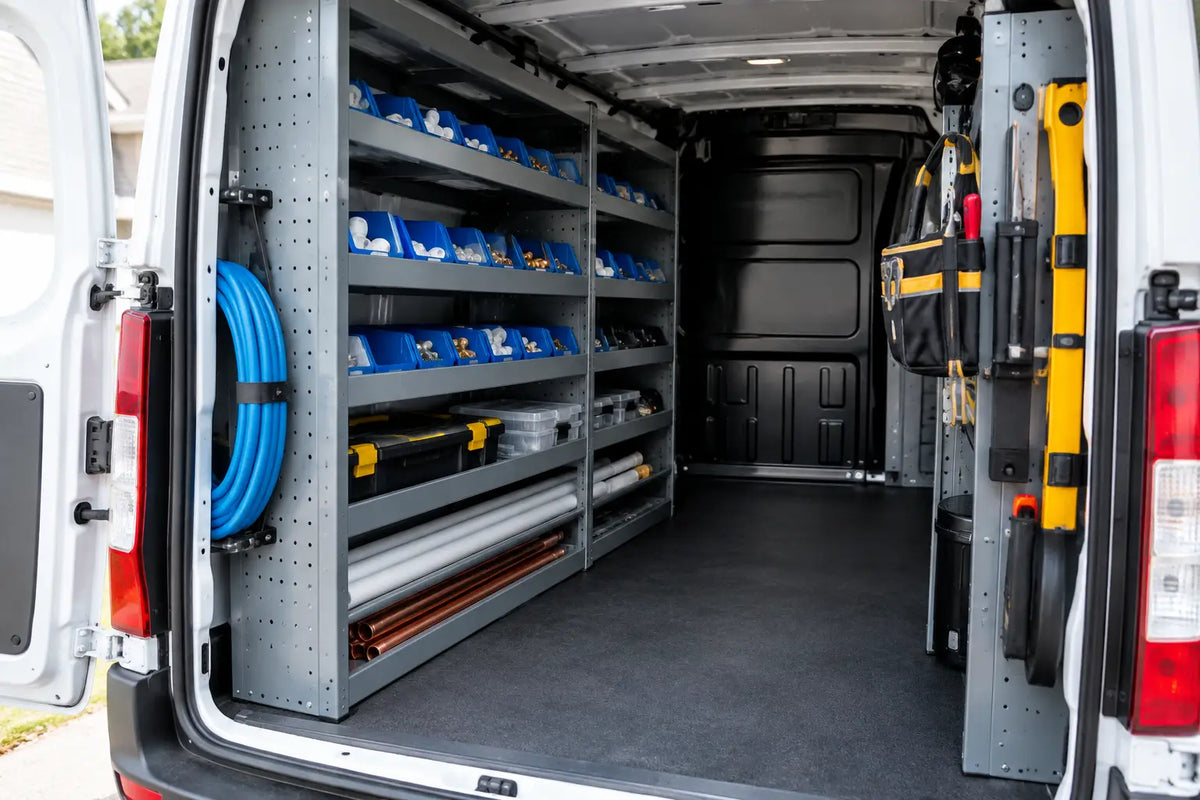
Given critical payload constraints, storage systems must prioritize weight efficiency whilst maintaining functionality. Lightweight aluminum or slim plywood configurations prove essential preserving maximum usable payload for operational cargo. The citroen berlingo single side swb lwb slim racking kit nr2 demonstrates space-efficient designs applicable to compact platforms.
Two-tier shelving systems accommodating small tool collections, parts inventory, and consumables provide adequate organization without consuming excessive payload. Avoid comprehensive multi-level systems better suited to vehicles with generous capacity ratings. The citroen berlingo bulkhead van racking nr 1 fits l1 l2 shows minimal-weight bulkhead storage.
Accessory Integration
Small specialized accessories enhance organization without significant weight penalties. The sealant tube holder mastic caulk silicone for van racking workshop garage shed maintains consumables organized, whilst the 12x aerosol spray can bottle holder prevents rolling during transit.
The disposable glove box organizer addresses hygiene requirements for service operations, whilst magnetic tool strips provide tool retention without dedicated holders consuming payload. Every kilogram of storage infrastructure directly reduces usable cargo capacity, demanding disciplined approach prioritizing essentials only.
Cost Analysis and Value Proposition
Competitive Pricing Position
Starting at £17,535 before £2,500 government grant, the e-C3 Van undercuts rivals dramatically—over £10,000 cheaper than Citroen's own e-Berlingo and competitors from Renault, Fiat, and Peugeot. Whilst slightly pricier than Dacia Spring Cargo, superior equipment levels, comfort, range, and refinement justify modest premium despite comparable payload limitations.
This aggressive pricing creates compelling proposition for budget-conscious operations, start-up businesses, or organizations transitioning to electric fleets without substantial capital investment. The government grant reduces effective purchase price below £15,100, remarkable value for modern electric commercial vehicle with genuine 200-mile range capability.
Operating Cost Advantages
Electric powertrains deliver significant operational savings versus petrol or diesel equivalents. Electricity costs approximately £5-8 per 200-mile charge at home rates (varying by tariff and charging time), whilst equivalent petrol consumption might cost £25-30 creating substantial annual savings for high-mileage operations.
Reduced maintenance requirements—no oil changes, minimal brake wear through regenerative systems, fewer moving parts requiring service—further enhance lifetime ownership economics. London's Ultra Low Emission Zone (ULEZ) and similar urban restrictions impose no charges on zero-emission vehicles, generating additional savings for city-based operations whilst enabling access to restricted areas excluding conventional vehicles.
Ideal Use Cases and Target Customers
Perfect Operational Profiles
Last-Mile Urban Delivery: Parcel couriers, document delivery services, and light goods distributors operating established urban routes with predictable daily mileage benefit from excellent range, compact dimensions, and low operating costs.
Mobile Service Technicians: IT support, appliance repairs, mobile phone technicians, and similar services carrying diagnostic equipment and small parts find adequate capacity whilst appreciating urban maneuverability and professional appearance.
Florists and Light Catering: Operations transporting lightweight, high-value goods requiring temperature-controlled or careful handling benefit from car-like ride quality and discreet appearance accessing residential areas effortlessly.
ULEZ-Restricted Operations: Any business operating primarily within Ultra Low Emission Zones or similar restrictions gains operational access conventional vehicles cannot match whilst avoiding daily charges accumulating significantly across annual operations.
Challenging Applications
Building trades, plumbing operations, electrical contractors with extensive material requirements, or any operation regularly transporting heavy loads will find payload capacity frustratingly limiting. Traditional small vans like Ford Connect, Citroen Berlingo, or Peugeot Partner offer 600-800kg payloads better suited to demanding commercial applications.
Verdict and Recommendations
Strengths and Weaknesses
Key Strengths: Exceptional value pricing, impressive real-world range, excellent ride comfort, modern connectivity features, low operating costs, urban maneuverability, discreet car-like appearance, zero-emission access to restricted zones.
Notable Weaknesses: Very limited 302kg payload capacity, modest cargo volume, cumbersome load cover removal, basic options list, no heat pump affecting winter range, restricted towing capability.
Purchase Recommendations
The Citroen e-C3 Van excels within specific operational niches but struggles as general-purpose commercial vehicle. Operations with clearly defined lightweight cargo profiles, established urban routes under 150 daily miles, and budget constraints find compelling value proposition. However, businesses requiring flexibility handling varied loads or regularly approaching maximum capacity should consider traditional small vans with substantially greater payload ratings.
Test the vehicle with realistic cargo loads before purchase, ensuring payload capacity genuinely suits operational requirements. Calculate typical daily mileage patterns verifying range adequacy including winter degradation margins and unexpected route extensions.
Conclusion
The Citroen e-C3 Van delivers impressive urban electric commercial vehicle performance for specialized applications prioritizing efficiency, comfort, and value over raw load-carrying capability. The compelling £17,535 starting price, genuine 200-mile range, and excellent driving dynamics create attractive proposition for last-mile delivery operators, mobile technicians, and light goods transporters operating within clear operational parameters. However, critical 302kg payload limitation demands rigorous operational assessment ensuring this compact electric van genuinely matches business requirements rather than compromising capability through inadequate capacity.
Maximize your Citroen e-C3 Van's limited cargo capacity with lightweight, efficient storage solutions from Van Shelves. Our weight-conscious racking systems, specialized accessories, and expert guidance help payload-sensitive electric vehicles achieve optimal organization without compromising precious carrying capacity. Discover storage solutions specifically designed for compact urban electric vans today.
References
Citroen UK. (2024). e-C3 Van specifications and pricing. Citroen Commercial Vehicles.
Department for Transport. (2024). Plug-in van grant eligibility and funding. UK Government Publications.
Society of Motor Manufacturers and Traders. (2024). Electric light commercial vehicle market analysis. SMMT Industry Reports.
Transport for London. (2024). Ultra Low Emission Zone regulations and exemptions. TfL Policy Documents.
What Van? (2024). Citroen e-C3 Van first drive review. Automotive Industry Publications.