









Learning how to make van shelving enables tradespeople to create customized storage solutions matching specific operational requirements whilst managing costs effectively. Whilst professional systems offer optimized engineering and vehicle-specific fitment, DIY approaches provide flexibility for unique layouts, non-standard dimensions, or budget-conscious operations willing to invest time rather than capital. This comprehensive guide presents proven methodologies for designing, constructing, and installing functional van racking using readily available materials and standard tools.
Planning Your Van Shelving System
Measuring and Design Considerations
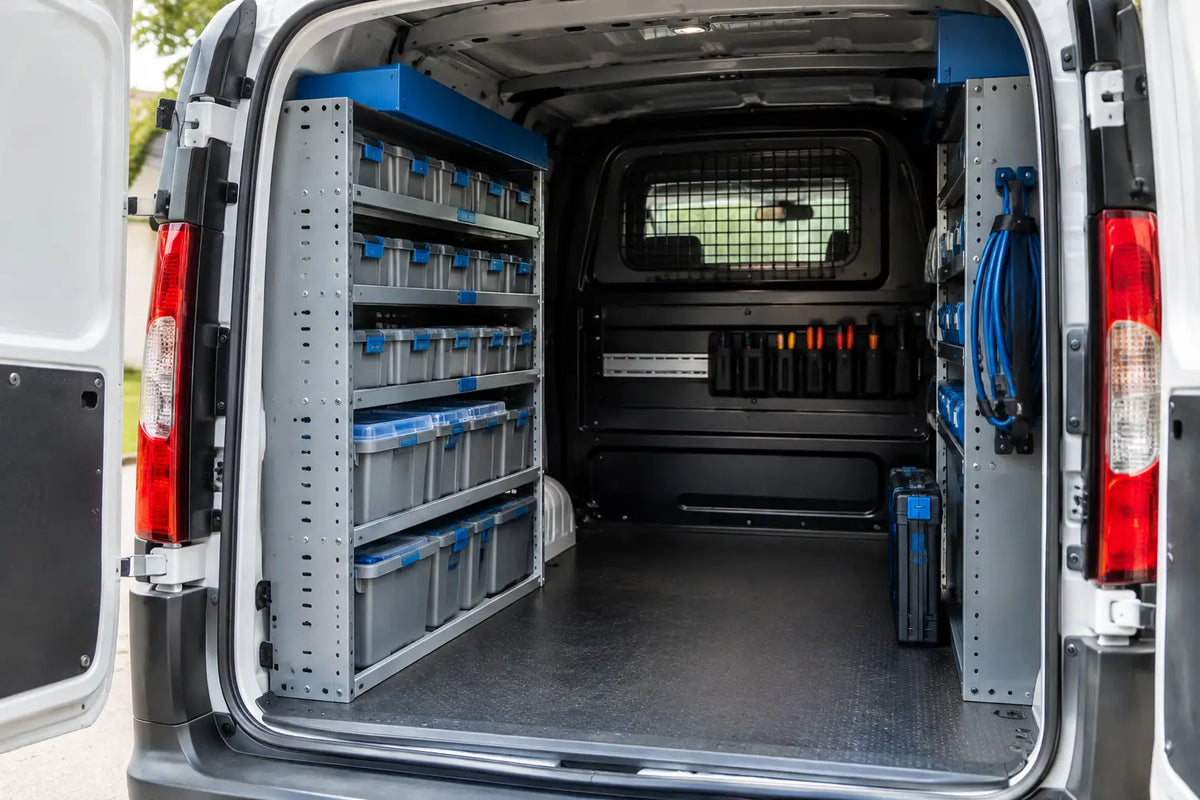
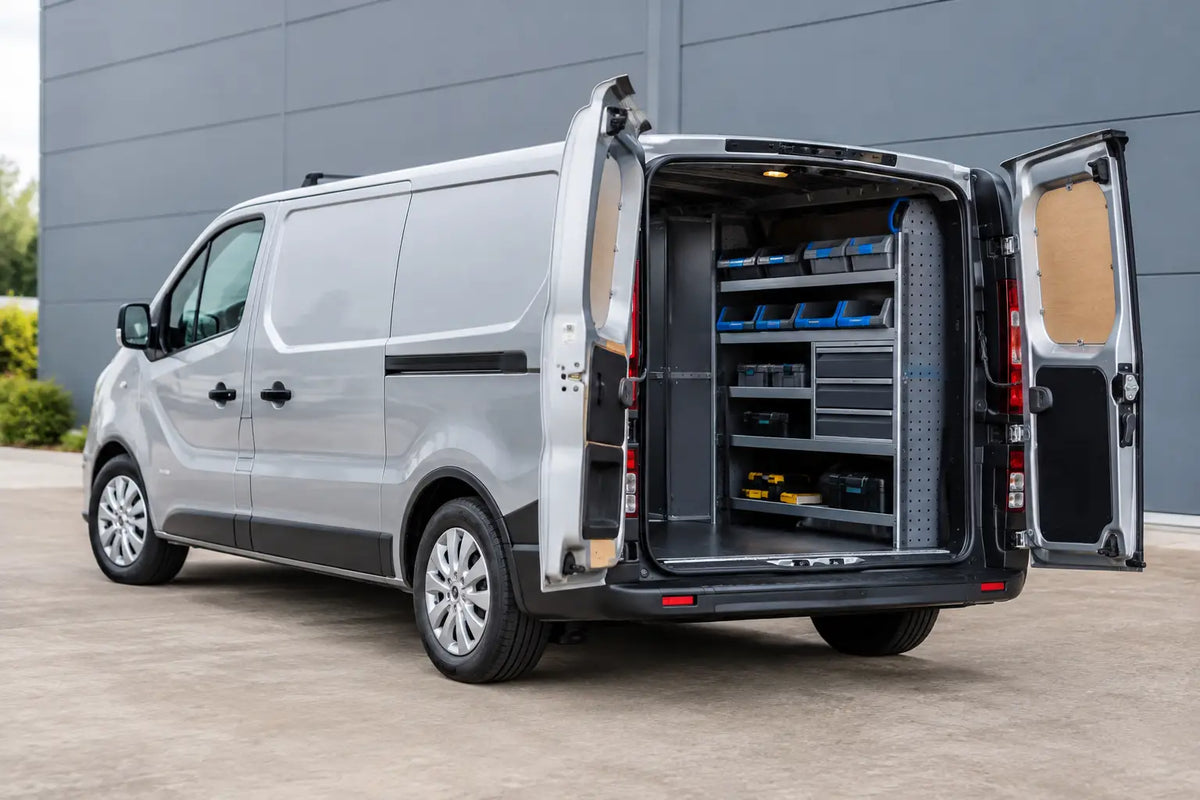
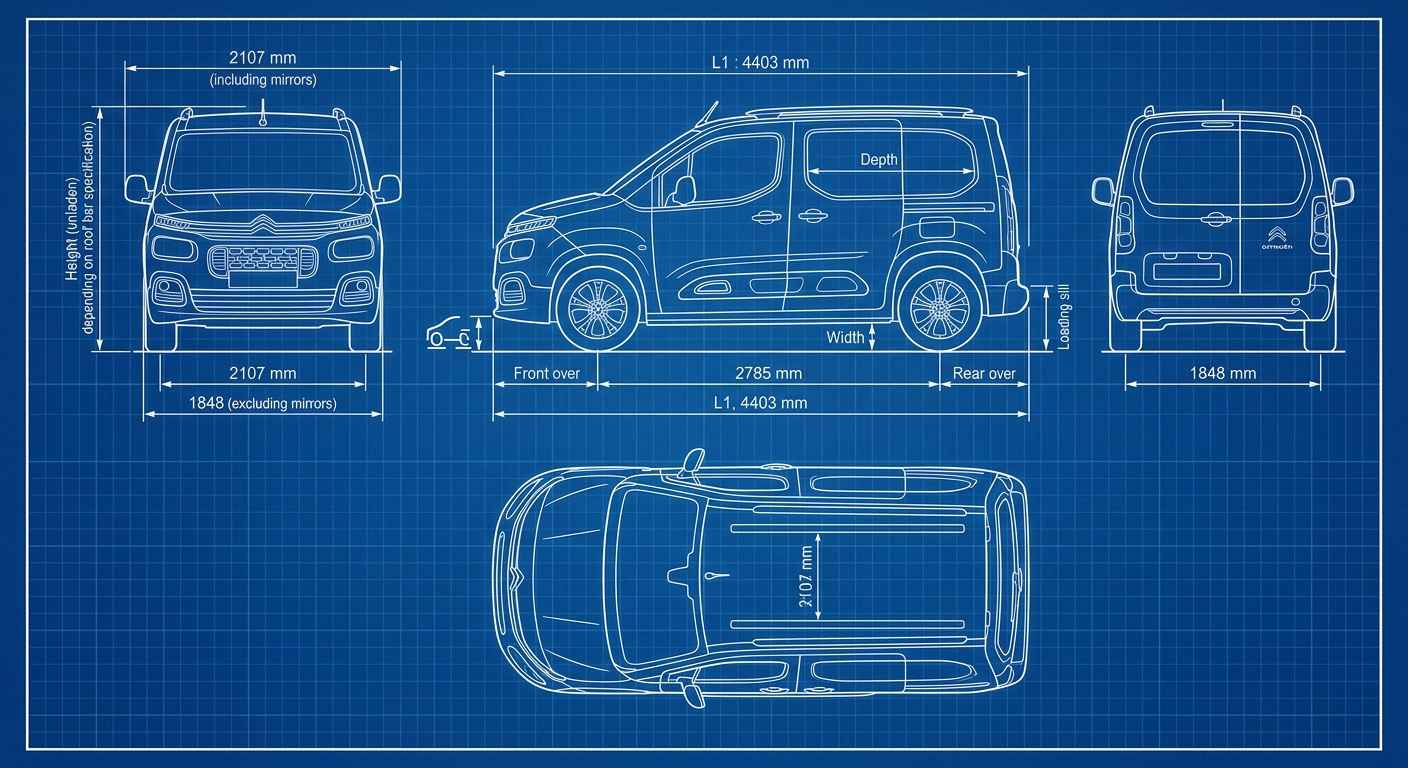
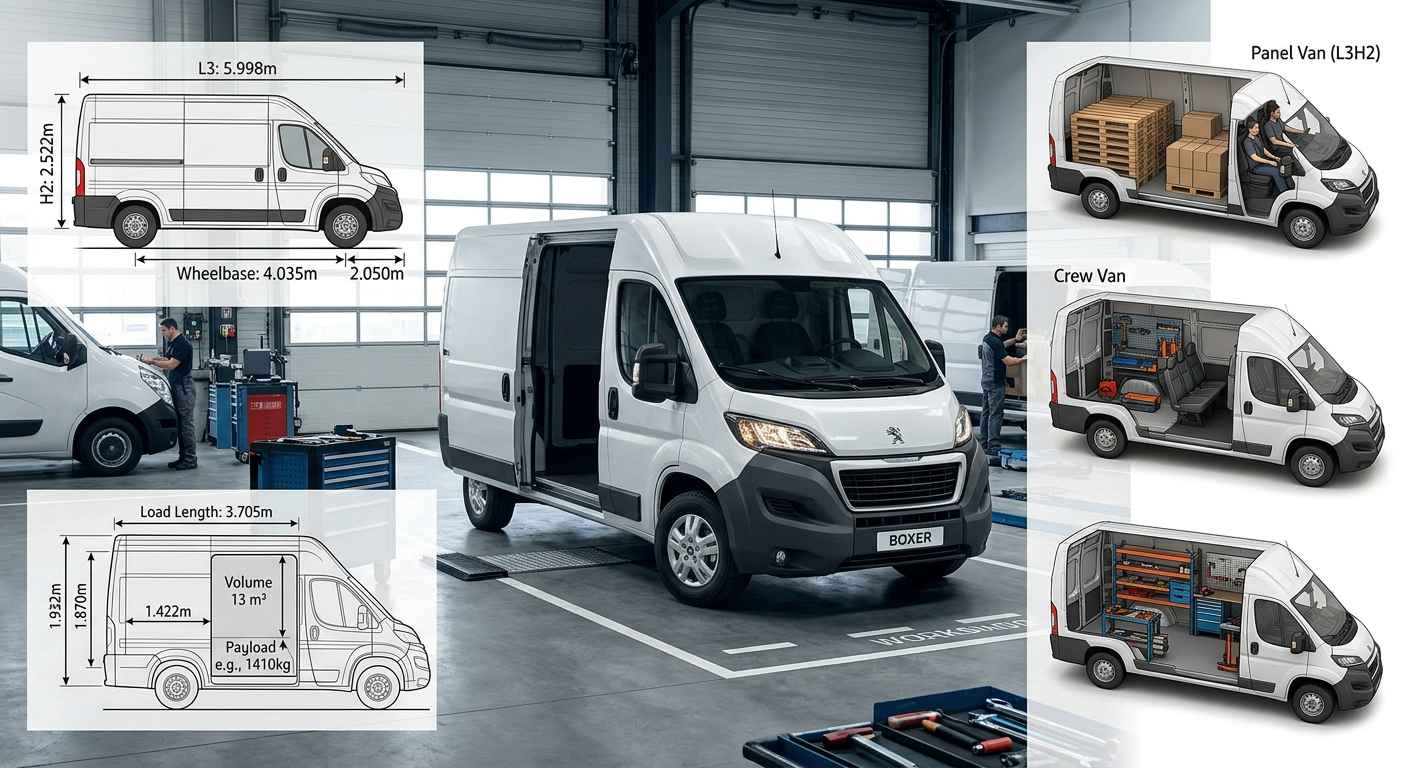
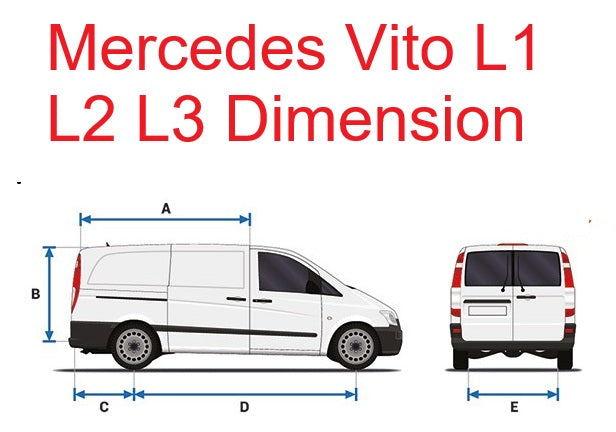
Accurate measurements form the foundation of successful DIY shelving projects. Measure cargo area dimensions including width between wheel arches, height from floor to roof lining, and length from bulkhead to rear doors. Account for protruding features—lighting fixtures, tethering points, or bodywork contours—affecting shelf positioning. The ford transit custom swb van racking with full driver side storage demonstrates professional measurement approaches for popular commercial vehicles.
Create detailed sketches documenting proposed shelf locations, mounting point positions, and access requirements. Consider workflow patterns—position frequently accessed tools at waist height near cargo doors, whilst specialized equipment occupies less convenient locations. Factor in future expansion possibilities ensuring initial installations accommodate supplementary components as business requirements evolve.
Load Capacity Planning
Calculate anticipated weight loads per shelf level ensuring materials and construction methods provide adequate safety margins. Individual shelves supporting hand tools typically bear 15-25kg loads, whilst shelves storing power equipment or material stocks may approach 35-45kg. Total system weight including construction materials, tools, and inventory must remain within vehicle payload capacity maintaining legal compliance and safe handling characteristics.
|
Component |
Material Specification |
Load Rating |
|
Shelf Surface |
12mm Marine Plywood |
30-35kg each |
|
Support Brackets |
40mm x 40mm Steel Angle |
25kg per bracket |
|
Vertical Uprights |
25mm x 50mm Timber/Steel |
120kg total system |
Essential Materials and Tools
Material Selection
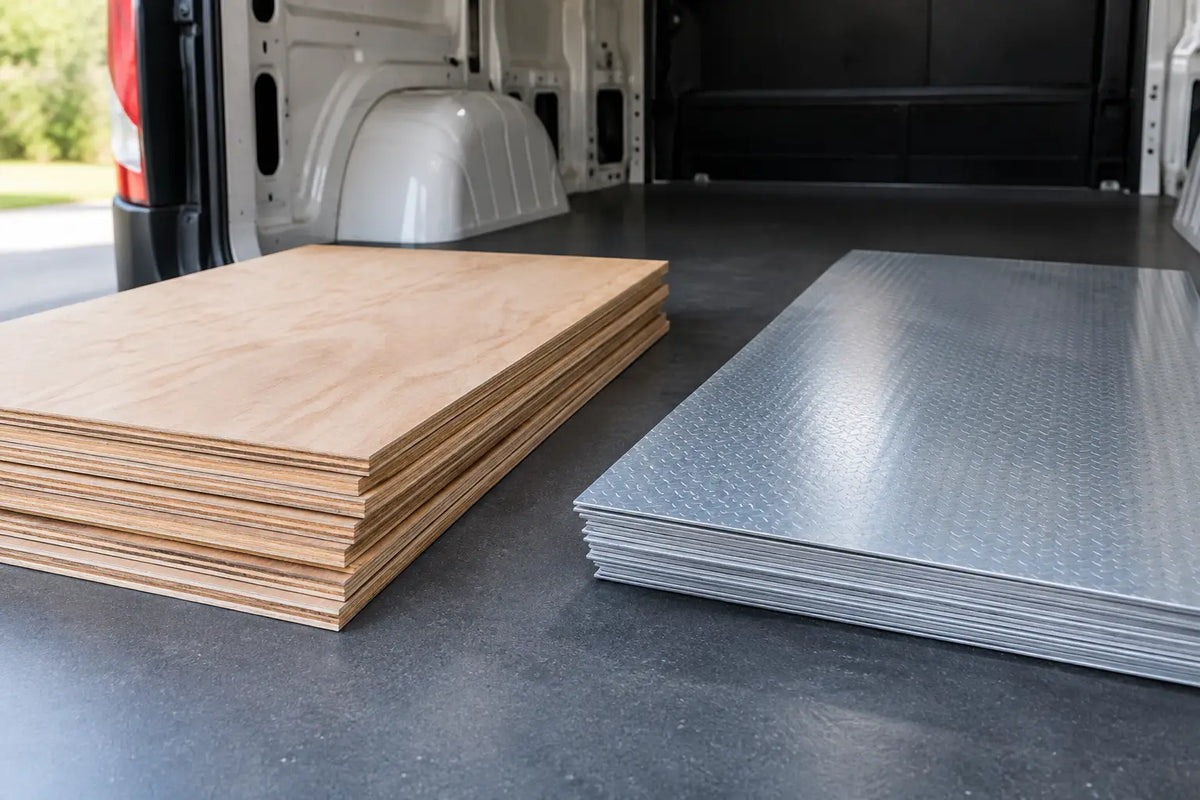
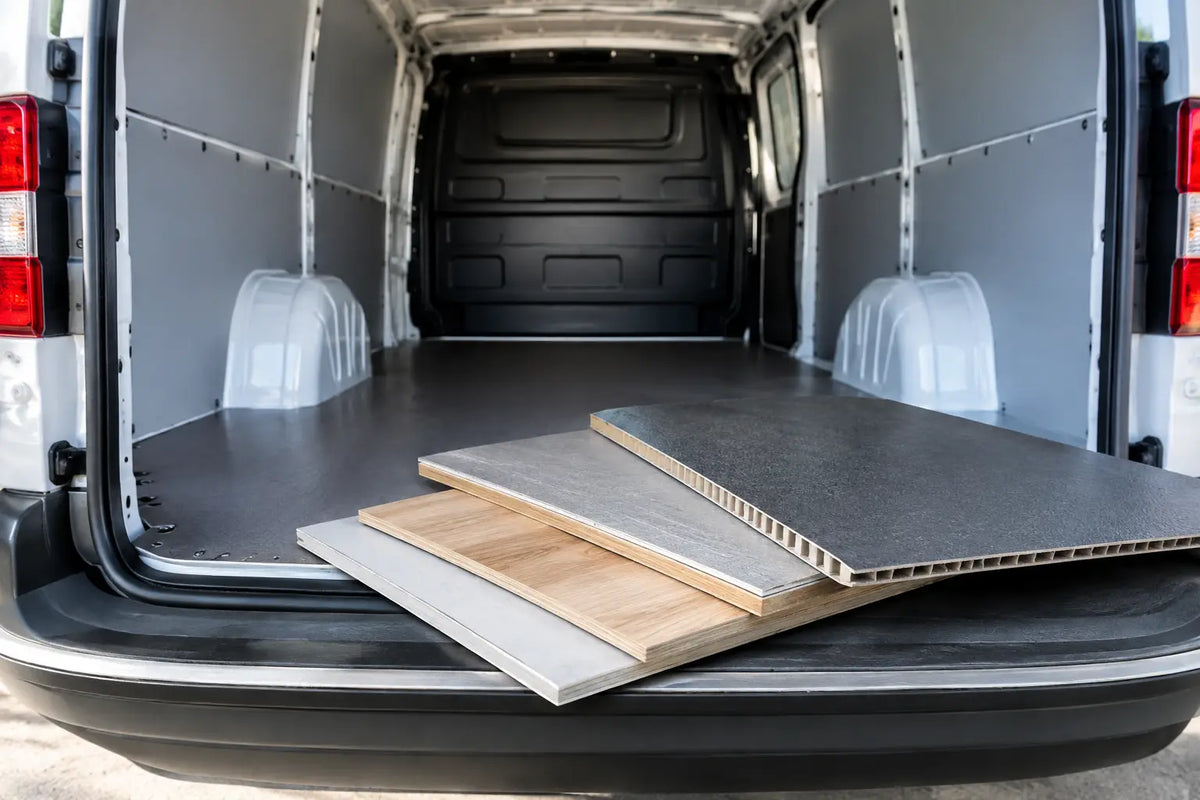
Quality marine-grade plywood forms optimal shelf surfaces combining moisture resistance, strength, and reasonable weight. Standard 12mm thickness provides excellent durability for typical trade applications, whilst 15mm variants suit operations anticipating heavier loads or requiring maximum longevity. Avoid standard interior plywood lacking moisture protection—commercial vehicle environments expose materials to condensation, temperature fluctuations, and potential water ingress.
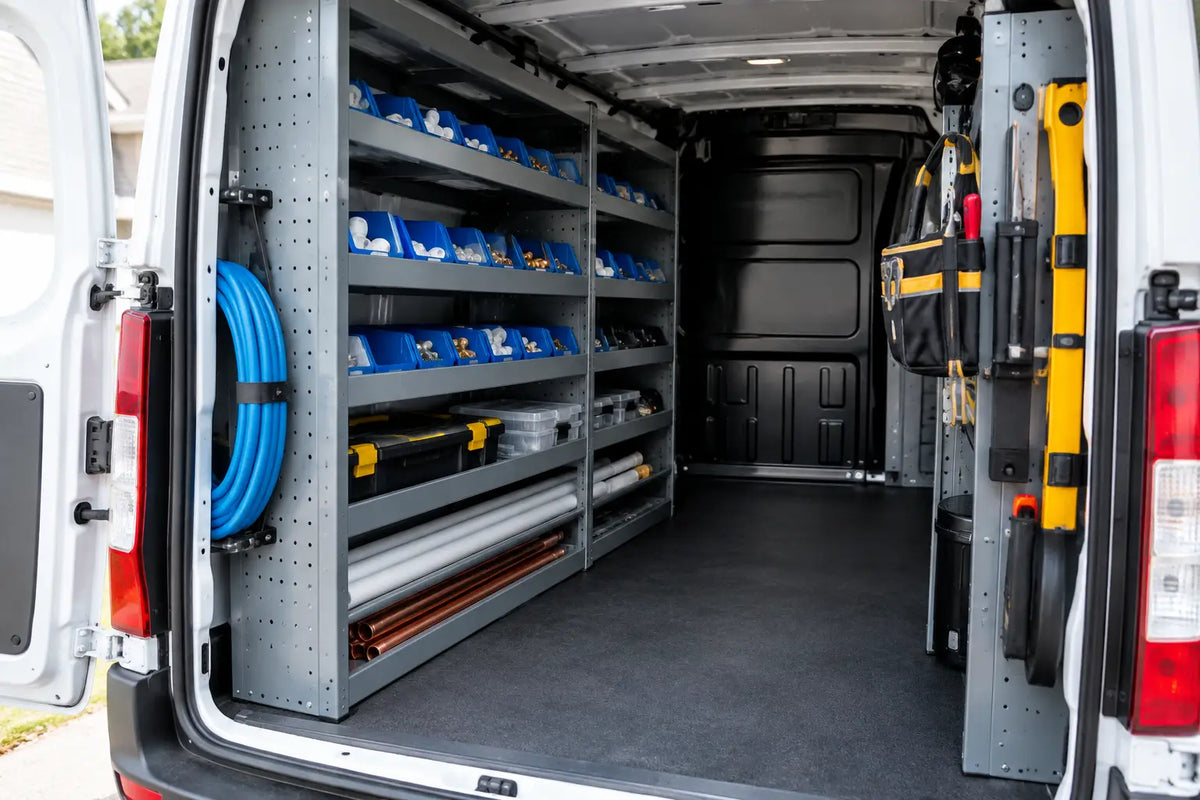
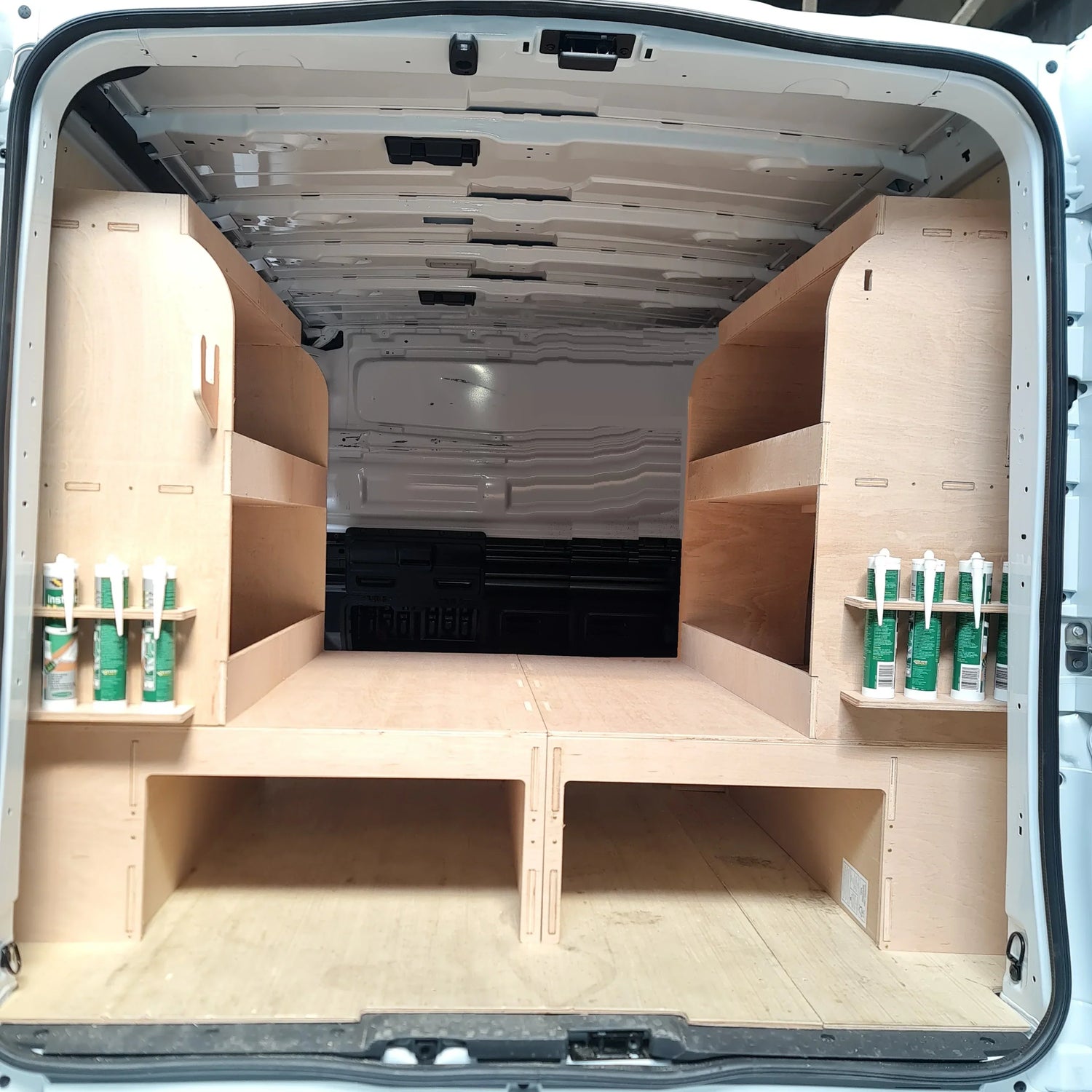
Steel angle sections create robust mounting brackets distributing loads safely across vehicle attachment points. Powder-coated or galvanized finishes provide corrosion resistance essential for long-term durability. The mercedes vito van racking shelves driver or passenger side demonstrates professional material specifications worth emulating in DIY projects.
Timber battens offer lightweight framework alternatives versus steel, though requiring proper treatment for moisture resistance. Treated softwood provides adequate durability for benign environments, whilst hardwood selections deliver enhanced longevity justifying premium costs for operations expecting extended system lifespans.
Required Tools
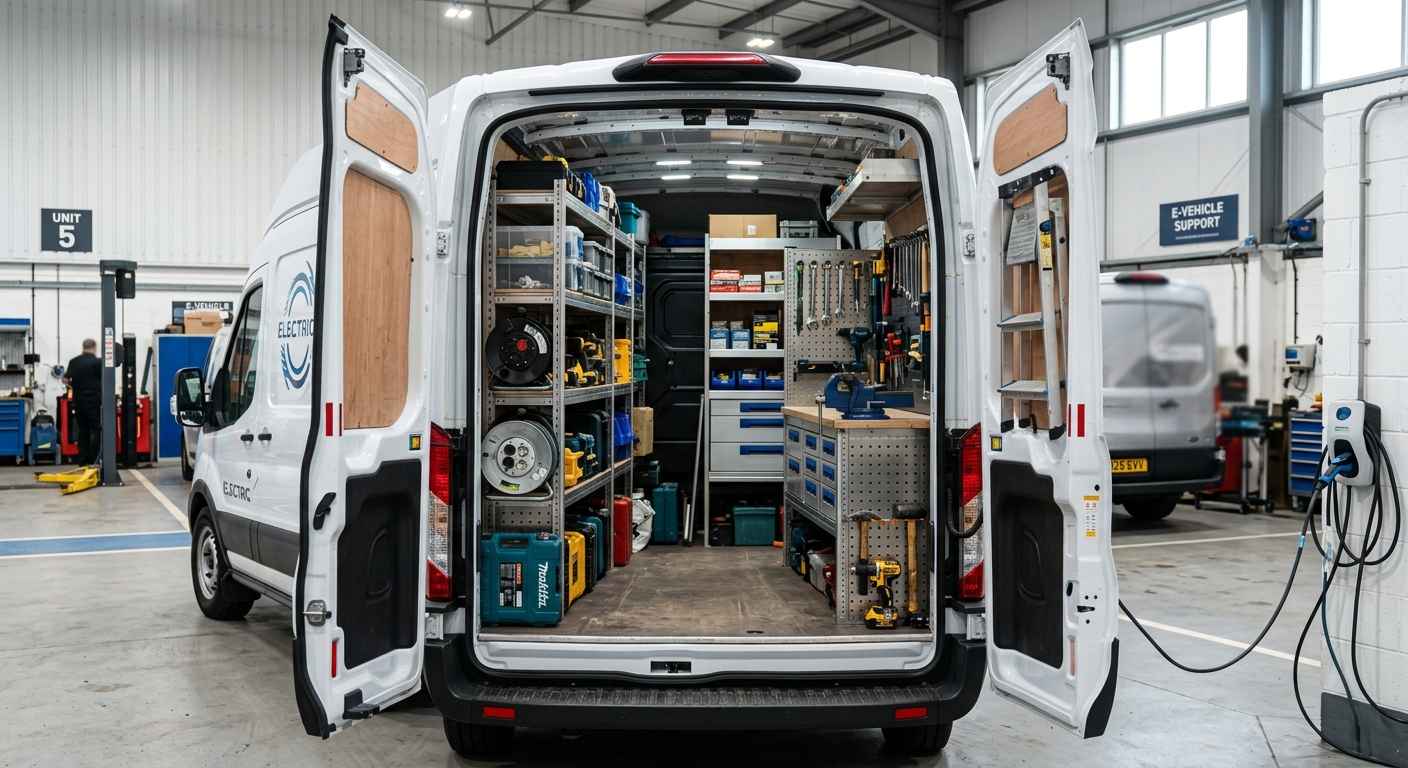
Essential equipment includes measuring tape, spirit level, drill with metal and wood bits, jigsaw or circular saw, adjustable wrench, socket set, and marking tools. Safety equipment encompasses eye protection, hearing protection, dust masks, and work gloves preventing injuries during construction and installation. The ford custom 2023 toolbox racking storage shows professional storage for these essential construction tools.
Power tool access significantly improves construction efficiency—cordless drills enable work within confined cargo areas, whilst compound mitre saws produce precise cuts ensuring proper component fitment. Budget-conscious builders successfully complete projects using basic hand tools, though extended timeframes prove necessary versus powered equipment approaches.
Construction Process
Building the Framework
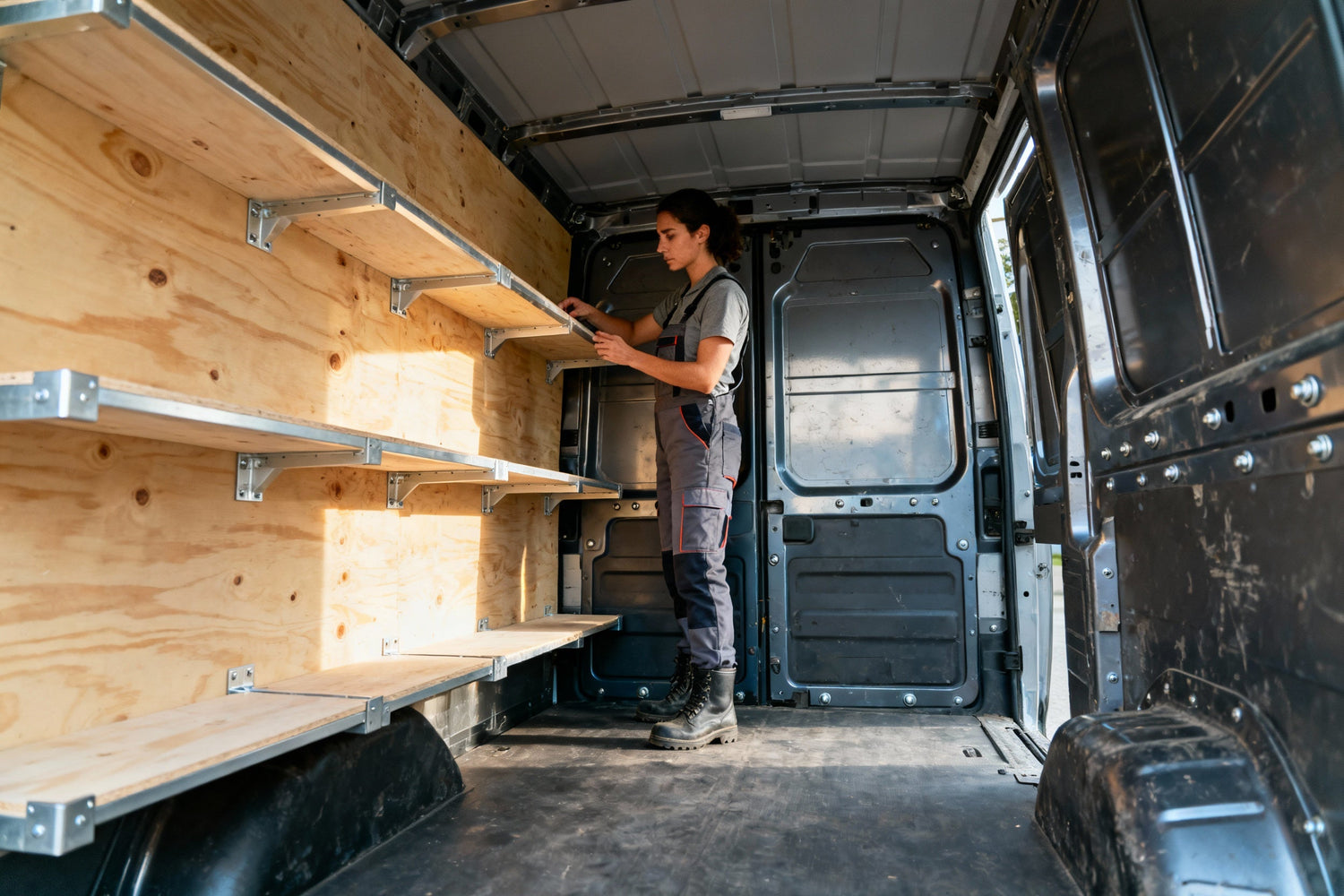
Begin with vertical uprights forming primary structural elements supporting shelf levels. Cut timber or steel sections to desired heights accounting for floor irregularities and roof contours. Position uprights against van walls marking mounting hole locations on both uprights and bodywork. The vw transporter t5 t6 van racking shelves demonstrates effective upright positioning for popular commercial vehicles.
Drill pilot holes through uprights at marked locations preventing material splitting during fastener installation. Use appropriate drill bits matching mounting fastener diameters—undersized holes risk cracking whilst oversized openings compromise holding strength. Apply corrosion-resistant paint or treatment to raw timber edges exposed during cutting preventing moisture ingress and subsequent degradation.
Creating Shelf Surfaces
Cut plywood sheets to calculated dimensions ensuring precise measurements for proper fitment between uprights. Account for material thickness in calculations—12mm plywood requires 12mm clearance between uprights for flush installation. Sand cut edges smooth preventing splinter injuries whilst handling tools or materials during daily operations.
Apply edge banding to exposed plywood edges creating finished appearances whilst sealing material layers against moisture penetration. Wood stain or protective coating enhances appearance whilst providing supplementary moisture protection. The ford custom swb racking storage shows professional finishing standards achievable through careful attention to detail.
Assembly Sequence
Mount vertical uprights first establishing primary structural framework. Utilize existing vehicle mounting points where possible avoiding unnecessary drilling through bodywork. Factory-approved locations typically exist along side panel lower edges, floor channels, and bulkhead interfaces. Secure uprights with appropriately sized bolts, washers, and locking nuts ensuring vibration-resistant connections.
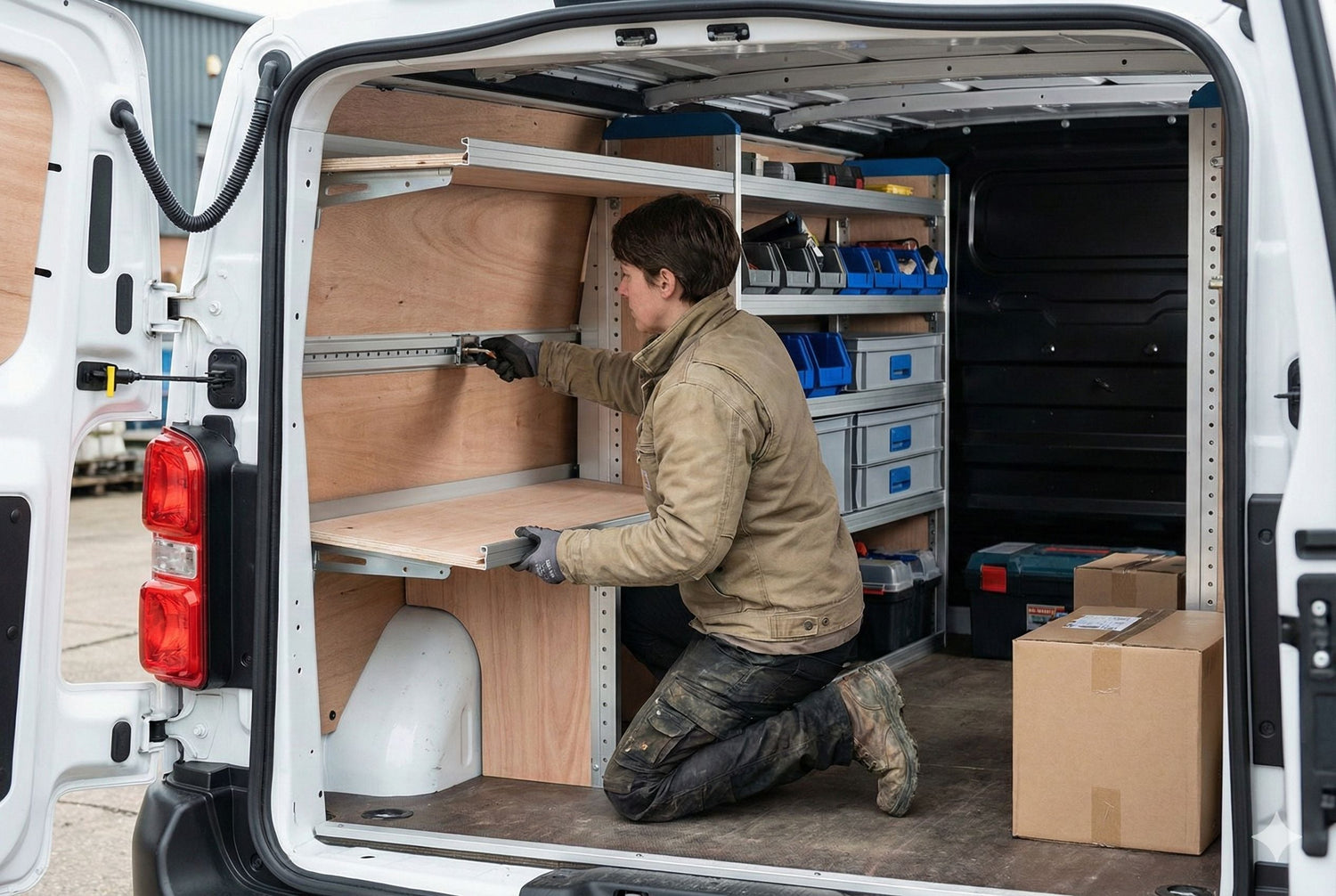
Install horizontal support brackets between uprights at predetermined shelf heights. Verify level positioning using spirit levels preventing sloped shelves causing items to slide during vehicle movement. The renault trafic van racking driver side demonstrates professional bracket spacing achieving optimal load distribution.
Position cut shelf surfaces onto installed brackets securing with wood screws from underneath maintaining clean upper surfaces. Countersink screw heads preventing protrusion above shelf planes causing damage to stored items or snagging during retrieval operations.
Installation Best Practices
Mounting Point Identification
Modern commercial vehicles feature specific locations designed for accessory installation without compromising structural integrity. Research vehicle-specific mounting positions through manufacturer documentation or enthusiast forums before drilling. Utilizing predetermined locations ensures installations meet insurance requirements whilst maintaining warranty coverage.
Avoid drilling through visible exterior bodywork or compromising weather sealing. Interior mounting points typically provide adequate strength whilst remaining concealed maintaining professional appearances and preventing corrosion from weather exposure. The mercedes vito van rack tool box storage shows optimal mounting approaches for premium commercial vehicles.
Securing Methods
Through-bolting provides maximum holding strength distributing loads across larger bodywork areas versus self-tapping screws. Use backing plates on hidden surfaces spreading forces preventing localized stress concentrations potentially tearing through thin sheet metal. Rubber washers between mounting hardware and bodywork prevent paint damage whilst cushioning against vibration.
Rivnuts (threaded inserts) create strong mounting points in thin materials where through-bolting proves impractical. These specialized fasteners require specific installation tools but provide excellent holding strength in challenging mounting situations. Chemical anchors bond mounting studs directly into bodywork materials creating permanent high-strength attachment points.
Load Distribution
Position heavier items on lower shelves maintaining low center of gravity improving vehicle stability and handling characteristics. Distribute weight evenly across shelf surfaces rather than concentrating loads in localized areas risking material failure or mounting point overload. The ford custom 2023 van raised floor demonstrates professional weight distribution principles through multi-level storage approaches.
Calculate cumulative system weight including construction materials and anticipated cargo ensuring total remains within vehicle payload capacity. Exceeding limits compromises safety, accelerates tire wear, and potentially violates commercial vehicle regulations risking substantial penalties.

Finishing and Protection
Surface Treatment
Apply protective coatings to all timber surfaces enhancing moisture resistance and extending material longevity. Water-based polyurethane provides excellent protection without generating excessive fumes in confined spaces during application. Multiple thin coats outperform single thick applications, allowing proper drying between layers preventing tackiness or incomplete curing.
Steel components benefit from touch-up painting addressing any coating damage occurring during construction or installation. Rust-inhibiting primers followed by topcoats matching vehicle interior colors create integrated appearances whilst preventing corrosion. The vauxhall vivaro van racking driver side shows professional finishing standards worth emulating.
Edge Protection
Apply edge trim or corner guards to high-wear areas absorbing daily impacts during tool storage and retrieval operations. Self-adhesive rubber strips protect shelf edges from damage whilst preventing splinters. Metal edge trim provides enhanced durability for operations involving heavy equipment or rough handling.
Consider anti-slip surfaces on shelf planes preventing items sliding during vehicle movement. Rubber matting, textured paint, or adhesive grip tape creates friction maintaining organized storage arrangements regardless of driving conditions or load distribution changes.
Adding Specialized Features
Integrated Tool Holders
Incorporate dedicated storage for cylindrical products—sealant tubes, aerosol sprays, or rolled materials. The sealant tube holder mastic caulk silicone for van racking workshop garage shed demonstrates professional holder designs adaptable to DIY construction. Create simple holders using drilled plywood panels or mounted PVC pipe sections securing items upright.
Magnetic strips along shelf edges secure metal tools preventing rolling during transit. These affordable additions significantly improve organization whilst requiring minimal installation effort. The 12x aerosol spray can bottle holder provides inspiration for custom holder designs matching specific inventory requirements.
Drawer Integration
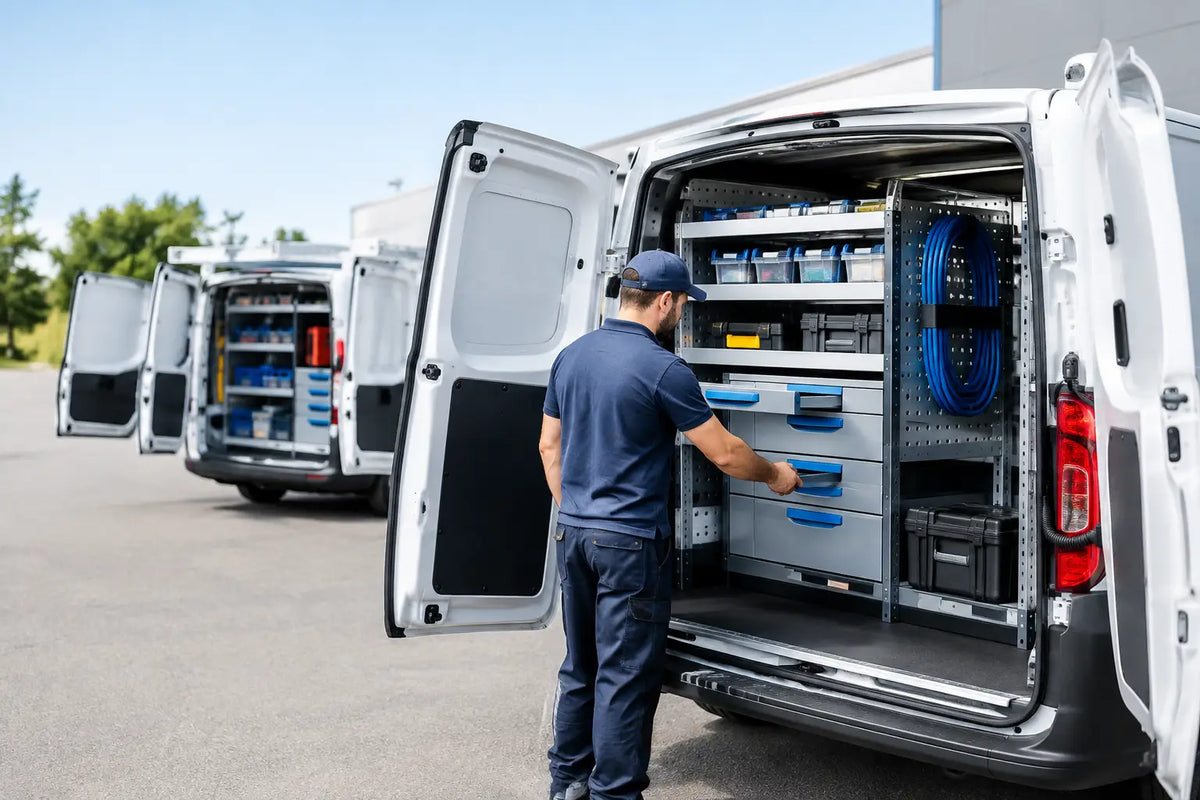
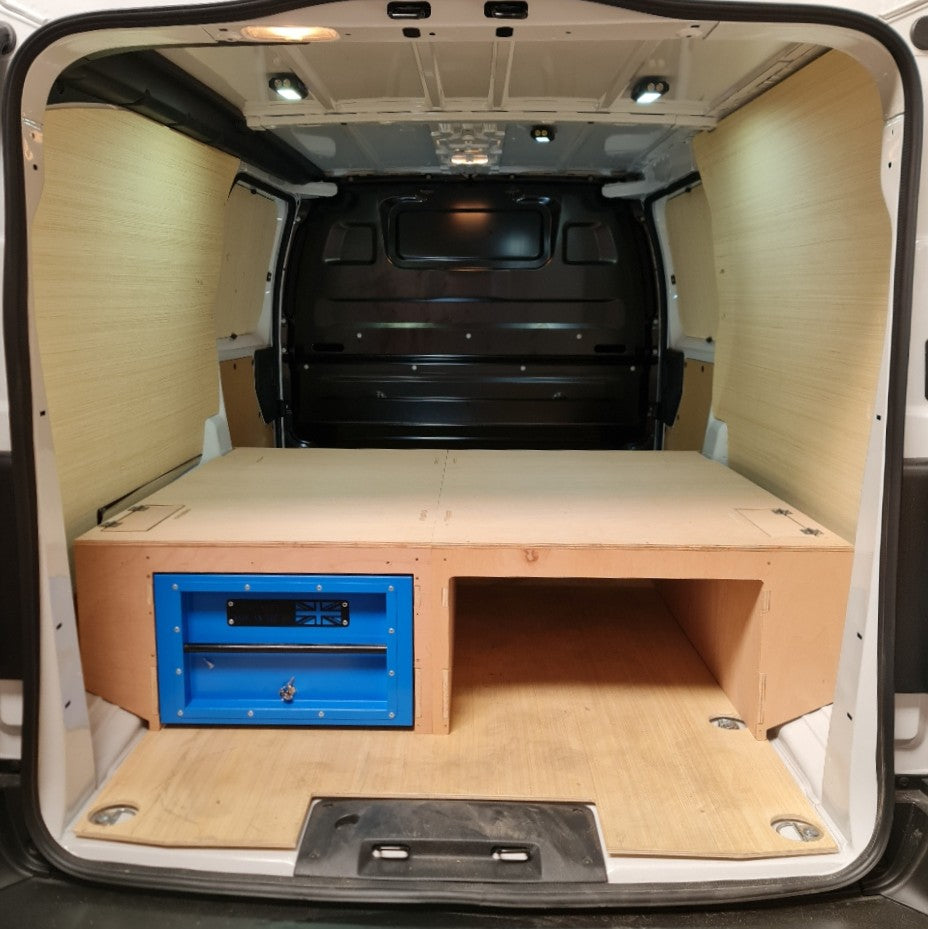
Advanced DIY projects incorporate drawer systems organizing small components, fixings, or consumables. Construct simple drawers using plywood sides with bottom panels, mounting on commercially available drawer slides. The ford custom 2023 van raised floor with heavy duty drawers false floor demonstrates professional drawer integration approaches adaptable to skilled DIY builders.
Ball-bearing slides provide smooth operation even when fully loaded, justifying premium costs versus basic roller mechanisms. Select slides rated for anticipated drawer weights ensuring reliable operation throughout system lifespan without premature wear or failure.
Common Mistakes to Avoid
Inadequate Structural Support
Insufficient bracket sizing or excessive shelf spans cause deflection or catastrophic failure under load. Follow conservative design principles using shorter spans and more frequent support points versus minimalist approaches risking inadequate strength. Professional systems like the peugeot expert van racking driver side demonstrate optimal support spacing worth emulating.
Overloading shelves beyond design capacities accelerates wear whilst risking sudden failure during vehicle movement potentially causing injuries or equipment damage. Clearly mark maximum load ratings reminding users of safe limits preventing inadvertent overloading through gradual inventory accumulation.
Poor Mounting Practices
Drilling through unsuitable bodywork locations compromises structural integrity whilst potentially voiding vehicle warranties. Random fastener placement risks penetrating fuel lines, electrical harnesses, or structural reinforcements creating safety hazards. Research proper mounting zones before drilling ensuring installations remain reversible without permanent vehicle damage.
Using inappropriate fasteners—wood screws into metal bodywork or insufficient bolt lengths—creates insecure mountings risking detachment during vehicle movement. Select fasteners specifically designed for materials being joined with adequate thread engagement ensuring reliable long-term performance.
Safety Considerations
Installation Safety
Work in well-ventilated areas when applying finishes or adhesives preventing harmful fume accumulation. Wear appropriate personal protective equipment including eye protection preventing injury from flying debris during drilling or cutting operations. Secure loose components preventing shifting during installation potentially causing crush injuries in confined cargo areas.
Verify mounting integrity before loading shelves with tools or materials. Apply progressive loads testing system response identifying potential weaknesses before reaching full operational capacity. The ford custom 2023 van storage system raised floor drawers shelving set 11 demonstrates comprehensive testing approaches ensuring safe operation.
Operational Safety
Inspect installations quarterly examining mounting security, material condition, and overall structural integrity. Vibration from daily driving gradually loosens fasteners—systematic checks identify developing issues before failures occur. Address minor damage promptly through fastener tightening, touch-up painting, or component replacement preventing progressive deterioration.
Maintain conservative load limits providing safety margins against unexpected overloading or material degradation. Even well-constructed systems experience gradual wear—periodic capacity reassessment ensures continued safe operation throughout system operational lifespan.
Cost Comparison: DIY vs Professional
Material and Time Investment
Basic DIY single-side installations typically consume £150-300 in materials depending on complexity and finish quality desired. Add 8-12 hours labor for construction and installation assuming reasonable DIY competence and tool availability. The ford custom lwb 2023 van racking shelves storage for tools boxes set 11 represents professional alternatives for comparison.
Calculate opportunity costs—time spent building shelving cannot generate revenue through trade activities. Tradespeople billing £150-200 daily rates sacrifice £150-250 in potential earnings during DIY projects. Factor these hidden costs into total project expenses when comparing against professional installation pricing.
Long-Term Value Considerations
Professional systems typically offer superior engineering, optimized materials, and warranty protection unavailable with DIY approaches. The mercedes vito racking made for euro stacking container super wide demonstrates specialized features difficult replicating through DIY methods without extensive experience and specialized equipment.
However, DIY systems provide genuine satisfaction through personal accomplishment whilst enabling unique customization impossible with standardized commercial products. Skilled builders create highly functional storage matching exact requirements at fraction of equivalent professional system costs.
When to Choose Professional Solutions
Complex Requirements
Operations requiring integrated drawer systems, raised floors, or specialized accessories benefit substantially from professional installations. These sophisticated features demand precise engineering, specialized materials, and installation expertise beyond typical DIY capabilities. The ford custom 2023 end van racking set toolboxes drill shelves storage demonstrates comprehensive systems justifying professional investment.
Vehicle-specific fitments maximizing available space whilst accommodating unique bodywork contours require detailed manufacturer knowledge difficult acquiring independently. Professional installers possess extensive experience with popular commercial vehicles ensuring optimal layouts matching proven best practices.
Time and Liability Considerations
Businesses lacking time for DIY projects whilst maintaining operational schedules benefit from professional installation completing work within single days minimizing vehicle downtime. Installed systems typically include warranties covering materials and workmanship providing protection against manufacturing defects or installation errors.
Insurance requirements may necessitate professionally certified installations for fleet operations or high-value tool inventories. Documentation proving compliant installations supports claims if theft or damage occurs whilst potentially reducing insurance premiums offsetting installation costs.
Conclusion
Understanding how to make van shelving empowers tradespeople to create functional storage solutions matching specific requirements whilst managing costs through personal labor investment. Successful DIY projects demand careful planning, quality materials, proper construction techniques, and realistic assessment of personal capabilities versus project complexity. Whilst basic installations prove achievable for mechanically competent individuals, sophisticated systems incorporating specialized features warrant professional approaches ensuring optimal results.
For those seeking professionally engineered, vehicle-specific storage solutions delivering maximum functionality without DIY time investment, explore the comprehensive range at Van Shelves. Our expert-designed systems provide proven performance, precise fitment, and warranty protection ensuring your commercial vehicle storage delivers reliable service throughout its operational lifespan.
References
British Standards Institution. (2024). BS EN 1995: Design of timber structures. BSI Standards.
Health and Safety Executive. (2024). Workplace transport safety guidance. HSE Publications.
Institute of the Motor Industry. (2024). Commercial vehicle modification standards. IMI Technical Standards.
Vehicle Certification Agency. (2024). Commercial vehicle payload and modification compliance. VCA Technical Publications.
Wood Protection Association. (2024). Timber preservation for commercial applications. WPA Technical Guidance.