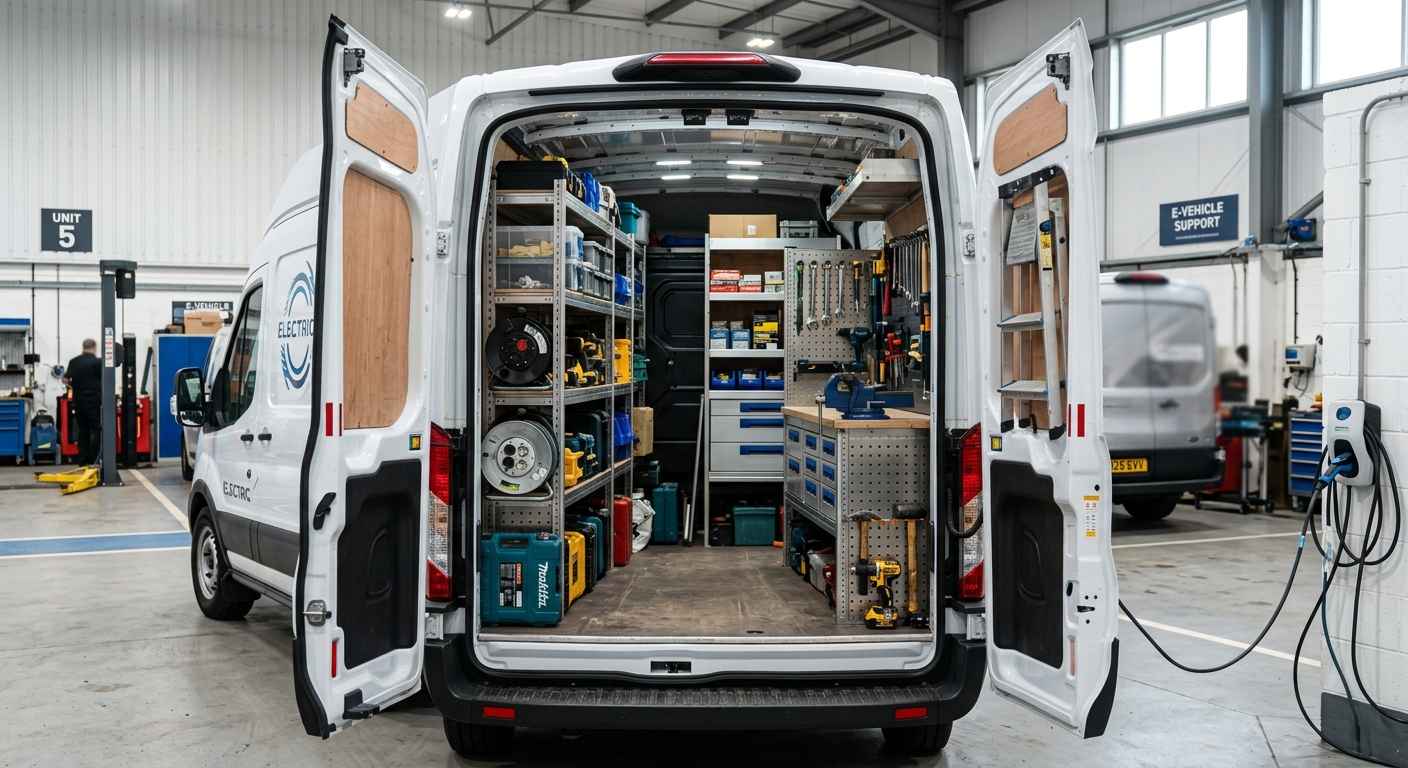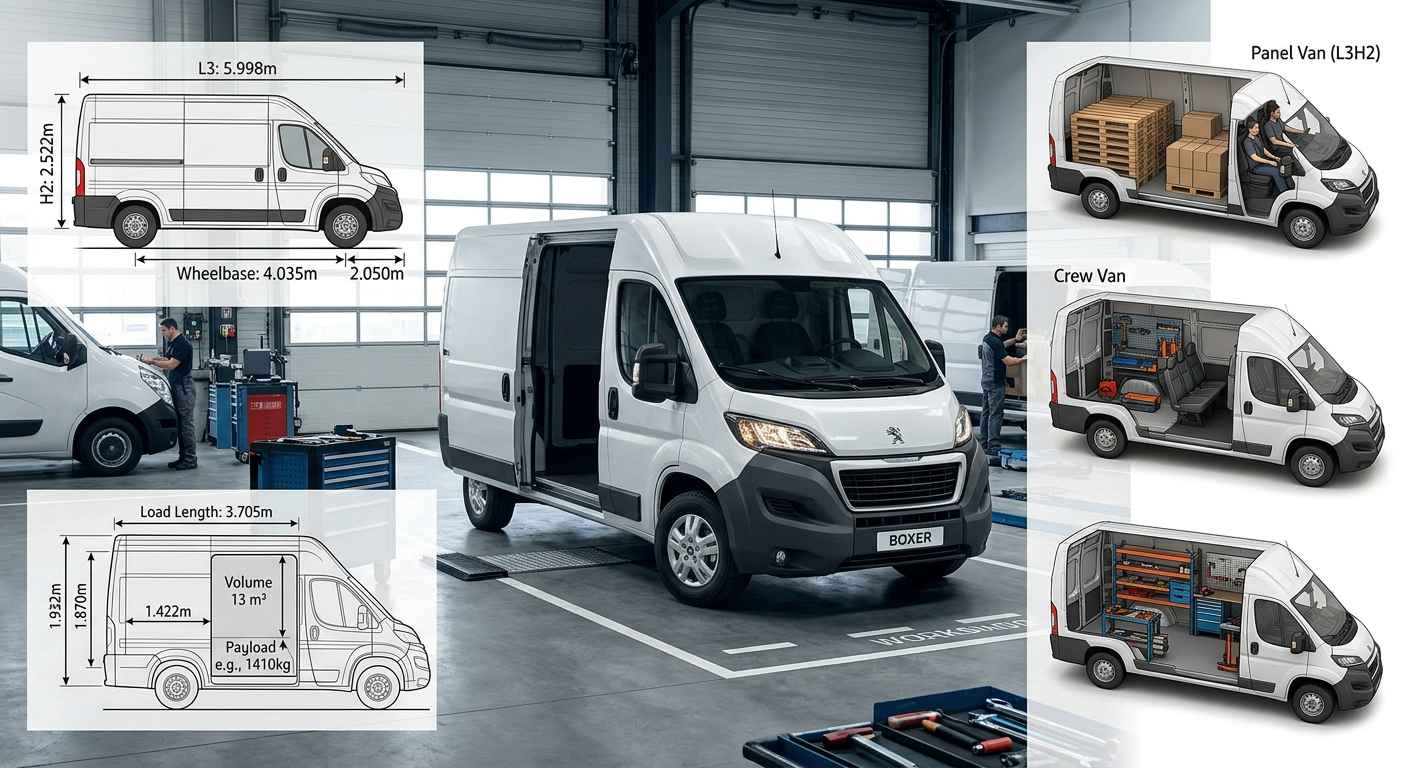

Drivers who passed their test after 1997 will soon be able to drive heavier electric vans without taking extra training. The government has scrapped the five-hour training requirement that applied to electric vans weighing between 3.5 and 4.25 tonnes.
That means anyone with a standard Category B car licence will be able to get behind the wheel of these vans — a change designed to make electric vehicles more practical for businesses and individuals.
Why the Change?
Electric vans are typically heavier than their diesel or petrol equivalents due to their large batteries. Under the old 3.5-tonne limit, that weight often ate into the payload allowance.
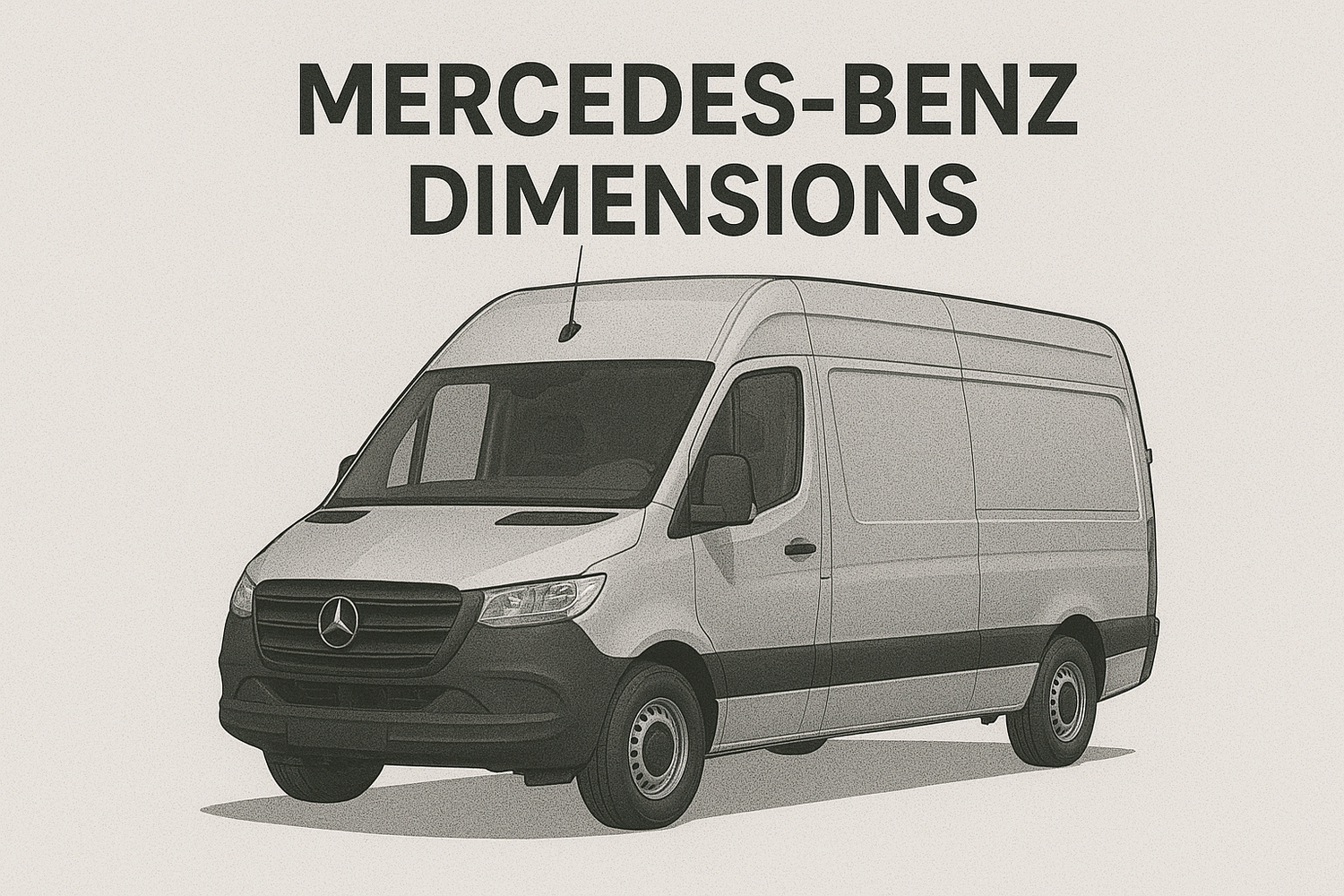
➡ Example: the Mercedes-Benz eSprinter could be left with as little as 200kg of payload, barely enough for more than a passenger and a few boxes.
By extending the limit to 4.25 tonnes without extra red tape, the government hopes to encourage more people and fleets to switch to EVs.
What’s Changing?
-
The five-hour mandatory training requirement is removed.
-
Standard Category B licence holders can drive EV vans up to 4.25 tonnes.
-
The rule still needs formal approval in Parliament but is expected to take effect this spring.
What Else Is Being Considered?
The government is consulting on further changes to make electric vans easier to run:
-
Moving annual tests to the MOT system rather than HGV testing.
-
Exempting electric vans from tachograph requirements.
-
Allowing them to follow normal drivers’ hours rules if operating within Great Britain.

Industry Response
-
Logistics UK called the update a “step in the right direction”, saying it will help businesses roll out more zero-emission vans.
-
BVRLA also welcomed the move but warned more needs to be done — particularly around public charging infrastructure and financial incentives.
Final Thoughts
This change could remove one of the barriers to wider electric van adoption, giving operators more flexibility while keeping licensing simple. Combined with other reforms under consideration, it’s a sign the UK government is pushing to make electric vans a mainstream choice for fleets and small businesses.