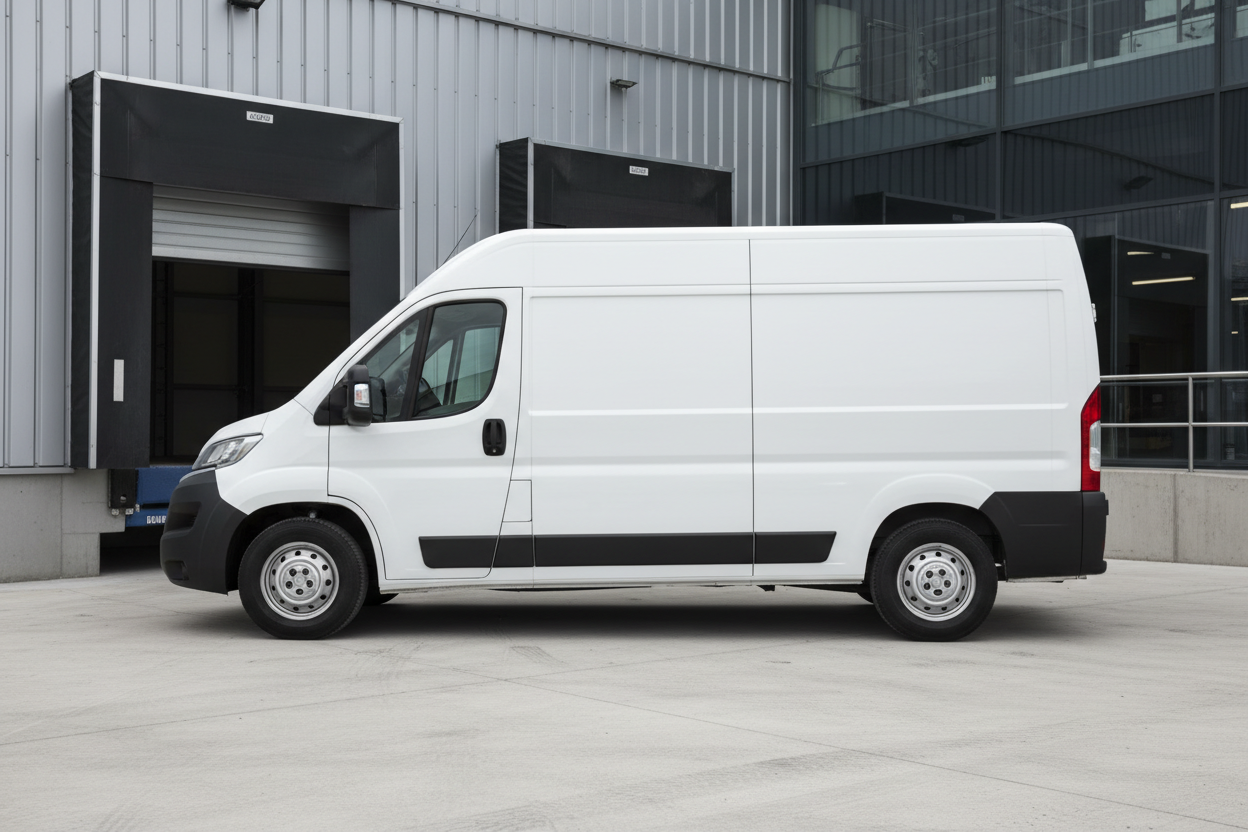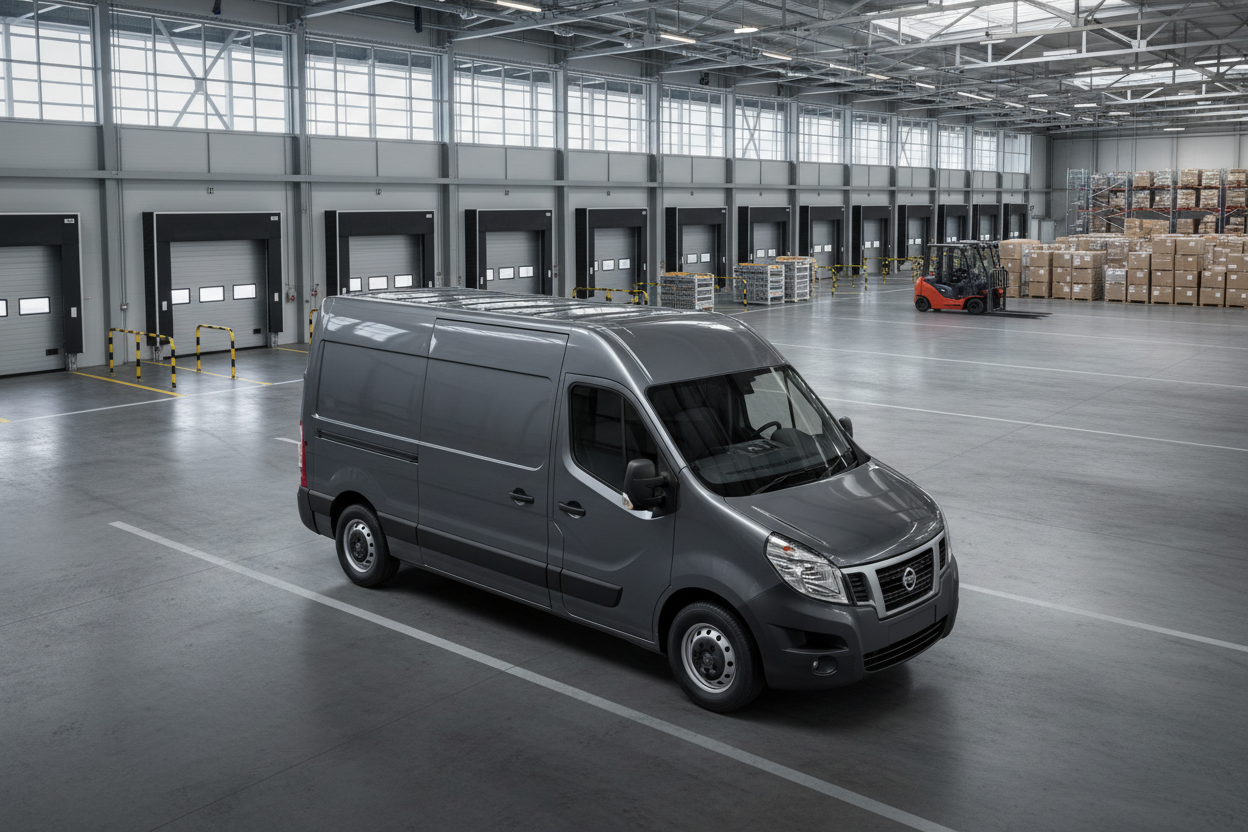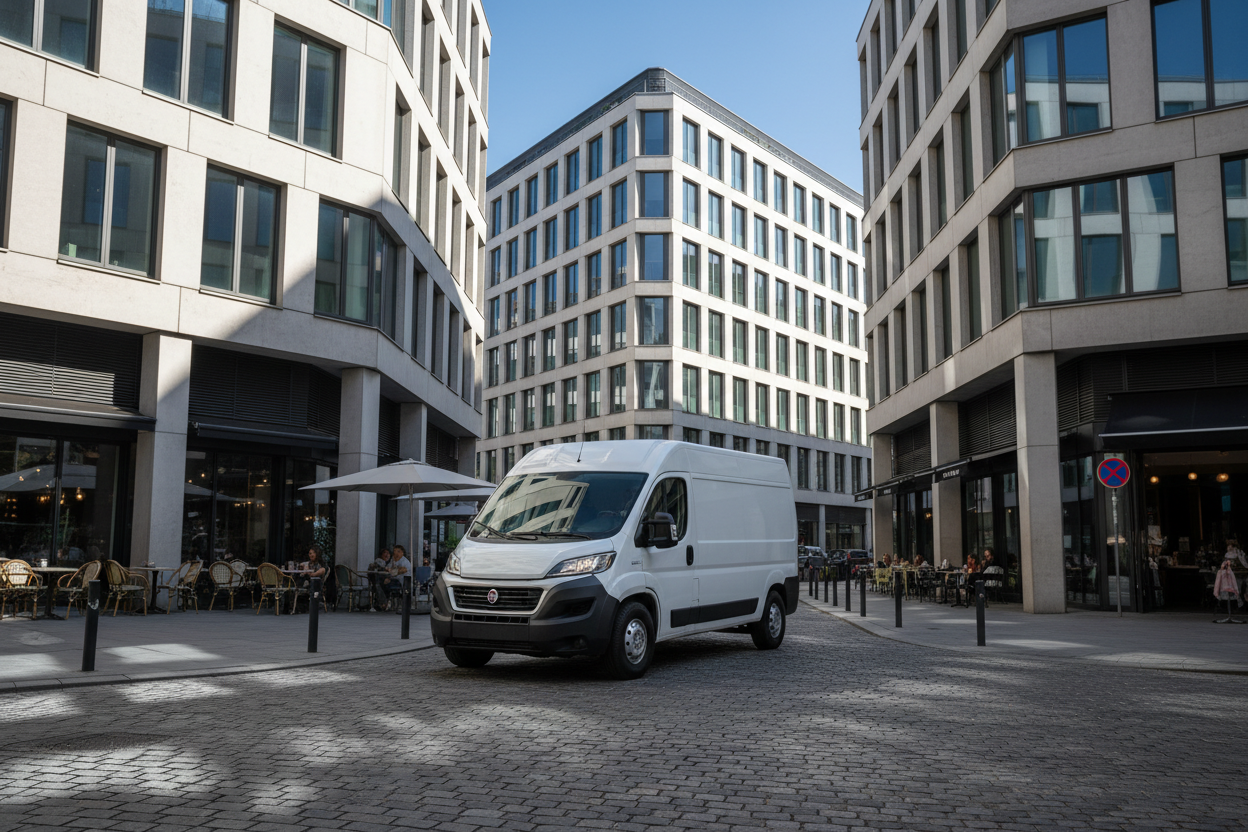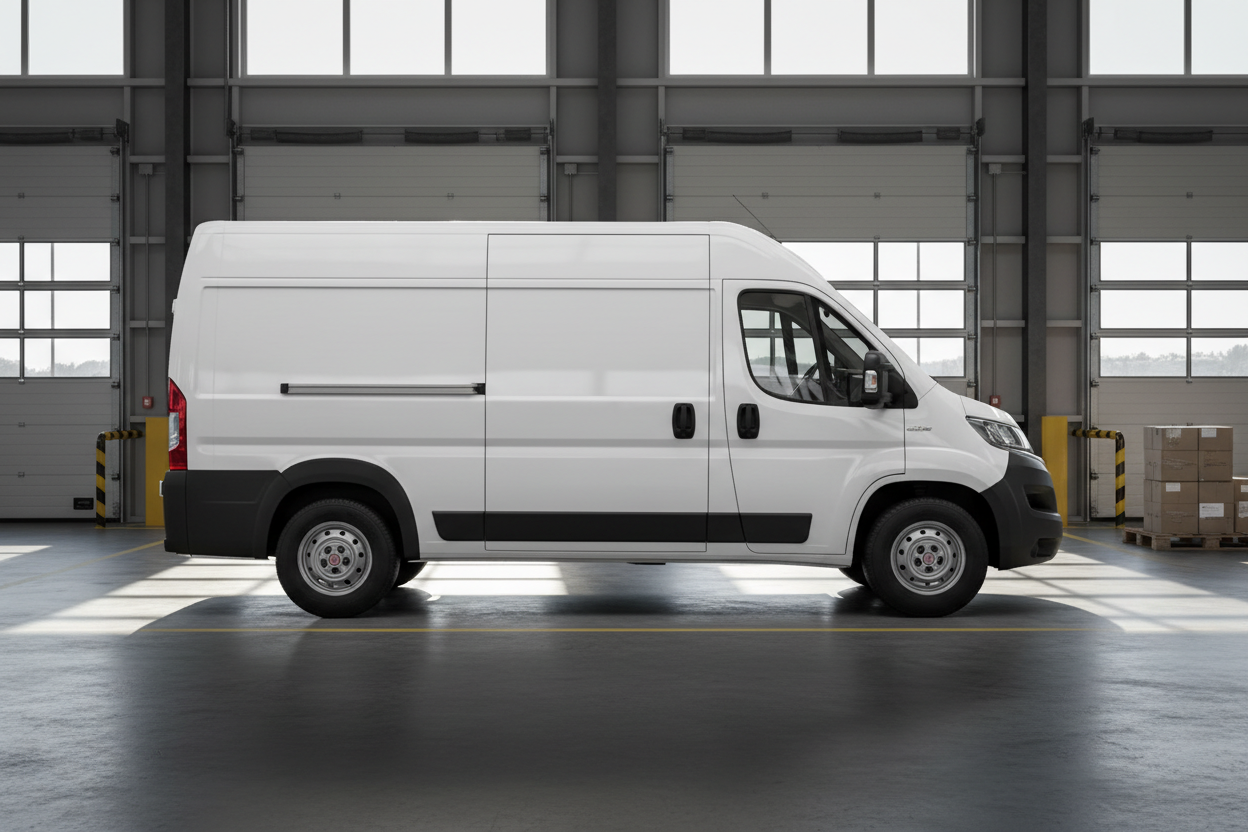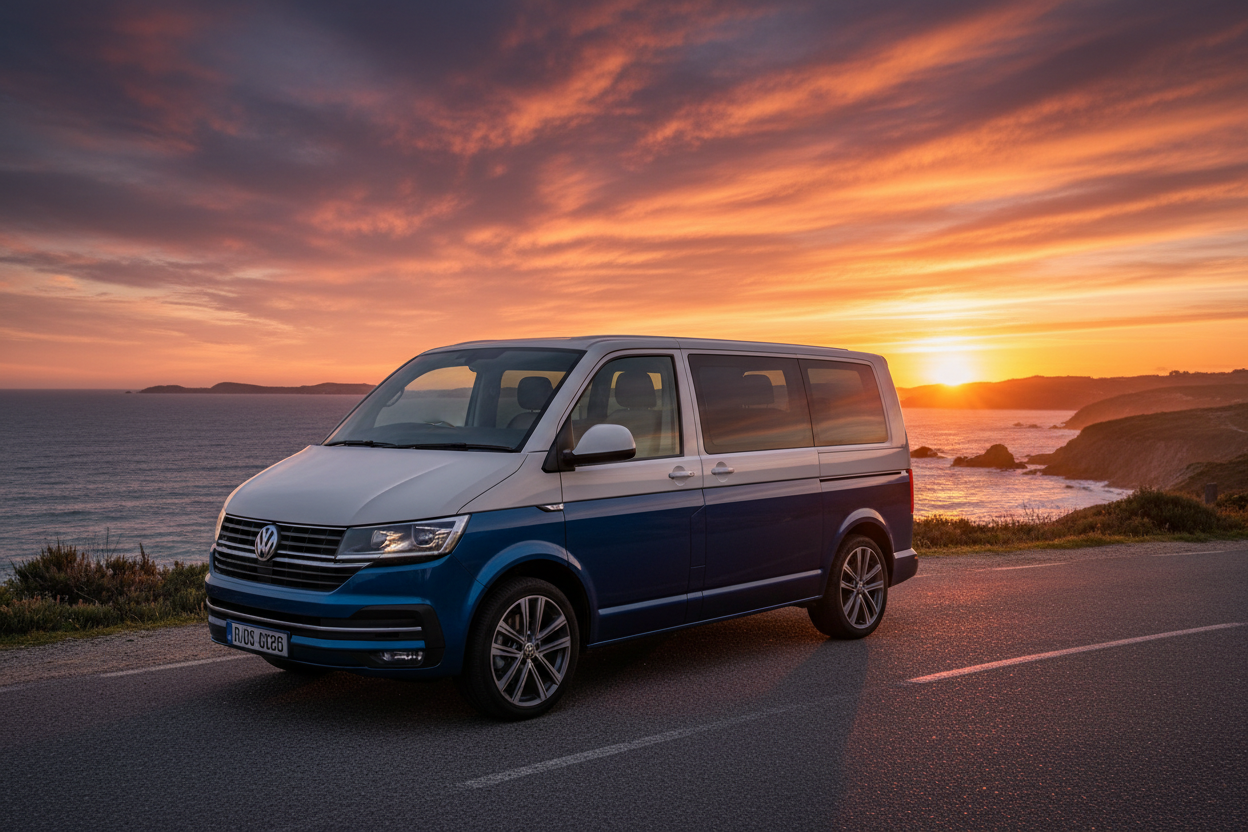
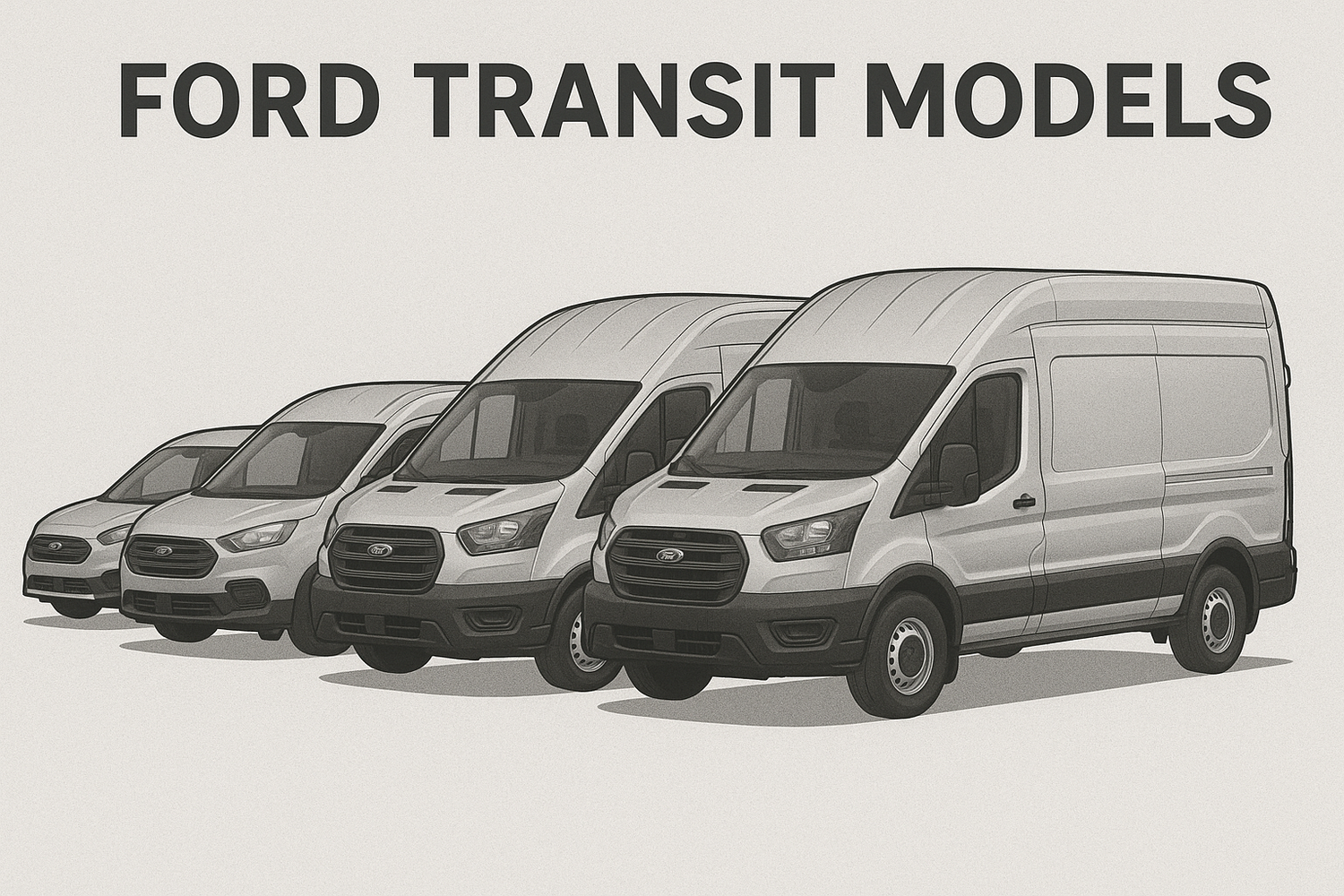

The allure of van life has never been stronger. Freedom to roam, flexibility to work from anywhere, and the open road as your backyard — it's a lifestyle that trades mortgages for mobility and routine for adventure. At the heart of this movement sits an unlikely icon: the Volkswagen Transporter van. Far from being just another work vehicle, the Transporter has become a cultural symbol of freedom, a mobile home that's equally comfortable navigating city streets as it is parked beside mountain trails.
This guide explores why the Volkswagen Transporter remains the top choice for van lifers worldwide — from choosing the right generation to understanding what a real T6 build looks like in daily use. Whether you're planning your first conversion or upgrading from an older model, this is your roadmap to making an informed decision. And once you've chosen your platform, optimizing the interior with quality van storage systems becomes the foundation of functional van life.

Why the Volkswagen Transporter Van Is the Top Choice for Van Life
With over 13 million units sold across seven generations and a 75-year legacy, the Volkswagen Transporter has earned its reputation as the benchmark for medium vans. Unlike competitors such as the Ford Transit Custom or Mercedes Sprinter, the Transporter strikes a unique balance: compact enough for urban maneuverability yet spacious enough to build a liveable home. It's not just about dimensions — it's about engineering philosophy. VW designed the Transporter to be reliable enough for commercial fleets while refined enough for daily driving, making it the perfect crossover vehicle for van life.
The rise of remote work, digital nomadism, and the #vanlife movement has only amplified the Transporter's appeal. People aren't just looking for a vehicle — they want a platform that supports a lifestyle. The Transporter delivers this by offering proven mechanical reliability, strong resale value, and an enormous aftermarket ecosystem for conversions and upgrades. When you choose a Transporter, you're joining a community of millions who've already proven the concept works. For those building out work vans or weekend adventure rigs, Transporter-specific shelving systems provide the organizational backbone that turns cargo space into functional living quarters.
Types of VW Transporter — Which Model Suits Van Life?
Understanding the various types of VW Transporter configurations is essential before starting your van life journey. Each variant serves different priorities — from maximum cargo flexibility to turnkey camper convenience.
Panel Van
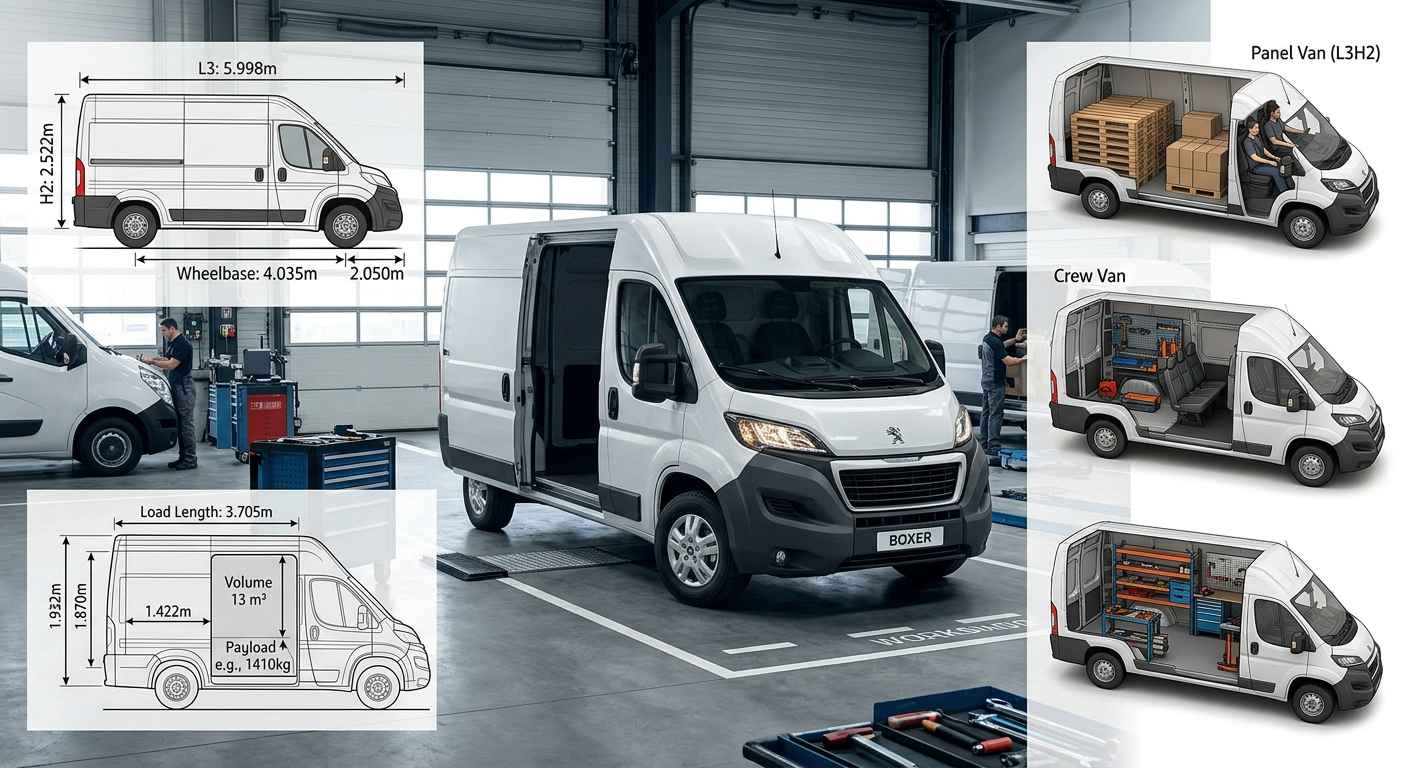
The panel van is the blank canvas of the Transporter lineup and the overwhelming favorite among serious converters. With no side windows and maximum cargo volume, it offers complete design freedom for custom builds. This configuration is ideal for full-time van lifers who want to install permanent beds, kitchens, and storage systems tailored to their exact needs. The lack of windows also aids stealth camping — a windowless van blends into urban environments far better than its glazed counterparts.

Kombi
The Kombi sits between work vehicle and people carrier, featuring partial glazing and removable rear seating. It's the practical choice for part-time van lifers who still need to use their vehicle as a daily driver or family hauler during the week. While it sacrifices some cargo volume compared to the panel van, the Kombi's versatility makes it easier to justify to partners and families who aren't fully committed to the van life concept. Many weekend warriors start here before graduating to dedicated panel van conversions.
California (Camper)
The VW California is VW's factory-built camper van, complete with pop-up roof, integrated kitchenette, and fold-out sleeping arrangements. It's the premium, turnkey solution for those who want van life without the DIY commitment or conversion costs. The California commands a significant price premium but offers unmatched convenience — drive it off the lot and you're ready to camp. However, the standardized layout means less personalization, and the California's high profile makes stealth camping virtually impossible. It's the choice for those who value convenience over customization.
Caravelle / Shuttle
The Caravelle and Shuttle are passenger-focused models with full glazing, premium interiors, and seating for up to nine occupants. They're less common in the van life community but can work for families building multi-purpose vehicles. The trade-off is reduced cargo space and limited conversion flexibility due to the fixed seating rails and interior trim. If you need to move people regularly and only camp occasionally, this might suit — but dedicated van lifers typically look elsewhere.
VW Transporter Generations — From T4 to T7
Choosing the right generation of Volkswagen Transporter is as important as selecting the body style. Each generation brought mechanical updates, design evolution, and shifting market positioning that affects conversion suitability, running costs, and long-term reliability.

T4 (1990–2003) — The Original Van Lifer's Base
The T4 was VW's first front-engine Transporter, marking a departure from the iconic rear-engine layout of earlier generations. This mechanical simplicity makes the T4 budget-friendly and relatively straightforward to maintain. It became the entry point for first-time converters throughout the early 2000s and remains popular among those prioritizing affordability over modern refinement. Parts availability is excellent thanks to decades of production, and the DIY community has documented virtually every common issue. However, rust is the T4's Achilles heel — inspect sills, door bottoms, and rear arches carefully. High-mileage examples may also suffer from worn suspension bushings and aging diesel injectors. The T4 suits budget-conscious builders who can handle basic mechanical work and don't need modern safety features or fuel efficiency.
T5 / T5.1 (2003–2015) — The Conversion Sweet Spot
The T5 generation represents the sweet spot for modern van life conversions. It introduced significant improvements in build quality, ride comfort, and engine refinement while remaining mechanically accessible for home mechanics. The T5.1 facelift in 2010 brought cosmetic updates — revised headlights, bonnet, and mirrors make it easy to distinguish from the original T5 — but mechanically they're similar. This generation enjoys the strongest aftermarket support of any Transporter, with countless conversion kits, interior panels, and upgrade parts designed specifically for T5/T5.1 models. Prices have stabilized in the used market, offering better value than newer T6 models while avoiding the age-related issues of T4s. For many professional converters, the T5.1 remains the default recommendation: proven, affordable, and well-supported.
T6 / T6.1 (2015–2024) — The Van Life Gold Standard ⭐
The T6 represents the pinnacle of Transporter evolution for van life purposes. Launched in 2015 with Euro 6 compliant engines, the T6 introduced AdBlue emissions treatment, start-stop systems, and available collision braking — features that significantly improved fuel economy and safety. The drive quality moved closer to passenger car standards, with refined steering, improved sound insulation, and available adaptive cruise control. For full-time van lifers logging serious mileage, these refinements translate to less fatigue and greater comfort.
The T6.1 facelift arrived in 2019, bringing electro-mechanical steering, a modernized digital dashboard, and enhanced driver assistance systems including Park Assist and Lane Keep Assist. These updates might seem minor on paper, but they fundamentally changed the driving experience — the T6.1 genuinely drives like a premium car rather than a commercial vehicle. Professional conversion companies gravitated toward the T6/T6.1 platform, and their builds command premium prices in the used market for good reason. If budget allows, the T6.1 is the platform serious van lifers aspire to. For specific T6.1 specifications and technical details, VW's official documentation provides comprehensive information.

T7 (2024–Present) — The Future of Van Life?
The T7 marks a radical departure for the Transporter line. Built on a shared platform with the Ford Transit Custom, it represents VW's shift toward collaborative manufacturing. The T7 offers the largest cargo volume in Transporter history and introduces electrification options with the e-Transporter and plug-in hybrid variants — a significant development for environmentally conscious van lifers. However, it's still early days for the T7 in the conversion community. Aftermarket support remains limited, and professional converters are still developing optimized layouts for the new dimensions. Early adopters report excellent driving dynamics and impressive refinement, but the lack of established conversion patterns makes it a riskier choice for those planning significant modifications. Give the T7 another year or two to mature in the conversion market before committing if you're planning a custom build.
What a Real VW T6 Camper Build Looks Like
Moving beyond specifications and theory, this section explores the practical reality of T6 van life — from typical conversion layouts to daily living compromises that only become apparent after months on the road.
The Typical T6 Conversion Layout
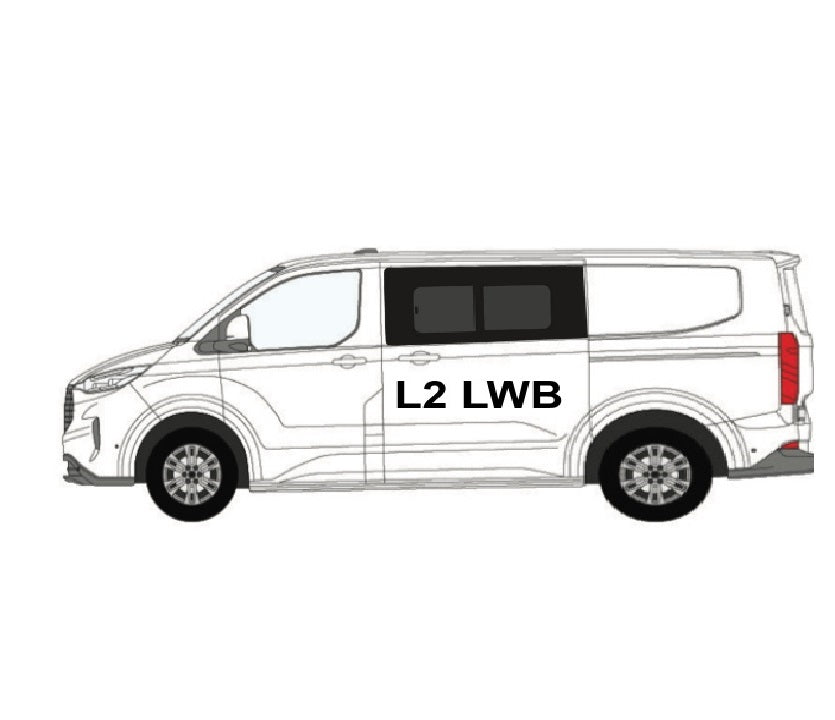
Most T6 conversions follow a similar blueprint that's evolved through years of trial and error across the van life community. The standard setup features a fixed rear bed installed lengthways — this only works comfortably in Long Wheelbase (LWB) models, which explains their premium in the used market. Short Wheelbase (SWB) builds typically require rock-and-roll beds that convert from daytime seating, sacrificing some comfort for interior flexibility. Overhead storage runs along both sides above the bed platform, maximizing vertical space without impeding movement.
The galley typically occupies the offside (right side when facing forward), incorporating a sink, two-burner hob, and under-counter storage for cookware and dry goods. A 12V compressor fridge slots into the galley or nearside cabinetry, with 40-60L capacity being the sweet spot for full-time living. Electrical systems hide beneath furniture or in overhead compartments — a 100-200Ah leisure battery bank paired with 200-400W of roof-mounted solar panels covers most users' needs without requiring mains hookup. Many full-timers now spec lithium batteries despite the higher upfront cost, valuing the weight savings and faster charging. Thoughtful van organization systems designed specifically for Transporter dimensions help maximize every cubic inch of available storage.
The rock-and-roll bed deserves special mention as it's become controversial in serious van life circles. It provides seating during the day and converts to sleeping space at night — perfect for weekend warriors who want interior flexibility. However, full-timers often find the conversion process tiresome after a few months of daily bed-making, and the sleeping surface rarely matches the comfort of a fixed platform bed. If you're genuinely planning to live in your T6 full-time, the LWB with a fixed bed is almost always the better choice, even if it means less flexible interior space.

The Daily Realities of T6 Van Life
Living in a T6 full-time reveals both its strengths and limitations. On the positive side, the Transporter's compact footprint enables stealth camping in residential areas where larger vans draw unwanted attention. Panel van configurations blend into urban streetscapes, and the refined diesel engines run quietly enough to avoid disturbing neighbors during early departures. The mechanical reliability means you can park somewhere remote without constantly worrying about breakdown recovery — a confidence factor that's hard to quantify but immensely valuable when you're miles from civilization.
T6 models hold their value remarkably well compared to alternatives. Check current market pricing and even consider volkswagen transporter lease deals if you're not planning a full conversion — leasing can make financial sense for those wanting to test van life before committing to ownership. The strong resale market means even converted T6s retain surprisingly high values, making it easier to recoup your investment if van life doesn't work out.
However, the T6 isn't perfect. Conversion costs run high — expect £5,000-£20,000+ depending on specification and whether you DIY or hire professionals. Limited headroom in standard-roof models forces most converters toward high-roof or pop-top options, adding further cost. Parking in urban areas can be challenging despite the compact footprint; height restrictions and resident parking permits designed for cars exclude many van lifers from convenient overnight spots. And while the T6 drives beautifully for a van, it's still a 2.5+ ton vehicle with commercial vehicle running costs including higher insurance premiums and fuel consumption averaging 30-40 MPG.
Here's the honest truth from those who've lived it: most van lifers who try the T6 don't go back to other platforms. The reliability-to-size ratio is genuinely unmatched in the medium van segment. You learn to work within the space constraints, and the trade-offs become worthwhile when you're parked beside a Scottish loch or tucked into a city center within walking distance of work. The T6 isn't the biggest or cheapest platform — it's simply the best balance.
Key Conversion Components to Budget For
Breaking down conversion costs helps set realistic expectations. Insulation and flooring form the foundation — budget £500-£1,500 depending on materials and whether you choose professional installation. Closed-cell foam, sheep's wool, and Armaflex are popular insulation choices, each with different thermal properties and vapor management characteristics. Quality insulation pays dividends in comfort across all seasons.
Electrical systems represent the second major expense. A basic 100Ah leisure battery, solar panel, inverter, and distribution setup costs £800-£2,000 for DIY installation, doubling if you hire an auto electrician. Upgrading to lithium batteries and higher solar capacity pushes costs toward £3,000-£5,000 but provides greater energy independence. Many van lifers underestimate electrical needs initially, then face expensive upgrades after discovering their usage patterns exceed their system's capacity.
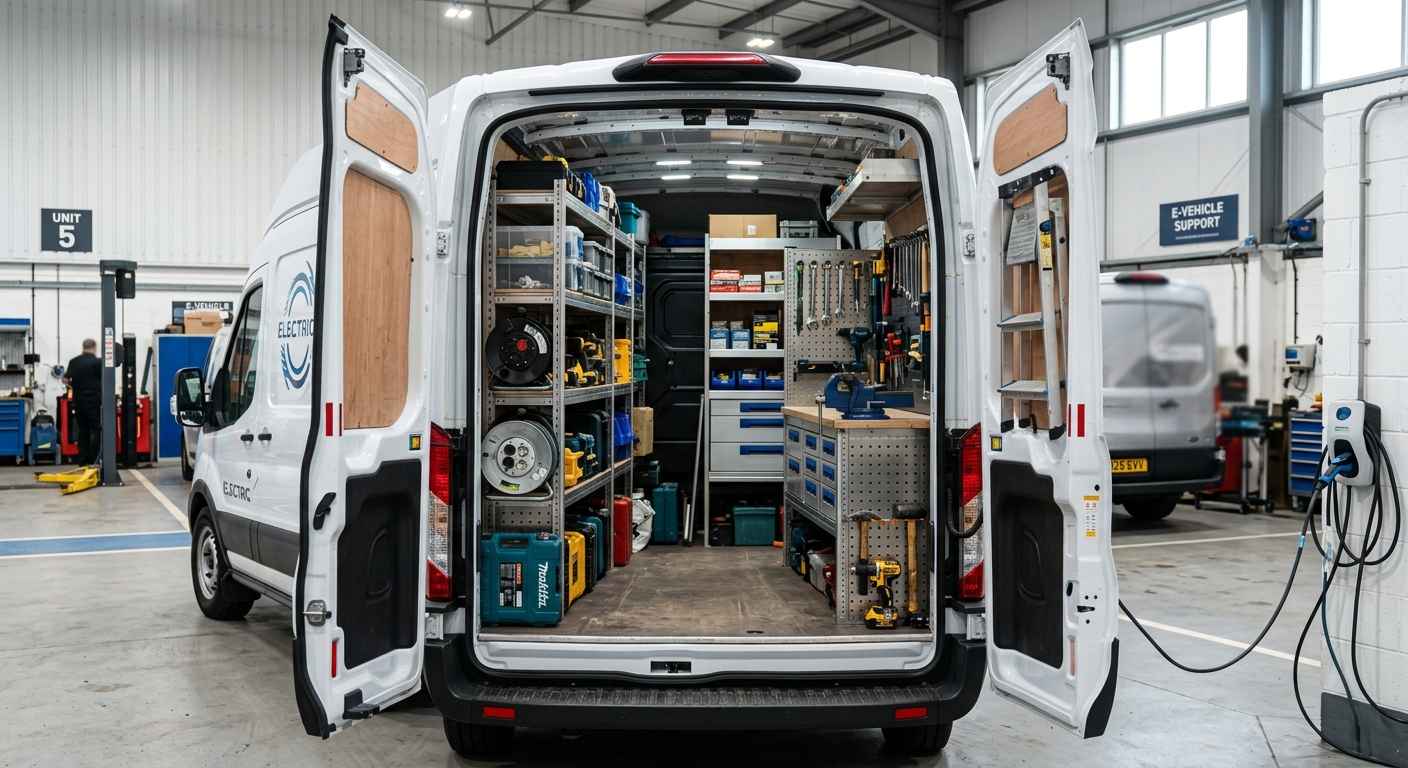
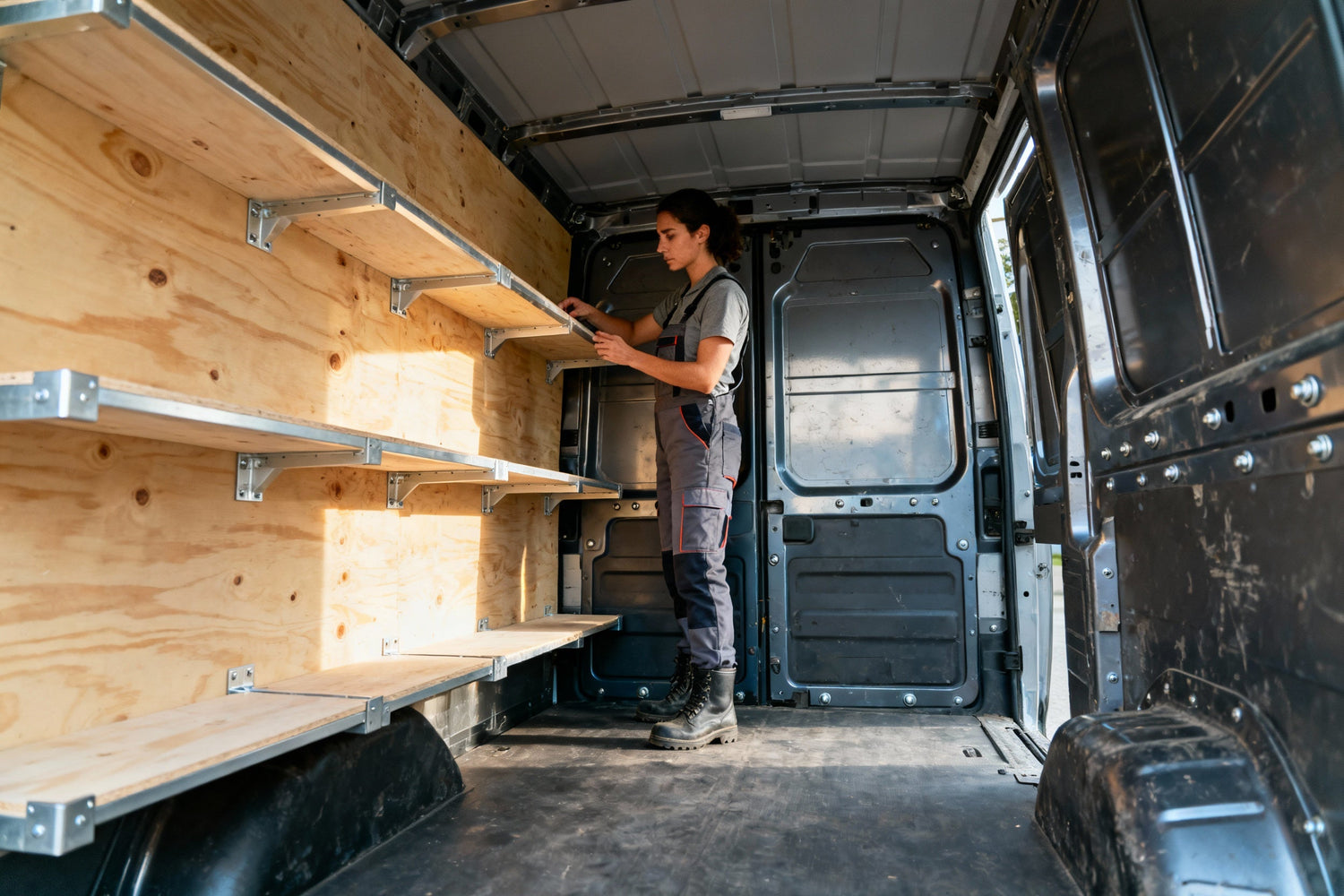
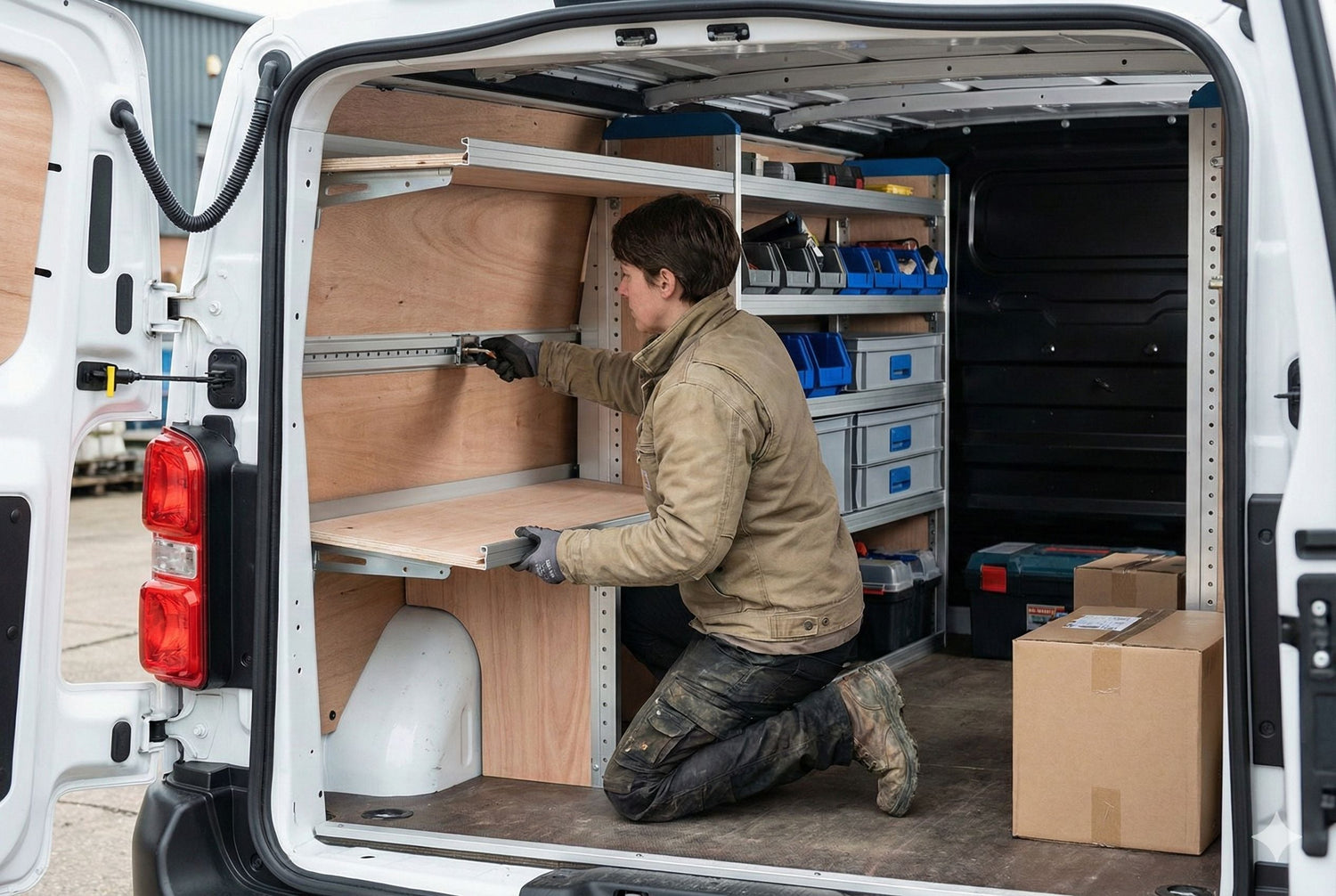
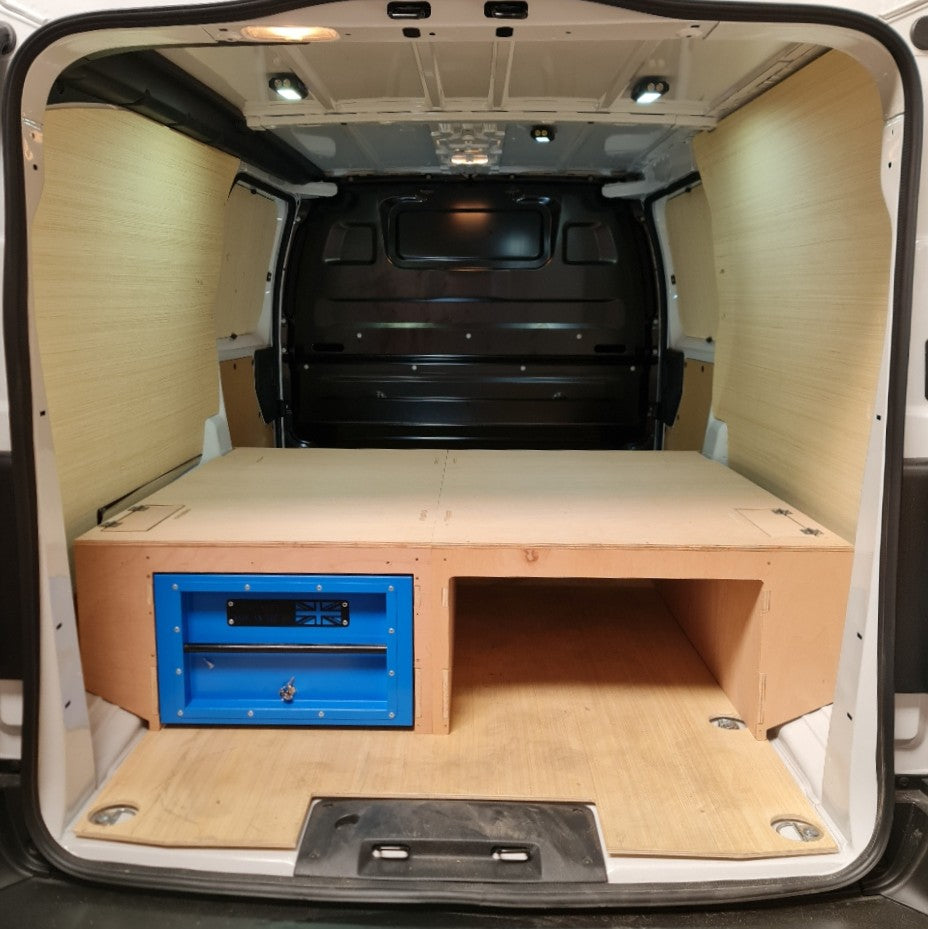
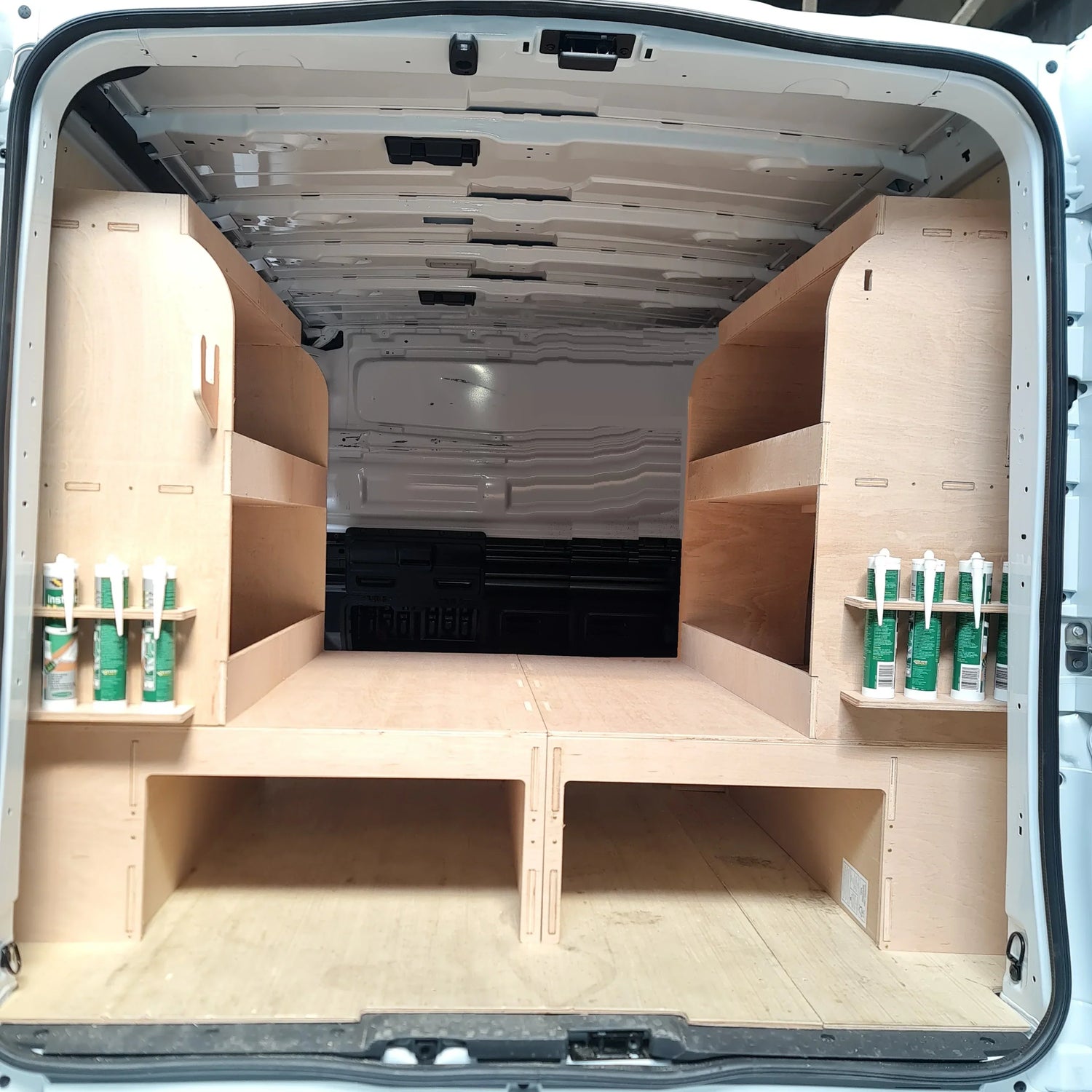
Furniture construction varies wildly based on your carpentry skills and design ambitions. Simple builds using pre-cut ply and basic joinery might cost £1,000-£2,000 in materials. Custom cabinetry with premium finishes, integrated lighting, and professional installation easily reaches £5,000-£10,000. The middle ground — purchasing flat-pack van furniture kits designed for Transporter dimensions — offers a compromise between cost and quality for those with basic DIY skills. Additionally, dedicated van shelving and storage solutions can dramatically improve organization without requiring custom carpentry.
Ventilation is non-negotiable — a roof-mounted extraction fan like the Fiamma Turbo-Vent or MaxxFan costs £150-£400 and prevents condensation issues that plague poorly ventilated conversions. Additional costs include windows (£100-£300 each), heating systems (diesel heaters start around £200 for Chinese units, £800+ for Webasto/Eberspächer), water systems (£200-£800 depending on tank capacity and pump quality), and countless smaller items that add up quickly.
For those seeking professional guidance, experienced conversion specialists like Complete Campers Southwest offer comprehensive T6 camper conversion guides and turnkey builds. Total conversion cost ranges break down roughly as: Budget DIY (£3,000-£5,000) — basic insulation, electrics, and simple furniture; Mid-range DIY/Professional Hybrid (£8,000-£12,000) — quality materials, professional electrical installation, custom furniture; Premium Professional Build (£15,000-£25,000+) — full professional installation, premium appliances, bespoke design. These figures exclude the base vehicle purchase, which for a decent T6 panel van currently ranges from £25,000-£40,000 depending on mileage, age, and specification.

Is the Volkswagen Transporter Van Worth It for Van Life?
After examining generations, configurations, and real-world builds, the question remains: does the Volkswagen Transporter justify its premium pricing and ongoing popularity?
The reliability verdict strongly favors the Transporter. Independent surveys and fleet data consistently rank the VW Transporter among the most dependable medium vans, with T5.1 and T6 models showing particularly strong long-term ownership records. Major mechanical failures are rare when maintenance schedules are followed, and the widespread dealer network means support is available even in remote areas. This reliability translates directly to reduced anxiety for full-time van lifers — you're not constantly wondering if your home is about to strand you.
Value retention sets the Transporter apart from competitors. T6 models hold their value exceptionally well, often depreciating only 10-15% in the first few years compared to 20-30% for rival vans. This makes the higher purchase price easier to justify — you'll recoup more on resale, effectively reducing your total cost of ownership. For those planning conversions, this also means a well-executed T6 conversion can sell for nearly what you invested, unlike conversions on less desirable base vehicles that often struggle to recover costs.
Who should choose which generation? Full-time van lifers prioritizing reliability and comfort should target T6.1 LWB panel vans — the refined driving dynamics and modern safety features justify the premium when you're covering serious annual mileage. Weekend adventurers and part-time van lifers are well-served by T5.1 or T6 SWB Kombi configurations, offering versatility without the full commitment to van life. Budget-conscious starters entering van life should consider T4 or early T5 models, accepting older technology and higher mileage in exchange for accessibility — just budget for potential maintenance. Tech-forward buyers interested in electrification should watch the T7 market as diesel and PHEV variants mature and conversion support develops.
The final verdict: for van life, the Volkswagen Transporter isn't just a vehicle — it's a carefully engineered platform that happens to be perfect for a lifestyle. The compact dimensions work where larger vans fail, the reliability provides peace of mind that cheap alternatives can't match, and the strong community support means help is always available. If you're serious about van life and can afford the entry cost, the Transporter remains the standard against which all other options are measured. Explore view current VW Transporter deals to find the right model for your budget and timeline.
Conclusion
The Volkswagen Transporter occupies a unique position in the van life ecosystem — it's simultaneously a working vehicle, a refined daily driver, and a capable mobile home. This versatility explains its enduring appeal across generations of outdoor enthusiasts, digital nomads, and adventure seekers. While newer competitors offer more space and cheaper alternatives promise lower entry costs, the Transporter continues to deliver the specific balance that van life demands: reliability without sacrifice, capability without excess, and quality without ostentation.
Van life isn't ultimately about the destination — it's about having a vehicle that makes the journey possible, comfortable, and sustainable over years of use. The Volkswagen Transporter van has proven itself in this role across decades and millions of miles of real-world testing. Whether you choose a budget-friendly T4, the sweet-spot T5.1, the refined T6.1, or wait for the T7 to mature, you're building on a foundation that's been thoroughly validated by the global van life community.
Ready to start your journey? Browse Volkswagen Transporter van deals and take the first step toward the lifestyle you've been imagining. And when you're ready to optimize your build, explore purpose-built Transporter storage solutions or browse the full range at Van Shelves to maximize every inch of your new mobile home.
Frequently Asked Questions
What's the best VW Transporter for van life?
The T6.1 Long Wheelbase panel van is widely considered the best platform for serious van life, offering modern features, excellent reliability, and maximum conversion flexibility. However, T5.1 models provide nearly comparable functionality at lower cost, making them ideal for those on tighter budgets.
How much does it cost to convert a VW Transporter to a camper?
Conversion costs range from £3,000 for basic DIY builds to £25,000+ for premium professional conversions. Most mid-range conversions fall between £8,000-£15,000, including insulation, electrics, furniture, and essential appliances.
Should I buy a panel van or Kombi for van life?
Panel vans offer maximum cargo volume and stealth camping capability, making them ideal for full-time van life. Kombi models work better for part-time van lifers who need daily driver versatility, as the removable seating and partial glazing maintain more conventional vehicle functionality.
Is a Long Wheelbase or Short Wheelbase better for van conversions?
Long Wheelbase (LWB) models are strongly preferred for full-time living, as they accommodate fixed lengthways beds and provide more usable interior space. Short Wheelbase (SWB) variants work for weekend use but typically require rock-and-roll beds that compromise sleeping comfort.
Are VW Transporters reliable for full-time van life?
Yes, Volkswagen Transporters — particularly T5.1 and T6 generations — consistently rank among the most reliable medium vans in independent surveys. Proper maintenance is essential, but major mechanical failures are rare, making them dependable for full-time living and high-mileage use.