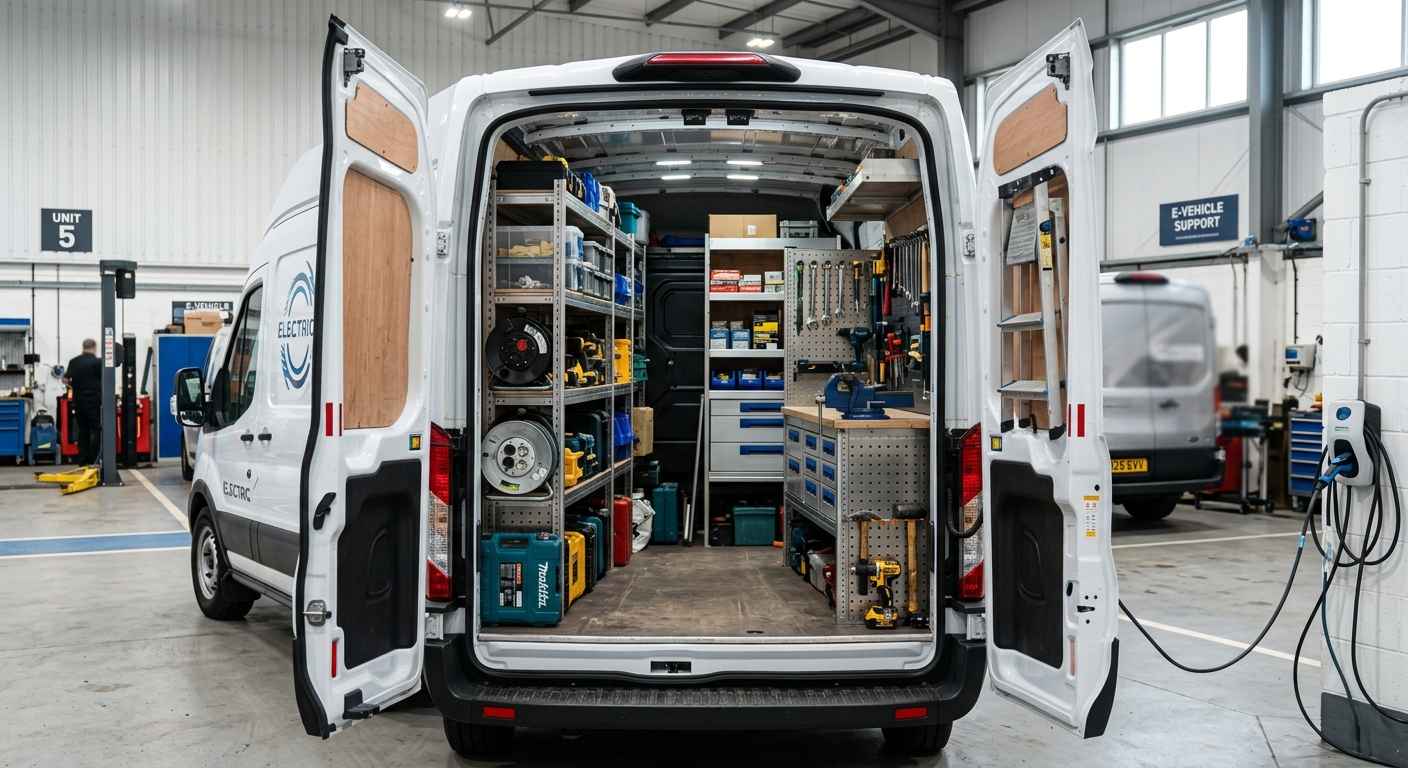











A van can have plenty of load space and still waste half the working day. Tools slide about, sealant tubes disappear under offcuts, wipes get buried in a box and the item you need first ends up behind everything else. The right trade van accessories deal with those small frustrations before they become lost time, damaged kit or a messy load area.
The best choices are not necessarily the biggest or most expensive. They are the ones that suit the work you carry out, fit the van properly and make commonly used items easy to reach. Start with the jobs you do most often, then organise the van around that routine.
Start with the base: flooring and racking
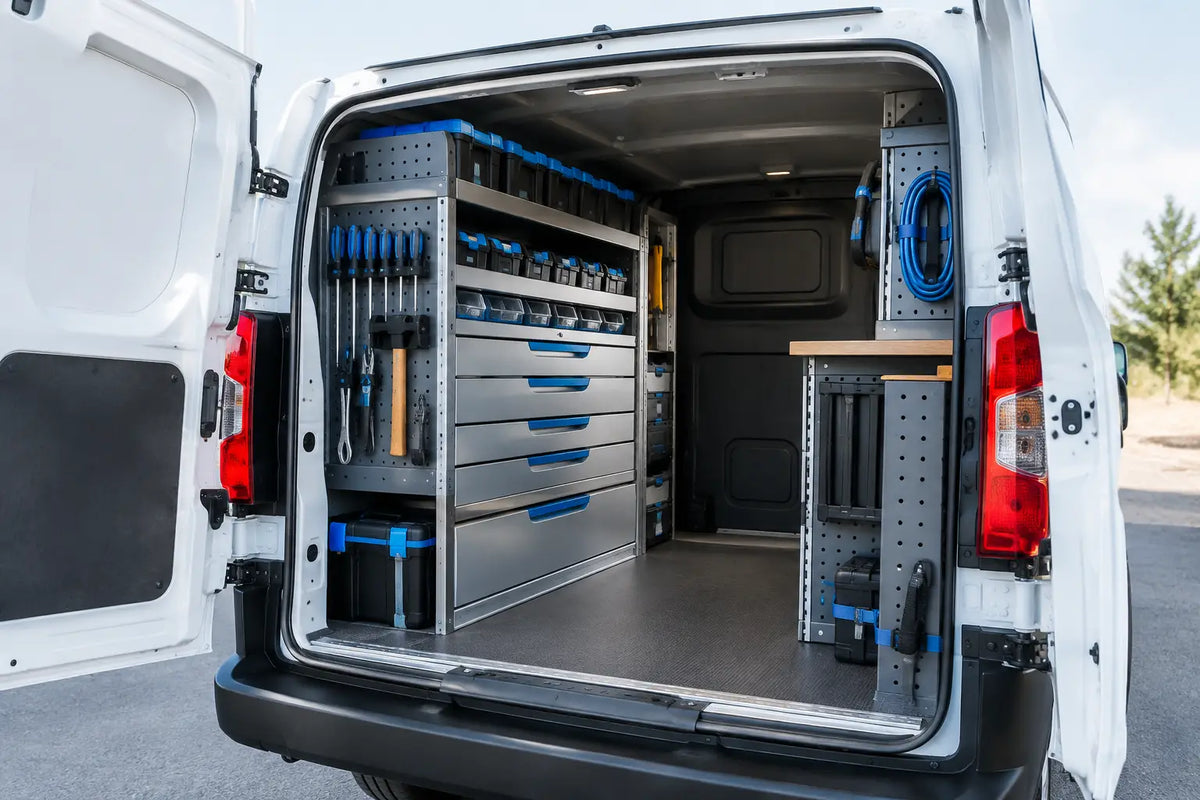
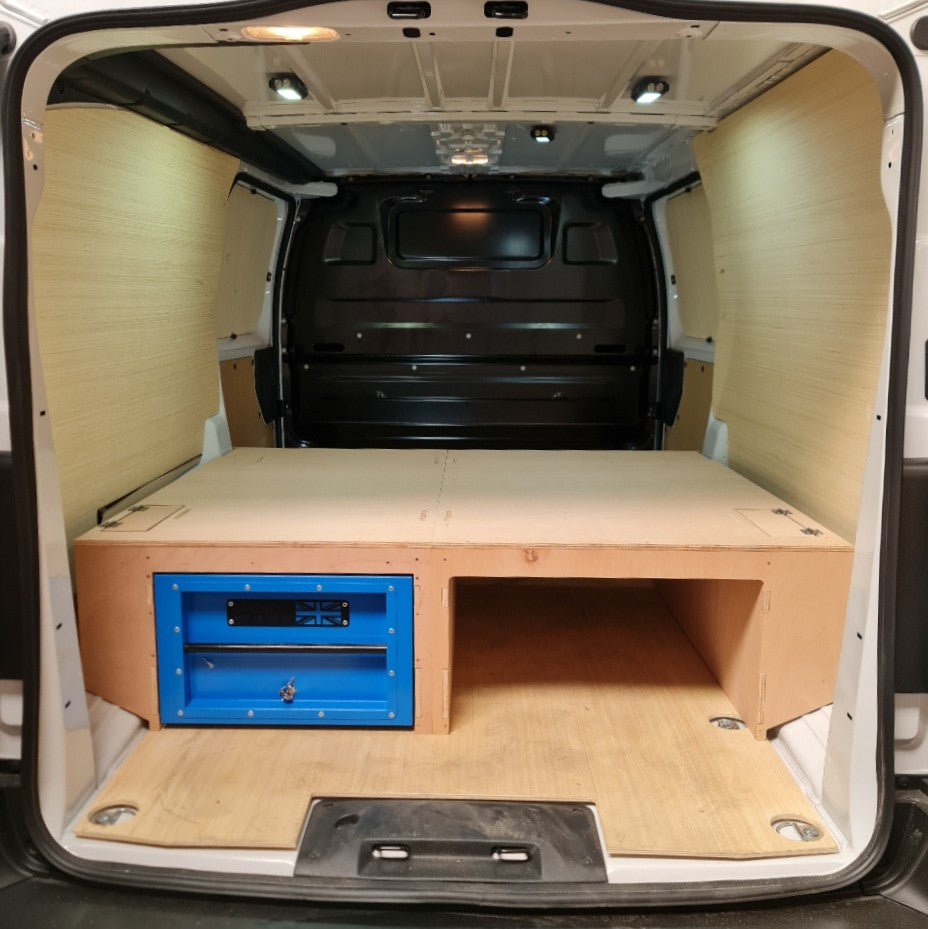
Accessories work best when the main structure of the load area is sorted first. A raised or false floor creates a level, protected surface and can provide space beneath for long tools, cable trays or materials that would otherwise sit loose. It also helps protect the van floor from regular knocks, wet boots and sharp edges.
For trades carrying heavier equipment, the floor needs to be strong enough for the intended load and fixed correctly. A false floor is useful, but it is not automatically the right answer for every van. If you regularly transport tall boilers, large sheets or bulky machinery, consider how much internal height the floor will take away before choosing one.
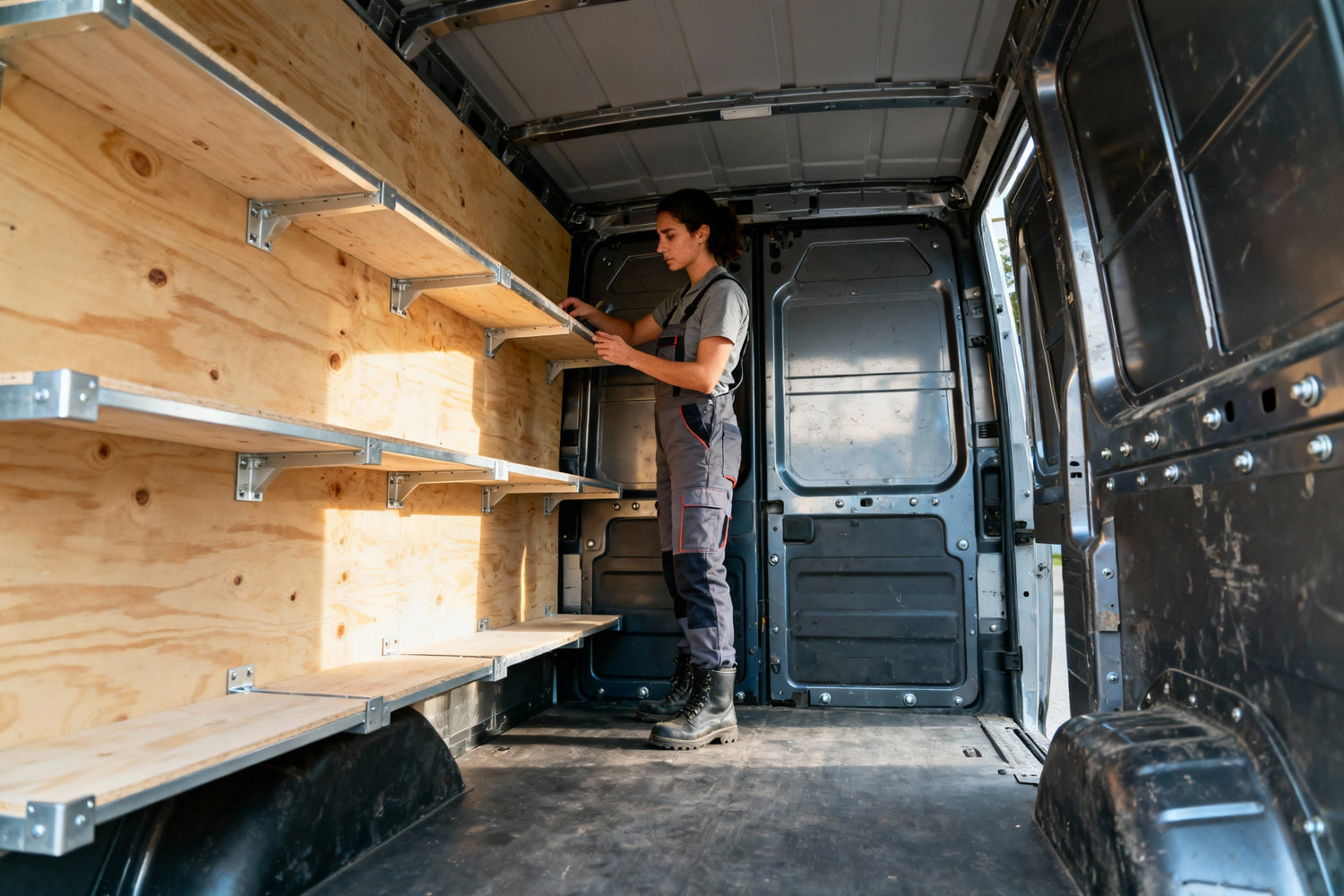
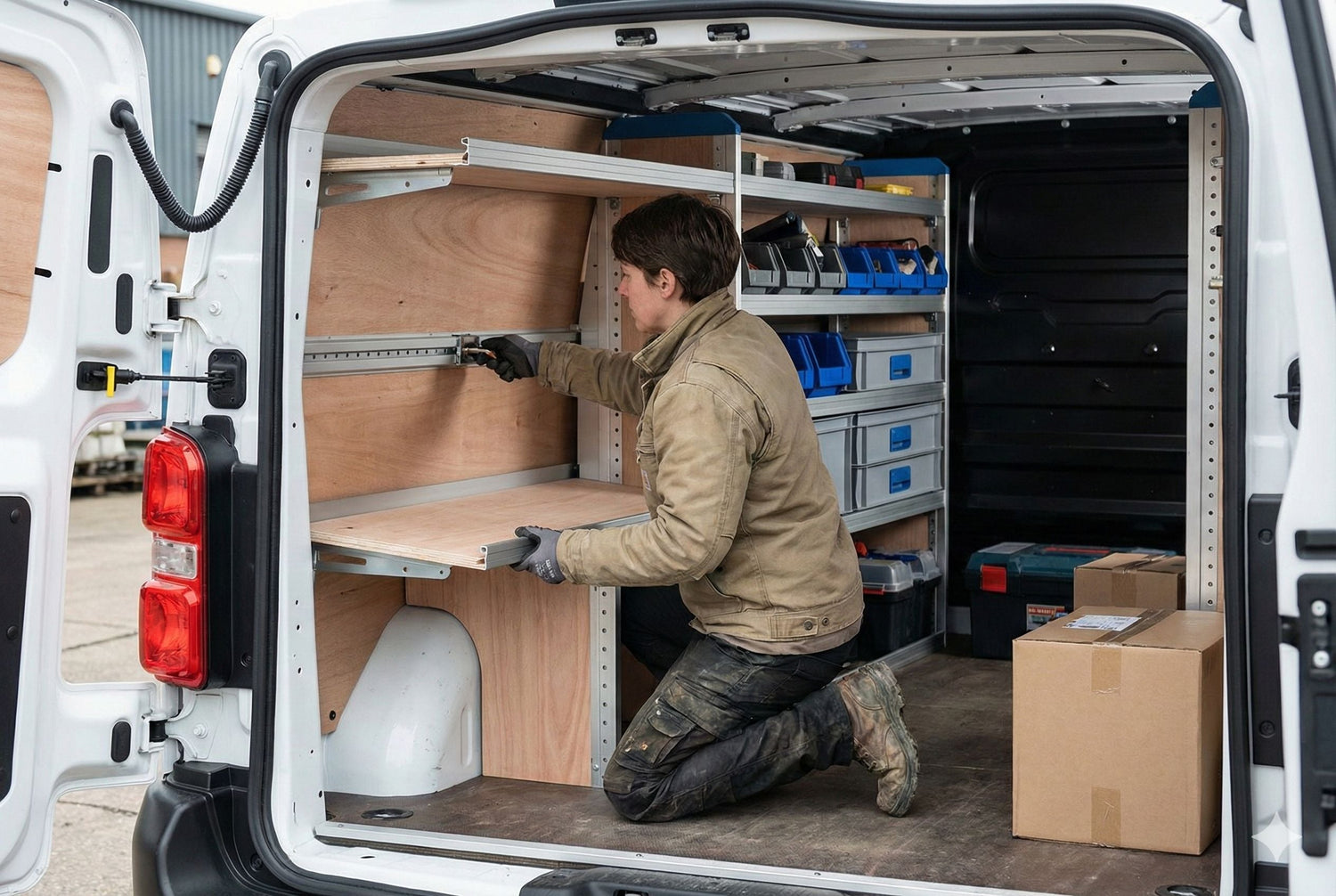
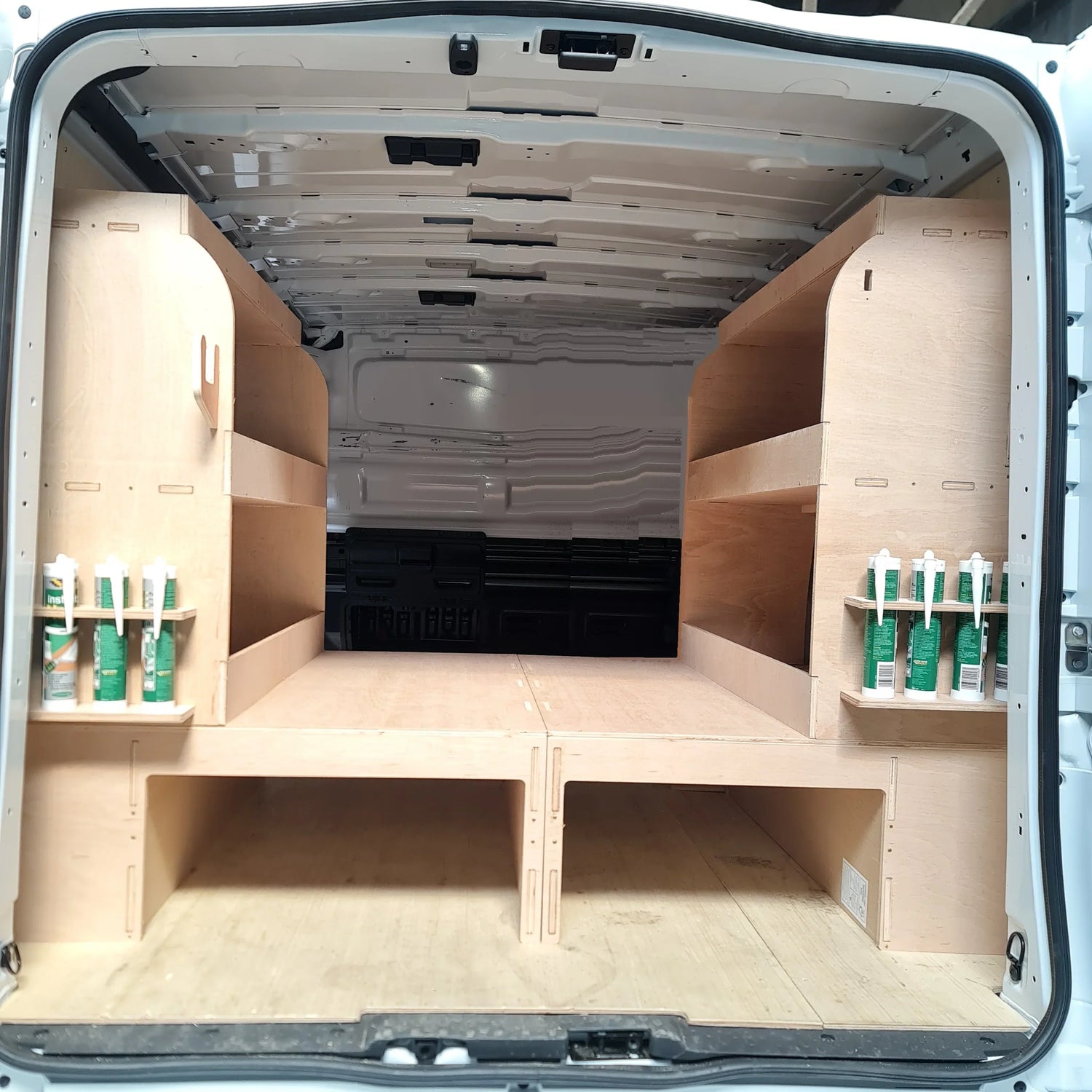
Van racking and shelving then give tools and stock a fixed home. Model-specific systems are worth considering because the side profile, wheel arch position, door opening and load length vary between vans. A rack that suits a Ford Transit Custom may not be suitable for a Renault Trafic, Vauxhall Vivaro or VW Transporter without changes.
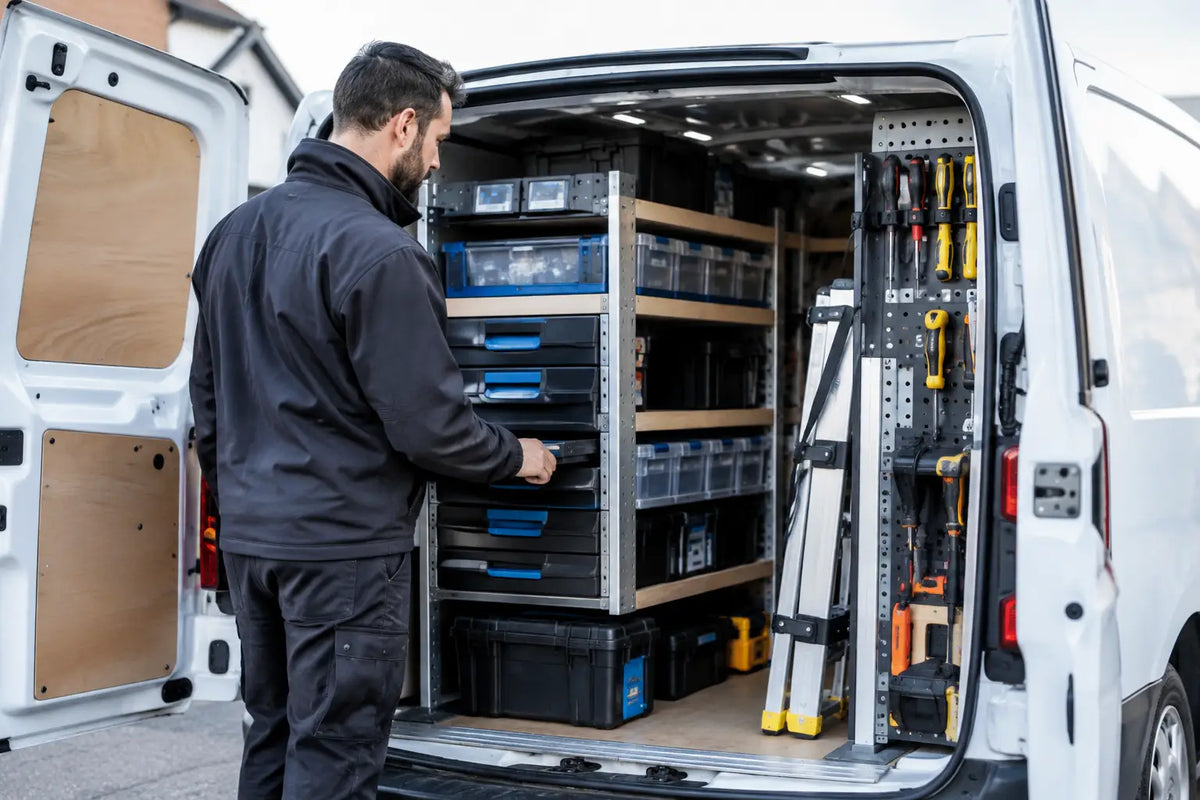
Plywood shelving remains a practical choice for many trades. It is hard-wearing, straightforward to use and ideal for tool cases, fittings boxes and consumables. Add dividers where needed, rather than filling every shelf with compartments. Over-dividing can make the system less flexible when the work changes.
Trade van accessories for the jobs you do every day
Once your larger storage is in place, smaller accessories make the biggest difference to daily routines. These are the products that stop frequently used items being thrown onto a shelf or left rolling around in the cab.
Holders for sealants, cartridges and aerosols
Sealant tubes, adhesive cartridges and expanding foam cans are awkward to store loose. They roll, leak when damaged and are often needed at short notice. A dedicated sealant holder keeps them upright, visible and separate from expensive power tools.
This is particularly useful for joiners, bathroom fitters, window installers and heating engineers. Think about the number of tubes you genuinely carry. A holder with room for your usual stock is more useful than a large rack that consumes valuable wall space for items you only use occasionally.
Aerosol holders can be equally useful for lubricants, cleaners and marking products. Mount them where they can be reached safely without climbing into the van, but away from areas where heavy cases are likely to knock into them.
Wipe dispensers and practical cleaning storage
A pack of wipes is usually treated as an afterthought until it is needed. Then it is wet, torn or hidden beneath a pile of fittings. A wipe dispenser puts cleaning materials in one predictable spot, making it easier to clean hands, tools and work surfaces before moving to the next job.
It is a simple addition, but it suits most working vans. Plumbers and mechanics may use it to deal with grease and spills, while electricians and carpenters can keep hands clean before handling finished surfaces. Position it near the side or rear door if it will be used outside the van as often as inside it.
Glove box organisers for cab essentials
The cab is often where paperwork, batteries, charging leads, gloves, pens and small fittings end up. Without a proper place for them, it soon becomes another storage problem. A glove box organiser separates the items needed on the road from those needed in the load area.
Keep the cab focused on essentials: documents, phone leads, parking items, notebooks and personal protective equipment used throughout the day. Avoid using it as a general dumping ground for screws, blades or loose tools. Apart from the mess, loose objects can become a distraction while driving.
Hooks, brackets and small-item storage
Hooks and brackets are useful for extension leads, hoses, cable reels, spirit levels and items with handles. They can free up shelf space, but only if mounted thoughtfully. A heavy cable reel on a poorly placed hook can be awkward to remove and may strike nearby equipment in transit.
For screws, clips, electrical fittings and plumbing parts, use stackable cases or bins within shelving rather than loose tubs on the floor. Clear labelling matters more than many people expect. It reduces time spent searching and makes it much easier to restock at the end of the week.
Plan the layout around access, not just capacity
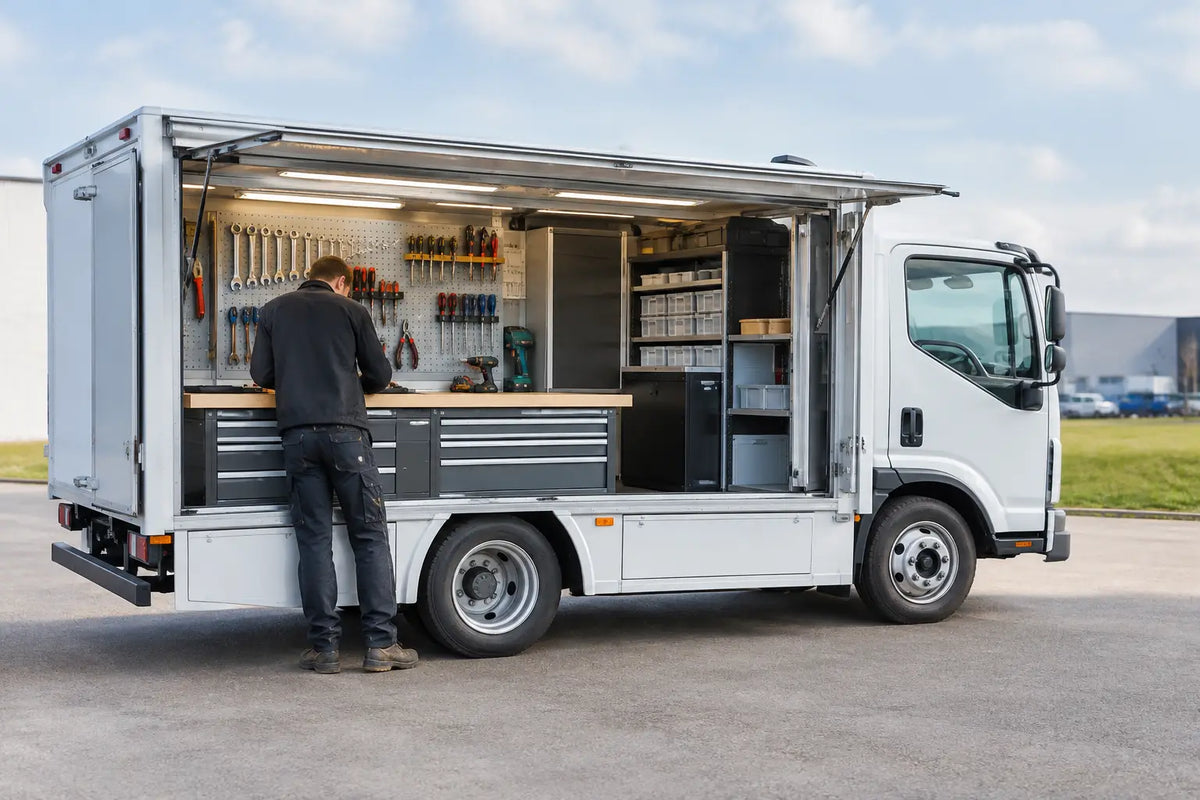
The temptation is to fill every available panel and shelf. In practice, a packed van can be slower to work from than a well-planned one. Keep the things used on nearly every job closest to the door, and place occasional-use stock further inside or higher up.
A useful approach is to split the load area into zones. Daily tools and consumables belong at the rear or side-door access point. Tool cases and heavier equipment should sit low down to improve stability and make lifting safer. Longer items can go under a false floor, along a dedicated side channel or on a suitable rack, depending on the vehicle and the items carried.
Think about which door you use most. A contractor working on tight residential streets may access the side door constantly, while a builder loading larger gear may rely on the rear doors. The layout should support that habit rather than force you to climb into the van for every small item.
Weight distribution also matters. Keep heavy kit low and spread the load sensibly from side to side. Shelving and accessories should not encourage overloading, and everything carried needs to be properly secured. A tidy van is not automatically a safe van if heavy cases can still move under braking.
Choose durability where it matters most
Trade vans have a hard life. Shelves are knocked by tool cases, drawers get opened with dirty hands and holders are exposed to vibration every day. Lightweight accessories can have a place for low-use items, but equipment that supports daily tools needs to be built for regular work.
Check how an accessory fixes to the racking or vehicle interior, what material it is made from and whether it will interfere with doors, drawers or wheel arches. It is also worth considering whether it can be moved if your work changes. A first-fix electrician and a service plumber may need very different setups, even when they drive the same type of van.
Buying a complete set of accessories at once is not always the best value. Start with the equipment that solves clear problems: flooring protection, tool storage, sealant holders or a wipe dispenser. Use the layout for a few weeks, then add smaller items where you notice wasted movement or repeated clutter.
Match accessories to your van before ordering
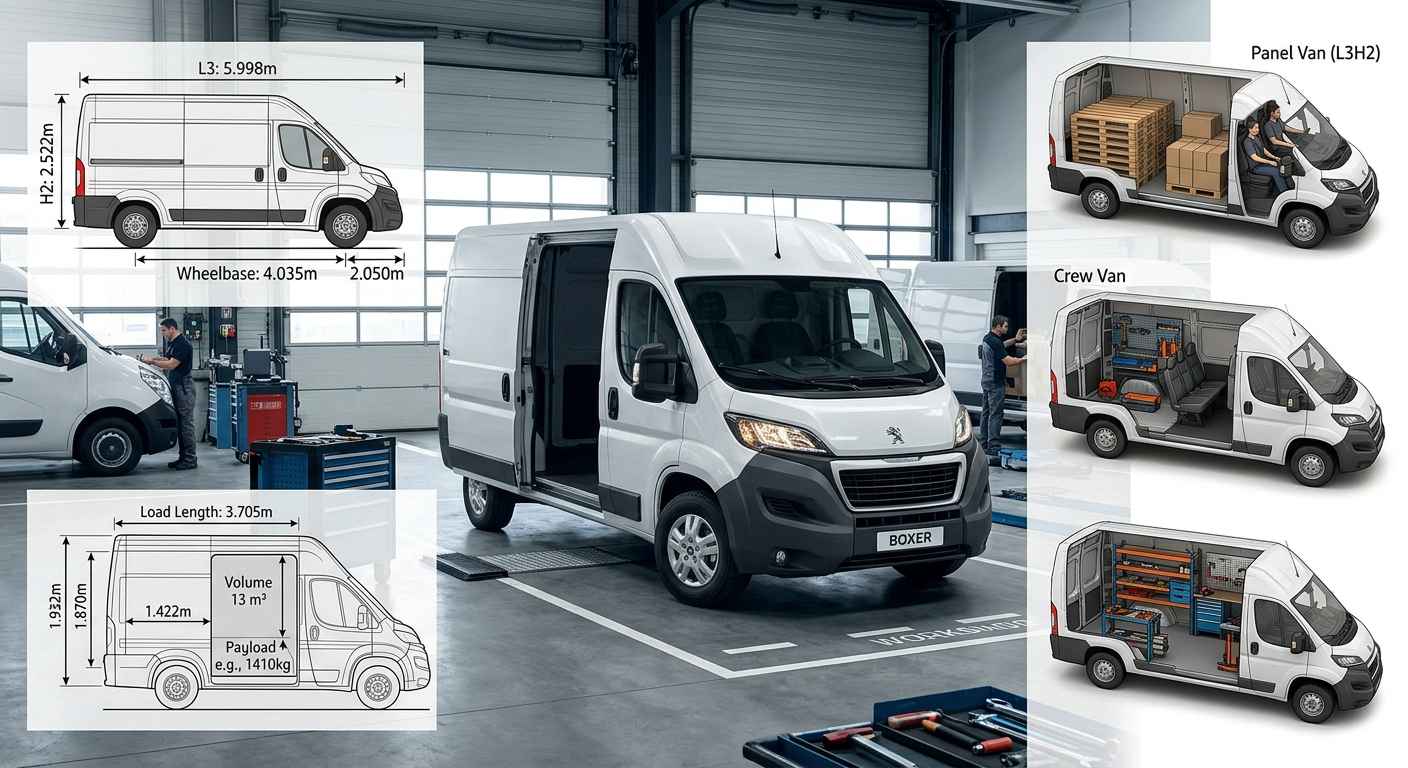
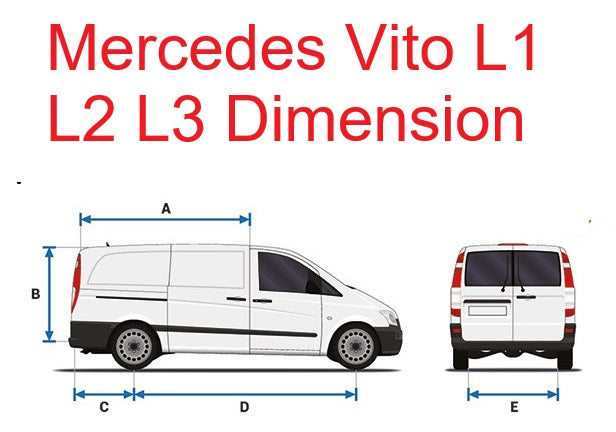
Before choosing storage, measure the usable area rather than relying on a rough idea of the van size. Wheel arches, factory linings, bulkheads and rear-door shapes all reduce the space available. If the van has a ply lining already fitted, check whether it affects mounting points or internal width.
Vehicle-specific categories make this simpler, especially for popular working vans such as the Citroën Dispatch, Peugeot Expert, Toyota Proace and Kia PV5. Always confirm the model year, body length and door arrangement before ordering. Small differences between generations can affect whether a shelving unit or floor is appropriate.
At Vanshelves.co.uk, the focus is on practical storage products that help tradespeople build a clearer, more efficient load area without adding unnecessary complication. The best setup is the one that makes your usual work easier from the first job of the day to the last.
Before adding another box to the floor, stand at the back of your van and look for the item you reach for most often. Give that item a proper home first. It is usually the simplest change, and often the one you will notice every day.