






A van can look organised when it leaves the workshop, then become a daily scramble once fittings, power tools, fixings and consumables start moving around. The choice between modular versus fixed racking affects more than appearance. It determines how quickly you can find a part, how safely equipment travels and how easily the van can adapt when the work changes.
For most trades, there is no one right answer. A plumber carrying pipe fittings and valves has different needs from an electrician with cases of testers, cable and small components. A fleet van that stays on one contract for years needs something different again from a sole trader who changes vehicle or workload regularly.
What is the difference between modular and fixed racking?
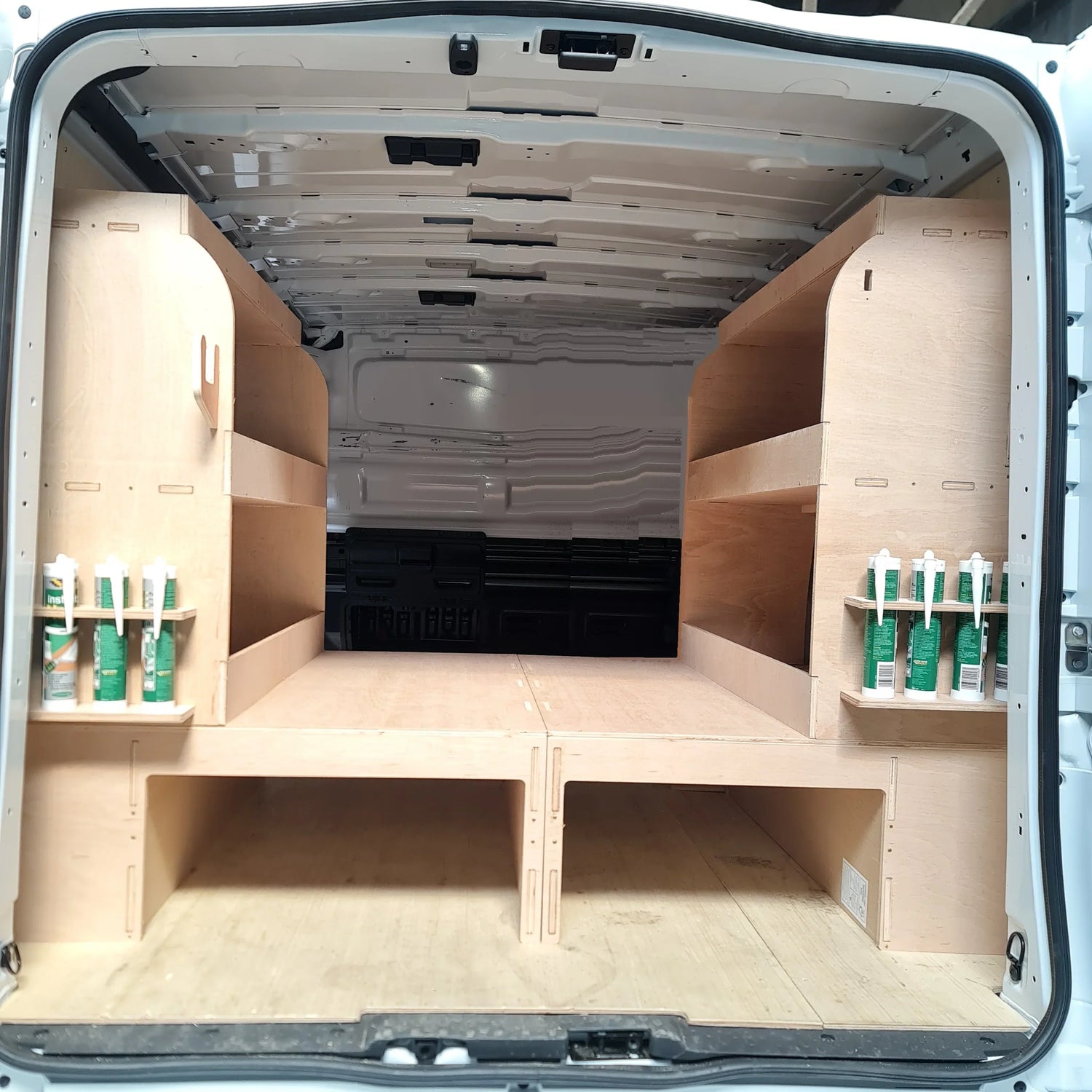
Fixed racking is built as a set layout for a particular vehicle and is normally secured in place. It often uses plywood shelving, dividers, end panels and enclosed sections to create dedicated storage zones along the van sides. Once fitted, the shelf positions and compartment sizes generally remain as they are.
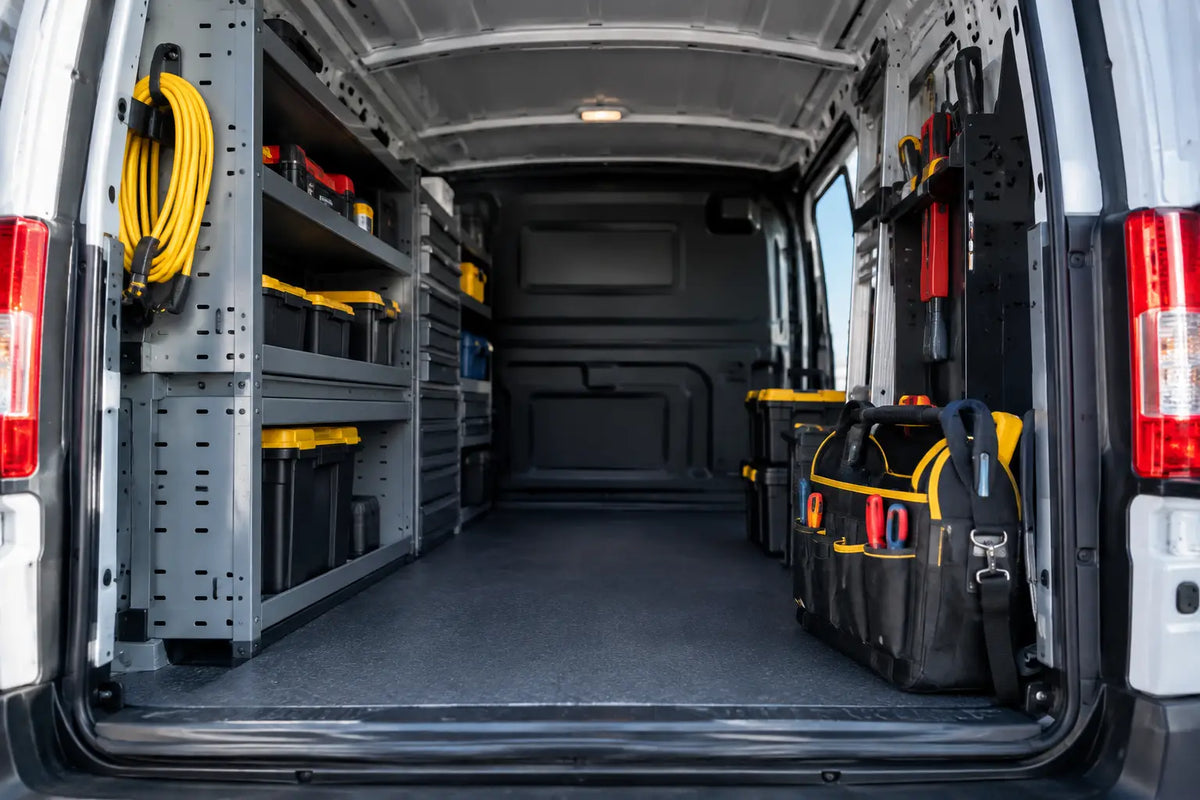
Modular racking is made from separate sections or adjustable components. Shelves, bins, drawers, dividers and accessory holders can be arranged to suit the load. Depending on the system, it may be possible to add or move sections later rather than replacing the entire setup.
Both can make a working van far more useful than an empty load area. The real question is whether your work benefits more from a settled layout or the freedom to alter it.
Fixed racking suits a predictable working load
A fixed setup makes sense when the van carries much the same equipment every day. Think of a heating engineer with tool cases, pipe clips, flue components and service parts, or a joiner carrying hand tools, fixings and regular materials. When every item has a known place, loading up in the morning is faster and stock checks are simpler.
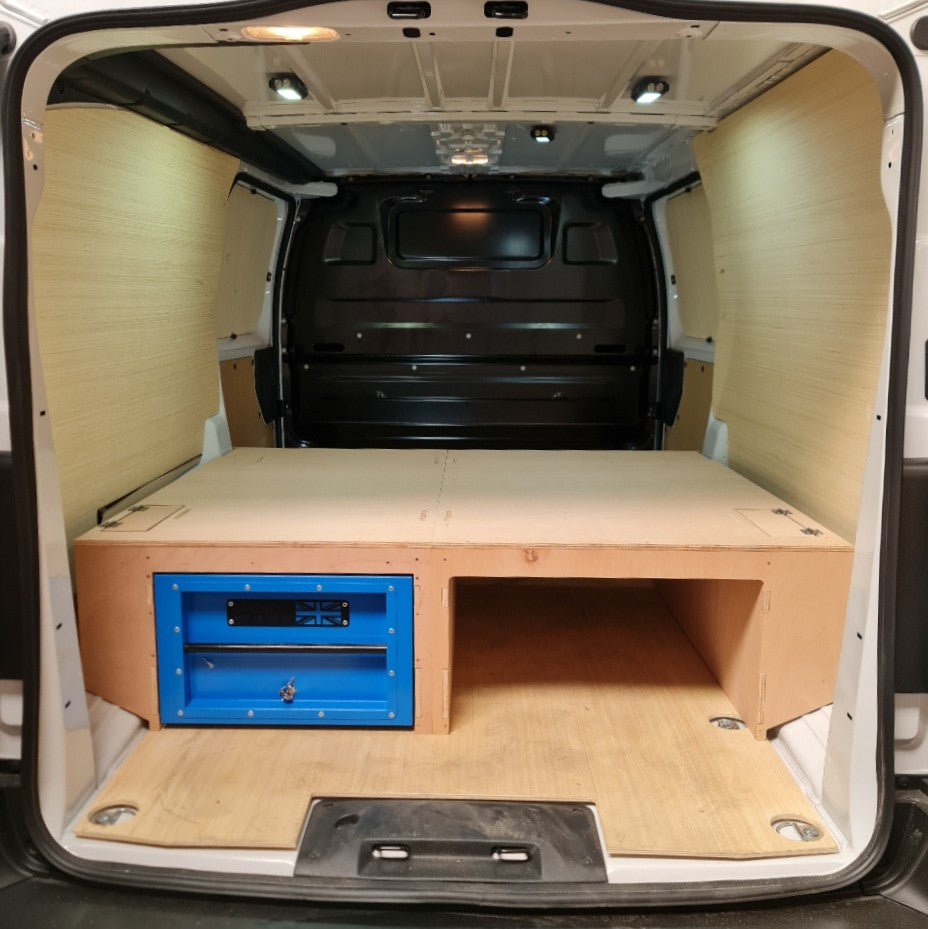
The main advantage is structure. Deep shelves can hold toolboxes and cases, while divided bays stop awkward items rolling together. A purpose-built false floor can create a level base and provide room beneath for long tools or cable protection, leaving the main floor clear for larger equipment. Fixed drawers are also useful where access to small parts matters more than being able to rearrange the layout.
A well-planned fixed rack can use the contours of a specific van efficiently. That matters in medium vans where each section of wall space needs to earn its place. It can also help create a clean, professional load area that is easier to keep tidy between jobs.
There is a trade-off. If you start carrying new equipment, take on another type of work, or need to transport wider materials, a fixed shelf bay can become an obstacle. Altering a plywood layout is possible, but it takes time and may leave unused space if the original design no longer suits the job.
When fixed racking is the practical choice
Choose fixed racking when your core kit is stable, you know the size of the cases and boxes you carry, and you want the maximum amount of dedicated shelf space. It is particularly useful for vans assigned to one trade or one driver, where everyone benefits from the same repeatable layout.
Before choosing it, measure the largest items you carry - not only the tool cases. Include vacuum units, test equipment, work lights, longer boxes and any materials that travel in the van regularly. A shelf that is 20 mm too shallow is not much use once the doors are shut.
Modular versus fixed racking for changing jobs
Modular racking comes into its own when the load changes from week to week. A contractor may spend one month fitting kitchens and the next working on maintenance calls. A mobile mechanic may need open space for diagnostic gear on one job, then secure storage for parts on the next. In these cases, adjustable sections can prevent the van being locked into a layout that only works half the time.
It is also a sensible option for growing businesses. You may begin with basic shelf units and storage bins, then add drawer modules, sealant holders, wipe dispensers or organiser trays as the workload and stock levels increase. Rather than buying a full layout before you understand how the van is used, you can build the storage around real working habits.
That flexibility has limits. A modular arrangement still needs to be properly planned and securely fitted. Too many small sections can waste useful width, and constantly changing the layout can create its own mess if there is no clear system for where tools belong. Flexible does not mean random.
For drivers who carry a mixture of hand tools, cases and occasional bulky loads, a partly modular layout often works best. Keep one side organised for the items that always travel, while preserving a clear central floor or a removable section for larger equipment.
Think about the next van, not just this one
Vehicle changes are a genuine cost consideration. If you replace vans regularly, a modular system may offer a better chance of reusing some elements, subject to the dimensions, fixing points and safe fitment of the next vehicle. It should never be assumed that racking will fit another model simply because both vans are similar in size.
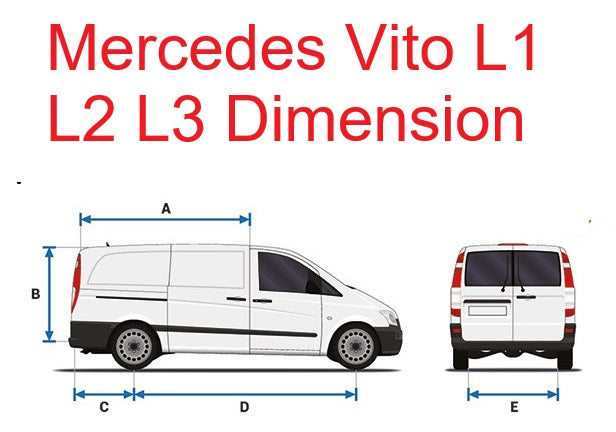
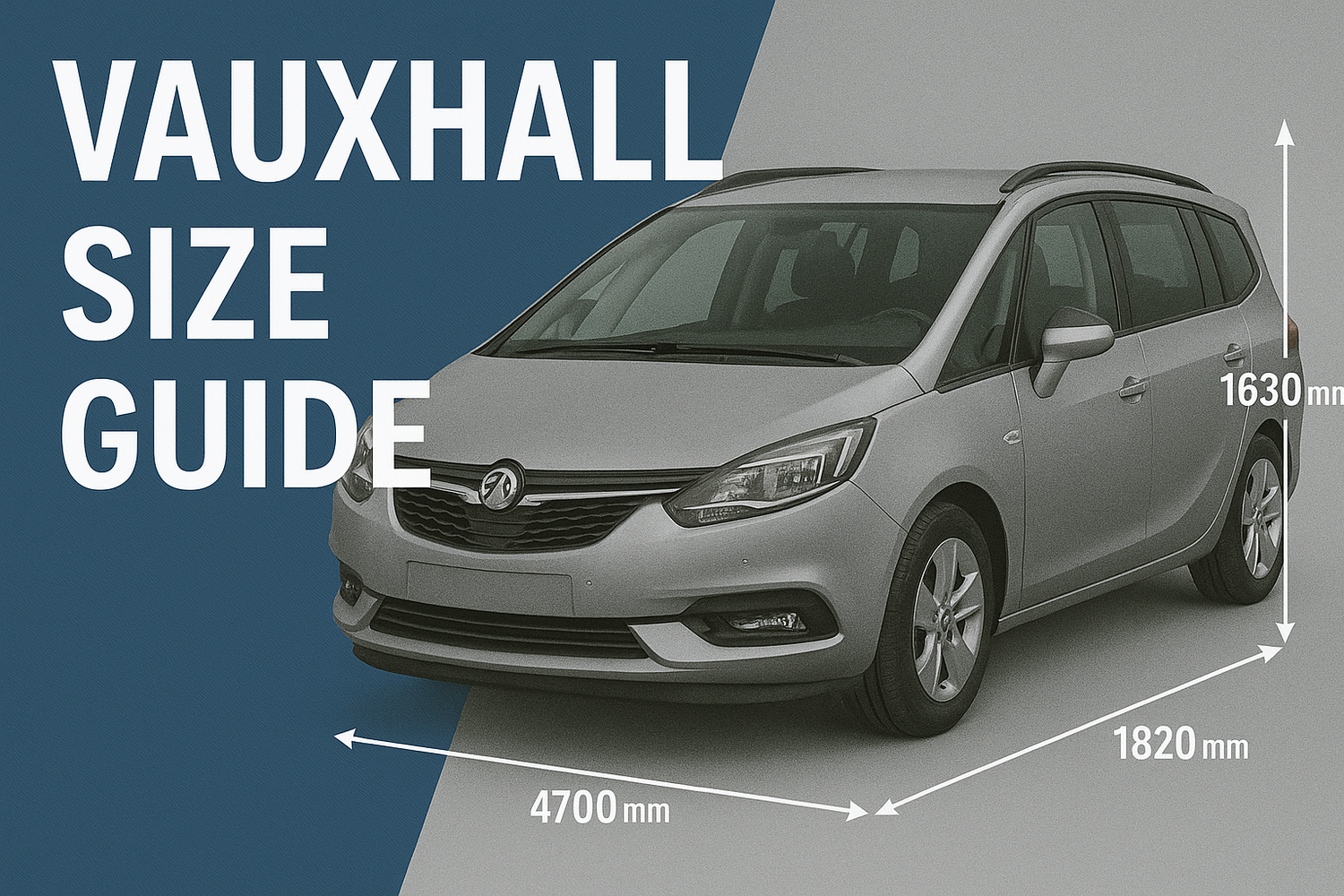
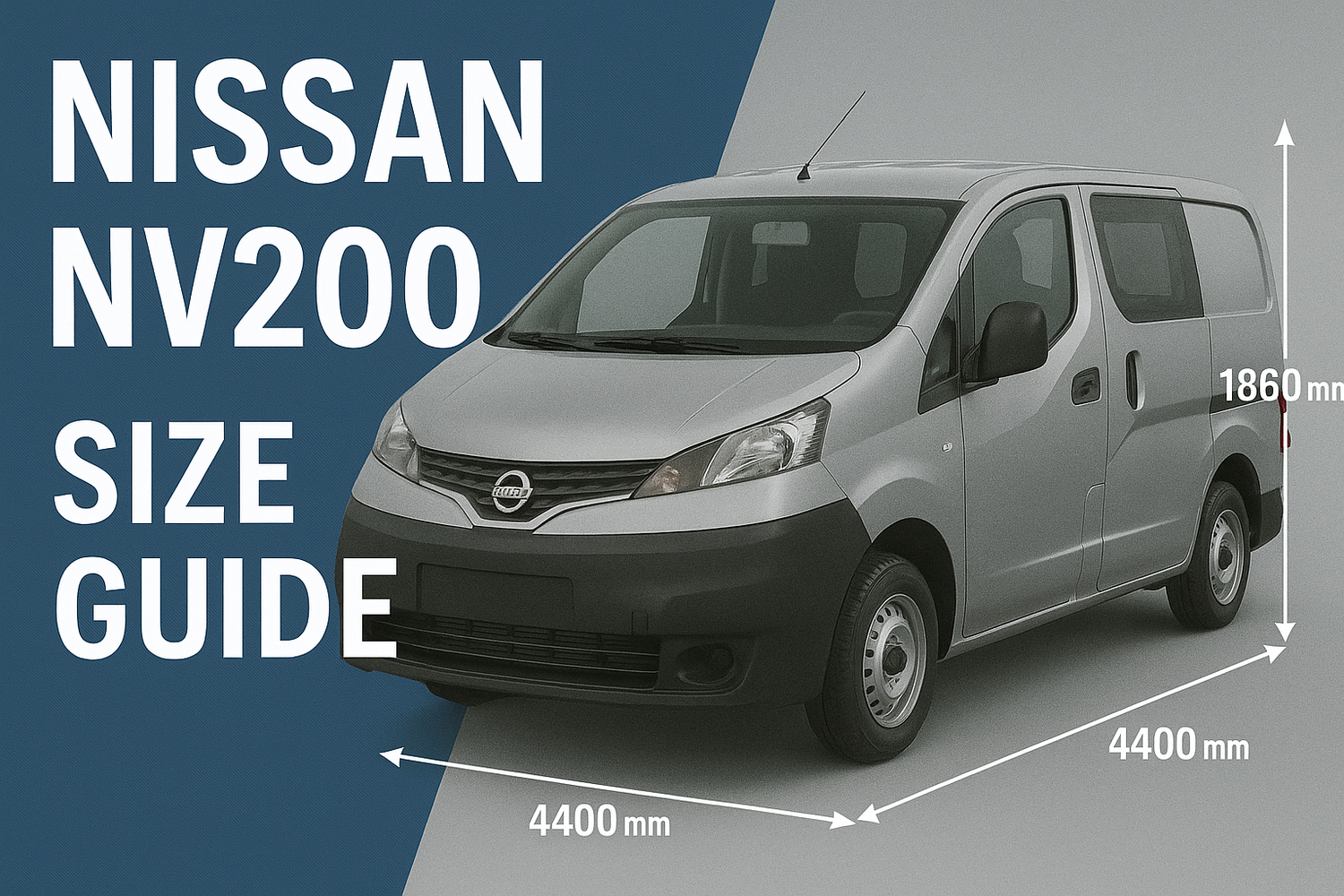
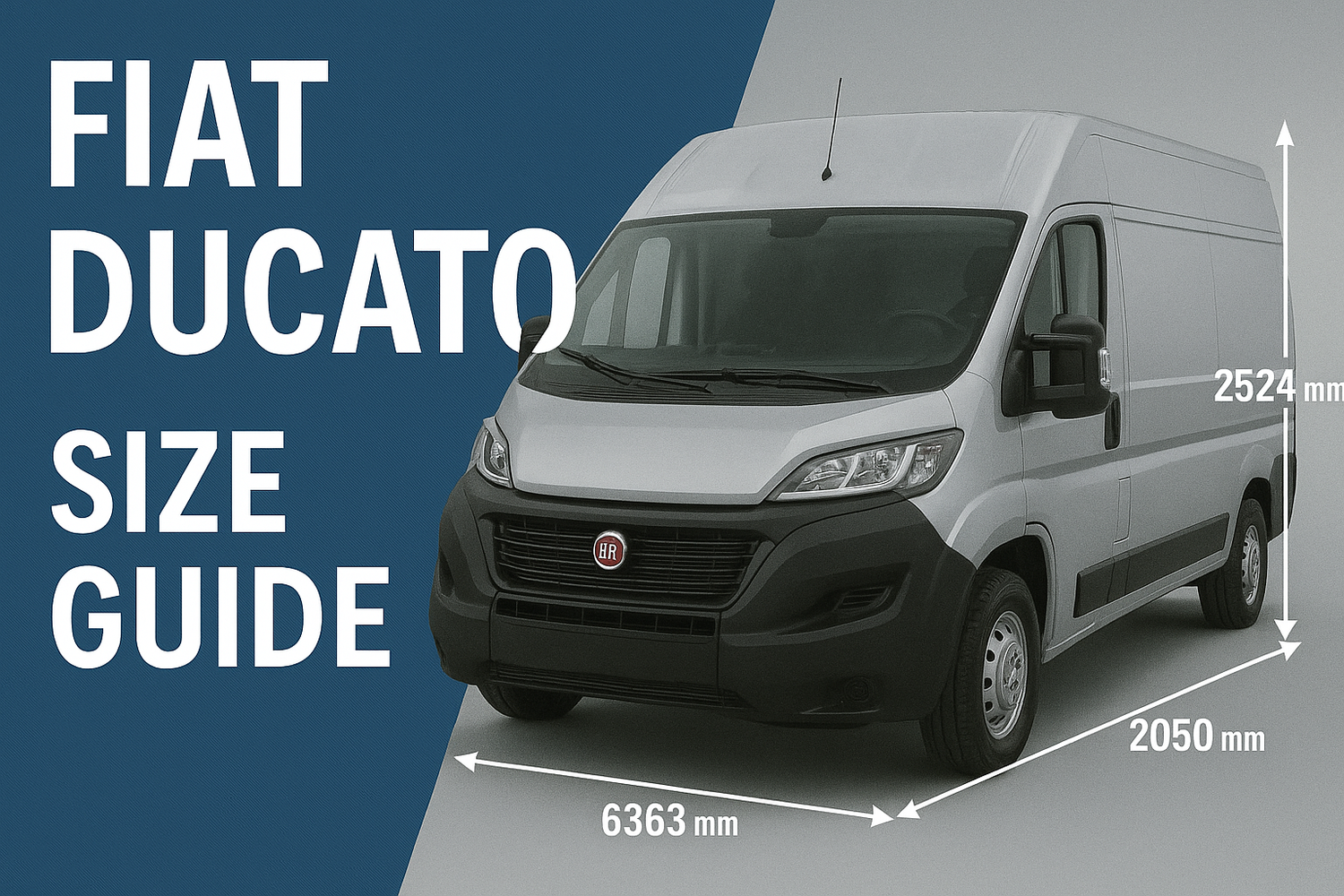
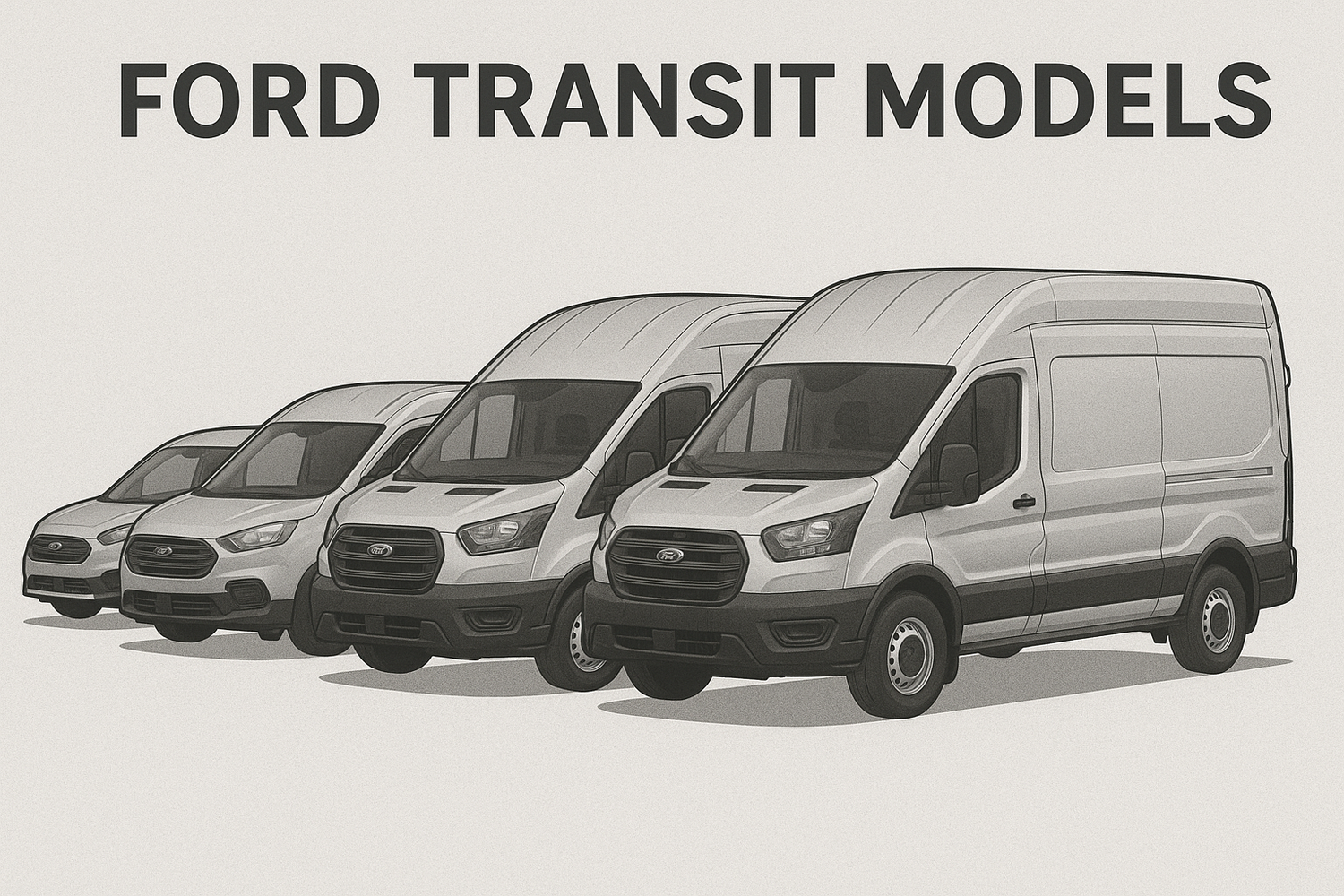
A Ford Transit Custom, Renault Trafic, Vauxhall Vivaro and Volkswagen Transporter can all have different internal shapes, wheel arch positions, door openings and usable load lengths. Always check the product details against the exact van model, year and wheelbase before ordering.
Access matters as much as storage capacity
The most space-efficient rack is not necessarily the quickest one to work from. If you make frequent call-outs, the parts needed first should be reachable from the side or rear doors without climbing into the load area. This can make a bigger difference to the working day than gaining one extra shelf.
Small-parts storage deserves particular attention. Open bins are quick for commonly used clips, screws and fittings, but they need sensible dividers or labels to avoid becoming a mixed box by Friday. Drawers keep stock contained and are useful for smaller, higher-value items, though they take up more depth than open shelving.
Long items create another decision point. Conduit, trunking, pipe, straightedges and long tool cases can quickly block the floor. A raised floor or carefully positioned long-item channel may be more useful than another vertical shelf. For plumbers and heating engineers, it is worth planning space for pipe or boxed components without forcing them against the rear doors.
Weight, safety and day-to-day durability
Whether you choose modular or fixed racking, treat the load area as a working environment, not a cupboard. Heavy cases should sit low down and close to the van's centre where practical. Loose tools, sealants and fittings need proper containment. A hard stop can turn an untidy shelf into a safety issue very quickly.
Do not overload shelves simply because there is physical room. Consider the weight of batteries, power tools, fixings and materials together, then account for the van's payload. A tidy-looking installation that pushes the vehicle over its permitted load is neither efficient nor safe.
Material choice matters too. Quality plywood racking gives a solid, familiar workshop feel and is straightforward to work around. Metal modules may offer a more adjustable format in some designs. Whichever route you take, look for properly finished edges, sensible shelf supports and fixing arrangements designed for the relevant vehicle. The best layout is one that remains secure after daily opening, loading and travelling over rough roads.
How to choose without wasting money
Start with a normal week's load rather than an idealised version of it. Lay out the equipment you carry most often and group it by how frequently you use it. Daily tools should be easiest to reach. Weekly or spare items can go higher up or further inside. Bulky items that only travel occasionally need planned floor space, not a shelf designed around them.
Then ask how likely your work is to change over the next two years. If the answer is very unlikely, fixed racking usually gives better value through simple, high-capacity storage. If you expect to add services, share the van, change contracts or replace vehicles, modular sections may save money by reducing how much has to be changed later.
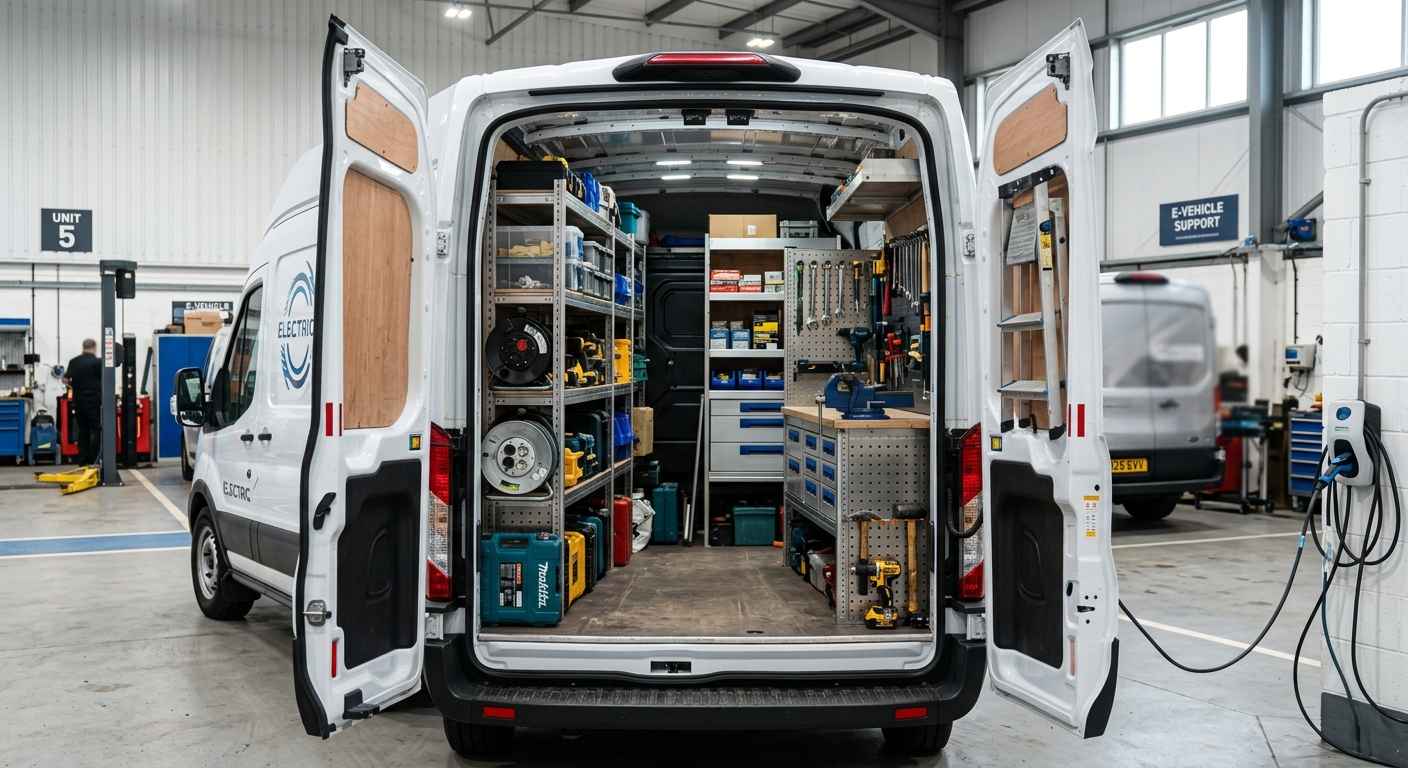
Many working vans benefit from a mixed approach: fixed plywood shelving for dependable everyday kit, plus adjustable bins, drawers and accessories for small items. This gives you a stable base without making every square centimetre permanent.
At Vanshelves.co.uk, the sensible starting point is to select storage by the exact vehicle first, then choose the rack, false floor, drawer or accessory that matches the way you actually work. A few accurate measurements and an honest look at your daily load will lead to a far better result than filling the van with storage for storage's sake.
The right racking should make the first job of the day easier: open the door, find what you need, and get on with the work.