









A tidy van saves time, protects expensive tools and makes a better impression at every job. But before filling the load area with shelves, bins and equipment, it is worth asking how much van racking weighs and what that means for your available payload. The racking itself is only one part of the calculation. Once tools, stock, a false floor and a driver are added, a lightly loaded-looking van can be much closer to its limit than expected.
For most working vans, the right answer is not a single number. Racking weight depends on the vehicle, the material used, the layout and the accessories fitted. The sensible approach is to use the actual weight of the system intended for your van, then plan the rest of the load around it.
How much does van racking weigh?
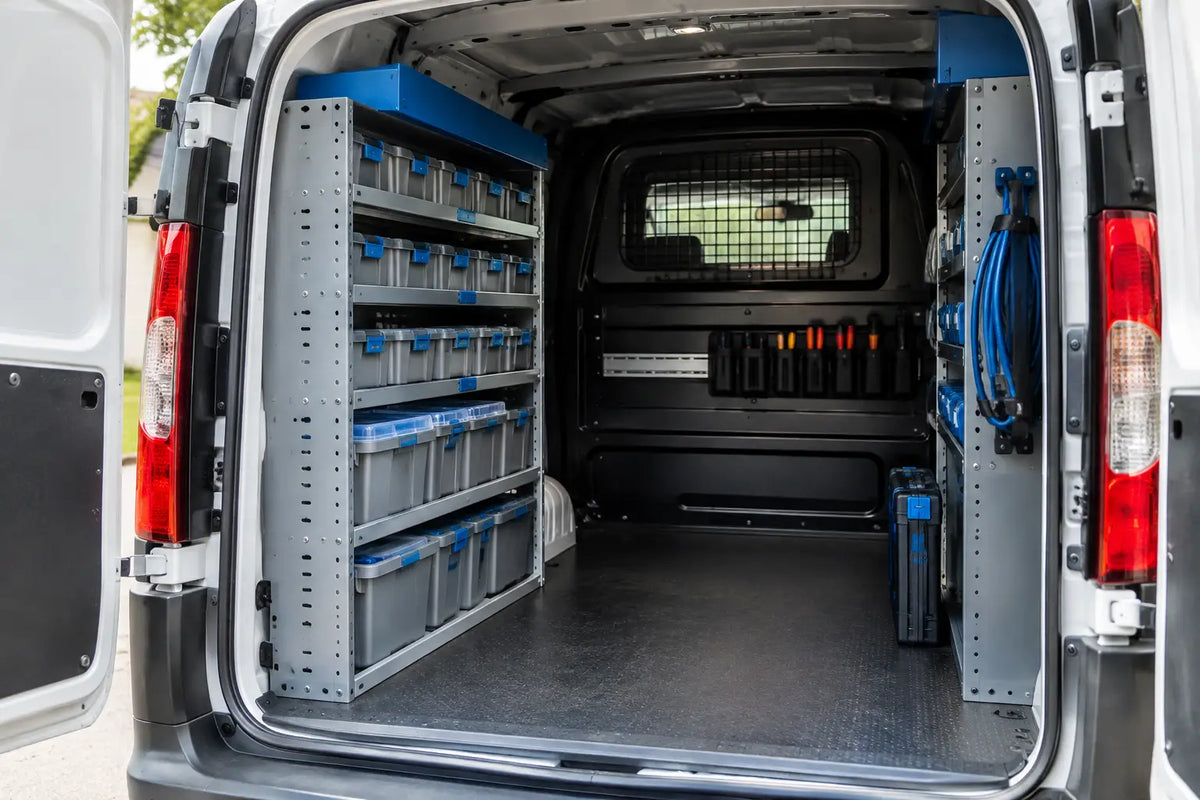
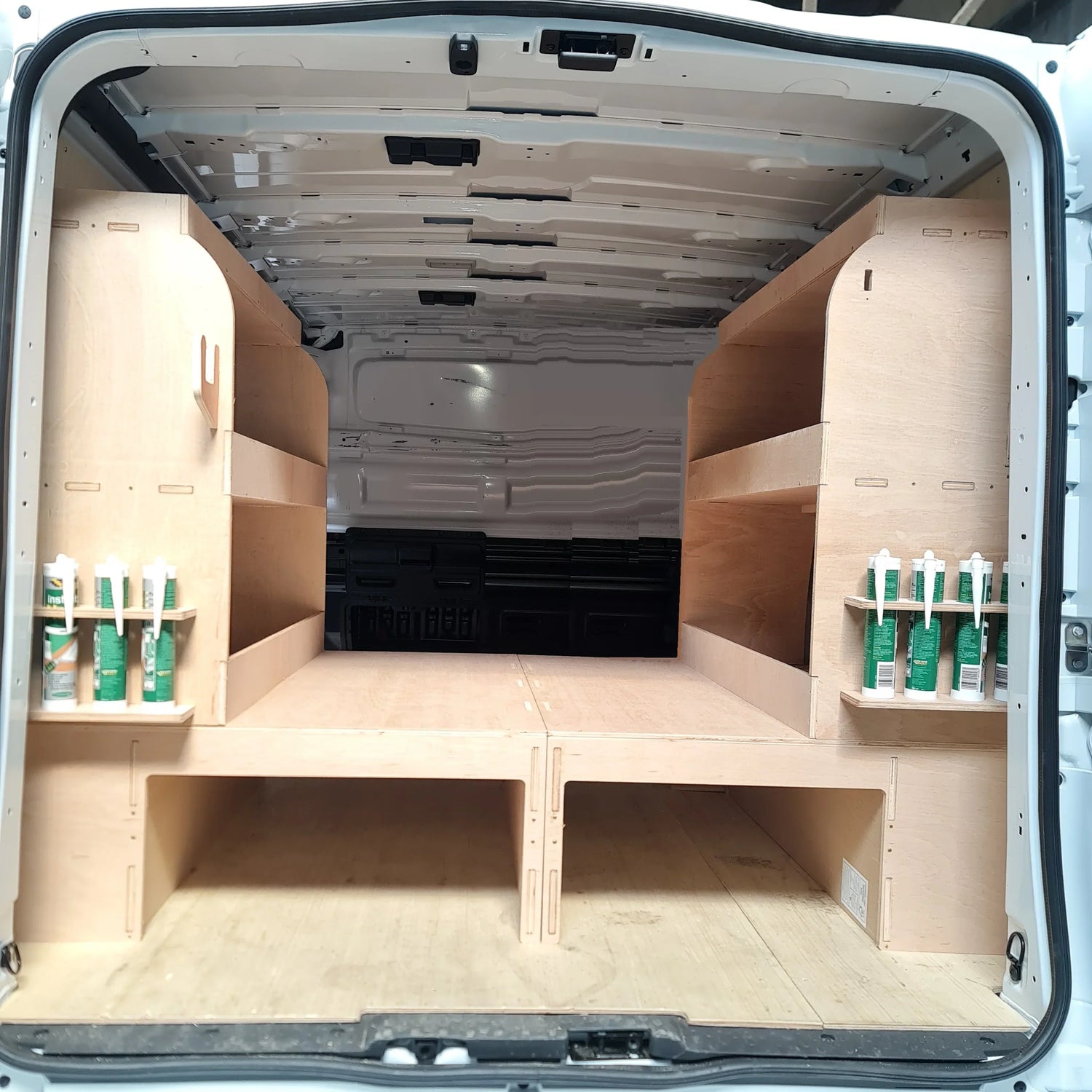
A simple side-shelving system can weigh roughly 25kg to 50kg, while a more complete setup with racking on both sides, rear shelving, drawers and a false floor may add 70kg to well over 100kg. These are useful planning ranges, not a substitute for a product specification. A compact van and a long-wheelbase panel van need very different storage layouts, so their fitted weights will differ too.
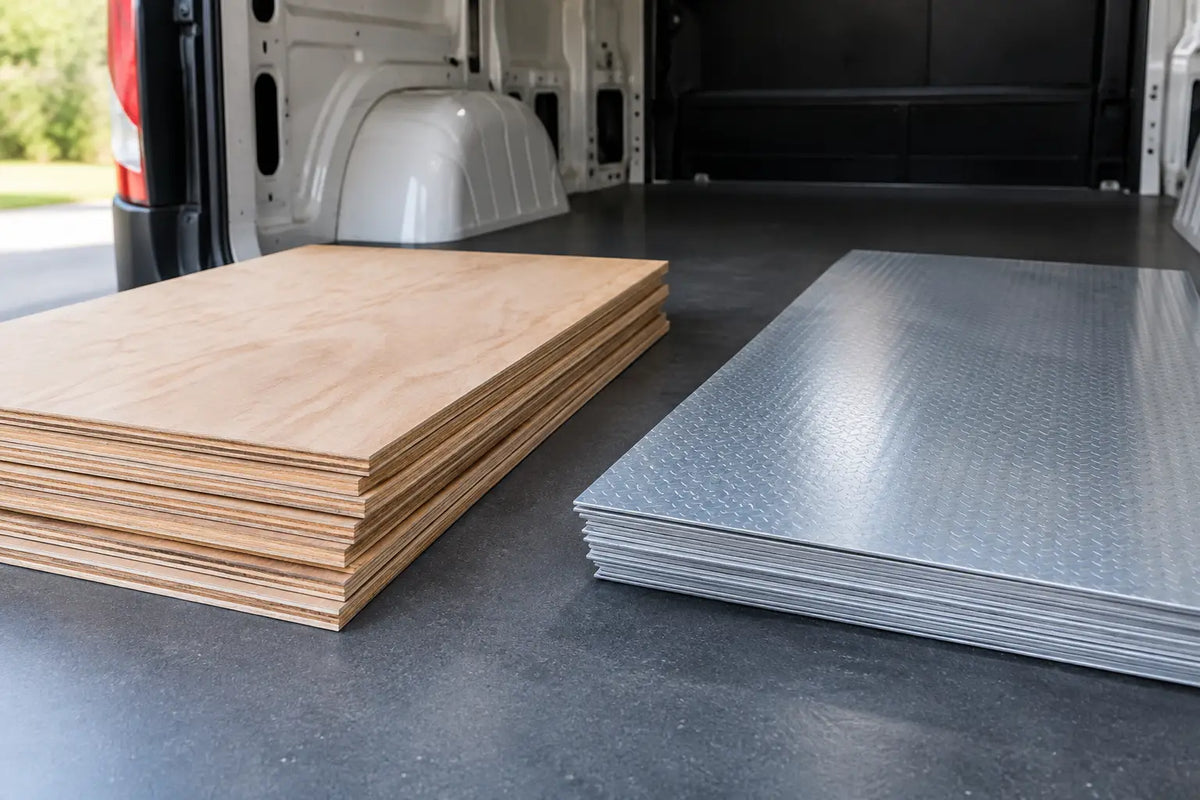
Material makes a noticeable difference. Aluminium racking is often chosen where keeping weight down matters, while steel systems can be heavier but may suit demanding work where a more substantial construction is preferred. Plywood shelving and false floors also add weight, particularly when they cover most of the load area. The best option is not automatically the lightest one. It is the setup that carries the tools and materials you genuinely use without taking an unnecessary bite out of payload.
Vehicle-specific racking is helpful because it is designed around the available space and common working requirements of that model. Before ordering, check the listed product weight for the exact racking configuration and confirm that it is intended for your particular van model, body length and year where applicable.
What adds weight beyond the shelving?
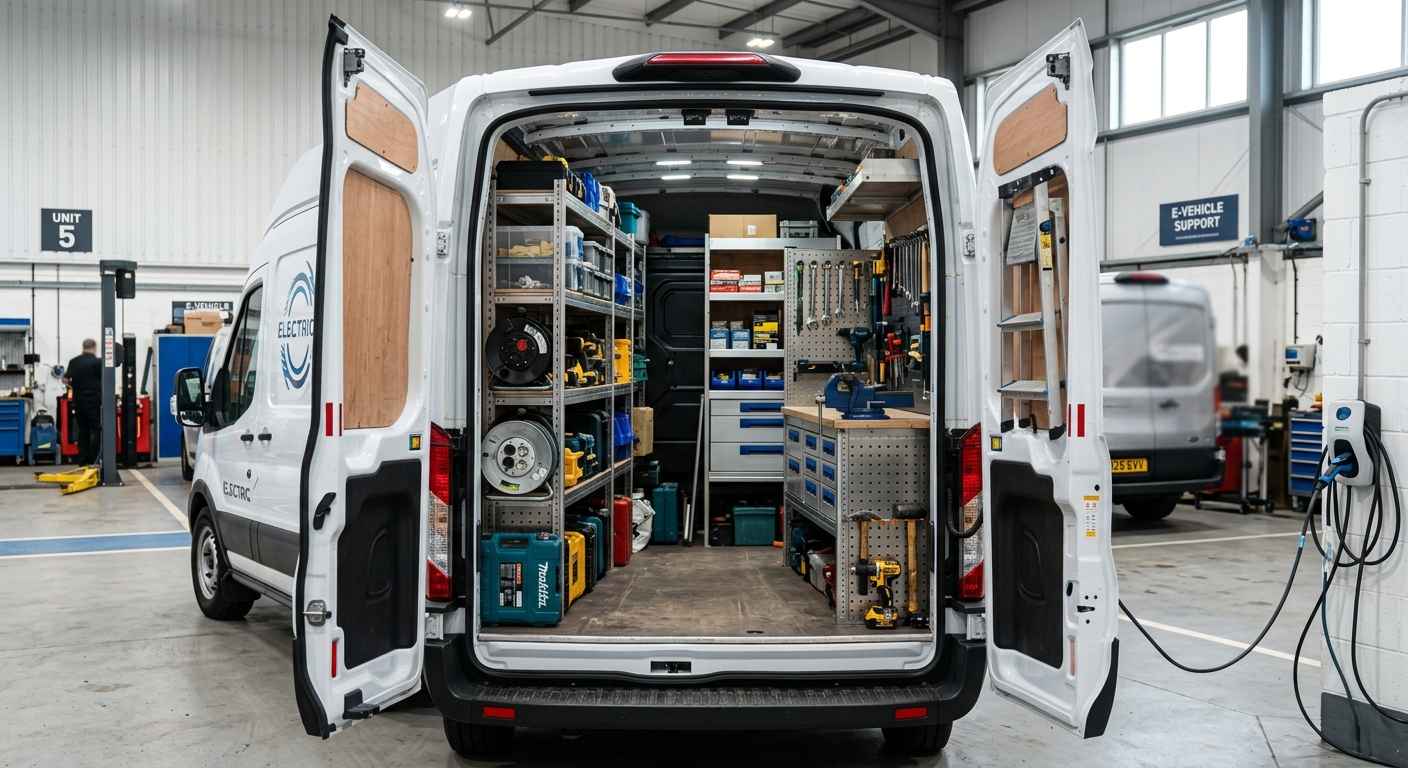
Racking is easy to see, so it gets most of the attention. The less obvious items are often where payload disappears. A false floor, for example, creates a durable base and can help protect the van, but it is still part of the permanent load. Drawer units, toolboxes, parts bins, pipe tubes, roof equipment and internal accessories each add more kilograms.
Then there is the working load. A plumber may carry fittings, copper, sealants and power tools. An electrician may carry cable, trunking, test equipment and fixings. A maintenance engineer may have a generator, spares and heavier cases. Stock levels can change from one week to the next, which is why a van that is acceptable on a quiet day may be overloaded before a larger job.
Do not forget people and fuel. The manufacturer’s published payload figure is based on a defined kerbweight, and that definition can vary between manufacturers and vehicle specifications. Check the handbook and vehicle information rather than assuming the quoted payload includes every real-world item you carry.
Why payload matters more than the racking figure
Every van has a maximum authorised mass, sometimes called gross vehicle weight. This is the maximum the vehicle is permitted to weigh when fully loaded. Its payload is the remaining capacity between that limit and the vehicle’s specified unladen or kerbweight, subject to the manufacturer’s stated definition.
Racking reduces that remaining capacity from day one. That does not mean fitting racking is a poor decision. Proper shelving can stop tools sliding around, reduce damaged stock and make it easier to carry only what is needed. It simply means the system should be selected as part of the whole load plan, not added after the van is already packed.
Overloading can affect braking, handling, tyre wear and suspension wear. It can also put unnecessary strain on the vehicle and create problems if the van is checked at the roadside. A well-organised load is safer only if the total weight and weight distribution remain within the vehicle’s limits.
Check axle loads as well as total weight
A van can be below its total maximum weight and still place too much load on one axle. This is particularly relevant when dense tools or materials are kept at the rear, or when a heavy drawer unit is positioned behind the back axle.
Place the heaviest items low down and as close to the centre of the vehicle as practical. Spread the load sensibly from side to side. Racking helps here because it gives regular items a fixed home, rather than leaving cases and boxes to collect in one corner. However, shelves should not become a reason to store every spare fitting, old cable reel or duplicate tool indefinitely.
The vehicle plate and handbook provide the relevant axle limits. If your normal load is substantial, use a public weighbridge to check the van in genuine working condition. Go with the racking fitted, the driver aboard, typical tools in place and the stock you would normally carry. A weighbridge reading is far more useful than an estimate based on an empty vehicle.
A practical way to calculate your available payload
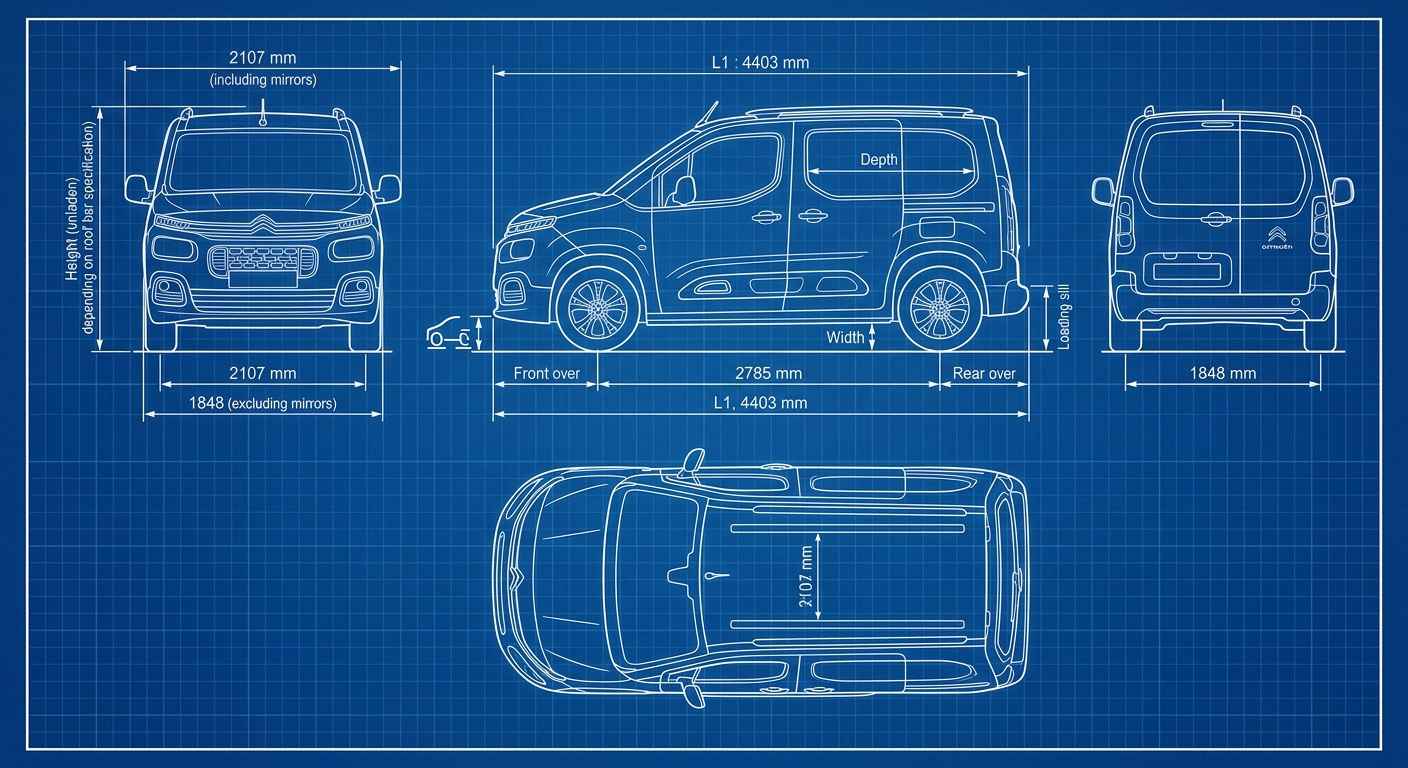
Start with the payload figure for your exact van specification. Vans of the same model can have different payloads due to engine choice, wheelbase, trim, doors, factory options and gross vehicle weight rating. Do not rely on a figure you found for a similar-looking van.
Next, subtract the stated weight of the racking, false floor and any permanently fitted storage accessories. Subtract the weight of regular equipment as well, including tool cases, ladders or roof-mounted equipment where relevant. Finally, allow for a realistic amount of job materials, consumables and the people travelling in the van.
For example, a van with 1,000kg of available payload may appear to have plenty in hand. A 70kg racking system, 45kg false floor, 180kg of tools and equipment, 120kg of materials and two occupants can reduce that margin quickly. The point is not to make the calculation complicated. It is to prevent a small decision at a time from becoming an overloaded van.
Choosing racking with weight in mind
Start with your daily workflow. If you use small fittings all day, organised bins and shallow shelving may be more useful than deep cupboards. If you carry large cases, open bays may provide secure, accessible storage without extra drawer weight. If the load area needs to handle dirty or heavy materials, a false floor may be worthwhile, but its weight should be included from the start.
Avoid choosing the biggest system simply because the van has empty wall space. Empty space is not always wasted space. It can be needed for awkward materials, a clear loading route or future changes to your work. A planned layout often carries less dead weight and helps you find what you need faster.
At Van Shelves, product selection is organised around specific working van models, helping buyers narrow down storage options that suit their vehicle and trade use. Always use the individual product details to check dimensions, weight and fitment before making a final choice.
When a lighter setup makes sense
A lighter racking arrangement is especially useful when your work involves carrying heavy materials, towing equipment or operating a smaller van with limited payload. Aluminium shelving, fewer enclosed units and a carefully chosen set of accessories can preserve useful carrying capacity.
That said, reducing racking weight should not mean leaving equipment unsecured. Loose tools and boxes are a safety issue and waste time on site. The aim is a sensible balance: enough storage to secure and organise the tools you use, without fitting units that add weight but deliver little day-to-day value.
Keep the van organised, then keep checking it
Payload is not a one-off calculation made when the racking is installed. Review it when your workload changes, when new equipment is added or when the van becomes the place where surplus materials are stored between jobs. Remove damaged tools, outdated stock and items that have not been used for months.
The right racking should earn its place in the van every day. Check its stated weight, plan around your real working load and use a weighbridge when there is any doubt. That gives you an organised mobile workspace without sacrificing the capacity and safe handling your work depends on.