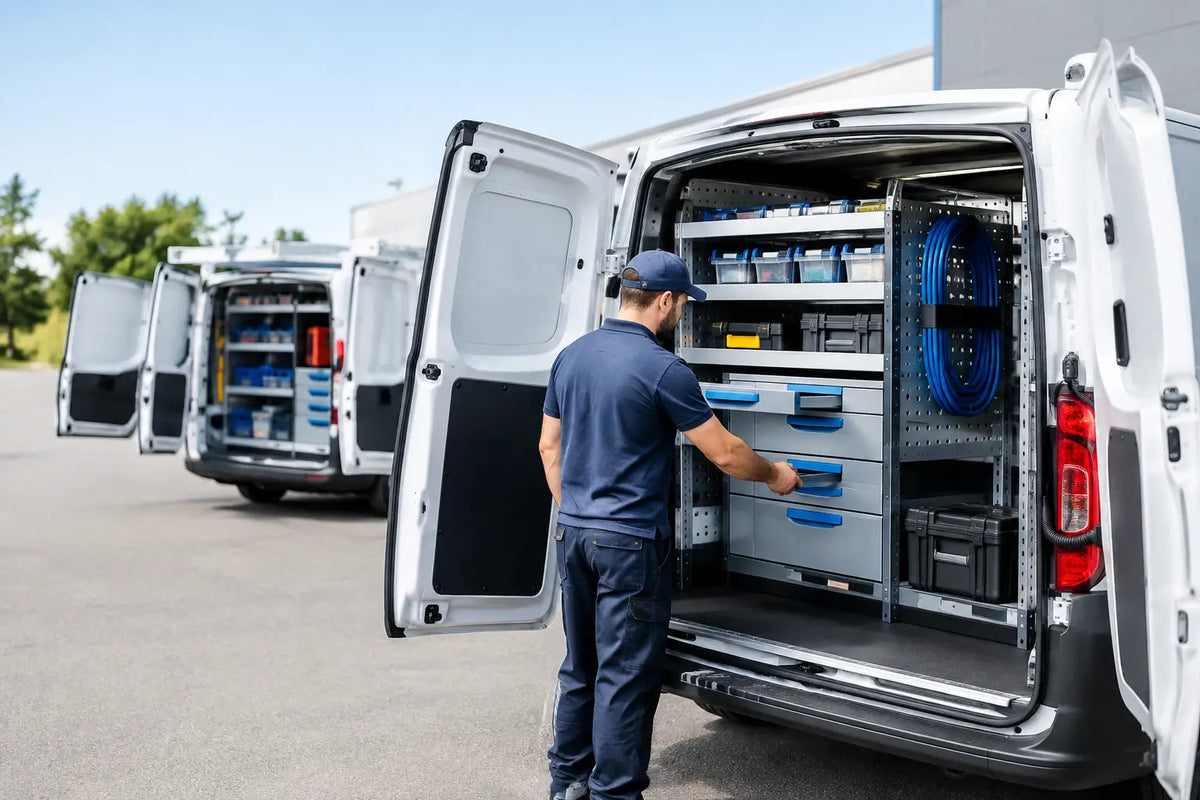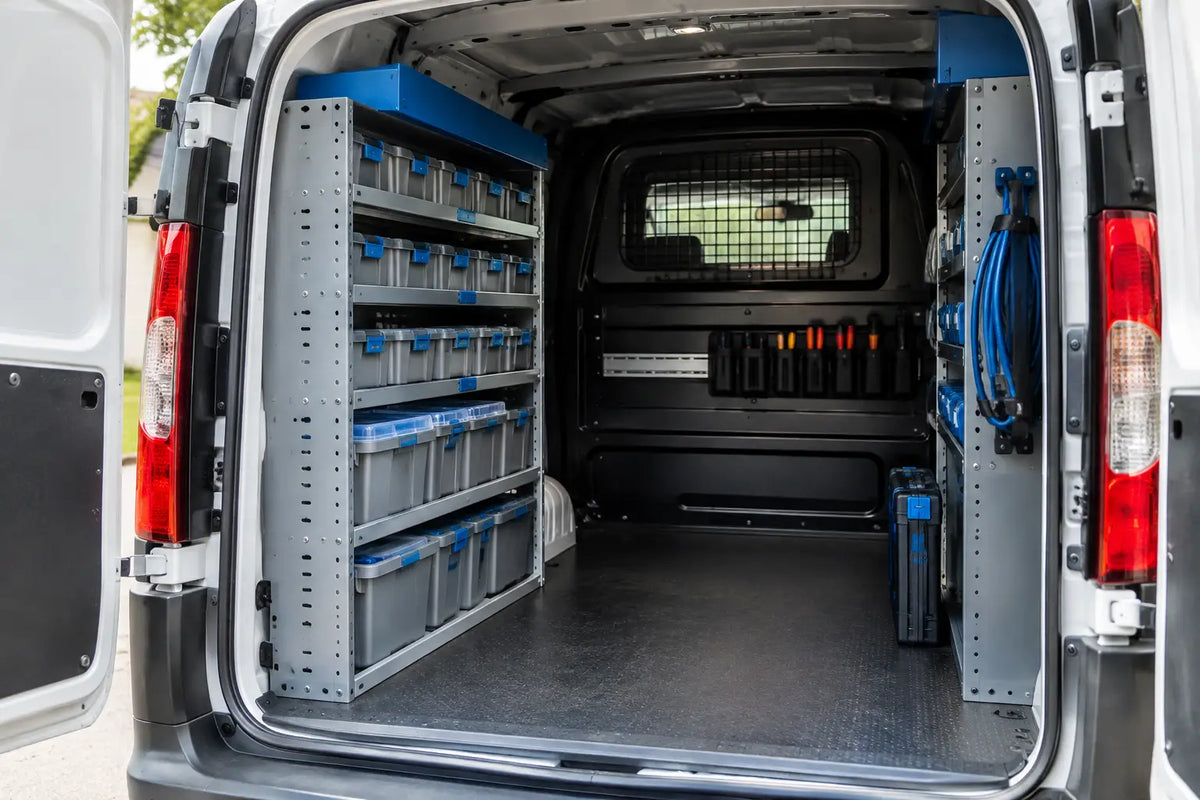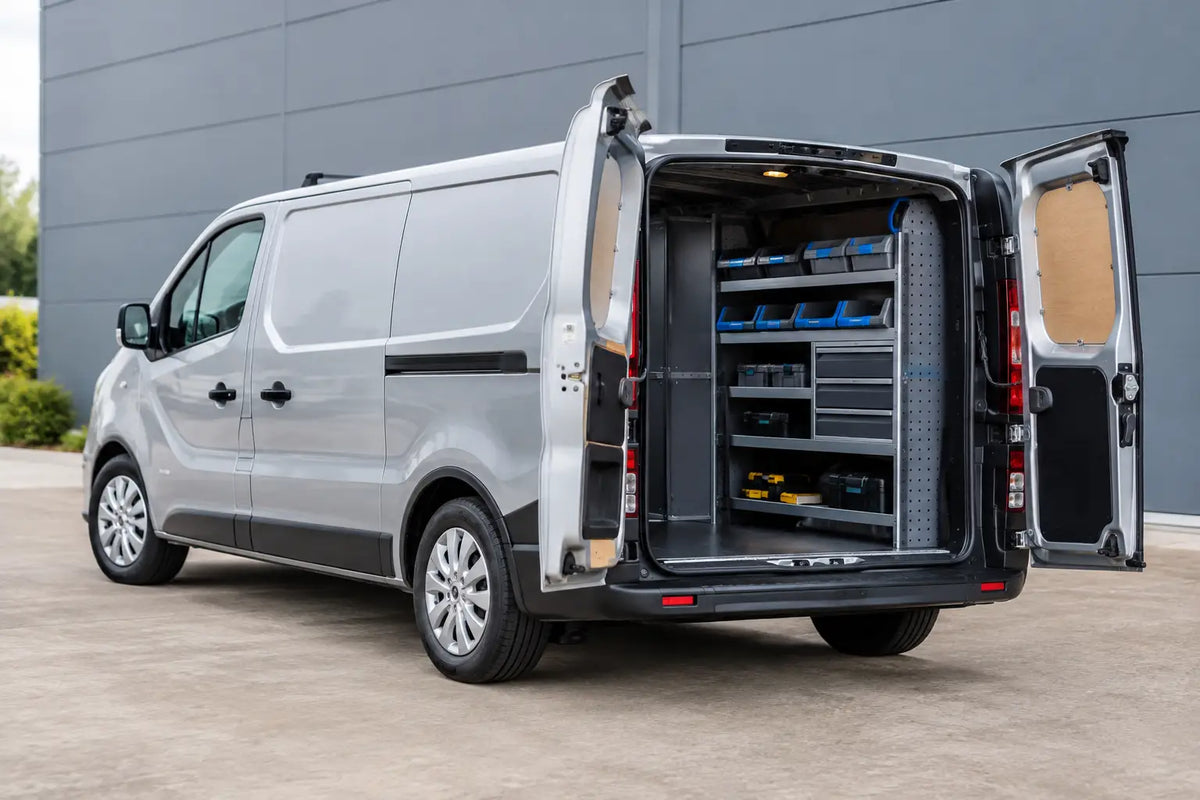




A drawer full of expensive tools is only useful if it stays where you left it. So, can van drawers be locked? Yes - many drawer storage systems can be specified with locks or fitted with suitable locking hardware, but the right choice depends on the drawer unit, how you use the van and the level of security you need.
For a working van, a lockable drawer is about more than deterring theft. It also helps keep tools, fixings and stock contained when the doors are open, the vehicle is parked on a slope, or you are moving between jobs. The best result comes from treating drawer locks as one part of a properly planned storage system, not as a replacement for vehicle security.
Can van drawers be locked securely?
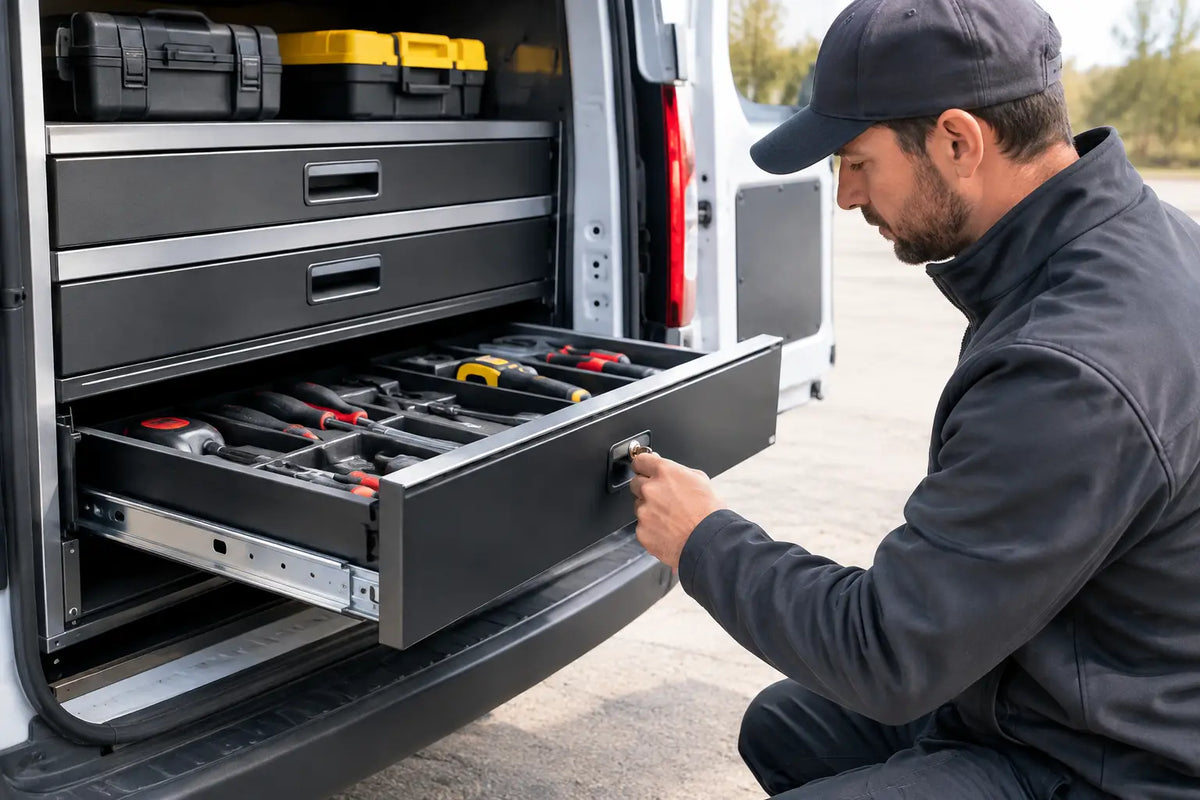
Van drawers can be locked using individual keyed locks, locking handles, central locking bars or other mechanisms built into the drawer unit. The available option depends on the design of the shelving, false floor or drawer system. Some units are made to accept a lock from the outset, while others may need an appropriate retrofit solution.
A lock should hold the drawer closed against normal use and make casual access more difficult. It should not be assumed that any drawer lock alone will protect a van against determined forced entry. Thieves may gain access through the vehicle first, and a lightweight or poorly fitted lock can be defeated quickly. That is why the drawer construction, mounting method and the van's existing security all matter.
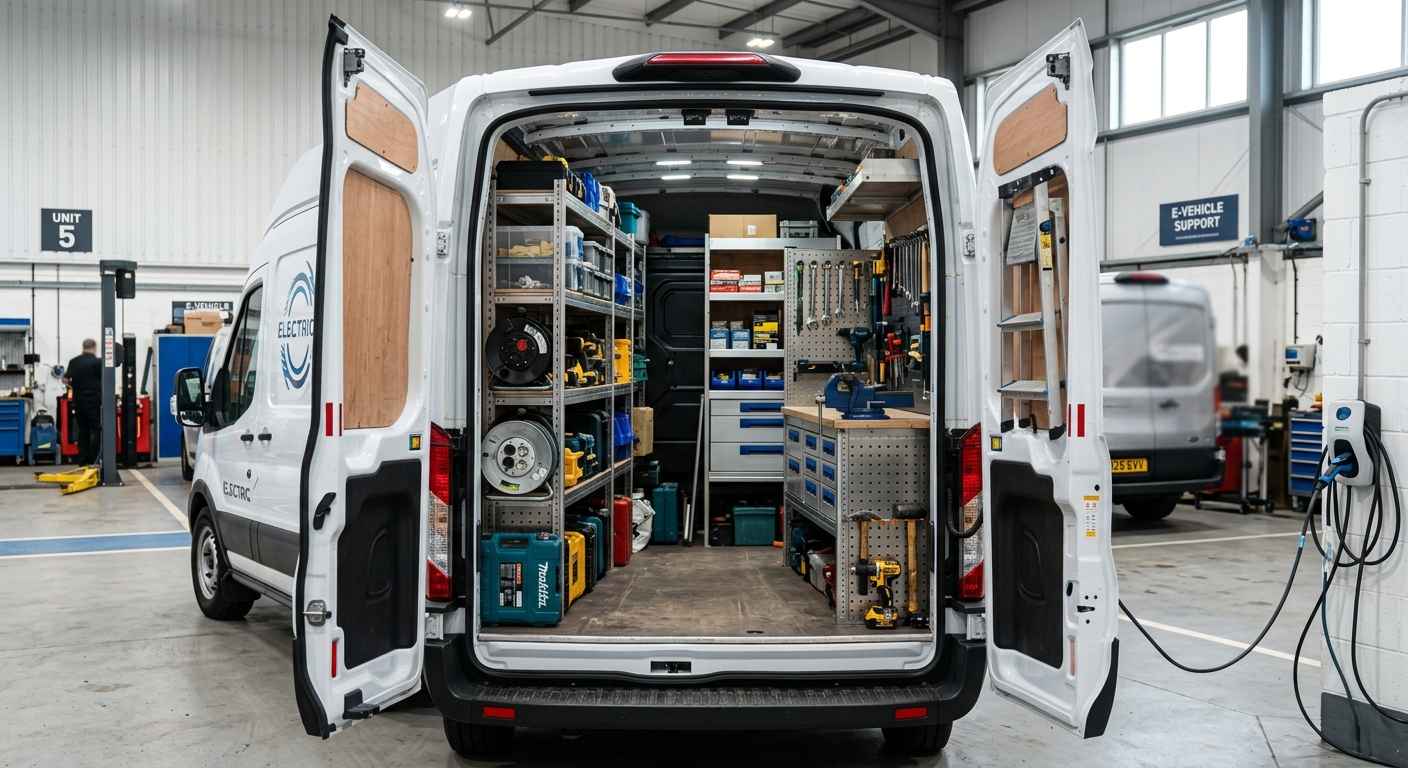
For most tradespeople, lockable drawers are especially useful for storing hand tools, test equipment, power-tool batteries, fixings, sealants and small high-value items that would otherwise be easy to lift out of an open shelf. Keeping these items out of sight also makes daily work more organised.
Choose the lock around the way you work
The simplest option is an individual lock on each drawer. This gives you control over particular compartments, so one drawer can hold more valuable equipment while another remains available for everyday consumables. It is practical where more than one person uses the vehicle, although several keys can become inconvenient on a busy day.
A shared locking arrangement can be more efficient when you want to secure a bank of drawers at once. This may suit a sole trader who wants to lock down the whole rear storage area before leaving site, or a fleet vehicle carrying standardised stock. Fewer keys means less to manage, but it also means every drawer is accessed together.
The key point is not to choose a lock purely because it looks substantial. Check that it is compatible with the drawer front, runner layout and overall construction. A lock that interferes with the drawer travel, catches on stored equipment or prevents the doors from closing cleanly soon becomes a nuisance. On a working van, nuisance quickly leads to bad habits, such as leaving drawers unsecured.
Individual drawers versus a lockable storage area
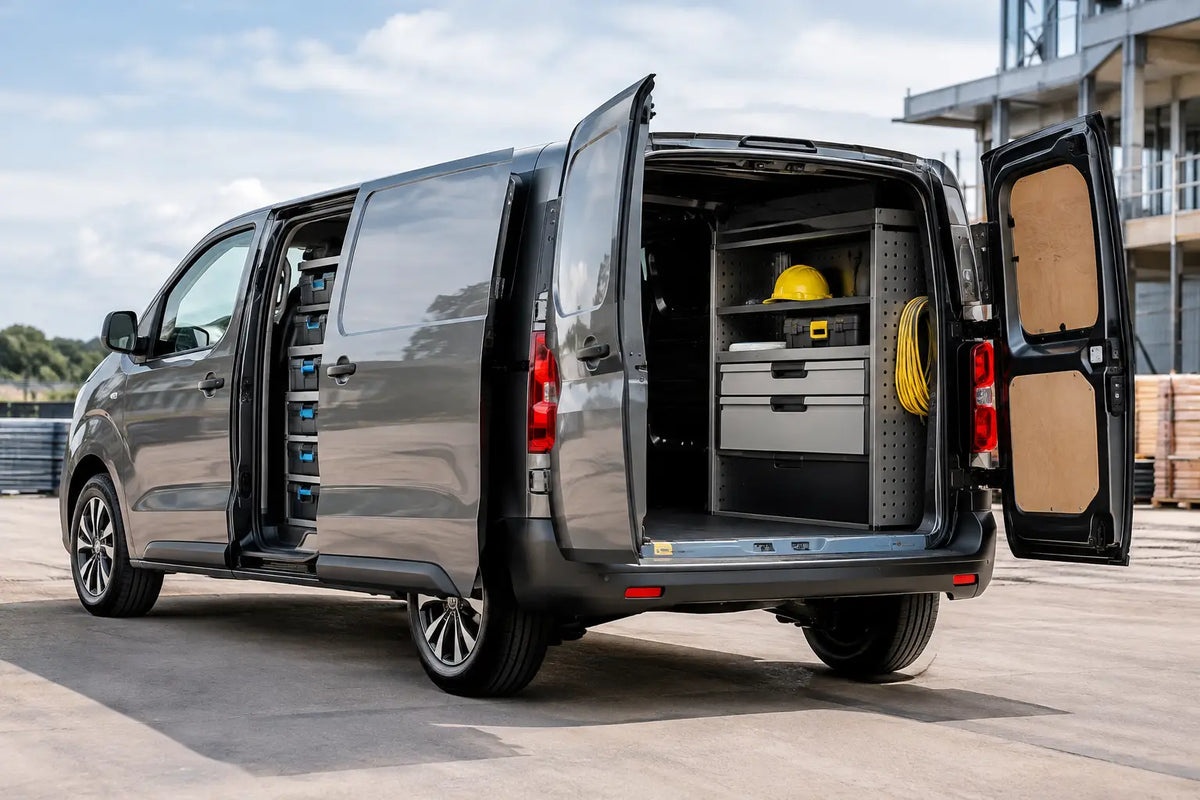
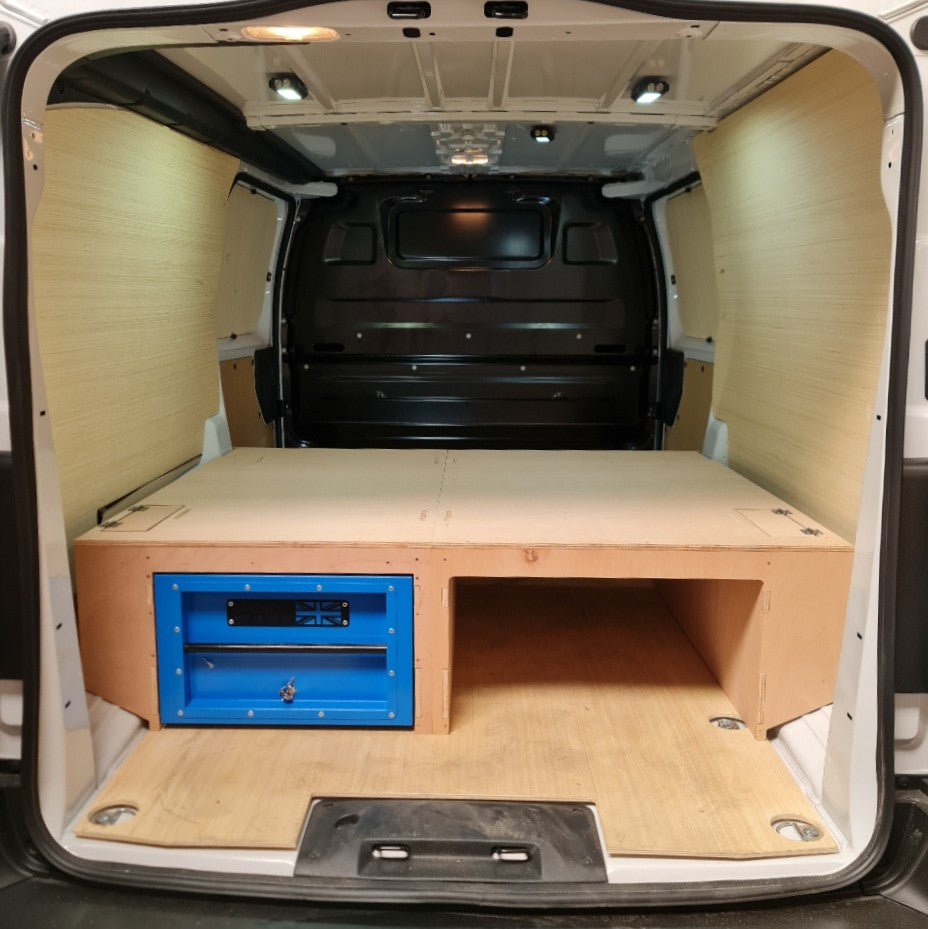
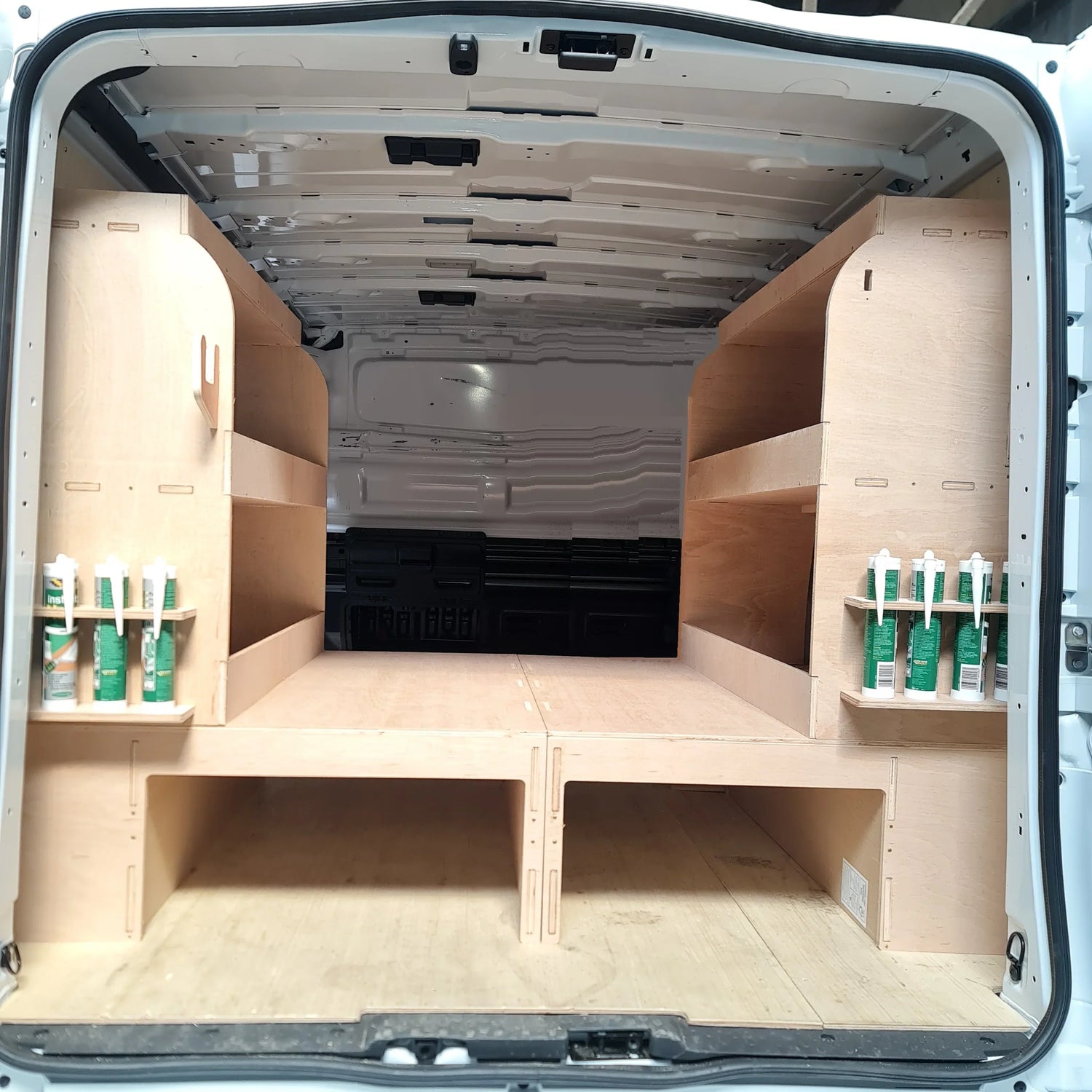
There is a difference between locking every drawer and securing the whole storage zone. If your van has shelving along the sides and a false floor or drawer unit at the rear, you may decide that a lockable rear compartment gives enough protection for the tools you carry every day. This can keep the layout straightforward and reduce the amount of hardware required.
On the other hand, separate locked drawers make sense when stock needs to be controlled. An electrical contractor may want a dedicated locked space for meters and testing equipment. A maintenance engineer may need small parts separated by job type. A plumber may prefer fittings in accessible drawers but keep more valuable cordless tools in a secured compartment.
Think about access before security hardware is fitted. If you have to unlock several compartments just to find a box of screws, the system is working against you. The aim is to protect what needs protecting while keeping regular jobs moving.
Start with a solid drawer system
A lock is only as useful as the unit it is attached to. Drawer boxes should be made from durable material, supported by suitable runners and fixed securely within the van. A flimsy drawer front can flex around the lock, while poorly supported runners can suffer if loaded drawers are repeatedly pulled and slammed.
Load management matters as well. Heavy power tools, boxes of fittings and metal components place more strain on drawer runners and catches than light consumables. Store the heaviest items low down and distribute weight sensibly across the vehicle. Not only does this help the storage system last, it supports safer handling and better vehicle stability.
Make sure drawers have positive closing catches in addition to any key lock. A lock is not necessarily designed to stop a heavily loaded drawer from opening under force when braking or cornering. Proper catches and correctly adjusted runners are what keep drawers shut while driving; the lock adds controlled access when parked.
For vans used on rough sites or carrying heavier equipment, inspect the drawer fixings regularly. Vibrations, repeated loading and daily use can loosen fittings over time. A quick check for movement, damaged runners or a lock that no longer engages cleanly can prevent a small issue becoming a failed drawer at the worst possible moment.
Lockable van drawers improve more than security
The practical benefit of lockable drawers is often stock control. When small items are stored in clearly labelled drawers, you can see what needs replacing before arriving at a job. A locked compartment also gives a designated place for equipment that should not be borrowed, mixed with general stock or left loose in the load area.
This is particularly useful in shared vans. Clear drawer allocation reduces the familiar end-of-day question: who moved the drill bits, cable glands or sealant gun? It can also help fleet operators establish a repeatable layout across similar vehicles, making it easier for staff to find what they need.
A tidy, secure storage arrangement presents a more professional working setup when customers see the back of the van. More importantly, it saves time. Minutes spent searching through loose cases, tubs and bags add up across a week.
Do not rely on drawers alone for tool security
Even the best lockable drawer setup should sit within a wider approach to van security. Keep valuables out of view where possible, lock the van whenever it is unattended and avoid leaving obvious packaging or expensive equipment on display. Standard vehicle security, secure parking and sensible routines remain essential.
It is also worth considering what you carry overnight. If a tool is not needed for the following day's work, removing it can reduce the loss if the van is targeted. For equipment that must remain in the vehicle, a properly secured drawer system makes it less visible and less convenient to remove.
Do not overload drawers simply because they can be locked. A lockable compartment is still subject to its stated load limits, runner capacity and fixing points. Likewise, avoid drilling or modifying a vehicle-specific storage unit without checking that the change will not weaken it, obstruct moving parts or affect fitment.
Planning a lockable drawer layout for your van
Before buying or modifying storage, measure what you actually carry for a normal week. List the tool cases, boxes of stock and loose consumables that currently move around the load area. Then separate them into three groups: items needed constantly, items needed occasionally and items that need extra security.
The items used every day should be quickest to reach. Heavier gear should stay low. Higher-value items can be allocated to the lockable drawer or compartment. This approach prevents a common mistake: fitting secure drawers first, then discovering the layout makes routine jobs slower.
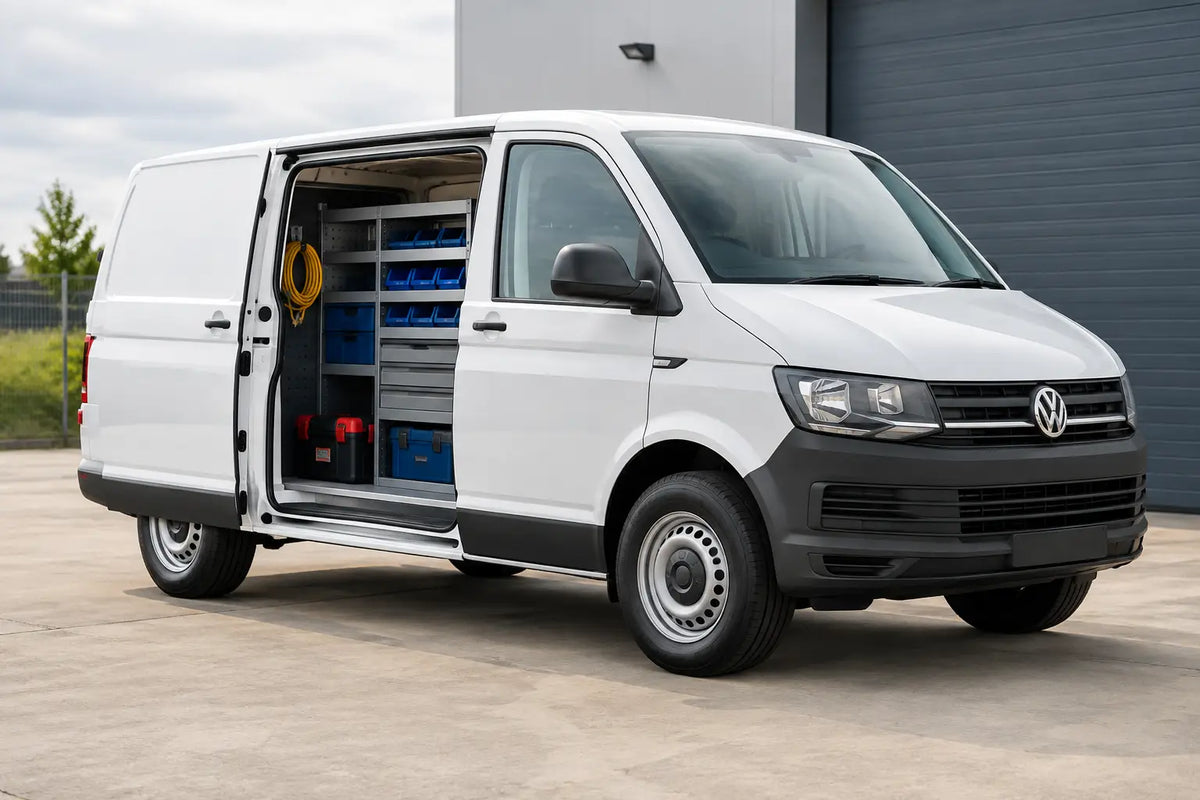
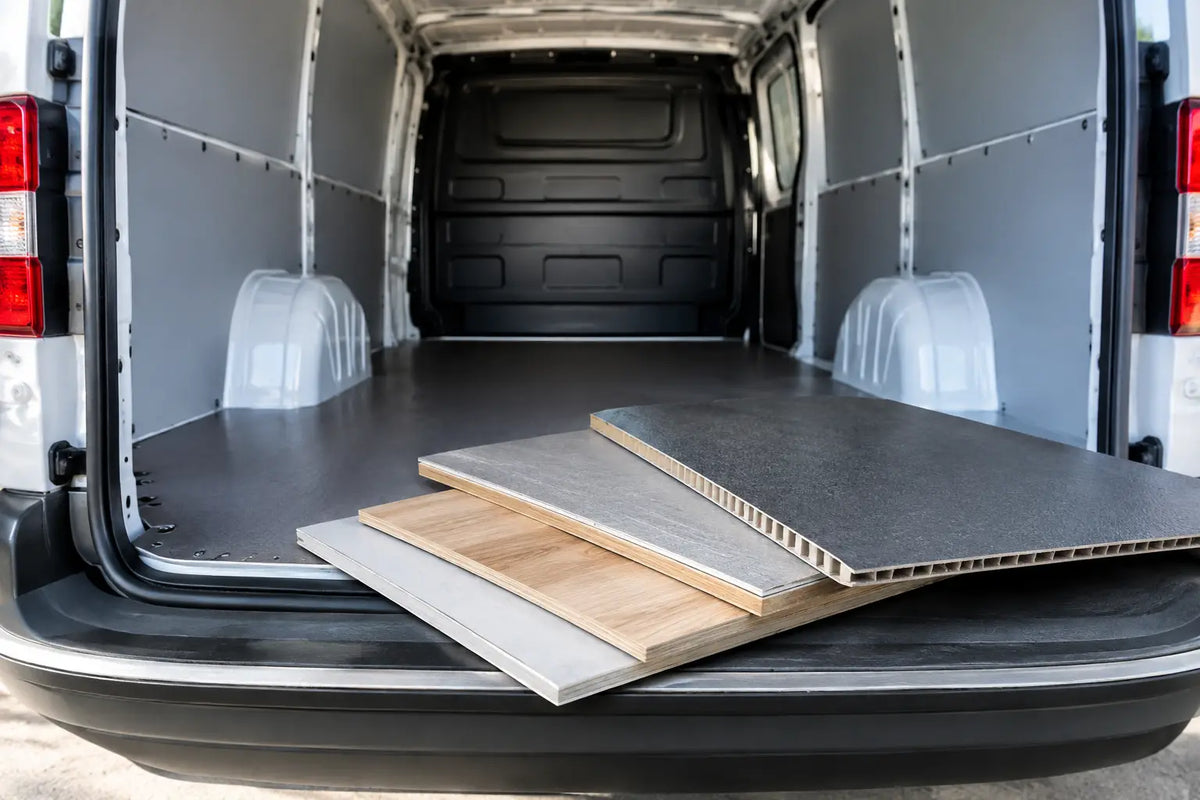
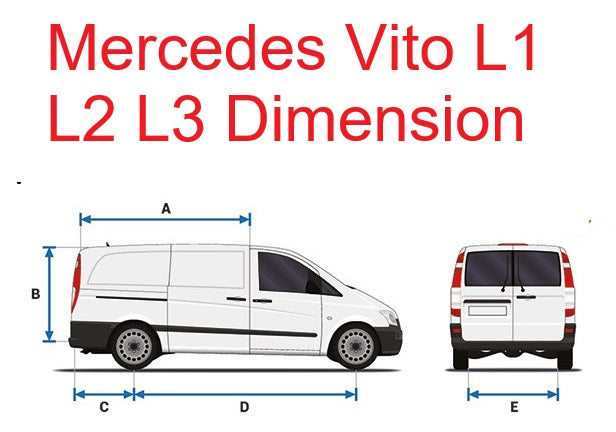
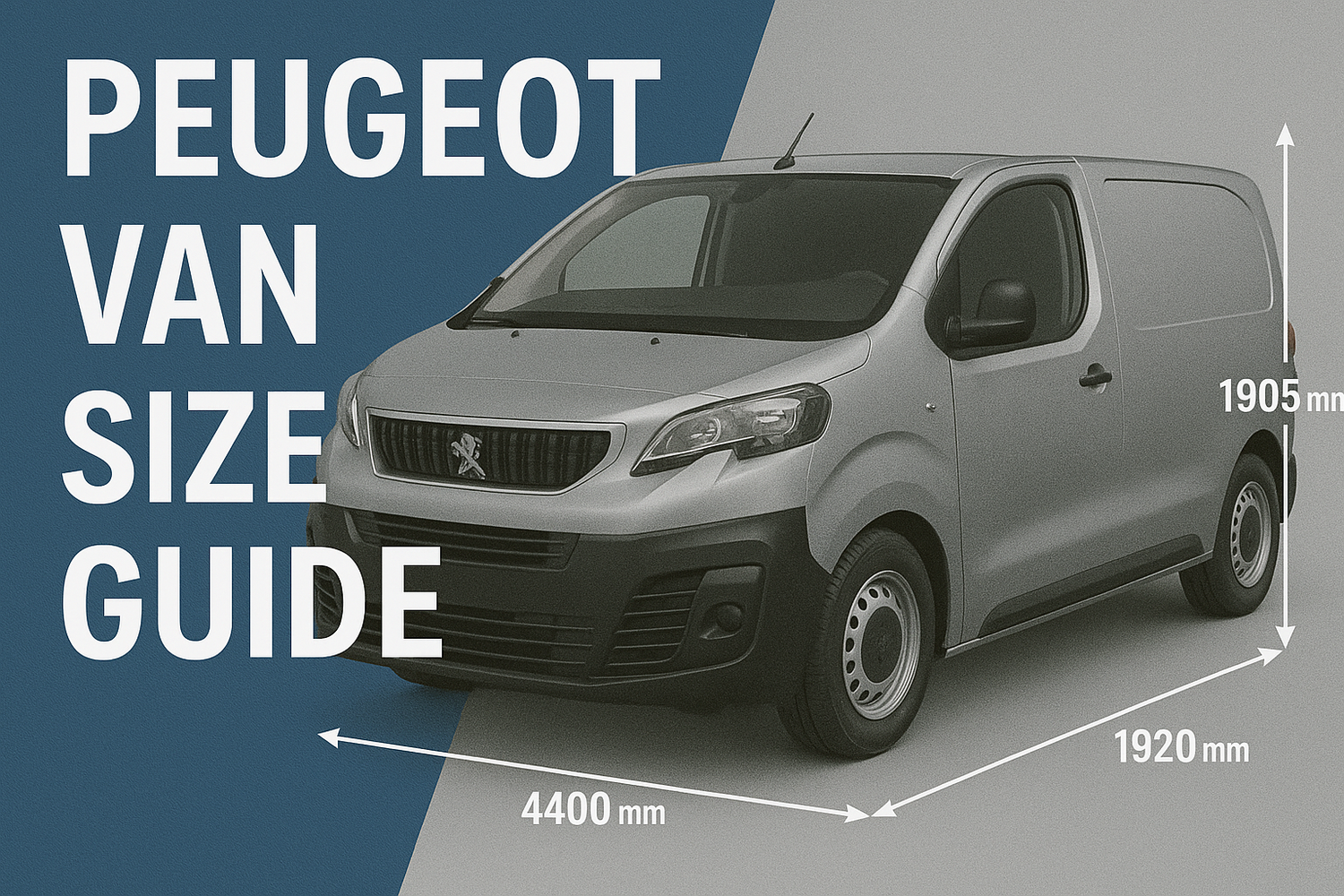
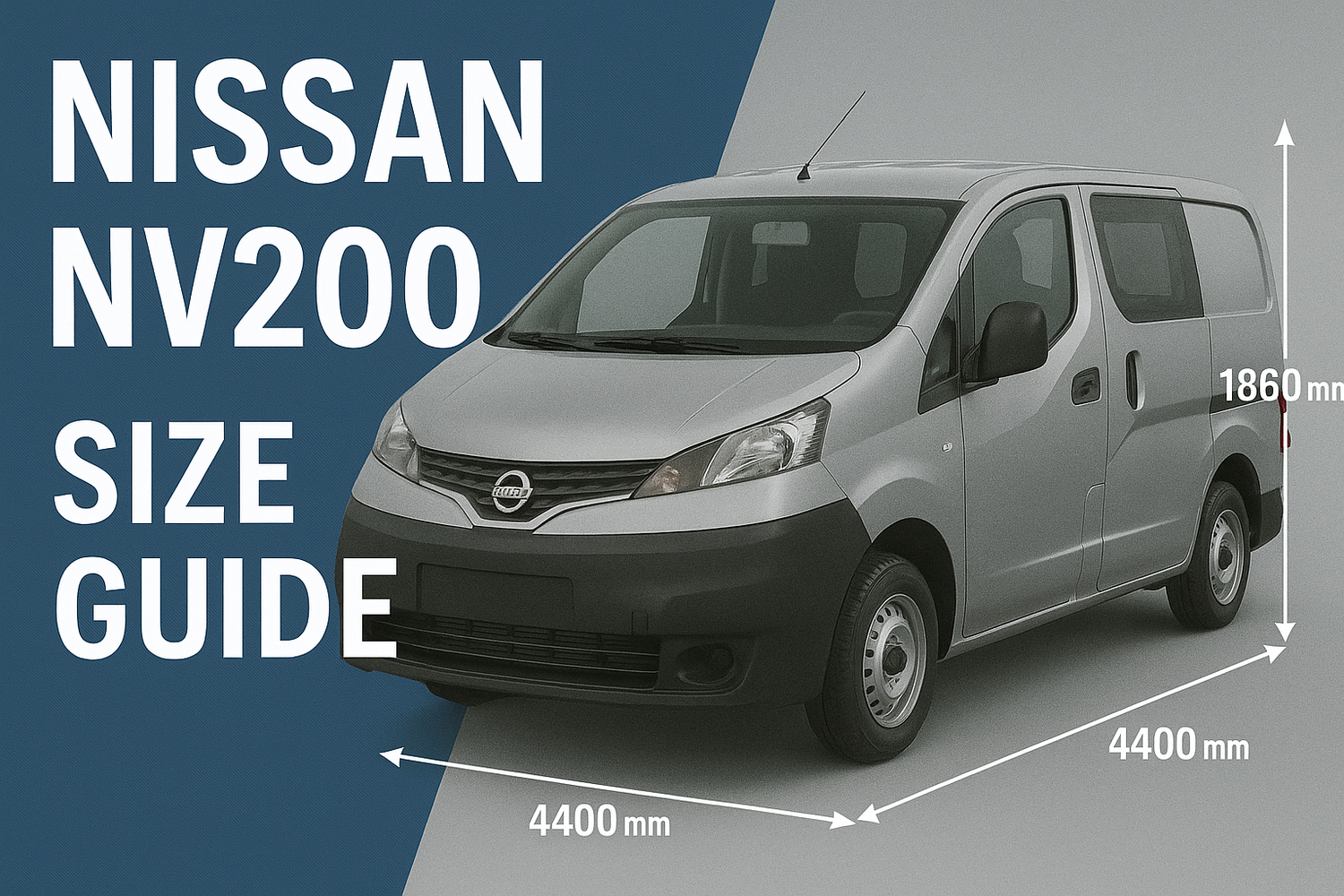
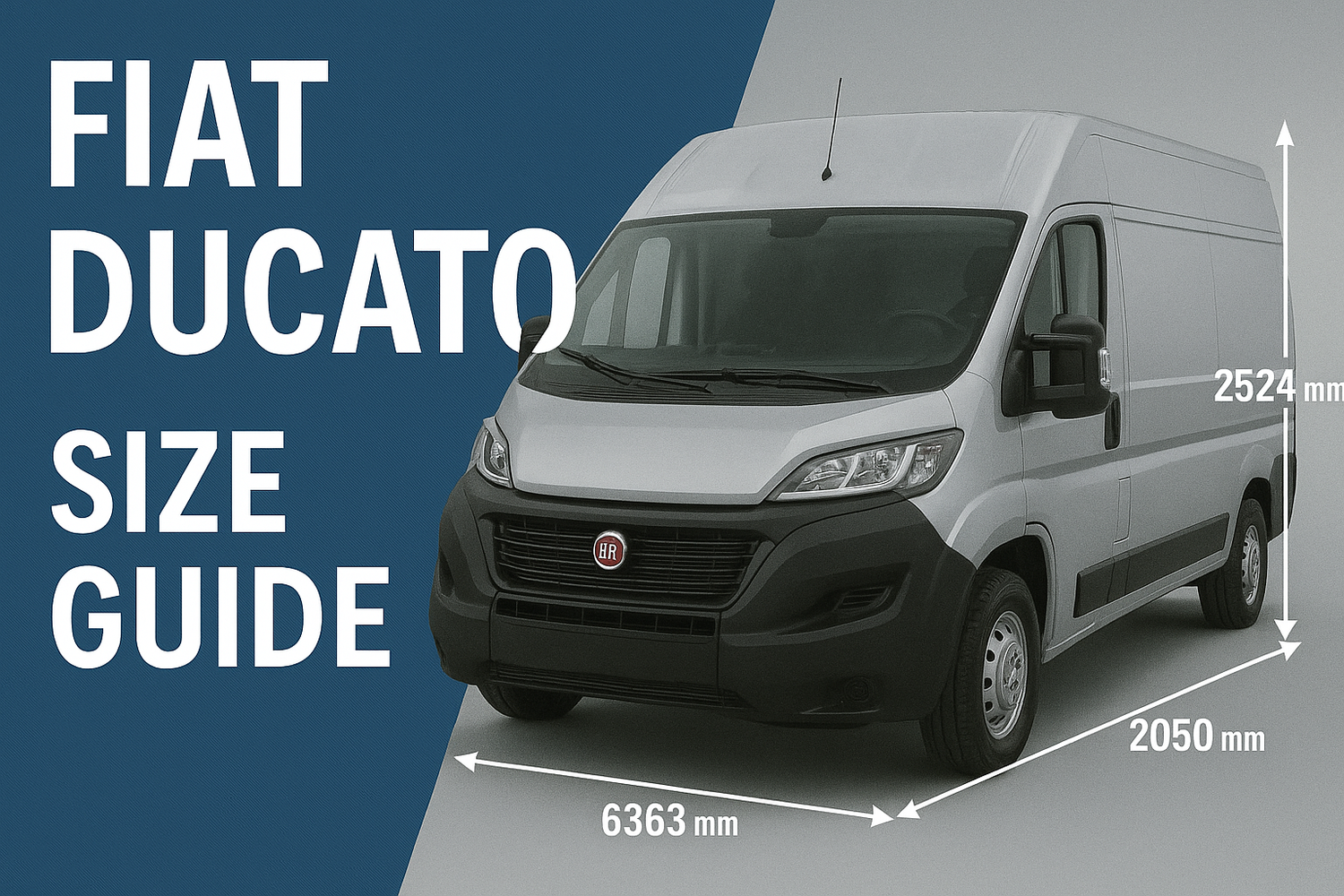
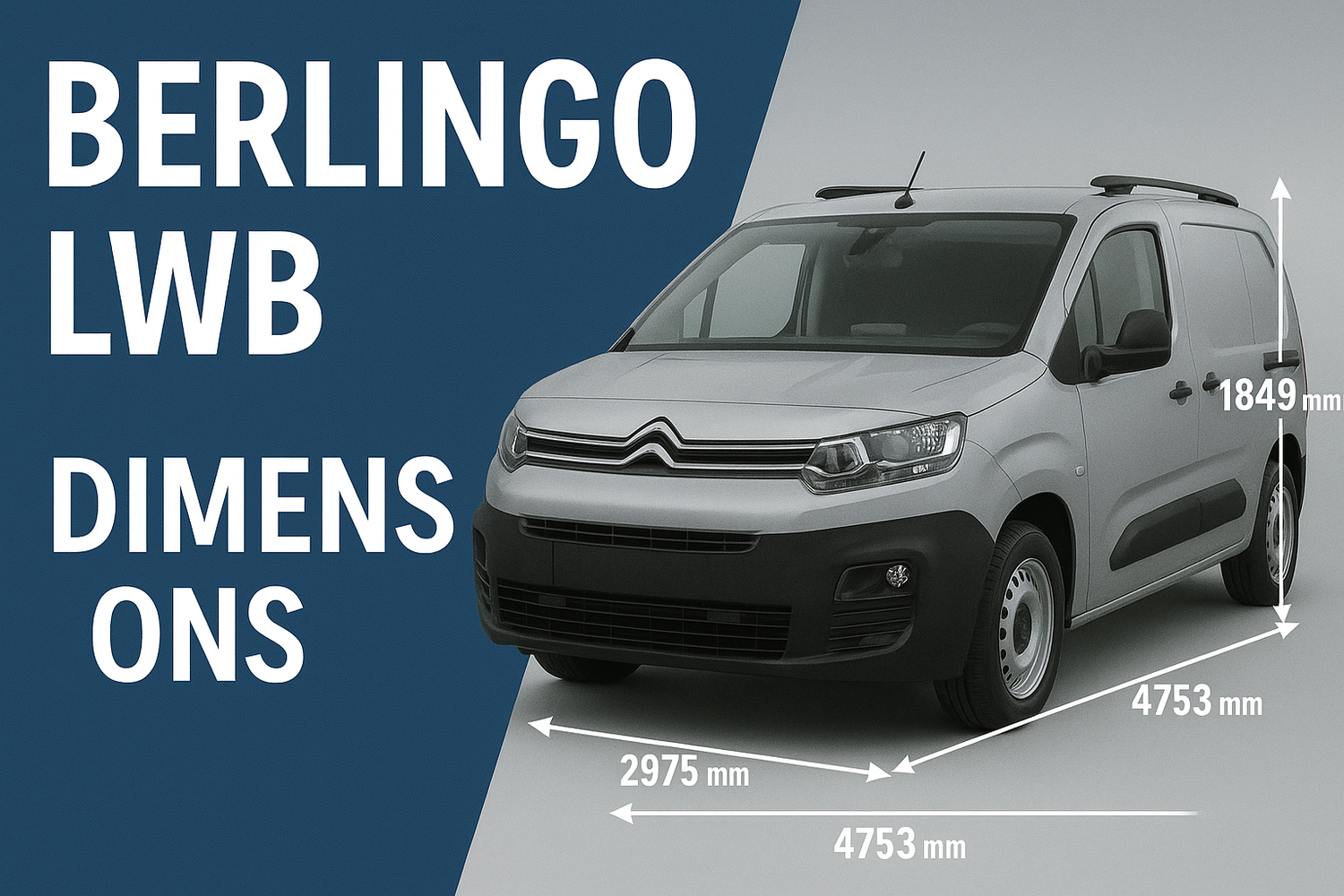
Vehicle-specific storage is equally important. The usable width, wheel-arch position, door opening and internal height differ between vans, even where they appear similar from outside. Select shelving, false floors and drawer units designed around the correct van model and wheelbase where specified. This gives you a better starting point for a stable, practical installation.
At CNC Work, the focus is on storage that helps working vans carry more in an organised way. Whether you run a Transit Custom, Trafic, Vivaro, Vito, Transporter, Expert, Dispatch or another trade van, start with the vehicle details and the way you work before deciding where locks will add real value.
A locked drawer will not solve every security risk, but it can make your van harder to rummage through, your tools easier to control and your working day more efficient. Build the layout around the jobs you do most, keep the hardware suitable for the load, and make security simple enough that you use it every time.