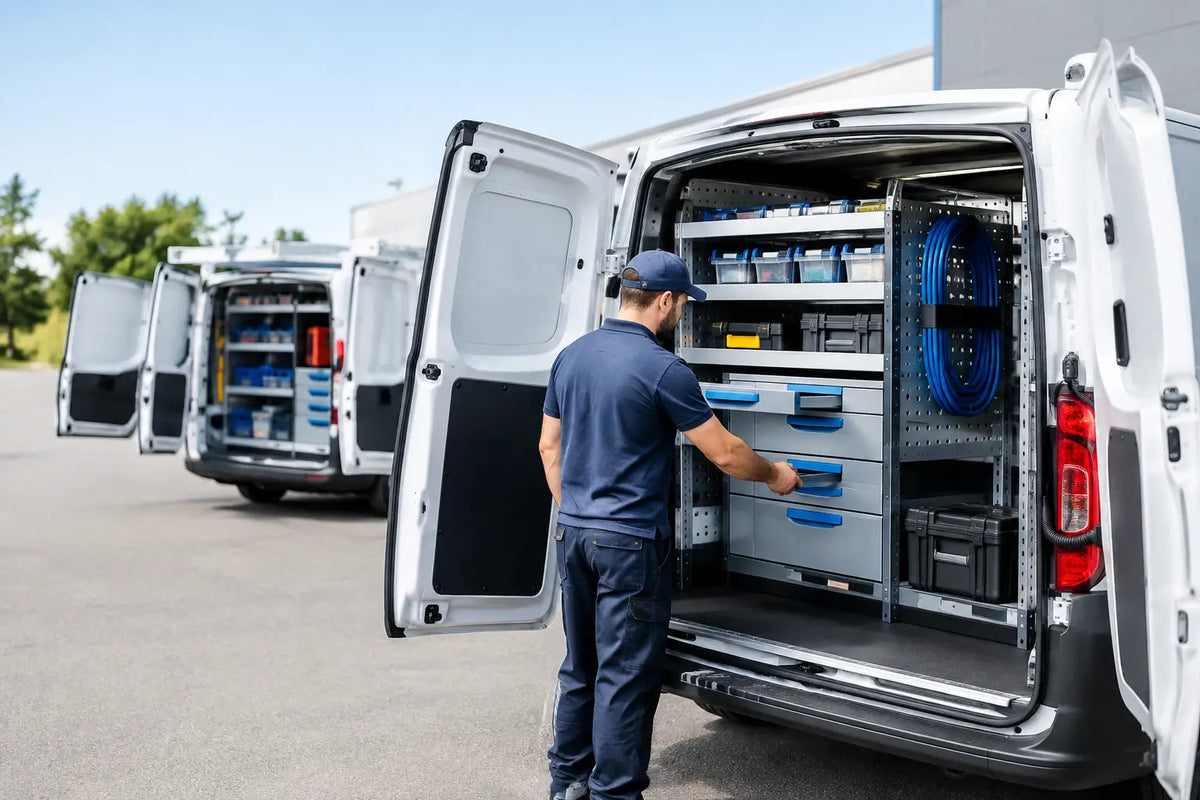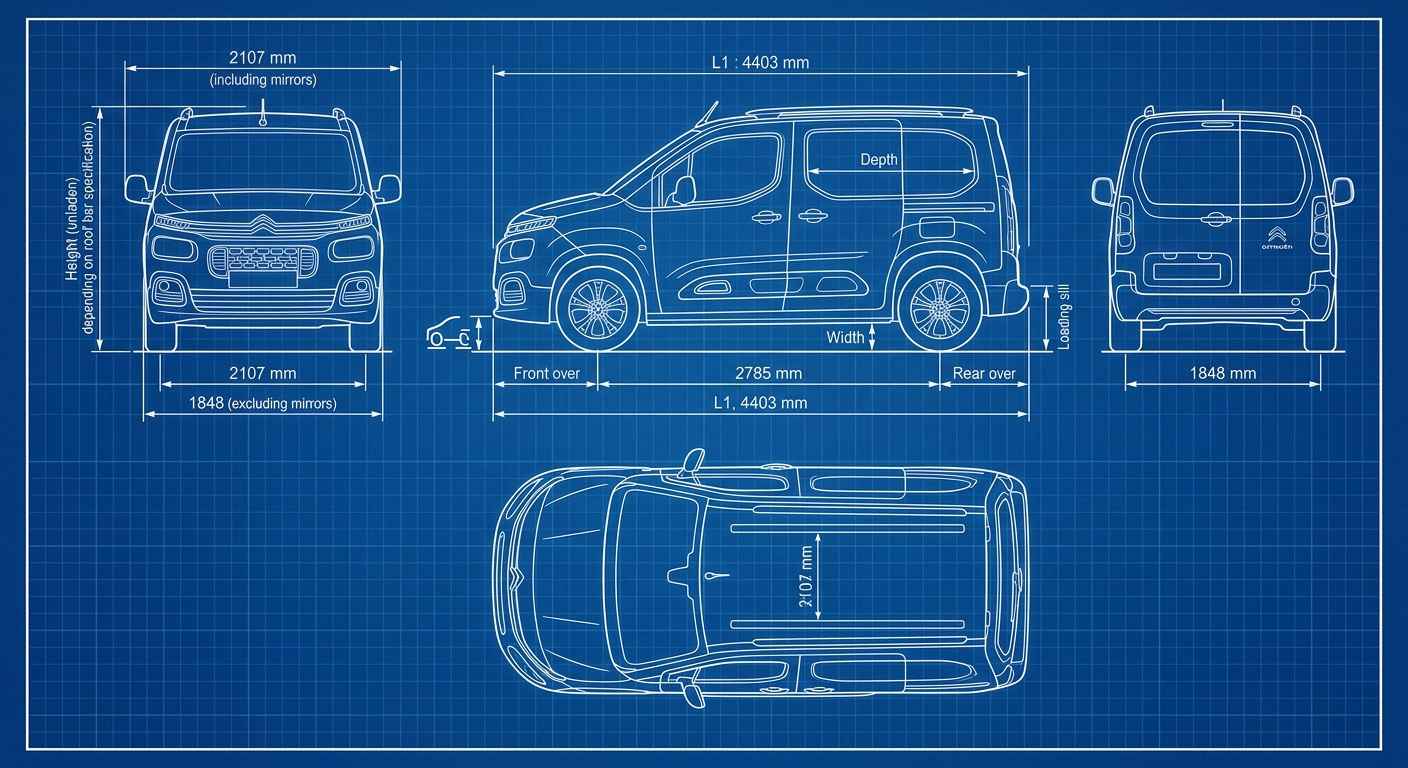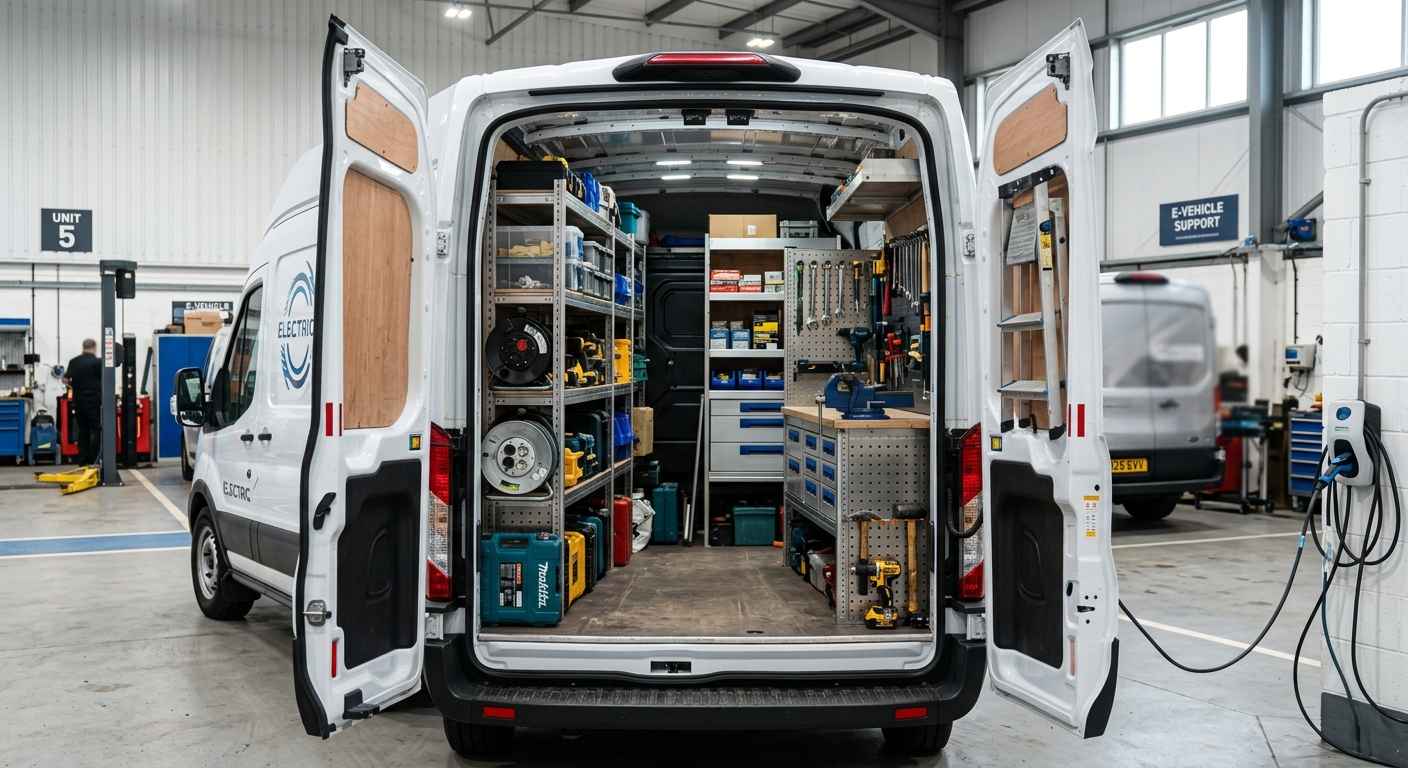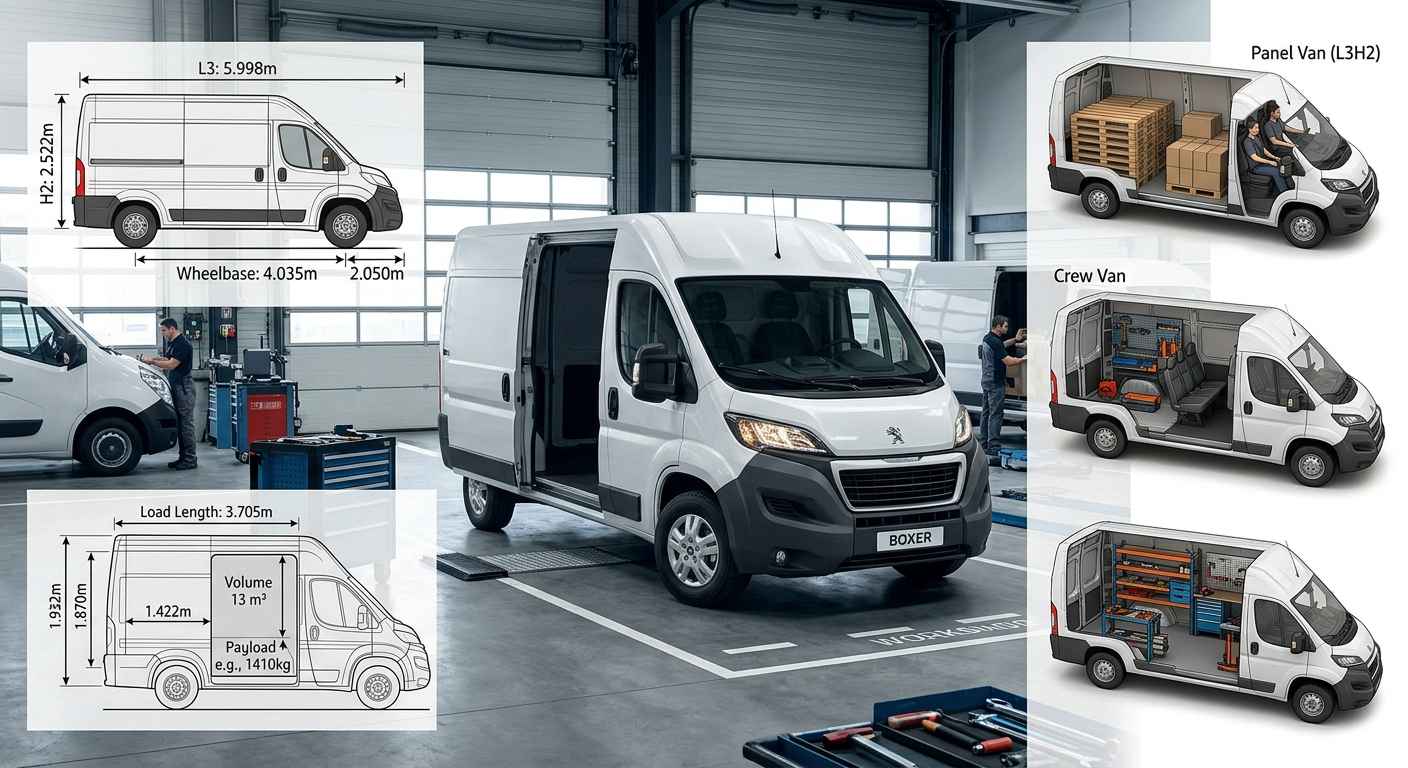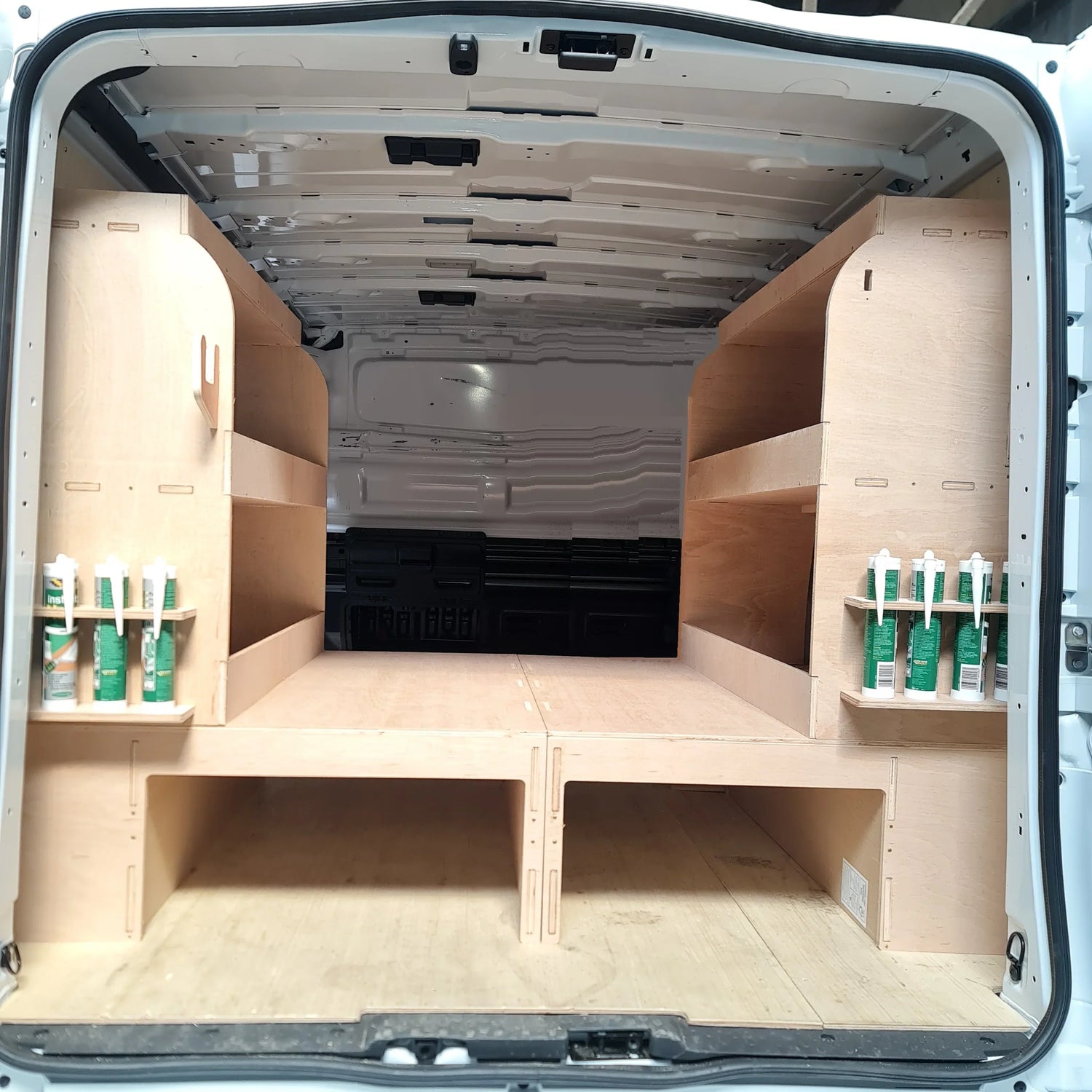



A Vito can be a compact, tidy mobile workshop or a van that constantly runs out of usable space. The difference usually comes down to planning around the real Vito interior dimensions, not just the overall length printed in a brochure. Before choosing shelving, a false floor or tool storage, you need to know which body length you have, what sits between the wheel arches and how you load the van each day.
For most trades, the key measurements are not only load volume. Floor length determines whether long materials fit securely, internal width affects how much rack space is available, and door apertures decide whether bulky kit can be loaded without a struggle.
Mercedes Vito interior dimensions at a glance
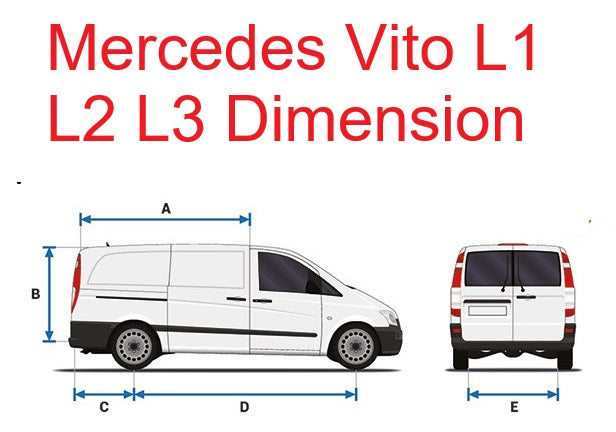
The figures below apply broadly to the current-generation Mercedes-Benz Vito panel van range. Exact dimensions can vary slightly by model year, trim, bulkhead arrangement, rear-door or tailgate option, and factory equipment. Always measure your own load area before ordering a vehicle-specific storage system.
| Measurement | Compact | Long | Extra-Long |
|---|---:|---:|---:|
| Approximate load length | 2,586 mm | 2,831 mm | 3,061 mm |
| Maximum internal width | 1,709 mm | 1,709 mm | 1,709 mm |
| Width between wheel arches | 1,270 mm | 1,270 mm | 1,270 mm |
| Approximate internal height | 1,391 mm | 1,391 mm | 1,391 mm |
| Approximate load volume | 5.5 m³ | 6.0 m³ | 6.6 m³ |
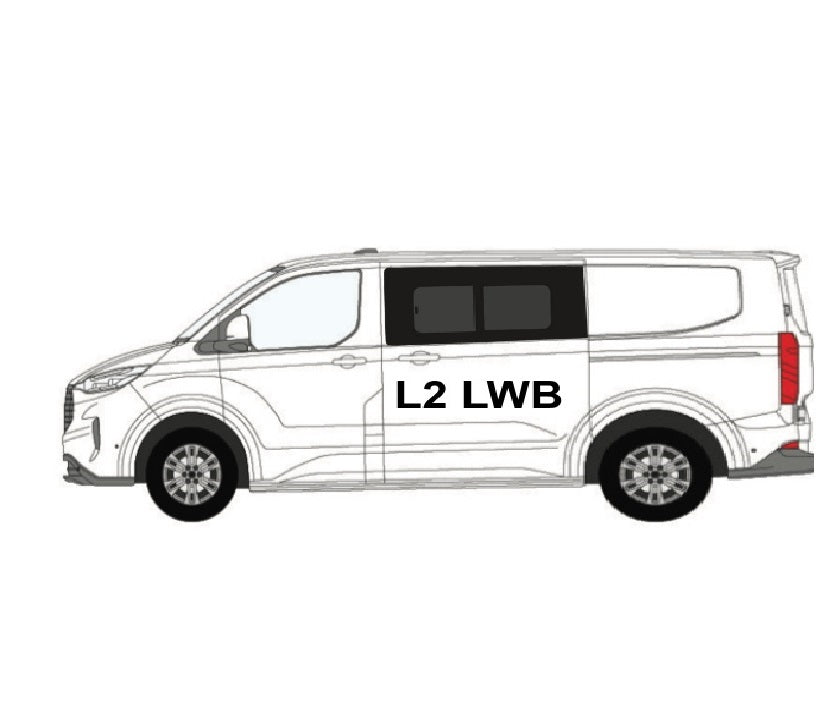
The most useful starting point is the floor length. A Compact Vito can work very well for service engineers, electricians and maintenance work where tools, fittings and consumables matter more than carrying long stock. The Long and Extra-Long versions give more room for pipe, trunking, boards and organised shelf runs without forcing every item into the front of the load area.
The internal width remains broadly the same across the three body lengths. That means choosing a longer Vito gives you more length to work with, rather than a wider working bay. If your daily load is dominated by boxes, cases and drawers, this is often exactly what you need. If you regularly carry sheet material, the 1,270 mm gap between wheel arches is the measurement that matters most.
What the Vito load length means in practice
Load length is measured from the bulkhead to the rear threshold. It is a valuable figure, but it should not be treated as the only available length. The rear of the van, the shape of the bulkhead, flooring thickness and the way tools are restrained can all reduce the space you can use comfortably.
A Compact Vito with around 2.59 metres of floor length is usually enough for standard tool cases, cable drums, fixings boxes, small machines and trade shelving. It is a sensible choice where access and parking matter, particularly for engineers making several calls a day.
The Long model adds roughly 245 mm. That may not sound dramatic on paper, but it can make a practical difference. It can create room for a full-length shelving bay while leaving a clear central walkway, or allow longer materials to lie flat rather than being balanced diagonally across the floor.
The Extra-Long Vito brings the load floor to just over three metres. For joiners, builders, installers and contractors who routinely carry long sections, this extra length can reduce the need to stack materials on top of tools. The trade-off is a larger vehicle to manoeuvre and park, so it is worth matching the body length to the jobs you actually carry out rather than simply choosing the biggest available van.
Long items need a proper plan
If you carry conduit, timber, copper pipe, trunking or long-handled equipment, measure the item with any protective end caps or cases fitted. Do not assume a stated load length means every item will fit flat and clear of the rear doors.
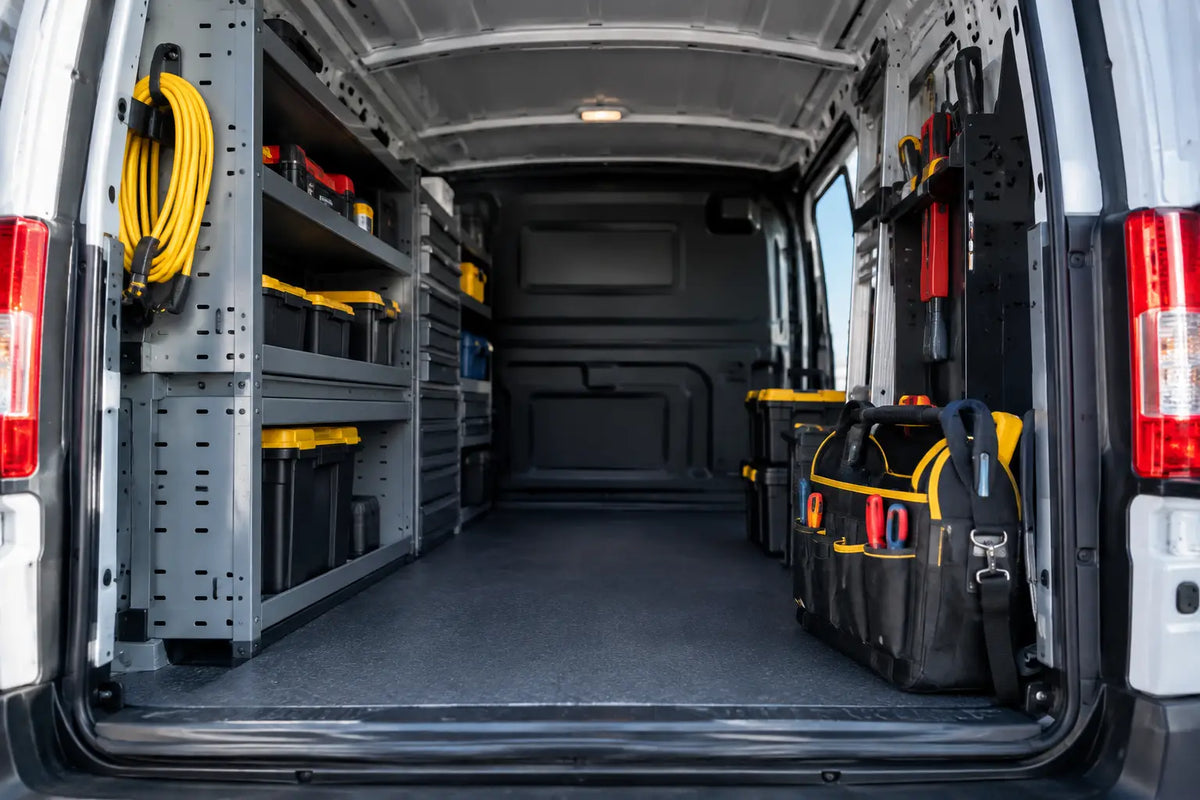
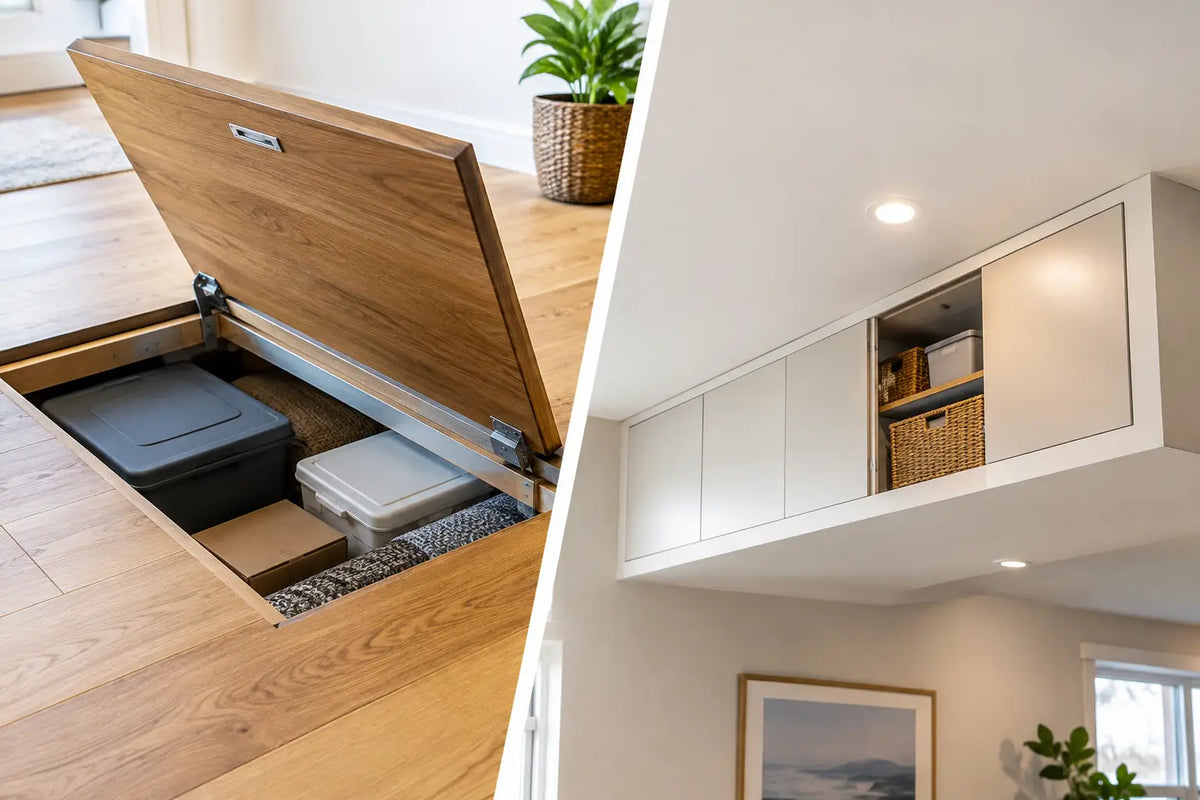
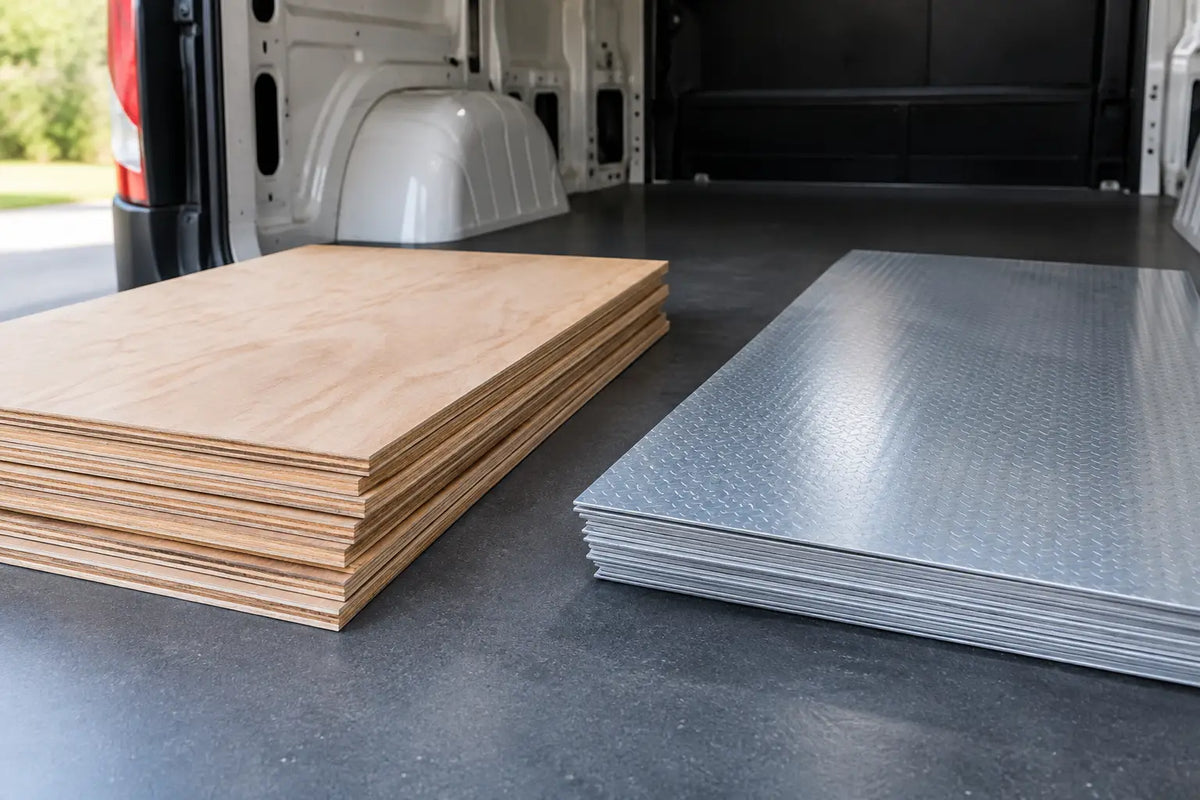
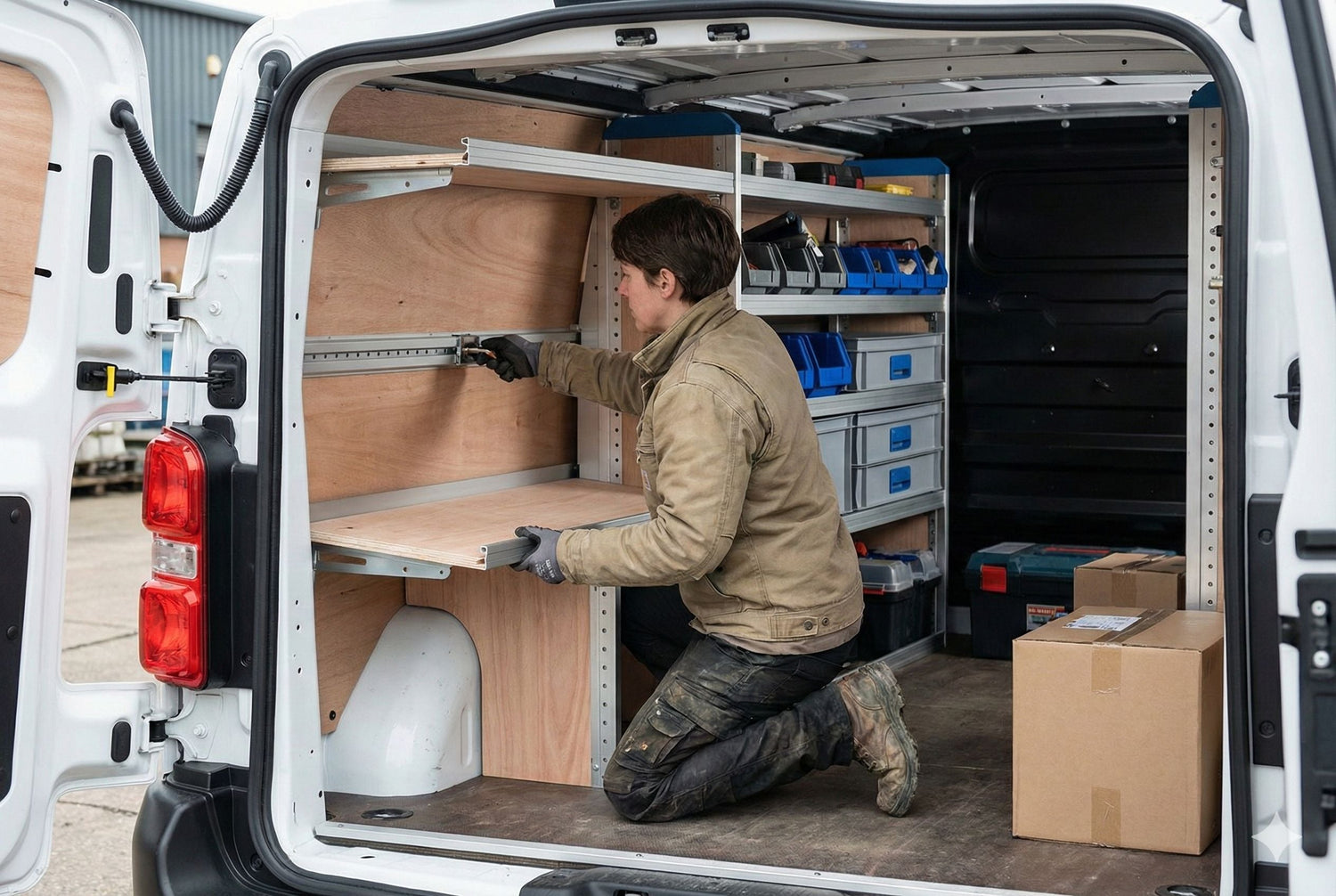
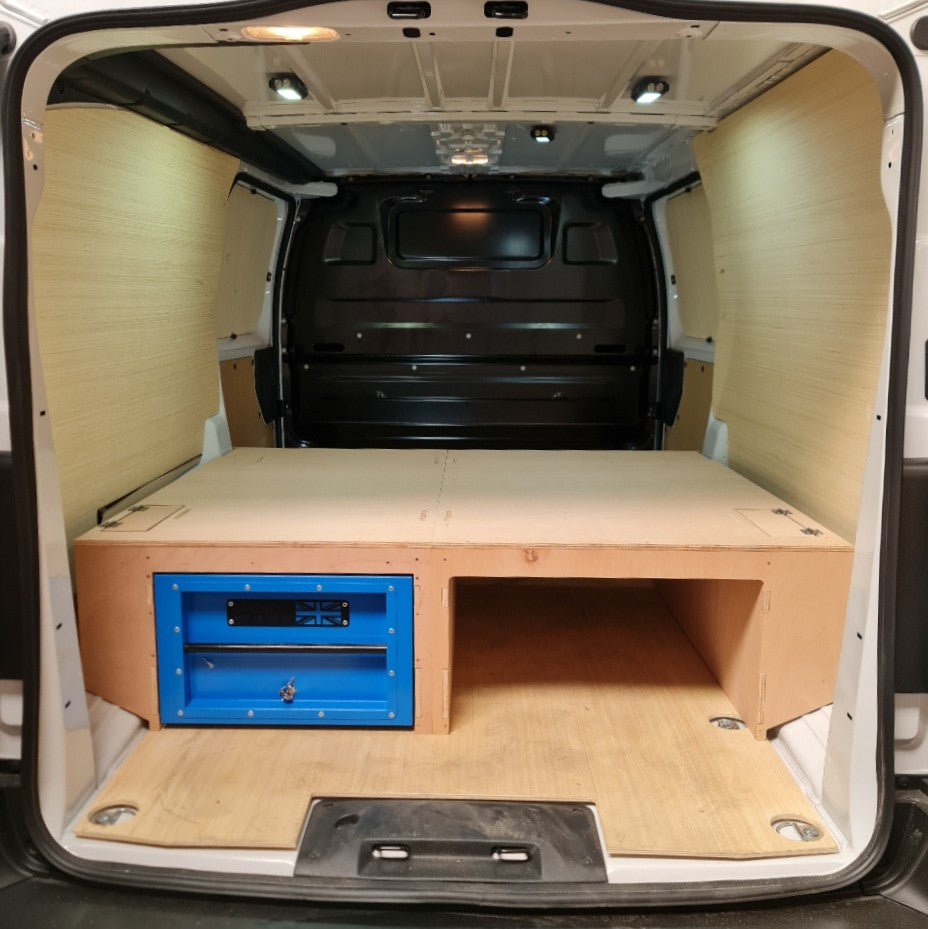
A false floor can help create a dedicated channel for long, flat stock, while shelving can keep hand tools and consumables above it. This separates the items you use every day from the materials that stay in the van until needed. It also makes a safer, cleaner working space than loose equipment piled along one side.
Width between wheel arches: the measurement that catches people out
The Vito’s maximum internal width is around 1,709 mm, but the wheel arches narrow the usable floor to around 1,270 mm. That distinction matters when deciding how to arrange racking and what can sit on the floor.
For example, many standard boards are wider than the space between the arches. They may still fit higher up in the load area or at an angle, but they will not lie flat between the arches. If sheet goods are a regular part of your workload, check the dimensions of the exact material you carry and plan a secure restraint method before loading.
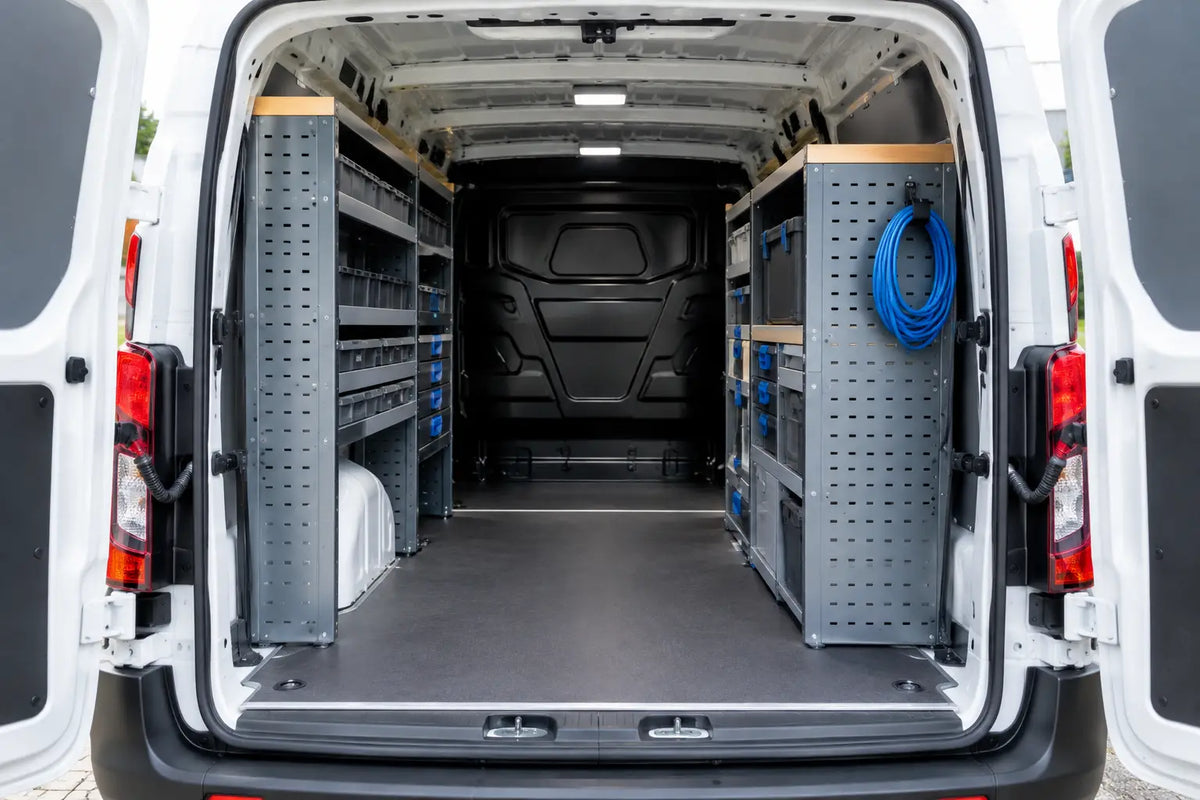
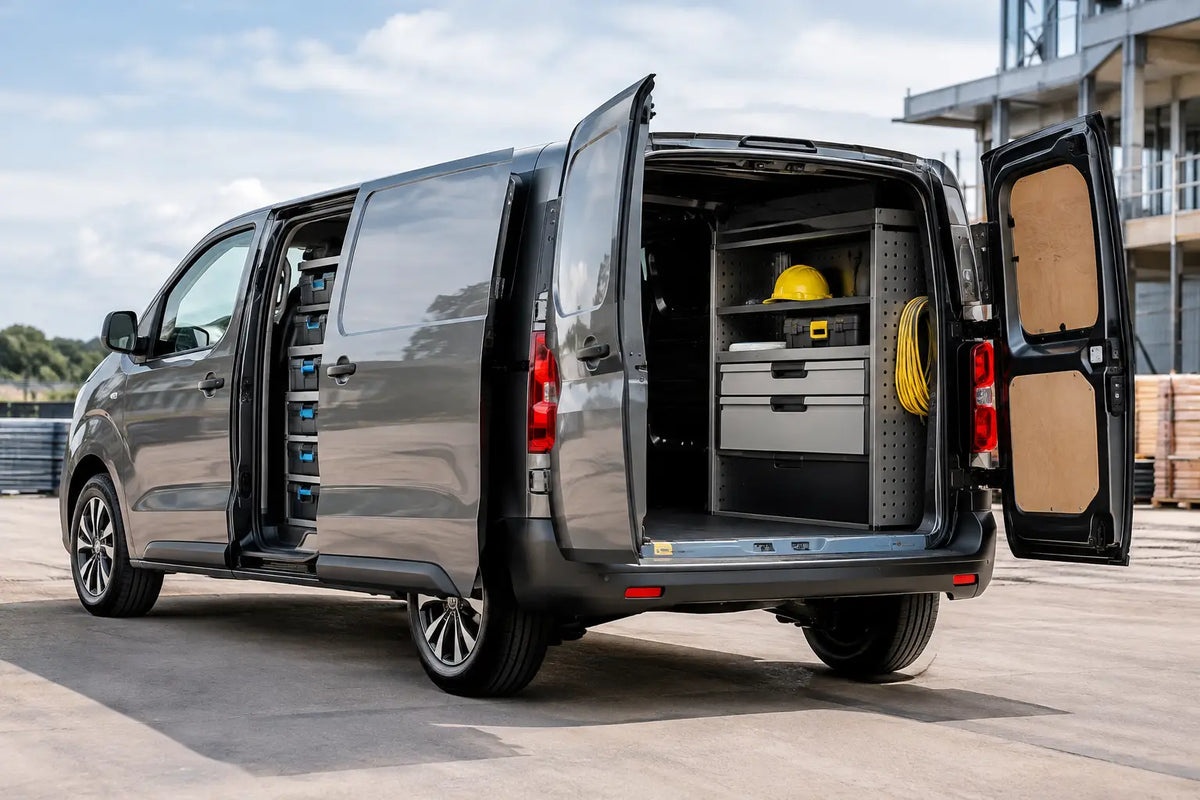
For most mobile workshops, the wheel arches are not a problem. A shelf unit on one side or racking on both sides can make excellent use of the full-width area above them. The centre floor then remains clear for larger cases, generators, vacuums or deliveries.
Do not treat every empty gap as storage space. You still need enough room to stand at the rear doors, remove boxes safely and reach the bottom shelf without climbing over equipment. A slightly less crowded layout often saves more time over a working week than squeezing in one additional crate.
Interior height and shelving choices
At roughly 1,391 mm high, a Vito panel van offers useful vertical space, but it is not a high-roof van. Tall shelving may hold more stock, yet the top levels can become awkward to access, especially when wearing work boots or loading from the ground.
The best layout is usually based on what you reach for most. Put frequently used fixings, sealants, hand tools and test equipment between waist and shoulder height. Keep heavier machines, batteries and larger boxes low down, where they are easier to lift and less likely to move around. Reserve the highest space for lightweight items that are only needed occasionally.
A false floor also changes the effective internal height. It may only take away a small amount of headroom, but that can affect tall tool cases, stacked boxes and racking proportions. Measure from the finished floor surface, not the bare metal van floor, when assessing your final layout.
Door openings and loading access
The rear doors are the main loading point for many Vito owners. Depending on the specification, the rear opening is approximately 1,260 mm wide and around 1,250 mm high. The side loading door gives another practical access point for tools stored near the front of the load bay.
Door aperture measurements are especially useful if you carry bulky equipment. A machine might fit inside the load area but still be difficult to get through the opening. Check the height and width of the object at its widest point, including handles, wheels and packaging.
Rear-door configuration also affects how you work. Twin rear doors can be useful where you load in tight spaces, while a tailgate provides overhead cover when working at the back of the van. Neither option changes the basic need for clear access to essential kit. Avoid placing a fixed unit where it blocks the route to a tool you need several times a day.
Choosing storage around your Vito model
A Vito Crew Van or Tourer is not the same as a full panel van. Rear seats, trims and glazing can reduce usable load length or alter where storage can be fitted. Older Vito generations also have different body dimensions, so a product described for a current Vito should not be assumed to suit every year or version.
Start by confirming the van’s body length, year and vehicle type. Then measure the clear floor length, wheel-arch gap, height to the roof lining and any obstructions such as bulkheads, tie-down points or factory panels. These checks take a few minutes and help avoid ordering storage that does not suit your actual working area.
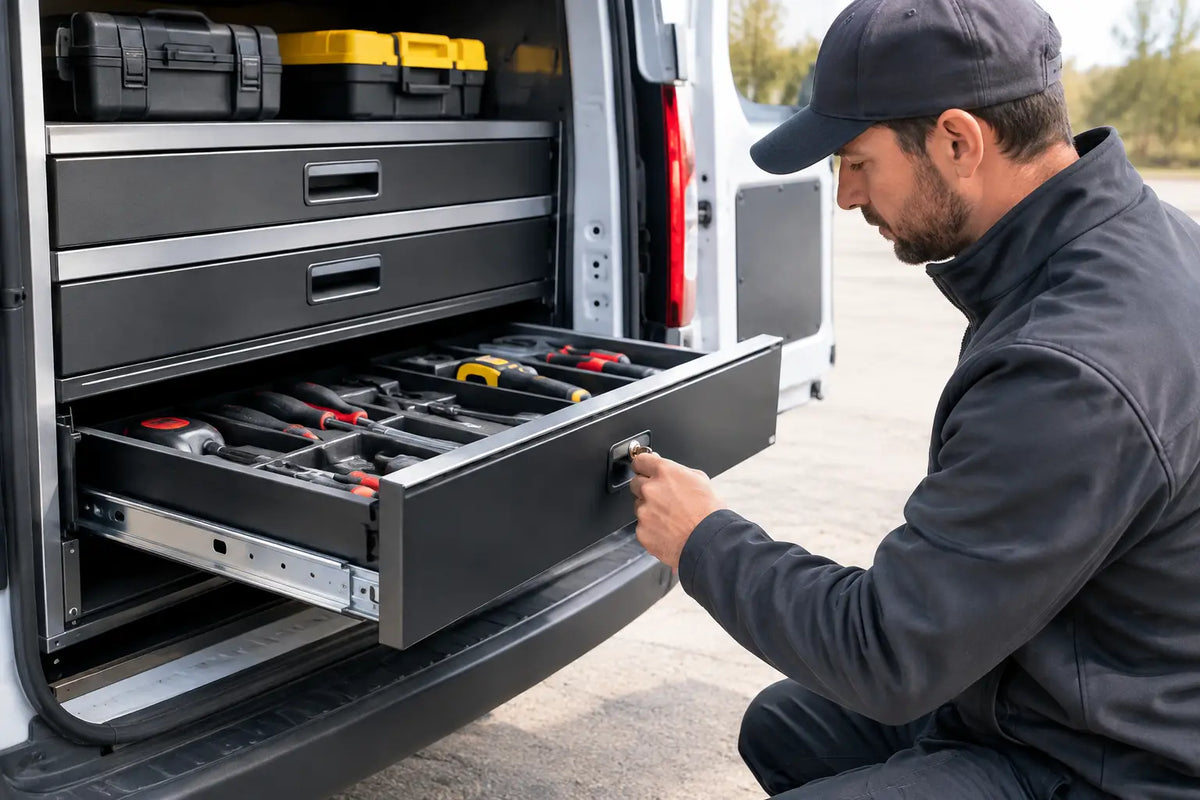
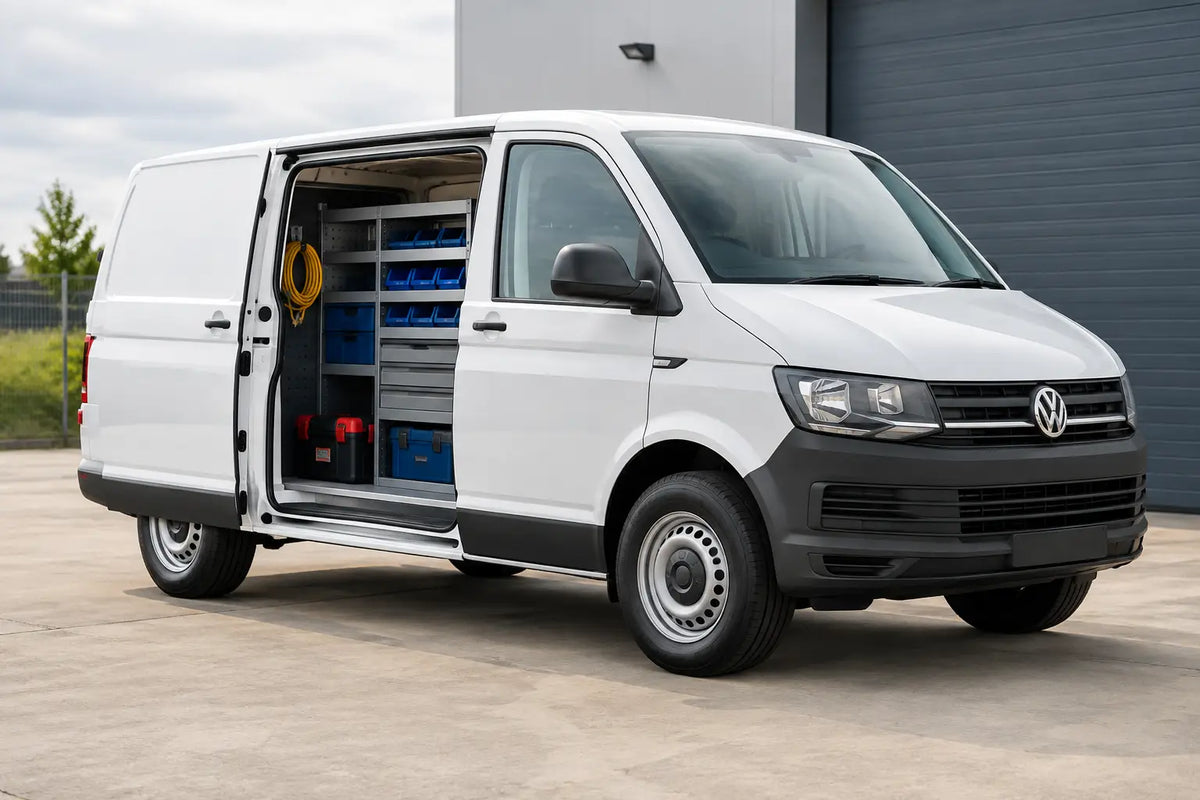
When selecting model-specific Vito shelving from CNC Work, consider the work flow as well as the available space. An electrician may need accessible organisers for fittings and cable accessories. A plumber may prioritise clear floor space for boxes and longer stock. A maintenance engineer might benefit most from shelves, drawers and holders that stop small parts disappearing into the back of the van.
The right Vito setup is not the one with every inch filled. It is the one that lets you open the doors, find the required tool, load the next job and get moving without wasting ten minutes searching through loose kit.