









Inspecting Tyre Condition: Why You Shouldn't Ignore Cracked Tyres
Modern tyres typically last at least 20,000 miles before needing replacement, which may lead you to think they don’t require regular attention. You might wait for a recommendation from the garage or rely on your MOT certificate. However, this could be both a costly and hazardous mistake.
As our tyre safety guide suggests, checking tyre pressures at least once a month is essential. This gives you a chance to examine your tyres for cracks, bulges, or cuts. But what exactly are cracked tyres, and how can you prevent them? Read on to find out.
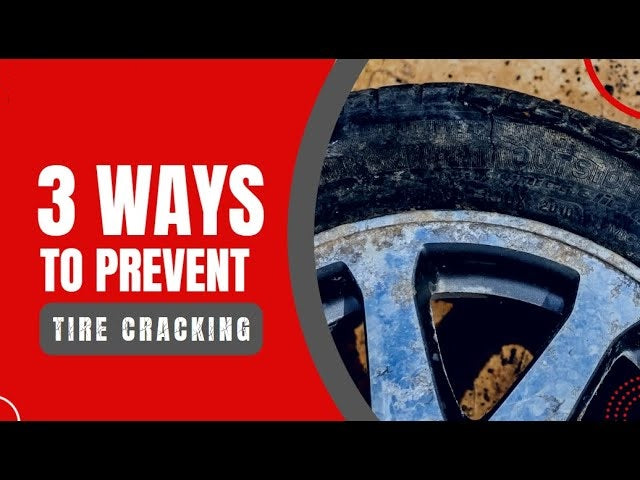
What Are Cracked Tyres?
Cracked tyres refer to those with visible fractures in the rubber surface, commonly found on the sidewalls, tread grooves, or where the tyre meets the rim.
What Causes Tyres to Crack?
Several factors can lead to cracked tyres, many of which are preventable. One of the main culprits is age, as rubber naturally breaks down over time, particularly when exposed to sunlight and fluctuating temperatures. While the ageing process is inevitable, it’s not the same as skincare, and tyres will deteriorate whether you drive regularly or not.
Tyres are at risk of cracking due to extended periods of disuse. When a vehicle is parked for a long time, the chemicals designed to keep the tyre flexible are not activated. As a result, the rubber may prematurely crack. This is one reason why checking the age of tyres is crucial when purchasing a second-hand car. On the sidewall, you'll find a code indicating the production week and year. For example, the code "3021" means the tyre was made in the 30th week of 2021. A car that has been used minimally might require new tyres, even if the tread depth appears fine.
Weather conditions also play a role. Prolonged exposure to the sun can break down the rubber, causing cracks. To avoid this, parking the car in a shaded area or garage can be beneficial. Cold weather also contributes to tyre degradation, especially when combined with frequent temperature fluctuations.
Water exposure is another concern. While tyres are waterproof, excessive contact with heavy rain or floodwater can lead to cracks. Even small cracks can let water seep into the tyre, which could cause issues with wheel alignment and braking.
Tyre pressure is another key factor in cracking. Underinflated tyres generate extra friction, while overinflated ones are more likely to bulge, both increasing the risk of a blowout. Pay attention to your car’s tyre pressure monitoring system (TPMS), which has been mandatory in new UK vehicles since 2014. Make it a habit to check tyre pressures at least once a month.

Are Cracked Tyres Dangerous?
Yes, cracked tyres can be extremely dangerous and should be replaced immediately. If cracking is caused by age, it's worth inspecting the remaining tyres as well. Tyres are typically replaced in pairs or all four at once, as the cracking is unlikely to be confined to just one tyre.
Are Cracked Tyres Illegal?
While cracked tyres are not illegal per se, they can result in an MOT failure. More importantly, driving on cracked tyres is hazardous for you, your passengers, and other road users. Don’t take the risk.
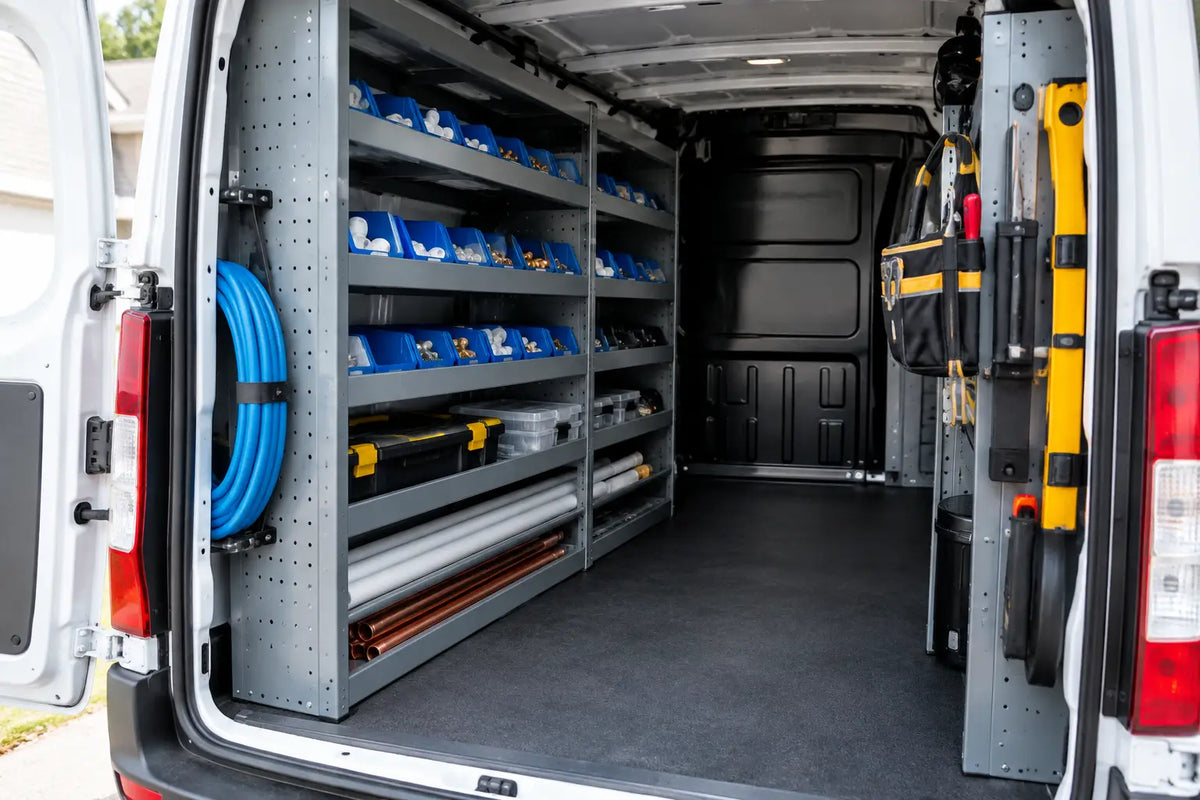
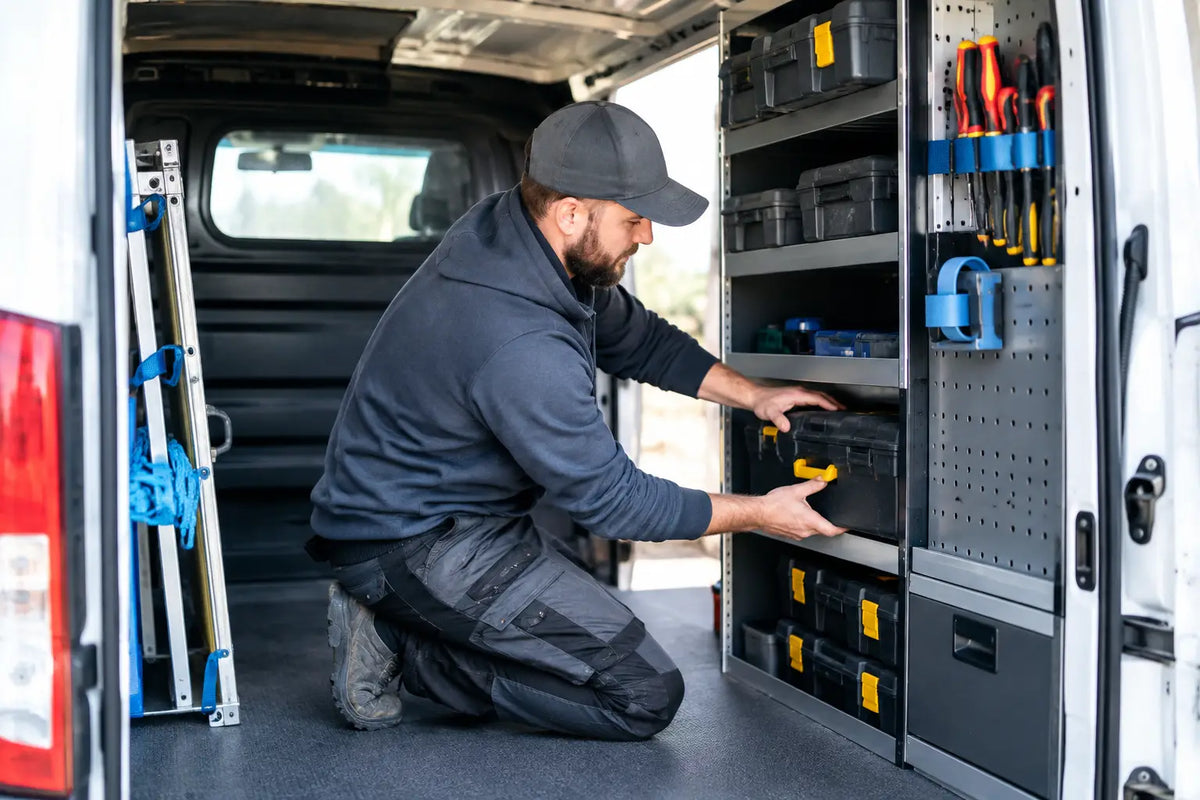
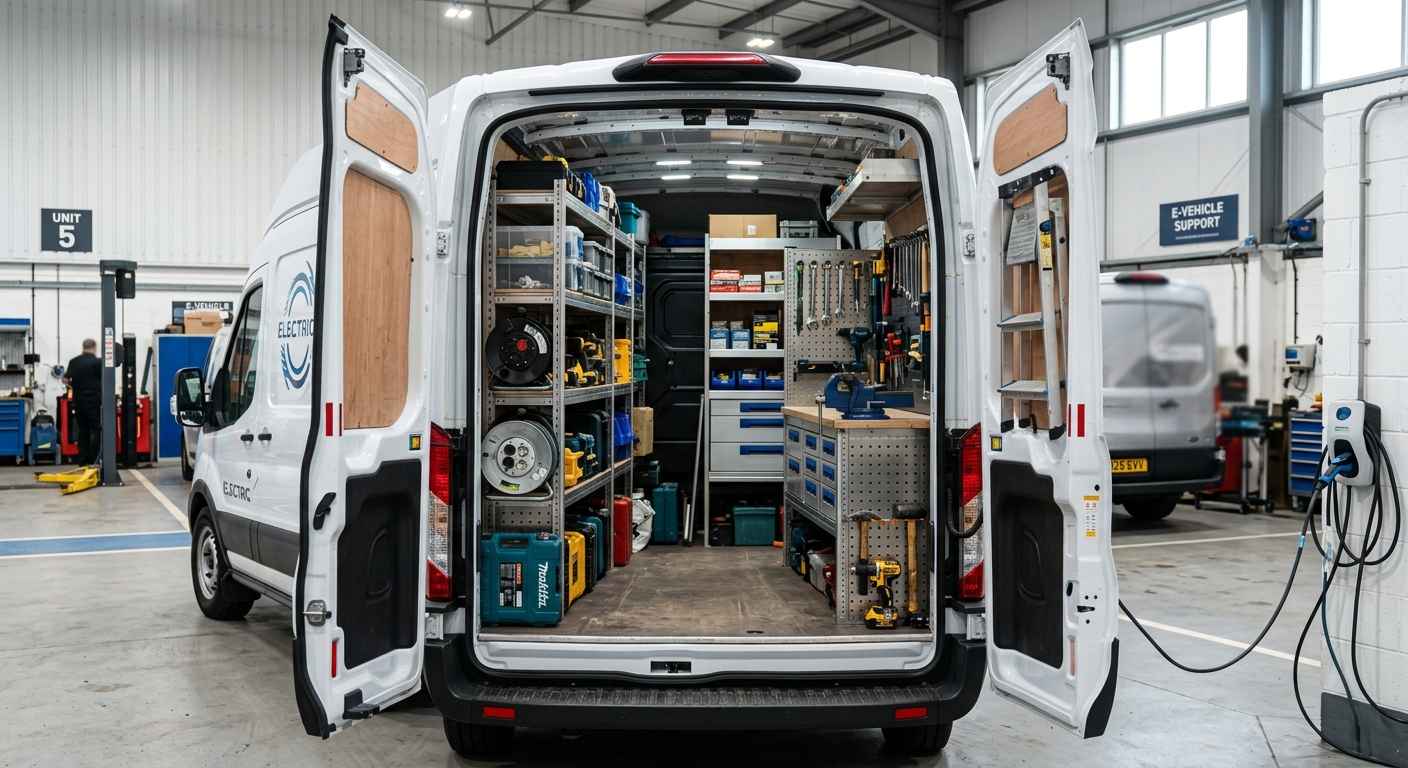
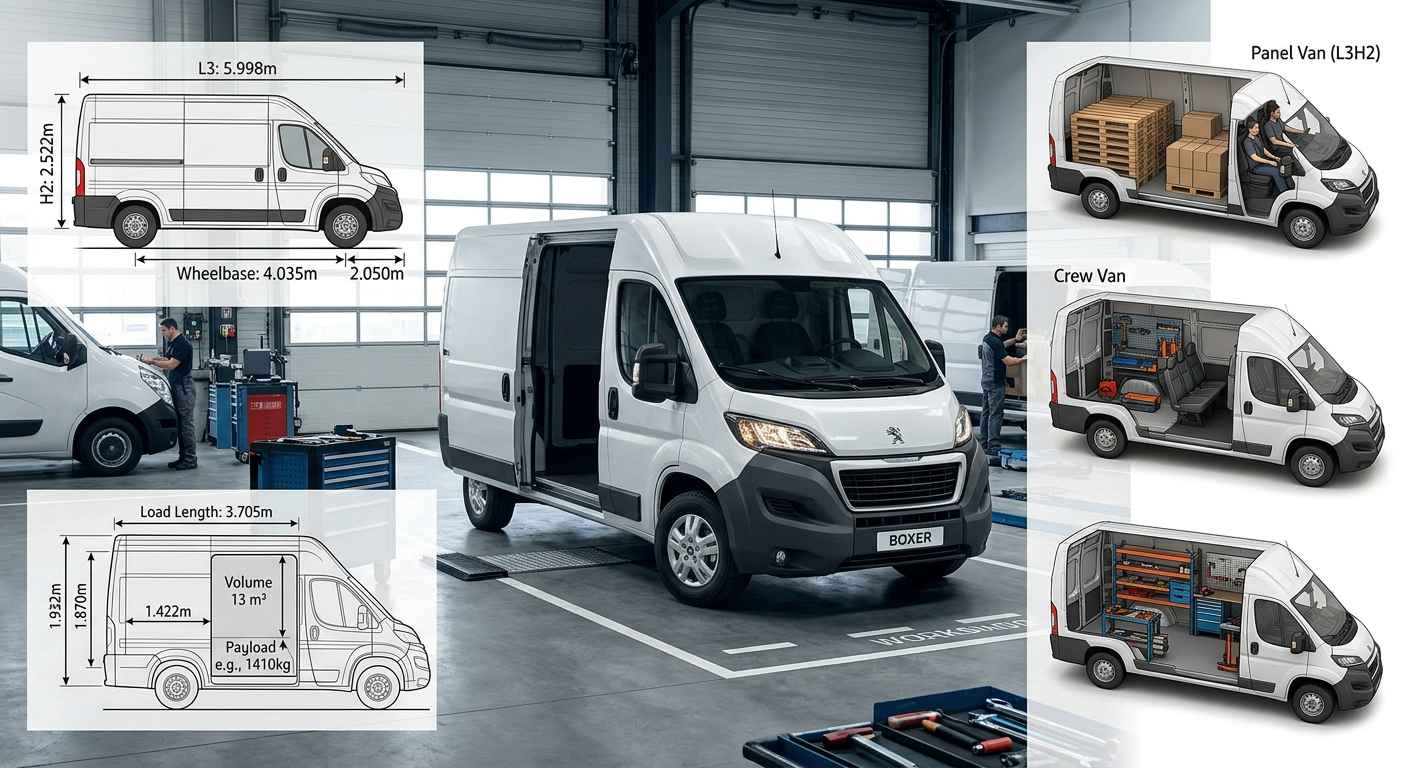
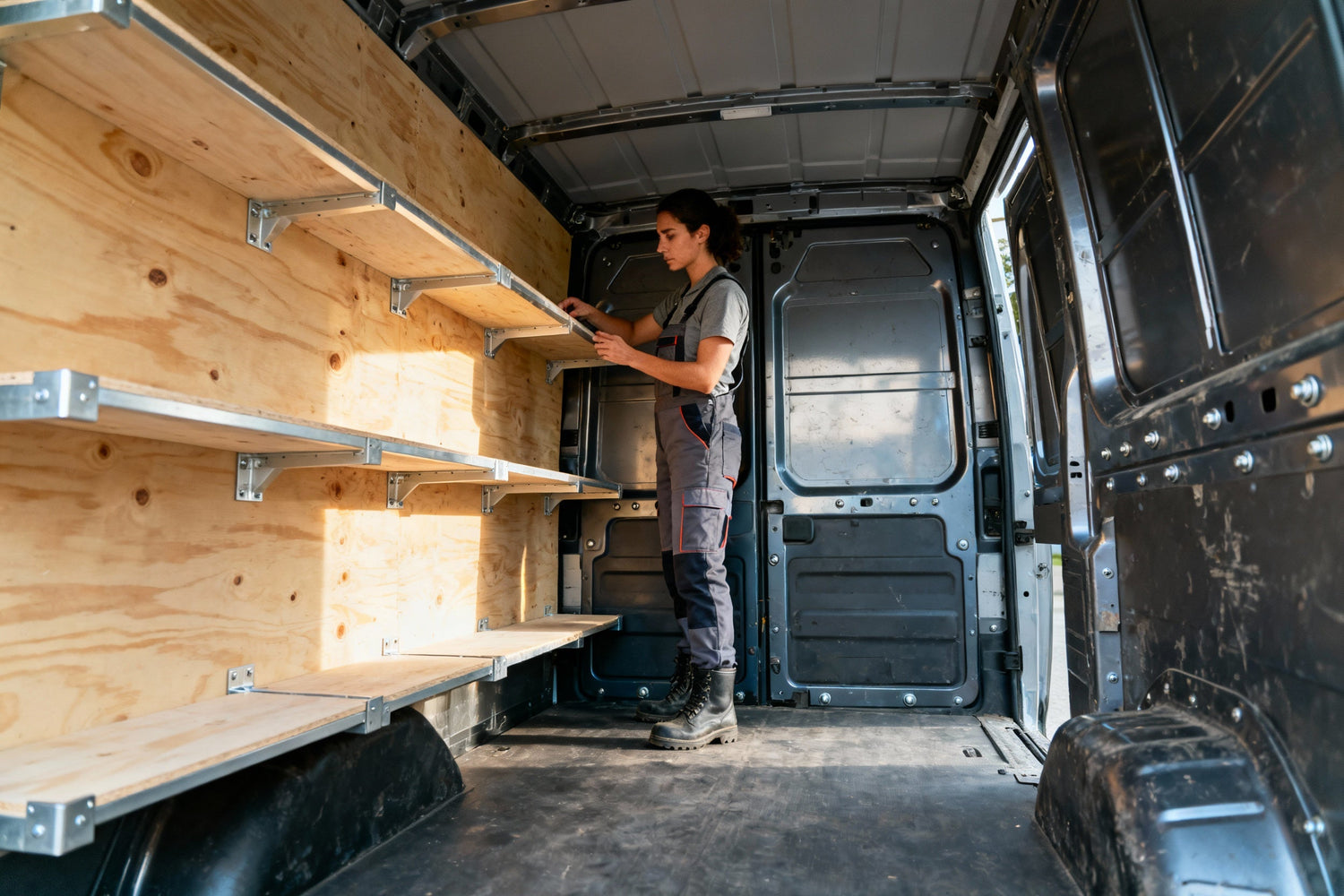
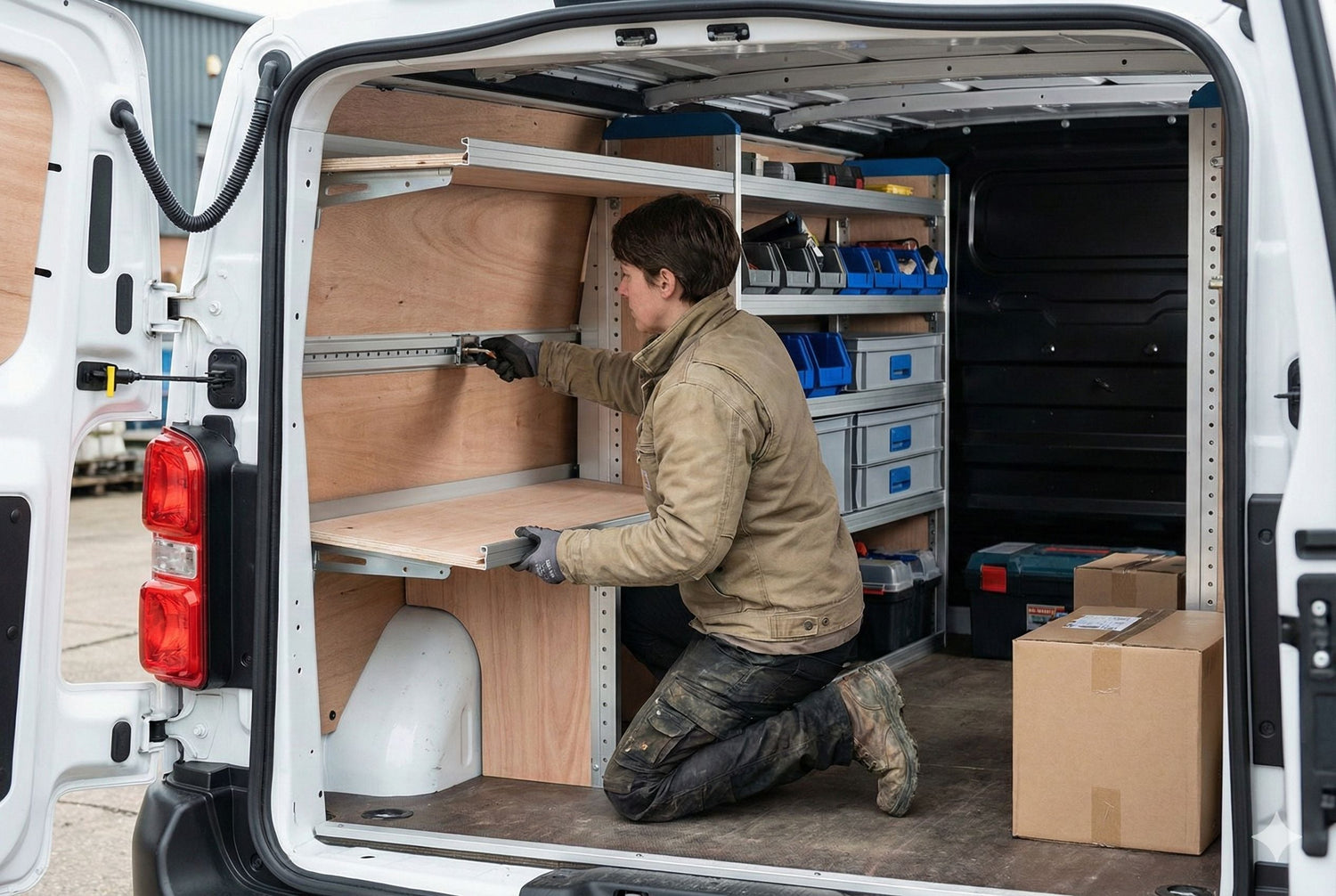
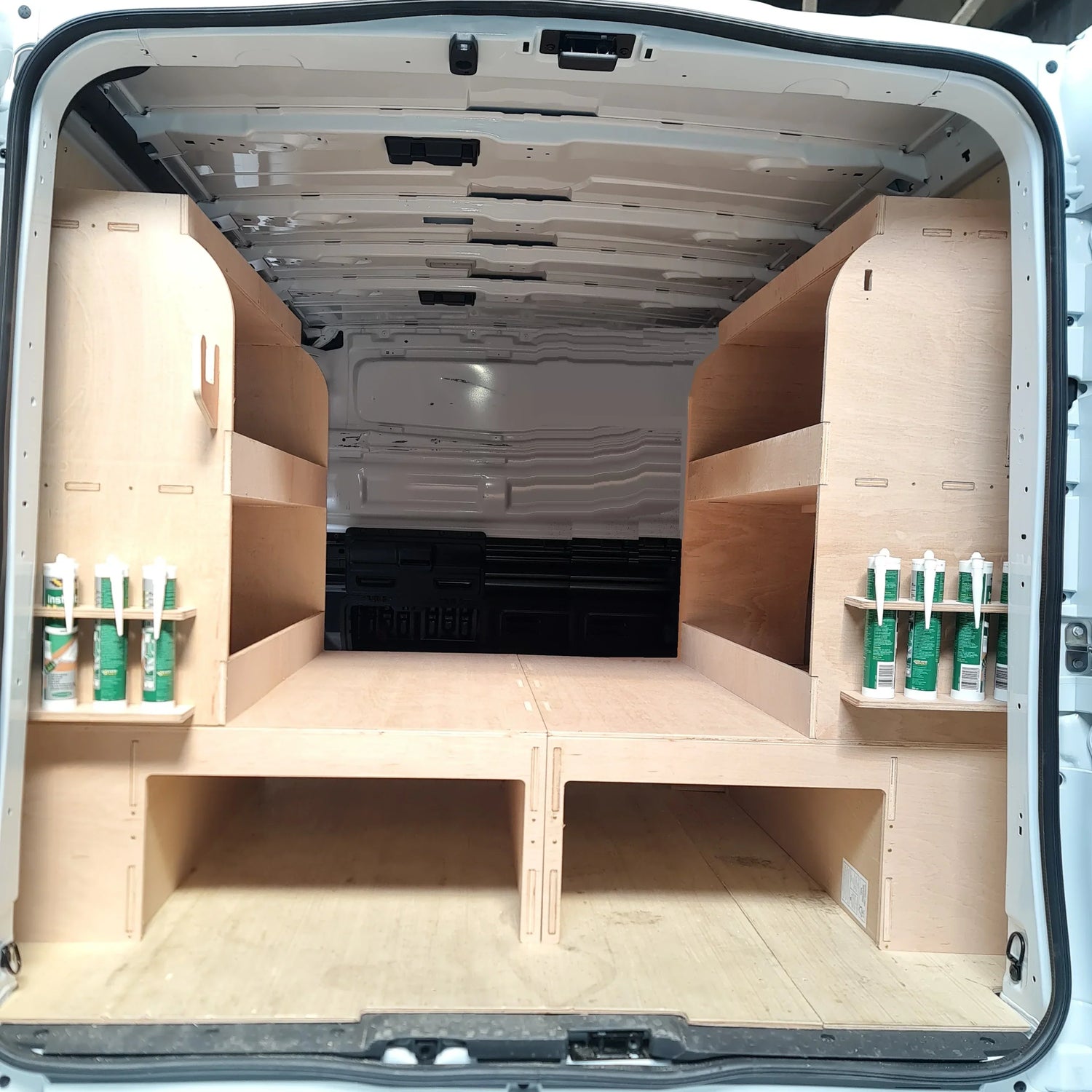
Organize Your Van Efficiently with Van Shelves Racking Systems!
If you're a van owner or operator looking to make the most out of your vehicle's space, don’t forget to check out Van Shelves for high-quality van racking systems! With the right van racking solution, you can keep your tools and cargo organized and secure, saving time and space on the road.
Visit www.Vanshelves.co.uk to explore a wide range of van racking shelves, designed to fit all types of vans and help you keep everything in order. Whether you're carrying heavy equipment or just need better organization for everyday items, Van Shelves has the right solution for you.