
Key Takeaway:
-
Understanding van sizes is essential for tradespeople to maximize efficiency, comply with legal requirements, and avoid costly mistakes when selecting a work vehicle.
-
UK vans are categorized into small, medium, and large segments, each offering distinct cargo capacities, dimensions, and payload limits suited to different trade requirements.
-
Popular models like the Ford Transit Custom, Vauxhall Vivaro, and Mercedes Sprinter dominate the UK market with proven reliability and aftermarket support.
-
Internal dimensions, particularly load length and height, directly impact your ability to transport materials, tools, and equipment—making accurate measurements critical before purchase.
-
Payload capacity often matters more than cargo volume, as exceeding weight limits can result in fines, insurance issues, and increased wear on your vehicle.
Selecting the right van sizes for your trade work can make or break your daily operations. Whether you're a plumber hauling copper pipes, an electrician carrying cable reels, or a carpenter transporting sheet materials, the dimensions and capacity of your van directly affect your productivity and profitability. This comprehensive van sizes guide breaks down everything UK tradespeople need to know about choosing the perfect work van in 2025, from interpreting a van sizes chart UK to understanding payload limits and optimizing your cargo space with proper van racking solutions.
Understanding Van Size Categories in the UK Market
The UK commercial vehicle market divides vans into three primary size categories, each serving distinct professional requirements. Small vans, often called compact or city vans, include models like the Ford Transit Connect, Vauxhall Combo, and Citroen Berlingo. These vehicles typically offer cargo volumes between 2.0 and 4.0 cubic meters, making them ideal for mobile service technicians, locksmiths, and light delivery work. Their maneuverability in urban environments and lower running costs make them popular first choices for sole traders and small businesses.
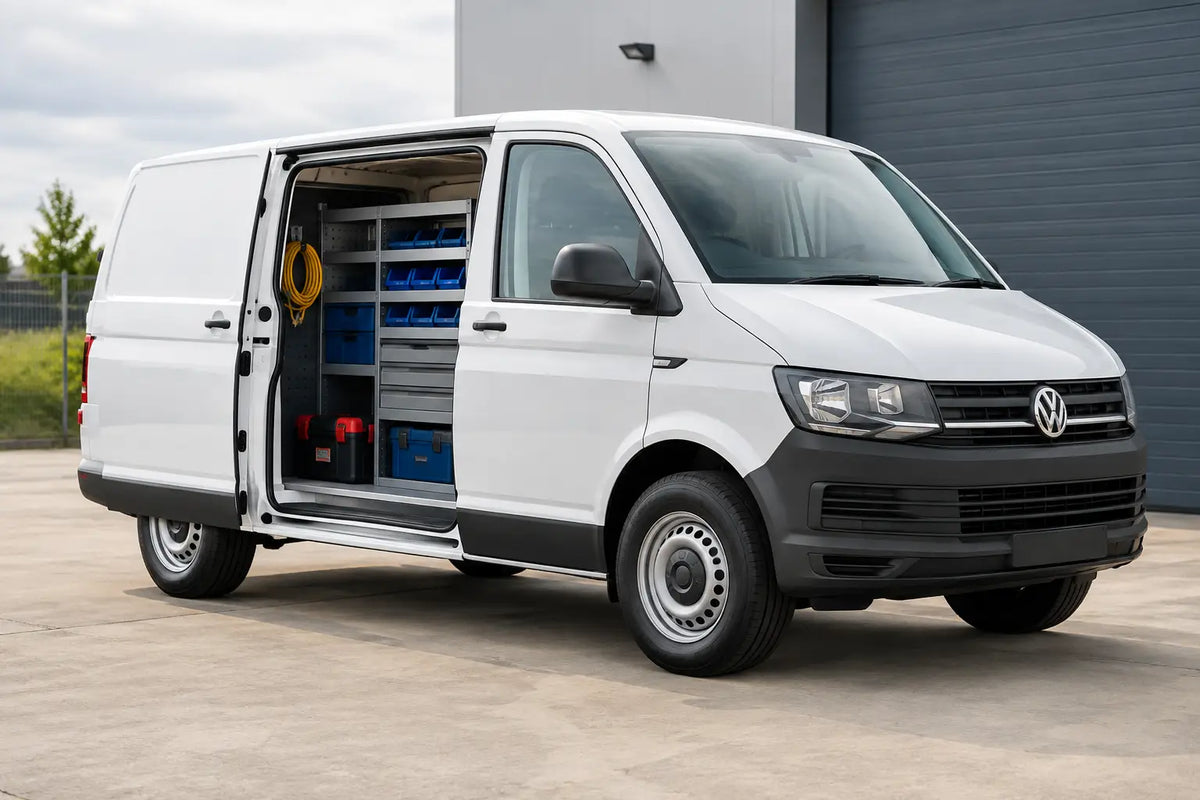
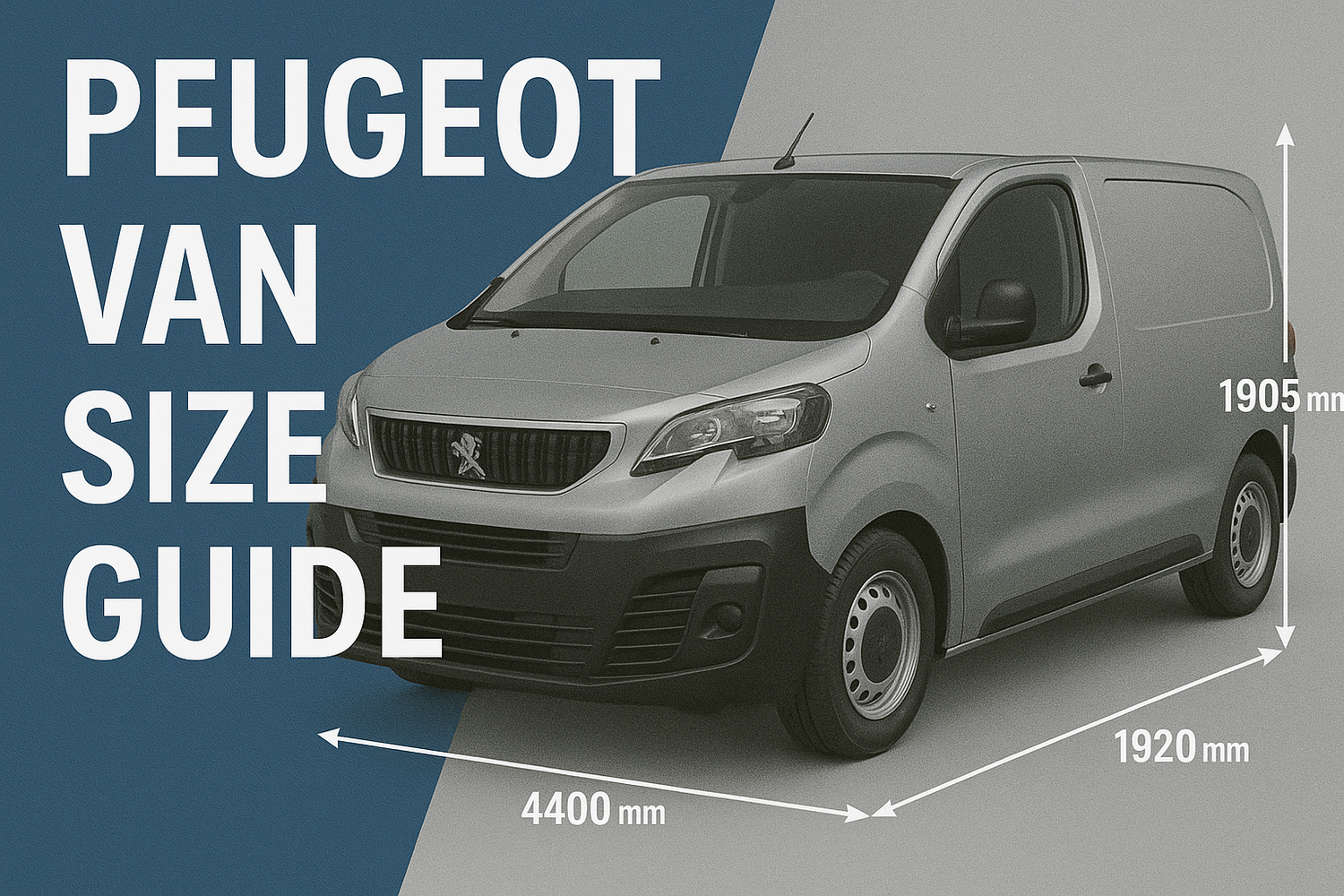
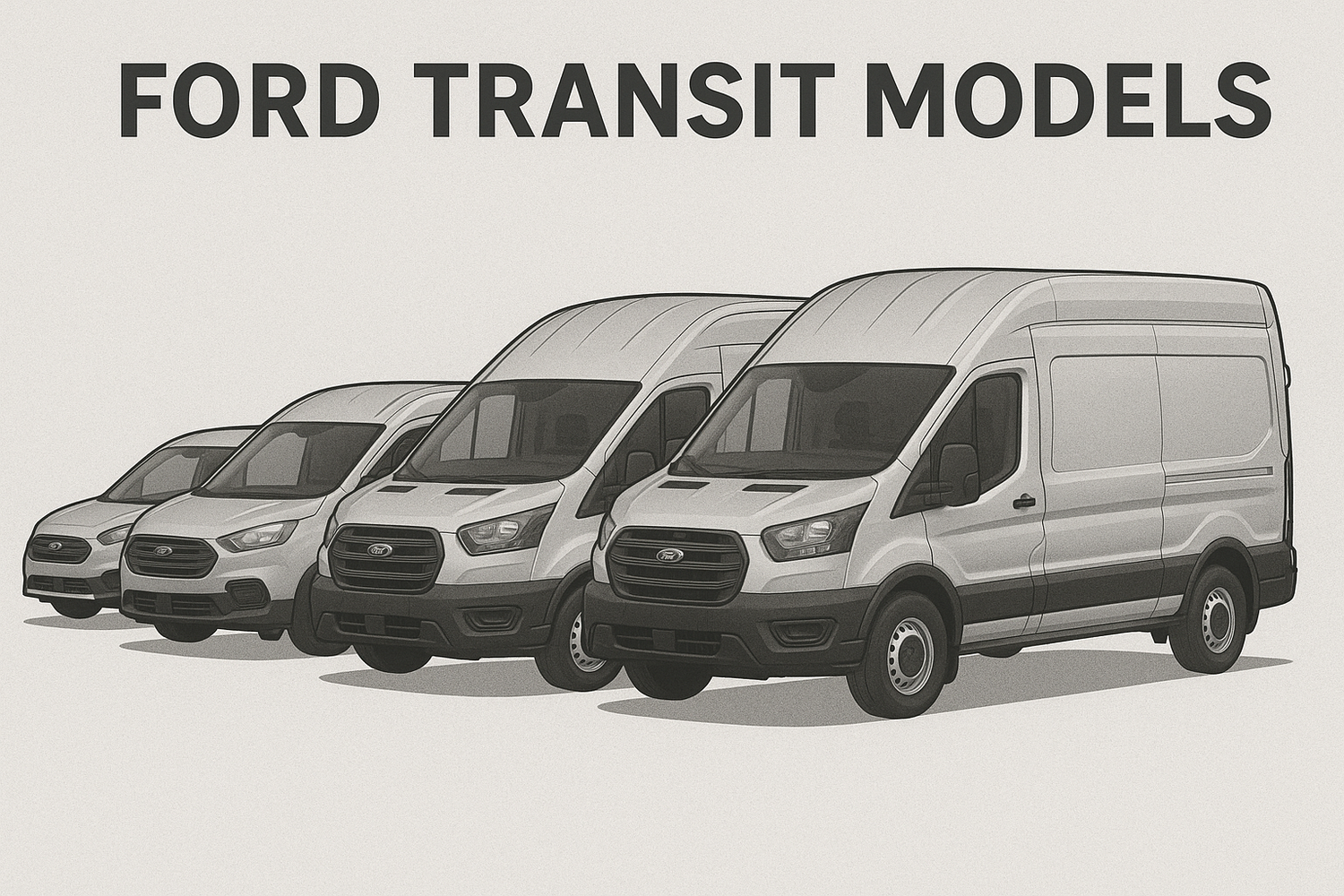
Medium vans represent the sweet spot for many UK tradespeople. The Ford Transit Custom, Renault Trafic, Peugeot Expert, and Vauxhall Vivaro dominate this segment with cargo capacities ranging from 5.0 to 8.0 cubic meters. These vans strike an excellent balance between cargo space and drivability, fitting standard UK parking spaces while providing sufficient room for equipment, materials, and properly organized van shelving systems. Most medium vans accommodate full sheets of plywood or plasterboard when configured with appropriate racking.
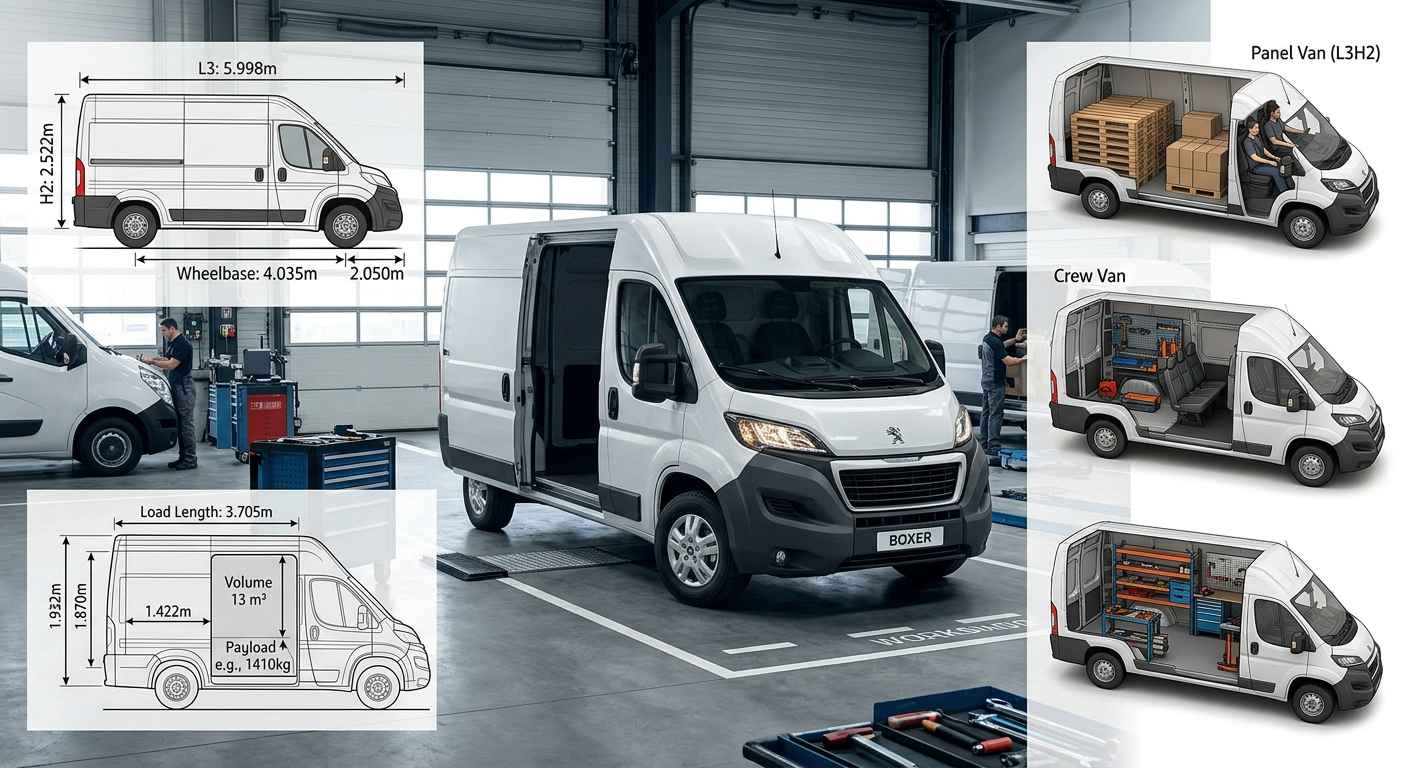
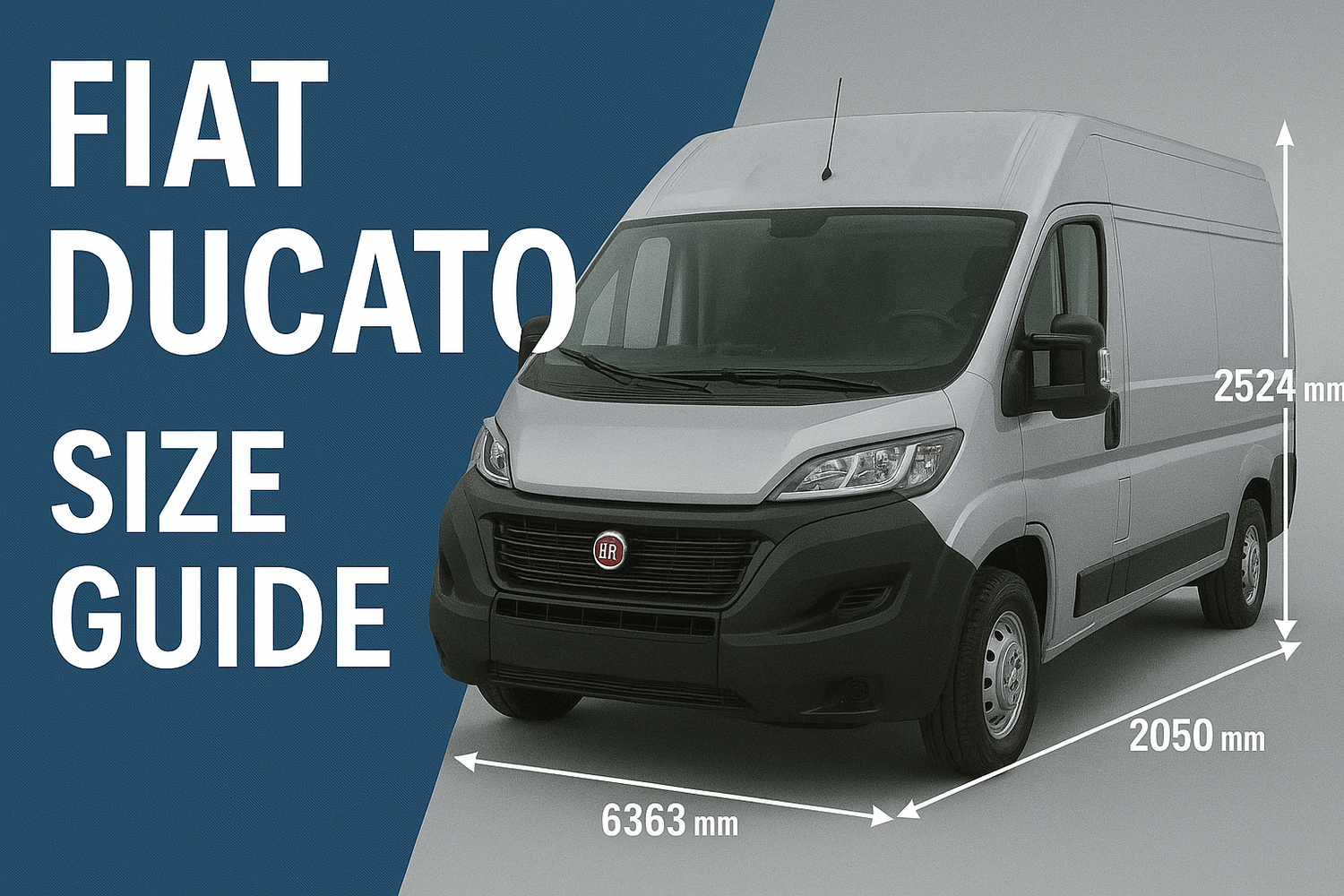
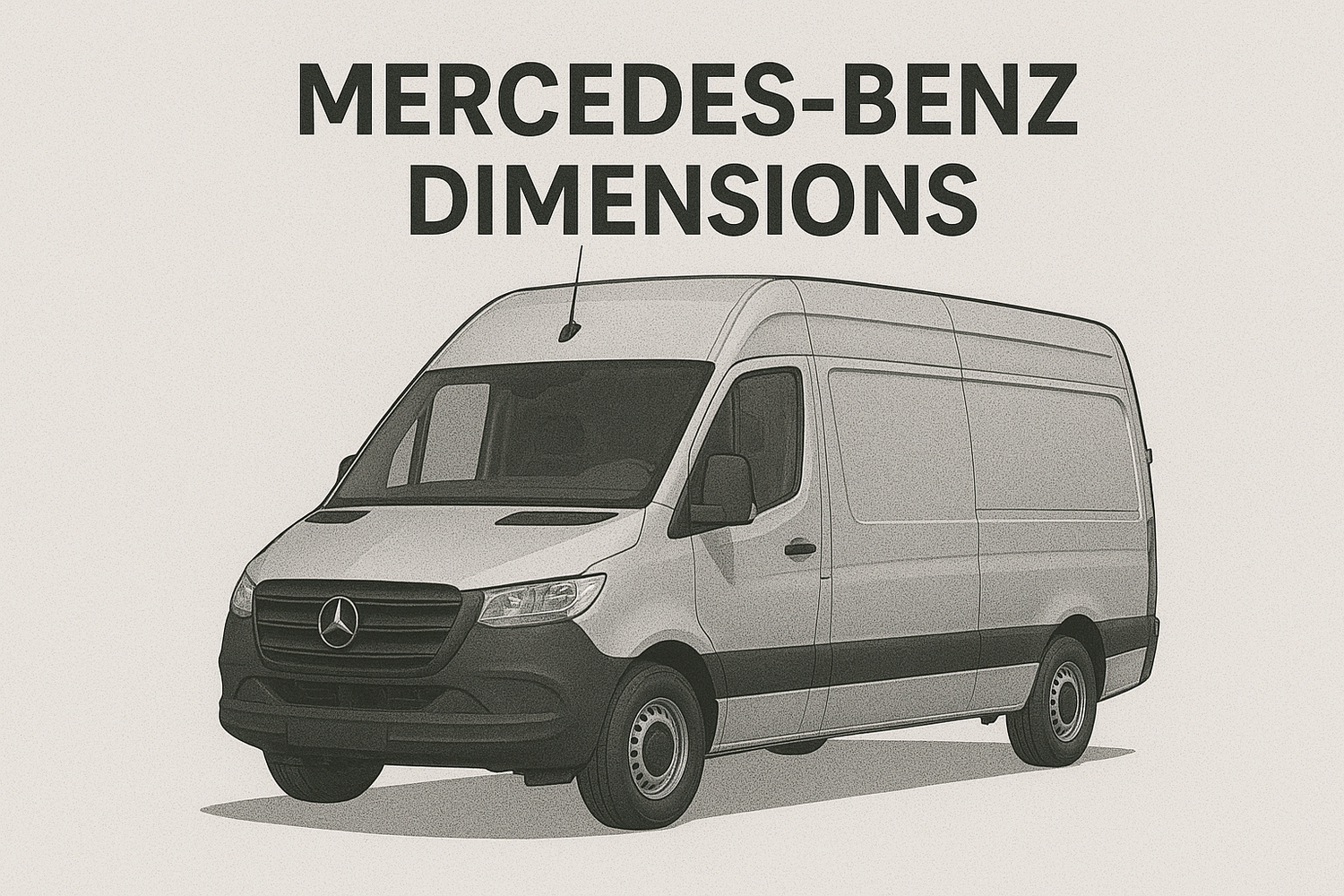
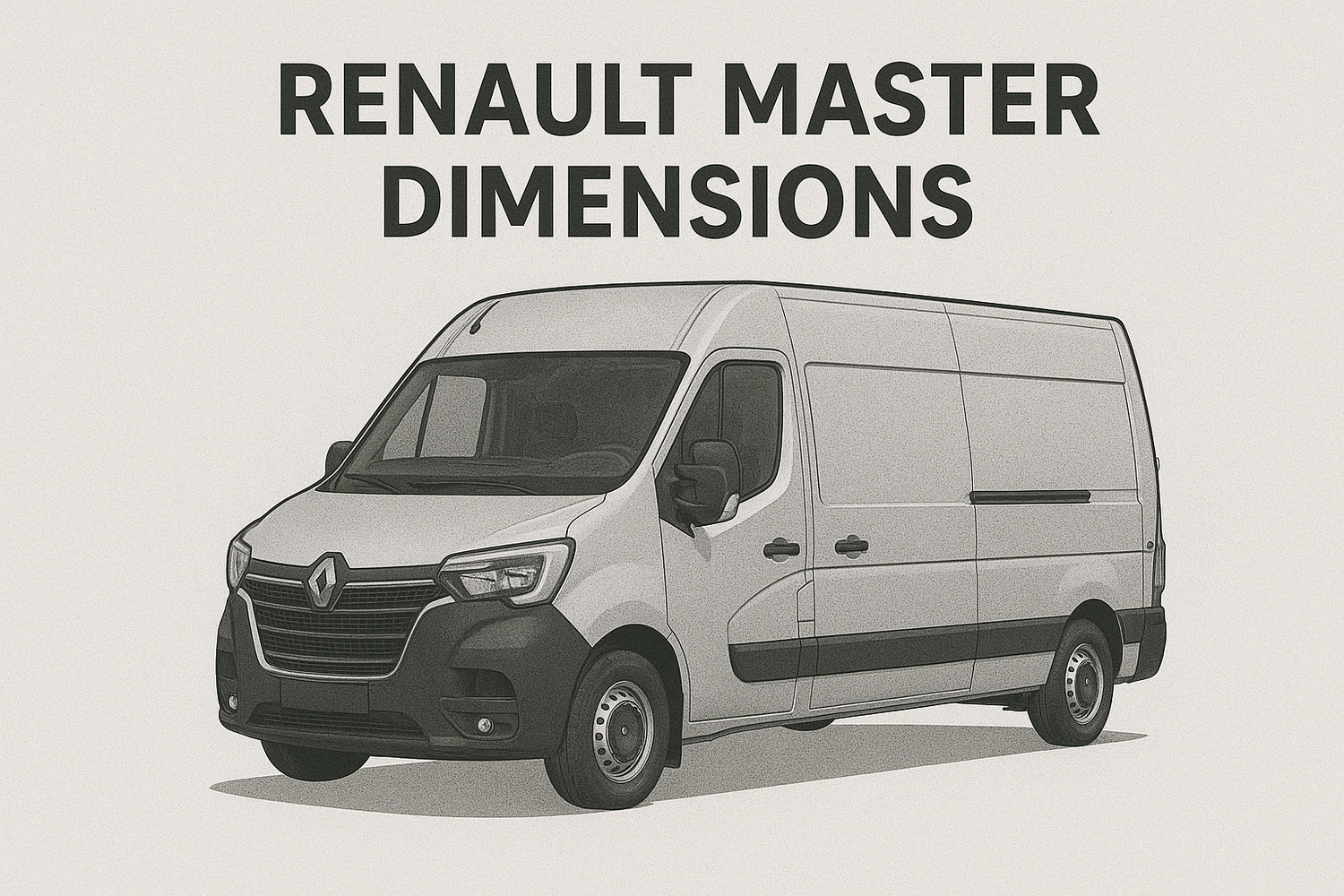
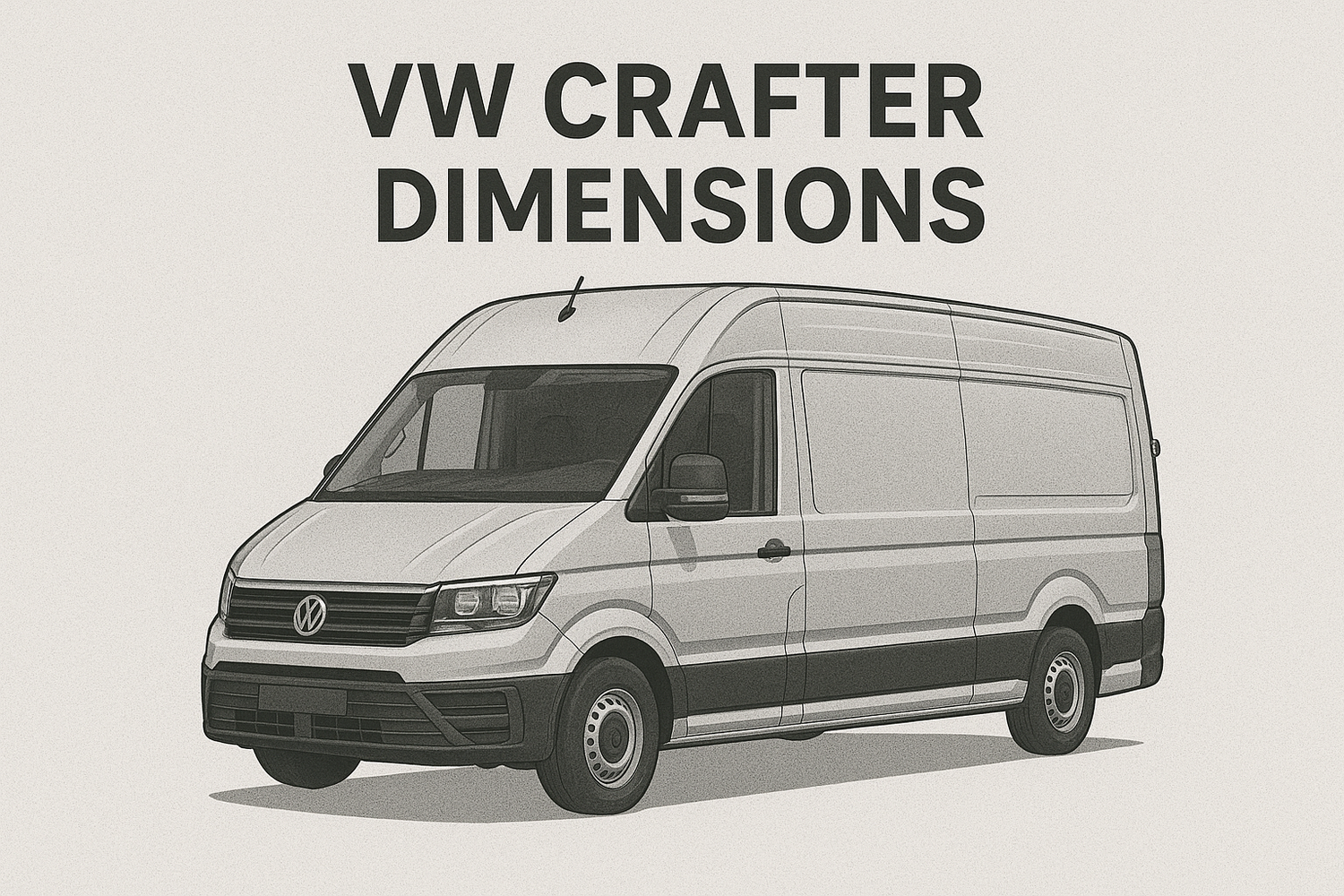
Large vans, including the Mercedes Sprinter, Ford Transit, Renault Master, and Fiat Ducato, provide cargo volumes exceeding 10.0 cubic meters in their longest configurations. These workhorses suit contractors handling bulky materials, HVAC specialists transporting ductwork, or businesses requiring mobile workshop capabilities. The VW Crafter also competes strongly in this category, offering German engineering and impressive build quality for demanding commercial applications.

Internal Dimensions: What Really Matters for Your Trade
Internal van dimensions matter far more than external measurements when evaluating van sizes for professional use. Load length determines whether you can transport long materials like copper pipes, conduit, or timber without cutting them to size. Most medium vans offer internal load lengths between 2,500mm and 3,000mm, while large vans can exceed 4,000mm in long wheelbase configurations. Understanding these measurements prevents the frustration of discovering your new van cannot accommodate standard material lengths after purchase.
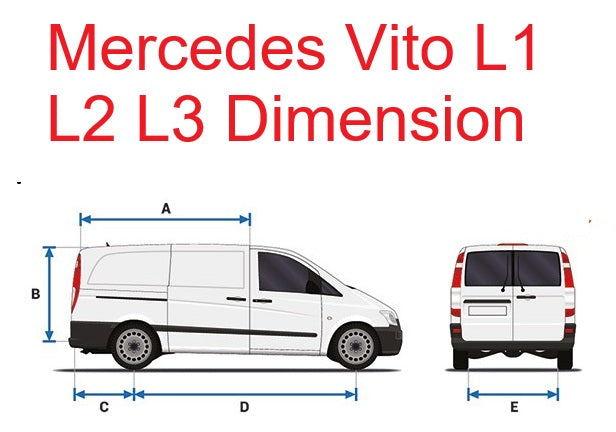
Load width presents another critical consideration, particularly at floor level and between wheel arches. The Ford Transit Custom typically provides 1,300mm between wheel arches, allowing for standard pallet loading in short wheelbase versions. The Mercedes Vito offers similar dimensions, making both excellent choices for pallet-based operations. However, tradespeople transporting sheet materials should verify that their chosen van accommodates 1,200mm wide plasterboard or plywood sheets, as some compact vans require angling these materials during loading.
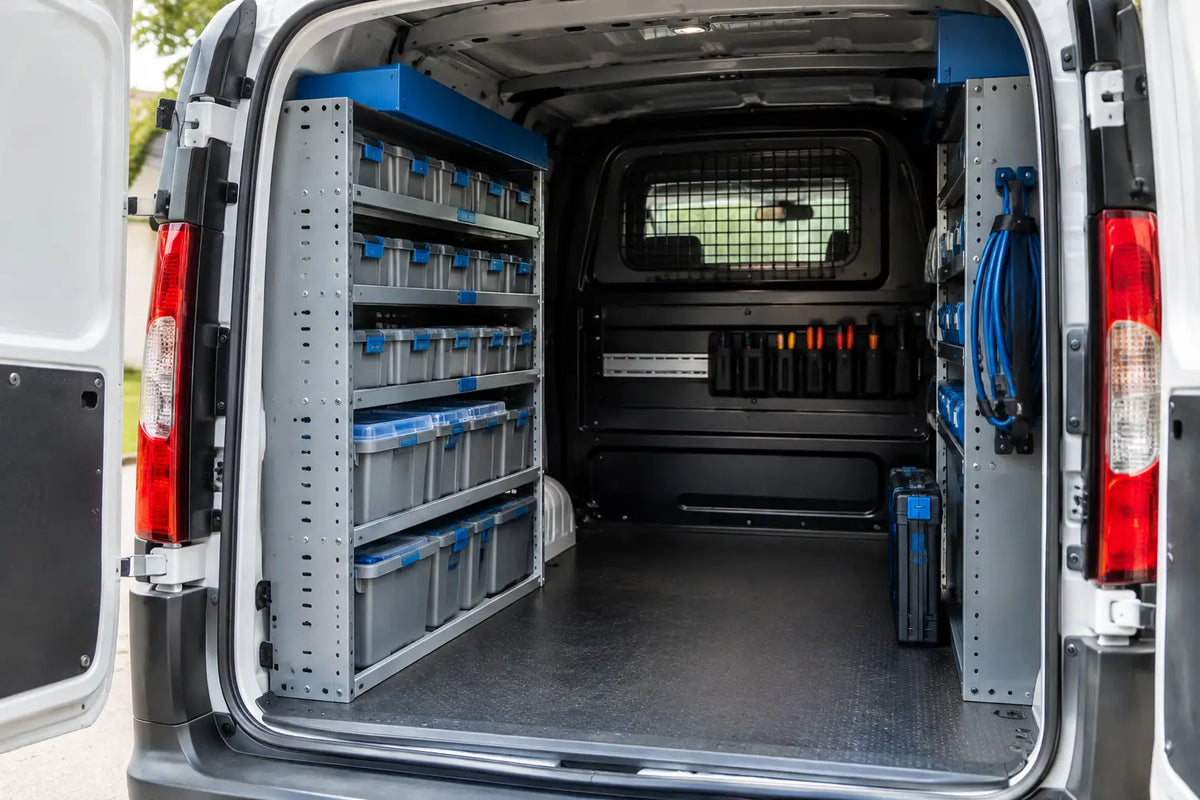
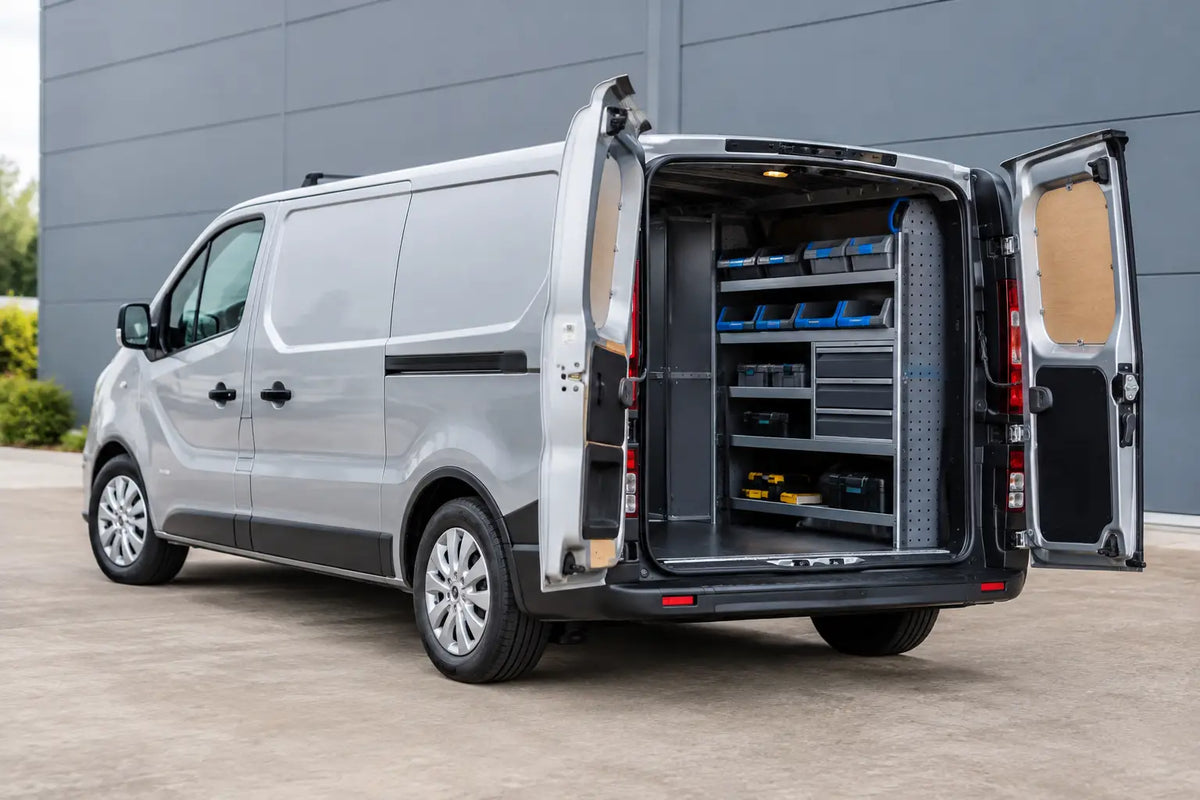
Internal height significantly impacts both cargo capacity and daily working comfort. Low-roof vans typically measure 1,200mm to 1,400mm internally, requiring users to crouch when accessing stored items. Medium-roof variants add 200mm to 300mm of height, improving accessibility and allowing installation of multi-tier van racking systems. High-roof models exceed 1,900mm internally, enabling tradespeople to stand upright inside the cargo area. The Vauxhall Vivaro van racking solutions demonstrate how proper shelving installation maximizes vertical space in medium-height vans, creating organized storage for tools and materials without sacrificing floor space.
Van Sizes Chart UK: Popular Models Compared
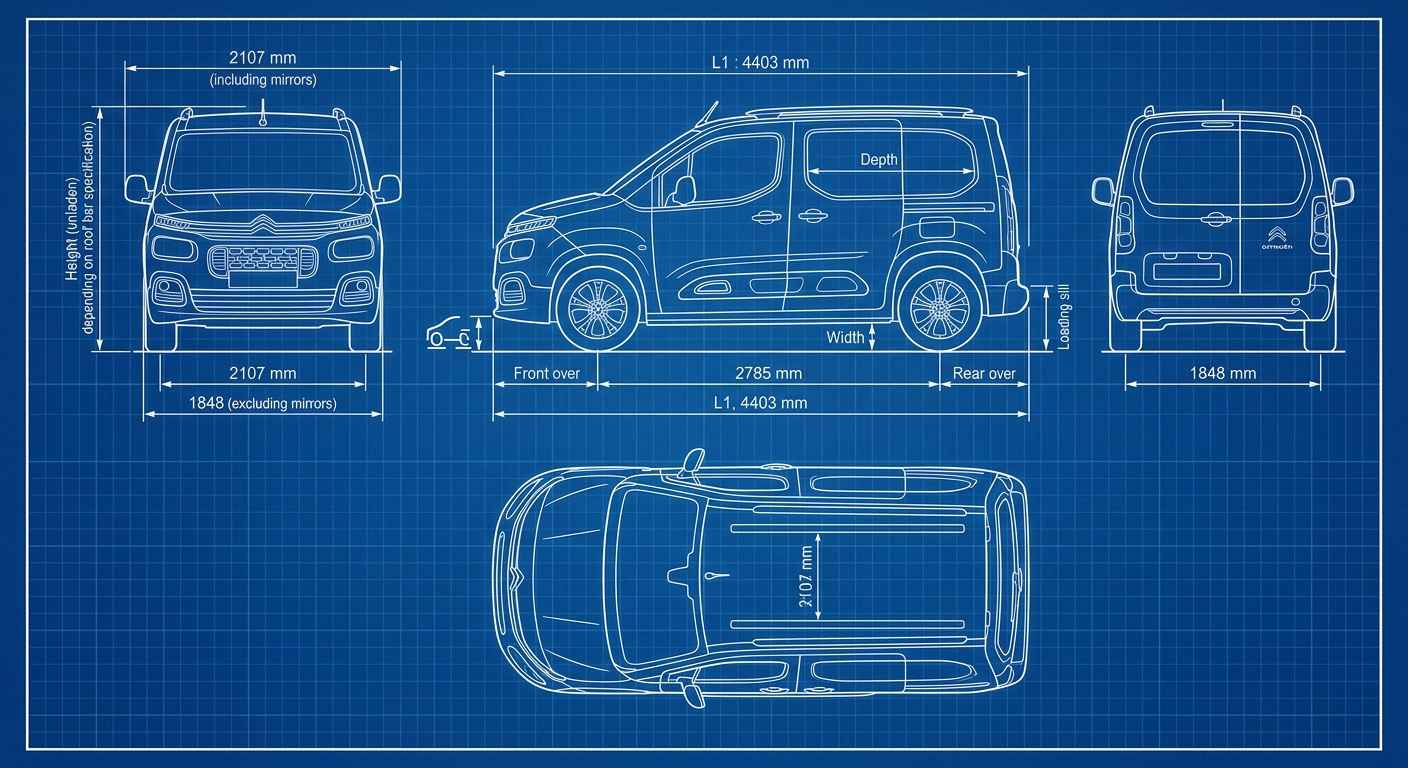
Understanding how different van models compare helps tradespeople make informed decisions. The following van sizes chart UK presents key dimensions and capacities for popular work vans:
|
Van Model |
Length (mm) |
Width (mm) |
Height (mm) |
Load Volume (m³) |
Payload (kg) |
|
Ford Transit Connect SWB |
4,418 |
1,835 |
1,861 |
2.9 |
630-900 |
|
Vauxhall Combo L1H1 |
4,403 |
1,848 |
1,814 |
3.8 |
750-1,000 |
|
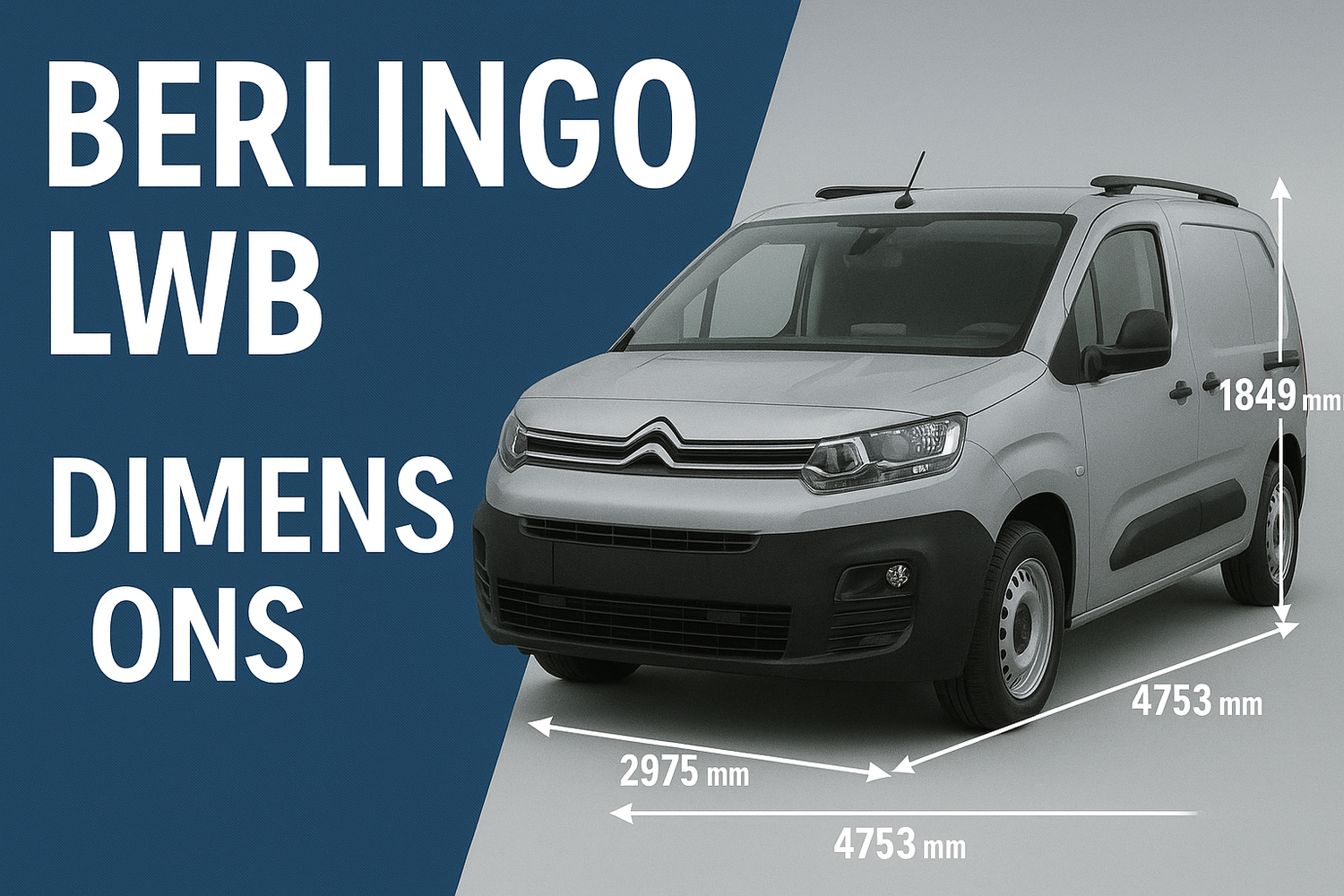
Citroen Berlingo LWB |
4,753 |
1,848 |
1,814 |
4.4 |
800-1,000 |
|
Ford Transit Custom SWB |
5,340 |
2,059 |
1,995 |
6.0 |
1,000-1,370 |
|
Renault Trafic L2H1 |
5,486 |
1,956 |
1,980 |
8.6 |
1,100-1,400 |
|
Peugeot Expert L2H1 |
5,309 |
1,920 |
1,900 |
6.1 |
1,000-1,400 |
|
Mercedes Sprinter L2H2 |
6,940 |
2,020 |
2,600 |
11.0 |
1,200-1,700 |
|
Ford Transit L3H2 |
6,704 |
2,059 |
2,521 |
12.8 |
1,300-1,850 |
|
VW Crafter L3H3 |
7,391 |
2,040 |
2,590 |
14.0 |
1,300-2,000 |
This comparison reveals significant variation in van sizes across segments. Small vans like the Transit Connect sacrifice payload and volume for urban agility, while large vans prioritize cargo capacity at the expense of maneuverability and fuel economy. Medium vans occupy the practical middle ground, explaining their popularity among UK tradespeople who require versatility without the bulk of larger commercial vehicles.
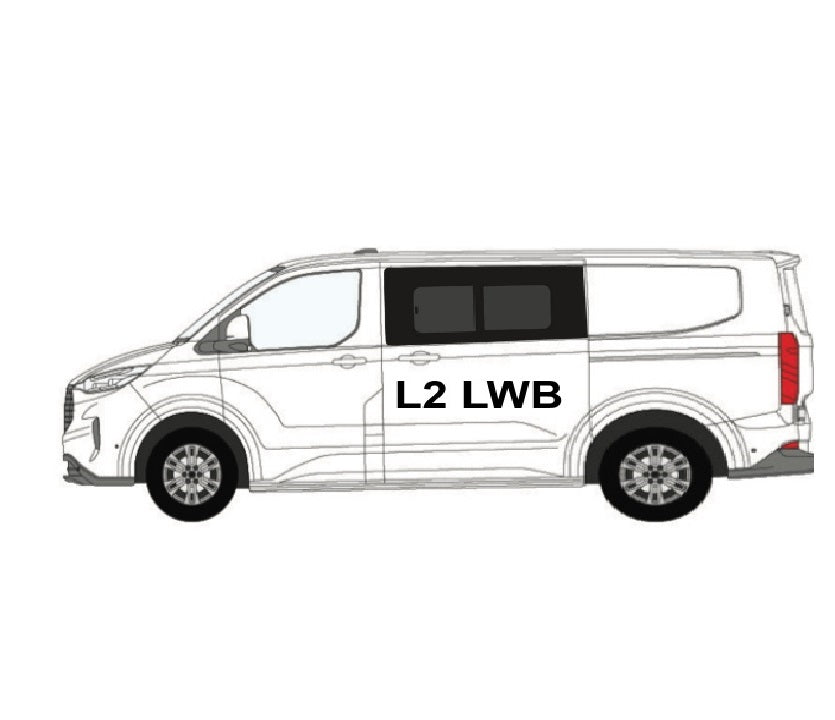
The dimensions listed represent standard configurations, but manufacturers offer multiple wheelbase and roof height combinations for most models. A Ford Transit Custom crew cab reduces cargo space to accommodate additional seating, while long wheelbase versions extend load length significantly. Understanding these variations helps match specific van sizes to your unique trade requirements rather than settling for compromised solutions.
Payload Capacity: The Hidden Van Size Factor
Payload capacity often proves more restrictive than cargo volume when selecting van sizes for trade work. Legal payload represents the maximum weight a van can carry including driver, passengers, fuel, tools, materials, and any fitted equipment like racking systems. Exceeding this limit risks prosecution, invalidates insurance coverage, accelerates component wear, and compromises vehicle safety. Most medium vans offer payloads between 1,000kg and 1,400kg, though this varies considerably based on specification and optional equipment fitted by manufacturers.
Calculate your typical payload requirements before selecting van sizes by weighing representative loads. A fully equipped electrician might carry 300kg of tools and equipment, leaving 700kg to 1,100kg for cable, conduit, and accessories in a medium van. Plumbers transporting radiators, boilers, and pipework quickly consume available payload, potentially requiring larger vans than cargo volume alone suggests. The Mercedes Vito van racking adds approximately 80kg to 120kg depending on configuration, further reducing usable payload for materials.
Gross Vehicle Weight (GVW) determines whether standard car licenses suffice or if drivers require additional qualifications. Vans with GVW exceeding 3,500kg fall outside standard Category B license coverage, requiring Category C1 licenses obtained through additional testing. Most medium vans remain under this threshold, but payload-enhanced large vans or chassis cabs frequently exceed it. Understanding these regulations prevents legal complications and ensures your entire team can operate your chosen vehicle without expensive retraining or restricted deployment flexibility.

Choosing Van Sizes for Specific Trades
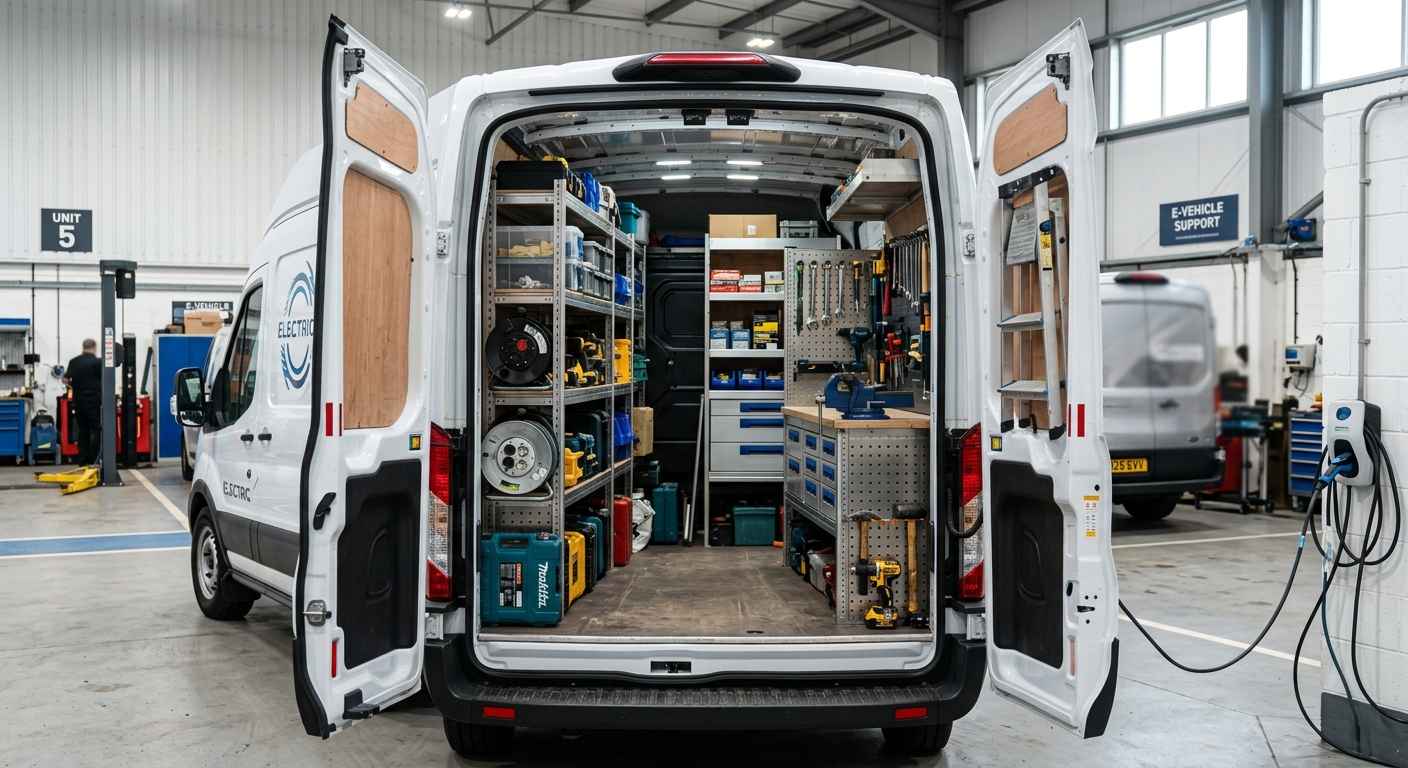
Different trades demand specific van sizes based on typical cargo, access requirements, and daily usage patterns. Electricians benefit from medium vans offering adequate height for vertical storage of cable drums and conduit. The Ford Transit Custom with van racking provides excellent organization for hand tools, power tools, and consumables while maintaining sufficient floor space for temporary equipment storage. The ability to stand upright when accessing shelving significantly improves workflow efficiency during busy service days.
Plumbers require careful consideration of both length and payload when evaluating van sizes. Copper pipe, radiators, and boilers add substantial weight quickly, while bathroom suites and kitchen fixtures demand generous load volumes. Many plumbers opt for medium vans with reinforced suspension or large vans rated for higher payloads. The Renault Trafic van racking solutions demonstrate effective organization strategies for plumbing supplies, though payload monitoring remains essential to avoid overloading.
Carpenters and joiners need maximum load length more than any other dimension when comparing van sizes. The ability to transport 4.8-meter lengths of timber or architrave without cutting eliminates waste and improves job efficiency. Long wheelbase large vans excel here, with the Mercedes Sprinter and Ford Transit offering internal load lengths exceeding 4,200mm. Combined with appropriate van racking for professional use, these vans transform into mobile workshops capable of supporting complex installation projects.
Painters and decorators often underestimate their van size requirements, focusing excessively on initial purchase costs rather than operational needs. While small vans appear economical, they force multiple trips when handling large residential or commercial projects. Medium vans equipped with specialized paint storage solutions provide organized access to diverse coatings, brushes, rollers, and preparation materials. The ability to transport ladders, trestles, and dust sheets alongside paint supplies justifies the additional investment in larger van sizes.
Load Space Optimization with Van Racking Systems
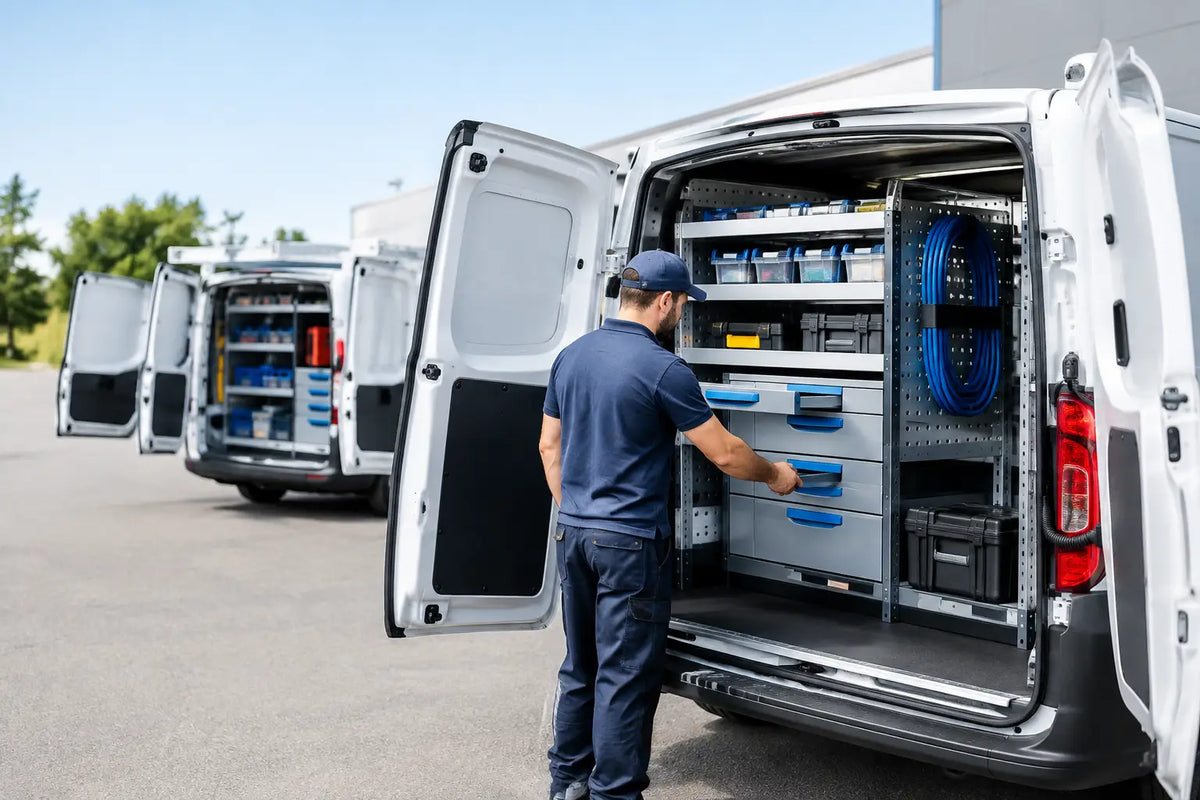
Effective use of available van sizes requires strategic installation of appropriate storage systems. Poorly organized vans waste space through inefficient stacking and create safety hazards from unsecured items shifting during transit. Professional van racking systems multiply usable capacity by utilizing vertical space and creating dedicated locations for frequently accessed items. A well-designed racking system can effectively double the organizational capacity of medium van sizes without expanding physical dimensions.
The Volkswagen Transporter benefits significantly from custom racking designed specifically for its internal dimensions. Generic shelving often fails to maximize available space due to wheel arch intrusions and body contours unique to each van model. Purpose-built systems like those offered for the VW ID Buzz demonstrate how contemporary van designs require modern storage solutions that account for electrical components and battery packaging not present in traditional combustion engine vehicles.
Consider weight distribution when planning van racking installation to maintain optimal handling characteristics and avoid exceeding axle weight limits. Heavy items belong low and forward in the cargo area, minimizing their impact on rear axle loading and vehicle stability. The Peugeot Expert van racking ideas illustrate proper placement strategies for power tools, bulk materials, and consumables that preserve safe handling while maximizing organization. Understanding these principles helps tradespeople extract maximum value from their chosen van sizes without compromising safety or legal compliance.
Van Size Selection for Growing Businesses
Business growth often necessitates fleet expansion or upsizing to larger van dimensions. Starting with appropriately sized vans prevents costly early replacement while allowing room for moderate business development. Many successful trades businesses operate mixed fleets combining small vans for service calls with larger vehicles for installation work and material delivery. This approach optimizes operational costs while maintaining flexibility across diverse job requirements and customer locations.
The transition from small to medium van sizes typically occurs when tradespeople consistently require multiple trips or turn down larger projects due to transport limitations. Calculating the weekly cost of additional journeys often reveals that upgrading to medium van sizes delivers rapid return on investment through eliminated wasted time and fuel. The Ford Transit Custom dimensions suit expanding businesses perfectly, offering excellent cargo capacity without the intimidation factor or parking difficulties associated with large commercial vehicles.
Larger businesses benefit from standardizing van sizes across their fleet to simplify maintenance scheduling, driver familiarity, and aftermarket equipment purchases. Choosing a single model line like the Vauxhall Vivaro allows bulk purchasing discounts on racking systems, reduces spare parts inventory requirements, and ensures any driver can operate any vehicle without significant adaptation. This standardization proves particularly valuable for businesses with multiple crews or seasonal staffing fluctuations requiring flexible vehicle allocation.
Maximizing Space with False Floors and Storage Solutions
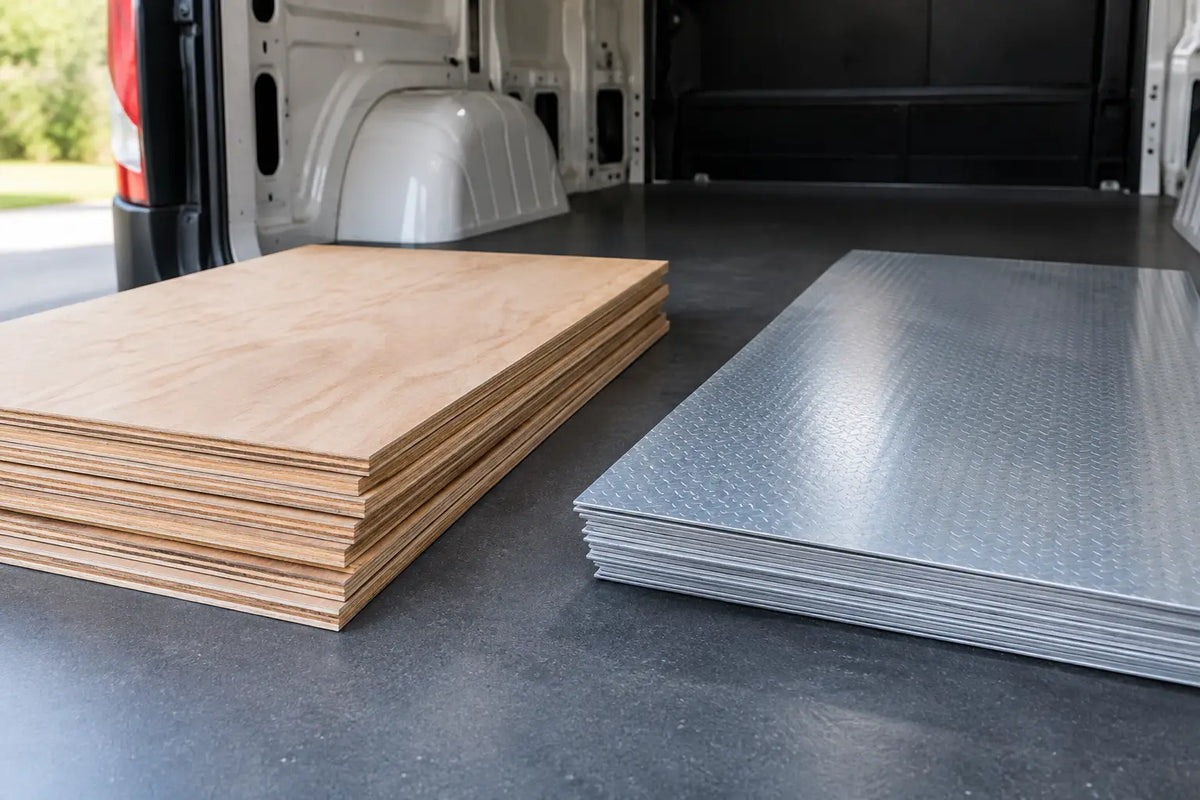
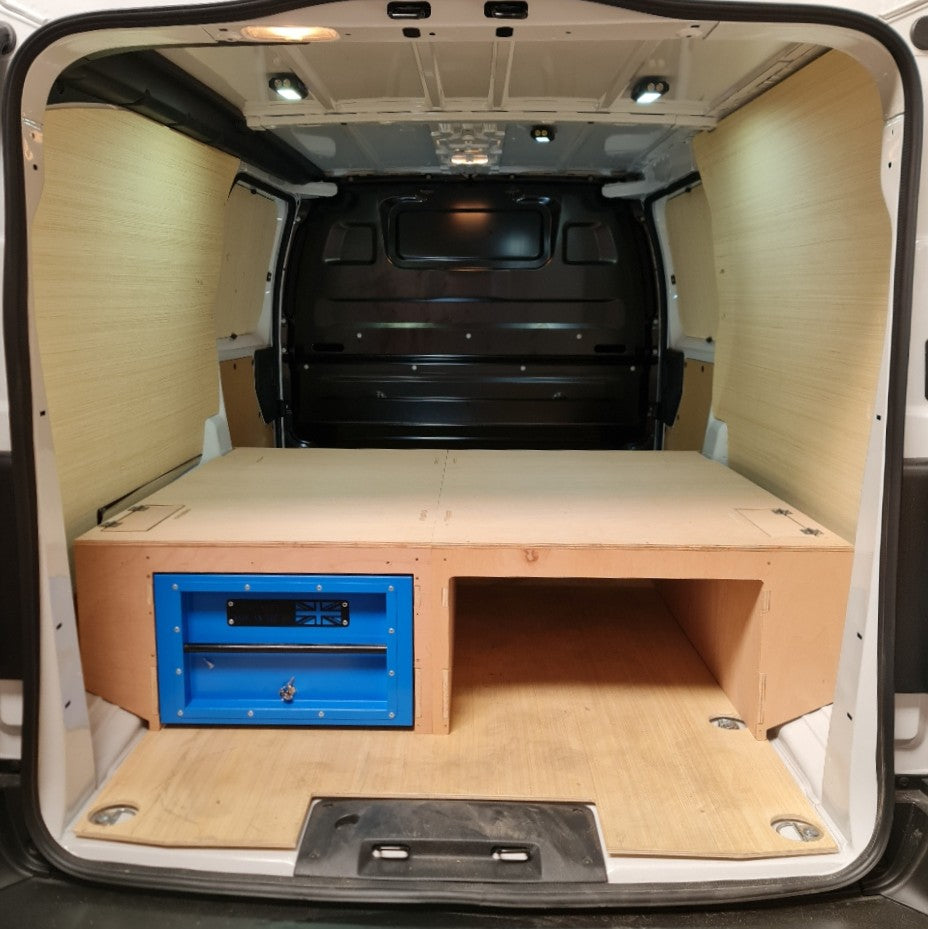
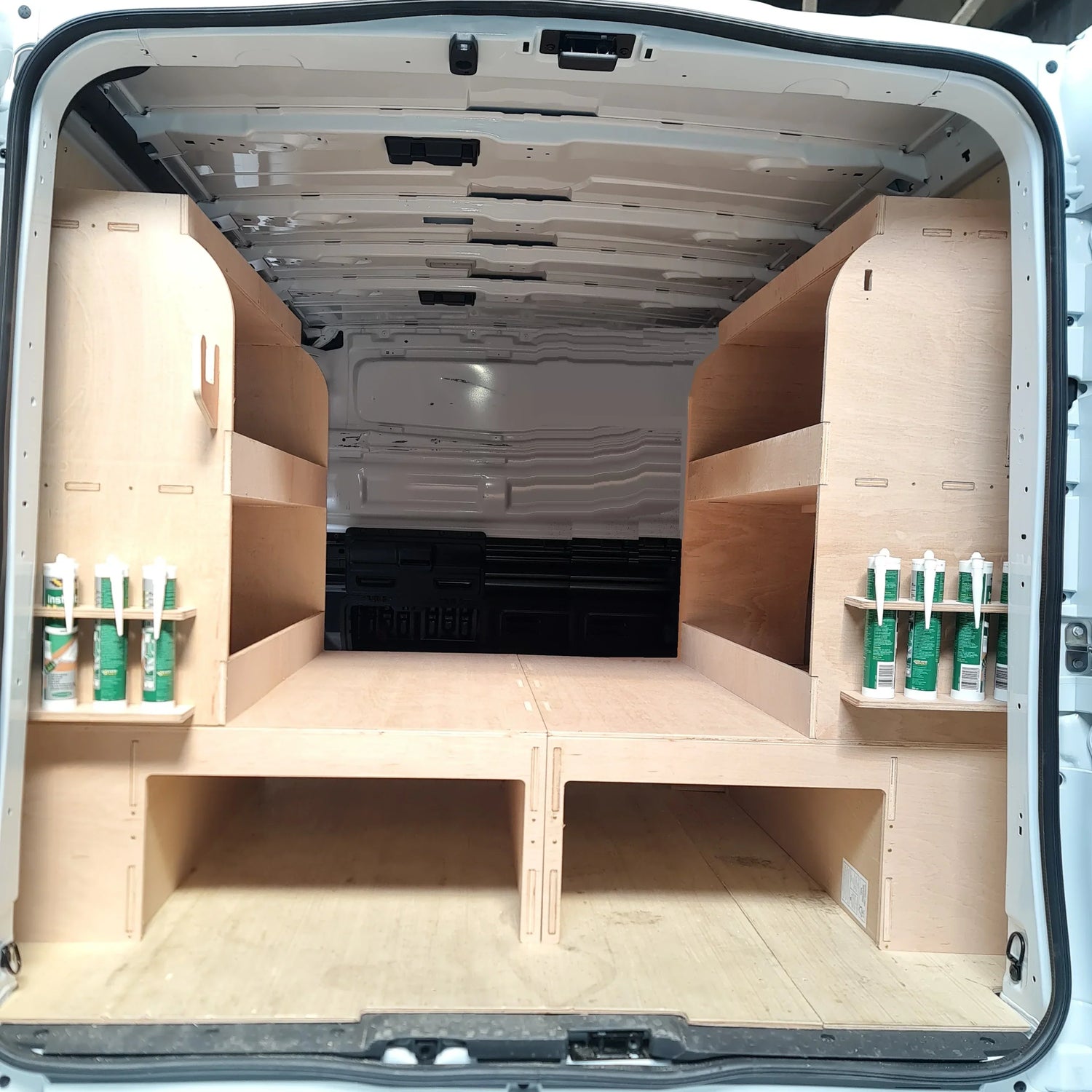
False floor systems represent an often-overlooked approach to optimizing van sizes without physically expanding cargo areas. These raised platforms create secure underfloor storage for valuable tools, rarely needed equipment, or seasonal items while preserving full height above for daily cargo. The Ford Transit Custom with raised floor demonstrates how this approach maintains standing headroom while adding substantial lockable storage capacity. Security-conscious tradespeople appreciate concealed storage that deters opportunistic theft from vehicles parked on job sites or residential streets.
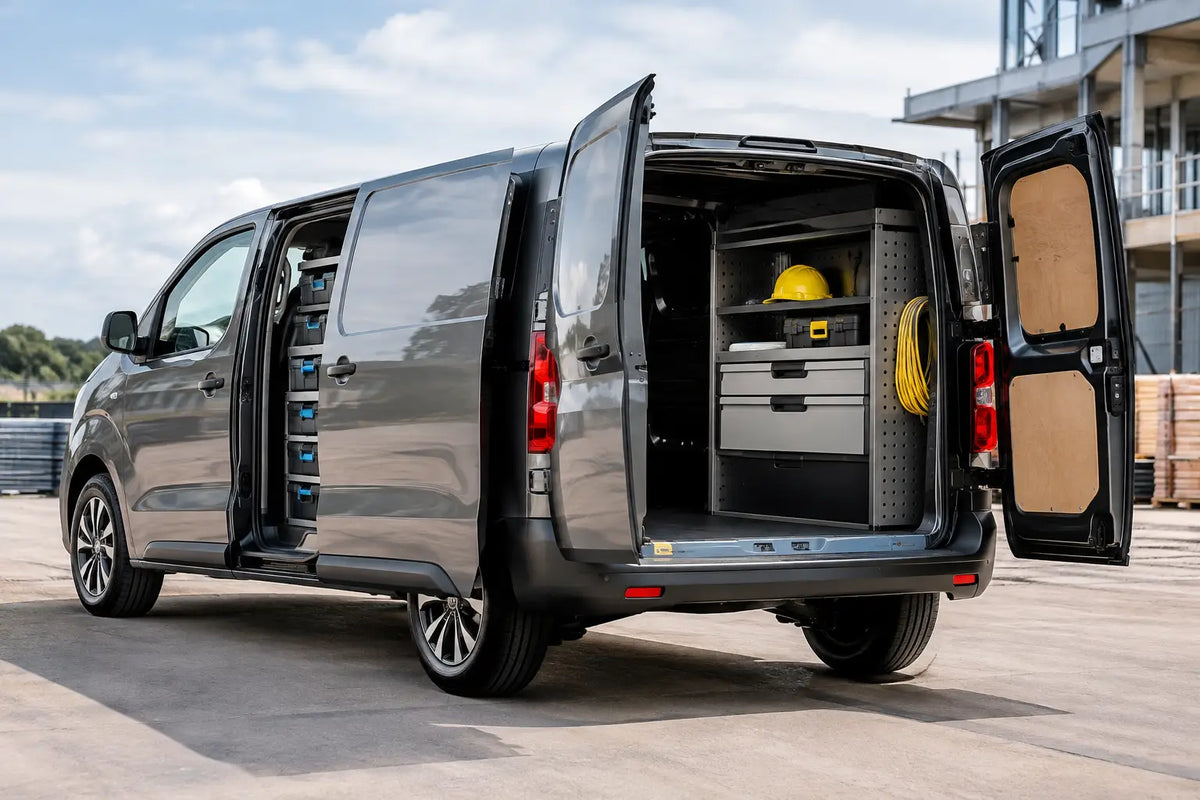
Combining false floors with wall-mounted racking creates comprehensive storage ecosystems that transform standard van sizes into highly organized mobile workshops. The Citroen Berlingo storage solutions showcase effective integration of multiple storage types within compact van dimensions. This multi-layered approach proves particularly valuable for tradespeople carrying extensive hand tool collections, consumables, and specialized equipment that benefits from immediate accessibility rather than deep cargo area burial.
Drawer systems installed in false floors provide additional organizational benefits beyond simple underfloor compartments. Heavy items like cordless tool batteries, measuring equipment, and fastener collections remain secure during transit while offering convenient access without climbing into the cargo area. The Toyota Proace storage configurations illustrate diverse false floor applications suitable for different trades and working patterns. Understanding these options helps maximize the effective capacity of your chosen van sizes without expensive upsizing or compromised payload capacity.

Understanding Van Size Regulations and Legal Requirements
UK regulations governing van sizes extend beyond simple dimension limits to encompass weight, safety equipment, and annual testing requirements. All commercial vehicles require Class 4 MOT testing annually once they reach three years old, with more stringent inspection criteria than private car testing. Large vans exceeding 3,500kg GVW require Class 7 MOT testing performed at specialized heavy vehicle testing stations. Understanding these requirements prevents regulatory surprises and helps budget accurately for ongoing compliance costs associated with different van sizes.
Driver licensing regulations significantly impact van size selection for businesses with multiple employees. Standard Category B car licenses permit driving vans up to 3,500kg GVW, covering most small and medium van sizes without additional qualification. Heavier large vans require Category C1 licenses obtained through theory and practical testing, adding expense and complexity to driver recruitment. The crew cab van dimensions sometimes push vehicles into higher weight categories even within medium size classifications, requiring careful verification before purchase.
Insurance costs vary significantly across van sizes, with larger vehicles typically attracting higher premiums reflecting increased replacement costs and damage potential. However, payload capacity and security features sometimes offset these increases by reducing claim frequency and severity. Insurers increasingly reward comprehensive security installations including alarms, immobilizers, and tracking systems. Many tradespeople find that investing in quality van racking with integrated security reduces insurance costs sufficiently to partially offset installation expenses over typical policy periods.
Fuel Efficiency Considerations Across Van Sizes
Fuel economy varies dramatically across van sizes, directly impacting operational costs and environmental performance. Small vans typically achieve 45-55 miles per gallon under mixed driving conditions, while large vans rarely exceed 35 miles per gallon even with modern efficient engines. These differences compound significantly over annual mileages typical of trade use, with large vans potentially consuming double the fuel of small vans covering identical distances. Understanding real-world fuel consumption helps calculate true operating costs rather than focusing solely on purchase price when comparing van sizes.
Modern diesel engines dominate the commercial van market due to superior fuel efficiency and torque characteristics suited to load carrying. However, Clean Air Zone regulations increasingly restrict older diesel vans from urban centers, potentially limiting operational flexibility for businesses serving city clients. The Ford Transit Custom Euro 6 and similar compliant vehicles meet current emissions standards, avoiding access restrictions and potential future-proofing against evolving environmental regulations affecting van sizes and engine types.
Electric vans represent an emerging alternative to traditional diesels, though currently limited range and payload capacity restrict their suitability for many trades applications. The VW ID Buzz pioneers electric power in practical van sizes, offering zero emissions operation perfect for urban service work. However, payload sacrifices to accommodate battery weight and real-world range limitations make electric vans challenging for rural operations or long-distance material collection. Monitoring market developments helps identify when electric technology matures sufficiently for your specific trade requirements and typical daily mileages.
Future-Proofing Your Van Size Decision
Selecting appropriate van sizes requires balancing current needs against anticipated business development and evolving regulatory landscapes. Purchasing slightly larger capacity than immediately necessary accommodates organic growth without premature replacement, though excessive oversizing wastes money on unused capacity and unnecessary fuel consumption. Most trade businesses benefit from choosing the smallest van size that comfortably accommodates typical work patterns plus twenty percent capacity margin for occasional larger projects or seasonal demand variations.
Technology integration increasingly influences van size selection as businesses adopt digital systems for job management, customer communication, and navigation. Modern vans offer superior cab ergonomics and connectivity compared to older designs, improving driver satisfaction and productivity. The latest Ford Transit models incorporate advanced safety systems, smartphone integration, and fleet management compatibility that older van sizes lack. These features enhance operational efficiency while potentially reducing insurance costs through demonstrated safety improvements.
Residual value considerations matter significantly when comparing van sizes, particularly for businesses leasing vehicles or planning relatively short ownership periods. Popular models from mainstream manufacturers typically retain value better than obscure alternatives, even when initial purchase costs appear higher. The strong UK demand for quality used Mercedes and Ford vans reflects their reputation for reliability and longevity, making them safer investments than cheaper alternatives with uncertain resale prospects.
FAQs
What van size do I need for my trade business?
Most UK tradespeople find medium vans like the Ford Transit Custom or Vauxhall Vivaro provide optimal balance. Evaluate your typical loads and whether multiple trips are acceptable before deciding.
How much does van racking reduce available payload?
Professional van racking systems typically add 80kg to 150kg depending on configuration. This represents roughly ten percent of available payload in most medium vans.
Can I drive large vans on a standard car license?
Standard UK Category B driving licenses permit vans up to 3,500kg gross vehicle weight. Always verify specific vehicle GVW rather than assuming model name indicates license requirements.
What van sizes work best in UK cities?
Small to medium vans excel in urban environments, offering acceptable cargo capacity while fitting standard parking spaces. The Ford Transit Connect and Vauxhall Combo prove particularly popular for city-based work.
How do I calculate required van cargo volume?
Measure your typical load in cubic meters and add twenty-five percent margin for growth. Verify actual usable space considering wheel arch intrusions and installed racking.
Do larger vans cost significantly more to insure?
Insurance premiums increase with van size reflecting higher replacement values. However, comprehensive security systems and clean driving records often reduce premiums sufficiently to offset size-related increases.