










A half-used tube of caulk is only useful if it is still usable when you need it. Knowing how to store caulk tubes properly saves wasted materials, avoids leaks across the van floor and stops you reaching for a cartridge that has hardened solid overnight. For plumbers, fitters, decorators, electricians and maintenance teams, small consumables can create big delays when they are not organised.
Caulk, sealant and adhesive cartridges need a clean, stable place in the van. The aim is simple: protect the tube from damage and temperature extremes, keep the nozzle sealed, and make it easy to identify the right product before a job starts.
Store caulk tubes upright whenever possible
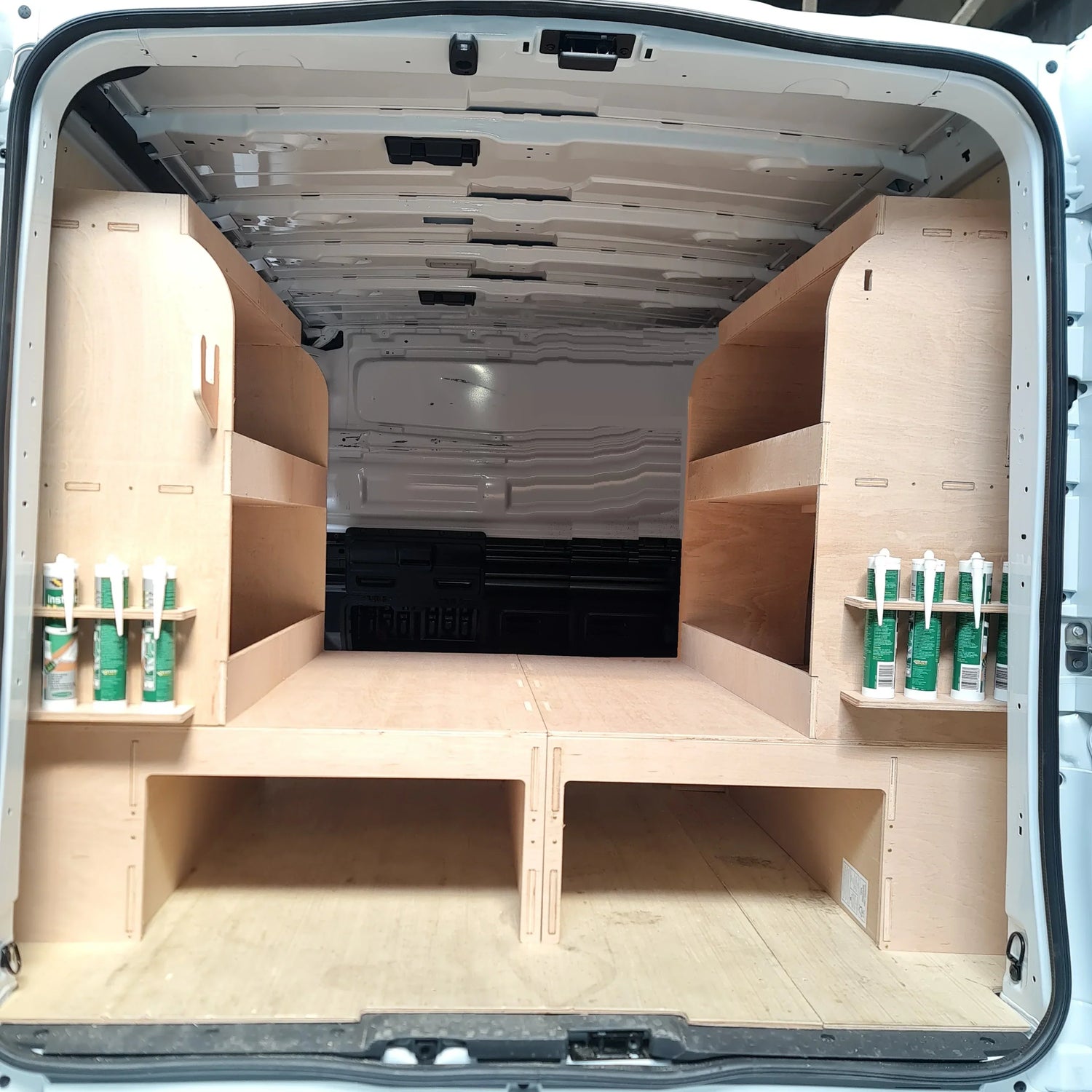
The most reliable position for caulk tubes is upright, with the nozzle pointing up. This reduces the chance of product collecting in the nozzle, helps prevent leaks around the cap, and keeps the cartridge easier to inspect. It also means the tube is less likely to roll around while travelling between jobs.
An upright holder or compartment is particularly useful in a working van. Loose cartridges can slide beneath shelving, become crushed by heavier tools or split if a load shifts sharply. A dedicated sealant holder keeps tubes in one predictable location, rather than mixed into a general tool box with blades, fixings and power-tool accessories.
If upright storage is not practical, lay cartridges flat in a shallow, secure compartment where they cannot roll. Do not stack heavy items on top of them. A damaged tube may not look serious at first, but a cracked cartridge or bent nozzle can leave sealant leaking into the storage area when the van warms up.
Seal opened tubes before putting them away
An unopened cartridge is straightforward: keep its original cap in place and make sure the nozzle has not been punctured or cut. Opened tubes need more attention. Air entering through the nozzle is what causes most products to cure and block.
After use, wipe excess material from the nozzle and fit a cap tightly. If the original cap is no longer usable, cover the nozzle opening with a suitable temporary seal and secure it firmly. Some tradespeople use a screw inserted into the nozzle tip, followed by tape around the outside. This can work for short-term storage, provided the seal is tight and the tube is kept clean.
The exact method depends on the product. Acrylic decorators' caulk, silicone sealant, grab adhesive and expanding foam all cure differently, so always follow the manufacturer's handling instructions on the cartridge. Even when well sealed, an opened tube will not last as long as an unopened one. Keep it at the front of your consumables stock and use it on the next suitable job rather than saving it indefinitely.
Keep sealants away from heat, frost and direct sunlight
Temperature is one of the main reasons caulk tubes fail in vans. Commercial vehicles can become very hot in direct summer sun and extremely cold during winter nights. Both conditions can affect the product inside a cartridge.
Excessive heat may cause cartridges to swell, soften or leak. It can also change the consistency of some sealants, making them harder to apply neatly. Freezing temperatures can damage water-based products, including many acrylic caulks, leaving them separated or lumpy when thawed.
Where possible, store tubes in a shaded, enclosed section of the van rather than against a rear door, window or exposed metal panel. A low, central storage area is usually more stable than a high shelf that receives direct sunlight. If severe frost is expected, check the storage temperature stated on the cartridge and bring vulnerable products indoors overnight where necessary.
Do not assume every tube has the same temperature tolerance. Silicone may cope with conditions that will ruin water-based caulk, while specialist adhesives may have their own limits. Reading the label before buying in bulk helps avoid carrying stock that is unsuitable for how your van is used.
Separate products by type and job
A tube labelled "white sealant" is not much help when you are already on site and need to know whether it is sanitary silicone, paintable caulk or high-grab adhesive. Keeping cartridges organised by product type reduces mistakes and prevents wasted time at the back of the van.
Group similar materials together. For example, keep decorators' caulk with fillers and masking supplies; silicone with finishing tools and cleaning wipes; and construction adhesive with fixings or bonding equipment. If you carry several colours, arrange them so the label and colour marking can be seen without removing every tube.
It is also worth separating opened cartridges from unopened stock. This gives you a clear first-use section and prevents part-used tubes being forgotten beneath new materials. A simple marker line on the cartridge showing the date opened can help, especially if more than one person uses the vehicle.
For teams and fleet vans, use clear compartment labels rather than relying on memory. The system does not need to be complicated. The point is that anyone should be able to find the right tube, see what is running low and return unused material to the correct place.
Use a holder that suits your working van
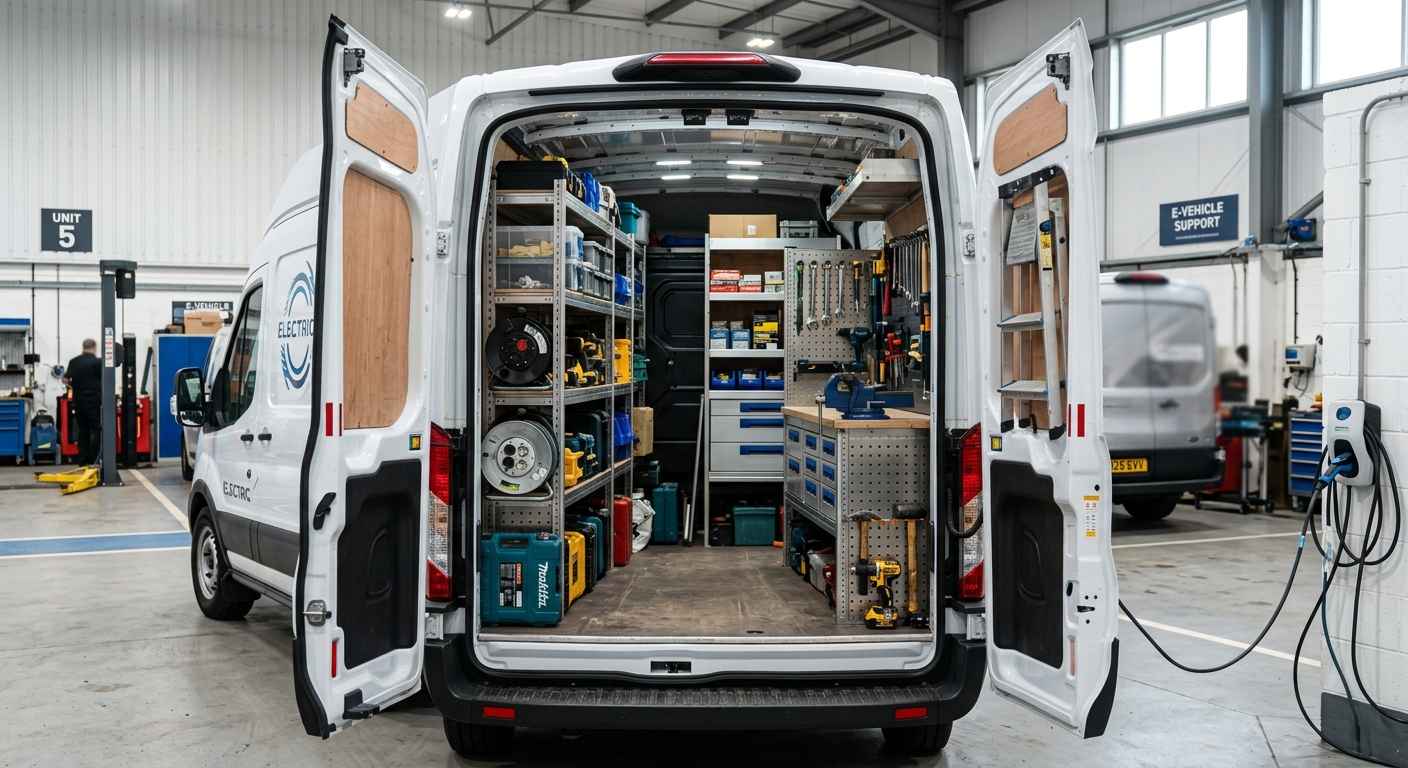
The right storage setup depends on how many tubes you carry and what else is in the vehicle. A decorator or bathroom fitter may need quick access to several cartridges every day. A maintenance engineer may only carry a small selection for call-outs. In both cases, storing caulk tubes in a fixed location stops them being buried under tools and consumables.
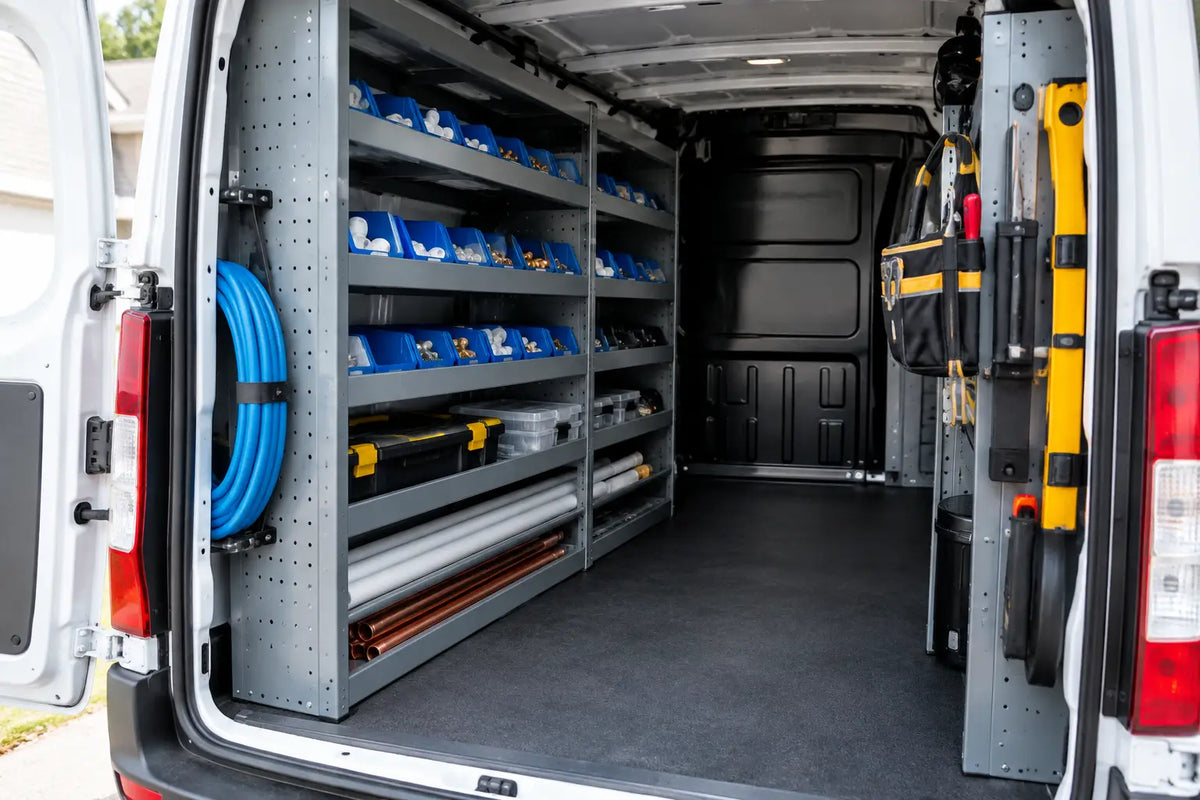
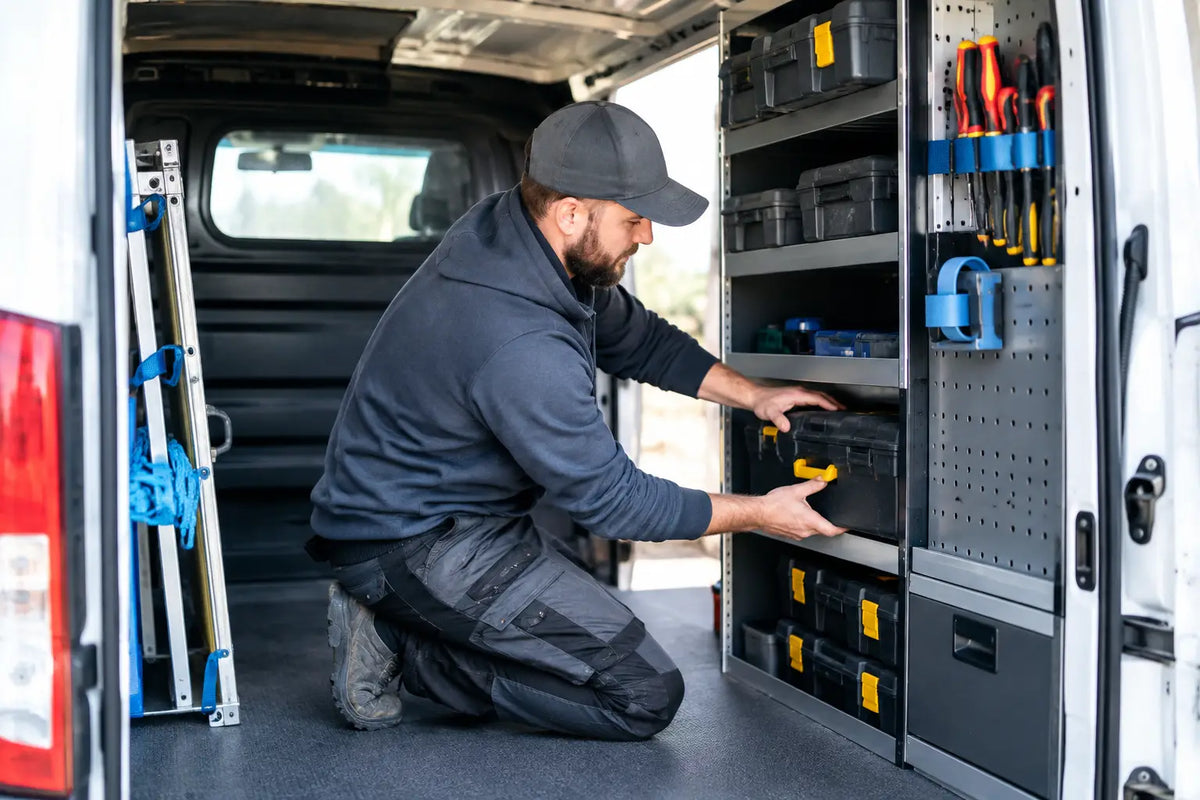
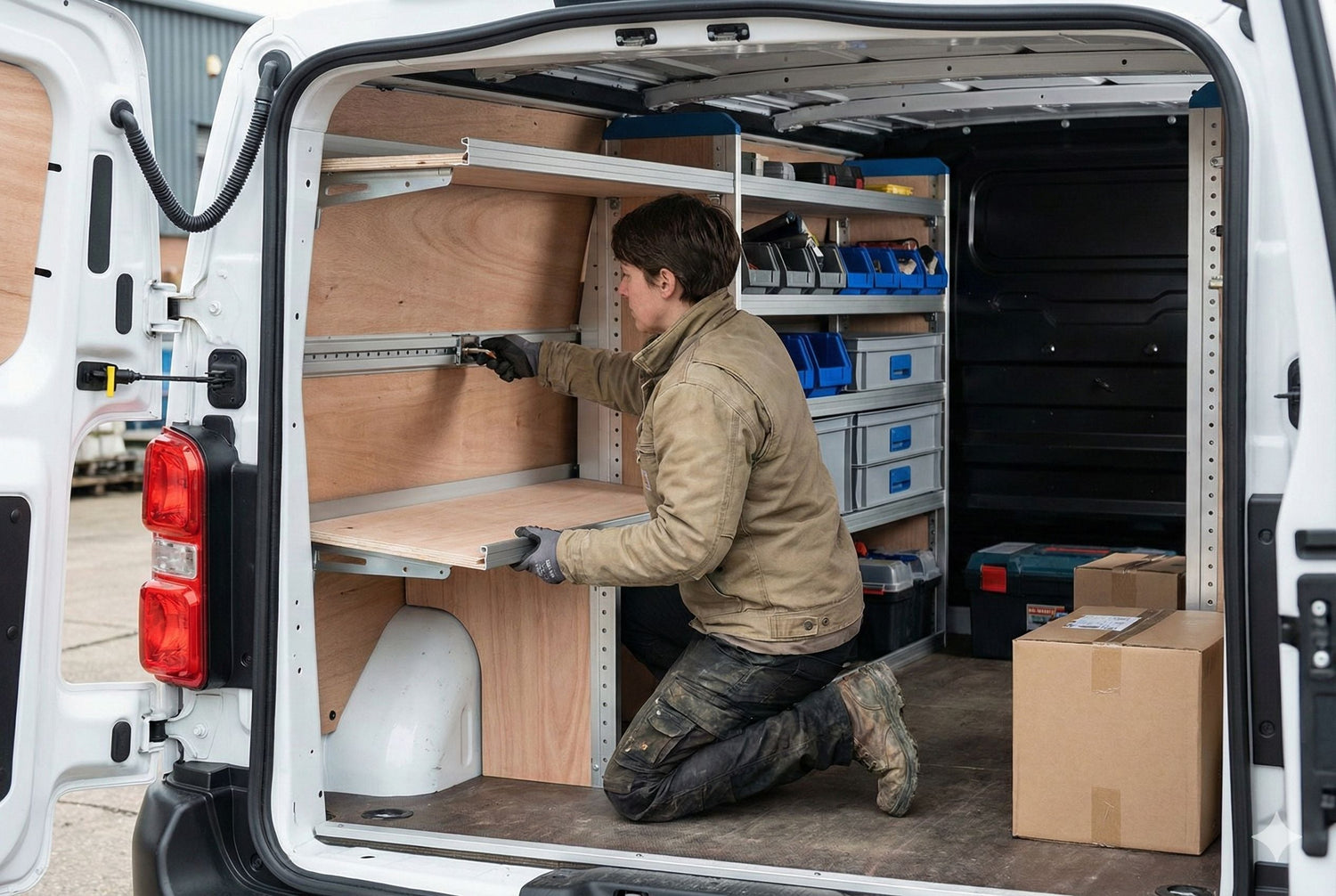
A dedicated cartridge holder can be fitted within a racking or shelving layout, keeping tubes visible and separated. Choose a position that is easy to reach from the rear or side door without blocking access to larger equipment. It should also be protected from loose loads and placed where the cartridges will not catch on ladders, cases or sheet materials being loaded into the van.
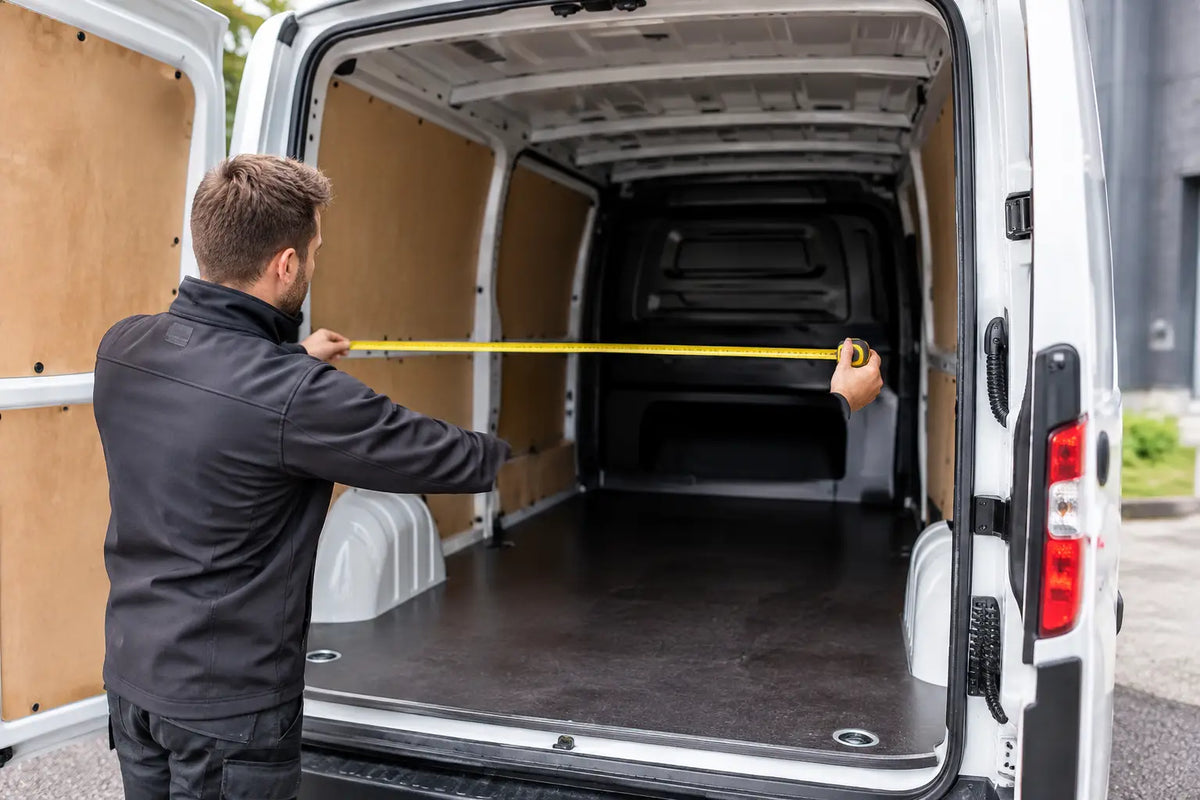
Before adding any accessory to a van interior, check its dimensions and mounting requirements against your existing shelving and vehicle layout. Storage needs vary between vans, and a solution that works well in a long-wheelbase vehicle may take up too much working space in a compact model. The best setup gives you access to cartridges without sacrificing the room needed for the tools that earn their place every day.
Check dates and rotate your stock
Caulk tubes have a shelf life. An unopened cartridge may look fine externally but still be past its recommended use-by date, particularly if it has spent months in changing van temperatures. Before starting a job that depends on a clean finish or a reliable bond, check the date and condition of the tube.
Use older unopened stock first, keeping newer cartridges behind it. This first-in, first-out approach is especially useful when buying multi-packs for regular work. It reduces waste and makes stock checks quicker.
Look for warning signs before loading a cartridge into the gun: a swollen tube, separated contents, a hard nozzle, corrosion around the base, or material that will not dispense evenly. Do not force a questionable cartridge in a caulking gun. The time saved by using old stock is rarely worth the mess of a burst tube or a failed seal.
Keep the surrounding area clean
Good storage is not only about the cartridge itself. Dried sealant on a holder, shelf or compartment can make it difficult to remove tubes and can transfer debris onto nozzles. Wipe down the storage area regularly, especially after carrying opened products.
Keep a small supply of disposable wipes close to the sealant section so excess material can be cleaned up before it reaches the van floor or racking. This is a practical detail, but it keeps the workspace professional and prevents a minor spill becoming a time-consuming clean-up job.
A well-organised van makes small jobs move faster. Give caulk tubes a secure place, seal opened nozzles properly and rotate your stock, and the cartridge you pick up on site is far more likely to work first time.