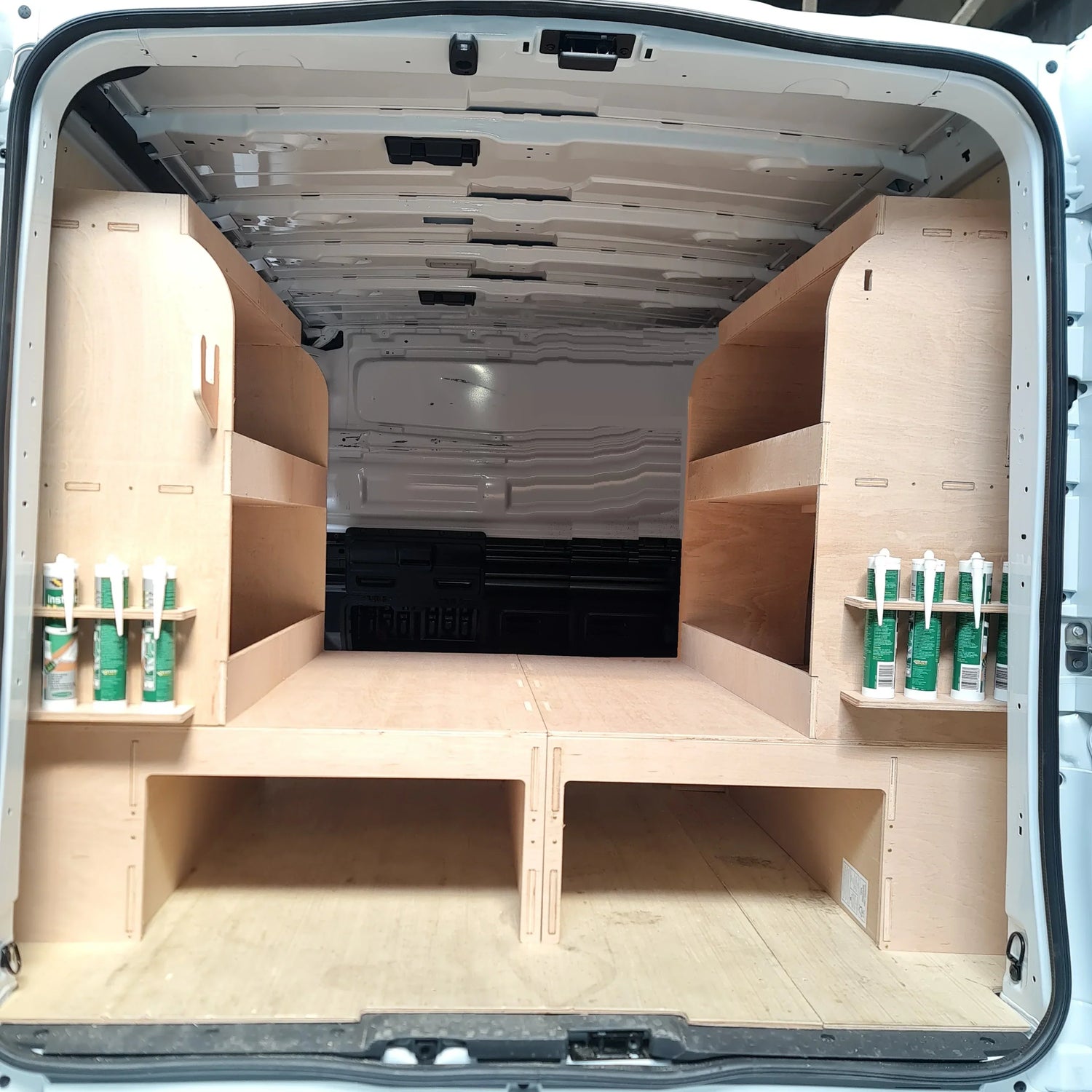











A van can lose valuable working time before the first job even starts. Ten minutes spent hunting for a fitting, drill bit or tube of sealant soon adds up across a week. Choosing van racking or shelving is not simply about making the load area look tidier - it is about giving every tool, part and consumable a sensible place so you can get to work without delay.
The right choice depends on what you carry, how often you need it and how your working day is structured. A plumber carrying boxes of fittings has different storage needs from an electrician transporting testers, cable and small components. A maintenance engineer may need a mixture of both. Start with the work, then choose the storage system that supports it.
What is the difference between van racking and shelving?
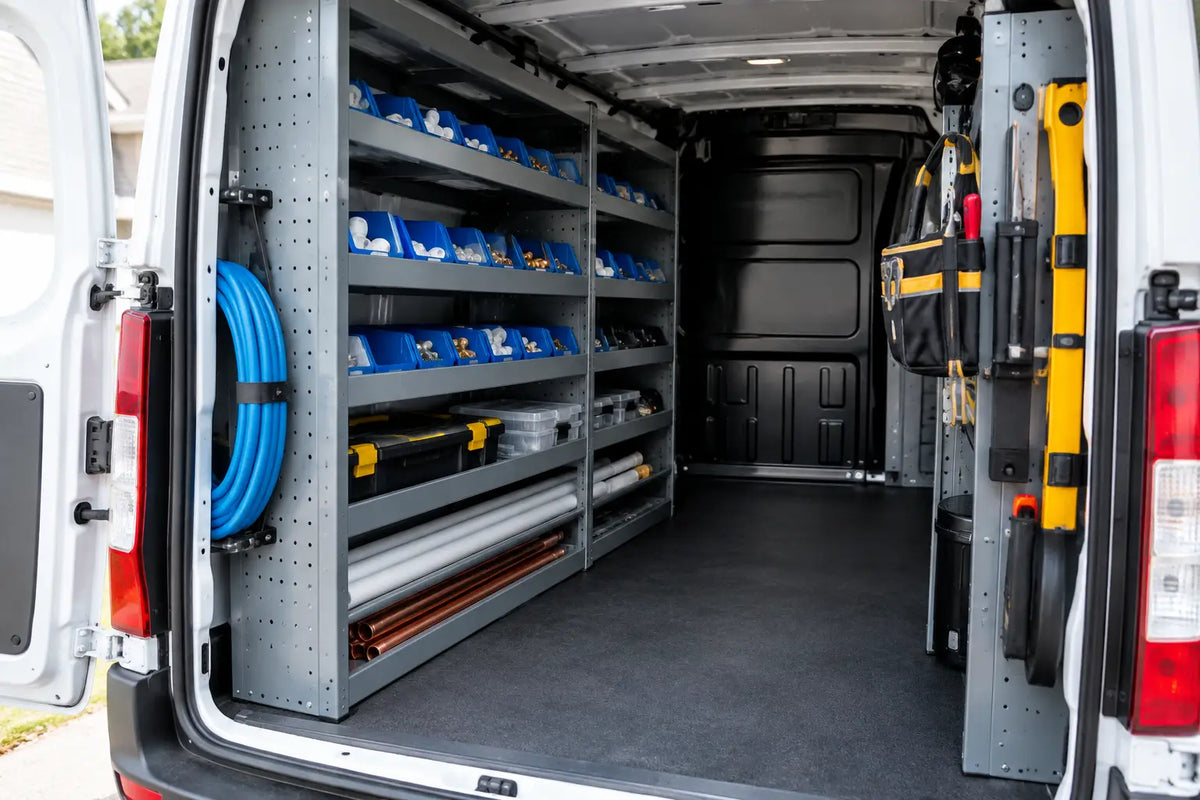
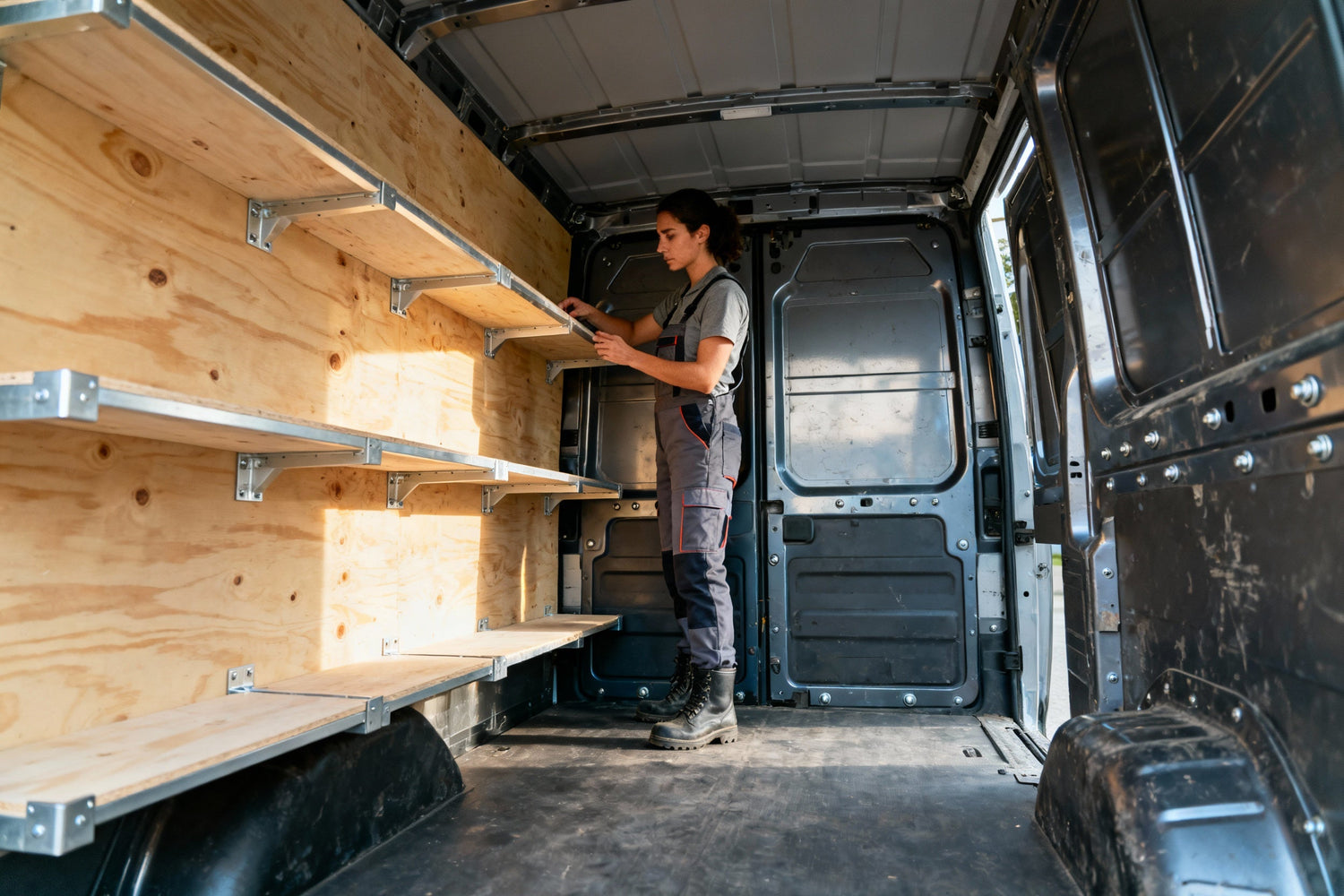
The terms are often used interchangeably, but there is a useful distinction. Van shelving generally means open shelves fixed along the side of the load area. It is a straightforward way to store cases, boxes, tubs, materials and regularly used equipment where you can see them at a glance.
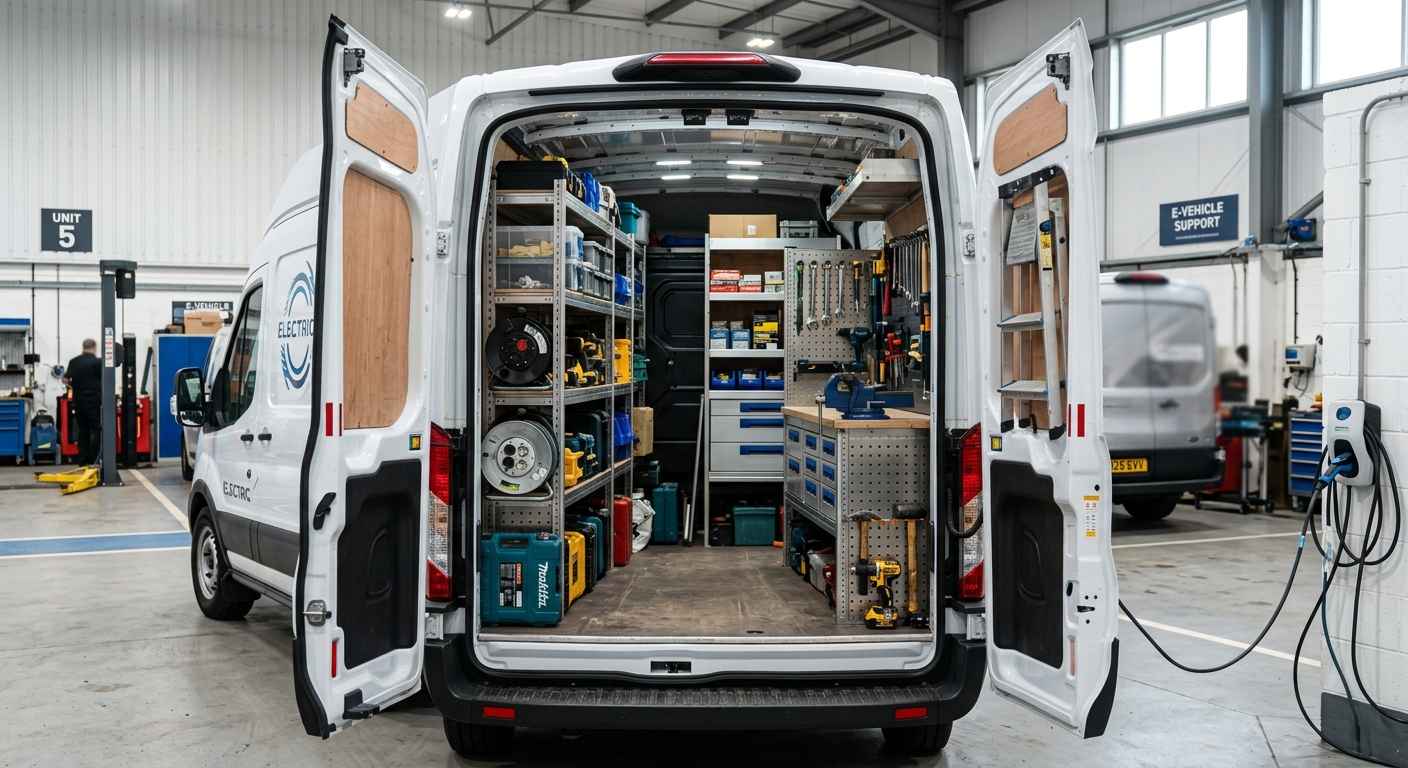
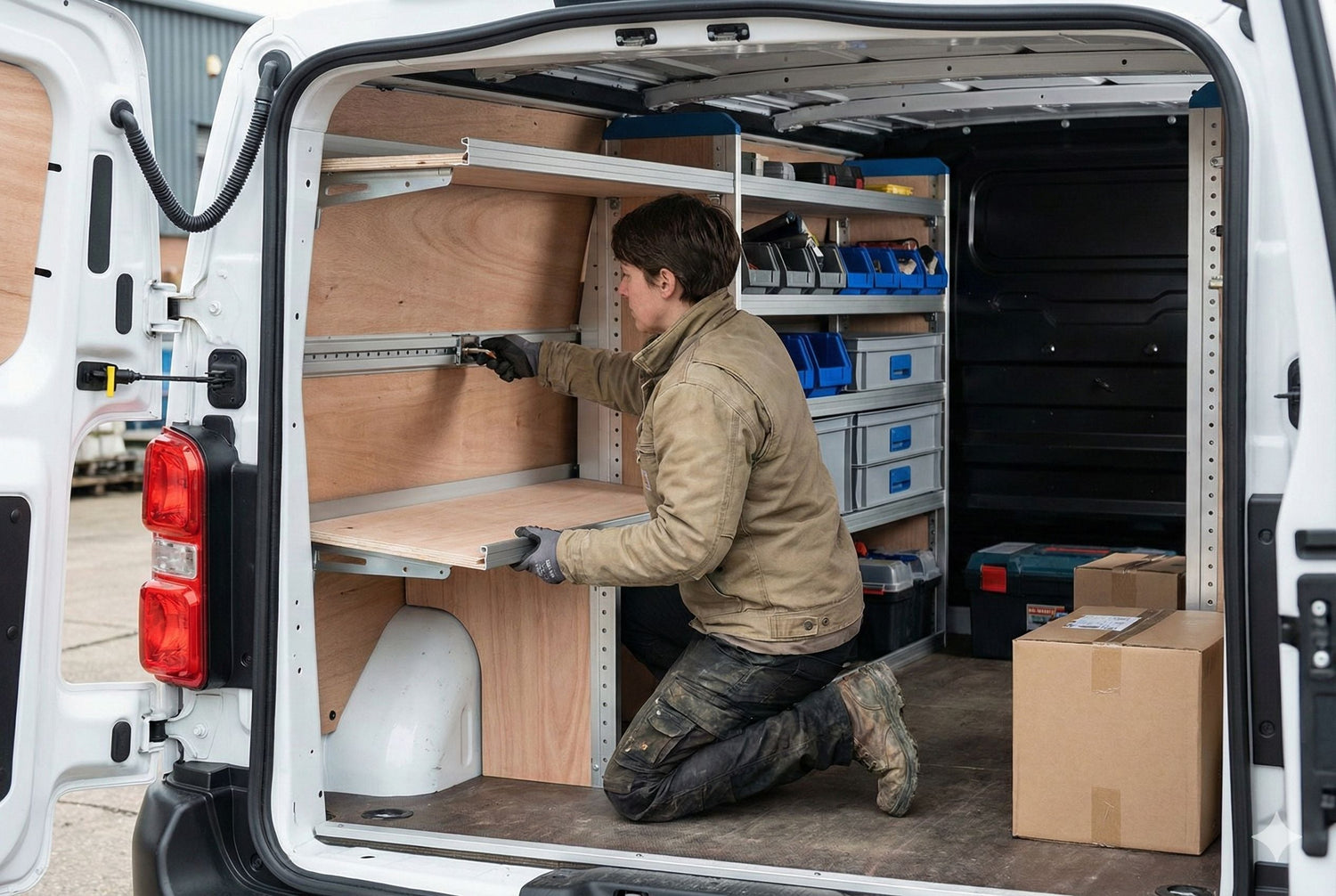
Van racking is usually a broader storage arrangement. It may include shelves, dividers, enclosed compartments, drawers, parts bins and purpose-built holders for items such as sealants, wipes or hand tools. Racking is designed to create a more structured mobile workshop, especially where several categories of items need to be separated.
Neither option is automatically better. Open shelving suits many trades because it is quick to load, easy to scan and gives flexible space for changing jobs. A fuller racking layout makes more sense when loose stock, smaller components and specialist equipment need tighter organisation.
Start with your daily load, not the empty van
An empty load area can make almost any layout look practical. The real test is whether it still works on a wet Wednesday, when you are carrying the usual tools, leftover materials and equipment from three different jobs.
Before selecting a system, make a rough list of what normally travels with you. Include tool cases, power tools, consumables, fixings, cable, pipe, sealants, ladders, workwear and cleaning equipment. Then separate those items into three groups: things you use on nearly every job, items used occasionally and stock that only needs to be carried when booked in.
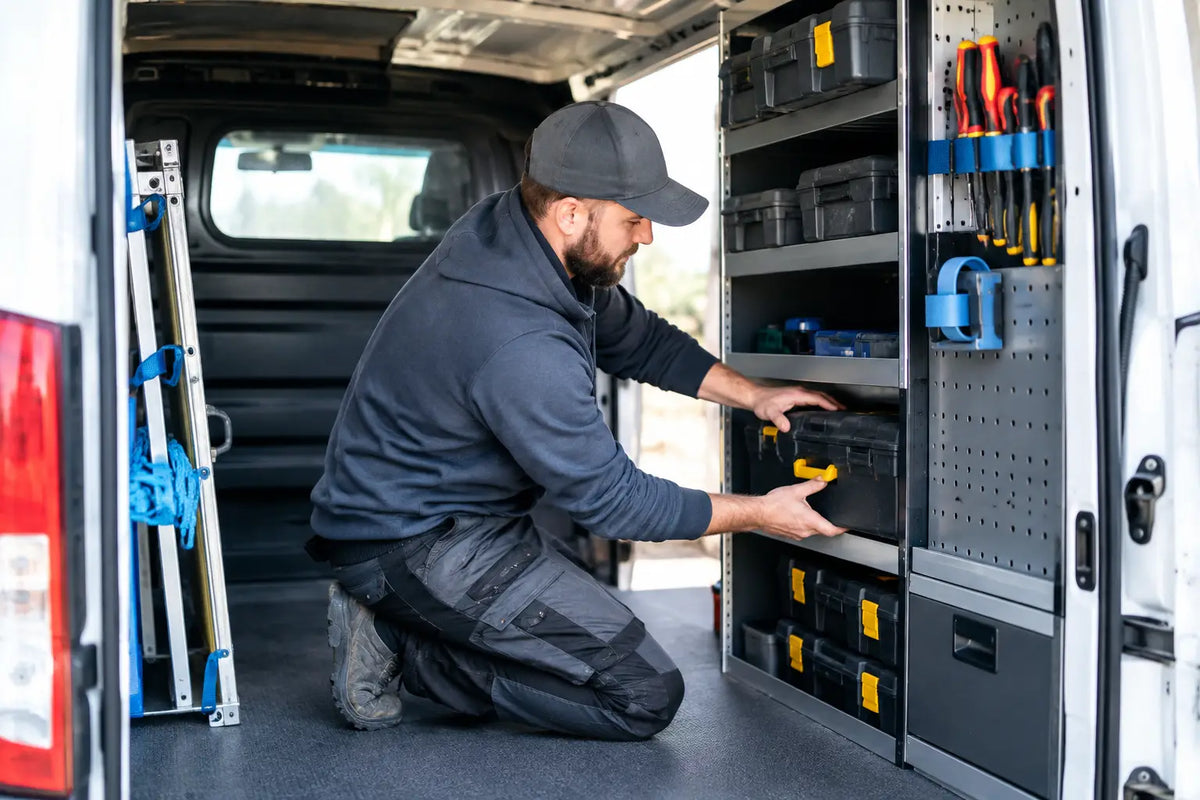
Your most frequently used equipment should be accessible from the rear or side door without climbing into the van and moving other items first. This is where open shelves, front-facing storage and dedicated accessory holders can save time. Less frequently used equipment can sit deeper in the load area or lower down, provided it remains properly secured.
It is also worth being honest about what changes from job to job. If your load varies significantly, a simple shelving layout with adjustable or open sections may give you more flexibility. If you carry a consistent set of fittings and tools every day, a racking system with defined compartments can keep your setup disciplined.
When van shelving is the practical choice
Shelving works well when you need fast visual access and carry a mix of cases, boxes and larger consumables. For many tradespeople, the biggest advantage is simplicity. You can organise by task, material type or job frequency, and immediately see when stock needs replenishing.
It is particularly useful for stackable organiser cases, tubs of fittings, cartons, paint supplies and tool bags. Shelves also make it easier to keep heavier cases low down, which helps with stability and reduces awkward lifting.
However, open shelving needs a sensible approach. Small loose items can shift around if they are not kept in containers, while tall or poorly supported loads may move during braking and cornering. Use compatible storage boxes, dividers or retaining edges where appropriate, and secure heavy equipment independently rather than relying on a shelf alone.
Shelving is often the right starting point for a sole trader who wants a cleaner, more efficient van without overcomplicating the layout. It can also suit fleet vehicles where drivers need a consistent, easy-to-understand setup.
When a van racking system earns its space
A more complete racking system is valuable when organisation has to be precise. If you regularly carry hundreds of small parts, different fixings, electrical accessories, repair components or specialist tools, defined storage stops the load area becoming a collection of half-open boxes.
Racking can make stock control easier too. When every type of fitting has its own location, it is easier to spot what has run low before arriving at a job. That reduces unnecessary trips to merchants and the frustration of knowing you have the part somewhere in the van but cannot find it.
For service engineers and maintenance teams, compartmentalised racking can improve handovers between drivers. Equipment is returned to the same place at the end of the day, making the vehicle easier for the next person to use. This is not about making the van look polished for its own sake. It is about reducing wasted movement and missed items.
The trade-off is that highly divided storage can be less adaptable. If your work changes seasonally or you need to carry bulky materials on certain days, make sure the layout retains enough open space. A system that is perfect for small components but leaves nowhere for a larger tool case will quickly become frustrating.
Van racking or shelving: think about access and movement
A useful layout follows the way you move around the vehicle. Rear-door access is often best for the equipment used at every callout. Side-door access can be ideal for tools or consumables you want to reach from the pavement without entering the back.
Avoid designing storage around filling every available panel. Leave enough floor space to load awkward items safely and to reach what you need. You should be able to remove a drill case or parts box without unloading half the van first.
Think vertically as well as horizontally. Higher shelves are useful for lightweight items, paperwork, gloves and spare consumables. The lowest positions should normally be reserved for heavier equipment and dense boxes of fittings. Keeping weight low is common sense for handling and helps maintain a more stable load.
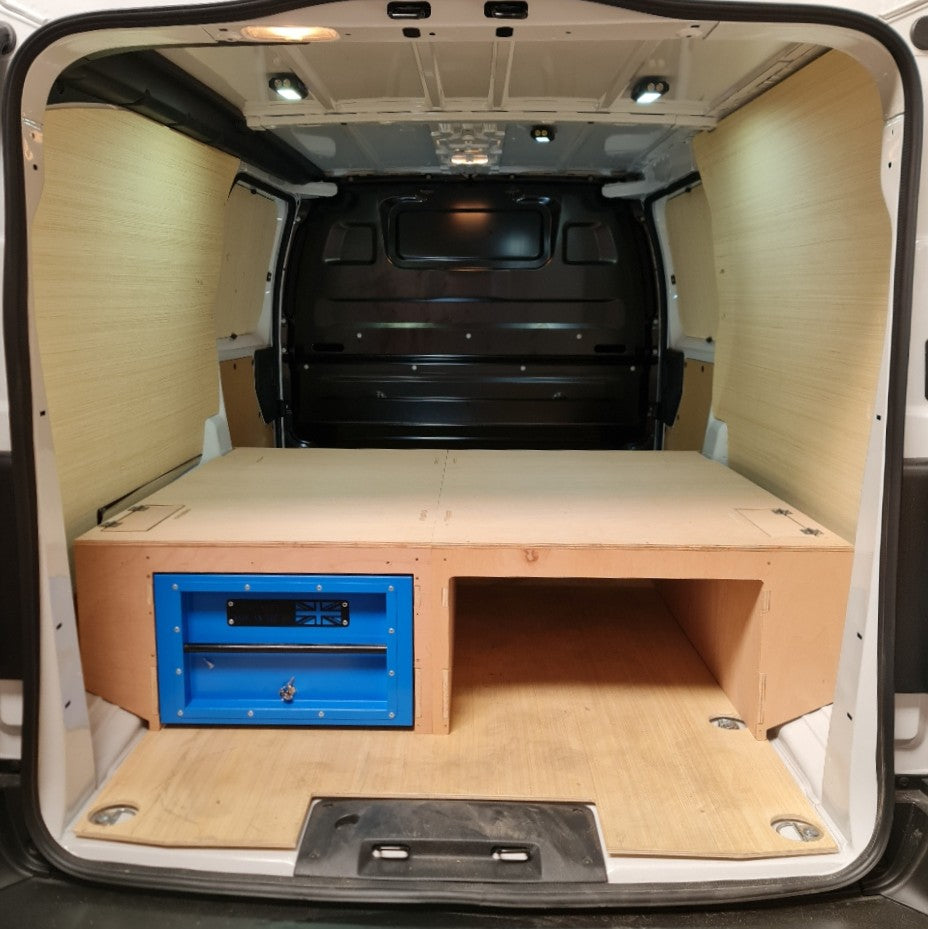
False floors can be useful where you need a level, hard-wearing base and a more organised platform for the rest of the storage arrangement. They can also help protect the vehicle floor from daily wear. As with shelving and racking, suitability depends on the van model and the type of work being carried out.
Choose vehicle-specific storage wherever possible
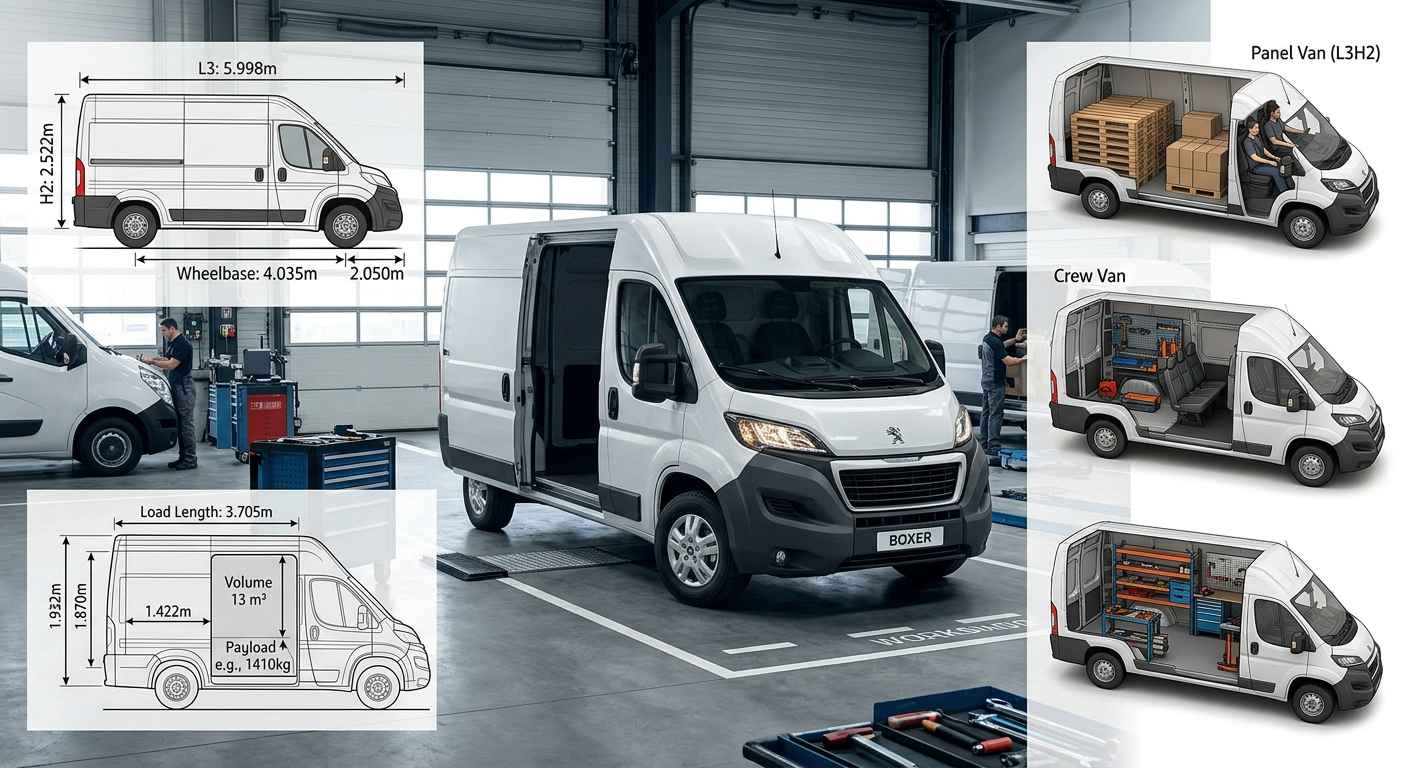
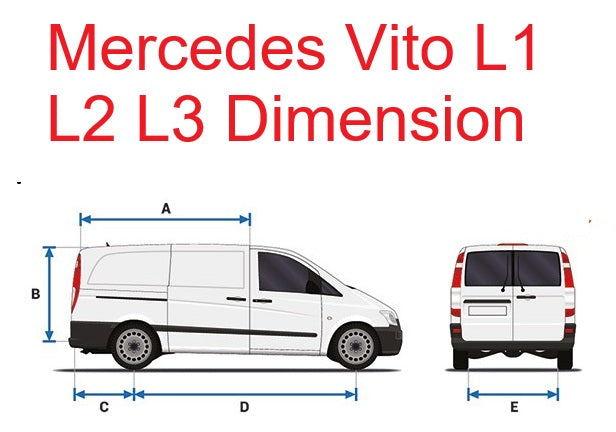
Commercial vans may look similar from the outside, but their internal dimensions, wheel arch positions, door openings and fixing points can differ considerably. A storage setup should be selected for the exact make, model, body length and, where relevant, model year of your vehicle.
This matters for more than appearance. A vehicle-specific design is more likely to use the available space sensibly, avoid obstructing doors and work around internal features properly. Check the product information carefully before ordering, especially if your van has been converted, lined out or fitted with additional equipment.
CNC Work supplies storage solutions organised around popular working vans, helping buyers narrow their choice by vehicle before deciding on the shelf, rack or accessory layout. It is a practical way to avoid comparing products that were never intended for the same load area.
Do not overlook the small accessories
The main shelving system gets most of the attention, but the smaller details often make the biggest difference during a busy day. A dedicated holder for sealant tubes stops them rolling under tool cases. A wipe dispenser keeps cleaning materials available when you need them. A glove box organiser prevents basic consumables from disappearing into the cab.
These accessories are useful because they deal with the items that are constantly picked up, put down and misplaced. They also free shelf space for larger equipment. Build the main layout first, then identify the small items that still create clutter or slow you down.
Plan for safety, payload and upkeep
A tidy van is not necessarily a safe van. Heavy tools, machines and materials must be secured appropriately for transport, and storage should not encourage overloading. Always consider your vehicle's payload and account for the weight of the racking, shelving, tools, stock, passengers and any other equipment carried.
Check fixings regularly, particularly after the first few weeks of use and after carrying heavier loads. Keep shelves clear of debris, return items to their allocated positions and deal with damaged boxes or loose containers before they become a problem. A storage system only saves time when it stays organised.
The best setup is the one that makes your normal working day easier. Choose shelving when flexible, visible storage is the priority. Choose a more structured racking arrangement when your work depends on keeping tools, parts and consumables in fixed locations. Either way, plan around the jobs you do most often, leave room for the work that changes, and give every regularly used item a place worth returning it to.