
A van that looks right on paper can still cost you time every day if the load area does not suit your tools, materials and working routine. In the Transit Custom versus Vivaro decision, there is no single winner for every trade. Both are capable medium vans with strong appeal for UK sole traders and fleets, but the better choice depends on what you carry, where you drive and how you intend to organise the back.
For an electrician carrying cases, cable, fixings and test equipment, accessible shelving may matter more than outright load volume. For a builder moving boards, timber and heavier materials, payload and load length can take priority. Looking beyond the badge and base price is what helps you buy a van that works properly from the first job to the last.
Transit Custom versus Vivaro: the practical differences
The Ford Transit Custom has long been a familiar sight on British worksites, and for good reason. It is widely used across trades and fleets, so used examples, servicing knowledge and vehicle-specific accessories are easy to find. Depending on the generation, body style and specification, it offers a useful balance of cab comfort, driving manners and a square, usable load area.
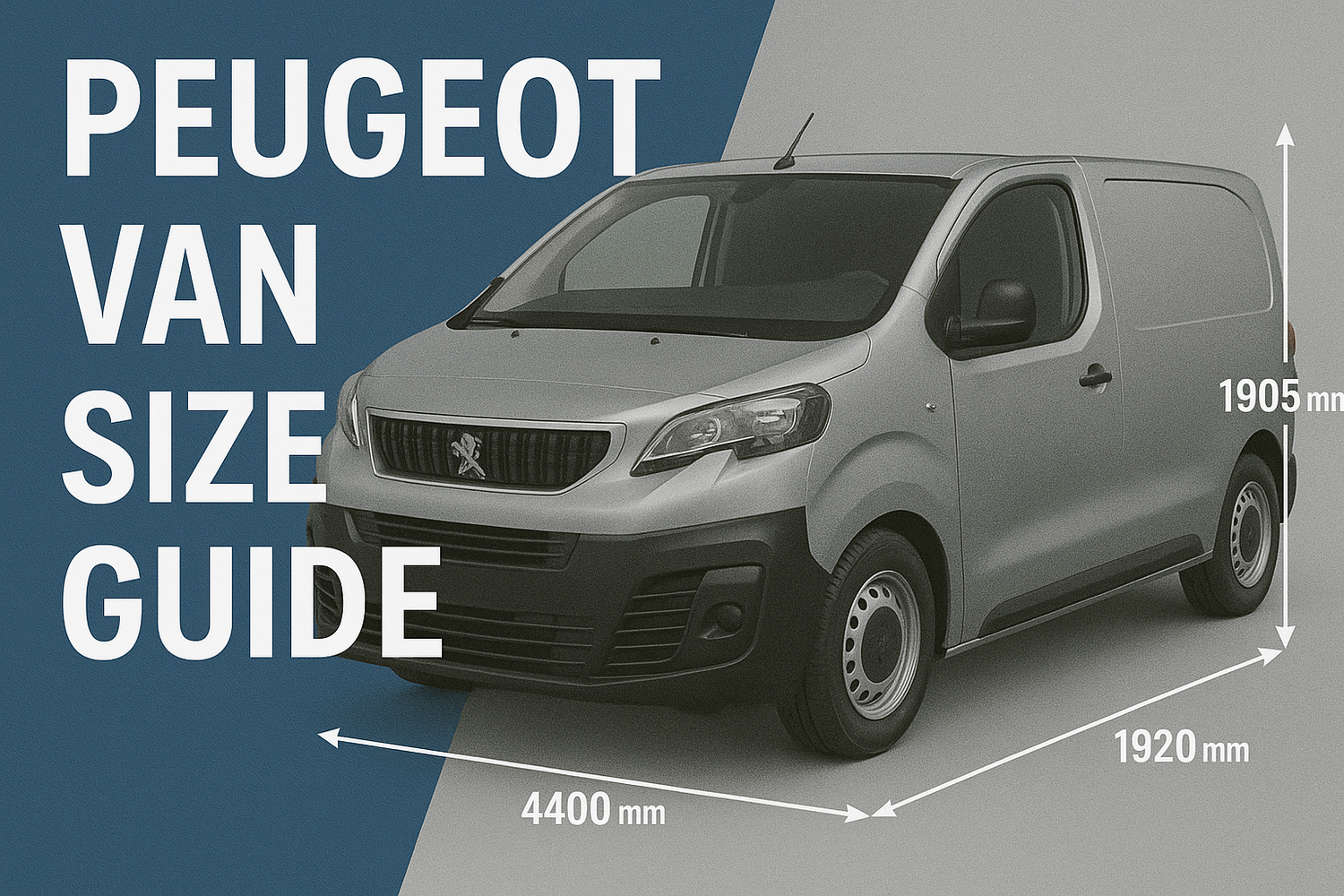
The Vauxhall Vivaro is equally focused on commercial use. Modern versions share a practical medium-van layout, with choices that can include different lengths and roof arrangements. It is often shortlisted by operators who want a straightforward work van with sensible equipment levels and a load bay designed for everyday access.
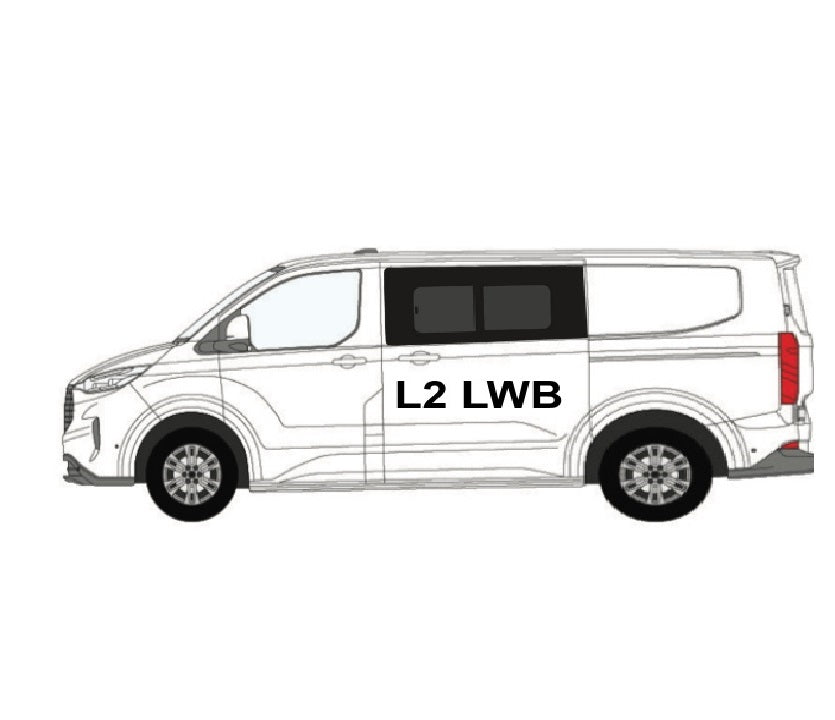
The first rule is to compare like for like. A short-wheelbase Transit Custom should not be judged only against a longer Vivaro, and a high-payload version should not be compared with an entry-level model. Model year, engine, gearbox, wheelbase, doors and trim can all change the real-world result.
Load space is about shape, not just volume
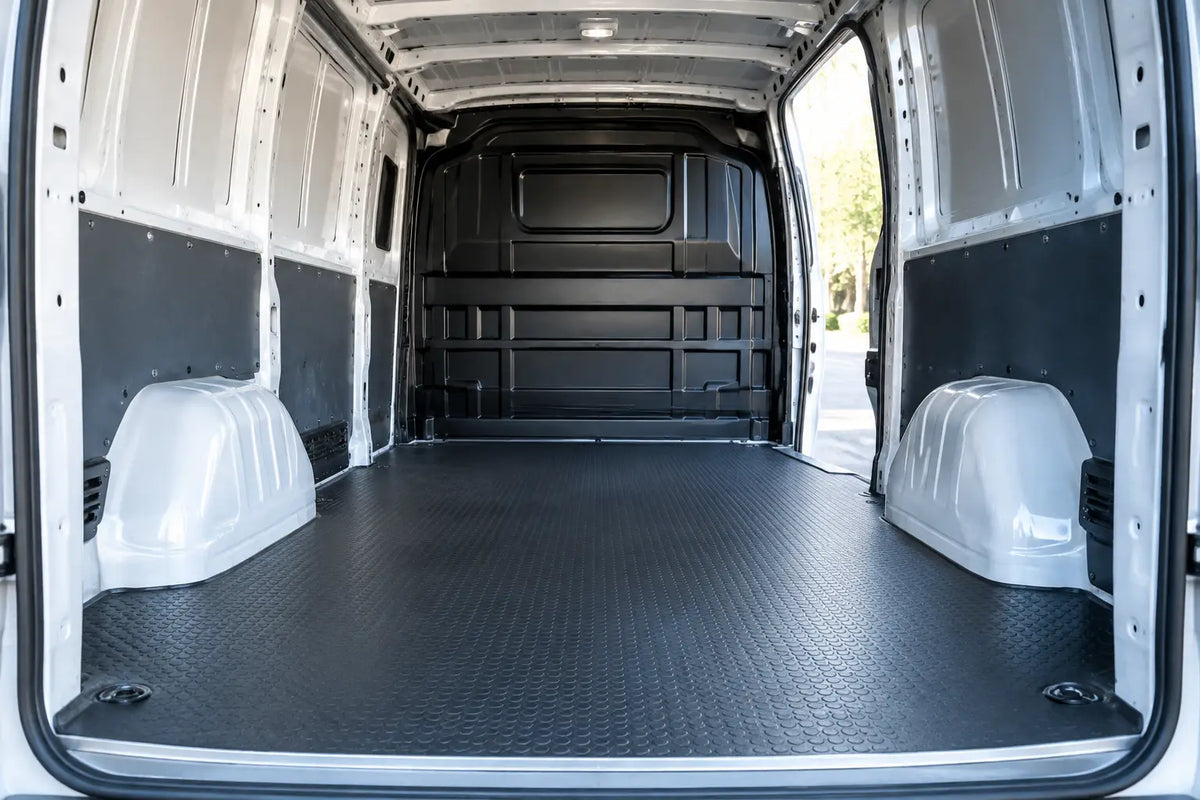
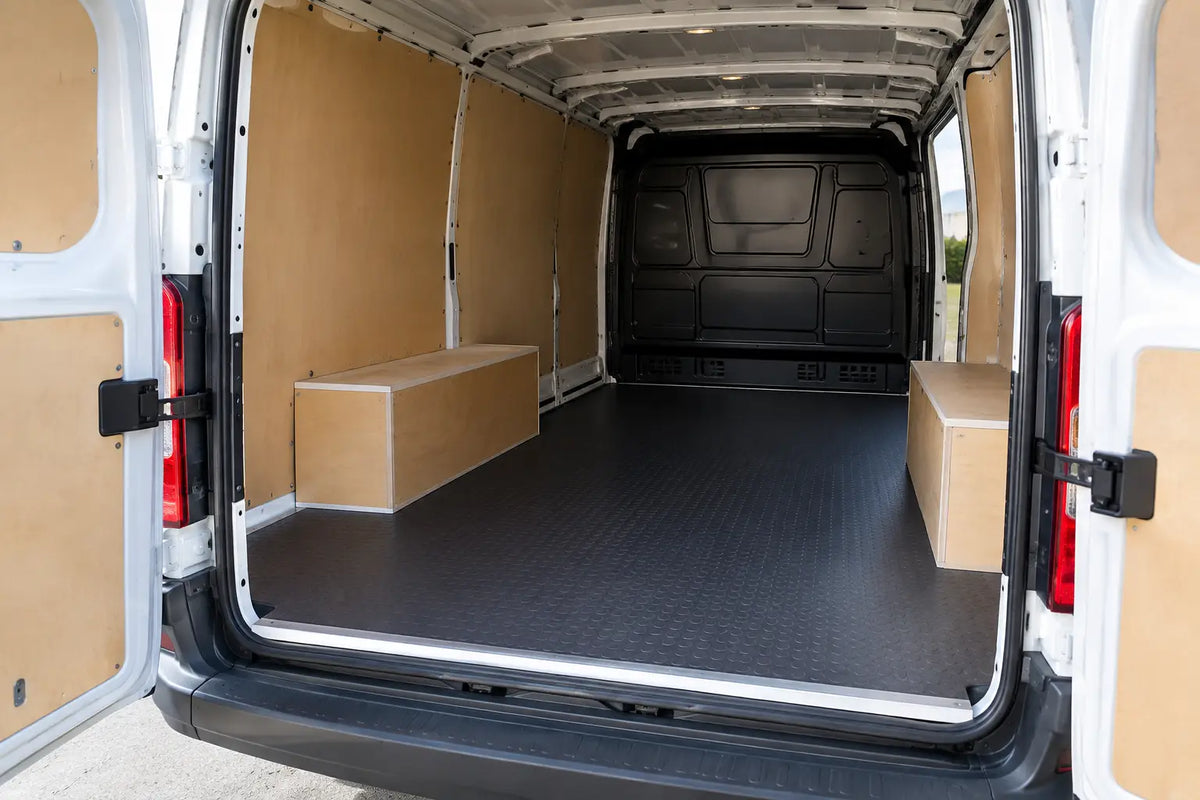
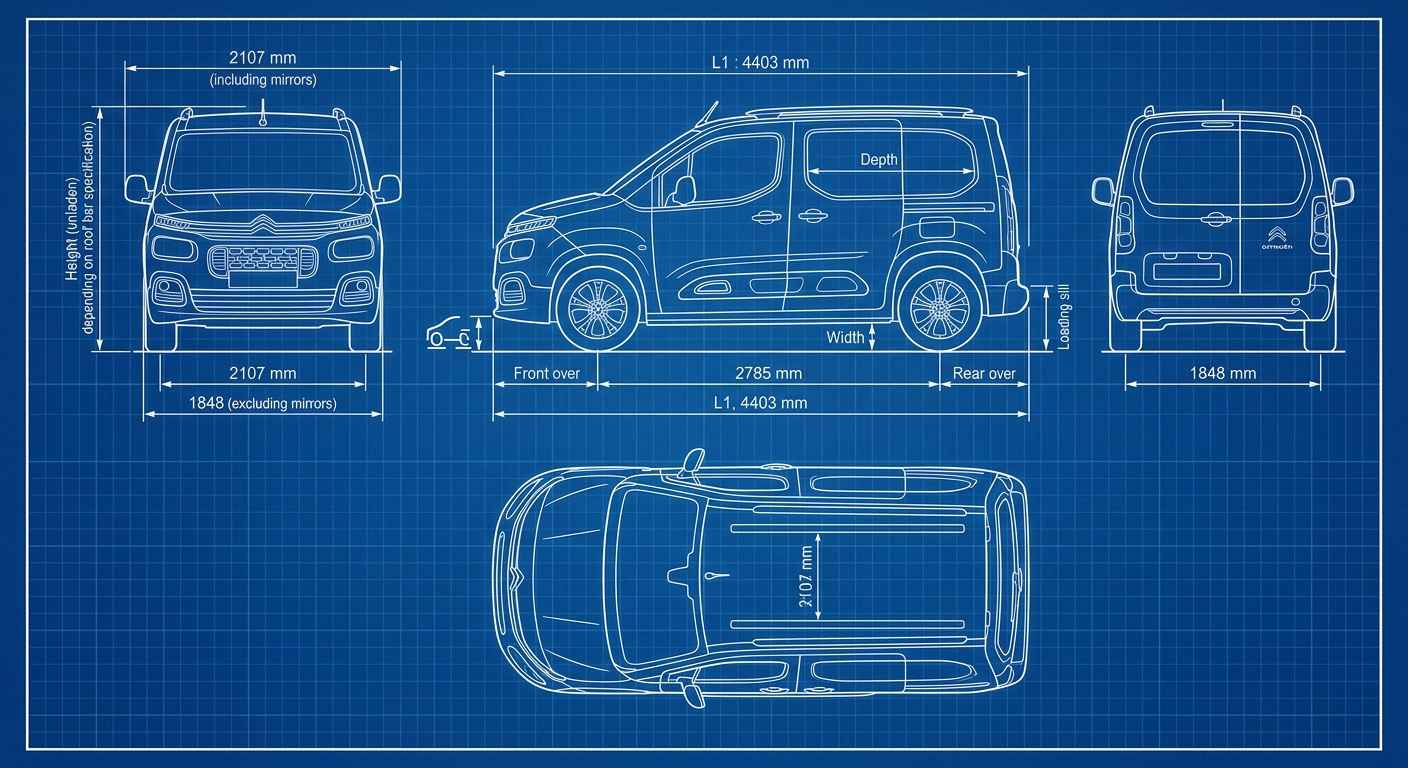
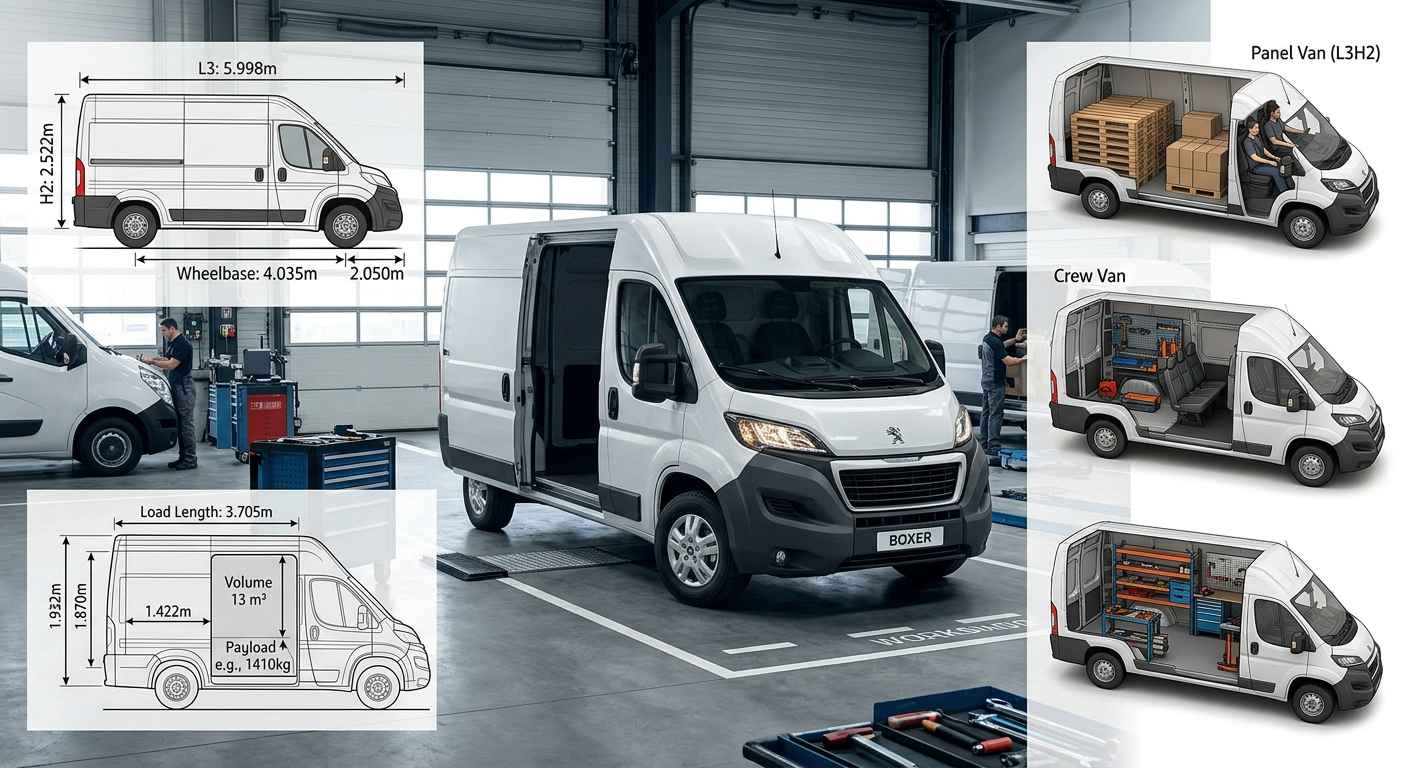
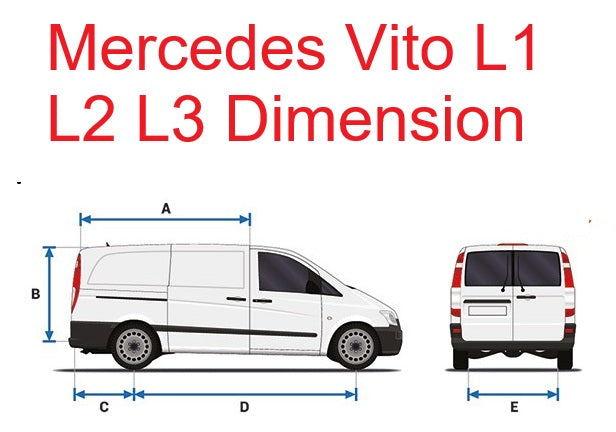
Published load-volume figures are useful, but they do not show how efficiently you can use the space. The key measurements for working trades are load length, width between the wheel arches, internal height and the aperture of the side and rear doors.
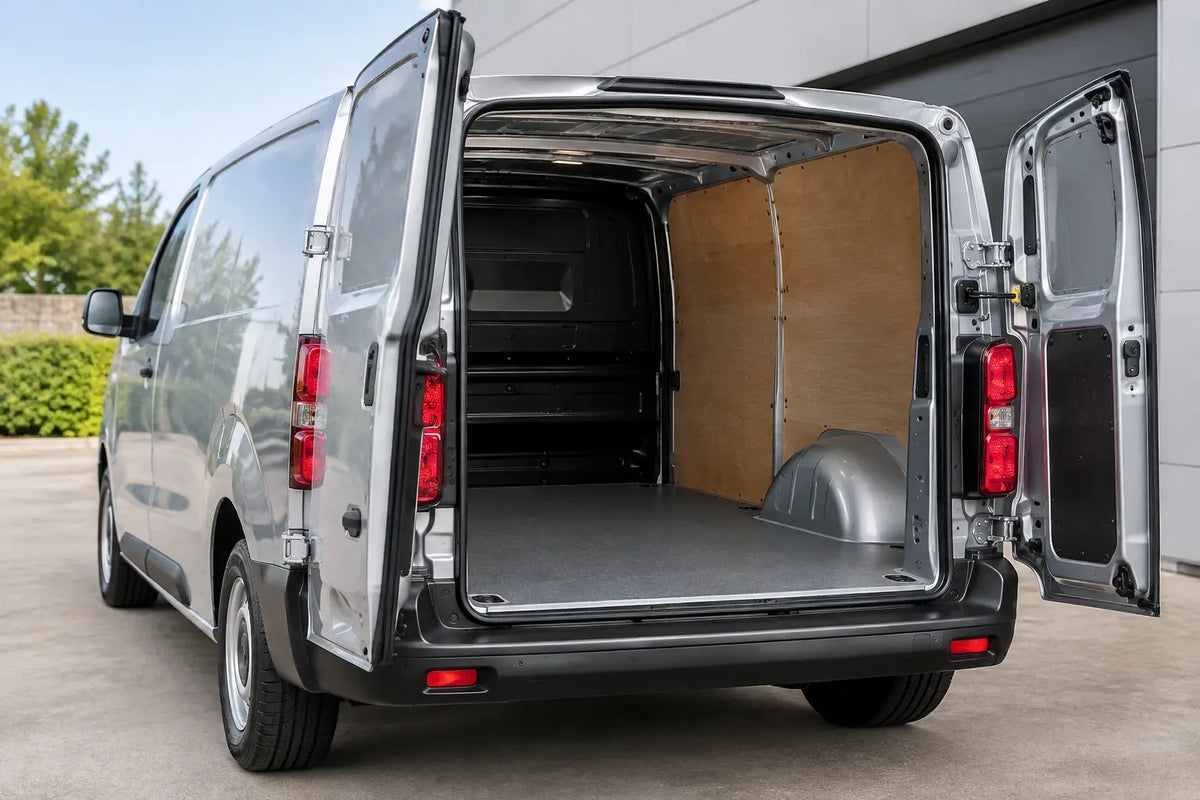
Both vans can handle the core requirements of many trades: toolboxes, parts cases, power tools, ladders, stock and daily consumables. The Vivaro is available in formats that may appeal if you regularly need added load length. The Transit Custom also offers configurations suited to general trade use, particularly when the van needs to remain manageable in town, on estates and in tight customer car parks.
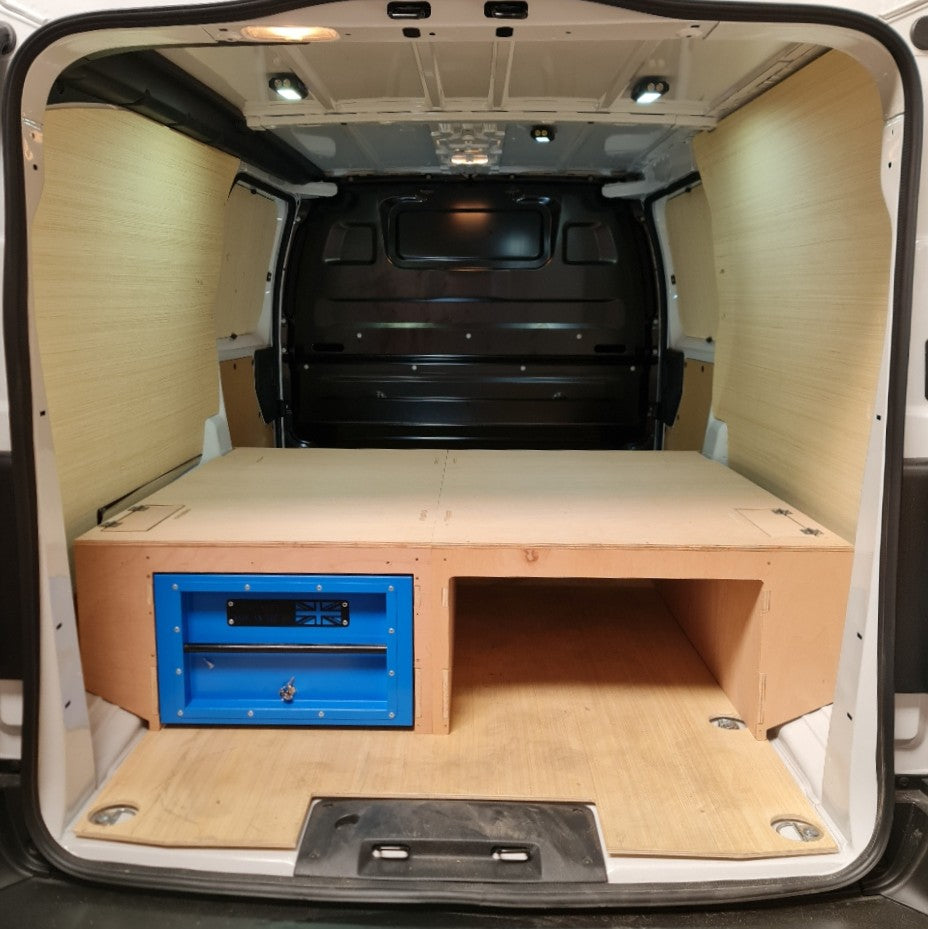
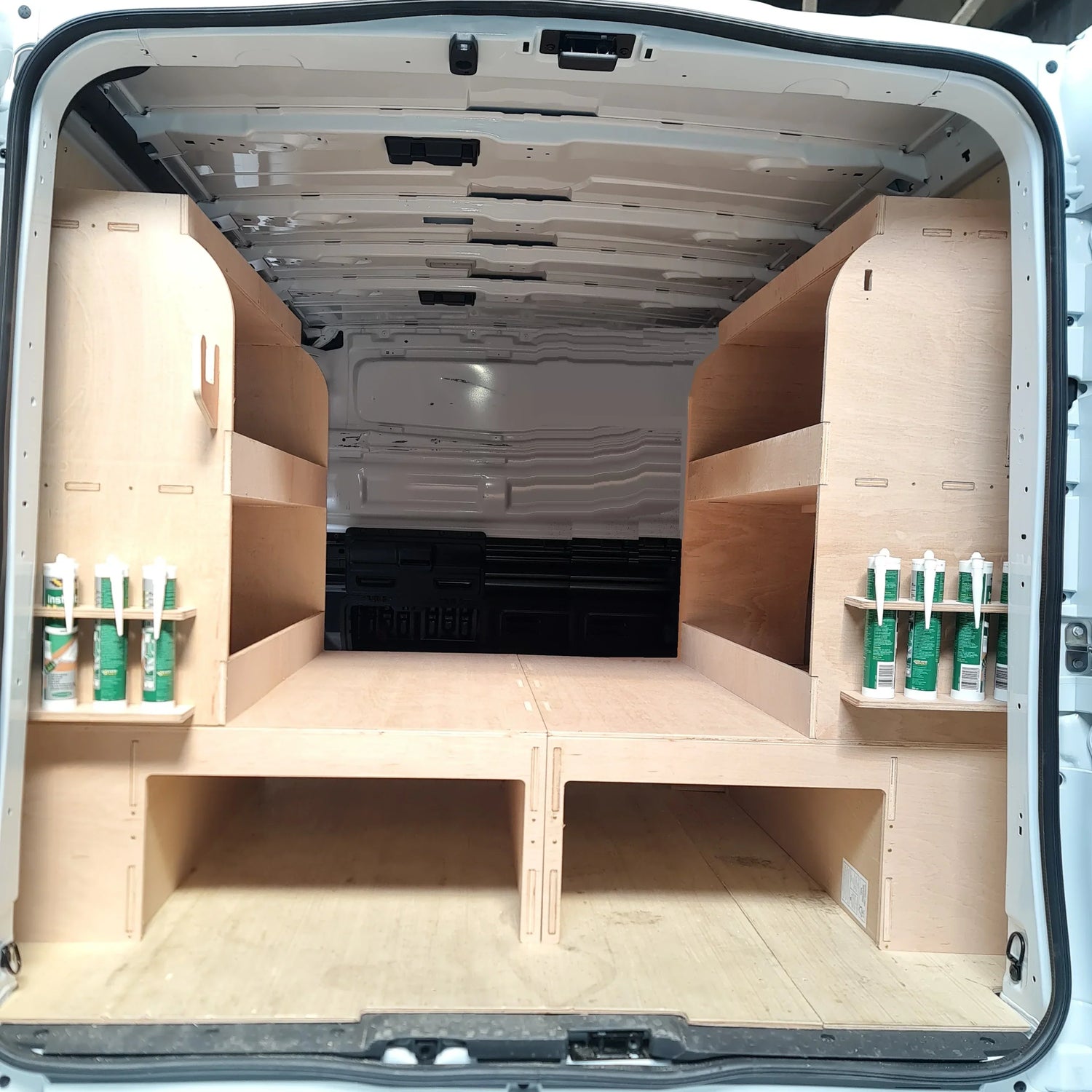
Before ordering racking or false flooring, measure the vehicle or confirm its exact variant. A storage system should suit the wheelbase, model generation and interior layout, rather than being chosen on the van name alone. Small differences around wheel arches, fixing points and door openings matter when you are trying to make full use of a side wall.
Payload needs honest calculations
Payload is where many van buying decisions go wrong. The advertised maximum is not necessarily the payload of the vehicle sitting on the forecourt. Engine choice, trim, additional seats, automatic transmission, roof equipment and optional extras can all affect the figure.
Start with what goes in the van on a busy day. Include shelving, false floors, tool cases, generators, cable drums, boxes of fittings, adhesives, water, fuel and the driver. A plumber or heating engineer can build up a substantial load quickly, while a delivery or maintenance vehicle may carry high-volume but lighter stock.
If you regularly operate close to the limit, choose the correct gross vehicle weight and payload rating at purchase rather than hoping a lighter fit-out will solve the issue later. Good organisation helps distribute items safely and stops loose equipment moving around, but it does not increase the vehicle’s legal carrying capacity.
Cab comfort and driving on a working day
The Transit Custom is often valued for car-like road manners and a cab that suits people who cover serious mileage between jobs. If your work takes you across England, through motorway traffic and into city centres in the same week, that can be a meaningful advantage. A comfortable driving position, clear controls and useful in-cab storage all reduce fatigue over a long shift.
The Vivaro is also designed to be an easy van to live with. Its best fit is often the operator who wants a practical, controlled drive without turning the vehicle choice into a lifestyle decision. For many businesses, the deciding factor will be the exact specification available, including seat layout, parking aids, visibility and the features that support the routes you actually run.
Take both for a proper drive if possible. Check clutch feel or automatic response in traffic, rear visibility, turning circle and how easily you can reach the tools or paperwork you use most. A van can have strong headline figures and still feel wrong after six calls in a day.
Running costs, availability and fleet decisions
Purchase price is only one part of the calculation. Consider fuel use in your usual driving conditions, insurance, finance terms, maintenance planning, tyre costs and resale prospects. Availability can also influence the decision, particularly for a fleet that needs matching vehicles or a business replacing a van quickly after failure or accident damage.
The Transit Custom’s popularity can be helpful when sourcing used vans and finding widely available parts and accessories. On the other hand, popularity can mean desirable used examples hold their value firmly. The Vivaro can represent good value in the right specification, but the best deal is still the one that meets your operational needs without expensive compromises.
For a fleet, standardising on one vehicle can simplify driver familiarity, racking layouts and stock control. For a sole trader, the priority may be finding the cleanest, best-specified van within budget. Neither approach is wrong, but both should allow for the cost of fitting the load area properly.
Making either van a better mobile workspace
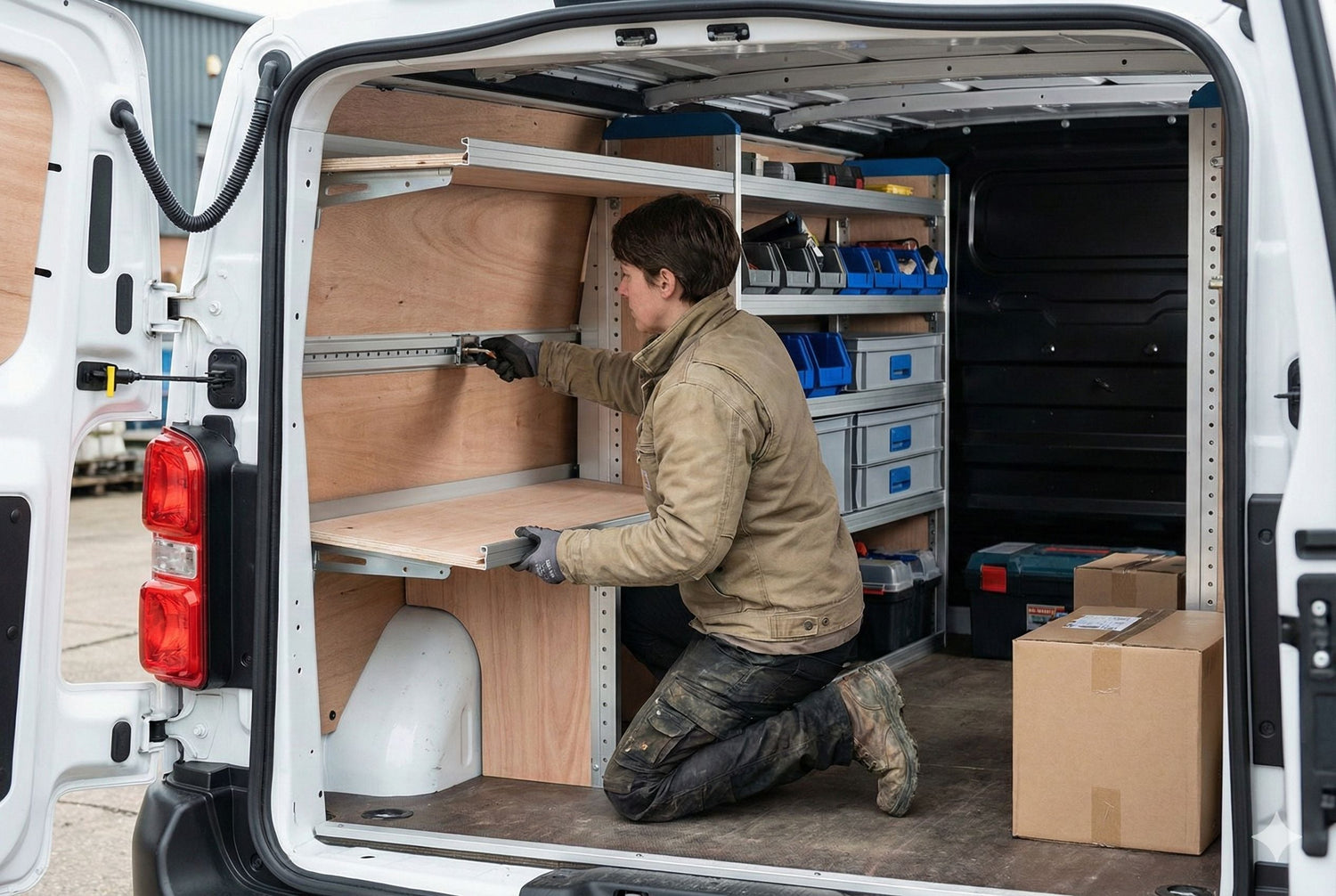
A bare load bay soon becomes inefficient. Tools slide, parts disappear under larger items and the floor takes the impact of daily loading. The right storage setup turns the van into a working space rather than a moving pile of equipment.
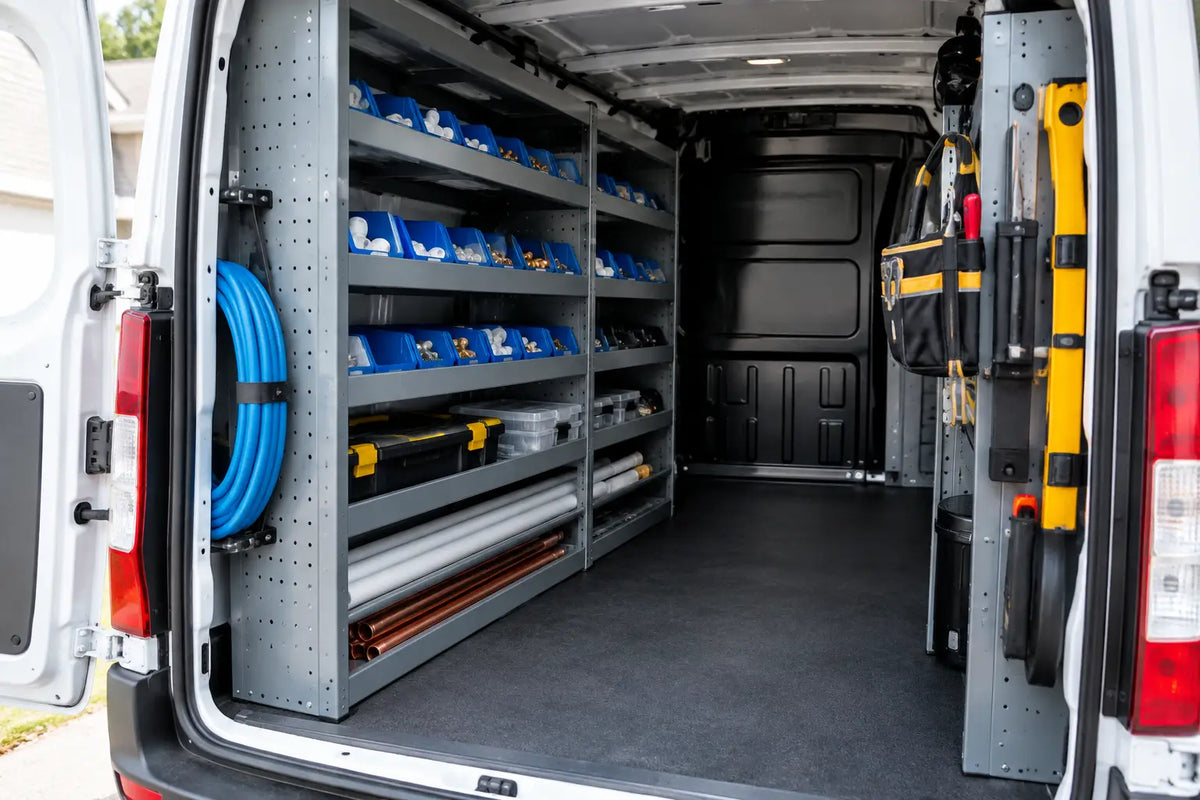
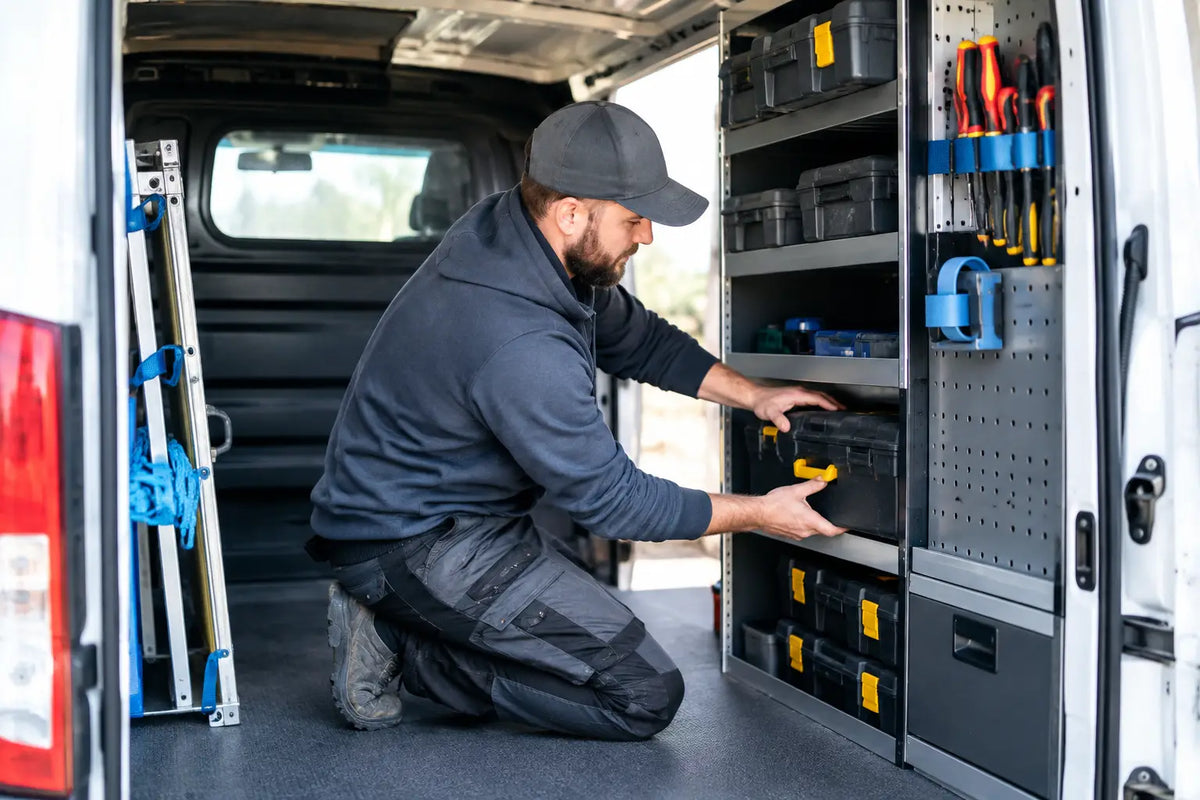
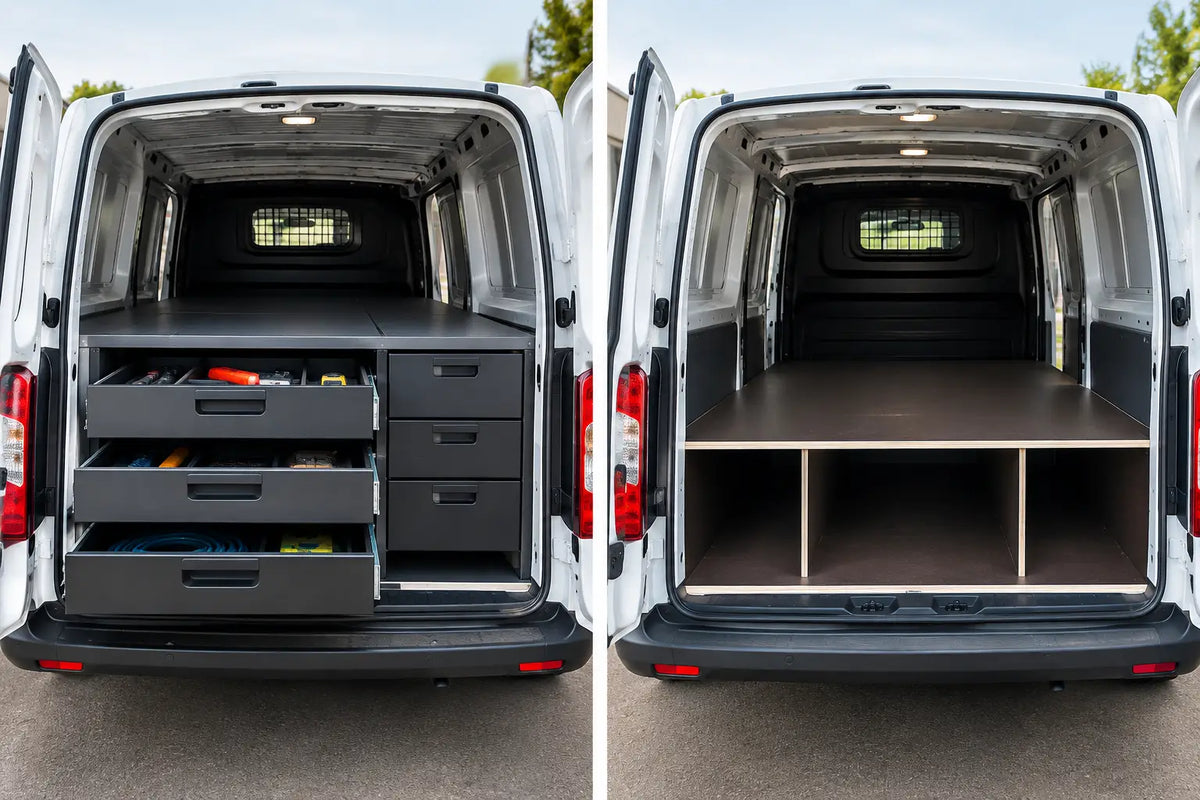
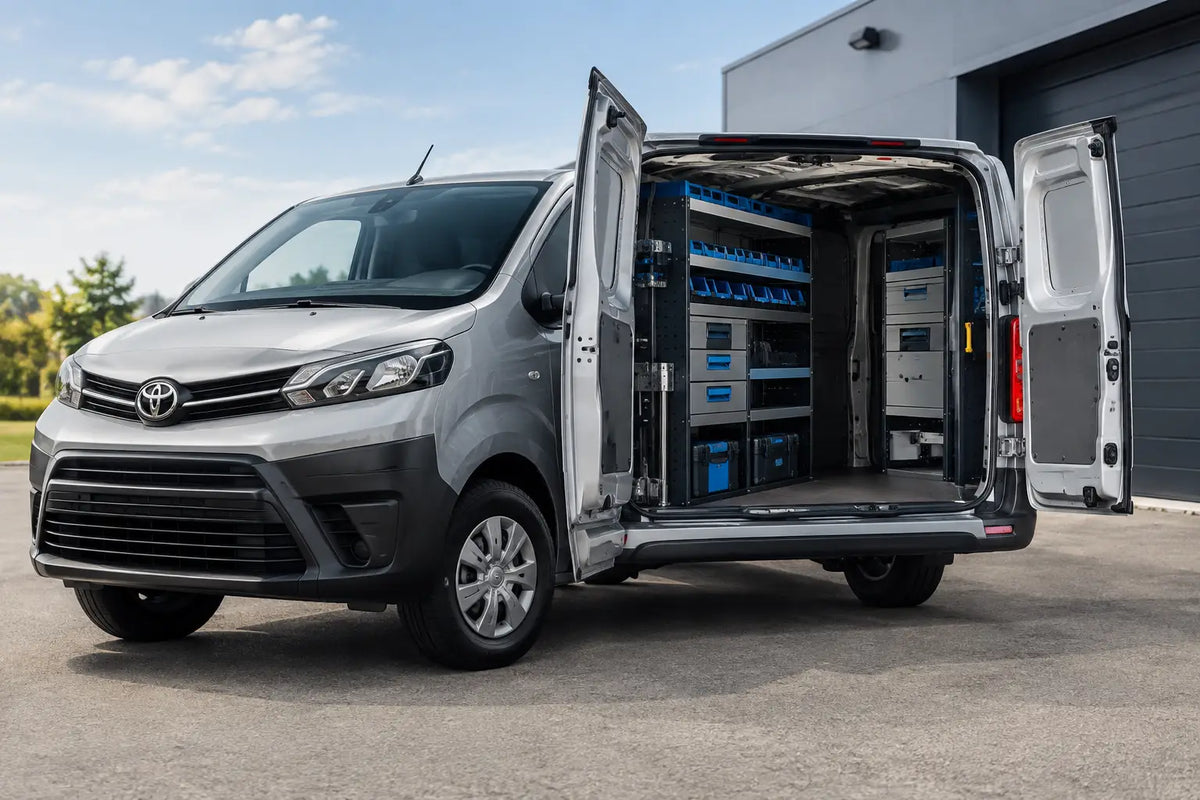
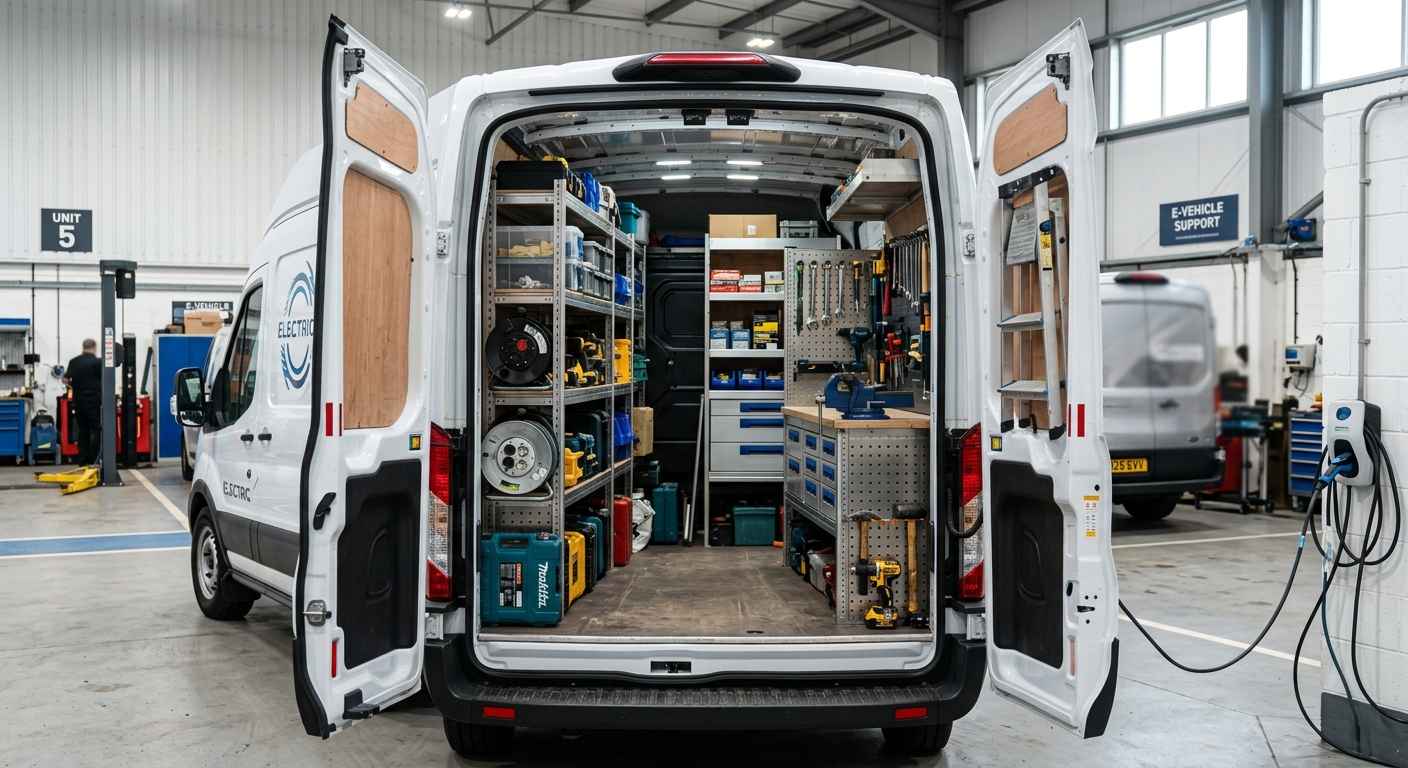
Start with your routine. Keep the items used at every job close to the side door or rear entrance. Put heavier equipment low down and secure it correctly. Reserve shelving for organisers, fixings, sealants, electrical accessories, PPE and smaller tool cases, where quick visibility saves repeated searching.
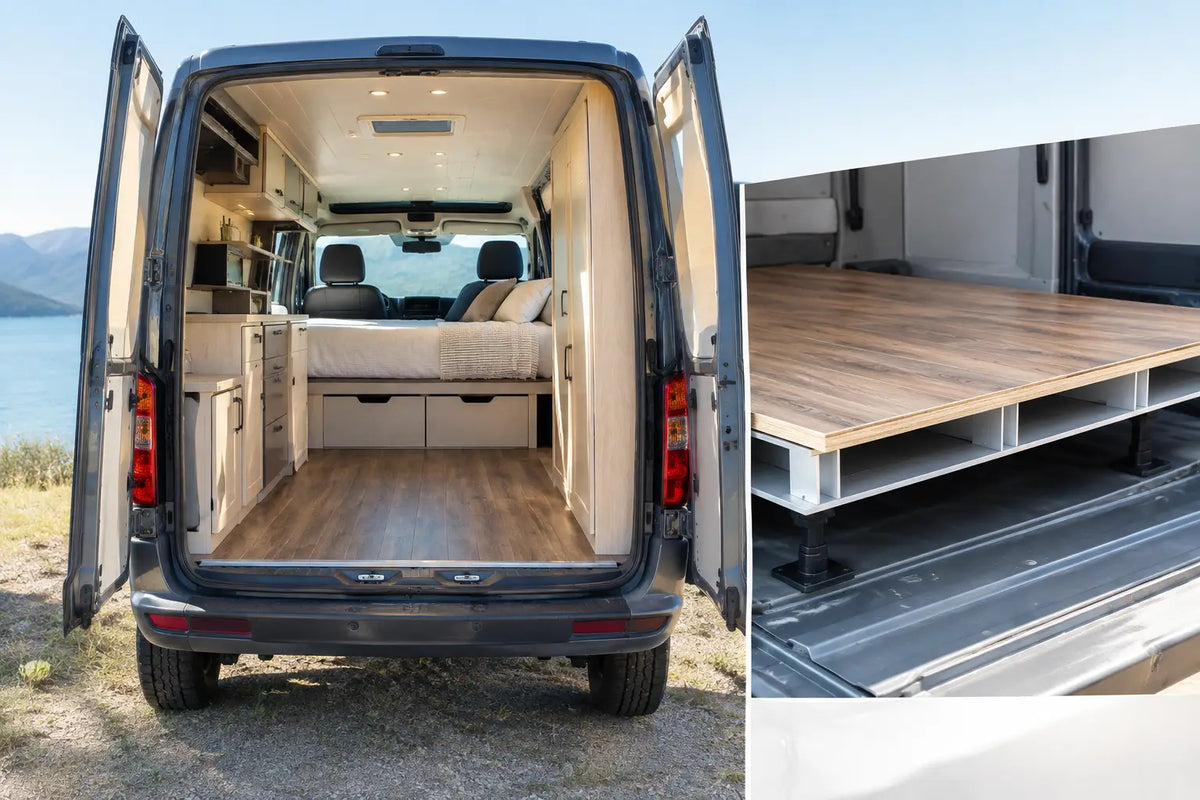
A false floor can protect the original load-bed surface and provide a sound base for day-to-day use. Side shelving helps keep valuable tools and consumables off the floor, while purpose-built accessories such as wipe dispensers, glove box organisers and sealant holders make the small, frequently used items easier to find. These are simple additions, but they reduce clutter and wasted minutes across a working week.
At Van Shelves, the sensible approach is to choose storage by the exact vehicle model and the job it needs to do. Confirm compatibility before buying, particularly if the van has a different wheelbase, model year or factory lining. A well-planned installation should leave clear access to doors, preserve useful floor space and make the vehicle easier to reload at the end of the day.
Which one should you choose?
Choose the Transit Custom if its driving position, local availability, specification and load layout match your work. It is a strong all-round option for tradespeople who spend plenty of time behind the wheel and need a familiar, practical medium van.
Choose the Vivaro if its length options, payload specification, price or available stock make better commercial sense for your business. It is not a lesser choice simply because it is different - the right configuration can be an excellent base for a tidy, hard-working mobile workshop.
The useful test is not which van wins a brochure comparison. It is which one lets you load faster, find tools first time, carry your normal workload legally and arrive at the next job ready to work.