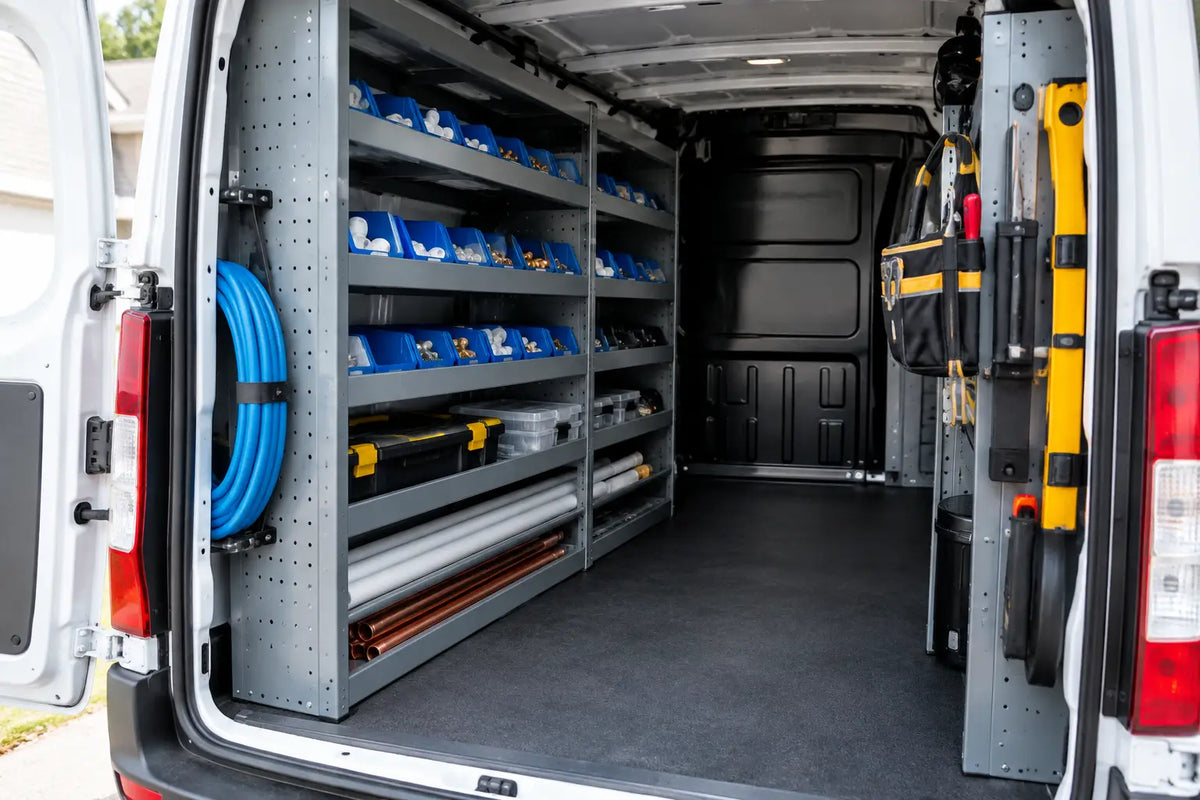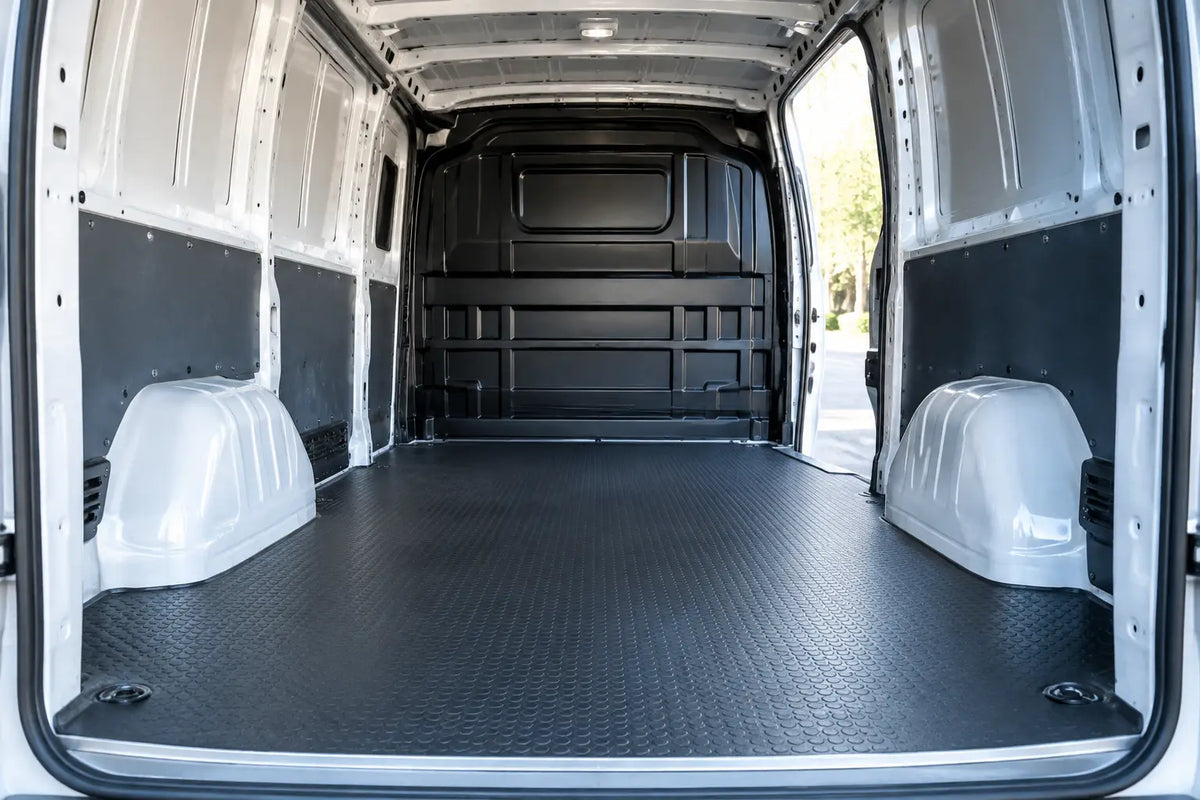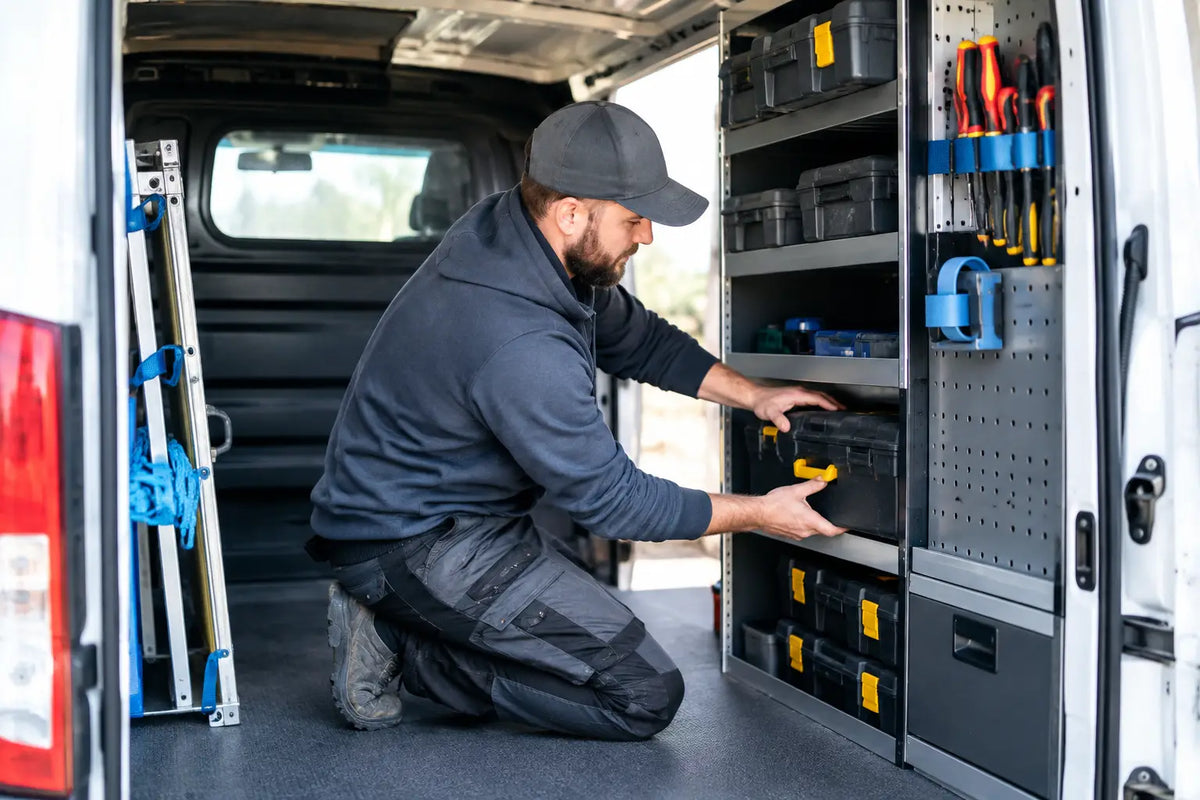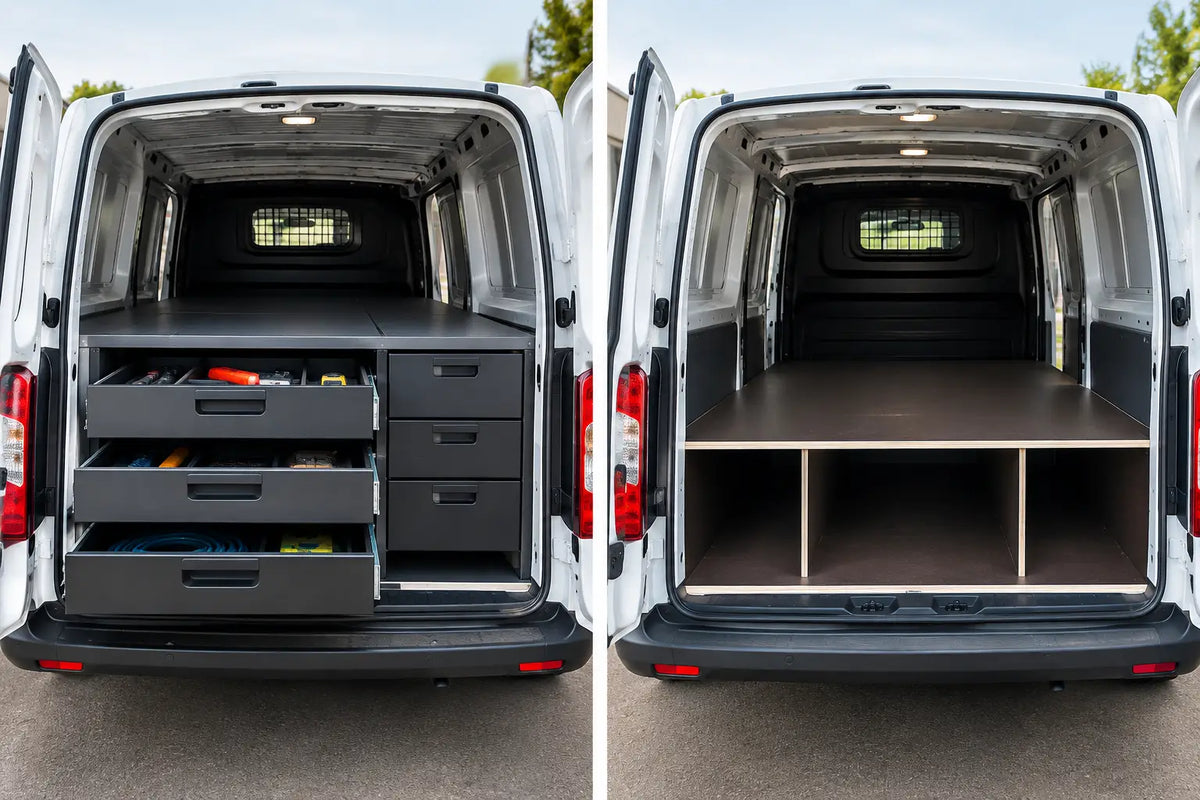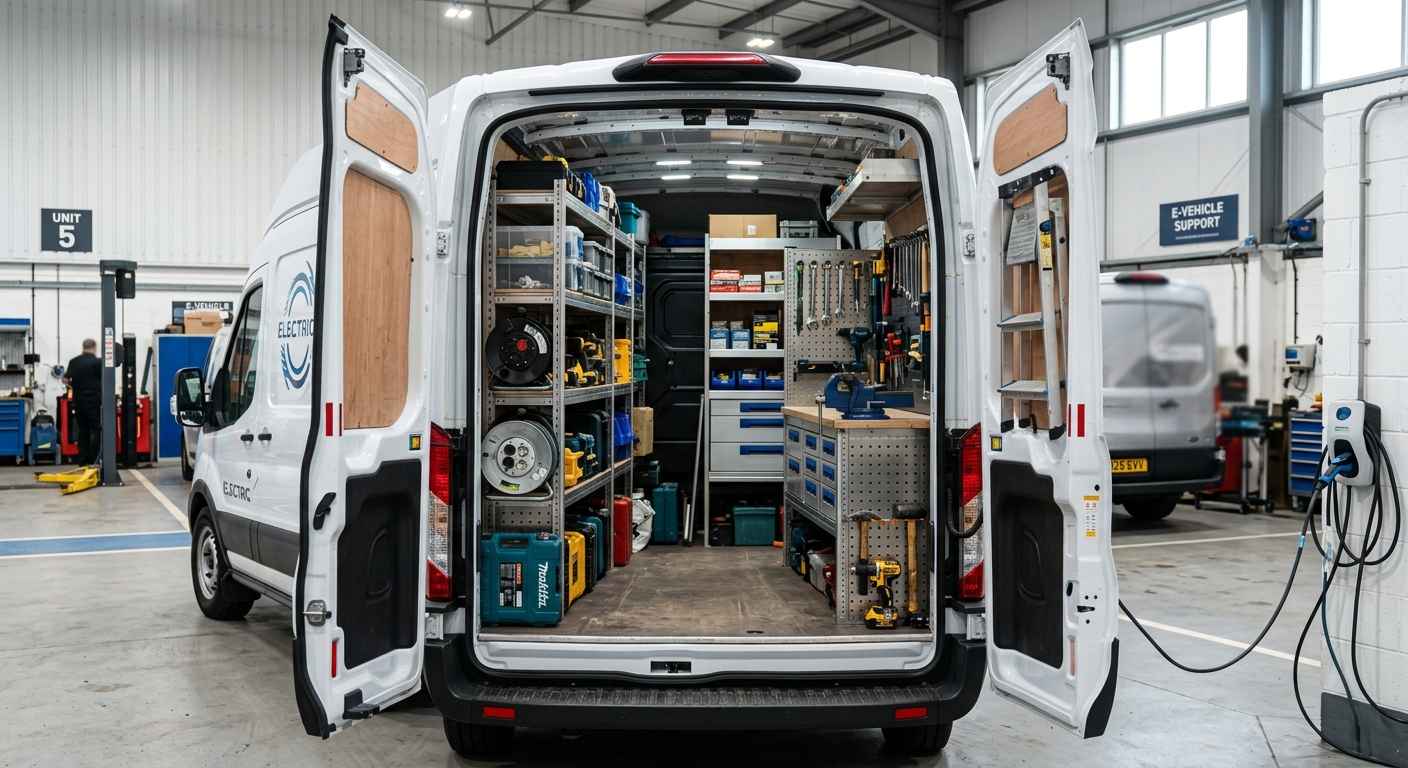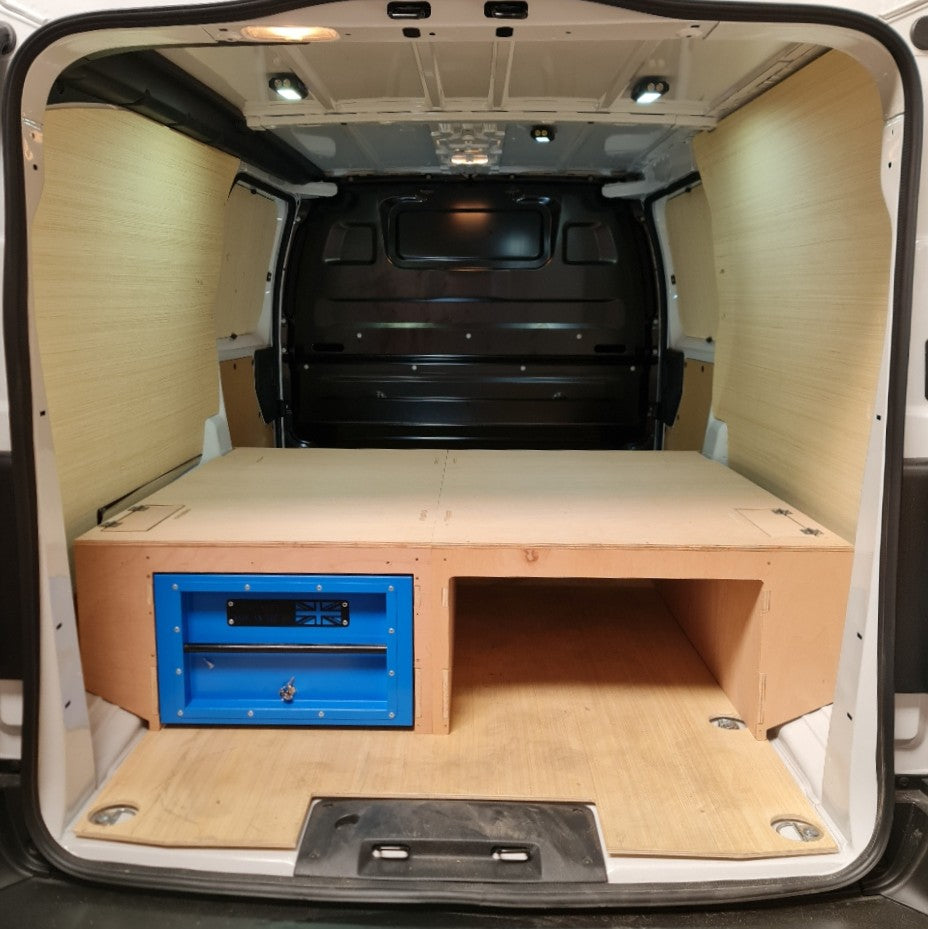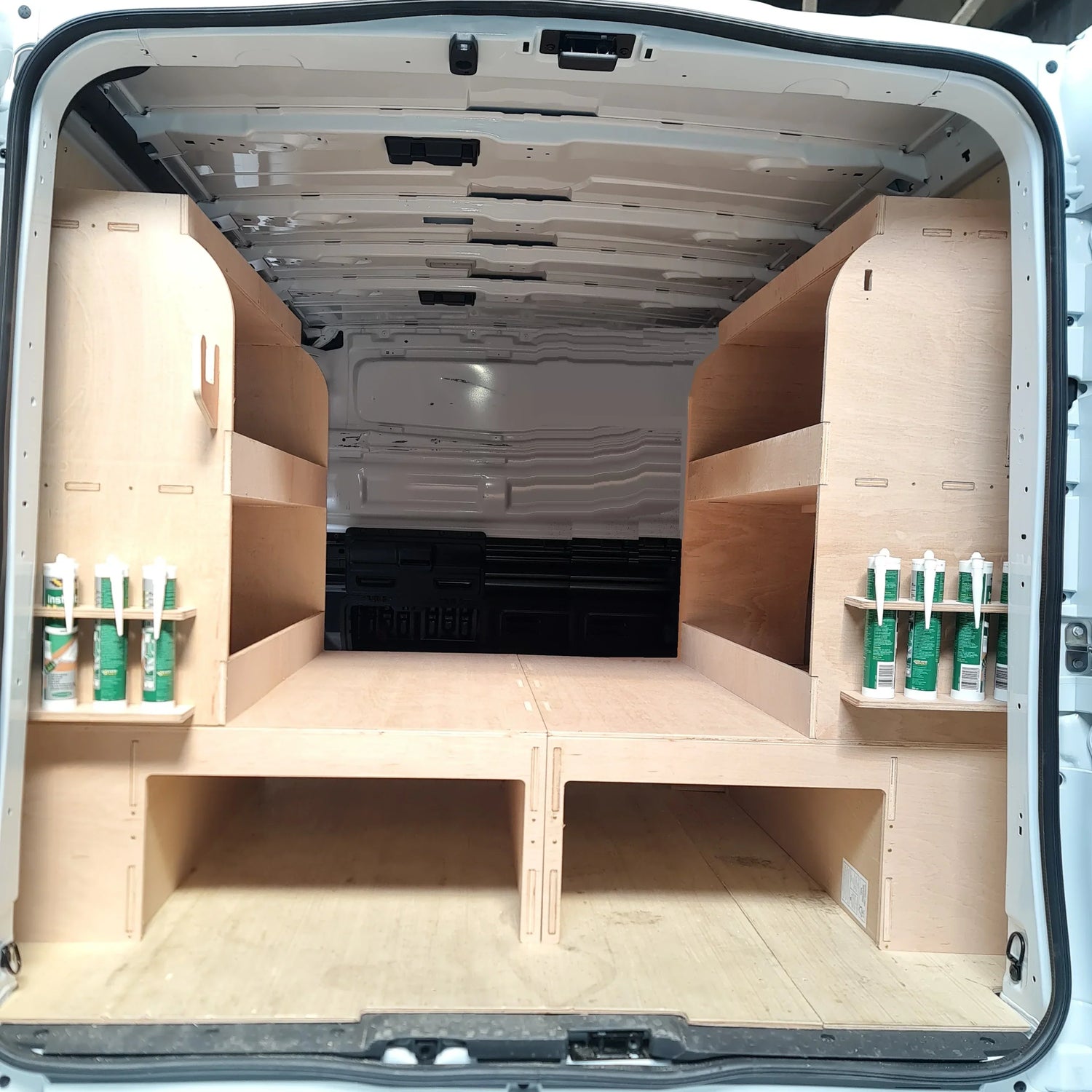











A clear load area is worth more than it looks. When every drill case, box of fittings and cable reel is sitting on the floor, loading up takes longer, tools get knocked about and the first item you need is usually buried underneath everything else. The practical way to maximise underfloor van storage is to use the space beneath a properly planned false floor for the items you carry every day but do not need left out in the open.
For plumbers, electricians, fitters, maintenance engineers and other mobile trades, underfloor storage can turn a busy working van into a more organised workspace. It is not about carrying more for the sake of it. It is about giving tools, longer materials and consumables a fixed place, so the main floor stays available for the job in hand.
Start with the kit that causes the most clutter
Before choosing a false floor or deciding on drawer layouts, take a realistic look at what lives in the back of your van for a normal working week. Most vans collect a mixture of essential tools, occasional-use equipment, spare stock and loose consumables. Underfloor storage works best when it is reserved for the first two groups.
Long, awkward items are often the obvious starting point. Conduit, trunking, pipe, spirit levels, straight edges and certain power-tool cases can take up a surprising amount of floor space. Keeping them beneath the deck means they are protected and out of the way without being forgotten.
It also suits heavy or high-value kit that you want contained in one place. A low-mounted drawer can be a sensible home for toolboxes, testing equipment or cases, provided the floor system and drawer runners are designed for the weight being carried. Do not assume every underfloor setup will handle the same load. Check the product specification and think about the total weight of the contents, not just the empty drawer.
Items needed repeatedly throughout the day should stay easy to reach. If you use a box of fixings, wipes or sealants at every callout, a side shelf, rear-door organiser or dedicated accessory holder may be quicker than opening a floor drawer each time. The aim is to reduce unnecessary movement, not to hide everything away.
Choose a false floor that suits your van and work
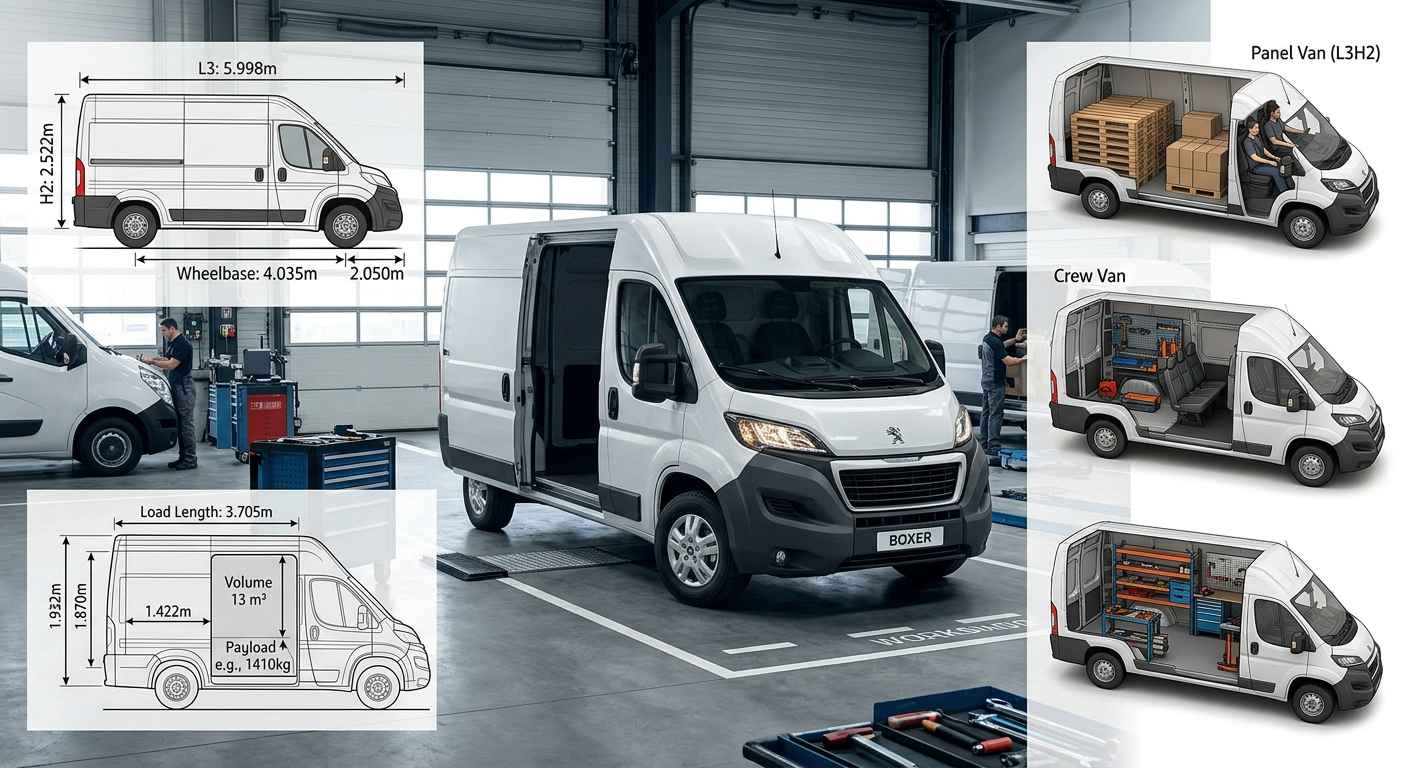
A false floor creates a raised, level deck above usable storage space. The right one depends on your van model, wheelbase, door access and the type of work you do. A compact van used for service visits has different needs from a longer vehicle carrying installation materials or site equipment.
Vehicle-specific fitment matters. The load area shape, wheel arch position, tie-down points and rear opening all affect how a floor system sits in the van. Always check that the floor is intended for your exact make, model, year and wheelbase before buying. Even closely related vans can have differences that affect fitment.
Think carefully about drawer access too. Rear-opening drawers are popular because they allow you to reach equipment from the back doors without climbing into the vehicle. Side access can be useful when you regularly work from the kerbside door or have shelving arranged at the rear. There is no universal best option - it depends on where and how you normally load the van.
Keep usable load height in mind
The main compromise with underfloor storage is that the floor sits higher. That reduces vertical load height, which can matter if you carry tall boilers, boards, machinery or bulky deliveries. Measure the tallest items you regularly transport before choosing the floor depth.
A shallower storage space may be enough for hand tools, cases and fittings while preserving more headroom above. A deeper drawer provides more capacity but may make tall loads harder to carry. Planning around your regular work is better than choosing the biggest available storage space and finding it limits the rest of the van.
Build zones around your daily workflow
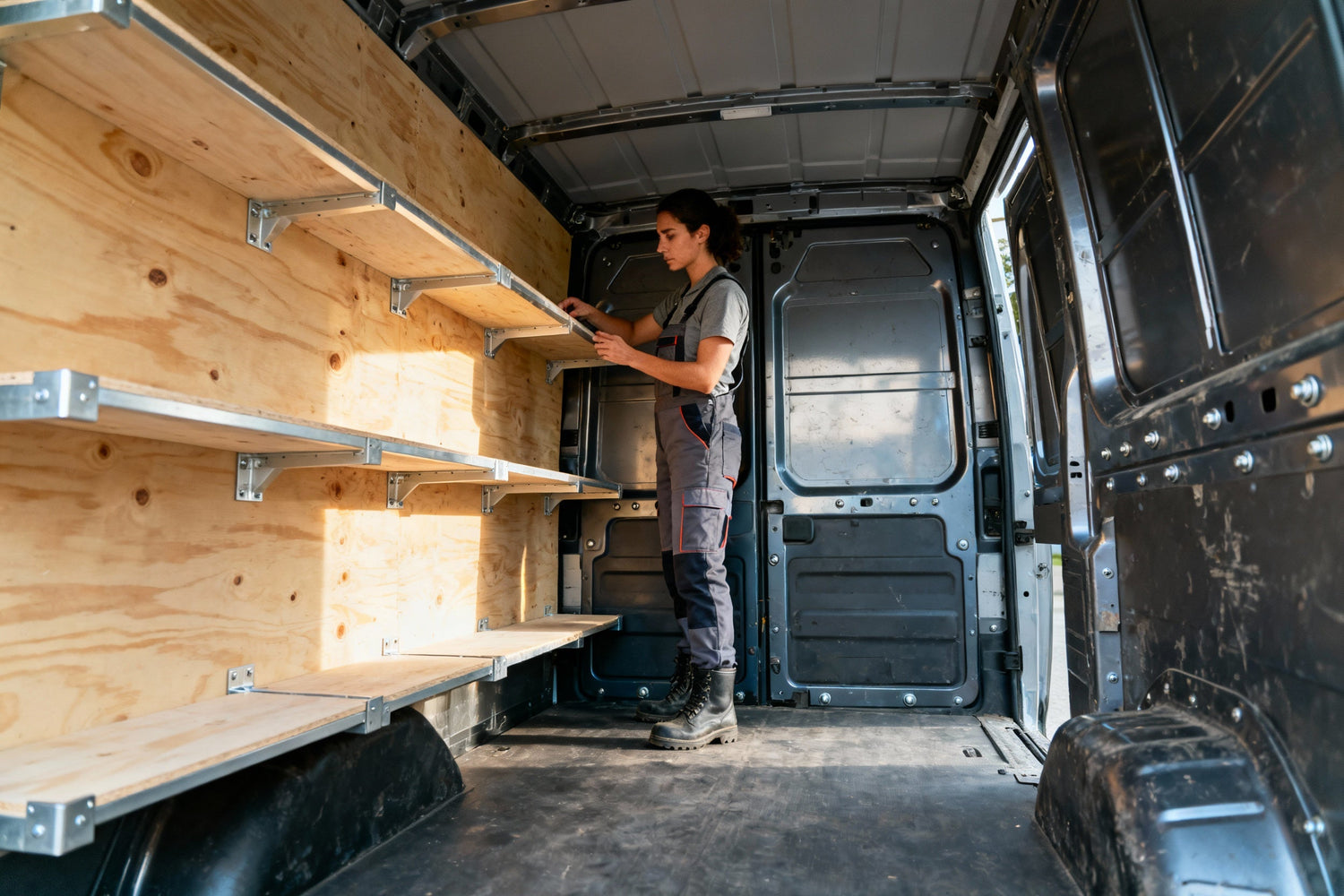
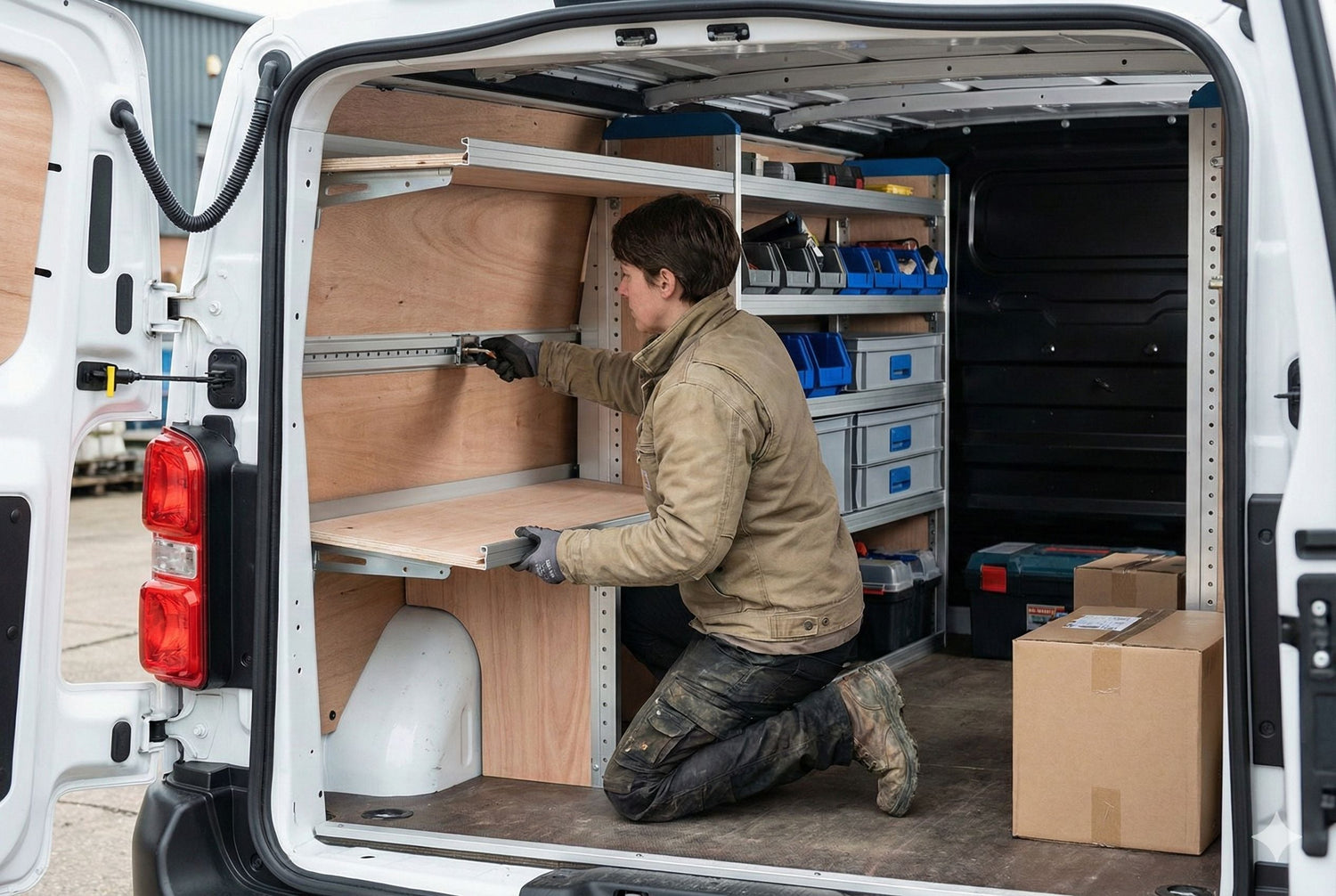
The strongest van layouts make it obvious where each type of item belongs. Underfloor storage is one zone, not the whole answer. Pair it with shelving, racking and small accessories so the vehicle works from floor to roof.
Use the underfloor section for contained, heavier or longer equipment. Put regularly used consumables in labelled shelf bins at a comfortable height. Keep workwear, PPE and cleaning items separate from tools and stock. Small items that normally end up rolling around - gloves, wipes, tapes, cartridges and fixings - are usually better in purpose-made holders or compartments than in a large drawer.
Loading order is equally important. Heavier items should be low down and positioned sensibly within the load area. Avoid putting all the weight at one end of the van, then adding more stock as the week goes on. Your vehicle's payload and axle limits still apply after fitting any storage system, and all loads need to be properly secured.
A straightforward labelling system helps if more than one person uses the vehicle. Labels do not need to be elaborate. Clear names such as “testing”, “fixings”, “pipe tools” and “spares” prevent duplicate purchases and make it easier to spot when stock needs replacing.
Make loading and unloading quicker
Underfloor storage only saves time if it is easy to use. That comes down to access, drawer discipline and keeping the deck clear. When opening a rear drawer, you should be able to see the contents without emptying half of it onto the pavement.
Use dividers, tool cases or stackable containers inside the drawer to stop equipment moving around. A drawer packed loosely with tools may technically hold more, but it creates noise, damage and wasted time. Group equipment by task where possible: one case for electrical testing, another for pipework repairs, another for common fixings. This makes it easier to load for specific jobs and remove equipment when it is not needed.
Avoid using the false floor as a dumping ground on top. The upper deck should remain a clear, usable platform for larger job materials and deliveries. If loose items repeatedly build up there, the issue is usually that those items have no allocated home elsewhere in the van.
Plan for safety, security and maintenance
A well-organised floor system can help keep expensive equipment out of immediate sight, but it should not be treated as the only security measure. Lock the van, avoid leaving tools overnight where possible and keep valuables out of view. Consider how easily drawers can be accessed when the doors are open and whether your normal parking locations affect your routine.
Inspect the floor and drawers as part of normal vehicle upkeep. Check fixings, runners, catches and drawer fronts for wear, particularly if the van works on uneven sites or carries heavy loads. Clean out dust, swarf, plaster and loose debris before it builds up in moving parts. A few minutes of maintenance can prevent a drawer becoming difficult to operate when you are trying to get to a job.
Also think ahead. If your work changes seasonally, your layout may need to change with it. Heating engineers may carry different stock in winter, while fitters could need more room for project materials at certain times of year. A flexible arrangement of removable cases and organised shelving makes those changes easier without losing the benefits of a fixed false floor.
Common mistakes when trying to maximise underfloor van storage
The first mistake is buying capacity without a plan. A large drawer full of mixed tools soon becomes another place to search through. Decide what will live under the floor before fitting it, and protect that space from becoming general storage.
The second is forgetting the weight calculation. A false floor, drawer system, racking, tools, stock and passengers all count towards payload. Check your vehicle handbook or plate data, and do not load beyond the limits. Carrying unnecessary duplicate tools or old materials can also reduce the payload available for work that actually earns money.
The third is choosing a layout that looks tidy but slows down the job. If you need to access a commonly used item ten times a day, put it where you can reach it quickly. Underfloor storage should take pressure off the main load area, not add extra steps to every task.
The best setup is usually the one that feels simple after a week of use. Choose a model-specific false floor, give each category of kit a home and keep the top deck free for the materials you need next. That approach turns the floor of your van from a pile of equipment into working space you can rely on.