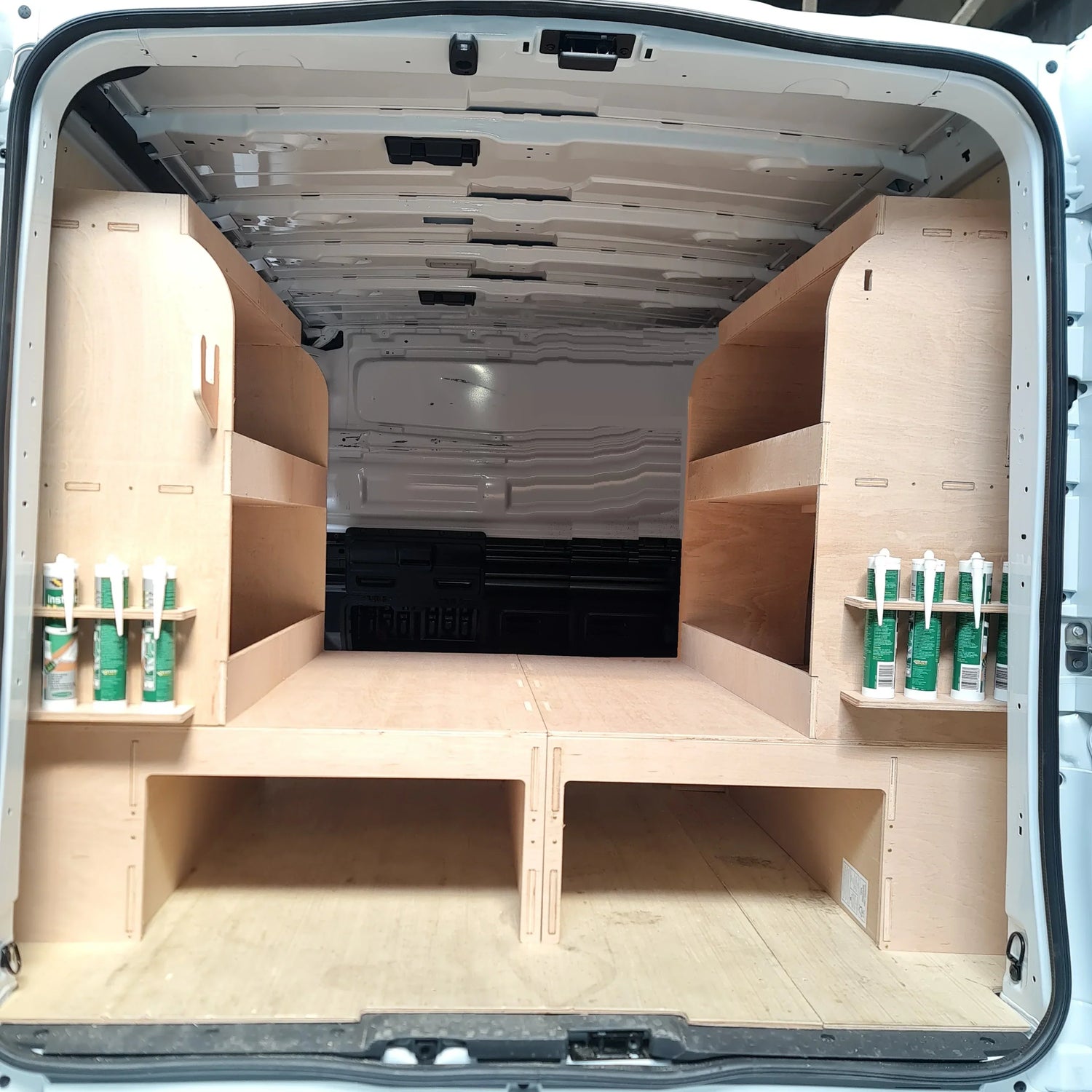











A half-used tube of silicone rolling beneath a toolbox is a small problem until you need it on a job. It costs time, creates mess and can leave cartridges damaged before they are empty. A sealant holder for work vans gives these everyday consumables a fixed, accessible place, so they are ready when the job calls for them.
For plumbers, kitchen fitters, bathroom installers, window fitters, decorators and maintenance teams, sealants are not occasional extras. They are materials used throughout the working week. Keeping cartridges organised protects stock, speeds up preparation and helps a van stay presentable when customers can see inside.
Why a Sealant Holder for Work Vans Makes a Difference
Sealant tubes are an awkward item to store loose. They are long, round and prone to moving when the vehicle brakes or turns. Put them in a general bin and they disappear under adhesive, foam, wipes and hand tools. Put them on a shelf without a retaining system and they can roll forward when you open the rear doors.
A dedicated holder keeps cartridges together in one clear location. You can see what is running low, separate opened tubes from new stock and grab the right product without emptying a crate onto the floor. That matters when you are moving between several jobs in a day or working to a handover time.
There is also a practical stock-control benefit. A row of visible cartridges makes it easier to spot when you have only one sanitary silicone left, or when the adhesive you need for the next installation has been used up. For a sole trader, that reduces unnecessary runs to the merchant. For a fleet supervisor, it makes a quick vehicle check more straightforward.
The holder will not prevent cartridges from drying out once opened, so caps and nozzles still need looking after. What it does do is stop good stock being lost, crushed or buried among larger equipment.
Choose the Holder Around Your Daily Work
The right accessory depends less on the van badge and more on what you carry, how often you use it and where your existing storage sits. Before choosing a holder, think about the cartridges that are genuinely in the van every day rather than the full list of materials you might use once a month.
Capacity should match your working stock
A compact holder is often the sensible choice for a maintenance engineer carrying a few universal sealants and adhesives. It keeps the essentials close to hand without taking up valuable wall space.
A fitter, plumber or glazing team may need more capacity. If several colours and product types travel with you, a larger holder helps keep them separated and visible. Allow room for the stock you need between supplier visits, but avoid filling every spare inch with consumables. Your van needs to work around the jobs you actually do.
Cartridge size is worth checking too. Most trades will be carrying standard sealant cartridges, but not every adhesive or foam product follows the same format. Check the holder dimensions against the products you use most often, especially if you regularly carry taller tubes or specialist materials.
Position matters as much as capacity
The most useful location is usually close to the rear or side loading area, where consumables can be reached without climbing into the van. If you apply sealant after fitting a unit, panel, tray or frame, keeping cartridges near your tool storage and wipe dispenser can create a quicker finishing station.
That said, a holder should not obstruct access to larger tools, first-aid equipment or door openings. It should also be mounted where the cartridges remain secure when the van is in motion. A low position may be convenient in some layouts, but it can collect dust and be vulnerable to knocks from heavy cases. A high position saves floor room, though it should still be easy to reach safely.
Look at your working route through the van. If you normally open the back doors, reach for a case, then pick up consumables, arrange those items in that order. Small changes in placement can remove repeated bending, searching and moving equipment aside.
Work with the racking already in place
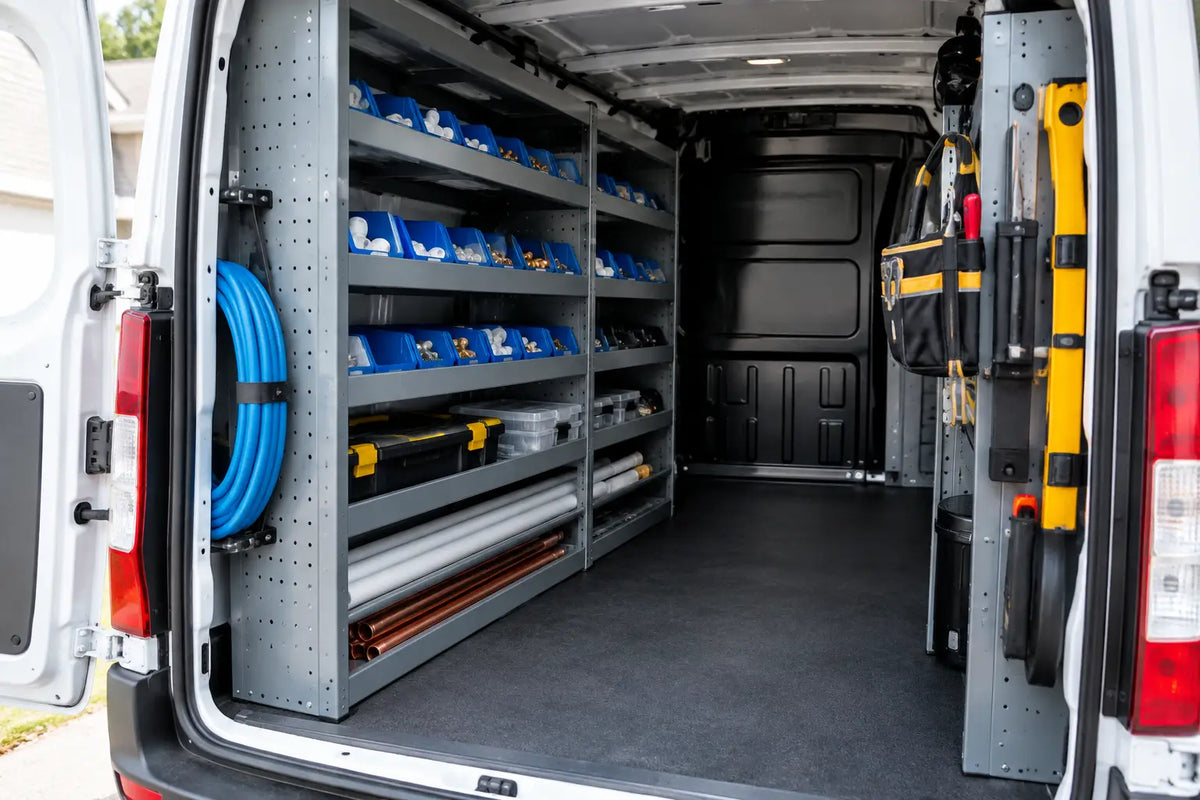
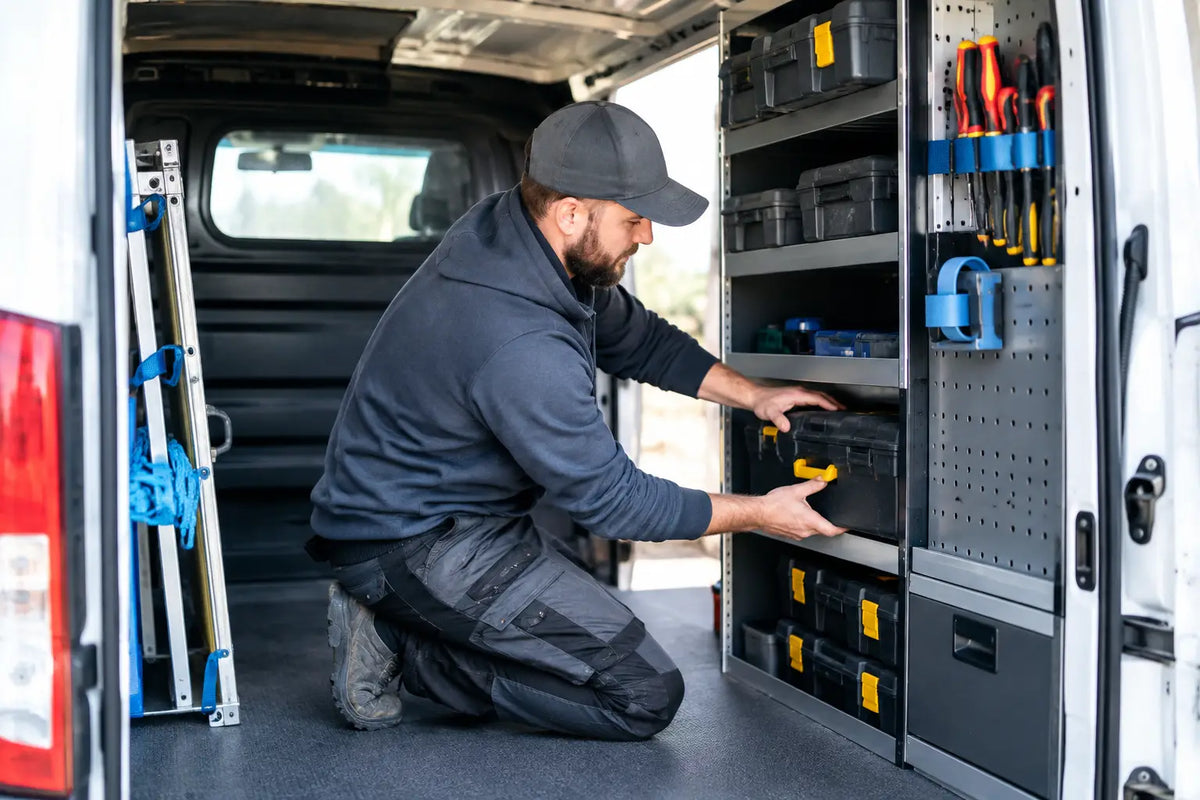
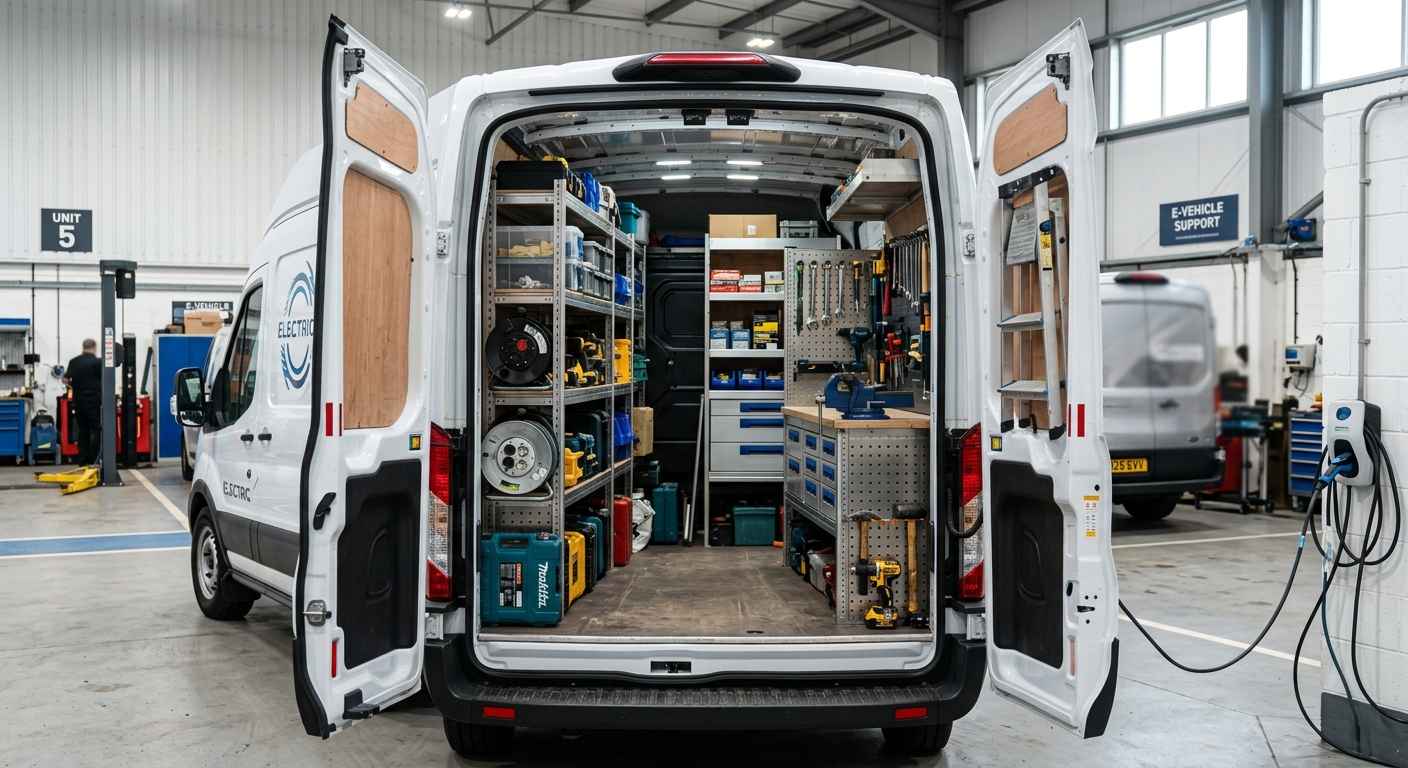
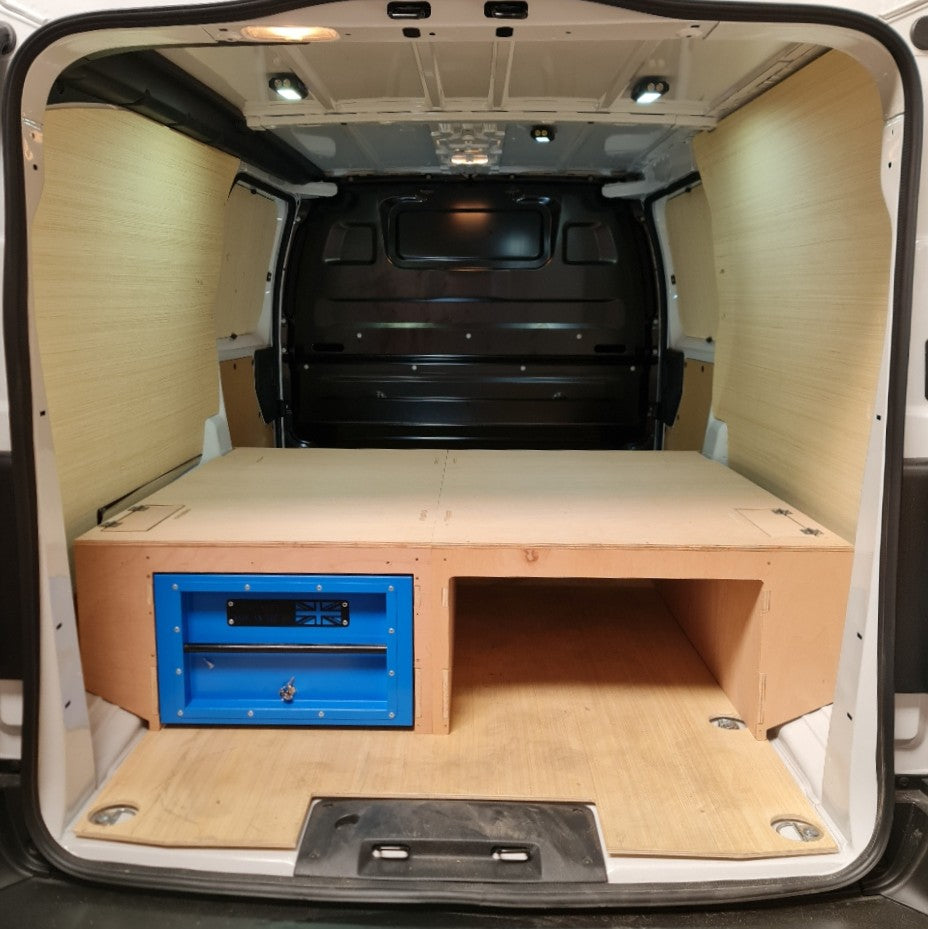
A sealant holder works best as part of a wider storage layout, not as a bolt-on afterthought. Van shelving gives you a home for boxes, fixings and power tools. False floors can protect the load area and support a cleaner, tougher working base. Smaller accessories then deal with the items that cause the most clutter during a busy week.
Mounting a holder to a suitable racking side panel, shelving end or properly prepared interior surface can keep the load area clear. The correct fixing method depends on the holder, the surface and the vehicle setup. Follow the product instructions and make sure fittings are tight before carrying stock on the road.
Avoid fixing into an unknown area of the van body without checking what is behind it. Vehicle panels can conceal wiring, trim components and other parts that should not be drilled into. If your van has existing racking, use the intended mounting points or suitable structural surfaces where possible.
Build a Better Consumables Zone
Sealant storage is more effective when the surrounding materials have a clear place too. A tube on its own is only part of the task. You may also need a gun, spare nozzles, masking tape, wipes, cleaning fluid, gloves and a waste bag.
Keep these items nearby, but do not force everything into one crowded compartment. A holder is for keeping cartridges upright, separated and easy to identify. Wipes need a dispenser that can be used one-handed. Gloves are easier to manage in an organiser. Nozzles, caps and small accessories belong in a lidded box or drawer, where they will not end up under the van shelving.
For jobs involving several sealant colours, simple labelling can save time. Mark storage sections by use, such as sanitary, frame, adhesive or exterior, rather than relying on memory. This is especially helpful when more than one person uses the vehicle. Labels are not about making a van look tidy for its own sake - they reduce the chance of using the wrong material at the wrong stage of a job.
It is also worth setting a routine for used cartridges. Once a tube is empty or a nozzle has become blocked beyond use, remove it from the holder rather than returning it with live stock. A quick clean-out at the end of the week stops the holder becoming another place where waste builds up.
Keep Safety and Vehicle Use in Mind
Anything carried in a working van needs to remain secure while travelling. Cartridges may be light individually, but loose items can still become a distraction or scatter across the load area when doors are opened. A purpose-made holder helps control that movement, provided it is fitted correctly and not overloaded.
Check the condition of the holder during regular vehicle housekeeping. Look for loose fixings, damaged retaining sections or cartridges that no longer sit properly. This takes minutes and helps prevent an avoidable mess at the next call-out.
Remember that storage conditions affect consumables as well. Excessive heat, cold and long periods in direct sunlight can affect some products. Always follow the product manufacturer's storage guidance, rotate older stock forward and avoid carrying more cartridges than your regular workload requires.
A Small Upgrade That Supports Faster Jobs
The best van organisation improvements are often the ones that remove a repeated irritation. If you use sealant several times a week, a holder stops the daily search for tubes, helps protect the stock you have paid for and keeps the load area easier to manage.
When planning a storage setup, choose accessories that suit the way your team works and the space available in your specific van. CNC Work supplies practical van storage accessories alongside model-specific shelving and racking options, helping tradespeople create a workspace that stays useful long after the first tidy-up. Give every frequently used consumable a proper home, and the van will be easier to work from on every job.