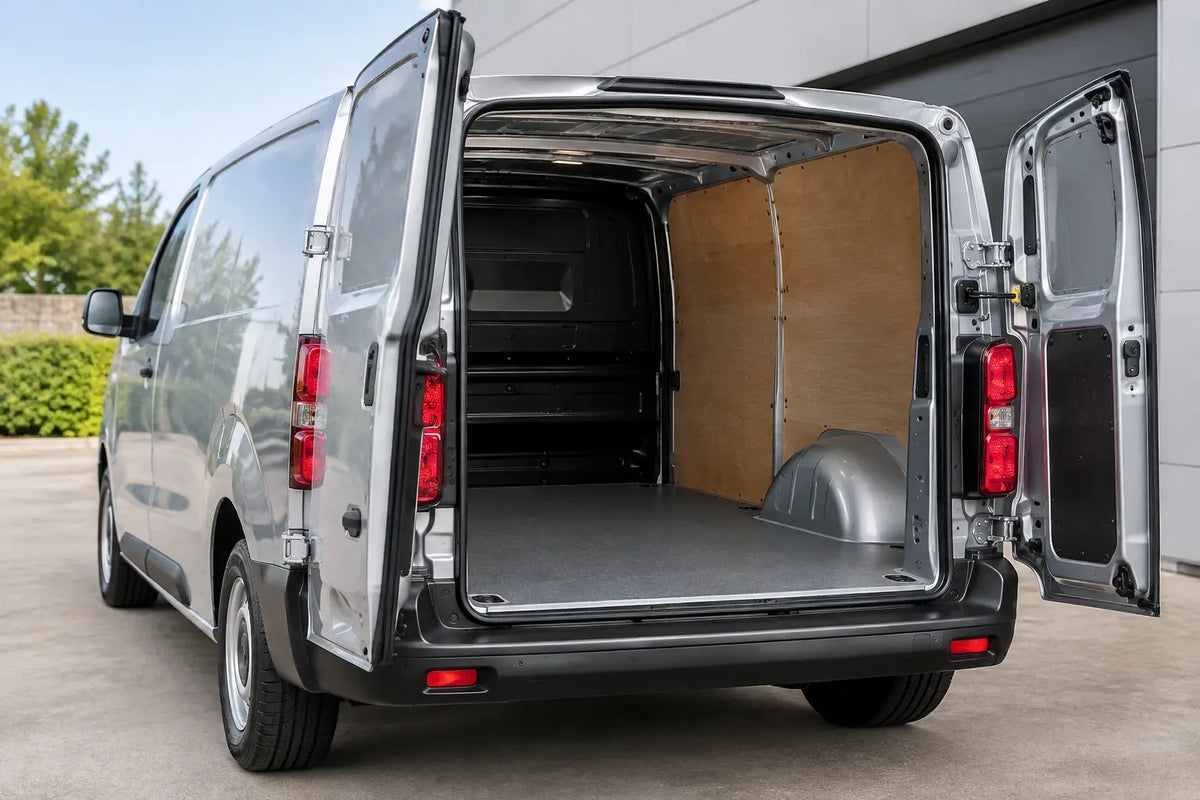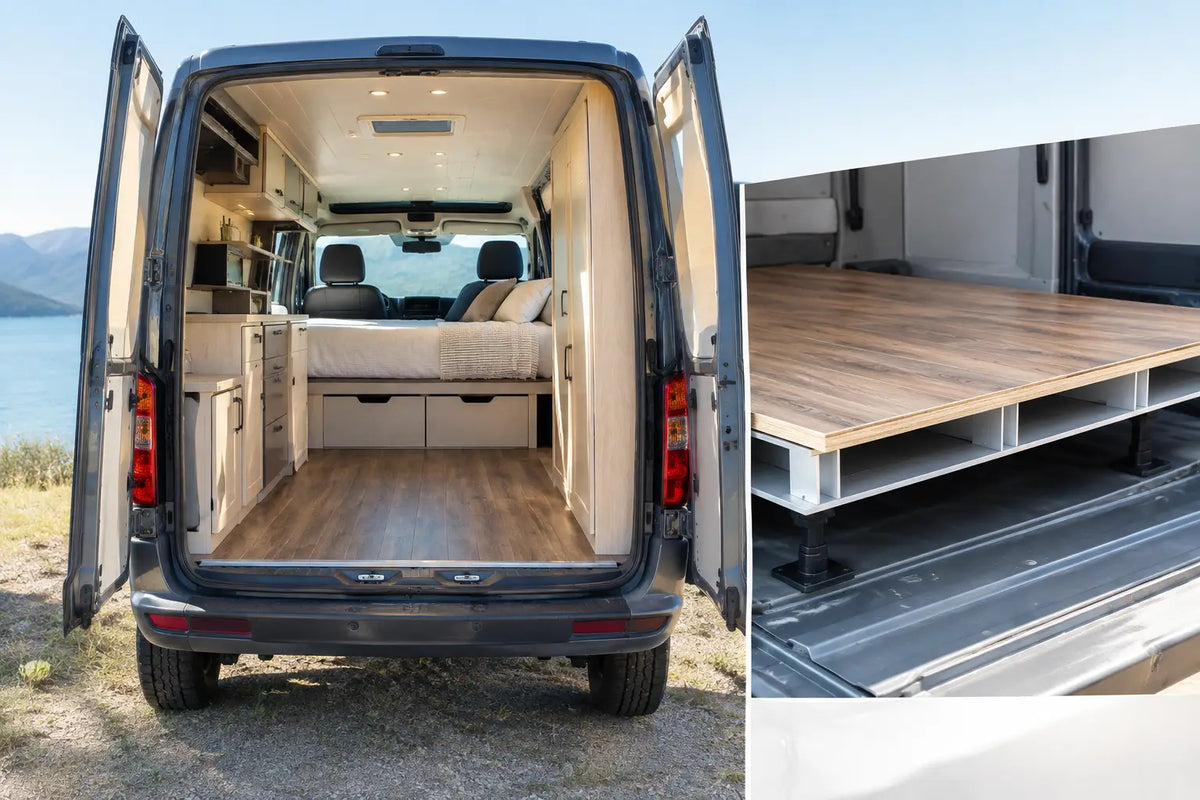
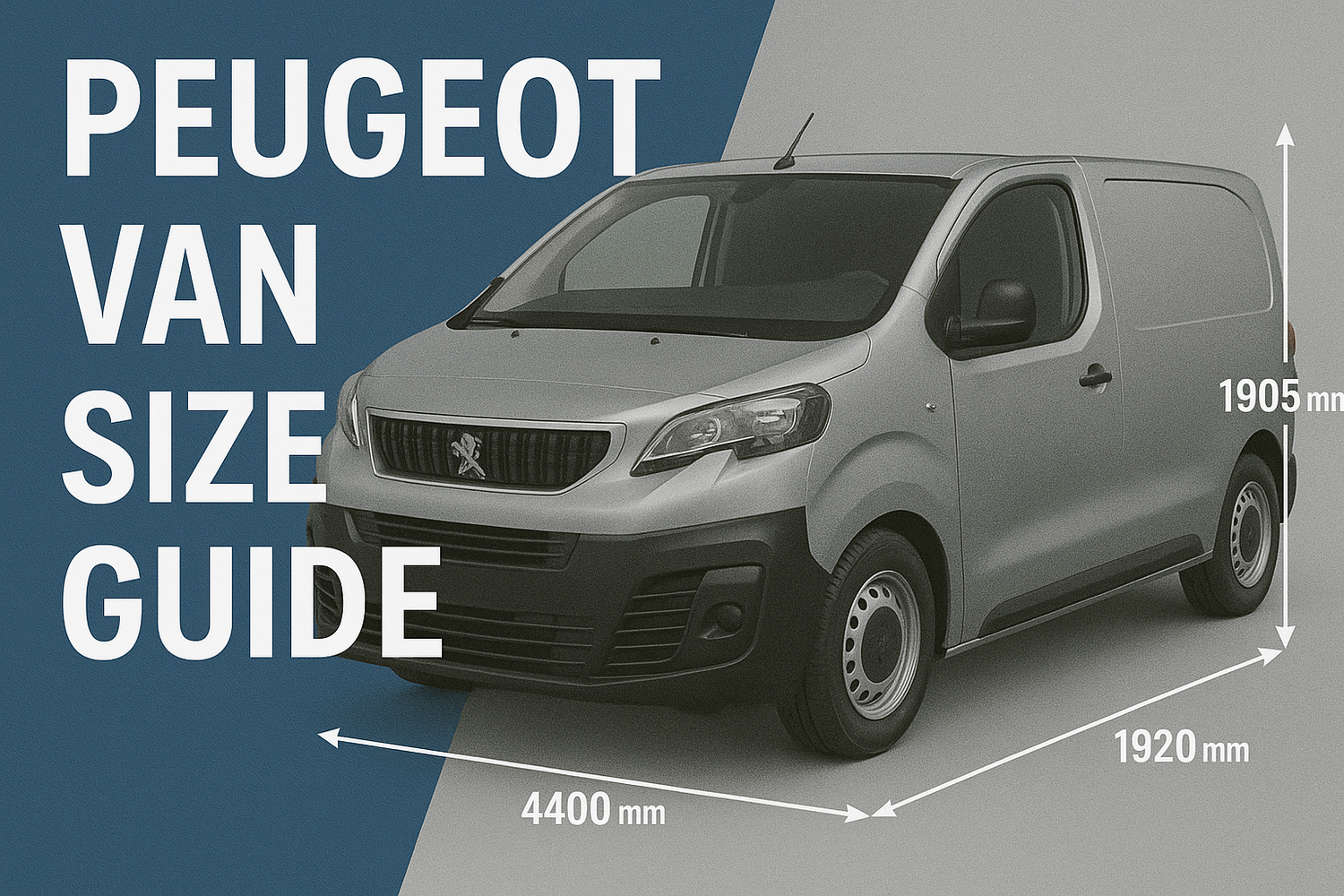
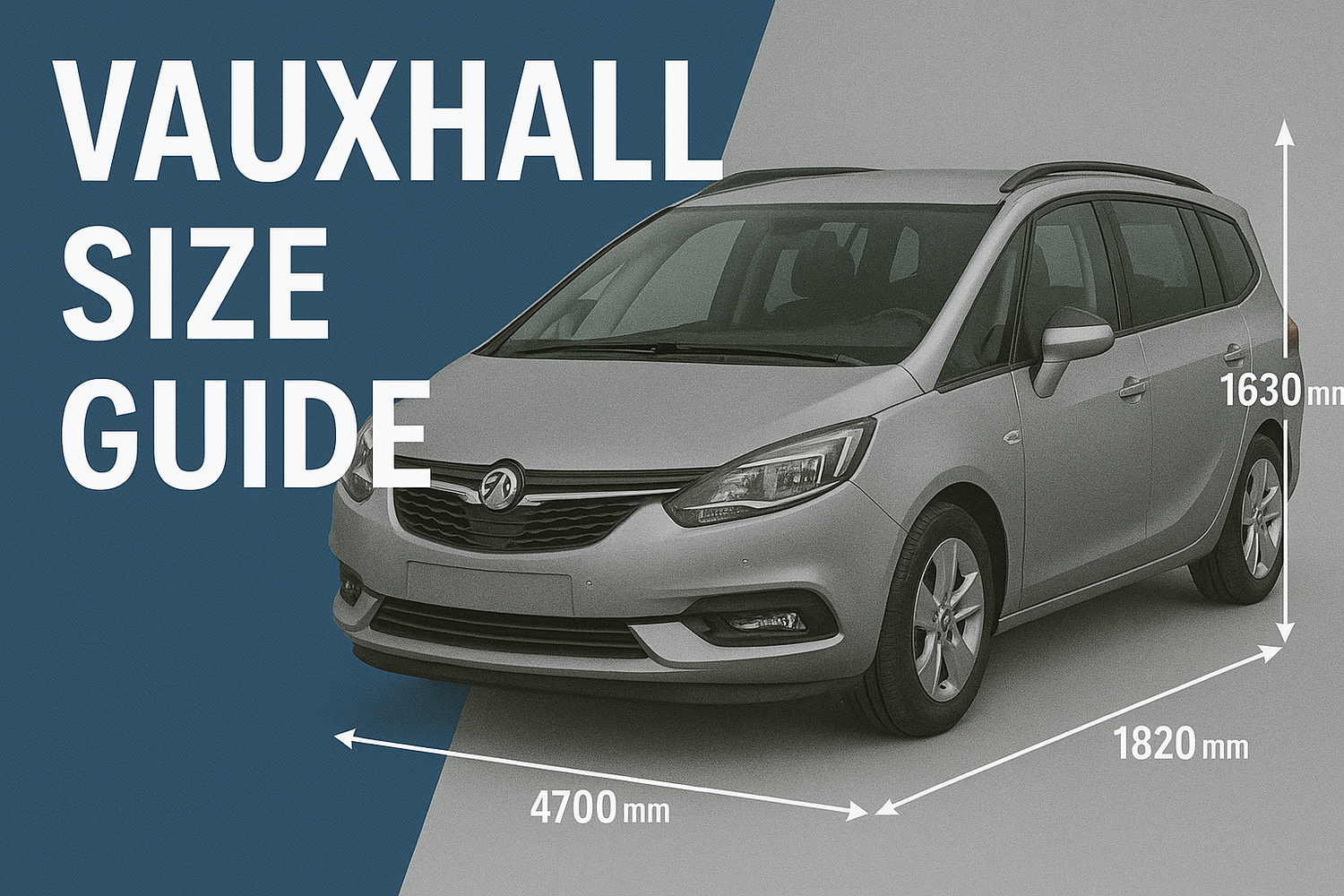
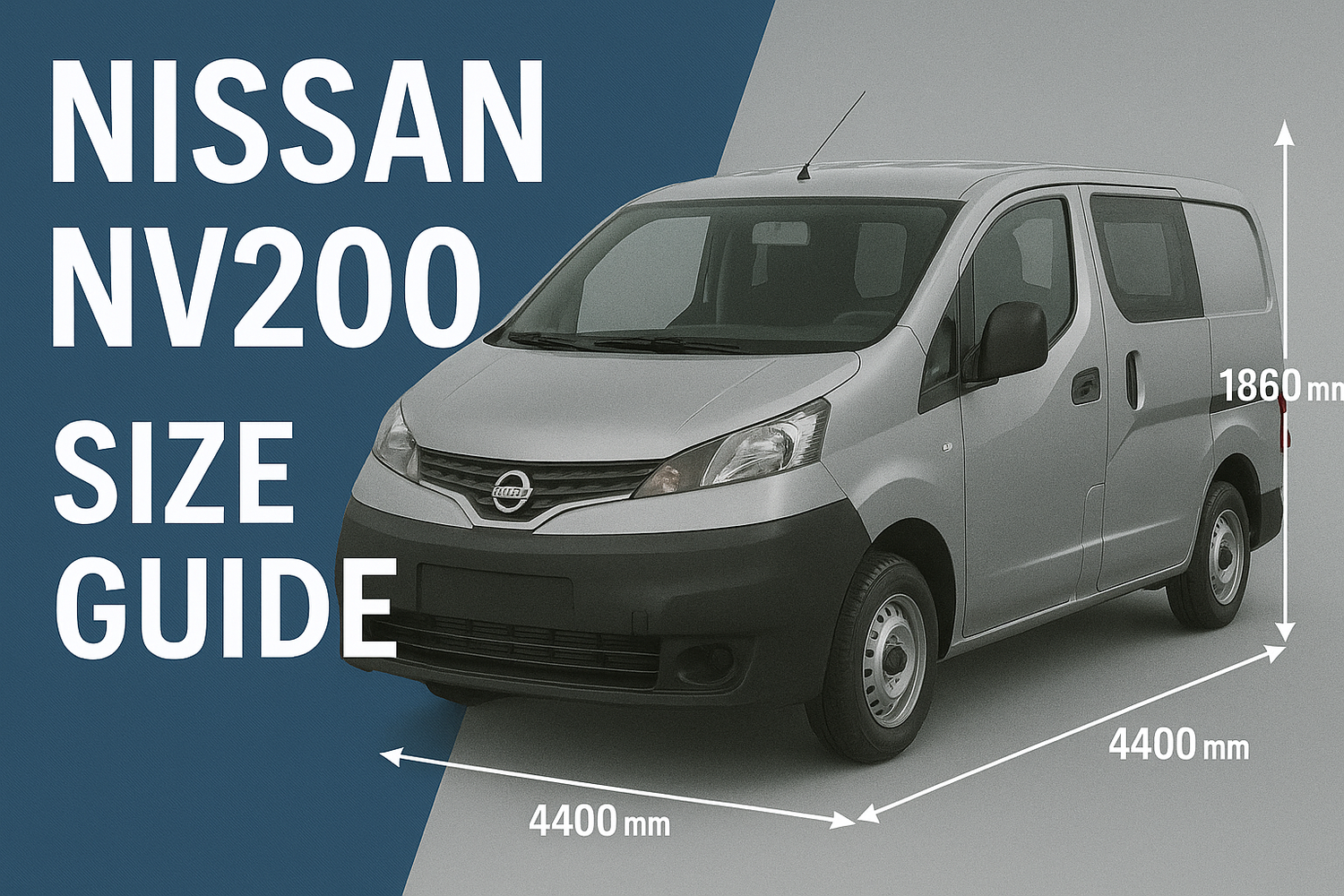
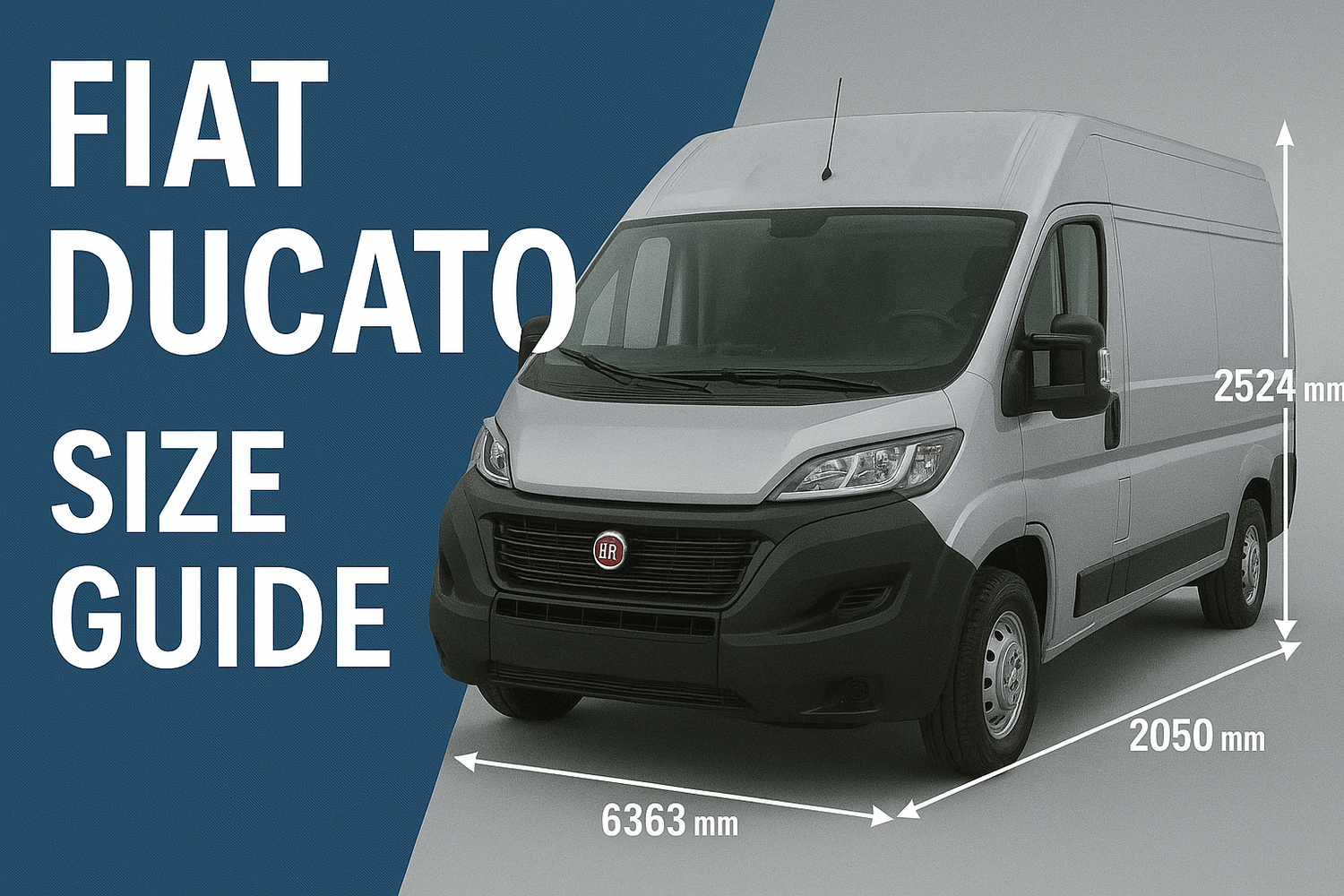



A van that is too short soon becomes a daily annoyance when materials are left loose in the load area. A van that is too long can cost you time on every tight street, customer driveway and busy trade counter. Choosing an SWB or LWB work van is not simply about buying the biggest vehicle your budget allows. It is about matching the van's working space to the jobs you carry out most often.
For many tradespeople, the right answer becomes clearer once they look at their actual kit, not the occasional oversized load. Tools, fixings, consumables, ladders, pipe, cable, parts and packaging all take up room differently. Add shelving or racking, and the usable load space changes again.
SWB or LWB work van: start with the job
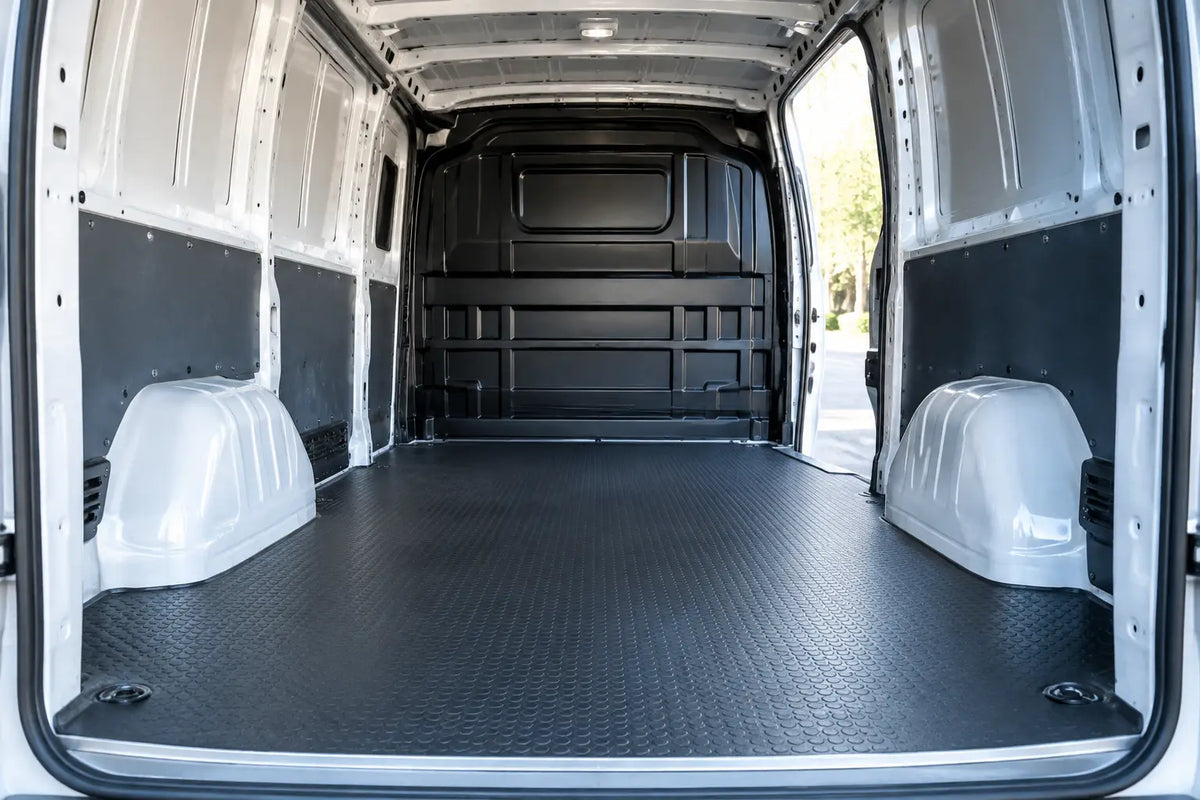
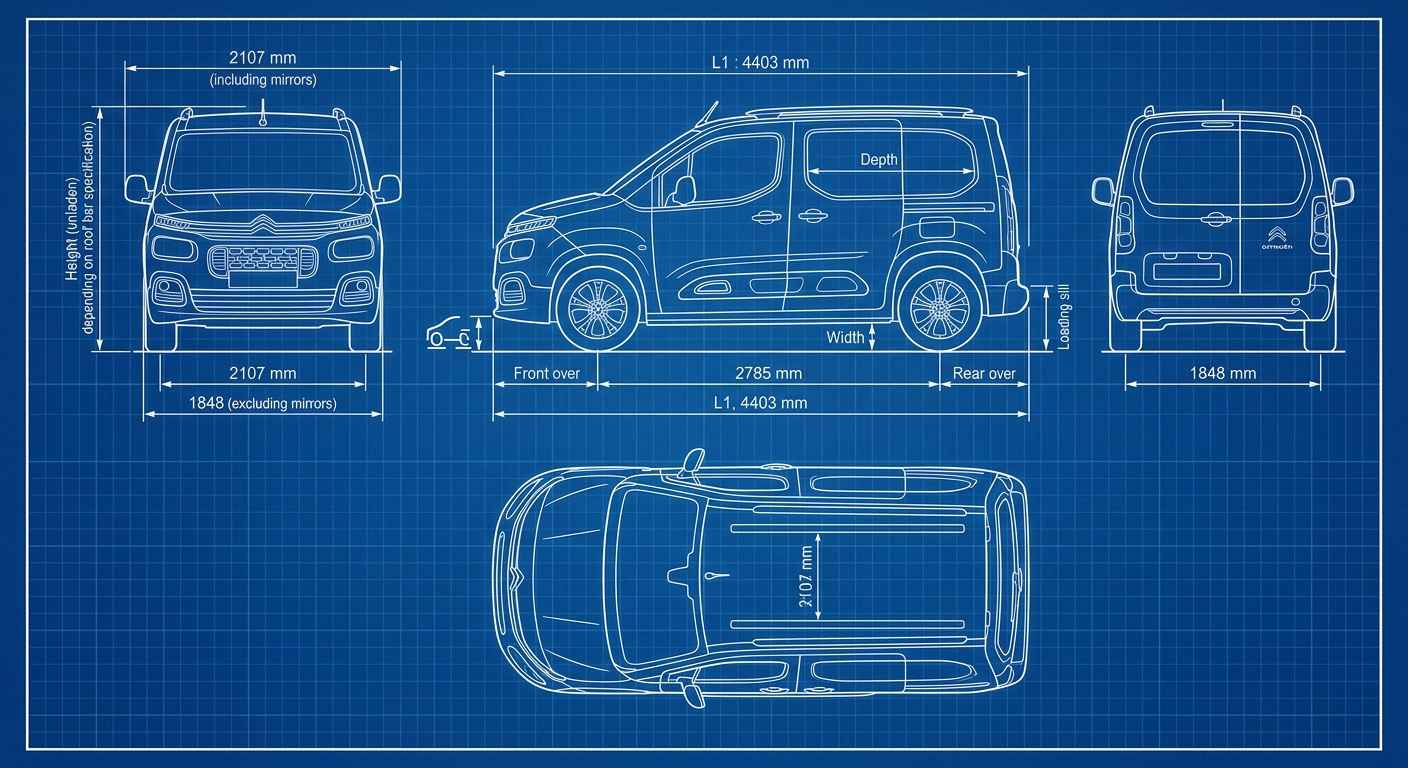
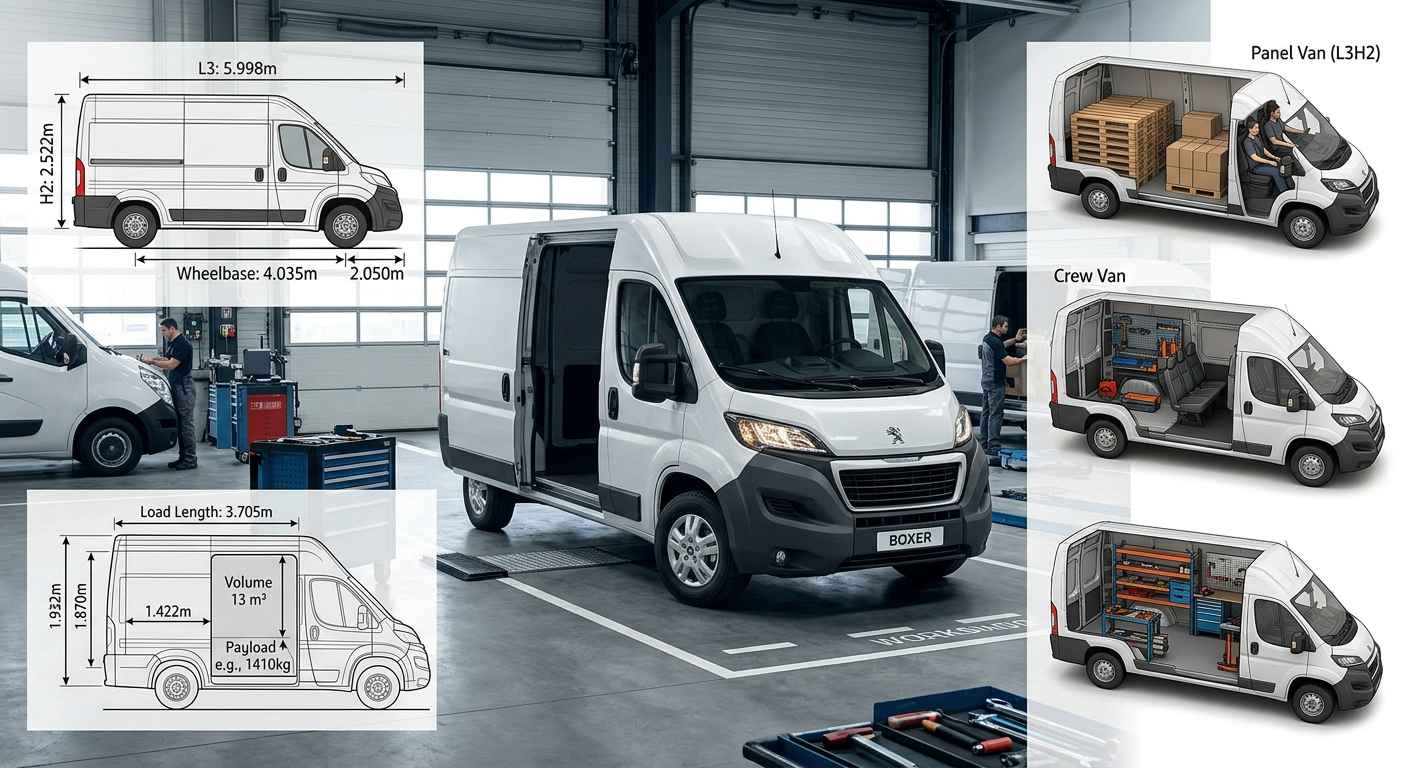
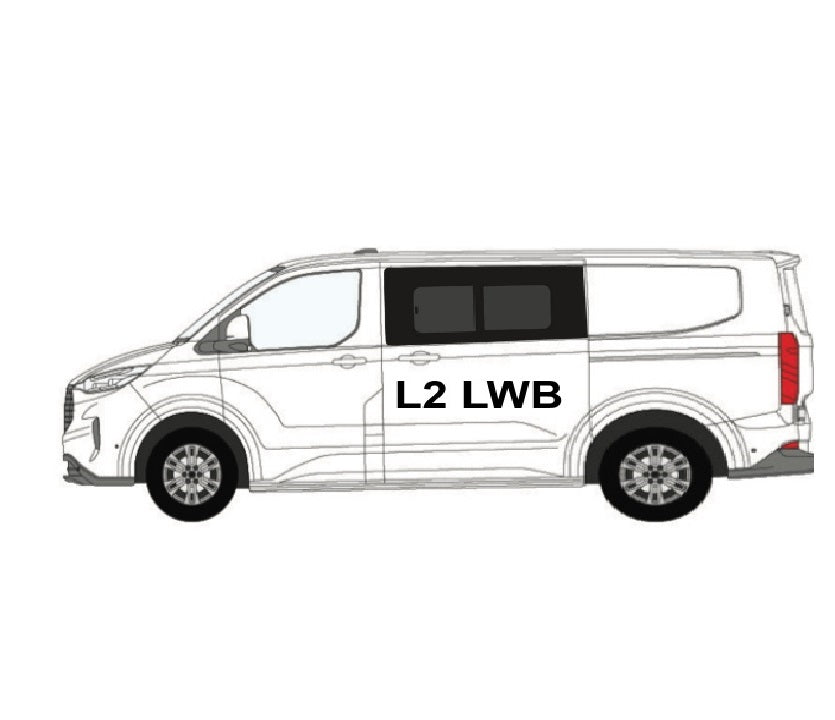
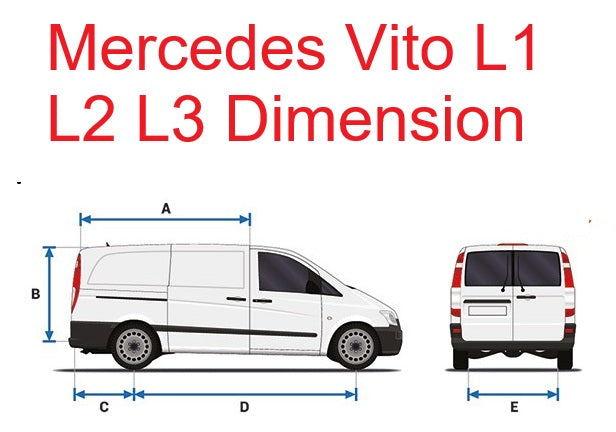
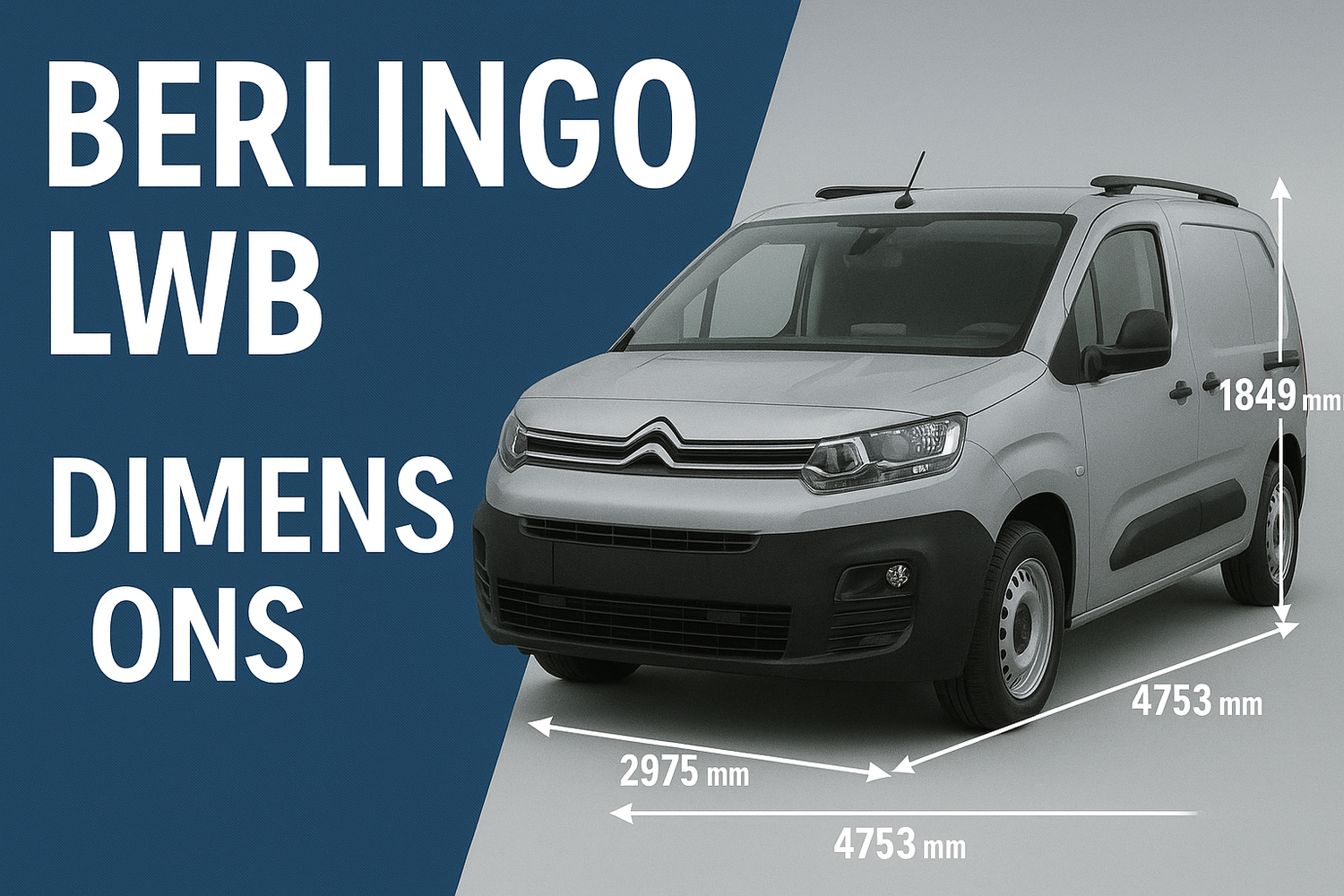
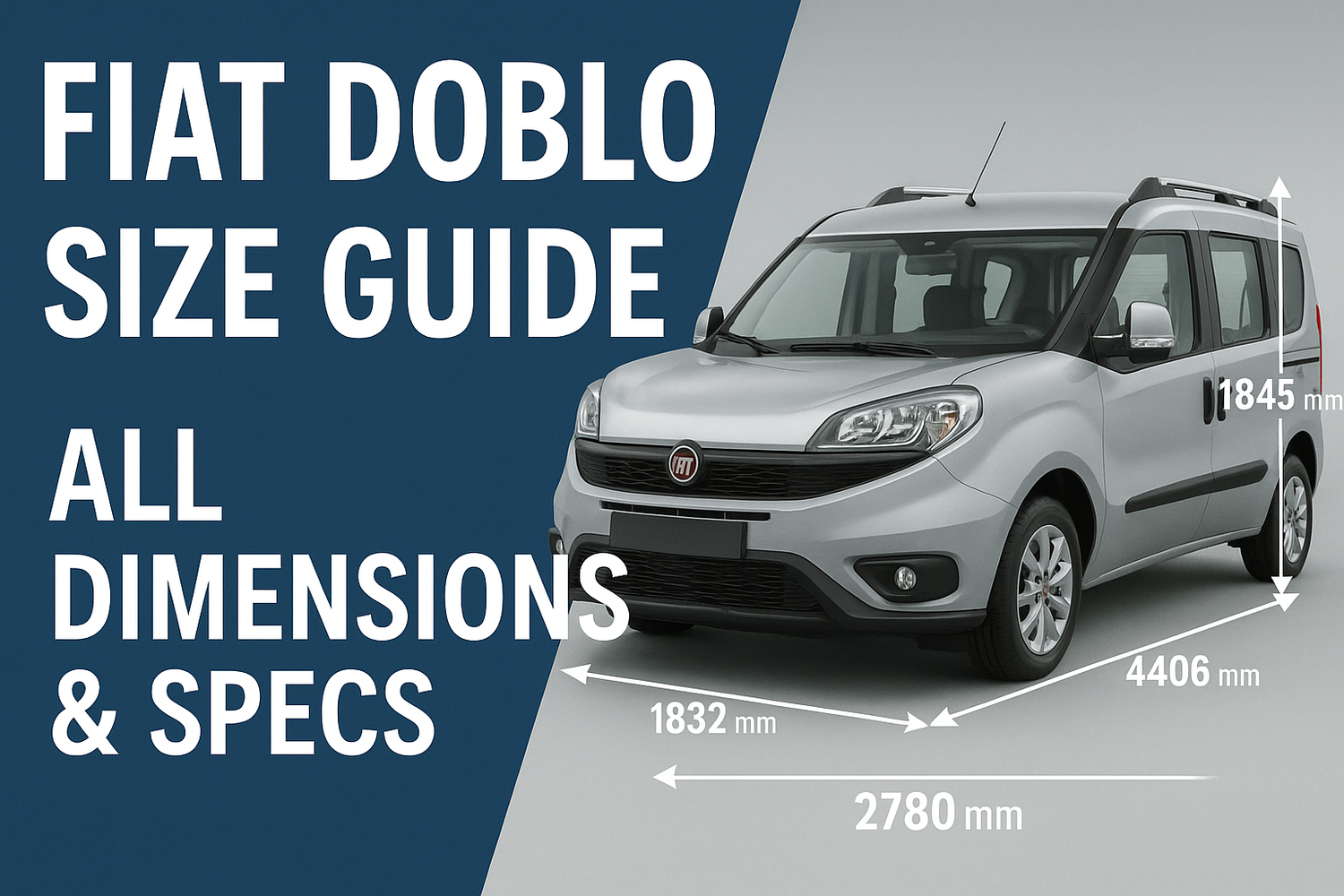
SWB means short wheelbase and LWB means long wheelbase. The wheelbase is the distance between the front and rear axles. In practical terms, an LWB van usually gives you a longer load area and, in some cases, extra load volume or a higher roof option. An SWB van is generally easier to place in confined spaces and often feels closer to a large car from the driver's seat.
Neither is automatically better. An electrician working in built-up areas may value an SWB van that fits more easily into parking bays and residential streets. A kitchen fitter, builder or maintenance contractor carrying long materials and larger equipment may find that an LWB saves repeated trips and keeps the load area safer.
Think about the work you do in a normal fortnight, rather than one exceptional job. If long boards only appear twice a year, it may be more sensible to use a roof system, arrange delivery to site or make a separate collection. If they are on board every week, the LWB option is likely to earn its keep.
When an SWB van is the sensible choice
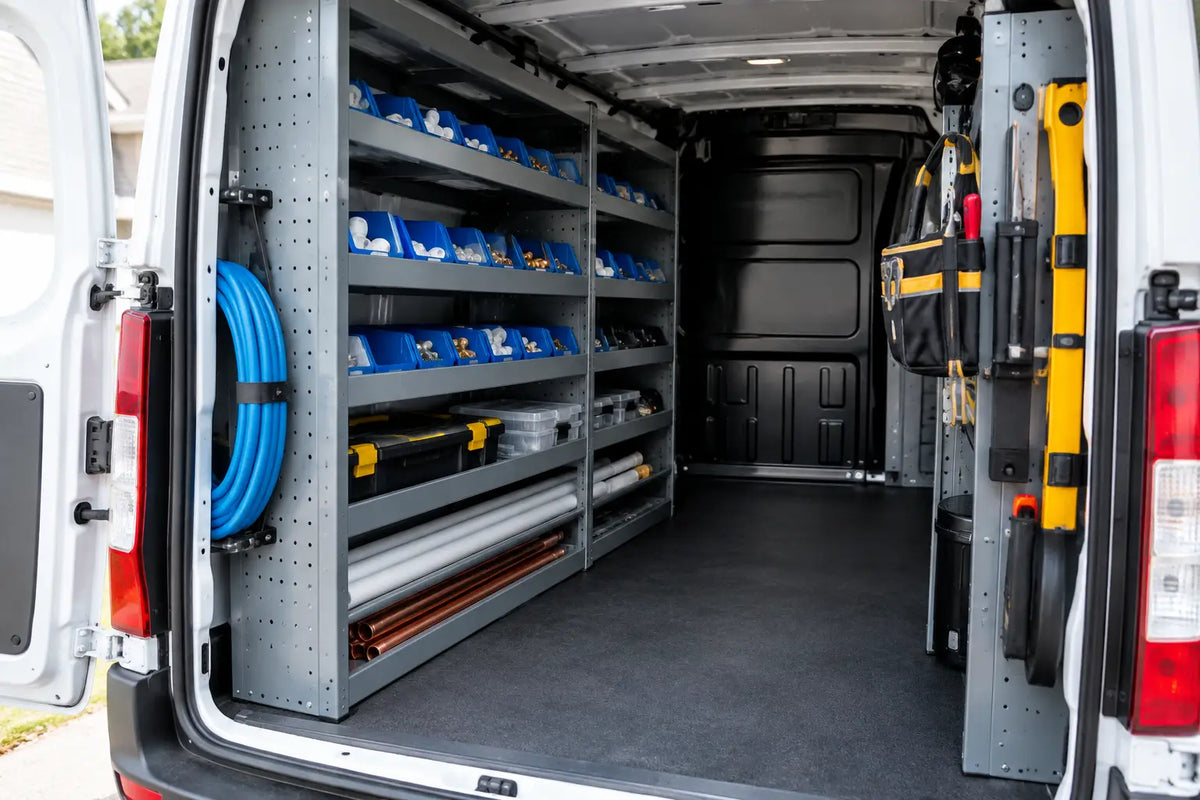
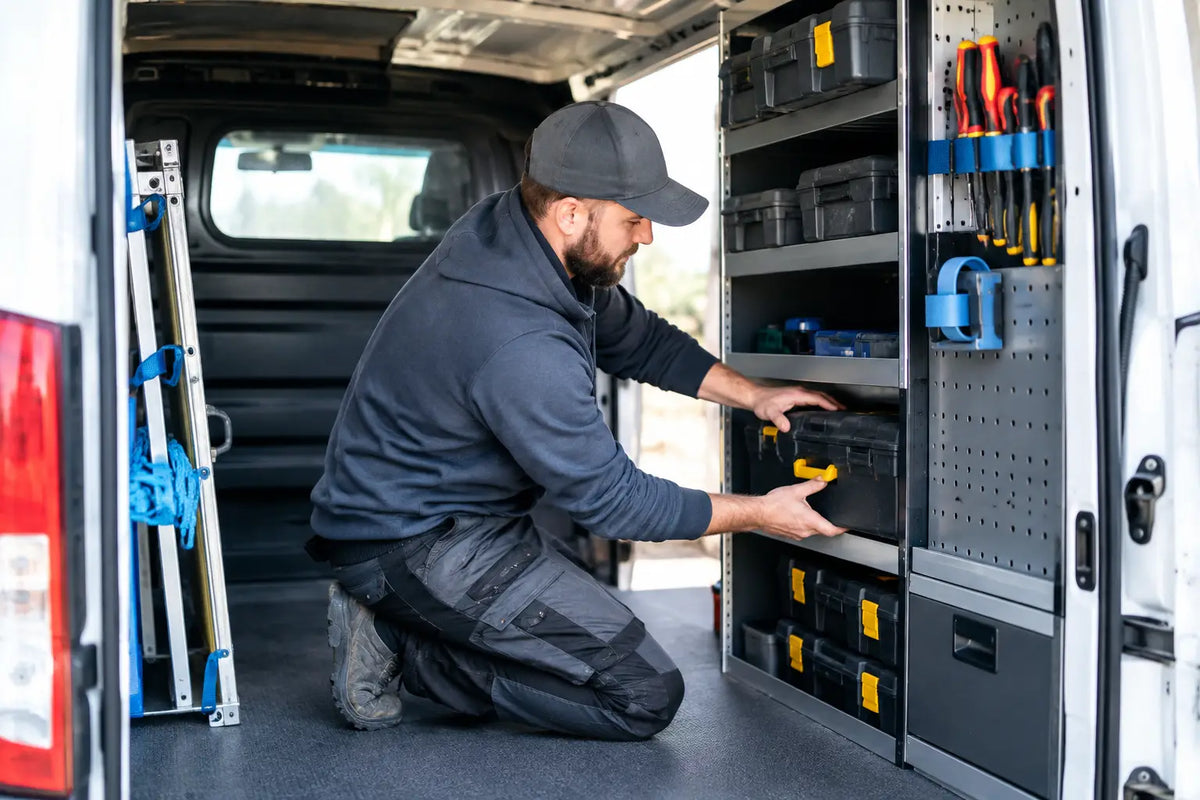
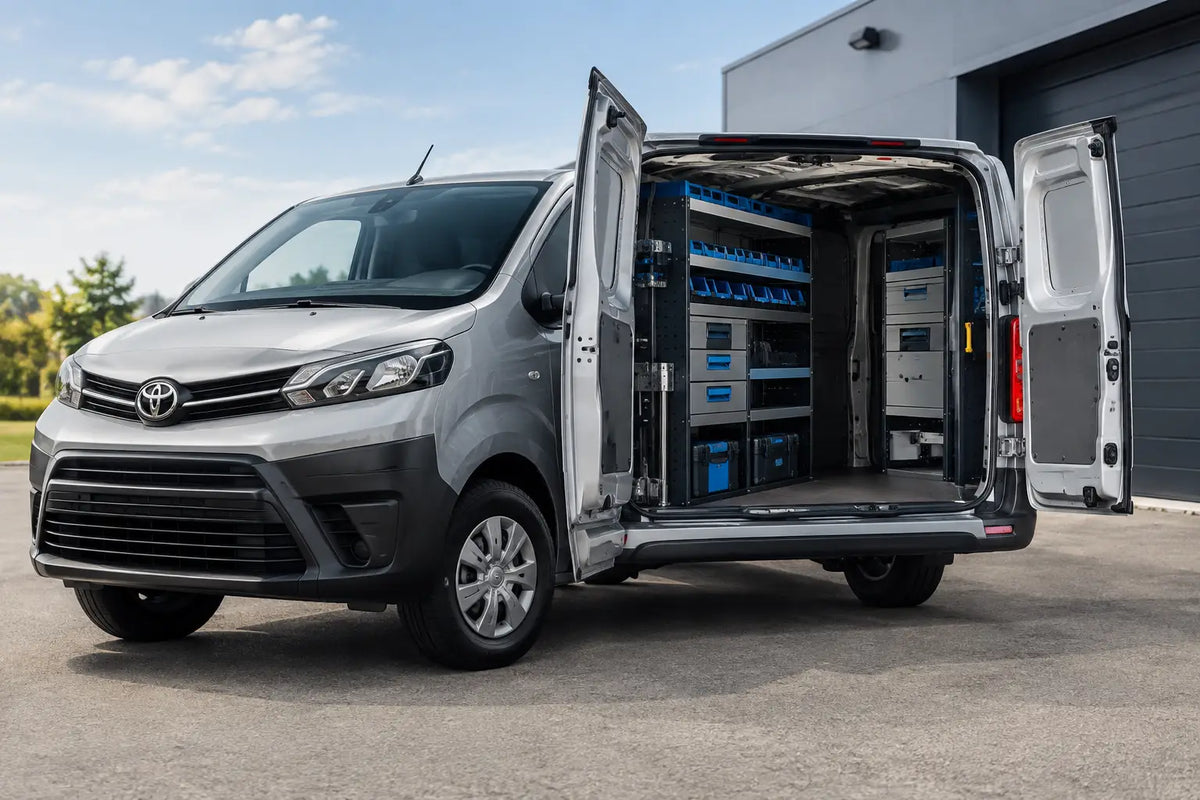
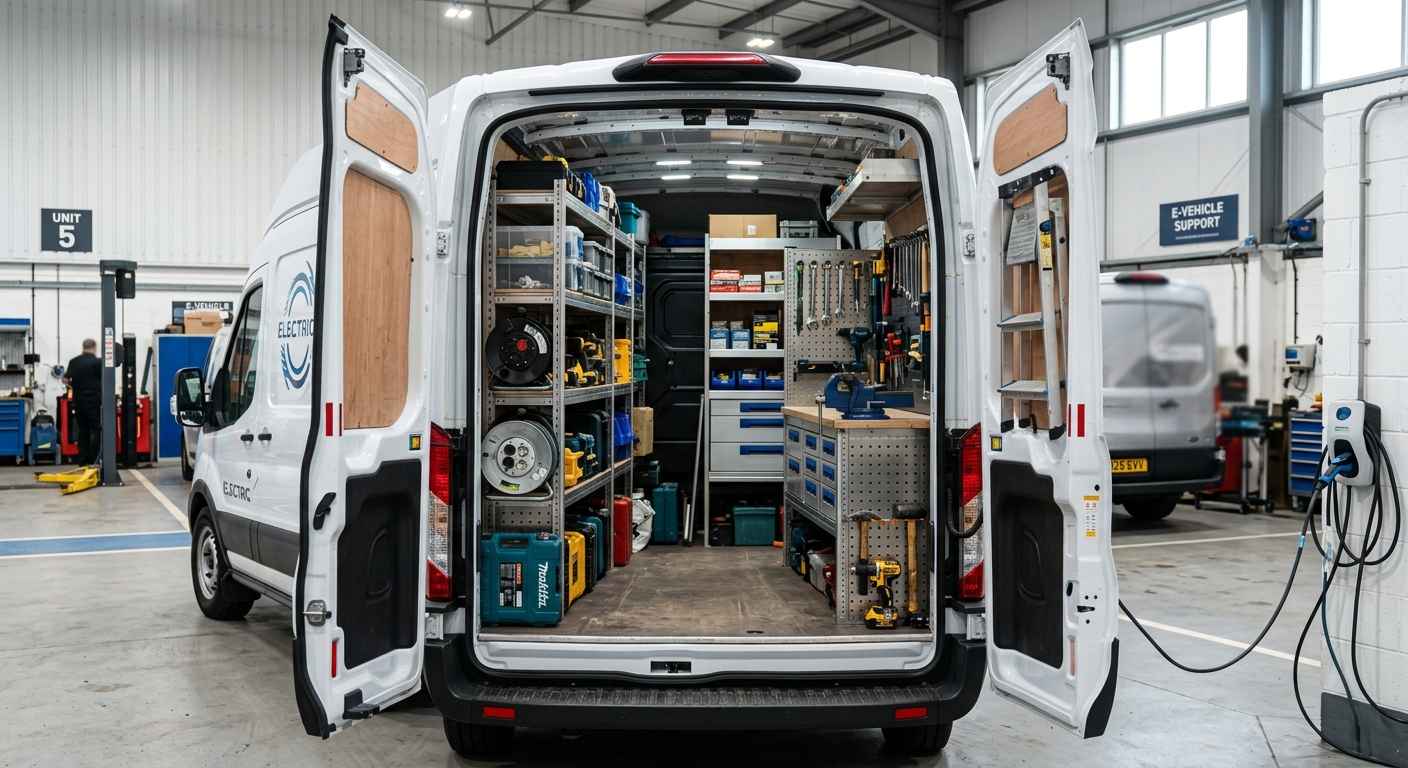
An SWB work van suits trades that carry a consistent set of tools and parts, rather than bulky materials. Plumbers, electricians, locksmiths, service engineers and decorators can often build a highly efficient setup in a short-wheelbase model. With well-planned van shelving, every case, fitting and consumable has a fixed place instead of sliding around the floor.
The main benefit is manoeuvrability. A shorter van is easier to reverse into tight drives, park near town-centre jobs and turn around in cramped estates. That matters when you make several call-outs a day. Less time hunting for a space or walking back from a distant parking spot means more time on the job.
An SWB can also reduce the temptation to carry equipment that has not been used for months. A leaner load improves organisation and makes stock checks quicker. This does not mean working with too little kit. It means keeping the tools and materials that genuinely support your everyday work within reach.
There are limits. Once you add shelving to both sides, tool cases, a false floor and a bulkhead, the central aisle can become tight. Long items may need to sit diagonally, be carried on the roof, or be collected as required. If this is a regular compromise, an LWB may be more efficient overall.
When an LWB van makes better business sense
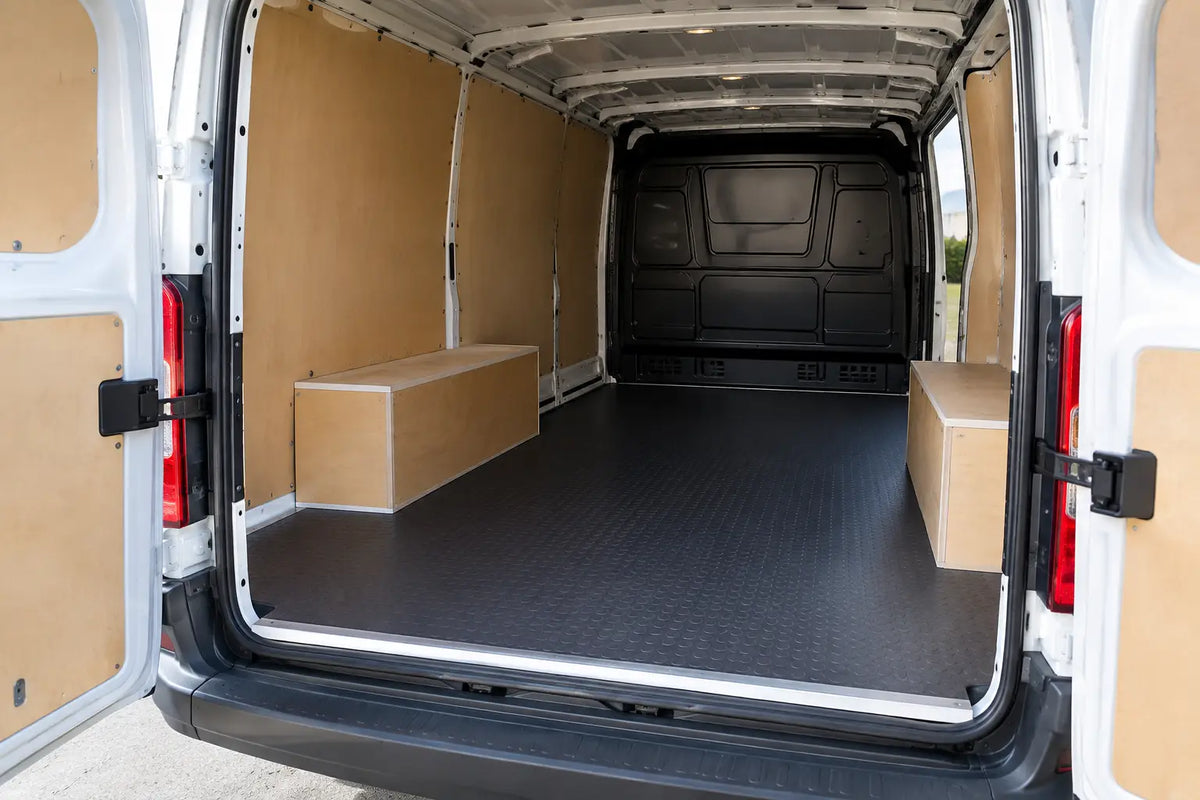
An LWB van is often the practical choice when load length is part of the job. Joiners, builders, landscapers, flooring fitters, shopfitters and multi-trade contractors can benefit from the extra floor length, particularly when transporting sheet materials, longer timber, conduit, ladders or larger machines.
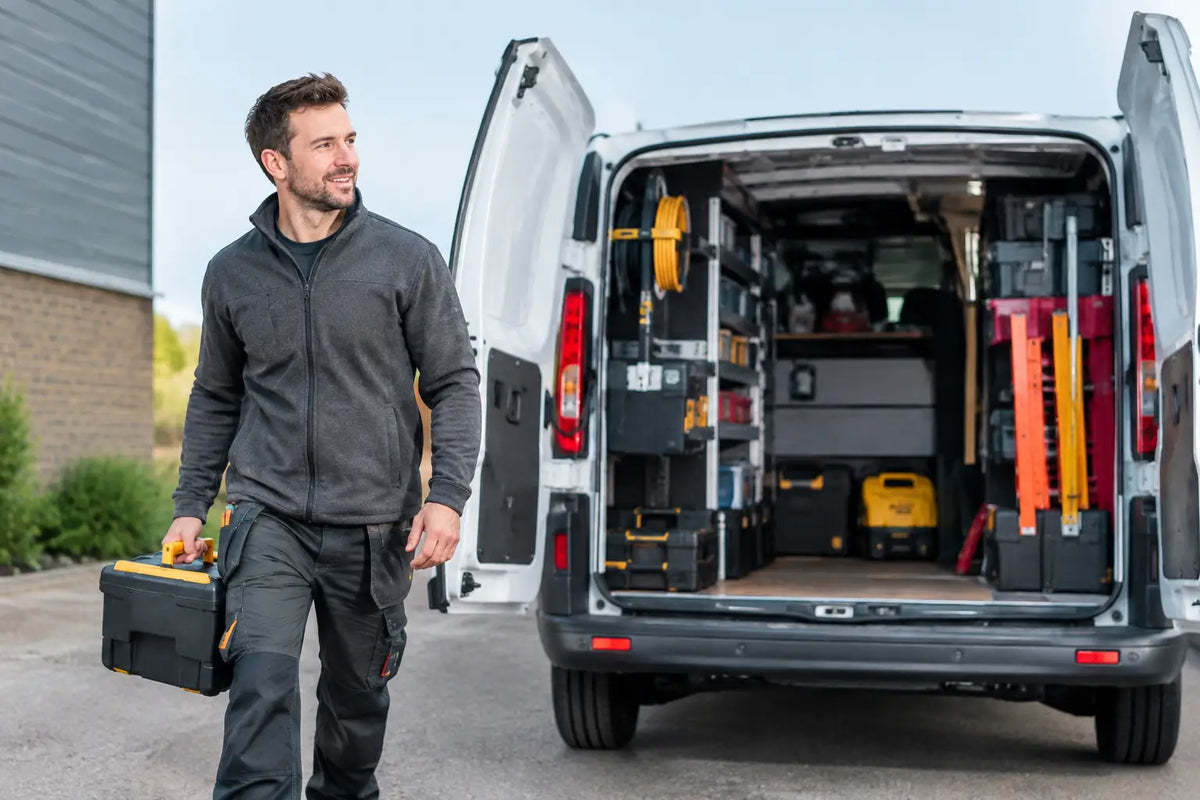
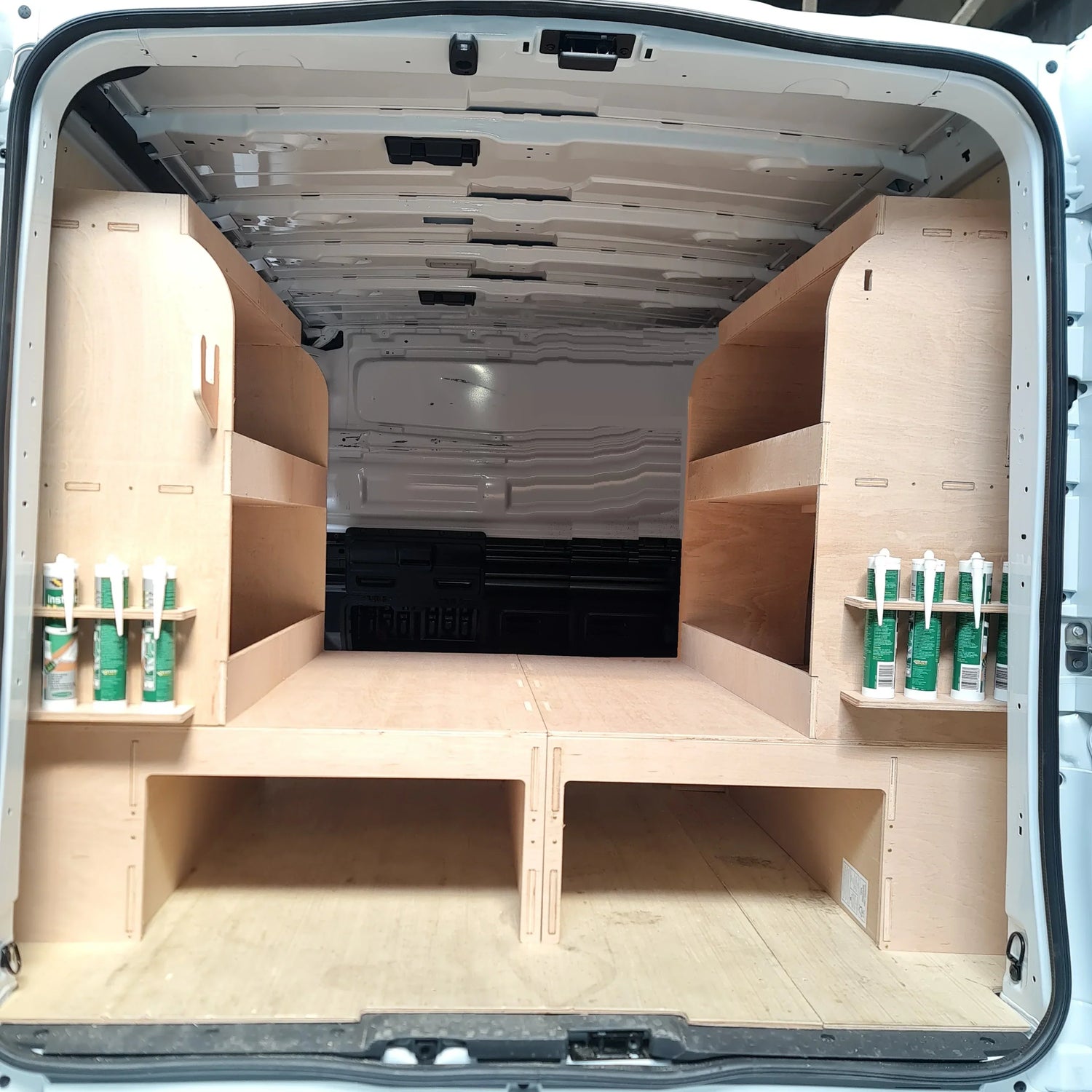
The extra space also gives racking a better chance to work properly. Rather than stacking everything in one area, you can separate hand tools, power tools, fixings, sealants, protective equipment and job-specific stock. A clear walkway lets you access common items from the rear or side door without unloading half the van first.
For a small team, an LWB can prevent wasted journeys. If two workers are attending a job with the right equipment and materials on board, the added vehicle size may be cheaper than a return trip to the yard or merchant. This is especially true where a missed item holds up several hours of labour.
However, extra length brings operational trade-offs. Parking can be harder, turning circles may be wider, and some domestic jobs may involve walking farther from the vehicle. Before committing, consider the streets, sites and car parks you visit every week. A longer van is useful only when its added capacity is genuinely being used.
Do not confuse load space with payload
A longer van does not always carry more weight. Payload is the amount a vehicle can legally carry after its own weight and factory equipment are accounted for. It can vary considerably between versions of the same model, depending on engine, trim, roof height, drivetrain, seating arrangement and optional equipment.
This is one of the most common mistakes when choosing a work van. A vehicle may have an impressive-looking load area but a payload that becomes tight once it has racking, a false floor, tools, passengers, fuel and materials on board. Shelving and storage systems are useful working equipment, but their weight still needs to be included in your calculations.
Check the exact vehicle's plated weights and manufacturer figures before buying or loading it heavily. Also think about where the weight sits. Heavy generators, cable drums, boxes of fittings and machinery should be secured and distributed sensibly, rather than concentrated at the rear doors. Staying within the gross vehicle weight is essential, but axle limits matter too.
If you tow regularly, factor that into the decision as well. Towing limits, train weight and how the van behaves when loaded can be more important than an extra section of floor length.
Plan the storage layout before choosing the wheelbase
The best way to decide between SWB and LWB is to map the load area around your workflow. Start with the largest items you carry every day, then the tools you reach for most often. Those daily-use items should be easy to access from the rear or side door, without moving bulky equipment.
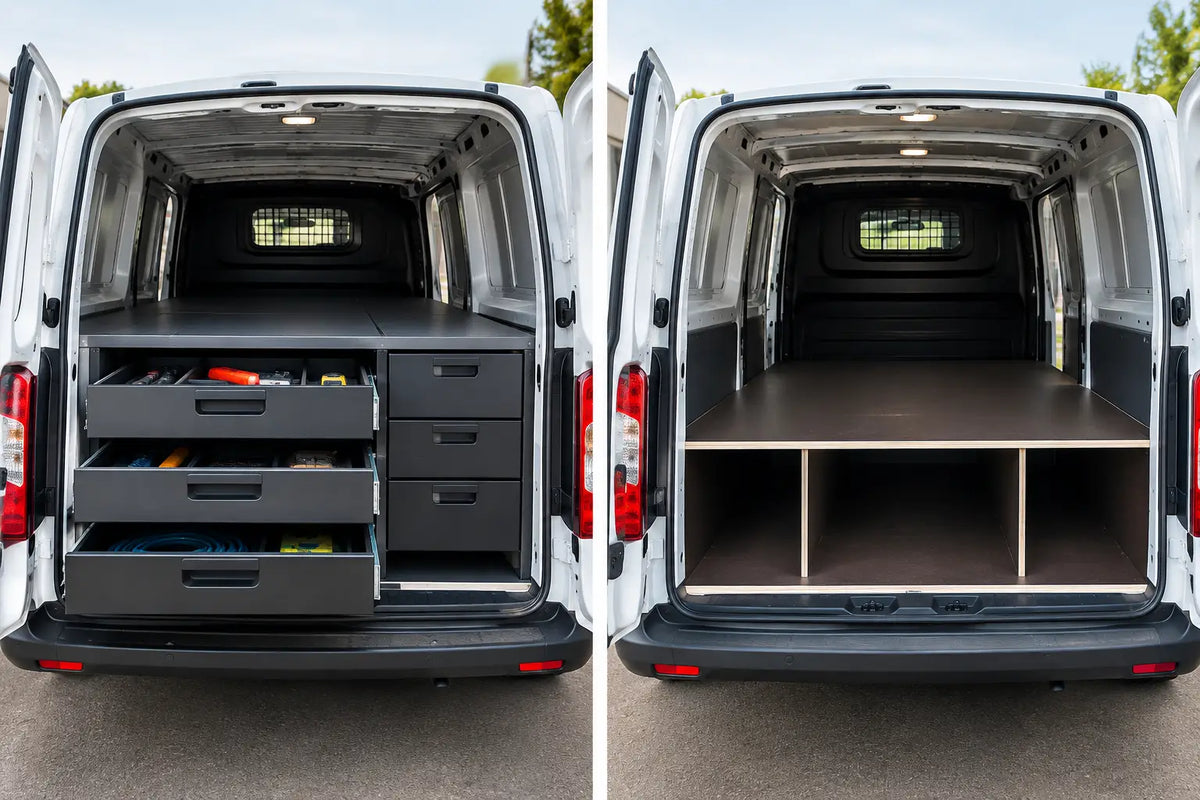
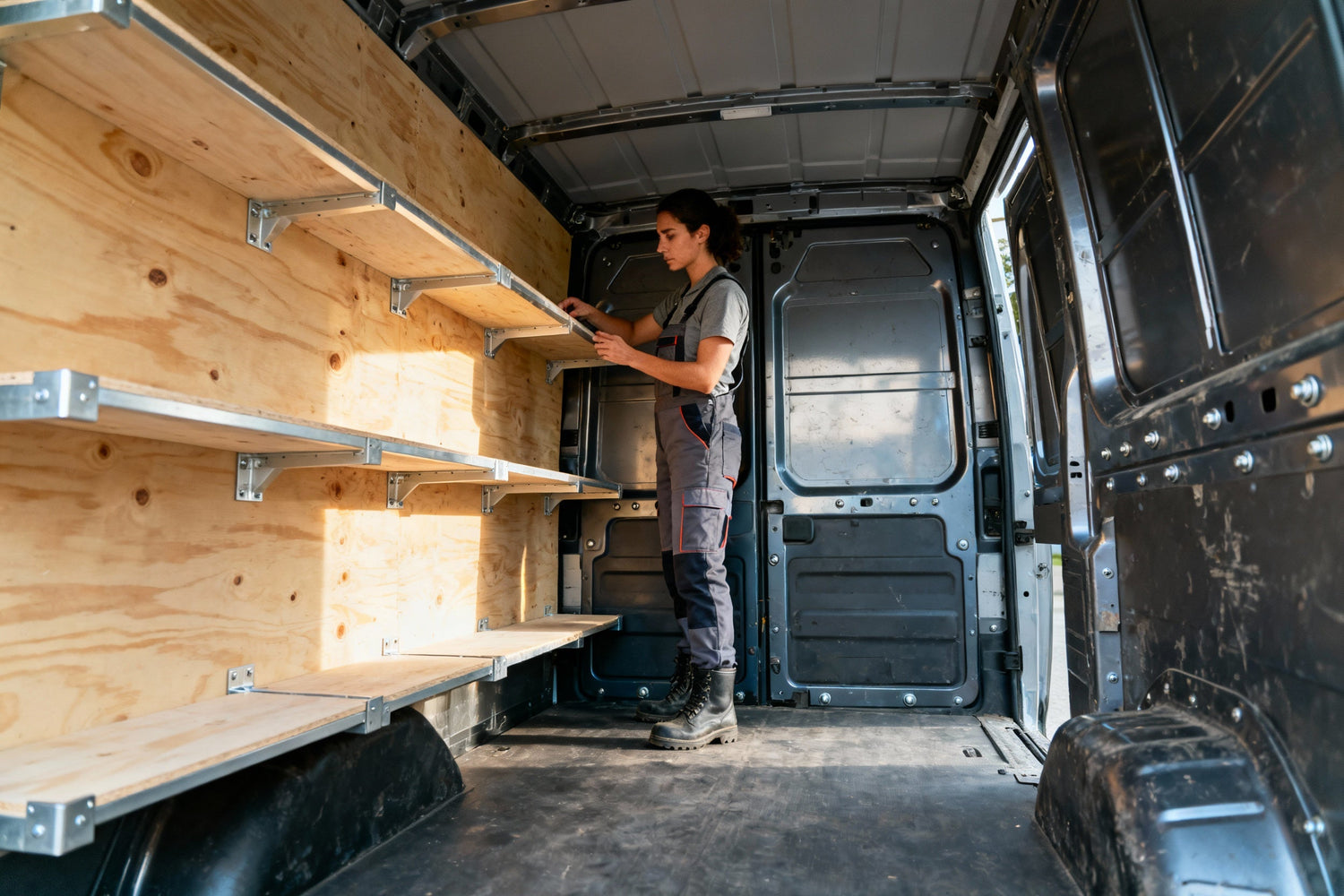
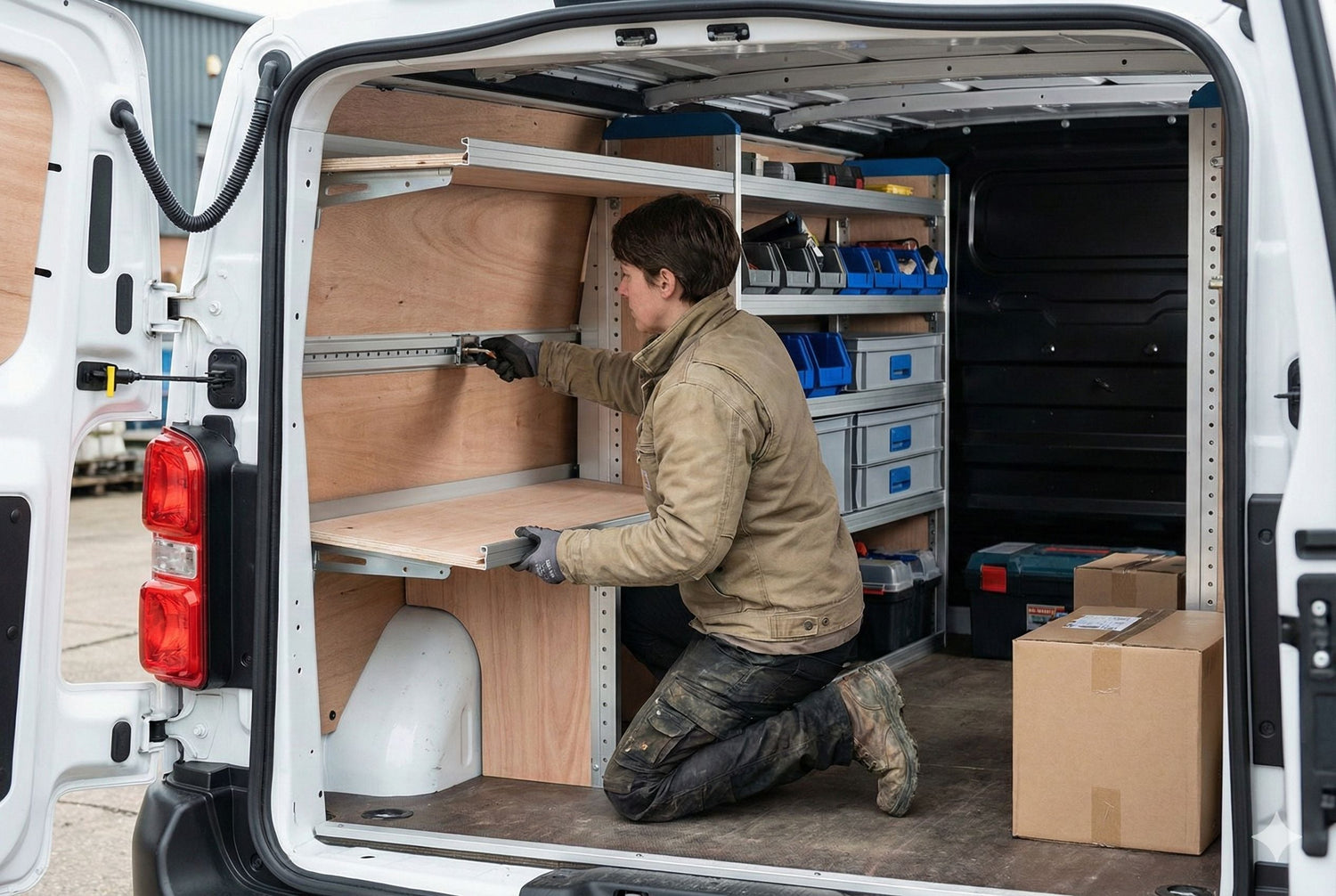
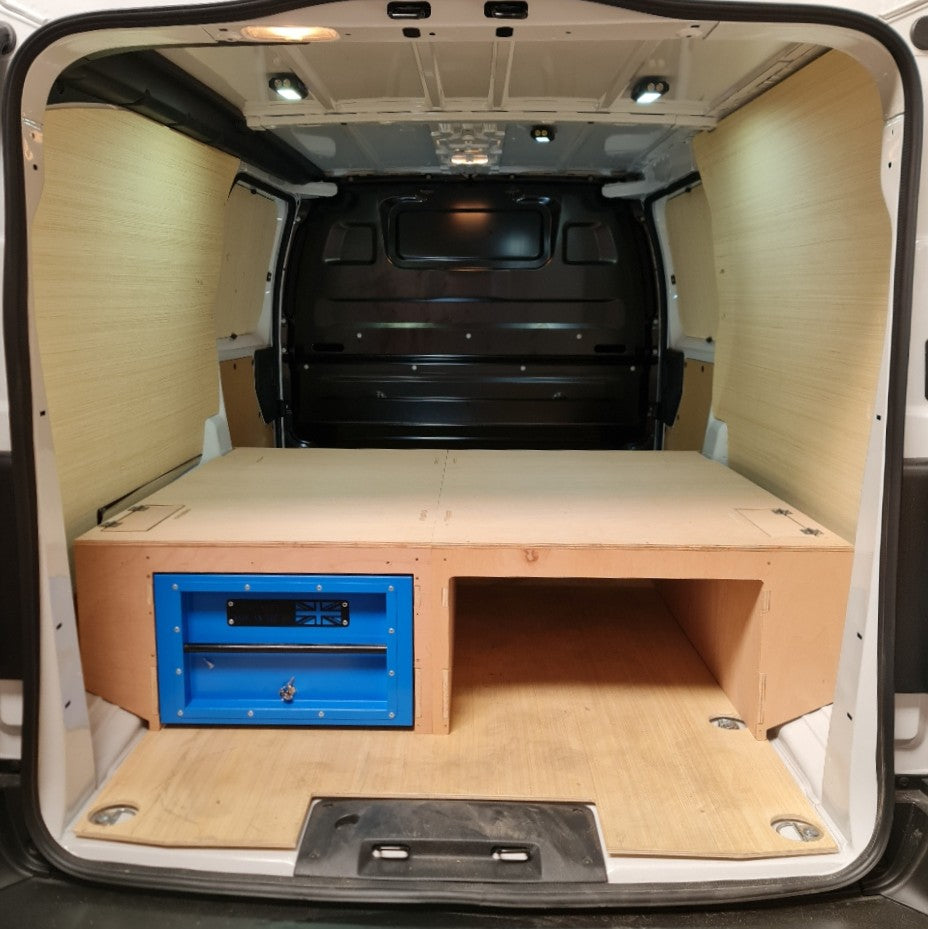
Wall-mounted shelving is effective for boxed parts, fittings, hand tools and consumables. It keeps stock visible and prevents small items disappearing beneath larger gear. A false floor can create useful space for long, flat or awkward items while leaving the main floor clearer. Accessories such as sealant holders, wipe dispensers and glove box organisers can keep high-use consumables close at hand rather than loose in door pockets.
In an SWB, a single-side shelving layout may provide a better balance between storage and a usable central load channel. In an LWB, full-length shelving on one or both sides can be more realistic, but it should still leave room to load larger job materials. The right layout depends on the van model, door arrangement and your working equipment, so always check that a storage system is specified for the vehicle you own.
At Van Shelves, the useful starting point is to shop by make and model, then consider how the available storage will affect your access, floor space and day-to-day loading routine. A tidy van is not just about appearance. It protects tools, helps stock control and gives customers a more professional impression when the rear doors open.
Consider costs beyond the purchase price
An SWB model may be easier to live with in congested areas and can be the lower-cost option to buy and run, depending on the specification. An LWB may cost more in some cases, but it can reduce wasted travel and support larger jobs. The important measure is the cost per productive day, not simply the initial price.
Look at your mileage, parking arrangements, fuel use, insurance requirements and likely resale market. A heavily loaded SWB that needs frequent extra journeys can be more expensive than an LWB used efficiently. Equally, paying for space that remains empty all year is not good value.
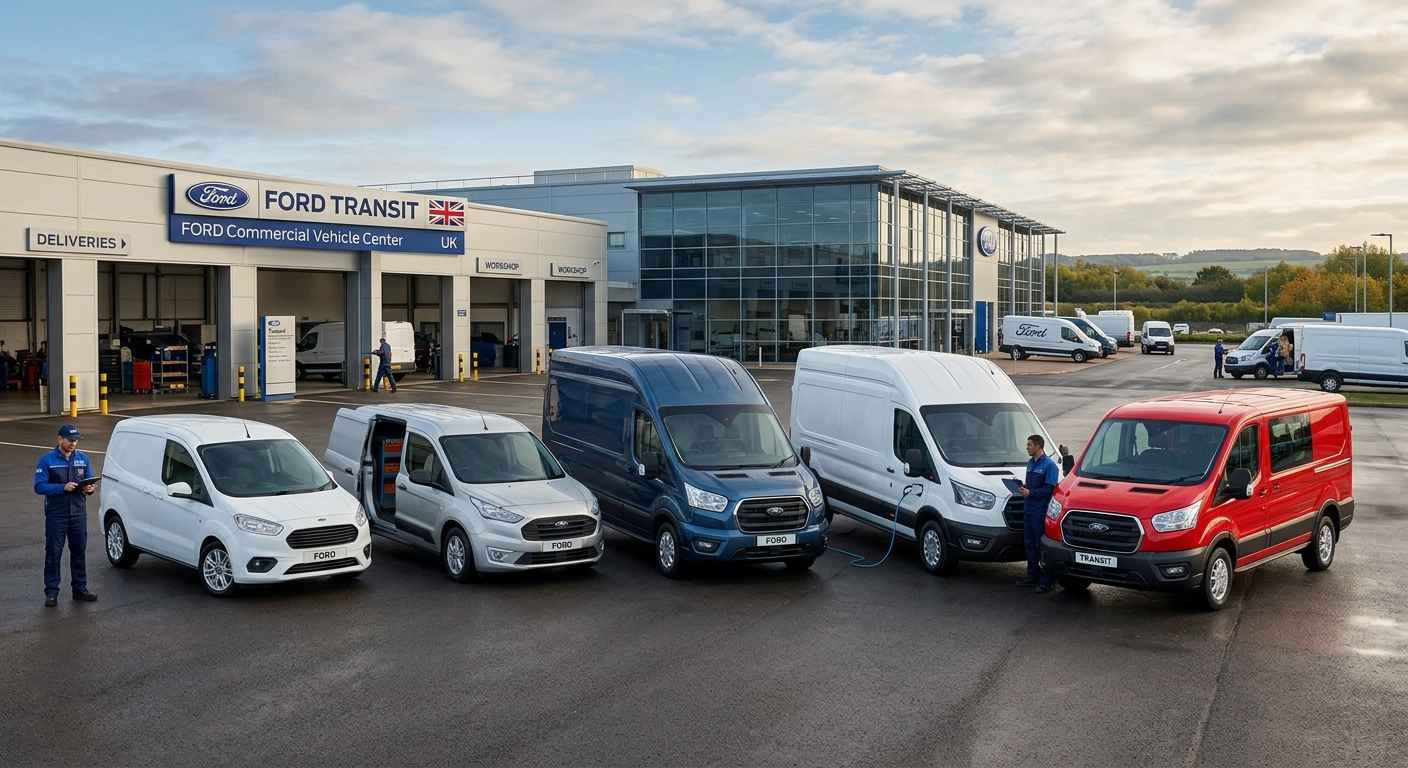
Fleet users should also consider consistency. Standardising on one wheelbase can simplify racking choices, stock management and driver handovers. But a mixed fleet can be more effective where the work naturally divides between urban service calls and material-heavy projects.
Make the decision around your working week
Choose an SWB if access, parking and regular urban driving are central to the job, and your equipment can be stored safely without blocking the load area. Choose an LWB if longer materials, larger machines or a more extensive stock holding are routine, and the sites you visit can accommodate it.
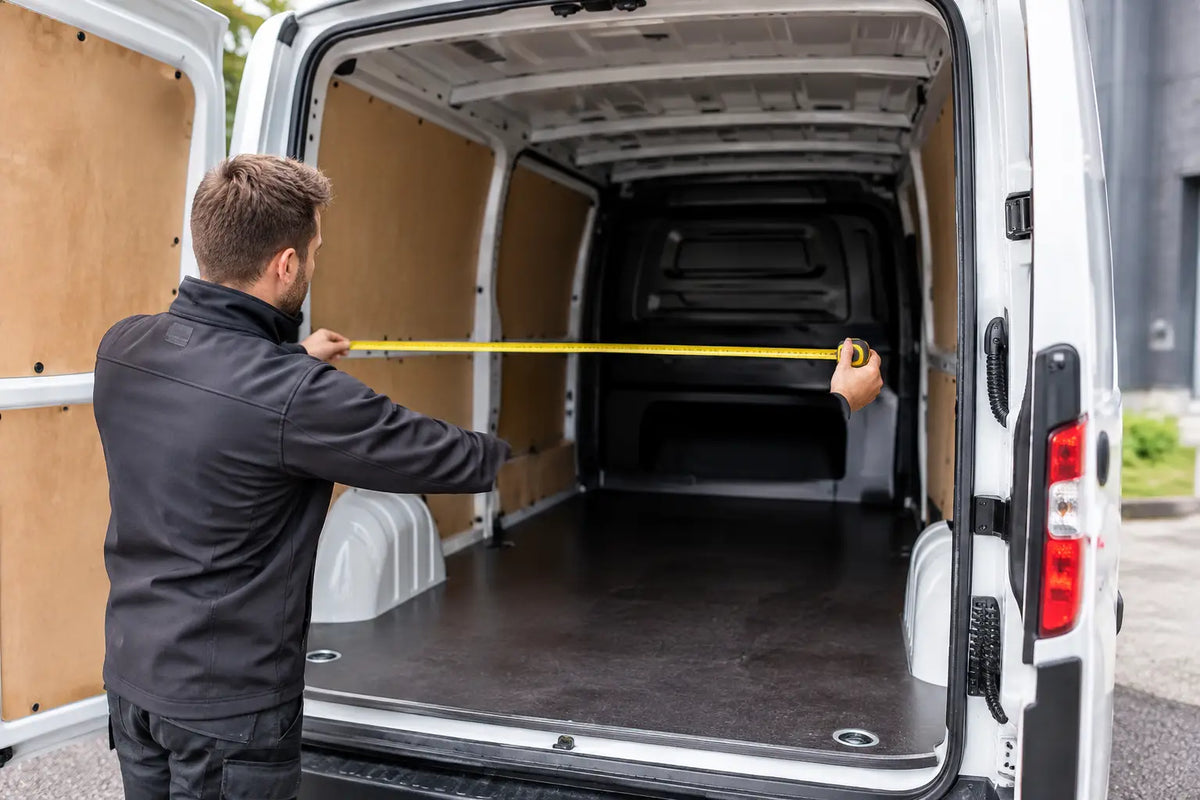
Before ordering, lay out your current kit, measure the items that cause problems, and be honest about what stays in the van from Monday to Friday. The right wheelbase is the one that lets you load safely, find what you need quickly and finish more jobs without turning the van into a rolling storage problem.